Frigidaire Stove Element
Upgrade your cooking experience with a Frigidaire Stove Element, designed to help your kitchen run smoothly and efficiently. Whether you’re replacing an old part or looking to keep your stove performing its best, finding the right element ensures reliable heat for all your favorite recipes. Discover a range of Frigidaire Stove Element options to fit your specific model and enjoy hassle-free installation for consistent results every time you cook.
Sort
Why matching stove elements takes more than measurements
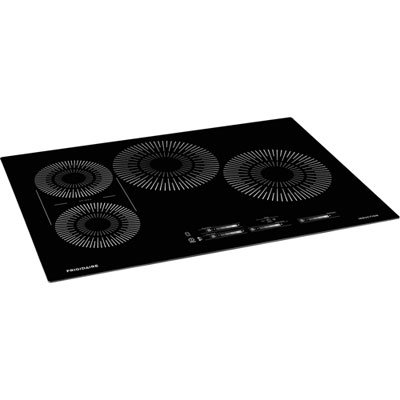
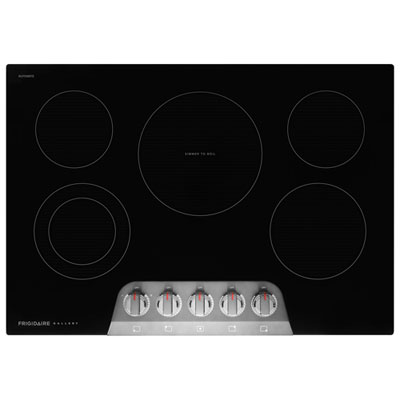
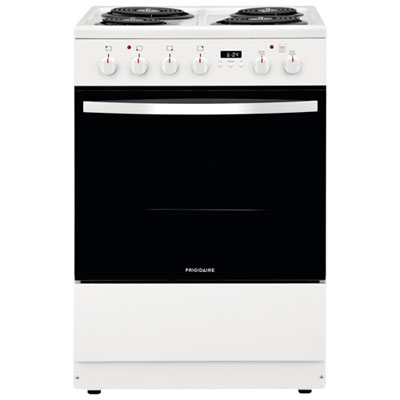
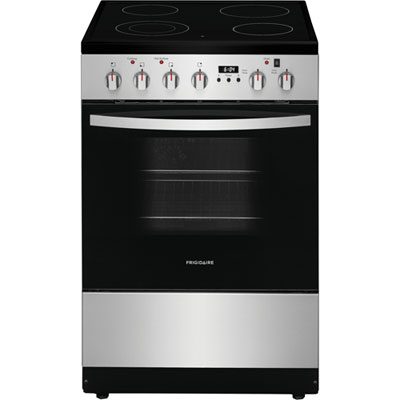
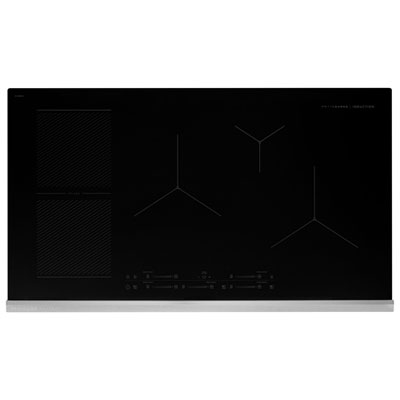
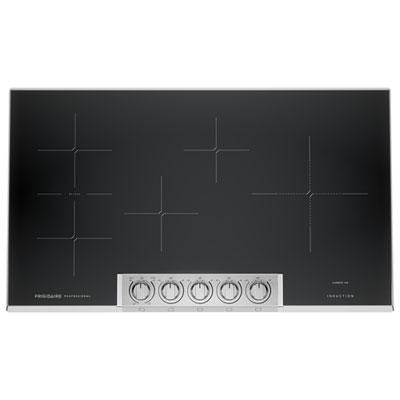
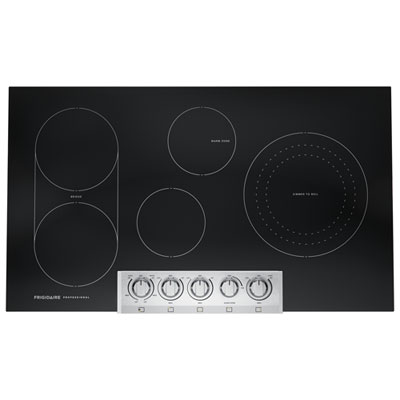
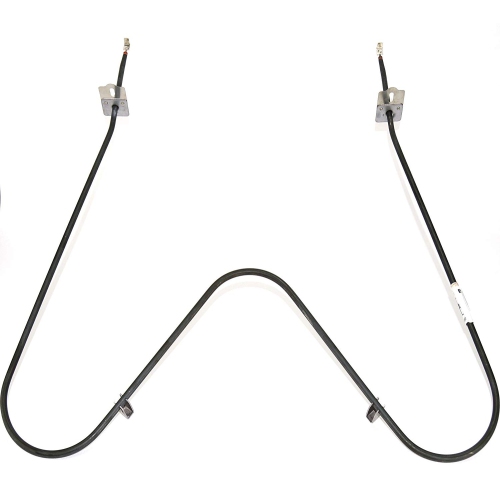
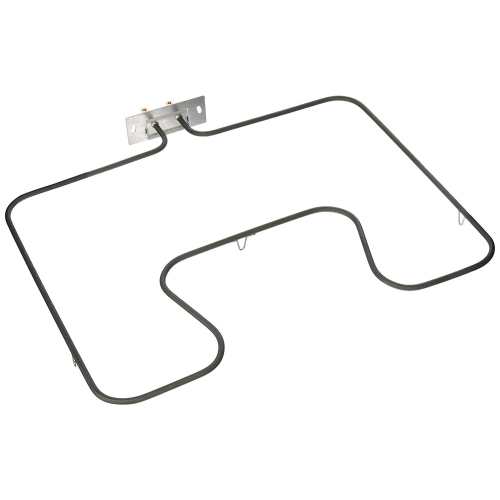
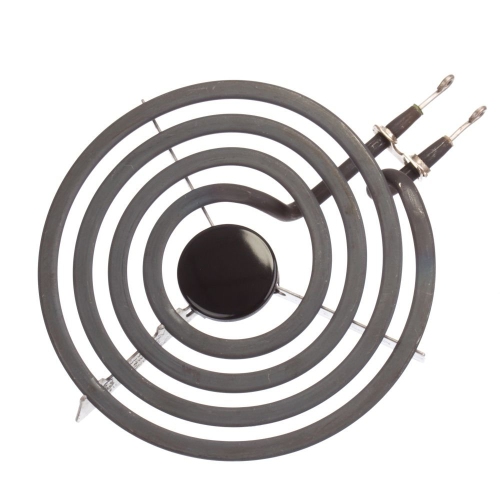
A replacement stove element is a heating component designed for a specific position in an electric range, whether that is a surface burner on the cooktop or a bake or broil element inside the oven. These parts serve different purposes and are not interchangeable simply because they look similar. An exposed coil surface element supports cookware directly and transfers heat to the base of a pot or pan. A radiant surface element sits beneath a glass-ceramic cooking surface, while an oven element provides the heat used for baking, roasting, or broiling. Choosing the correct type starts with the appliance’s complete model number and the replacement part numbers identified as compatible with that model. The model label is often located around the oven door frame or storage drawer opening, although its position varies by appliance. A burner’s diameter alone does not establish compatibility: its electrical rating, terminal arrangement, support structure, and connection style also need to match the range’s requirements. Two coils that appear identical from above may have different connections underneath, and an oven element with the right overall shape may still have mounting brackets in the wrong position. For ranges with exposed burners, Stove Coil Elements provides a focused category for comparing this particular component type. Smaller surface coils are generally intended for appropriately sized saucepans, while larger coils accommodate cookware with a wider base. The range manufacturer’s cookware recommendations remain important, especially for heavy pots and extended cooking tasks. Whether the cooktop handles a saucepan of oatmeal each morning or several pots during a family dinner, the replacement element should match the original cooking position rather than act as an improvised upgrade. A higher wattage or a larger coil is not automatically a better choice; the appropriate replacement is the one specified for the appliance and its electrical design.
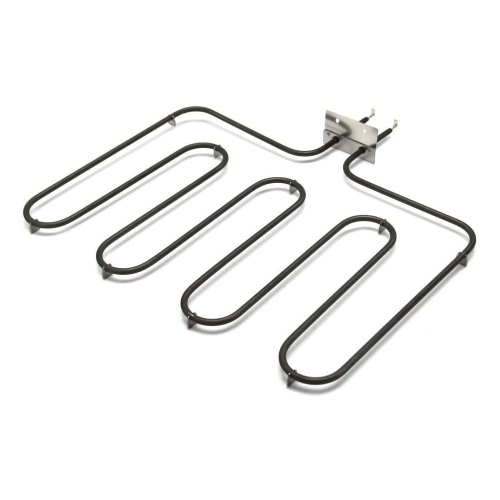
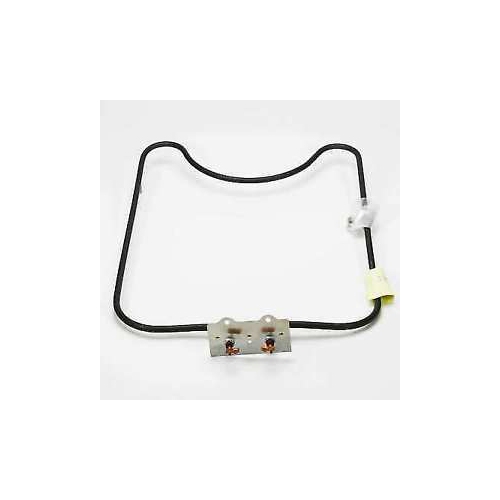
Materials and construction help explain how stove elements work and why their condition matters. Many exposed coils and oven elements contain an electrical resistance wire surrounded by insulating material inside a protective metal sheath. That outer surface must tolerate repeated heating and cooling while retaining the shape needed for proper support and clearance. Surface coils commonly include a support frame that holds the heating loops in position above a separate drip bowl. The frame, terminals, and coil profile all contribute to the fit, so a burner that rocks, sits noticeably unevenly, or fails to seat correctly should not be treated as an acceptable match. A compatible drip bowl also matters because its shape and opening must accommodate the specified element assembly. For oven elements, mounting plates, terminal spacing, and the distance between attachment points can be just as important as width and depth. A bake element may be exposed along the bottom of the oven cavity or concealed beneath a panel, depending on the range design. Broil elements typically occupy the upper portion of the cavity and may use additional supports. Radiant cooktop elements differ again, with connections and supporting components designed for installation beneath the cooking surface. Measurements and photographs are useful comparison tools, but neither replaces documented model compatibility. Product descriptions may identify dimensions, wattage, voltage, terminal details, or compatible appliance models; those details are most useful when checked together rather than individually. Some replacement parts consist only of the heating element, while others include particular supports or mounting hardware, so the stated package contents deserve attention. Existing hardware should not be assumed suitable if it is damaged or if the replacement requires different fittings. For households that rely on their range for everyday meals, a correctly specified component helps preserve the intended cooking setup, including the usable burner positions and oven functions that make meal preparation familiar.
Care, durability, and the condition of neighbouring components also influence how well a replacement stove element serves its purpose. On an exposed-coil cooktop, flat-bottomed cookware of an appropriate size helps maintain contact with the heating surface. A small pan perched on a much wider burner leaves more of the hot coil exposed, while an uneven pan base can produce disappointing cooking results even when the element is working properly. Food spills should be addressed according to the appliance manual once the cooking surface has cooled completely. Removable electrical elements should not be immersed in water, and their terminals need protection from moisture and cleaning residue. Drip bowls are separate components with their own care requirements; keeping them free of accumulated food and grease helps maintain a cleaner cooking area. Inside the oven, an element is not a shelf or a support for cookware. Contact from a heavy roasting pan, forceful scrubbing, or an attempt to bend the element into position can damage it. Foil liners should only be used where the appliance manufacturer expressly permits them, since incorrect placement can interfere with heat flow or contact hot components. Visible blistering, cracking, distortion, or scorching calls for assessment rather than continued use. A burner that stops heating does not necessarily need only a new coil: the receptacle, control, wiring, or another component may be responsible. Similarly, uneven baking can have causes beyond the oven element, including rack placement, cookware, and temperature-control faults. A qualified appliance technician can identify the cause and check whether connected parts also need attention. Electrical power must be disconnected before any element is removed or electrical connections are handled; turning a burner control off is not a substitute for isolating the appliance from its power supply. The appliance instructions should determine whether a component is intended for user removal or requires professional service. These replacement parts are practical purchases for homeowners, property managers, and repair professionals addressing a confirmed fault in an otherwise serviceable range. Exact fit, suitable construction, and proper installation matter more than superficial resemblance, particularly for an appliance used repeatedly throughout the day.
Materials and construction help explain how stove elements work and why their condition matters. Many exposed coils and oven elements contain an electrical resistance wire surrounded by insulating material inside a protective metal sheath. That outer surface must tolerate repeated heating and cooling while retaining the shape needed for proper support and clearance. Surface coils commonly include a support frame that holds the heating loops in position above a separate drip bowl. The frame, terminals, and coil profile all contribute to the fit, so a burner that rocks, sits noticeably unevenly, or fails to seat correctly should not be treated as an acceptable match. A compatible drip bowl also matters because its shape and opening must accommodate the specified element assembly. For oven elements, mounting plates, terminal spacing, and the distance between attachment points can be just as important as width and depth. A bake element may be exposed along the bottom of the oven cavity or concealed beneath a panel, depending on the range design. Broil elements typically occupy the upper portion of the cavity and may use additional supports. Radiant cooktop elements differ again, with connections and supporting components designed for installation beneath the cooking surface. Measurements and photographs are useful comparison tools, but neither replaces documented model compatibility. Product descriptions may identify dimensions, wattage, voltage, terminal details, or compatible appliance models; those details are most useful when checked together rather than individually. Some replacement parts consist only of the heating element, while others include particular supports or mounting hardware, so the stated package contents deserve attention. Existing hardware should not be assumed suitable if it is damaged or if the replacement requires different fittings. For households that rely on their range for everyday meals, a correctly specified component helps preserve the intended cooking setup, including the usable burner positions and oven functions that make meal preparation familiar.
Care, durability, and the condition of neighbouring components also influence how well a replacement stove element serves its purpose. On an exposed-coil cooktop, flat-bottomed cookware of an appropriate size helps maintain contact with the heating surface. A small pan perched on a much wider burner leaves more of the hot coil exposed, while an uneven pan base can produce disappointing cooking results even when the element is working properly. Food spills should be addressed according to the appliance manual once the cooking surface has cooled completely. Removable electrical elements should not be immersed in water, and their terminals need protection from moisture and cleaning residue. Drip bowls are separate components with their own care requirements; keeping them free of accumulated food and grease helps maintain a cleaner cooking area. Inside the oven, an element is not a shelf or a support for cookware. Contact from a heavy roasting pan, forceful scrubbing, or an attempt to bend the element into position can damage it. Foil liners should only be used where the appliance manufacturer expressly permits them, since incorrect placement can interfere with heat flow or contact hot components. Visible blistering, cracking, distortion, or scorching calls for assessment rather than continued use. A burner that stops heating does not necessarily need only a new coil: the receptacle, control, wiring, or another component may be responsible. Similarly, uneven baking can have causes beyond the oven element, including rack placement, cookware, and temperature-control faults. A qualified appliance technician can identify the cause and check whether connected parts also need attention. Electrical power must be disconnected before any element is removed or electrical connections are handled; turning a burner control off is not a substitute for isolating the appliance from its power supply. The appliance instructions should determine whether a component is intended for user removal or requires professional service. These replacement parts are practical purchases for homeowners, property managers, and repair professionals addressing a confirmed fault in an otherwise serviceable range. Exact fit, suitable construction, and proper installation matter more than superficial resemblance, particularly for an appliance used repeatedly throughout the day.
Top selling and popular products
-
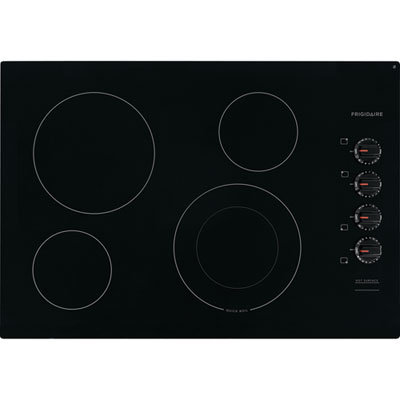 Your price for this item is $699.99
 -
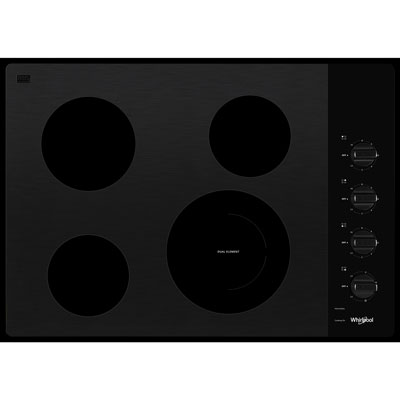 Your price for this item is $949.99
 -
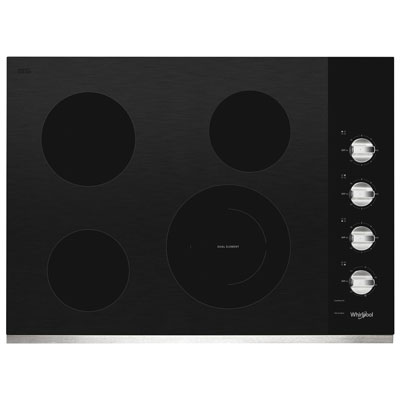 Your price for this item is $949.99
 -
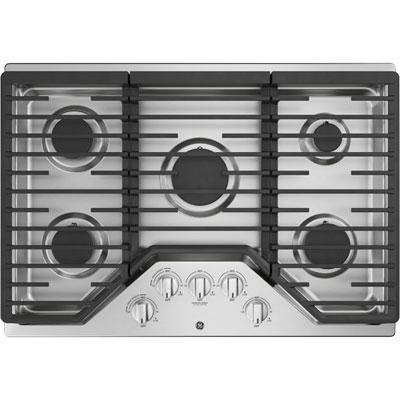 Your price for this item is $1499.99
 -
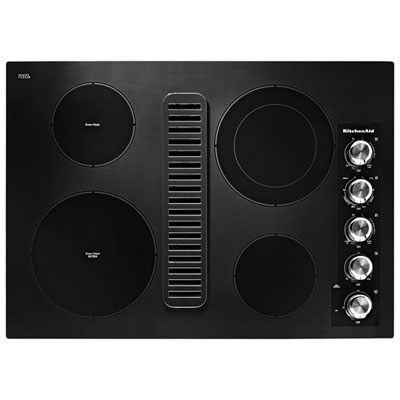 Your price for this item is $2999.99
 -
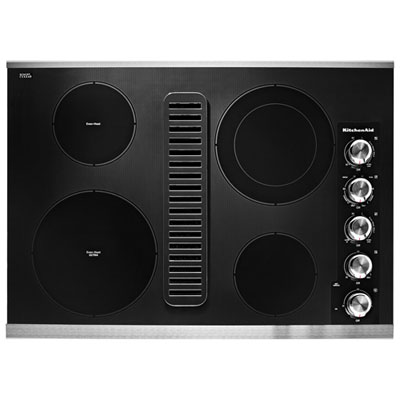 Your price for this item is $3099.99
 -
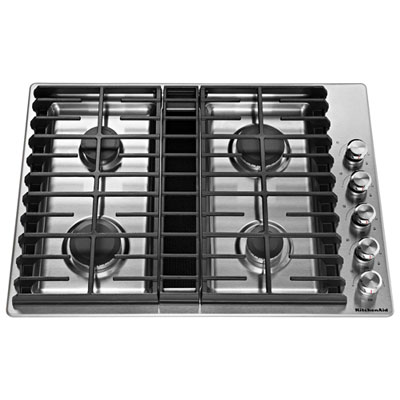 Your price for this item is $3099.99
 -
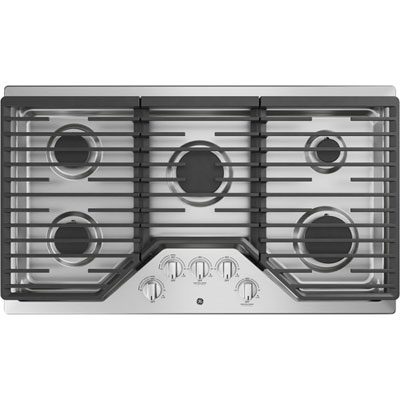 Your price for this item is $1899.99
Discover more categories related to Frigidaire Stove Element
Top Collections:
Pokemon Centers, Kindle Devices, Best Budget Office Chairs, Apple iPhones 16, Best Laptops for Writers, iPhone 15 Apple, Canon G7X Cameras, Refurbished Apple Laptops, Alarm Clock, Motorola Razr Phones
Some products may be subject to Environmental Handling Fees
(EHF) depending on your province.
Learn more about EHFs.