GE Deep Freezers
Upgrade your home storage with a GE Deep Freezer, designed to keep your frozen foods organized and easily accessible. Perfect for families, meal preppers, or anyone needing extra space, a deep freezer provides reliable performance for storing everything from bulk groceries to seasonal treats. Explore a range of sizes and styles to find the ideal GE Deep Freezer that fits seamlessly into your kitchen, garage, or utility room. Enjoy the convenience of extended food preservation and make the most of your shopping trips with a dependable addition to your household.
Why freezer layout matters as much as capacity
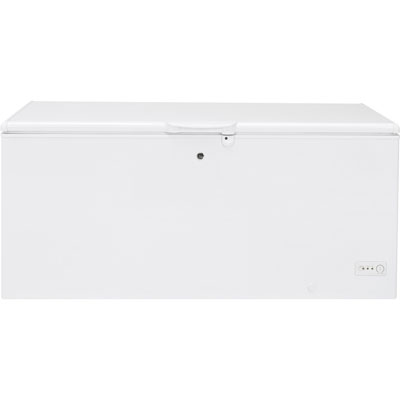
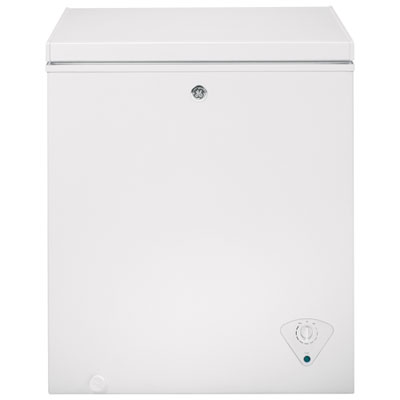
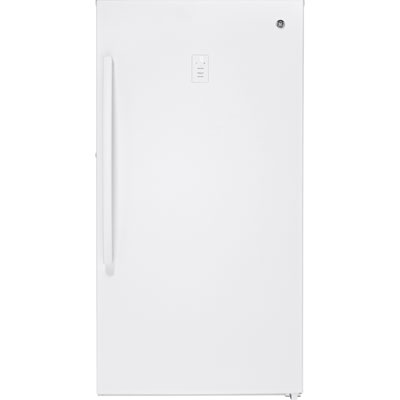
Deep freezers provide dedicated space for frozen food, keeping everyday ingredients, prepared meals and larger grocery purchases separate from the freezer compartment in a refrigerator. Chest and upright designs serve the same purpose, but their layouts suit different spaces and habits. For households comparing dedicated frozen-food storage, the Freezer GE collection offers a focused place to consider capacity, access and placement together. A chest freezer opens from the top, with a broad compartment that can accommodate bulky packages, stacked meal containers and larger cuts of meat. Removable baskets, where included, help keep smaller packages near the opening rather than buried beneath heavier food. An upright freezer uses a front-opening door and shelves or drawers, making it easier to separate vegetables, prepared dishes and proteins into visible sections. Its taller shape can also suit a room where floor space is limited, although the door still needs enough room to swing open fully. Capacity is commonly expressed in cubic feet, but the shape of that space matters as much as the number. A household freezing bread and flat bags of soup will use the interior differently from one storing large roasting pans or bulky food packages. Usable shelf spacing, basket depth and the position of interior components can all affect how comfortably those foods fit. Physical access matters, too: reaching the bottom of a deep chest compartment can be difficult for someone with limited mobility, while high upright shelves may be less convenient for a shorter person. A practical fit accounts for the appliance dimensions, the route through doorways and stairwells, and the clearance required around the cabinet. For a laundry room, basement or kitchen-adjacent storage area, the best layout leaves space to open the freezer, stand comfortably in front of it and lift food out without awkward twisting. Matching the interior to familiar shopping and cooking routines helps keep the freezer useful rather than simply adding a larger space to search.
Construction and care influence how a deep freezer holds up to repeated opening, loading and cleaning. Metal exterior cabinets and smooth interior liners are common, with finishes and textures varying by design. A cabinet in a busy utility room may encounter laundry baskets, storage bins and occasional bumps, making easy-to-clean surfaces and sturdy handles useful details. Inside, removable baskets and drawers can make it easier to wipe up a split bag of berries or collect crumbs from bread packaging. Door or lid seals deserve attention because a clean, properly seated seal helps maintain consistent freezing conditions. Packaging caught across the opening, food stacked too high or a basket sitting out of position can prevent a complete closure. Defrost design is another distinction that affects ownership. Manual-defrost freezers require periodic frost removal according to the manufacturer’s directions, which means planning temporary frozen storage while the compartment is cleared and cleaned. A drain, where fitted, can simplify handling meltwater. Automatic-defrost designs reduce that task, although food still benefits from secure wrapping and sensible organization. Neither design removes the need to clean spills or keep ventilation areas unobstructed. Placement requirements are especially important when considering a freezer for a garage or another space without controlled indoor conditions. A garage-ready designation applies to a specified operating range; it does not mean an appliance can be installed anywhere or used outdoors. The installation instructions establish suitable conditions, required clearances and electrical requirements. A level, stable floor supports proper door alignment, while the correct grounded connection and accessible controls make everyday use more straightforward. Nearby household activity also matters. Compressor operation may be more noticeable beside a home office or bedroom than in a separate storage room. Interior lighting, a power indicator and a temperature alarm can add convenience where included, but their presence and operation depend on the design. Looking at these practical details alongside capacity gives a clearer picture of how a freezer will function in its intended location.
Everyday usefulness comes from balancing storage space with the way food moves through the household. A family that cooks several meals at once may need room for containers that stack securely, while someone living alone may benefit more from smaller portions that are easy to find and rotate. Home bakers often need a flat area for freezing dough or baked goods before packing them, and households buying larger quantities of meat may place more value on broad compartments and sturdy baskets. Separate sections can help distinguish raw ingredients from ready-to-heat meals, although packaging should always contain leaks and protect food from direct exposure to circulating air. Airtight freezer-safe containers and tightly sealed bags help limit moisture loss and freezer burn; flat-packed portions also make better use of awkward gaps than loosely filled containers. Labels with the contents and freezing date are particularly useful when several similar-looking meals share a shelf. A simple arrangement that keeps older food accessible can prevent a favourite batch of sauce from disappearing behind newer purchases. For food storage, a freezer should generally maintain a temperature of -18°C or below, with the appliance instructions providing guidance on settings, loading and freezing capacity. Storage capacity and freezing capacity are different measures: a large interior does not mean an unlimited quantity of fresh food can be frozen effectively at once. Airflow openings should remain clear, and loading should follow the manufacturer’s recommendations rather than packing every gap tightly. During a power interruption, keeping the lid or door closed helps retain cold air, but decisions about food safety depend on measured temperatures and reliable food-safety guidance. Households with young children may also value a lock, where fitted, while still keeping keys secure and following all safety directions. A well-matched deep freezer supports an ordinary, useful rhythm: ingredients are easy to locate, portions suit the people eating them, and there is a clear place for the next batch of meals.
Top selling and popular products
-
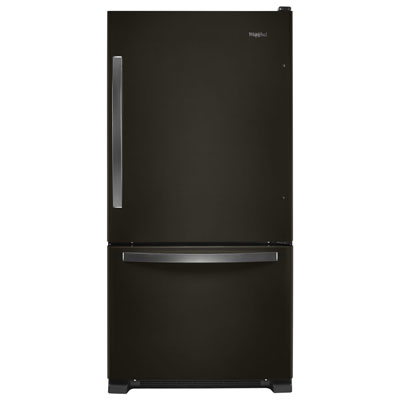 Your price for this item is $2299.99
-
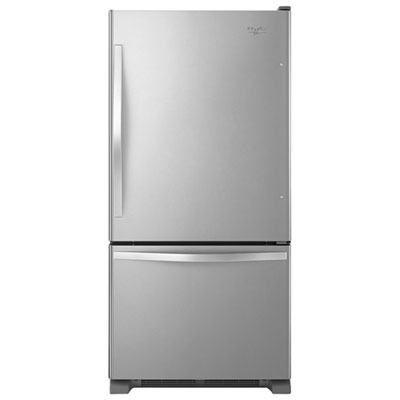 Your price for this item is $2199.99
-
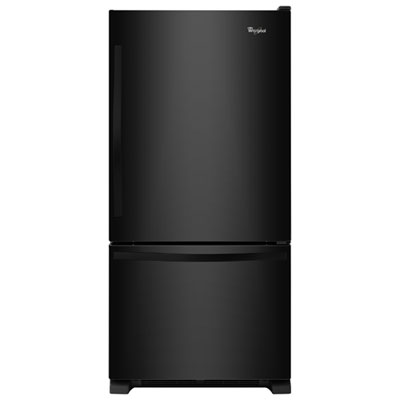 Your price for this item is $2149.99
-
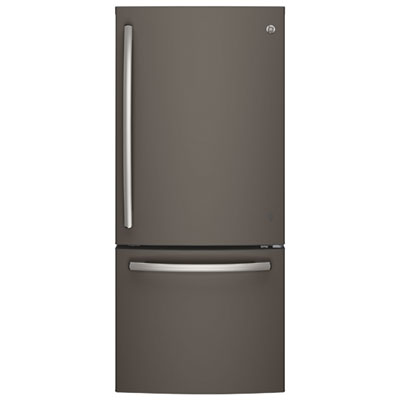 Your price for this item is $1299.99
-
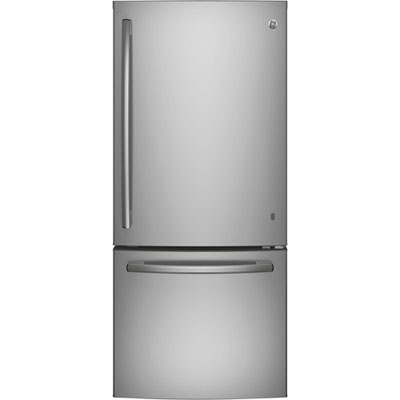 Your price for this item is $1299.99
-
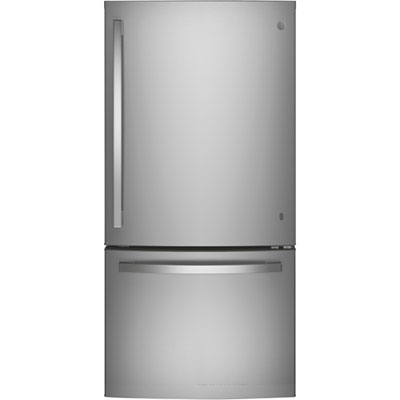 Your price for this item is $1599.99
-
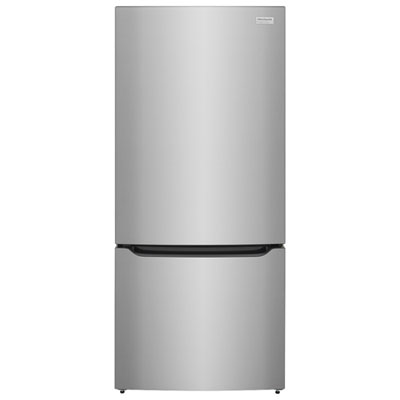 Your price for this item is $1699.99
-
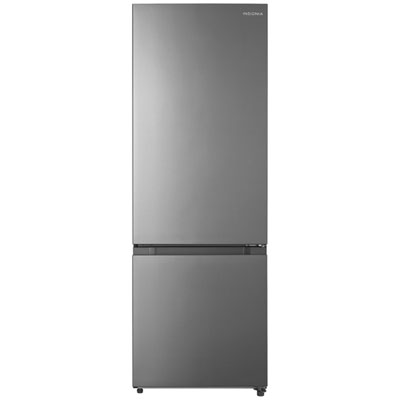 Your price for this item is $549.99
Discover more categories related to GE Deep Freezers

Top Collections:
Best Black Friday Deals This Year, Best Black Friday Deals On Electronics, Kindle Devices, Pokemon Centers, Best Black Friday Deals On Apple Products, Best Cameras for Sports Photography, Dyson Airwrap, Pokémon 30th Celebration Cards, Apple iPhone 17 Pro, Canon G7X Cameras
Some products may be subject to Environmental Handling Fees
(EHF) depending on your province.
Learn more about EHFs.