Freezer GE
A freezer is a must-have appliance for almost any kitchen. It's where you can store all your frozen food, from meat and fish to vegetables and fruits. And when you need a quick meal or want to make ice cubes for your favorite drink, a freezer will do the trick. Here are some great options for freezers by GE.
Sort

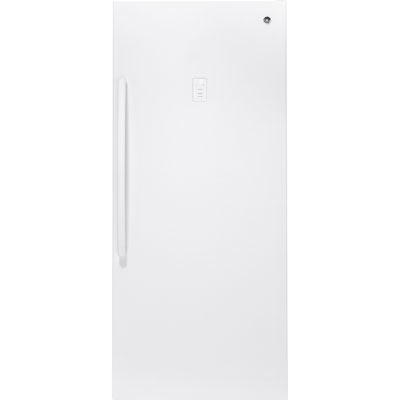
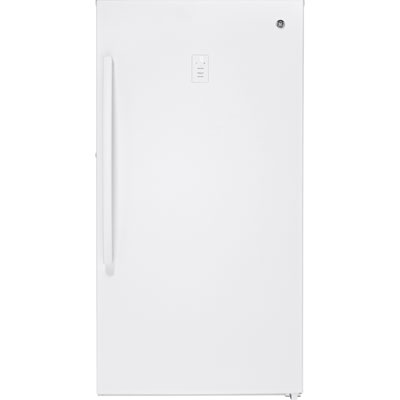
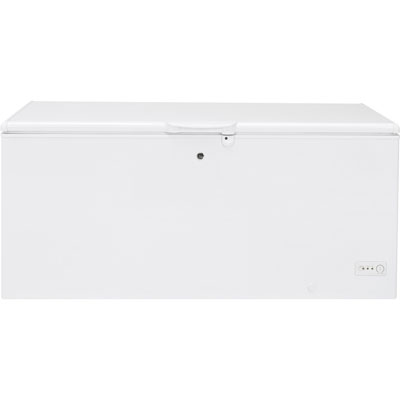
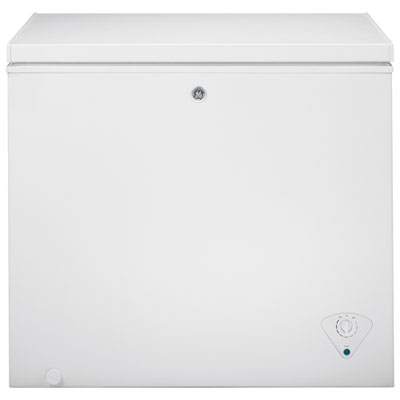
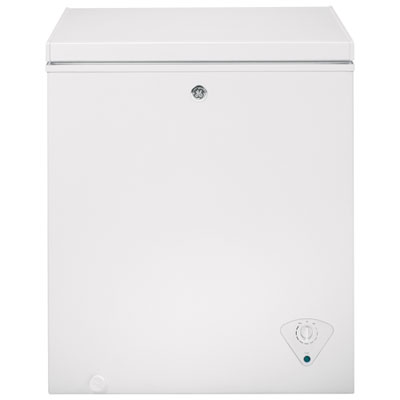
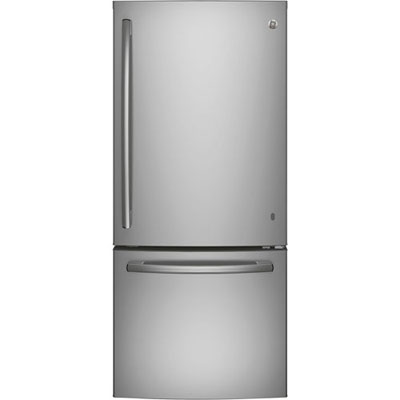
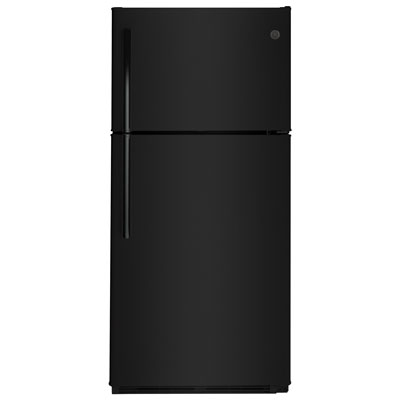
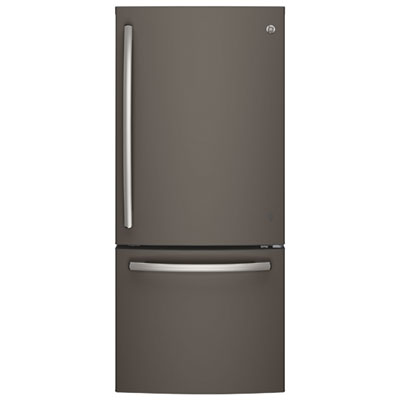
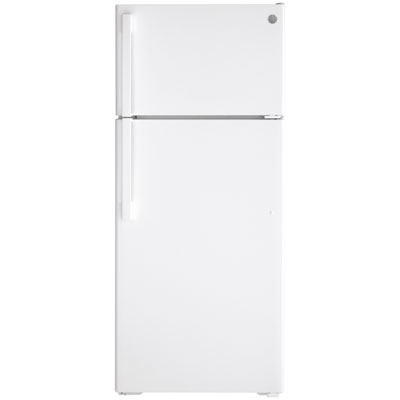
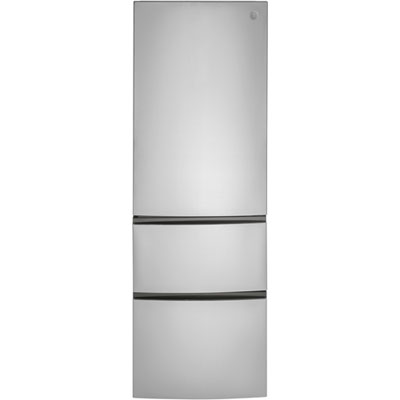
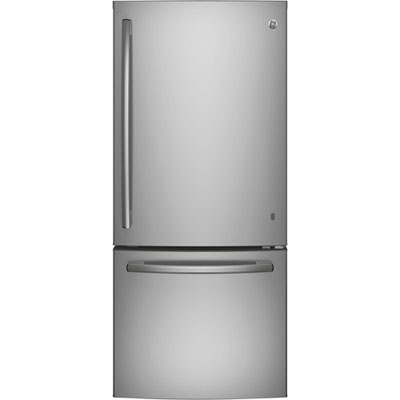
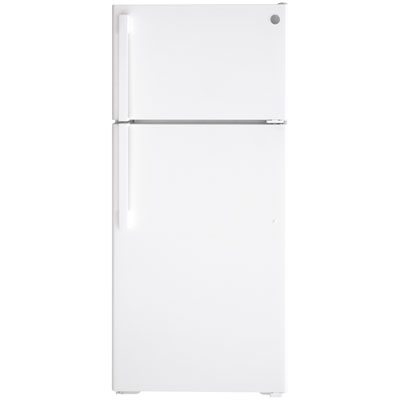
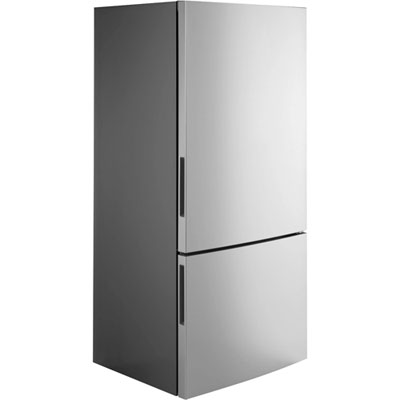
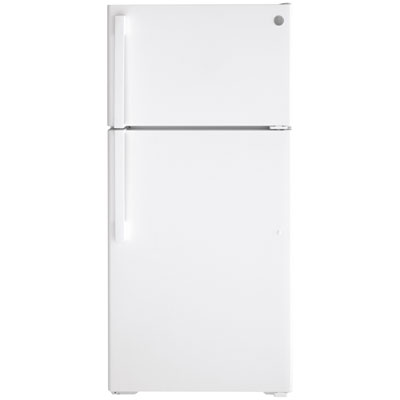
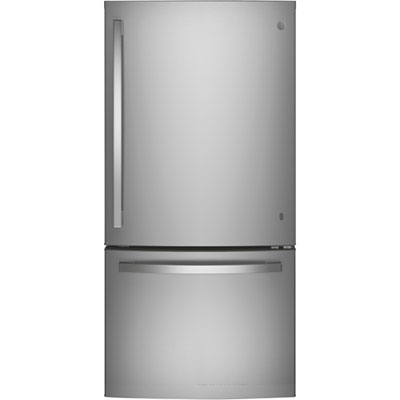
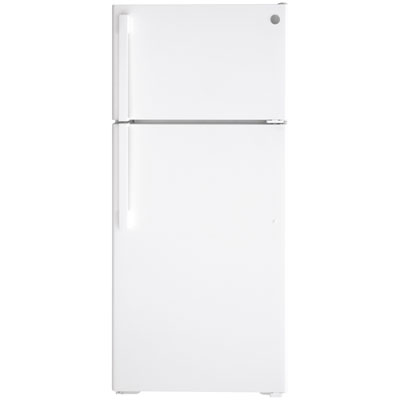
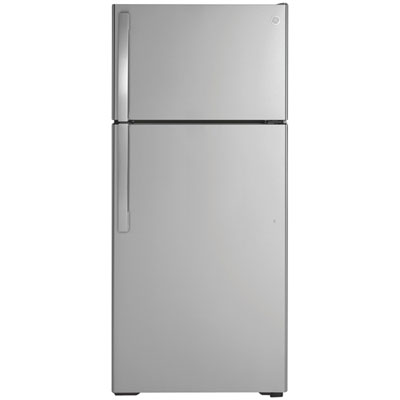
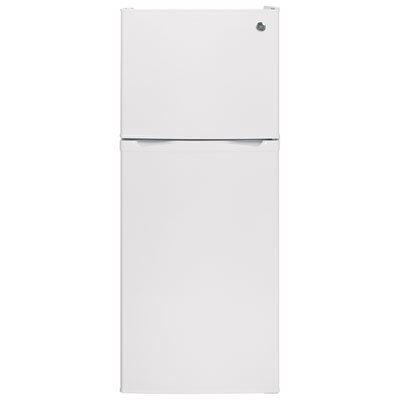
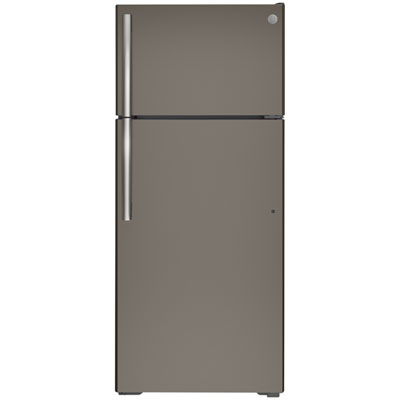
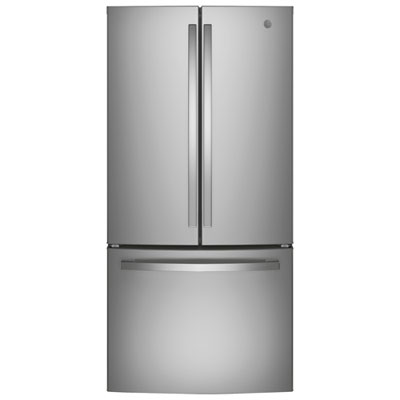
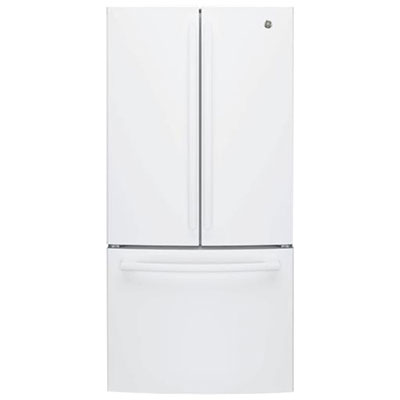
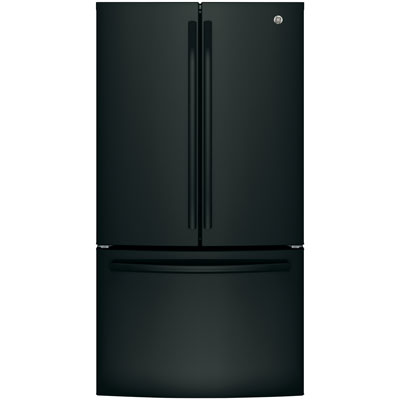
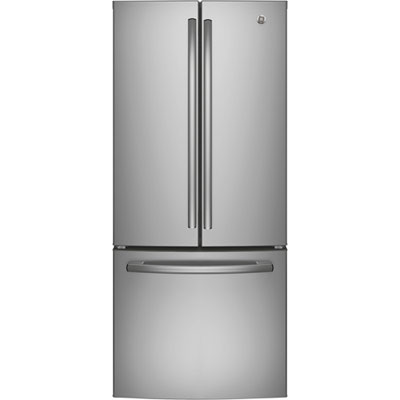
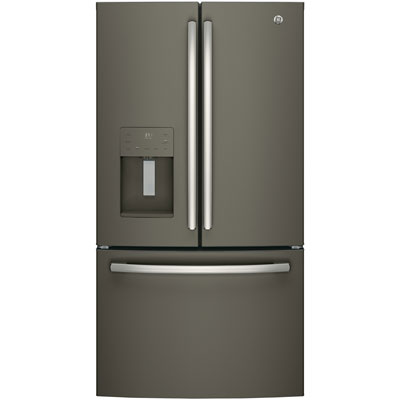
More room for batch cooking and bulk groceries
A dedicated freezer gives frozen food its own space, keeping the refrigerator freezer from becoming a crowded mix of dinner ingredients, ice trays, and half-used bags. The GE Deep Freezers collection is a starting point for households looking to add storage for batch cooking, larger grocery trips, and ingredients that are easier to keep on hand than to replace between meals. Upright and chest designs serve these needs in different ways. An upright freezer has a front-opening door and shelves that make contents easy to scan, with some designs adding drawers or door bins for smaller packages. This layout suits a household that regularly rotates through prepared meals, bread, vegetables, and individually wrapped portions. A chest freezer opens from the top, creating a broad storage compartment that can accommodate bulky packages and larger containers, depending on its interior dimensions. Lift-out baskets help keep frequently used food within reach, while the space below can hold less frequently needed ingredients. Access matters as much as total capacity: someone who finds bending and reaching difficult may prefer shelves at several heights, while another household may value the open compartment of a chest design. A freezer can also support a range of cooking routines, from keeping homemade soup ready for a busy evening to separating ingredients for different dietary preferences. For a smaller household, modest capacity with a clear organization system may be more useful than a large compartment that is difficult to keep track of. For a larger household, space for labelled meal portions and bulk ingredients can take pressure off the kitchen freezer. Usable storage depends on shelf spacing, basket placement, and the shape of the food containers, not just the stated volume. A tall stack of flat freezer bags uses space differently from several round containers, so the interior layout deserves as much attention as the appliance’s overall size.
The right fit includes both the freezer’s footprint and the space needed to use it comfortably. Width, depth, and height establish whether the cabinet fits its intended location, but door swing, lid clearance, ventilation gaps, and access to controls also affect everyday use. An upright door needs room to open far enough for shelves or drawers to move as intended; a chest lid needs clear space above it, especially beneath shelving or low ceilings. The delivery route matters too, including doorways, stair turns, and any narrow passage between the entrance and the final location. Capacity is commonly expressed in cubic feet, although two freezers with similar capacity can have noticeably different proportions. A wider cabinet may offer convenient access in one room while making movement awkward in another. Placement also affects which features are appropriate. A freezer intended for a kitchen, utility room, or basement should be installed according to its stated requirements, with a suitable electrical connection and the clearances specified in its manual. Garage-ready operation is a particular capability rather than a feature shared by every freezer. Where a garage is the intended location, the appliance’s approved operating range needs to match the conditions in that space; a garage-ready designation should not be taken to mean unrestricted outdoor use. Controls and monitoring features can make daily ownership more convenient, but their inclusion varies. Electronic controls may make settings easier to adjust, while an external display can allow a quick check without opening the cabinet. Depending on the design, a door alarm can draw attention to an upright door left ajar, and a high-temperature alarm can signal that the storage compartment needs checking. A fast-freeze function, where included, is intended to help with newly added food, following the manufacturer’s directions. For routine frozen-food storage, a setting of −18°C or colder is generally appropriate, and a freezer thermometer provides a useful way to check conditions inside. Clearly visible controls and an interior light can be especially helpful when the freezer sits away from the main kitchen.
Long-term convenience comes from the combination of construction, organization, and straightforward care. Painted metal exteriors and smooth interior liners are common, while shelves, baskets, hinges, handles, and door seals determine much of the day-to-day feel. Shelving should suit the size and weight of the containers being stored, within the stated load limits, and baskets should be easy to lift or slide without catching on neighbouring packages. A well-fitting seal helps the door or lid close properly; food packaging caught along its edge can interfere with that closure. Frost-free operation reduces the need for manual defrosting, although it does not eliminate routine cleaning. Manual-defrost designs require occasional defrosting according to the appliance instructions, and an accessible drain can make that task easier where one is fitted. In either style, spills are easier to manage before they harden, and removable storage components can simplify cleaning when the care directions allow it. Freezer-safe containers, tightly wrapped portions, and clear date labels help protect food quality and make the contents easier to use in order. Flat-packed portions of sauce can stand together in a basket, small bags can be grouped by meal type, and a simple contents list can prevent useful ingredients from disappearing beneath newer additions. Keeping vents clear in designs that rely on internal airflow supports proper operation, while leaving space around controls and moving parts keeps the interior practical. Locks, where included, can help restrict access, but they do not replace appropriate supervision or the safety precautions in the manual. Adjustable feet can help stabilize the cabinet on a suitable floor, and secure handles and accessible storage make a difference when the freezer is opened repeatedly throughout the day. The most useful arrangement is one that matches how food moves through the household: enough room for regular staples and occasional larger batches, clear access to older packages, and a layout that remains manageable after the next grocery trip.
Top selling and popular products
-
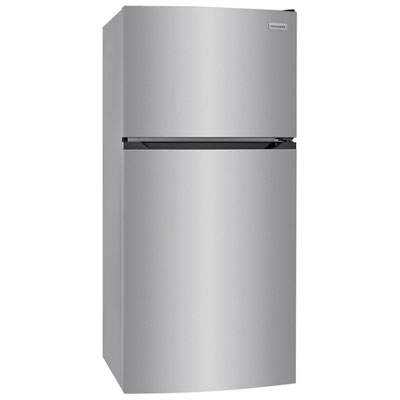 Your price for this item is $849.99
-
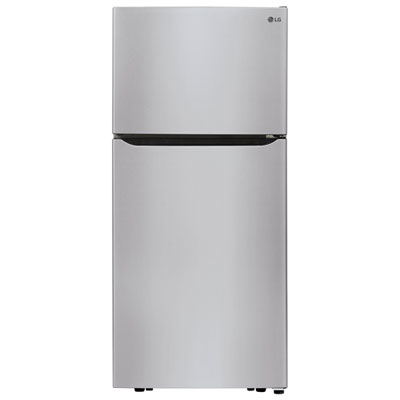 Your price for this item is $1149.99
-
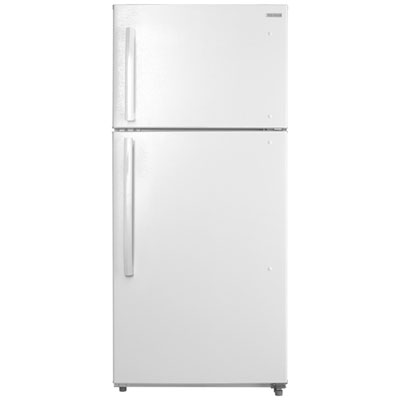 Your price for this item is $549.99
-
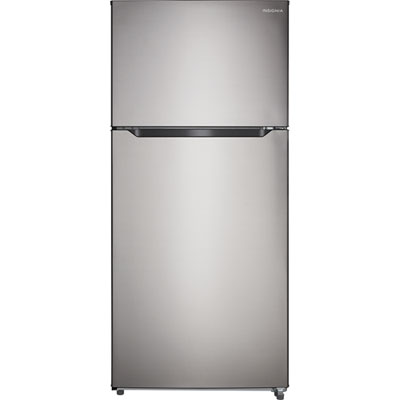 Your price for this item is $949.99
-
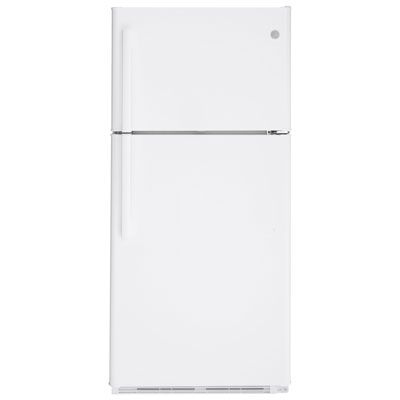 Your price for this item is $1549.99
-
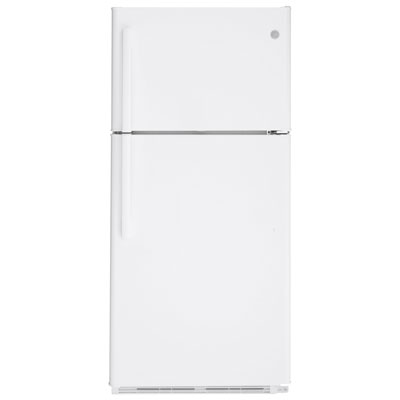 Your price for this item is $849.99
-
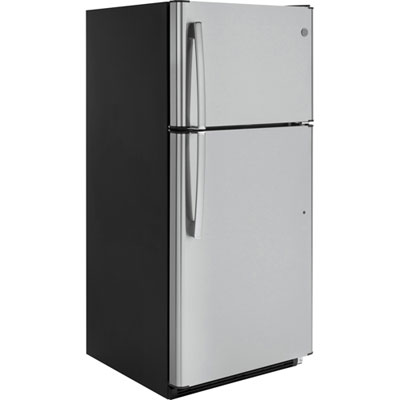 Your price for this item is $899.99
-
 Your price for this item is $1449.99
Discover more categories related to Freezer GE

Top Collections:
Best Black Friday Deals This Year, Best Black Friday Deals On Electronics, Kindle Devices, Pokemon Centers, Best Black Friday Deals On Apple Products, Best Cameras for Sports Photography, Dyson Airwrap, Pokémon 30th Celebration Cards, Apple iPhone 17 Pro, Canon G7X Cameras
Some products may be subject to Environmental Handling Fees
(EHF) depending on your province.
Learn more about EHFs.