Glass Island Range Hoods
Upgrade your kitchen with a sleek and modern touch by adding glass island range hoods. Designed to not only effectively remove smoke, odors, and grease from your cooking space but also elevate the overall aesthetic of your kitchen, these stylish range hoods are the perfect blend of form and function. They are designed to be suspended above your cooking island, providing a seamless appearance that will enhance the beauty of your kitchen while still allowing for adequate ventilation. Here are some great options available.
Sort
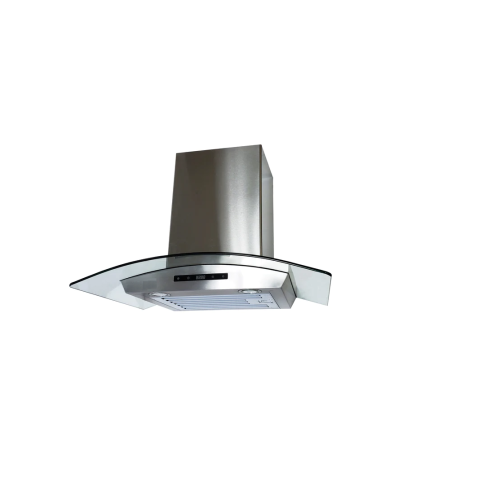
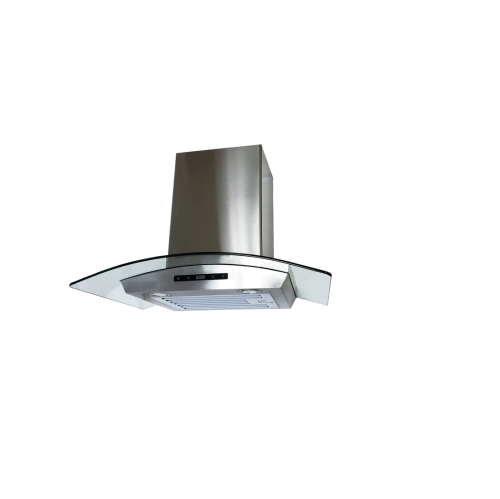
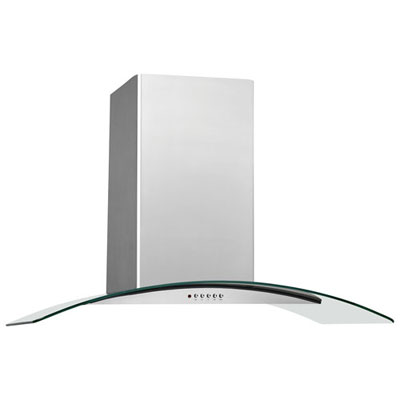
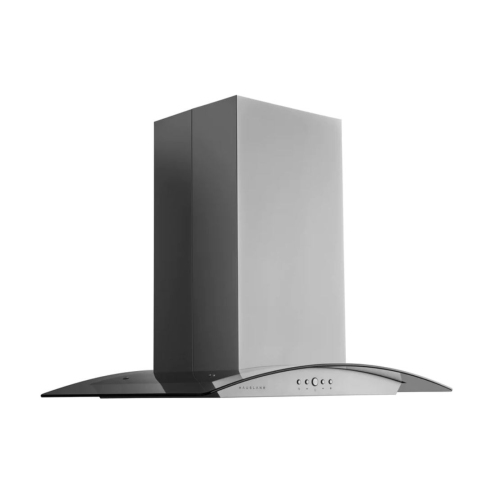

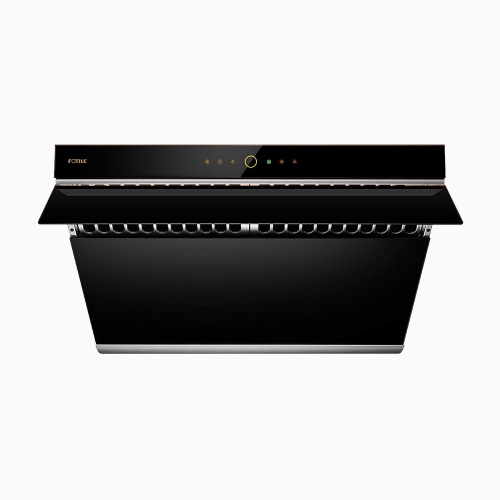
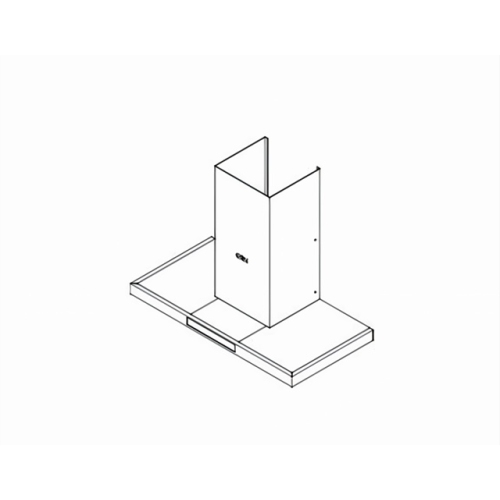
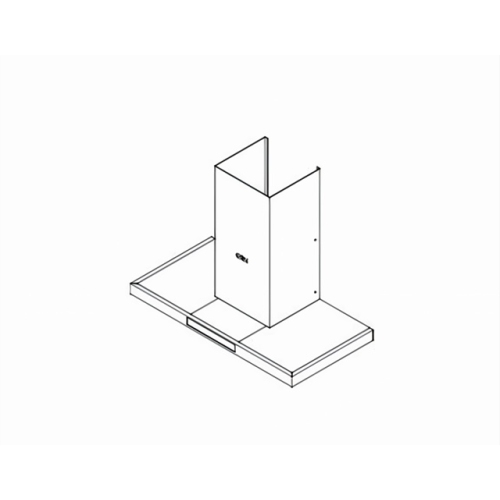
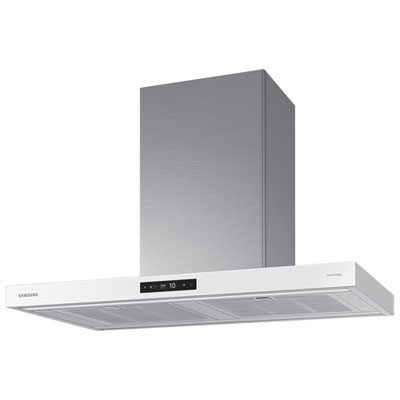
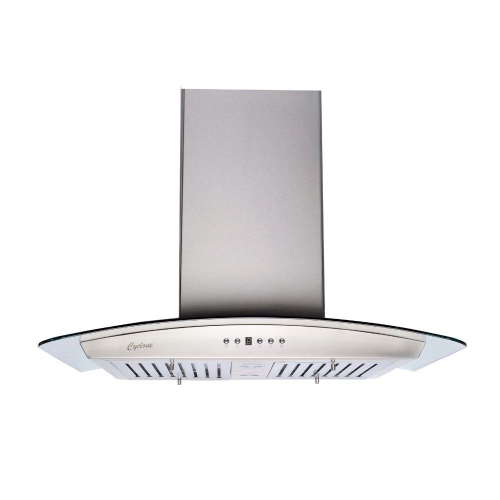
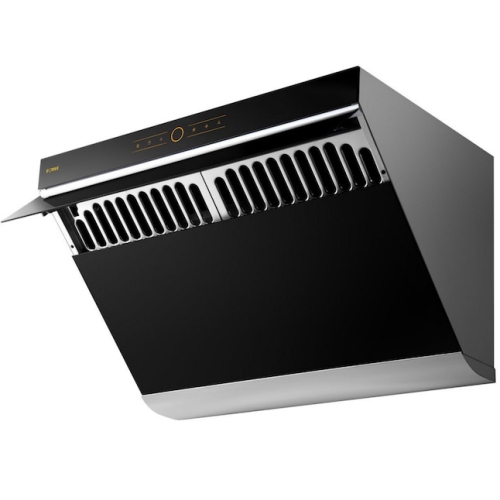
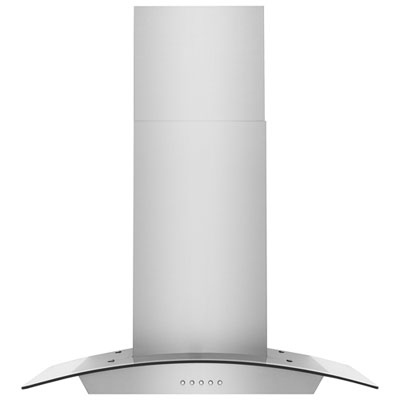
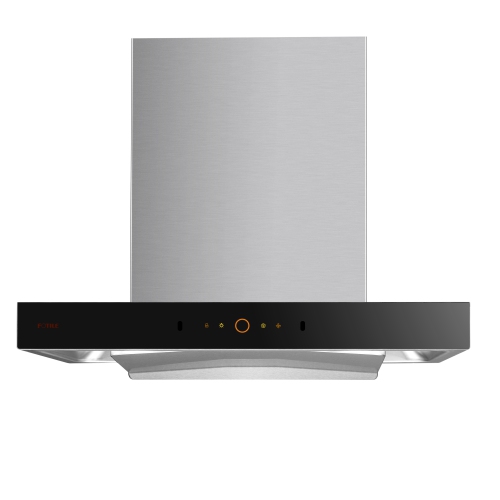
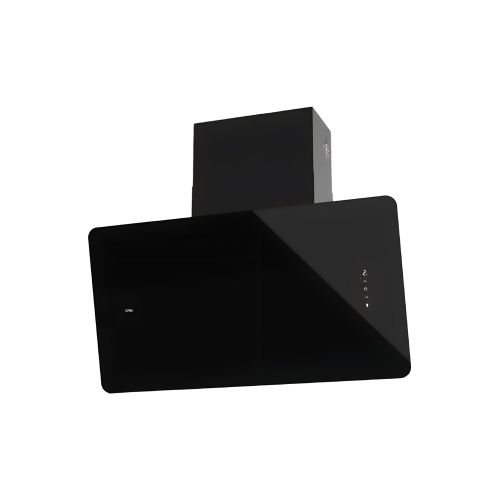
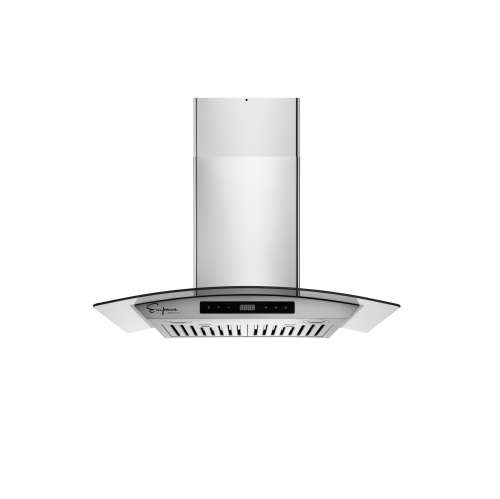
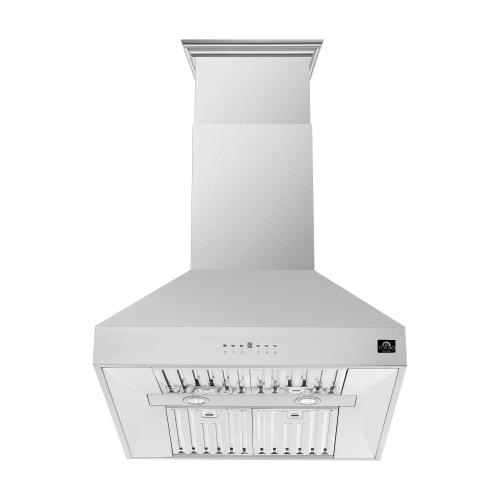
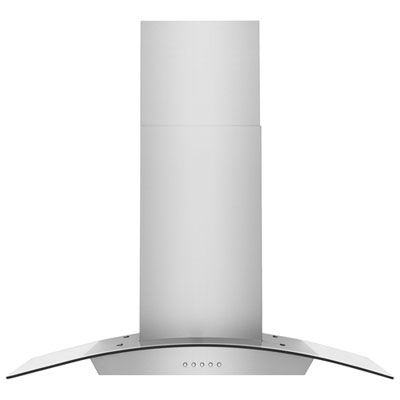
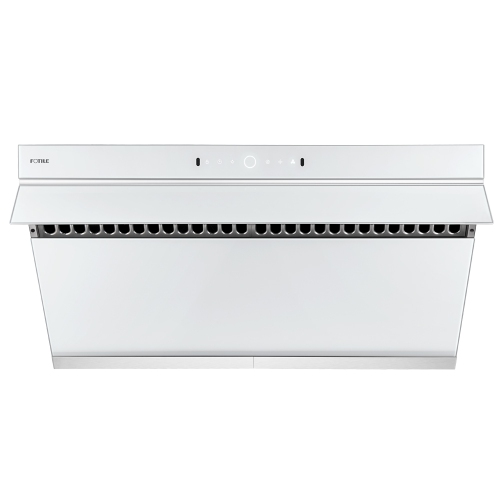
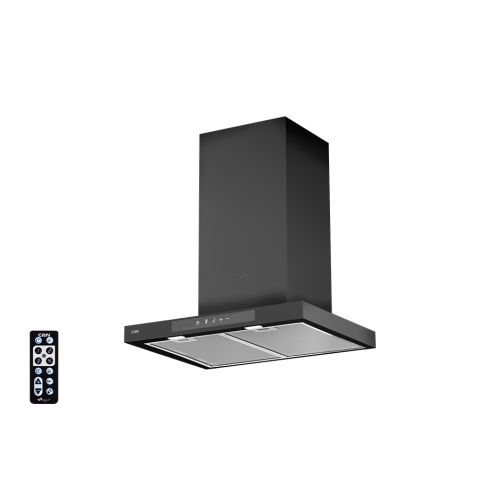
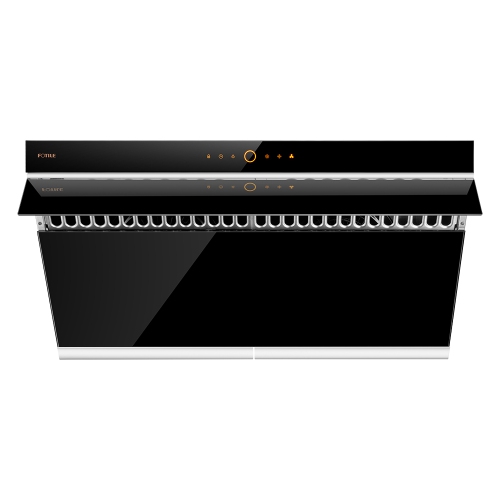
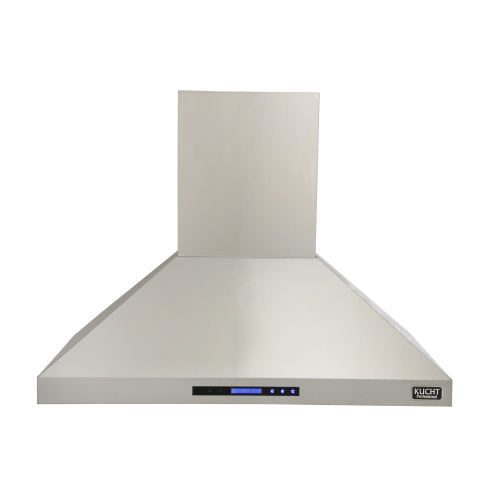
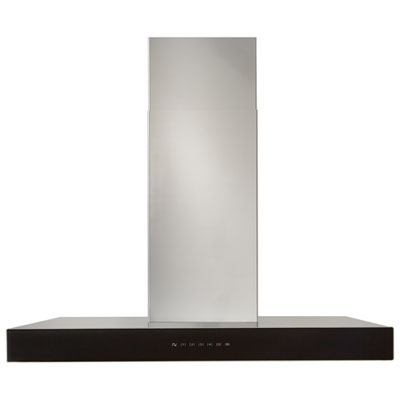
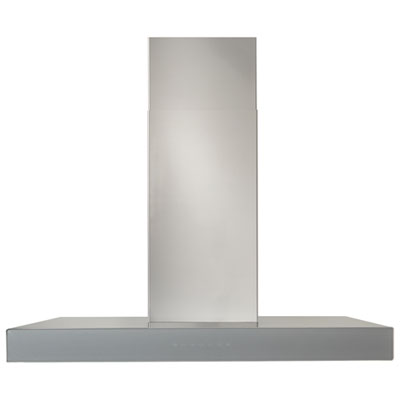
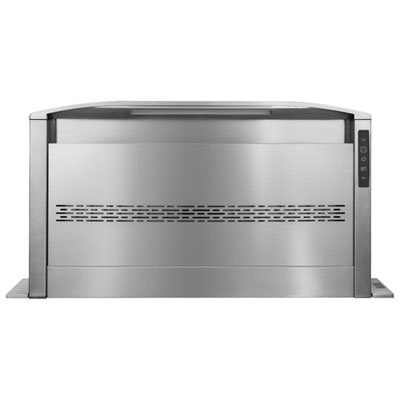
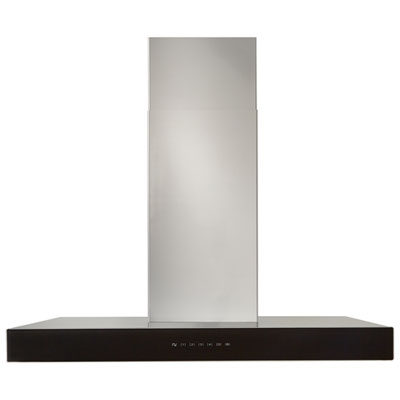
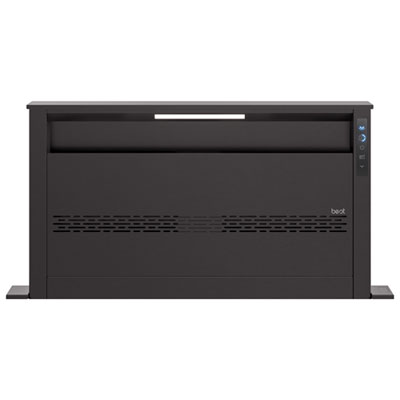
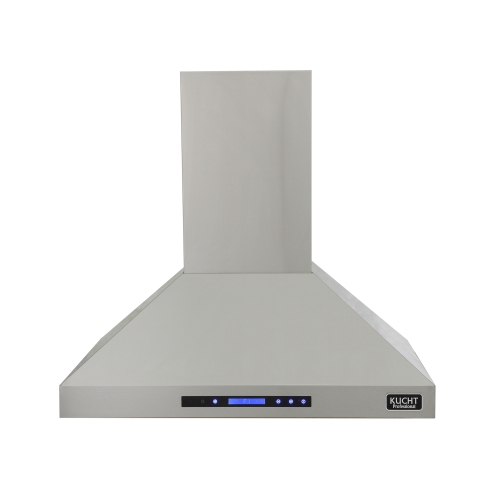
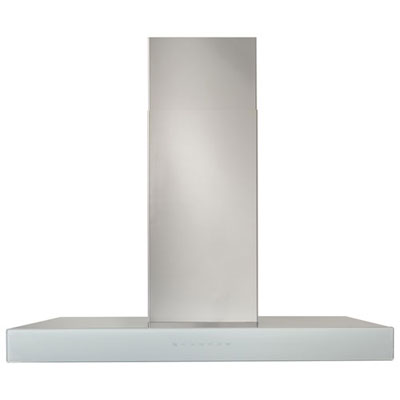
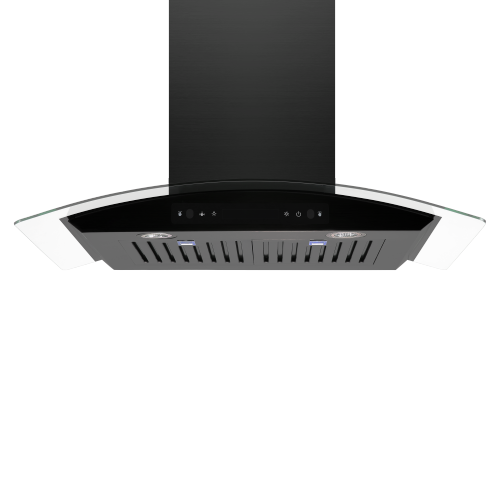
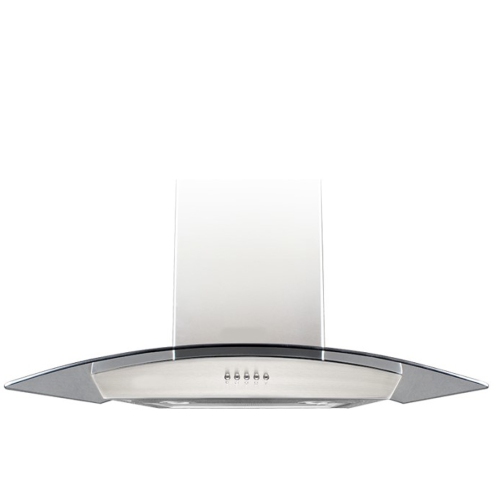
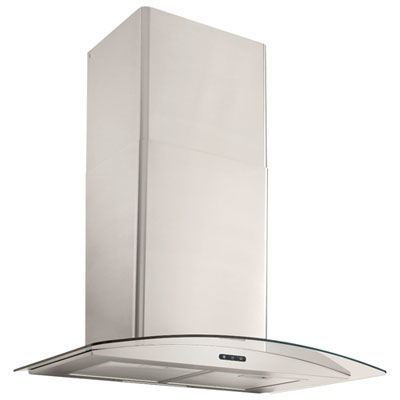
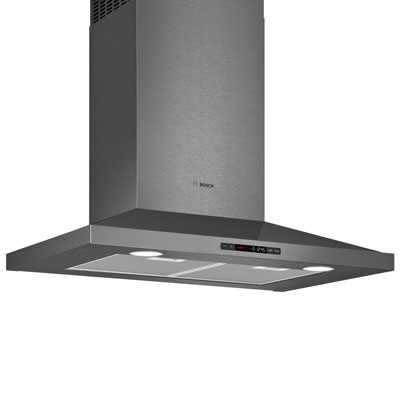
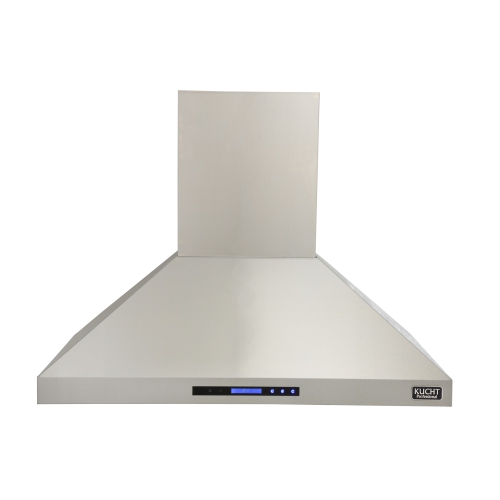
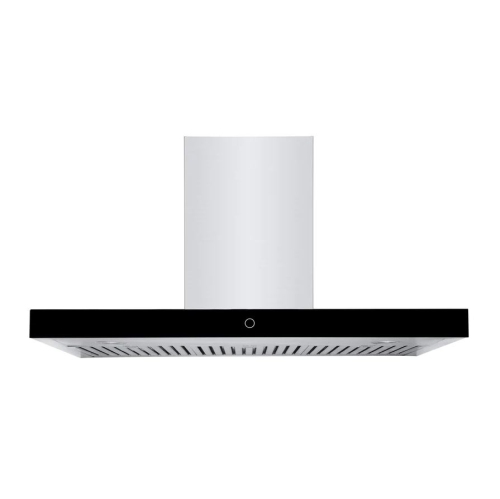
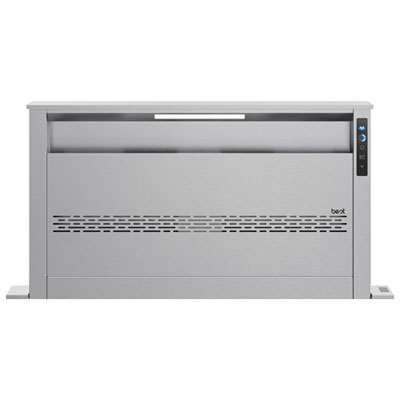
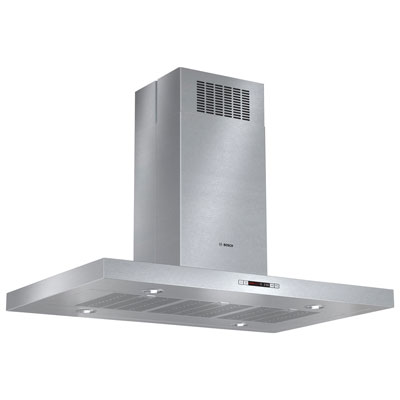
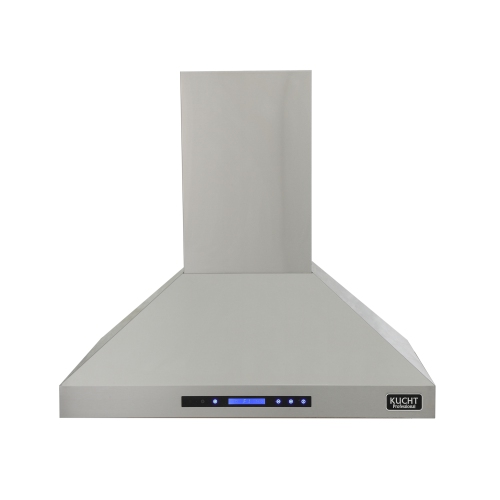
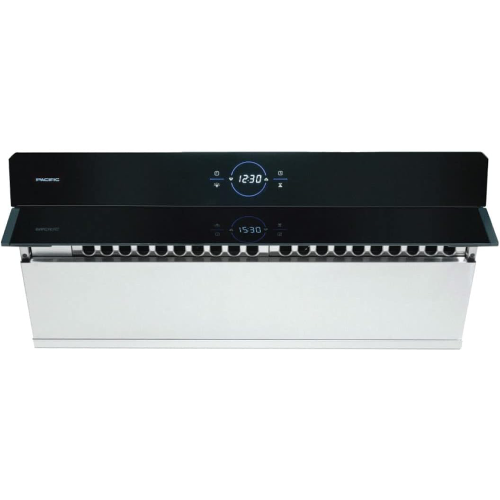
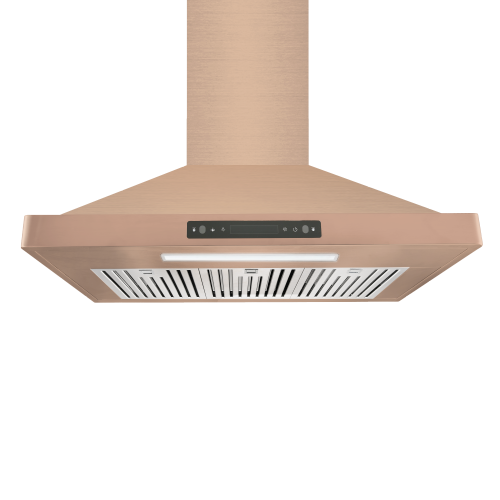
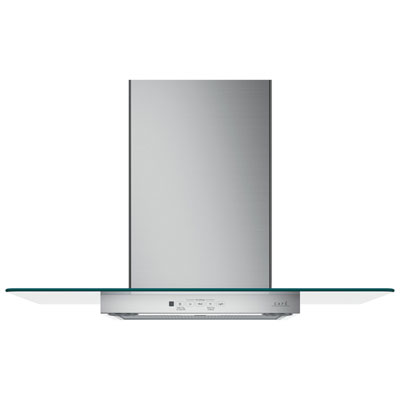
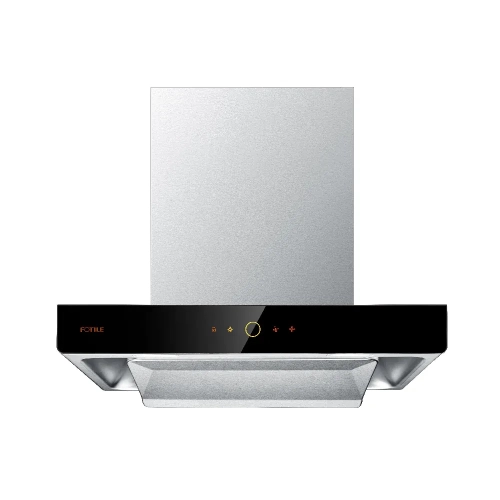
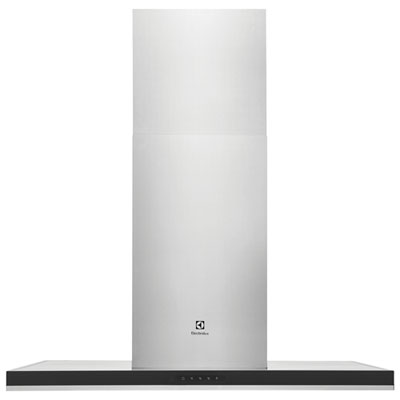
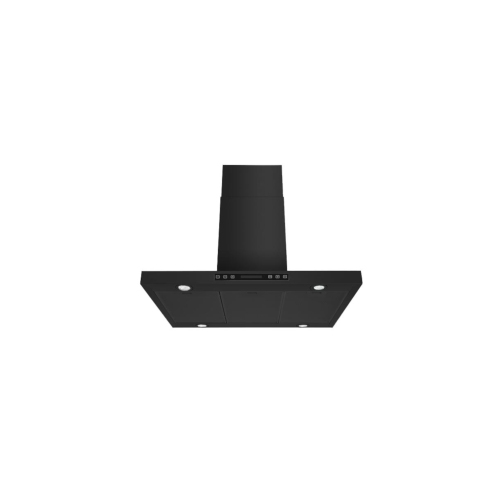
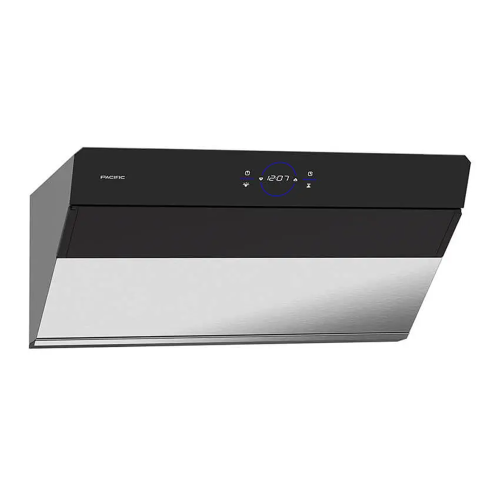
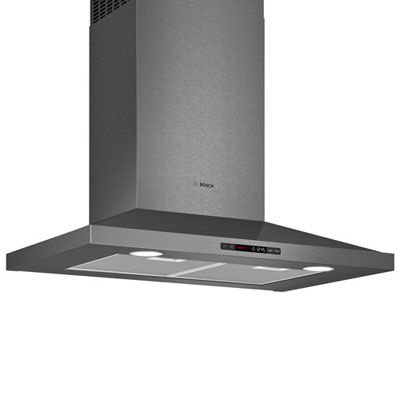
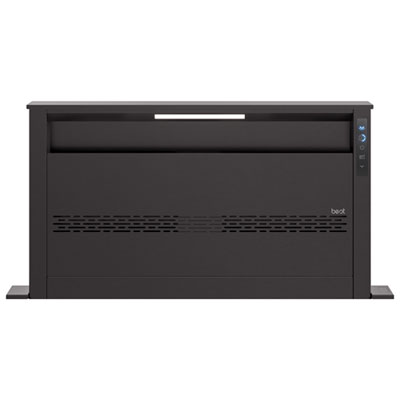
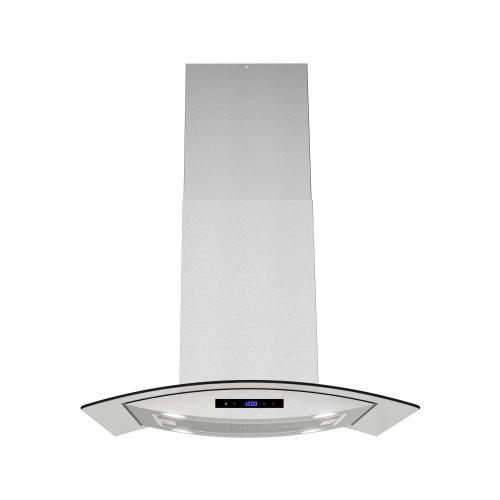
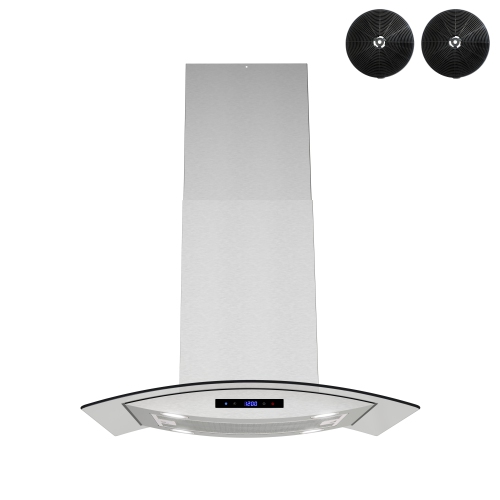
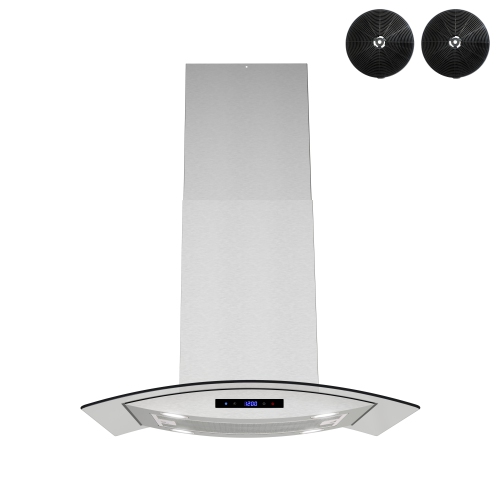

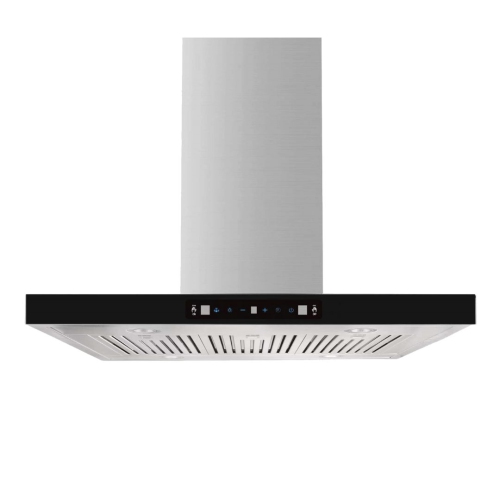
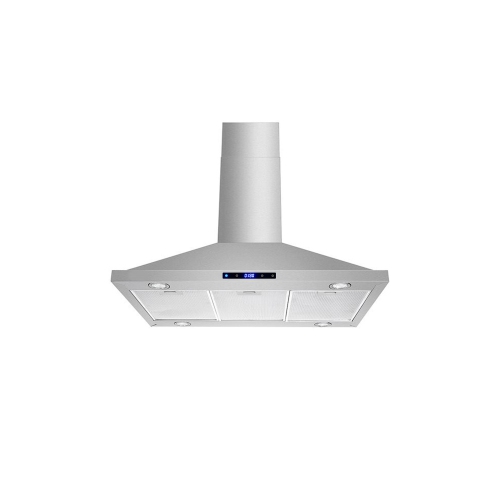
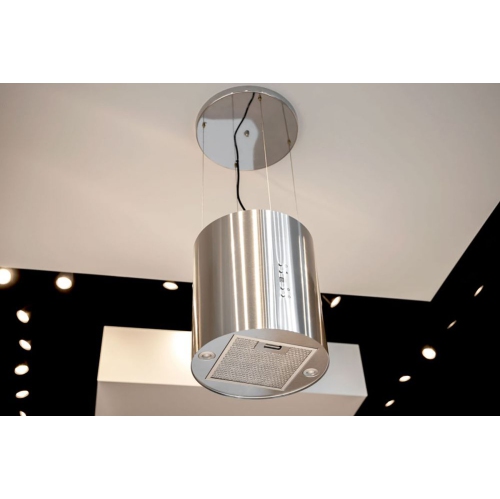
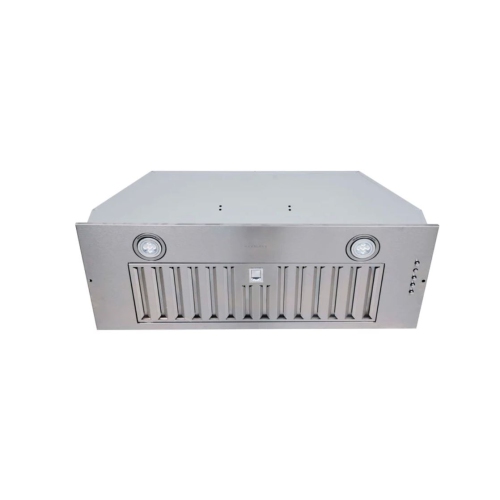
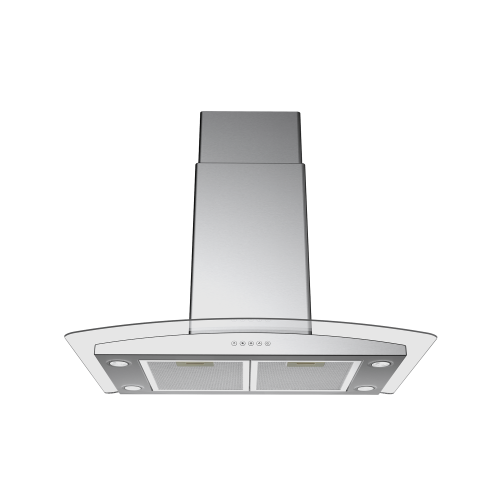
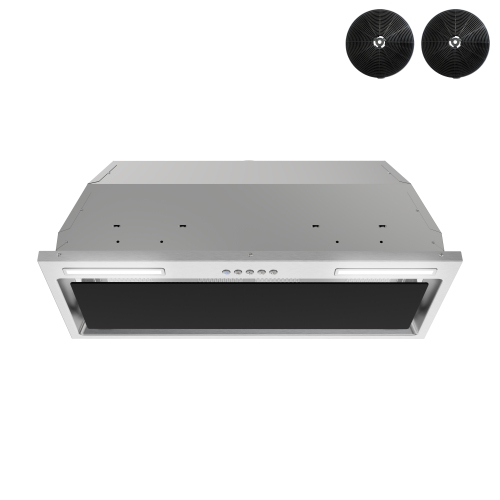
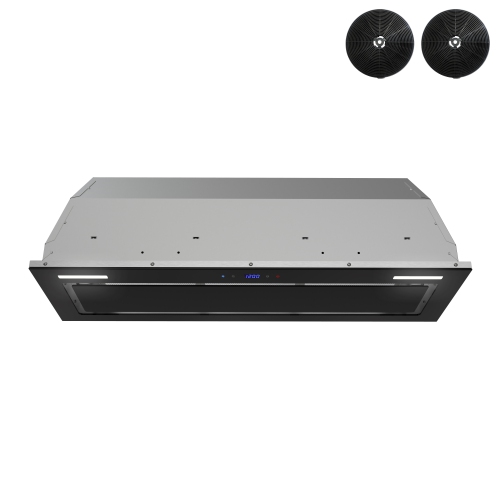
Ventilation that leaves your open-plan kitchen in view
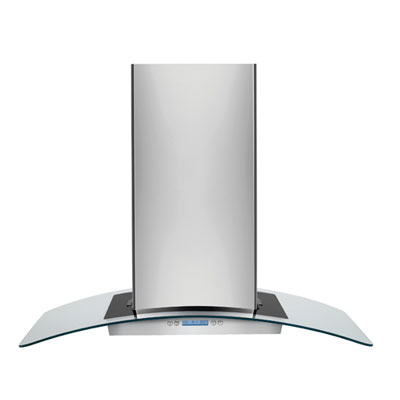
Glass island range hoods are ceiling-mounted kitchen ventilation appliances designed to sit above a cooktop on an island or peninsula, rather than against a wall. They typically combine a metal chimney and blower housing with a flat or curved tempered-glass canopy, creating a defined cooking zone without the visual weight of a fully enclosed metal hood. The glass canopy forms part of the capture area above the cooking surface, while the fan draws cooking fumes through grease filters and, in a ducted installation, carries them outdoors. This combination suits open-plan kitchens where the island is visible from a dining area or living room and the hood needs to look finished from every side. Stainless steel and clear glass pair naturally with many appliances, while darker glass or metal finishes can create a stronger contrast with pale cabinetry and stone countertops. Curved canopies bring a softer outline to a kitchen with straight cabinet fronts; flat glass offers a more angular profile that can echo shelving, cabinet hardware, or the edges of an island. Within the broader Glass Range Hoods category, island designs are distinguished by their ceiling mounting and freestanding placement, making them different from wall-mounted hoods even when their materials look similar. Their appeal is practical as well as visual: a transparent canopy can leave more of the room visible around the cooking area, although the chimney and required clearances still affect sightlines. These hoods are especially relevant to kitchen renovations that move cooking away from a perimeter wall, or to layouts where an island cooktop lets the person preparing dinner face the rest of the room. Their position also makes proportions important. A hood that looks balanced above the cooktop should still leave suitable headroom and avoid intruding into the seating area beside the island. Glass adds visual lightness, but it does not make the appliance lightweight or remove the need for a properly supported installation.
Fit depends on more than matching the hood’s width to the cooktop. Island cooking is exposed to air movement from several directions, so capture area, mounting height, airflow, and duct design all influence how effectively a hood collects steam and cooking fumes. A canopy that extends beyond the cooking surface can help capture rising plumes, but the appropriate dimensions and installation height must follow the hood and cooking appliance requirements. Gas, electric, and induction cooking surfaces can have different clearance needs, and a higher mounting position may affect capture performance. Ceiling height matters too: the chimney must accommodate the distance between the ceiling and the specified position above the cooktop, and a sloped ceiling may require a compatible mounting arrangement. Ceiling structure, wiring, and any duct route need to work with the intended location before the finished appearance can come together. Ducted glass island range hoods exhaust air outdoors through a suitable duct system; convertible designs may support recirculation when fitted with the required components. Recirculating operation generally uses grease filtration along with an odour-reducing filter, but it does not carry moisture and heat outdoors as a ducted system does. That distinction is useful in a kitchen where simmering pots, frequent frying, or several burners running together produce more than occasional cooking odours. Airflow ratings, commonly expressed in cubic feet per minute, describe air movement rather than guaranteeing capture under every installation condition. Duct length, bends, diameter, and the path to an exterior outlet can all affect results. Higher-capacity exhaust may also require provisions for replacement air under applicable building requirements, making professional assessment valuable during planning. Noise deserves equal attention in an open room. Comparing sound ratings at similar fan settings gives a more useful picture than looking only at maximum airflow, particularly when conversation, television, or homework happens nearby. Multiple fan speeds allow ventilation to suit anything from a gently simmering saucepan to a busy cooking session, while accessible controls make adjustments easier when hands are occupied.
Everyday use brings the smaller design details into focus. Integrated lighting can make it easier to see browning food, check a sauce, or work with cookware on the rear burners, though coverage depends on the position and design of the lights. Controls should be comfortable to reach without leaning across a hot cooking surface, and a clearly visible display can make fan settings easier to check at a glance. Some designs include a delayed shutoff that lets the fan continue clearing lingering cooking fumes after the burners are turned off. For a household that cooks frequently, filter access and cleaning requirements can matter as much as the canopy’s shape. Grease filters need regular attention because accumulated residue can restrict airflow and make the hood harder to keep clean. Metal mesh or baffle filters may be washable, with dishwasher cleaning suitable only where the manufacturer permits it; odour filters used for recirculation usually have separate maintenance or replacement requirements. The glass itself benefits from gentle, regular cleaning with products and cloths suited to its finish. Wiping away splashes before they become stubborn helps preserve the clear appearance, while abrasive pads and harsh cleaners can damage glass, coatings, or surrounding metal. Tempered glass is chosen for its strength and heat resistance, but it can still be damaged by hard impacts, particularly around exposed edges. Allowing surfaces to cool before cleaning and avoiding contact with heavy cookware helps protect the canopy during daily use. Stainless steel also shows fingerprints and cooking residue, so the direction of the finish and the recommended cleaning method are worth noting. Long-term practicality comes from a combination of sound construction, secure mounting, accessible filters, and serviceable lighting or other components. For busy family kitchens, compact open-plan spaces, and homes where the island is the main cooking station, a glass island range hood can provide ventilation without visually enclosing the centre of the room. The strongest fit brings together the cooking habits, installation requirements, and everyday upkeep that make the appliance comfortable to live with.
Top selling and popular products
-
 Your price for this item is $566.99
-
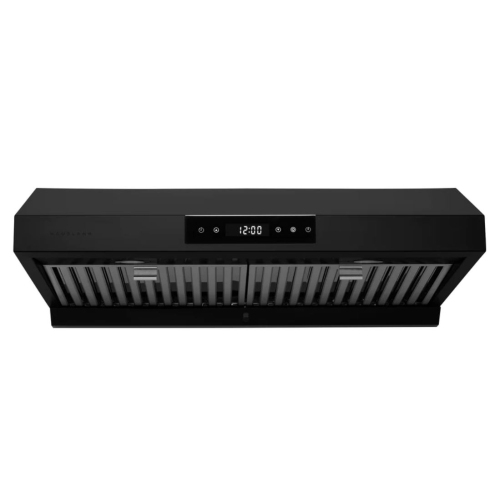 Your price for this item is $611.99
-
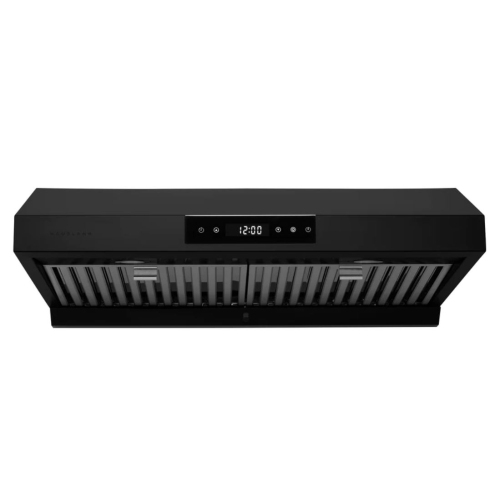 Your price for this item is $566.99
-
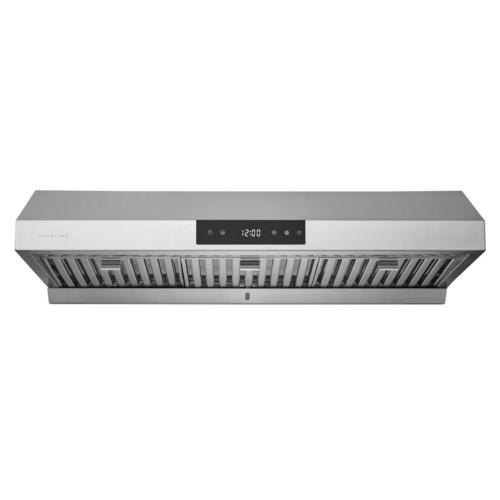 Your price for this item is $611.99
-
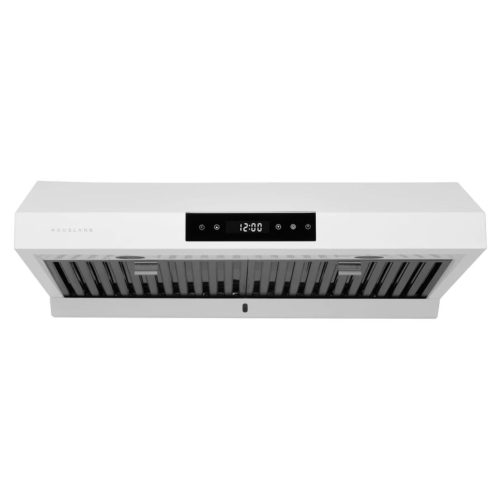 Your price for this item is $566.99
-
 Your price for this item is $611.99
-
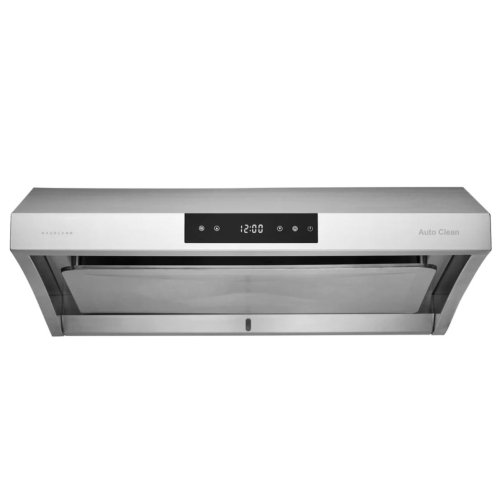 Your price for this item is $701.99
-
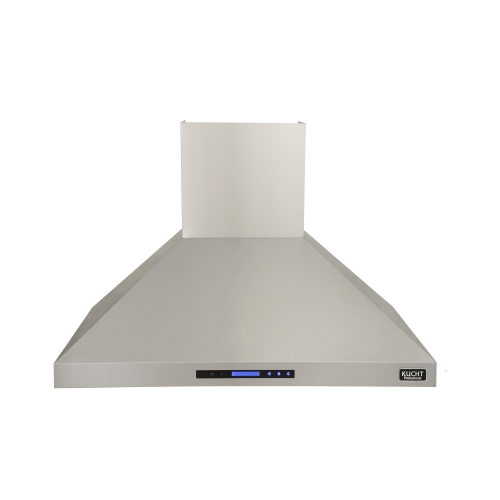 Your price for this item is $2455
Discover more categories related to Glass Island Range Hoods
Top Collections:
Best Black Friday Deals This Year, Best Black Friday Deals On Electronics, Kindle Devices, Pokemon Centers, Best Black Friday Deals On Apple Products, Best Cameras for Sports Photography, Dyson Airwrap, Pokémon 30th Celebration Cards, Apple iPhone 17 Pro, Canon G7X Cameras
Some products may be subject to Environmental Handling Fees
(EHF) depending on your province.
Learn more about EHFs.