Island Range Hoods With Glass Canopy
Transform your kitchen into a stylish and functional space with island range hoods featuring sleek glass canopies. These contemporary and eye-catching appliances add a touch of elegance to your cooking area and provide powerful ventilation to keep your kitchen fresh and odor-free. They are designed to fit over your island cooktop, providing a stylish and practical solution for your kitchen. Here are some great options available.
Sort
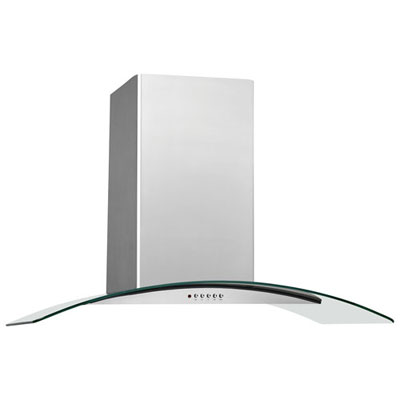
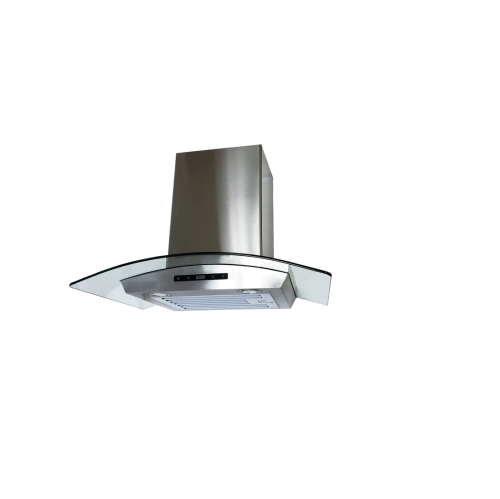

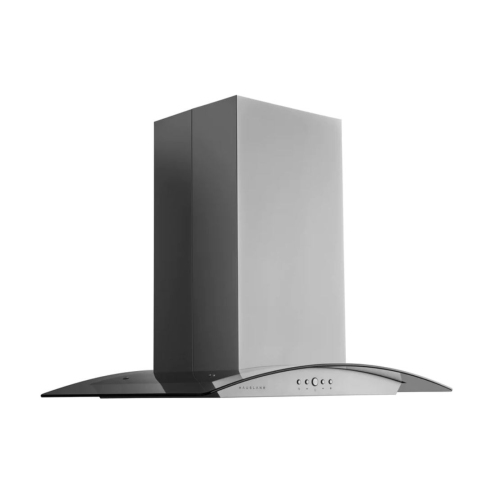
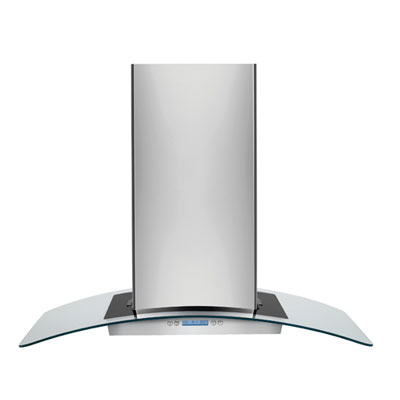
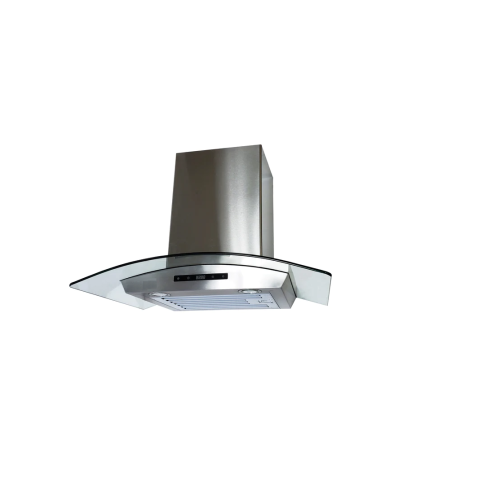

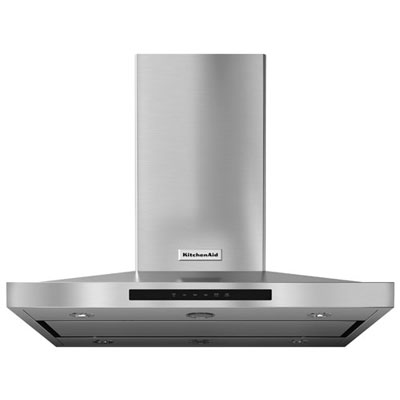
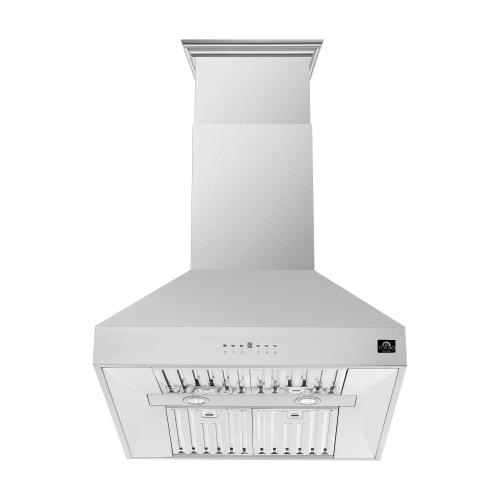
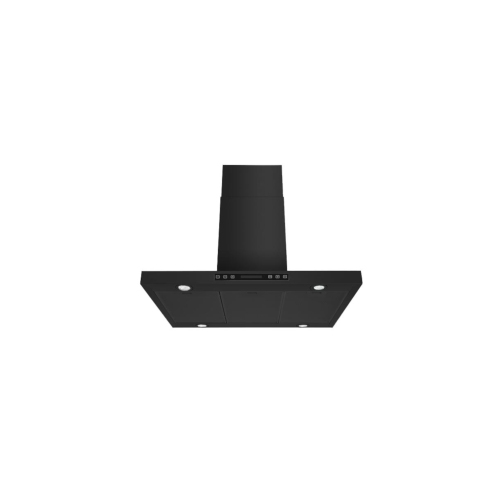
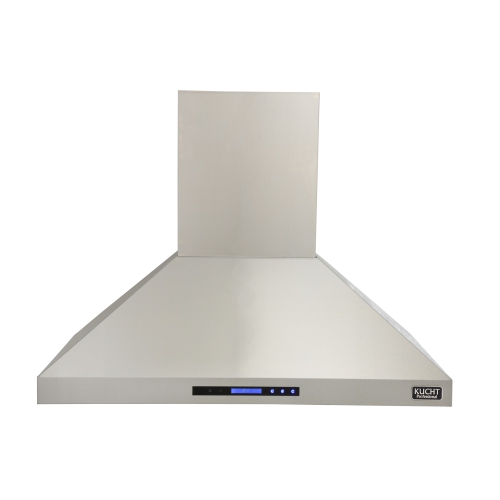
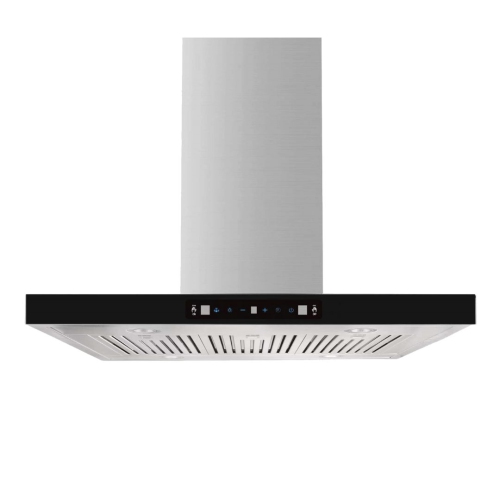
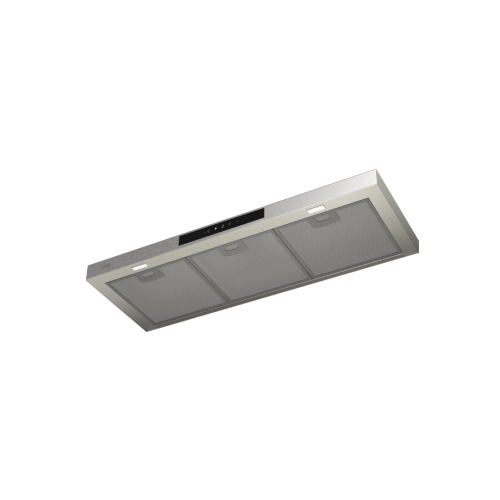
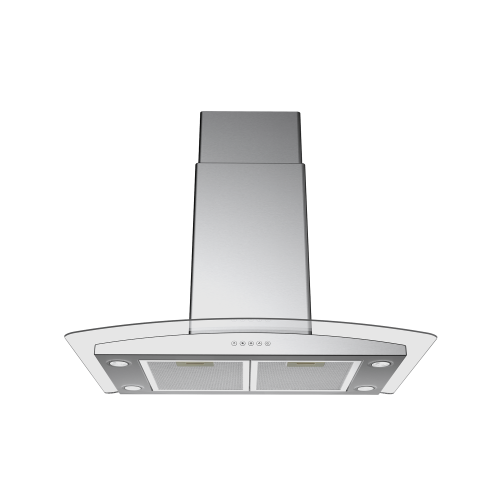

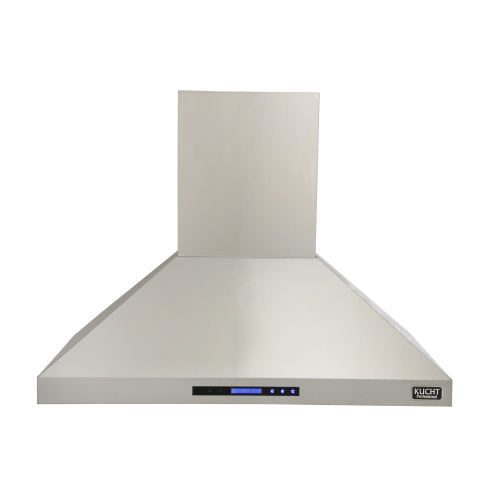
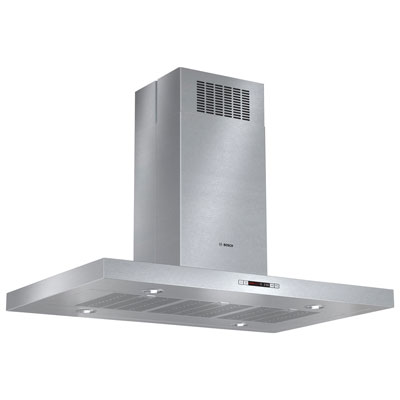
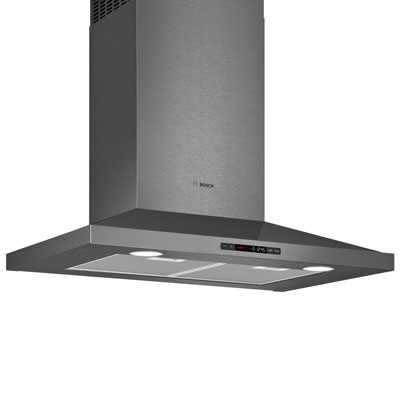
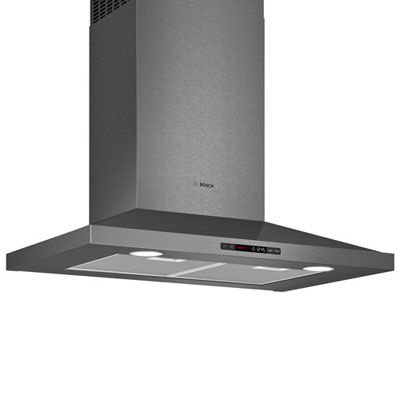

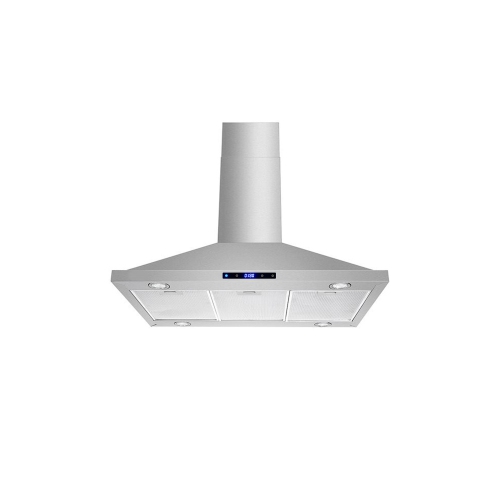
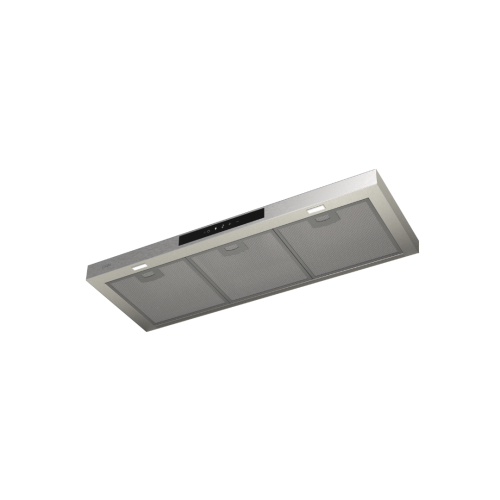
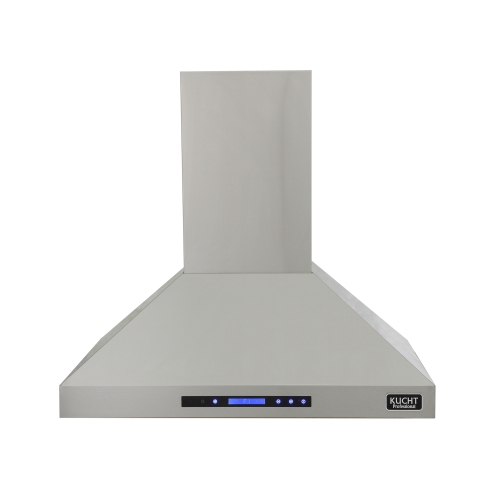
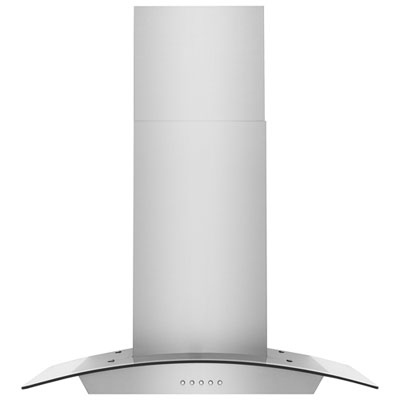
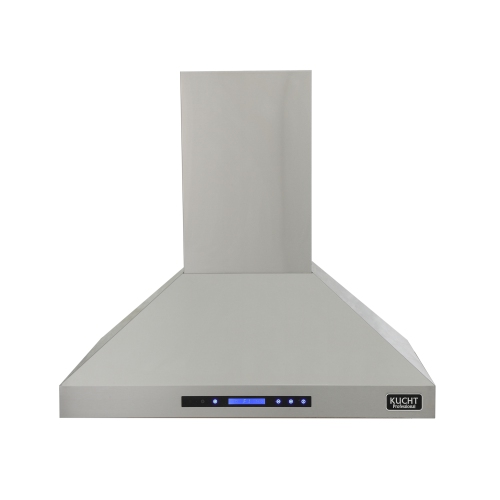

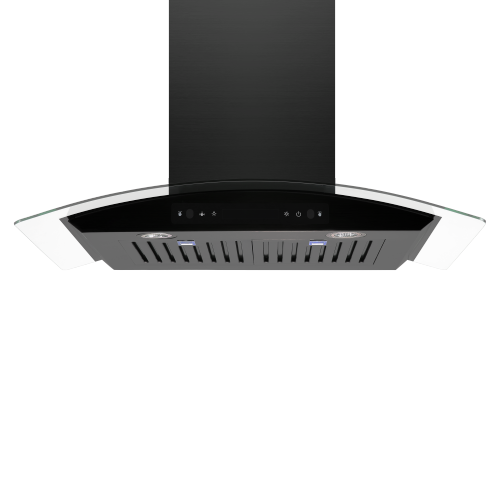

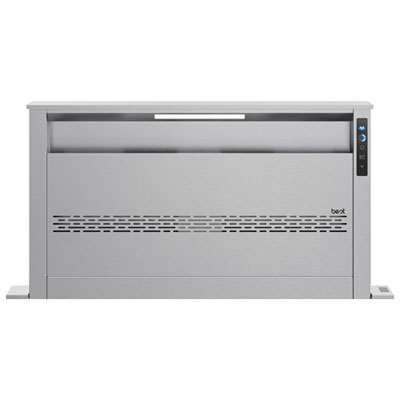

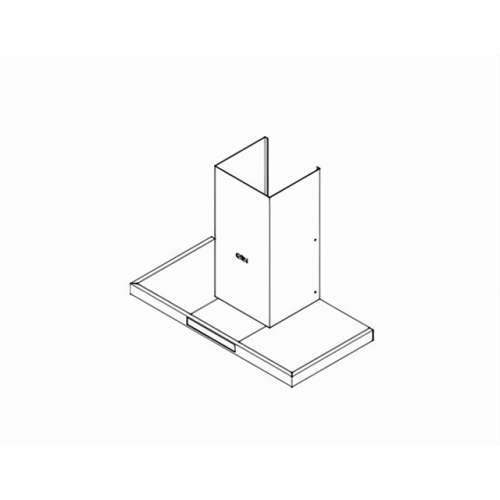
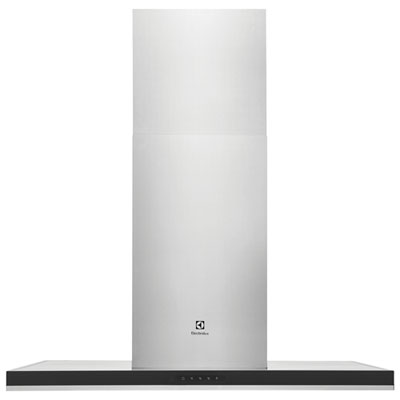

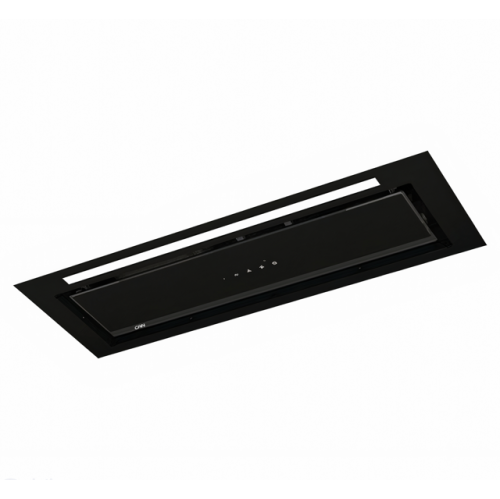
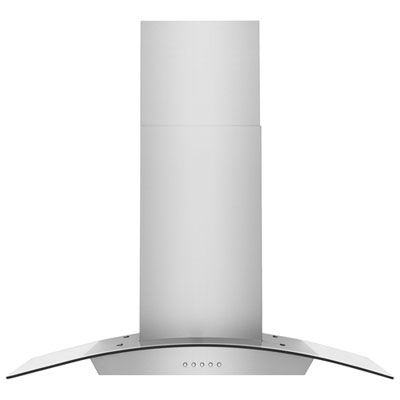
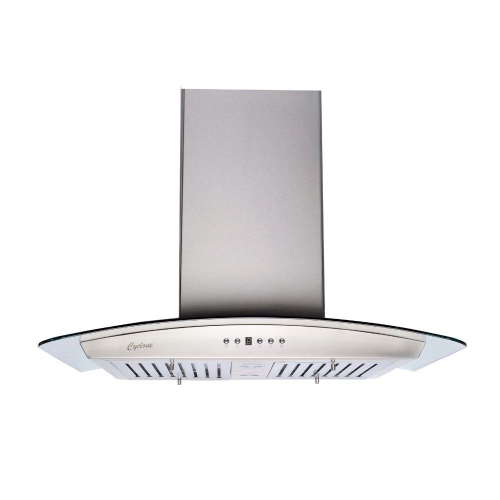


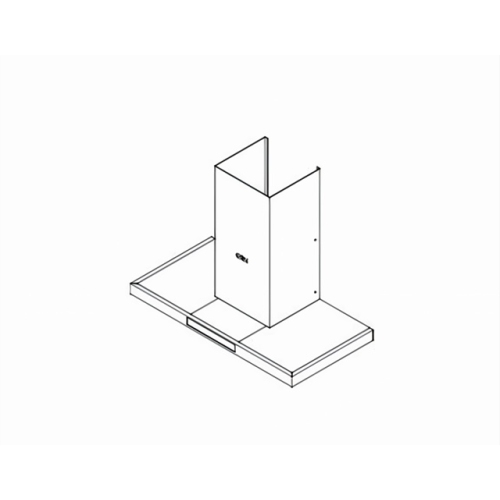
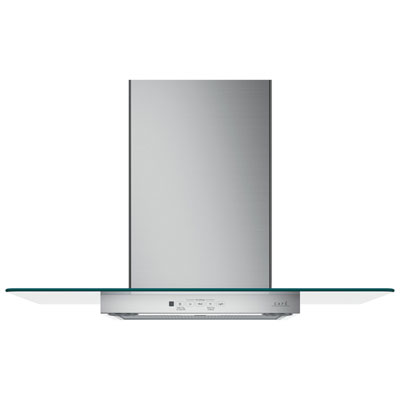
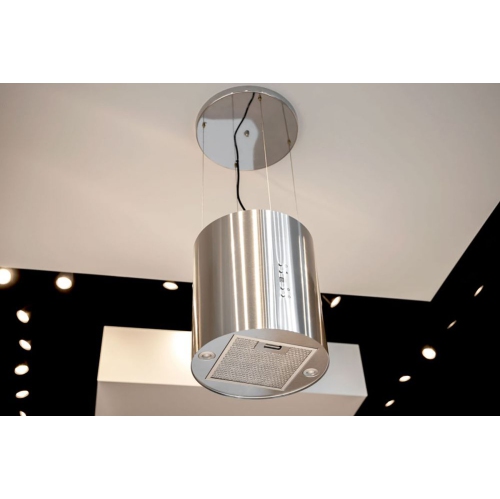
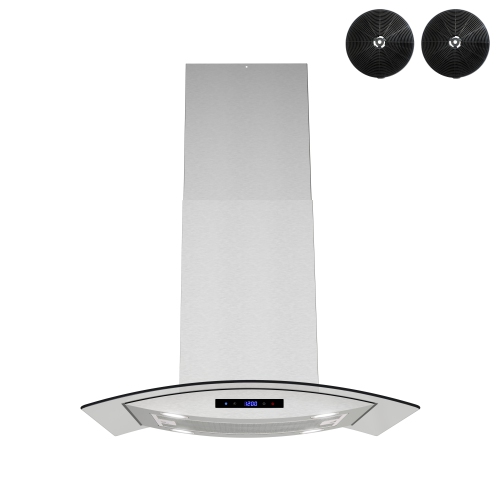
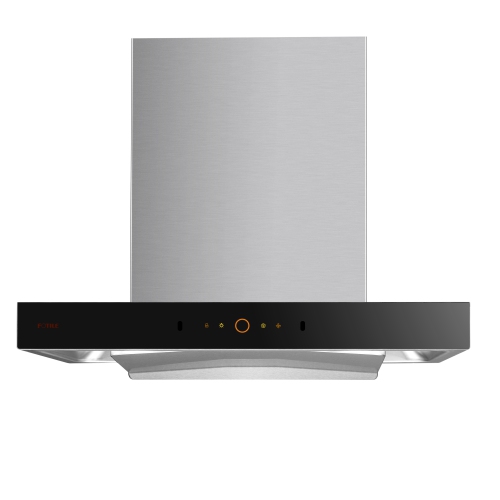
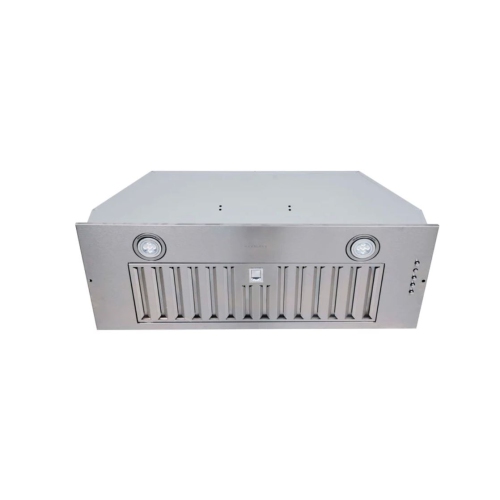
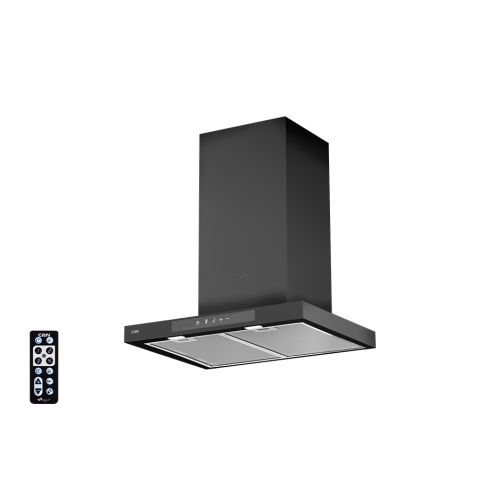
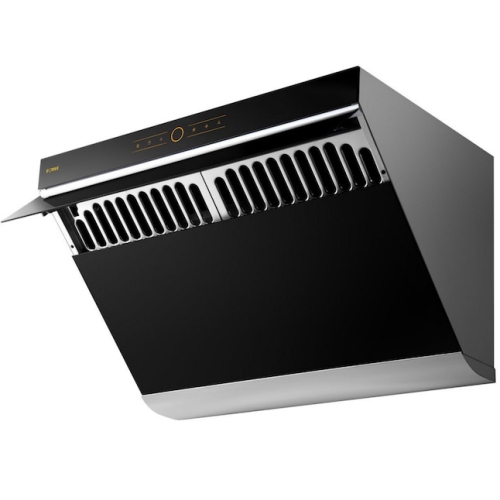
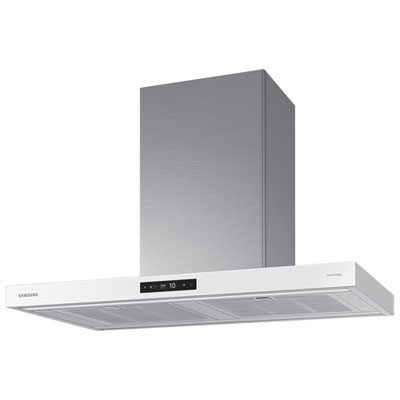
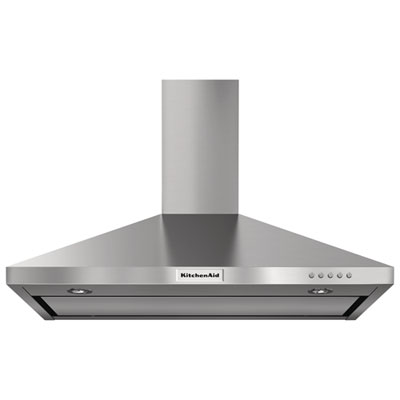
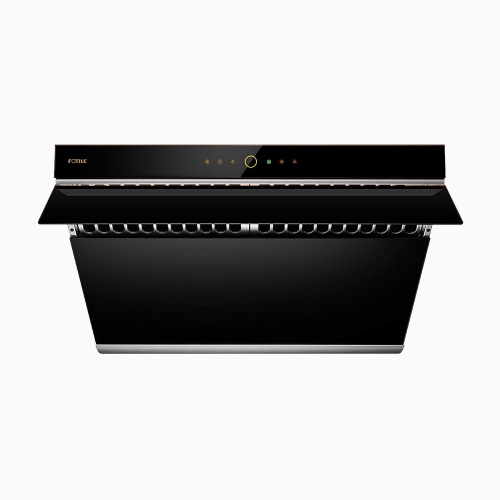
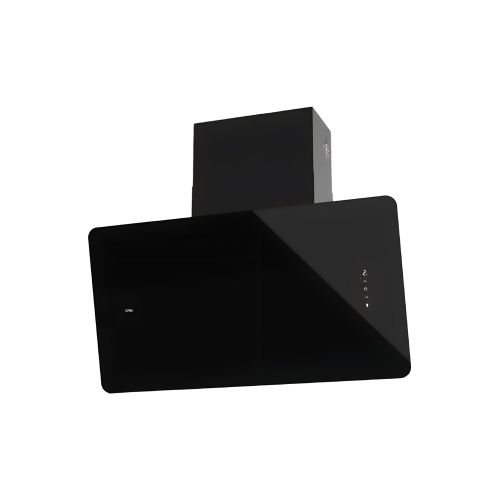
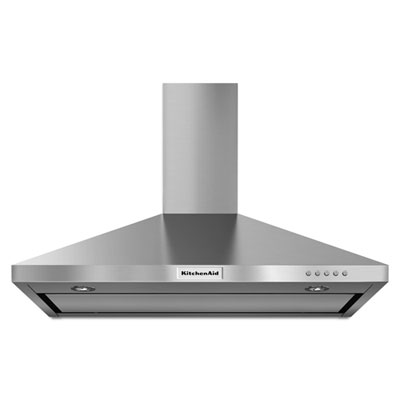
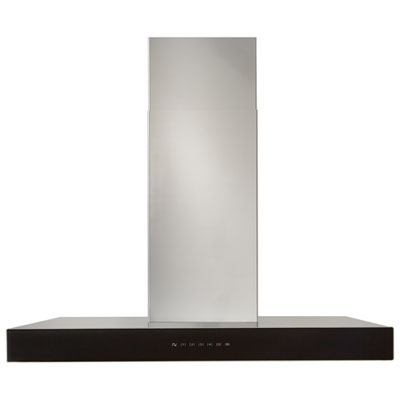
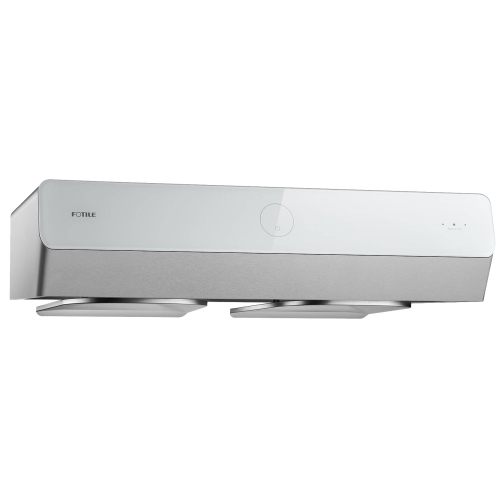
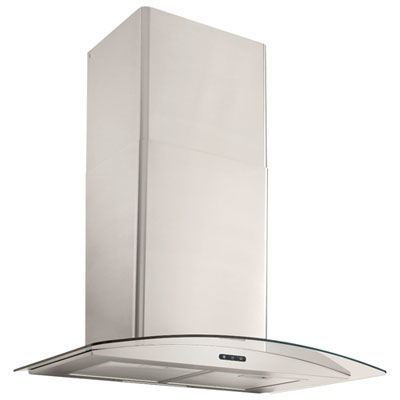
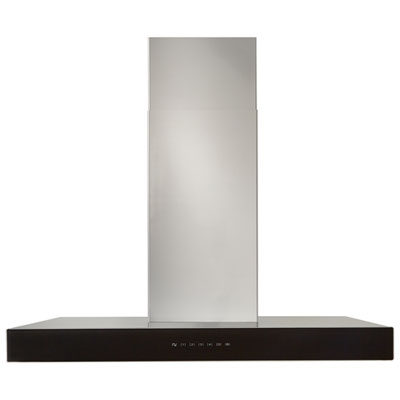
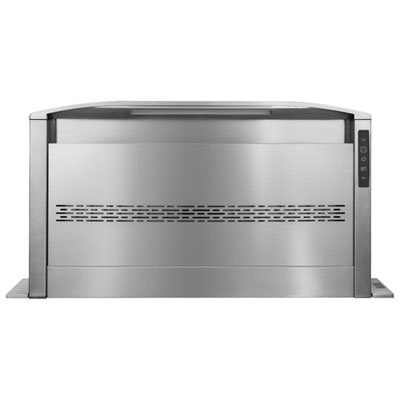
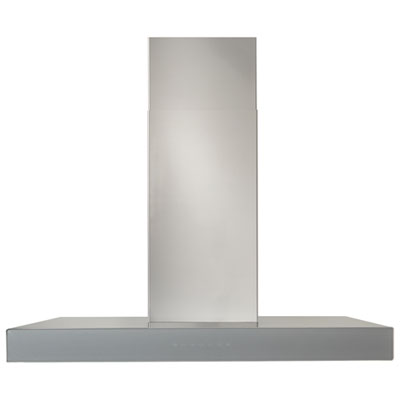
What matters beyond a glass canopy’s lighter look
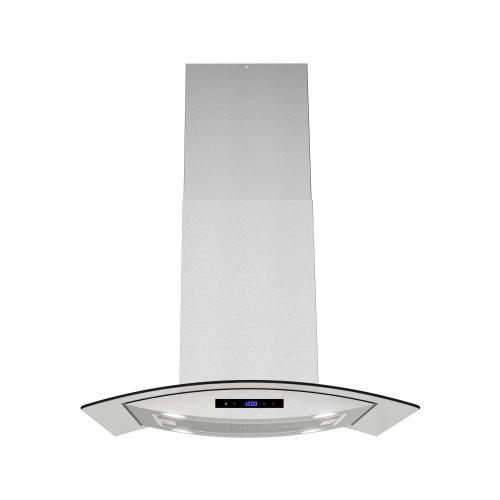
Island range hoods with glass canopies are ceiling-mounted ventilation appliances designed for cooktops positioned in a kitchen island rather than against a wall. They draw cooking fumes, airborne grease, and odours towards filters beneath the hood, while a glass canopy frames the cooking area without the visual weight of an entirely metal surround. The combination of transparent tempered glass and a stainless steel body suits open-concept kitchens, where the hood is visible from the dining table, living area, and nearby work surfaces. A curved canopy creates a softer outline above the island, while flatter glass profiles can complement straight-edged cabinetry and simple pendant lighting. Neither shape determines ventilation strength on its own; capture area, fan performance, mounting height, and ductwork all contribute to how effectively a hood handles cooking vapours. Clear glass keeps sightlines more open, although the chimney and motor housing still form a noticeable feature above the cooktop. Stainless steel coordinates naturally with many kitchen appliances, and differences in brushing, sheen, and trim can affect how closely the finishes match. Tempered glass is designed for the demands of its intended application, but its edges still need protection from knocks during installation and cleaning. For households that regularly sauté vegetables, fry fish, or prepare several dishes at once, an island hood provides ventilation directly above the cooking surface. It also helps define the cooking zone when the island doubles as a place for meal preparation, conversation, or casual seating. The proportions matter as much as the finish: a broad canopy may feel balanced above a substantial island, whereas a more compact profile can leave greater visual space around neighbouring cabinets and light fixtures. Glass gives these appliances a lighter appearance, but the complete dimensions and installation requirements remain important to the finished kitchen.
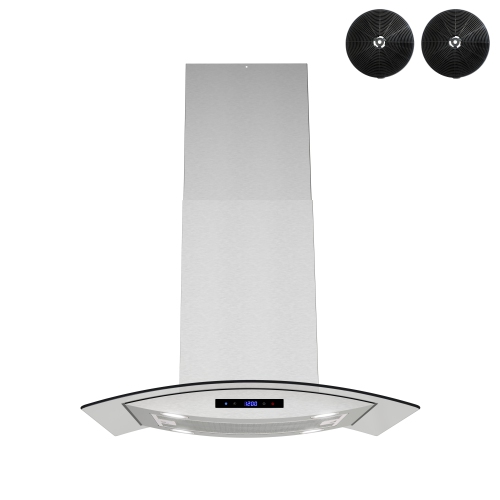
The fit of an island range hood depends on more than its stated width. Common measurements such as 30-inch and 36-inch widths provide a starting point, but the hood’s depth, capture area, and recommended relationship to the cooking surface also matter. Unlike a wall-mounted hood, an island model has no wall behind it to help contain rising cooking plumes, making correct sizing and placement particularly important. The installation instructions for both the cooktop and the hood establish the required clearances; gas, electric, and induction cooking surfaces can have different requirements. Ceiling height also affects the fit because the chimney assembly must accommodate the distance between the ceiling and the permitted mounting position. A high or sloped ceiling may require a compatible extension or other manufacturer-approved installation components. The assembly needs secure structural support, with its weight carried by appropriate framing rather than ceiling finishes alone. Ducted island range hoods discharge captured air outdoors through a suitable duct route. Duct diameter, run length, bends, and the exterior termination can all influence airflow and sound, so a powerful motor does not automatically compensate for restrictive ductwork. Convertible designs may support a recirculating configuration with the specified filters and fittings. In that arrangement, grease filters capture grease particles and charcoal filters help reduce odours before air returns to the room; recirculation does not exhaust cooking moisture or combustion gases outdoors. The distinction is especially relevant when planning ventilation above a gas cooktop. Airflow ratings, usually expressed in cubic feet per minute, or CFM, help describe capacity, while sound ratings provide another useful comparison. Noise should be considered at the fan speeds likely to be used, not just the quietest setting. A household that mostly simmers soups has different ventilation demands from one that frequently sears meat over high heat. A qualified installer can assess the duct route, electrical connection, structural support, and any applicable local requirements, including whether make-up air provisions are needed.
Everyday usability often comes down to the details noticed while cooking and cleaning. Variable fan speeds make it possible to use a gentler setting for light cooking and increase extraction when steam or frying fumes build. Controls should be easy to see and reach from the working side of the island, with clearly marked settings that remain legible under kitchen lighting. Integrated lighting illuminates the cooktop, helping with tasks such as checking the colour of onions or watching the edge of a simmering saucepan. LED brightness, light colour, and replacement arrangements vary by design, so the lighting deserves consideration alongside the fan. Some hoods include a delay shut-off function that lets ventilation continue for a set period after cooking, while filter reminders can help keep routine maintenance from being overlooked. Grease filters may use mesh or baffle construction, and removable designs make accumulated residue easier to address. Dishwasher cleaning is suitable only when the manufacturer permits it; charcoal filters generally require replacement according to the specified schedule rather than washing. Glass canopies show fingerprints, splashes, and the fine film left by cooking, particularly when light passes through them. Once the appliance has cooled, a soft cloth and an approved, non-abrasive cleaner help preserve clarity without scratching the surface. Stainless steel benefits from gentle cleaning in the direction of the grain, followed by drying to reduce streaks. Avoiding abrasive pads, harsh chemicals, and sudden temperature changes helps protect the finish and glass. Accessible filters and smooth surfaces can make this upkeep less awkward, especially when the hood is suspended above a wide island. Explore Glass Island Range Hoods for a closely related view of this style. For a busy family kitchen or a cooking space used for entertaining, the most useful combination is a canopy that fits the layout, ventilation matched to the cooking habits, and controls and filters that are straightforward to use and maintain.
Top selling and popular products
-
 Your price for this item is $566.99
-
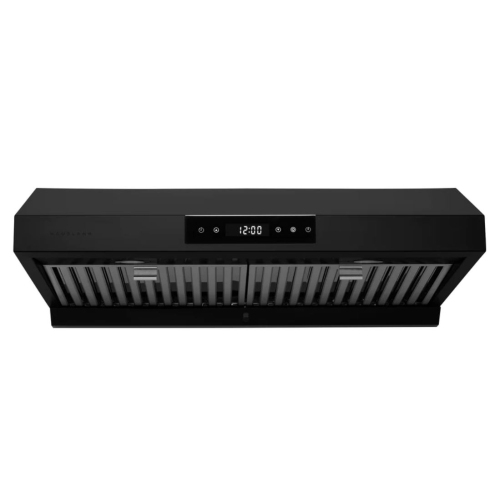 Your price for this item is $611.99
-
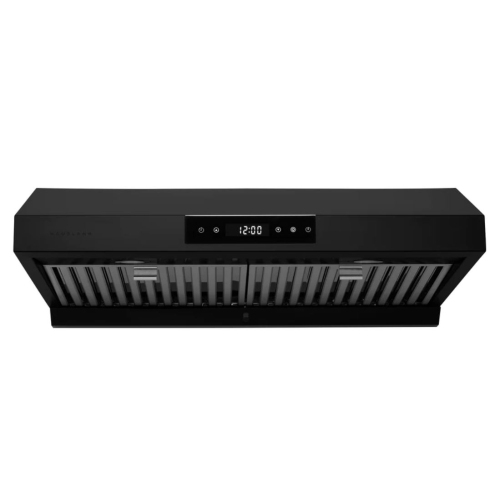 Your price for this item is $566.99
-
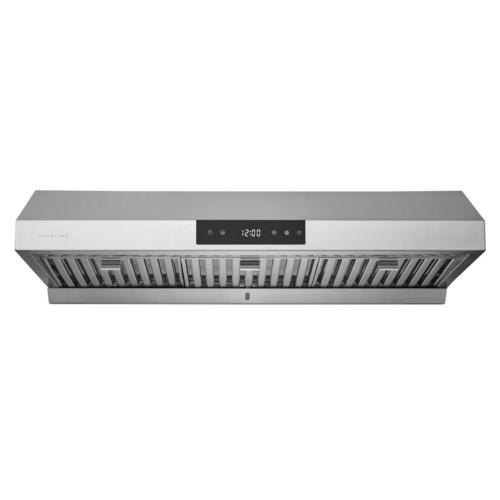 Your price for this item is $611.99
-
 Your price for this item is $611.99
-
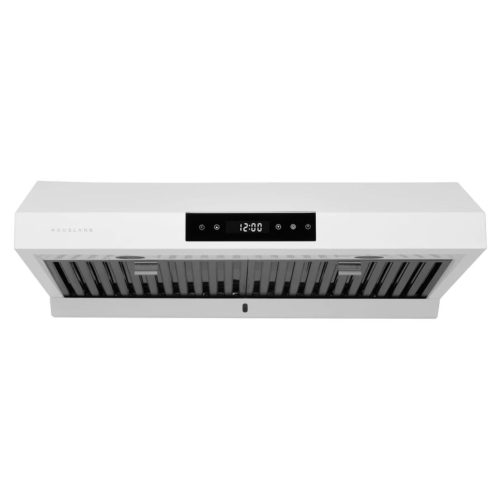 Your price for this item is $566.99
-
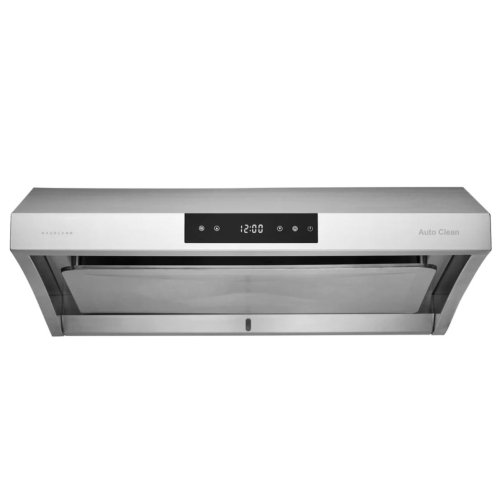 Your price for this item is $701.99
-
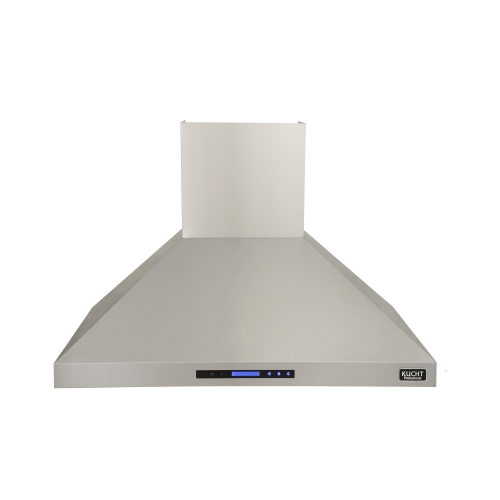 Your price for this item is $2455
Discover more categories related to Island Range Hoods With Glass Canopy
Top Collections:
Best Black Friday Deals This Year, Best Black Friday Deals On Electronics, Kindle Devices, Pokemon Centers, Best Black Friday Deals On Apple Products, Best Cameras for Sports Photography, Dyson Airwrap, Pokémon 30th Celebration Cards, Apple iPhone 17 Pro, Canon G7X Cameras
Some products may be subject to Environmental Handling Fees
(EHF) depending on your province.
Learn more about EHFs.