Glove Dryers
Looking for a convenient and effective way to keep your gloves dry and ready for your next adventure? Look no further than our selection of glove dryers. Whether you're an avid skier, hiker, or outdoor enthusiast, these innovative devices are designed to quickly and efficiently remove moisture from your gloves, helping to prolong their lifespan and ensure maximum comfort. With a variety of options available, you'll find the perfect glove dryer to meet your needs and keep you prepared for any weather condition.
Sort

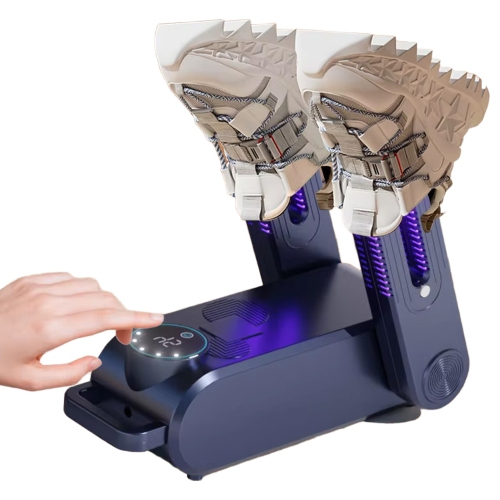
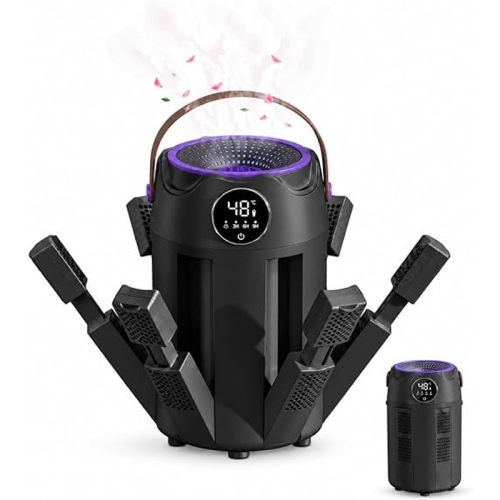
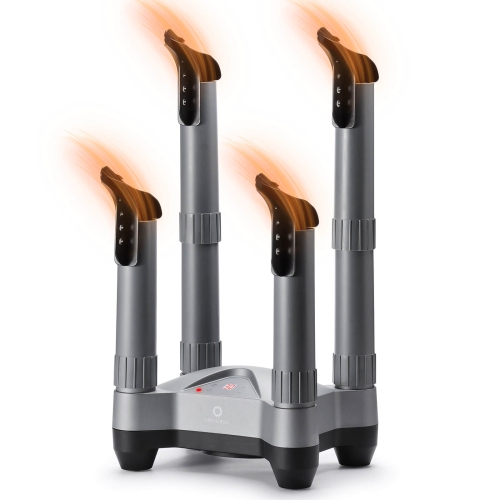
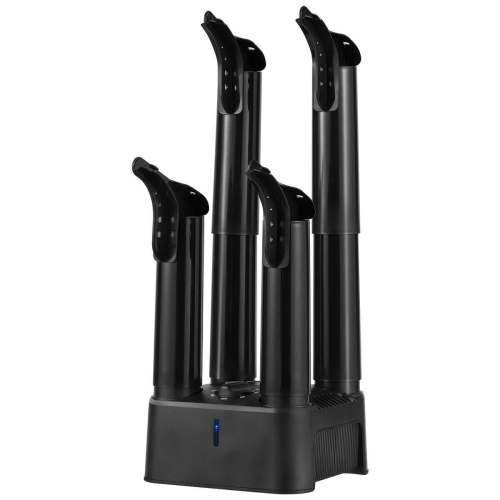
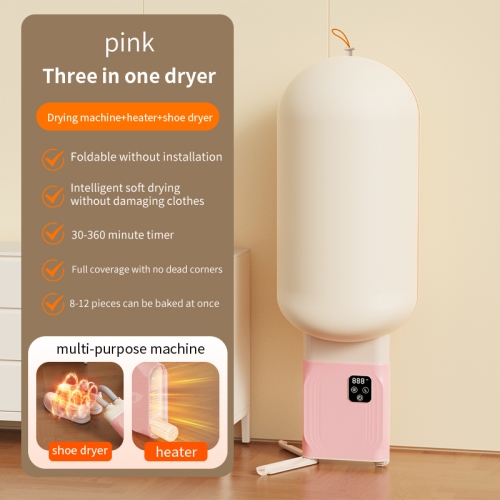
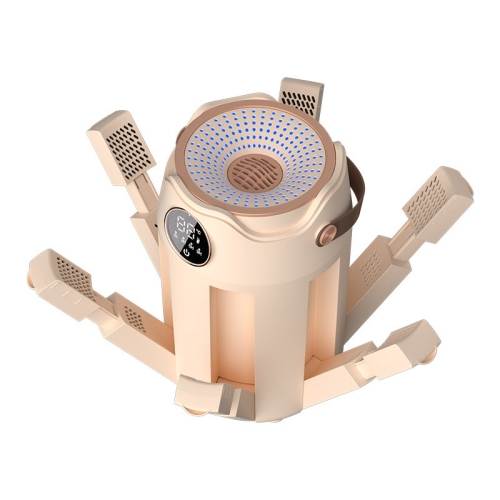
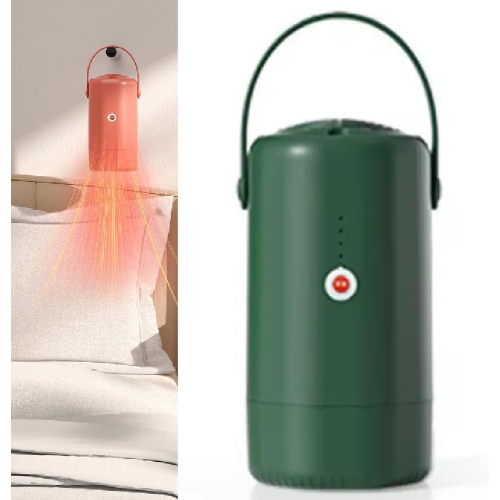
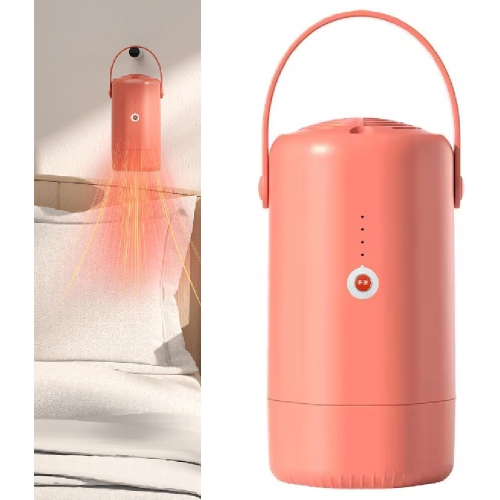
Gloves can feel dry while moisture stays trapped
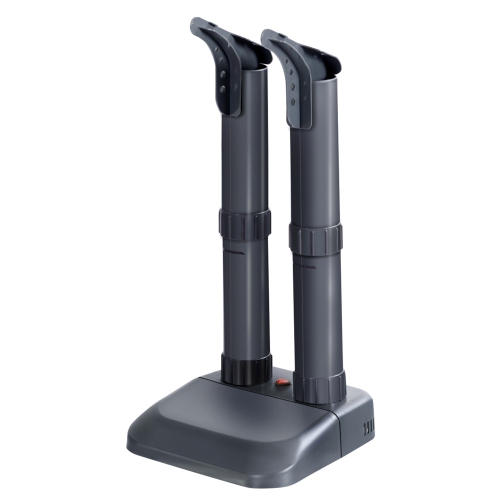
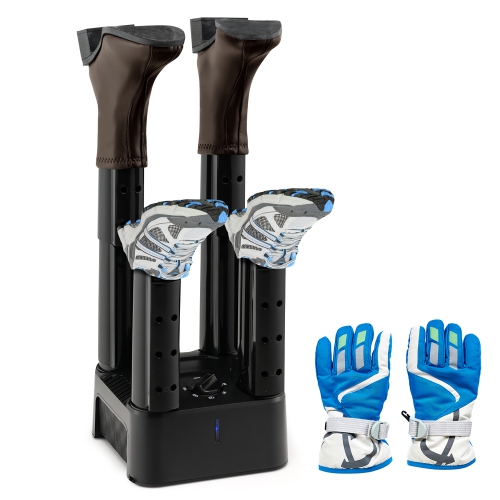
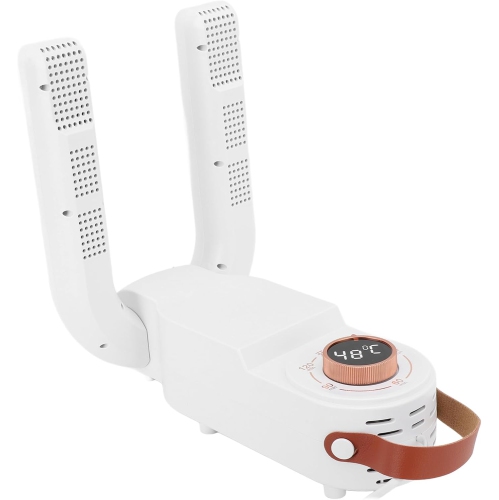
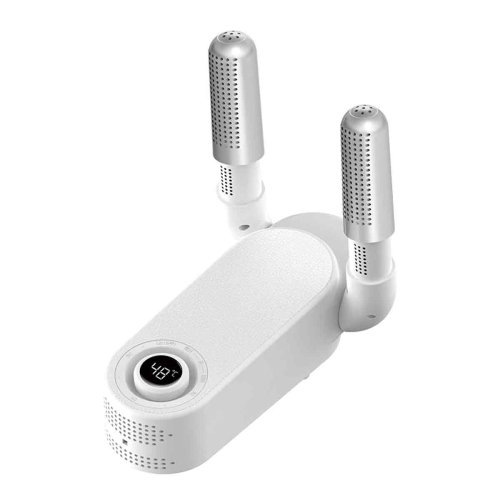
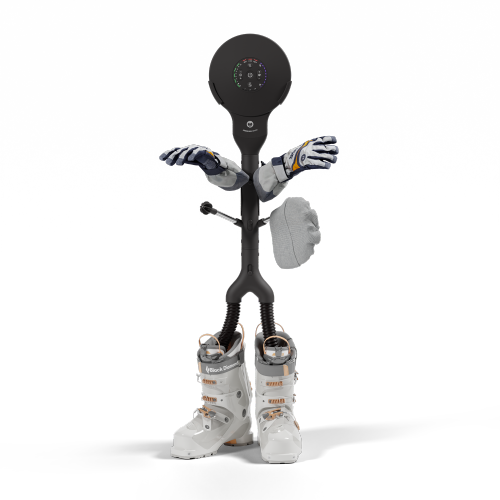
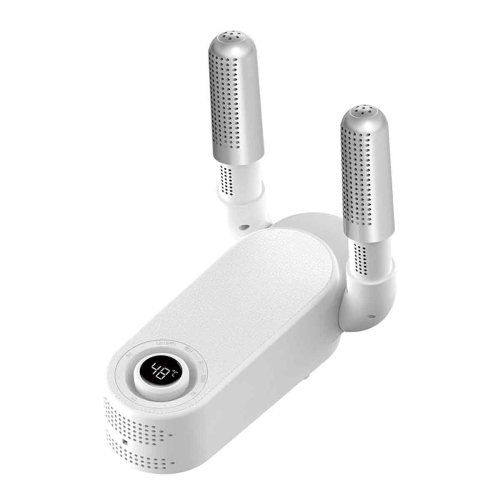
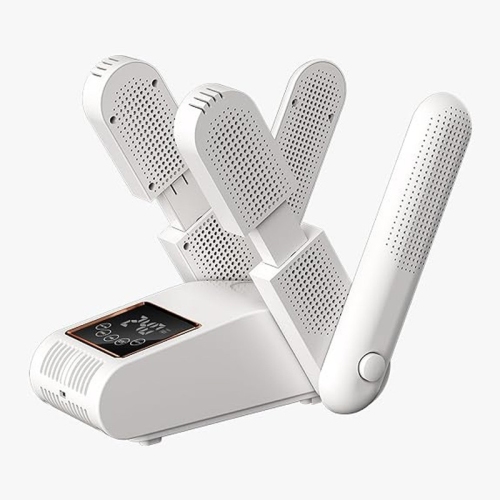
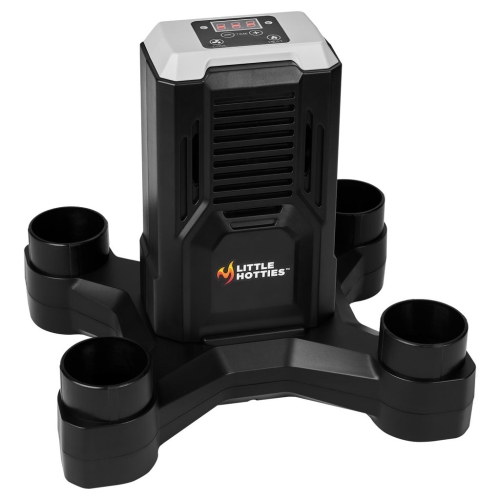
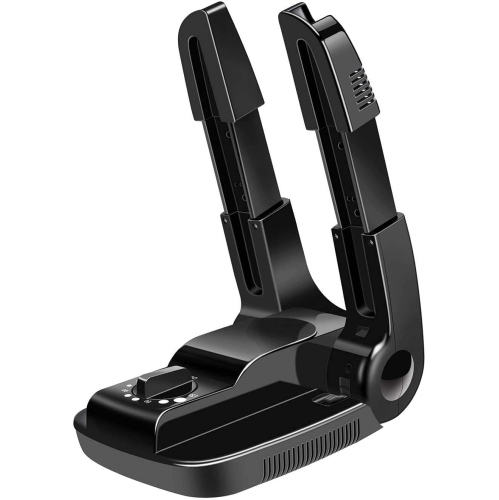
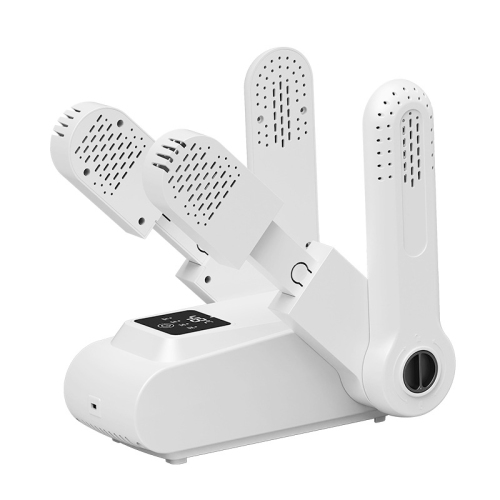
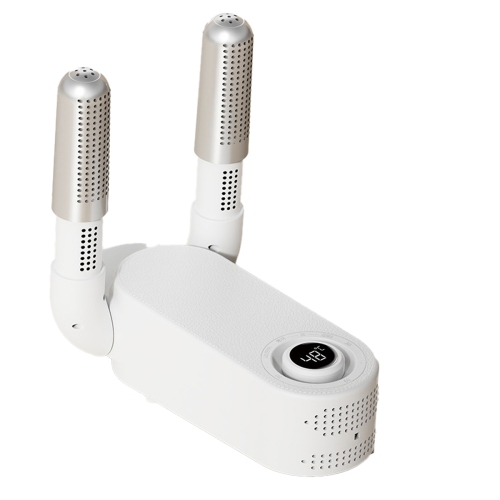
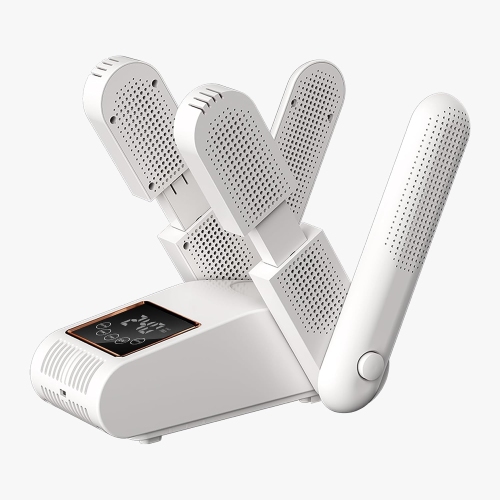
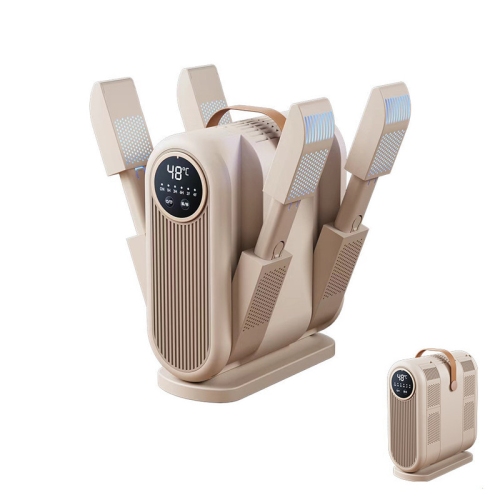
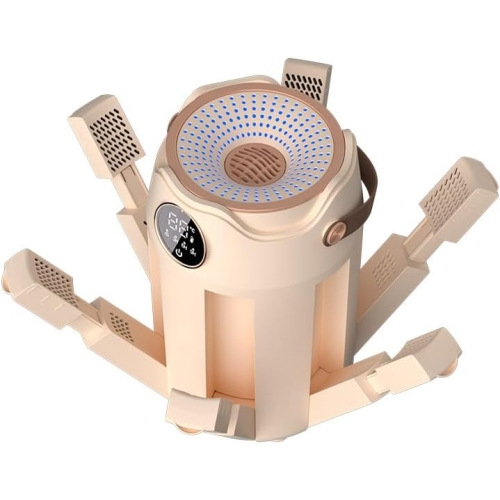
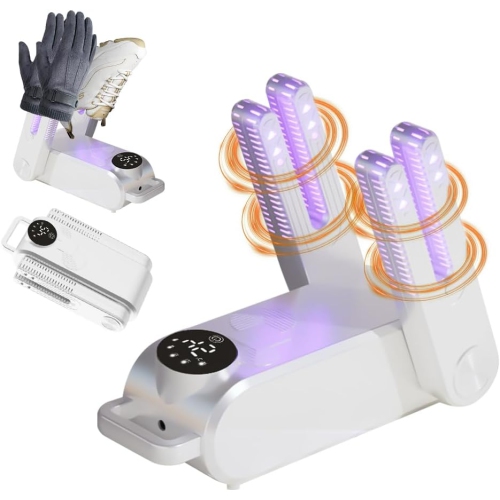
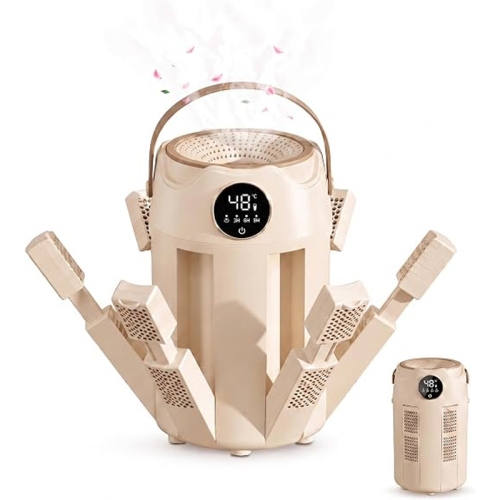
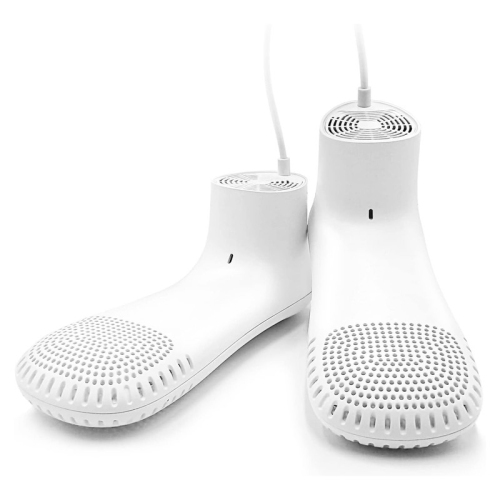
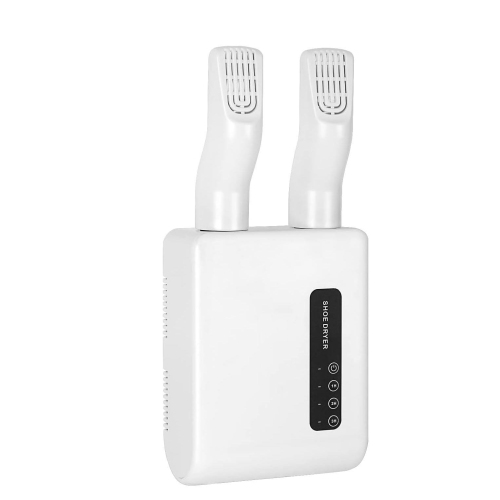
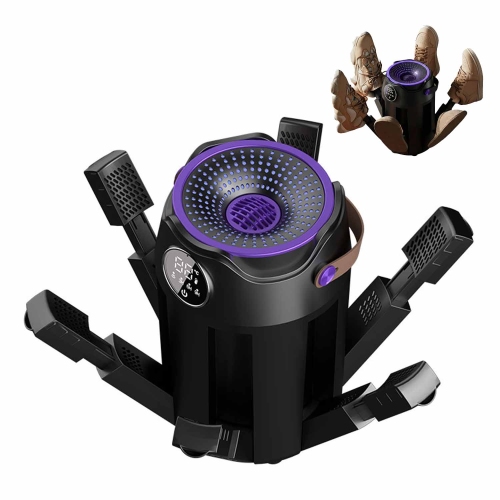
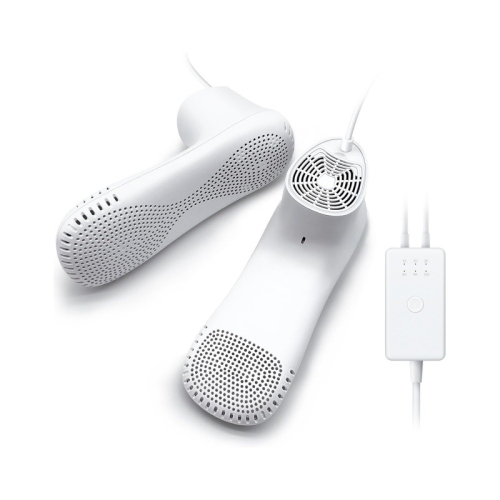
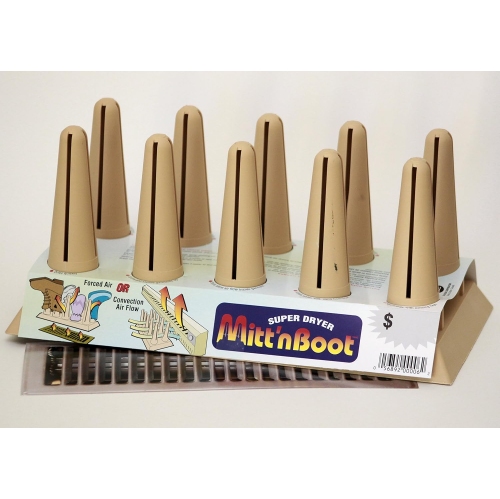
Glove dryers help remove moisture from the inside of gloves and mittens, where thick insulation, narrow fingers, and layered fabrics can make ordinary air-drying slow. They are useful for ski gloves after a day on the slopes, hockey gloves damp from practice, and work gloves worn through a demanding shift. A glove can feel dry across the palm while moisture remains in the fingertips or beneath the lining, leaving it uncomfortable the next time it is needed. By supporting the cuff and allowing air to move through the interior, a compatible dryer helps that trapped moisture escape. Different designs suit different routines. Forced-air glove dryers use a fan to circulate heated or unheated air through outlets or attachments. Heated airflow can help speed drying when the glove’s care instructions permit it, while an unheated setting offers another option for heat-sensitive materials. Convection dryers rely on gently rising warm air rather than a fan and generally take longer, making them a practical choice when gear can be left to dry between uses. Vent-mounted racks hold gloves above a compatible household heat register, using airflow from the heating system rather than a separate powered drying unit. Their performance depends on the register’s position, available airflow, and how often the heating system runs. Drying time varies with the glove’s construction, how wet it is, room conditions, and the dryer’s design; lightly damp fleece gloves and soaked, heavily insulated mittens will not dry at the same pace. For a household juggling school mittens, snowboarding gloves, and outdoor work gear, drying capacity can matter as much as speed. A single-pair design may suit one person’s daily routine, while a multi-port dryer can accommodate several compatible pieces of gear at once. The useful capacity is the number of gloves that can be supported with enough room for air to circulate, not simply the number of outlets on the base. That distinction becomes especially noticeable when several bulky pairs need drying after the same outing.
The right fit between a glove and its dryer helps air reach the lining without stretching the cuff or placing unnecessary strain on seams. Narrow glove openings, long gauntlet cuffs, and children’s mittens can each require a different attachment shape or outlet height. Extensions may help support longer cuffs, while rounded attachment ends are less likely to snag a soft lining during loading and removal. Ports should support the gloves securely without forcing them into place, and unused outlets should be managed according to the dryer’s instructions rather than blocked with improvised covers. Materials deserve equal attention. Leather, suede, wool, fleece, synthetic insulation, and waterproof constructions can have different care requirements, so a dryer’s temperature setting needs to suit the entire glove, including its lining, adhesive components, and trim. High heat can stiffen leather or damage some fabrics and bonded layers; gentle warmth is not automatically suitable for every glove. An ambient-air option is useful where the glove manufacturer permits fan drying but advises against heat. Removable liners may dry more evenly when separated from the outer shell, provided both pieces are cared for as directed. Gloves with heating elements or removable battery packs require particular care, and drying methods should follow their manufacturer’s instructions. Features such as selectable heat, a timer, and automatic shut-off can make a dryer easier to fit into an everyday routine, but they do not replace checking material compatibility. A timer is especially helpful when different pairs need different drying periods, while accessible controls make adjustments simpler when the unit sits on a utility-room shelf or near an entryway. Fan sound also matters in a small home, particularly when gear dries near a bedroom or shared living space. For frequent use, a stable base, securely fitted tubes, and durable attachments are worthwhile considerations. Wet gloves can be surprisingly heavy, and a dryer should remain steady when loaded within its stated capacity. A layout that leaves room between gloves also makes it easier to check cuffs, reposition a liner, or remove one pair without disturbing the rest.
Everyday convenience often comes down to where a glove dryer will sit and how easily it can be kept clean. A compact footprint suits a small entryway, while taller attachments need enough clearance beneath shelving to hold gloves without folding their cuffs shut. Powered units need a suitable outlet and a placement that meets the manufacturer’s clearance and surface requirements, away from standing water and anything that could obstruct airflow. Snow-covered or dripping gloves may need loose snow removed and excess moisture handled according to their care instructions before drying begins. Mud, grit, and rink debris are easier to keep out of the dryer when gloves are cleaned appropriately first. Keeping air openings clear and wiping accessible surfaces as directed helps maintain airflow, while checking attachments for cracks or loose connections is sensible with repeated use. Drying can reduce the time gloves remain damp, but it is not a substitute for washing, leather conditioning, or other care specified by the glove maker, and it should not be assumed to sanitize gear. For people who travel to ski hills, tournaments, or work sites, packable attachments and manageable dimensions can be more useful than a large permanent setup. A shared household may benefit more from a sturdy multi-pair arrangement that keeps everyone’s gloves organized in one place. Glove dryers can also make thoughtful practical gifts for skiers, snowboarders, hockey players, outdoor workers, or parents managing several pairs of children’s mittens. Matching the dryer to the recipient’s glove materials and usual drying space makes the gift more useful than choosing by capacity alone. Where damp footwear is part of the same routine, Electric Shoe Dryers offer related options for shoes and boots; any shared glove-and-footwear setup still needs attachments and operating settings approved for each use. The most suitable arrangement gives regularly worn gear adequate support, appropriate airflow, and enough drying time to be comfortable for its next outing.
Top selling and popular products
-
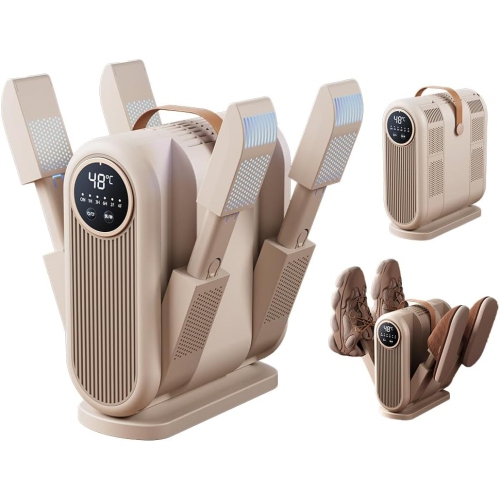 Your price for this item is $60.99
-
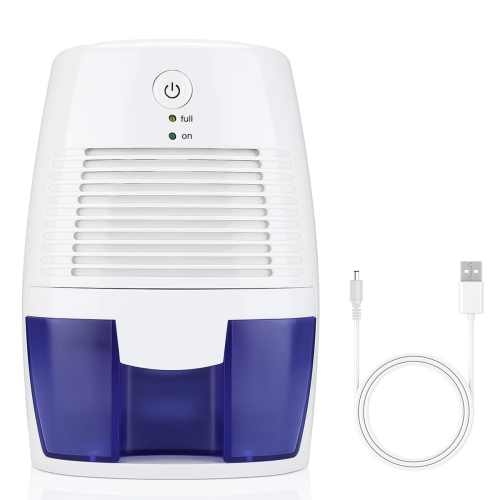 Your price for this item is $60.27
-
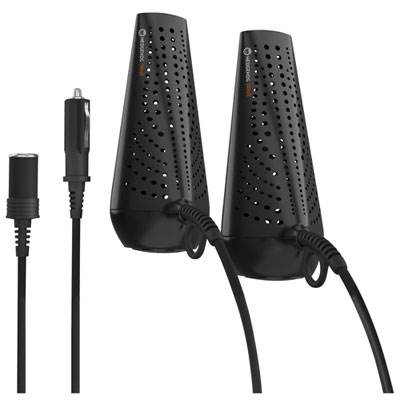 Your price for this item is $79.99
-
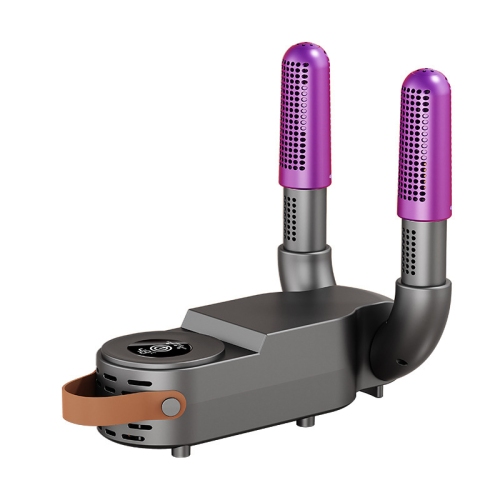 Your price for this item is $62.99
-
 Your price for this item is $23.99
-
 Your price for this item is $109.99
-
 Your price for this item is $77.99
-
 Your price for this item is $63.99
Discover more categories related to Glove Dryers
Top Collections:
Best Black Friday Deals This Year, Best Black Friday Deals On Electronics, Kindle Devices, Pokemon Centers, Best Black Friday Deals On Apple Products, Best Cameras for Sports Photography, Dyson Airwrap, Pokémon 30th Celebration Cards, Apple iPhone 17 Pro, Canon G7X Cameras
Some products may be subject to Environmental Handling Fees
(EHF) depending on your province.
Learn more about EHFs.