Portable Boot Dryers
Keep your boots dry and fresh with these portable boot dryers. Whether you're an avid hiker, a winter sports enthusiast, or someone who simply wants to keep their footwear in top condition, these compact and efficient devices are a must-have. Designed to remove moisture and odors from your boots, these portable boot dryers offer quick and convenient drying solutions for all types of footwear.
Sort
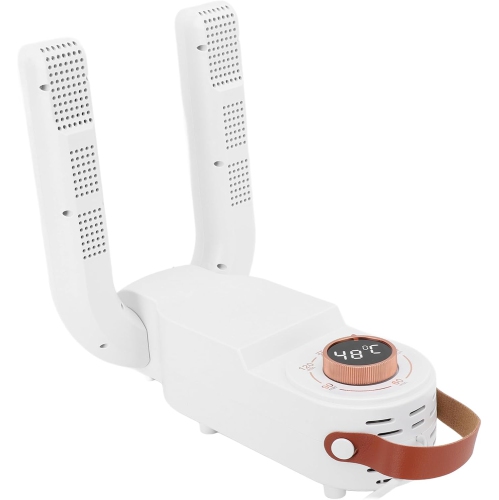
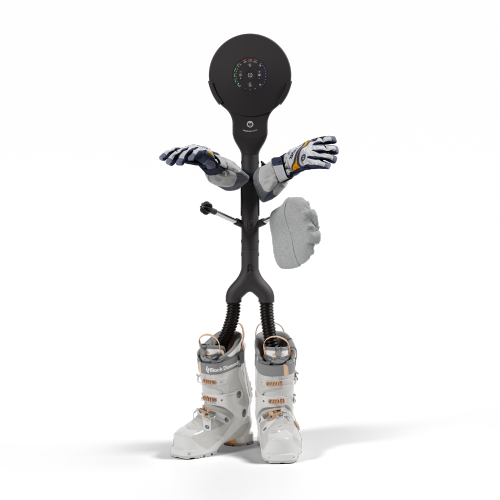
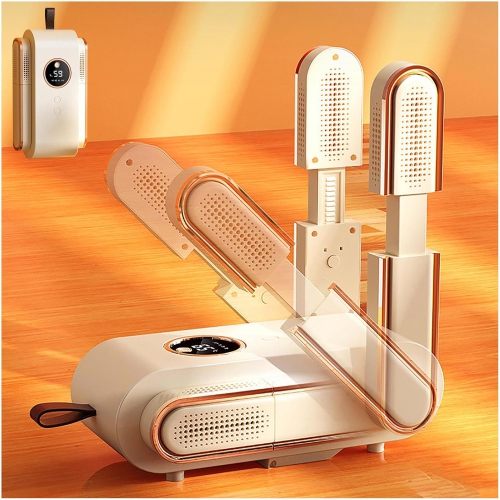
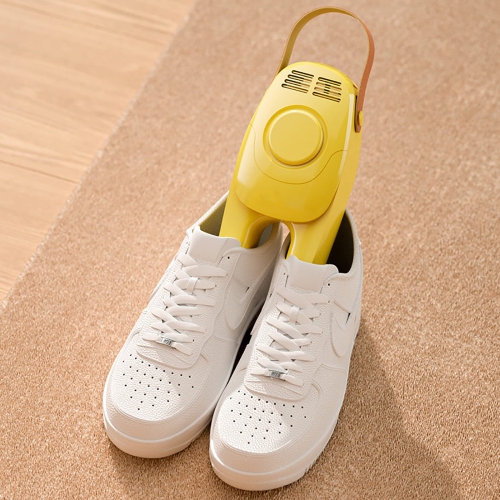
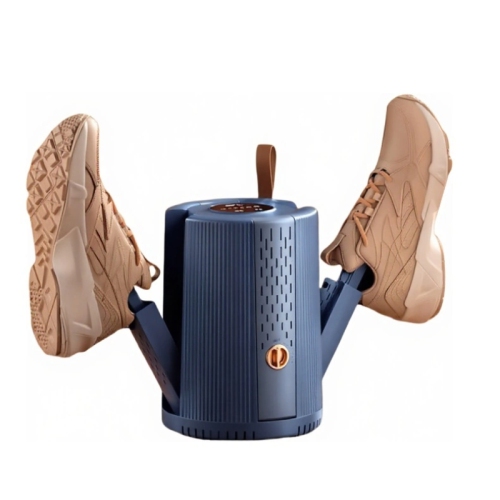
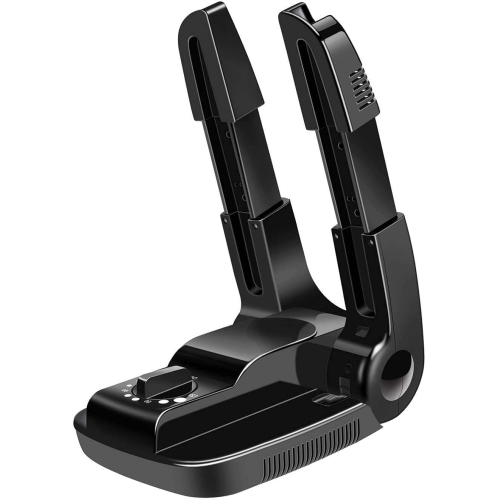
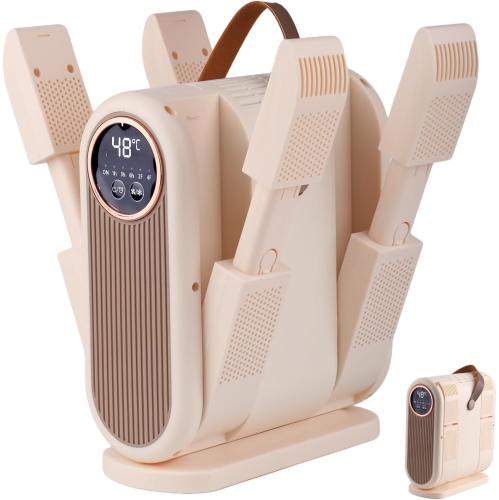
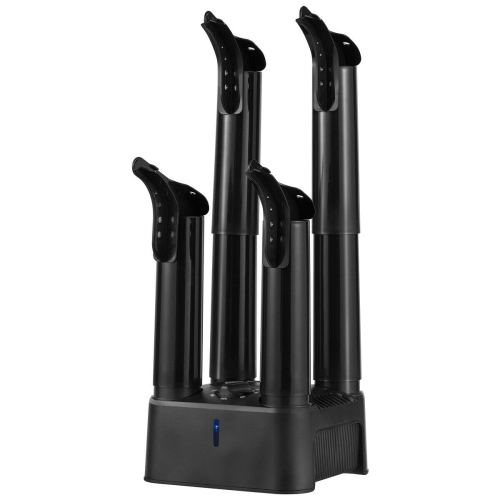
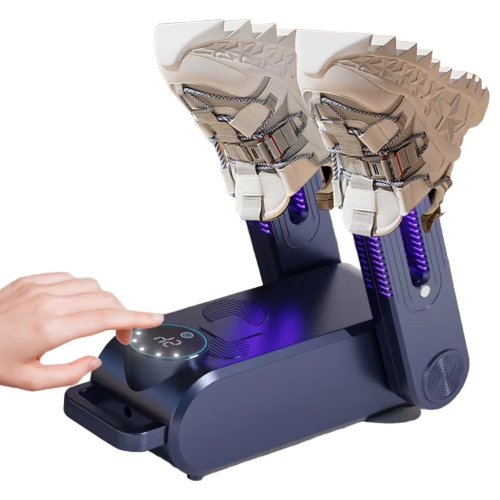
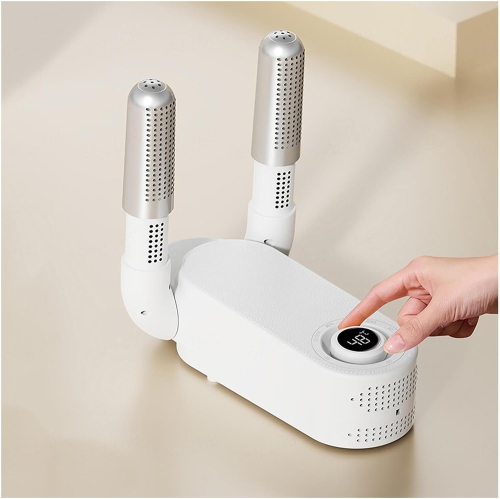
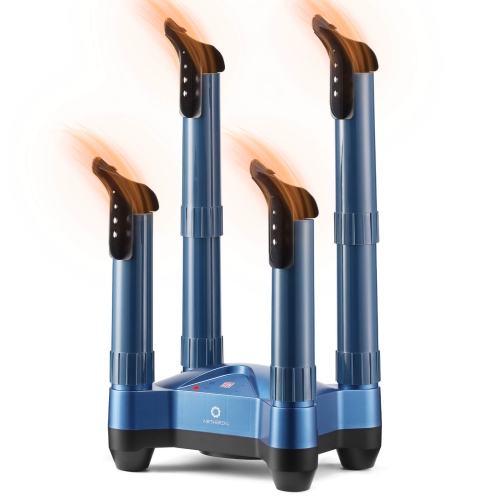
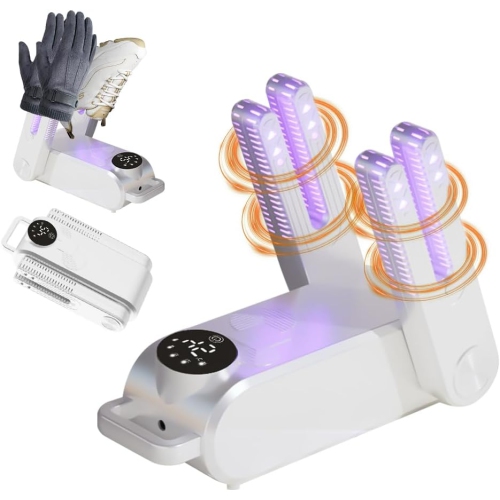
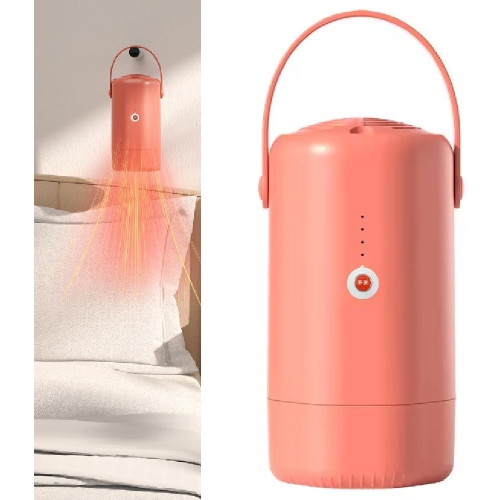
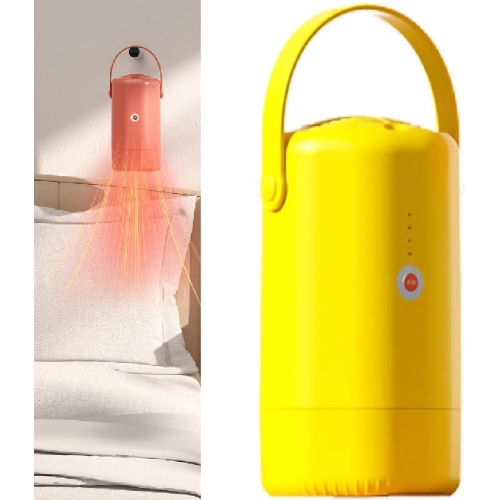
Dry footwear faster between commutes, adventures, and everyday outings
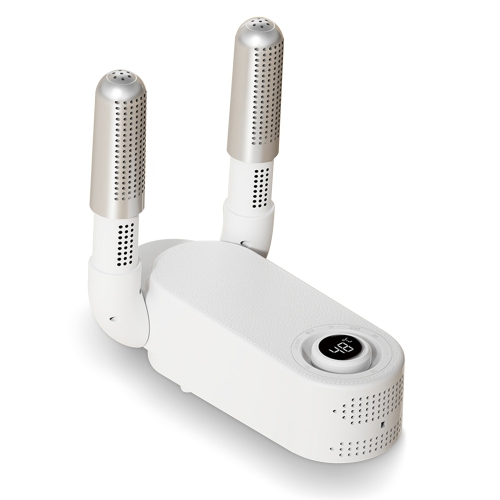
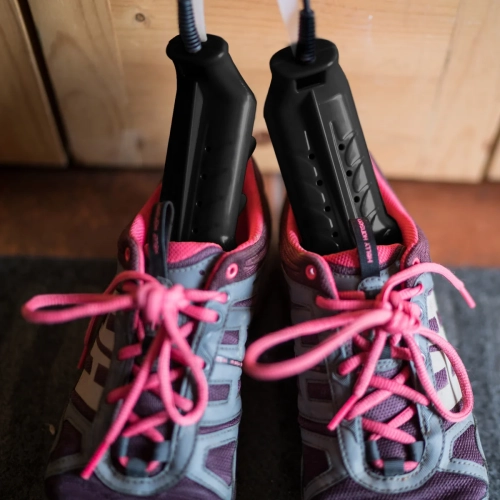
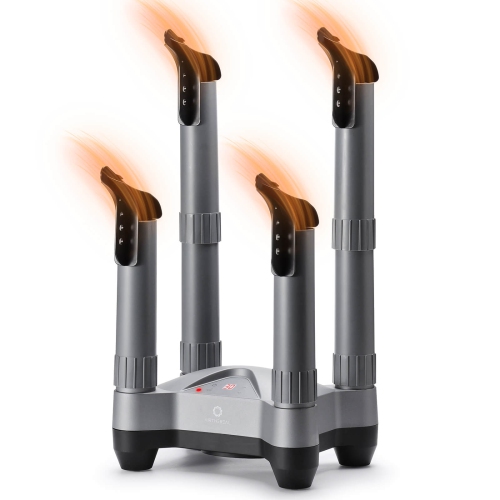
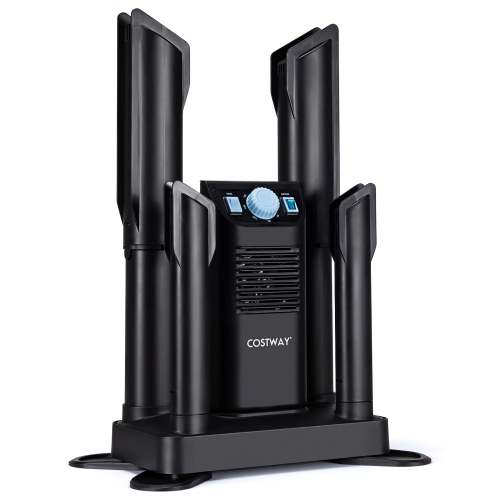
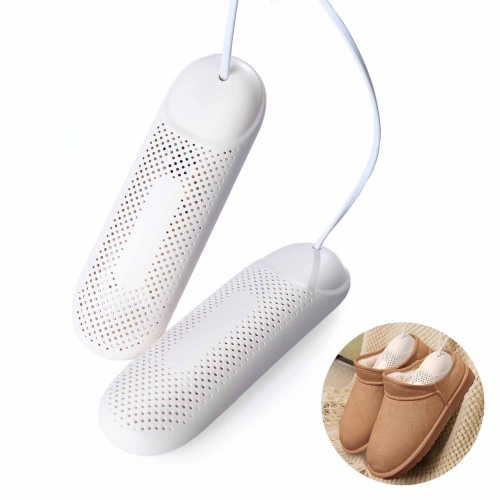
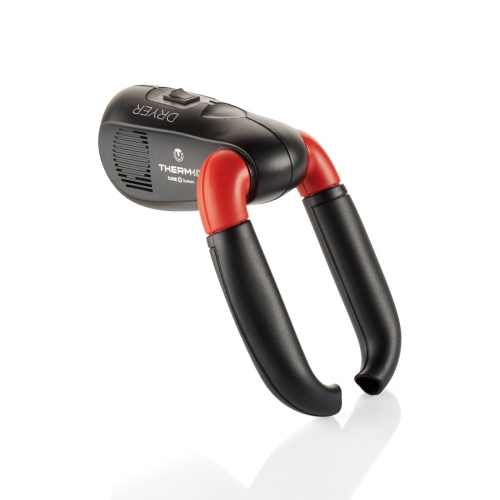
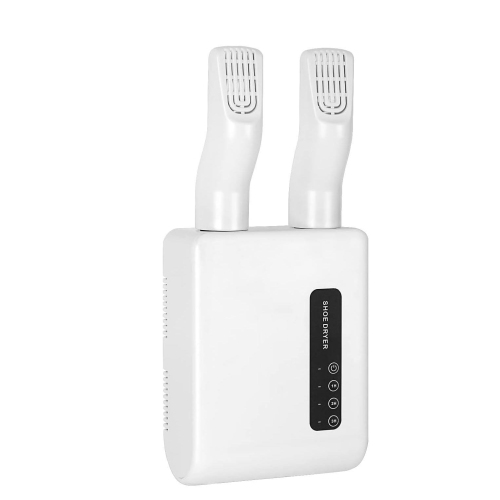
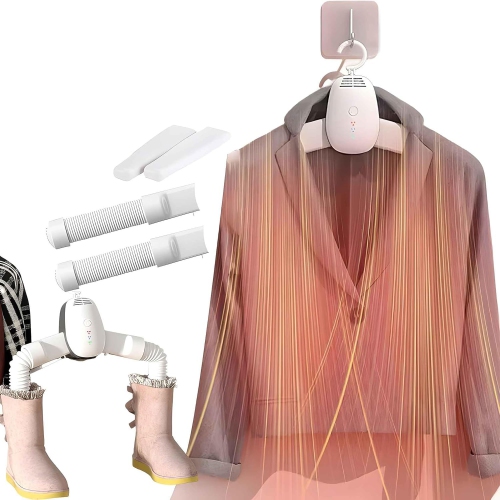
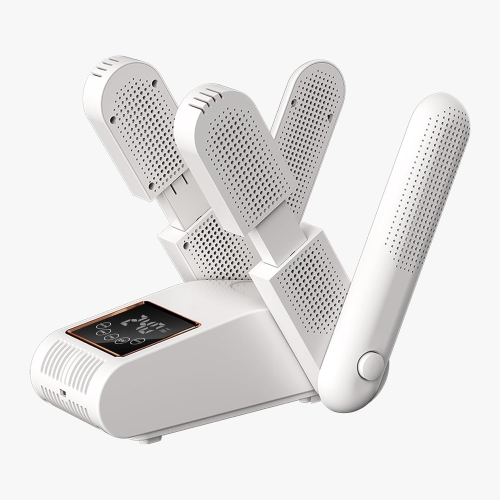
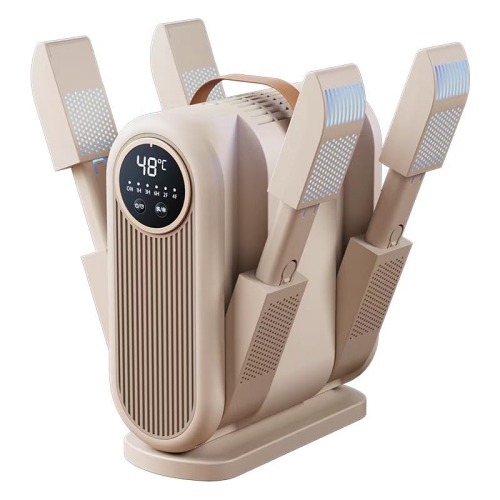
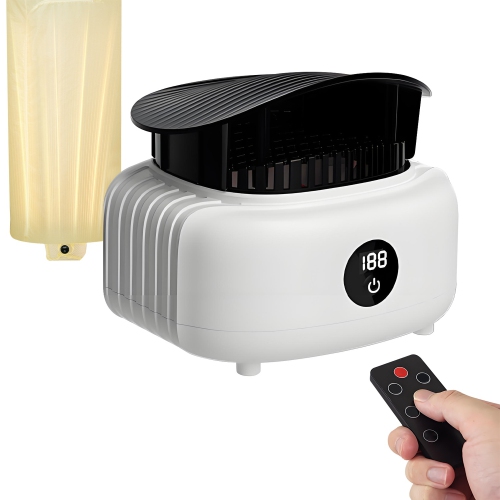
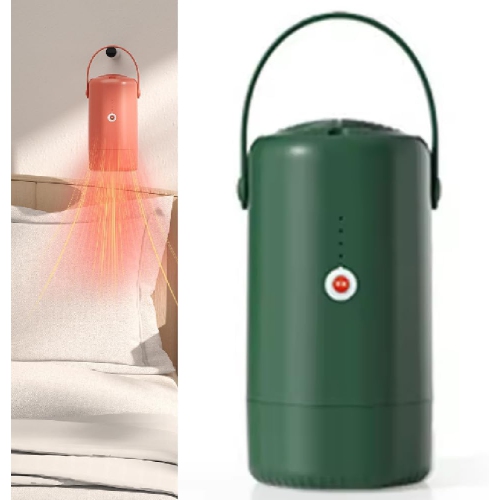
Portable boot dryers are compact appliances designed to remove moisture from footwear after exposure to rain, snow, slush, perspiration, or damp ground. They can be useful throughout the cooler months, when boots may be worn repeatedly and have less opportunity to dry naturally between outings. By circulating warm air through the shafts and footbeds, a boot dryer helps reduce the amount of time footwear stays wet, which can make the next morning’s routine more comfortable. Portable models are especially practical for homes with limited storage, shared entryways, cottages, campsites, workshops, and vehicles. They can be used for work boots, winter boots, hiking footwear, ski boots, riding boots, athletic shoes, gloves, and other small items that become damp during outdoor activities. For people who spend long hours outdoors, a dryer can be a helpful part of a regular gear routine: place the footwear on the drying ports after returning home, remove the insoles if recommended by the footwear manufacturer, and allow air to reach the interior before storing the boots. Parents may appreciate one for children’s footwear after snowy walks and playground outings, while commuters, tradespeople, delivery workers, anglers, hunters, hikers, and recreational athletes may use one frequently. A portable boot dryer can also be a thoughtful gift for someone moving to a colder region, preparing for a ski trip, outfitting a winter vehicle, or spending more time at a cabin. For additional footwear-drying options, explore Electric Shoe Dryers.
The drying method is one of the most important considerations when choosing a portable boot dryer. Thermal convection models warm the air and allow it to rise naturally through the footwear, often operating quietly because they do not rely on moving fan components. They may be a good fit for overnight use, bedrooms, offices, or shared living spaces where low noise matters. Forced-air models use fans to push air through the boots and can typically shorten drying time, making them useful when footwear needs to be ready again after a work shift, outdoor excursion, or series of activities. Some designs combine gentle heat with fan circulation, while others offer adjustable temperature settings, selectable drying times, or separate controls for each pair. A timer can help prevent unnecessary operation and is convenient when footwear is placed on the dryer before bed. Flexible or bendable drying tubes may suit tall boots, ski boots, or footwear with unusual shapes, while a compact fixed-port design can be easier to pack and store. Look for a size and layout that accommodate the footwear you use most often, since a dryer intended for low-cut shoes may not reach deeply into taller boots. Heat should be warm enough to evaporate moisture without being excessive; delicate leather, adhesives, waterproof membranes, decorative finishes, and certain synthetic materials can be affected by high temperatures. Always follow the care instructions for the footwear and the dryer, and avoid placing wet footwear on a heat source that the manufacturer does not approve.
Power and portability are particularly important for a unit described as portable. A standard 120V AC adapter is convenient for use in a home, garage, mudroom, or lodge, while a 12V vehicle adapter can be useful during road trips, camping excursions, tournaments, hunting trips, and ski weekends. Some models are designed to work with USB-C power sources, which may provide added flexibility when paired with a compatible power bank or vehicle accessory, although output and charging requirements should be checked before purchase. A travel pouch, folding frame, compact footprint, or cord-storage feature can make the dryer easier to carry between home and a vehicle. Consider how many pairs need to be dried at once, where the dryer will be placed, and whether it must fit inside a duffel bag or equipment case. Odour-control features may also be available, including airflow designed to freshen footwear and, on some models, ozone or ultraviolet functions. These features can vary widely, so review the operating instructions and any safety requirements before use, particularly around children, pets, enclosed spaces, and sensitive materials. For everyday care, shake out loose snow and debris, empty removable liners where possible, and keep air openings clear. A boot dryer is not a substitute for cleaning or repairing footwear, but it can help manage dampness between uses and make wet-weather gear easier to wear again. During the transition from milder conditions to colder weather, choosing a portable dryer with the right airflow, power options, timer controls, and boot capacity can help keep footwear ready for commutes, chores, recreation, and unexpected changes in the forecast.
The drying method is one of the most important considerations when choosing a portable boot dryer. Thermal convection models warm the air and allow it to rise naturally through the footwear, often operating quietly because they do not rely on moving fan components. They may be a good fit for overnight use, bedrooms, offices, or shared living spaces where low noise matters. Forced-air models use fans to push air through the boots and can typically shorten drying time, making them useful when footwear needs to be ready again after a work shift, outdoor excursion, or series of activities. Some designs combine gentle heat with fan circulation, while others offer adjustable temperature settings, selectable drying times, or separate controls for each pair. A timer can help prevent unnecessary operation and is convenient when footwear is placed on the dryer before bed. Flexible or bendable drying tubes may suit tall boots, ski boots, or footwear with unusual shapes, while a compact fixed-port design can be easier to pack and store. Look for a size and layout that accommodate the footwear you use most often, since a dryer intended for low-cut shoes may not reach deeply into taller boots. Heat should be warm enough to evaporate moisture without being excessive; delicate leather, adhesives, waterproof membranes, decorative finishes, and certain synthetic materials can be affected by high temperatures. Always follow the care instructions for the footwear and the dryer, and avoid placing wet footwear on a heat source that the manufacturer does not approve.
Power and portability are particularly important for a unit described as portable. A standard 120V AC adapter is convenient for use in a home, garage, mudroom, or lodge, while a 12V vehicle adapter can be useful during road trips, camping excursions, tournaments, hunting trips, and ski weekends. Some models are designed to work with USB-C power sources, which may provide added flexibility when paired with a compatible power bank or vehicle accessory, although output and charging requirements should be checked before purchase. A travel pouch, folding frame, compact footprint, or cord-storage feature can make the dryer easier to carry between home and a vehicle. Consider how many pairs need to be dried at once, where the dryer will be placed, and whether it must fit inside a duffel bag or equipment case. Odour-control features may also be available, including airflow designed to freshen footwear and, on some models, ozone or ultraviolet functions. These features can vary widely, so review the operating instructions and any safety requirements before use, particularly around children, pets, enclosed spaces, and sensitive materials. For everyday care, shake out loose snow and debris, empty removable liners where possible, and keep air openings clear. A boot dryer is not a substitute for cleaning or repairing footwear, but it can help manage dampness between uses and make wet-weather gear easier to wear again. During the transition from milder conditions to colder weather, choosing a portable dryer with the right airflow, power options, timer controls, and boot capacity can help keep footwear ready for commutes, chores, recreation, and unexpected changes in the forecast.
Top selling and popular products
-
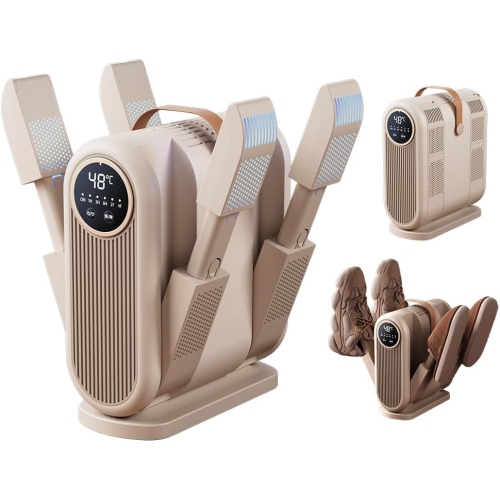 Your price for this item is $60.99
 -
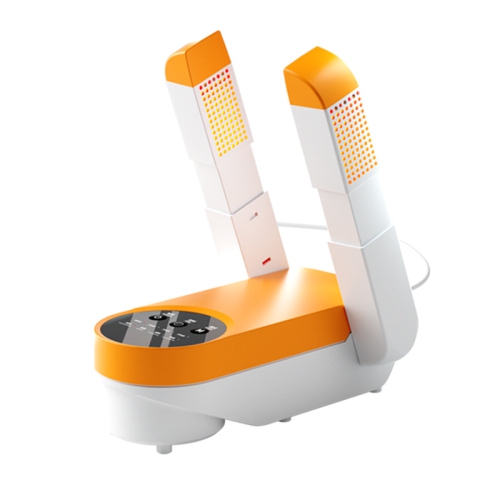 Your price for this item is $46.99
 -
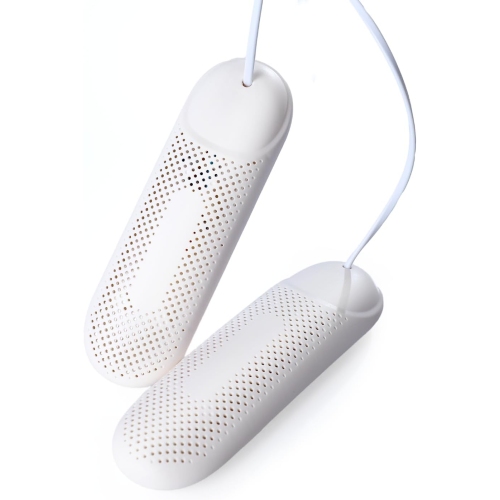 Your price for this item is $23.99
 -
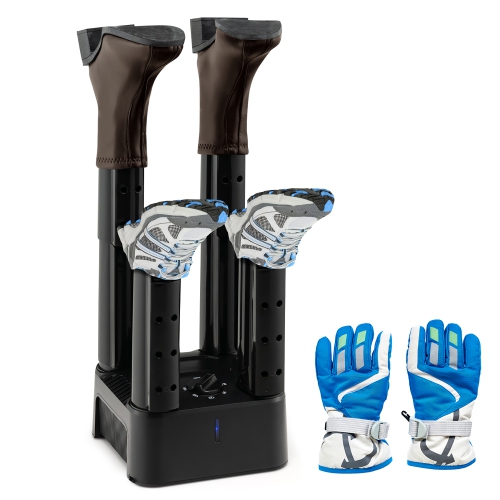 Your price for this item is $98.99
 -
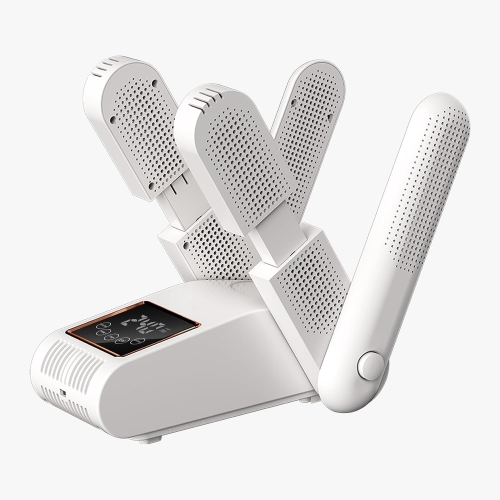 Your price for this item is $39.99
 -
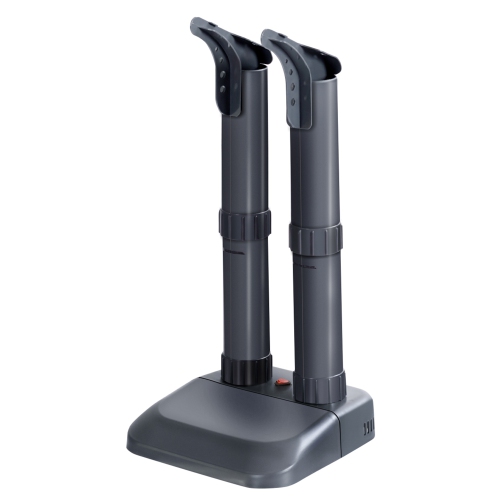 Your price for this item is $59.99
 -
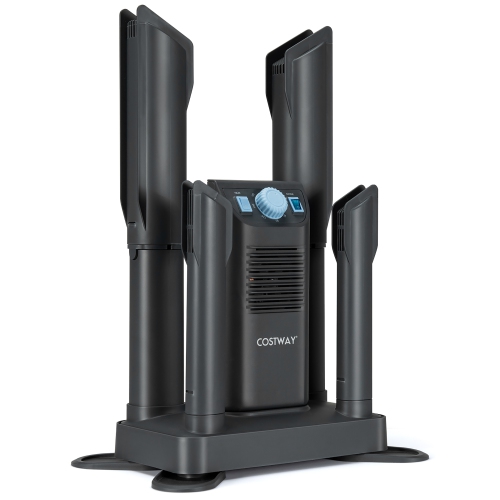 Your price for this item is $96.99
 -
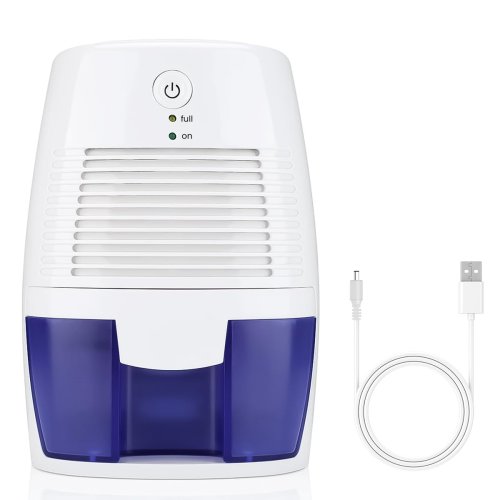 Your price for this item is $60.27
Discover more categories related to Portable Boot Dryers
Top Collections:
Pokemon Centers, Kindle Devices, Best Budget Office Chairs, Apple iPhones 16, Best Laptops for Writers, iPhone 15 Apple, Canon G7X Cameras, Refurbished Apple Laptops, Alarm Clock, Motorola Razr Phones
Some products may be subject to Environmental Handling Fees
(EHF) depending on your province.
Learn more about EHFs.