Boot Dryers
Boot Dryer solutions offer a convenient way to keep your footwear ready for any adventure. Whether you’re returning from the slopes, hiking trails, or a rainy day in the city, a Boot Dryer helps maintain comfort and freshness for your favorite boots and shoes. Explore a range of options designed to fit different lifestyles and needs, making it easy to care for your footwear year-round. Find the right Boot Dryer to ensure your boots are always prepared for your next outing.
Sort
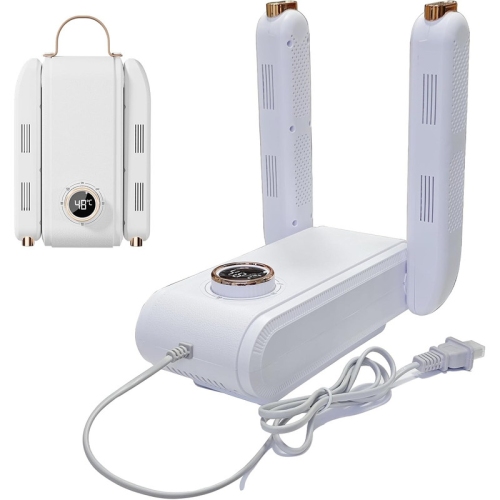
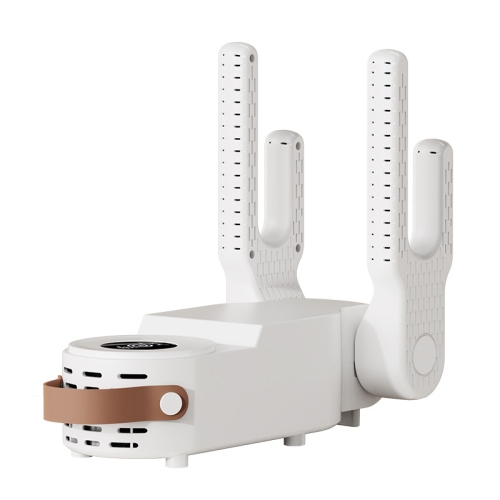
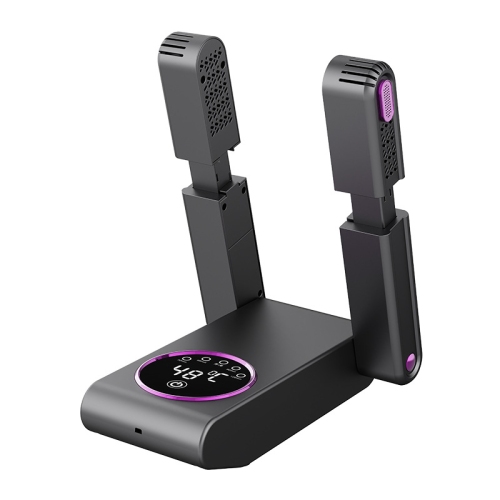
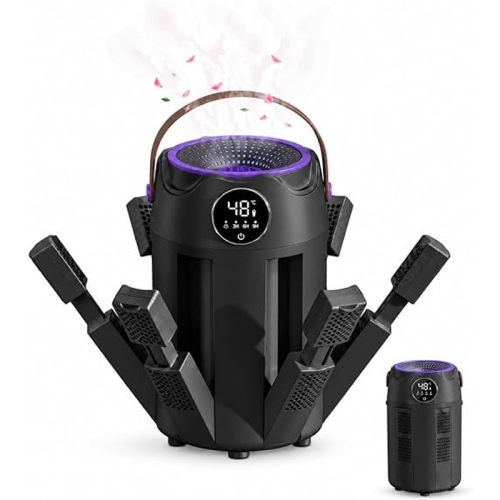
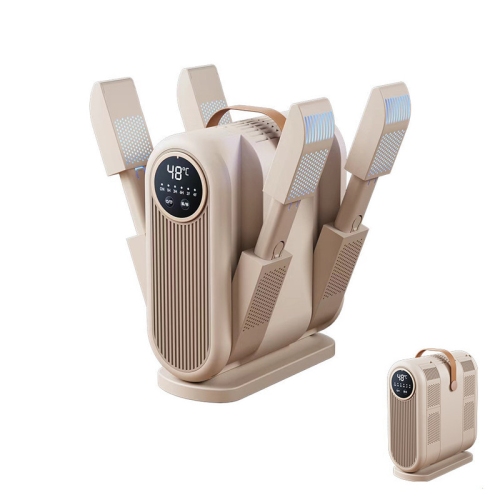
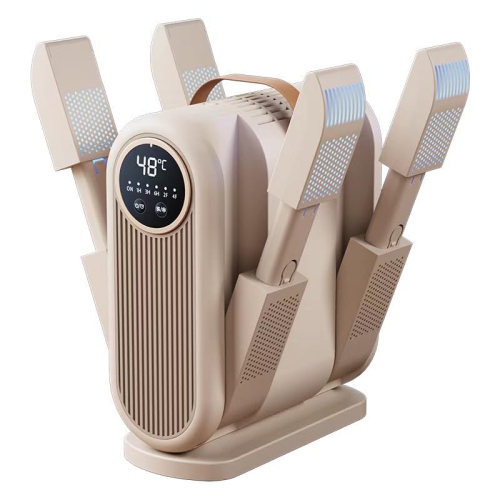
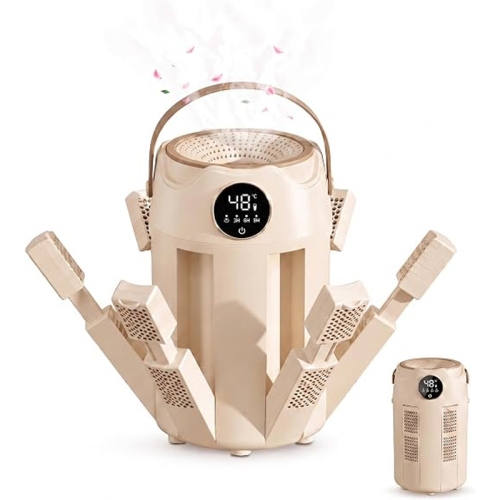
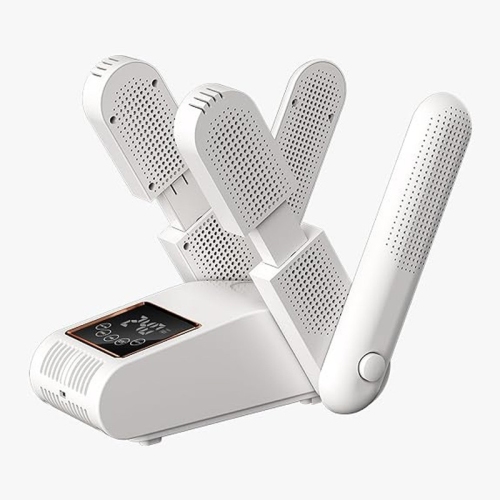
Boots can look dry and still feel damp inside
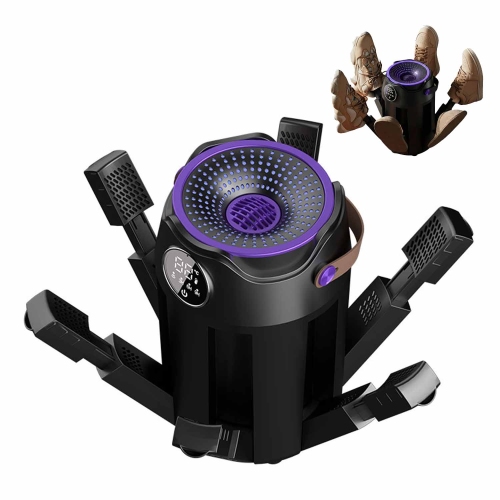
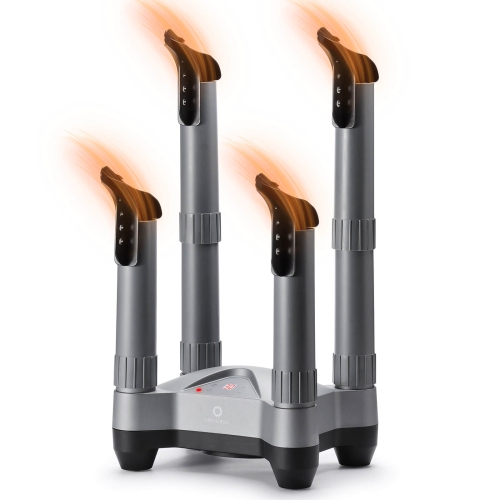
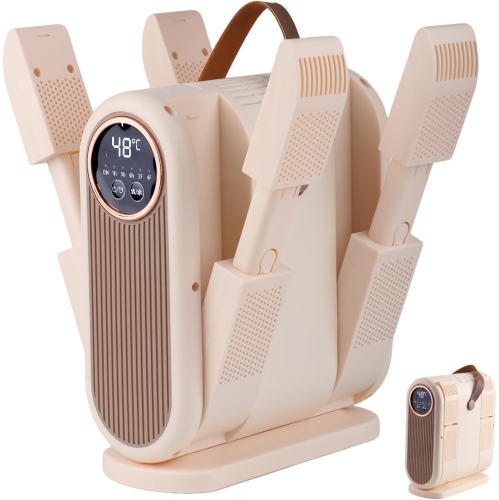
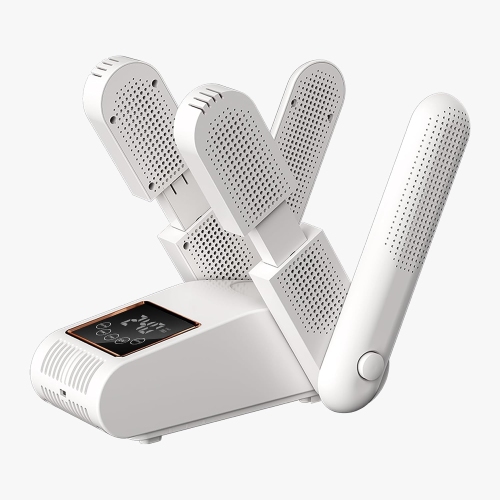
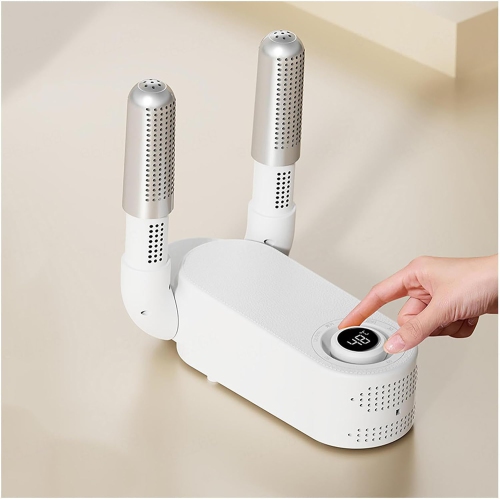
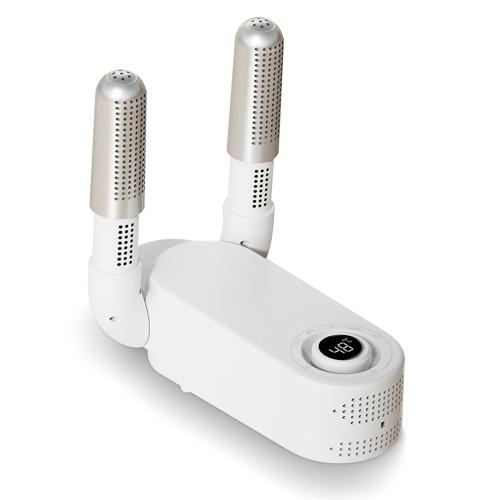
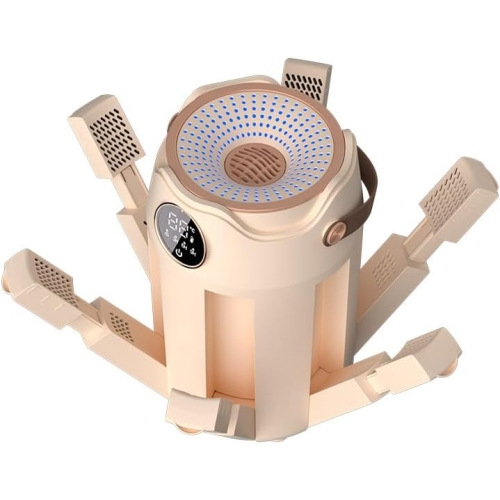
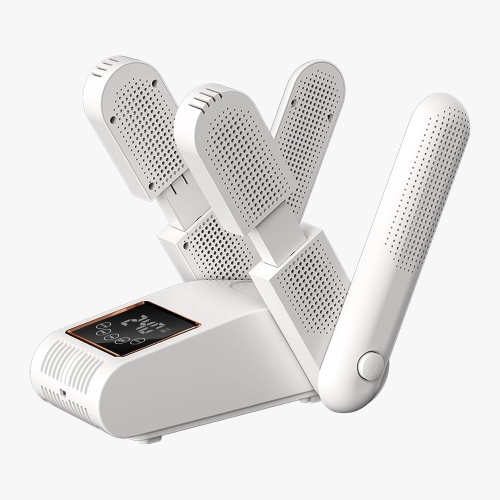
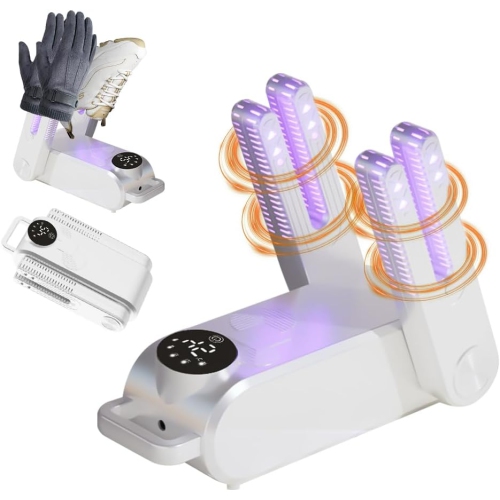
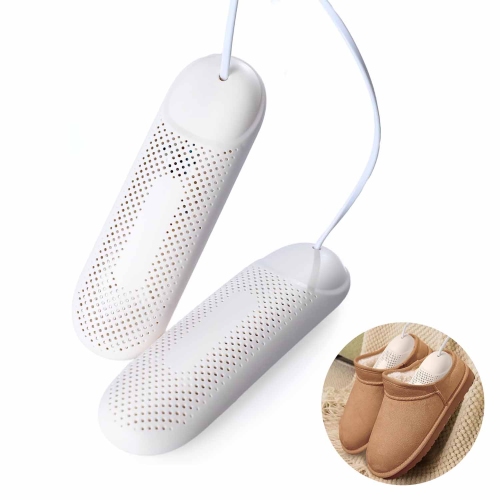
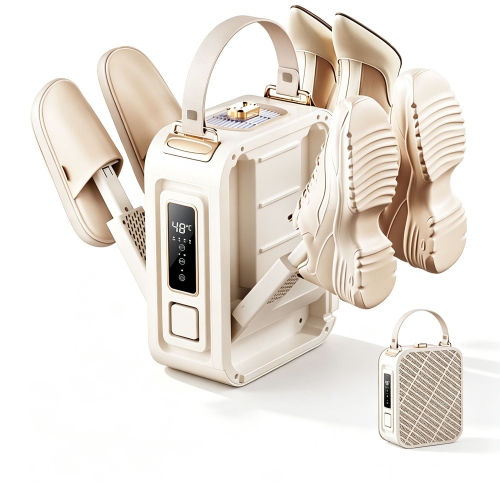
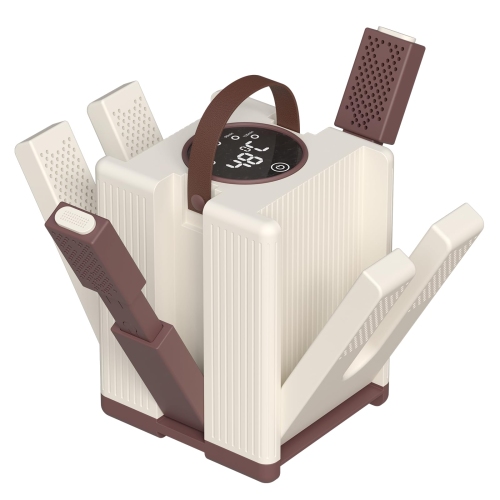
Boot dryers remove moisture from inside footwear using gentle warmth, airflow, or a combination of both. They help dry areas that are difficult to reach with a towel, including toe boxes, padded tongues, and thick linings. That makes them useful for everything from work boots worn through a long shift to hiking footwear brought home with damp interiors. Moisture can come from perspiration as well as rain, slush, or snow, so even boots that look dry on the outside may feel clammy when put back on. A boot dryer gives that trapped moisture a way out, helping footwear feel more comfortable for its next use and reducing the lingering odours associated with dampness. Different drying systems suit different routines. Convection designs use gently rising warm air and typically operate quietly, while fan-assisted designs move air through the footwear and may suit households with several pairs to dry between outings. Some designs offer unheated airflow or adjustable heat, allowing more flexibility when footwear care requirements vary. Drying time depends on the amount of moisture, the thickness of the lining, the shape of the boot, and the dryer’s operating method. A lightly damp walking shoe presents a different task from a heavily soaked, insulated work boot, so a single drying-time claim cannot describe every situation. For someone who wears the same boots daily, regular drying can make the difference between stepping into a comfortable lining and starting the day with damp socks. Outdoor workers, hikers, skiers, and families managing wet school footwear can all find a use for dedicated drying space. Boot dryers are also helpful after exercise, when moisture has collected inside footwear without any visible wetness on the exterior. Their role is straightforward: drying footwear between uses, rather than washing it, repairing it, or replacing the care needed to keep it in good condition.
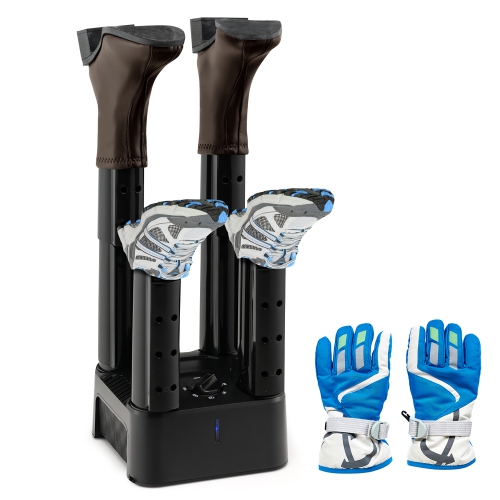
Footwear materials matter because a drying method that suits one pair may be unsuitable for another. Leather, suede, synthetic fabrics, rubber shells, insulated linings, and waterproof membranes can have different care requirements, especially where heat is concerned. Excessive heat can affect adhesives, finishes, and the shape of some components, making the boot manufacturer’s care directions an important part of choosing a compatible dryer. Gentle heat should not be assumed suitable for every material, and footwear should never feel scorched or unusually hot during drying. Designs with airflow-only settings or controlled warmth can offer flexibility, but compatibility still depends on the footwear itself. Fit also means more than shoe size. Dryer posts, tubes, or outlets need to accommodate the opening and height of the boot without stretching the cuff or pressing awkwardly against the lining. Tall rain boots, narrow ski boot liners, children’s footwear, and bulky safety boots each present a different shape. Adjustable supports or extension tubes can help accommodate those differences when included in the dryer’s design. Air needs room to circulate, particularly around the toe area where moisture can linger. Removable insoles and liners may dry more effectively when taken out, provided their care instructions allow it, and separate supports can be useful when the dryer is designed for those components. Mud, grit, and standing water need attention before drying; a dryer is not a substitute for cleaning, and excessive water should be drained away first. Routine care also includes keeping air openings clear and wiping down suitable surfaces according to the appliance instructions. Drying can help reduce dampness-related smells, but it does not automatically sanitize footwear or remove dirt and salt residue. Some drying systems also accommodate gloves or other small accessories, although that use should be explicitly supported rather than assumed. For washable socks that need their own drying solution, sock dryers are a related category to consider alongside footwear care. Keeping these tasks separate can be practical when boots need a longer drying cycle than lighter fabric accessories.
The most useful boot dryer is one that fits the household’s footwear, available space, and daily routine. Capacity is worth considering in terms of complete pairs rather than individual supports: space for one pair may suit a single wearer, while a family or shared household may need several pairs drying together. There should also be enough clearance for bulky cuffs without neighbouring boots blocking airflow. A stable base matters when tall or heavy footwear is suspended above it, and supports should feel secure under the weight they are intended to carry. Durable construction, accessible air openings, and components that are easy to clean all contribute to everyday practicality. In a small entryway, a compact footprint can be more useful than extra capacity that makes the space difficult to navigate. Foldable or removable supports may simplify storage, while a design intended for fixed placement can suit a dedicated footwear area. Portability can matter for ski trips, work travel, or visits to a cottage, but the dryer still needs an appropriate power source and enough room to operate safely. Timer controls and automatic shut-off features can make it easier to match operation to a routine without treating the dryer as an appliance that should run indefinitely. Sound is another practical detail: fan-assisted airflow may be noticeable near a bedroom or quiet workspace, whereas a quieter drying method may be easier to live with in a small home. Electrical dryers belong on suitable, stable surfaces, with cords kept clear of walkways and the appliance positioned away from splashing water. Manufacturer directions should determine operating placement, ventilation, and whether unattended use is permitted. As a gift, a boot dryer can be particularly thoughtful for someone whose work or hobbies involve wearing substantial footwear day after day. The strongest match comes from knowing the recipient’s boot materials, usual drying needs, and space constraints. Whether it serves a busy family entryway or a single pair of well-used work boots, a well-matched dryer provides a practical place for footwear to dry without relying on a radiator or improvised heat source.
Top selling and popular products
-
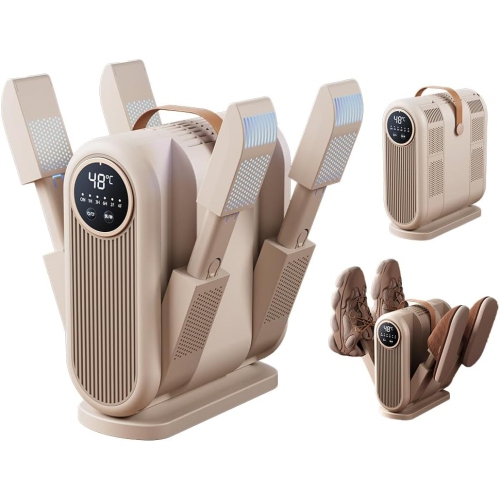 Your price for this item is $60.99
-
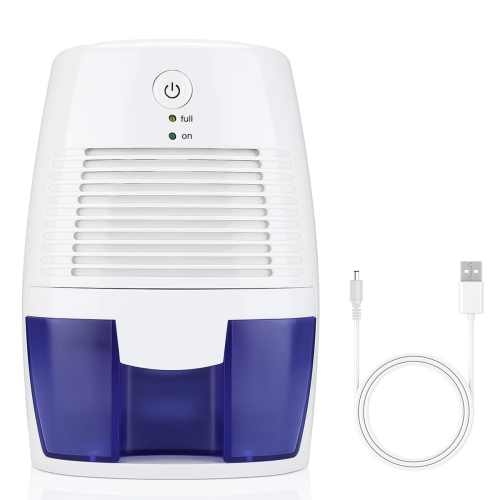 Your price for this item is $60.27
-
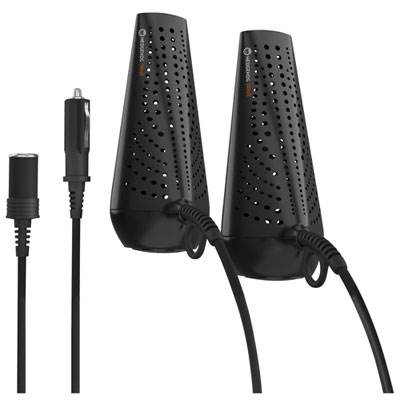 Your price for this item is $79.99
-
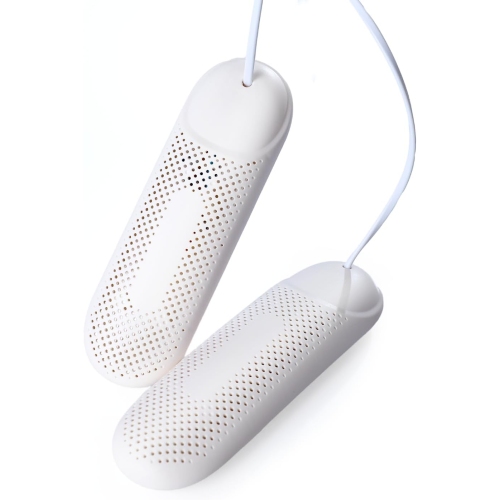 Your price for this item is $23.99
-
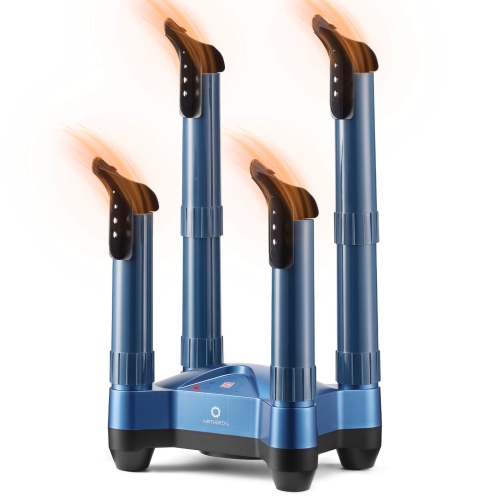 Your price for this item is $109.99
-
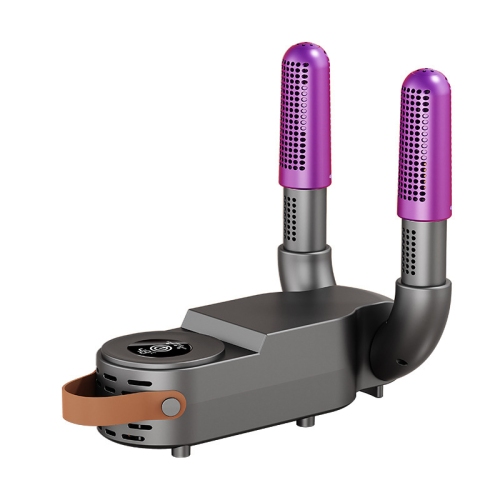 Your price for this item is $62.99
-
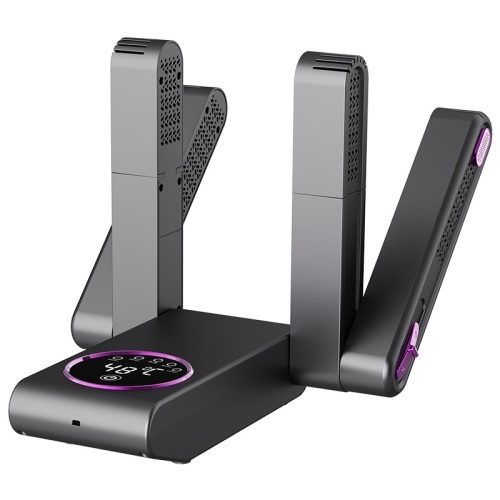 Your price for this item is $90.99
-
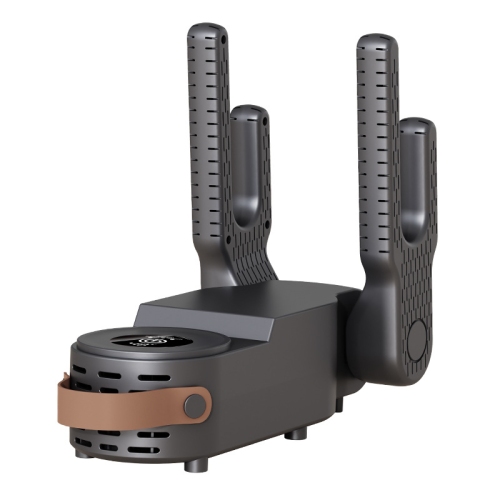 Your price for this item is $63.99
Discover more categories related to Boot Dryers
Top Collections:
Best Black Friday Deals This Year, Best Black Friday Deals On Electronics, Kindle Devices, Pokemon Centers, Best Black Friday Deals On Apple Products, Best Cameras for Sports Photography, Dyson Airwrap, Pokémon 30th Celebration Cards, Apple iPhone 17 Pro, Canon G7X Cameras
Some products may be subject to Environmental Handling Fees
(EHF) depending on your province.
Learn more about EHFs.