Grinding Tools
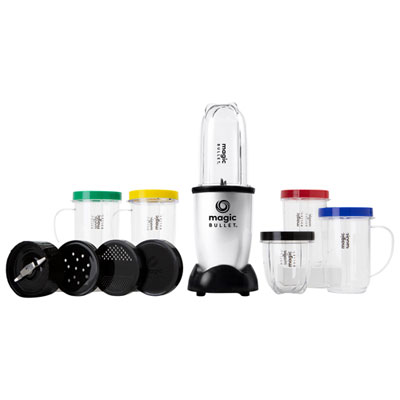
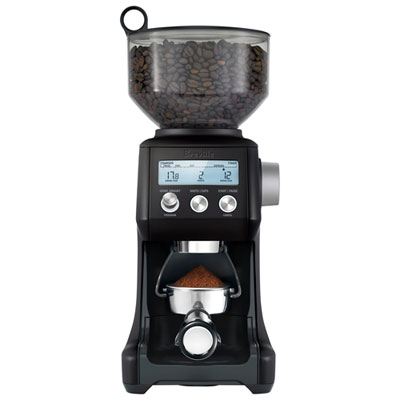
When it comes to preparing delicious meals in the kitchen, having the right food grinding tools can make all the difference. From grinding spices to creating homemade pastes and sauces, these essential kitchen gadgets are versatile and efficient. Whether you're a seasoned chef or a home cook looking to elevate your culinary creations, our selection of food grinding tools offers a range of options to suit your needs. Discover high-quality grinders and processors that are designed to simplify meal prep and enhance the flavors of your dishes.
Sort
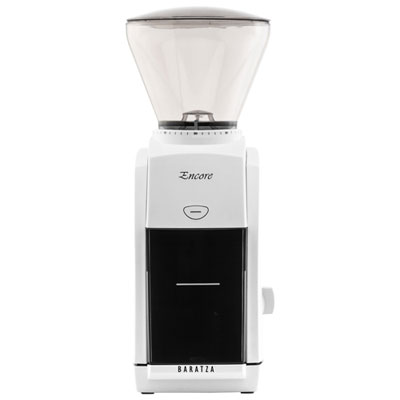

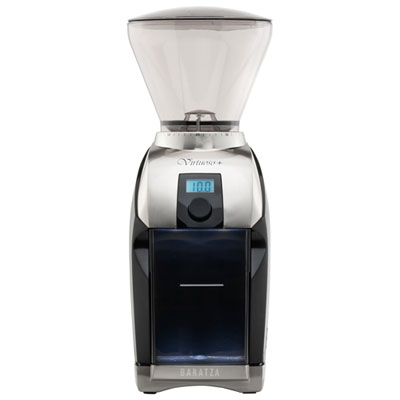
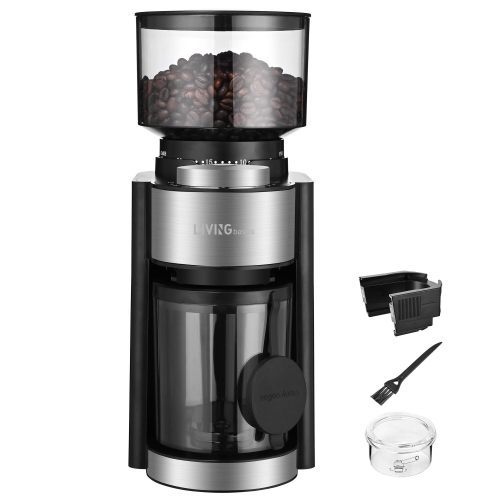


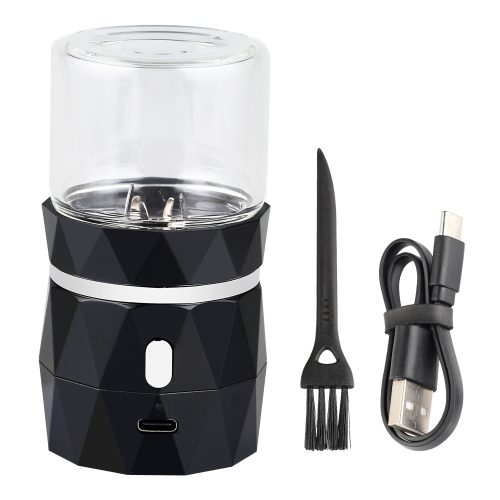
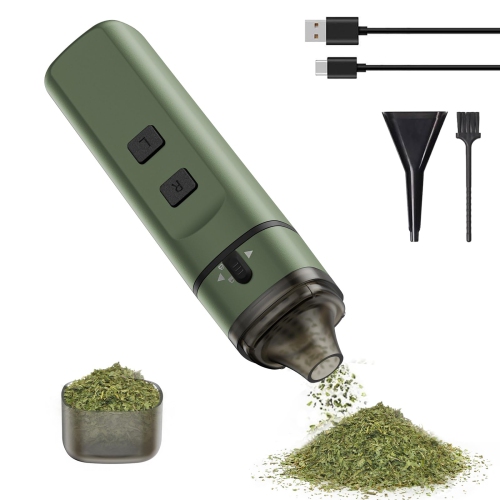
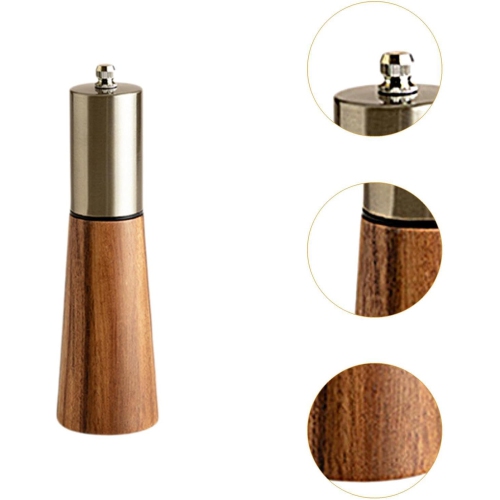
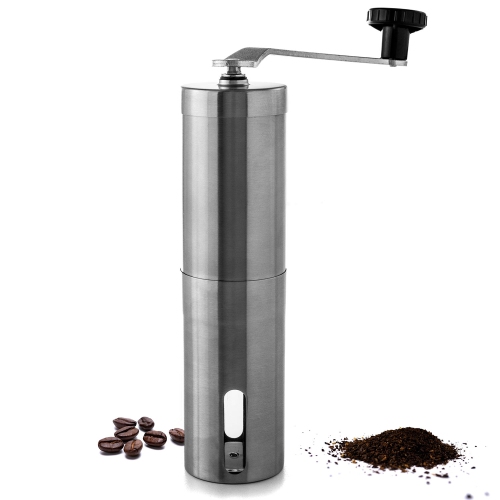
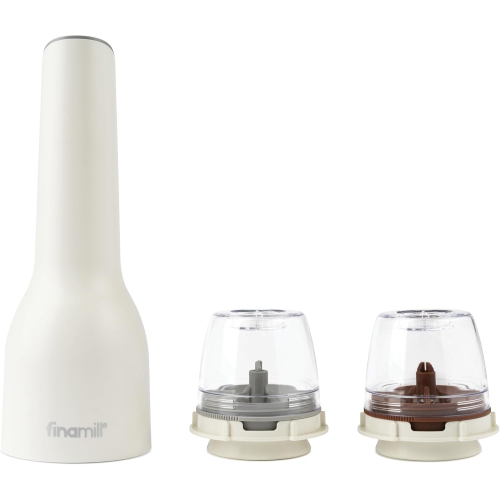
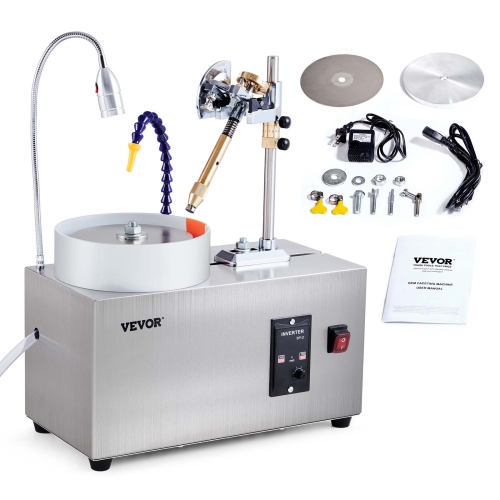
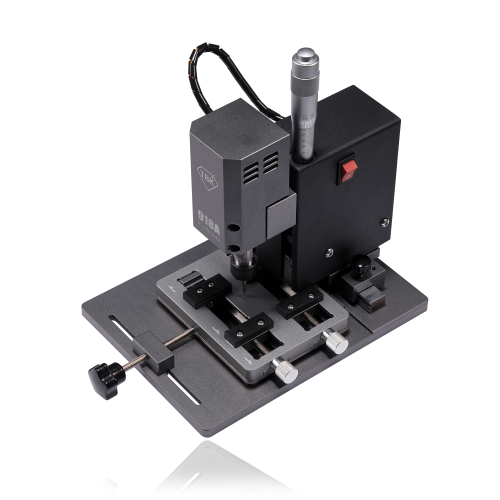
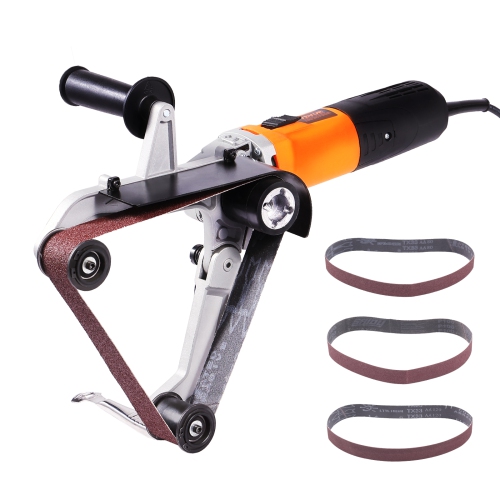
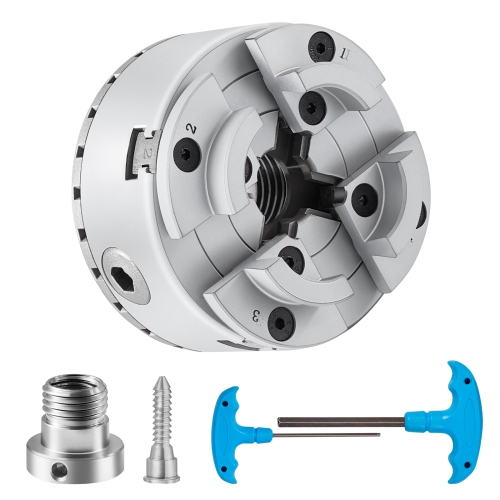
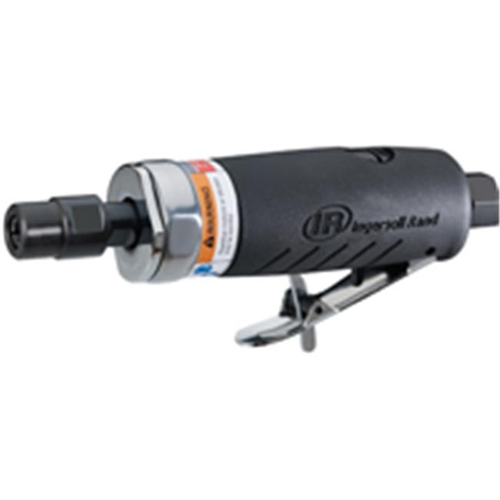
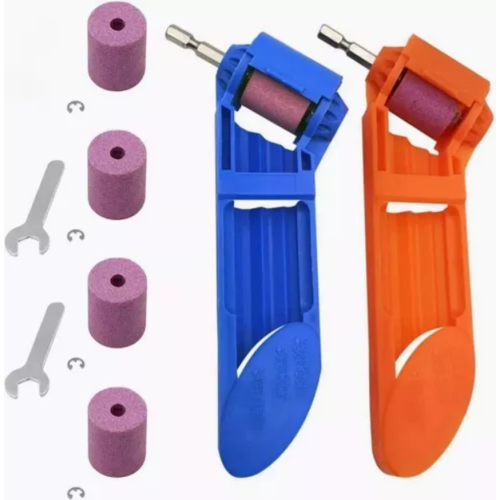
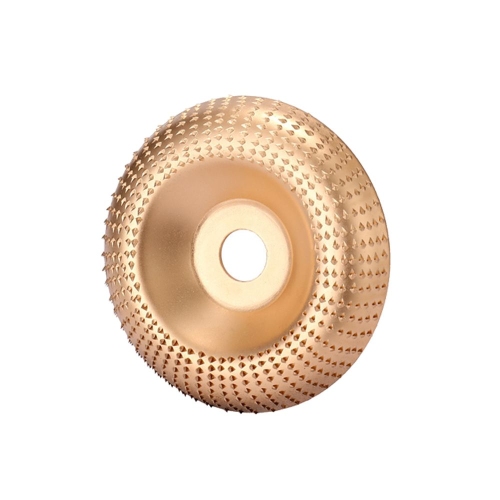
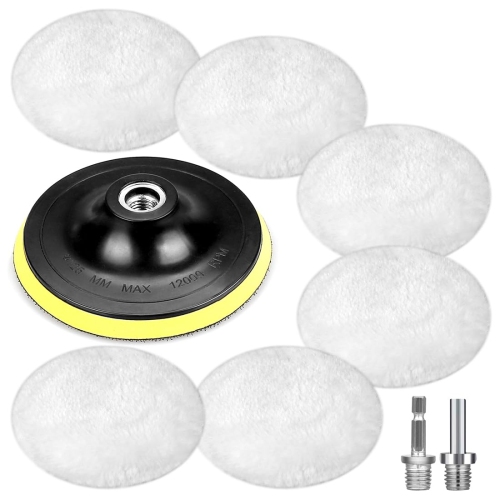
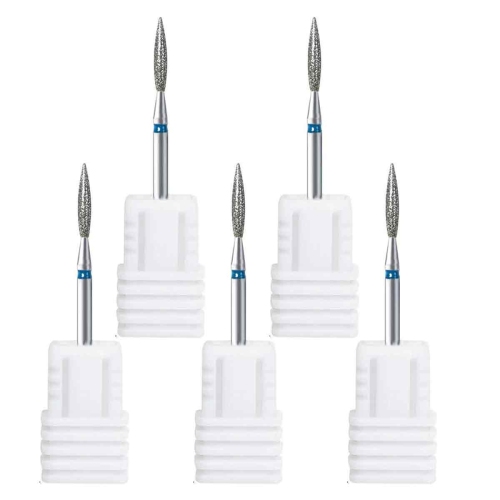
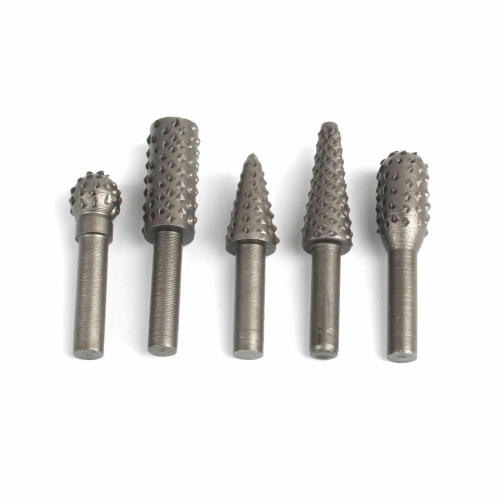
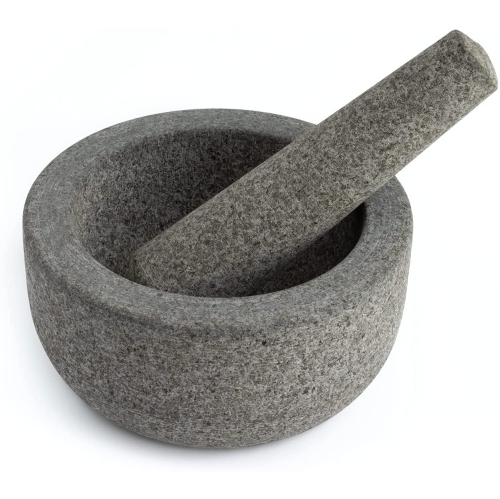

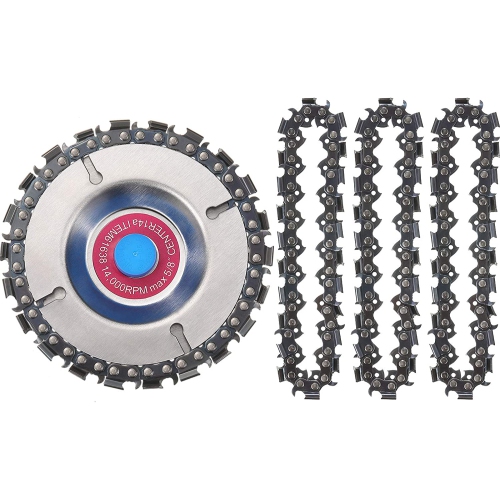
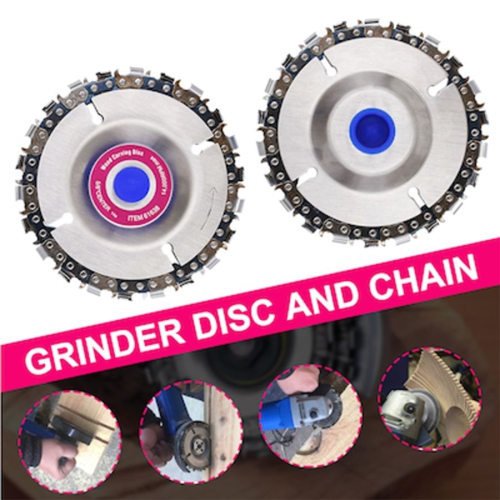
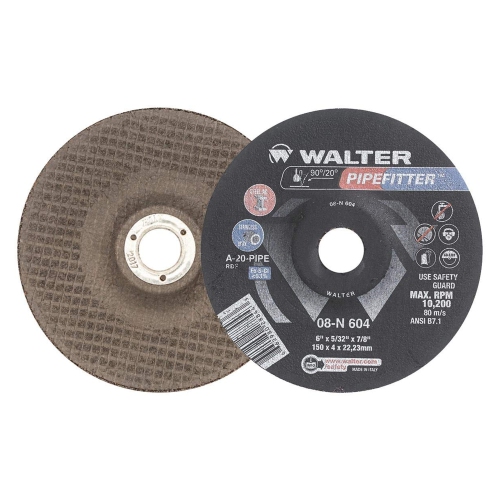


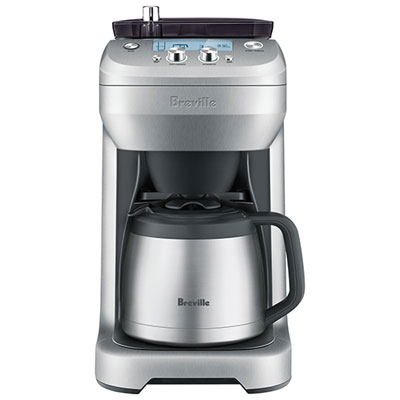
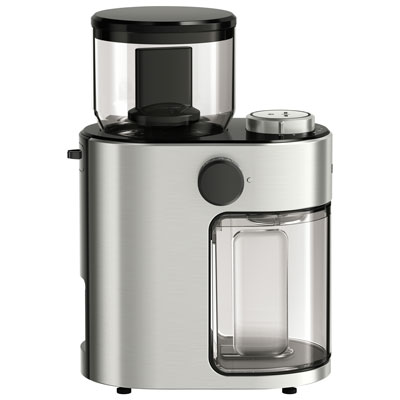

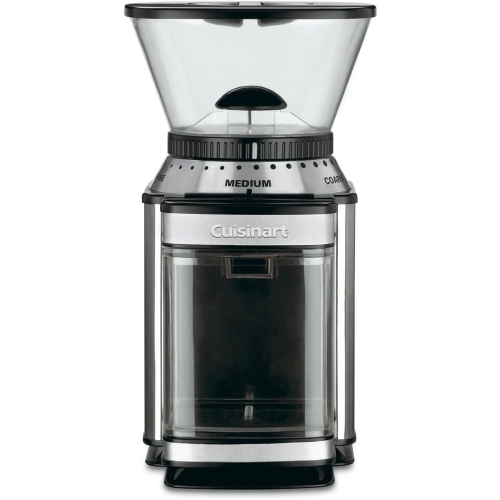
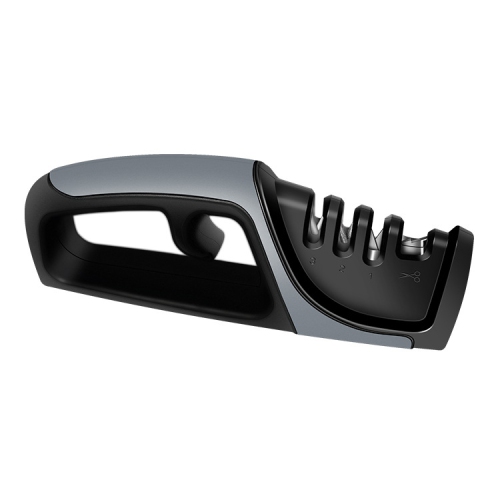
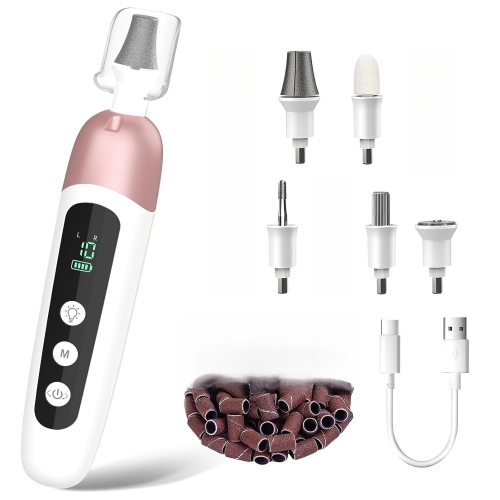
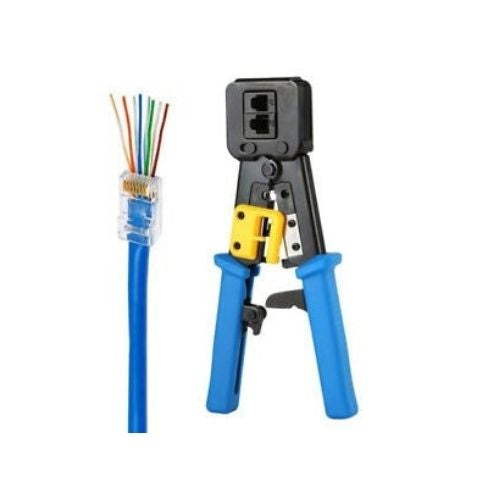
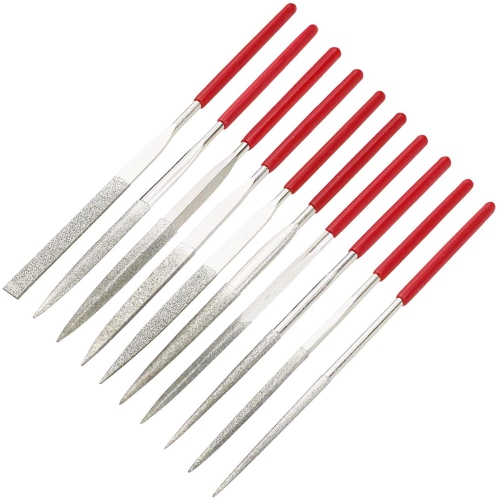
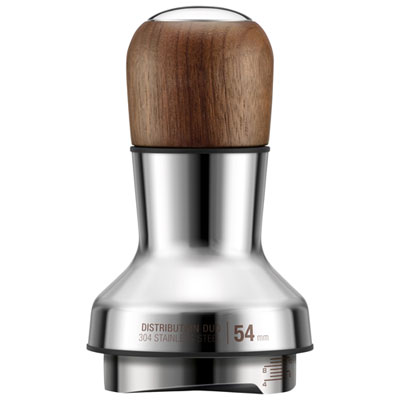
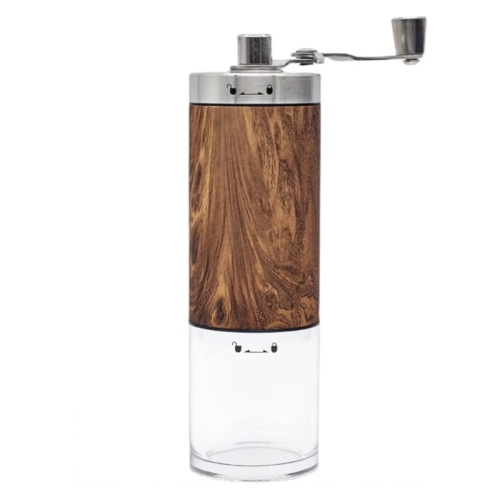

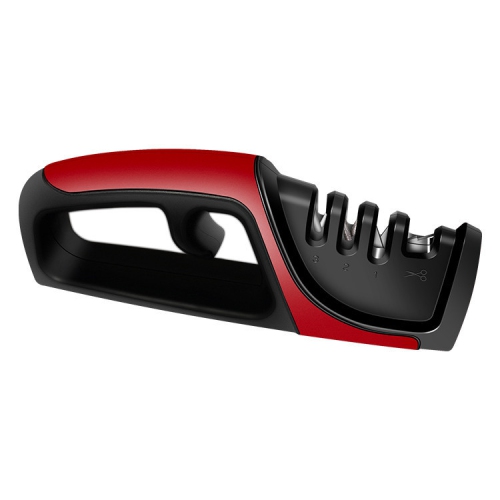
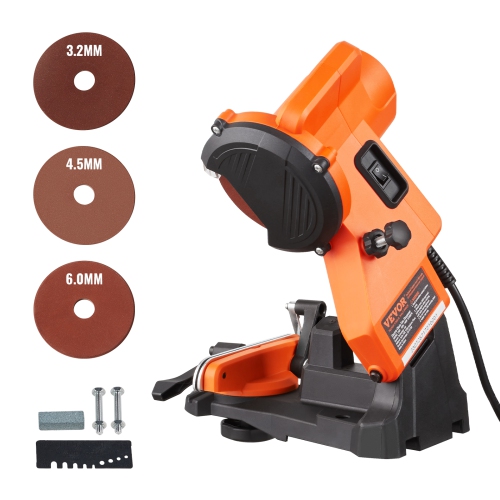
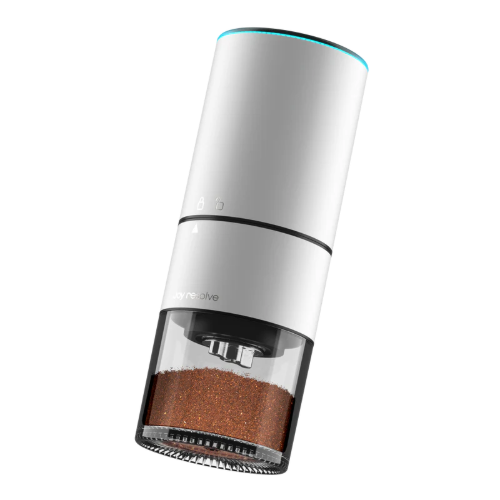
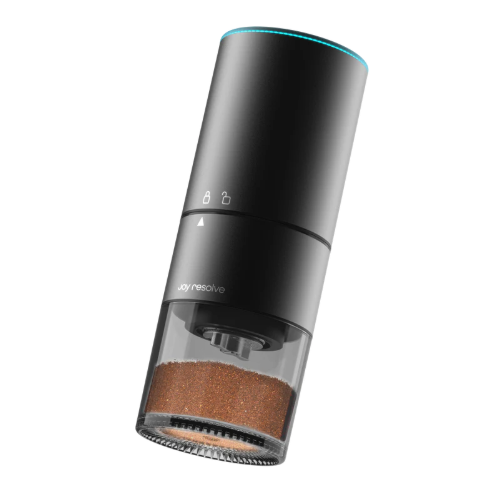
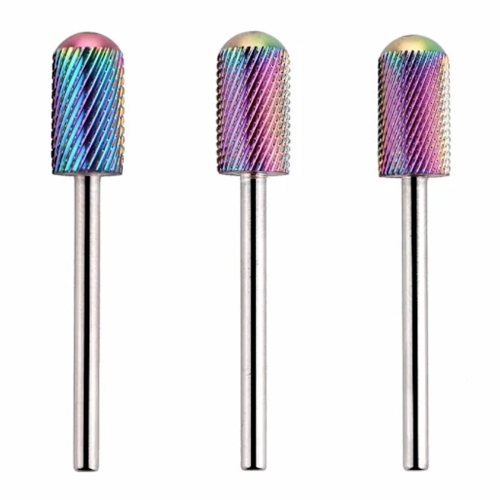
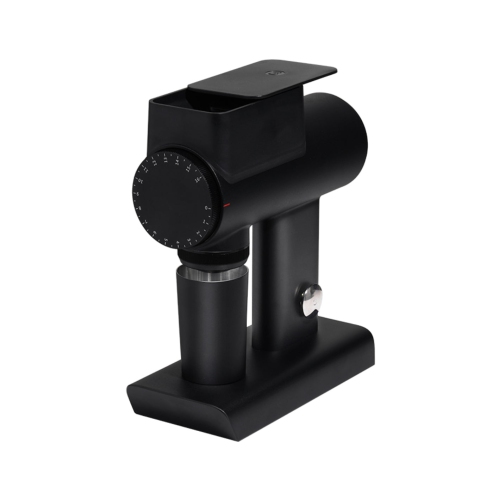
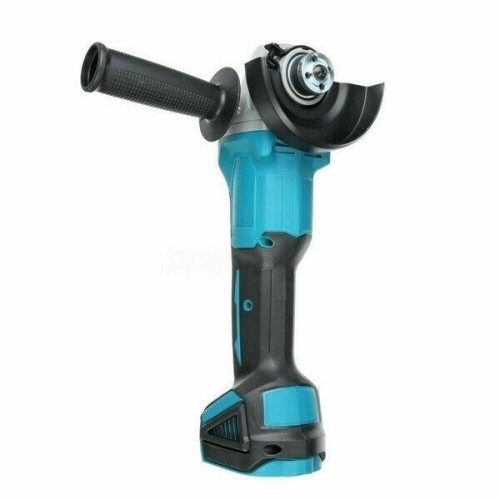
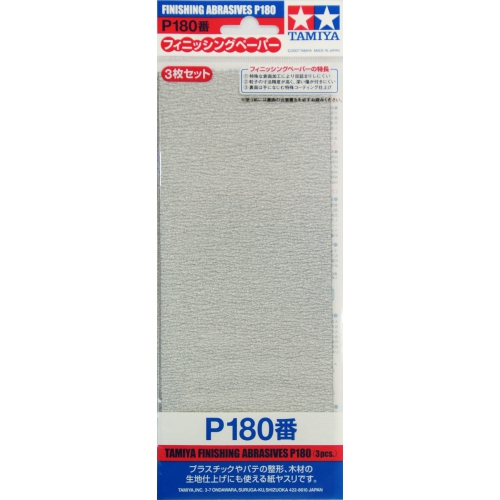
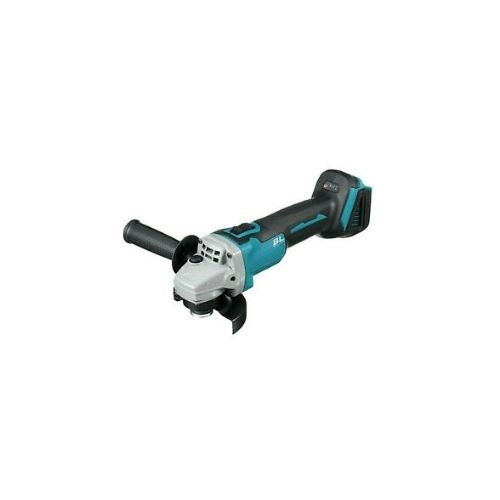
The right attachment shapes every grinding job
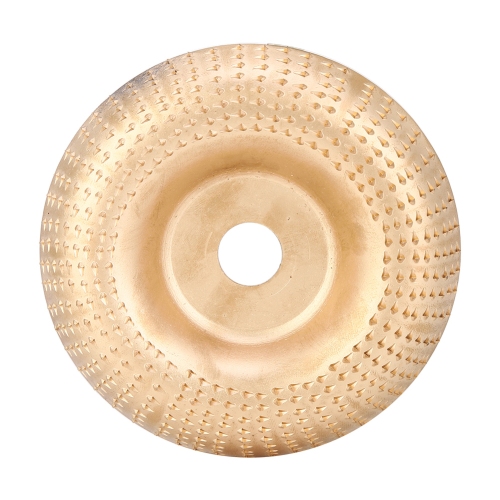
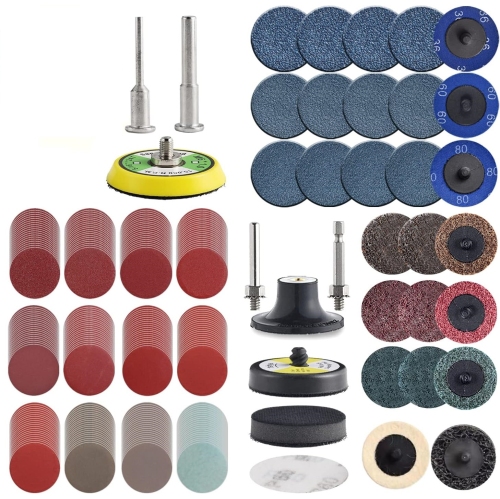
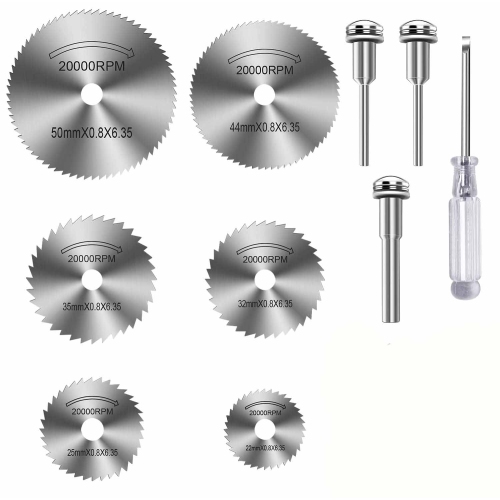
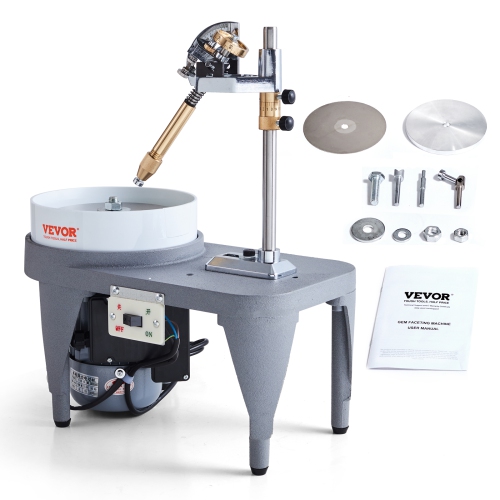
Grinding tools are designed to remove, shape, cut, smooth, and polish material with a rotating abrasive or brush attachment. The category commonly includes angle grinders, bench grinders, die grinders, and related tools for workshop, automotive, construction, renovation, and home improvement projects. An angle grinder is a handheld power tool used for cutting, grinding, and polishing metal, stone, tile, masonry, and concrete, making it useful for both precise finishing work and heavier-duty material removal. With the appropriate wheel, it can smooth rough welds, clean up sharp edges, remove rust and old paint, cut through bolts, rebar, metal pipe, and fasteners, or prepare a surface before repair or refinishing. A wire brush attachment can lift away scale, corrosion, and stubborn residue, while a flap disc can blend welds and refine a metal surface more gradually. Diamond wheels are often selected for masonry, concrete, tile, and other hard mineral materials. The same tool can feel entirely different depending on the accessory fitted to it, so a practical starting point is to identify the material and the job before choosing a grinder or replacement attachment. Someone repairing a garden gate may need controlled grinding to flatten a weld and a brush to brighten the surrounding metal, while a person refreshing a tiled surface may need a tool and wheel designed for masonry rather than metal. Keeping these distinct uses in mind helps ensure that the grinding tools in your collection match the work you expect to complete.
Power source, motor strength, size, and handling all influence how a grinding tool performs. Corded models provide a steady supply of power for extended work near a suitable outlet and can be a practical choice for a garage, workshop, or renovation area where longer sessions are expected. Cordless models offer freedom of movement around a vehicle, fence, job site, or unfinished room, particularly where a power outlet is inconvenient, although battery capacity and charging time become part of the planning. Compact 4-1/2-inch grinders are popular for general repairs because they are easier to guide in narrow spaces and are suitable for many common wheels and discs. Larger tools can cover more surface area or handle more demanding work, but they may also feel heavier and require firmer control. Variable-speed operation can be helpful when polishing, brushing, or working with materials that benefit from a slower setting, while a high no-load speed can support fast cutting and grinding when paired with an attachment rated for that speed. Look for a comfortable grip, a manageable body, an adjustable guard, and a side handle that can be positioned for the task and your preferred working angle. A tool that feels balanced in your hands is easier to guide along a weld or edge without digging in unexpectedly. Accessory compatibility matters just as much: check the wheel diameter, arbor size, attachment type, and maximum revolutions per minute before installation. Cutting discs, grinding wheels, flap discs, wire wheels, polishing pads, and diamond accessories are made for different jobs and should never be treated as interchangeable. For lighter finishing and surface preparation, you may also find useful options among Sanding Tools, especially when the goal is to refine a broad surface rather than remove material aggressively.
Good preparation makes grinding work more controlled and more comfortable. Wear safety glasses or a face shield, hearing protection, durable gloves, long sleeves, and suitable footwear, and use respiratory protection when the material or accessory creates airborne dust. Sparks can travel farther than expected, so clear away flammable materials, protect nearby surfaces, and keep a suitable fire extinguisher accessible when working on metal. Secure the workpiece firmly instead of holding it in one hand, inspect every wheel for cracks or damage, and confirm that the guard is installed and positioned between you and the rotating accessory. Let the tool reach operating speed before contacting the material, use light and even pressure, and allow the wheel to do the cutting rather than forcing it through a stubborn section. A cutting disc is intended for cutting and should not be twisted sideways, while a grinding wheel should be used at the angle recommended for its design. Unplug a corded tool or remove the battery before changing accessories, clearing debris, or making adjustments. These tools can be practical gifts for a new homeowner, a hobbyist restoring an older vehicle, a metalworking enthusiast, or anyone setting up a first workshop, particularly when paired with compatible discs, clamps, storage, or protective equipment. They are also useful during cooler months when indoor repair projects, workshop organization, and equipment maintenance move higher on the to-do list. Whether the task involves smoothing a rough weld, trimming a metal fastener, removing corrosion from a frame, shaping masonry, or preparing a surface for its next finish, selecting the right grinding tool and accessory helps turn a demanding job into a cleaner, more deliberate piece of work.
Power source, motor strength, size, and handling all influence how a grinding tool performs. Corded models provide a steady supply of power for extended work near a suitable outlet and can be a practical choice for a garage, workshop, or renovation area where longer sessions are expected. Cordless models offer freedom of movement around a vehicle, fence, job site, or unfinished room, particularly where a power outlet is inconvenient, although battery capacity and charging time become part of the planning. Compact 4-1/2-inch grinders are popular for general repairs because they are easier to guide in narrow spaces and are suitable for many common wheels and discs. Larger tools can cover more surface area or handle more demanding work, but they may also feel heavier and require firmer control. Variable-speed operation can be helpful when polishing, brushing, or working with materials that benefit from a slower setting, while a high no-load speed can support fast cutting and grinding when paired with an attachment rated for that speed. Look for a comfortable grip, a manageable body, an adjustable guard, and a side handle that can be positioned for the task and your preferred working angle. A tool that feels balanced in your hands is easier to guide along a weld or edge without digging in unexpectedly. Accessory compatibility matters just as much: check the wheel diameter, arbor size, attachment type, and maximum revolutions per minute before installation. Cutting discs, grinding wheels, flap discs, wire wheels, polishing pads, and diamond accessories are made for different jobs and should never be treated as interchangeable. For lighter finishing and surface preparation, you may also find useful options among Sanding Tools, especially when the goal is to refine a broad surface rather than remove material aggressively.
Good preparation makes grinding work more controlled and more comfortable. Wear safety glasses or a face shield, hearing protection, durable gloves, long sleeves, and suitable footwear, and use respiratory protection when the material or accessory creates airborne dust. Sparks can travel farther than expected, so clear away flammable materials, protect nearby surfaces, and keep a suitable fire extinguisher accessible when working on metal. Secure the workpiece firmly instead of holding it in one hand, inspect every wheel for cracks or damage, and confirm that the guard is installed and positioned between you and the rotating accessory. Let the tool reach operating speed before contacting the material, use light and even pressure, and allow the wheel to do the cutting rather than forcing it through a stubborn section. A cutting disc is intended for cutting and should not be twisted sideways, while a grinding wheel should be used at the angle recommended for its design. Unplug a corded tool or remove the battery before changing accessories, clearing debris, or making adjustments. These tools can be practical gifts for a new homeowner, a hobbyist restoring an older vehicle, a metalworking enthusiast, or anyone setting up a first workshop, particularly when paired with compatible discs, clamps, storage, or protective equipment. They are also useful during cooler months when indoor repair projects, workshop organization, and equipment maintenance move higher on the to-do list. Whether the task involves smoothing a rough weld, trimming a metal fastener, removing corrosion from a frame, shaping masonry, or preparing a surface for its next finish, selecting the right grinding tool and accessory helps turn a demanding job into a cleaner, more deliberate piece of work.
Top selling and popular products
-
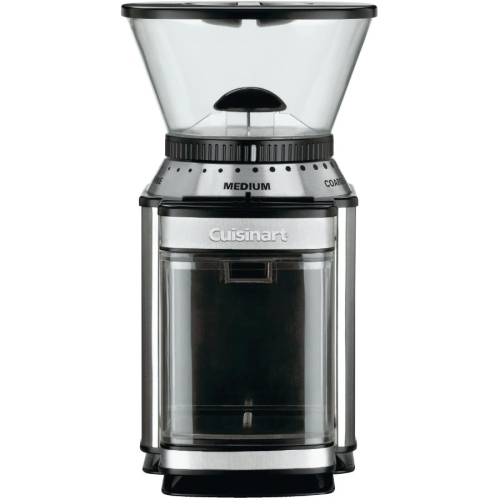 Your price for this item is $70.21
 -
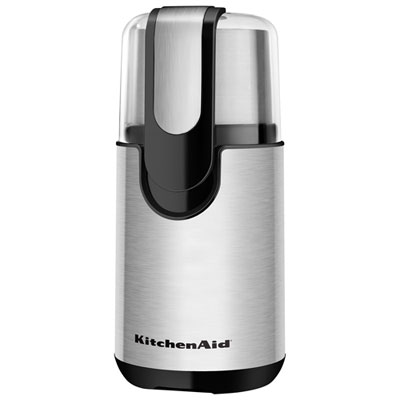 Your price for this item is $49.99
 -
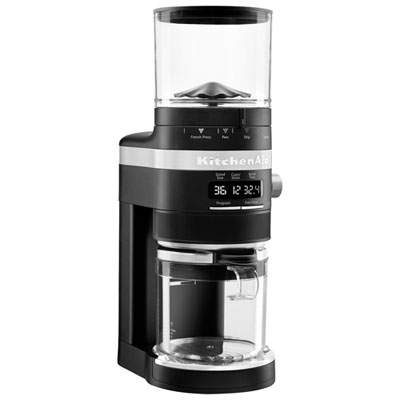 Your price for this item is $189.99
 -
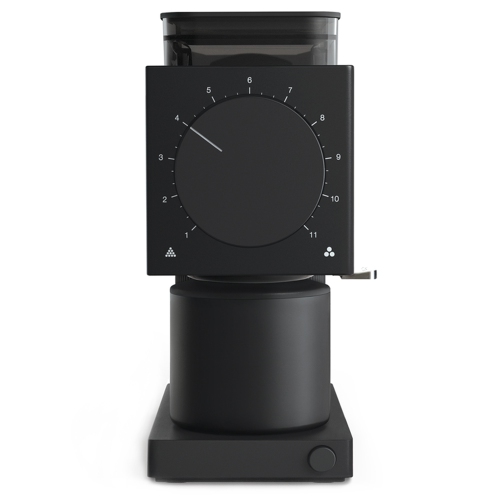 Your price for this item is $499
 -
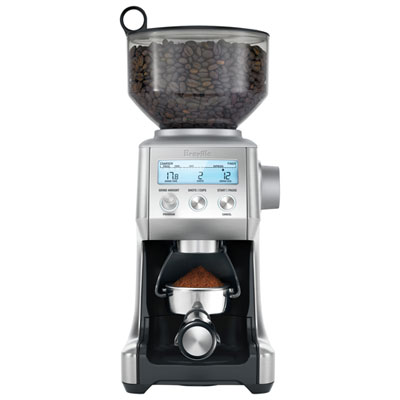 Your price for this item is $219.99
 -
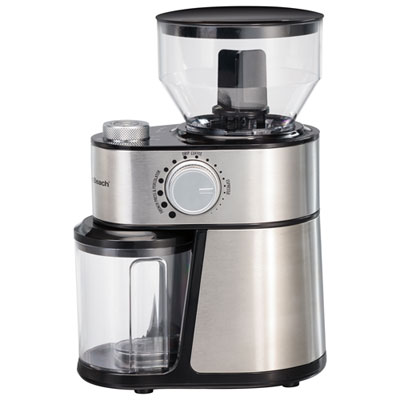 Your price for this item is $54.99
 -
 Your price for this item is $49.97
 -
 Your price for this item is $99.99
Discover more categories related to Grinding Tools
Top Collections:
Pokemon Centers, Kindle Devices, Best Budget Office Chairs, Apple iPhones 16, Best Laptops for Writers, iPhone 15 Apple, Canon G7X Cameras, Refurbished Apple Laptops, Alarm Clock, Motorola Razr Phones
Some products may be subject to Environmental Handling Fees
(EHF) depending on your province.
Learn more about EHFs.