Humidifiers for Sinus Problems
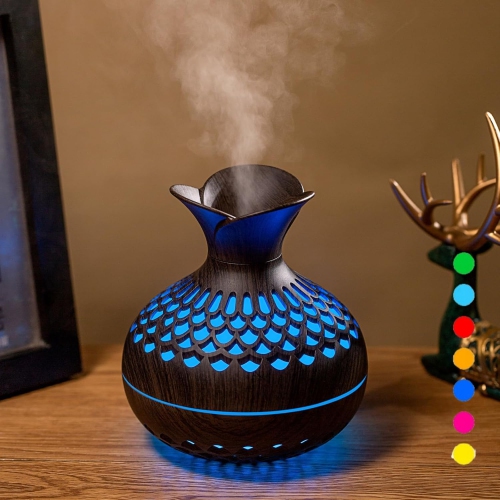
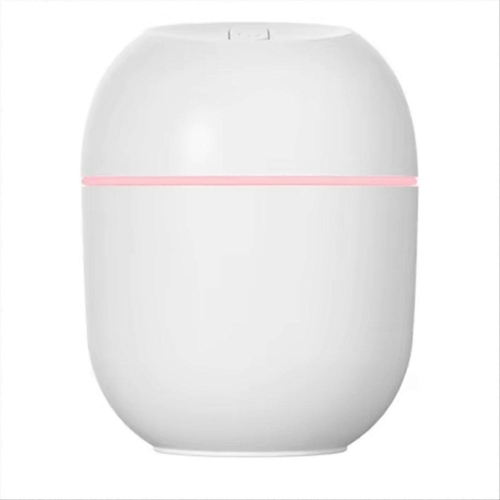
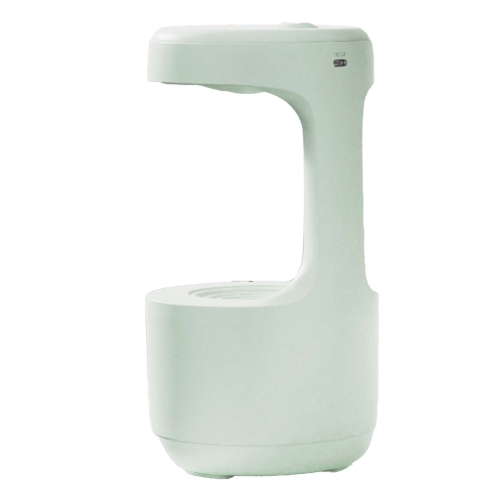
If you suffer from sinus problems, such as a stuffy nose or headaches, you may want to consider using a humidifier. These humidifiers add moisture to the air, which is especially helpful in cold and flu season. These can also help to reduce the symptoms of sinus problems, as the added moisture can help to thin out mucus, making it easier to breathe. Here are some of the great options available.
Sort
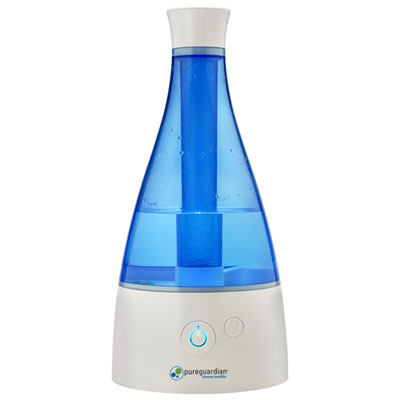
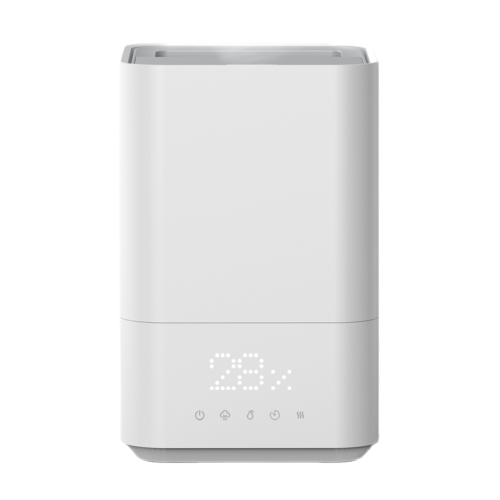
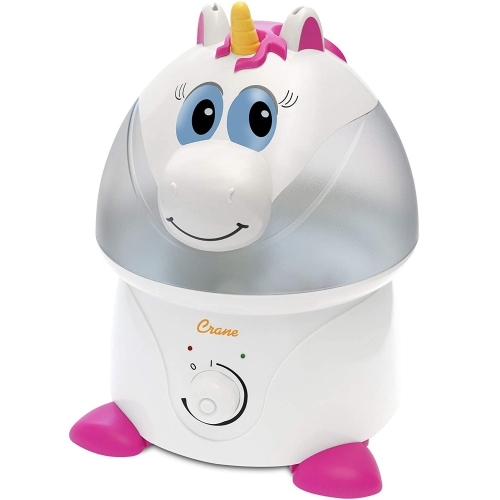
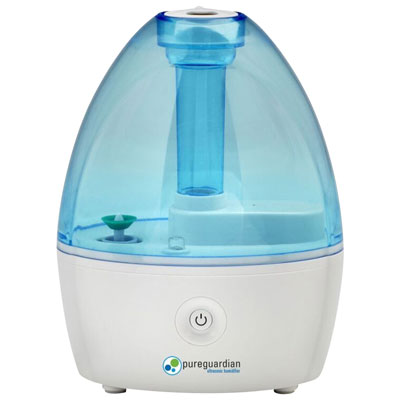
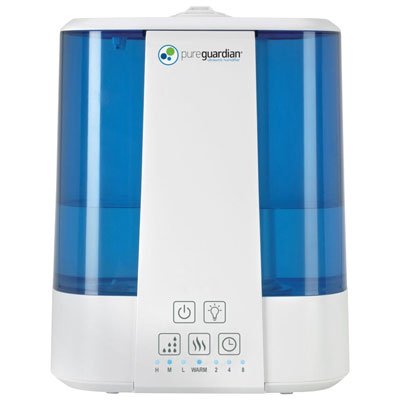
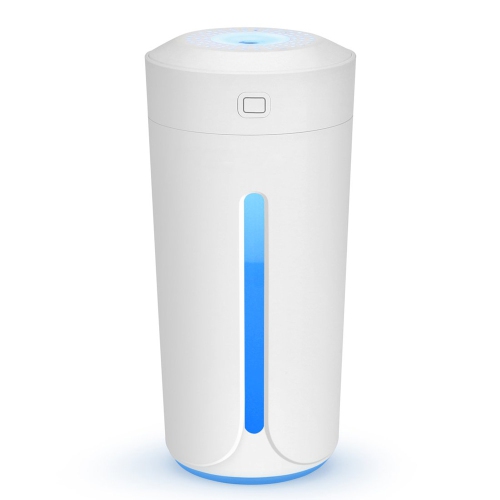
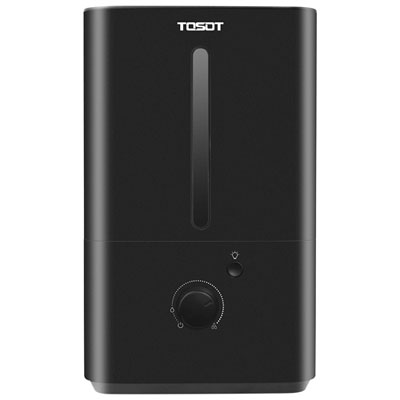
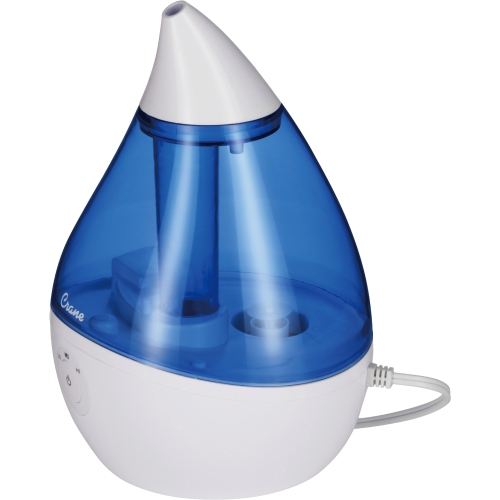

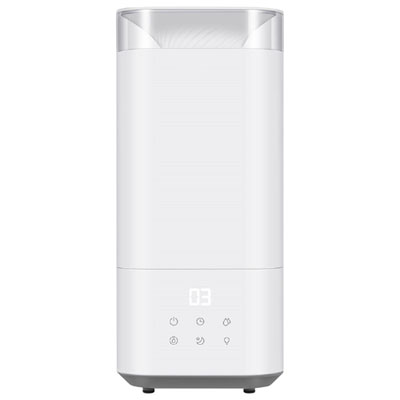

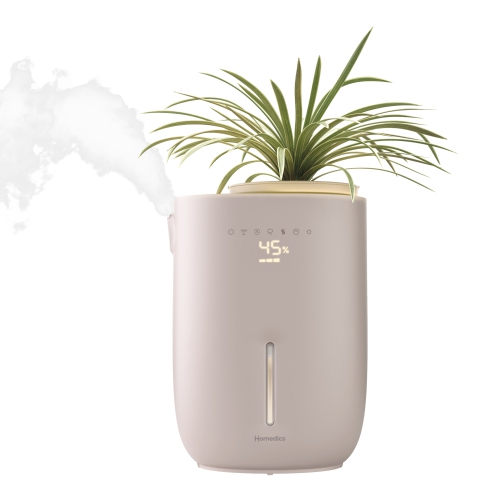
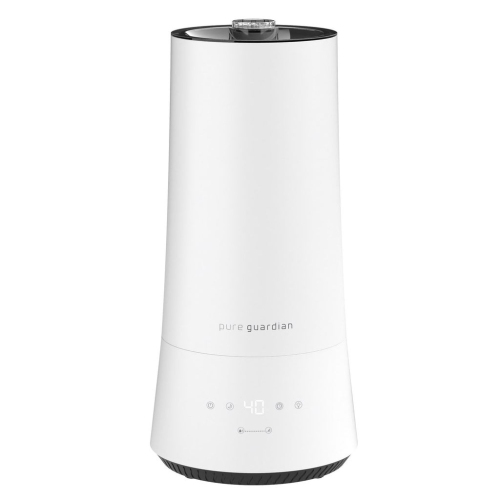
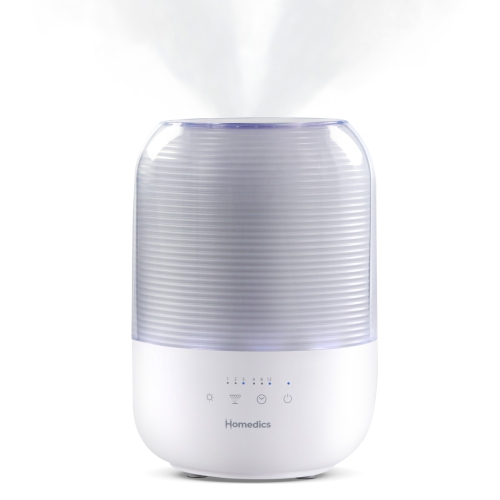
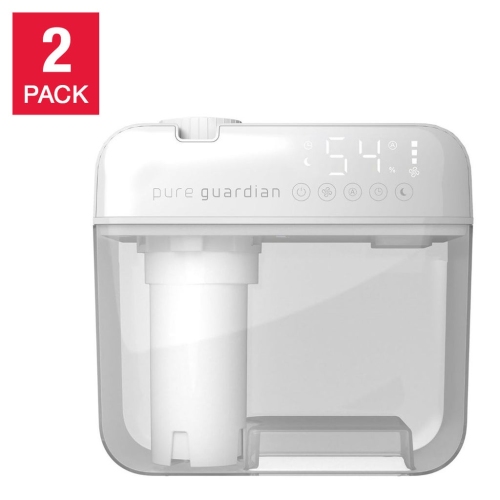
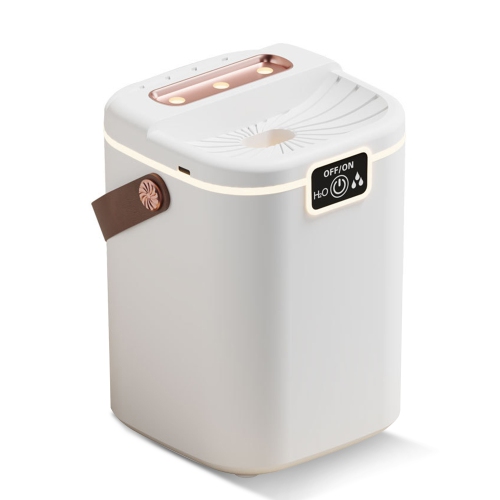
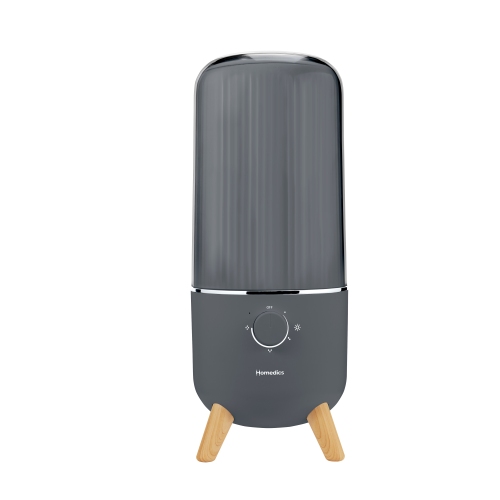
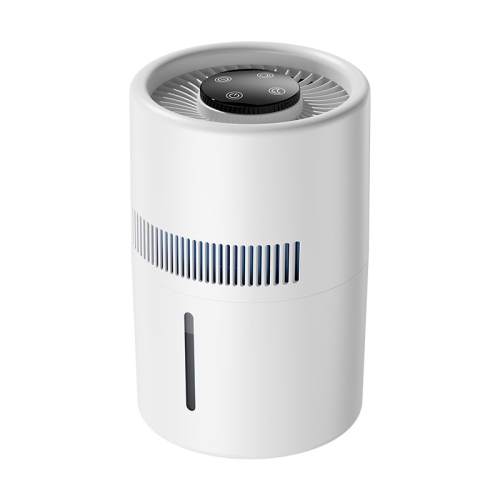


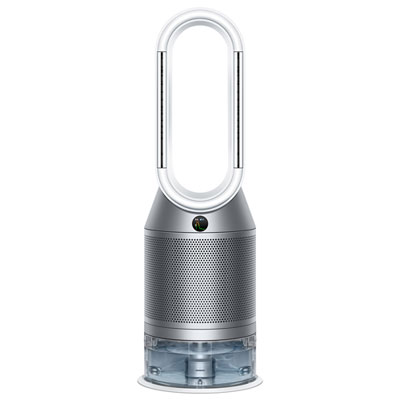
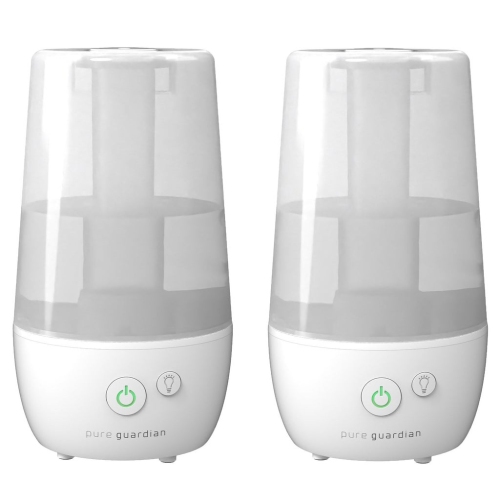
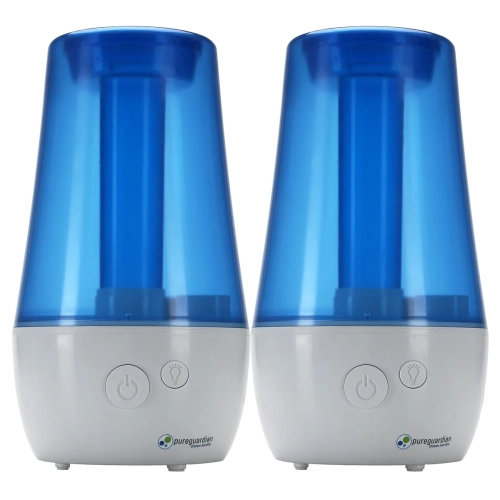
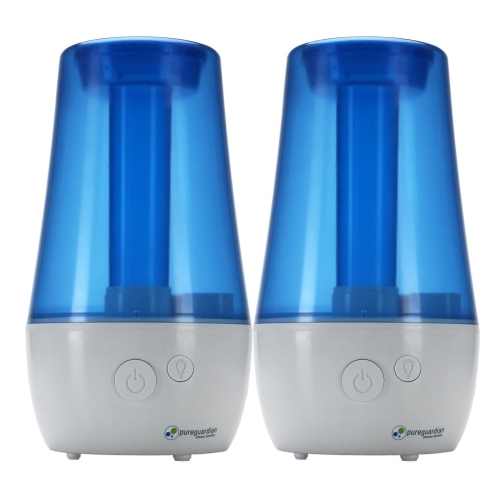
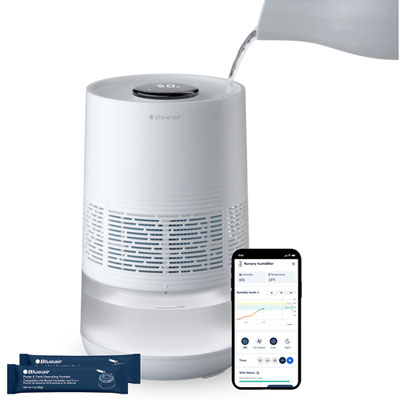

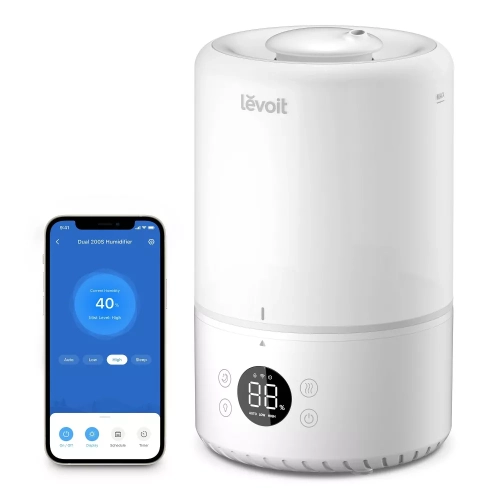
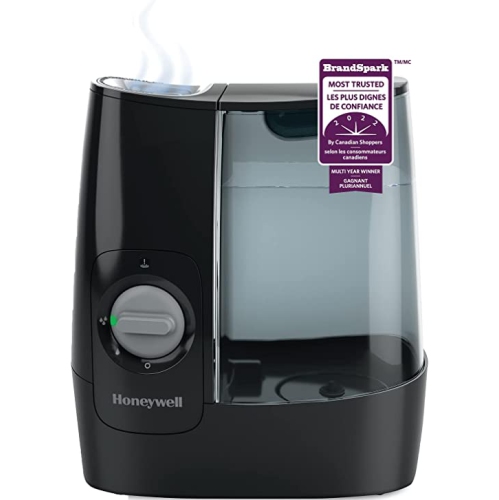
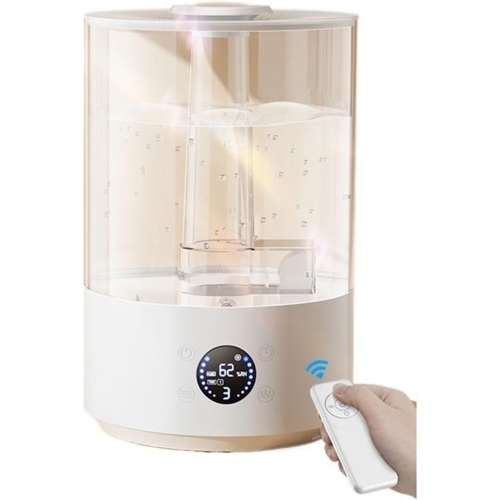
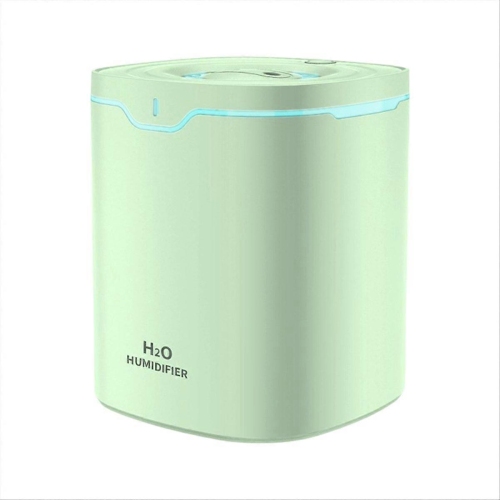
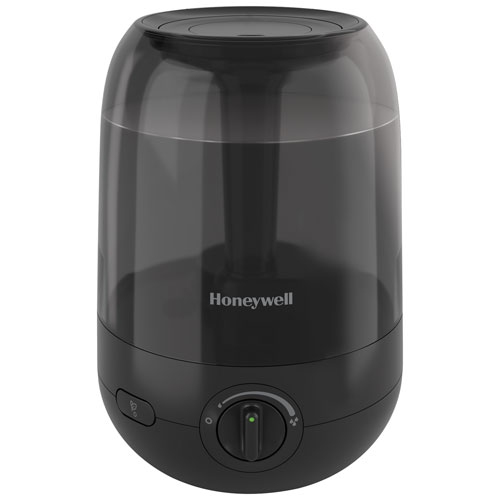


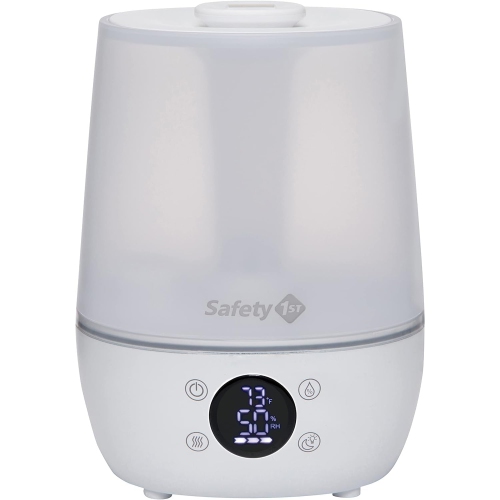
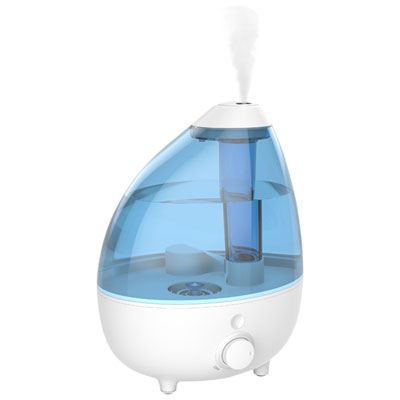
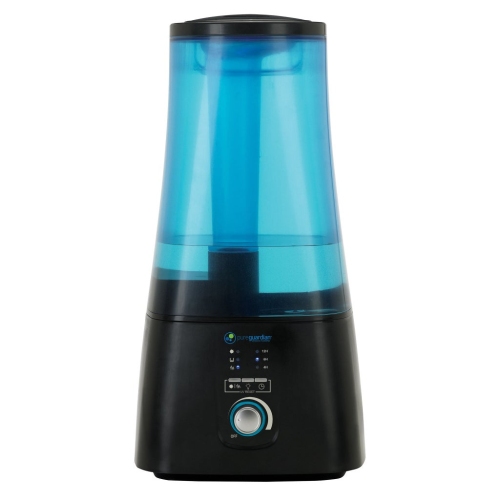
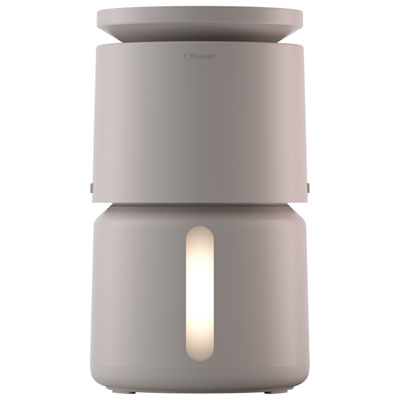
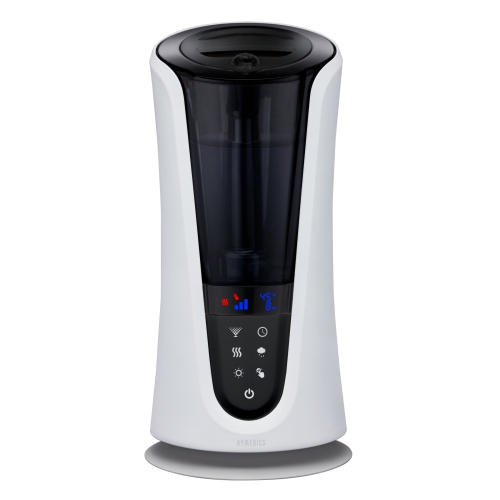
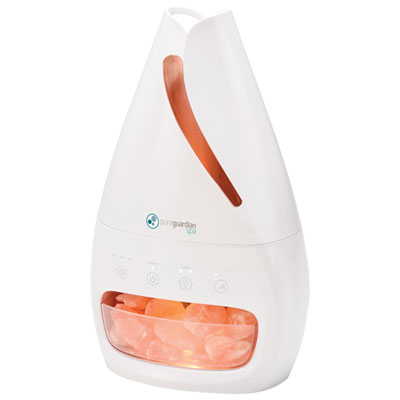
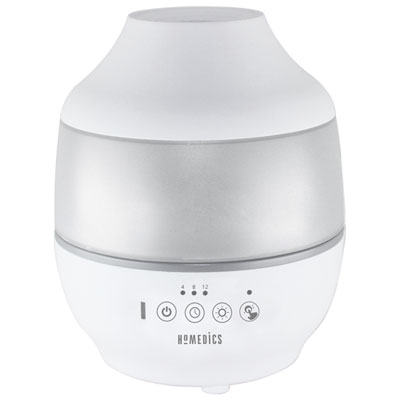


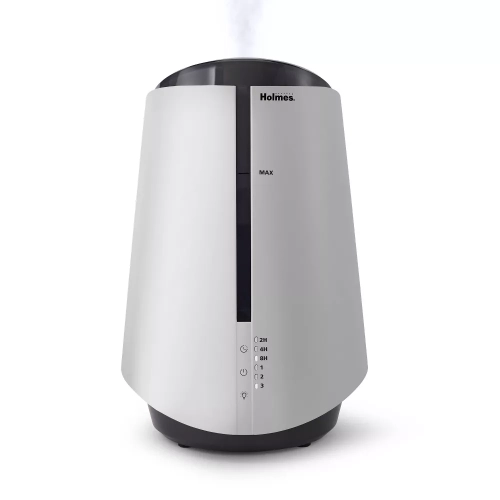






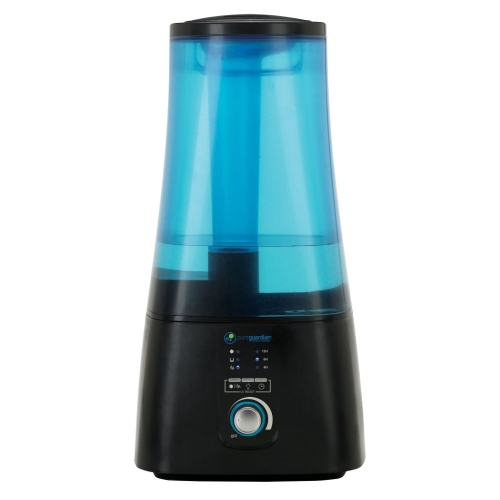
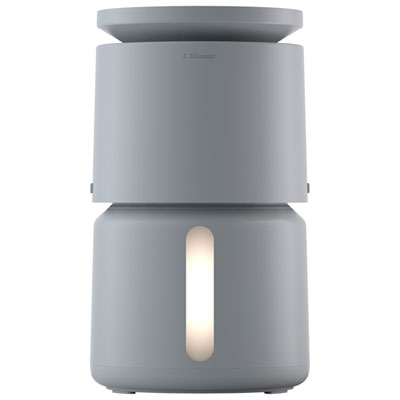
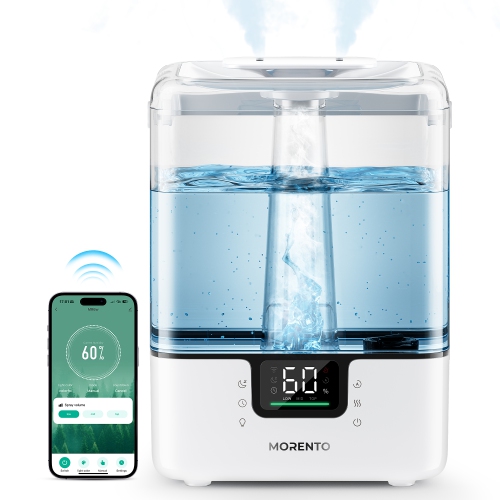
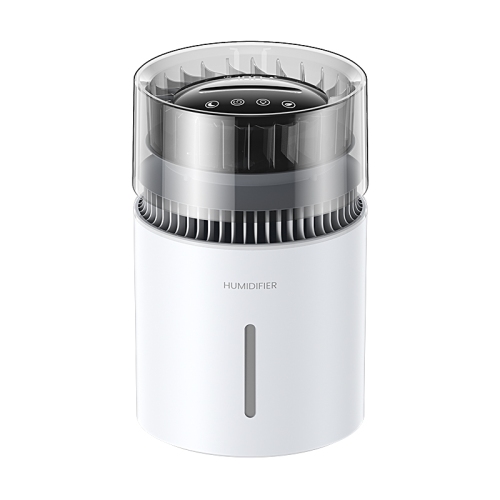
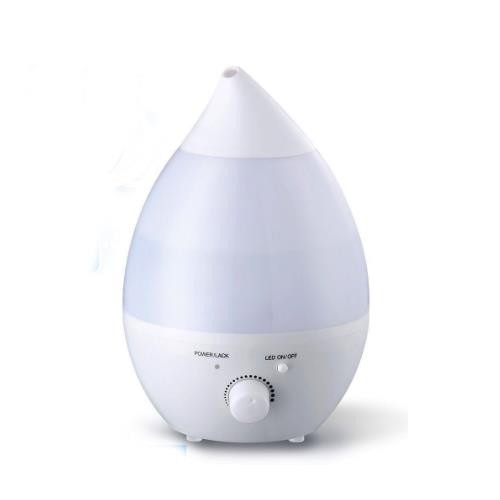
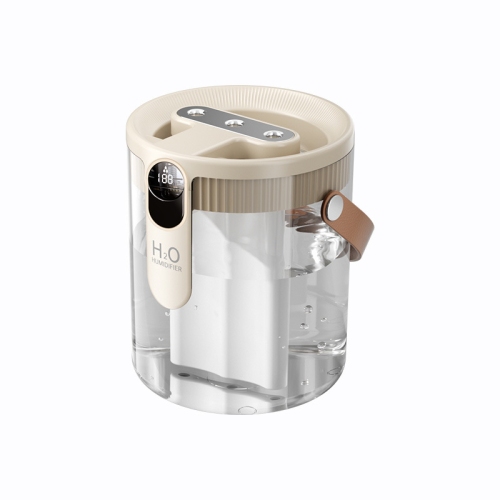
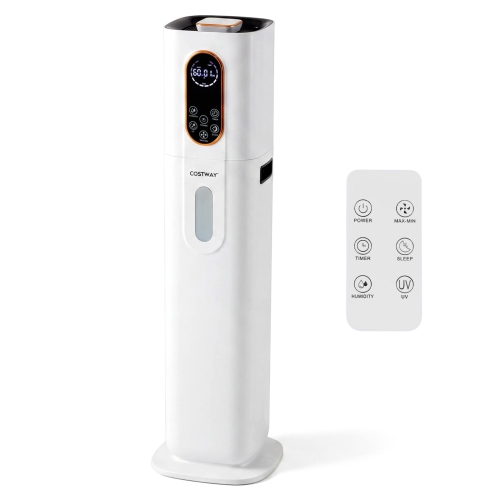
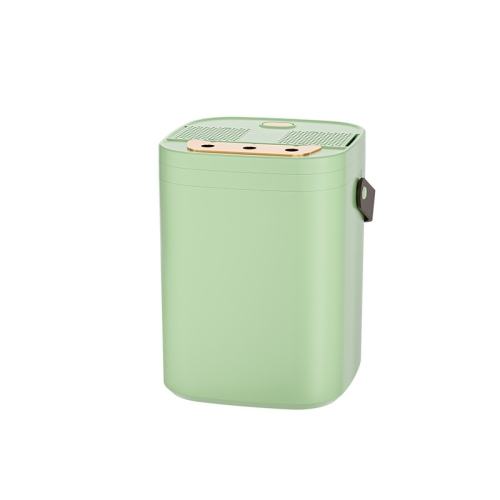
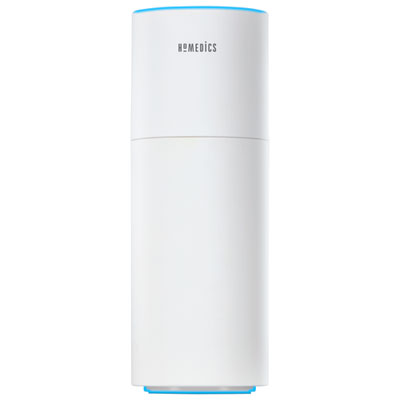
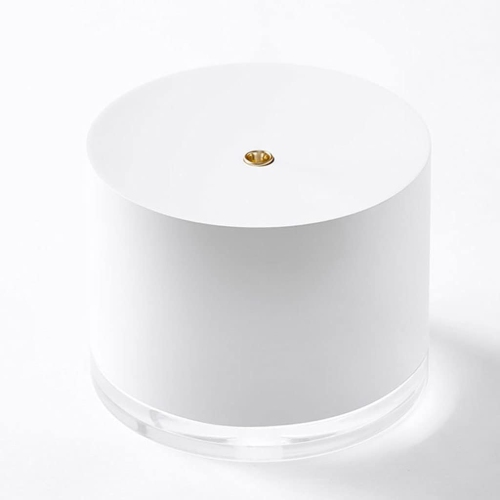
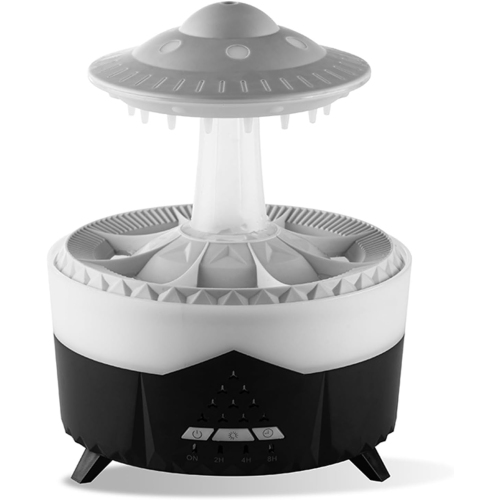
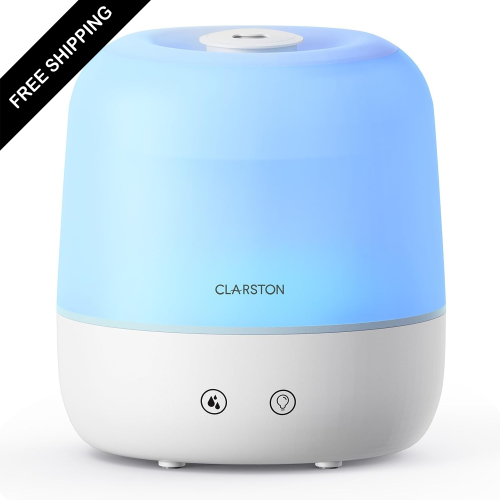






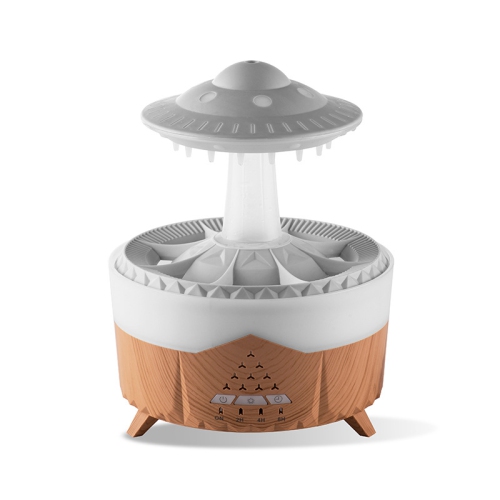
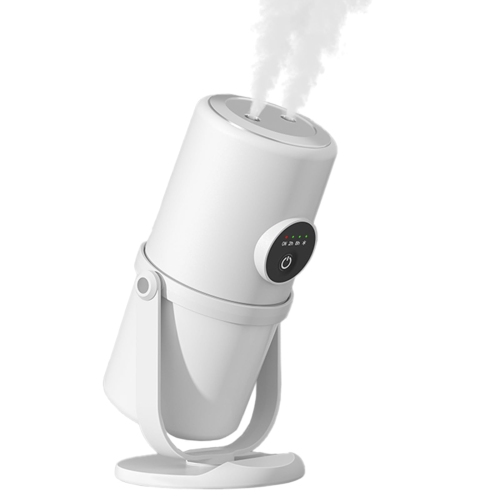
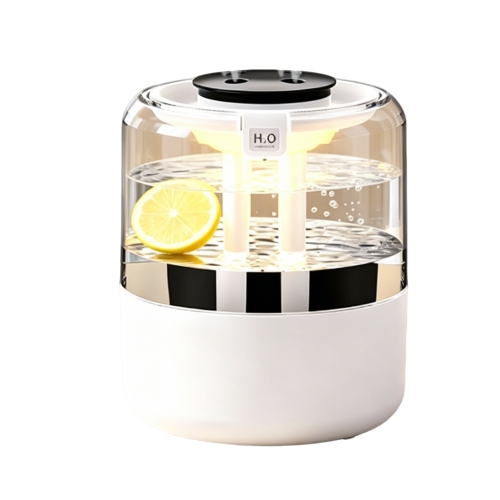
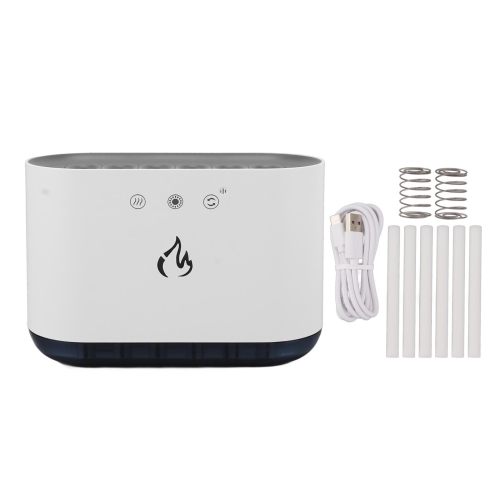
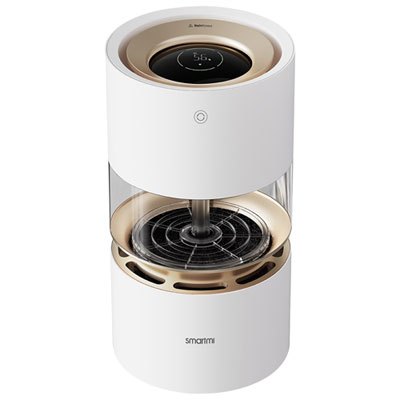
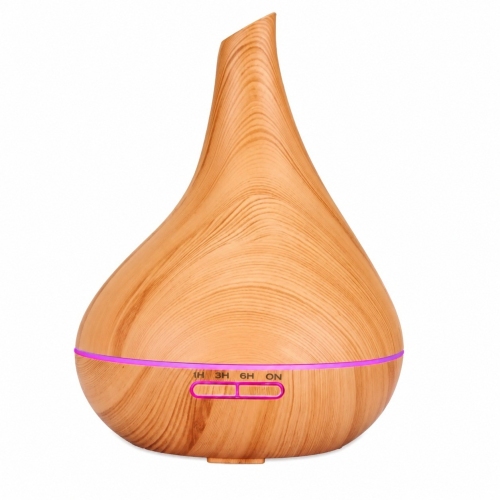
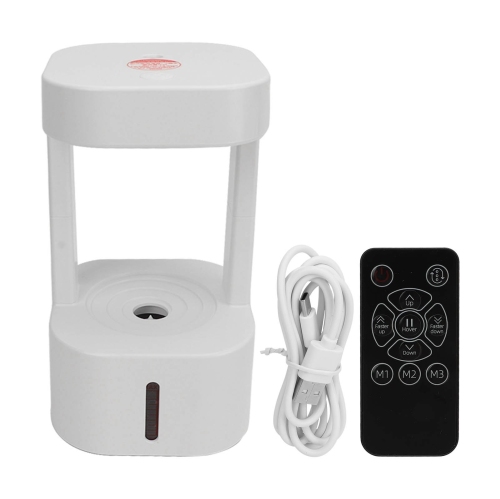
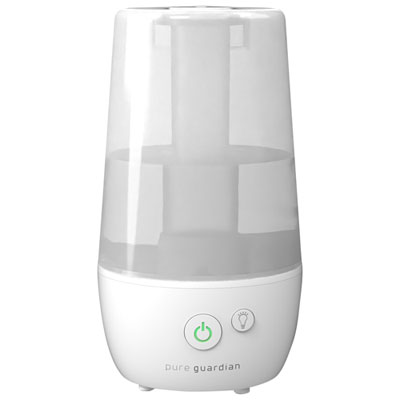
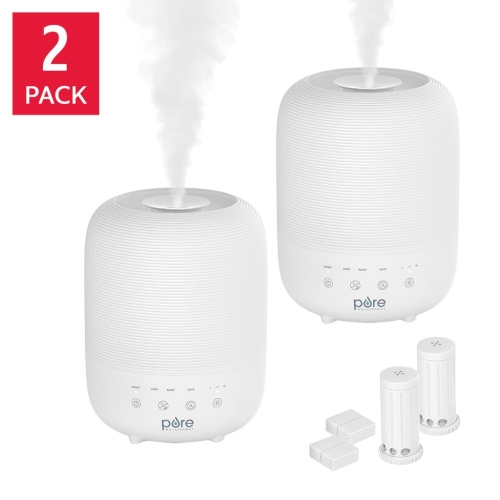
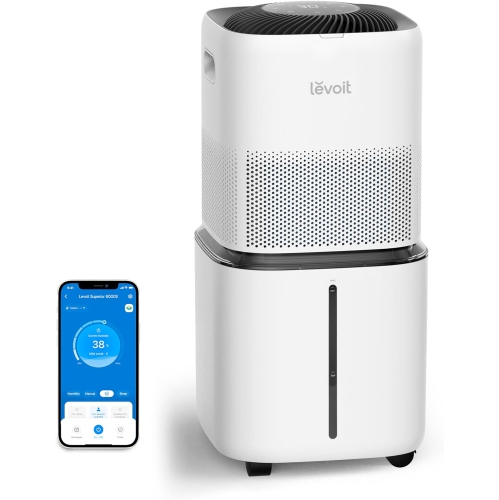

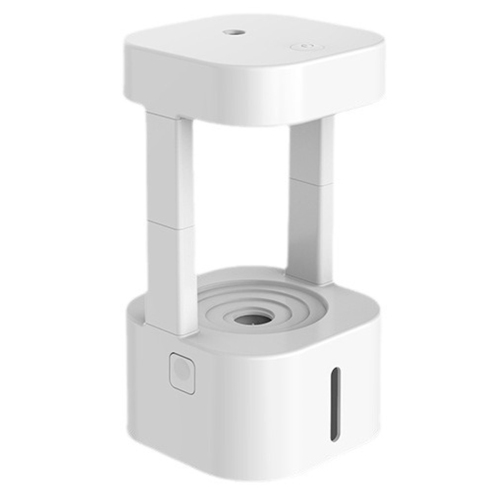
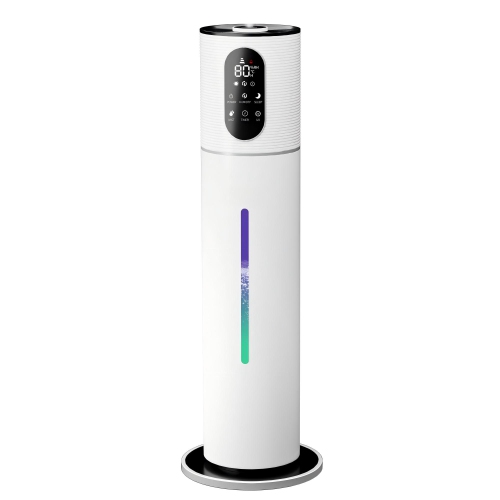
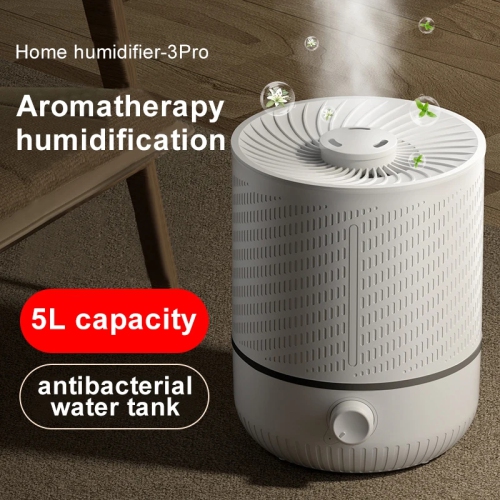
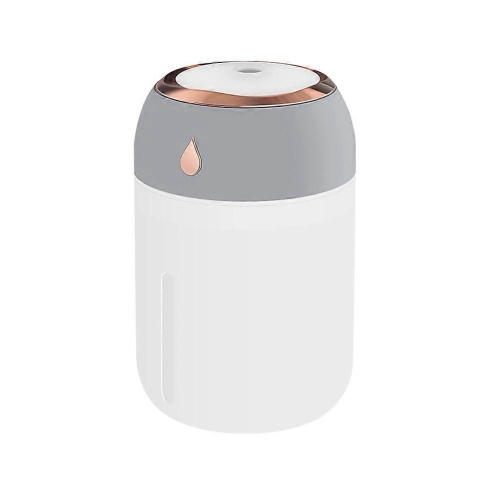
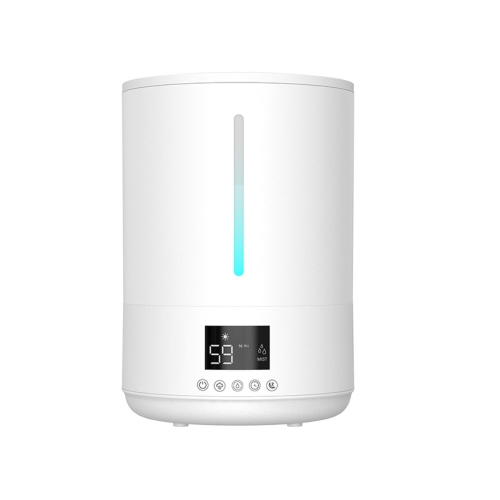
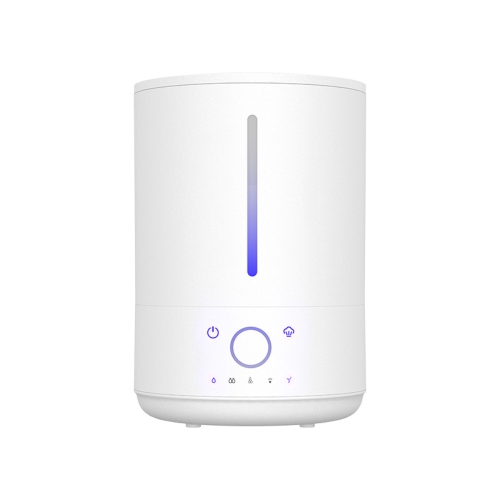
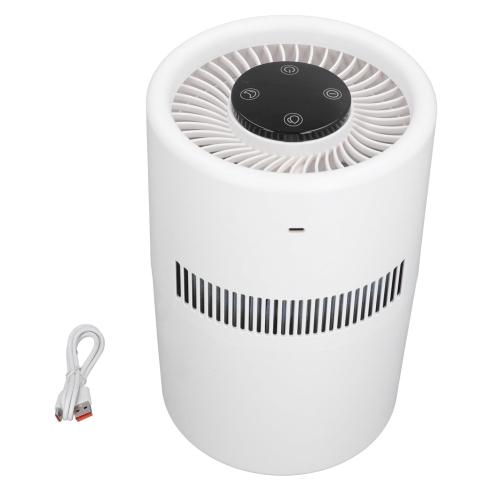

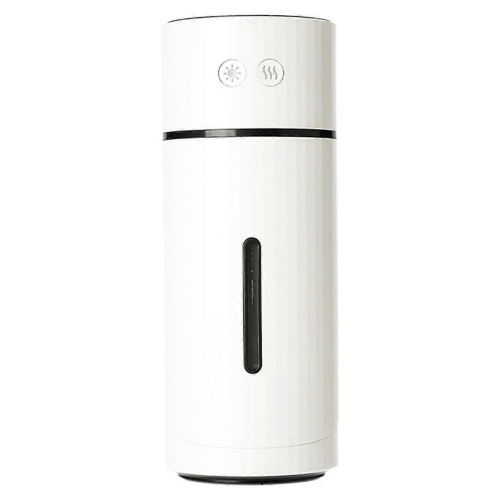
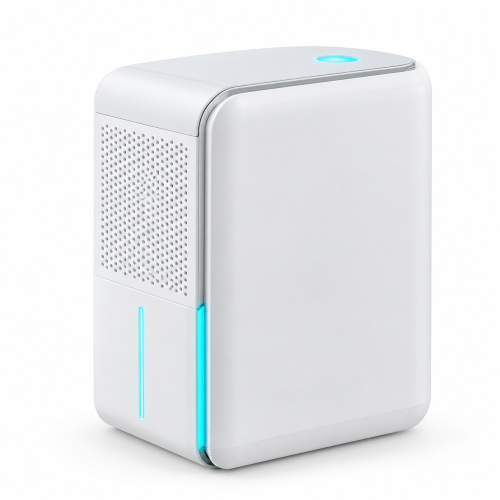
Room size, humidity levels and care shape comfort
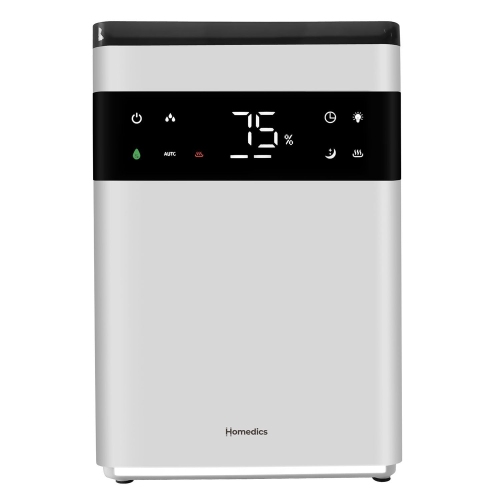
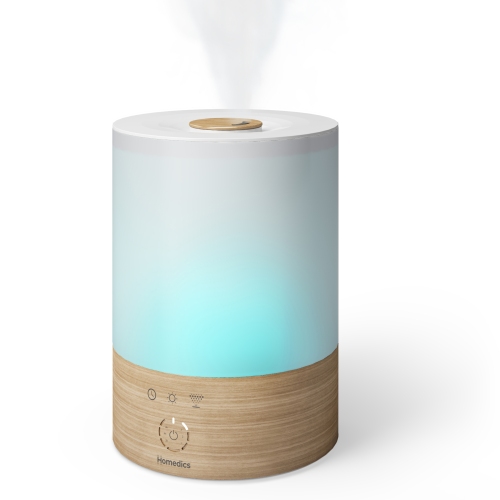
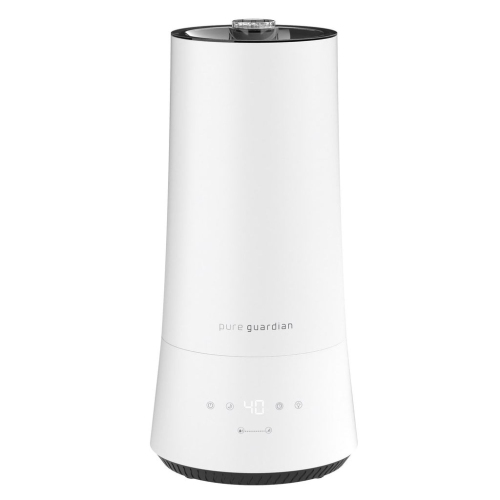
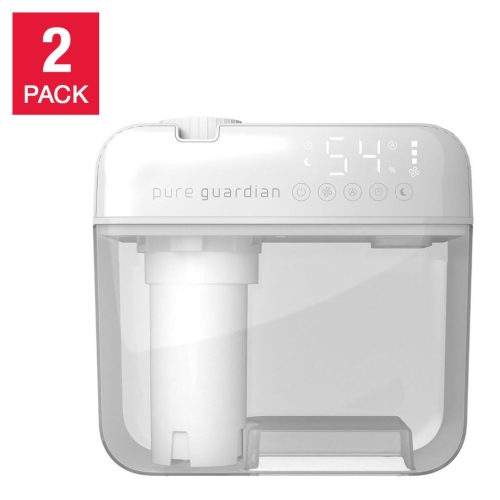
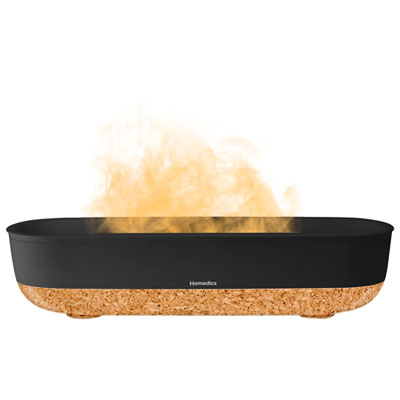
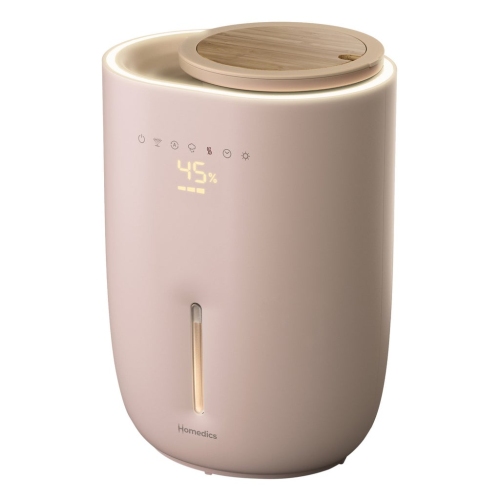
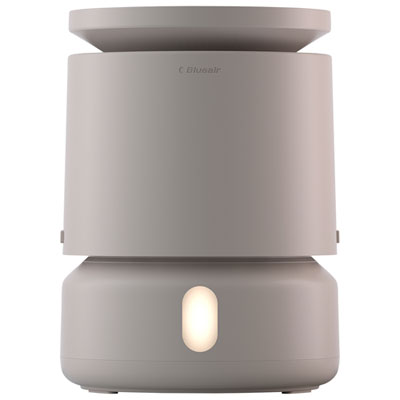
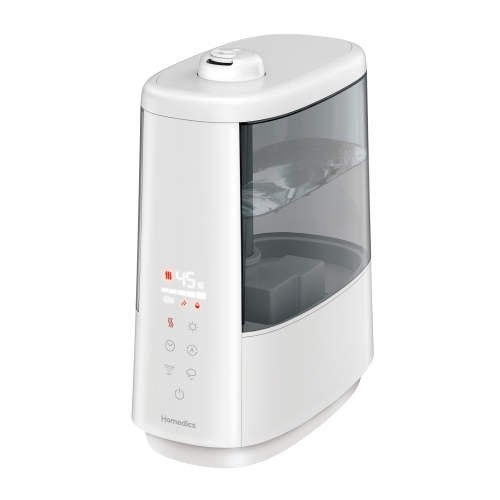
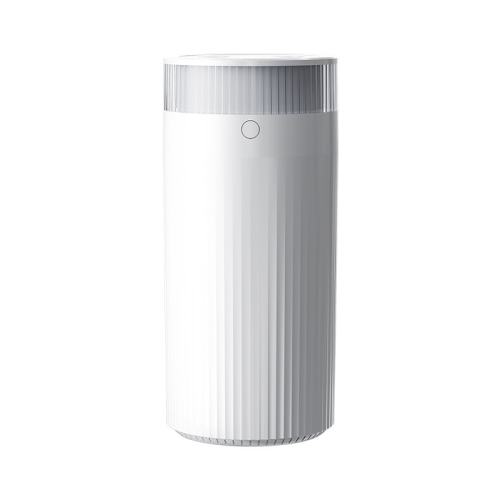
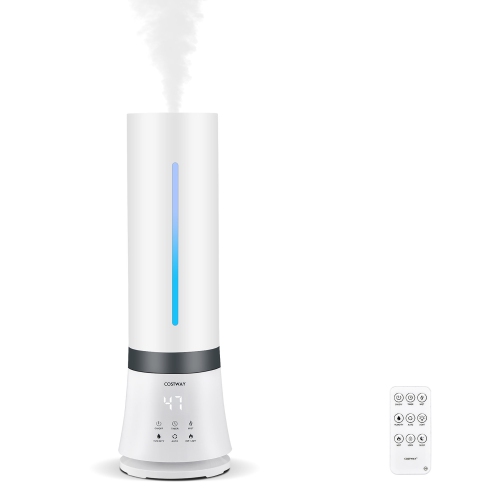
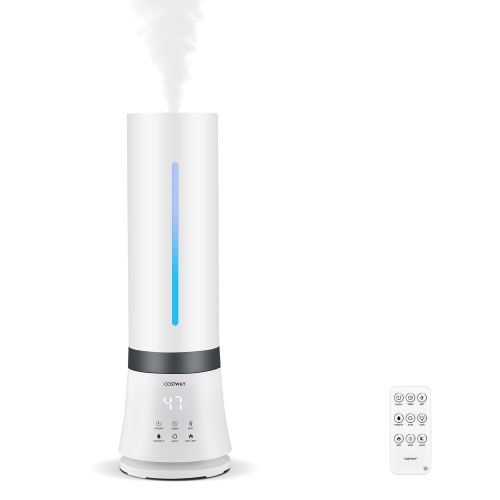
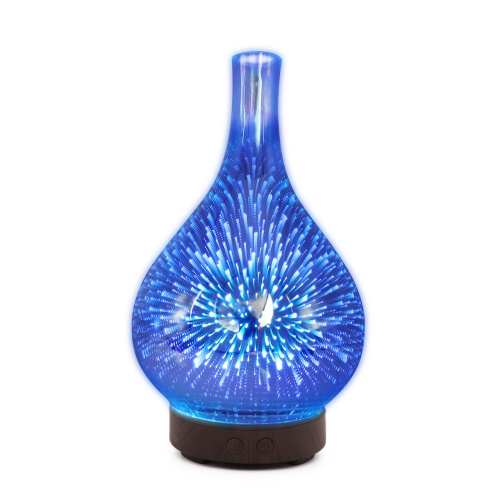
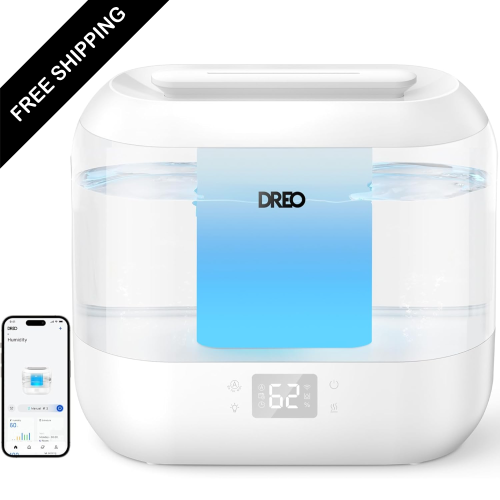
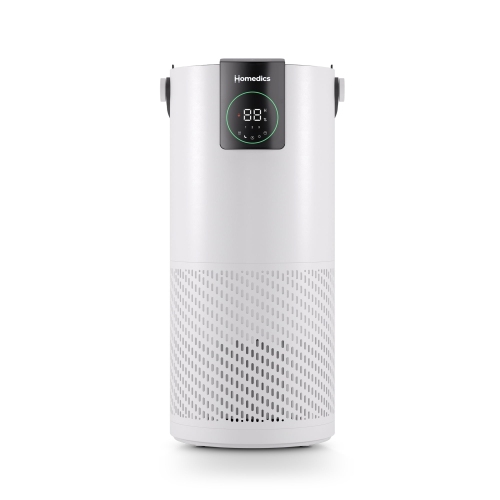
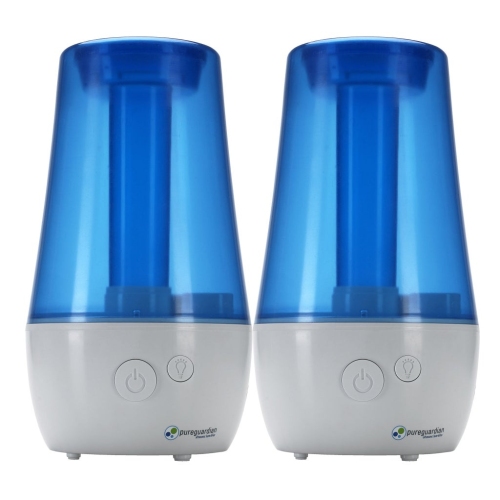
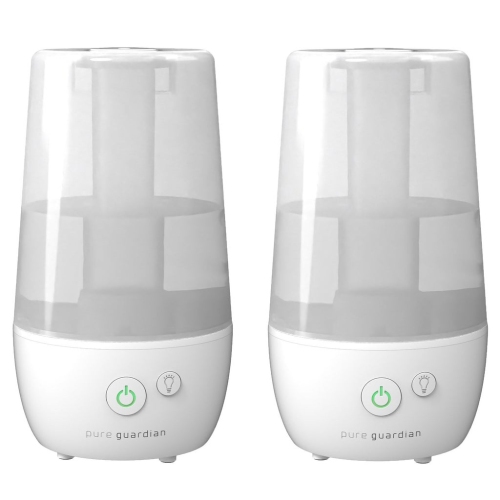
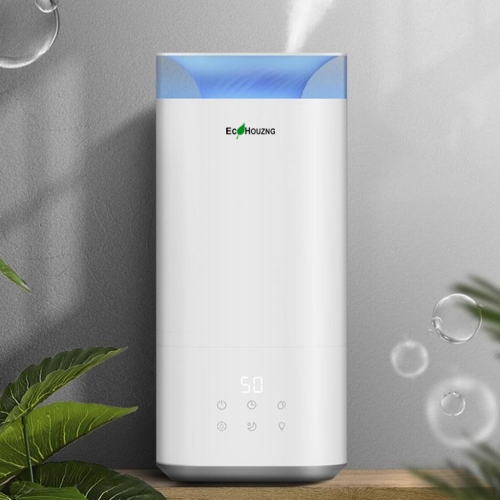
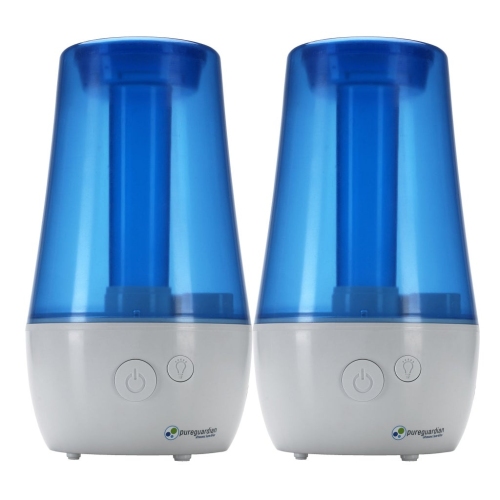
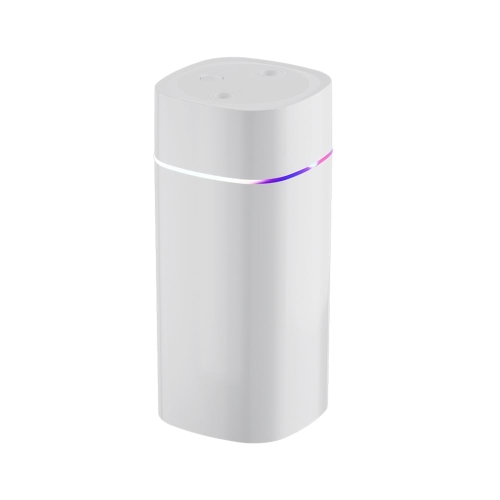
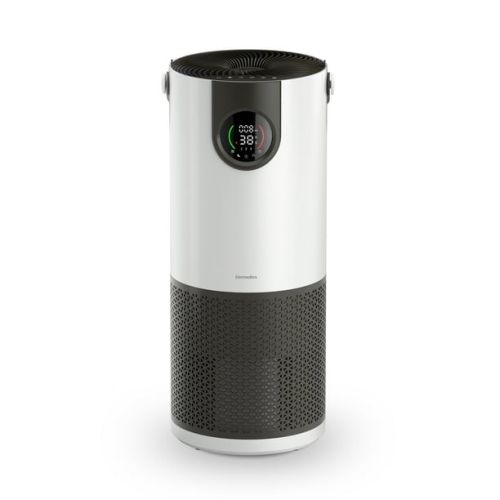
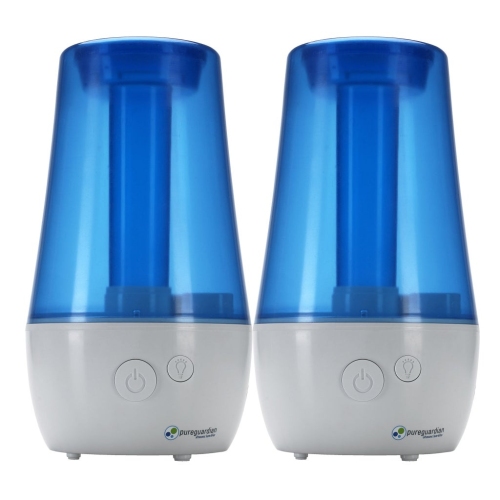
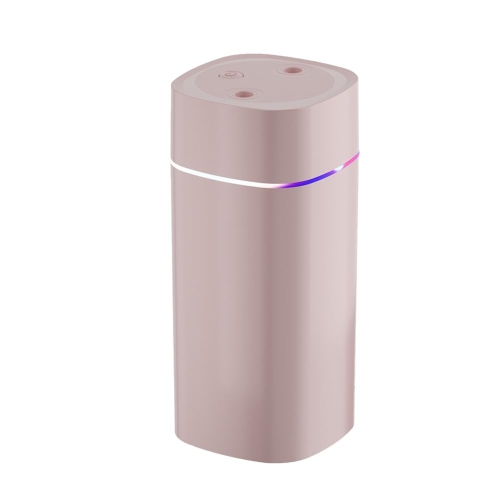
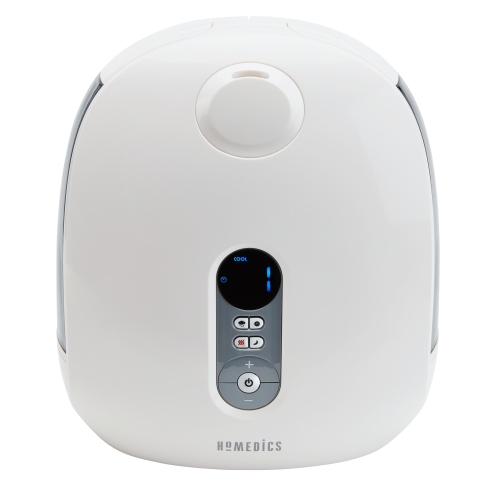
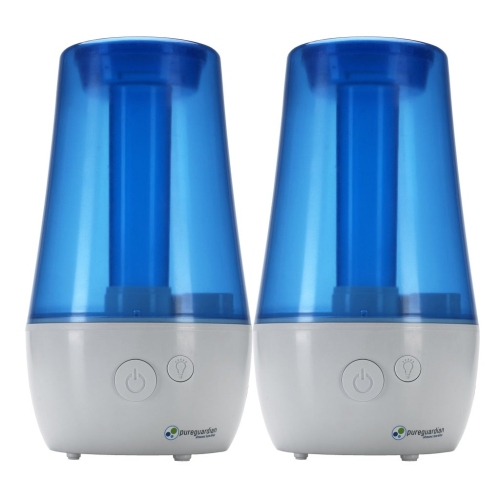
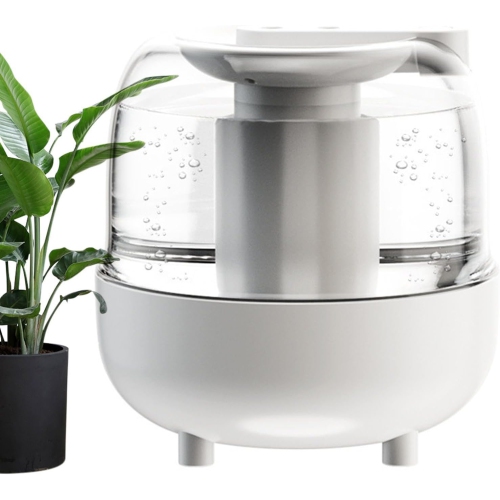
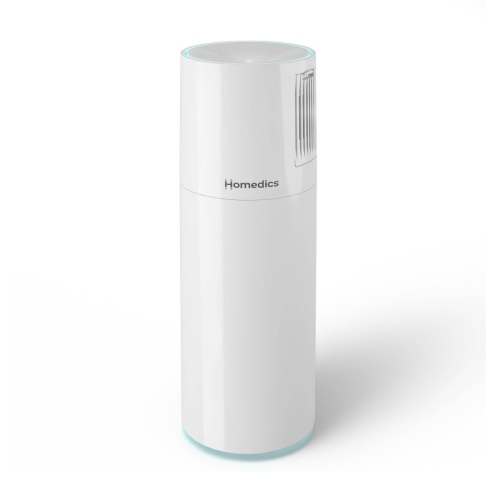
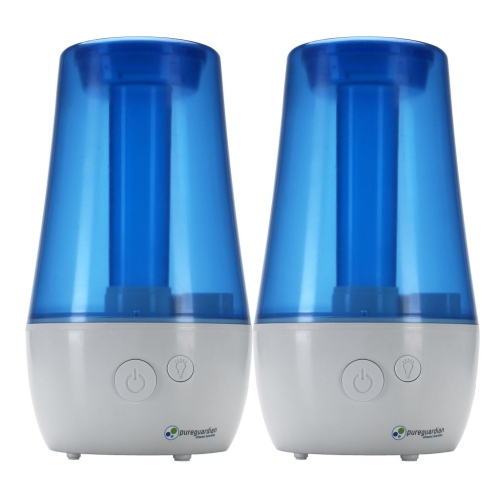
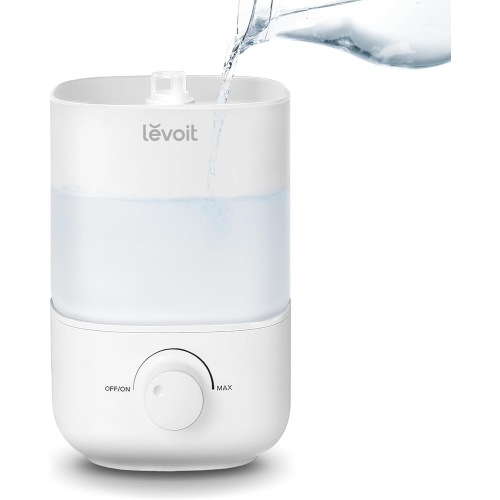
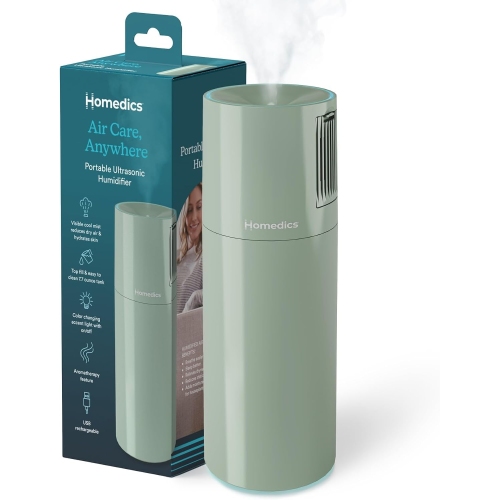
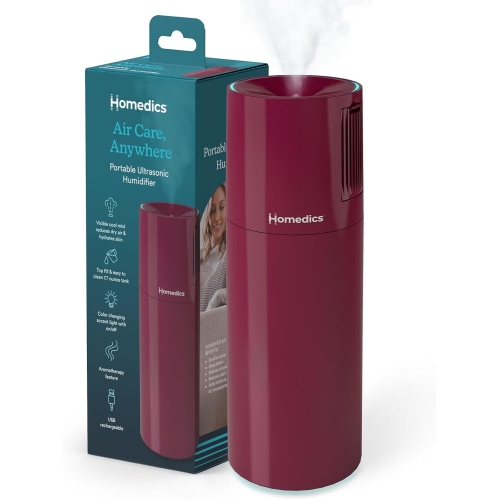
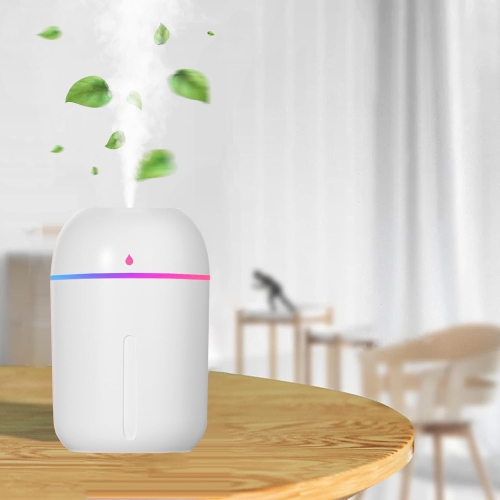
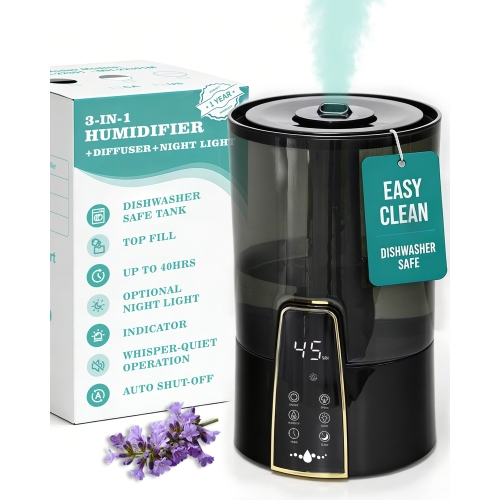
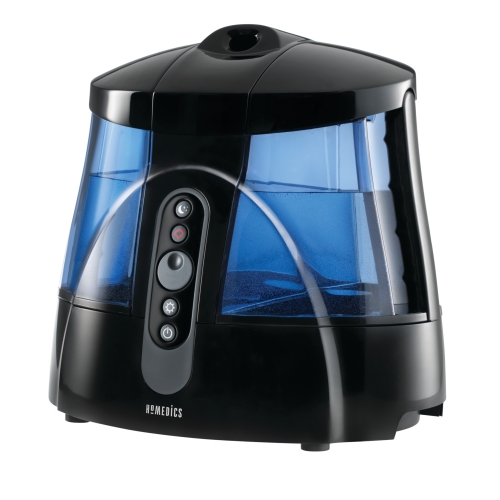
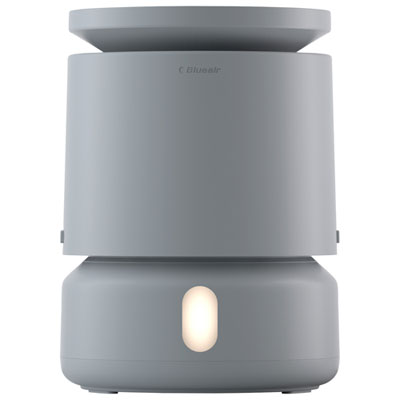
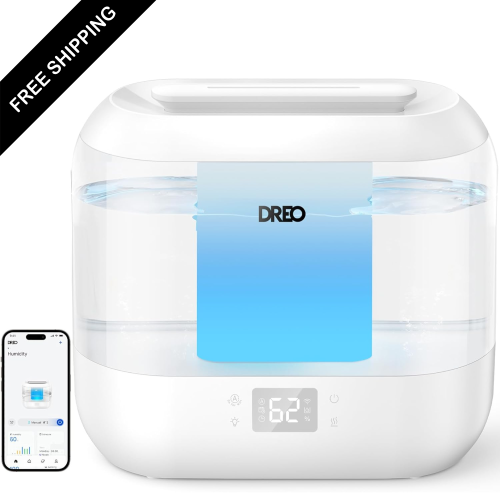
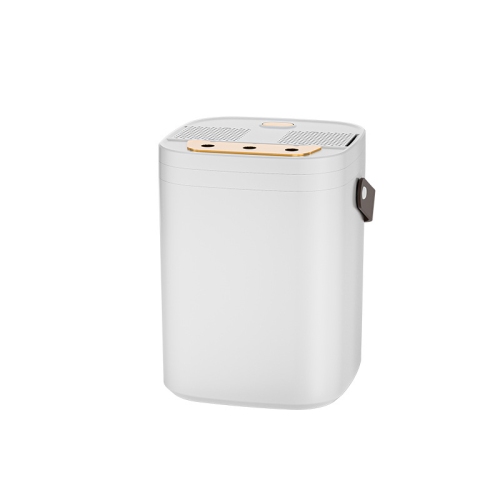
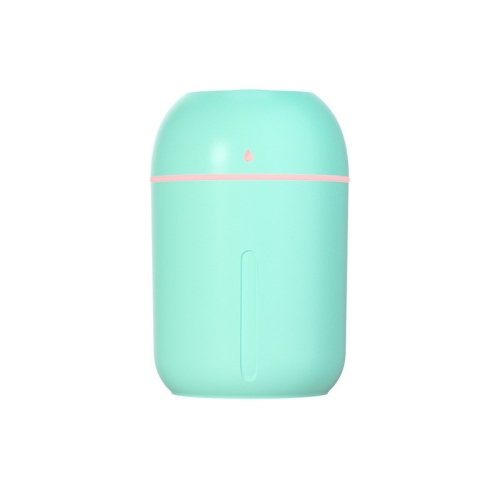
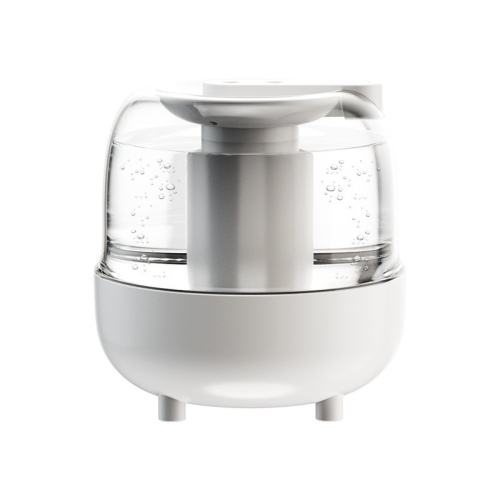
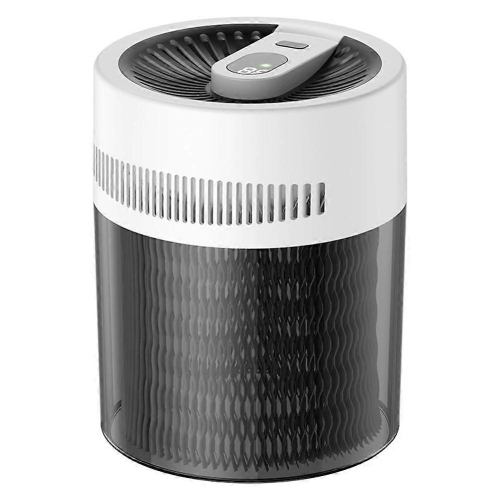
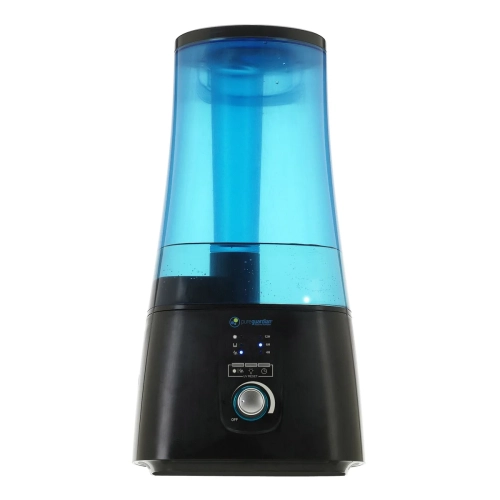
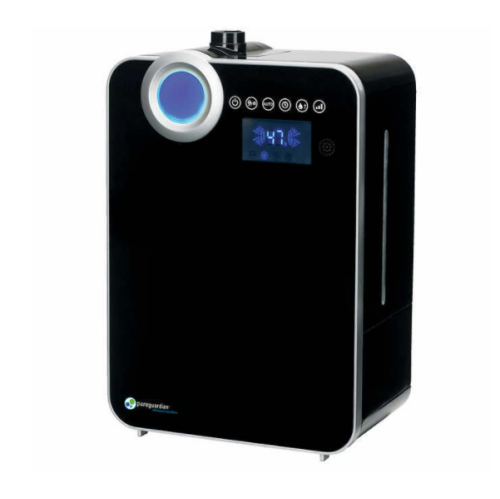
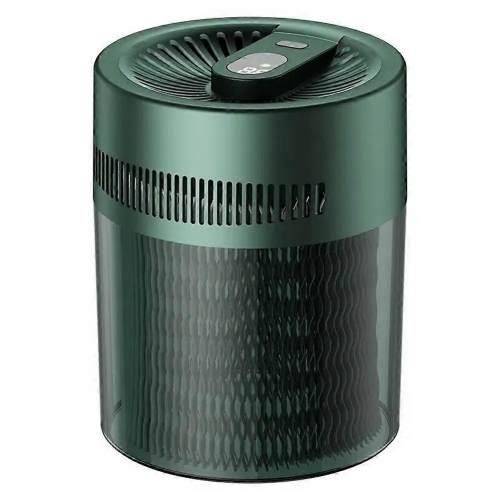
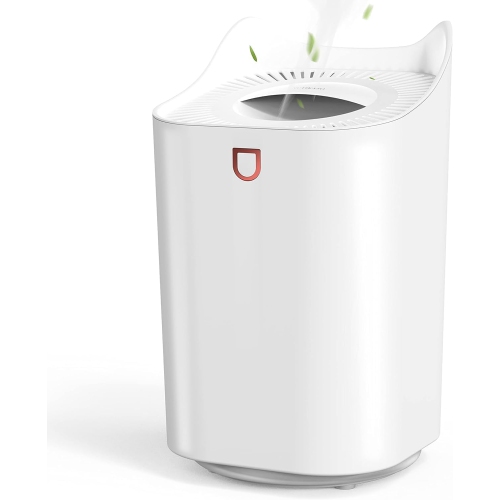
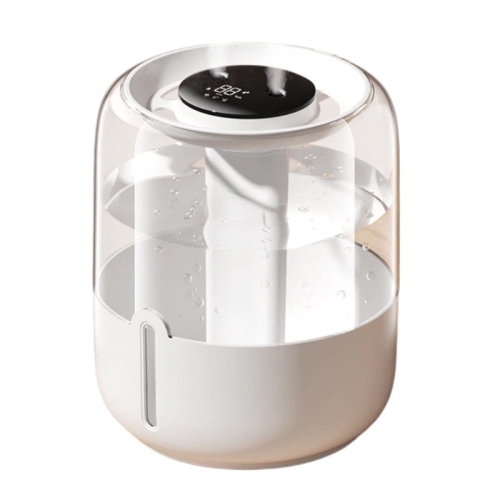
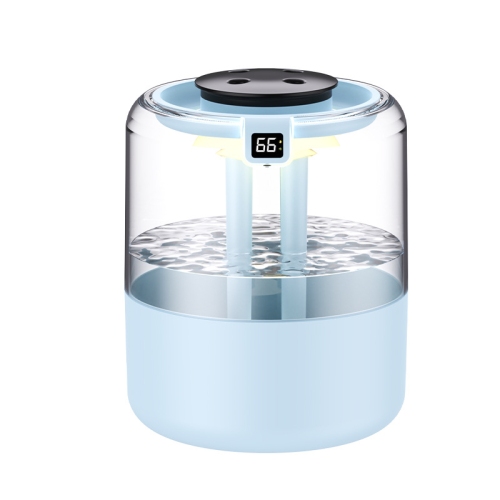
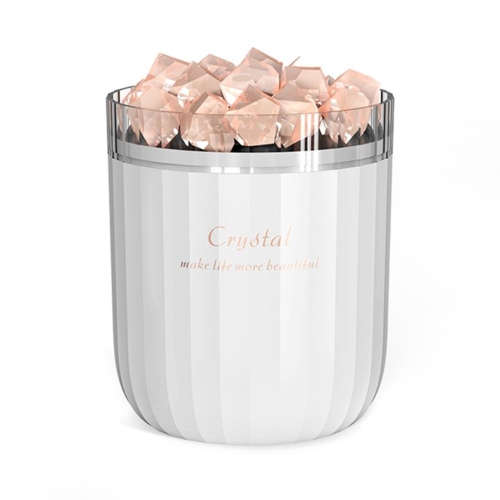
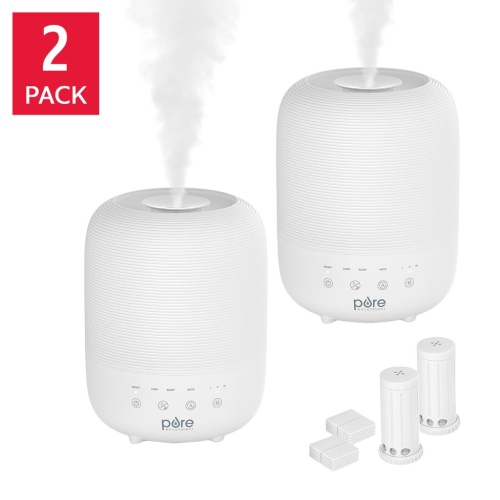
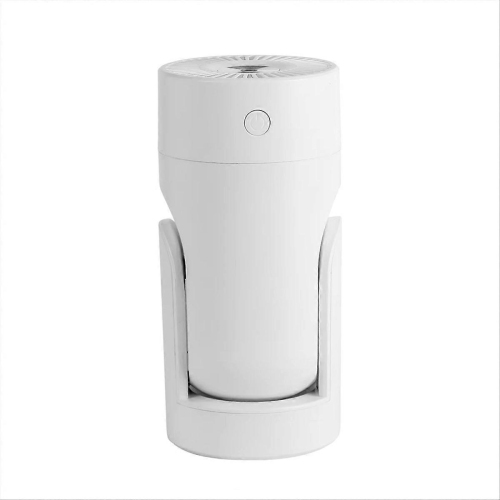
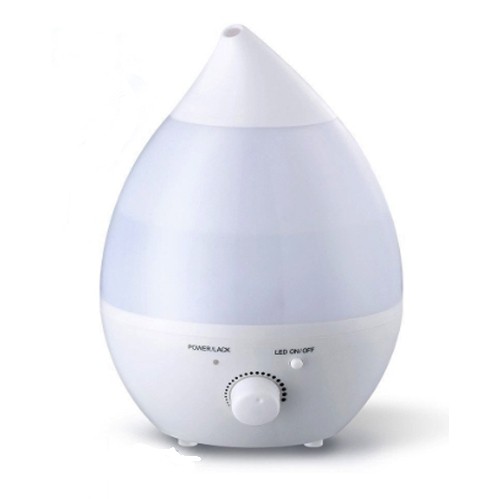
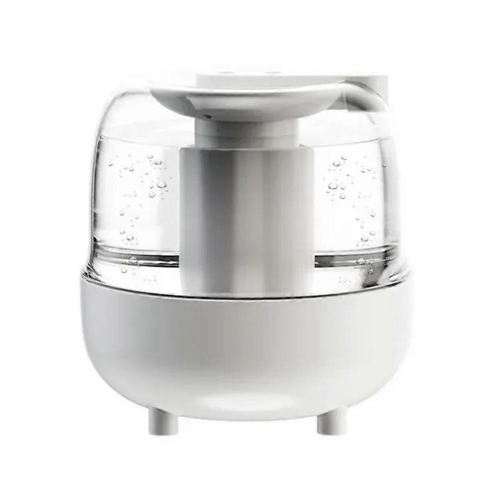
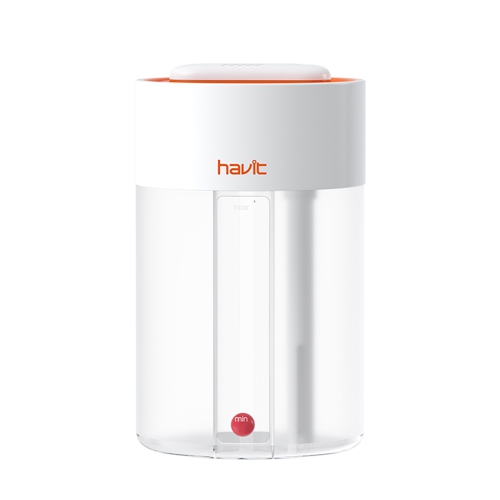
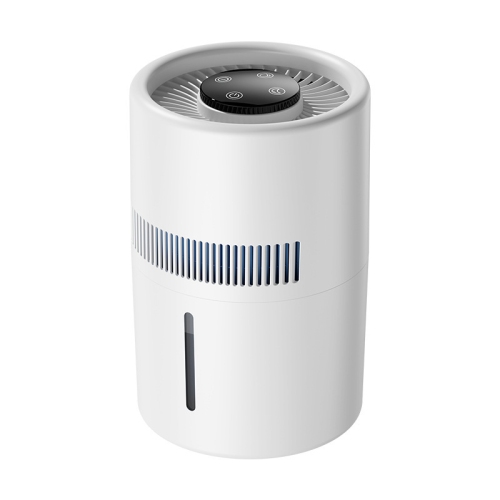
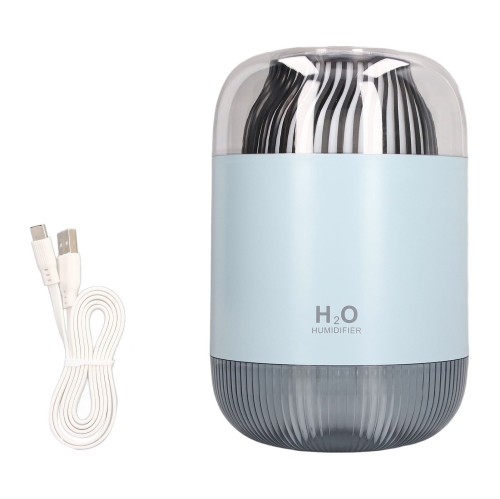
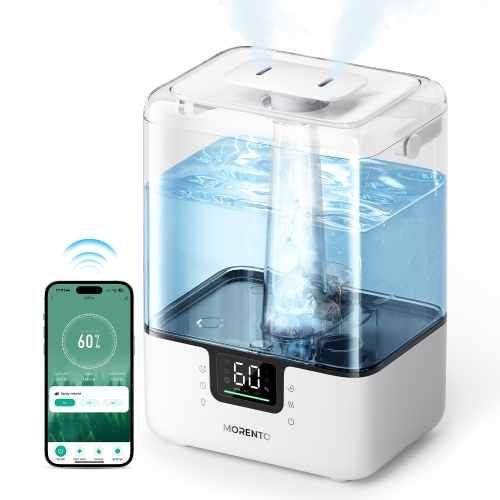
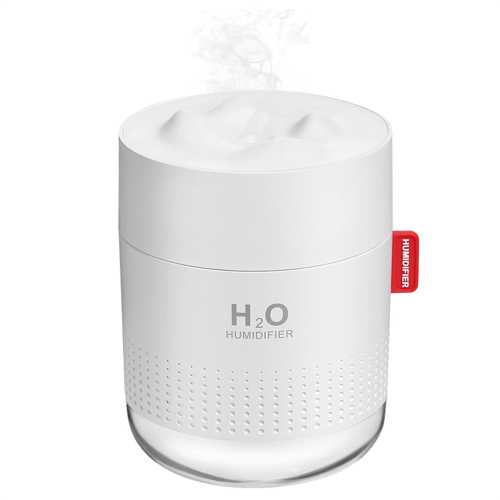
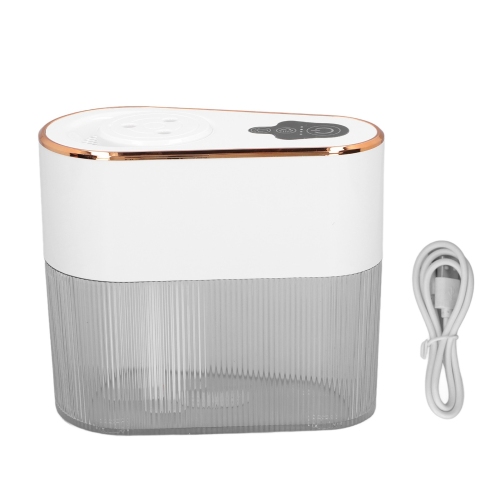
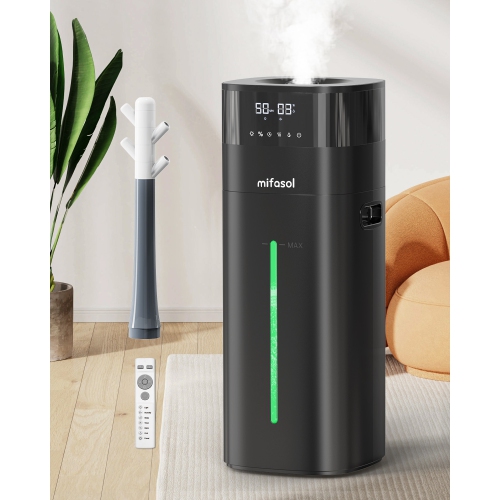
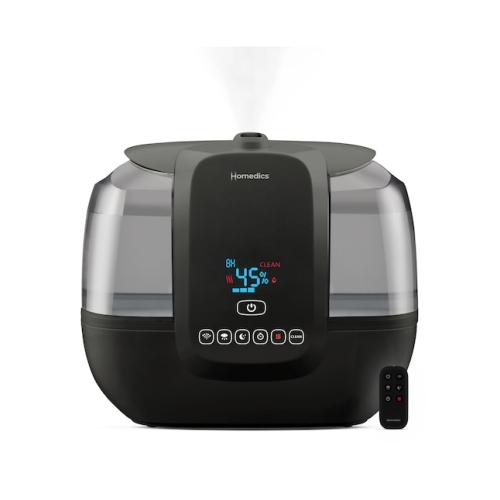
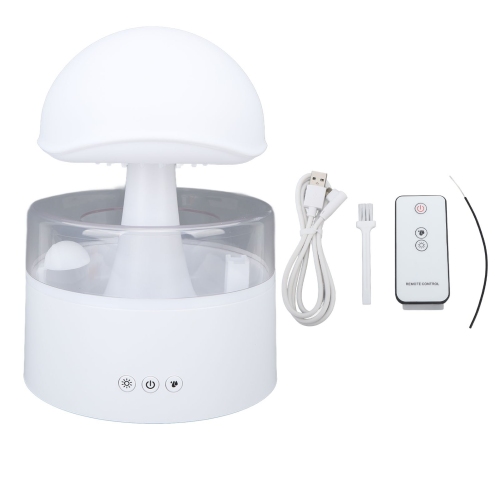
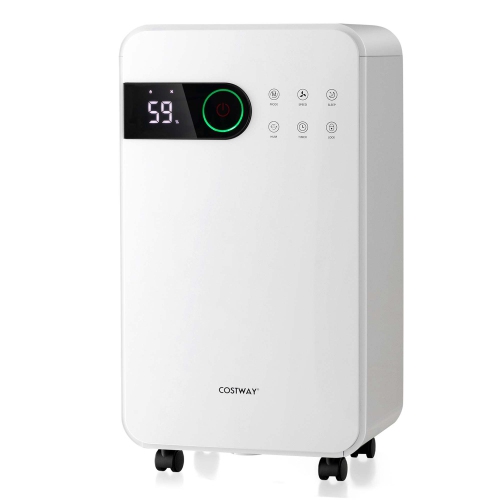
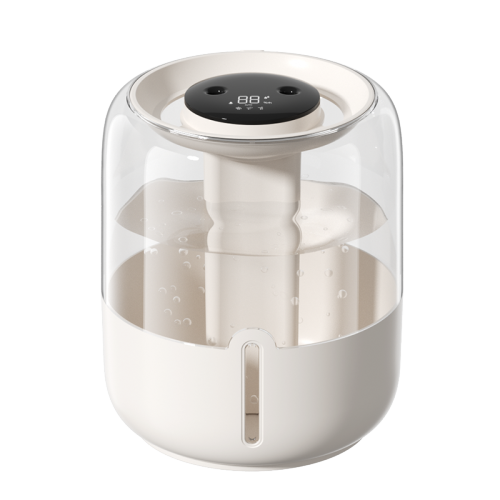
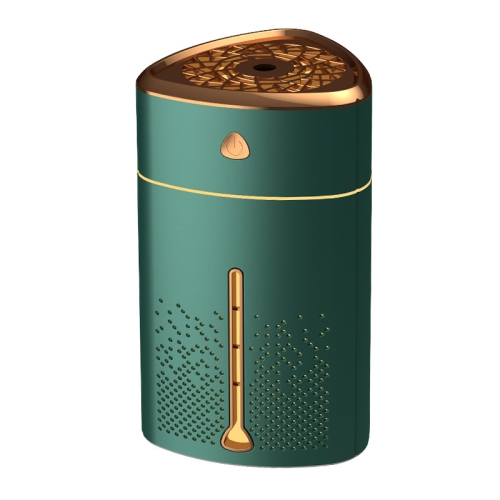
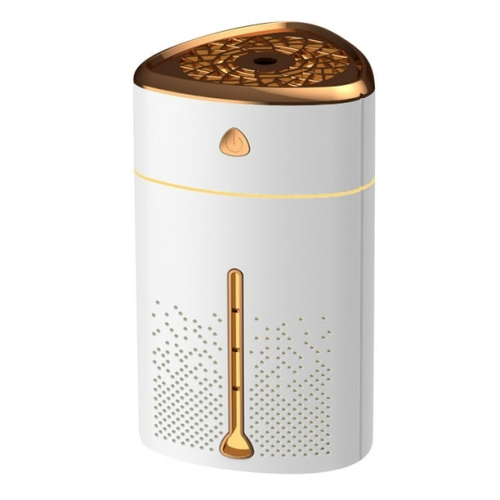
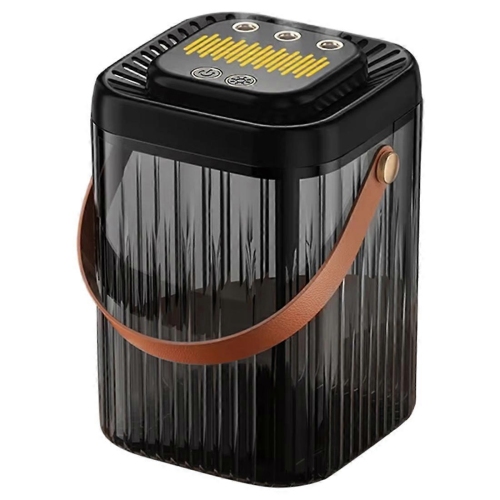
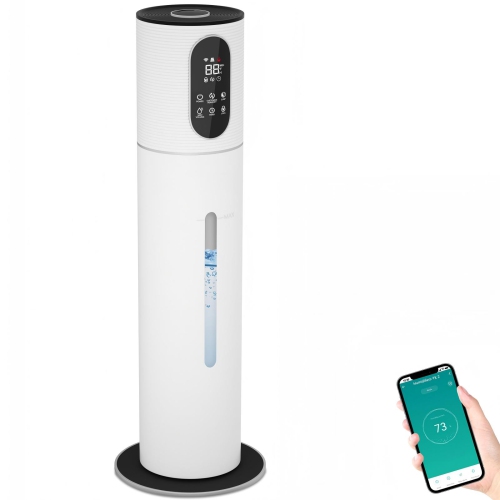
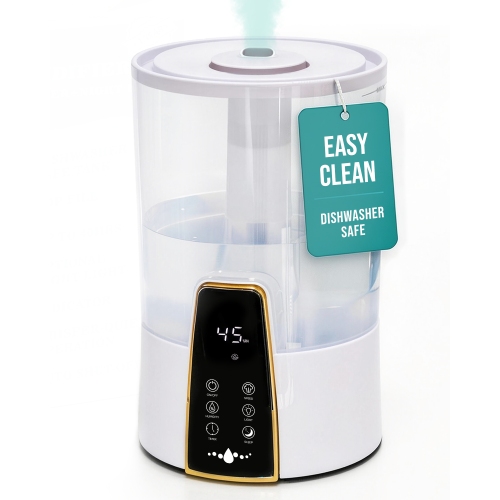
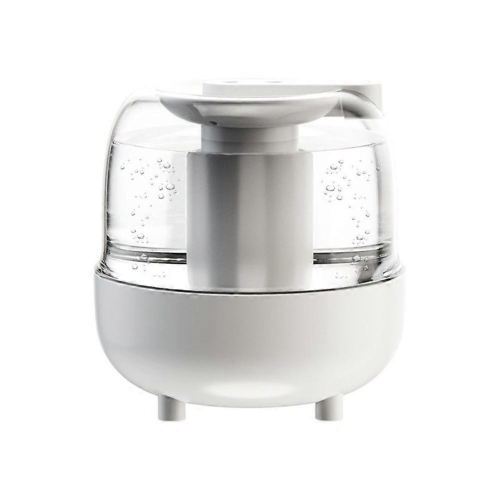
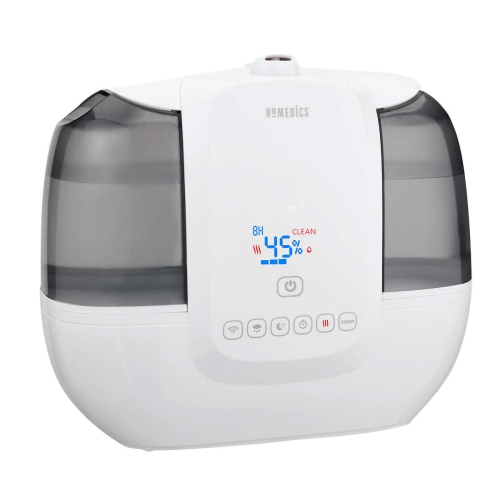
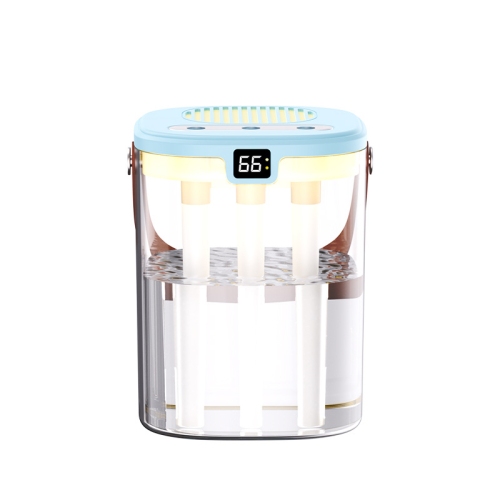
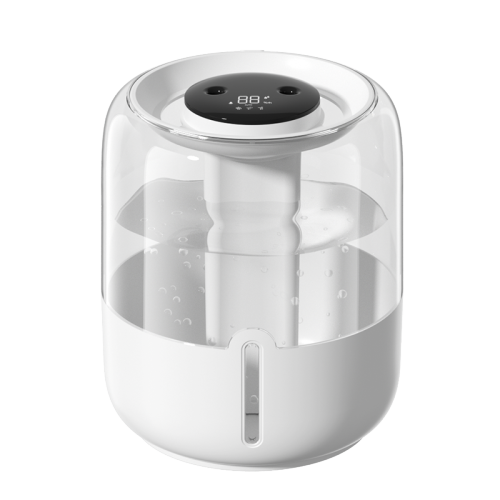
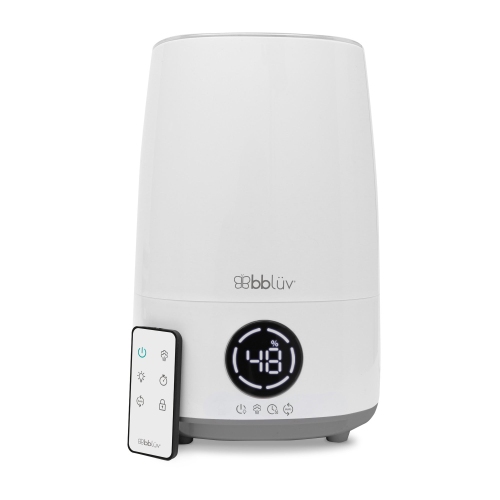
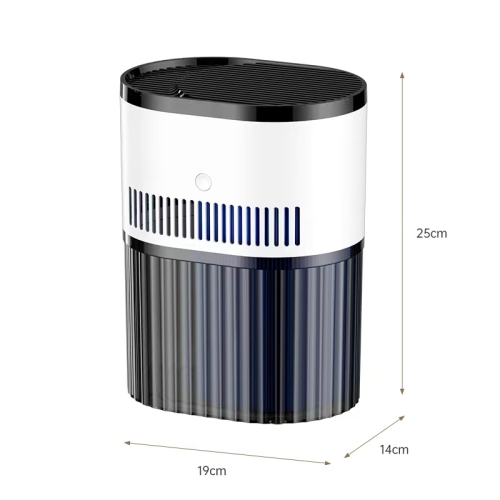
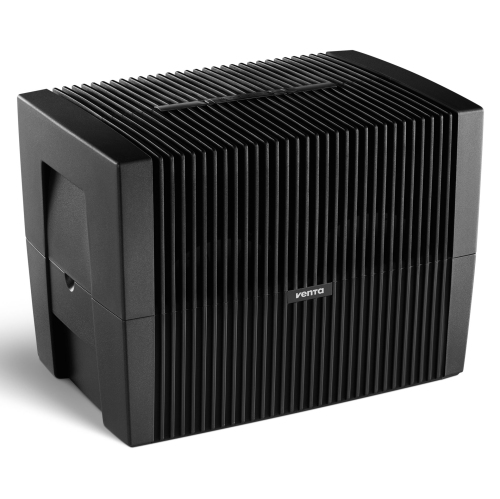
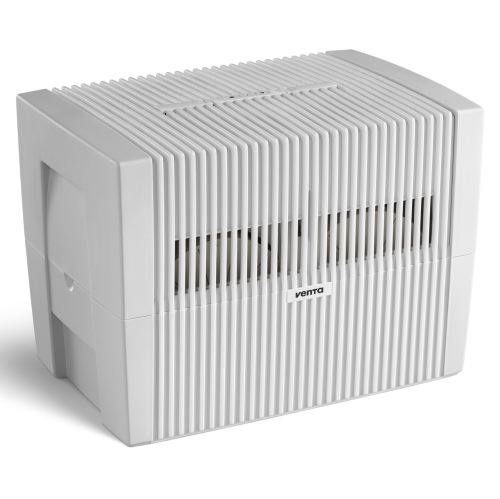
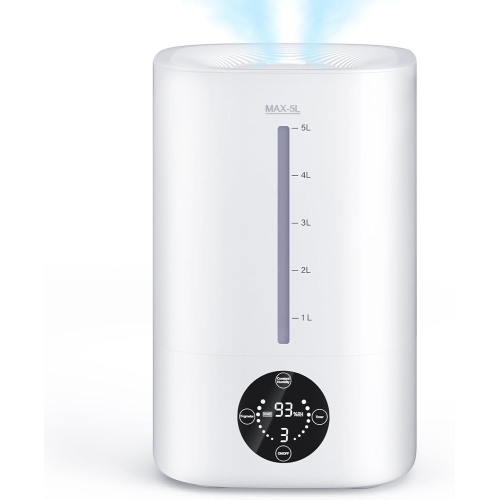
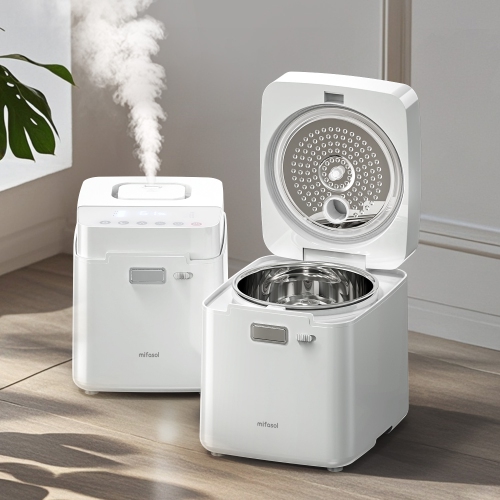
Dry indoor air can make sinus discomfort feel more persistent, particularly during the cooler months when heating systems run for long stretches. Low humidity may leave nasal passages feeling dry and irritated, while thick mucus can make congestion and drainage more difficult. Humidifiers for sinus problems add moisture to the air, helping create a more comfortable environment for breathing, sleeping and everyday routines. Many people place one on a bedside table, dresser or nearby shelf so the air around them feels less harsh overnight, while others use a larger unit in a living room, home office or shared family space. A humidifier does not treat the underlying cause of sinus symptoms, and it cannot replace advice from a health-care professional, but maintaining balanced indoor humidity may help ease the discomfort associated with dry air. For a helpful starting point, browse the recommended selection of Best Humidifiers for Sinus and compare features suited to your room, routine and comfort preferences. A parent may choose a humidifier for a child’s room when dry air makes bedtime uncomfortable, while someone working from home may prefer a quiet model that can run beside a desk without interrupting calls. They can also make thoughtful gifts for new homeowners, students moving into a residence or anyone setting up a more comfortable bedroom during the heating season.
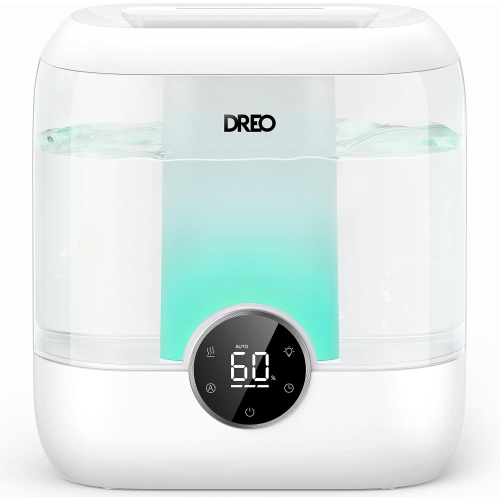
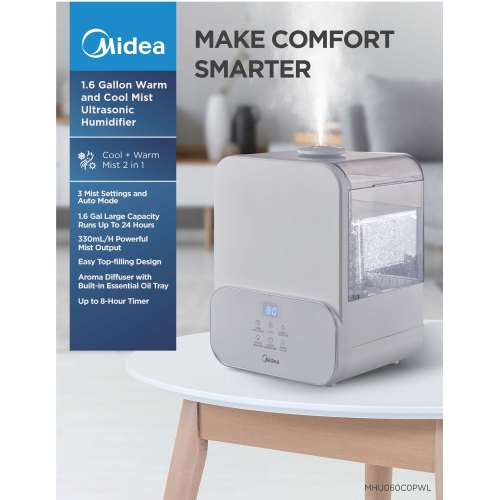
Room size is one of the most important considerations when choosing a humidifier. A compact model can be practical for a bedside area, nursery or small office, but it may not add enough moisture to a large open-concept space. Larger-capacity models can run for longer between refills and may be better suited to family rooms or spacious bedrooms, although their footprint and water-tank weight are worth checking before purchase. Look for a tank that is easy to remove, carry and refill at a sink, along with a control panel that makes it simple to adjust the mist output. A built-in humidity sensor, often called a humidistat, can monitor the room and help maintain a selected level automatically. Many households aim for indoor relative humidity between 40% and 50%, which can help prevent air from becoming excessively dry without making the room feel damp. A separate hygrometer can provide an independent reading if the humidifier does not include one. Humidity above 60% can encourage mould and dust mites, which may worsen allergy symptoms for some people, so more moisture is not always better. Noise level also matters: ultrasonic models are often chosen for quiet bedrooms, while evaporative models use a fan and wick filter to distribute moisture. Warm-mist and cool-mist options can both add useful moisture, but they suit different spaces. Cool mist is generally preferred around children and pets because it does not involve heated water or hot steam. Warm mist produces heated vapour that some people find soothing in a chilly room, but the unit and output can become hot, so it should be placed well out of reach and on a stable, heat-resistant surface. Dual-mist models offer flexibility when preferences change between daytime and nighttime.
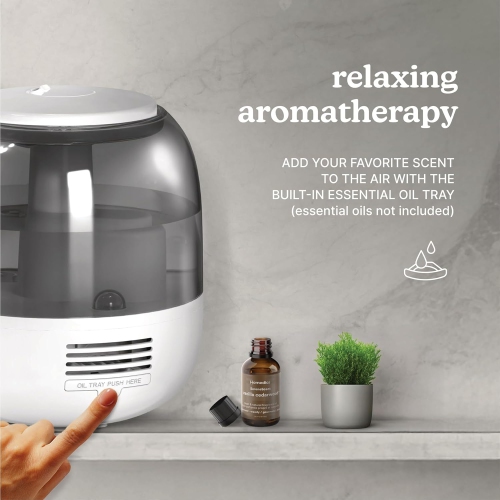
Good maintenance is essential when using a humidifier for sinus comfort. Standing water can allow bacteria, mould and mineral deposits to build up, especially when the tank is left full between uses. Empty the tank daily, rinse it thoroughly and allow it to dry when possible. Follow the manufacturer’s cleaning instructions for the unit, and plan to deep clean it regularly; many care recommendations include a white vinegar soak to loosen mineral buildup, followed by a careful rinse before the next use. Never mix vinegar with bleach or other cleaning products. Distilled or demineralized water may help reduce white dust and scale in areas with hard water, depending on the model’s instructions. Replace filters, wicks or cartridges at the recommended intervals, since a used filter can affect performance and air quality. Keep the humidifier on a level surface with space around it, and avoid directing mist at walls, bedding, electronics or wooden furniture, where ongoing dampness can cause damage. Essential oils should only be used when the humidifier is specifically designed for them; adding oils to a standard water tank can damage internal parts and may irritate sensitive airways. If sinus symptoms are severe, recurring, accompanied by fever or facial pain, or do not improve, consult a health-care professional. With the right capacity, mist style, controls and cleaning routine, a humidifier can be a practical addition to a bedroom or living space when dry indoor air contributes to nasal discomfort.
Top selling and popular products
-
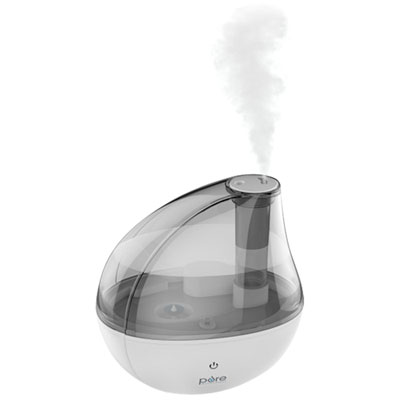 Your price for this item is $64.99
-
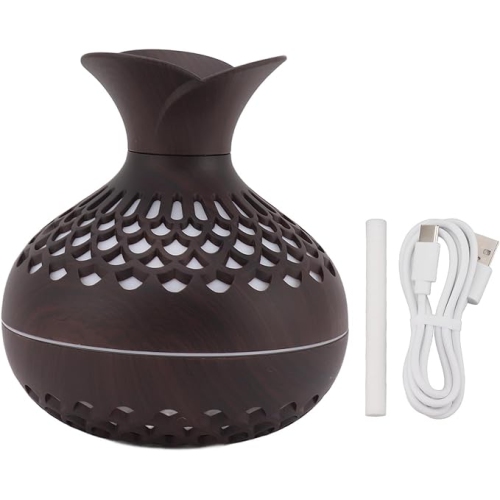 Your price for this item is $14.98
-
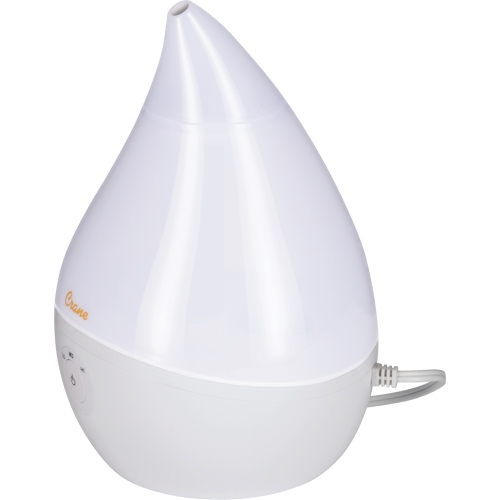 Your price for this item is $89.97
-
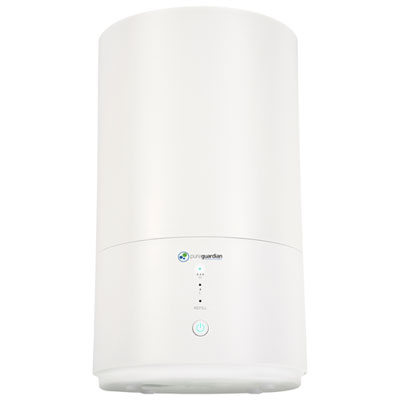 Your price for this item is $89.98
-
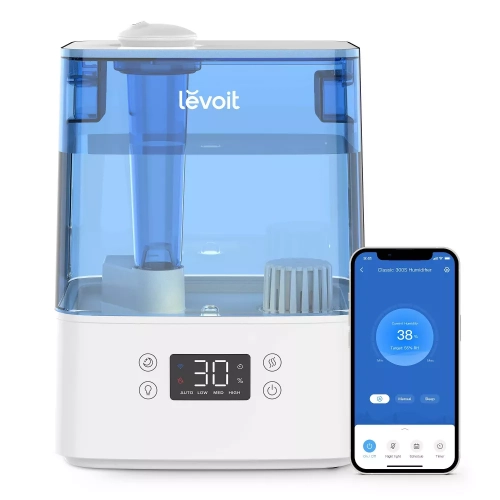 Your price for this item is $299.74
-
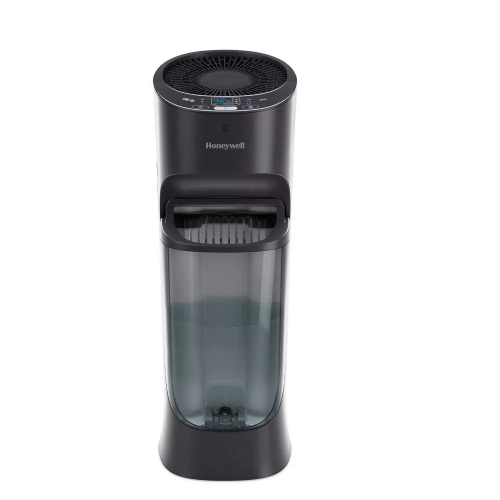 Your price for this item is $299.74
-
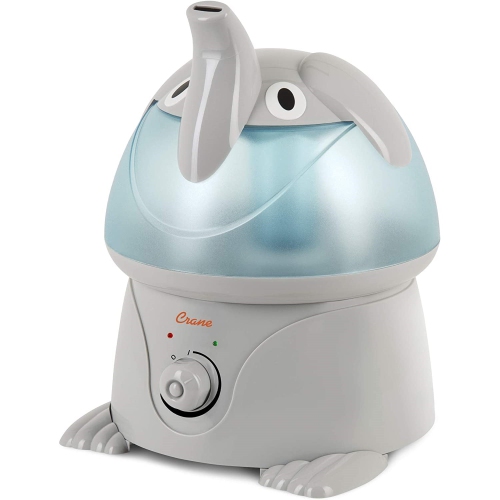 Your price for this item is $109.97
-
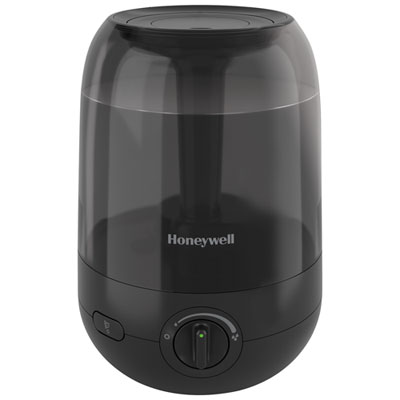 Your price for this item is $59.99
Discover more categories related to Humidifiers for Sinus Problems
Top Collections:
Pokemon Centers, Best Cameras for Sports Photography, Kindle Devices, Samsung Galaxy Phones, Canon G7X Cameras, Pokémon 30th Celebration Cards, Refurbished Apple Laptops, iPhone 15 Apple, Laptops for Students, Budget Smartphones
Some products may be subject to Environmental Handling Fees
(EHF) depending on your province.
Learn more about EHFs.