Humidifiers for Dorm Room
Humidifiers for dorm room help create a comfortable living space by maintaining optimal moisture levels. Whether you're looking to improve air quality or reduce dryness, these compact and efficient options are designed to fit easily into smaller spaces like dorm rooms. Explore a range of humidifiers for dorm room that can enhance your daily comfort and support a healthier atmosphere while you study, sleep, or relax.
Sort
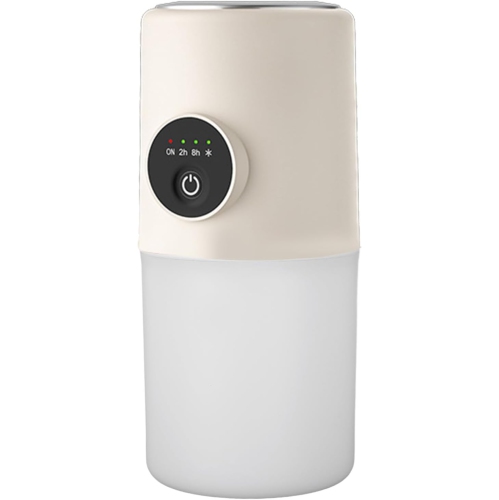
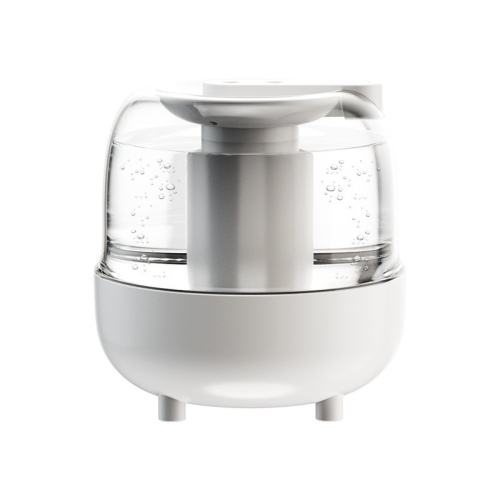

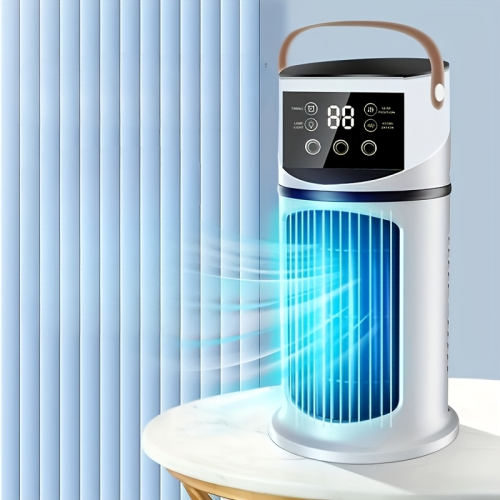
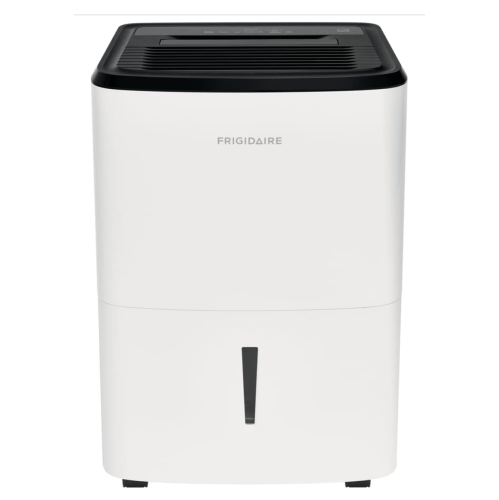
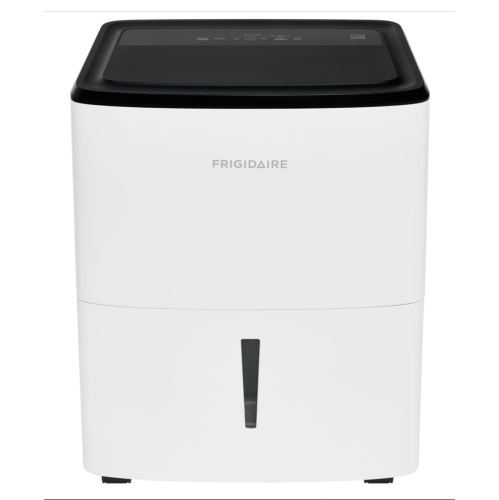
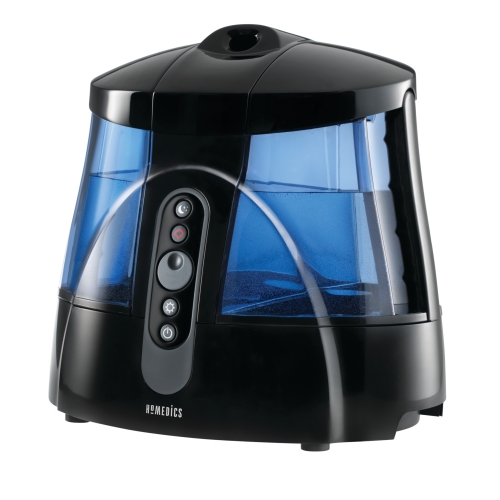
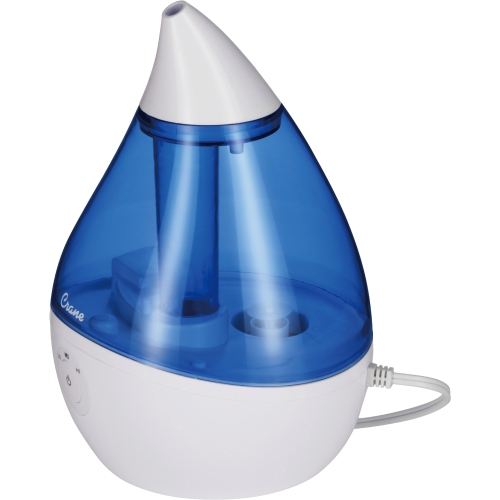

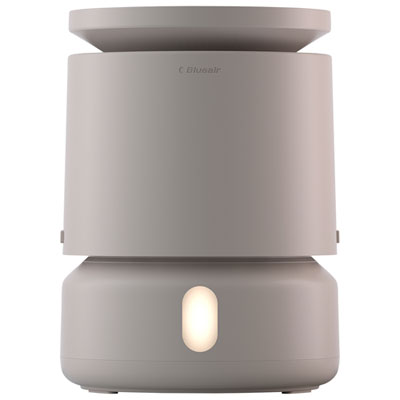
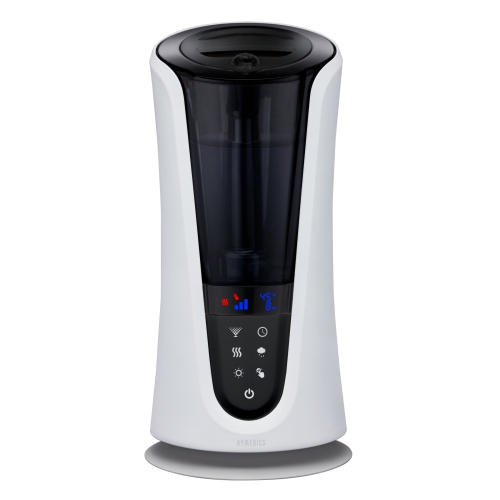
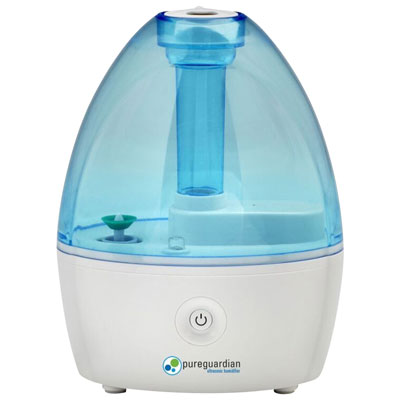
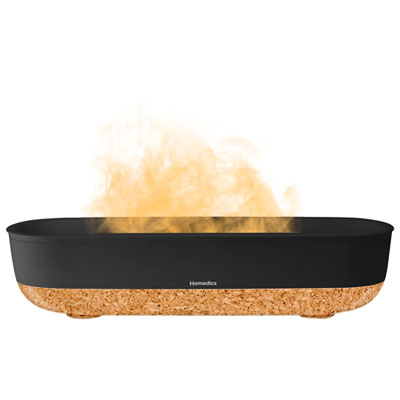
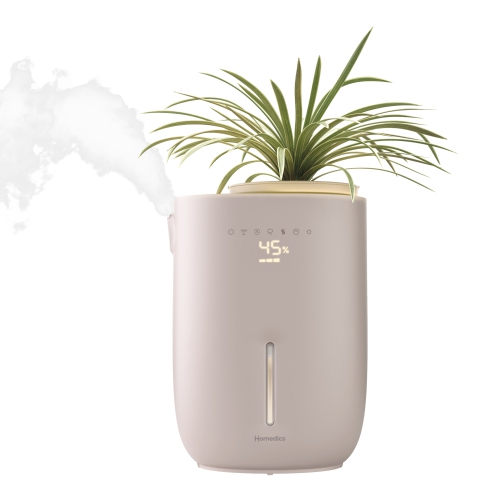
Comfortable air takes more than a bigger tank
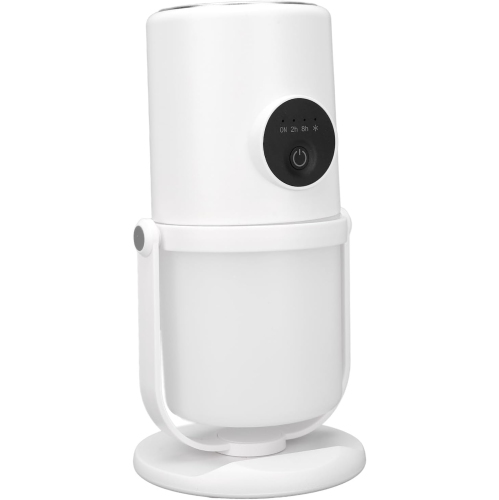
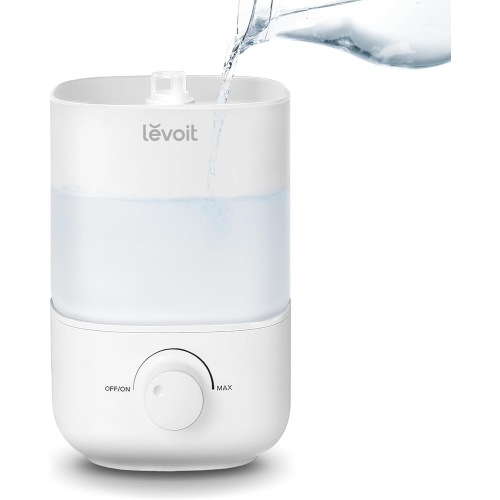
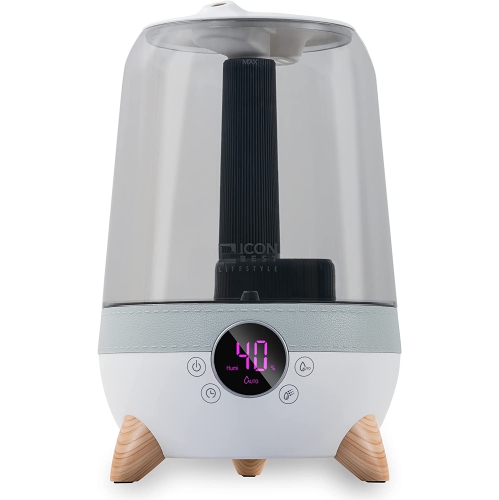
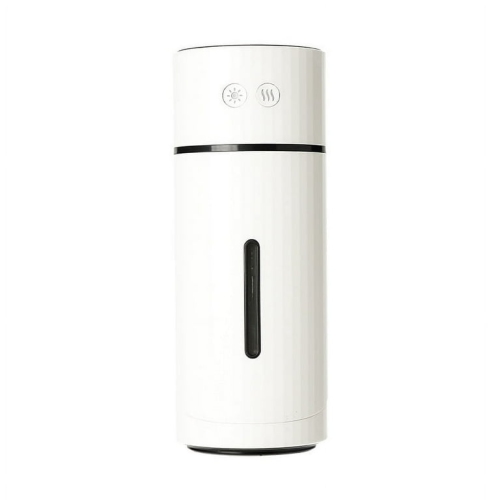
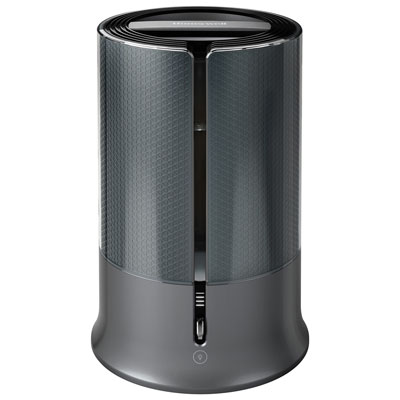
Humidifiers for dorm rooms add moisture to dry indoor air without taking over the limited space shared by a bed, desk, storage bins, and study supplies. Their usefulness depends less on the largest tank or longest advertised runtime than on how well the design suits the room and its daily routine. A compact humidifier can be a practical fit for a student who wants more comfortable air while reading, studying, or sleeping, particularly when low humidity contributes to a dry nose, throat, or skin. It is not a substitute for ventilation, cleaning, or medical care, and a room that already feels damp may not need added moisture. Room coverage is an important starting point: a model intended for a small bedroom is generally more appropriate than a high-output unit designed for a large living area. Tank capacity also affects convenience. A smaller reservoir takes up less space and is lighter to carry to a shared sink, while a larger reservoir may allow longer operation between refills but needs more clearance and a sturdier surface. Published runtime figures usually depend on the mist setting and operating conditions, so they should not be treated as a promise of full-output performance throughout the night. Students comparing Compact Dorm Humidifiers can weigh the footprint against the amount of water they are comfortable carrying and the space available for refilling. Top-fill designs can simplify that routine, especially where the nearest tap is down the hall, although the tank opening and removable parts still need to be accessible for cleaning. A secure handle, clearly visible fill line, and tank that rests steadily beside a sink can make everyday use less awkward. For a shared room, those practical details often matter more than decorative lighting or a long list of connected features.
Cool-mist ultrasonic and evaporative humidifiers are common options for small bedrooms, but they work differently. Ultrasonic designs use vibration to create a fine mist and often operate quietly, making them appealing beside a study area or across the room from a bed. Evaporative designs draw air through a wet wick or filter, with a fan helping moisture enter the air; their sound and replacement-filter requirements are worth considering. Neither type should be assumed silent. A soft fan hum, occasional bubbling, or a button tone can be noticeable when a roommate is trying to sleep, so noise specifications and controls for lights and sounds deserve attention. Warm-mist designs heat water and may introduce a burn risk from hot water or steam, making residence rules and placement especially important. Automatic shut-off when the tank runs low is useful, but it does not replace careful setup or regular checks. Adjustable output helps match moisture delivery to a small room, while a built-in humidistat can adjust operation towards a selected humidity level. A separate hygrometer positioned away from the mist can help show conditions elsewhere in the room. Indoor relative humidity is generally best kept around 30% to 50%; persistent condensation, damp surfaces, or a musty smell are signs to stop adding moisture and address the cause. Controls should also suit the way the room is used. A simple dial is easy to adjust without reaching for a phone, while timers and dimmable displays can help keep operation unobtrusive. Connected features may be convenient, but compatibility with residence Wi-Fi needs checking because shared networks can restrict device setup. An adjustable mist outlet offers flexibility, provided it directs moisture into open space rather than towards a pillow, bookshelf, wall, or laptop.
Placement, materials, and care determine how well a dorm humidifier fits into everyday life over time. A stable, level, water-resistant surface with the clearance specified by the manufacturer is preferable to a crowded desk corner or the edge of a shelf. Keep mist and spills away from power bars, charging cables, electronics, bedding, and absorbent furnishings, and leave the cord clear of walkways. A protective surface underneath can help with incidental drips, but it should not be used to justify placing the unit on furniture that cannot tolerate moisture. Smooth tank interiors, wide openings, and removable lids make cleaning easier than narrow necks or complicated channels. Durable plastic housings, secure seals, and parts that come apart without excessive force are useful qualities for a device that may be carried to the sink frequently and packed between residences. No humidifier is maintenance-free: empty residual water, rinse and dry accessible surfaces daily, and follow the manufacturer’s instructions for cleaning, descaling, and replacing filters or cartridges. Cleaning products should never be mixed, and components should only go in a dishwasher if the manufacturer permits it. Distilled or demineralized water can reduce mineral deposits and the fine white dust that ultrasonic models may release when used with mineral-rich tap water. Fragrance is a separate consideration in a shared room. Essential oils belong only in a designated compartment when the humidifier explicitly supports them, not in an ordinary water tank; a roommate may also prefer no scent at all. For a student moving into residence, or someone choosing a practical gift for them, easy care and manageable size are strong priorities. Confirming residence appliance rules, allowing space for drying cleaned parts, and emptying the tank completely before transport help make the humidifier a useful part of the room rather than another bulky object to work around.
Top selling and popular products
-
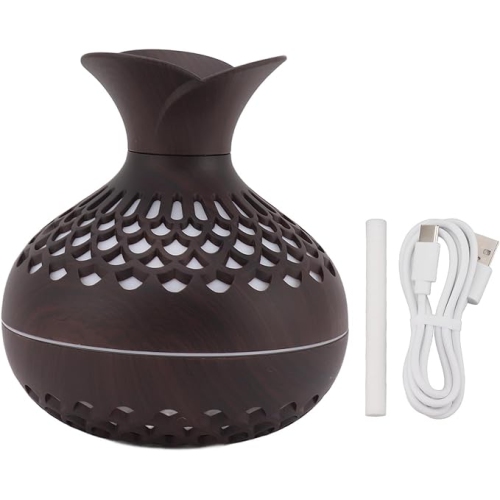 Your price for this item is $14.98
-
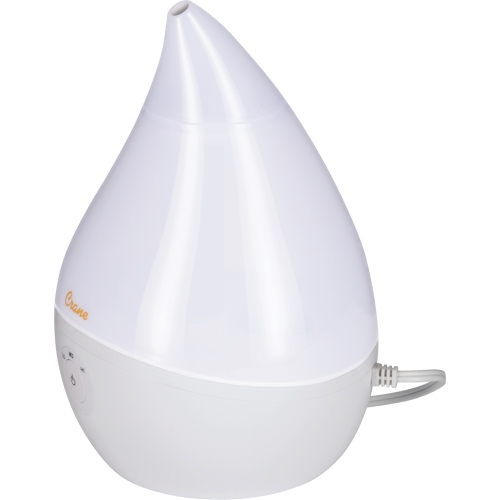 Your price for this item is $89.97
-
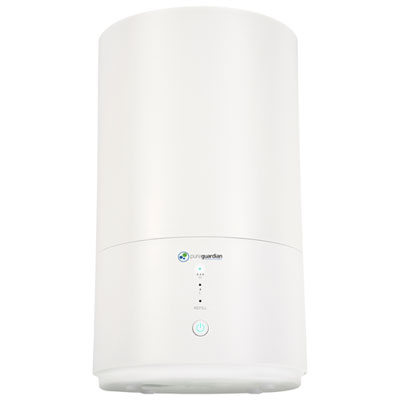 Your price for this item is $89.98
-
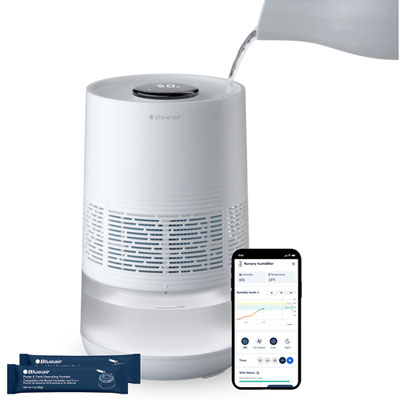 Your price for this item is $159.99
-
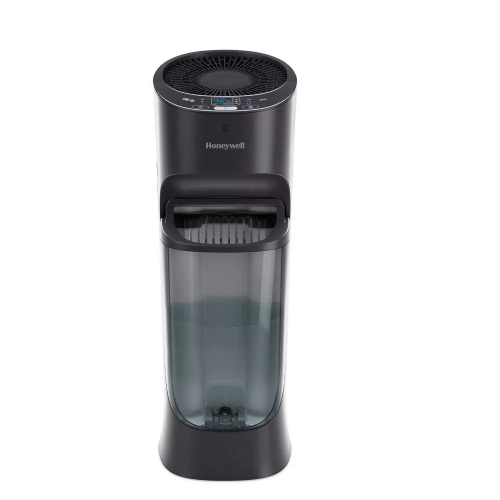 Your price for this item is $274.99
-
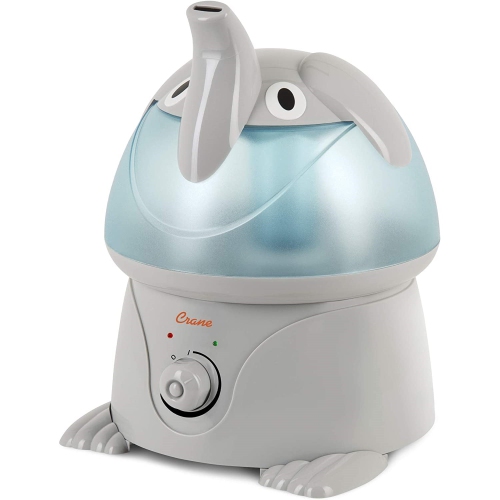 Your price for this item is $109.97
-
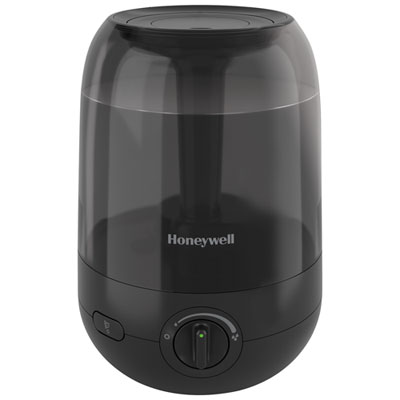 Your price for this item is $59.98
-
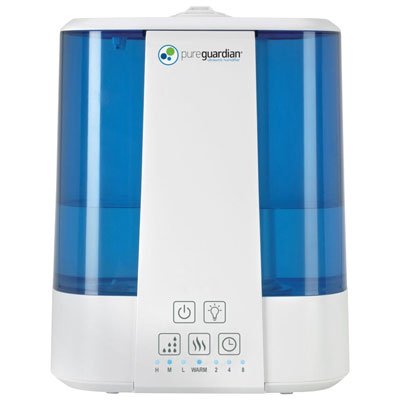 Your price for this item is $138.98
Discover more categories related to Humidifiers for Dorm Room

Top Collections:
Best Black Friday Deals This Year, Best Black Friday Deals On Electronics, Kindle Devices, Pokemon Centers, Best Black Friday Deals On Apple Products, Best Cameras for Sports Photography, Dyson Airwrap, Pokémon 30th Celebration Cards, Apple iPhone 17 Pro, Canon G7X Cameras
Some products may be subject to Environmental Handling Fees
(EHF) depending on your province.
Learn more about EHFs.