Mini Indoor Electric Grills
If you're looking for an indoor grill that's easy to use, portable, and doesn't take up much space, consider a mini indoor electric grill. This unit is small enough to fit on a kitchen countertop or in a corner of your dining room. Here are some great options for mini indoor electric grills.
Sort
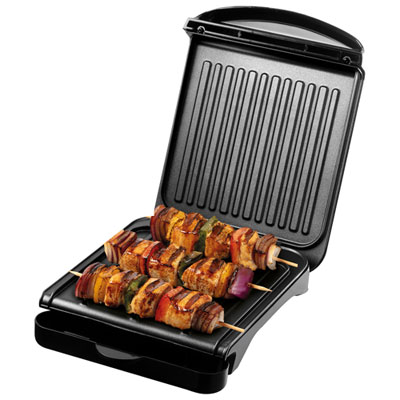


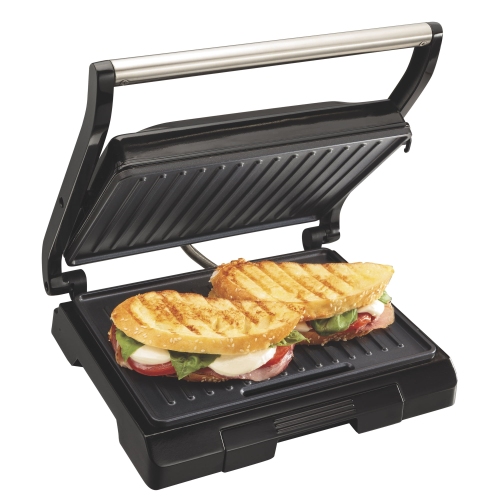
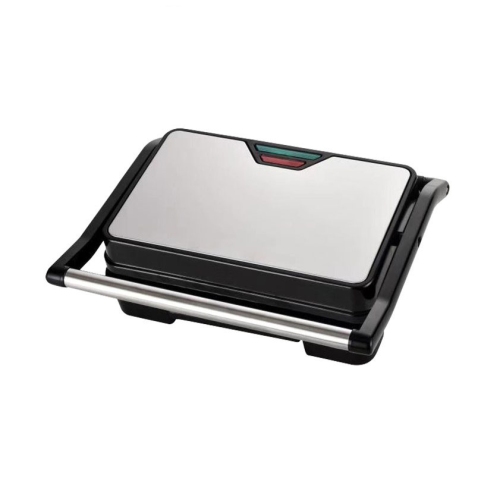
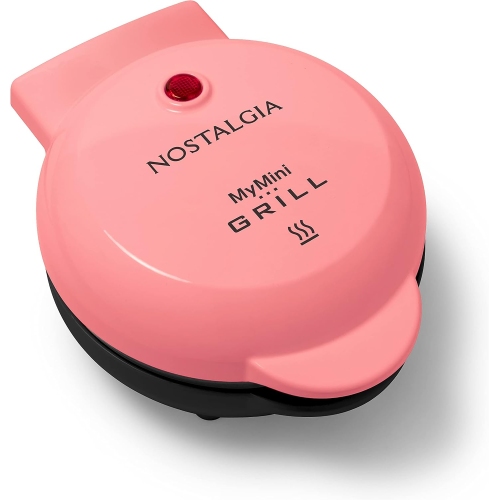
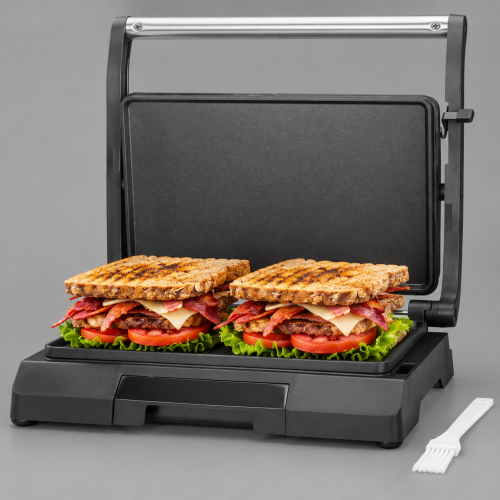
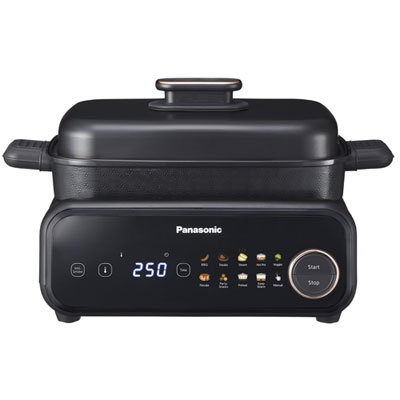


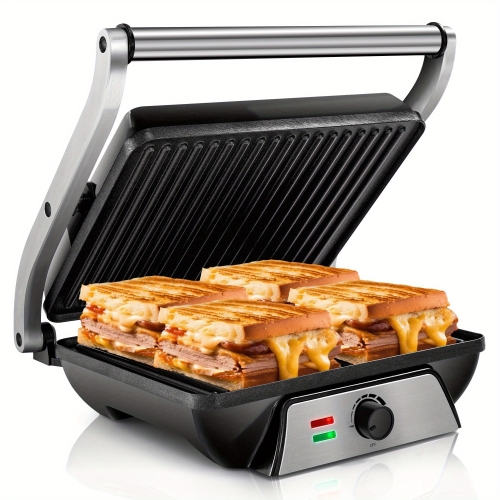
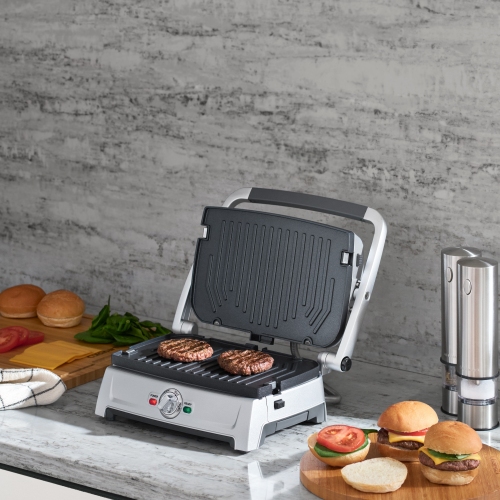
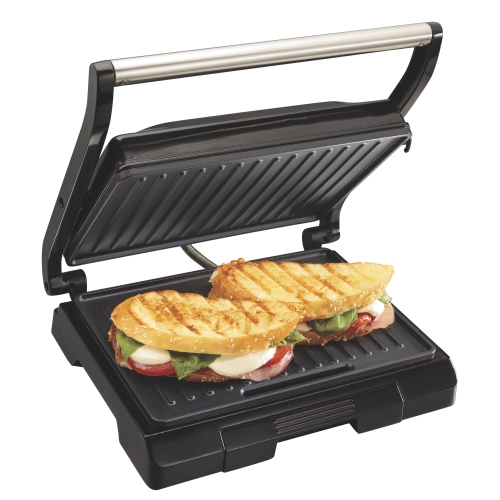
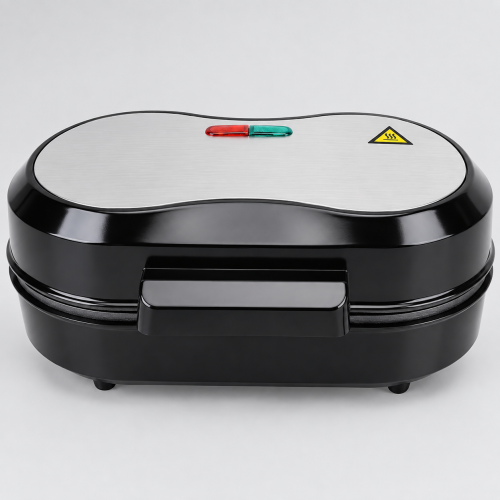
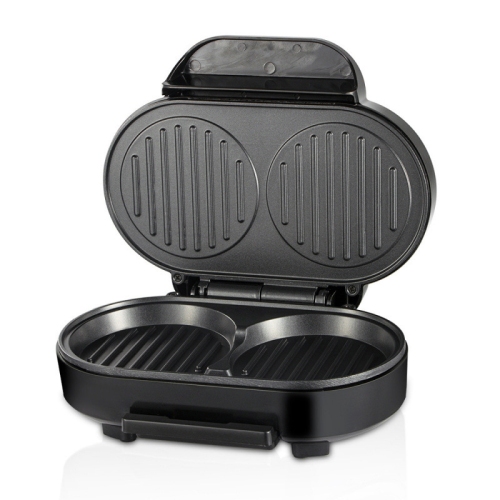

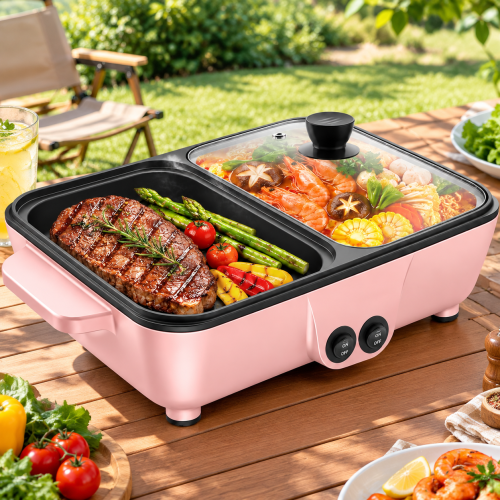
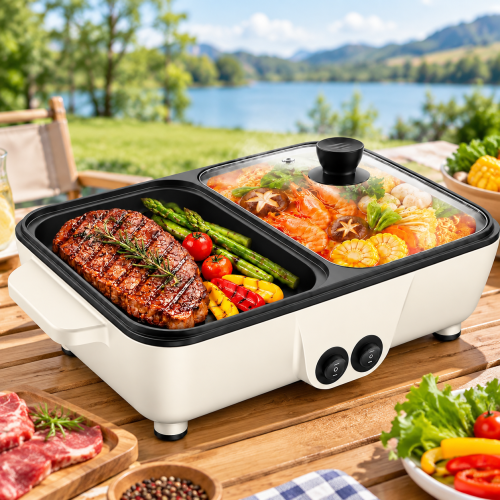

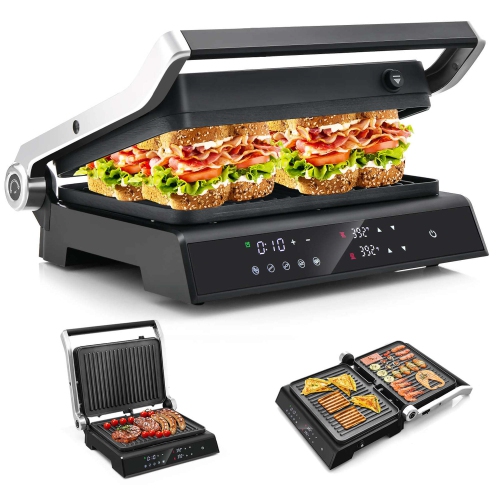
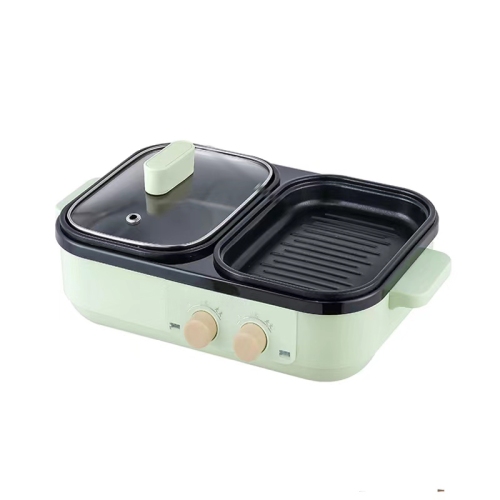


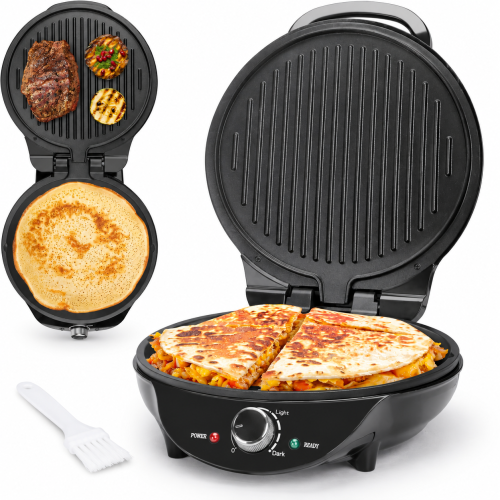


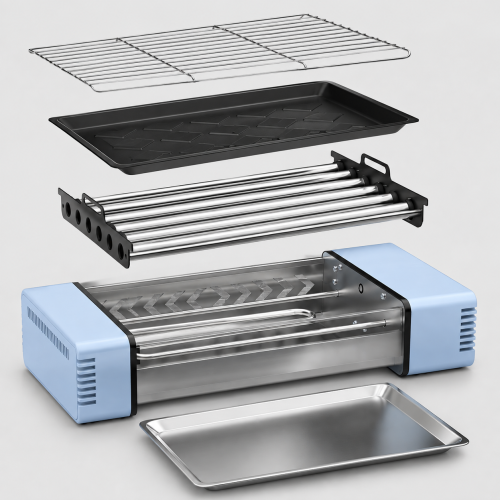
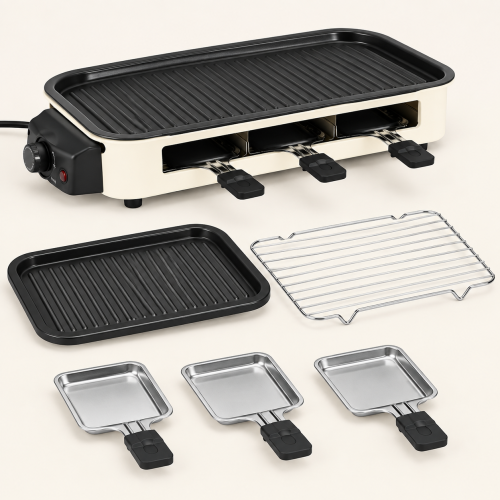
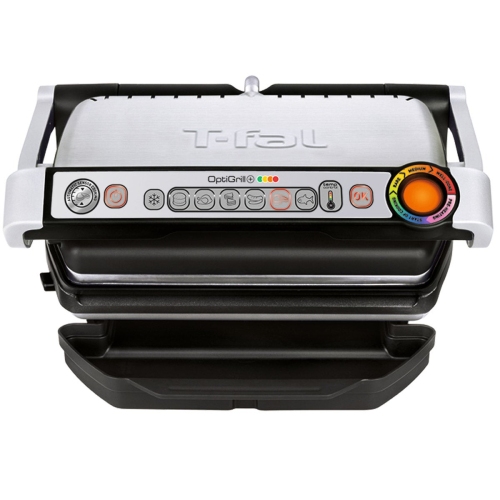


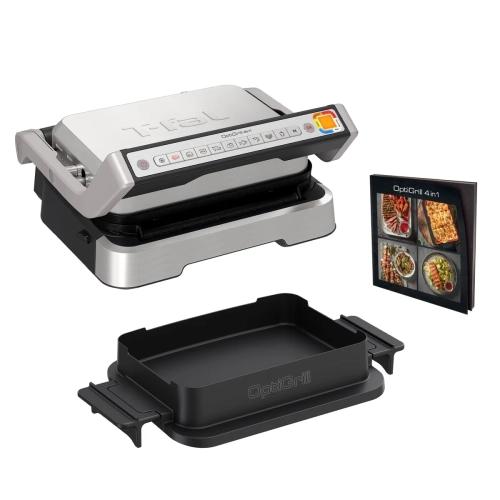


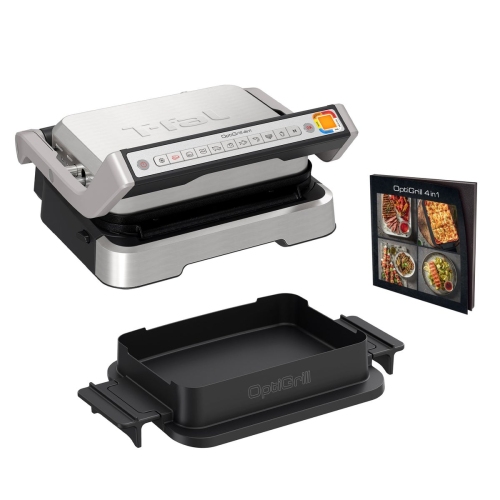


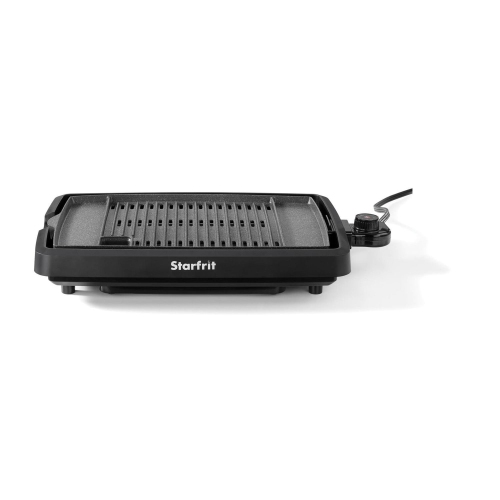


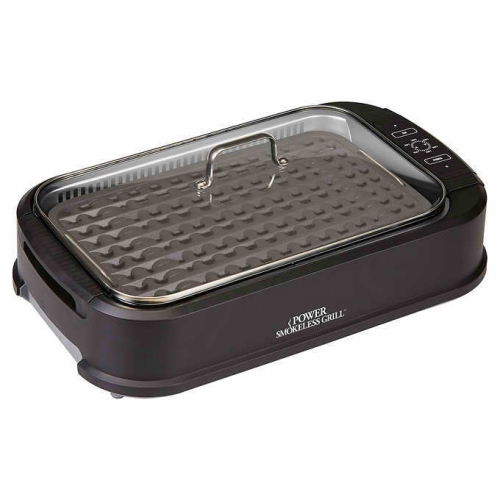
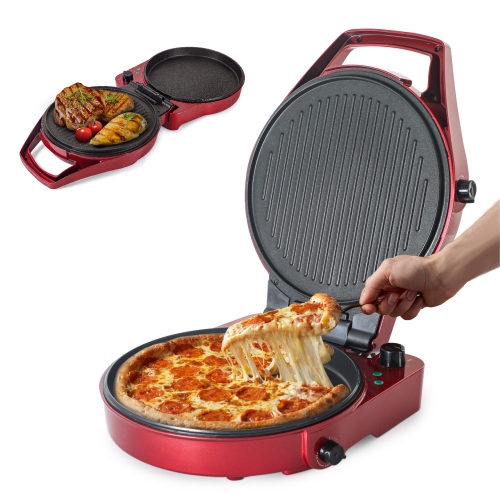
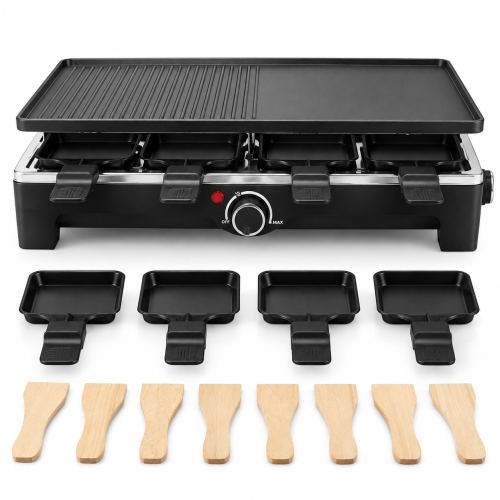

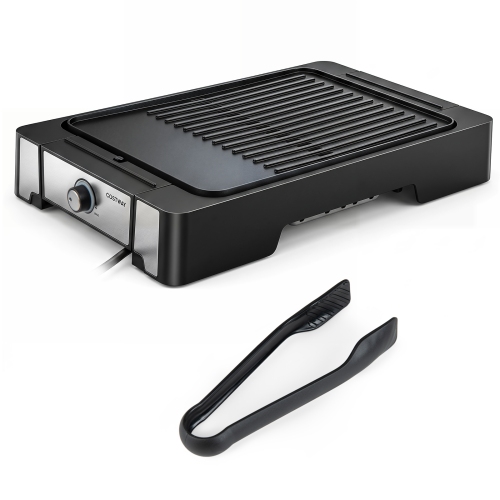
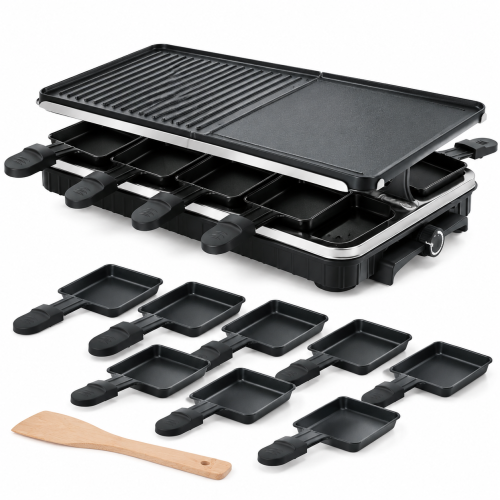
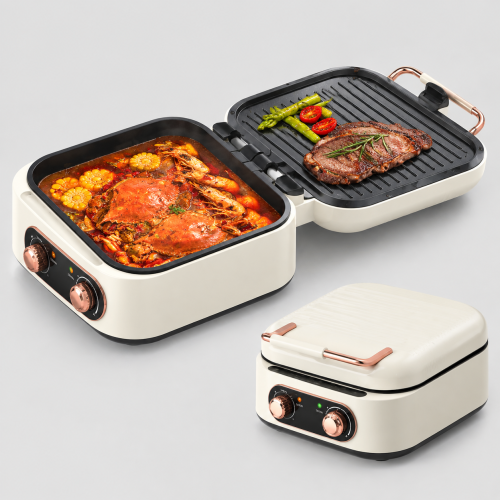







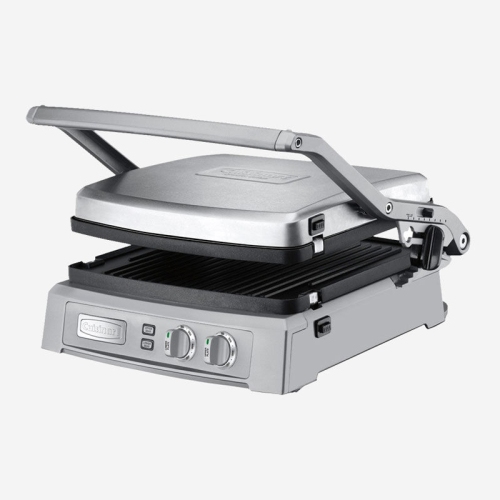
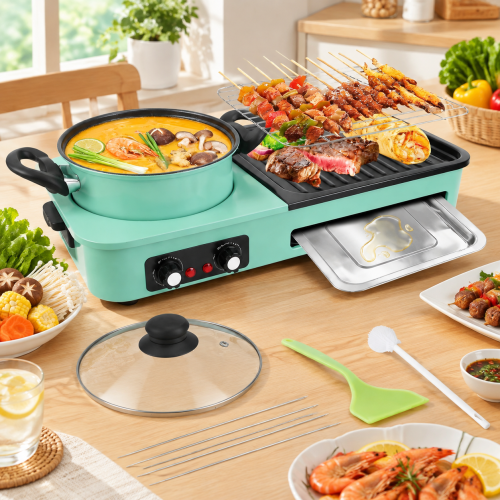
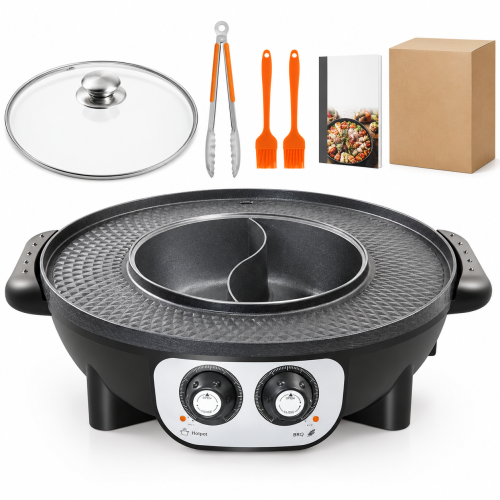

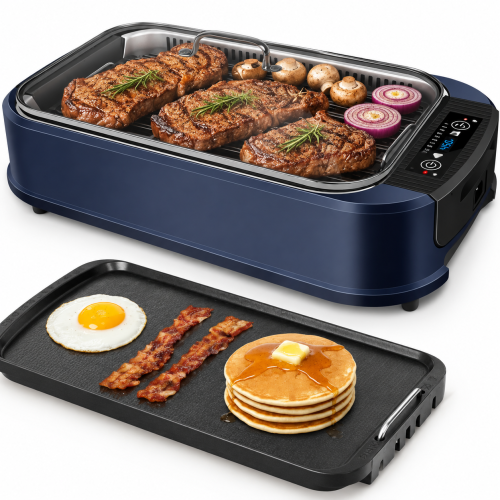


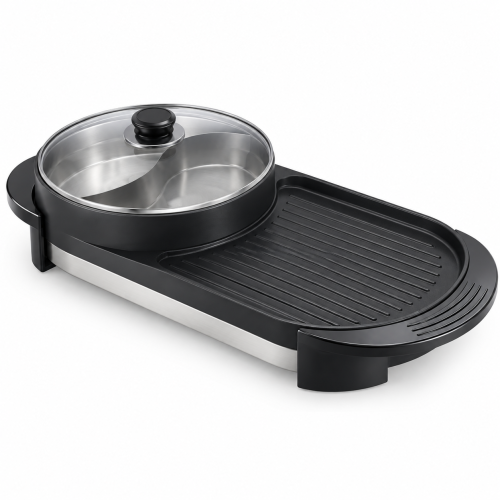

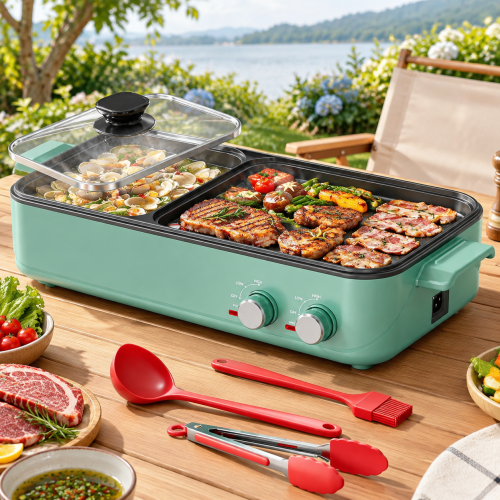
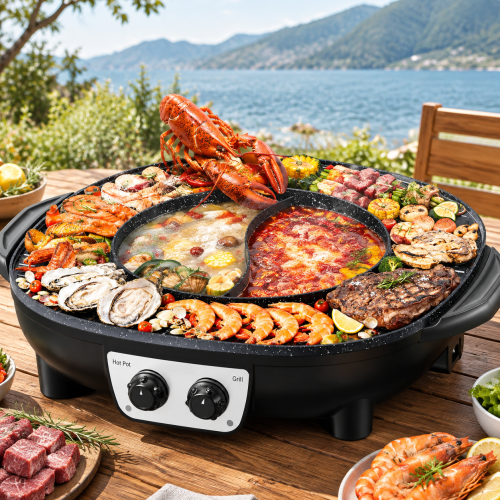





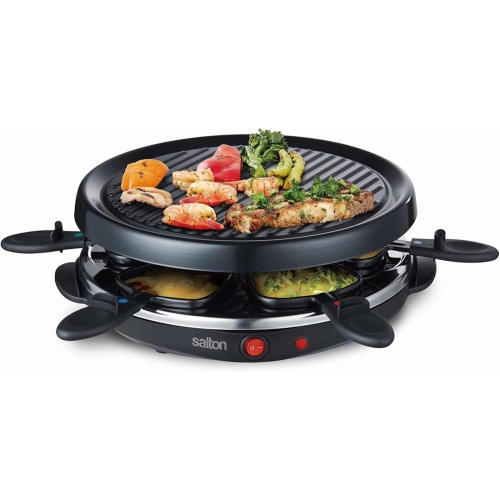
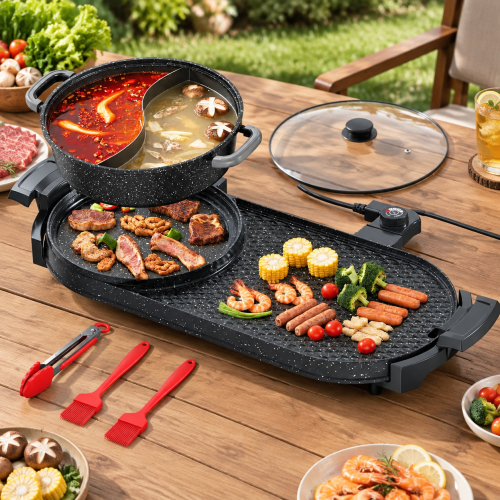

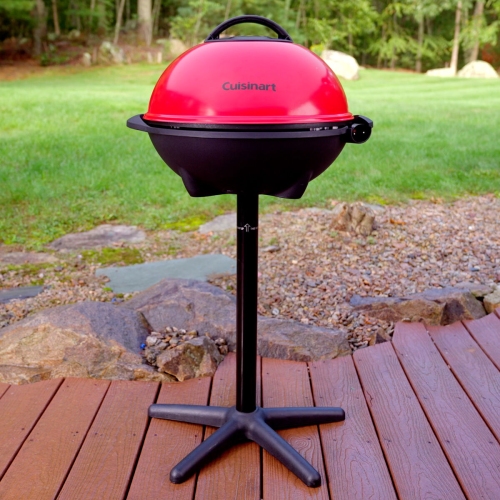

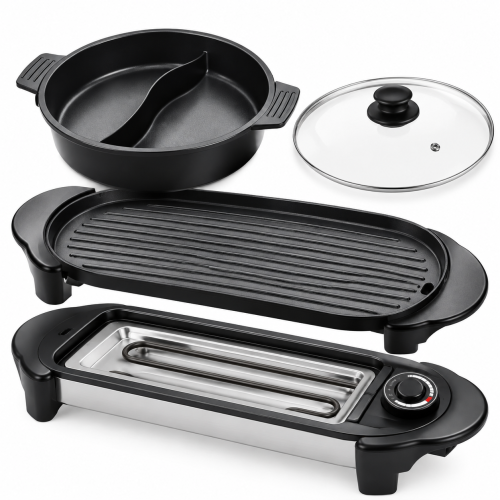

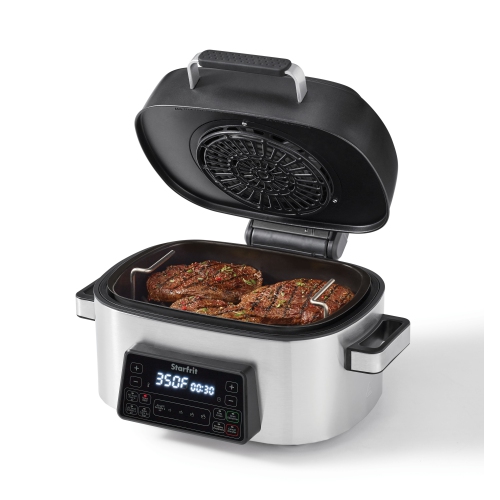


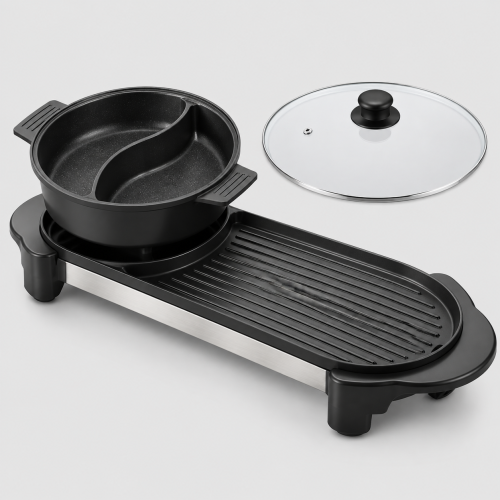
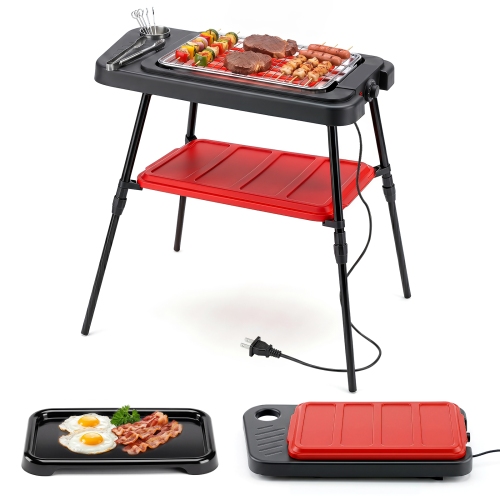
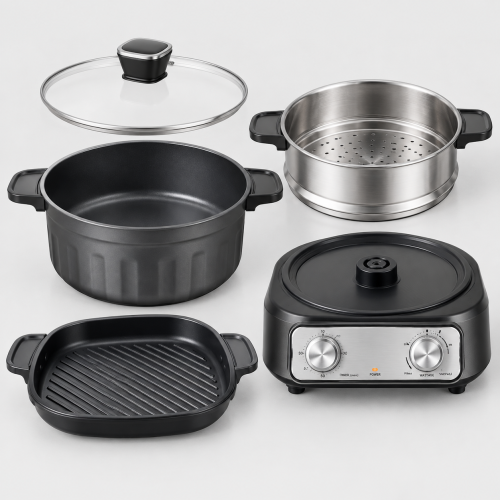

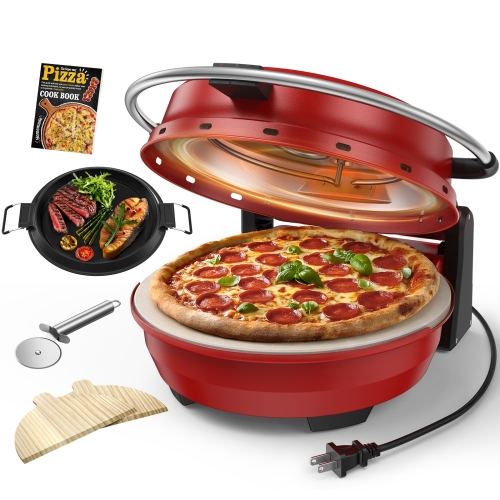
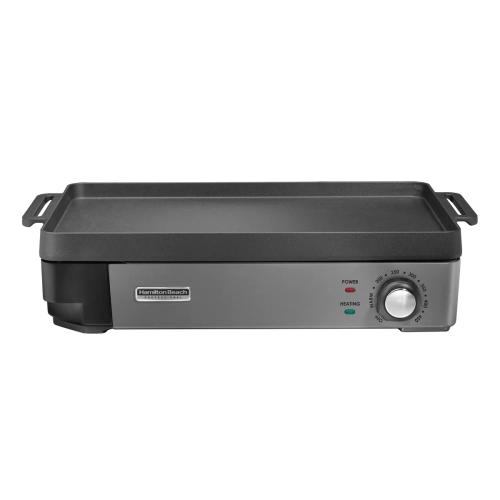
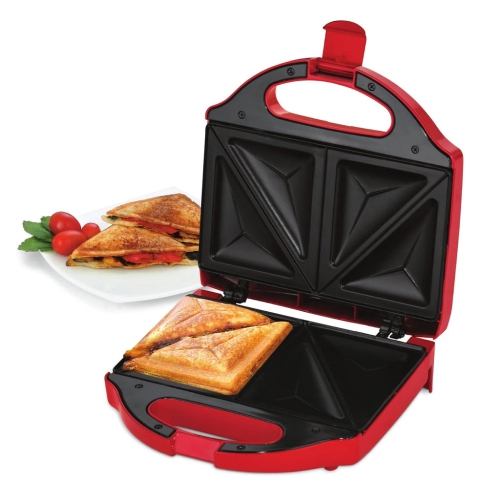
Countertop grilling for small meals and tight spaces
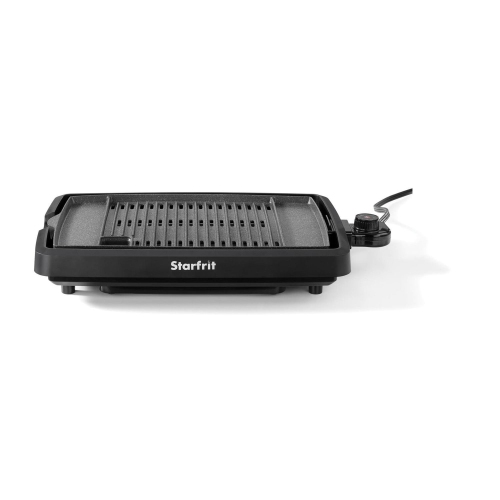
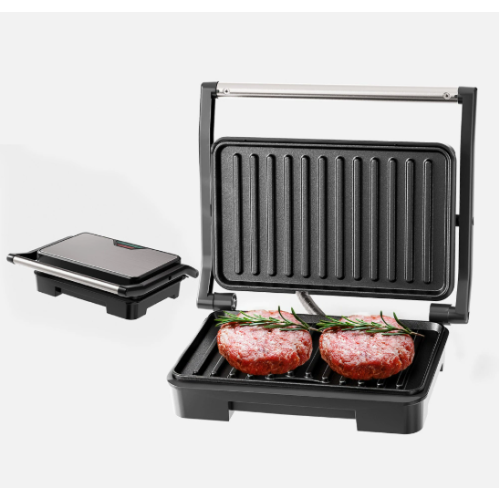
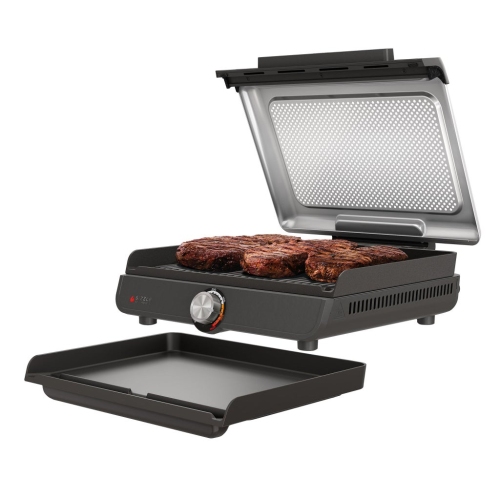
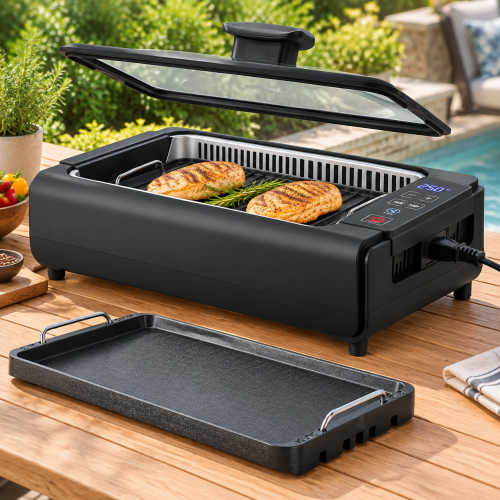
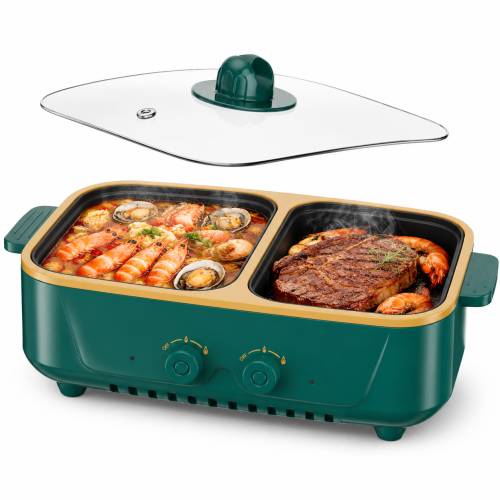
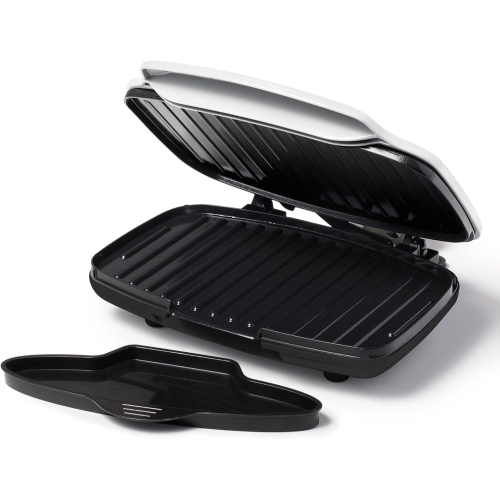
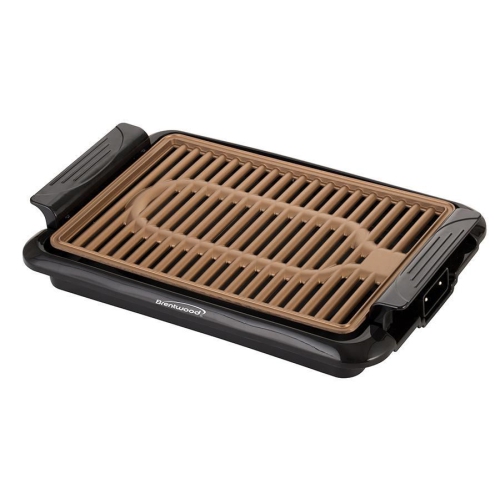
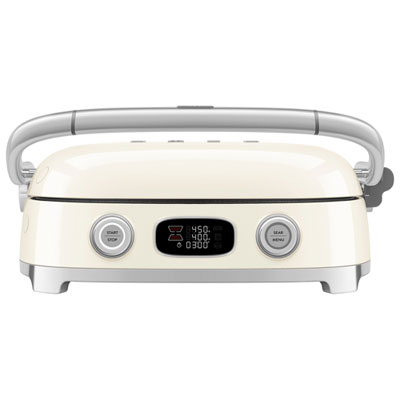
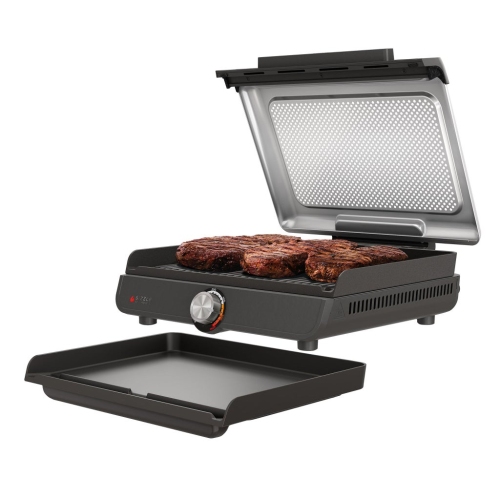
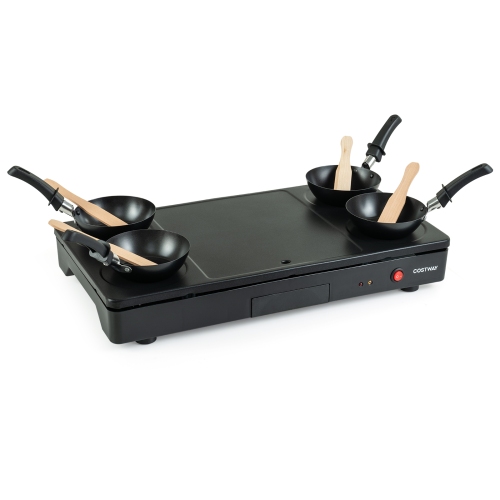
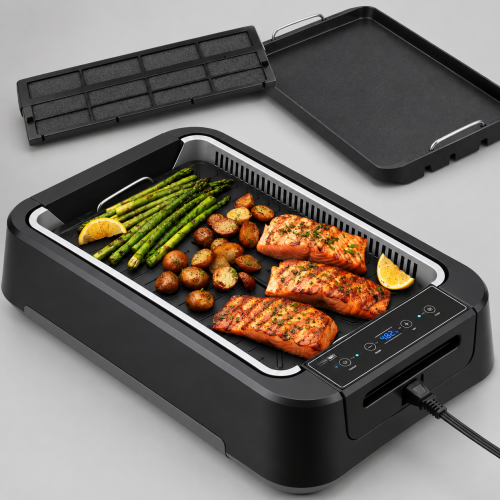
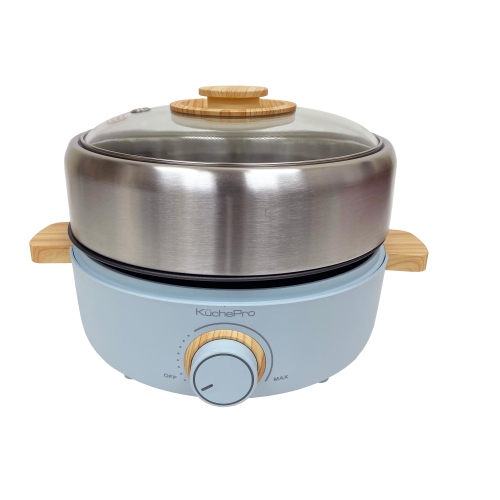
Mini indoor electric grills bring a small grilling surface to the kitchen counter, making it practical to prepare a chicken sandwich, a few vegetable skewers, or a meal for one or two without setting up a full-sized appliance. They use an electric heating element rather than charcoal or gas, so their appeal lies in convenient countertop cooking rather than the flame-grilled flavour of an outdoor barbecue. Within the broader BBQ Indoor Grills category, mini designs emphasize smaller portions and a manageable footprint. Two common formats offer different cooking experiences. A contact grill has a heated lower plate and a heated lid that cook both sides of food, while an open grill leaves the cooking surface accessible for turning ingredients individually. Contact designs suit toasted sandwiches, flattened chicken portions, and other foods that benefit from heat above and below. Open designs allow easier access to delicate fish, sliced vegetables, and ingredients with different cooking times. Capacity depends on usable plate dimensions, not just the size of the housing or a stated serving count. A surface that accommodates two small burger patties may leave little room for buns or a side of zucchini. For someone cooking a single lunch, that modest capacity can be exactly right; for a couple preparing several components, cooking in batches may be part of the routine. Countertop fit also includes the space needed to open the lid, reach the controls, and remove the drip tray. A compact base does not necessarily mean a low profile when the grill is open. Cord length, nearby outlet placement, appliance weight, and storage orientation all affect how comfortably a small grill fits into everyday use. Upright storage is useful only when the design specifically supports it, and a secure lid latch can make moving a cooled appliance between a cupboard and the counter more convenient.
Cooking plates, temperature controls, and grease management account for much of the difference between mini electric grills. Non-stick coatings help food release and can make residue easier to remove, although coating durability depends on utensil choice, cleaning methods, and the manufacturer's care requirements. Cast aluminium plates are common because they conduct heat readily, while stainless steel is often used for exterior panels and trim. The housing material alone does not indicate how evenly the cooking surface heats. Plate construction, element placement, thermostat performance, and the amount of cold food added at once also influence results. Adjustable temperature controls offer flexibility for foods that need gentler cooking as well as those that benefit from a hotter surface. Fixed-temperature designs keep operation simple but provide less control over browning. An indicator light may show that the appliance has power or has reached its set temperature; it does not confirm that food is cooked through. A food thermometer remains important for checking meat and poultry. Power ratings are useful specifications, but higher wattage alone does not guarantee better searing or more consistent cooking. A well-matched cooking area and heating system matter, particularly when a small plate is loaded with thick ingredients. Hinged lids also vary: a floating hinge can accommodate some differences in thickness, but it does not remove the need for food to make appropriate contact with the plates. Raised ridges create grill marks and channels for juices, whereas flatter surfaces provide more continuous contact for sandwiches and similar foods. Sloped plates and removable drip trays can direct some rendered fat away from food, though their effectiveness depends on the design and what is being cooked. Indoor electric grilling can still produce steam, odours, and smoke, especially when fatty foods or accumulated residue meet a hot surface. These appliances need ventilation and the clearances specified by the manufacturer, even when described as low-smoke. Only appliances explicitly intended for indoor use belong in this setting; an outdoor barbecue is not an indoor substitute.
Ease of cleaning often determines whether a mini indoor electric grill becomes a regular part of the kitchen routine or stays in a cupboard. Removable plates provide access to edges and grooves, while fixed plates require cleaning in place without letting water reach electrical components. Dishwasher compatibility should be confirmed separately for plates, drip trays, and other removable parts rather than assumed for the whole appliance. Grease channels and the underside of the lid deserve attention, since residue can collect beyond the main cooking surface. Once the grill has cooled as directed, a soft cloth or non-abrasive sponge helps protect the finish; metal utensils, scouring pads, and harsh cleaners can damage many non-stick coatings. The electrical base should never be immersed unless the manufacturer expressly permits it. A tray that slides out smoothly and plates that release without awkward handling can make cleanup after a quick lunch much less cumbersome. Durable everyday design also includes a stable base, secure handles, a sound hinge, and controls that remain easy to read. Handles may reduce direct contact with hot surfaces, but surrounding parts can still become hot during use. Storage works best when the appliance is clean and dry, with the cord arranged as instructed rather than wrapped tightly around a warm housing. For apartment residents, people cooking smaller meals, or anyone adding a dedicated sandwich-and-grill appliance to a kitchen, the most useful size is one that matches both portion needs and available space. A mini grill can also make a thoughtful housewarming gift or a practical gift for someone establishing a first kitchen, provided countertop space and household cooking habits suit it. In shared accommodation or student housing, appliance rules matter as much as dimensions. The lasting appeal is straightforward: a compact cooking surface that earns its place through manageable portions, accessible controls, and care requirements that fit an ordinary day.
Top selling and popular products
-
 Your price for this item is $70.92
-
 Your price for this item is $39.99
-
 Your price for this item is $99.99
-
 Your price for this item is $69.99
-
 Your price for this item is $109.99
-
 Your price for this item is $79.99
-
 Your price for this item is $97.89
-
 Your price for this item is $272.98
Discover more categories related to Mini Indoor Electric Grills
Top Collections:
Best Black Friday Deals This Year, Best Black Friday Deals On Electronics, Kindle Devices, Pokemon Centers, Best Black Friday Deals On Apple Products, Best Cameras for Sports Photography, Dyson Airwrap, Pokémon 30th Celebration Cards, Apple iPhone 17 Pro, Canon G7X Cameras
Some products may be subject to Environmental Handling Fees
(EHF) depending on your province.
Learn more about EHFs.