Inverter Microwave Ovens
Looking for versatile and efficient kitchen appliances that can revolutionize your cooking experience? Look no further than an inverter microwave oven. Designed to deliver quick and even heating, these innovative appliances are perfect for defrosting, reheating, and cooking a wide variety of dishes with precision. With their advanced technology and user-friendly features, inverter microwave ovens offer a convenient solution for busy households and culinary enthusiasts alike.
Sort
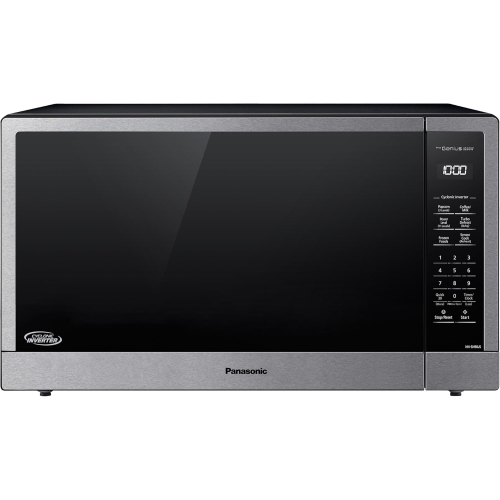
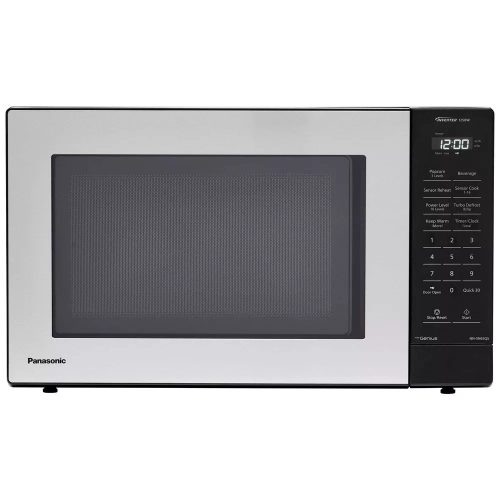
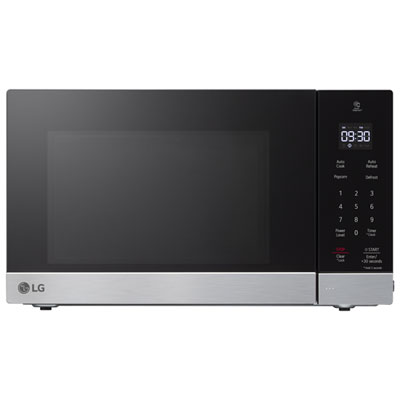
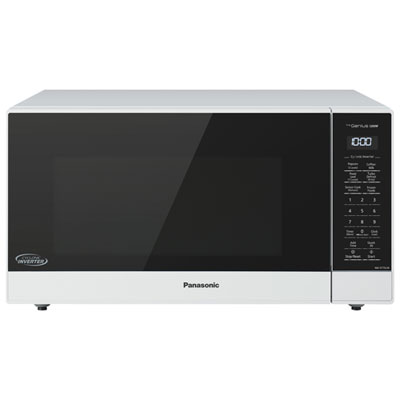
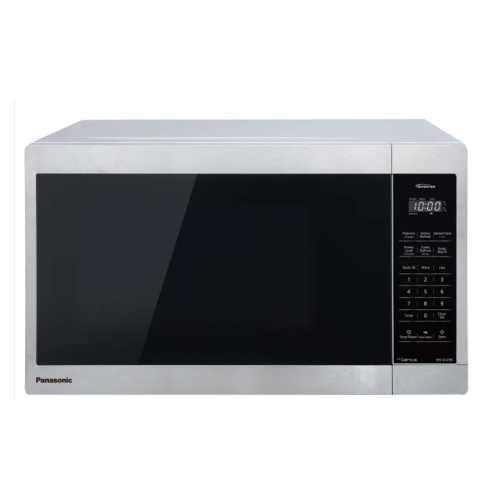
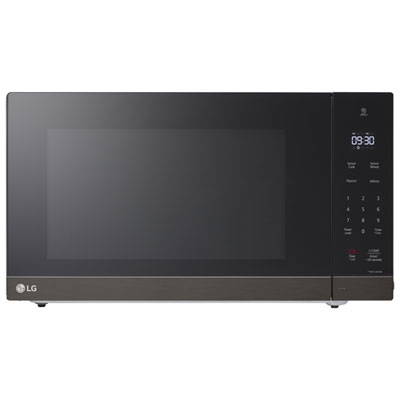
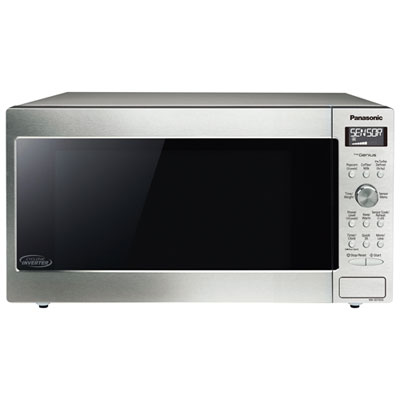
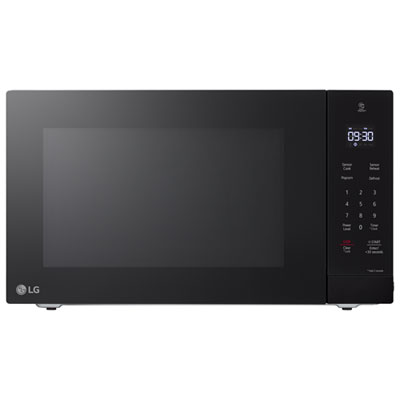
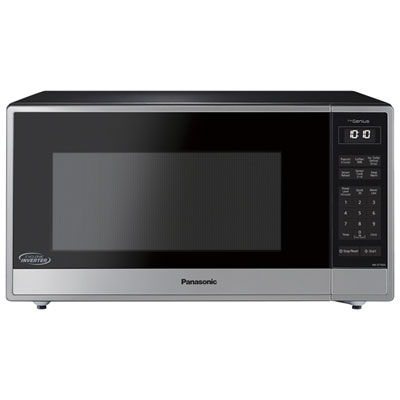
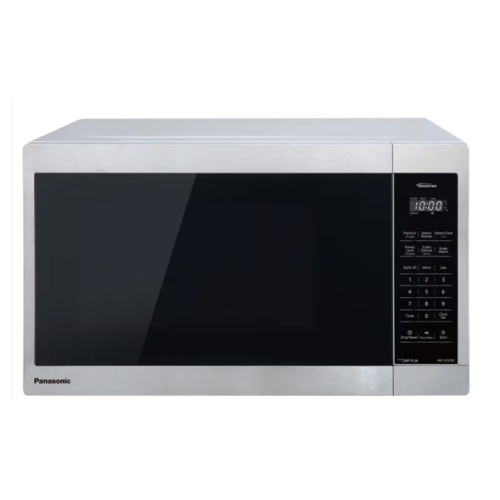
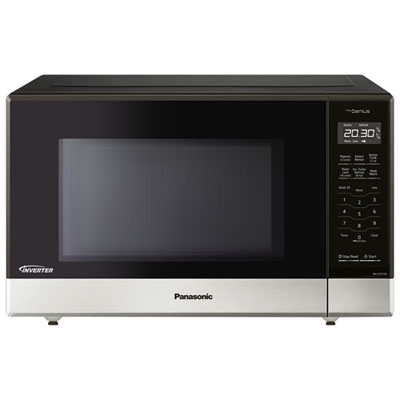
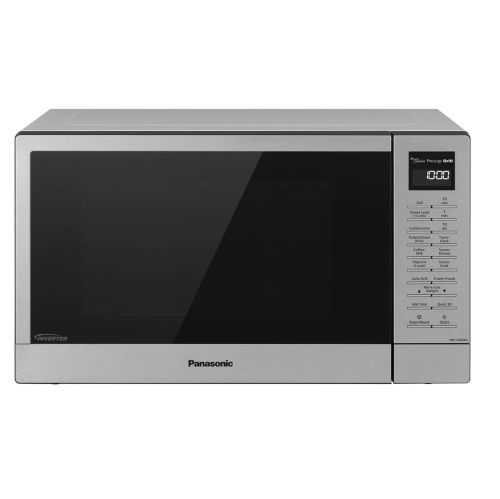
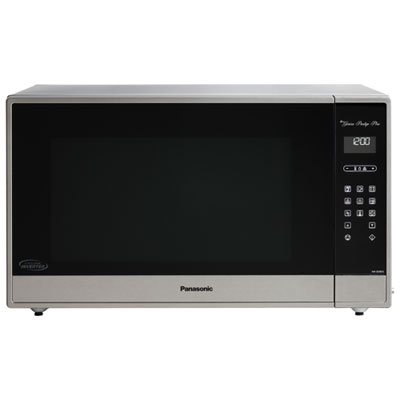
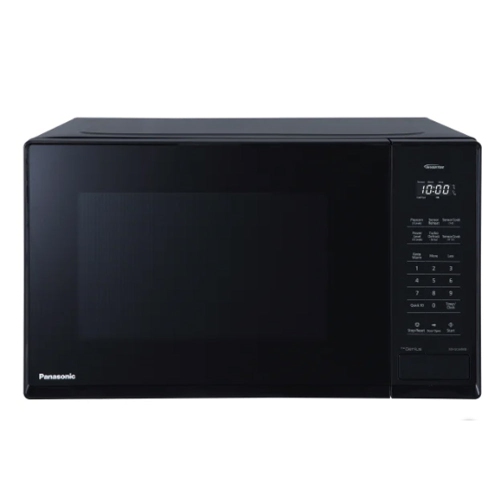
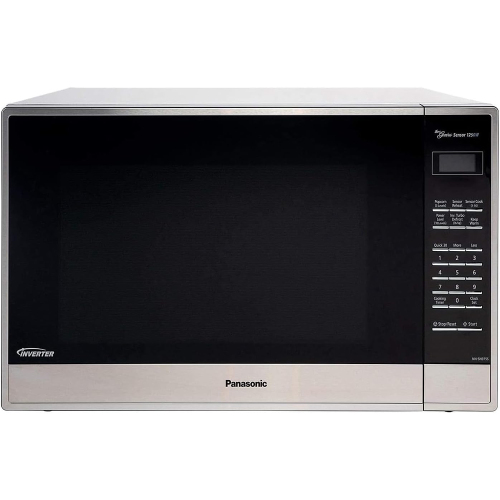
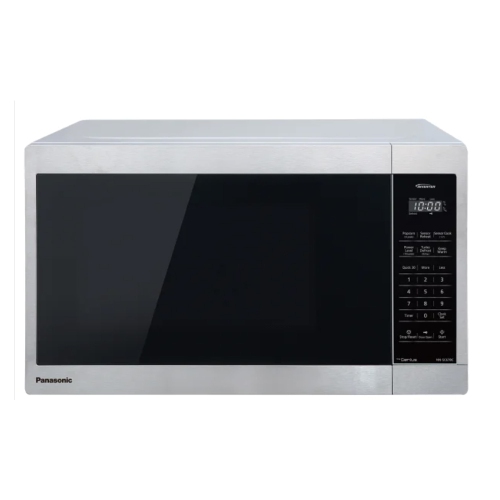
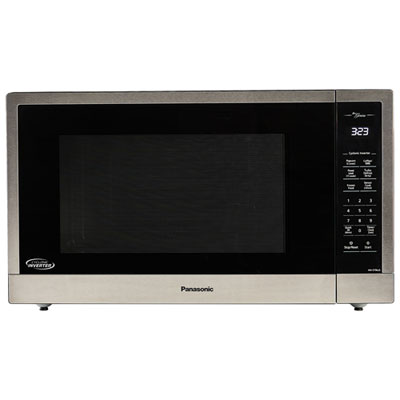
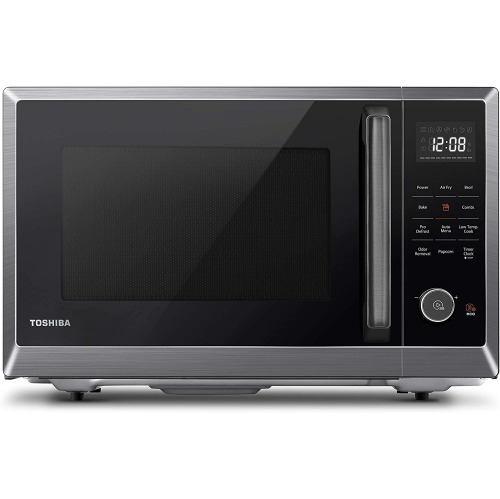
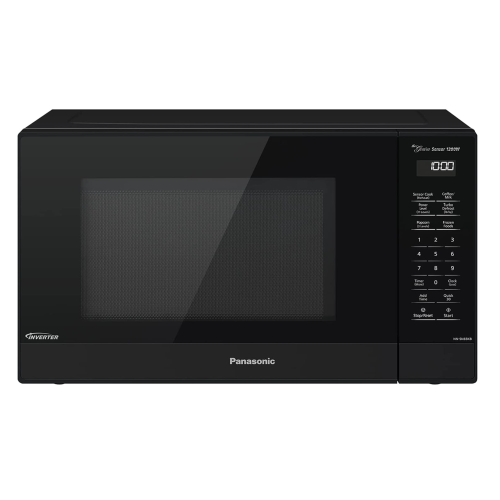
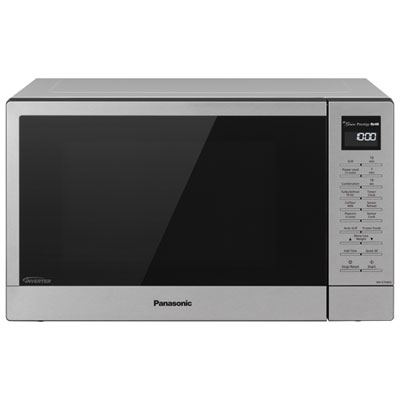
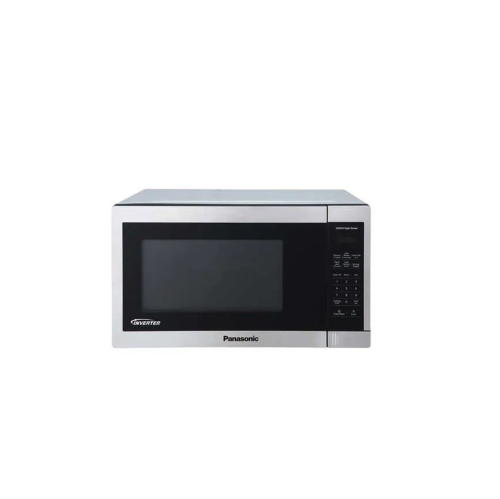
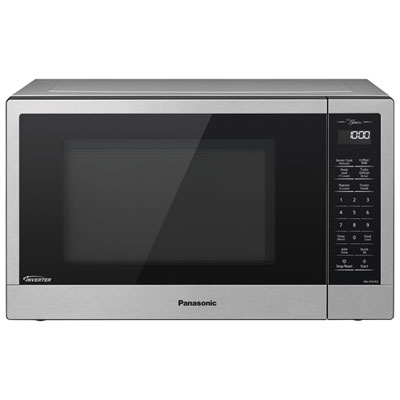
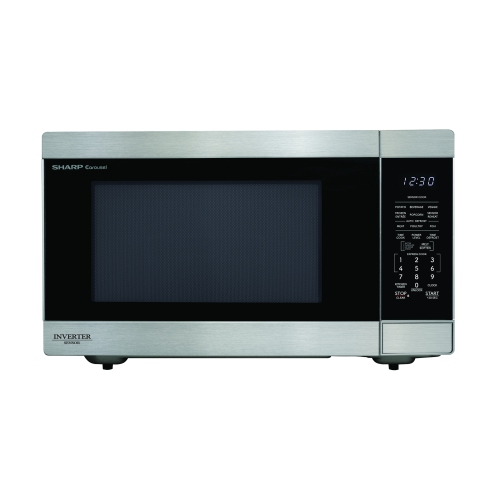
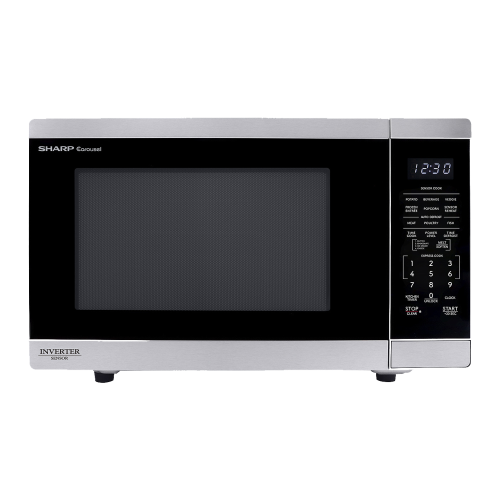
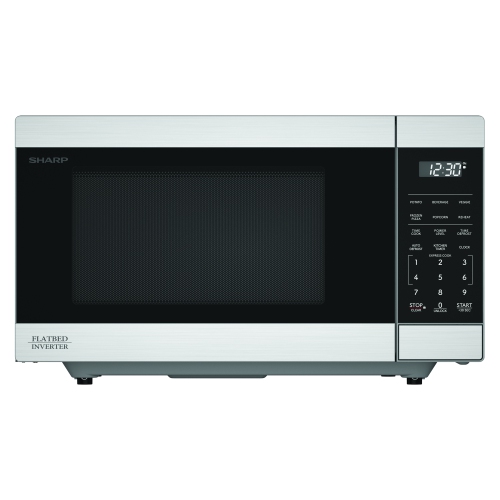
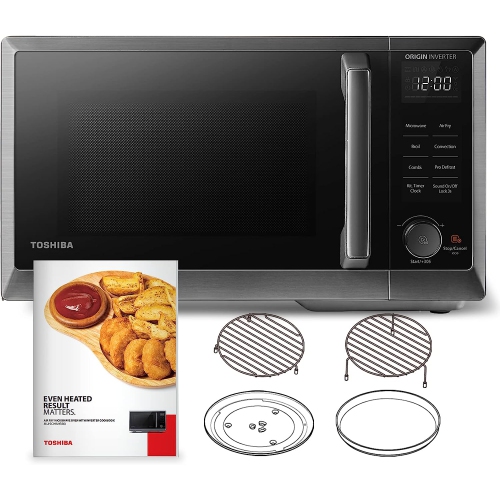
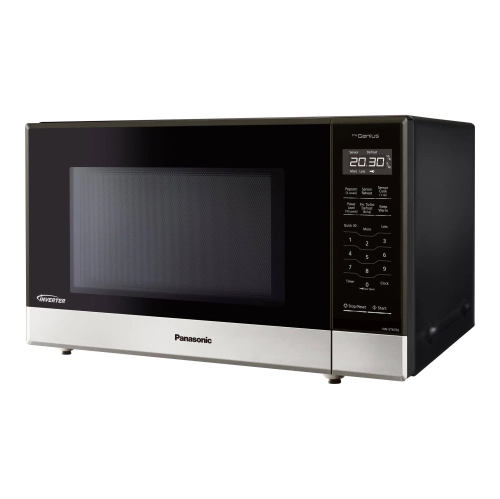
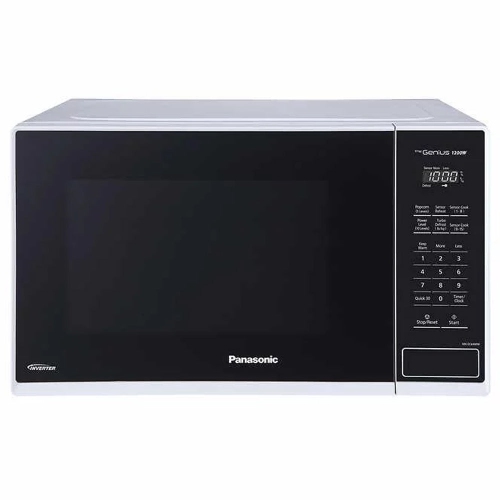
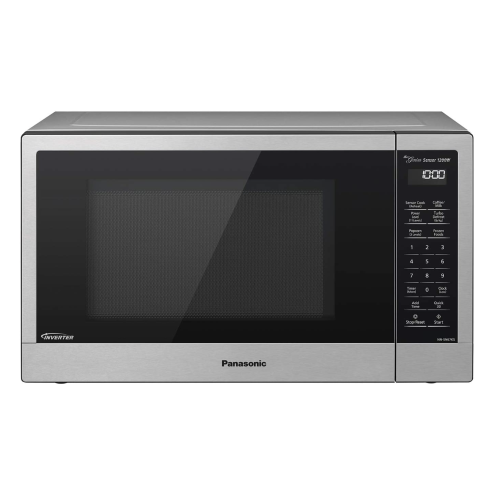
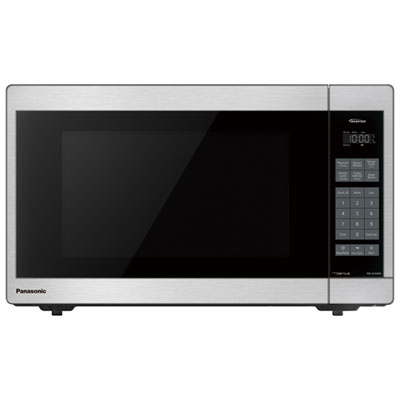
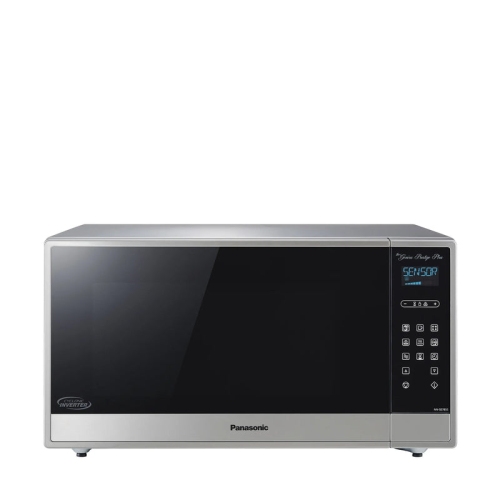
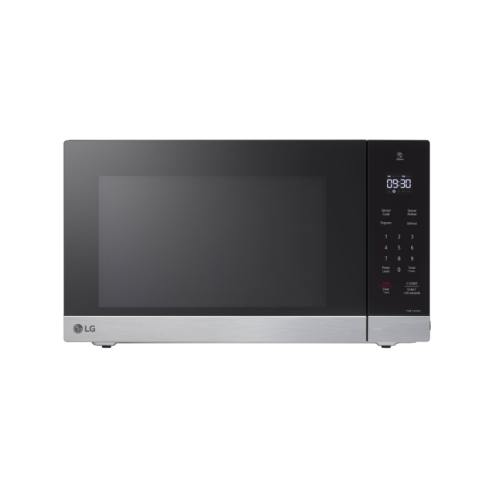
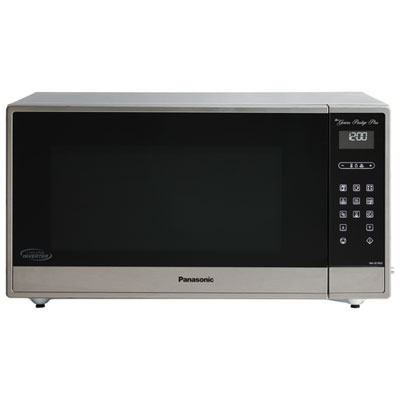
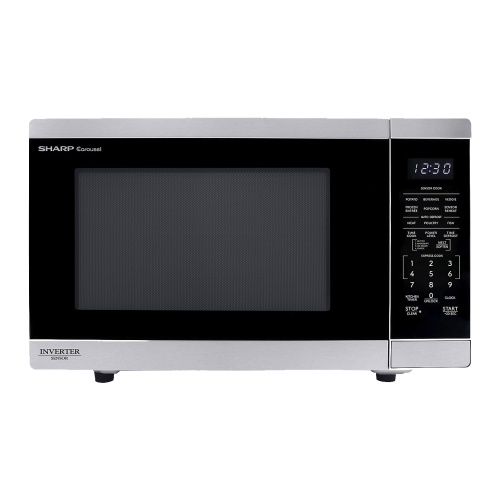
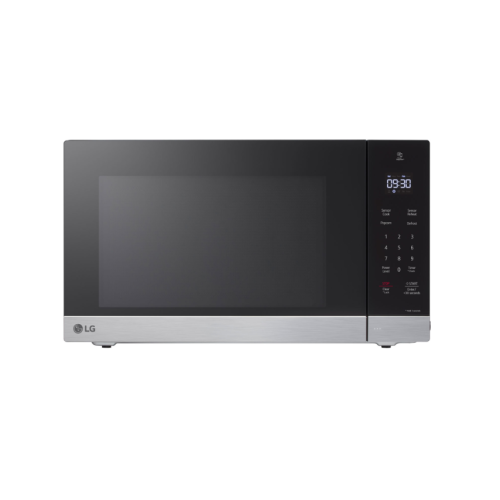
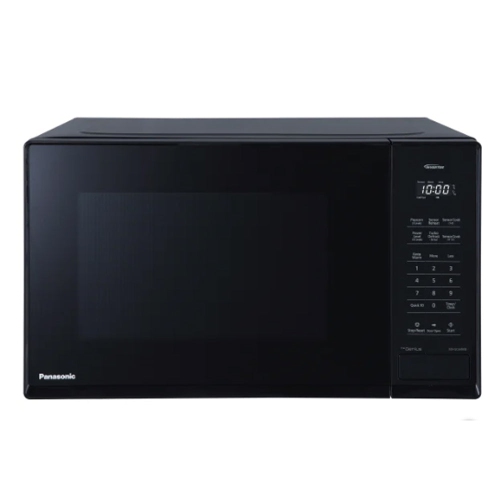
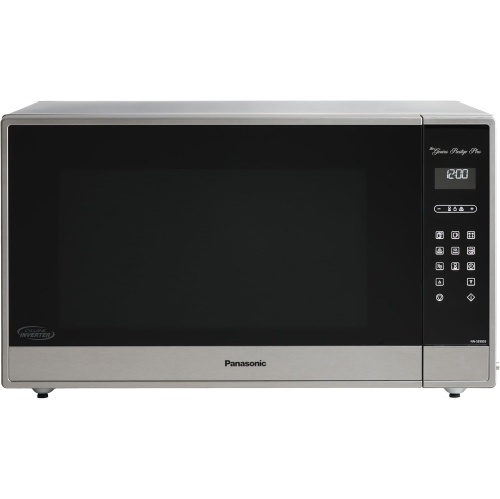
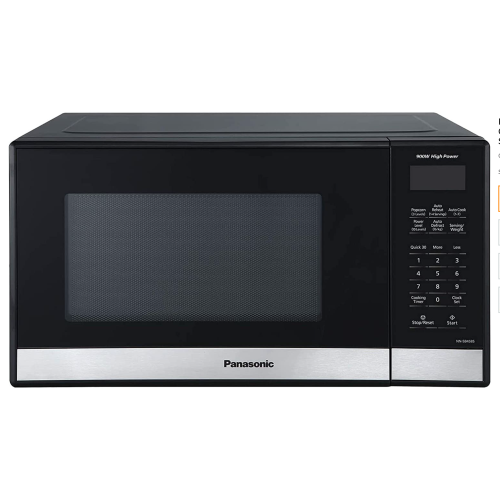
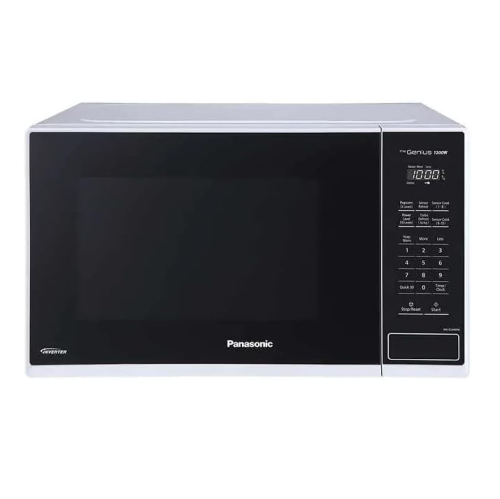
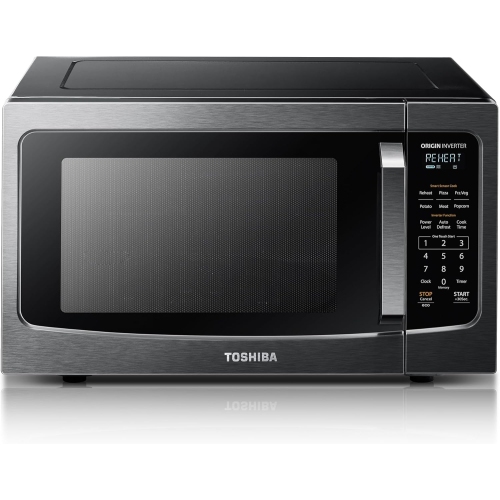
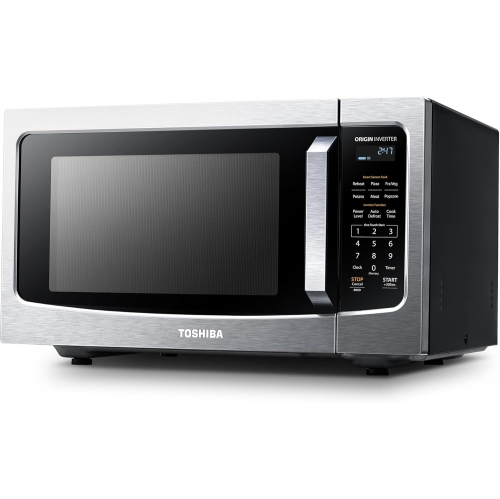
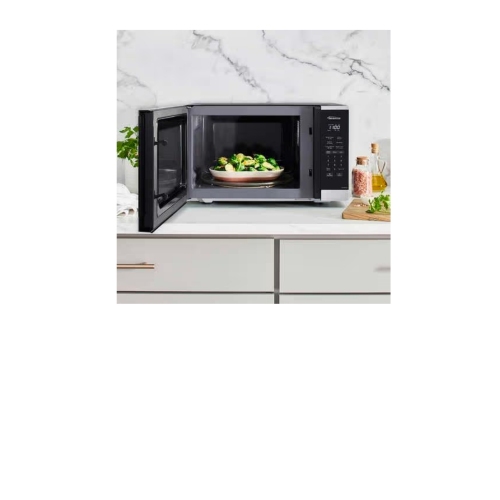
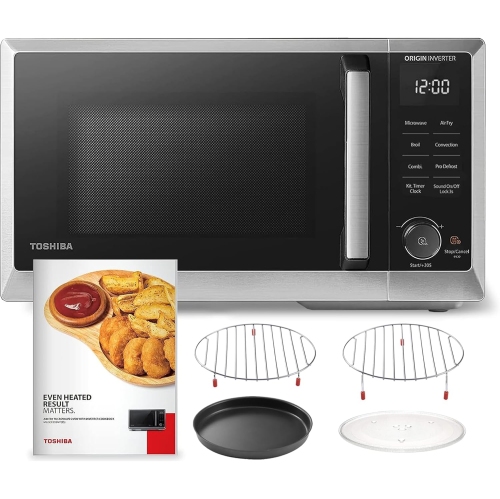
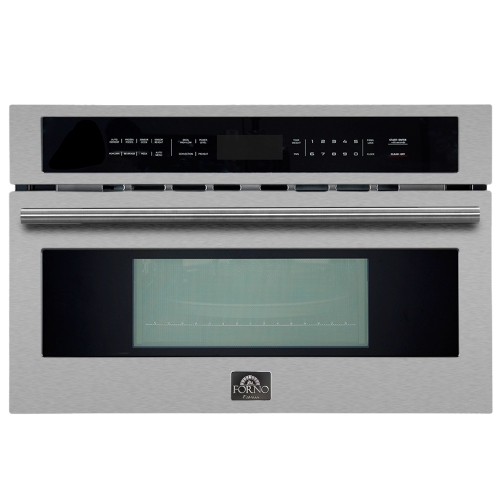
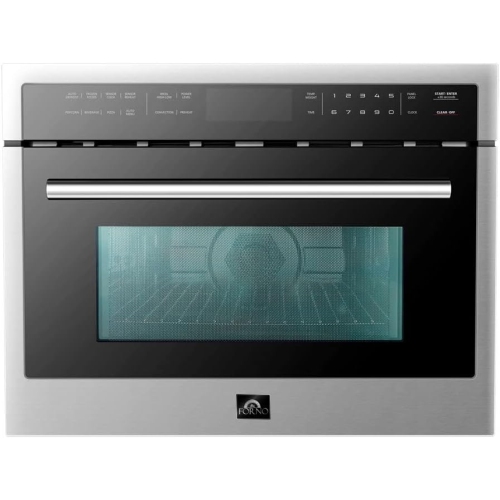
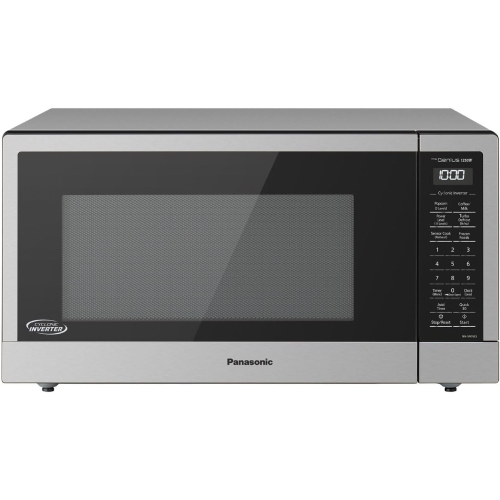
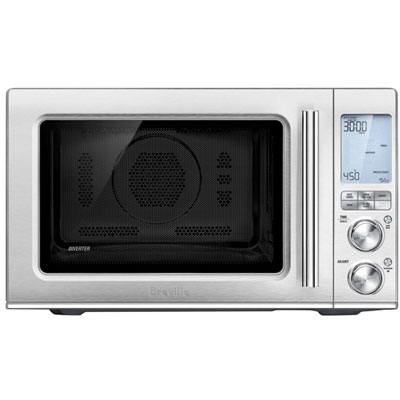
Steady heat for more even cooking and defrosting
Inverter microwave ovens are designed to provide more consistent power than conventional microwave ovens. Instead of switching between full power and no power during lower settings, inverter technology delivers a steady stream of energy at the selected level. A 50% setting, for example, applies gentler, continuous heat rather than alternating between intense bursts and pauses. This can help food heat more evenly and may reduce the cold spots that occur when the outside of a dish becomes hot while the centre remains cool. It is particularly useful for everyday foods with different textures and densities, including soups, casseroles, pasta, rice, vegetables and leftovers from the refrigerator. Inverter cooking can also be helpful when melting butter, chocolate or cheese, where sudden bursts of high heat may cause scorching or separation. During defrosting, the more controlled power delivery can thaw meat, poultry, seafood and frozen prepared foods gradually, helping to reduce the chance that thin edges begin cooking while the middle is still frozen. A microwave with inverter technology can be a practical choice for busy households that rely on quick meals, students furnishing a first kitchen, apartment residents with limited cooking space or anyone who wants dependable reheating between larger meals. It may also be a thoughtful housewarming or back-to-school gift, especially when paired with microwave-safe containers, a covered steaming dish or a set of everyday dinnerware. For more options in this category, explore Microwaves With Inverter Technology and compare features based on the way you prepare food.
When choosing an inverter microwave oven, begin with the available space and the way the appliance will be installed. Countertop models are generally straightforward to place on a sturdy, level surface, while over-the-range or built-in designs may require a particular opening, ventilation arrangement and professional installation. Measure the full area carefully, including the height, width and depth, and leave the clearance recommended by the manufacturer for ventilation and door movement. The interior capacity matters just as much as the exterior dimensions. A compact cavity can be convenient for a small kitchen or occasional reheating, but a larger interior may better accommodate a family-sized casserole, a wide dinner plate or a tall microwave-safe mug. Turntable size and interior shape are also worth checking, since a rectangular dish may fit differently from a round plate even when the listed capacity appears generous. Consider the control layout as well. Clearly marked touch controls can make it easier to set cooking time and power, while one-touch programmes may simplify common tasks such as reheating, popping popcorn, softening or defrosting. Some models include sensor cooking, which detects moisture released by food and adjusts the cooking time to help prevent overcooking. A keep-warm function can be useful when different dishes finish at different times, and a quick-start button suits those moments when you need to warm coffee or a bowl of leftovers without navigating several settings. If the microwave will be used early in the morning or in an open-concept room, pay attention to door operation, control sounds and interior lighting. Small details, such as a bright display and a smooth-opening handle, can make frequent use feel noticeably easier.
The best way to use an inverter microwave oven is to treat it as a flexible everyday cooking appliance rather than only a tool for reheating. Gentle power is useful for softening ice cream, bringing butter to a workable consistency, warming baby food after stirring and melting ingredients for baking, while higher settings can quickly heat water, steam vegetables or warm a prepared meal. For more even results, arrange food in a ring around the edge of a microwave-safe dish when possible, place thicker portions toward the outside and cover dishes with a vented lid or microwave-safe cover to retain moisture. Stir soups, sauces and stews partway through heating, rotate food if the appliance does not use a turntable, and allow dense dishes to stand for a short time after cooking so the heat can continue to distribute. Defrosting benefits from patience: use a lower power setting, separate pieces as they loosen and cook food promptly after it has thawed. Avoid metal containers, metallic trim, sealed jars and tightly closed containers, and follow the instructions provided with the appliance and the cookware. Capacity, wattage, preset programmes, sensor features, cleaning needs and installation requirements can all influence which model fits your kitchen best. During the warmer seasons, an inverter microwave can help prepare a quick lunch without heating the whole room, while during the cooler months it can warm a bowl of soup, oatmeal or leftovers in minutes. With steady power, useful controls and a size suited to the space, it can become one of the most frequently used appliances in a kitchen, whether it serves a family dining between activities, a home office lunch routine or a first apartment where every counter space has to work hard.
When choosing an inverter microwave oven, begin with the available space and the way the appliance will be installed. Countertop models are generally straightforward to place on a sturdy, level surface, while over-the-range or built-in designs may require a particular opening, ventilation arrangement and professional installation. Measure the full area carefully, including the height, width and depth, and leave the clearance recommended by the manufacturer for ventilation and door movement. The interior capacity matters just as much as the exterior dimensions. A compact cavity can be convenient for a small kitchen or occasional reheating, but a larger interior may better accommodate a family-sized casserole, a wide dinner plate or a tall microwave-safe mug. Turntable size and interior shape are also worth checking, since a rectangular dish may fit differently from a round plate even when the listed capacity appears generous. Consider the control layout as well. Clearly marked touch controls can make it easier to set cooking time and power, while one-touch programmes may simplify common tasks such as reheating, popping popcorn, softening or defrosting. Some models include sensor cooking, which detects moisture released by food and adjusts the cooking time to help prevent overcooking. A keep-warm function can be useful when different dishes finish at different times, and a quick-start button suits those moments when you need to warm coffee or a bowl of leftovers without navigating several settings. If the microwave will be used early in the morning or in an open-concept room, pay attention to door operation, control sounds and interior lighting. Small details, such as a bright display and a smooth-opening handle, can make frequent use feel noticeably easier.
The best way to use an inverter microwave oven is to treat it as a flexible everyday cooking appliance rather than only a tool for reheating. Gentle power is useful for softening ice cream, bringing butter to a workable consistency, warming baby food after stirring and melting ingredients for baking, while higher settings can quickly heat water, steam vegetables or warm a prepared meal. For more even results, arrange food in a ring around the edge of a microwave-safe dish when possible, place thicker portions toward the outside and cover dishes with a vented lid or microwave-safe cover to retain moisture. Stir soups, sauces and stews partway through heating, rotate food if the appliance does not use a turntable, and allow dense dishes to stand for a short time after cooking so the heat can continue to distribute. Defrosting benefits from patience: use a lower power setting, separate pieces as they loosen and cook food promptly after it has thawed. Avoid metal containers, metallic trim, sealed jars and tightly closed containers, and follow the instructions provided with the appliance and the cookware. Capacity, wattage, preset programmes, sensor features, cleaning needs and installation requirements can all influence which model fits your kitchen best. During the warmer seasons, an inverter microwave can help prepare a quick lunch without heating the whole room, while during the cooler months it can warm a bowl of soup, oatmeal or leftovers in minutes. With steady power, useful controls and a size suited to the space, it can become one of the most frequently used appliances in a kitchen, whether it serves a family dining between activities, a home office lunch routine or a first apartment where every counter space has to work hard.
Top selling and popular products
-
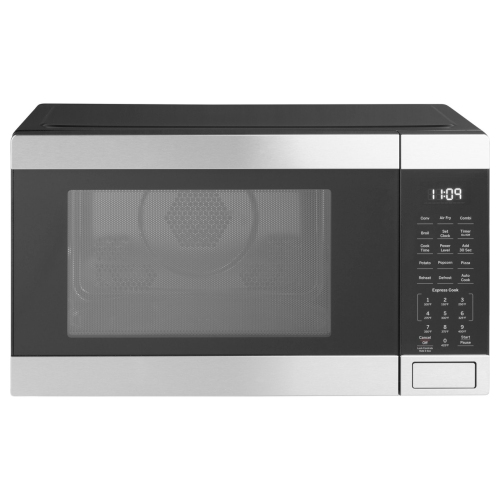 Your price for this item is $509.99
 -
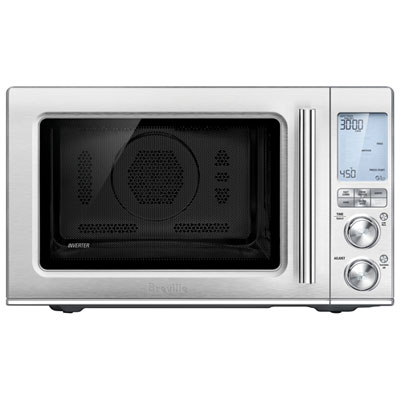 Your price for this item is $529.98
 -
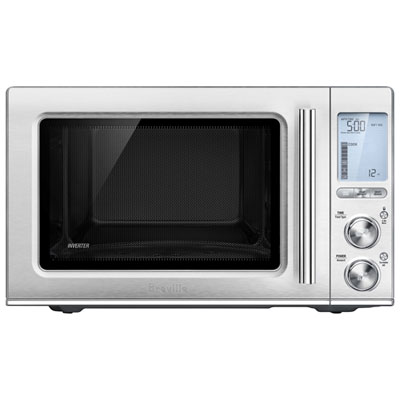 Your price for this item is $459.99
 -
 Your price for this item is $114.99
 -
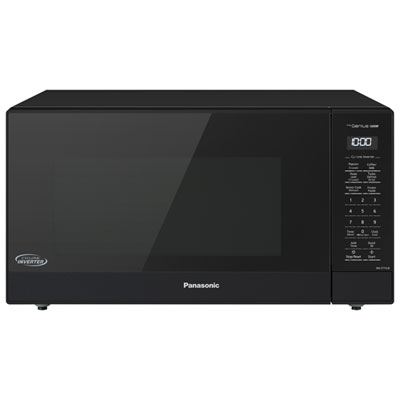 Your price for this item is $279.99
 -
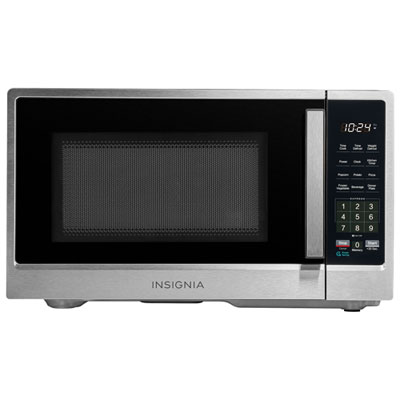 Your price for this item is $89.99
 -
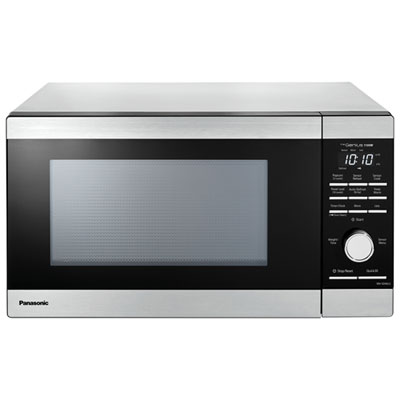 Your price for this item is $179.99
 -
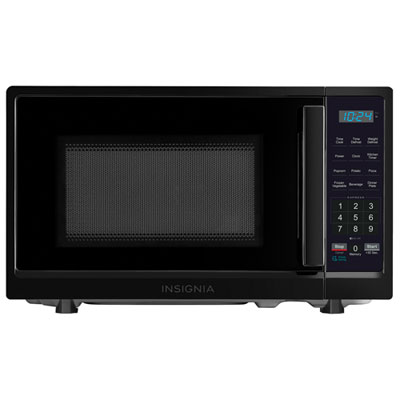 Your price for this item is $109.99
Discover more categories related to Inverter Microwave Ovens
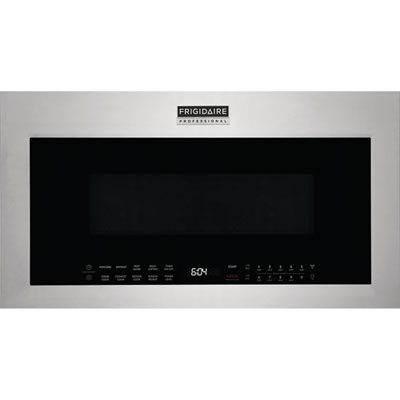
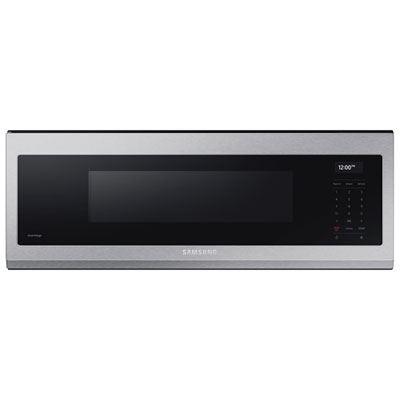
Top Collections:
Pokemon Centers, Kindle Devices, Best Budget Office Chairs, Apple iPhones 16, Best Laptops for Writers, iPhone 15 Apple, Canon G7X Cameras, Refurbished Apple Laptops, Alarm Clock, Motorola Razr Phones
Some products may be subject to Environmental Handling Fees
(EHF) depending on your province.
Learn more about EHFs.