Panasonic Microwave Inverters
Looking for a reliable and efficient microwave with inverter technology? Our selection of microwaves with inverter technology offers powerful and consistent cooking performance, ensuring your meals are cooked evenly and quickly every time. Say goodbye to cold spots and overcooked edges - these microwaves provide precise control over the cooking process, making them a must-have appliance for any kitchen. Discover the benefits of inverter technology and elevate your cooking experience with our range of microwaves.
Sort
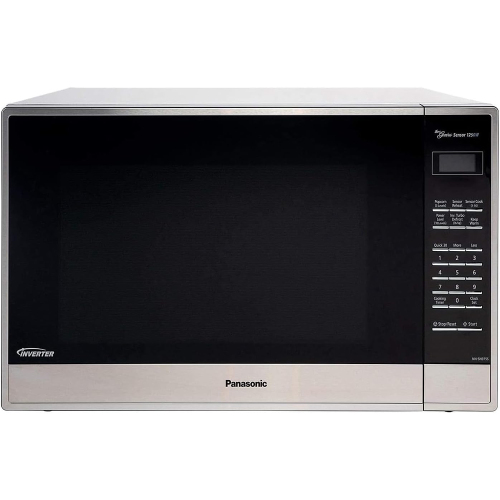
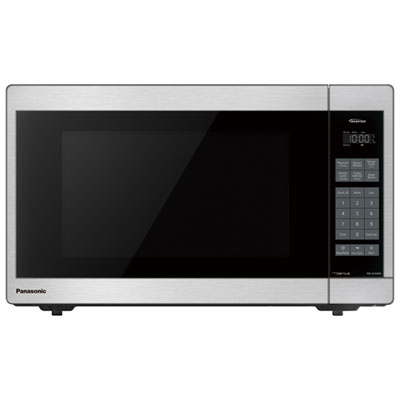
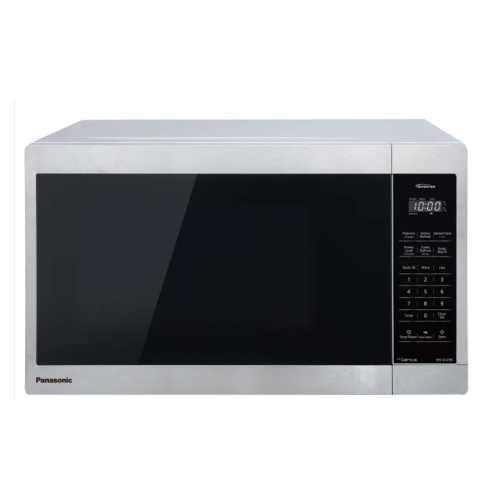
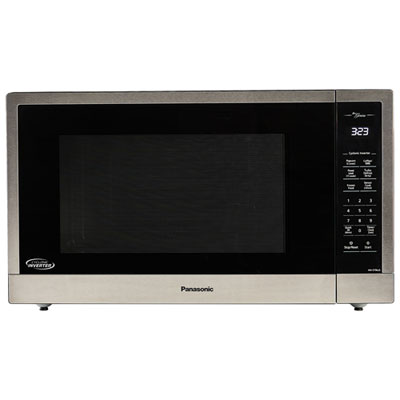
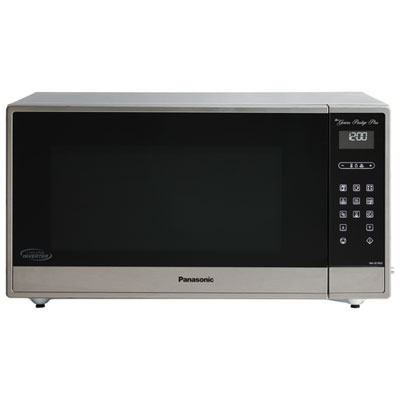
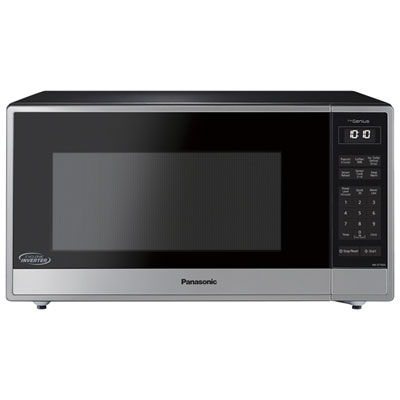
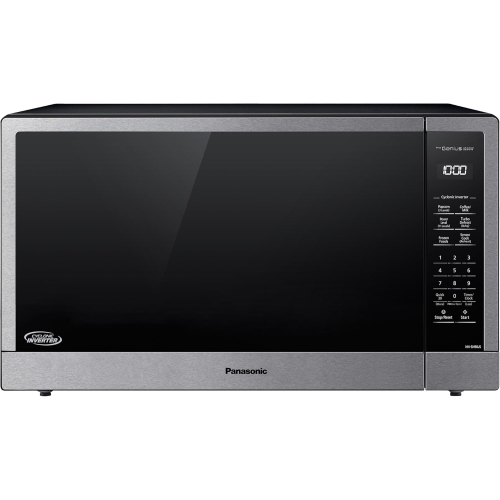
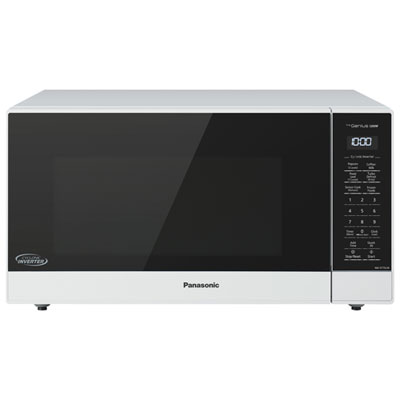
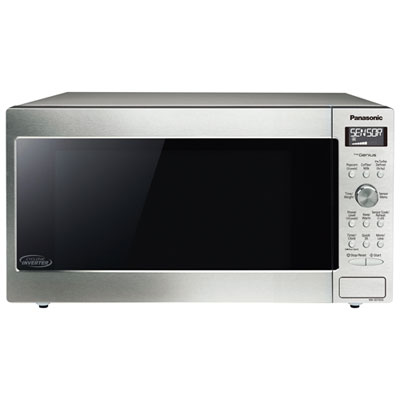
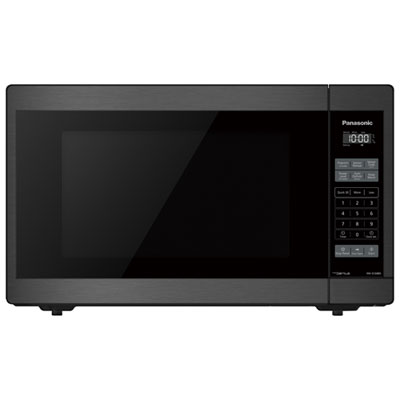
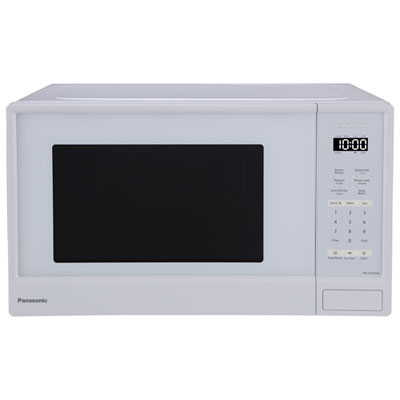
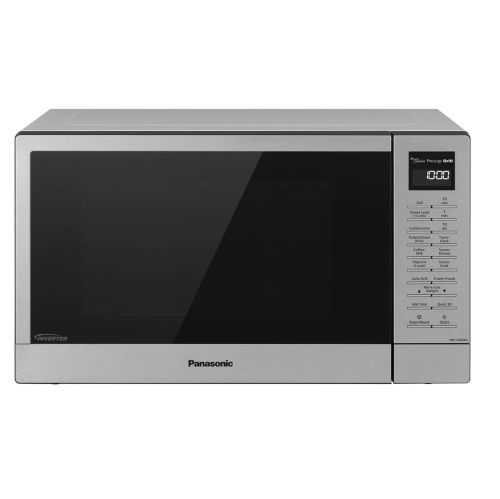
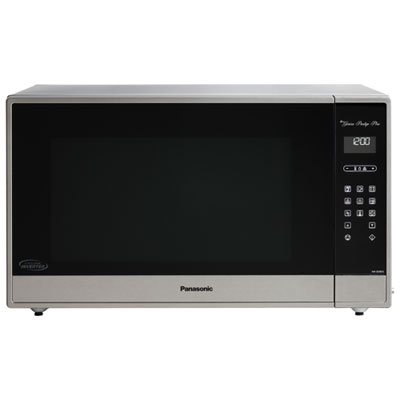
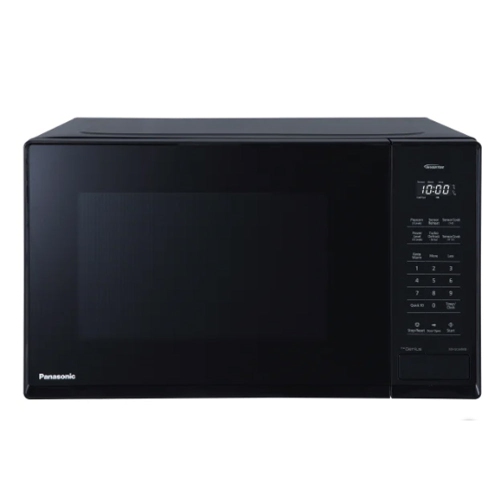
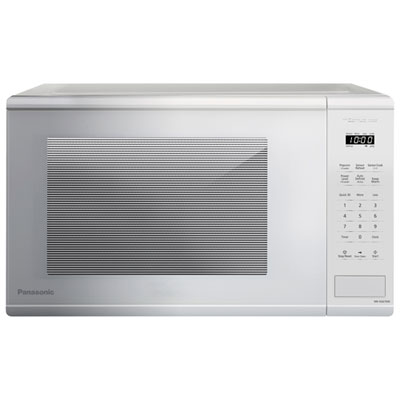
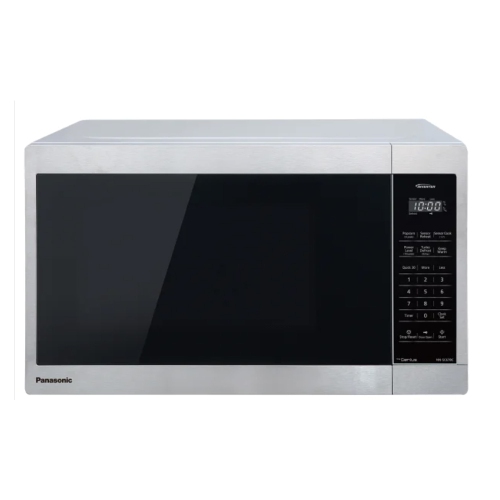
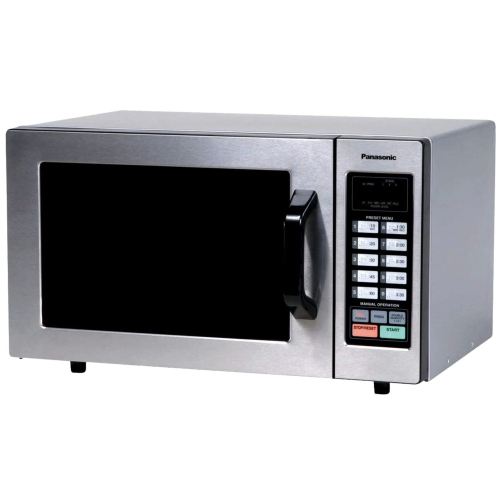
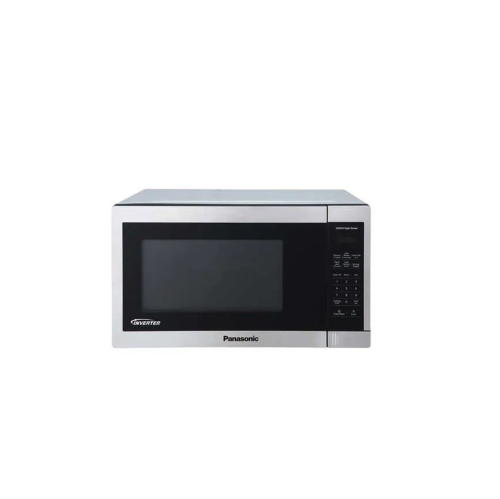

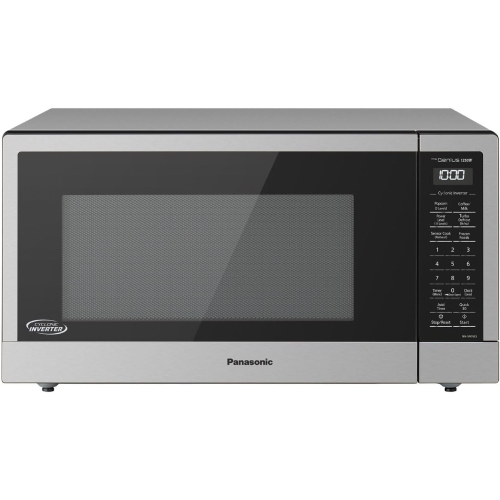
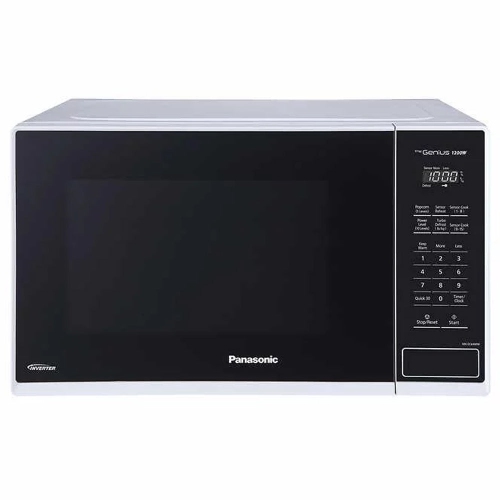
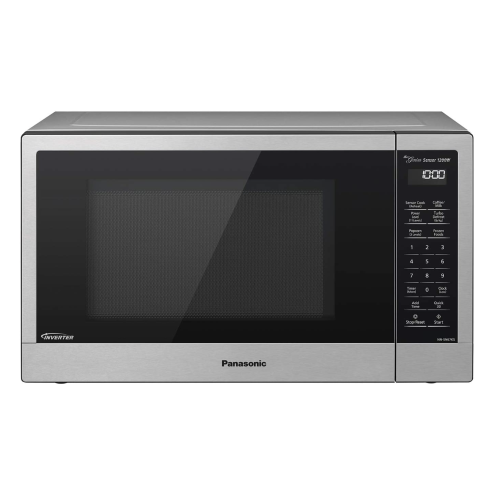
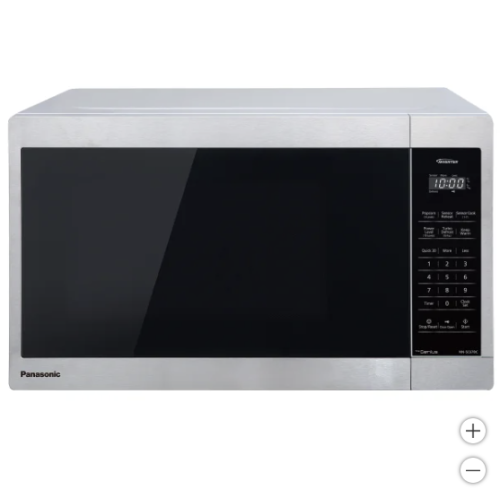
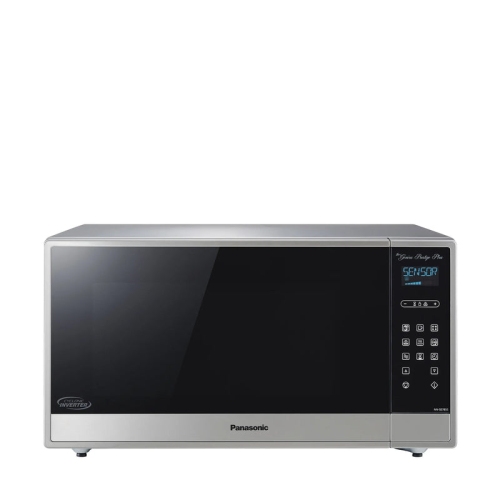
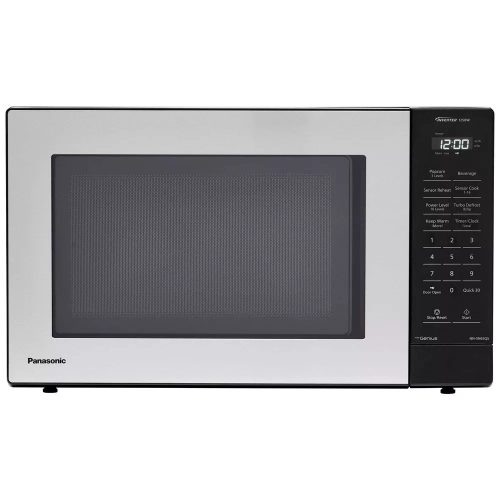
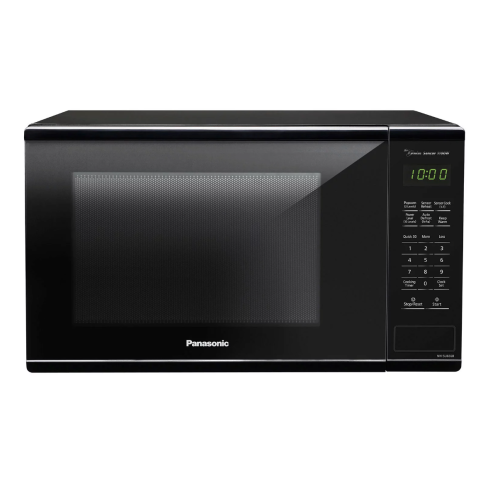
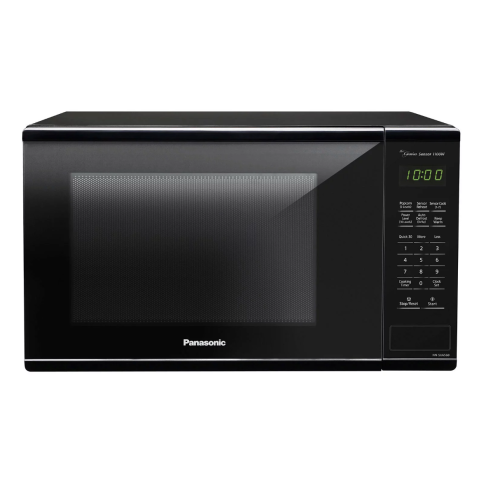
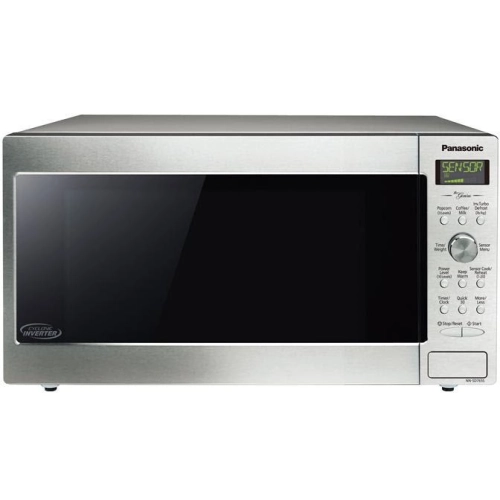
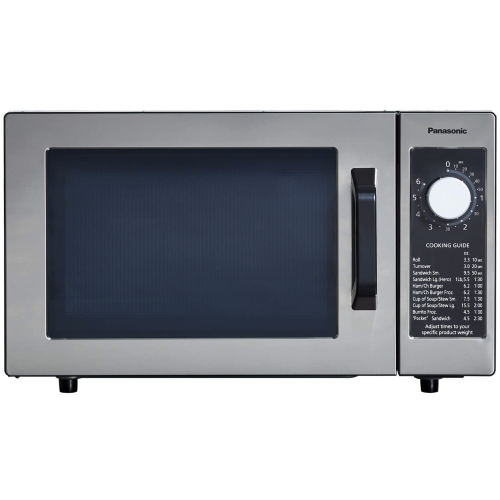
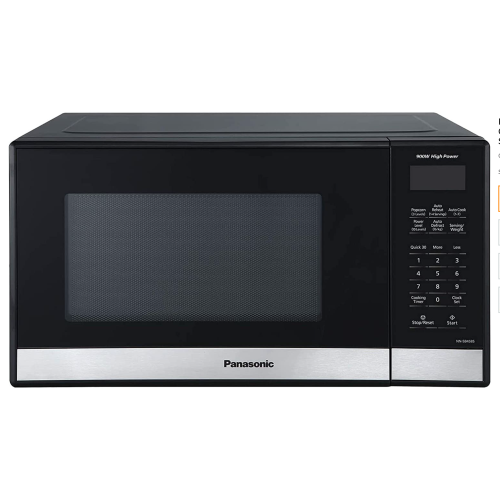
How steadier microwave power helps food heat evenly
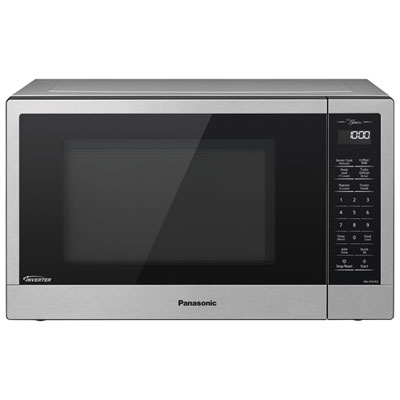
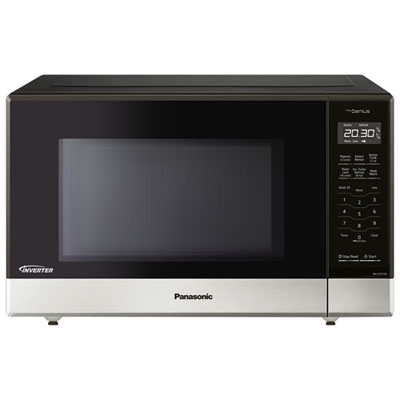
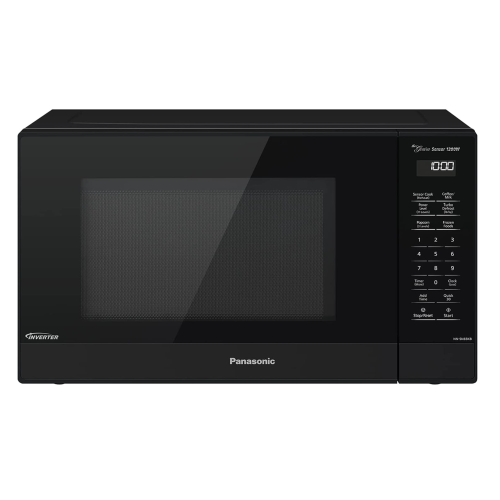
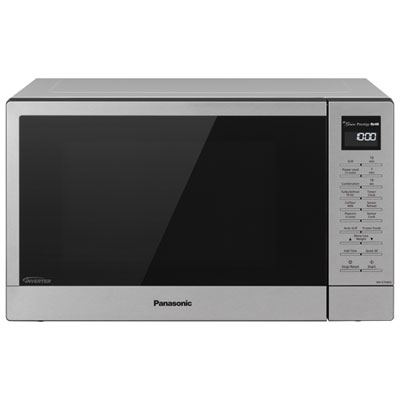
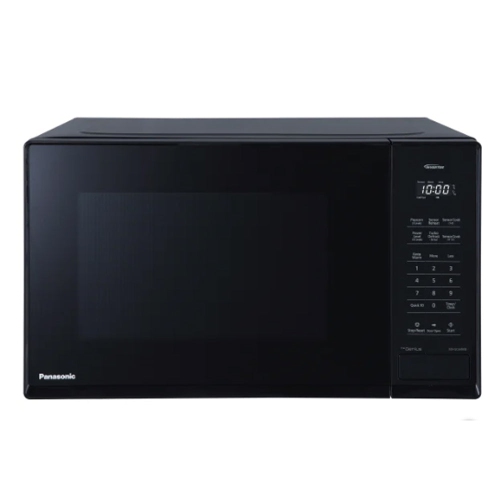
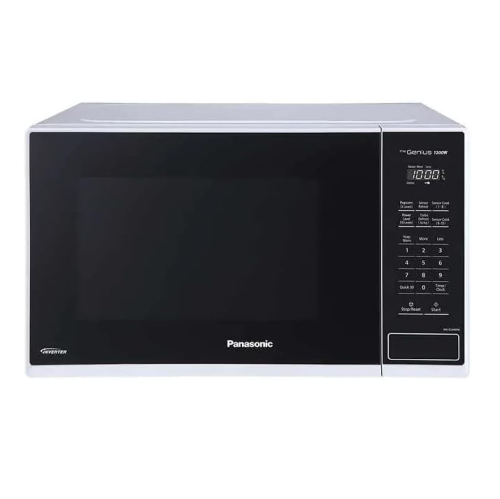
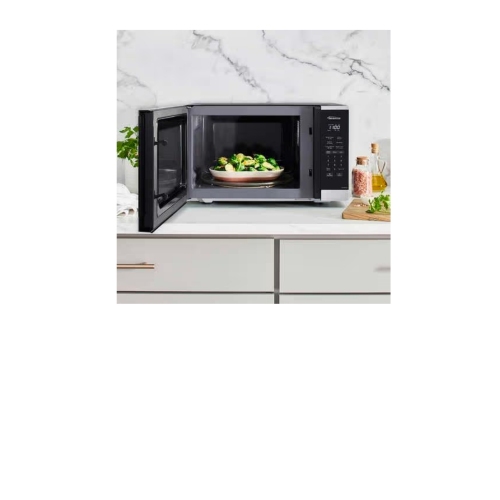
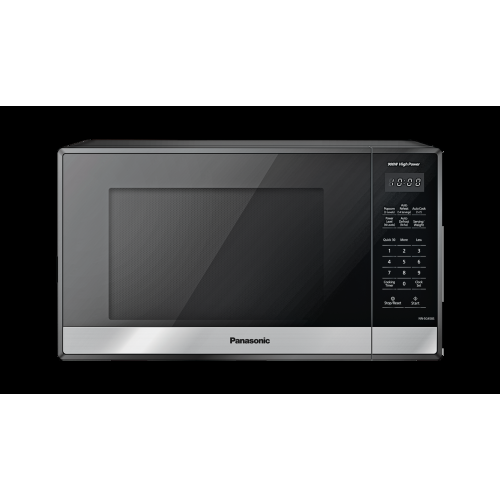
Inverter microwaves bring more controlled heating to everyday cooking, from softening butter for baking to warming a bowl of soup without leaving the centre noticeably cooler than the edges. The key difference is how they deliver microwave power. Many conventional microwaves achieve lower power settings by alternating between full power and pauses; inverter technology can maintain a steadier output at a reduced level. That finer control helps food heat more evenly and can be especially useful for delicate ingredients, smaller portions, and defrosting. A piece of fish, a creamy sauce, or a serving of leftover rice benefits from heating that is less aggressive than repeated bursts at maximum power. Results still depend on the food’s shape, density, starting temperature, and placement, so stirring, turning, and standing time remain important. An inverter is part of the appliance’s internal power system, not an accessory that needs to be fitted before cooking. For shoppers exploring Panasonic Microwaves, inverter technology is a useful distinction alongside capacity, cooking power, controls, and installation type. These appliances suit households that use a microwave for more than quick reheating: preparing vegetables, thawing ingredients for dinner, warming breakfast, or handling small cooking tasks while the main oven is occupied. Defrosting is a particularly practical use, since controlled power can help limit the cooked edges that sometimes appear before the middle has thawed. It does not remove the need to separate pieces as they loosen or to cook thawed food promptly according to food-safety guidance. Sensor cooking, where included, adds a different kind of convenience. Rather than simply running for a time entered on the keypad, sensor programmes typically detect moisture released by food and adjust cooking time, and sometimes power, within the selected programme. Inverter power control and sensor cooking serve different purposes, and having one does not automatically mean an appliance includes the other. Together, when fitted, they can make familiar kitchen routines easier to repeat with less guesswork.
Capacity and physical fit matter just as much as heating technology. Interior volume, usually expressed in cubic feet, gives a broad sense of cooking space, but the usable dimensions determine whether a favourite dinner plate, tall mug, or covered casserole dish fits comfortably. On a turntable model, a rectangular dish needs enough clearance to rotate without catching against the walls. A larger cavity can be helpful for family portions, while a smaller footprint may be a better match for a condo kitchen, a shared kitchenette, or a household that mainly warms individual meals. Neither capacity nor wattage alone tells the whole story: rated cooking power influences heating speed, while cavity layout, power settings, and food placement affect everyday results. Instructions on packaged meals may assume a different wattage, making adjustments and checks necessary. Countertop dimensions should account for the appliance’s full depth, any projection at the back, the space needed to open the door, and the ventilation clearances specified by the manufacturer. A microwave that fits tightly between surrounding surfaces may still lack the airflow required for correct operation. Countertop models should not be enclosed in cabinetry unless they are expressly approved for that installation with the specified accessories. Built-in and over-the-range formats, where offered, have their own mounting, electrical, and ventilation requirements; they are not interchangeable with a freestanding countertop appliance. Daily usability also comes down to details that are easy to overlook in a specification list. A clear display, legible keypad, accessible door release, and interior light can make a difference when checking a dish or entering a short heating time. The height of the installation should allow hot containers to be lifted out securely, without reaching above a comfortable level. Households with children may value a control lock, while anyone sharing a kitchen may appreciate straightforward controls that do not require navigating several menus for basic reheating. Preset programmes can simplify common tasks, but adjustable power levels and an easy-to-use timer remain useful for foods that need a gentler approach.
Materials, cleaning access, and sensible handling all contribute to how well an inverter microwave fits into a busy kitchen over time. Stainless steel finishes can coordinate with other appliances, while painted exteriors offer another appearance; neither finish alone establishes cooking performance or durability. Smooth interior surfaces, accessible corners, and a removable turntable, where fitted, make routine cleaning less awkward after a sauce splashes or a bowl bubbles over. Microwave-safe covers help contain splatter while allowing steam to escape as directed, and wiping the cavity once it has cooled helps prevent residue from drying onto the walls. A soft cloth and a mild cleaning solution suitable for the appliance are generally preferable to abrasive pads or harsh cleaners, with the owner’s manual providing the appropriate care instructions. The door edges and contact surfaces deserve attention so that food residue does not interfere with proper closure. Glass trays should be allowed to cool before washing to avoid sudden thermal changes, and vents should remain clear of grease, dust, and nearby objects. Microwave-safe glass or ceramic containers are practical for many reheating tasks, provided they have no metallic trim and are labelled for microwave use. Plastic containers also need to be specifically suitable for that purpose; a takeaway tub should not be assumed safe simply because it holds food. Sealed containers and tightly closed lids can trap steam, so venting and careful opening matter. Even heating technology cannot guarantee that every bite has reached a safe temperature, particularly in dense leftovers or mixed dishes, making stirring, resting, and checking with a food thermometer worthwhile habits. For long-term use, follow the appliance’s operating instructions, avoid running it empty, and arrange qualified service if the door, latch, or seal area is damaged. An inverter microwave can be a thoughtful household gift for someone setting up a kitchen or replacing a heavily used appliance, but counter space and preferred cooking routines are worth confirming first. The most suitable choice is one that accommodates the dishes used every day, offers manageable controls, and delivers the cooking flexibility the household will actually use.
Capacity and physical fit matter just as much as heating technology. Interior volume, usually expressed in cubic feet, gives a broad sense of cooking space, but the usable dimensions determine whether a favourite dinner plate, tall mug, or covered casserole dish fits comfortably. On a turntable model, a rectangular dish needs enough clearance to rotate without catching against the walls. A larger cavity can be helpful for family portions, while a smaller footprint may be a better match for a condo kitchen, a shared kitchenette, or a household that mainly warms individual meals. Neither capacity nor wattage alone tells the whole story: rated cooking power influences heating speed, while cavity layout, power settings, and food placement affect everyday results. Instructions on packaged meals may assume a different wattage, making adjustments and checks necessary. Countertop dimensions should account for the appliance’s full depth, any projection at the back, the space needed to open the door, and the ventilation clearances specified by the manufacturer. A microwave that fits tightly between surrounding surfaces may still lack the airflow required for correct operation. Countertop models should not be enclosed in cabinetry unless they are expressly approved for that installation with the specified accessories. Built-in and over-the-range formats, where offered, have their own mounting, electrical, and ventilation requirements; they are not interchangeable with a freestanding countertop appliance. Daily usability also comes down to details that are easy to overlook in a specification list. A clear display, legible keypad, accessible door release, and interior light can make a difference when checking a dish or entering a short heating time. The height of the installation should allow hot containers to be lifted out securely, without reaching above a comfortable level. Households with children may value a control lock, while anyone sharing a kitchen may appreciate straightforward controls that do not require navigating several menus for basic reheating. Preset programmes can simplify common tasks, but adjustable power levels and an easy-to-use timer remain useful for foods that need a gentler approach.
Materials, cleaning access, and sensible handling all contribute to how well an inverter microwave fits into a busy kitchen over time. Stainless steel finishes can coordinate with other appliances, while painted exteriors offer another appearance; neither finish alone establishes cooking performance or durability. Smooth interior surfaces, accessible corners, and a removable turntable, where fitted, make routine cleaning less awkward after a sauce splashes or a bowl bubbles over. Microwave-safe covers help contain splatter while allowing steam to escape as directed, and wiping the cavity once it has cooled helps prevent residue from drying onto the walls. A soft cloth and a mild cleaning solution suitable for the appliance are generally preferable to abrasive pads or harsh cleaners, with the owner’s manual providing the appropriate care instructions. The door edges and contact surfaces deserve attention so that food residue does not interfere with proper closure. Glass trays should be allowed to cool before washing to avoid sudden thermal changes, and vents should remain clear of grease, dust, and nearby objects. Microwave-safe glass or ceramic containers are practical for many reheating tasks, provided they have no metallic trim and are labelled for microwave use. Plastic containers also need to be specifically suitable for that purpose; a takeaway tub should not be assumed safe simply because it holds food. Sealed containers and tightly closed lids can trap steam, so venting and careful opening matter. Even heating technology cannot guarantee that every bite has reached a safe temperature, particularly in dense leftovers or mixed dishes, making stirring, resting, and checking with a food thermometer worthwhile habits. For long-term use, follow the appliance’s operating instructions, avoid running it empty, and arrange qualified service if the door, latch, or seal area is damaged. An inverter microwave can be a thoughtful household gift for someone setting up a kitchen or replacing a heavily used appliance, but counter space and preferred cooking routines are worth confirming first. The most suitable choice is one that accommodates the dishes used every day, offers manageable controls, and delivers the cooking flexibility the household will actually use.
Top selling and popular products
-
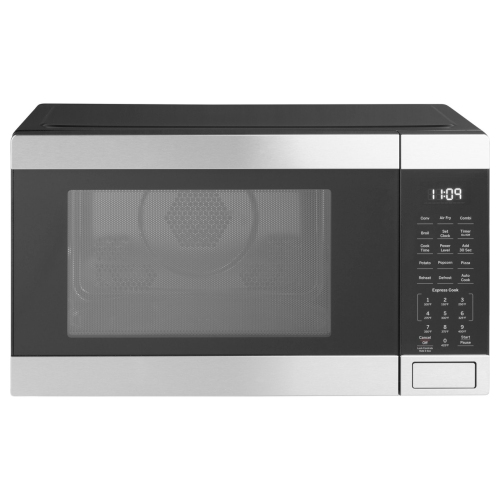 Your price for this item is $509.99
 -
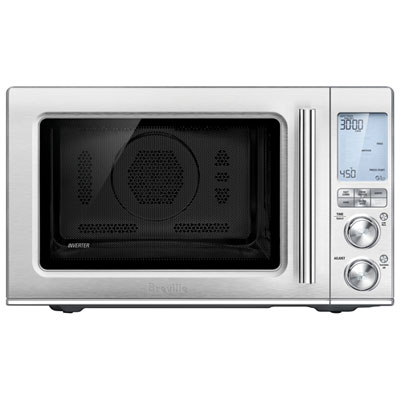 Your price for this item is $529.98
 -
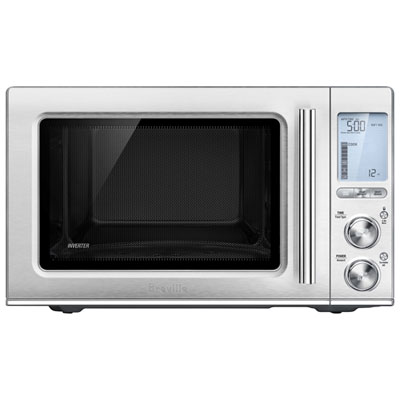 Your price for this item is $459.99
 -
 Your price for this item is $114.99
 -
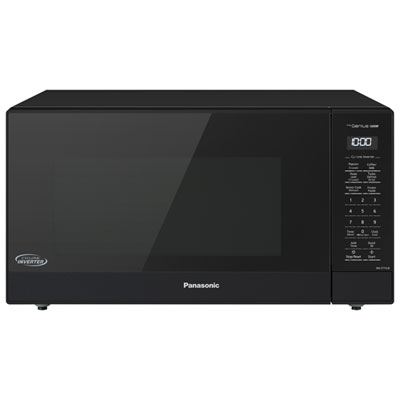 Your price for this item is $279.99
 -
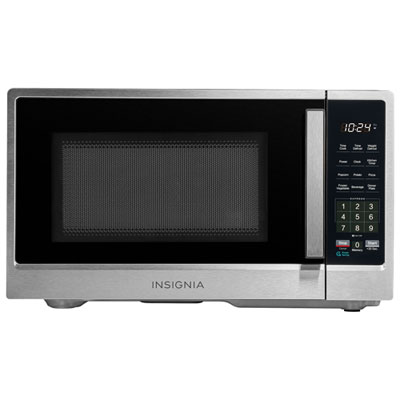 Your price for this item is $89.99
 -
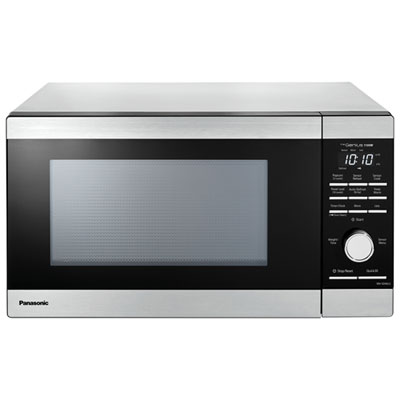 Your price for this item is $179.99
 -
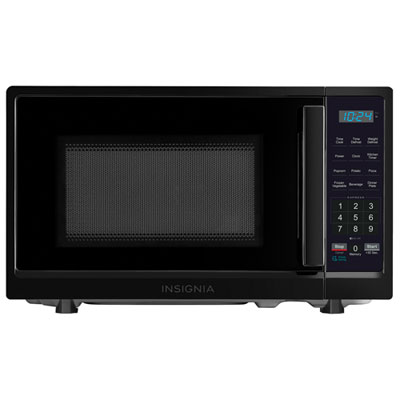 Your price for this item is $109.99
Discover more categories related to Panasonic Microwave Inverters
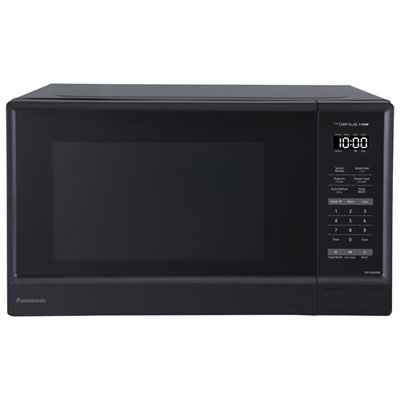
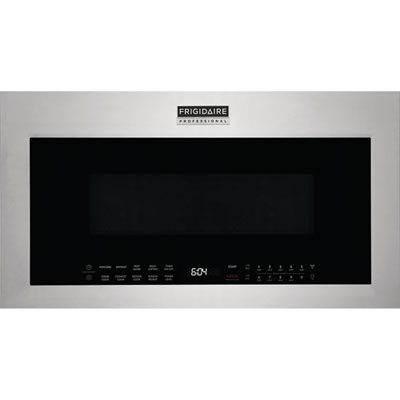
Top Collections:
Pokemon Centers, Kindle Devices, Best Budget Office Chairs, Apple iPhones 16, Best Laptops for Writers, iPhone 15 Apple, Canon G7X Cameras, Refurbished Apple Laptops, Alarm Clock, Motorola Razr Phones
Some products may be subject to Environmental Handling Fees
(EHF) depending on your province.
Learn more about EHFs.