Jar Sealers
Jar Sealer solutions offer a convenient way to keep your pantry staples and homemade goods fresh for longer. Perfect for home canning enthusiasts and anyone looking to organize their kitchen, a Jar Sealer helps maintain the quality of your favorite foods. Explore a wide selection of Jar Sealer options designed to fit various jar sizes and styles, making food storage simple and efficient. Find the right Jar Sealer to suit your needs and enjoy an easier, more organized kitchen experience.
Sort

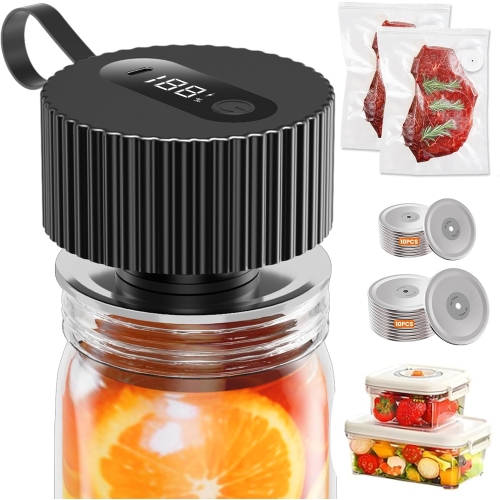
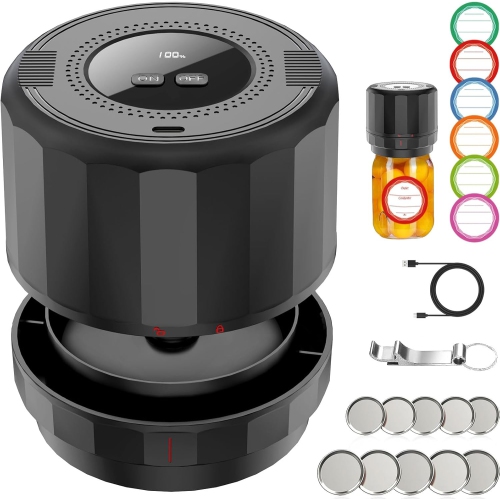


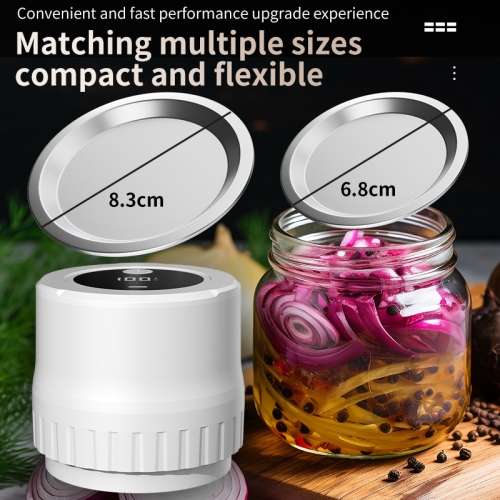
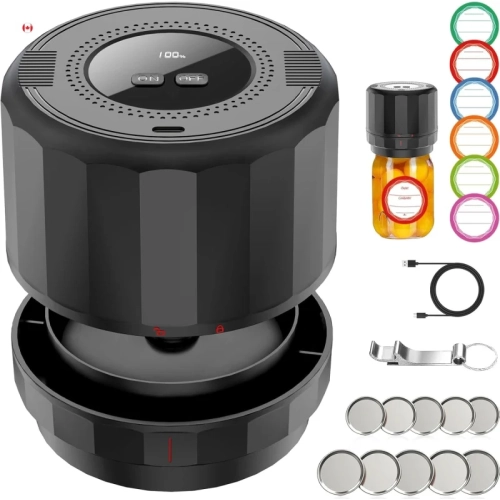
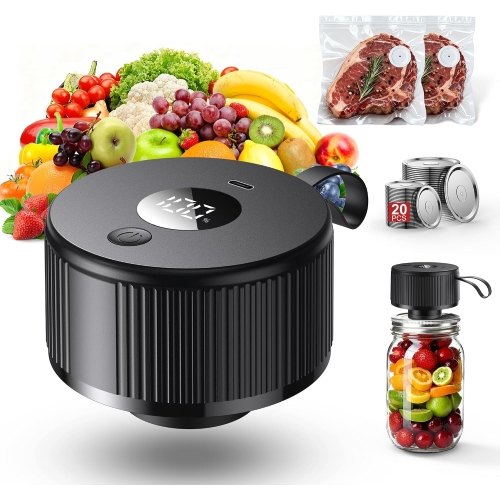
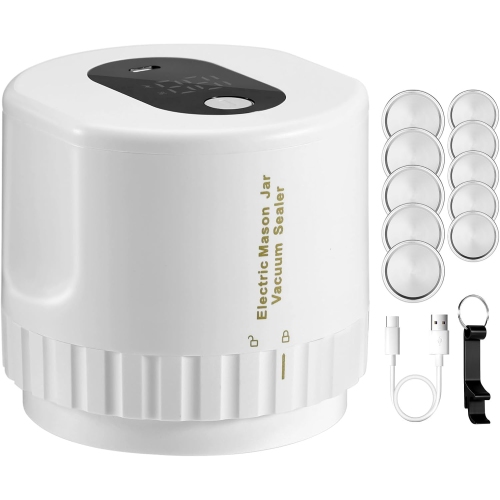


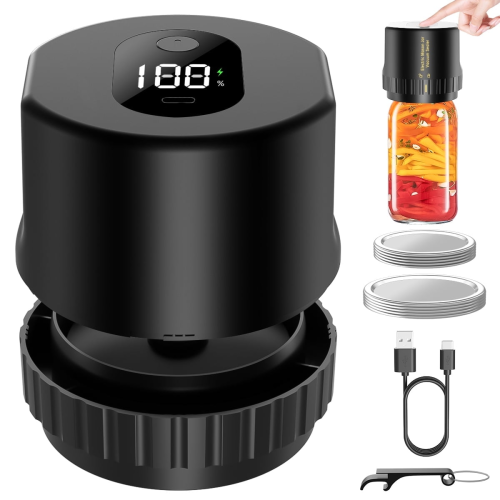
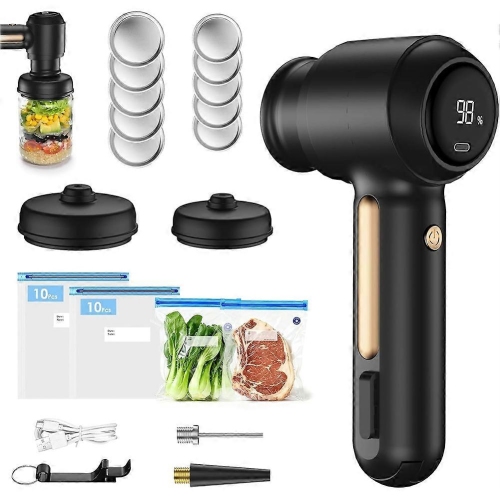



How vacuum sealing fits into everyday pantry storage
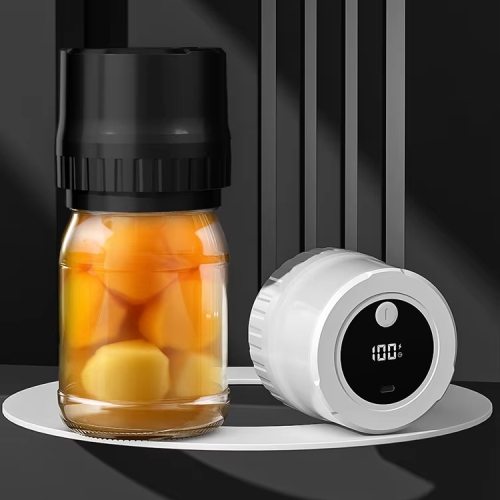
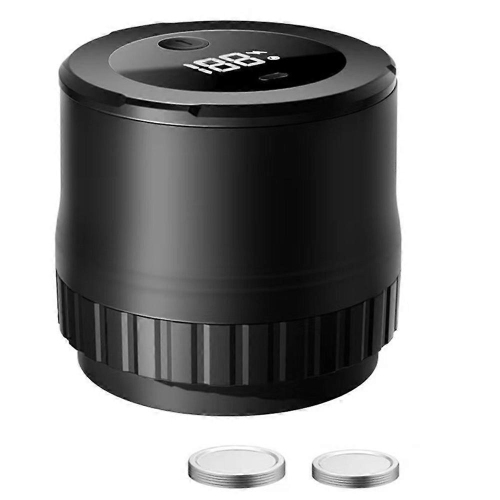
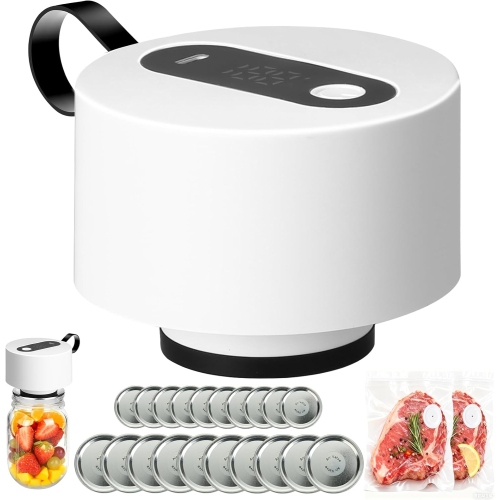
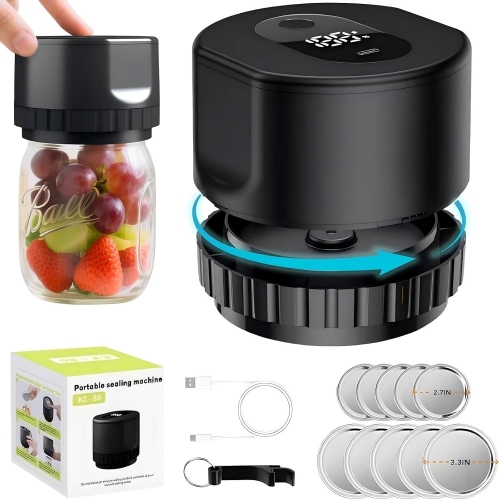
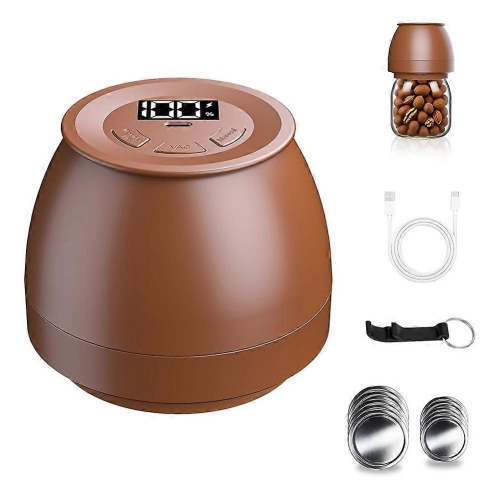
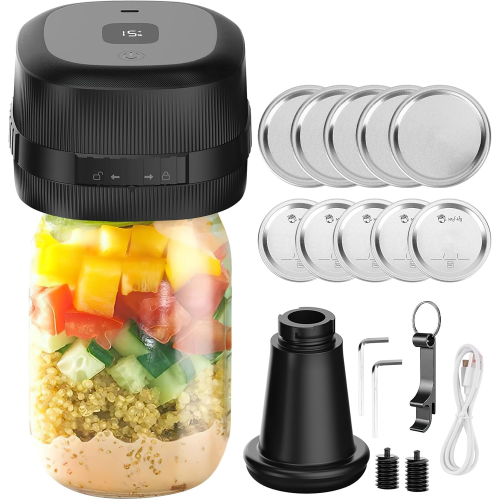
Jar sealers remove air from compatible glass jars to create a vacuum seal for food storage. They are commonly used with regular-mouth and wide-mouth mason jars, turning familiar pantry containers into a convenient way to store dry ingredients between uses. Reducing the air inside a jar can help limit exposure to oxygen and maintain the quality of foods such as rice, oats, dried beans, and whole spices. The results depend on the food, its original condition, the lid, and the storage conditions; a vacuum seal does not make food last indefinitely. Several types of jar sealers suit different kitchen routines. Cordless electric jar sealers combine a small motor and sealing attachment in a rechargeable unit, making them convenient for use without an outlet nearby. Some start and stop automatically, while others require the user to control the sealing cycle. Hose-attachment jar sealers connect to a compatible vacuum sealing machine through an accessory port, allowing an existing appliance to handle jars as well as its other supported containers. Manual jar sealers use a hand-operated pump instead of a powered motor and can suit occasional use or kitchens where a simple, compact tool is preferable. The distinction matters when sealing several jars after a grocery trip: an electric unit reduces repeated hand pumping, while a manual pump avoids charging and power cords. A hose attachment can make sense when a compatible machine already has a place on the counter. Jar sealers are storage accessories, not substitutes for water-bath or pressure canning. Drawing air out of a jar does not provide the heat treatment needed to make perishable foods safe for pantry storage. Their main role is organizing suitable dry foods and supporting short-term refrigerated storage where the food and appliance instructions allow it. For many households, that makes a jar sealer a useful companion to clear containers, readable labels, and a pantry arranged around ingredients that actually get used.
Fit is one of the most important considerations because jar openings, lid designs, and vacuum connections are not interchangeable. Regular-mouth and wide-mouth mason jars have different opening sizes, and a sealing attachment must match the jar and lid combination it is designed to use. A unit that supports both sizes may include separate attachments or an insert, so the full set of compatible parts matters as much as the main appliance. Decorative jars, repurposed food jars, and containers with unusual rims should not be assumed to work simply because they look similar. The lid must sit evenly against an undamaged rim, and the gasket or sealing surface must make consistent contact. A grain of rice, a trace of oil, or powder caught along the edge can interrupt the seal. Sound glass jars intended for the application are essential; chipped rims and cracked glass are unsuitable for vacuum storage. Food-contact plastic housings and flexible silicone or rubber seals are common features, with each material serving a different purpose. The housing needs to withstand normal handling, while the flexible parts need to stay clean and properly seated. Removable gaskets and accessible attachments can make routine care easier, particularly when jars are opened and resealed frequently. Cleaning requirements vary: some detachable pieces may be washable, but motorized bodies, charging ports, pumps, and hoses generally need protection from water unless their instructions state otherwise. All washed components should be thoroughly dry before storage or use. Fine powders and liquids deserve particular attention because they can be drawn towards the air intake and interfere with the mechanism. Flour, icing sugar, and similar ingredients should only be vacuum sealed when the appliance instructions specifically support the application and explain any necessary precautions. Leaving the recommended headspace also helps keep food away from the sealing area. Over time, checking gaskets, lids, hoses, and connectors for wear helps distinguish a connection problem from a worn component, rather than repeatedly trying to seal a jar that cannot hold a vacuum.
The most useful jar sealer is one that fits the way a kitchen operates day to day. A household that buys dry ingredients in larger bags might divide them into manageable jars, keeping a smaller container within reach and the remainder neatly labelled. Someone who bakes regularly may appreciate seeing oats, seeds, and dried fruit through clear glass rather than searching through folded bags. A coffee drinker may prefer smaller portions that are opened less often, although vacuum sealing does not remove the need to protect coffee from light and heat. Nuts and wholegrain ingredients also retain their own storage requirements, including refrigeration or freezing when recommended; removing air is not a replacement for those precautions. Keeping the original package information or noting the food name and opening date on a label makes it easier to follow storage guidance and rotate ingredients. Every opening breaks the vacuum, so jars that match typical portion sizes can be more practical than one oversized container that is opened repeatedly. For refrigerated foods, a vacuum seal does not sterilize the contents, reset a use-by date, or remove the need for prompt chilling and normal food safety practices. A lid that appears firmly attached is not proof that food is safe to eat. Alongside these everyday considerations, handling comfort matters: an easy-to-grip attachment, straightforward controls, a manageable charging routine, and accessible storage for small parts can make regular use less fiddly. A jar sealer can also be a thoughtful gift for someone who enjoys baking, organizing a pantry, or keeping frequently used ingredients in glass, especially when its compatibility matches jars they already own. For households that also store food in flexible packaging, Plastic Sealers offer a related category for different sealing tasks. Jar sealers serve a more specific purpose: helping compatible jars close under vacuum while keeping familiar ingredients visible, organized, and ready for their next use.
Top selling and popular products
-
 Your price for this item is $159.99
-
 Your price for this item is $36.97
-
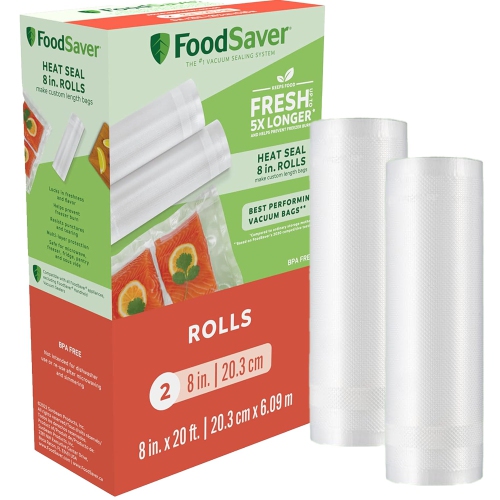 Your price for this item is $36.97
-
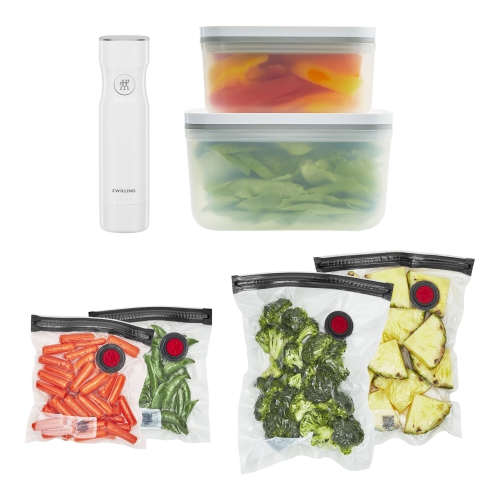 Your price for this item is $159.99
-
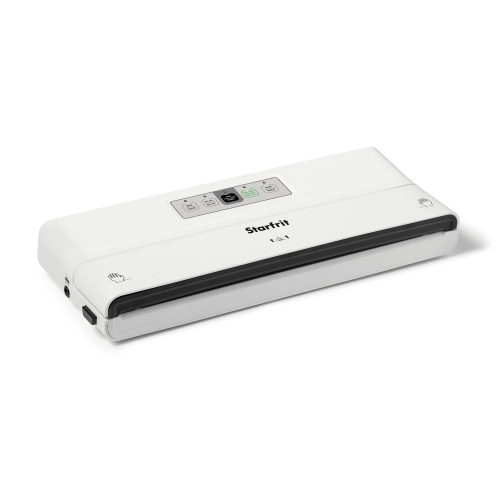 Your price for this item is $49.99
-
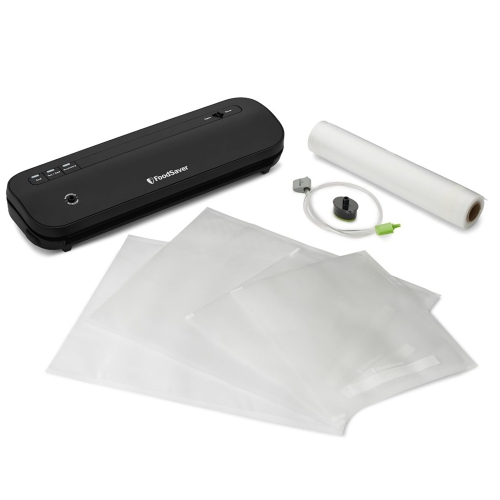 Your price for this item is $165.97
-
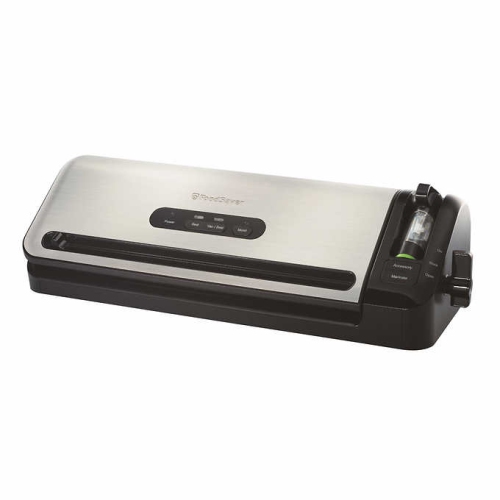 Your price for this item is $129.99
-
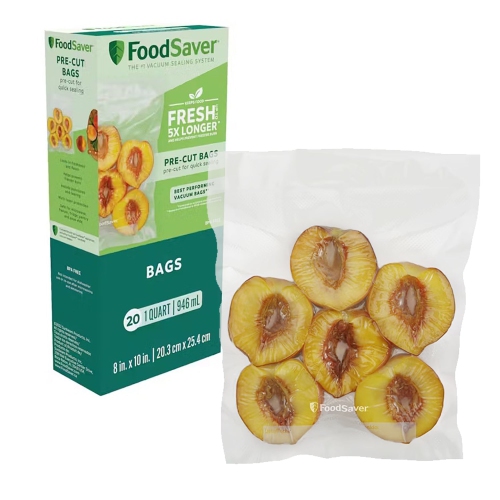 Your price for this item is $22.97
Discover more categories related to Jar Sealers
Top Collections:
Pokemon Centers, Best Cameras for Sports Photography, Kindle Devices, Samsung Galaxy Phones, Canon G7X Cameras, Pokémon 30th Celebration Cards, Refurbished Apple Laptops, iPhone 15 Apple, Laptops for Students, Budget Smartphones
Some products may be subject to Environmental Handling Fees
(EHF) depending on your province.
Learn more about EHFs.