Juicer Machine Easy To Clean
A juicer is a great way to get your daily dose of vitamins and nutrients. These juicers are also a fun way to entertain friends and family while you're eating your favorite fruits and vegetables, but cleaning after using it can be a bit of a challenge. Here are some of the easiest to clean juicer machines on the market.
Sort


Why accessible juicer parts matter more than piece count
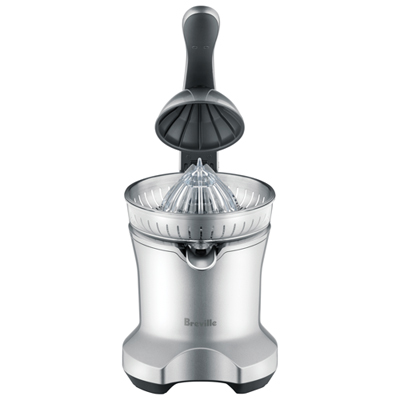
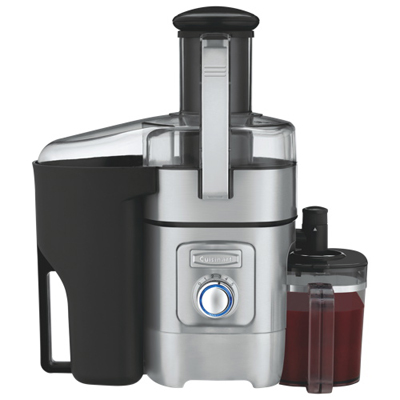
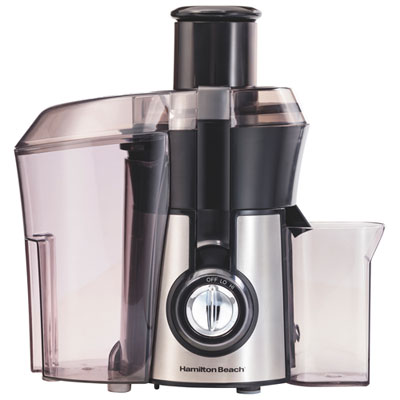
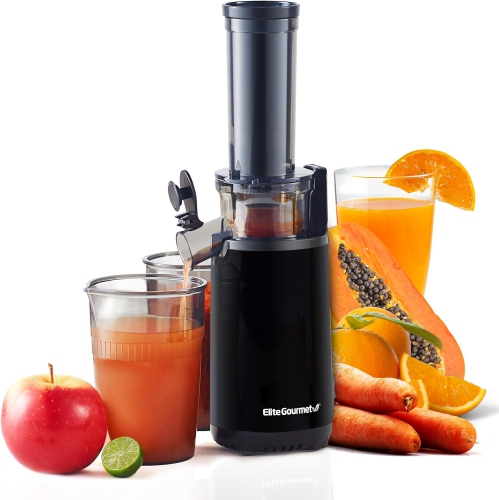
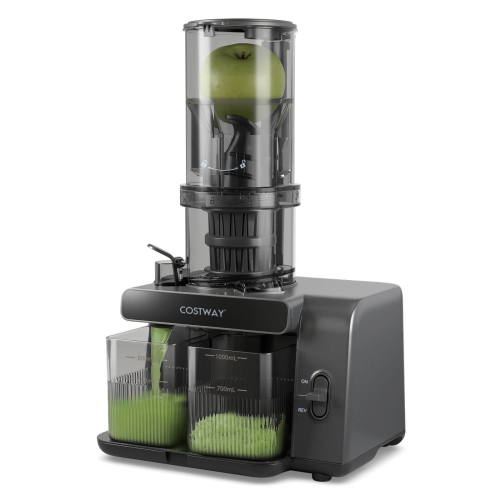
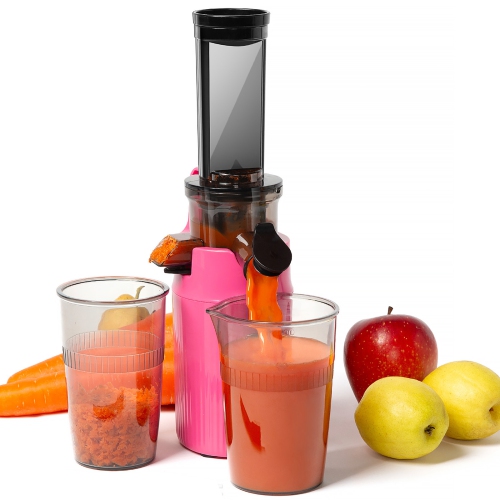
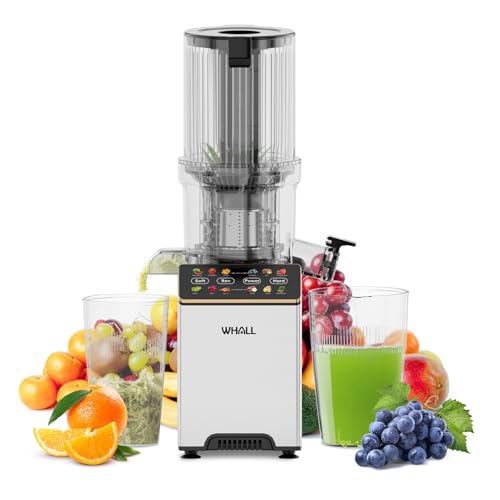
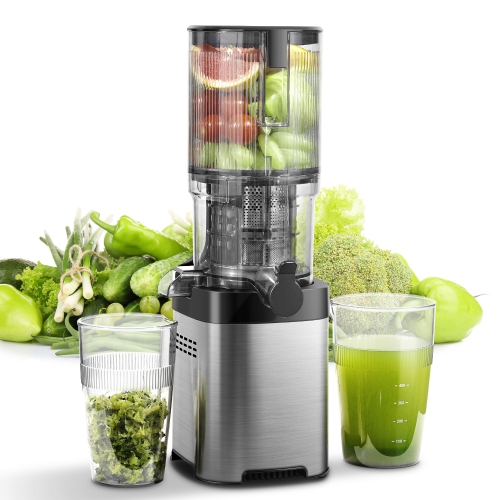
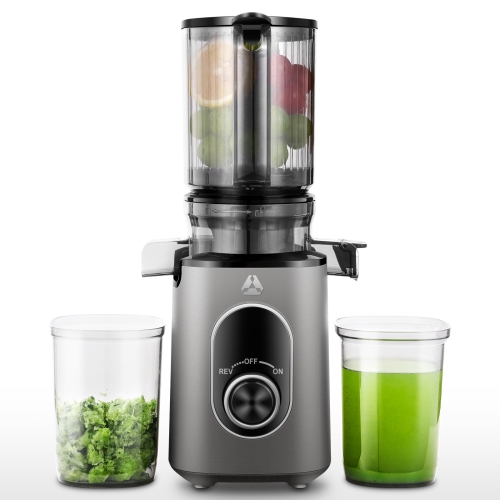
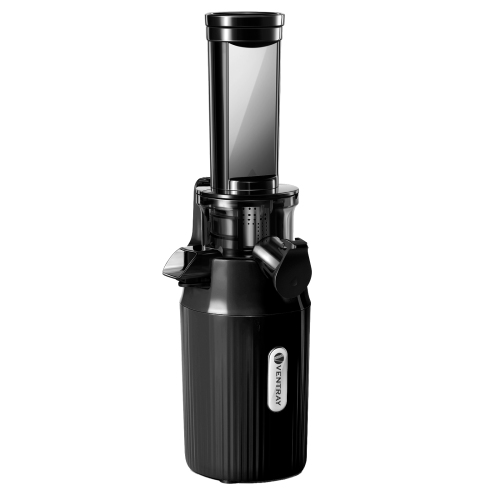
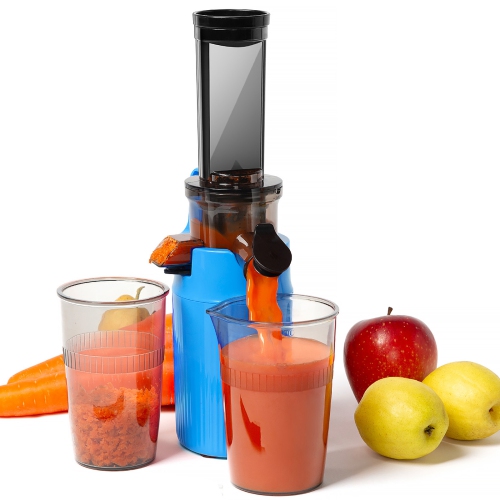
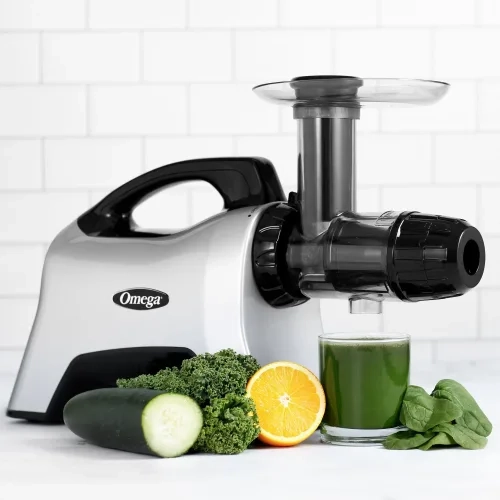
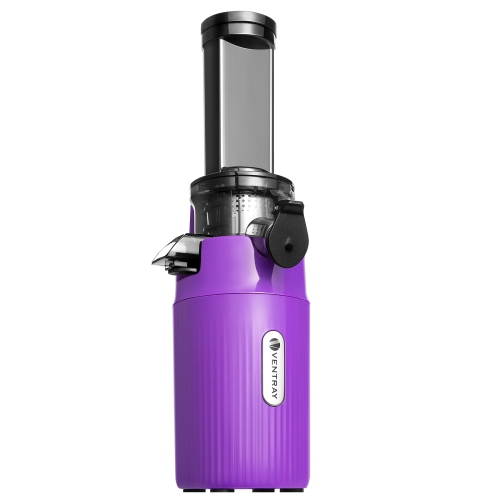
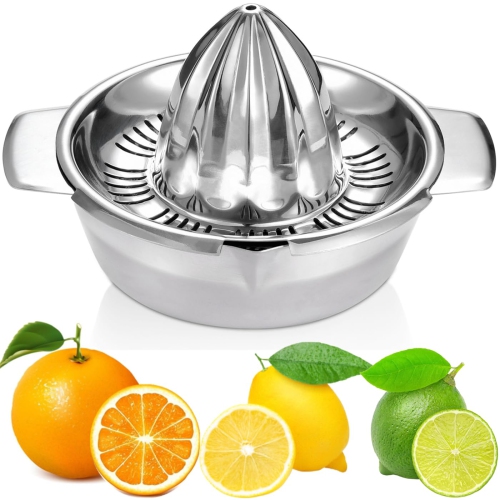
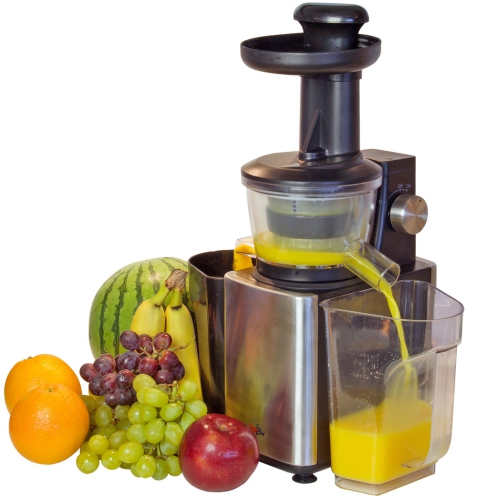
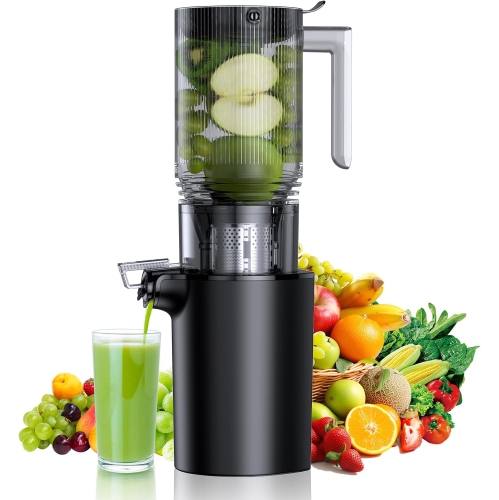
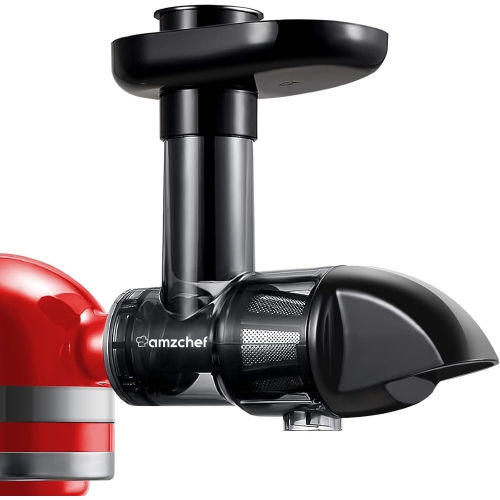
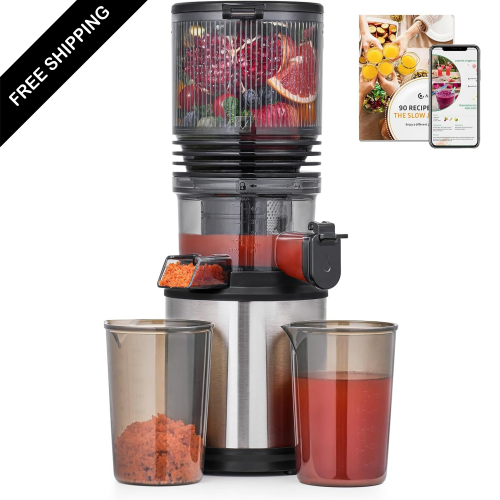
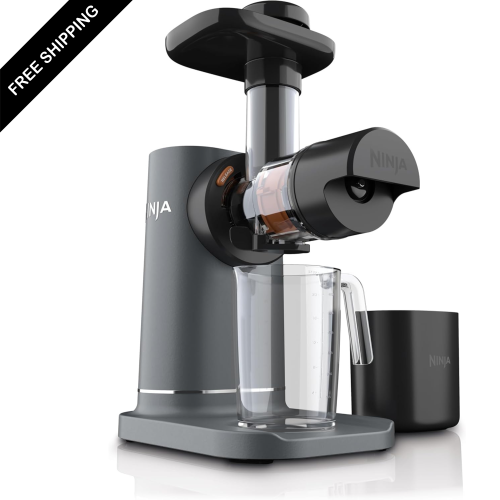
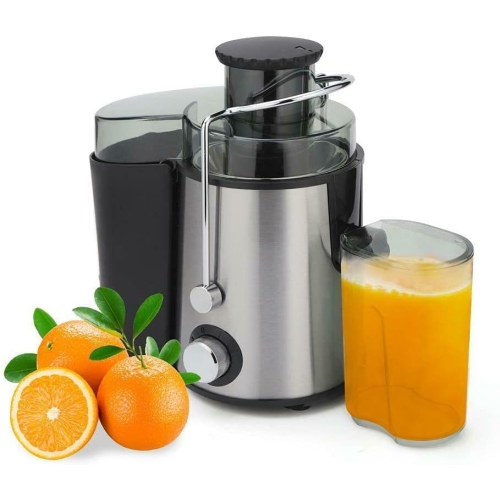
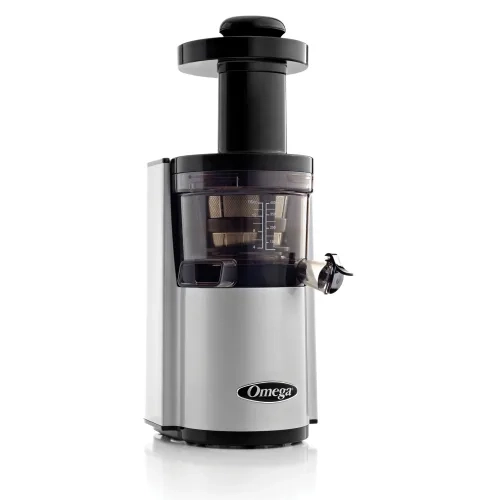
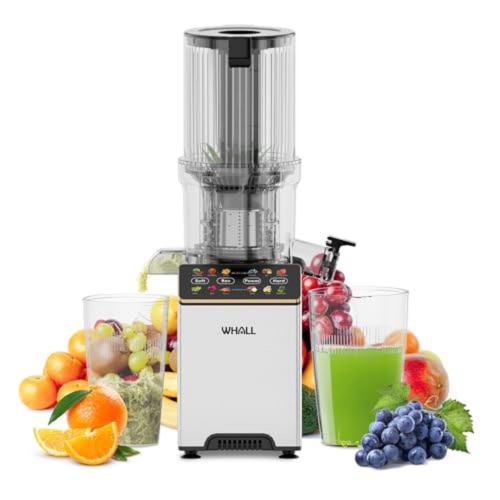
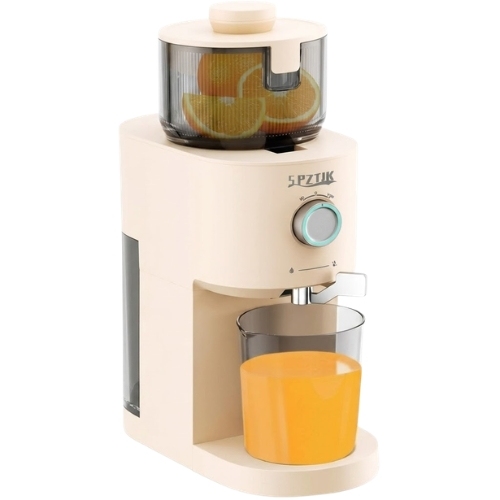
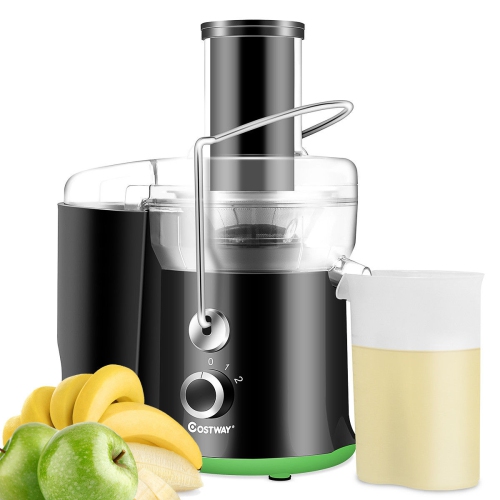
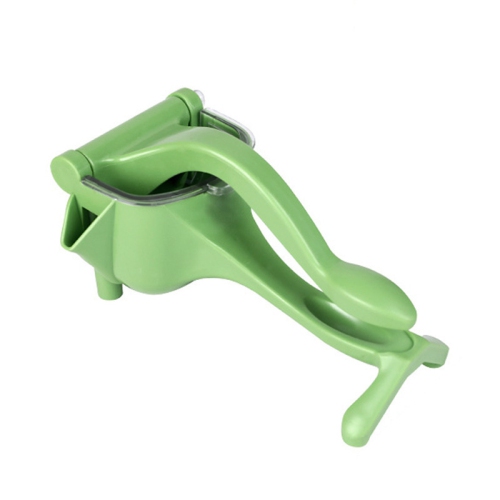
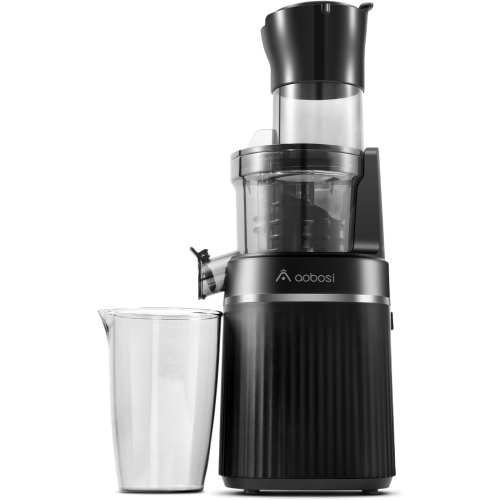
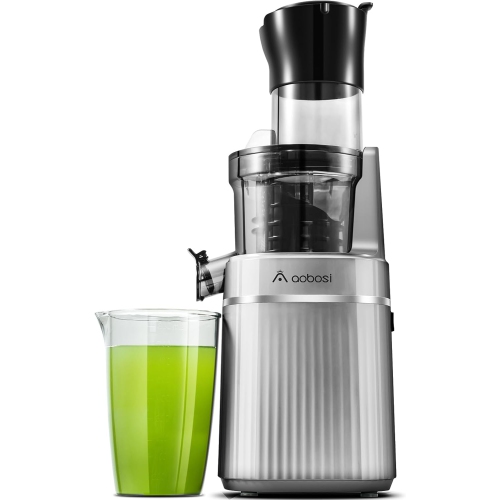
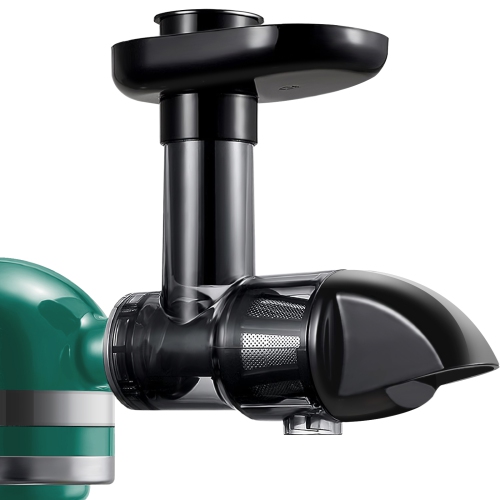
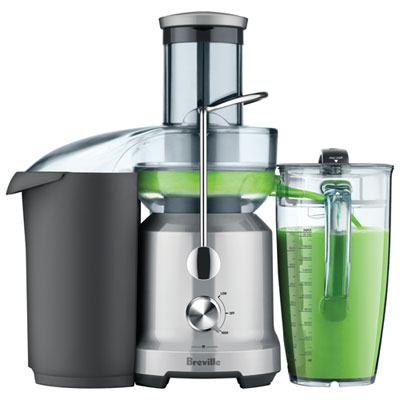
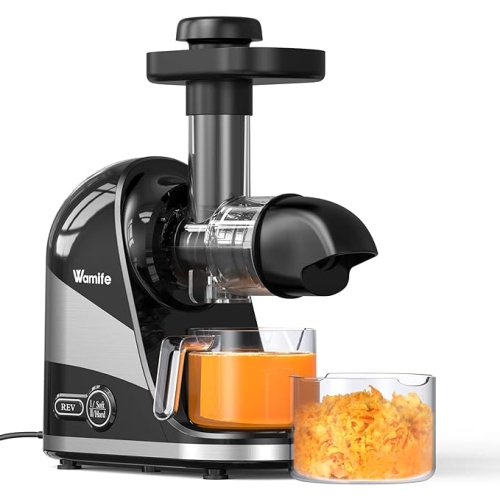
Easy-to-clean juicer machines make fresh juice a more practical part of everyday kitchen life, especially when breakfast preparation needs to leave little behind on the counter. The features that matter most are removable parts that separate without a struggle, accessible pulp channels, smooth surfaces, and a filter that does not trap fibres in hard-to-reach spaces. Mesh-free filtering systems can reduce the need to scrub fine holes, while juicers with mesh baskets may include a fitted brush or cleaning tool to help loosen pulp. Neither approach makes a juicer maintenance-free: the amount of cleaning still depends on the ingredients, the design, and how soon the parts are rinsed after use. A glass of apple and cucumber juice may leave different residue than a batch made with stringy celery or fibrous ginger. Centrifugal juicers use a fast-spinning basket to separate juice from pulp and often suit households that favour quick preparation with firm produce such as apples and carrots. Their filter baskets deserve particular attention because small particles can cling to the perforated surface. Slow, or masticating, juicers press produce with an auger and may appeal to people who regularly juice leafy greens alongside fruits and vegetables. Their cleaning requirements vary considerably: a streamlined pressing chamber can be straightforward to rinse, while narrow pulp outlets and intricate seals may need more attention. Citrus juicers offer a simpler option for orange, lemon, and grapefruit juice, but they are not substitutes for machines intended to process a broader range of produce. For anyone comparing these approaches, Good Juice Extractors offers a related starting point. The best match is a juicer whose ingredient capabilities and cleanup routine both fit the way it will be used, whether that means one small glass before work or enough juice for several people at breakfast. Fewer pieces can help, but their shape and accessibility often matter more than the number alone.
Materials and construction influence how comfortable a juicer is to handle, how it stands up to repeated use, and how easily it returns to a clean state. Stainless steel filtering components are commonly used for their strength, though a metal basket still needs careful cleaning to keep its openings clear. Plastic juice jugs, lids, and pulp containers keep removable pieces relatively light, and clear chambers make it easier to spot lingering residue. Carrots, beetroot, and other strongly coloured ingredients can leave marks on some surfaces, so care requirements are worth considering alongside appearance. Rounded corners, wide container openings, and parts that can be reached with a brush tend to be more convenient than deep recesses or tight internal bends. Seals and silicone flaps also affect the routine: when designed to open or detach for cleaning, they can provide access to areas where moisture and pulp collect. Dishwasher-safe components can reduce hands-on washing, but that designation applies only to the parts identified by the manufacturer, not automatically to the entire appliance. Some pieces may require placement on the top rack or washing by hand, and motor bases must not be immersed. Prompt rinsing helps prevent pulp from drying onto the filter and chamber, making it easier to remove before it hardens into a stubborn layer. For a typical morning routine, emptying the pulp container and rinsing the removable pieces soon after pouring the juice can make a noticeable difference. A rinse-through function, where included, may help clear loose residue between batches, but it does not replace disassembly and thorough cleaning after use. Mild dish soap, suitable brushes, and drying parts fully before reassembly support regular care without unnecessary abrasion. Durable clips, secure locking points, and pieces that align clearly also contribute to long-term usability. A machine that comes apart smoothly and goes back together without forcing tabs or seals is easier to live with than one that makes every wash feel like a small repair job.
Counter space, household size, and preferred ingredients help determine which easy-to-clean juice extractor feels right in daily use. A compact upright design may fit neatly beside a kettle, but sufficient clearance is still needed to feed produce into the chute and lift out the pressing assembly. Wider machines can take up more worktop space, while separate juice jugs and pulp containers add to the footprint during operation. Storage matters too: several bulky parts drying beside the sink can be inconvenient in a smaller kitchen, even when the machine itself looks compact. A wider feed chute may reduce chopping for suitable ingredients, although produce must still be prepared according to the appliance instructions, including removing hard stones and any unsuitable skins. Narrower chutes generally call for smaller pieces, which may suit someone preparing a modest serving rather than a large batch. Container capacity becomes more important when several people share the juice, since a small pulp bin may need emptying before the batch is finished. A drip-stop spout can help keep the counter tidy when removing the jug, while stable feet and handles that are comfortable to grip make everyday handling more manageable. Sound is another consideration in shared spaces, particularly for early starts, although operating noise varies by design and by the firmness of the ingredients. During the cooler months, apple, carrot, and ginger combinations can bring bright flavour to breakfast, provided the machine is suitable for those ingredients. For households with different tastes, accessible parts make cleanup between strongly flavoured batches less cumbersome. A juicer can also be a thoughtful housewarming gift or a useful gift for someone who already enjoys preparing fresh drinks, especially when its size and care needs suit their kitchen. Juice separates much of the pulp from produce, unlike a blender that keeps the ingredients together, so the intended texture matters as much as convenience. Straightforward assembly, manageable washing, and a good fit with familiar ingredients help make a juicer an appliance that earns its place on the counter.
Materials and construction influence how comfortable a juicer is to handle, how it stands up to repeated use, and how easily it returns to a clean state. Stainless steel filtering components are commonly used for their strength, though a metal basket still needs careful cleaning to keep its openings clear. Plastic juice jugs, lids, and pulp containers keep removable pieces relatively light, and clear chambers make it easier to spot lingering residue. Carrots, beetroot, and other strongly coloured ingredients can leave marks on some surfaces, so care requirements are worth considering alongside appearance. Rounded corners, wide container openings, and parts that can be reached with a brush tend to be more convenient than deep recesses or tight internal bends. Seals and silicone flaps also affect the routine: when designed to open or detach for cleaning, they can provide access to areas where moisture and pulp collect. Dishwasher-safe components can reduce hands-on washing, but that designation applies only to the parts identified by the manufacturer, not automatically to the entire appliance. Some pieces may require placement on the top rack or washing by hand, and motor bases must not be immersed. Prompt rinsing helps prevent pulp from drying onto the filter and chamber, making it easier to remove before it hardens into a stubborn layer. For a typical morning routine, emptying the pulp container and rinsing the removable pieces soon after pouring the juice can make a noticeable difference. A rinse-through function, where included, may help clear loose residue between batches, but it does not replace disassembly and thorough cleaning after use. Mild dish soap, suitable brushes, and drying parts fully before reassembly support regular care without unnecessary abrasion. Durable clips, secure locking points, and pieces that align clearly also contribute to long-term usability. A machine that comes apart smoothly and goes back together without forcing tabs or seals is easier to live with than one that makes every wash feel like a small repair job.
Counter space, household size, and preferred ingredients help determine which easy-to-clean juice extractor feels right in daily use. A compact upright design may fit neatly beside a kettle, but sufficient clearance is still needed to feed produce into the chute and lift out the pressing assembly. Wider machines can take up more worktop space, while separate juice jugs and pulp containers add to the footprint during operation. Storage matters too: several bulky parts drying beside the sink can be inconvenient in a smaller kitchen, even when the machine itself looks compact. A wider feed chute may reduce chopping for suitable ingredients, although produce must still be prepared according to the appliance instructions, including removing hard stones and any unsuitable skins. Narrower chutes generally call for smaller pieces, which may suit someone preparing a modest serving rather than a large batch. Container capacity becomes more important when several people share the juice, since a small pulp bin may need emptying before the batch is finished. A drip-stop spout can help keep the counter tidy when removing the jug, while stable feet and handles that are comfortable to grip make everyday handling more manageable. Sound is another consideration in shared spaces, particularly for early starts, although operating noise varies by design and by the firmness of the ingredients. During the cooler months, apple, carrot, and ginger combinations can bring bright flavour to breakfast, provided the machine is suitable for those ingredients. For households with different tastes, accessible parts make cleanup between strongly flavoured batches less cumbersome. A juicer can also be a thoughtful housewarming gift or a useful gift for someone who already enjoys preparing fresh drinks, especially when its size and care needs suit their kitchen. Juice separates much of the pulp from produce, unlike a blender that keeps the ingredients together, so the intended texture matters as much as convenience. Straightforward assembly, manageable washing, and a good fit with familiar ingredients help make a juicer an appliance that earns its place on the counter.
Top selling and popular products
-
 Your price for this item is $269.99
 -
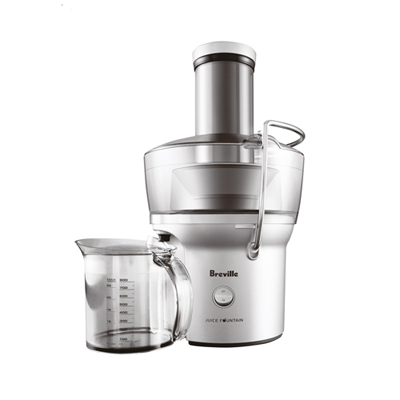 Your price for this item is $129.99
 -
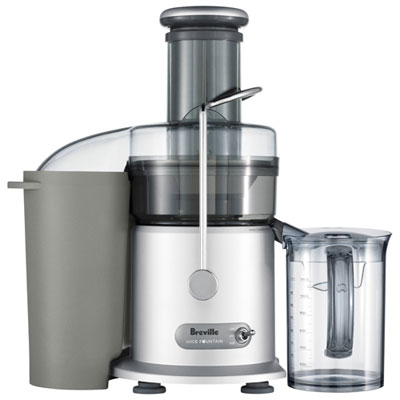 Your price for this item is $159.98
 -
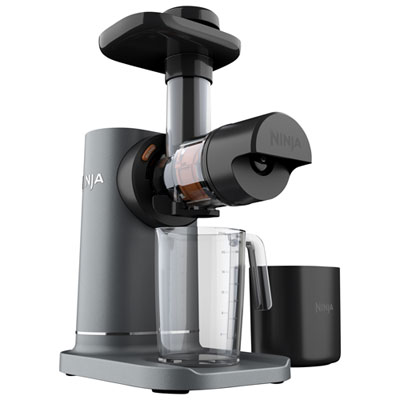 Your price for this item is $169.99
 -
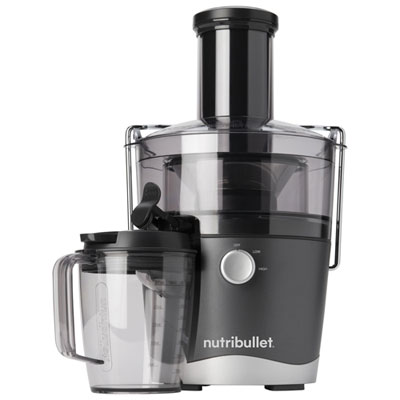 Your price for this item is $99.99
 -
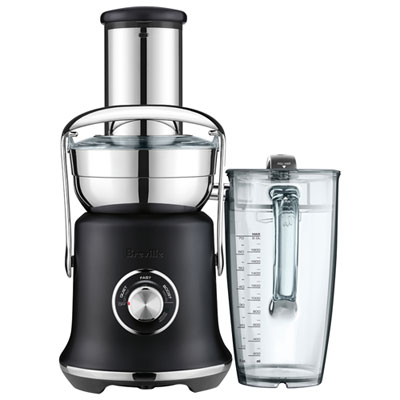 Your price for this item is $379.99
 -
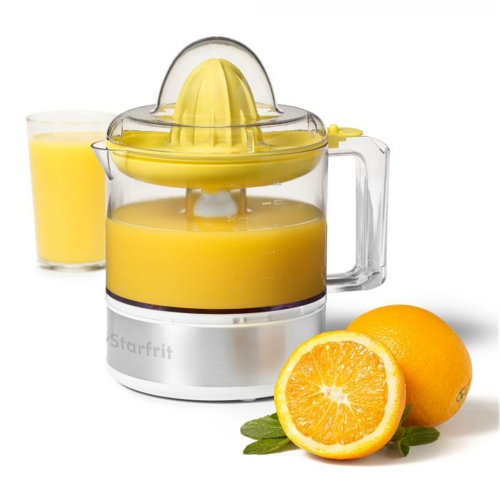 Your price for this item is $29.99
 -
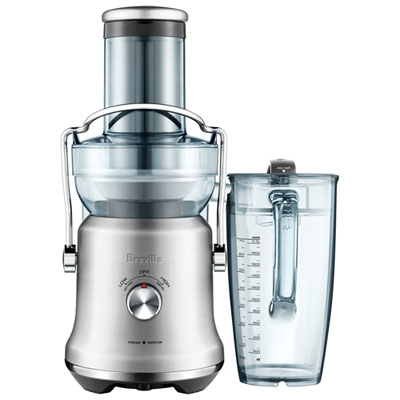 Your price for this item is $299.99
Discover more categories related to Juicer Machine Easy To Clean
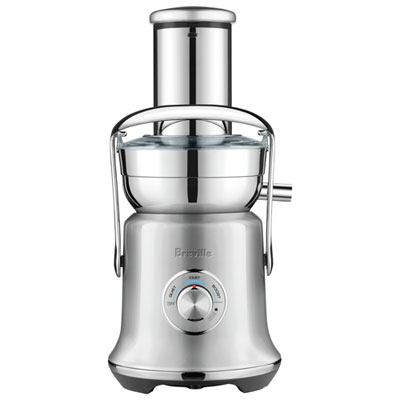
Top Collections:
Pokemon Centers, Budget 4K TVs, Kindle Devices, Canon G7X Cameras, Apple iPhones 16, iPhone 15 Apple, Laptops for Business Work, Flip Phones, Xiaomi Phones, Refurbished Apple Laptops
Some products may be subject to Environmental Handling Fees
(EHF) depending on your province.
Learn more about EHFs.