Kitchen With Wall Oven
Upgrade your kitchen with a sleek and modern wall oven that combines style and functionality. Transform your cooking experience with the convenience of a wall oven, which offers a seamless integration into your kitchen design while providing ample cooking space and advanced features. Whether you're baking, roasting, or broiling, a wall oven is a versatile appliance that will elevate your culinary creations to new heights. Discover the perfect addition to your kitchen and take your cooking to the next level with our wide selection of wall ovens.
Sort

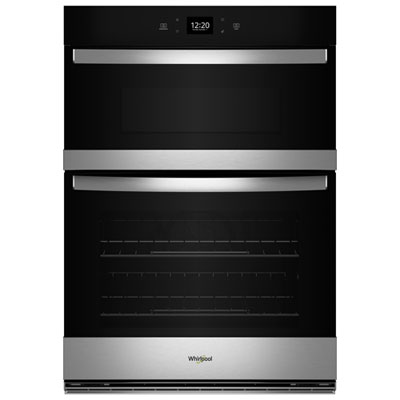
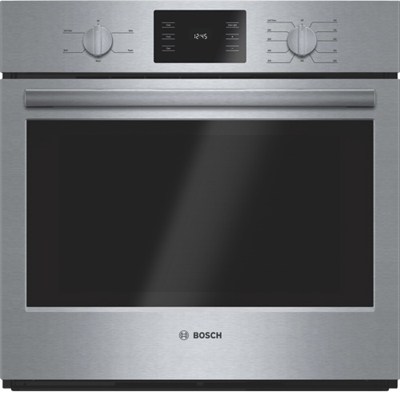

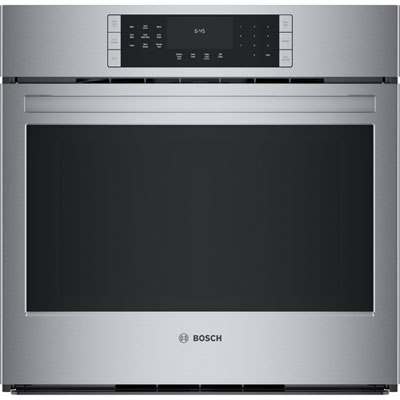
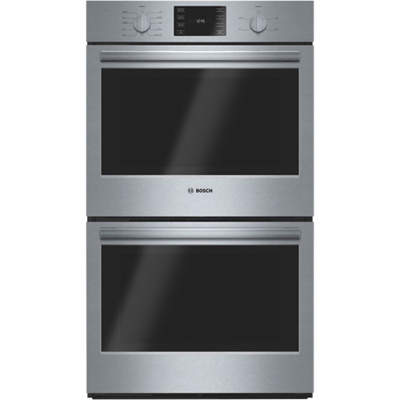



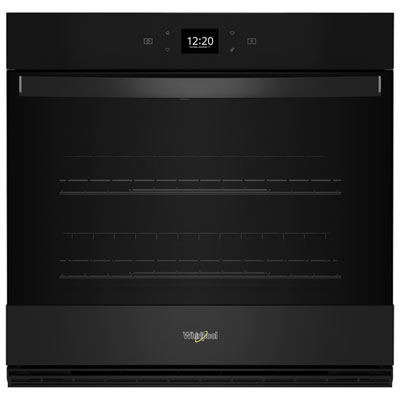
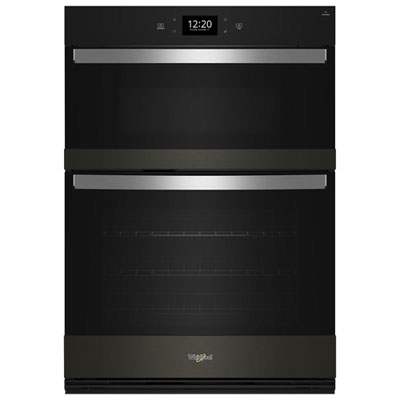
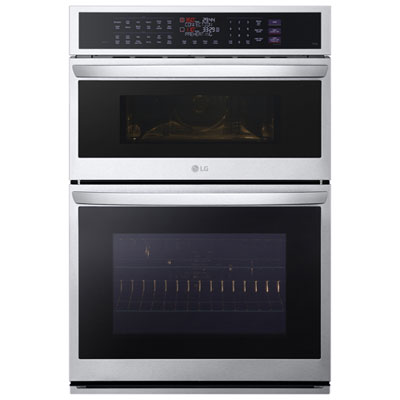

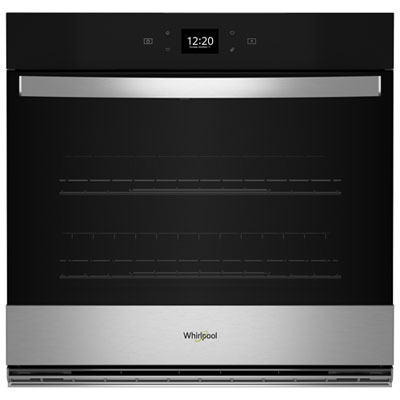
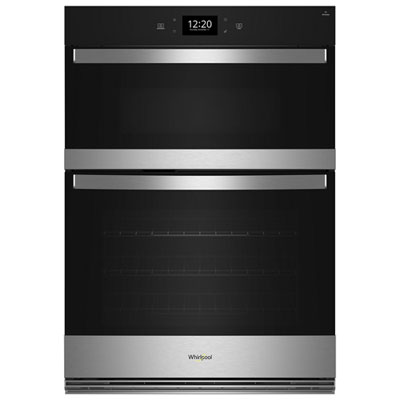
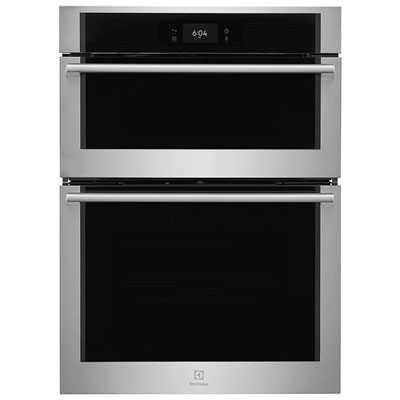
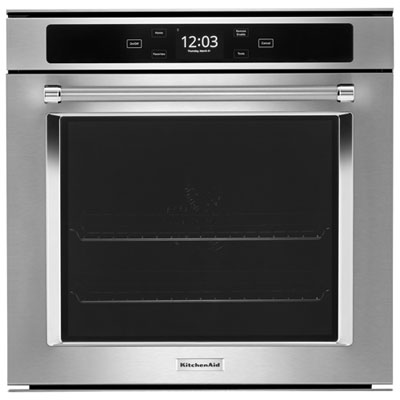
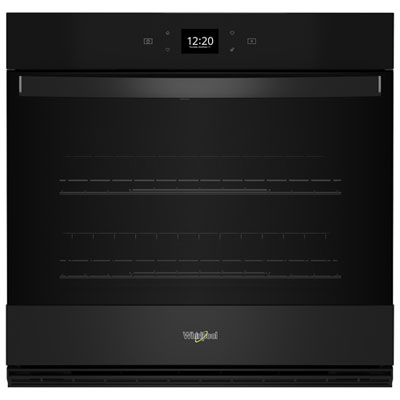
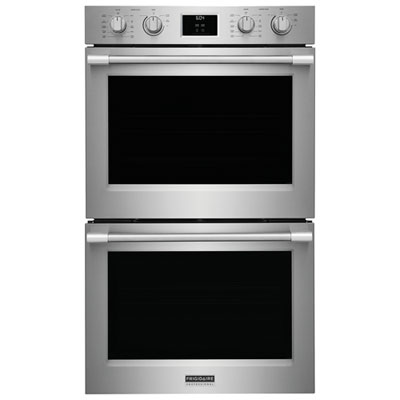
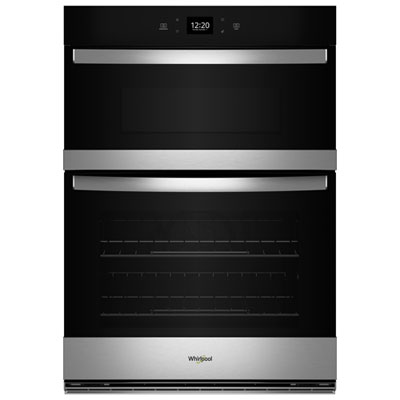
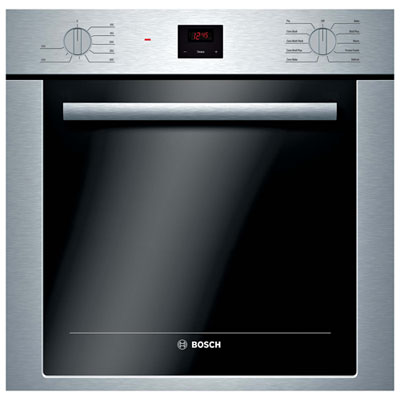
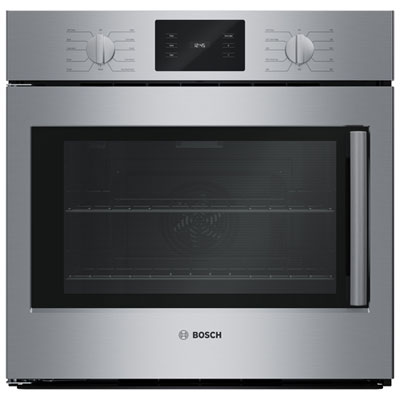

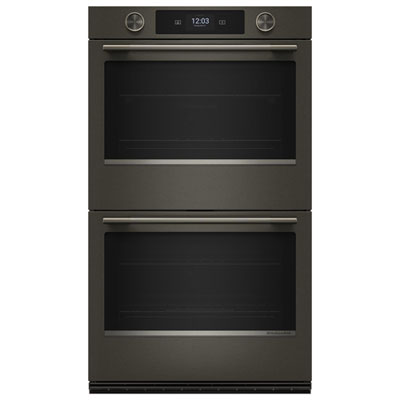

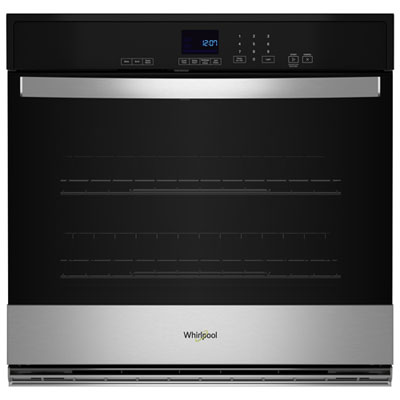
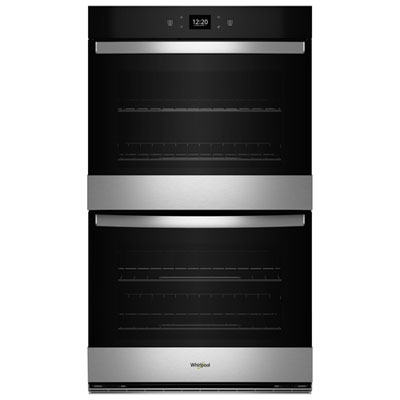
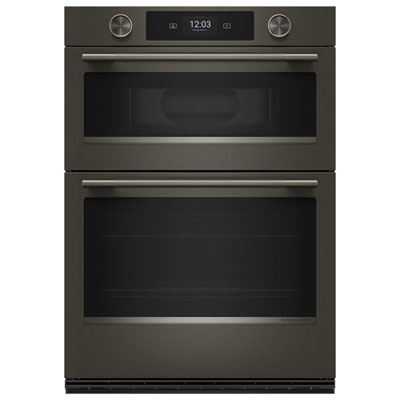



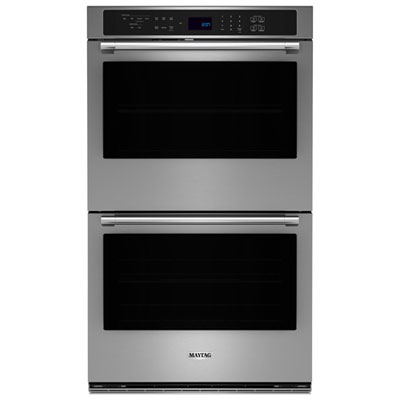
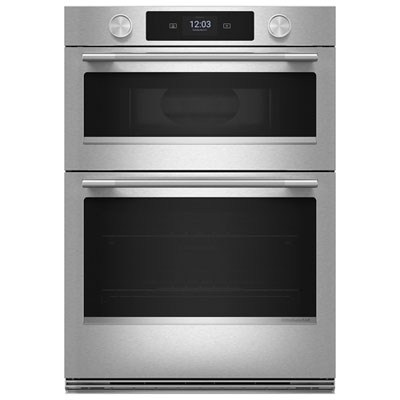
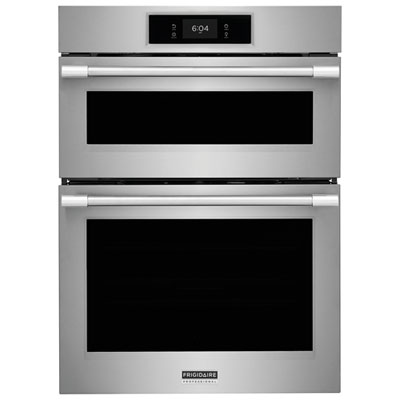

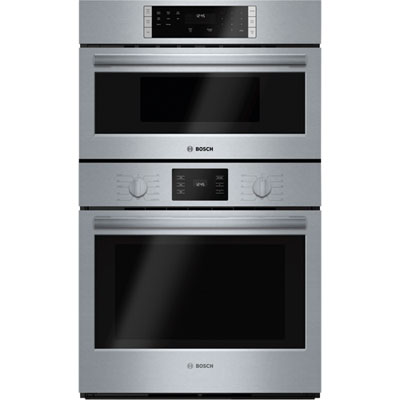





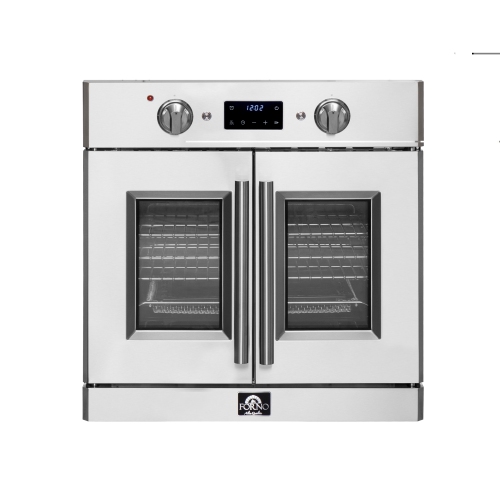
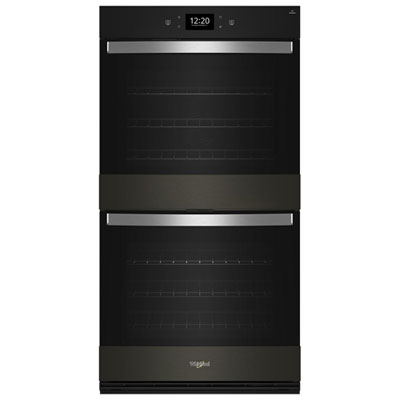
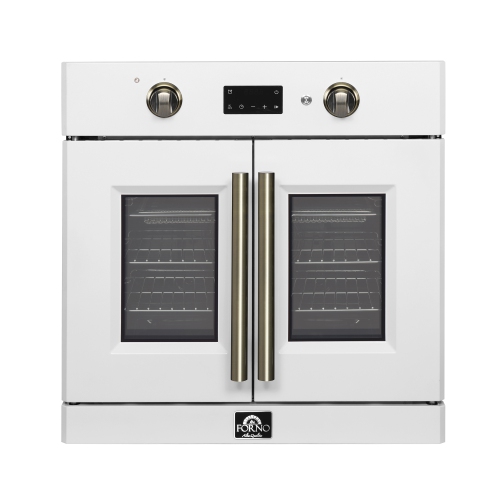
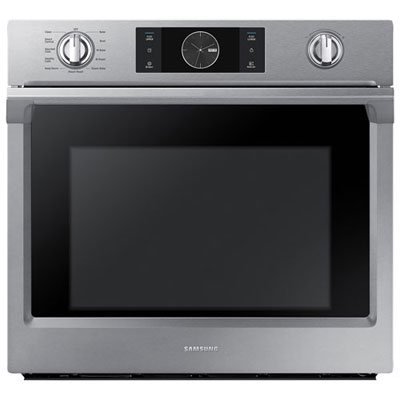
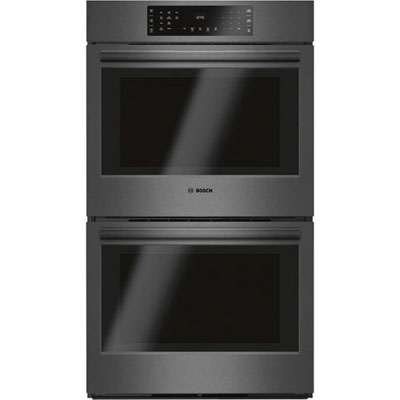
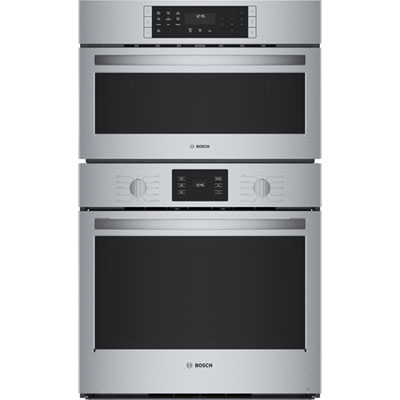
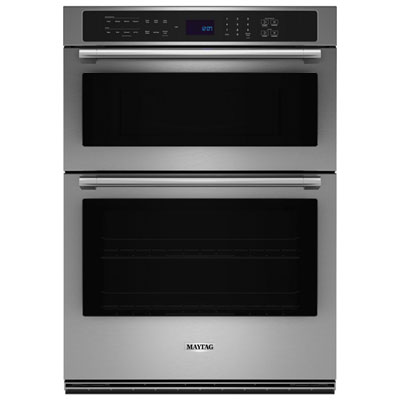

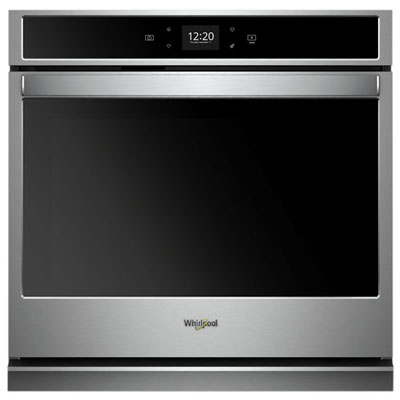


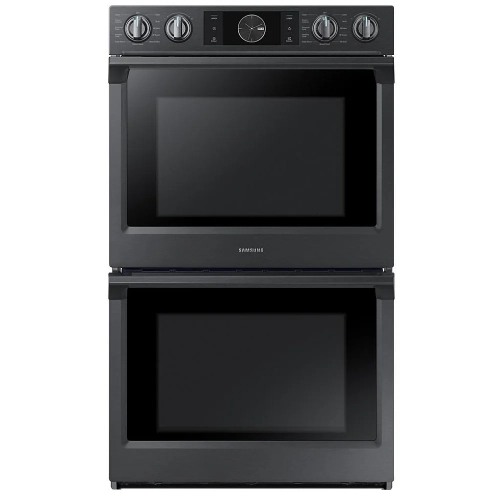
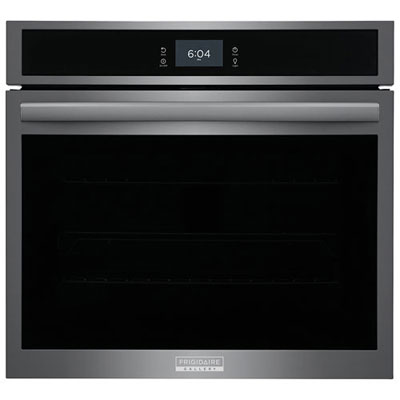
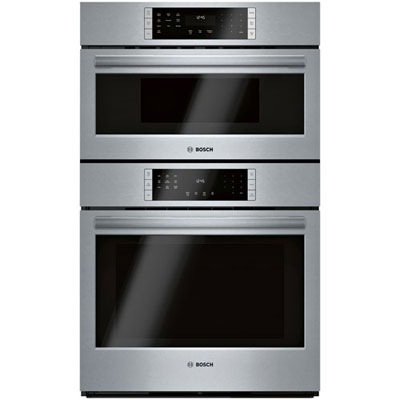

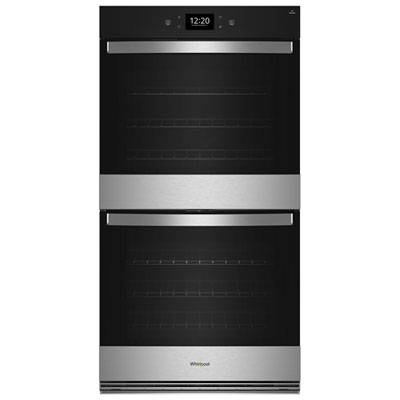
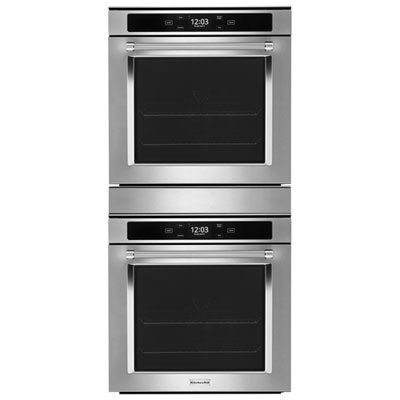
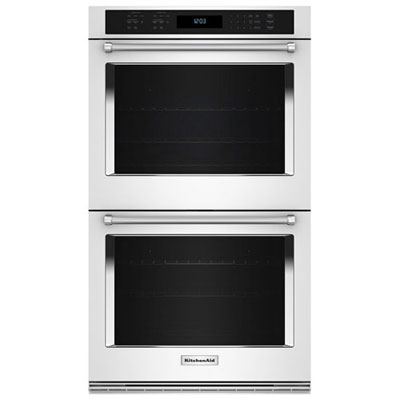
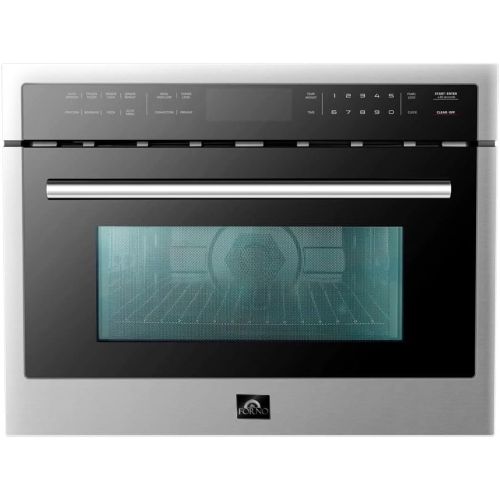

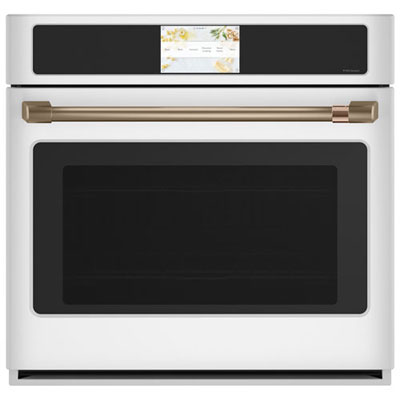



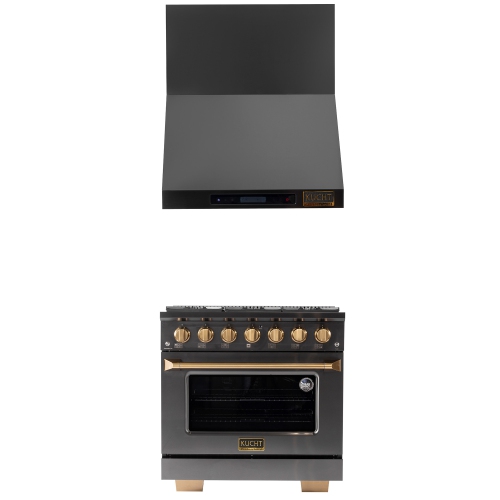
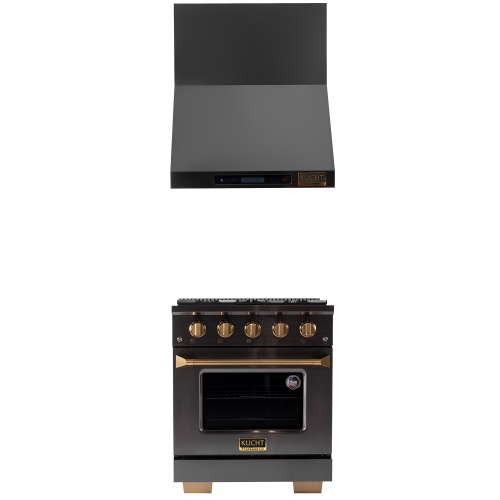
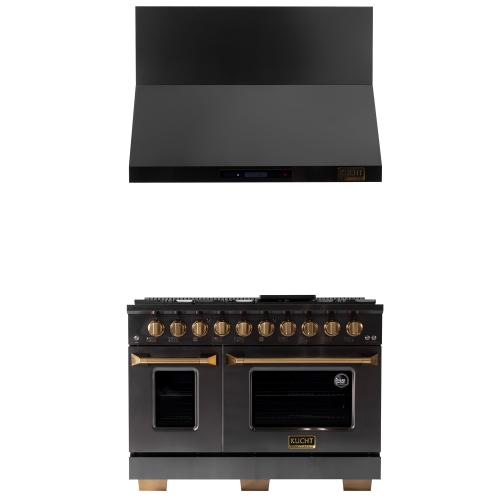
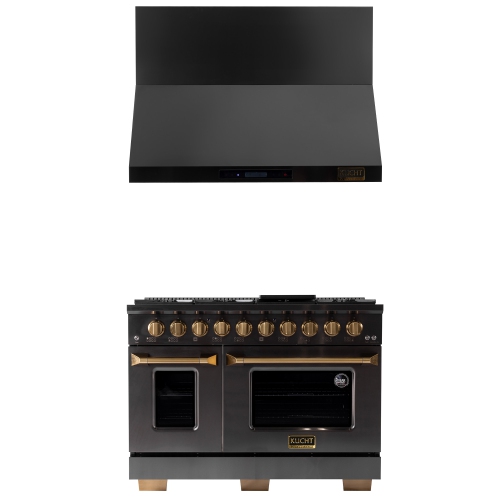
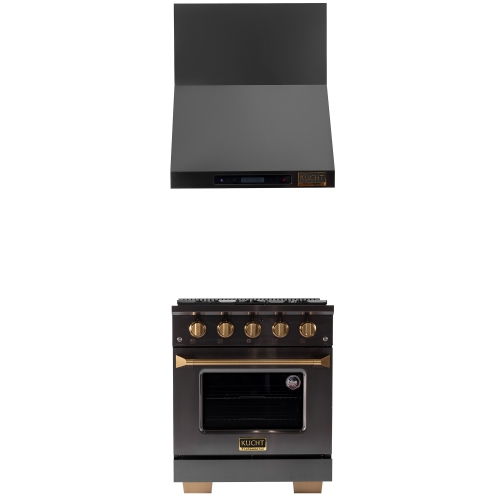
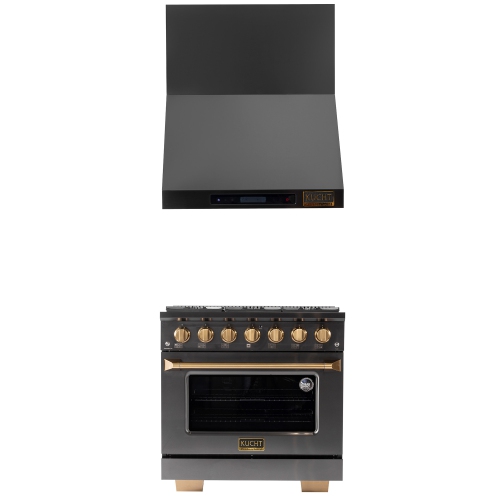
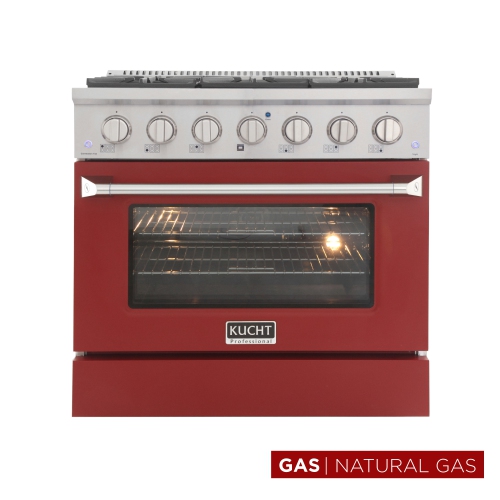
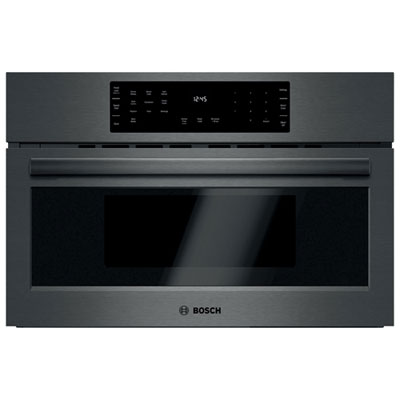
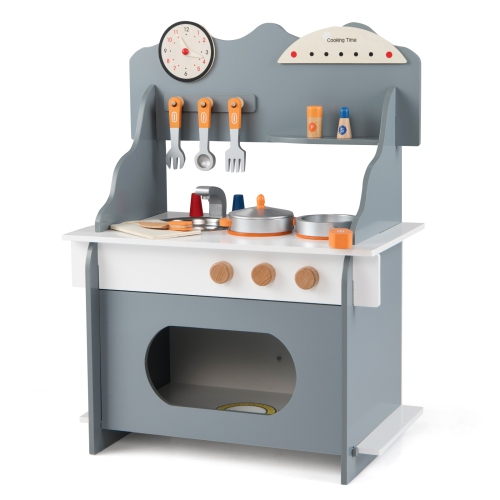

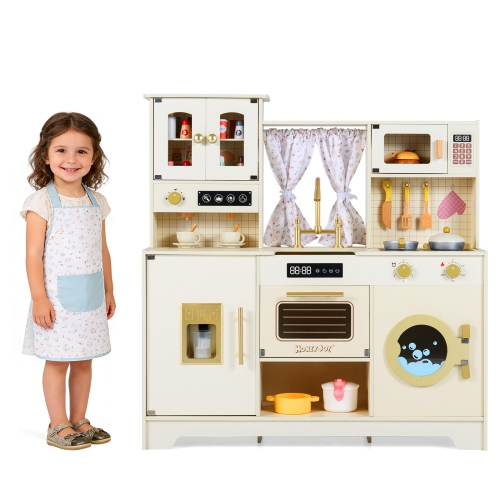
How wall oven placement shapes everyday cooking
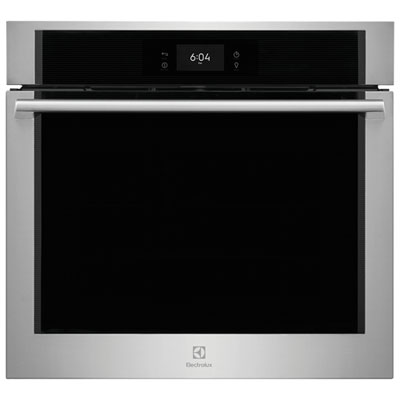
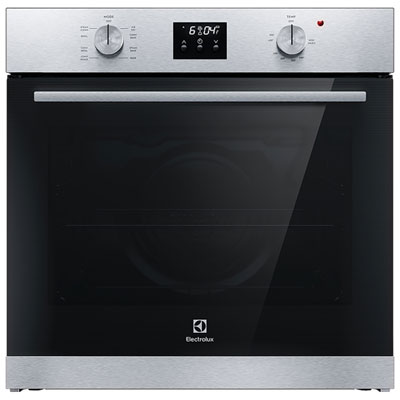
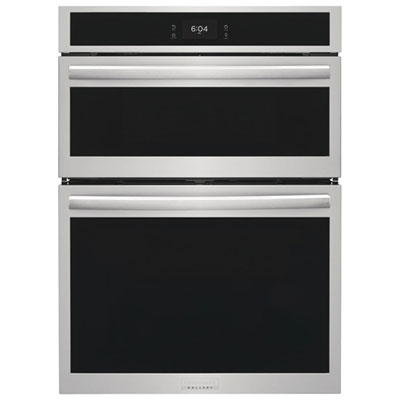
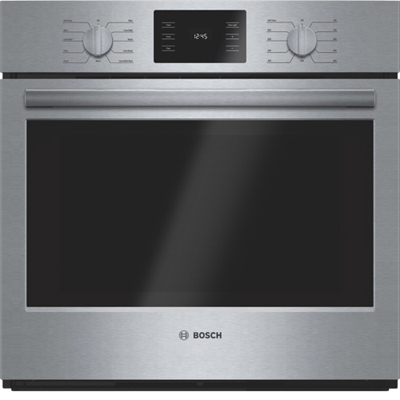
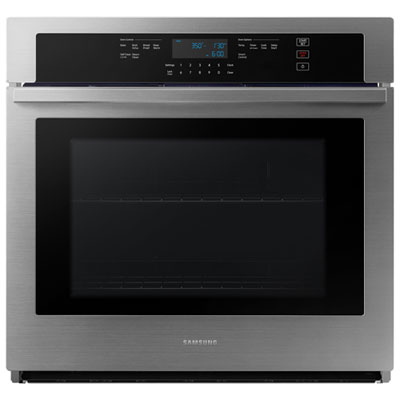
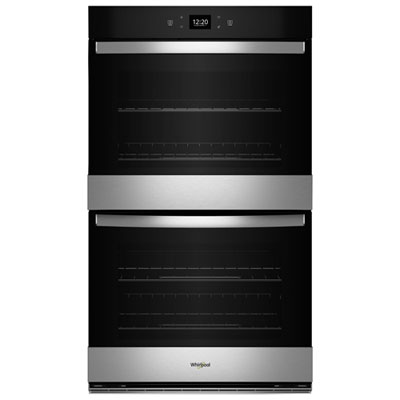
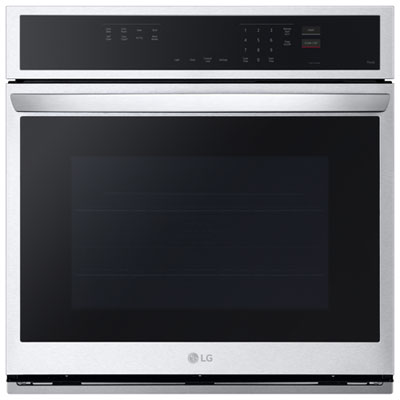
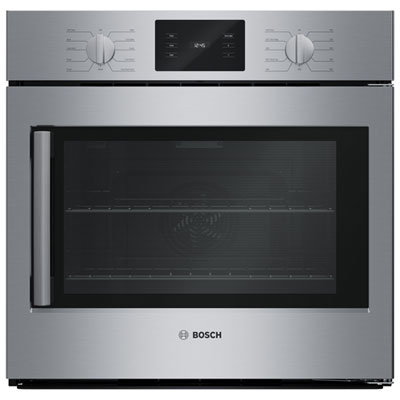
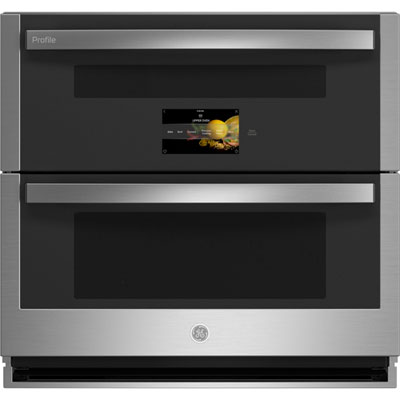
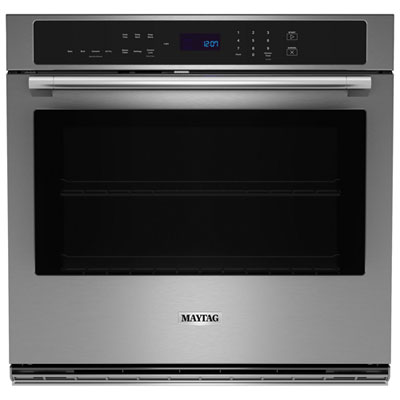
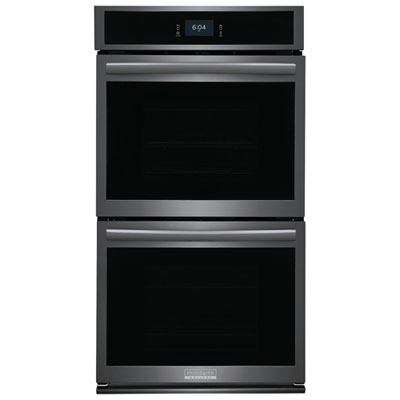
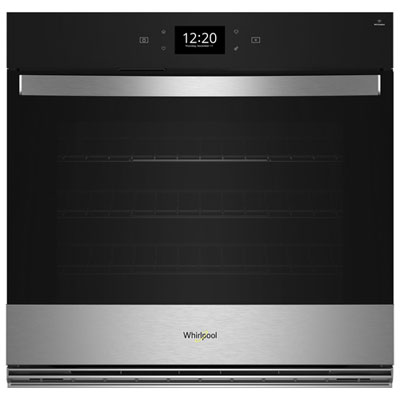
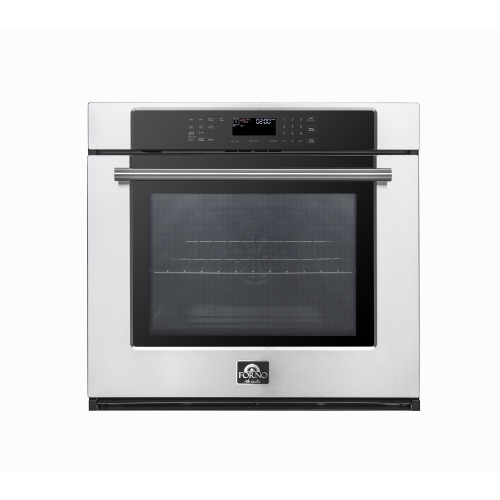
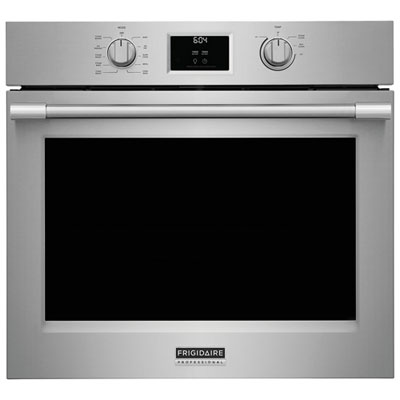
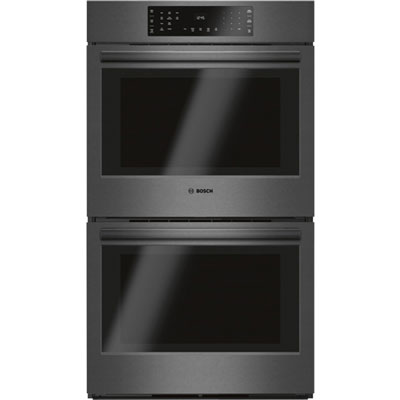
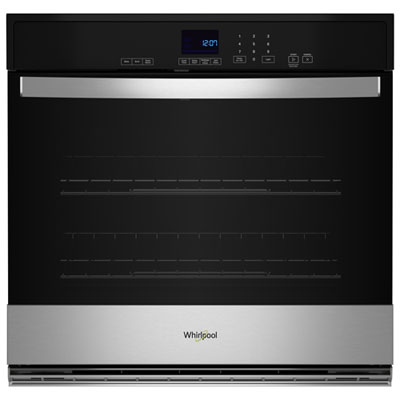
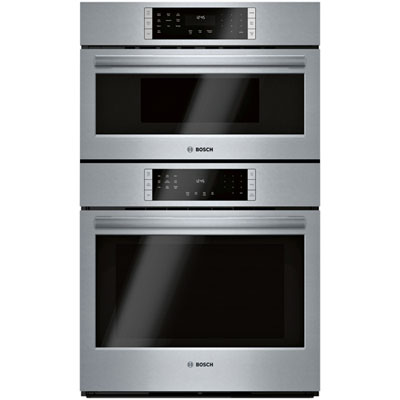
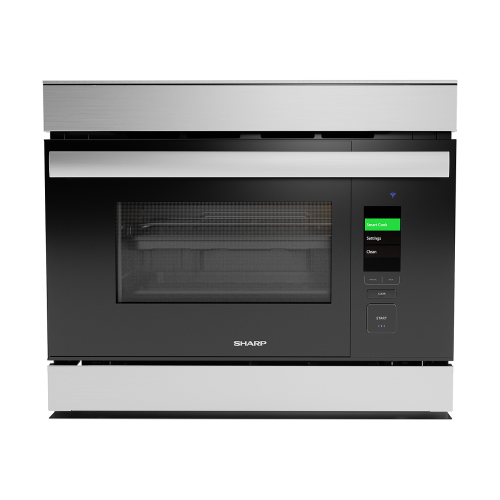
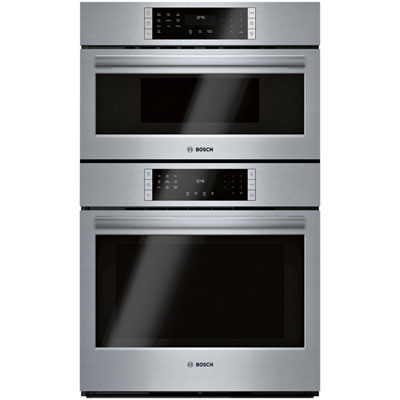
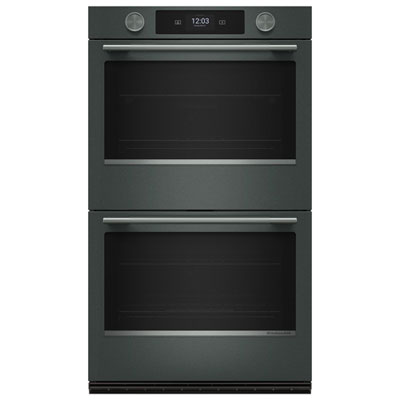
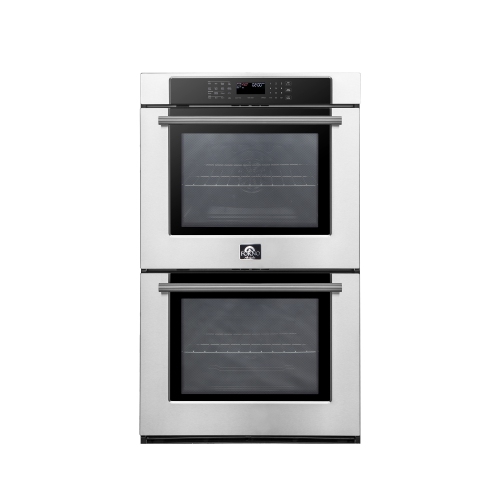
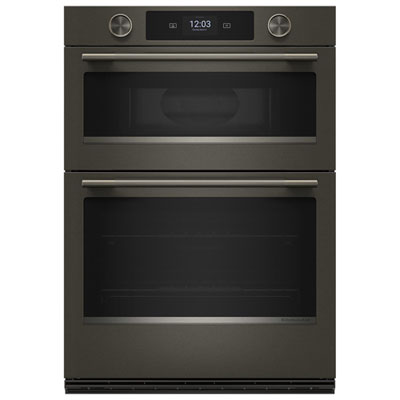
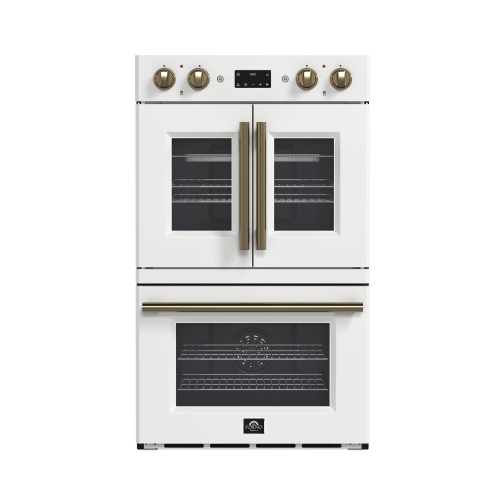
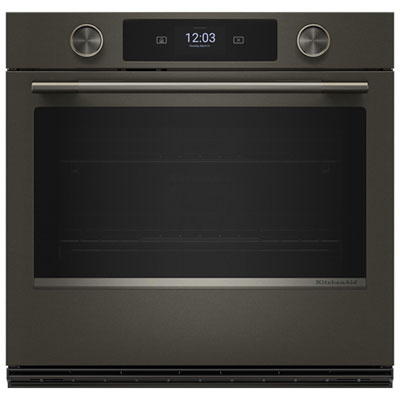
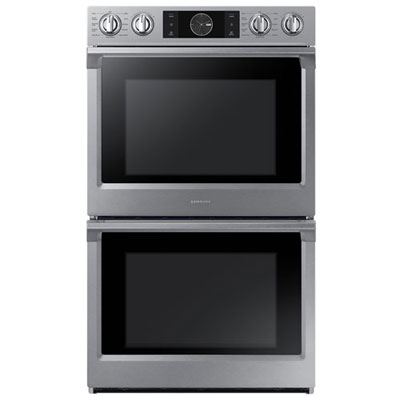
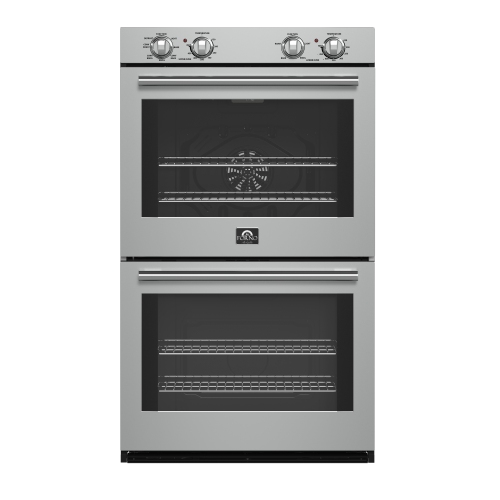
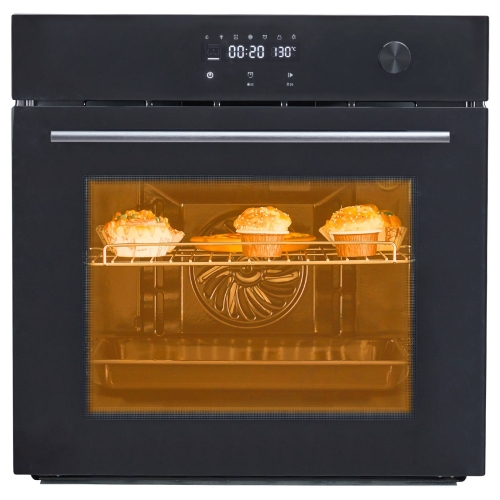
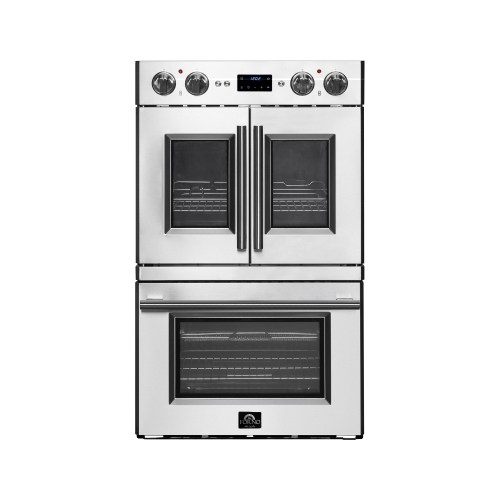
A kitchen with a wall oven separates baking and roasting from the cooktop, giving each part of meal preparation its own place. Built into cabinetry rather than positioned beneath a cooking surface, a wall oven can create a clean, fitted appearance while allowing more flexibility in the kitchen layout. A single oven suits many everyday cooking routines, from baking a tray of muffins to roasting vegetables alongside a main dish. A double wall oven provides two separate cavities, useful for households that regularly prepare dishes at different temperatures or need room for larger gatherings. Combination configurations bring an oven together with another cooking appliance in a coordinated installation, although the functions and capacity depend on the configuration. These choices affect more than the look of the cabinetry: they shape how several people share the kitchen, where hot cookware lands, and how easily meals move from preparation to serving. An oven installed at a comfortable height can make checking a casserole or lifting out a baking dish less awkward, provided the racks remain within easy reach. The surrounding finishes help the appliance feel connected to the rest of the room. Stainless steel can complement metal hardware and exposed fixtures, while darker finishes can create contrast against pale cabinet fronts or blend into deeper wood tones. Black Wall Ovens offer a distinct visual direction for kitchens where a dark appliance face works with the cabinetry, counters, and other major appliances. Glass panels, handle shapes, control placement, and trim all influence the finished appearance. Matching every surface is not essential; a repeated colour or metal detail can give the space a coordinated feel without making it look overly uniform. Beyond appearance, the most suitable configuration is one that fits the household’s cooking habits and the space intended for it.
Cabinet fit is central to a successful wall oven installation, whether the project involves replacing an older appliance or fitting out a new kitchen. The dimensions of the oven’s front do not tell the whole story: the required cabinet opening, installation depth, support structure, and clearances all matter. Two ovens with similar exterior widths may require different cutouts, so an existing opening does not automatically suit a replacement. Manufacturer specifications establish the necessary space around the appliance, including provisions for ventilation and any restrictions on nearby surfaces. The cabinet must also support the appliance’s weight, and the electrical supply must match its requirements. Installation by a qualified professional helps address those details without relying on assumptions about the previous setup. Door movement deserves equal attention. A door that opens into a narrow aisle or conflicts with an adjacent drawer can interrupt the flow of the kitchen, even when the oven itself fits neatly into the cabinet. Nearby counter space gives a hot roasting pan a practical landing spot, while a clear route between the oven, preparation area, and sink helps keep cooking tasks manageable. Placement is especially important in shared kitchens, where one person may be washing produce while another checks dinner. Reach also varies between users: a high installation may look streamlined but make the upper rack difficult to use safely, particularly with a heavy, covered dish. For double ovens, both cavities need to be considered rather than only the more frequently used one. Interior space matters just as much as exterior fit. Rack positions, usable cavity dimensions, and clearance around cookware influence whether a favourite roasting pan or several baking sheets will sit comfortably inside. A larger stated capacity does not necessarily resolve every cookware-fit issue. Where a wall oven sits beneath a separate cooktop, the appliances must be approved for that arrangement, with the required separation and installation details confirmed before cabinetry is finalized.
Cooking features are most useful when they reflect the meals a household actually prepares. Conventional baking provides familiar heat for everyday dishes, while convection uses a fan to circulate hot air and can support more even cooking when used according to the appliance’s directions. Results still depend on rack placement, cookware, food quantity, and the selected setting; adding several trays may call for adjustments rather than simply repeating a single-tray routine. For someone who bakes bread, prepares several dishes for family meals, or reheats food frequently, the available modes can make a meaningful difference to daily use. Steam-assisted cooking, air-frying functions, temperature probes, and automatic programmes appear on some wall ovens, but each feature has its own requirements and should be assessed on its intended use rather than its name alone. Clear displays, readable markings, responsive controls, and an interior light that makes food easy to see can be just as valuable as a long menu of settings. Rack design also affects handling, particularly when a dish needs checking or basting; smooth movement and secure positioning help when cookware is heavy. Materials and care influence how the oven holds up over time. Enamelled interiors, metal racks, glass doors, and exterior finishes require cleaning methods suited to their surfaces. Spills are generally easier to manage before repeated cooking bakes them on, once the appliance has cooled enough for safe cleaning. Abrasive pads and harsh cleaners can damage some finishes, while removable racks may need separate care even when an oven has a self-cleaning function. Self-cleaning and steam-cleaning cycles are not interchangeable, and the manufacturer’s directions determine what must be removed and how the cycle should be used. Keeping door seals clean and undamaged, leaving ventilation openings unobstructed, and avoiding unnecessary force on doors and racks support dependable everyday use. For frequent cooks, busy families, and households that enjoy sharing meals, a well-matched wall oven becomes part of a practical kitchen: integrated into the cabinetry, comfortable to operate, and suited to the dishes that regularly reach the table.
Top selling and popular products
-
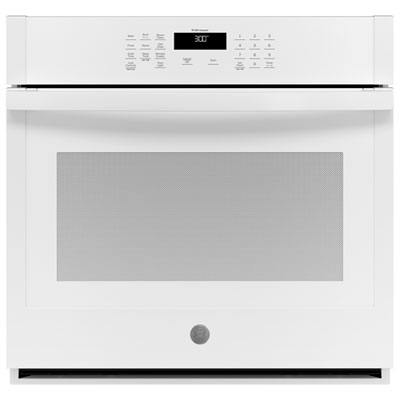 Your price for this item is $2369.99
-
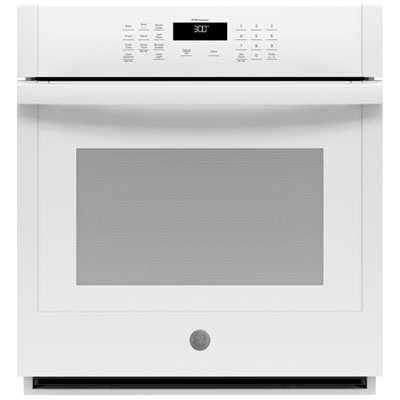 Your price for this item is $2249.99
-
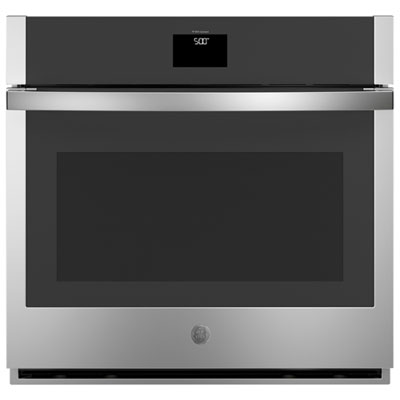 Your price for this item is $2369.99
-
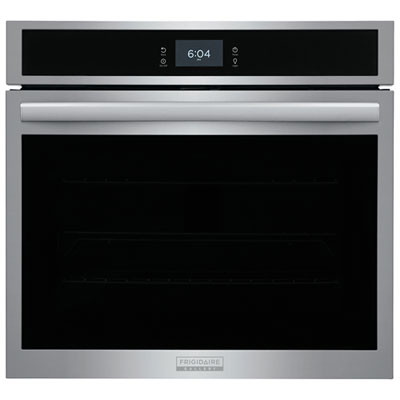 Your price for this item is $2199.99
-
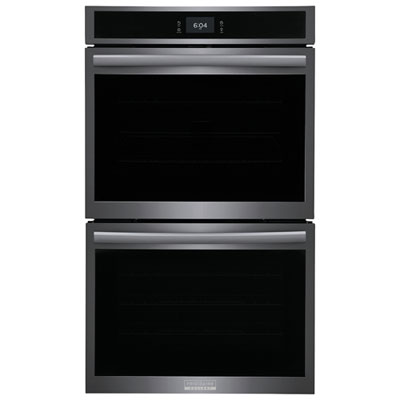 Your price for this item is $3699.99
-
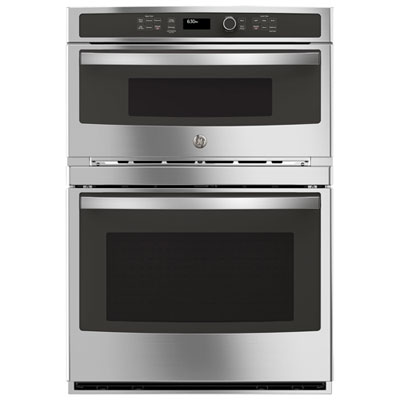 Your price for this item is $3749.99
-
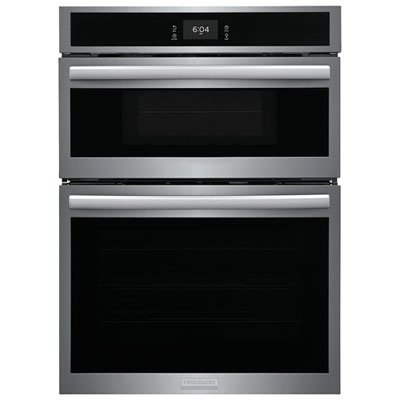 Your price for this item is $3699.99
-
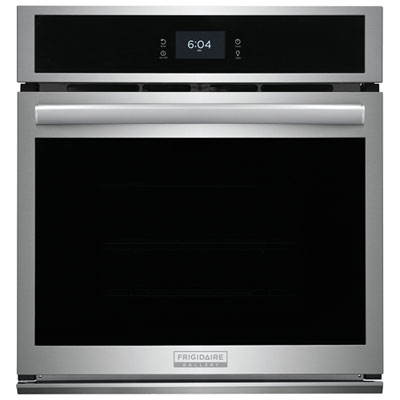 Your price for this item is $2199.99
Discover more categories related to Kitchen With Wall Oven
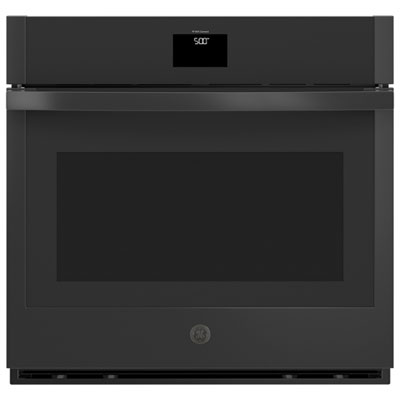
Top Collections:
Best Black Friday Deals This Year, Best Black Friday Deals On Electronics, Kindle Devices, Pokemon Centers, Best Black Friday Deals On Apple Products, Best Cameras for Sports Photography, Dyson Airwrap, Pokémon 30th Celebration Cards, Apple iPhone 17 Pro, Canon G7X Cameras
Some products may be subject to Environmental Handling Fees
(EHF) depending on your province.
Learn more about EHFs.