Small Compostable Bags
If you're looking for an eco-friendly solution to manage your organic waste, our selection of small compostable bags is here to help. These bags are designed to break down naturally, making them a sustainable choice for disposing of food scraps, yard waste, and other compostable materials. With various sizes available, you can find the perfect fit for your compost bin or kitchen caddy. Explore our range of small compostable bags to make your composting routine hassle-free and environmentally conscious.
Sort
What to know about fit, moisture, and local acceptance
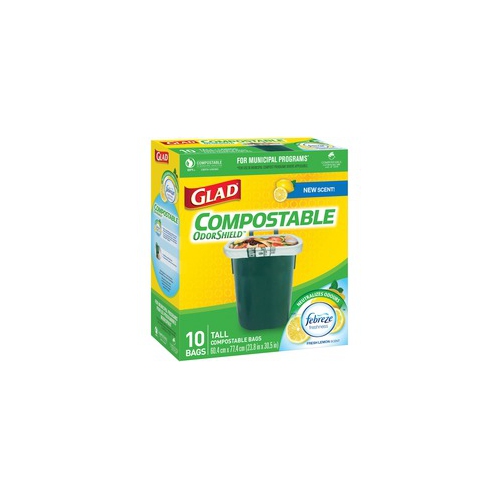
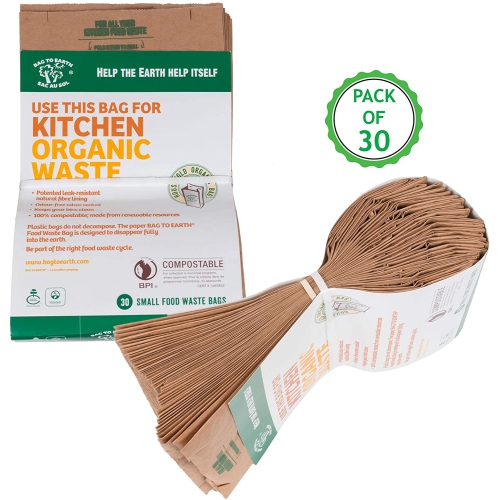
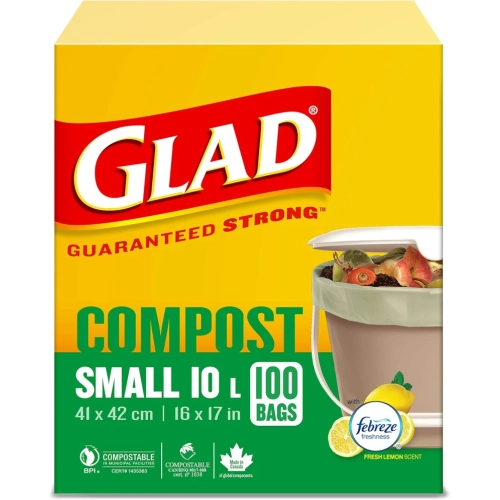
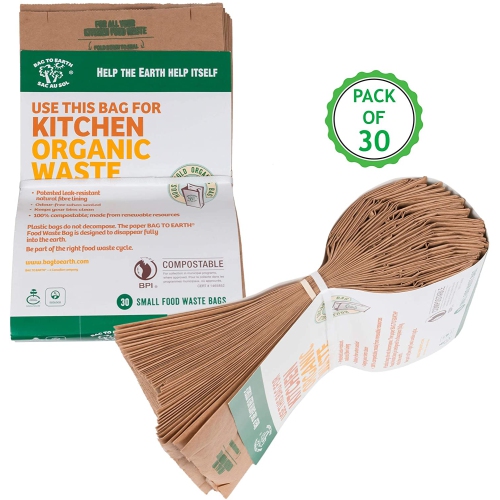
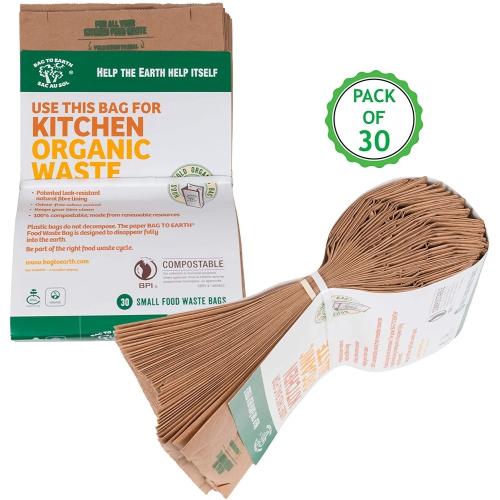
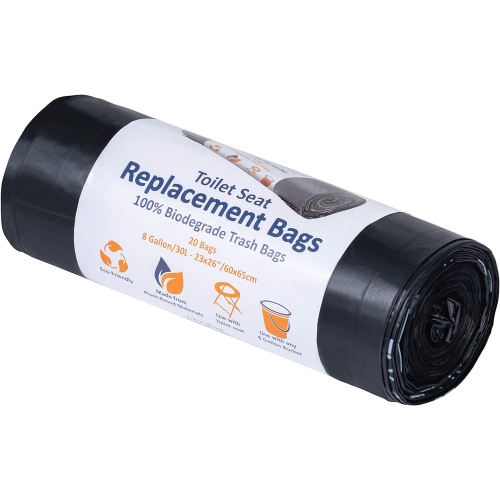
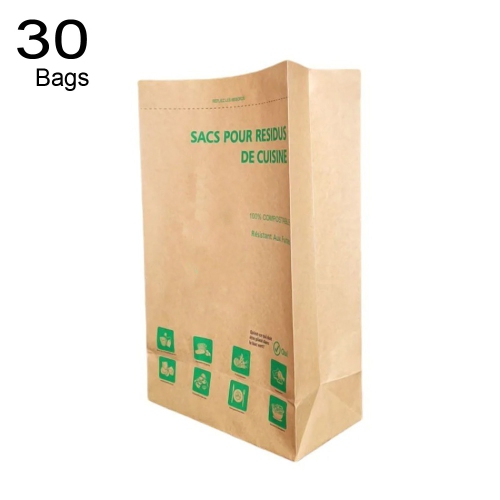
Small compostable bags are a practical choice for collecting everyday food scraps in a compact kitchen bin, countertop caddy, under-sink pail, bathroom-sized container, or other small receptacle. Most bags in this category are designed for bins holding approximately 3 to 10 litres, with 10 litres being a common capacity, which is roughly equivalent to 3 gallons. Their smaller size helps keep organic waste contained without leaving excess material bunched around the rim or gathered at the bottom of a larger liner. They can be useful in apartments, condominiums, dorm rooms, offices, cottages, and busy family kitchens where food scraps accumulate gradually rather than all at once. A small bag may hold coffee grounds, tea leaves, fruit and vegetable trimmings, eggshells, and other accepted kitchen organics until collection day. During the warmer seasons, replacing the liner regularly can help keep the bin fresh, while during cooler months it provides a tidy way to manage peelings and meal preparation waste indoors. For shoppers comparing [Compostable Bags](https://www.bestbuy.ca/en-ca/shop/sports-recreation-transportation/compostable-bags), the first consideration is capacity: measure the height, width, and opening of the bin instead of relying only on the litre rating, since pail shapes vary. A bag that is slightly taller than the container can fold neatly over the rim, while one that is too short may slip inside when filled. It is also worth checking the package count and the cost per bag, particularly for households that empty their organics container every day or two. Smaller packs can be convenient for trying a new size, while larger packs may suit families, shared kitchens, or anyone who prefers to keep a spare roll or box on hand.
Material and closure style can make a noticeable difference in day-to-day use. Some small compostable bags are made from certified compostable resin and have a flexible, slightly translucent finish, while paper options provide a more structured liner for dry or lightly damp scraps. Tie handles and drawstrings make removal straightforward: gather the top, secure the contents, and carry the bag to the designated organics cart or collection point. Bags without built-in handles may be a good fit for pails that are emptied directly, but they require a little more care when lifted. Look for a bottom seam that feels securely constructed and enough material around the opening to fold over the rim without stretching. Food scraps can release moisture as they sit, especially when they include melon, cooked vegetables, coffee filters, or rinsed containers, so a liner intended to resist leaks and reduce “sweating” can be helpful. To improve performance, let wet scraps drain briefly, wrap very damp items in newspaper where permitted by local collection rules, and avoid overfilling the bag. A small amount of air space at the top makes tying easier and reduces the chance of splitting when the liner is removed. A thin layer of folded paper at the bottom of the pail can also absorb drips, although local organics programs may have specific requirements about which paper products are accepted. Scented and unscented versions are available, and the better choice often comes down to personal preference and the location of the bin. A scented liner can add a mild fragrance near a kitchen work area, while an unscented option may be preferred in compact spaces, shared homes, or households sensitive to added fragrance. Colour and transparency are mostly matters of preference, but a translucent bag can make it easier to see how full it is before lifting.
Certification and municipal acceptance deserve careful attention because the word “compostable” does not mean every bag belongs in every collection system. Before purchasing, check the package for recognized certification marks such as BPI, BNQ, or ASTM D6400, and compare the wording with the rules for the intended city or regional composting facility. Some municipalities accept certified compostable liners in curbside organics, while others permit paper bags only or require food scraps to be placed loose in the cart. Local guidance may also specify whether liners must be labelled, whether they can be used in backyard composters, and which items may go inside them. Certification indicates that a product has been assessed against a particular composting standard, but acceptance is still determined by the local program and facility. Keeping the box or package until the bags are used can be helpful when checking certification details, dimensions, and disposal instructions. These liners are especially useful for households that cook often, prepare fresh produce, pack lunches, or need a cleaner way to carry scraps from an indoor pail to an outdoor cart. They can also be a thoughtful practical addition to a housewarming basket, a student moving into a first apartment, or a family setting up a new kitchen, although their everyday value is usually more important than their gift appeal. In a kitchen with limited floor space, a well-fitted small bag can turn an awkward daily chore into a simple routine: line the pail, add scraps as meals are prepared, tie the bag when full, and replace it before the next round of cooking. Choosing the right size, closure, material, pack quantity, and locally accepted certification can help ensure the bags fit comfortably, handle ordinary moisture, and suit the way each household manages food scraps.
Material and closure style can make a noticeable difference in day-to-day use. Some small compostable bags are made from certified compostable resin and have a flexible, slightly translucent finish, while paper options provide a more structured liner for dry or lightly damp scraps. Tie handles and drawstrings make removal straightforward: gather the top, secure the contents, and carry the bag to the designated organics cart or collection point. Bags without built-in handles may be a good fit for pails that are emptied directly, but they require a little more care when lifted. Look for a bottom seam that feels securely constructed and enough material around the opening to fold over the rim without stretching. Food scraps can release moisture as they sit, especially when they include melon, cooked vegetables, coffee filters, or rinsed containers, so a liner intended to resist leaks and reduce “sweating” can be helpful. To improve performance, let wet scraps drain briefly, wrap very damp items in newspaper where permitted by local collection rules, and avoid overfilling the bag. A small amount of air space at the top makes tying easier and reduces the chance of splitting when the liner is removed. A thin layer of folded paper at the bottom of the pail can also absorb drips, although local organics programs may have specific requirements about which paper products are accepted. Scented and unscented versions are available, and the better choice often comes down to personal preference and the location of the bin. A scented liner can add a mild fragrance near a kitchen work area, while an unscented option may be preferred in compact spaces, shared homes, or households sensitive to added fragrance. Colour and transparency are mostly matters of preference, but a translucent bag can make it easier to see how full it is before lifting.
Certification and municipal acceptance deserve careful attention because the word “compostable” does not mean every bag belongs in every collection system. Before purchasing, check the package for recognized certification marks such as BPI, BNQ, or ASTM D6400, and compare the wording with the rules for the intended city or regional composting facility. Some municipalities accept certified compostable liners in curbside organics, while others permit paper bags only or require food scraps to be placed loose in the cart. Local guidance may also specify whether liners must be labelled, whether they can be used in backyard composters, and which items may go inside them. Certification indicates that a product has been assessed against a particular composting standard, but acceptance is still determined by the local program and facility. Keeping the box or package until the bags are used can be helpful when checking certification details, dimensions, and disposal instructions. These liners are especially useful for households that cook often, prepare fresh produce, pack lunches, or need a cleaner way to carry scraps from an indoor pail to an outdoor cart. They can also be a thoughtful practical addition to a housewarming basket, a student moving into a first apartment, or a family setting up a new kitchen, although their everyday value is usually more important than their gift appeal. In a kitchen with limited floor space, a well-fitted small bag can turn an awkward daily chore into a simple routine: line the pail, add scraps as meals are prepared, tie the bag when full, and replace it before the next round of cooking. Choosing the right size, closure, material, pack quantity, and locally accepted certification can help ensure the bags fit comfortably, handle ordinary moisture, and suit the way each household manages food scraps.
Top selling and popular products
-
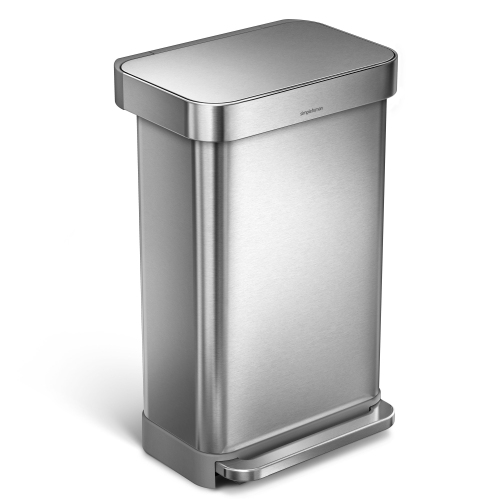 Your price for this item is $200
 -
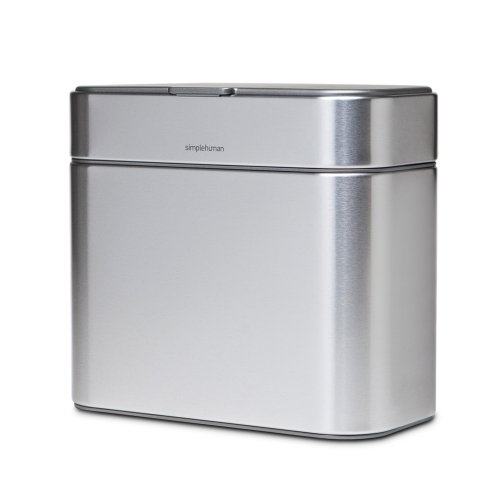 Your price for this item is $70
 -
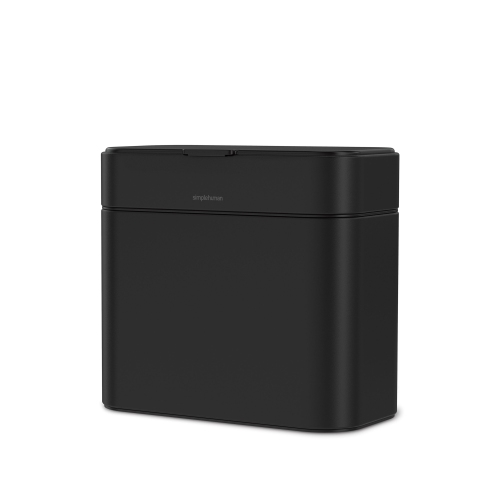 Your price for this item is $80
 -
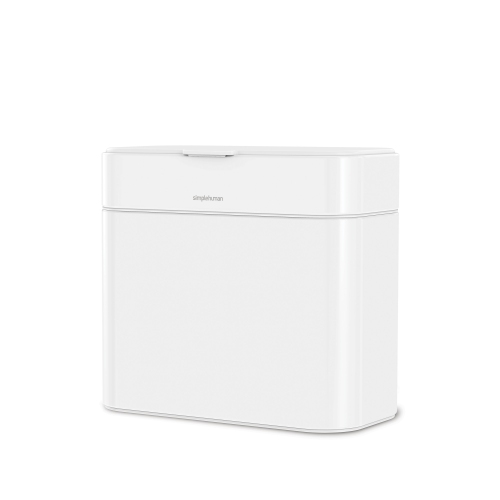 Your price for this item is $80
 -
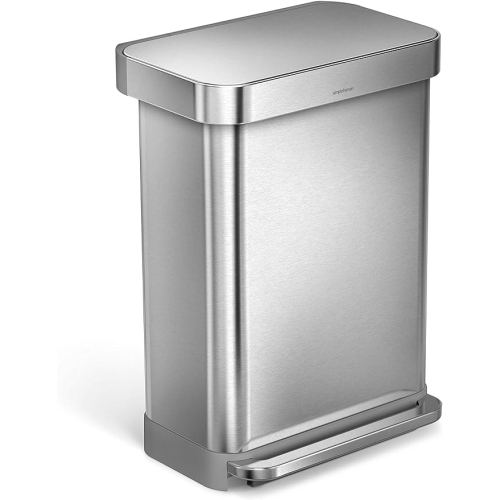 Your price for this item is $250
 -
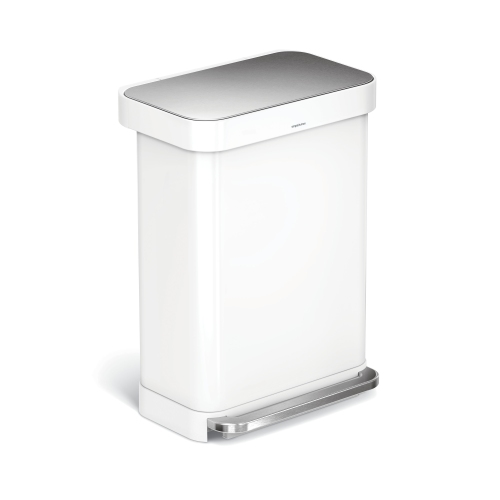 Your price for this item is $270
 -
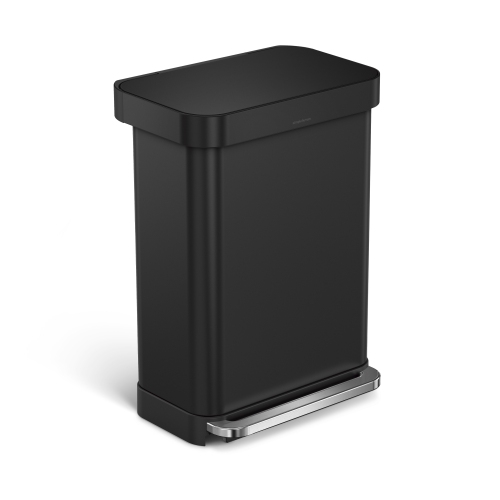 Your price for this item is $270
 -
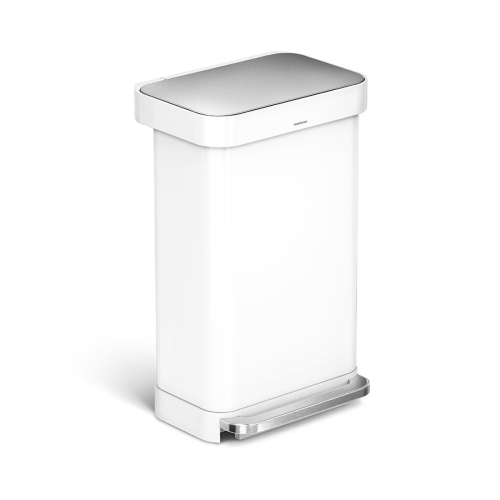 Your price for this item is $220
Discover more categories related to Small Compostable Bags
Top Collections:
Best Laptops for Video Editing, Pokemon Centers, Samsung Z Fold, Kindle Devices, Best Cell Phones Under $300, Best Laptops for Writers, Best Budget Office Chairs, Best Cell Phones Under $500, Best Laptop Computers for Students, iPhone 15 Apple
Some products may be subject to Environmental Handling Fees
(EHF) depending on your province.
Learn more about EHFs.