Large Ovens
Upgrade your kitchen with a large oven, the ideal solution for preparing meals for family gatherings, holidays, and everyday cooking. Designed to handle bigger dishes and multiple trays at once, a large oven offers ample space to help you cook efficiently and conveniently. Whether you love baking, roasting, or entertaining guests, you'll find a variety of options to suit your needs and complement your kitchen style. Explore the selection of large ovens to discover the perfect fit for your home and culinary ambitions.
Sort
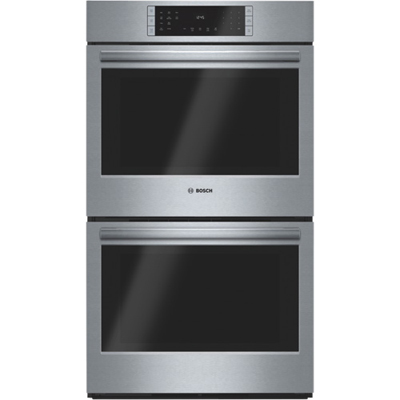
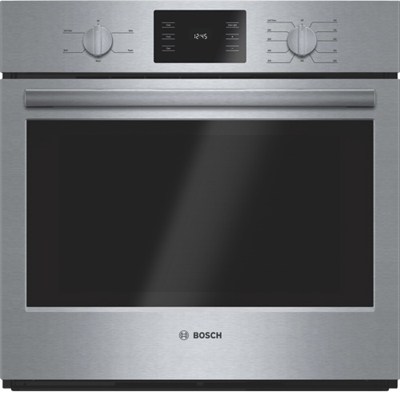
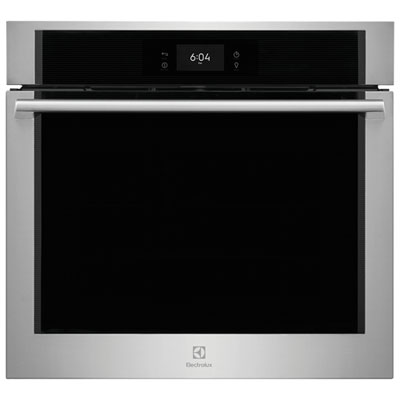

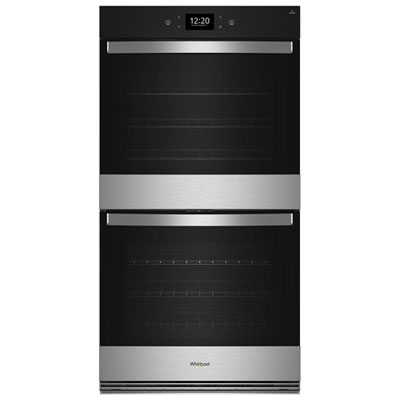
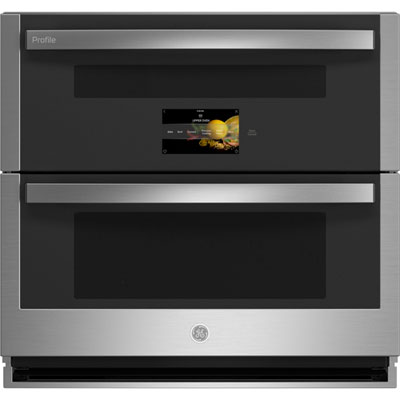
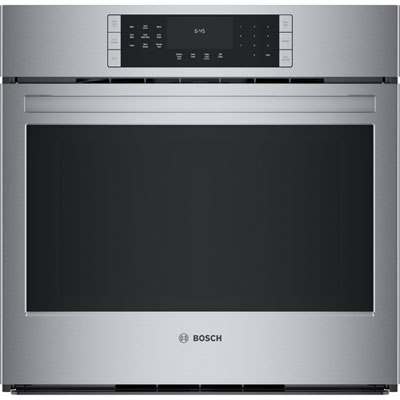
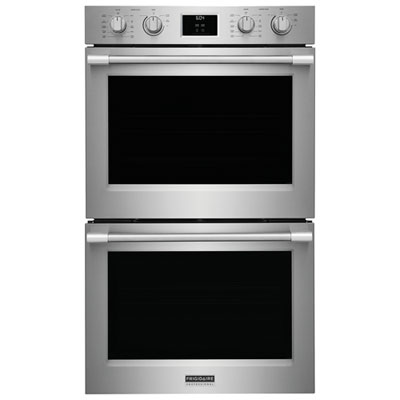
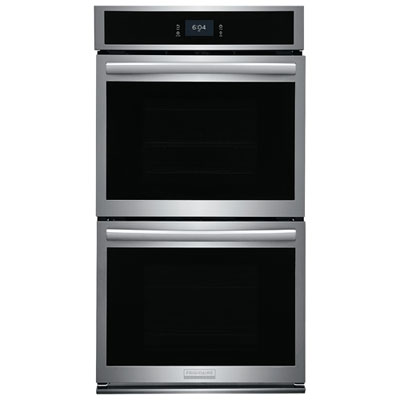
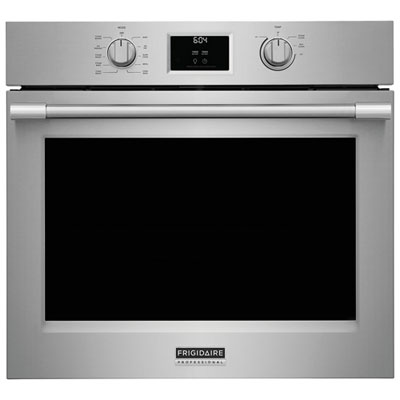
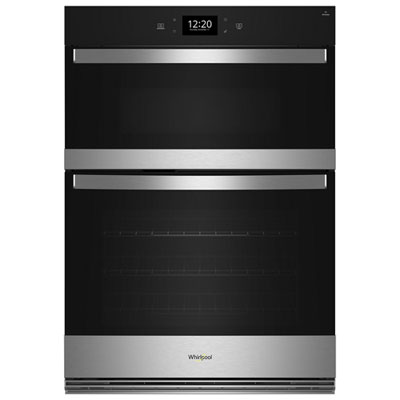
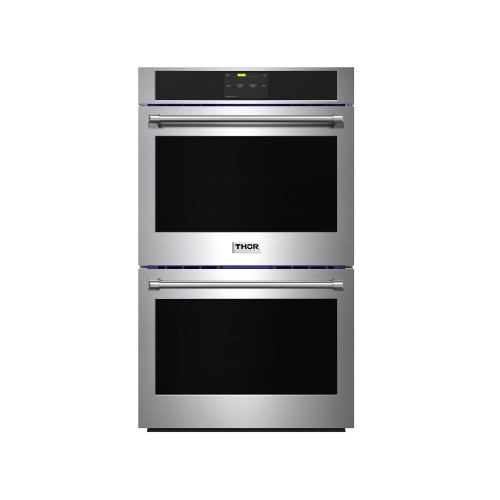

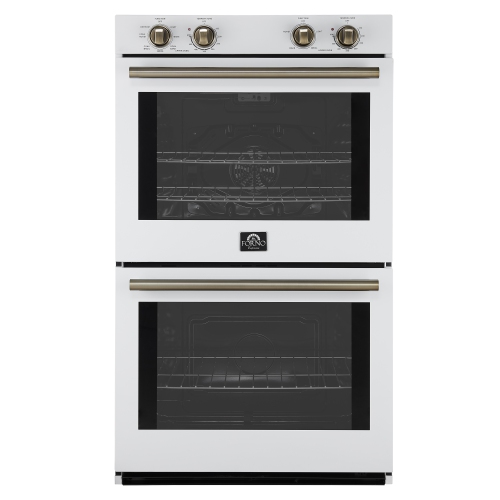
Why oven capacity is about more than cubic feet
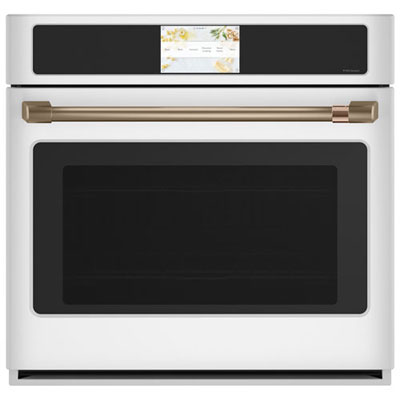
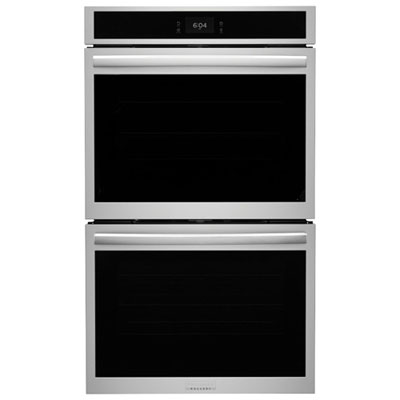
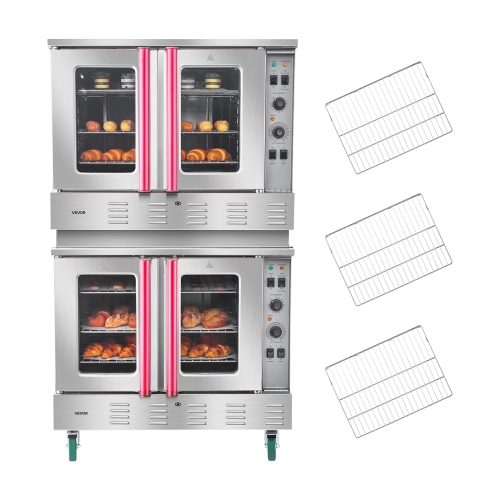
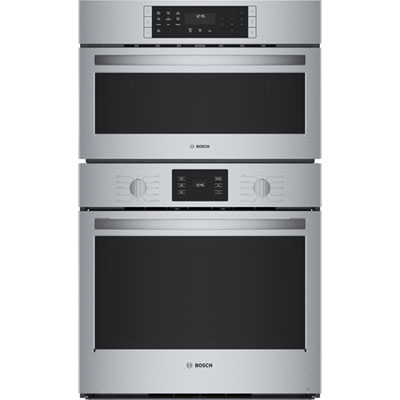
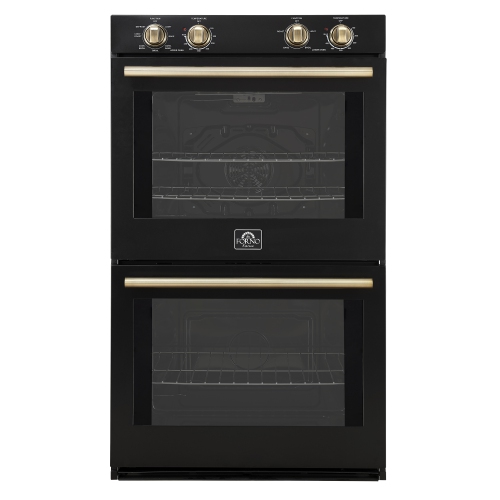
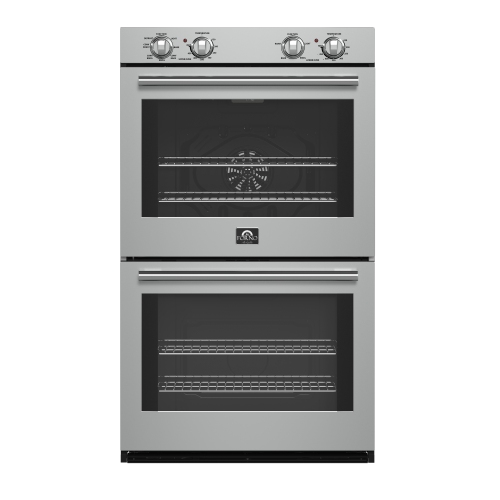
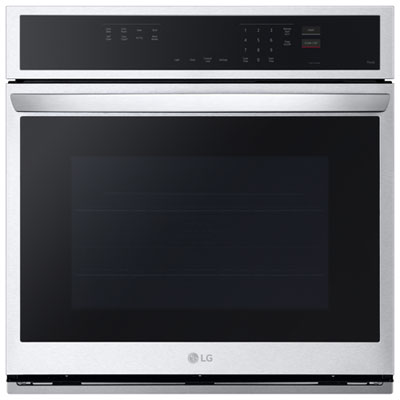
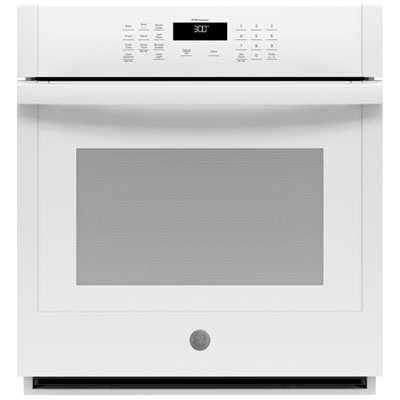
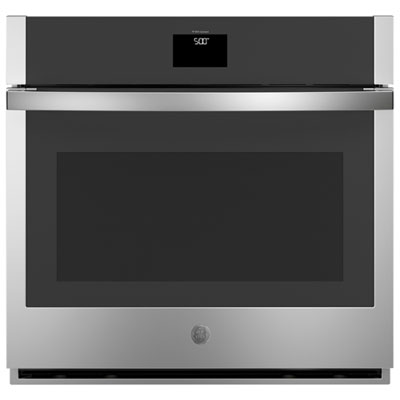
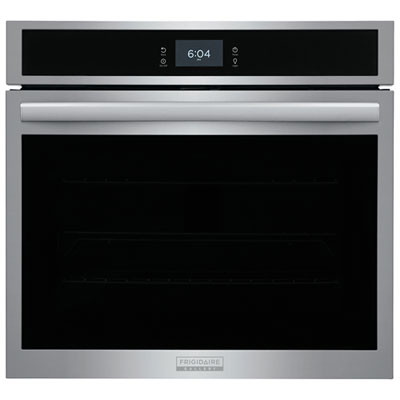
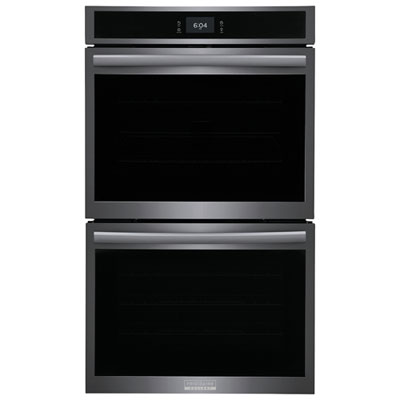
Large ovens provide room for generous roasts, wide baking trays, deep casserole dishes, and meals with several components. For households that cook in batches, bake regularly, or gather people around the dinner table, that extra space can make everyday preparation less crowded. A large oven may be a spacious single-cavity appliance, part of a freestanding or slide-in range, or a double wall oven with two separate cooking compartments. Many residential ranges come in 30-inch or 36-inch widths, while wall ovens require a cabinet opening matched to their installation specifications. Exterior width alone does not establish how much food will fit inside. Usable rack width, cavity depth, shelf positions, and clearance around cookware all affect the working space. Some large single ovens offer approximately 5 cubic feet or more of capacity, while full-size double wall ovens can provide roughly 10 cubic feet across two cavities. Those figures describe different layouts: combined capacity in a double oven is not one continuous space for an oversized roasting pan. A spacious single cavity suits cooks who regularly prepare a large centrepiece dish, while separate cavities allow a casserole and a delicate dessert to cook at different temperatures. Double-oven ranges may pair a smaller compartment with a larger one, offering another arrangement for meals of different sizes. The most useful capacity is the space that accommodates the pans and cooking routines already part of the household. A roasting pan with tall handles, a broad pizza pan, or two baking sheets placed side by side can reveal more about practical fit than a capacity figure alone. Room around those dishes matters, too, because food and cookware should not block the airflow required by the appliance. Large ovens are especially useful for family meal preparation, shared households, keen home bakers, and anyone who prefers making several portions at once rather than cooking each dish separately.
Cooking features influence how effectively that larger cavity works. Conventional baking uses heat from the oven’s heating system, while convection adds a fan to circulate heated air. Some convection systems also include a dedicated heating element near the fan. Depending on the recipe and appliance, convection can support more consistent results across multiple racks, though baking times, temperatures, and tray placement may need adjustment. A batch of biscuits spread across two shelves still needs adequate spacing, and a deep roasting pan can affect how air moves around nearby dishes. Adjustable rack positions make it easier to leave room above a rising loaf or place a shallow dish closer to the broiler for a browned topping. Sturdy racks and smooth-gliding supports can make a noticeable difference when moving a heavy roasting dish, particularly when it is filled with food and hot juices. A temperature probe, where included, measures the internal temperature of food without requiring the door to be opened repeatedly. Clear interior lighting and a broad viewing window offer another practical advantage when checking a cake or watching cheese turn golden. Cooking modes such as air fry, proofing, or delayed start vary by appliance and should be considered in relation to actual habits rather than the length of the feature list. Air-fry settings still depend on suitable cookware, room around the food, and the preparation instructions for the appliance. Delayed cooking also requires attention to food safety and is not appropriate for leaving perishable ingredients at room temperature for extended periods. For kitchens planned around an electric connection, Large Capacity Electric Ovens offer a relevant category to explore, with the final fit depending on installation requirements and cooking preferences. Whether the routine involves bread baking, roasting vegetables beside a main dish, or preparing several trays of meals for later, straightforward controls and useful shelf arrangements can matter as much as an extensive selection of cooking programs.
Fit, construction, and care are equally important for an appliance that becomes part of the kitchen’s daily rhythm. Installation measurements should account for the specified cabinet cutout or range opening, required clearances, electrical or gas connections, and space for the door to open fully. Handles and open doors can extend into a walkway, so a layout that looks comfortable with everything closed may feel different when a hot dish needs to be lifted out. Wall ovens also need cabinetry capable of supporting their weight, with installation height suited to safe loading and unloading. A qualified installer can confirm the required connections and any applicable ventilation provisions; a range must also have its specified anti-tip protection installed. Stainless steel, coated metal, glass, and enamelled oven interiors each have different cleaning requirements. Stainless steel should be wiped with a suitable cleaner in the direction of the grain, while coated finishes need products that will not damage their surface. Spills are generally easier to address after the oven has cooled and before repeated heating bakes them onto the cavity. Self-cleaning and steam-cleaning functions, where provided, work differently, and racks or accessories may need to be removed before a cleaning cycle. The appliance manual remains the reference for permitted cleaners, rack care, and cleaning procedures. Foil should not cover the oven floor unless the manufacturer expressly permits it, as it can interfere with heat flow or damage surfaces. For long-term use, practical details include secure rack supports, well-fitting door seals, readable controls, and hinges that operate smoothly. Door seals should be kept clear of debris and checked for visible damage, since a sound seal helps the oven maintain its intended cooking conditions. Accessible controls and comfortable reach are particularly valuable for people who find bending or lifting difficult. With suitable dimensions, a useful interior layout, and consistent care, a large oven can support everything from a single tray of supper to a full spread of dishes without making routine cooking unnecessarily complicated.
Top selling and popular products
-
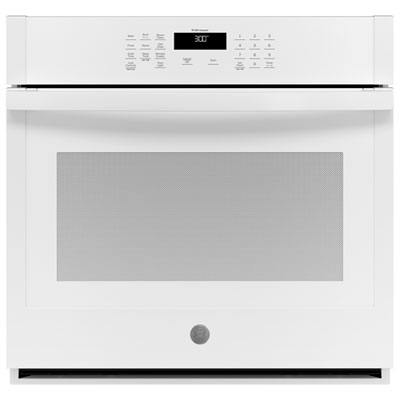 Your price for this item is $2369.99
-
 Your price for this item is $2249.99
-
 Your price for this item is $2369.99
-
 Your price for this item is $2199.99
-
 Your price for this item is $3699.99
-
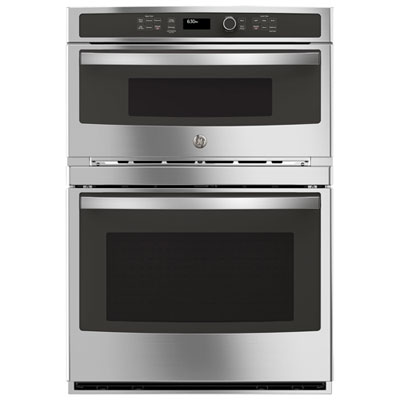 Your price for this item is $3749.99
-
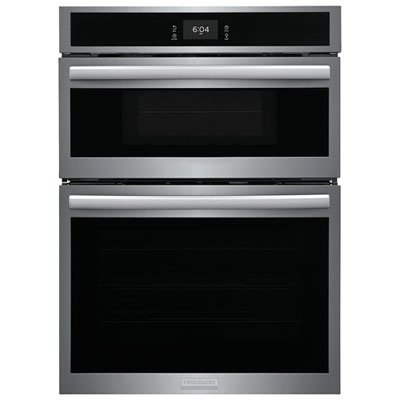 Your price for this item is $3699.99
-
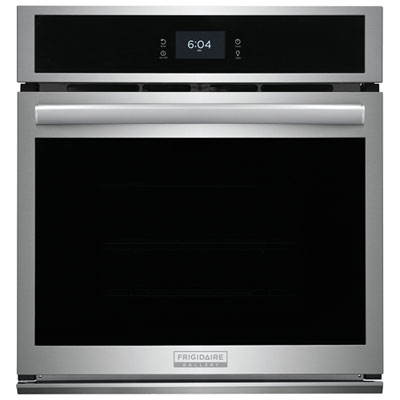 Your price for this item is $2199.99
Discover more categories related to Large Ovens
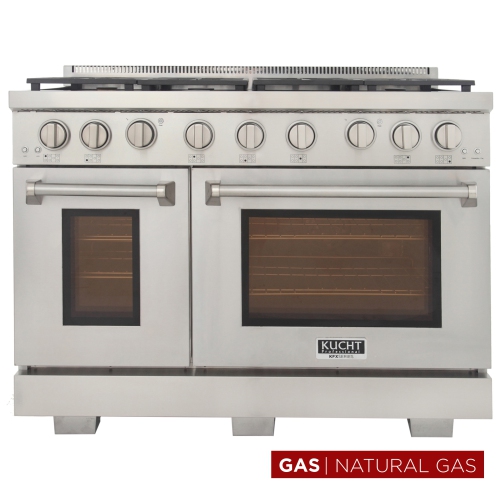
Top Collections:
Best Black Friday Deals This Year, Best Black Friday Deals On Electronics, Kindle Devices, Pokemon Centers, Best Black Friday Deals On Apple Products, Best Cameras for Sports Photography, Dyson Airwrap, Pokémon 30th Celebration Cards, Apple iPhone 17 Pro, Canon G7X Cameras
Some products may be subject to Environmental Handling Fees
(EHF) depending on your province.
Learn more about EHFs.