LG Washer And Dryers
Upgrade laundry day with a reliable LG washer and dryer that delivers convenience and efficiency for your home. Find a range of models designed to fit your space and lifestyle, whether you're tackling large family loads or handling everyday essentials. With advanced technology and user-friendly controls, an LG washer and dryer can help streamline your routine and keep your clothes looking their best. Explore the options to discover the perfect combination for your laundry needs.
Sort
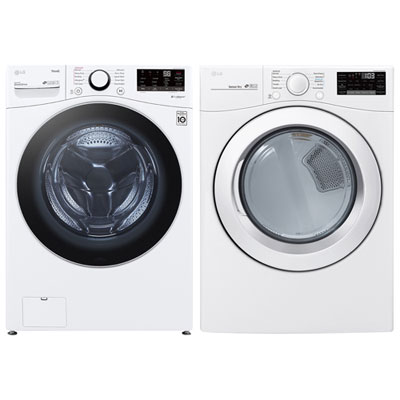
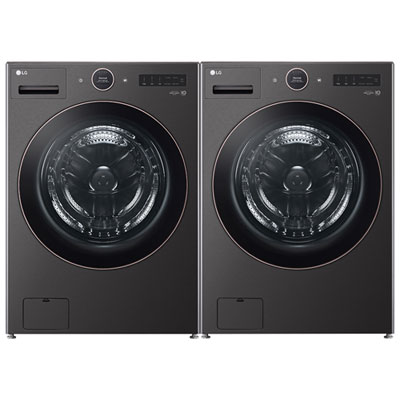
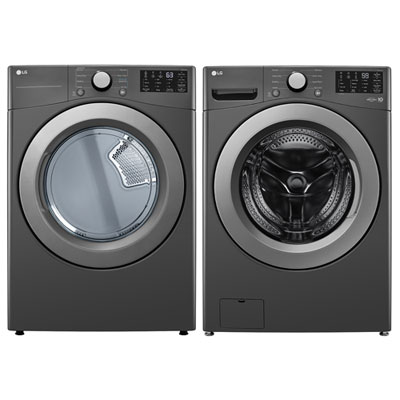
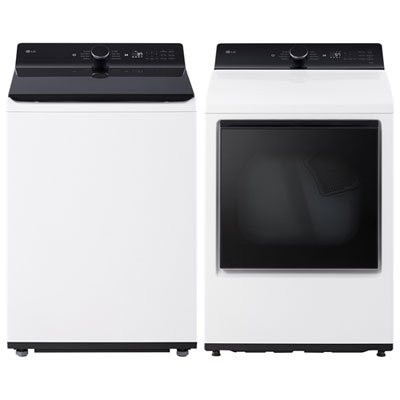

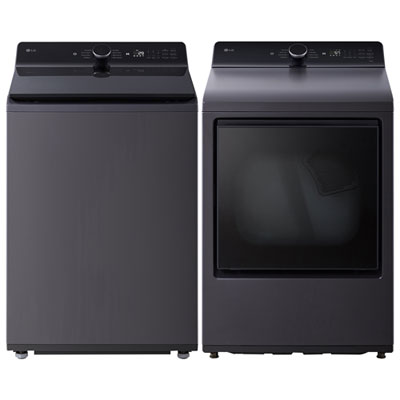
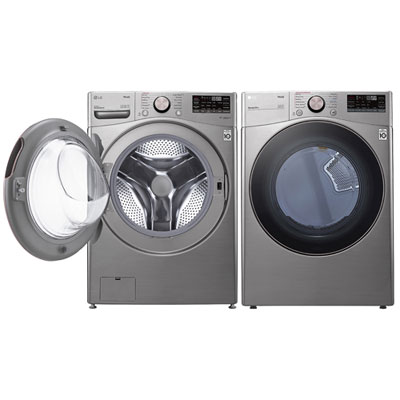
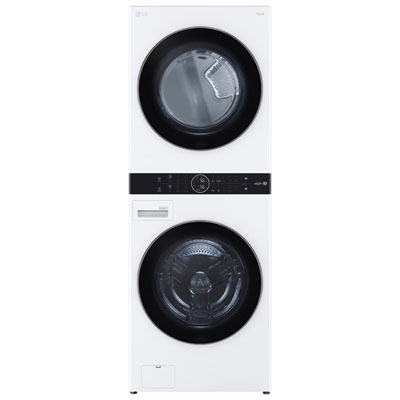
Why laundry capacity and layout matter at home
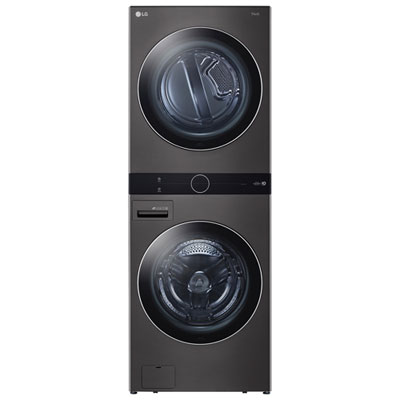
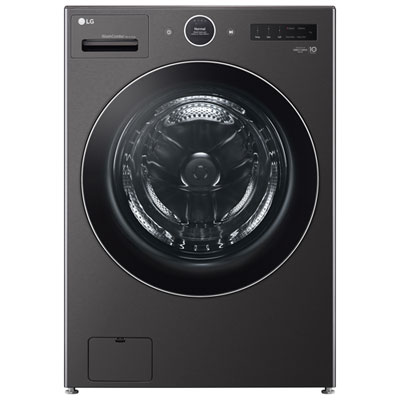
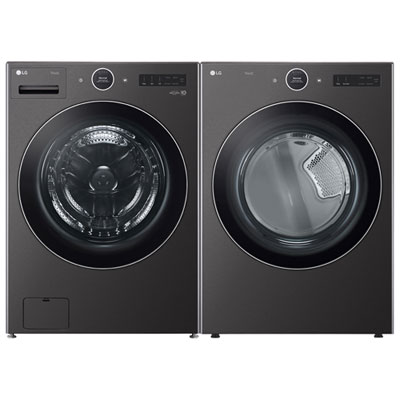
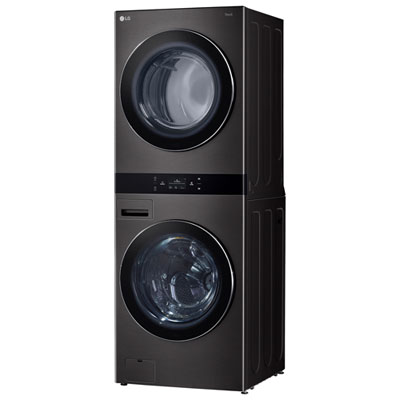
Washer and dryer sets support the full laundry routine, from washing everyday clothing to drying towels, sheets, and other washable household fabrics. Common configurations include front-load washer and dryer pairs, top-load washers paired with matching dryers, and integrated vertical laundry centres. Front-load washers clean by lifting and tumbling fabrics through water, while top-load washers use an agitator or impeller to move clothing through the wash. Each layout suits different loading habits: a front-opening drum offers access from the front and may work with a compatible pedestal, while a top-opening drum allows loading from above but needs clearance beneath shelves or cabinets. An integrated vertical laundry centre places separate washing and drying drums in one coordinated structure, often with controls positioned between them. This differs from an all-in-one washer-dryer, which washes and dries clothing in the same drum. Separate drums allow one load to dry while another washes, a useful distinction for households working through several baskets in an evening. Capacity matters just as much as configuration. A household washing school clothes, workwear, and towels throughout the week may have different needs from someone laundering smaller loads in a condo. Bulky bedding also needs room to move, and a drum that holds a large bundle does not necessarily have enough usable space to clean or dry it properly. Washer and dryer capacities are not directly interchangeable; the dryer needs room for wet fabrics to lift, separate, and tumble. Everyday convenience also comes from details such as a clear control display, an easy-to-reach lint filter, and a door opening that leaves room for a laundry basket. Matching finishes give side-by-side appliances a coordinated appearance, but the more meaningful fit is between the machines and the way laundry moves through the home. For someone who regularly washes bedding, manages shared family laundry, or needs to keep uniforms ready between shifts, suitable capacity and straightforward operation can make the routine easier to organize.
Physical fit includes more than the width of the appliances. The laundry area needs adequate depth for hoses, connections, and any required ductwork, along with space to open doors and move comfortably in front of the machines. A pair that fits neatly against a wall may still interfere with a nearby cupboard, hallway door, or pull-out hamper. The delivery route matters too, particularly where there are narrow stairways, tight landings, or basement entrances. Side-by-side arrangements can leave space above the machines for storage or a folding surface, provided installation requirements and access points remain clear. Stacked arrangements reduce the floor area occupied by the pair, but only compatible front-load appliances should be stacked, using the manufacturer-approved kit. A freestanding stack and an integrated vertical laundry centre are different designs, so their dimensions, control positions, and installation requirements should be assessed separately. Hookups also shape the appropriate dryer type. A vented dryer needs an approved exhaust route outdoors, while a ventless design does not require that external duct. Ventless systems still have requirements for drainage or condensate collection, electrical supply, clearance, and room conditions. Gas and electric dryers need their respective connections, and professional installation may be necessary depending on the appliance and local requirements. These details are especially important when replacing an older pair, since an existing laundry space may not suit every newer configuration without changes. In a closet installation, ventilation clearances and door design also deserve attention. For laundry near bedrooms or shared living areas, sound and vibration affect everyday comfort. A level machine on a firm, suitable floor, with shipping bolts removed as instructed, has a better foundation for normal operation. Features intended to manage vibration can help, but they do not replace correct installation. Reach is another practical consideration: the back of a deep top-load drum or the controls above a stacked dryer may be awkward for some users. Appliance dimensions, door movement, and control placement all contribute to a laundry space that feels comfortable rather than cramped.
Fabric-care features are most useful when they match the clothing and household textiles washed regularly. Delicate cycles use gentler settings for suitable garments, while heavier-duty cycles are intended for more demanding washable loads. Bedding settings, extra rinses, steam options, and shorter cycles vary by model, and each has limits set out in the appliance instructions. A quick wash, for example, is generally intended for a smaller, lightly soiled load rather than a tightly packed drum of towels. Steam features do not make every fabric suitable for machine care, and garment labels remain the starting point for washing and drying decisions. Sensor drying can adjust the cycle according to detected moisture, helping reduce unnecessary running time, although mixed loads may still dry unevenly. A thick cotton towel and a lightweight shirt absorb and release moisture differently, so separating them often produces more consistent results. On models with Wi-Fi connectivity, supported app functions may include cycle notifications or status checks; remote features depend on the appliance, setup, and operating conditions. Construction and maintenance matter alongside these conveniences. Stainless steel drums provide a smooth, rust-resistant surface, while accessible dispensers, filters, and door seals make routine cleaning more manageable. Durable performance also depends on using the correct detergent, following dosing directions, and leaving enough room for clothing to move. Front-load door seals benefit from regular inspection and cleaning, and the washer’s cleaning cycle should be used as directed. Dryer lint filters need cleaning at the recommended intervals, while vented systems require periodic duct inspection and cleaning. These habits support normal airflow and help prevent residue, odours, and avoidable strain. When comparing related collections such as Bosch washers and dryers, the same practical details remain useful: suitable capacity, compatible hookups, accessible controls, and care settings that reflect the fabrics washed most often. A well-matched laundry pair balances those essentials with a layout that suits the home, making everyday washing, drying, unloading, and upkeep more straightforward.
Top selling and popular products
-
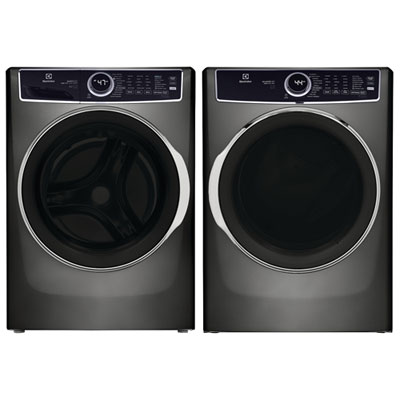 Your price for this item is $2485.98
-
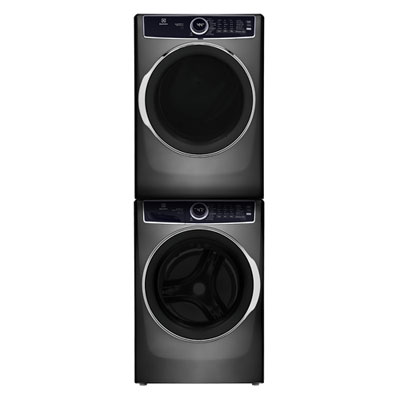 Your price for this item is $2533.97
-
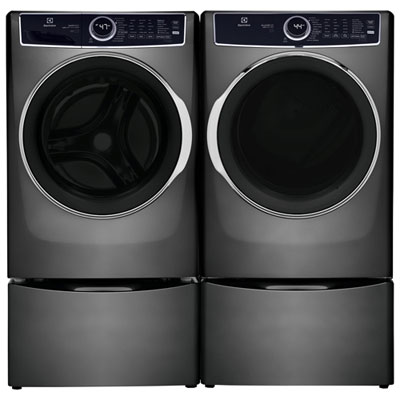 Your price for this item is $2785.96
-
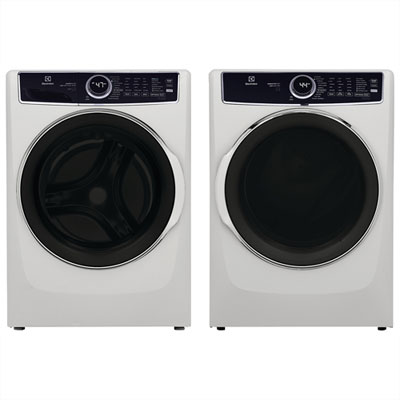 Your price for this item is $2599.98
-
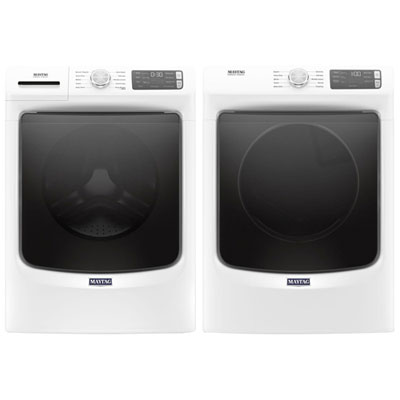 Your price for this item is $2299.98
-
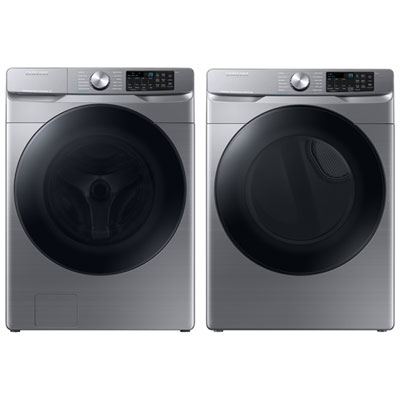 Your price for this item is $2295.98
-
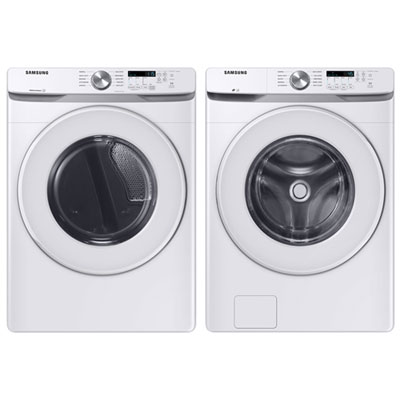 Your price for this item is $1895.98
-
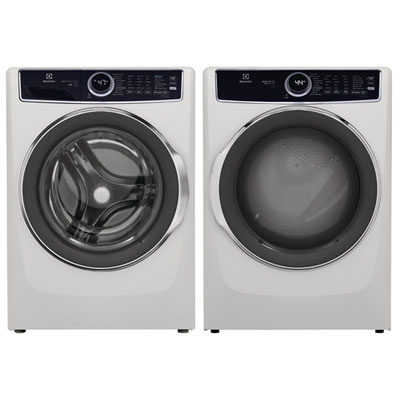 Your price for this item is $2192.98
Discover more categories related to LG Washer And Dryers
Top Collections:
Best Black Friday Deals This Year, Best Black Friday Deals On Electronics, Kindle Devices, Pokemon Centers, Best Black Friday Deals On Apple Products, Best Cameras for Sports Photography, Dyson Airwrap, Pokémon 30th Celebration Cards, Apple iPhone 17 Pro, Canon G7X Cameras
Some products may be subject to Environmental Handling Fees
(EHF) depending on your province.
Learn more about EHFs.