Bosch Washer And Dryers
If you're in the market for a new washer and dryer, you've got options. You can choose from a variety of brands and models, each with its own set of features. But if you're looking for a high-end machine that will last for years to come, look no further than Bosch. Here are some of the best washers and dryers from Bosch available today.
Sort
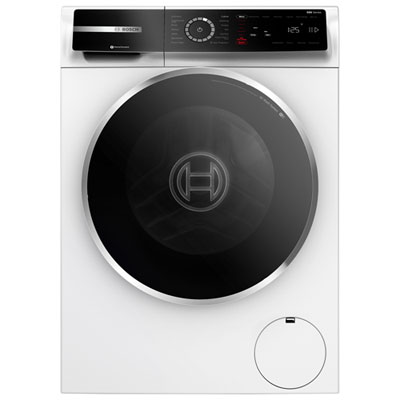
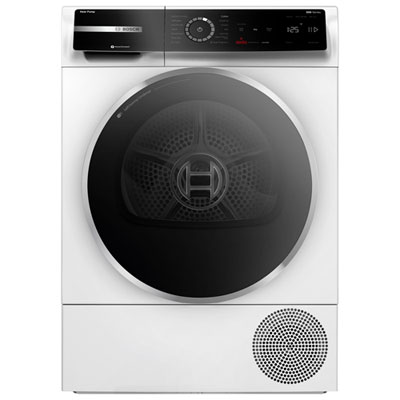
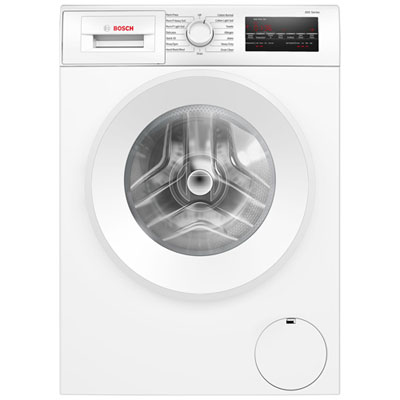
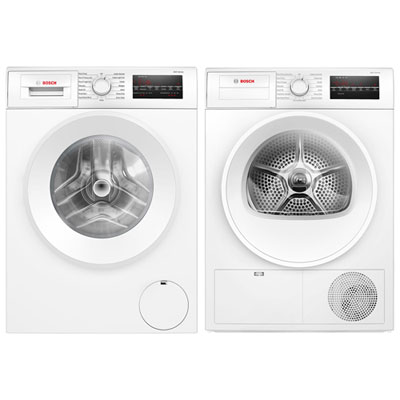
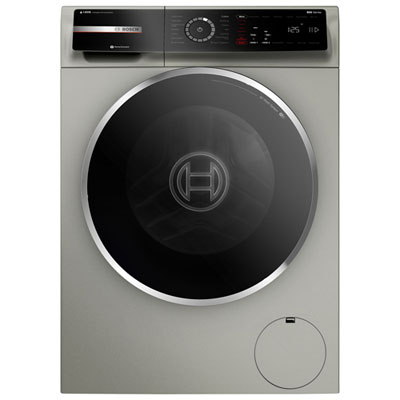
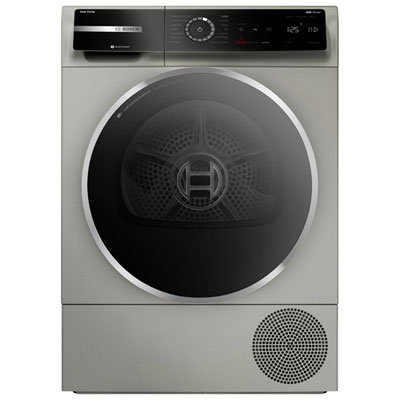
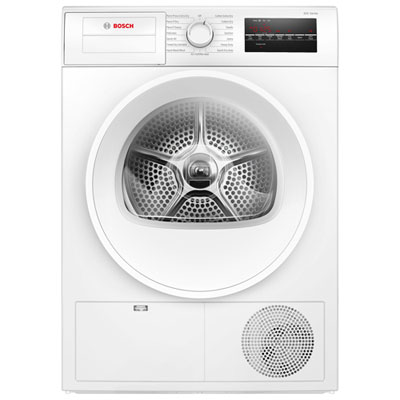
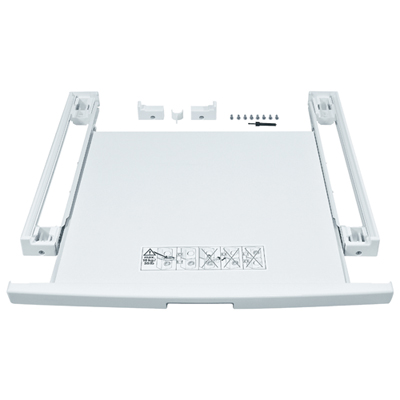
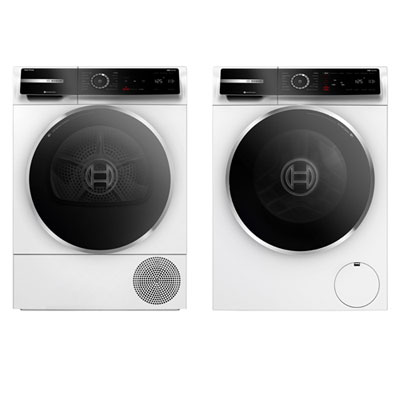
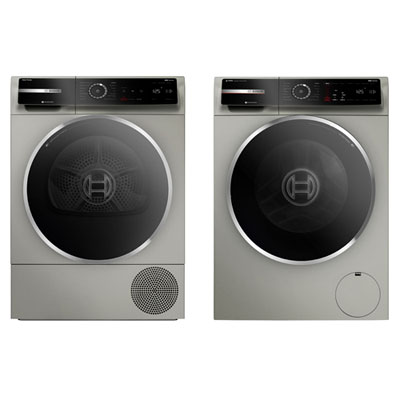
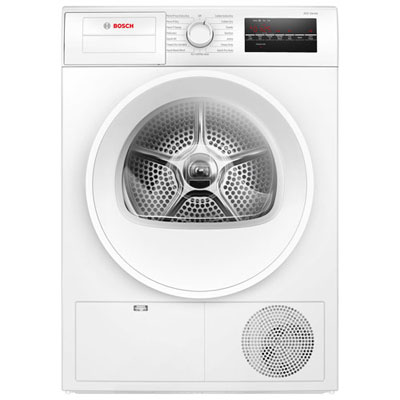
Dedicated fabric care for smaller laundry spaces
Compact washers and dryers bring dedicated fabric care to homes where a full-size laundry pair would take up too much room. Often built around a 24-inch-wide format, these appliances can suit condos, apartments, townhomes, and smaller laundry rooms without turning every wash day into a trip to a shared facility. Their appeal goes beyond a narrow footprint: a front-loading washer paired with a compatible dryer creates a coordinated setup for everyday clothing, towels, and bed linen. Separate appliances also let one load wash while another dries, which can help keep household laundry moving. A stacked arrangement uses vertical space, while a side-by-side layout can leave room for a properly installed worktop above the machines. Either arrangement needs more space than the cabinet dimensions alone suggest. Hoses, electrical connections, door movement, and the clearances specified in the installation manual all affect the final fit. A laundry closet that looks wide enough may still need a deeper recess or a different door arrangement to allow comfortable loading. Measuring the delivery route matters, too, especially in buildings with narrow hallways, tight stair landings, or small lifts. Compact capacity is particularly useful for people who wash smaller loads regularly, including couples, people living alone, and households that prefer to separate work clothes, activewear, and delicates. Larger households may also appreciate a compact pair in a secondary laundry area, provided the plumbing and electrical setup support it. Bulky bedding deserves closer attention because an item can fit through the door yet leave too little room to tumble freely. Washer and dryer capacities are measured separately, and a dryer generally needs a larger drum volume to allow fabrics to move during drying. Looking at both capacity and laundry habits gives a clearer picture of everyday usefulness than width alone. A pair that handles frequent, manageable loads can be a better fit than a larger setup that crowds the room or makes the controls difficult to reach.
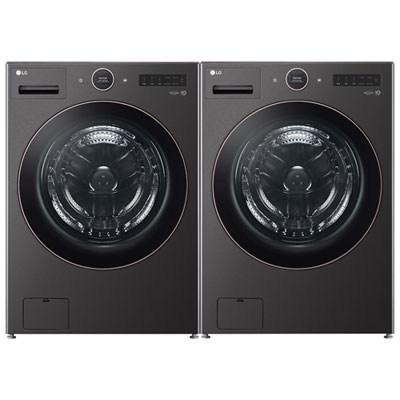
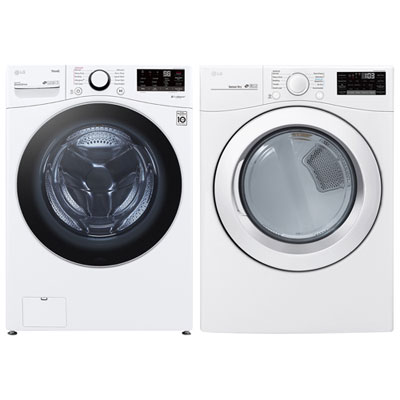
Ventless drying is an important feature within the compact laundry category, particularly in spaces without an exterior dryer duct. Rather than sending moist air outdoors through a vent, a ventless dryer collects moisture from the load and directs the resulting water to a reservoir or drain, depending on its design and installation. Conventional condensation dryers and heat pump dryers both offer ventless operation, but they manage heat differently. A heat pump design reuses heat within the drying process and typically works at lower drying temperatures than a conventional electric dryer. That can be useful for suitable everyday fabrics, although garment care labels still determine what belongs in the drum. Ventless does not mean that a machine can be placed in any enclosed cupboard without further checks. Room ventilation, surrounding clearance, drainage, and electrical requirements remain important, and a closet installation must meet the appliance manufacturer's specifications. Some compact laundry pairs have particular power arrangements, so confirming the required outlets and circuits before installation helps avoid an unexpected change to the laundry space. Drying time varies with the programme, fabric type, load size, and how much moisture remains after washing. A stronger washer spin can reduce the moisture carried into the dryer, but delicate garments may call for a gentler setting. Sensor-controlled drying, where included, adjusts operation according to detected moisture rather than relying solely on a fixed timer. This is helpful with ordinary mixed loads, though a thick towel bundled inside a fitted sheet may still dry unevenly. Leaving enough space for tumbling and separating very heavy fabrics from lightweight clothing can improve results. For households comparing compact laundry pairs with other layouts and capacities, LG washers and dryers offer another point of comparison. The most meaningful differences are the ones felt during routine use: whether the doors open conveniently, whether the dryer suits the available connections, and whether a typical load can move from washing to drying without being divided. Those practical details shape how comfortably a laundry pair fits into the home.
Day-to-day fabric care depends as much on the controls and maintenance routine as it does on the appliance dimensions. Wash programmes can vary agitation, water temperature, spin speed, and cycle length to suit different textiles, with options for cottons, easy-care clothing, and delicate fabrics depending on the machine. A quick cycle can be convenient for a small, lightly soiled load, but it is not necessarily intended for a full drum of towels or heavily marked clothing. Likewise, any sanitizing or allergen-focused setting should be assessed by its stated purpose and the care requirements of the garments being washed. For a basket containing exercise tops, office shirts, and bath towels, separating fabrics by weight and care label can help reduce tangling and uneven drying. Detergent quantity also matters in a compact front-loader: using the specified detergent type and adjusting the dose for load size, soil level, and local water hardness helps limit excess suds and residue. Stainless steel drums are common in this category and provide a durable surface for repeated use, but longevity also relies on sensible loading and regular attention to the parts that collect lint, moisture, and detergent. Emptying pockets protects fabrics and helps keep small objects out of pumps and seals. Wiping the washer's door seal, cleaning the dispenser, and running the prescribed drum-cleaning cycle can help keep the interior fresh. Dryer lint filters need cleaning at the intervals stated in the manual, while condenser or heat exchanger care varies by design. Some systems include automatic cleaning features, but that does not remove every maintenance task. A firm, level floor and correctly adjusted feet help control vibration, especially during high-speed spinning. Stacking requires a compatible, approved kit rather than simply placing one appliance on the other, and any pedestal must also be approved for the intended setup. For added convenience, select machines offer connected features such as cycle notifications, with functions depending on the appliance, app, and Wi-Fi connection. Clear controls, reachable filters, accessible service points, and suitable cycle choices remain just as valuable for making everyday laundry easier to manage.
Ventless drying is an important feature within the compact laundry category, particularly in spaces without an exterior dryer duct. Rather than sending moist air outdoors through a vent, a ventless dryer collects moisture from the load and directs the resulting water to a reservoir or drain, depending on its design and installation. Conventional condensation dryers and heat pump dryers both offer ventless operation, but they manage heat differently. A heat pump design reuses heat within the drying process and typically works at lower drying temperatures than a conventional electric dryer. That can be useful for suitable everyday fabrics, although garment care labels still determine what belongs in the drum. Ventless does not mean that a machine can be placed in any enclosed cupboard without further checks. Room ventilation, surrounding clearance, drainage, and electrical requirements remain important, and a closet installation must meet the appliance manufacturer's specifications. Some compact laundry pairs have particular power arrangements, so confirming the required outlets and circuits before installation helps avoid an unexpected change to the laundry space. Drying time varies with the programme, fabric type, load size, and how much moisture remains after washing. A stronger washer spin can reduce the moisture carried into the dryer, but delicate garments may call for a gentler setting. Sensor-controlled drying, where included, adjusts operation according to detected moisture rather than relying solely on a fixed timer. This is helpful with ordinary mixed loads, though a thick towel bundled inside a fitted sheet may still dry unevenly. Leaving enough space for tumbling and separating very heavy fabrics from lightweight clothing can improve results. For households comparing compact laundry pairs with other layouts and capacities, LG washers and dryers offer another point of comparison. The most meaningful differences are the ones felt during routine use: whether the doors open conveniently, whether the dryer suits the available connections, and whether a typical load can move from washing to drying without being divided. Those practical details shape how comfortably a laundry pair fits into the home.
Day-to-day fabric care depends as much on the controls and maintenance routine as it does on the appliance dimensions. Wash programmes can vary agitation, water temperature, spin speed, and cycle length to suit different textiles, with options for cottons, easy-care clothing, and delicate fabrics depending on the machine. A quick cycle can be convenient for a small, lightly soiled load, but it is not necessarily intended for a full drum of towels or heavily marked clothing. Likewise, any sanitizing or allergen-focused setting should be assessed by its stated purpose and the care requirements of the garments being washed. For a basket containing exercise tops, office shirts, and bath towels, separating fabrics by weight and care label can help reduce tangling and uneven drying. Detergent quantity also matters in a compact front-loader: using the specified detergent type and adjusting the dose for load size, soil level, and local water hardness helps limit excess suds and residue. Stainless steel drums are common in this category and provide a durable surface for repeated use, but longevity also relies on sensible loading and regular attention to the parts that collect lint, moisture, and detergent. Emptying pockets protects fabrics and helps keep small objects out of pumps and seals. Wiping the washer's door seal, cleaning the dispenser, and running the prescribed drum-cleaning cycle can help keep the interior fresh. Dryer lint filters need cleaning at the intervals stated in the manual, while condenser or heat exchanger care varies by design. Some systems include automatic cleaning features, but that does not remove every maintenance task. A firm, level floor and correctly adjusted feet help control vibration, especially during high-speed spinning. Stacking requires a compatible, approved kit rather than simply placing one appliance on the other, and any pedestal must also be approved for the intended setup. For added convenience, select machines offer connected features such as cycle notifications, with functions depending on the appliance, app, and Wi-Fi connection. Clear controls, reachable filters, accessible service points, and suitable cycle choices remain just as valuable for making everyday laundry easier to manage.
Top selling and popular products
-
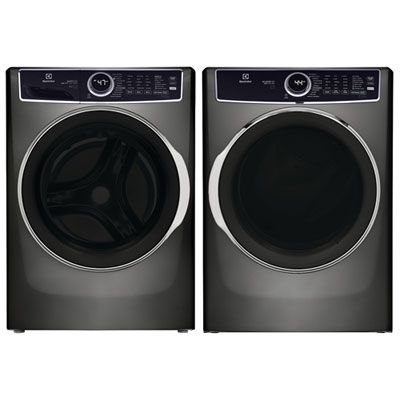 Your price for this item is $2359.98
 -
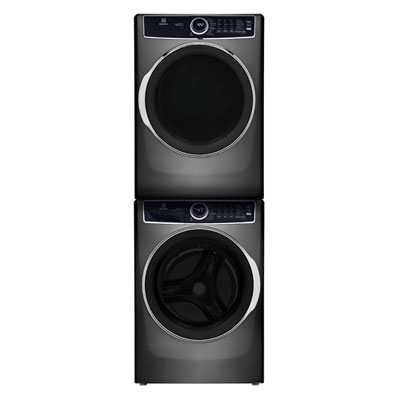 Your price for this item is $2407.97
 -
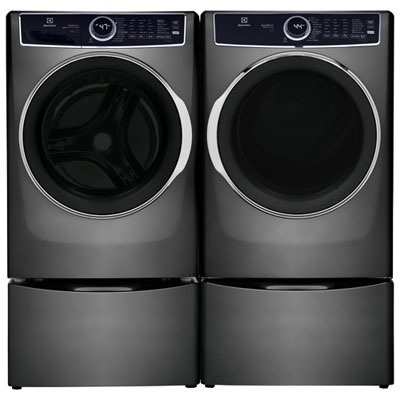 Your price for this item is $2659.96
 -
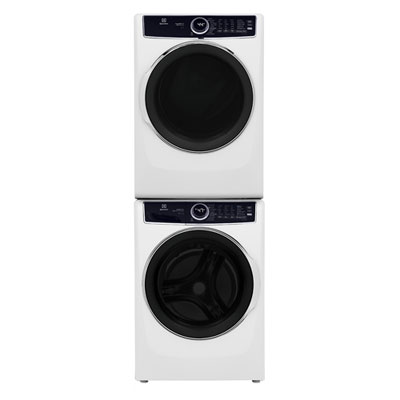 Your price for this item is $2547.97
 -
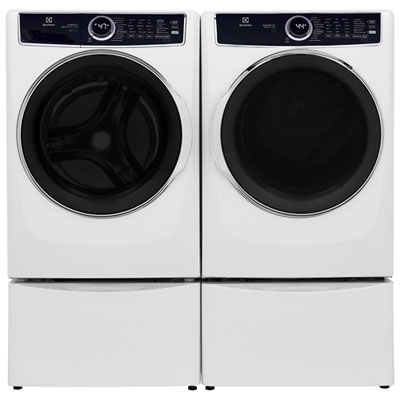 Your price for this item is $2799.96
 -
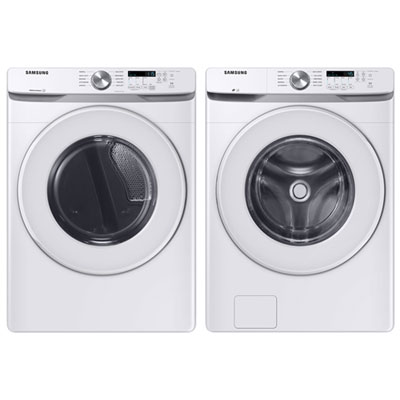 Your price for this item is $1891.98
 -
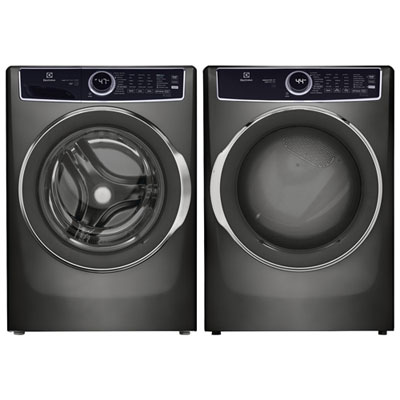 Your price for this item is $2342.98
 -
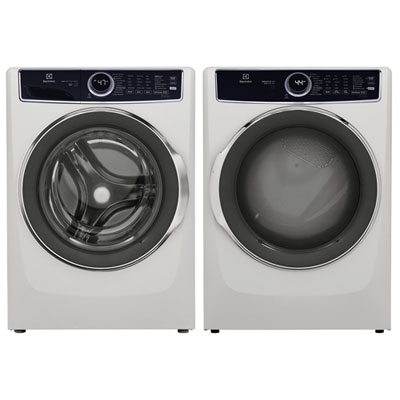 Your price for this item is $2149.98
Discover more categories related to Bosch Washer And Dryers
Top Collections:
Pokemon Centers, Kindle Devices, Best Budget Office Chairs, Apple iPhones 16, Best Laptops for Writers, iPhone 15 Apple, Canon G7X Cameras, Refurbished Apple Laptops, Alarm Clock, Motorola Razr Phones
Some products may be subject to Environmental Handling Fees
(EHF) depending on your province.
Learn more about EHFs.