Low Noise Fans
Stay cool and comfortable with this selection of low-noise fans. Whether you're working, sleeping, or simply relaxing at home, these whisper-quiet fans provide the perfect airflow without disturbing your peace. Designed with advanced technology and innovative features, our low-noise fans deliver powerful performance while keeping noise levels to a minimum. With a variety of styles and sizes to choose from, you'll find the perfect fan to suit your needs and create a tranquil environment in almost any room.
Sort

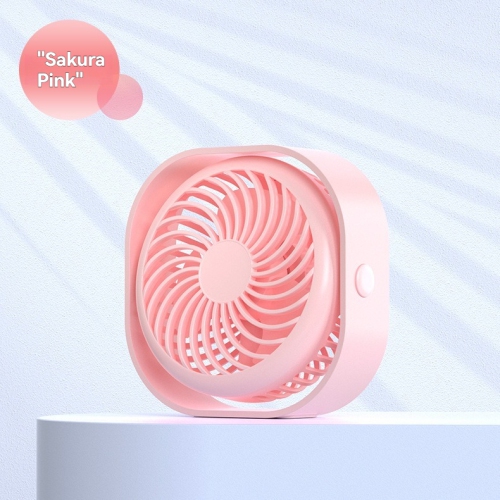
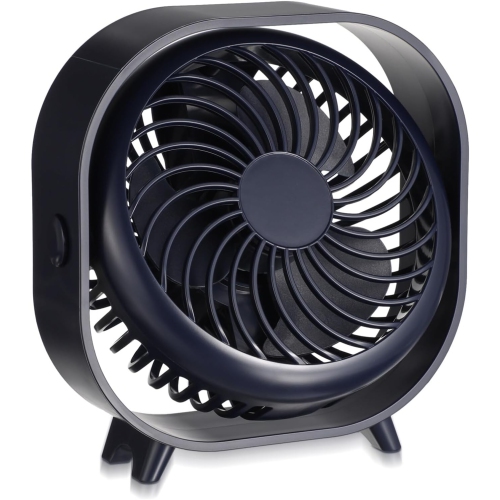
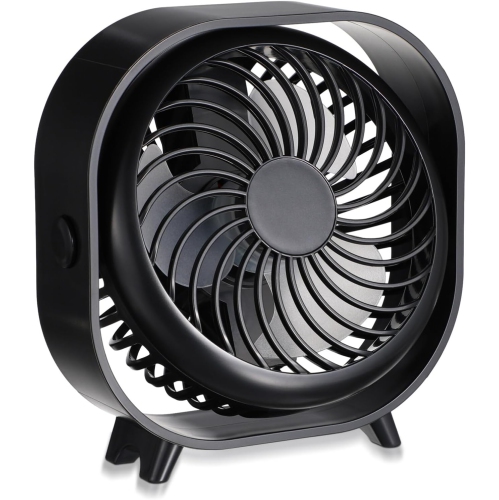
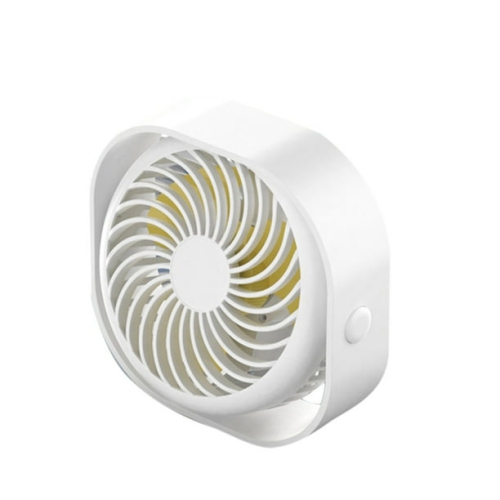
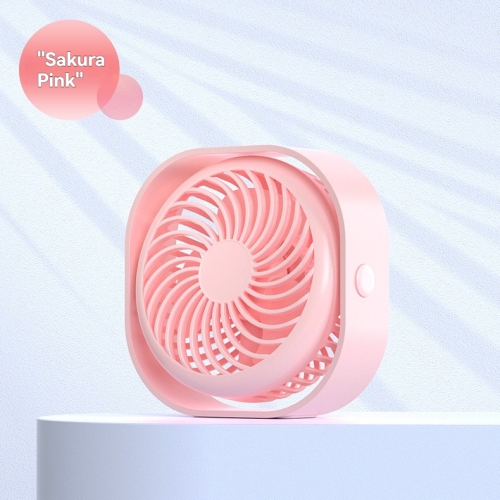
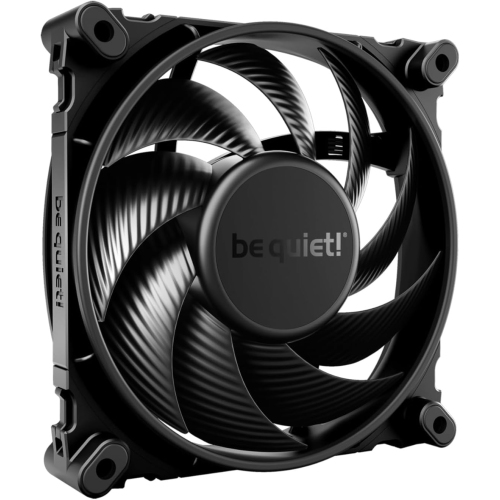
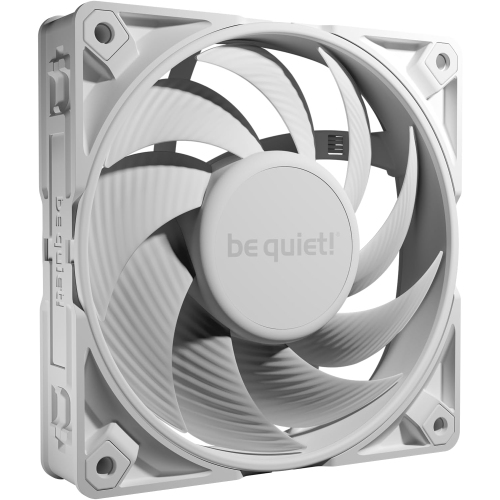
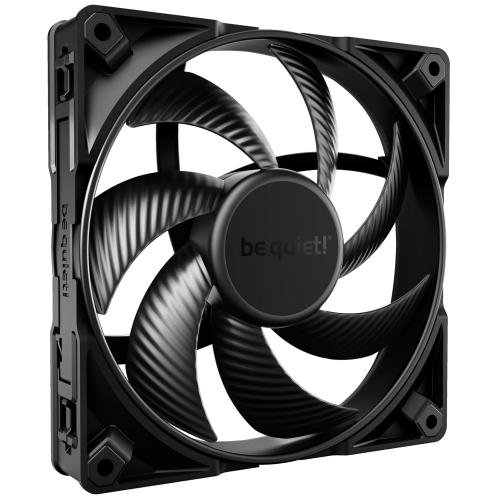

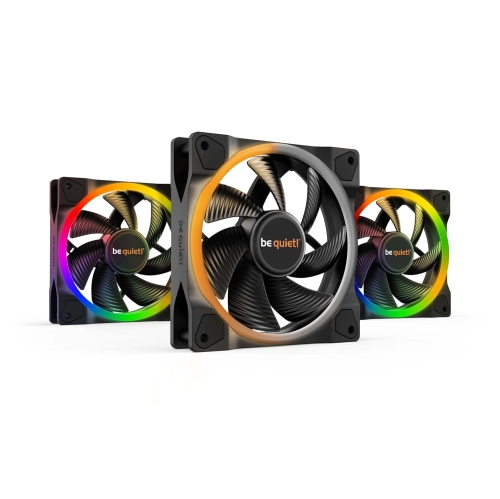
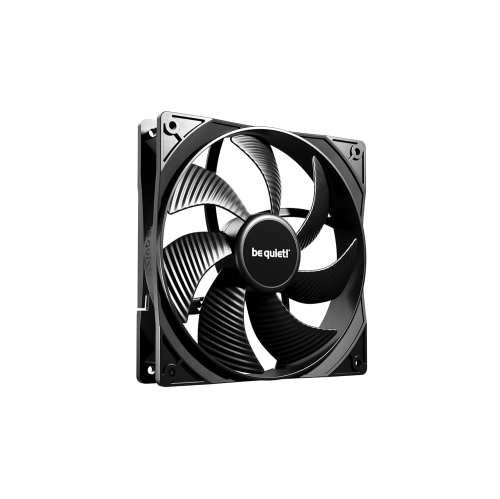
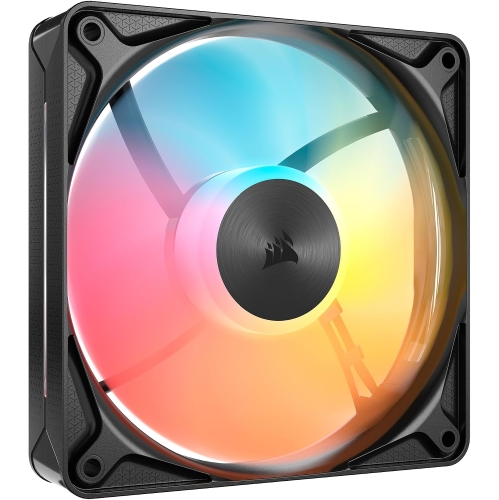
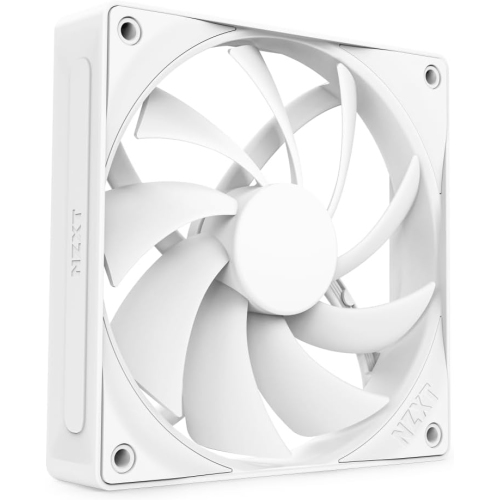

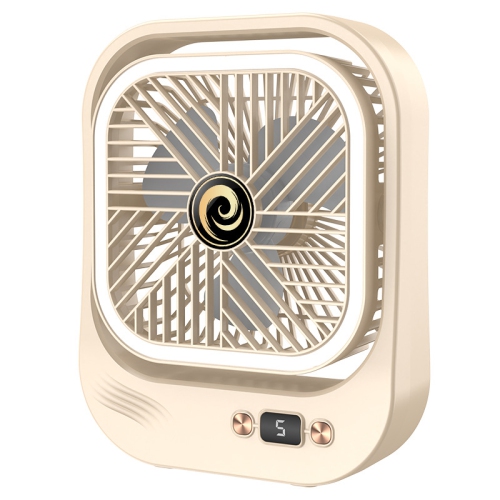
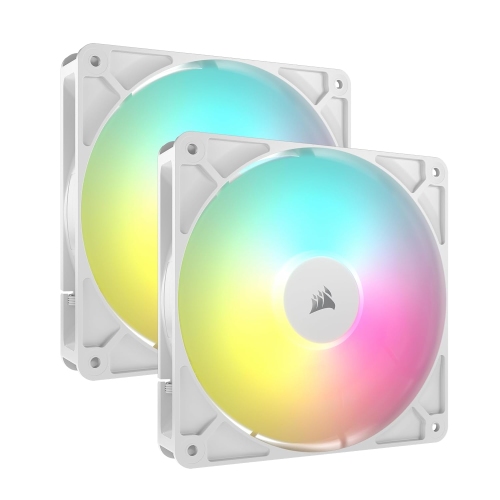
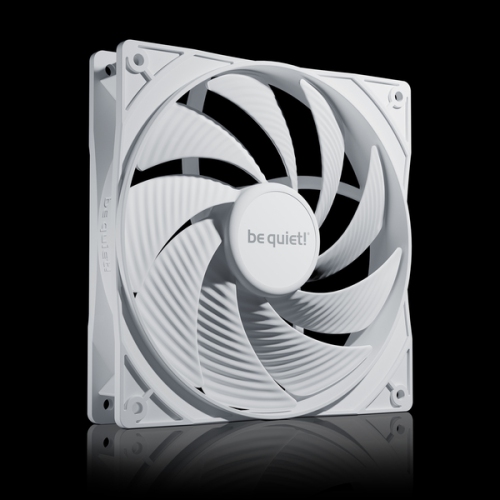
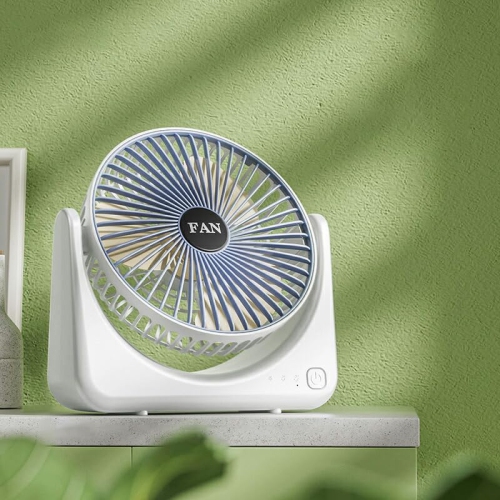

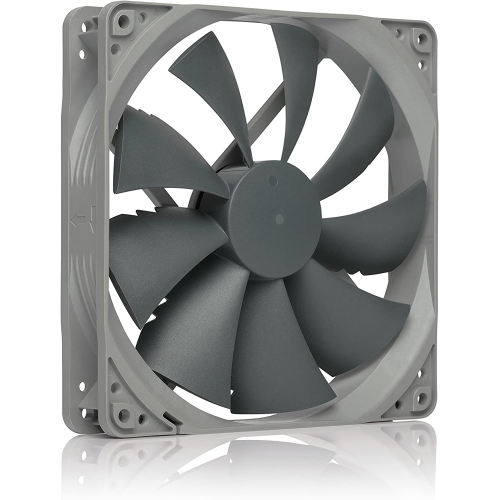
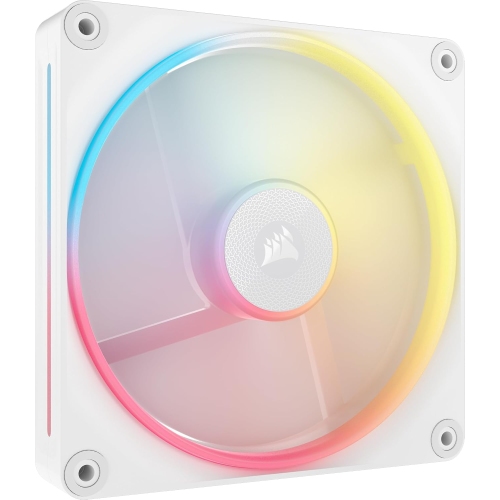
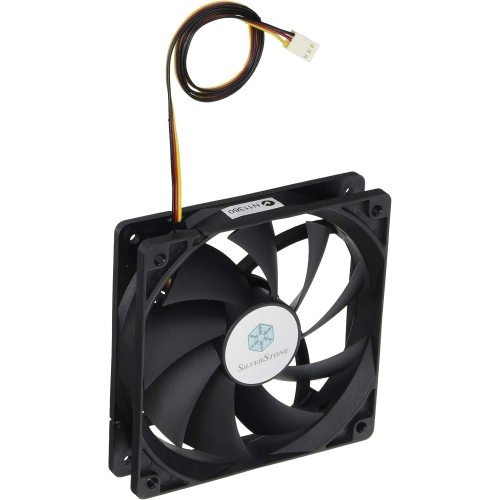
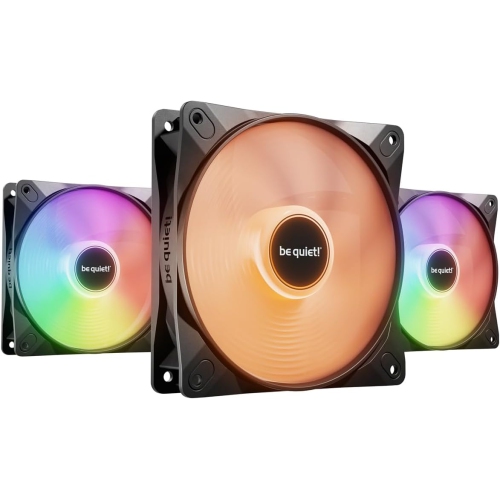

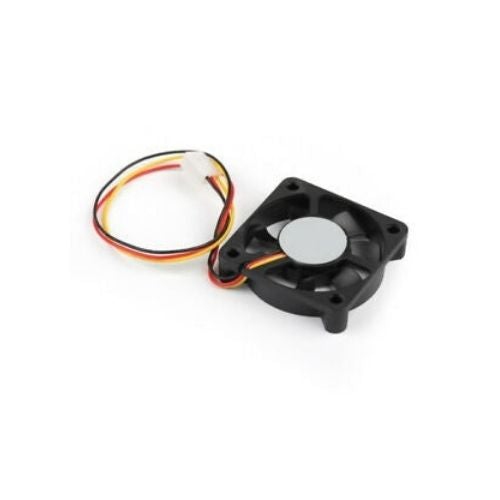

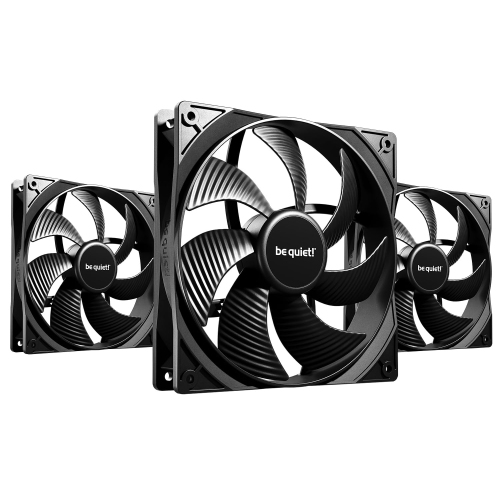
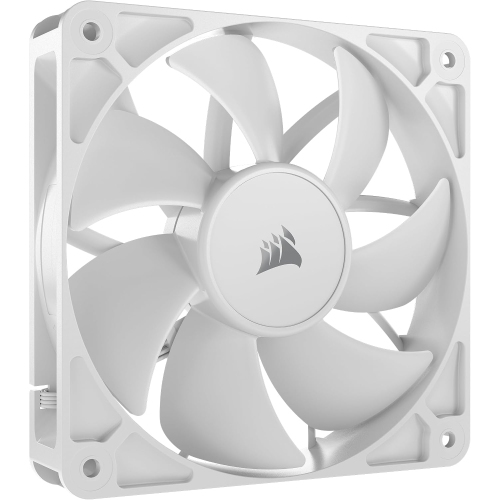
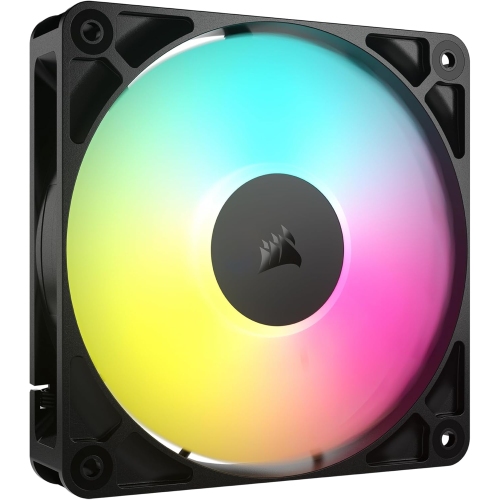
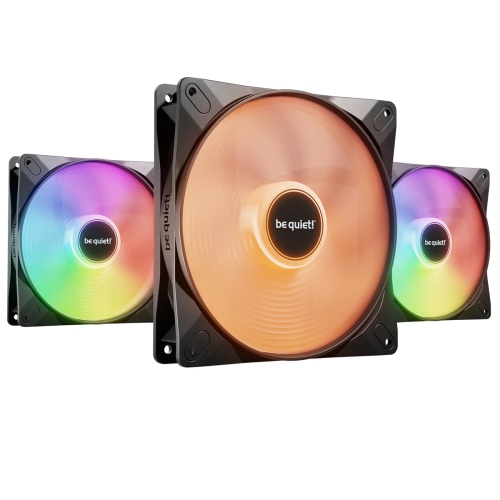
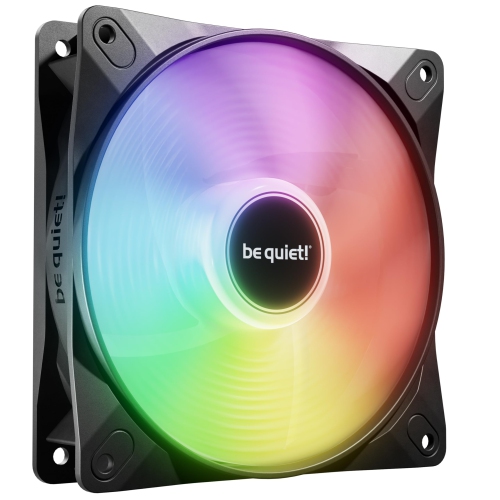
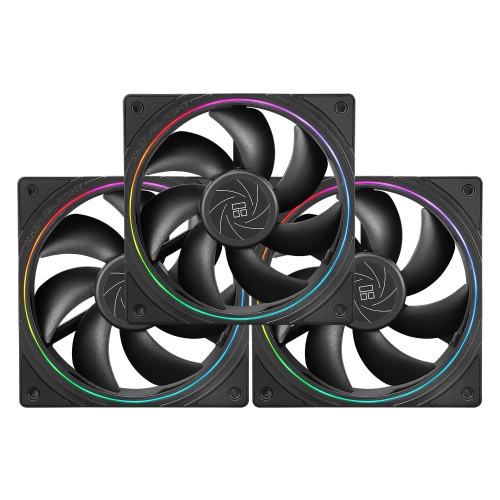


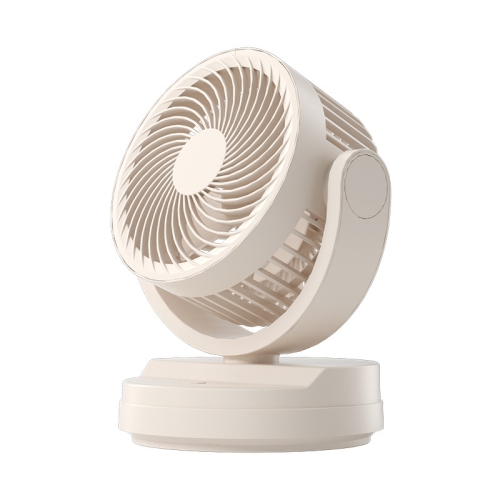

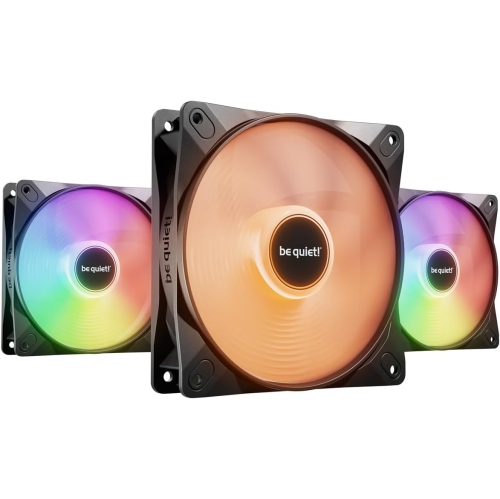
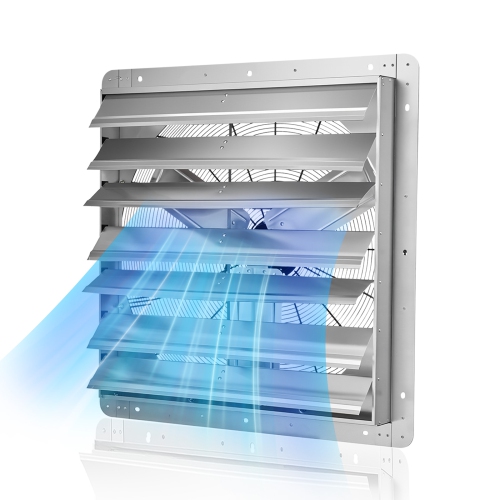
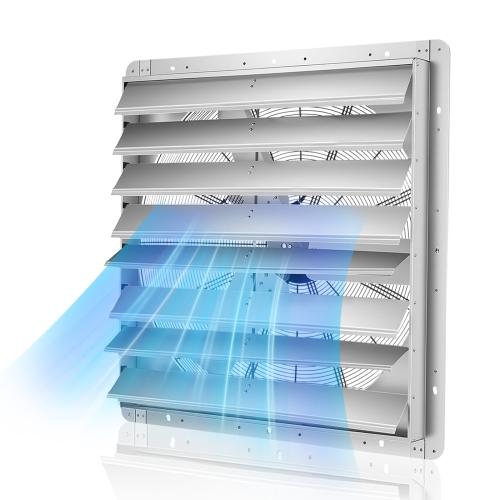

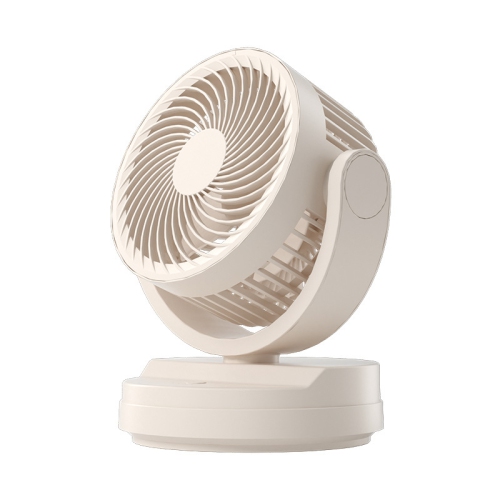
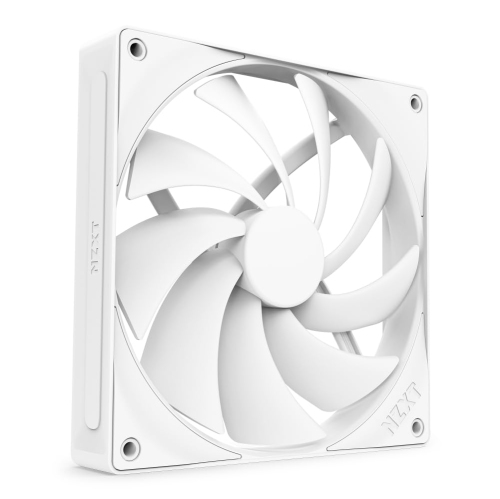
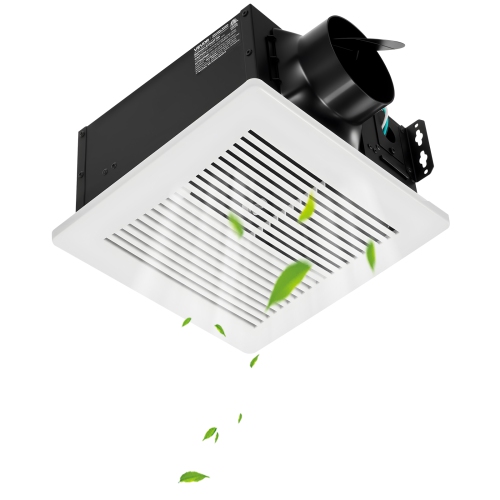
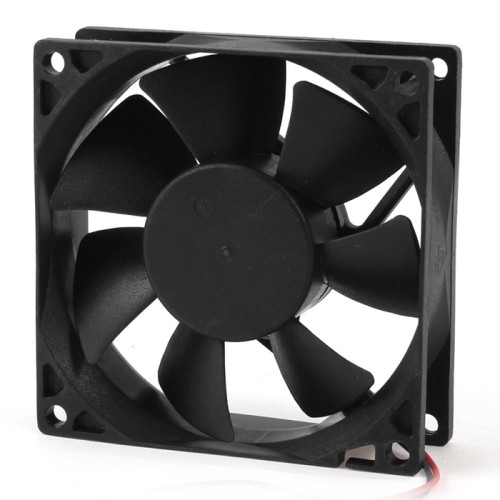

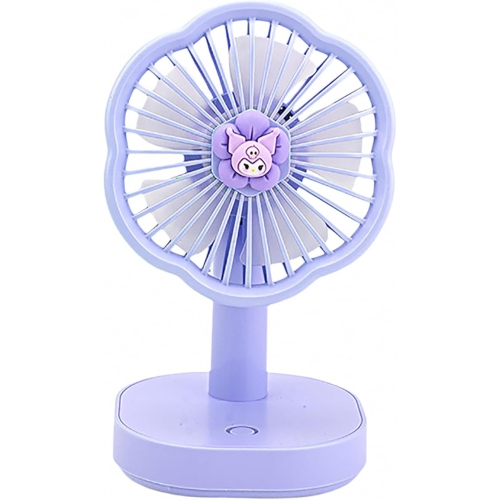
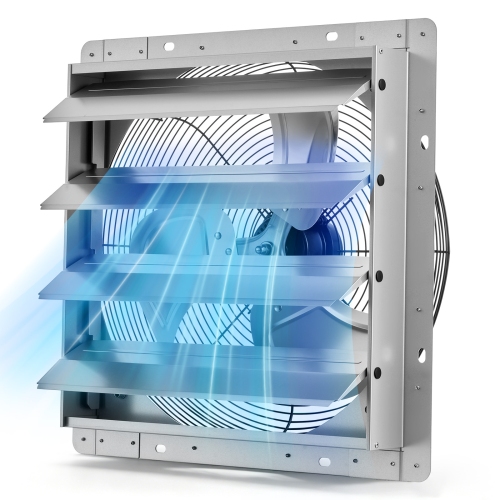
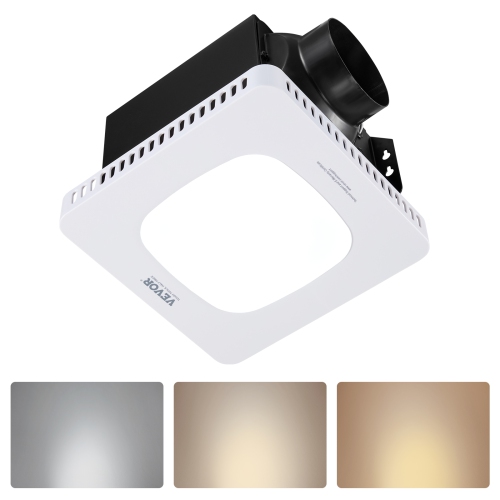
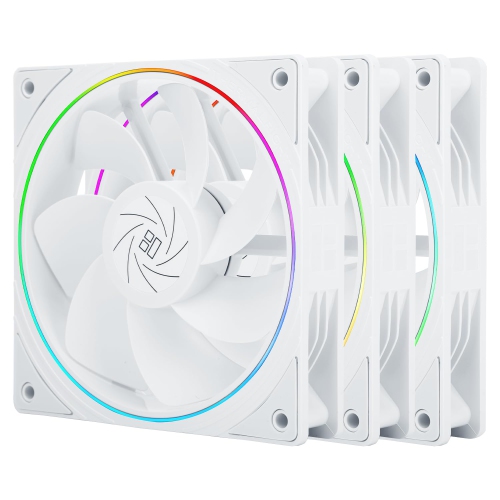
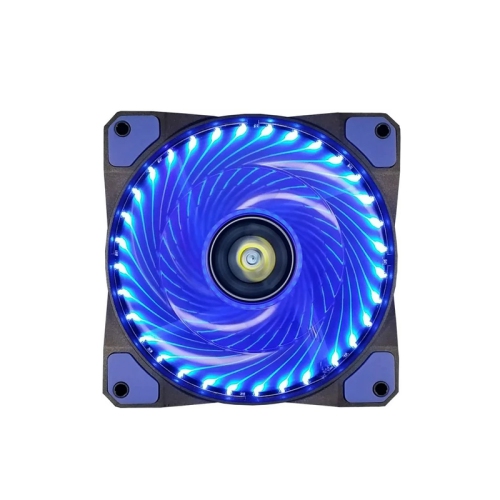
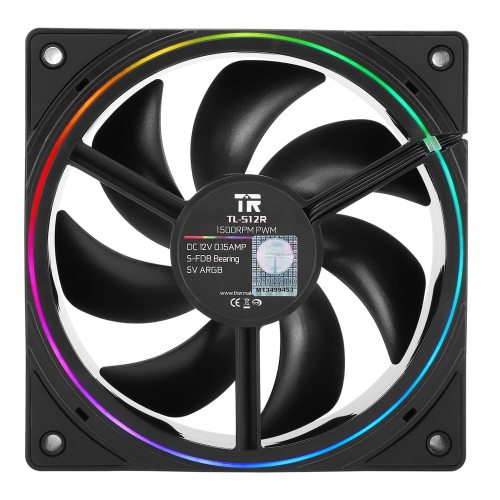

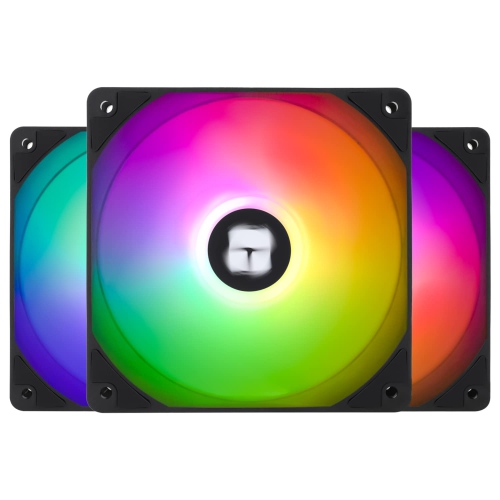
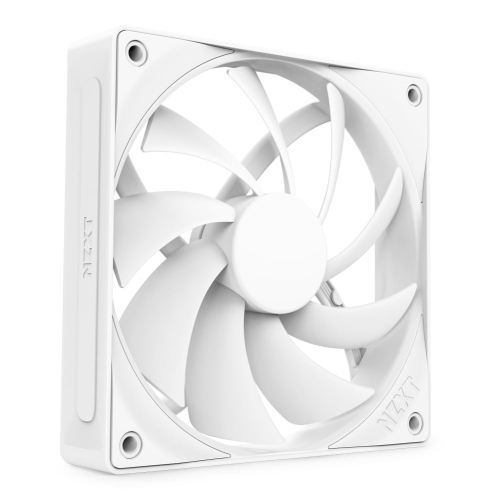


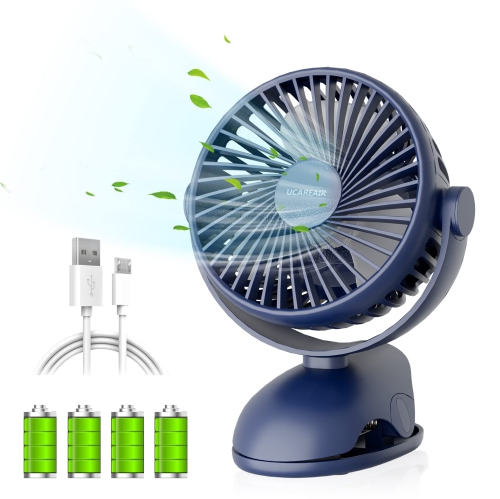
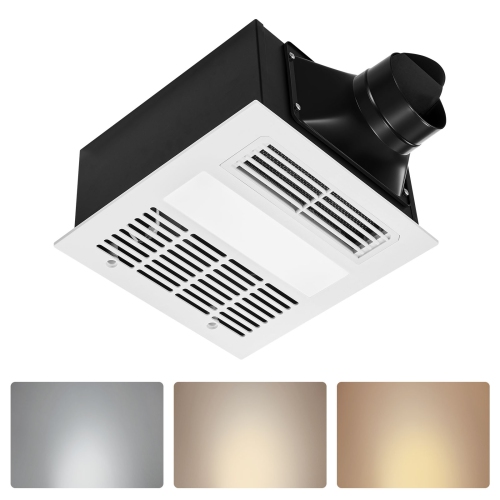
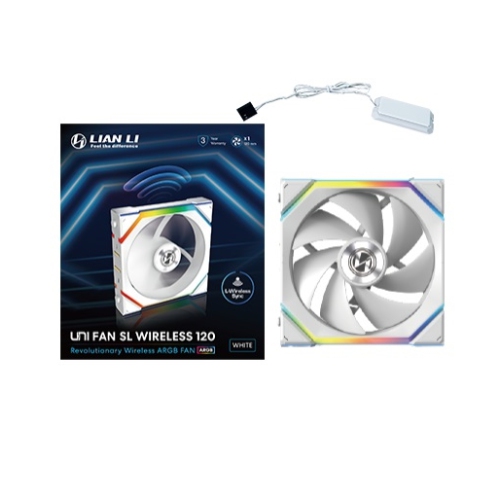
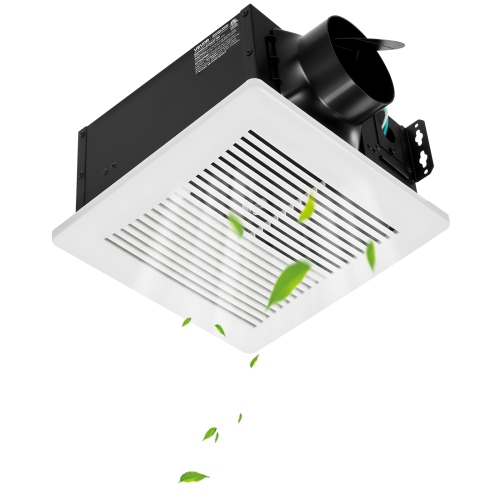
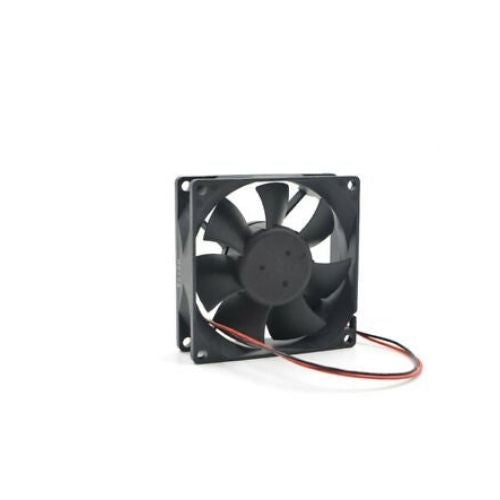
Quiet airflow depends on more than decibel ratings
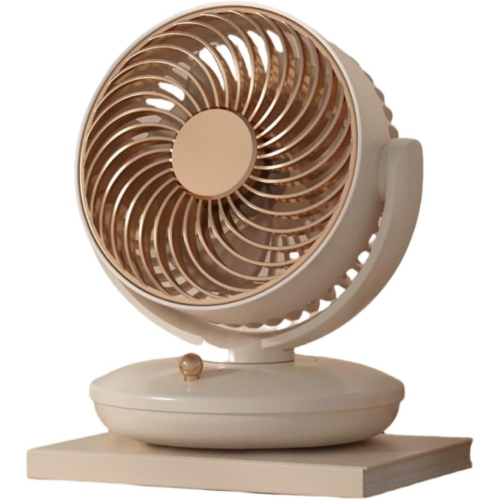
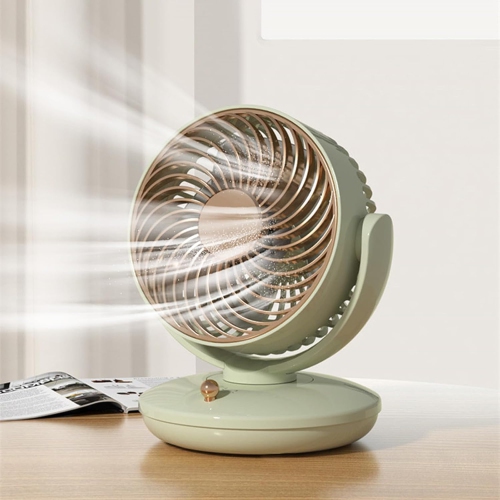
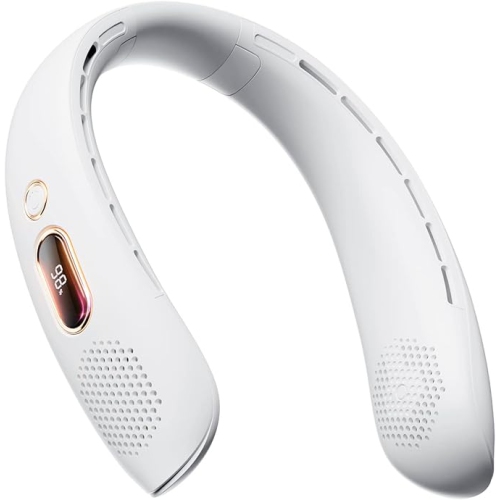
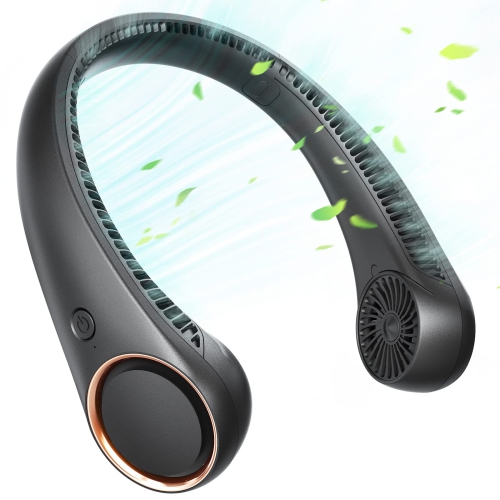
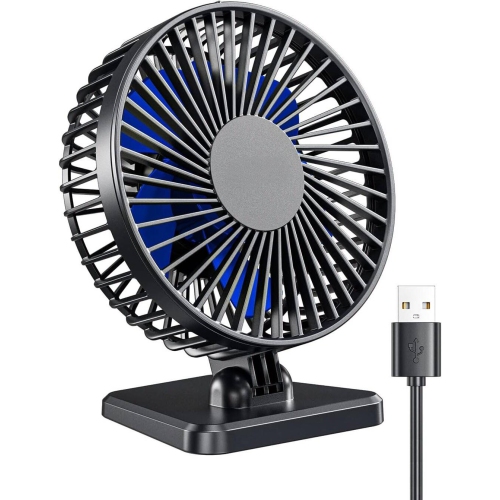
Low-noise fans provide personal airflow with less of the motor hum, blade rush, and vibration that can interrupt sleep, conversation, or focused work. They suit bedrooms, home offices, reading corners, and shared living spaces where a fan may run close to someone for several hours. Quiet operation comes from the complete design rather than a single feature: motor construction, blade shape, grille spacing, bearings, and the stability of the housing all influence the sound that reaches the listener. Brushless DC motors can support smooth operation and a wide range of speeds, while aerodynamic blades help move air with less turbulence. Neither feature guarantees a silent fan, and even a well-designed model will usually become more audible as airflow increases. Some fans have published noise ratings near 20 dB at their lowest setting, but that figure needs context. Test distance, speed, room acoustics, and the measurement method affect the result, so ratings are most useful when measured under comparable conditions. A minimum noise figure also does not describe what a fan sounds like at the setting needed across a larger room. For everyday use, the character of the sound matters alongside its measured level. A steady, soft airflow sound may be less distracting than a faint whine, repeated clicking, or a grille that rattles. Someone working beside a microphone may value smooth operation at a moderate speed, while a light sleeper may prefer a gentle setting without frequent changes in pitch. Low-noise fans are not necessarily the smallest or least powerful options; a larger fan operating slowly can sometimes provide useful airflow with less disturbance than a compact fan running at full speed. The most comfortable match balances the reach of the airflow with the sound level at the actual seating or sleeping position. Position matters, too: placing a fan on a hollow desk or against furniture can amplify vibration that would be less noticeable on a firm, level surface.
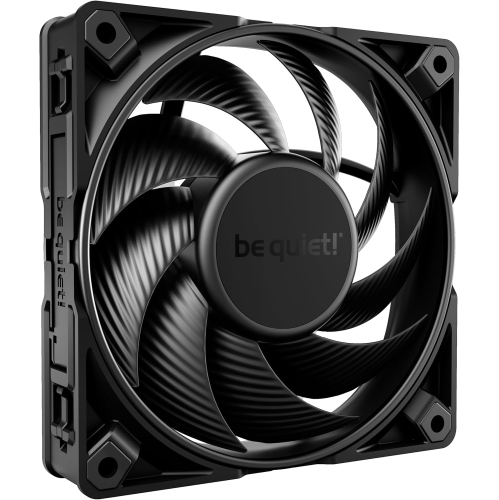
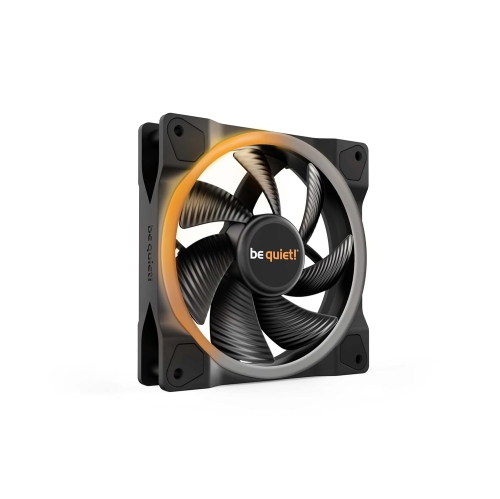
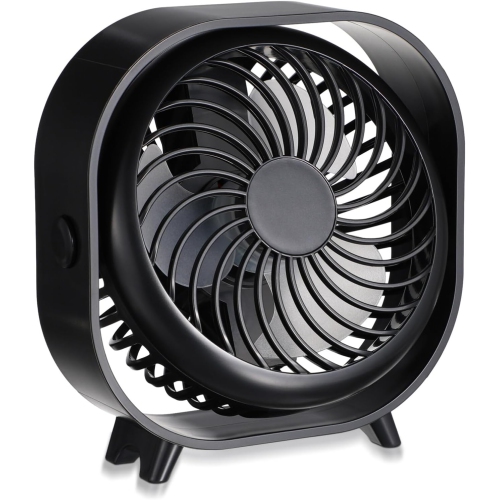
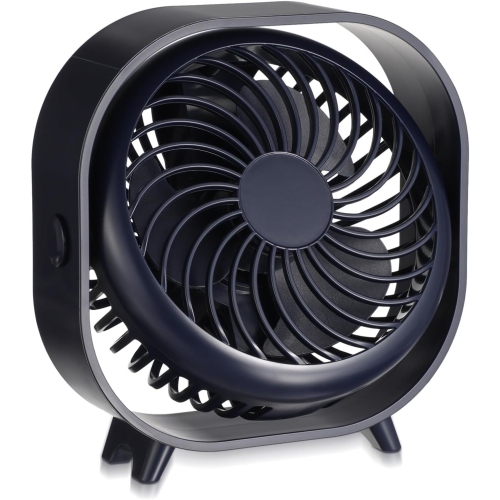
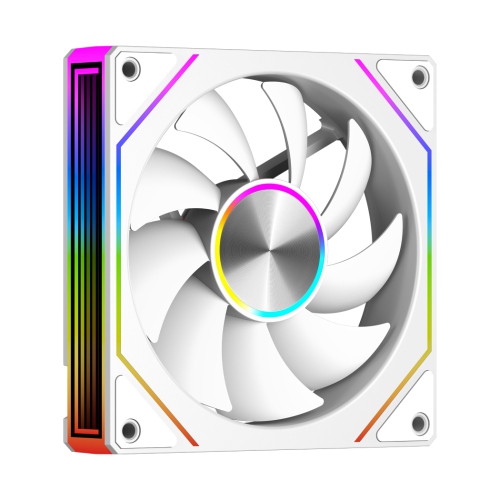
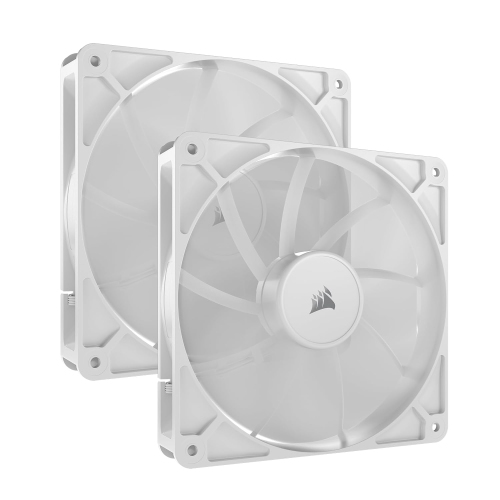
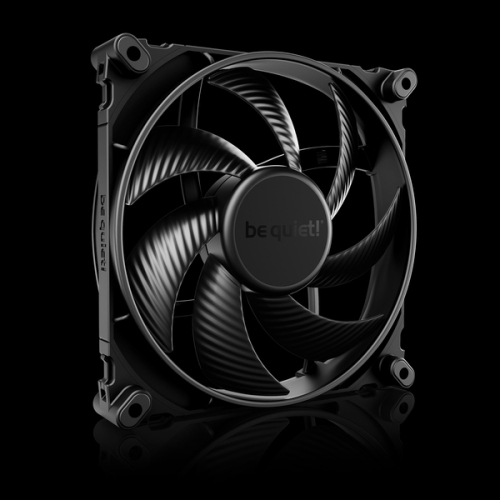
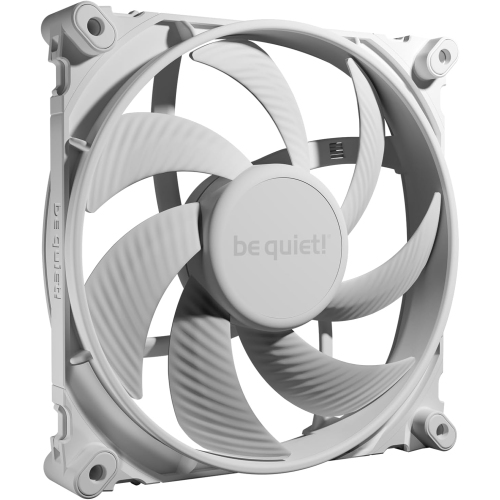
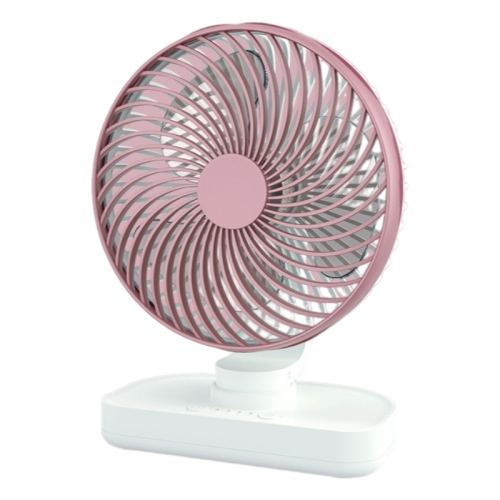
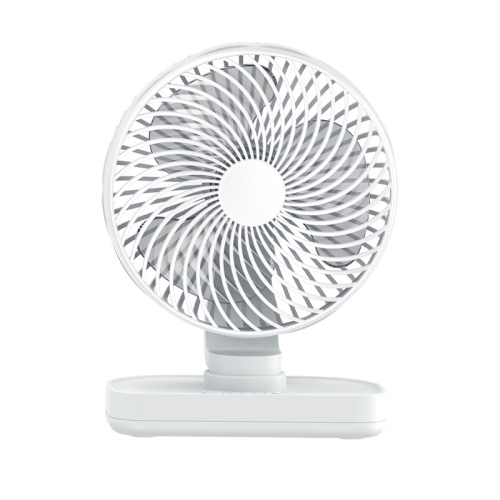
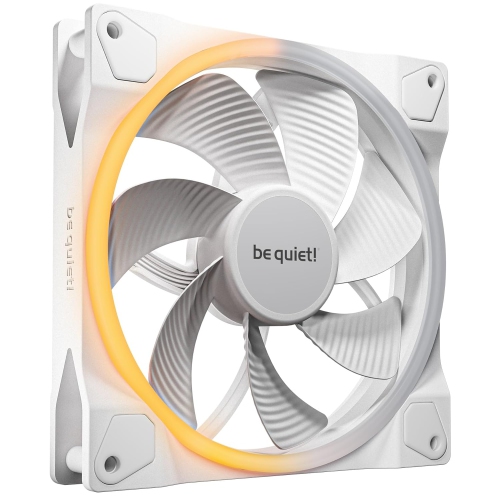
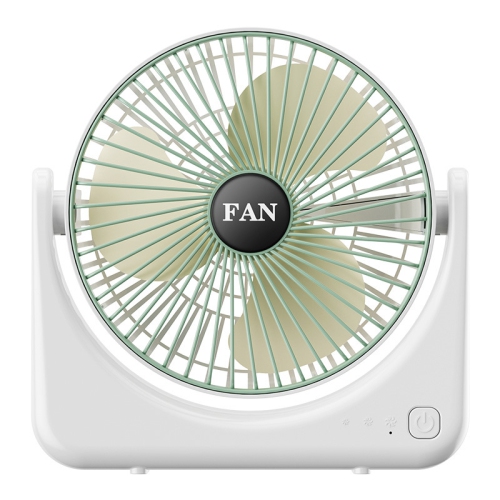
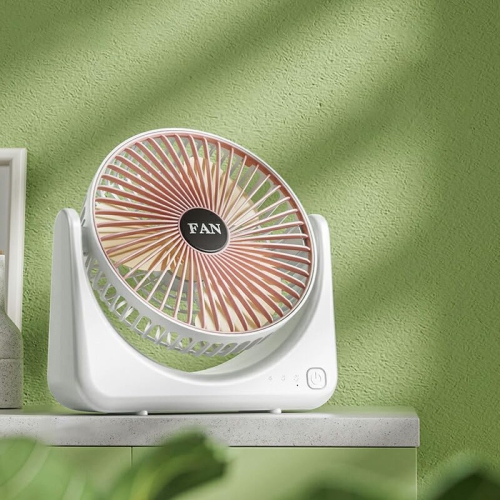
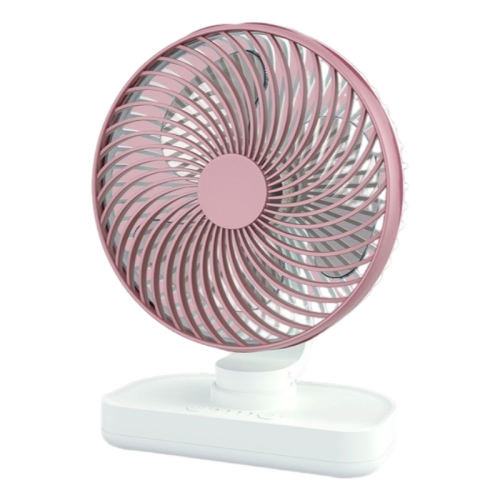
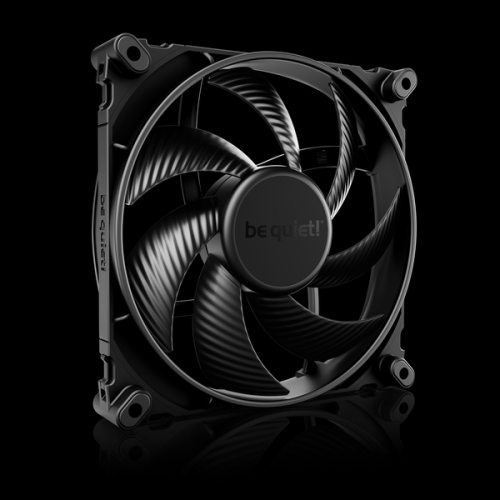
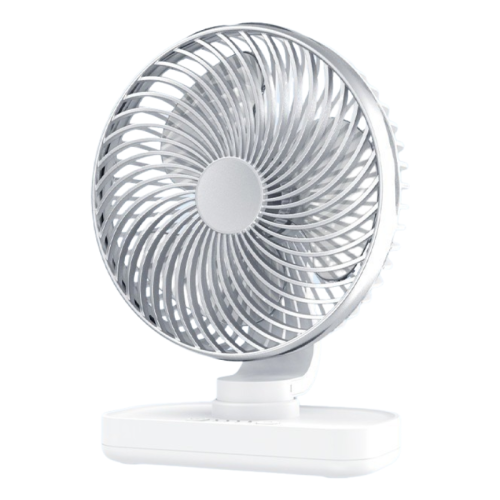
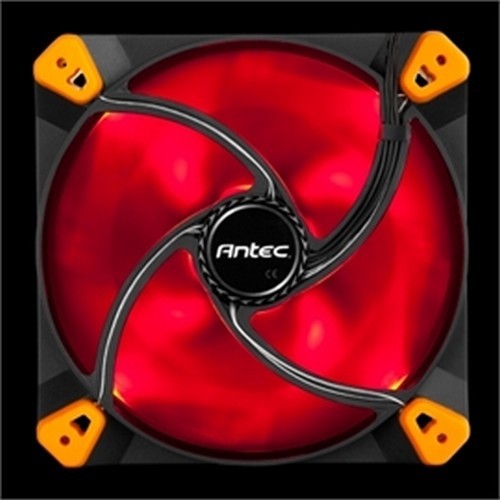
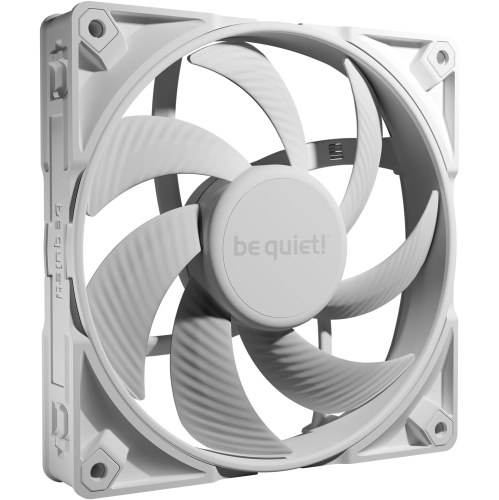
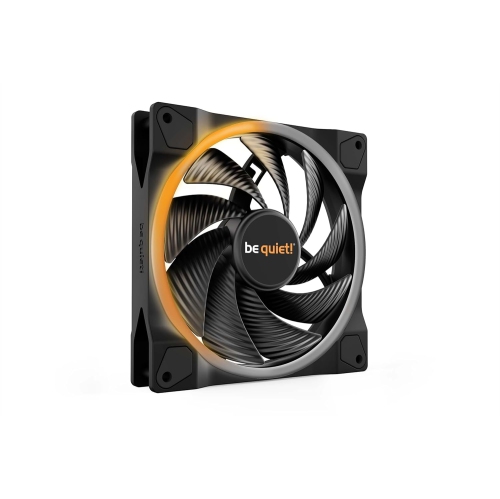
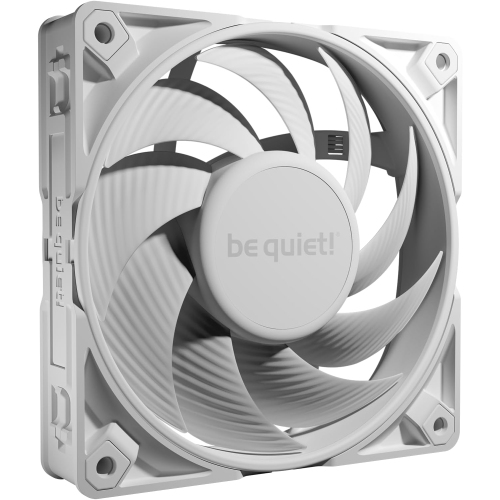
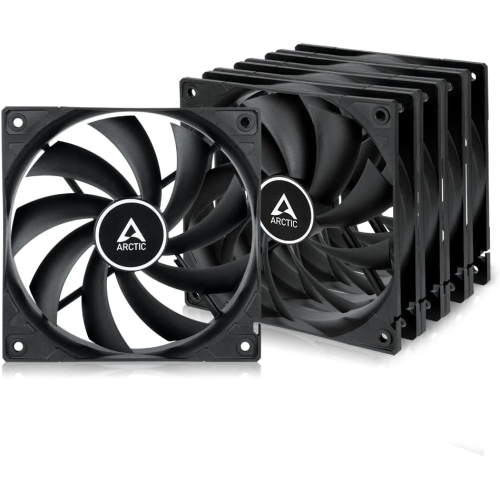
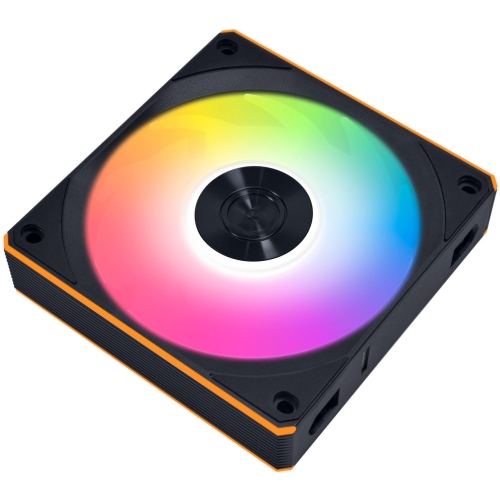
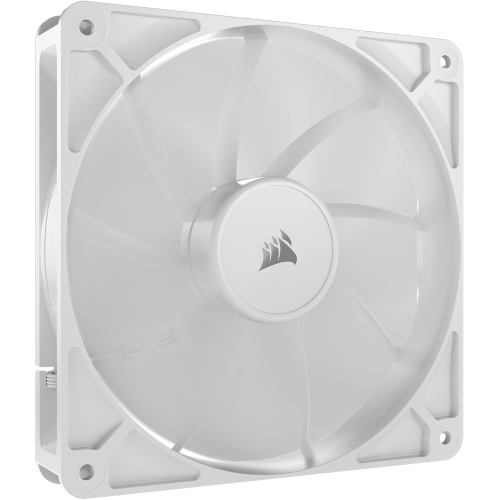
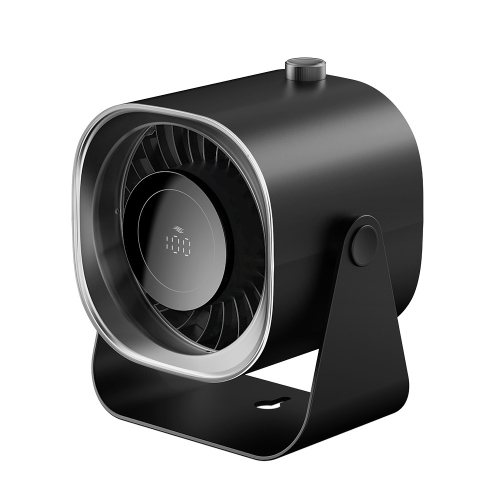
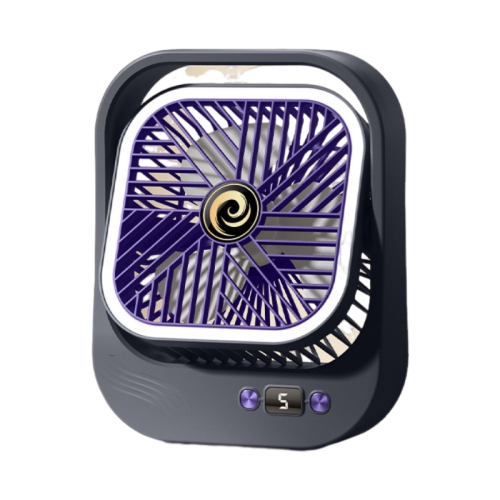
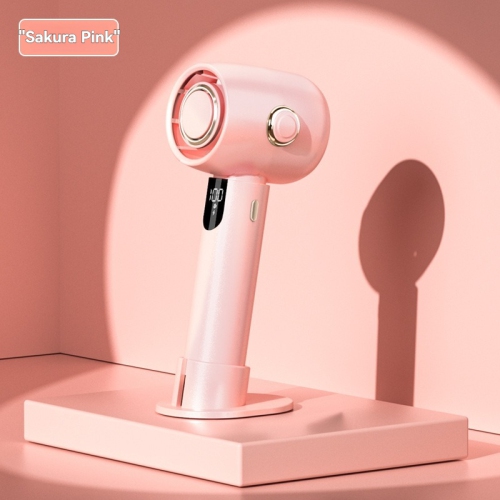
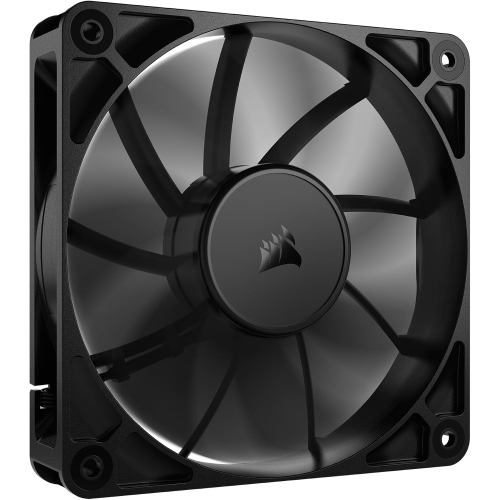
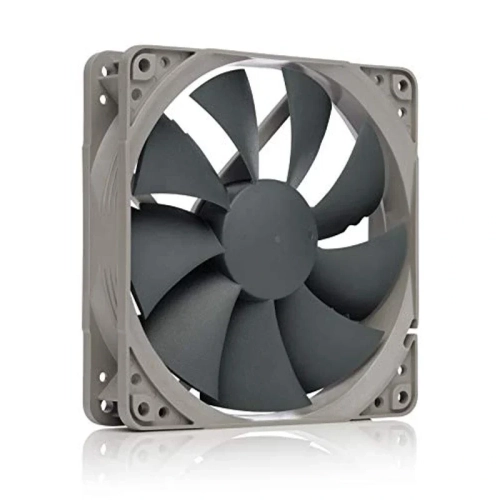
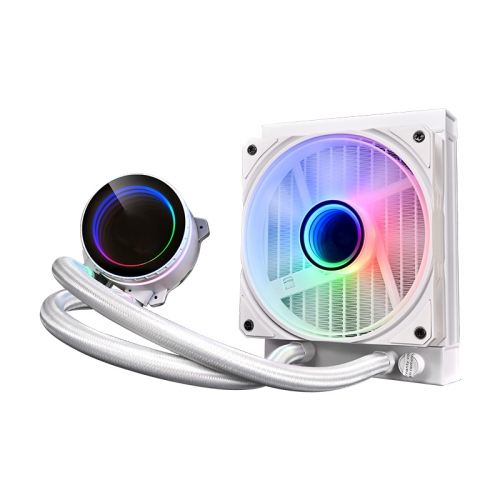
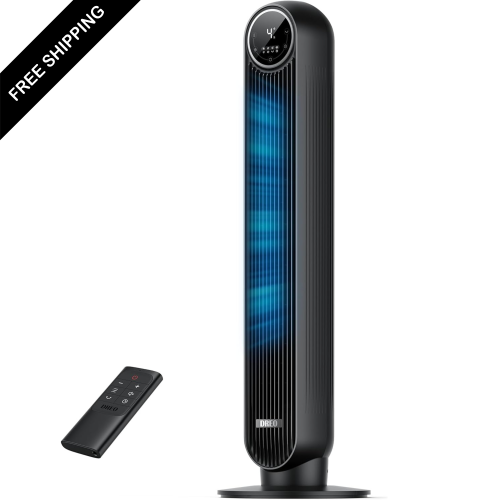
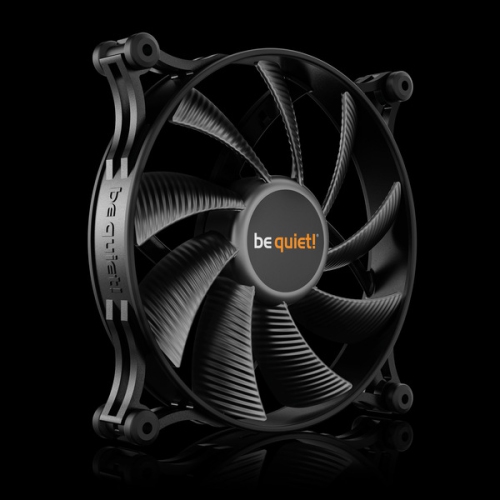
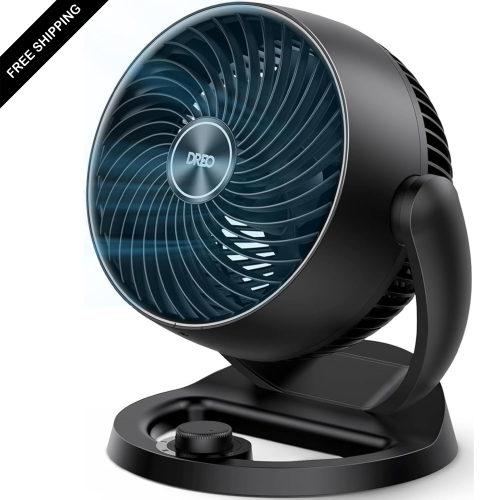
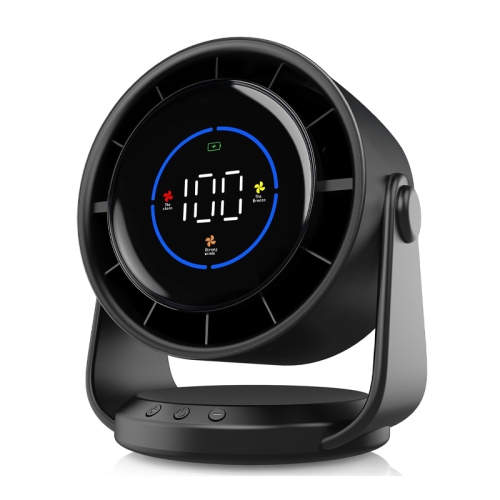
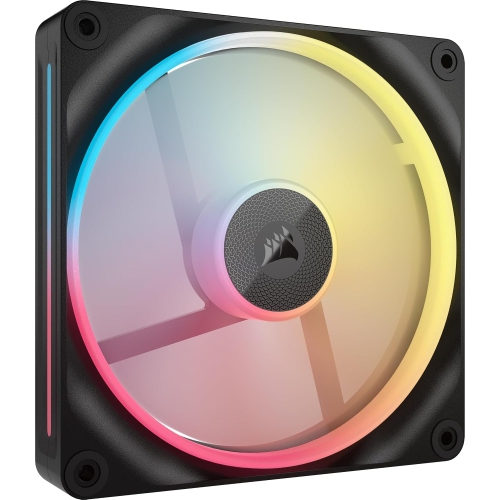
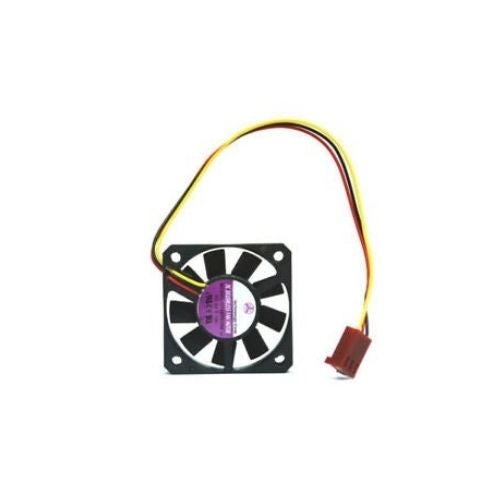
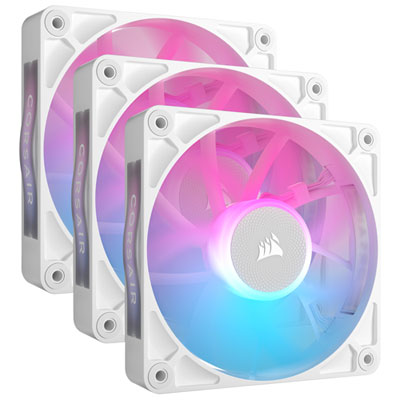
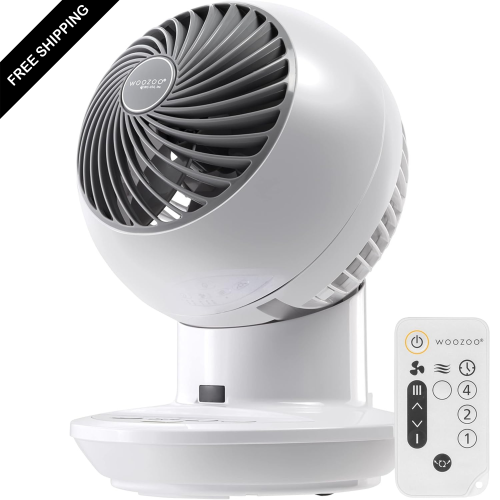
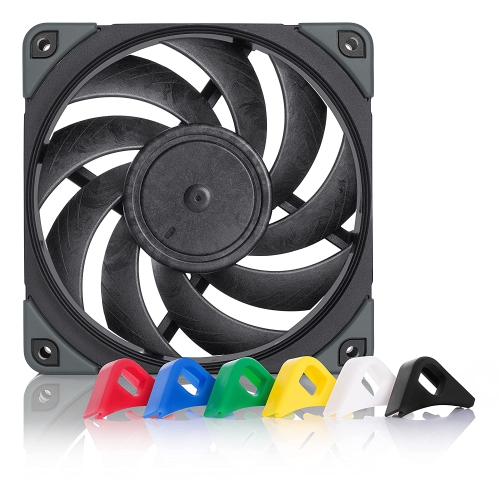
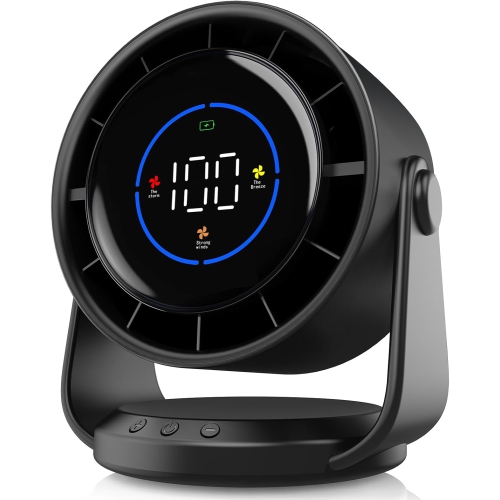
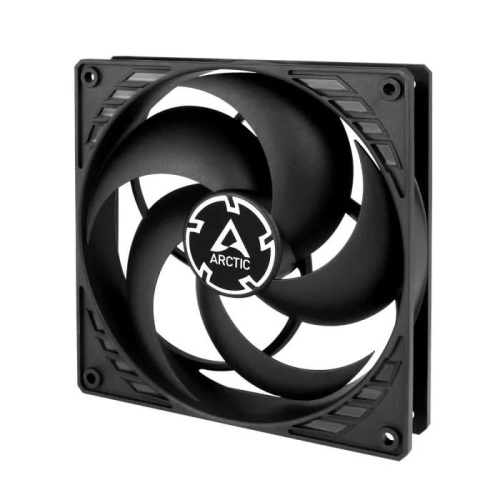
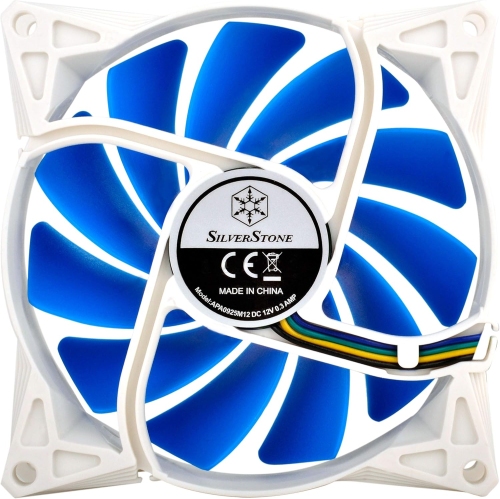
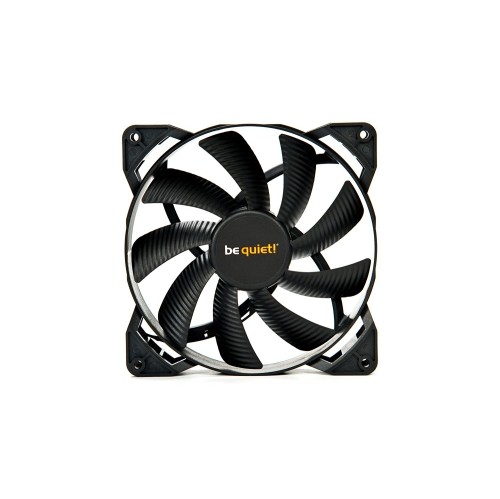
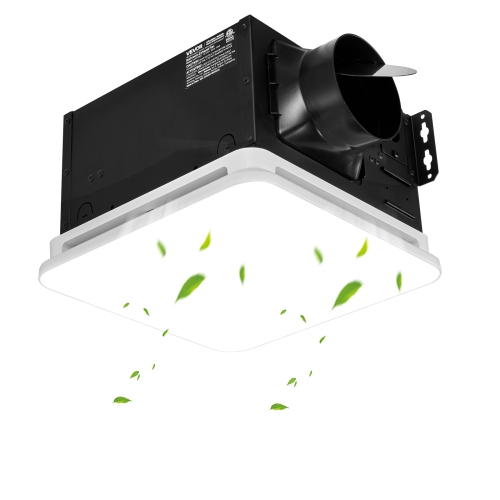
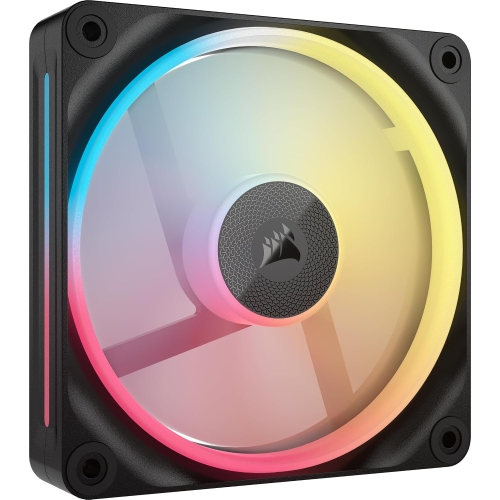
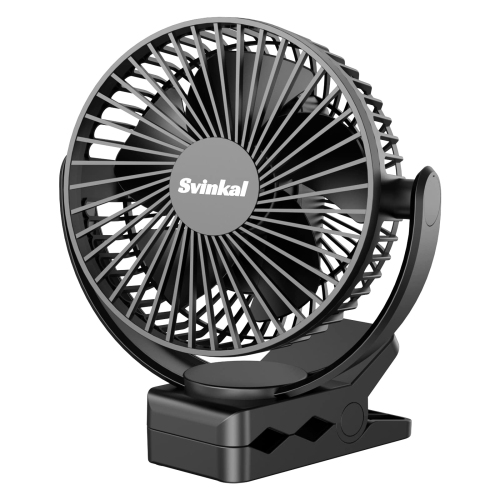
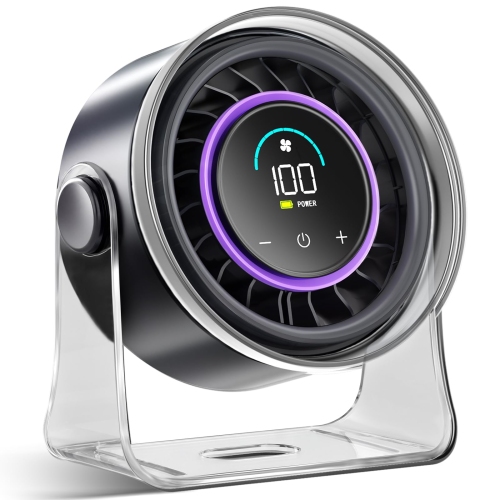
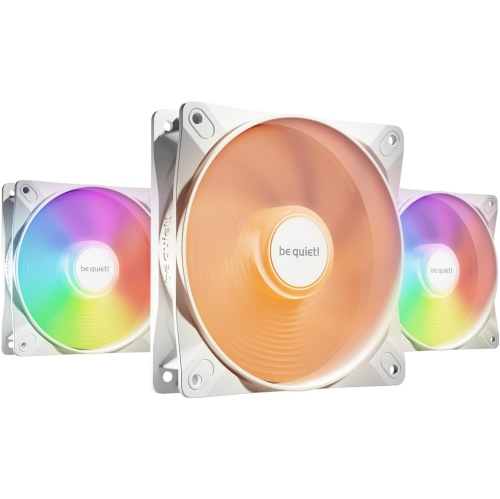
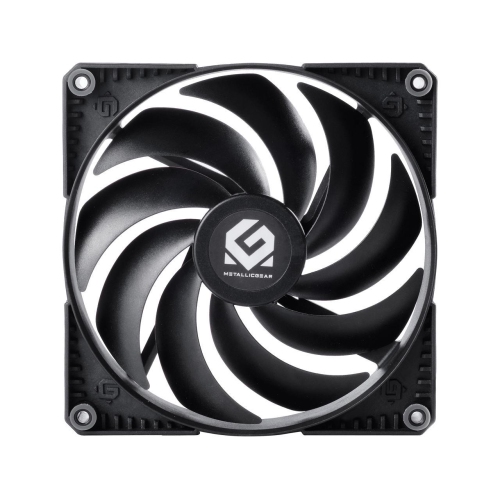
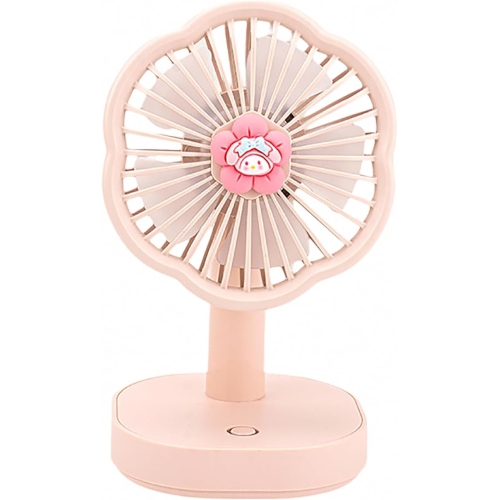
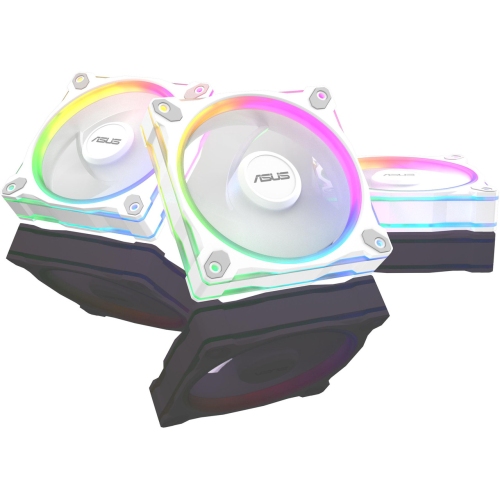
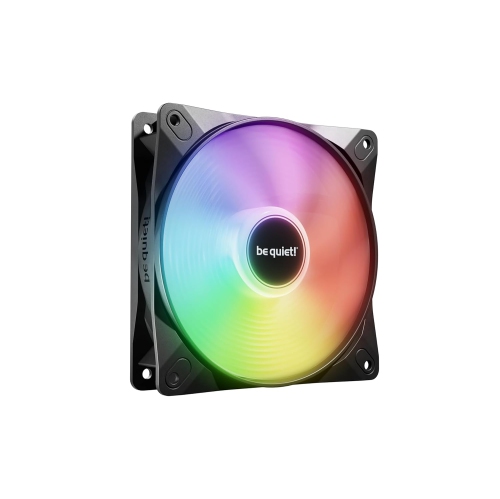
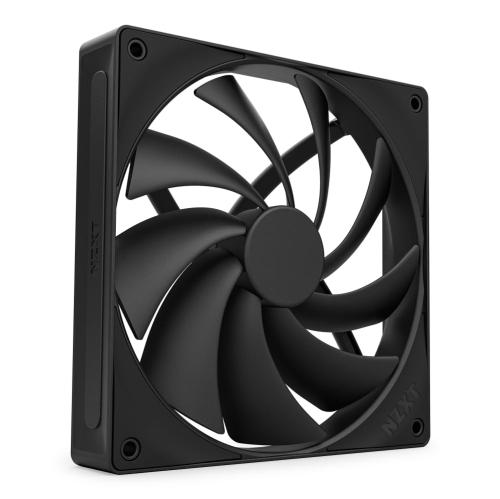
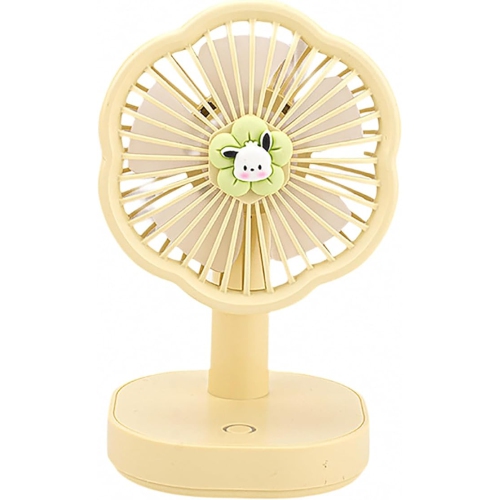
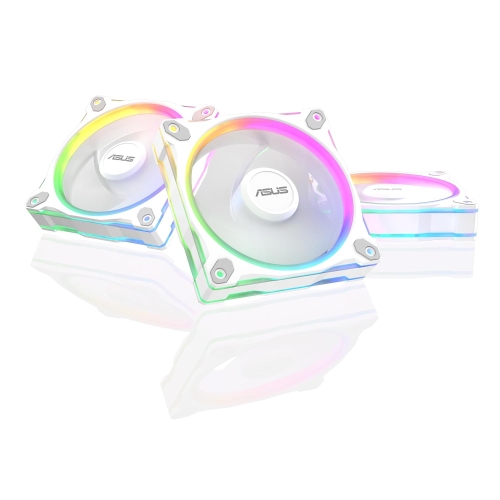
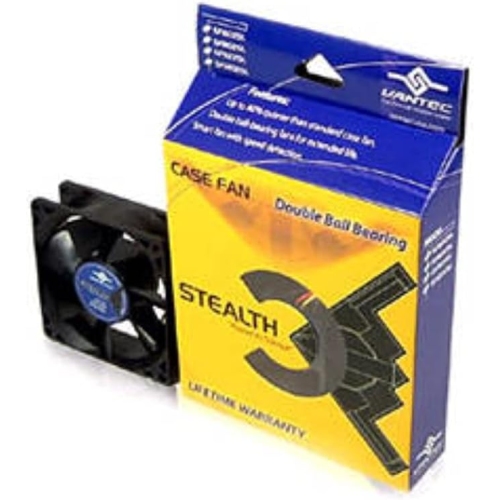
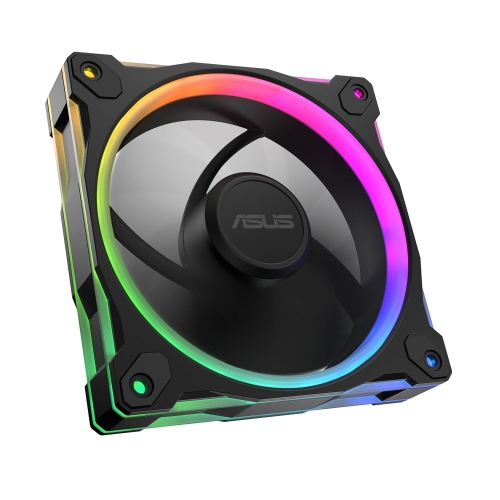
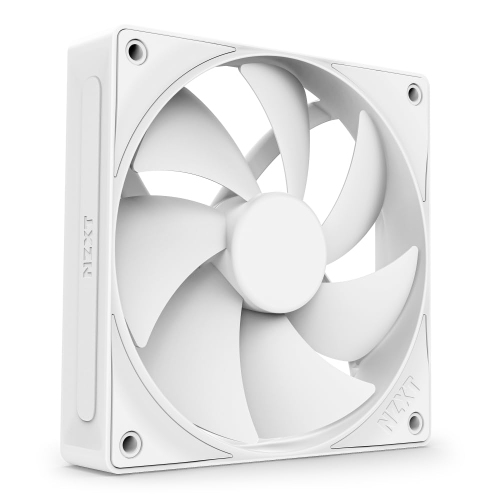
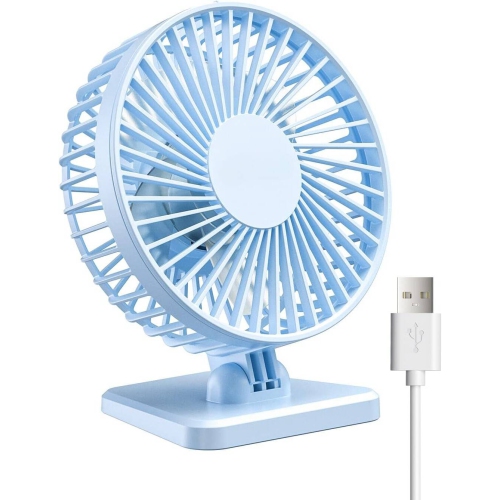
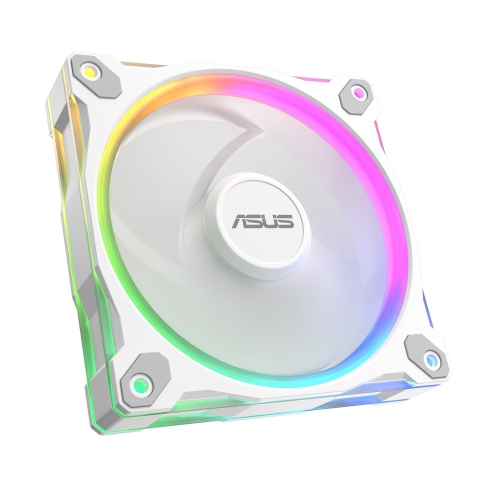
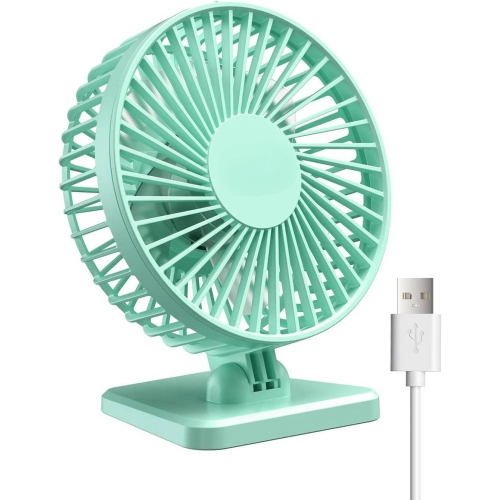
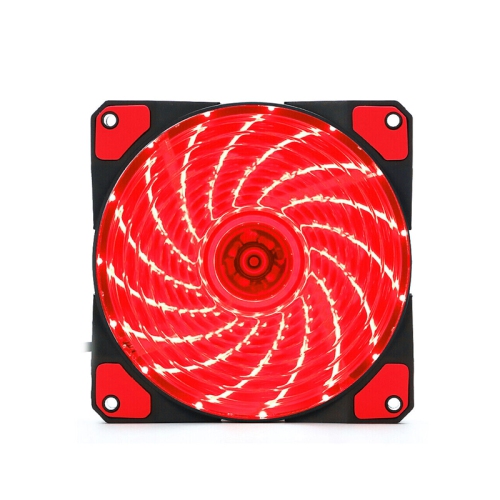
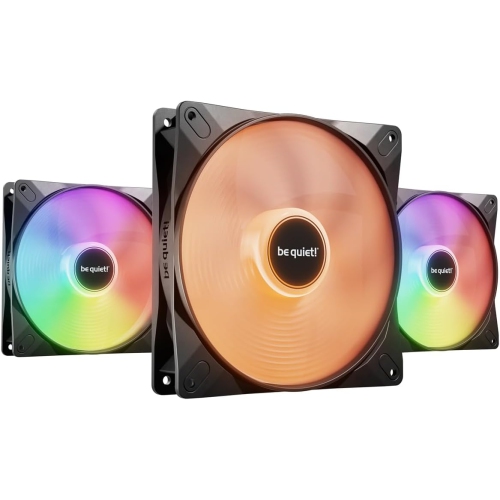
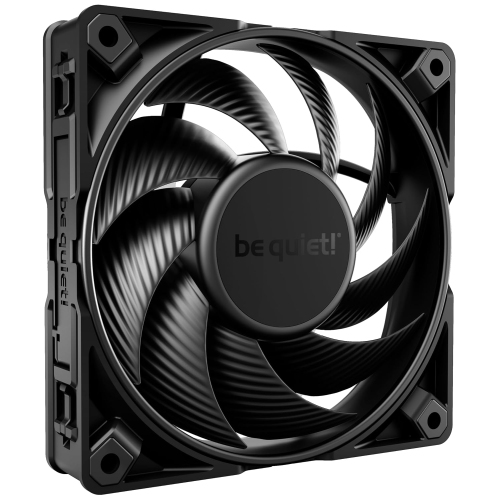
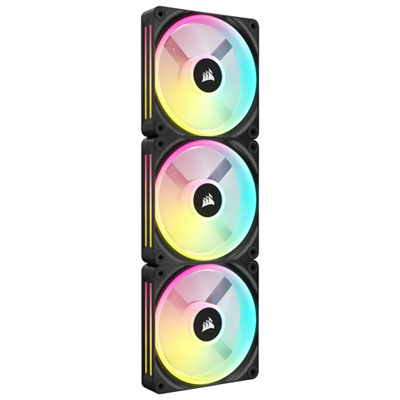
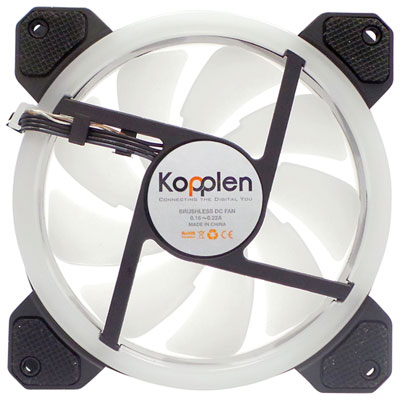
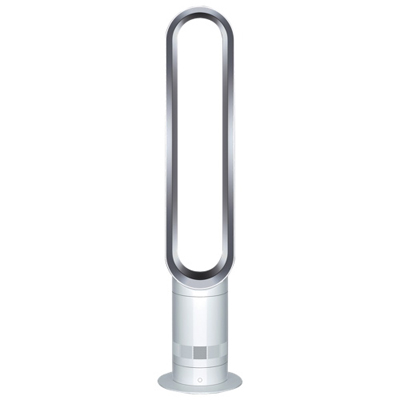
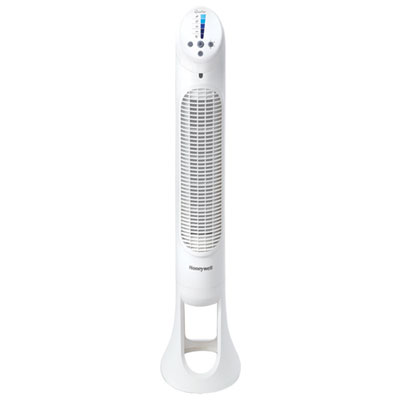
Different fan formats offer different ways to fit quiet airflow into a room. Tower fans have a narrow footprint and an upright shape that can work beside a sofa or near a desk without taking over a walkway. Their outlet shape and oscillation range influence how broadly the air spreads, so cabinet height alone does not indicate airflow coverage. Pedestal fans offer adjustable height and often a tilting head, making it easier to direct air towards a chair, bed, or work area. Tabletop fans keep airflow close to one person, although their base still needs enough clear space to sit securely beside a monitor, lamp, or book. Floor fans generally need more open space, and their sound at lower settings can be more relevant for quiet use than their maximum output. Across these formats, oscillation can share airflow between seating positions, while a fixed direction may be preferable when only one person needs it. The oscillating mechanism should also be considered part of the sound profile, since movement can introduce noise beyond the motor and blades. Useful controls make small adjustments straightforward: closely spaced speed settings can offer more flexibility than a large jump between low and medium. A timer allows operation to end after a chosen interval, and a remote control can reduce the need to get out of bed or leave a desk. For bedrooms, a dimmable or switchable display may matter as much as the fan’s sound, particularly when its controls face the pillow. Audible button tones and automatic speed changes can also affect how unobtrusive a fan feels. Power connections are another practical distinction, since a USB-powered personal fan and a mains-powered room fan serve different spaces and airflow needs. For airflow inside a desktop computer rather than around a room, Quiet Gaming PC Fans belong to a separate category, with fit determined by case dimensions, mounting points, and connector compatibility.
Materials, construction, and routine care help determine how well a low-noise fan holds up to regular use. Plastic housings can keep a fan light enough to move between a desk and bedside table, while metal components may add weight and rigidity. Material alone does not establish quality or quietness; secure joints, a well-supported motor, a balanced blade assembly, and a stable base are more meaningful details. A carrying handle, accessible controls, and a securely fitted grille can make everyday handling easier. In homes with children or pets, guarded blades, dependable placement, and a cord routed away from busy paths deserve particular attention. Any safety features should be checked in the specifications rather than assumed from the fan’s appearance. Bladeless designs still contain moving components inside the housing, so their care requirements and access restrictions remain important. Dust can collect on grilles and blades, restricting airflow and sometimes contributing to uneven operation or extra noise. Cleaning is generally simpler when the manufacturer allows the grille to be removed, but disassembly should follow the supplied directions. A fan should be switched off and unplugged before cleaning, with moisture kept away from the motor, controls, and electrical connections. Components washed according to the care instructions need to be completely dry before reassembly and use. Sealed motors and bearings should not be lubricated unless the manufacturer specifically calls for it. Persistent rattling, a damaged cord, or a change in motor sound warrants attention rather than simply increasing the speed to mask it. For someone setting up a first apartment, furnishing a study space, or making a shared bedroom more comfortable, a quiet fan can be a practical gift when its size and controls suit the recipient’s routine. A compact footprint, easy cleaning access, and predictable operation often contribute more to lasting satisfaction than an elaborate control panel. The appeal is straightforward: dependable airflow that fits naturally into daily life without becoming the most noticeable sound in the room.
Top selling and popular products
-
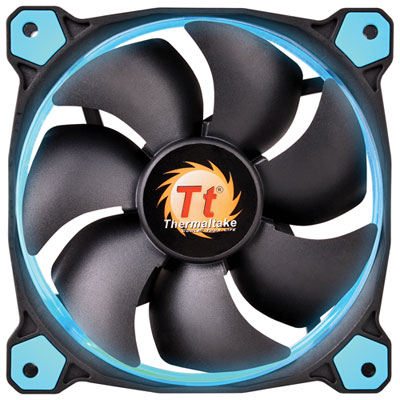 Your price for this item is $19.99
-
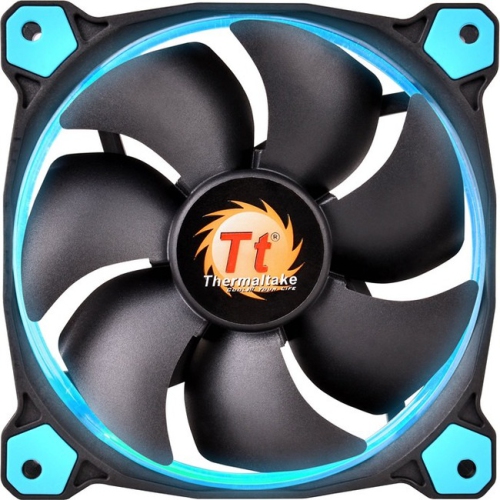 Your price for this item is $48.68
-
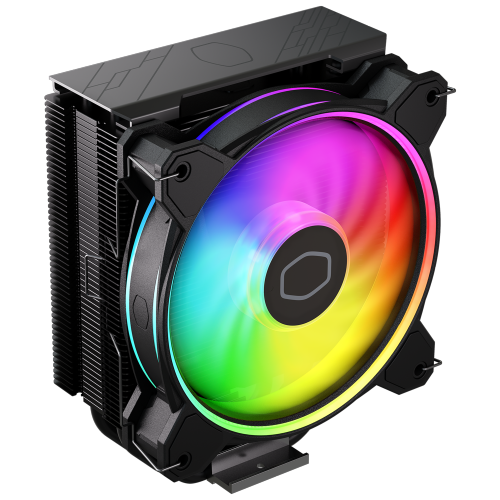 Your price for this item is $61.68
-
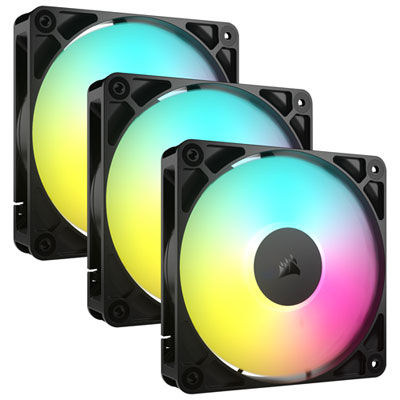 Your price for this item is $74.99
-
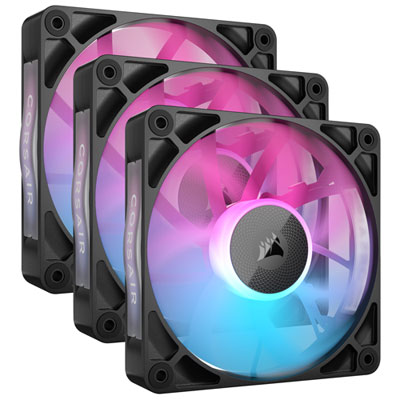 Your price for this item is $139.95
-
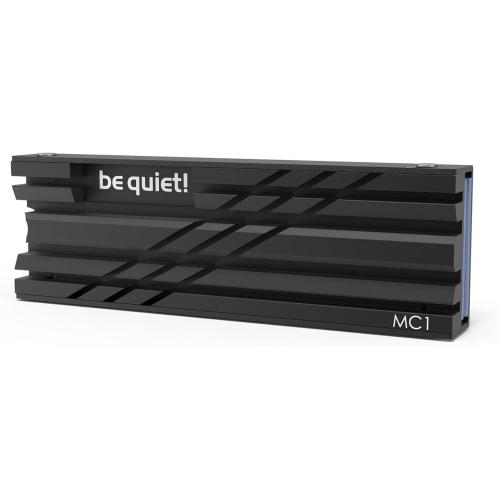 Your price for this item is $37.68
-
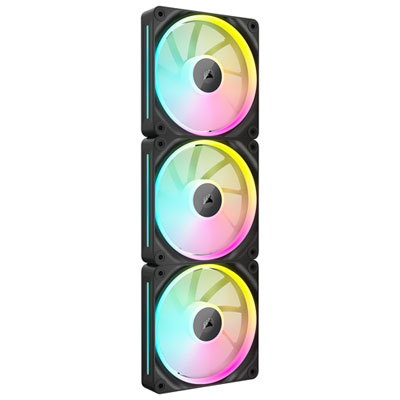 Your price for this item is $179.95
-
 Your price for this item is $149.97
Discover more categories related to Low Noise Fans
Top Collections:
Best Black Friday Deals This Year, Best Black Friday Deals On Electronics, Kindle Devices, Pokemon Centers, Best Black Friday Deals On Apple Products, Best Cameras for Sports Photography, Dyson Airwrap, Pokémon 30th Celebration Cards, Apple iPhone 17 Pro, Canon G7X Cameras
Some products may be subject to Environmental Handling Fees
(EHF) depending on your province.
Learn more about EHFs.