Mixers for Beginner Baker
Whether you're a novice or a baking veteran, the right mixer can make your life easier and your results better. We've rounded up some of our favorite mixers for beginners, whether you're looking for a basic model to help you make cookies or a more advanced model that can handle all kinds of tasks.
Sort
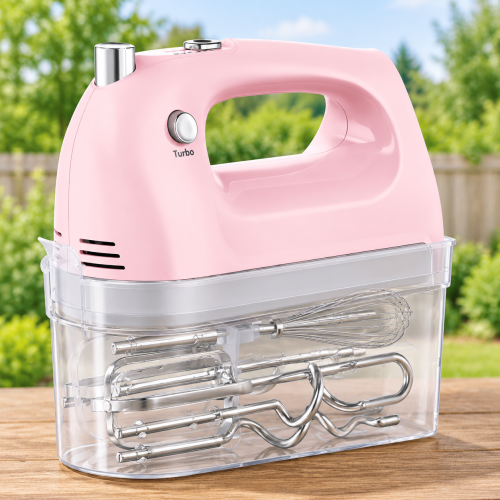
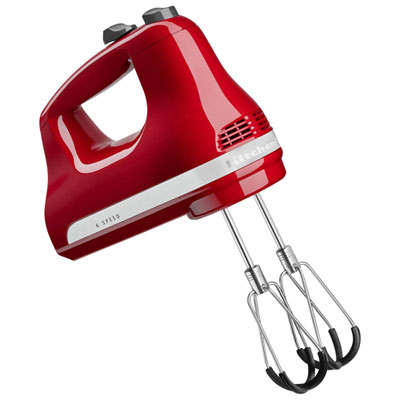
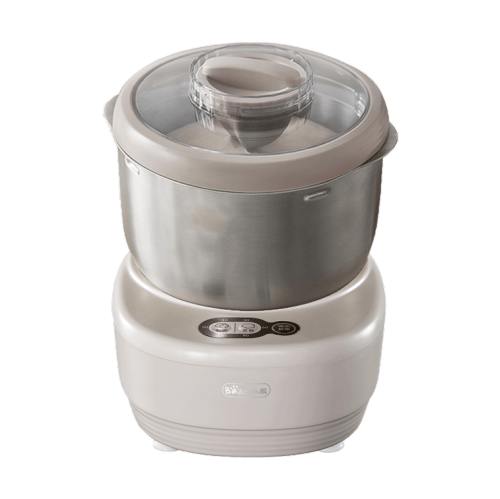
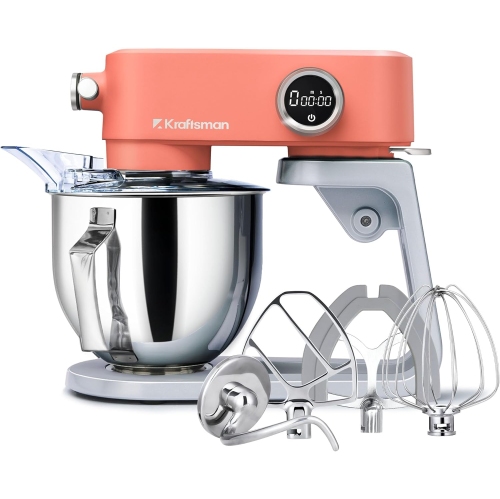
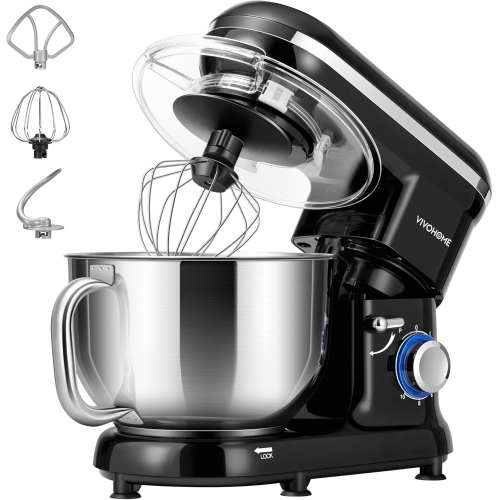
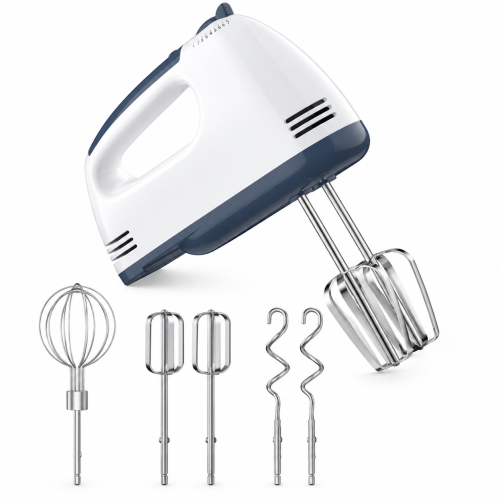
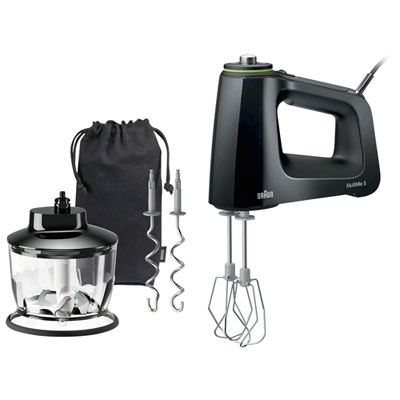
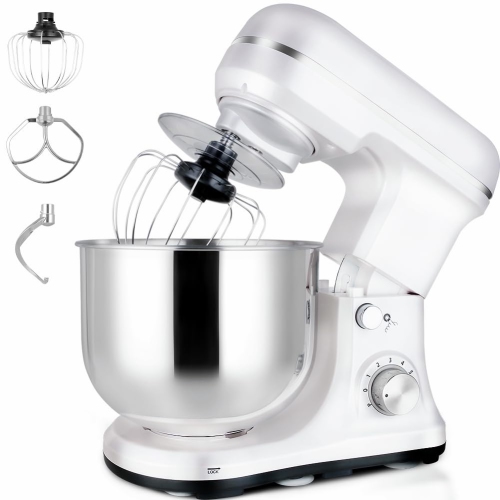


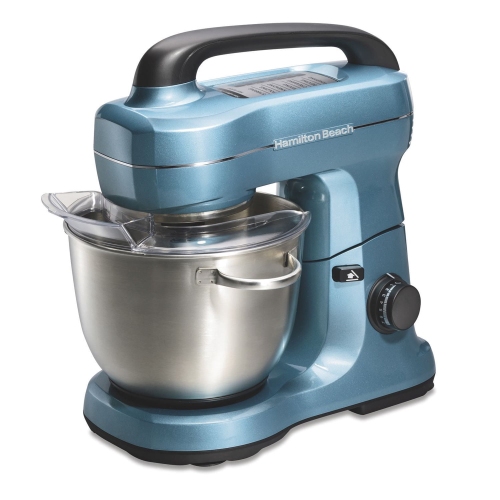
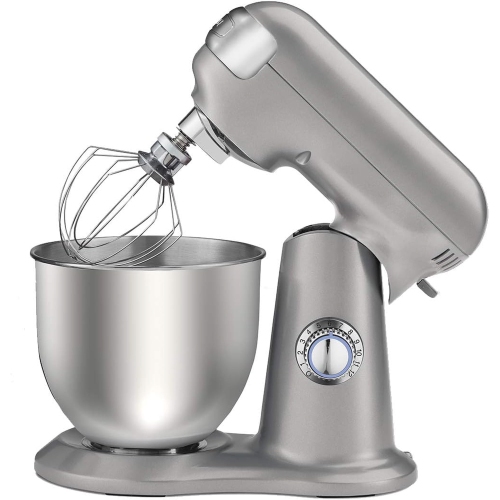
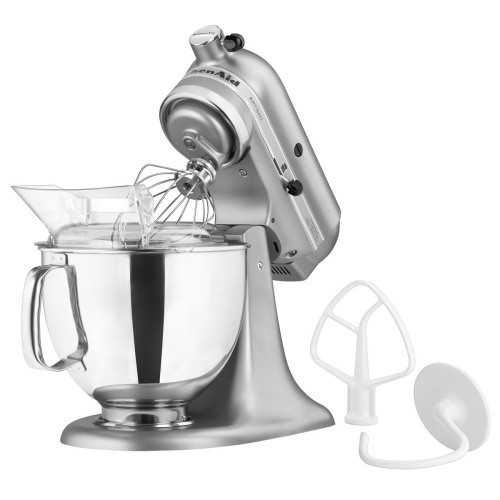
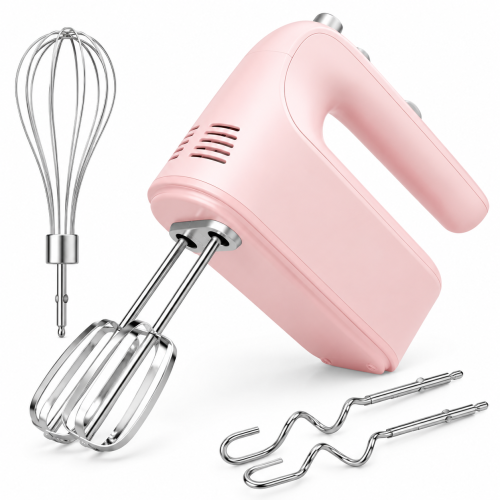
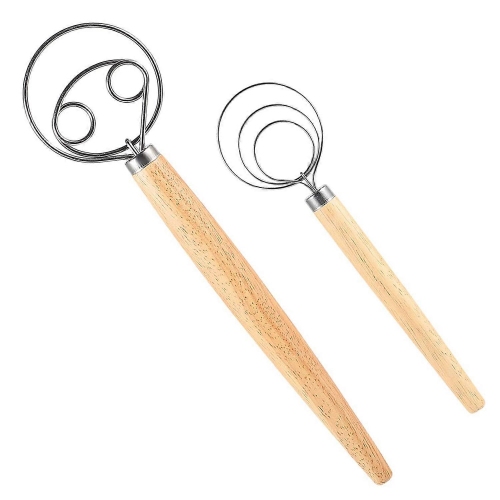
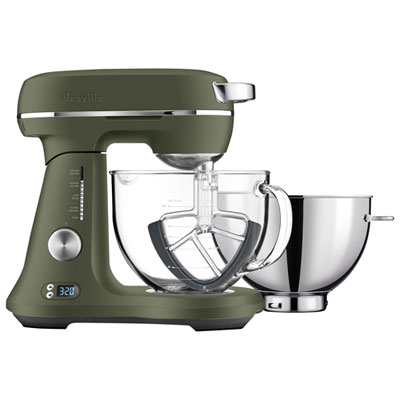
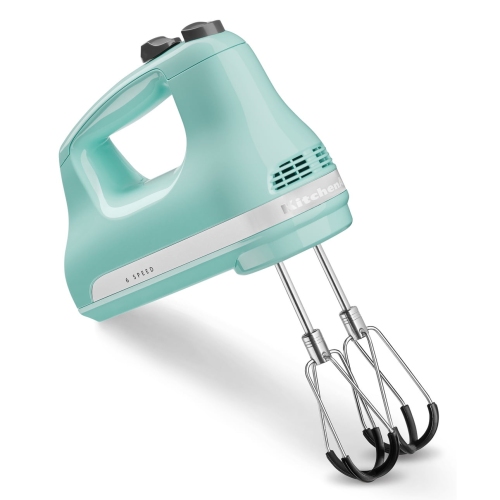
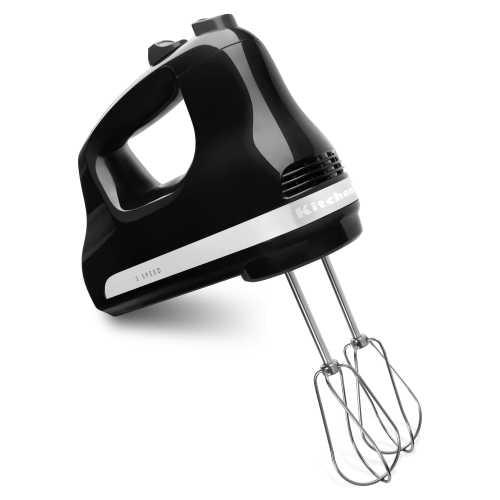
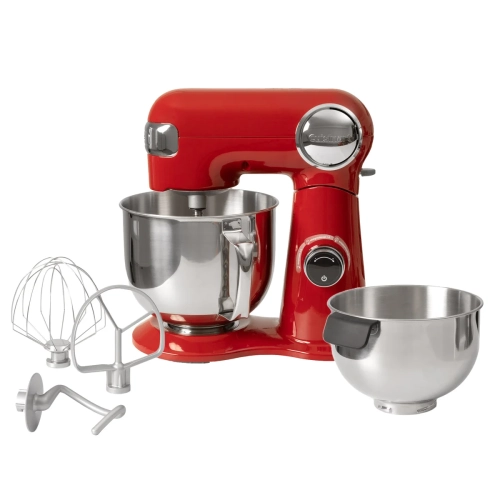
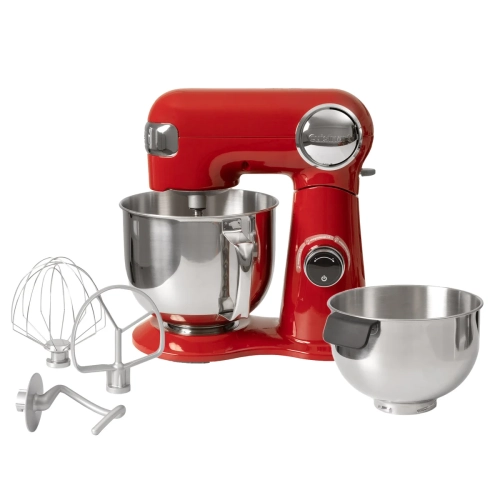
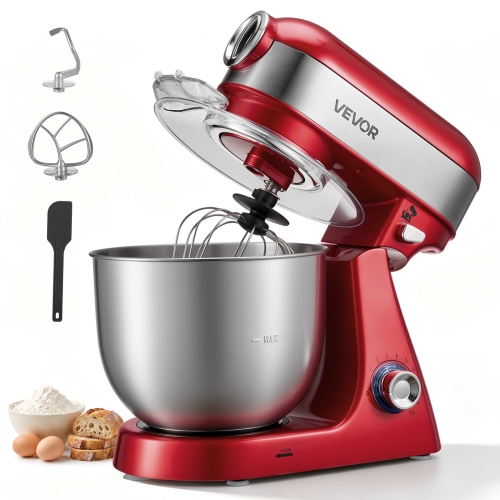
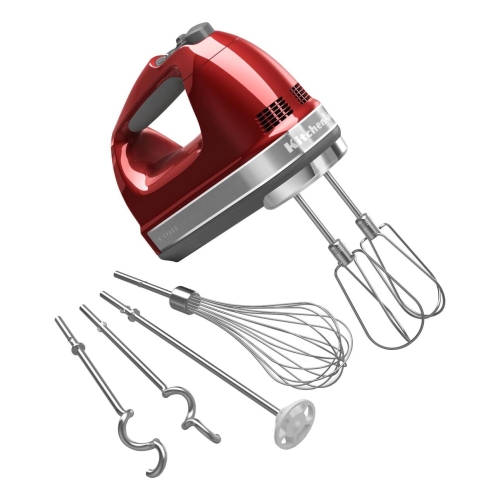
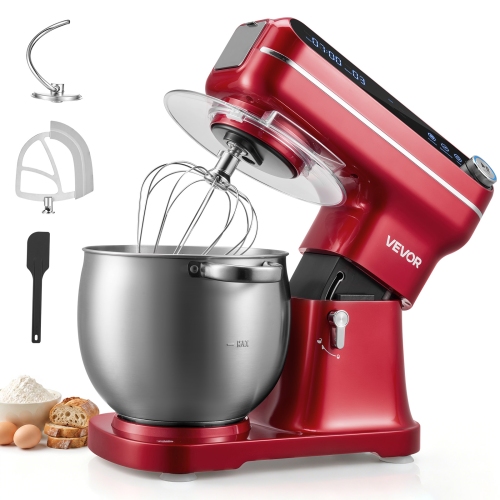
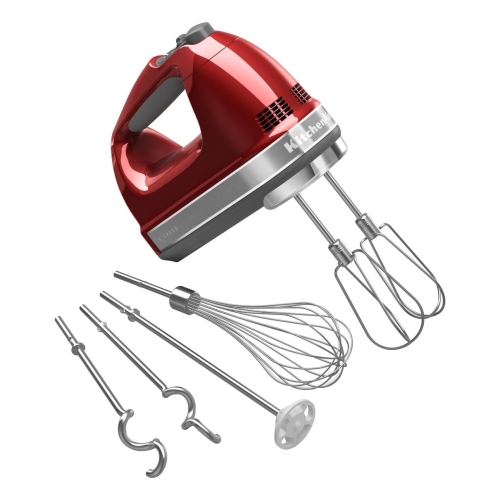
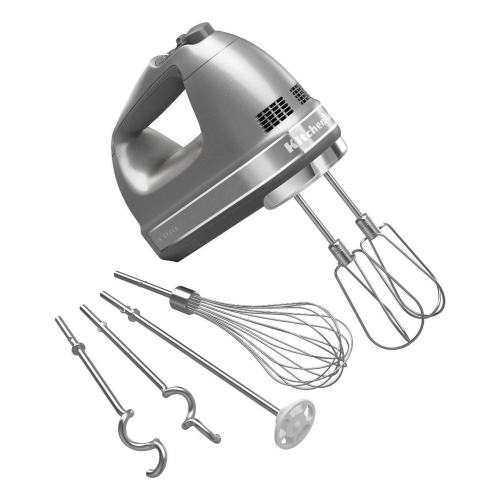

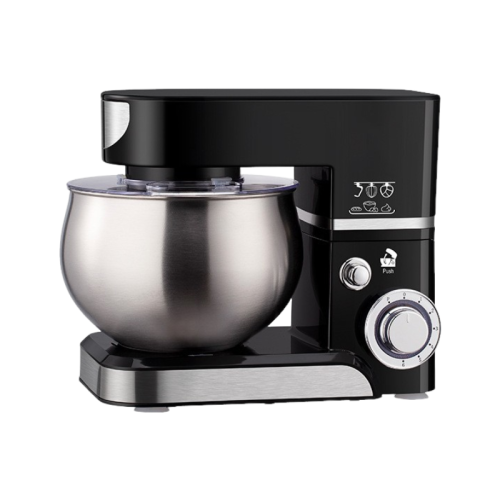
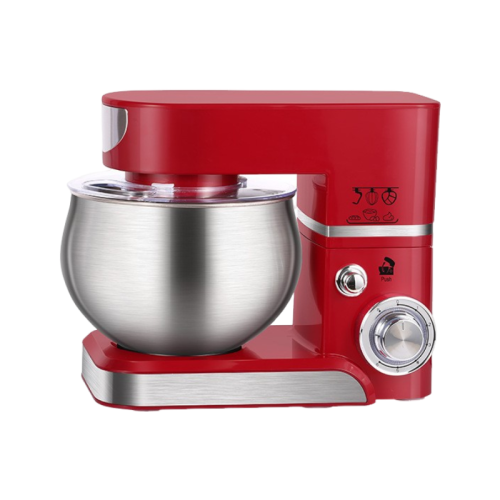
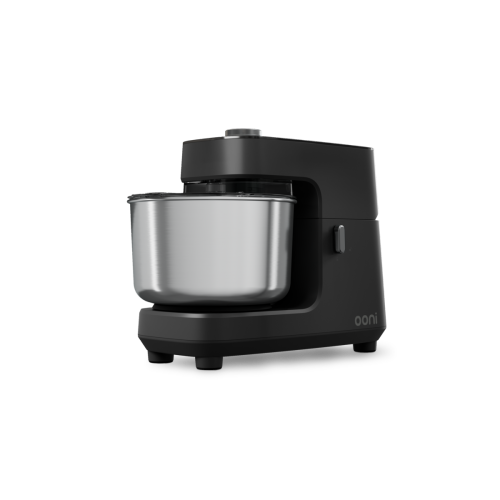
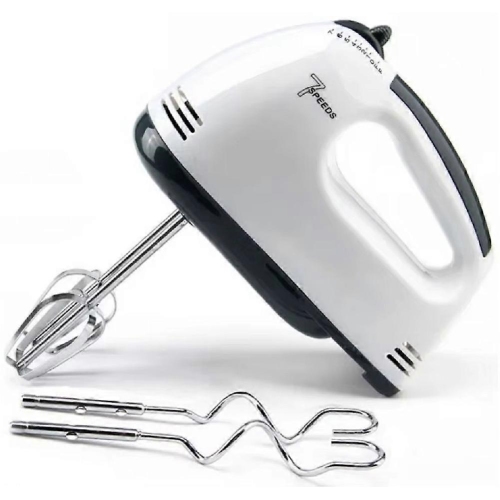
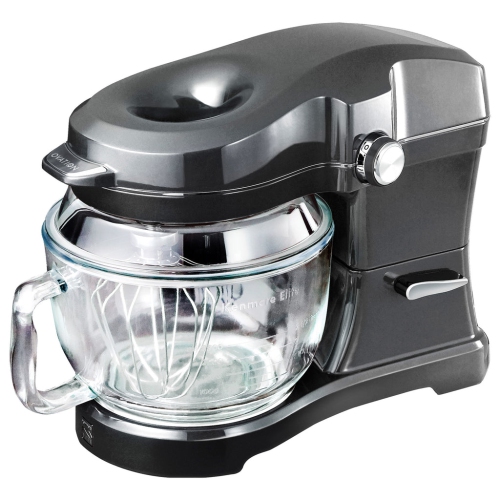
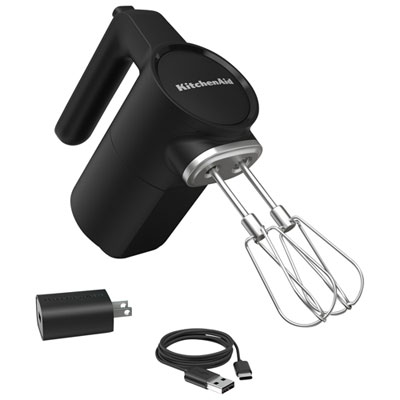

How hand and stand mixers support first baking projects
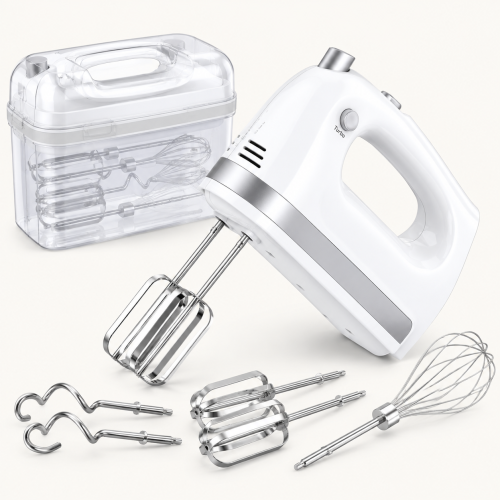
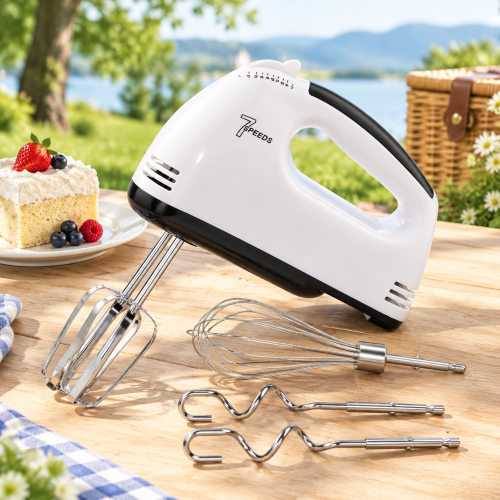
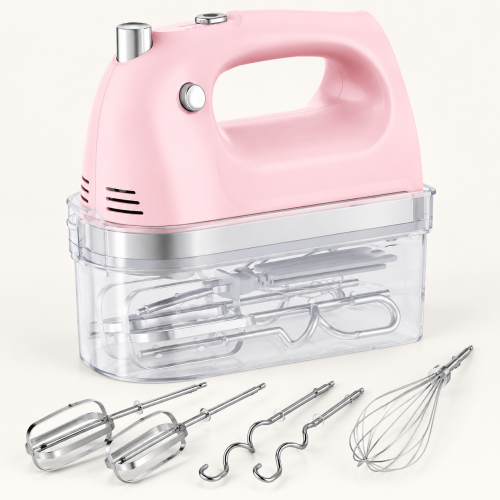
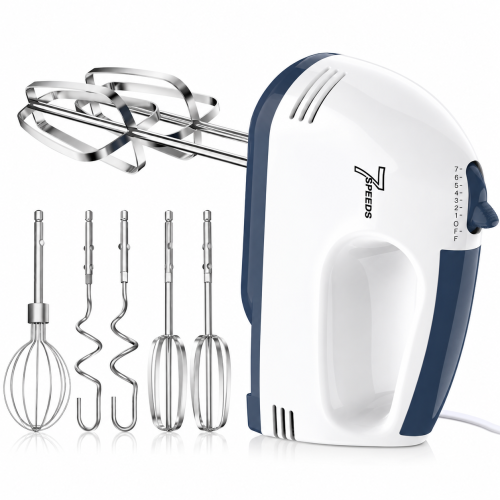
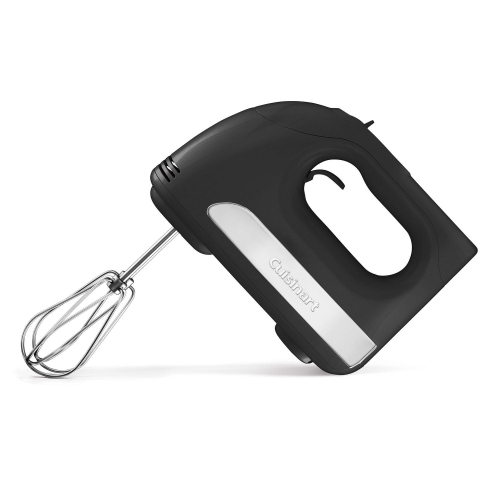
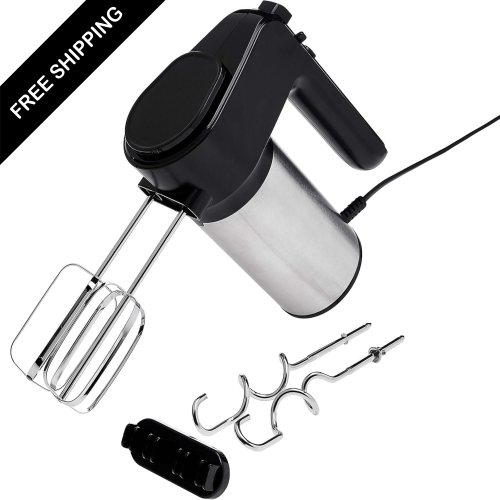
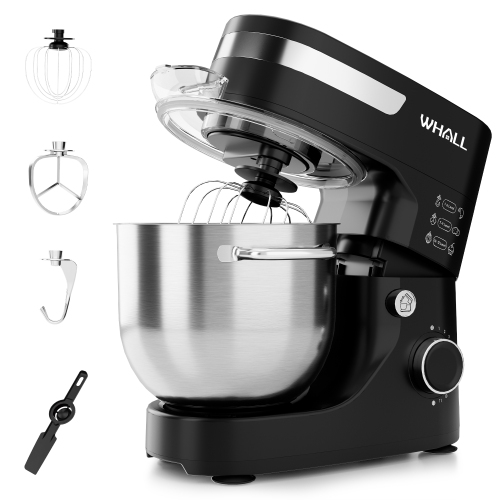
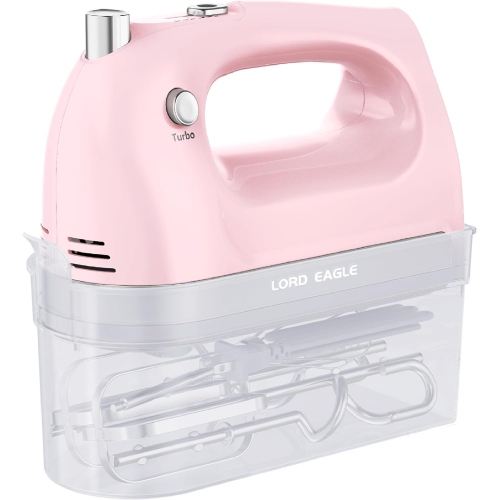
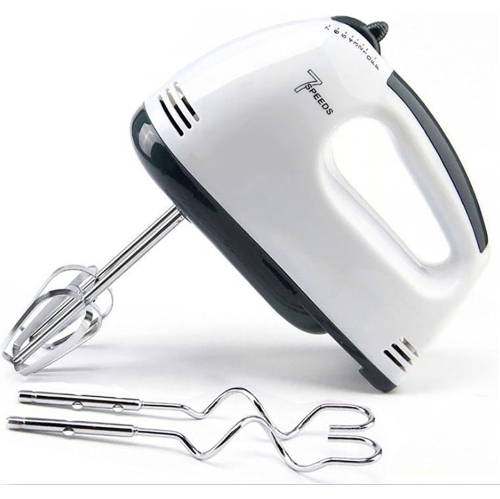
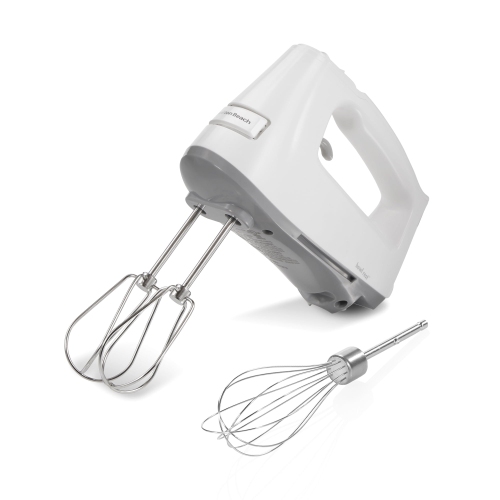
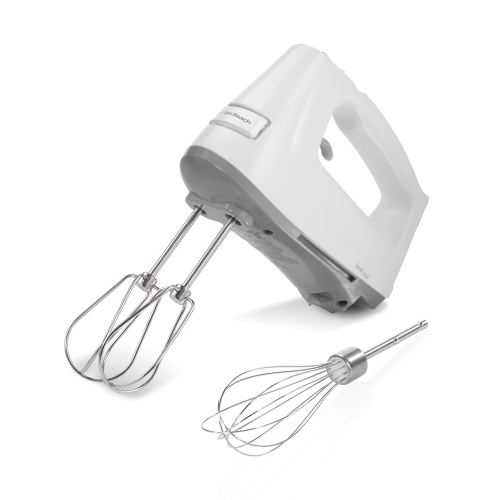
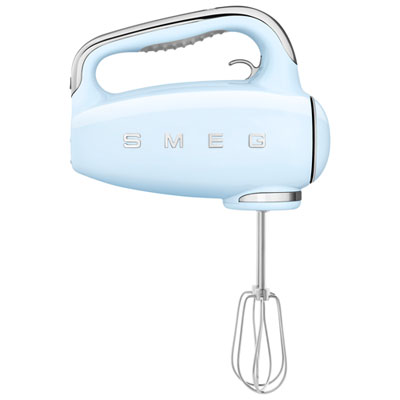
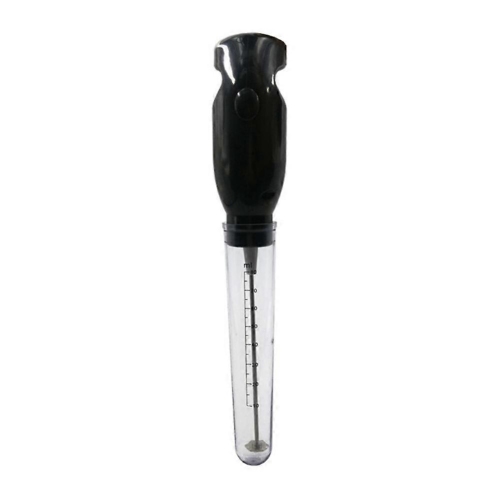
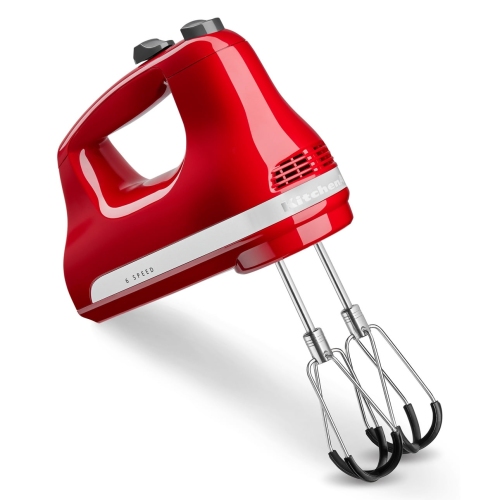
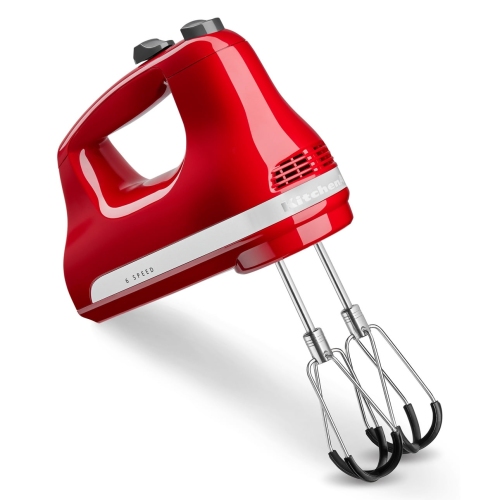
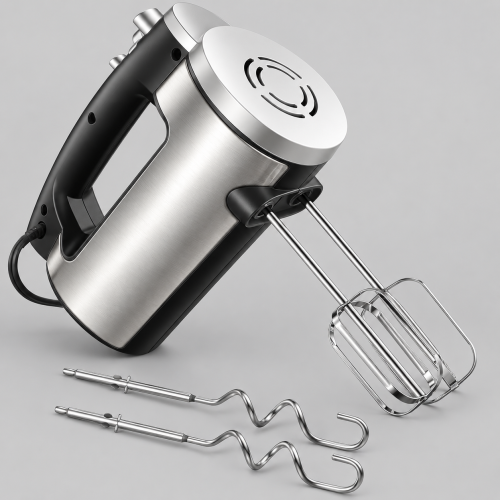
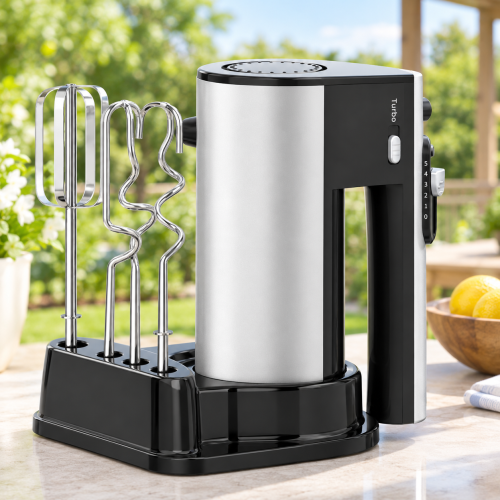
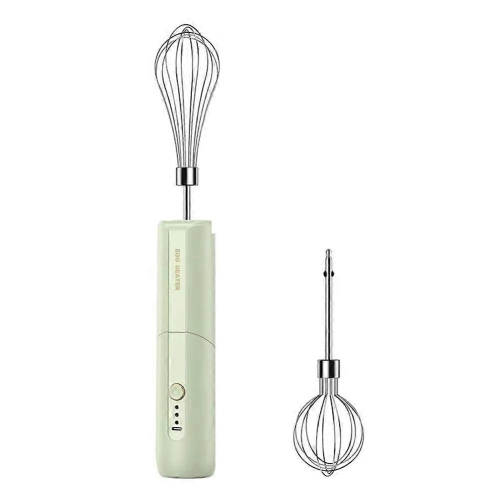
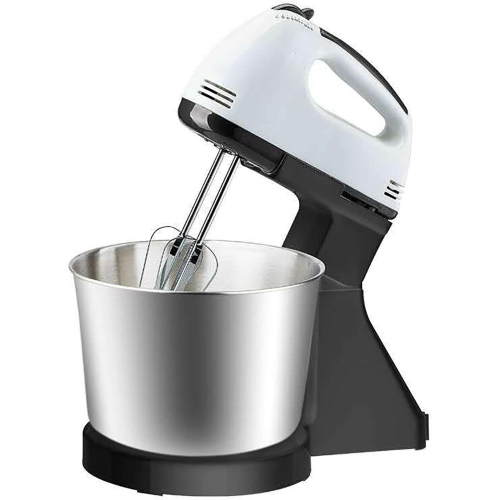
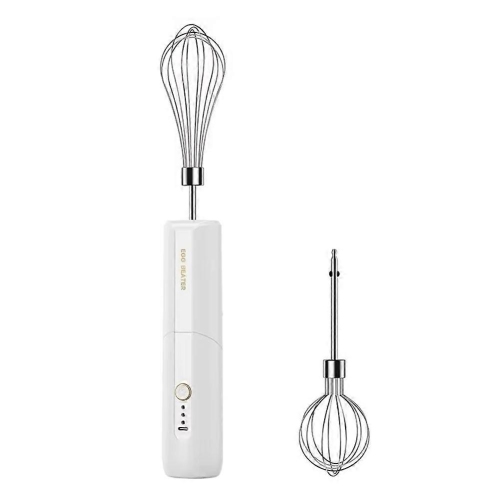
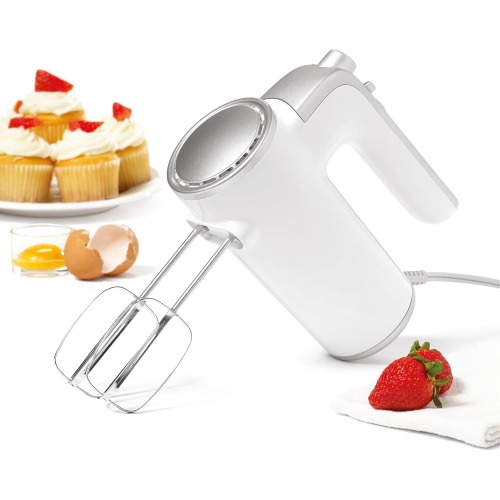
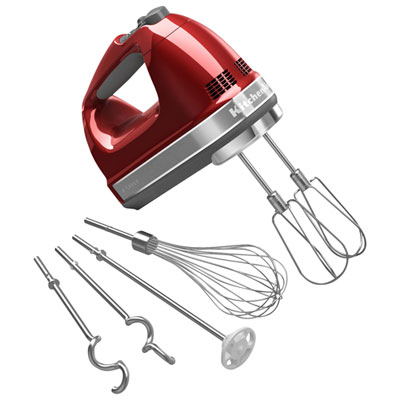
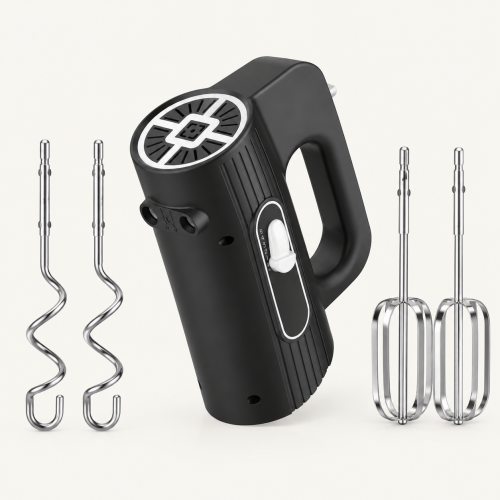
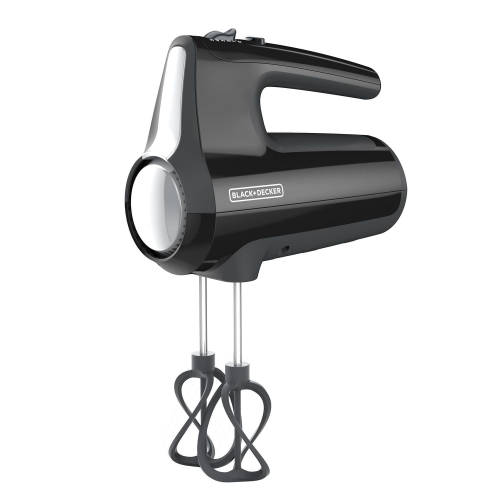
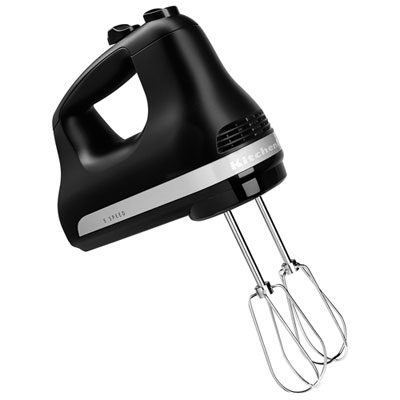
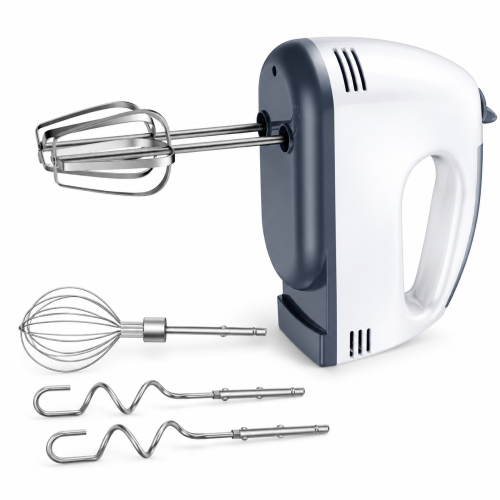
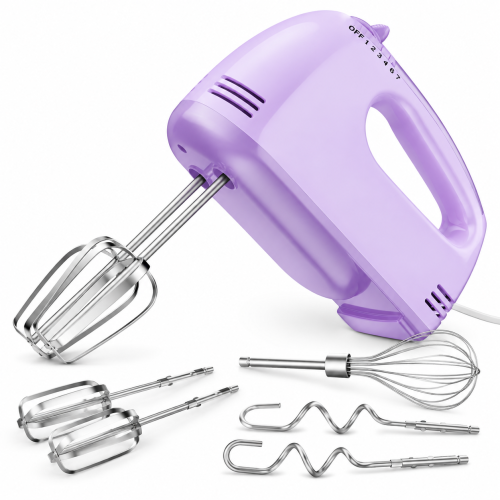
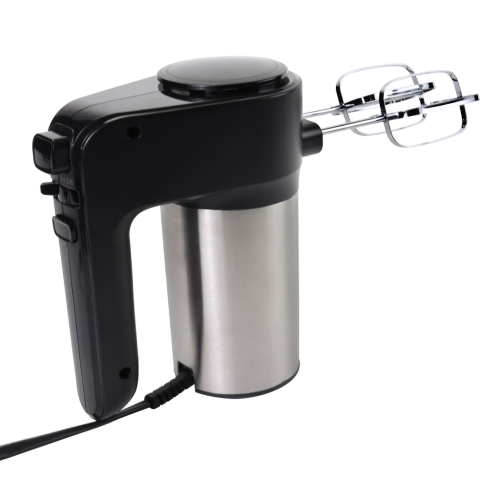
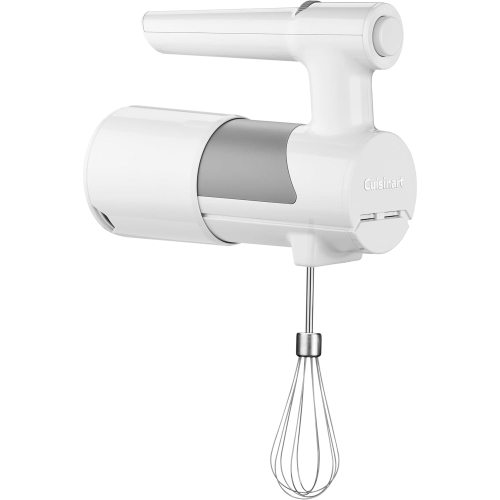
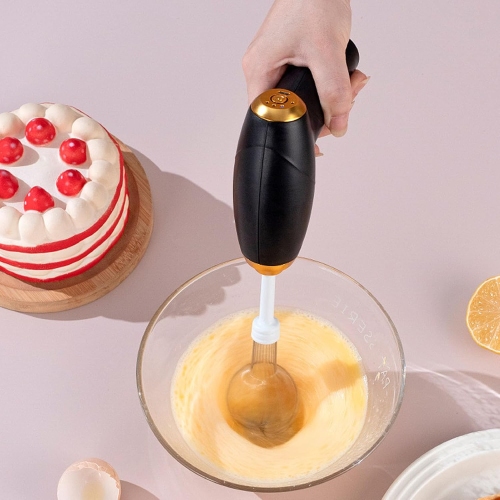
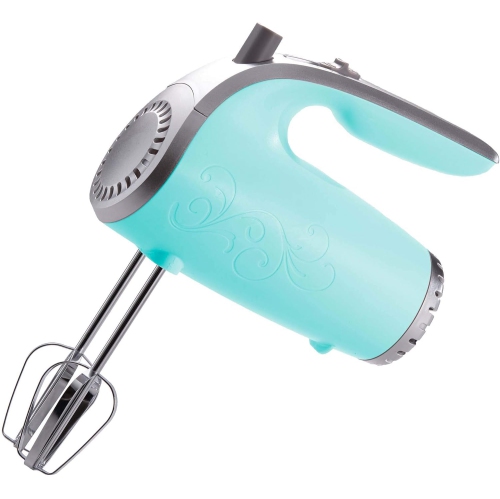
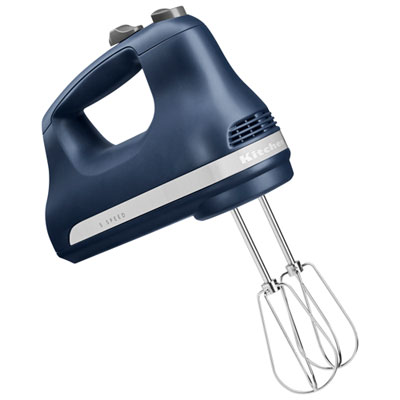
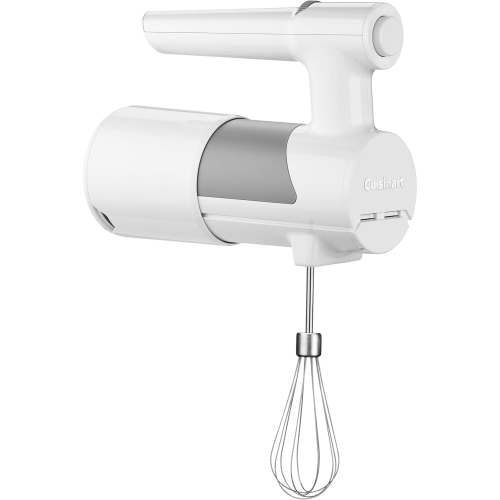
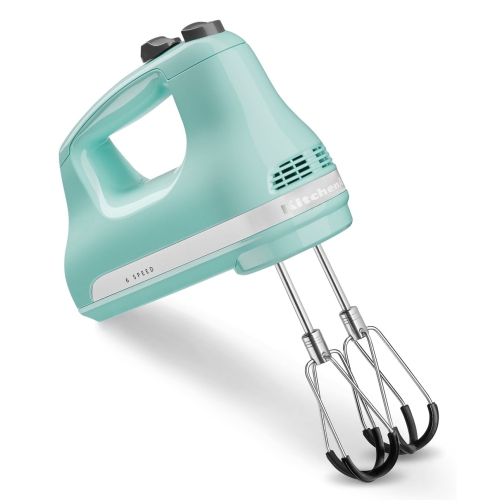
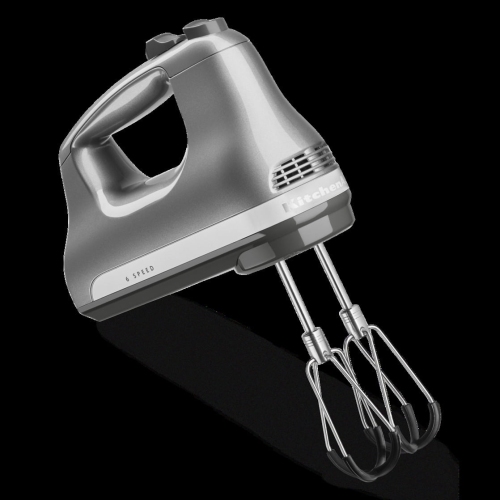
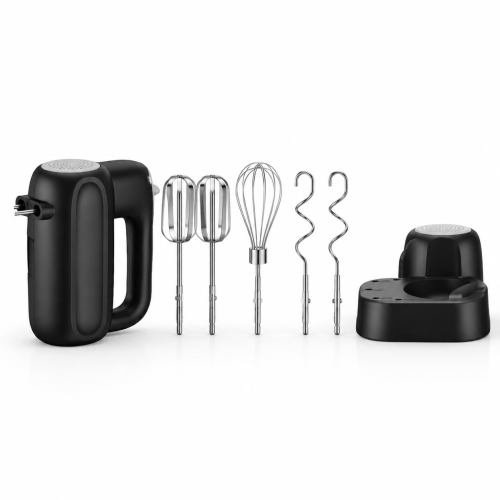
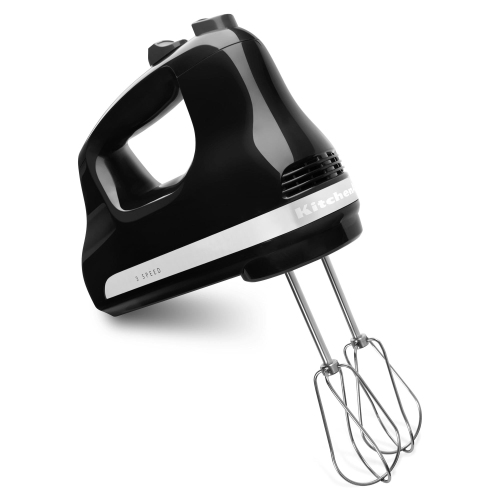
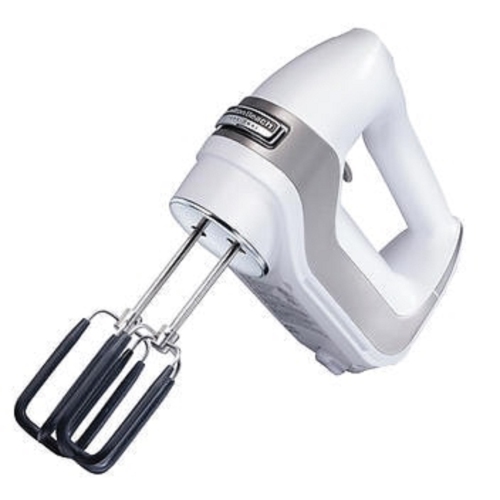
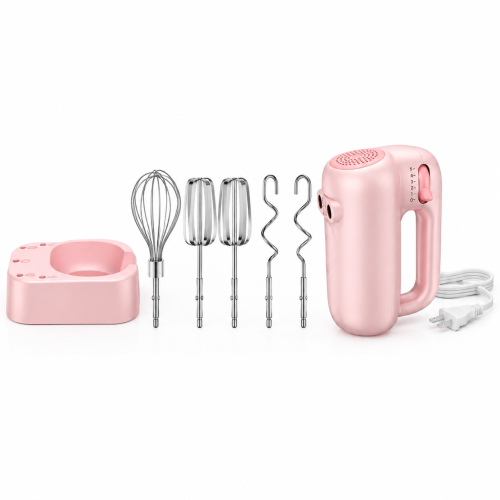
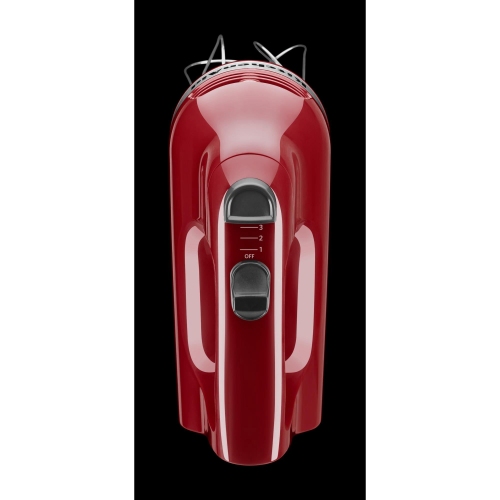
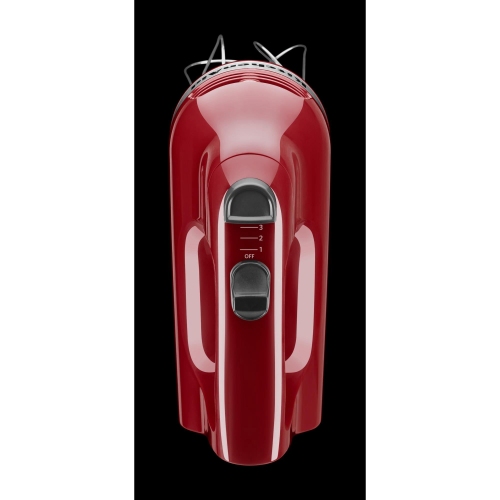
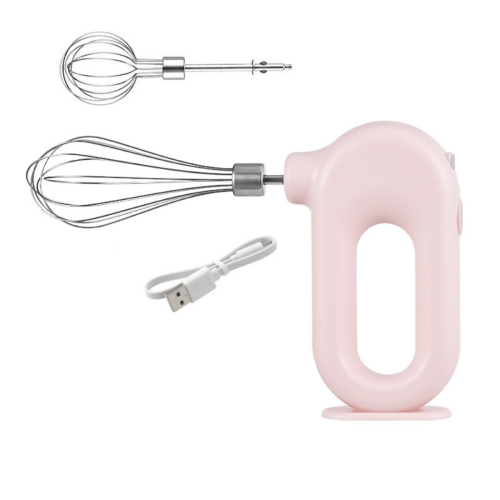
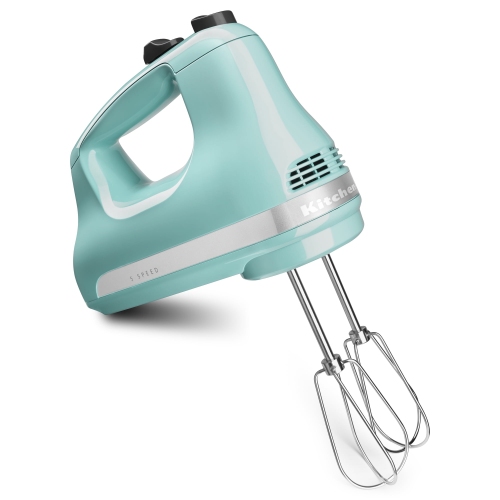
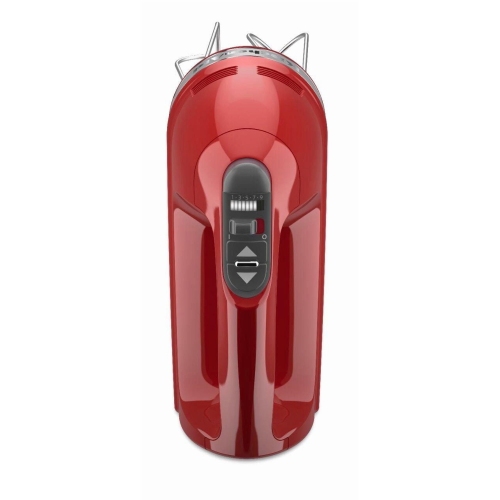
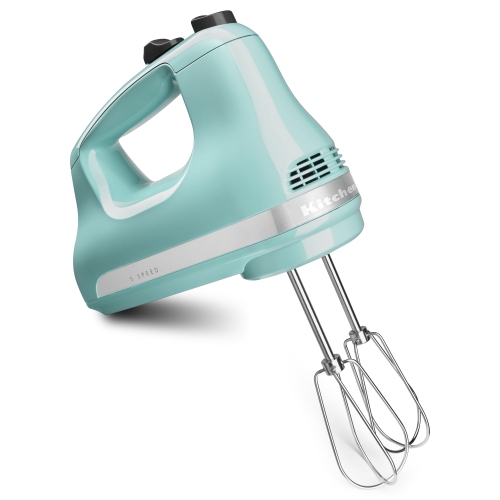
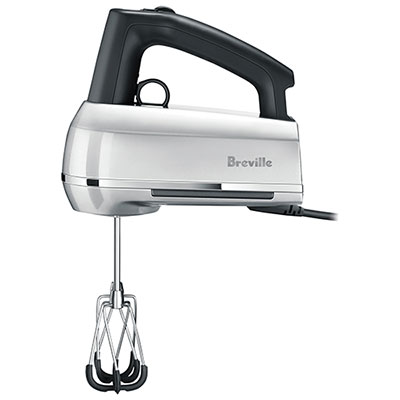
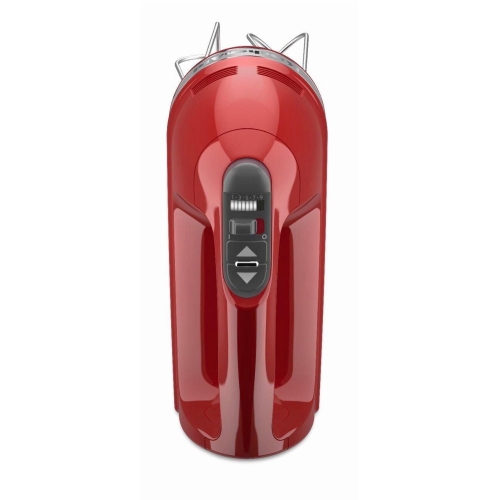
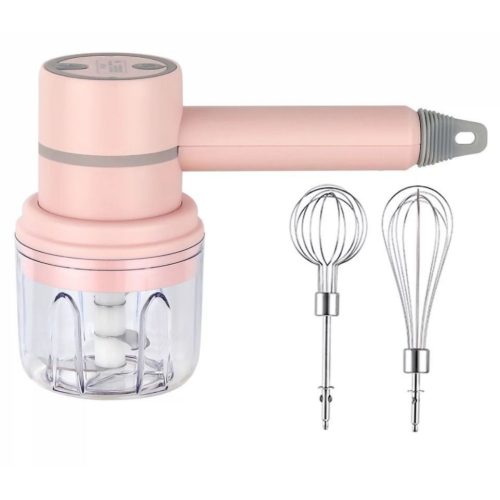
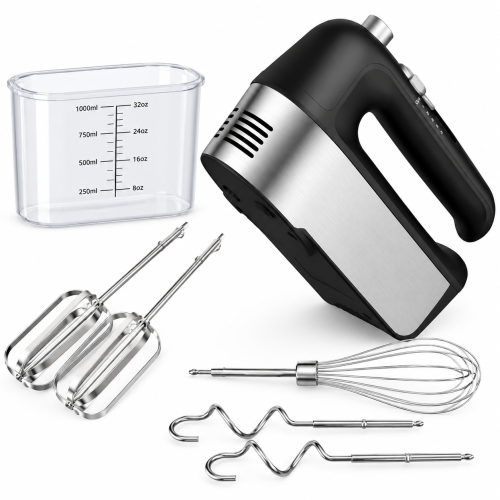
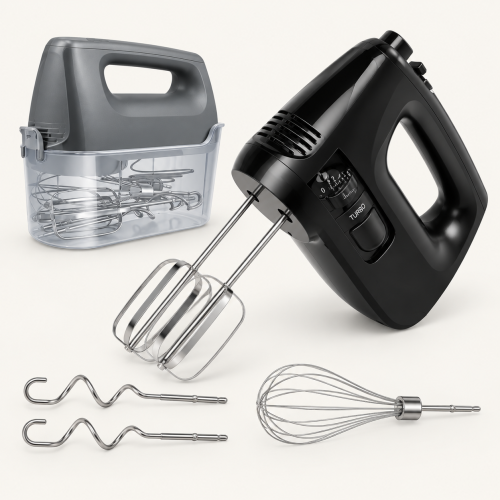
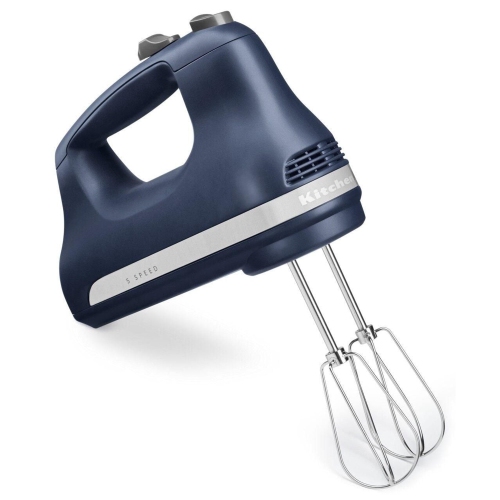
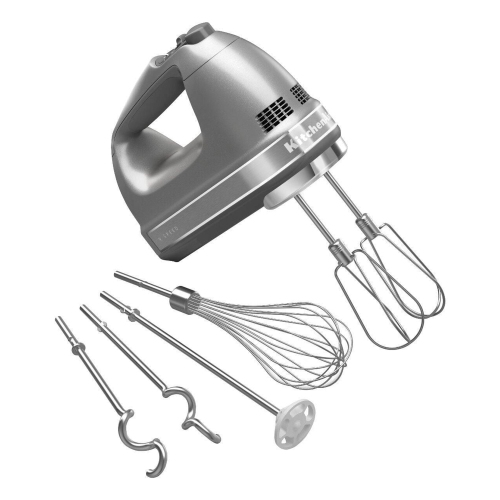
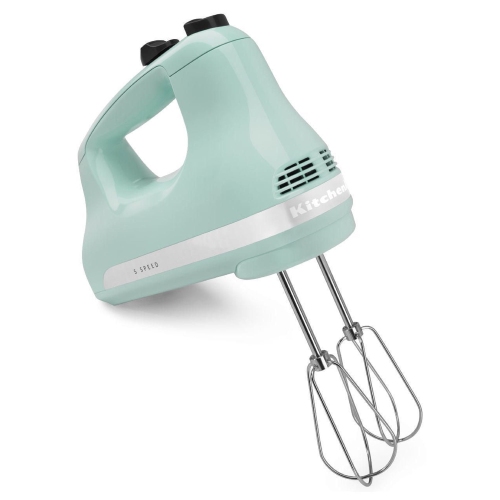
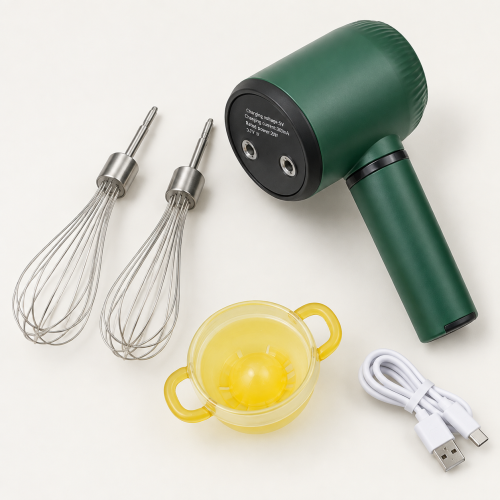
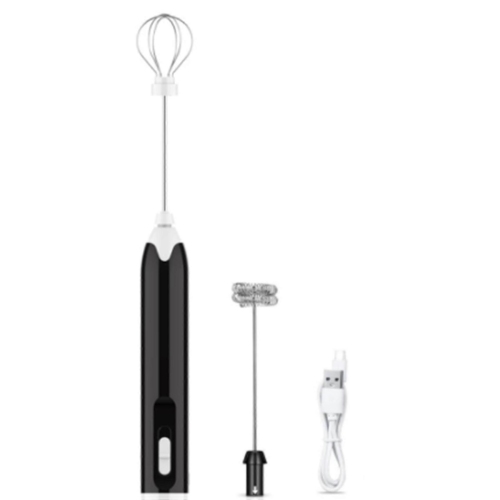
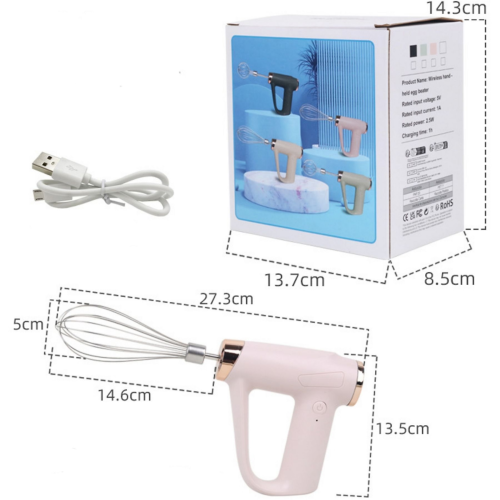
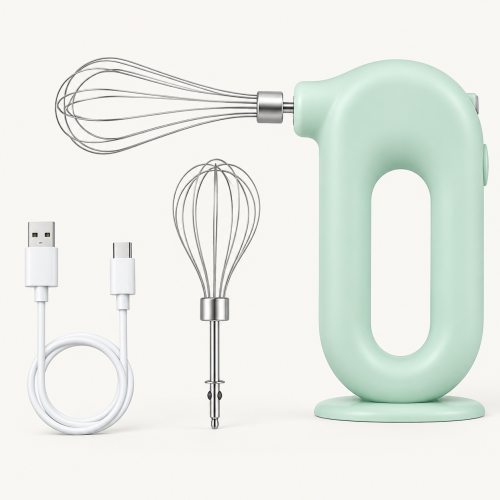
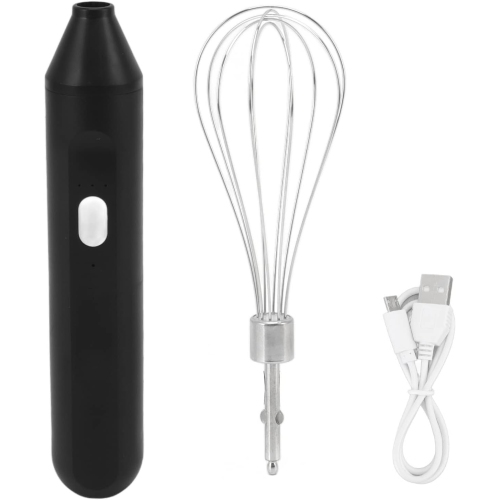
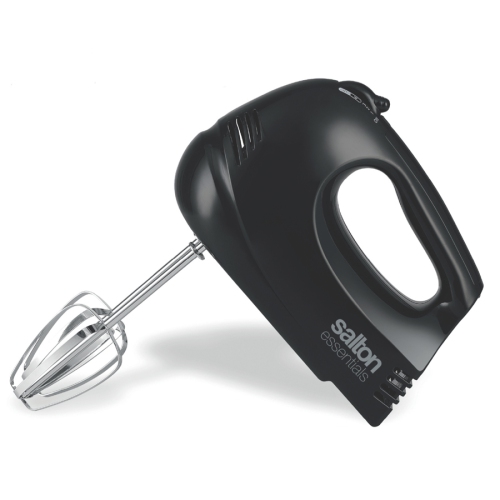
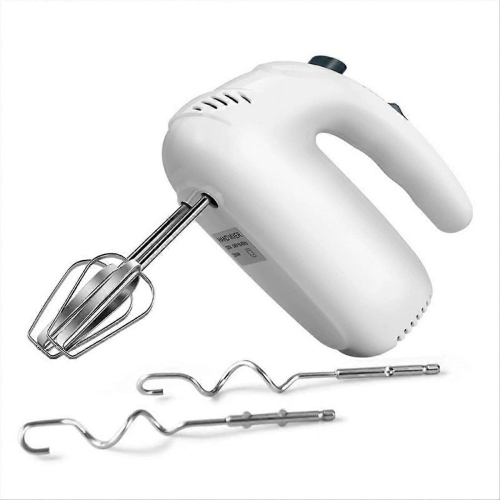
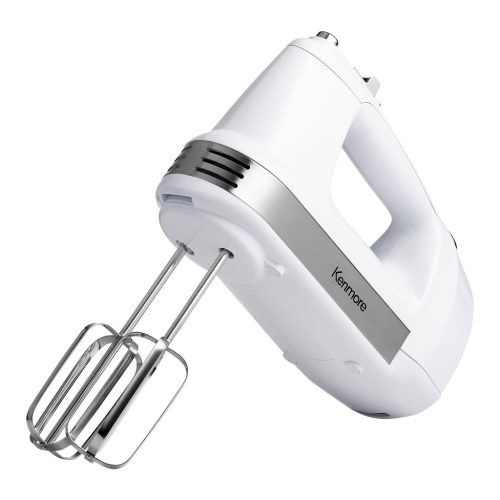
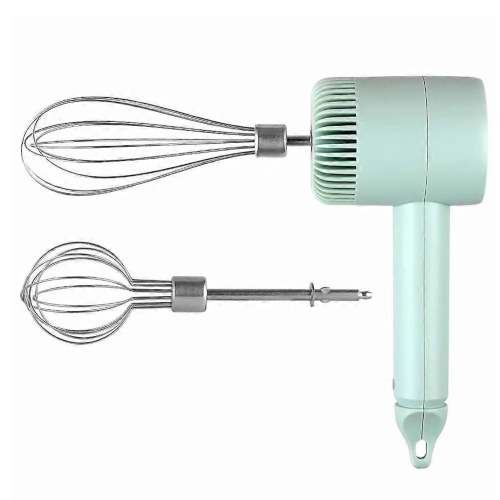
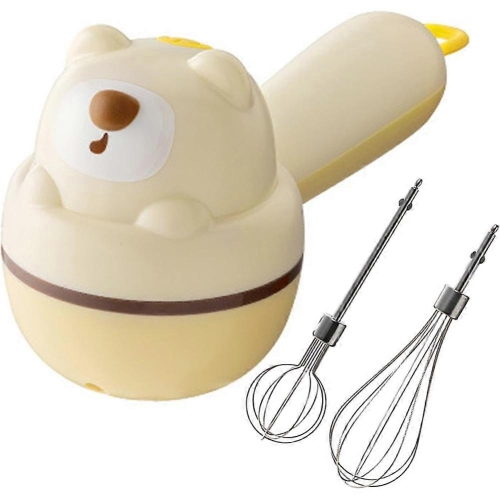
Choosing a mixer for a beginner baker starts with matching the appliance to the way you expect to bake. For many first-time bakers, a hand mixer is a practical introduction to mixing batters and doughs without taking over valuable counter space. Lightweight and easy to store, a hand mixer is well suited to cookies, brownies, cupcakes, quick breads, whipped cream, frostings and other small to medium batches. It is also a convenient choice for bakers who live in an apartment, share a kitchen, or prefer to bring an appliance out only when a recipe calls for it. Basic hand mixers commonly range from about $35 to $80, while models with more speed settings, stronger motors or additional beaters may cost more. Look for comfortable handles, simple controls and attachments that are easy to remove and clean. Several speed settings make it easier to begin gently when combining flour, sugar and butter, then increase the speed as the mixture becomes smoother. A lower setting can help reduce splatter when working with wet ingredients, while a faster setting is useful for aerating egg whites or whipping cream. The first time a beginner uses a hand mixer, it can be tempting to turn the speed up immediately, but starting slowly helps keep flour in the bowl and gives the ingredients time to combine evenly. Keep the beaters close to the bottom of the bowl without pressing them into the mixture, and move them steadily around the sides for a consistent result. A deep bowl with enough room for expansion can make the process tidier, especially when mixing frosting or whipping cream. Hand mixers are also a thoughtful gift for a new baker, a student setting up a first kitchen, or anyone who enjoys trying recipes without committing to a larger appliance.
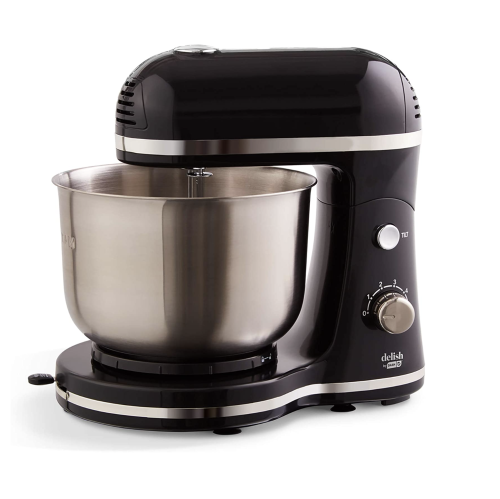
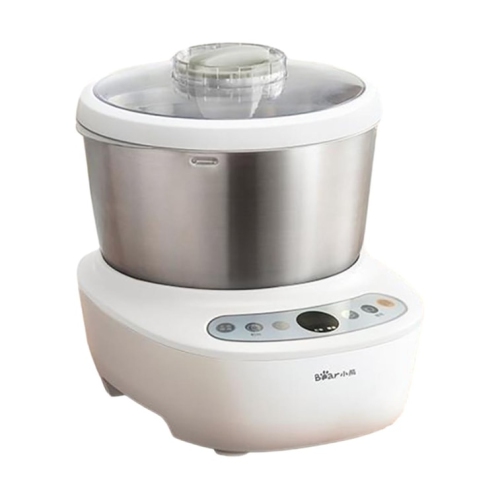
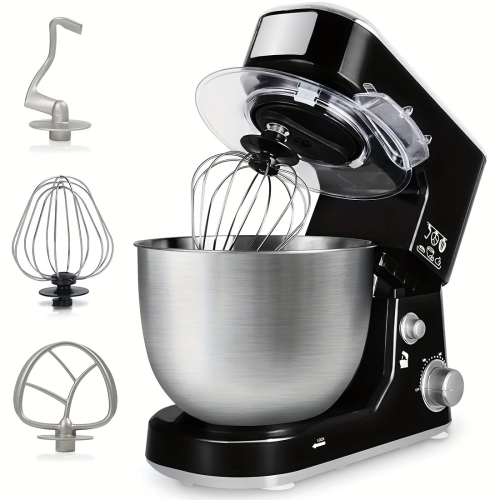
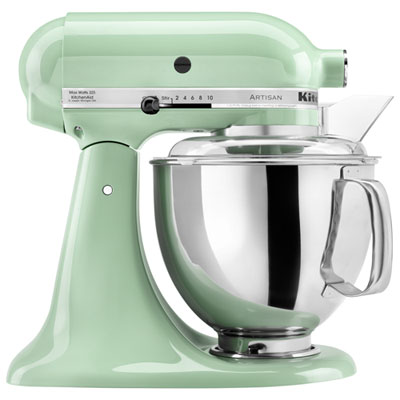
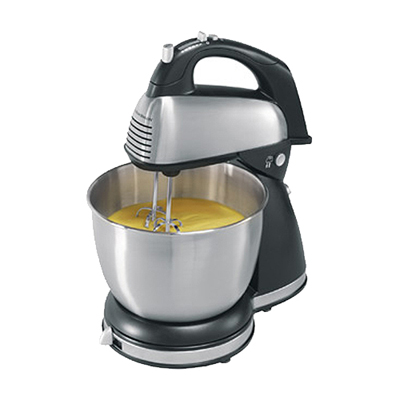
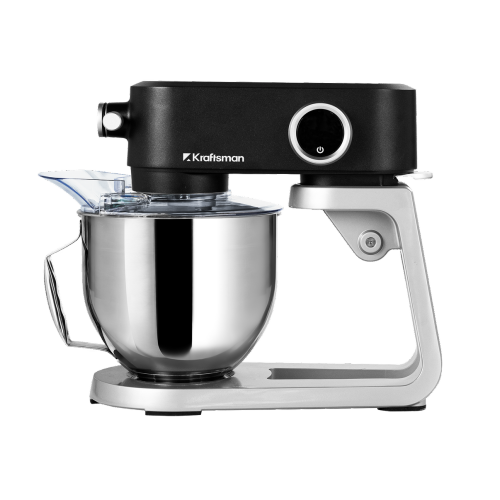
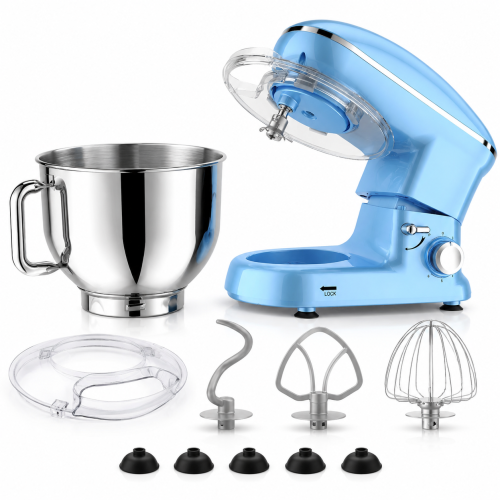
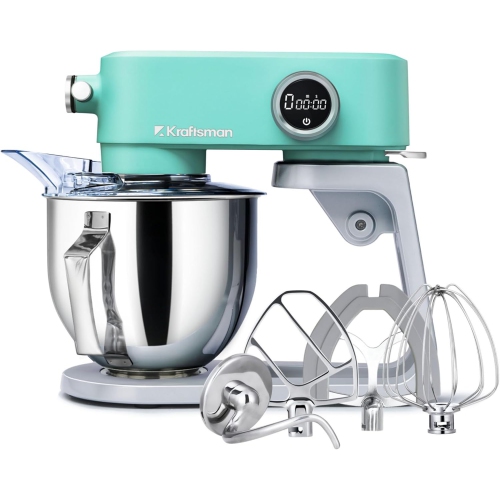
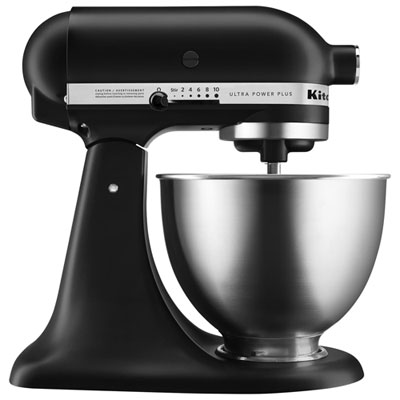
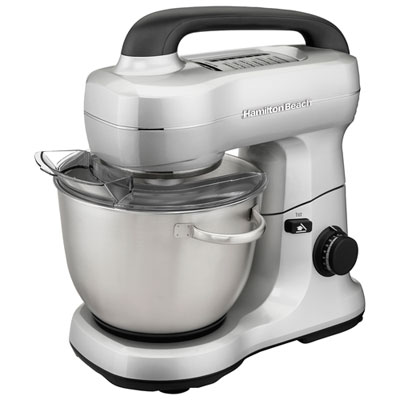
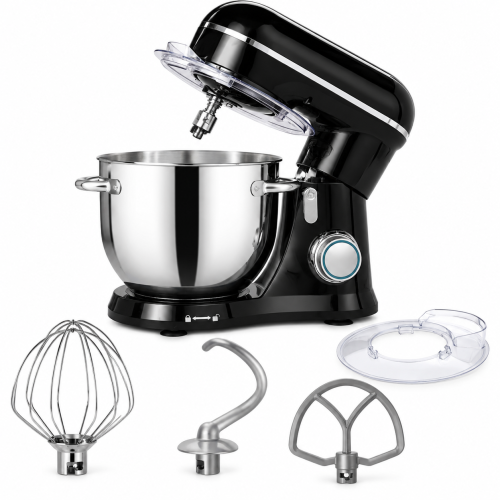
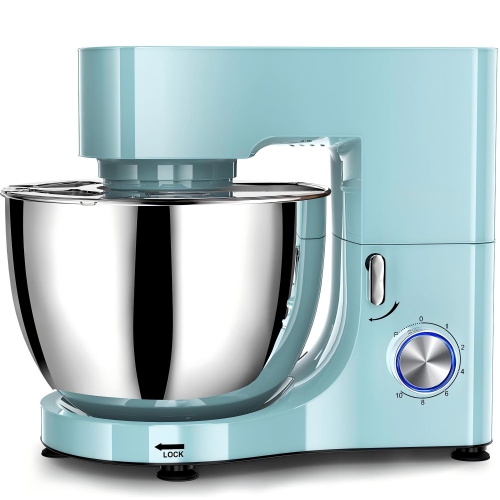
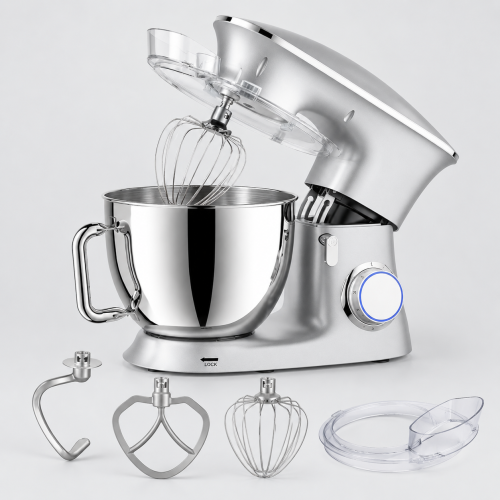
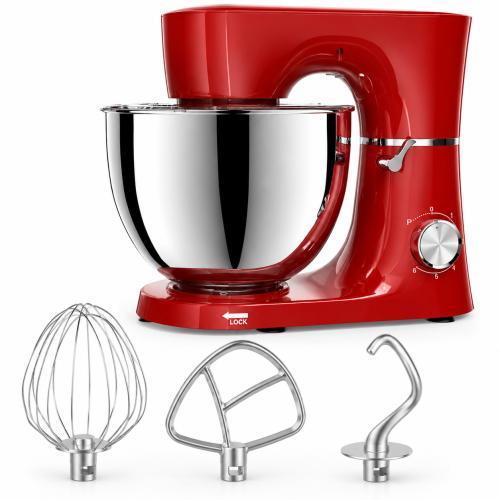
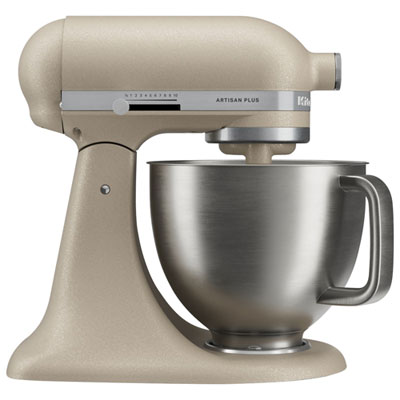
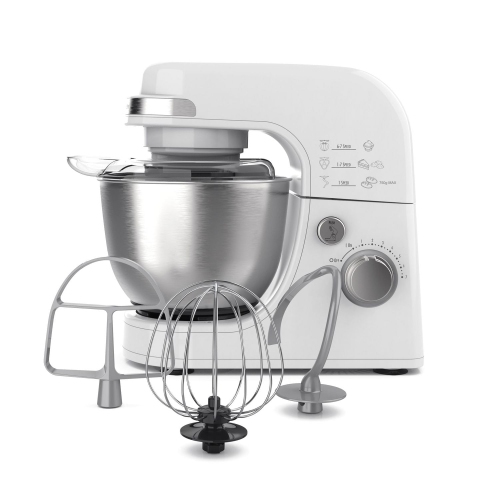
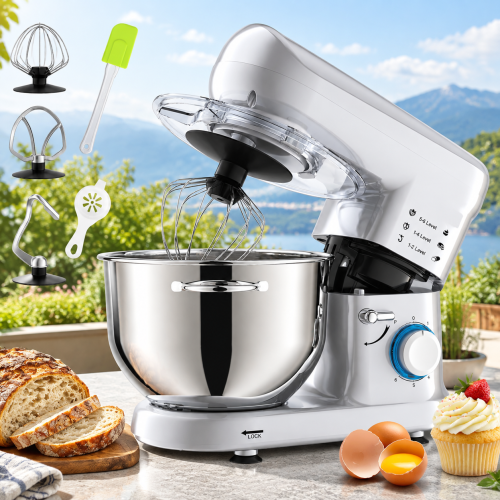
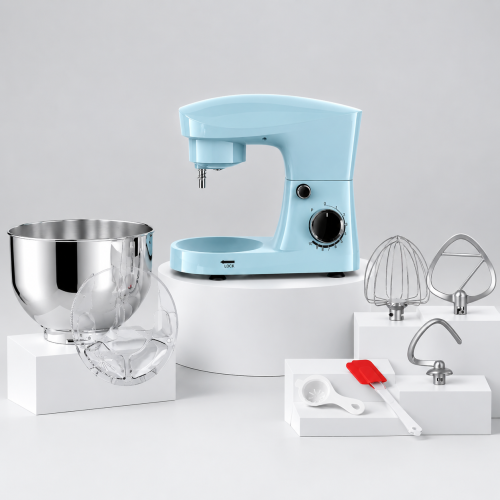
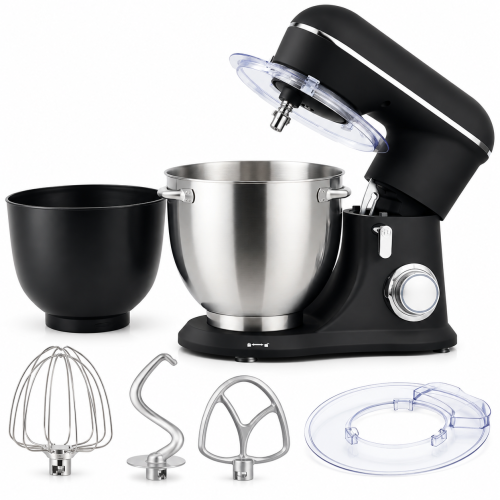
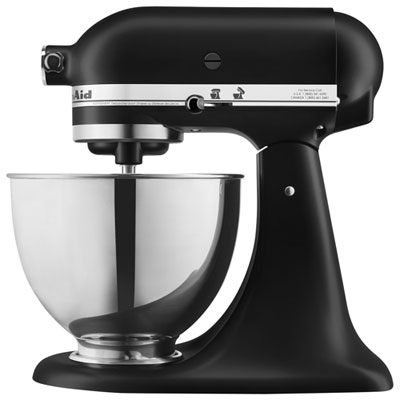
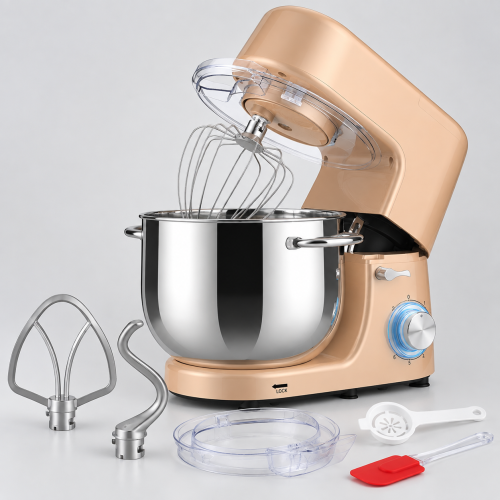
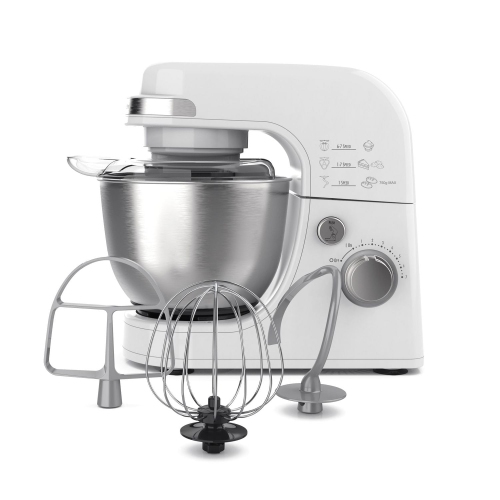
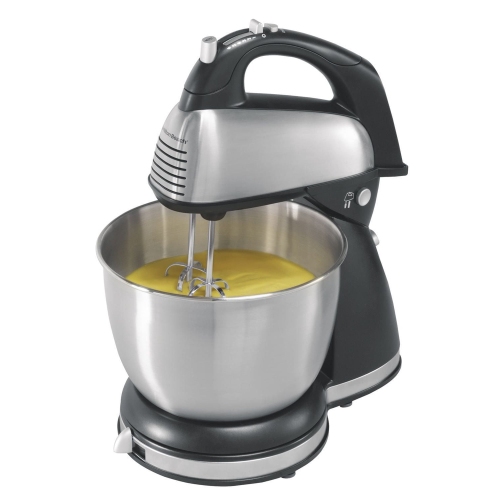
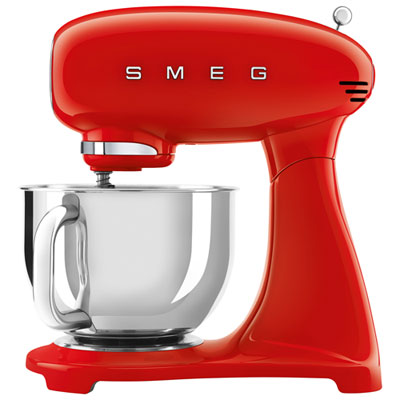
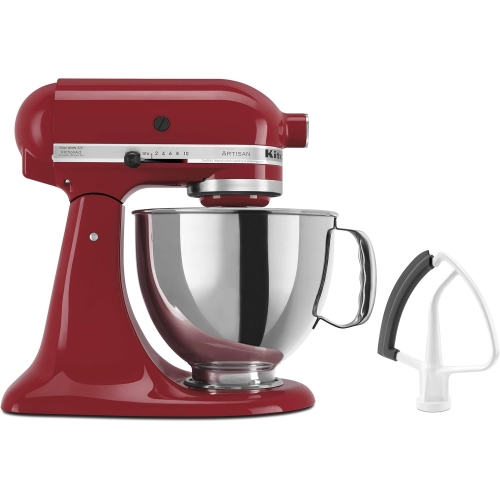
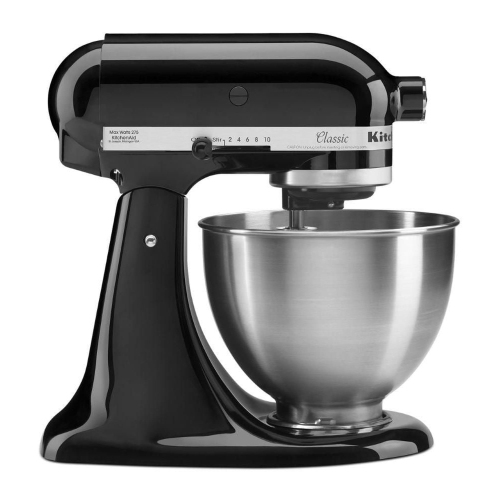
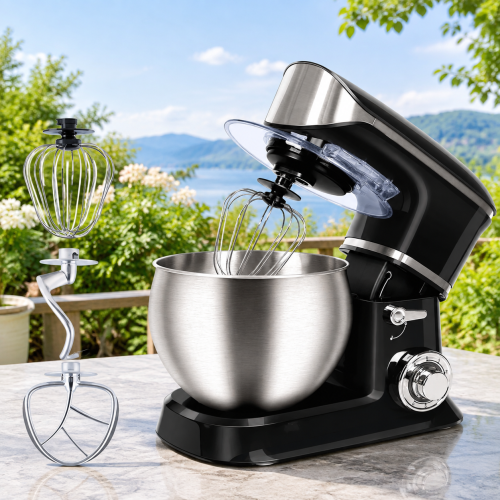
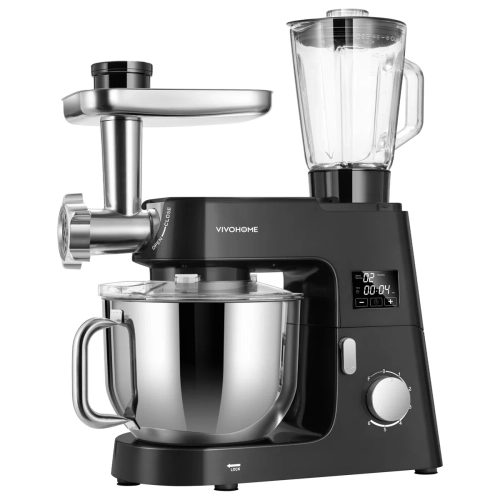
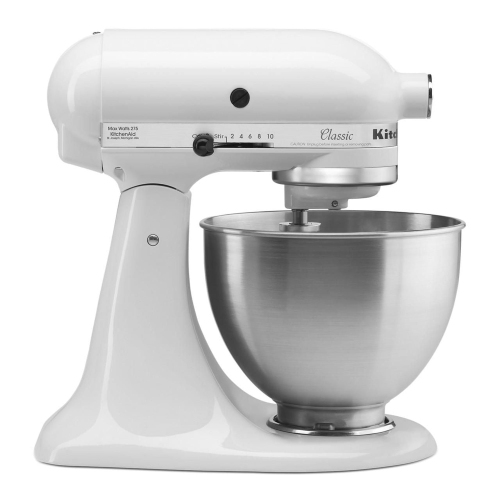
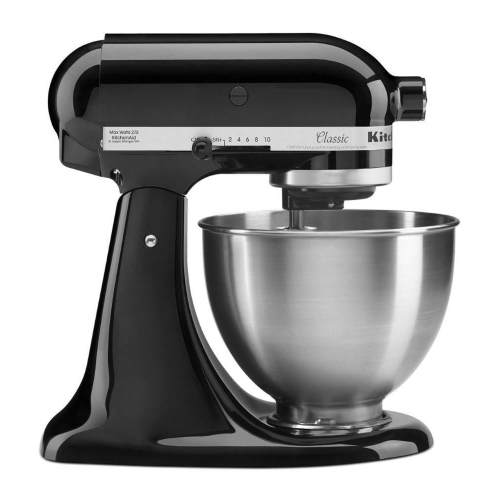
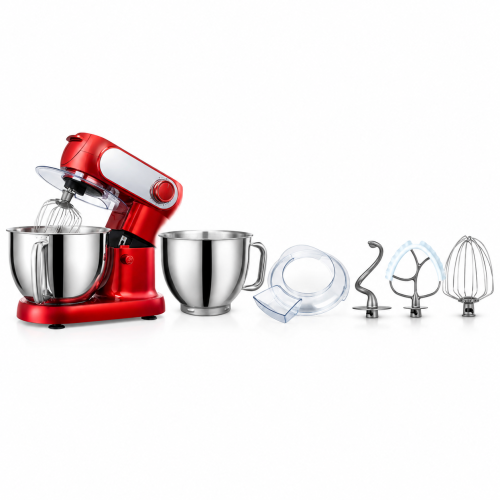
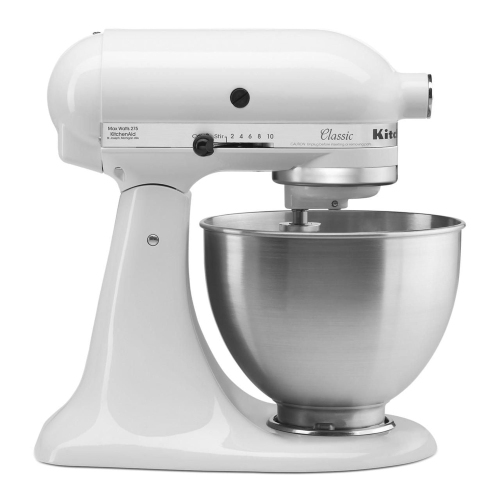
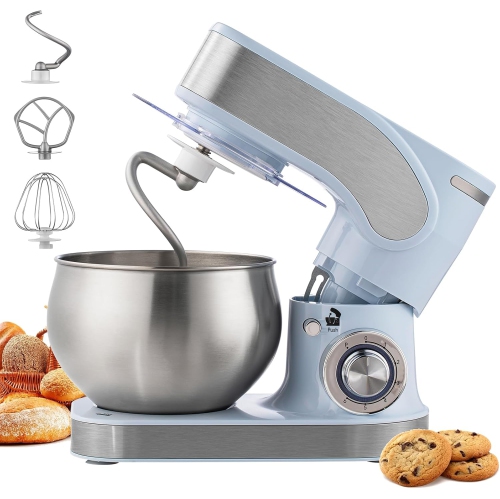
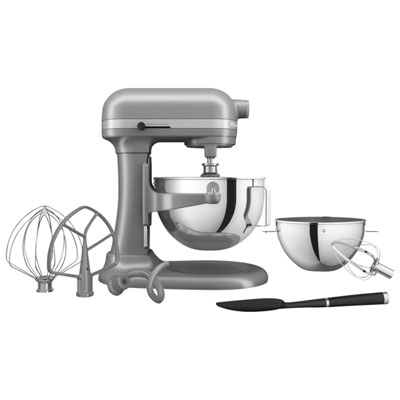
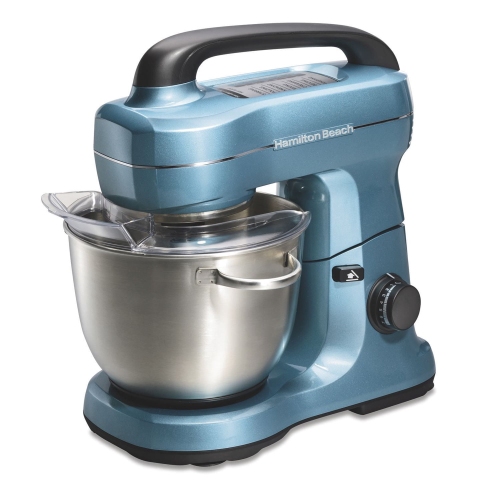
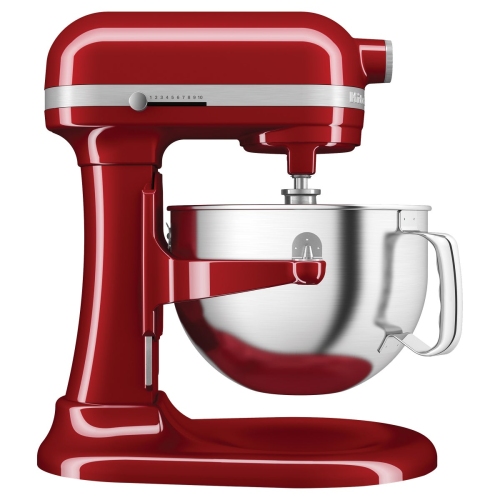
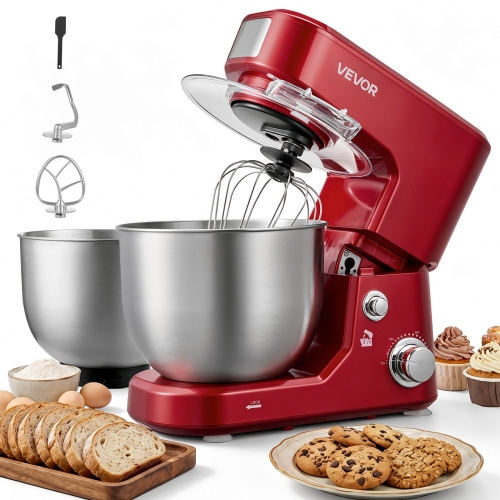
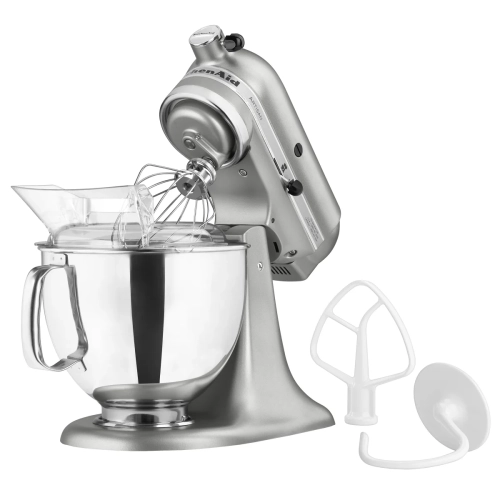
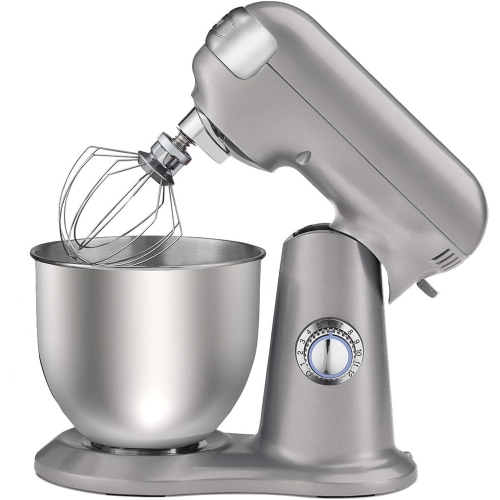
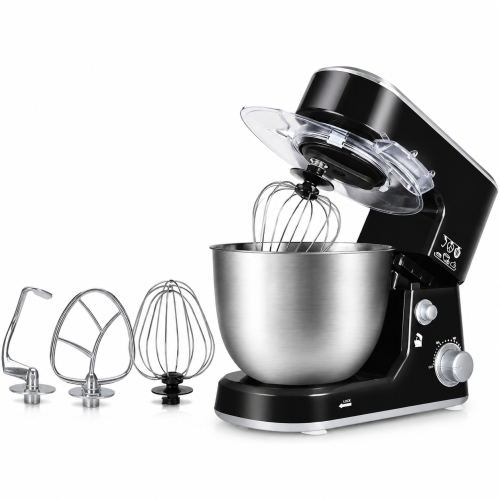
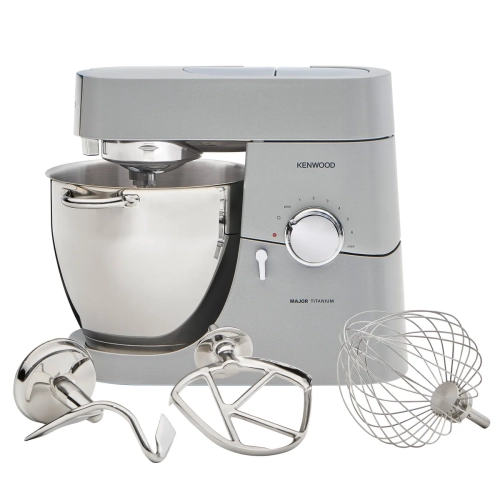
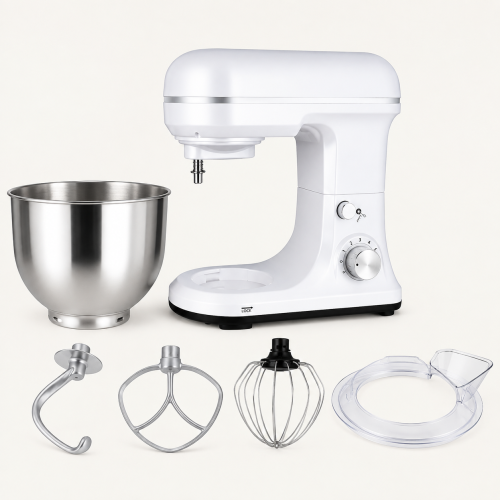
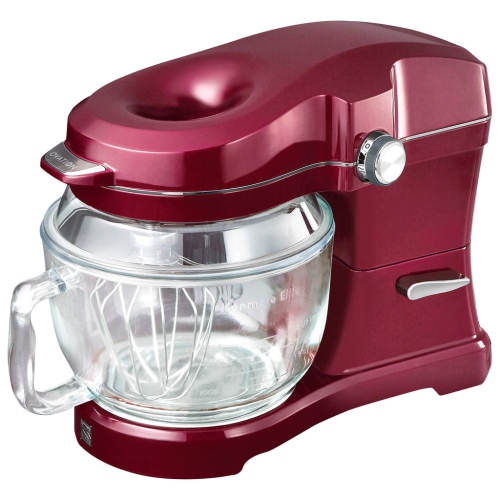
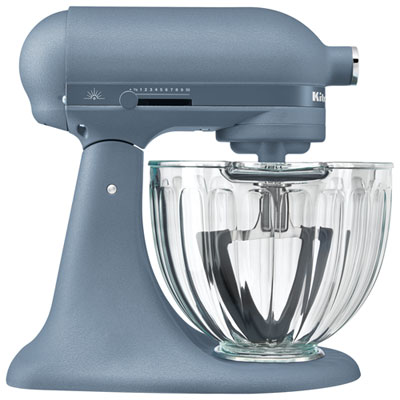
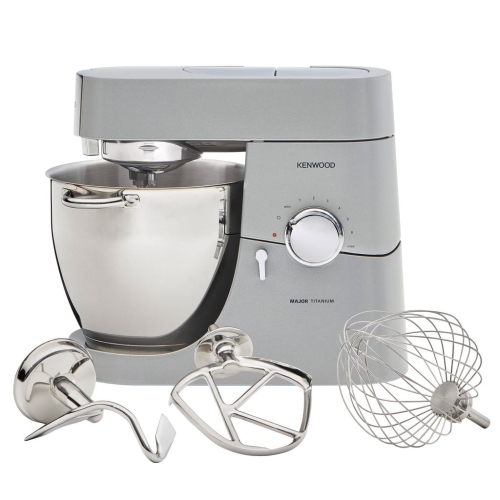
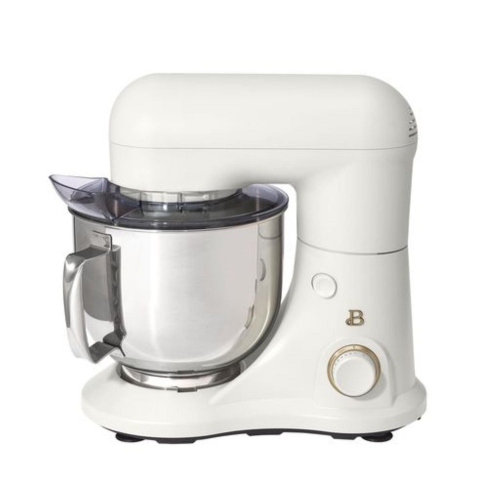
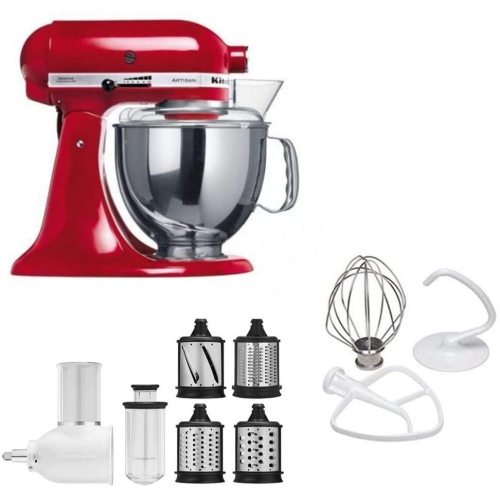
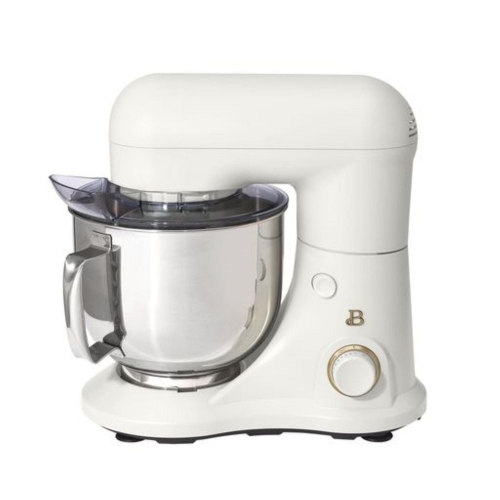
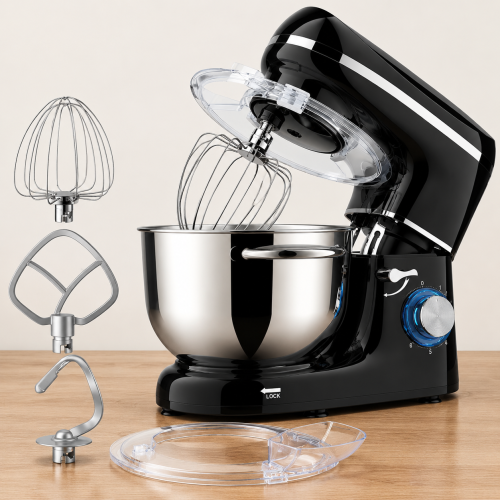
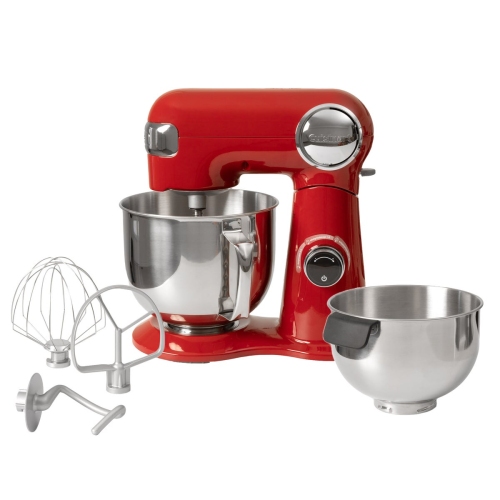
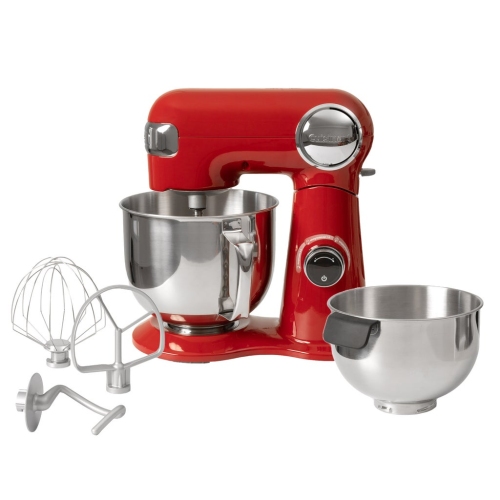
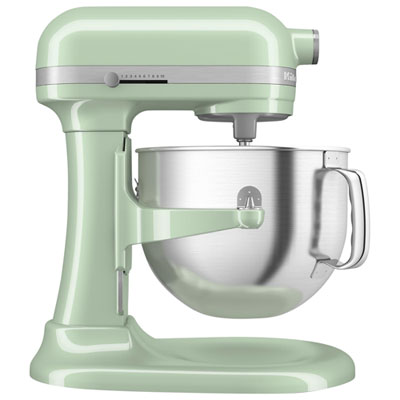
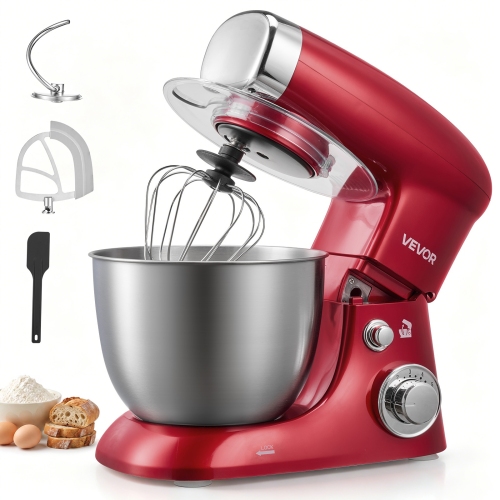
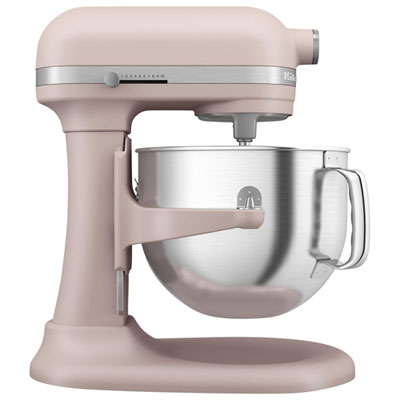
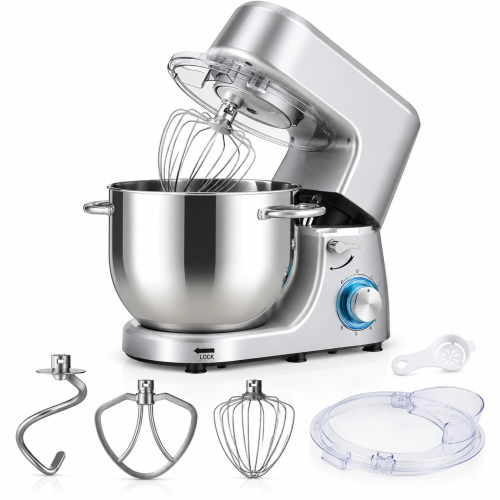
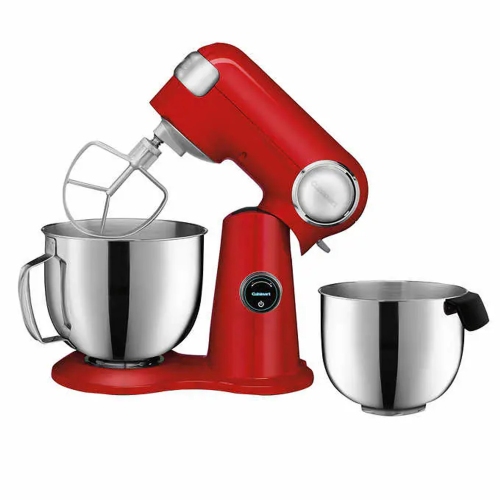
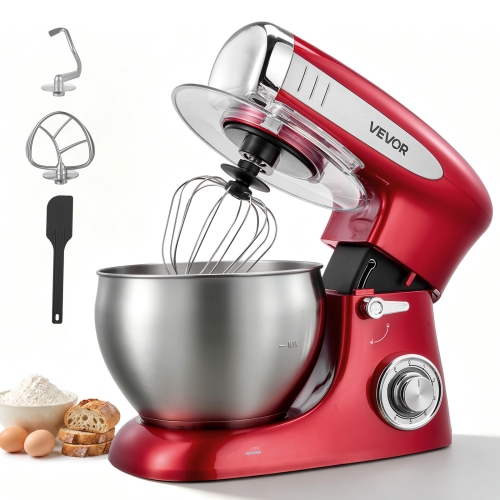
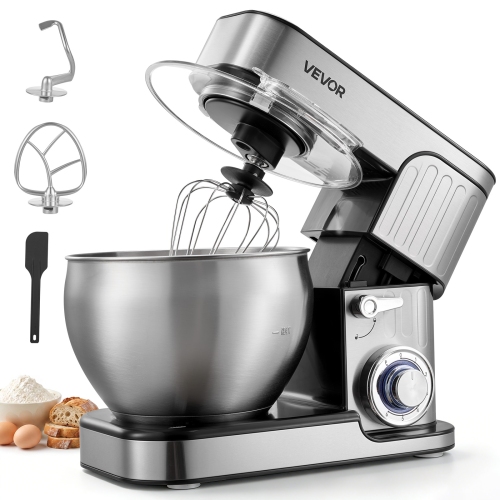
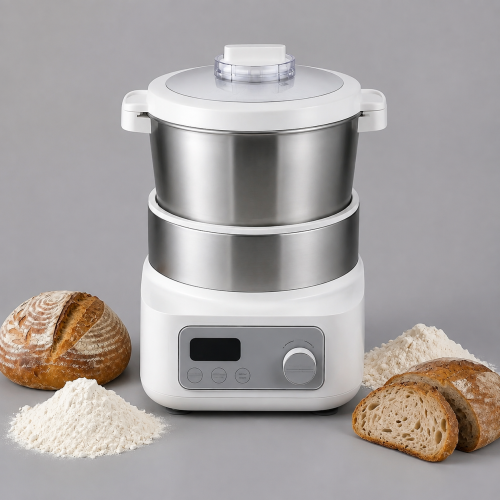
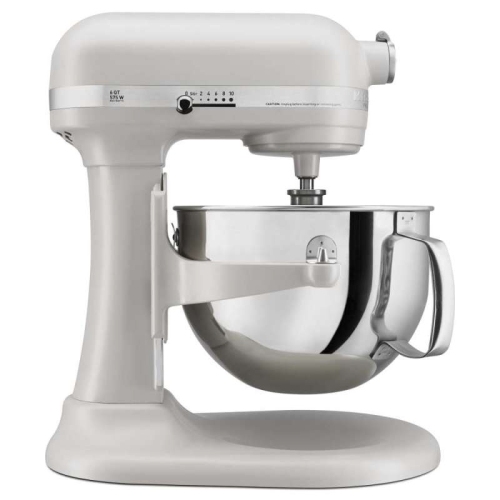
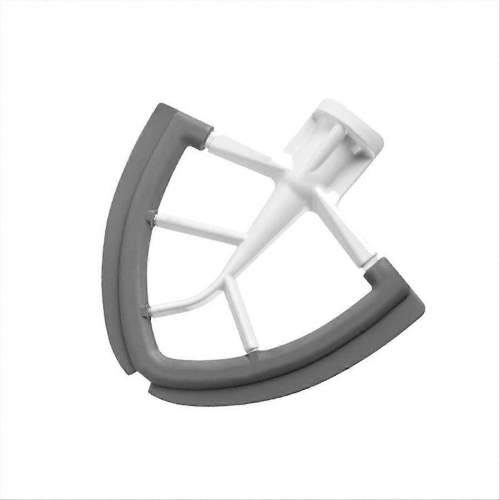
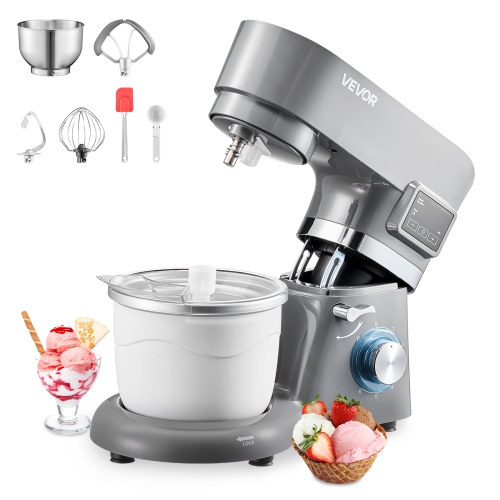
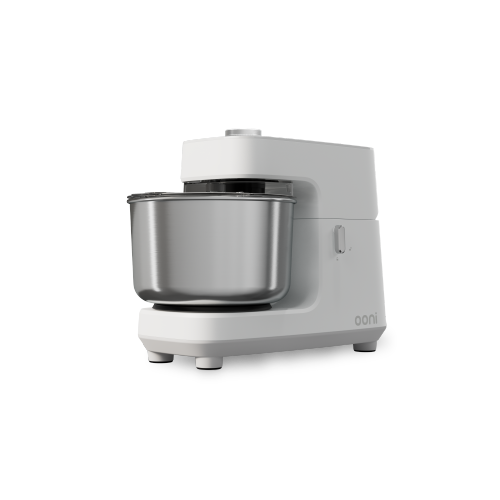
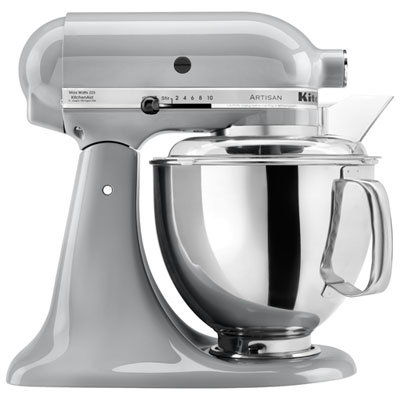
A stand mixer is a better fit for beginners who see regular baking in their future or want both hands free while ingredients are being combined. These mixers typically have a bowl that locks into place, a motor housing and a beater that moves through the mixture, allowing you to measure ingredients, prepare a baking pan or tidy the counter while the mixer works. A tilt-head design can make it easier to add ingredients and remove the bowl, while a bowl-lift design may provide additional stability for larger or heavier batches. For most home bakers, a 4- to 5-quart bowl offers a useful balance between capacity and everyday practicality. Stand mixers in this category often range from about $100 to $350 or more, depending on motor strength, controls, bowl size, construction and included accessories. They are particularly useful for recipes that require extended mixing, such as bread dough, pizza dough, enriched doughs and large batches of cookie dough. Kneading by hand can be rewarding, but a stand mixer can take on much of the repetitive work while maintaining a steady pace. When choosing one, consider where it will live, since a stand mixer is heavier and less convenient to move in and out of a cupboard. Measure the available counter space, including room to lift the head or add ingredients, and check that the bowl can be removed without bumping into a wall or cabinet. Weight and stability also matter when mixing thick dough, as a sturdy base helps reduce movement. A mixer with several speed settings, a gradual start or a pulse-style control can give beginners more control as they learn how different mixtures should look and feel. Basic attachments such as a flat beater, wire whisk and dough hook cover many everyday recipes. Some mixers also accept optional accessories, which may be useful later as baking interests grow, but beginners do not need an extensive collection to get started. For guidance focused specifically on desserts and sponge-based recipes, explore Mixers for Cake-Making.
The right beginner mixer should also suit your routine, storage habits and favourite recipes. If you mostly make a single batch of chocolate chip cookies after work, a hand mixer may provide all the power and convenience you need. If weekend baking often includes cinnamon buns, pizza dough or several loaves of bread, a stand mixer can make those projects feel more manageable. Capacity should be considered alongside recipe size: a bowl that is too small may overflow when flour is added, while an oversized bowl may not mix a small amount of frosting efficiently. Check the manufacturer’s guidance for maximum quantities, particularly for yeast dough and dense mixtures, and avoid forcing the motor through ingredients that are too thick. Use the appropriate attachment for the job, scrape down the bowl with the mixer switched off, and add dry ingredients gradually to help prevent clouds of flour. Cleaning is another everyday consideration. Removable beaters, dishwasher-safe accessories and smooth surfaces can make the end of a baking session much less demanding, especially when a recipe has left traces of butter or sticky batter around the bowl. During the warmer part of the year, a compact hand mixer can be handy for whipped toppings, fruit desserts and no-fuss baking, while cooler months often bring more opportunities to make hearty loaves, spiced cakes and batches of cookies for sharing. A mixer can also be a welcoming gift for someone learning to bake, moving into a new home or building confidence in the kitchen; pairing it with measuring tools, mixing bowls or a reliable recipe collection can create a useful starter setup. Whether you choose a portable hand mixer or a hands-free stand mixer, focus on comfortable controls, suitable capacity, manageable storage and the types of recipes the baker is most likely to make. With the right match, everyday ingredients can become smooth batter, glossy meringue or supple dough, turning an intimidating first recipe into a satisfying kitchen routine.
A stand mixer is a better fit for beginners who see regular baking in their future or want both hands free while ingredients are being combined. These mixers typically have a bowl that locks into place, a motor housing and a beater that moves through the mixture, allowing you to measure ingredients, prepare a baking pan or tidy the counter while the mixer works. A tilt-head design can make it easier to add ingredients and remove the bowl, while a bowl-lift design may provide additional stability for larger or heavier batches. For most home bakers, a 4- to 5-quart bowl offers a useful balance between capacity and everyday practicality. Stand mixers in this category often range from about $100 to $350 or more, depending on motor strength, controls, bowl size, construction and included accessories. They are particularly useful for recipes that require extended mixing, such as bread dough, pizza dough, enriched doughs and large batches of cookie dough. Kneading by hand can be rewarding, but a stand mixer can take on much of the repetitive work while maintaining a steady pace. When choosing one, consider where it will live, since a stand mixer is heavier and less convenient to move in and out of a cupboard. Measure the available counter space, including room to lift the head or add ingredients, and check that the bowl can be removed without bumping into a wall or cabinet. Weight and stability also matter when mixing thick dough, as a sturdy base helps reduce movement. A mixer with several speed settings, a gradual start or a pulse-style control can give beginners more control as they learn how different mixtures should look and feel. Basic attachments such as a flat beater, wire whisk and dough hook cover many everyday recipes. Some mixers also accept optional accessories, which may be useful later as baking interests grow, but beginners do not need an extensive collection to get started. For guidance focused specifically on desserts and sponge-based recipes, explore Mixers for Cake-Making.
The right beginner mixer should also suit your routine, storage habits and favourite recipes. If you mostly make a single batch of chocolate chip cookies after work, a hand mixer may provide all the power and convenience you need. If weekend baking often includes cinnamon buns, pizza dough or several loaves of bread, a stand mixer can make those projects feel more manageable. Capacity should be considered alongside recipe size: a bowl that is too small may overflow when flour is added, while an oversized bowl may not mix a small amount of frosting efficiently. Check the manufacturer’s guidance for maximum quantities, particularly for yeast dough and dense mixtures, and avoid forcing the motor through ingredients that are too thick. Use the appropriate attachment for the job, scrape down the bowl with the mixer switched off, and add dry ingredients gradually to help prevent clouds of flour. Cleaning is another everyday consideration. Removable beaters, dishwasher-safe accessories and smooth surfaces can make the end of a baking session much less demanding, especially when a recipe has left traces of butter or sticky batter around the bowl. During the warmer part of the year, a compact hand mixer can be handy for whipped toppings, fruit desserts and no-fuss baking, while cooler months often bring more opportunities to make hearty loaves, spiced cakes and batches of cookies for sharing. A mixer can also be a welcoming gift for someone learning to bake, moving into a new home or building confidence in the kitchen; pairing it with measuring tools, mixing bowls or a reliable recipe collection can create a useful starter setup. Whether you choose a portable hand mixer or a hands-free stand mixer, focus on comfortable controls, suitable capacity, manageable storage and the types of recipes the baker is most likely to make. With the right match, everyday ingredients can become smooth batter, glossy meringue or supple dough, turning an intimidating first recipe into a satisfying kitchen routine.
Top selling and popular products
-
 Your price for this item is $404.98
 -
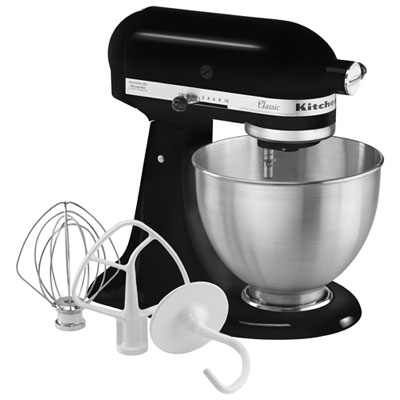 Your price for this item is $299.99
 -
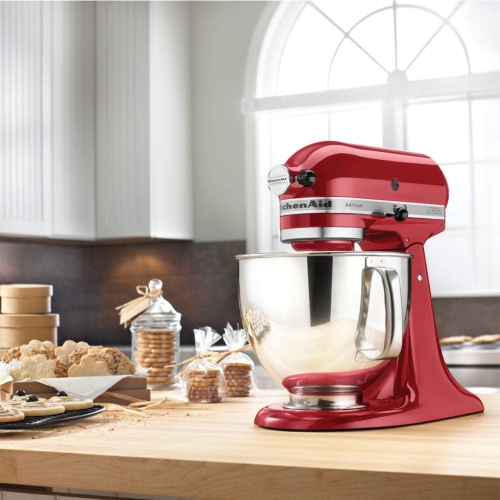 Your price for this item is $949.05
 -
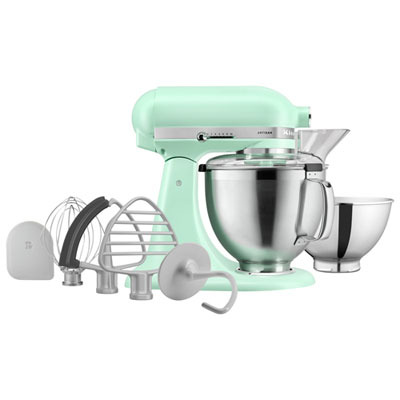 Your price for this item is $429.99
 -
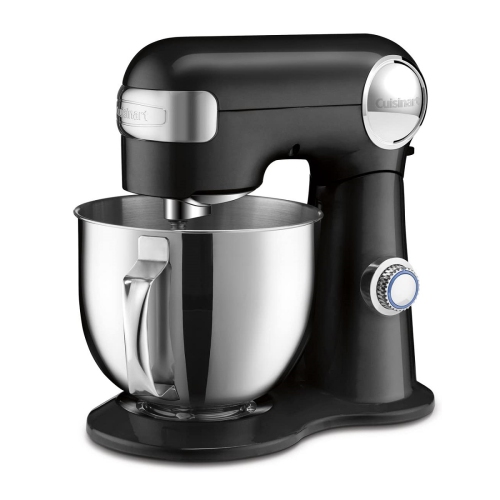 Your price for this item is $415.99
 -
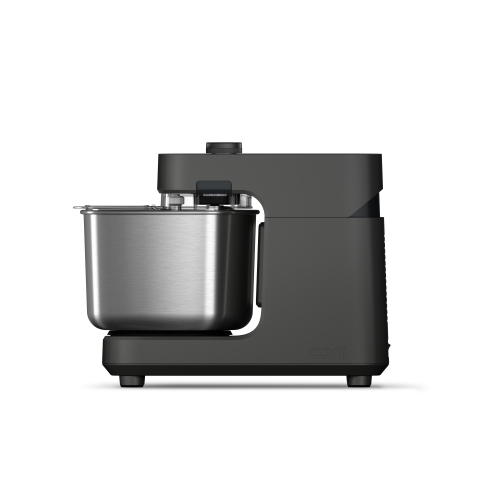 Your price for this item is $1099
 -
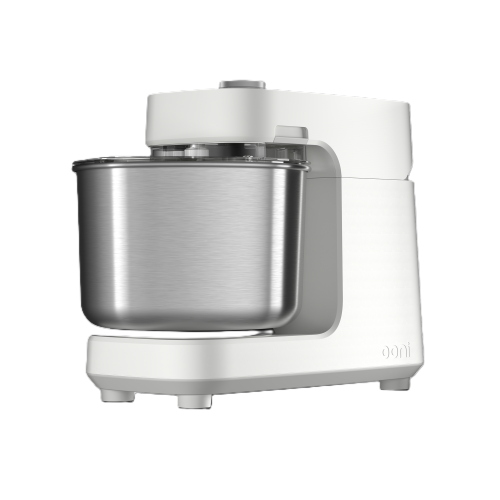 Your price for this item is $1099
 -
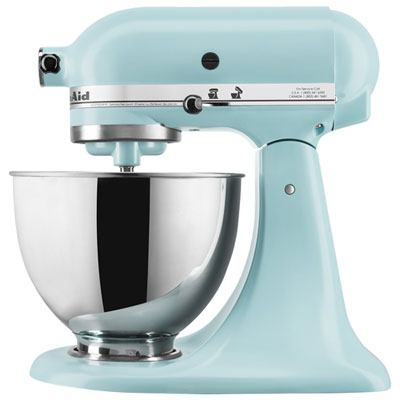 Your price for this item is $499.99
Discover more categories related to Mixers for Beginner Baker
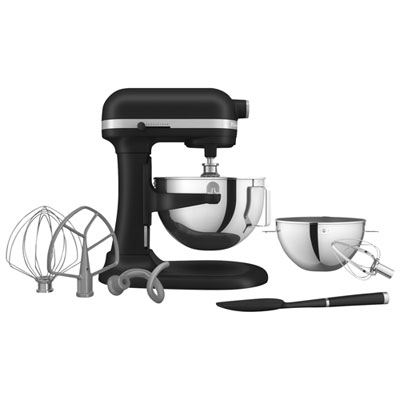
Top Collections:
Pokemon Centers, Best Cameras for Sports Photography, Kindle Devices, Samsung Galaxy Phones, Canon G7X Cameras, Pokémon 30th Celebration Cards, Refurbished Apple Laptops, iPhone 15 Apple, Laptops for Students, Budget Smartphones
Some products may be subject to Environmental Handling Fees
(EHF) depending on your province.
Learn more about EHFs.