Natural Gas Stoves
Upgrade your kitchen with the efficiency and elegance of natural gas stoves. Perfect for home chefs and cooking enthusiasts, these stoves offer precision heat control and instant flame adjustments, allowing you to achieve culinary perfection with ease. Whether you're searing, simmering, or baking, natural gas stoves provide consistent and reliable performance for all your cooking needs. Discover the benefits of cooking with natural gas and bring a touch of sophistication to your kitchen today.
Sort

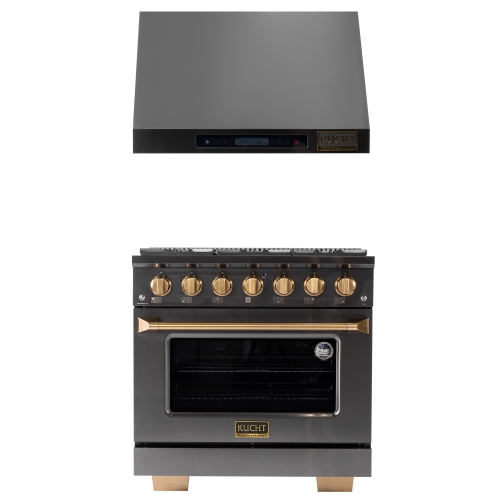
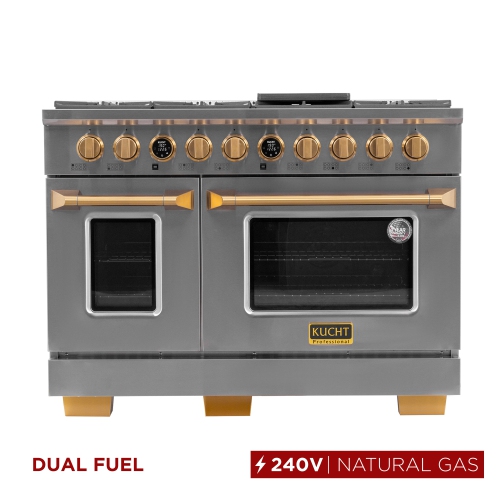
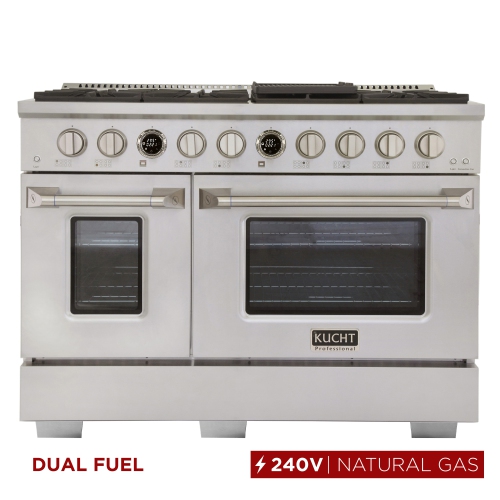
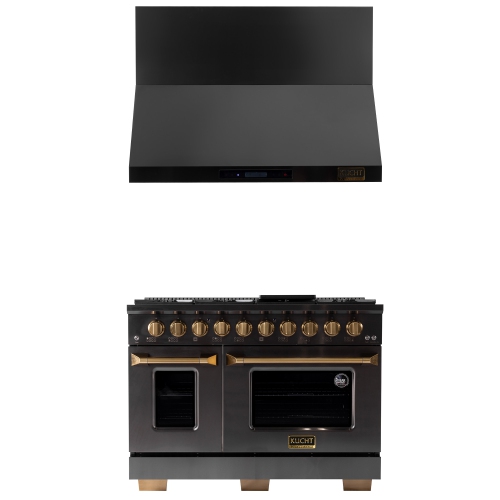
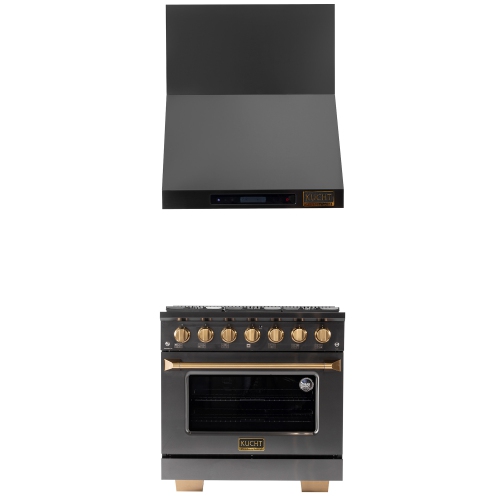

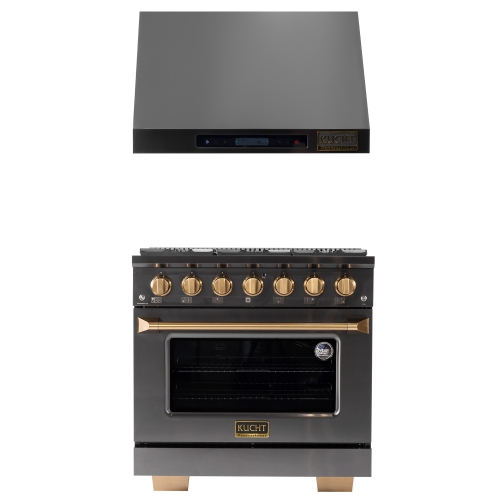
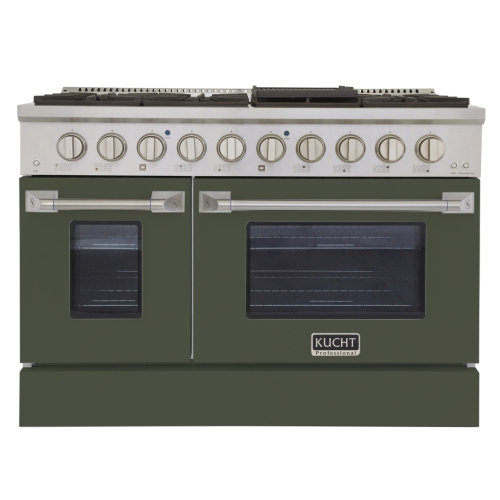

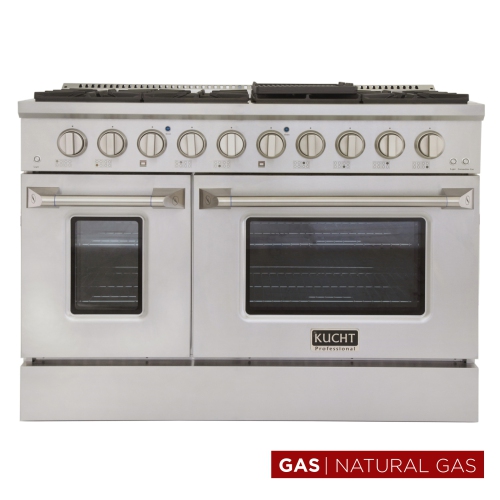
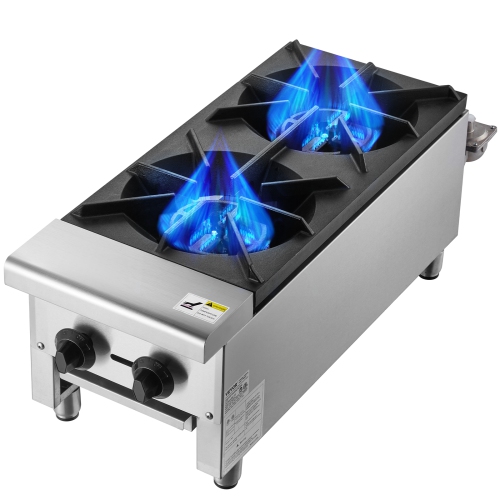
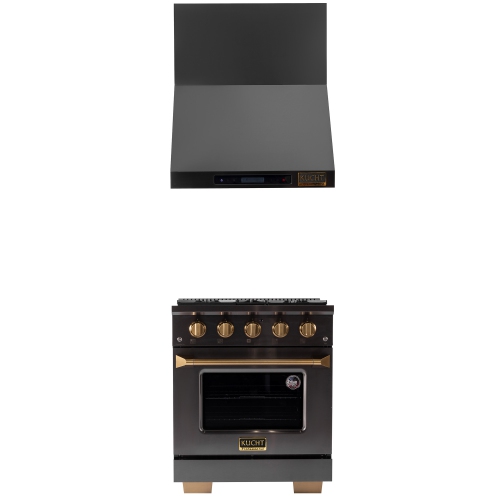
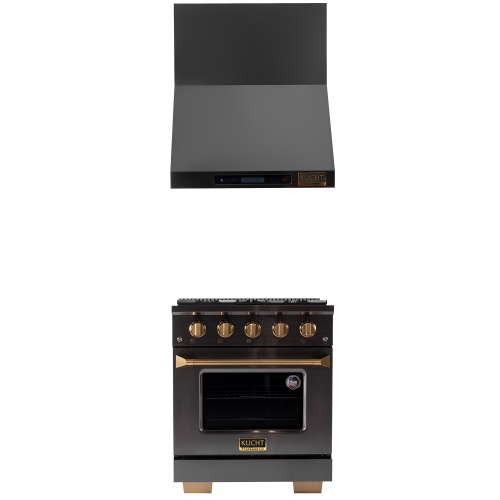
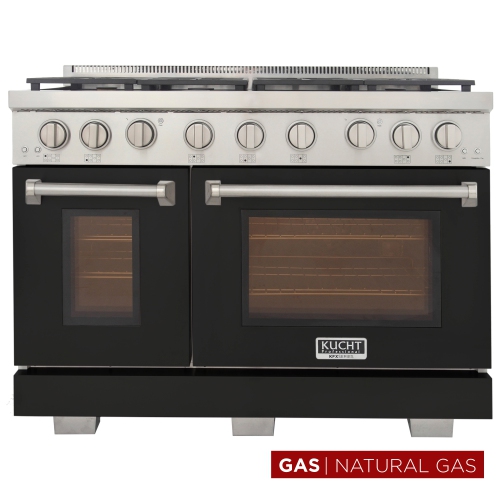



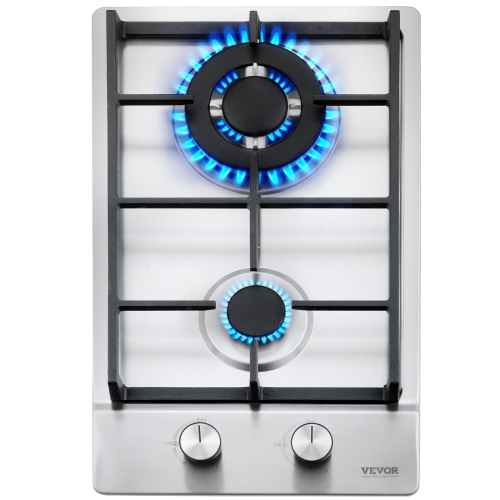
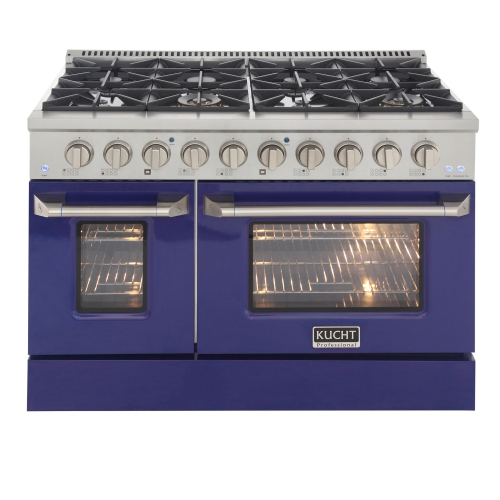
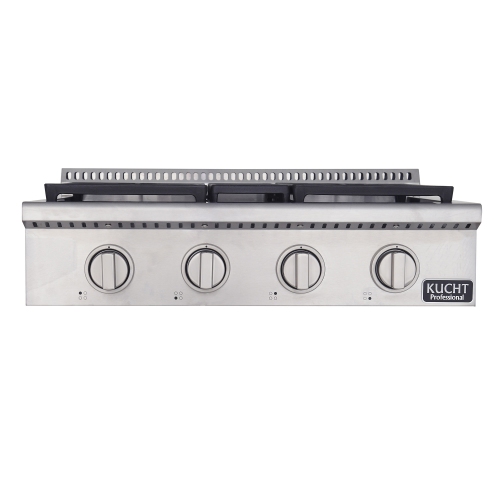
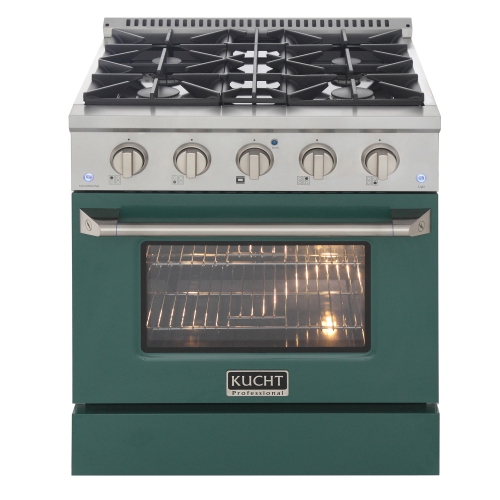
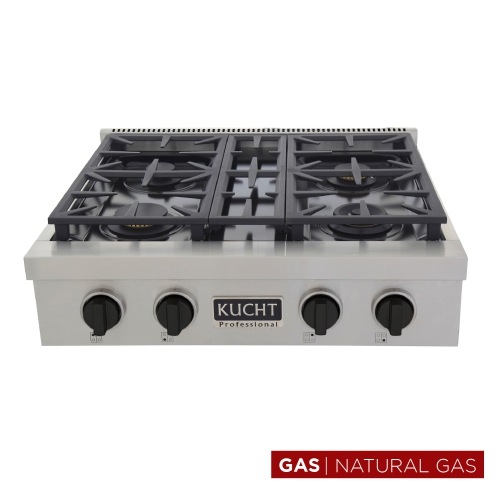
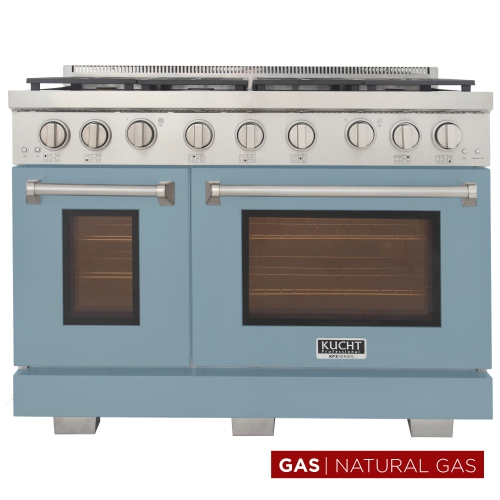
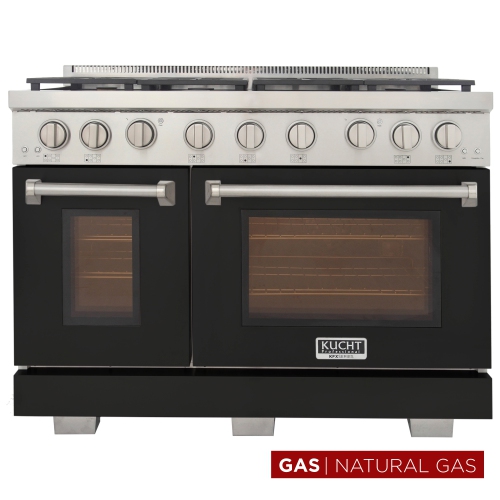
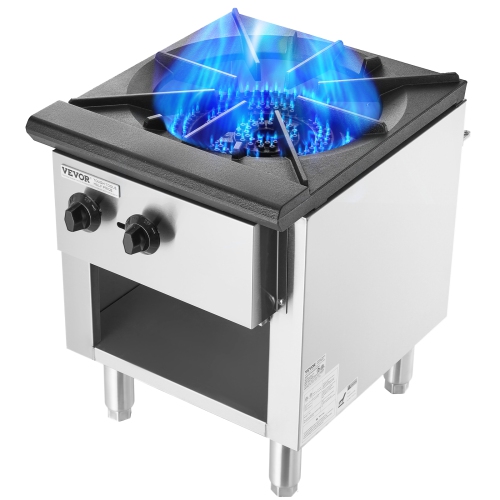
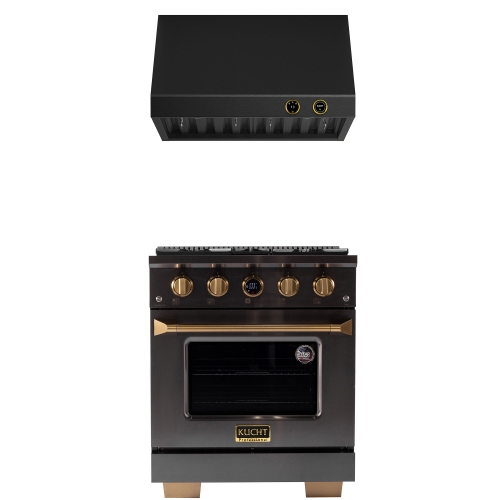
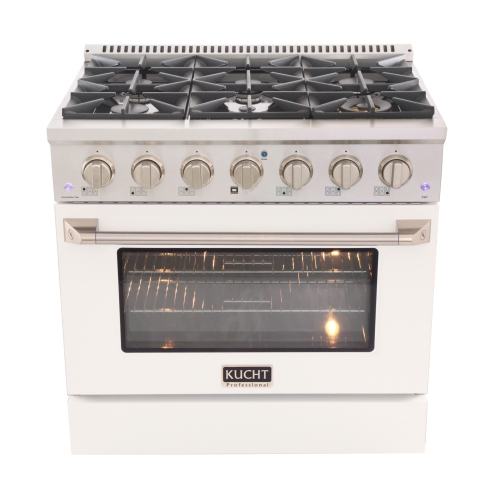
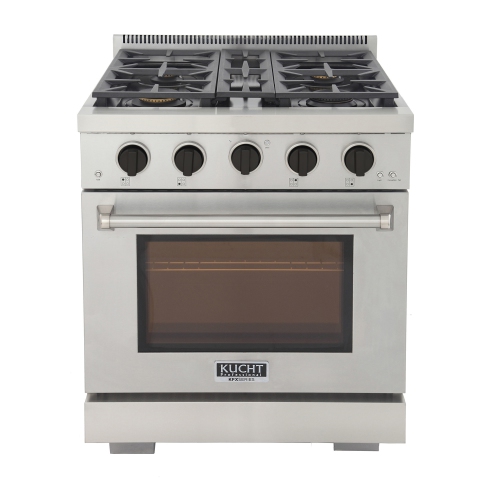
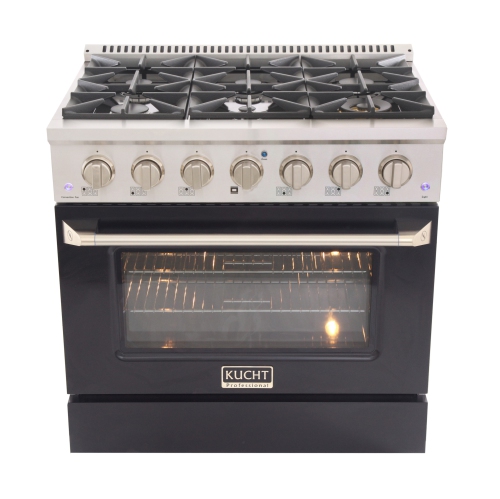




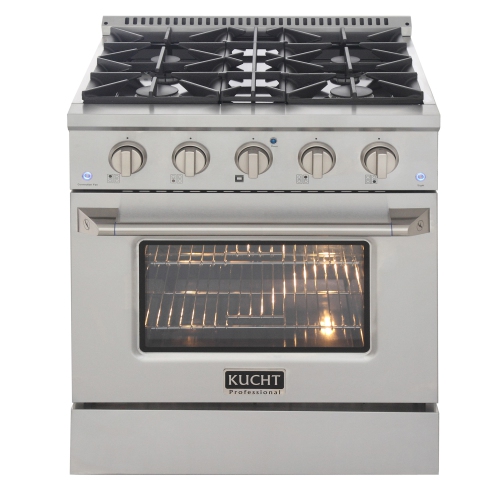
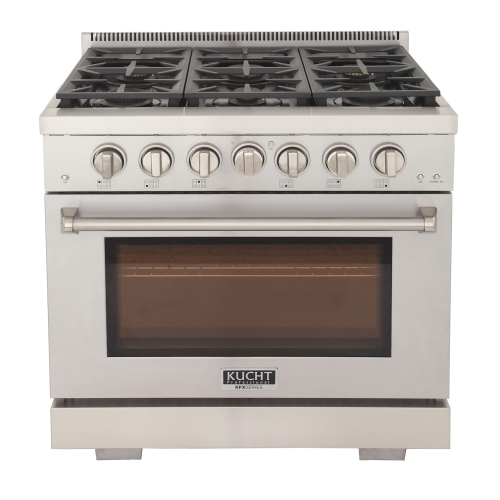
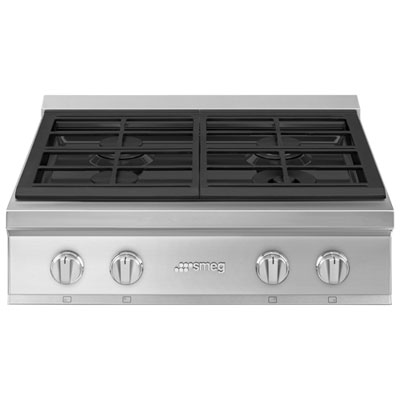


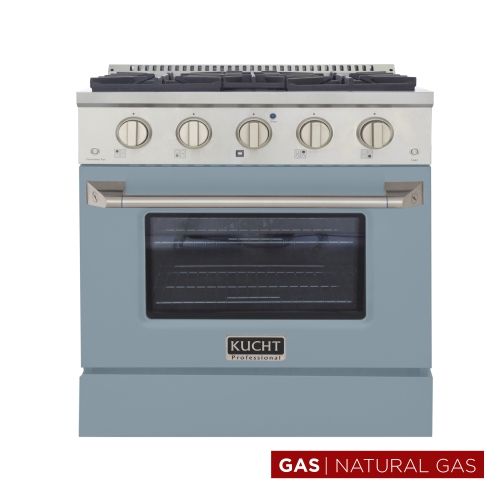
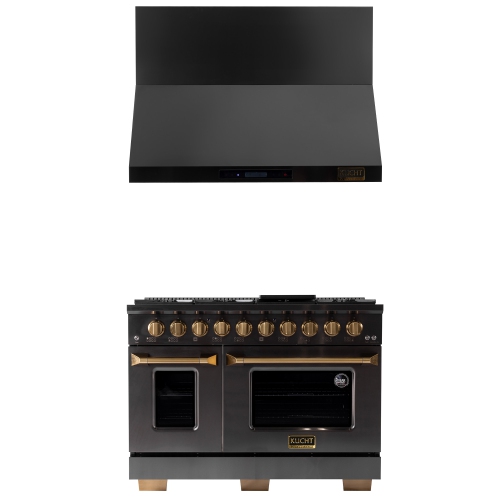
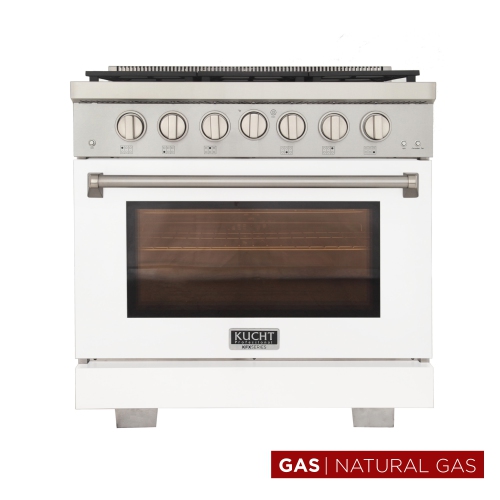

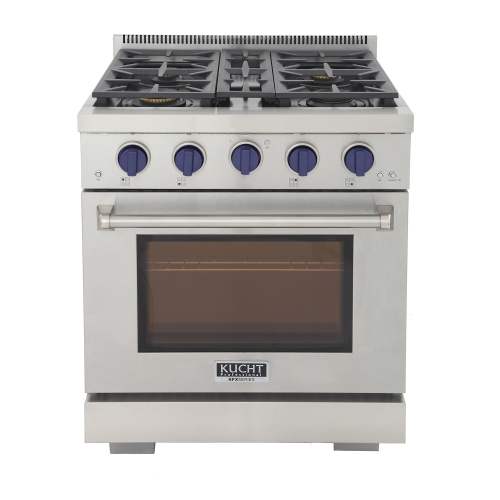

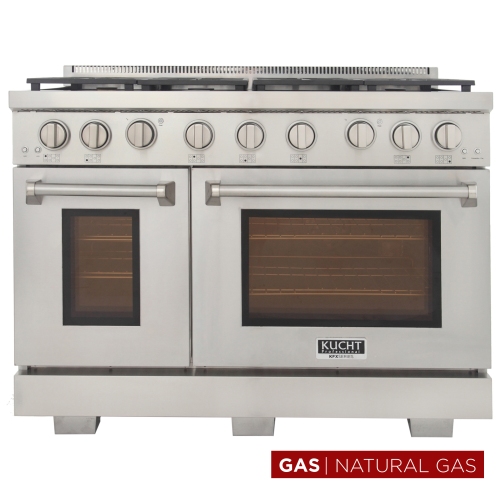
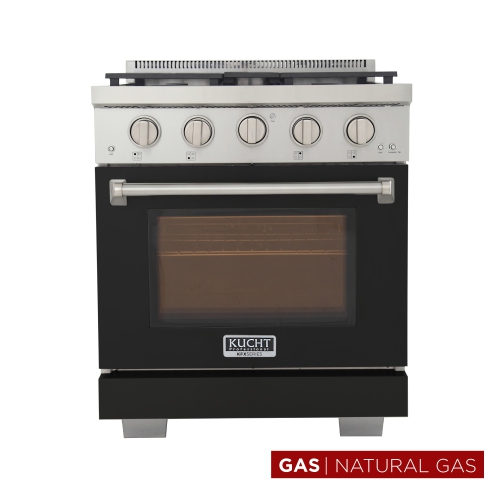
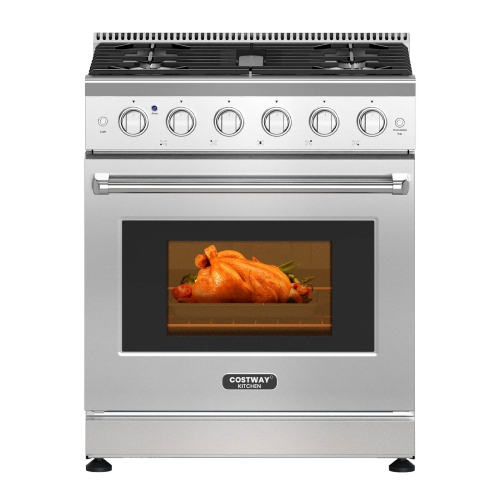

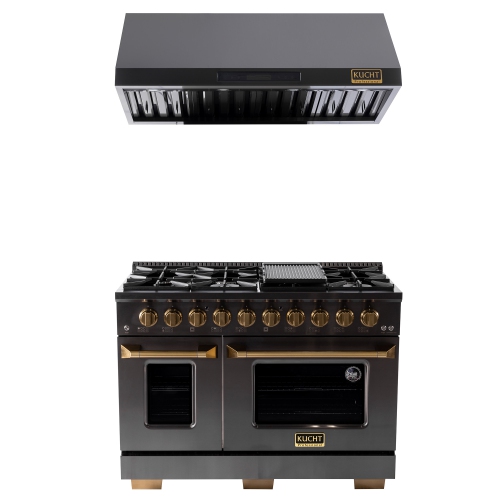
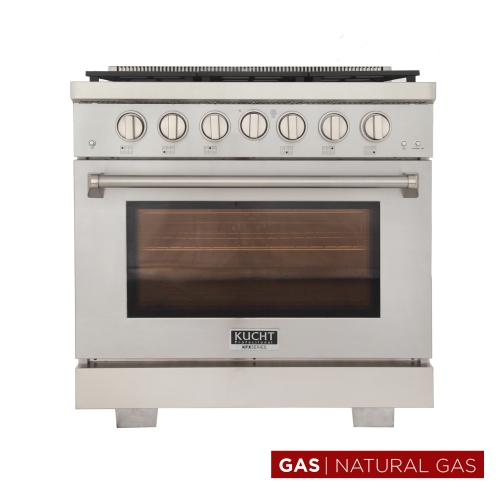
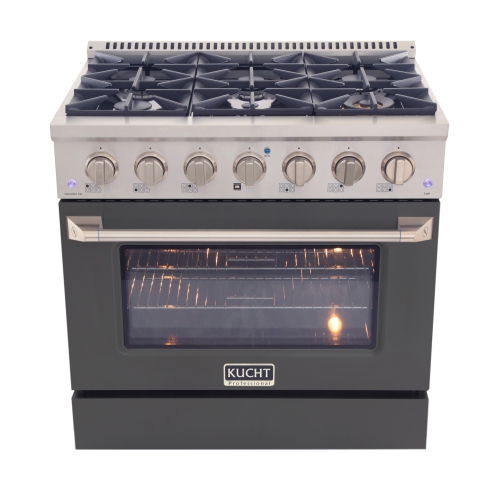
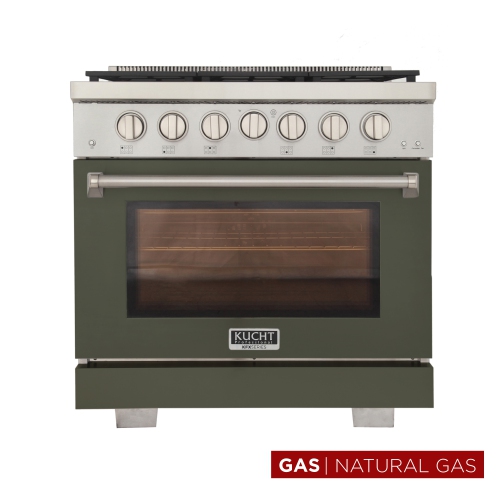
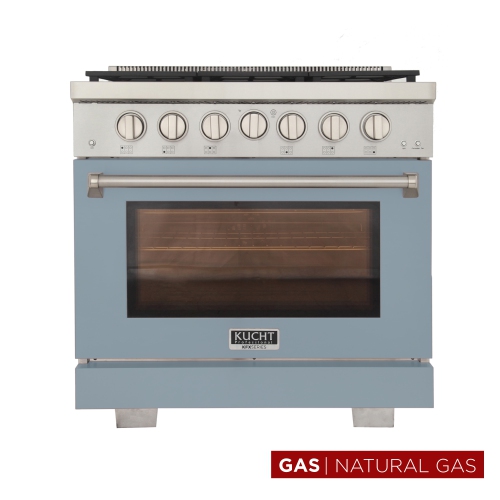
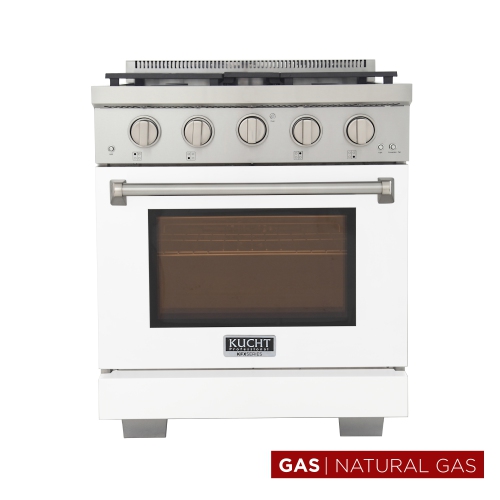
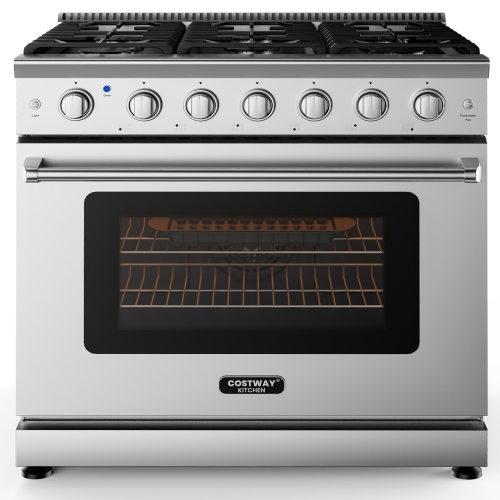
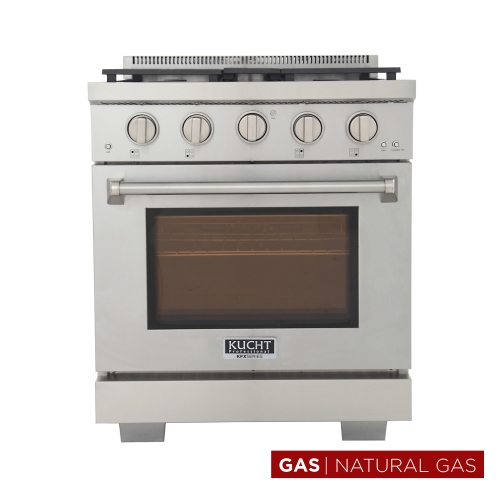
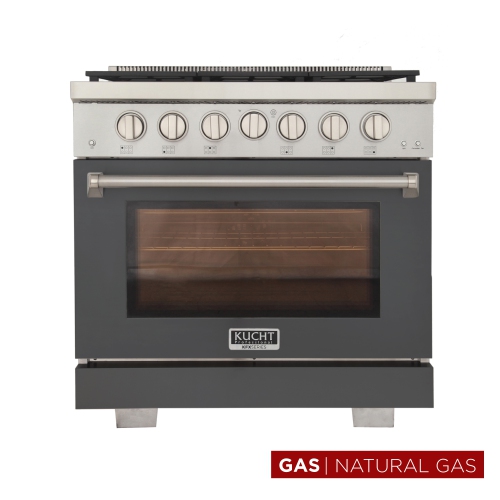
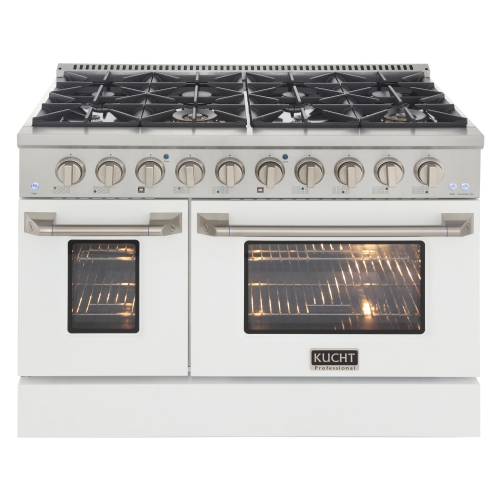

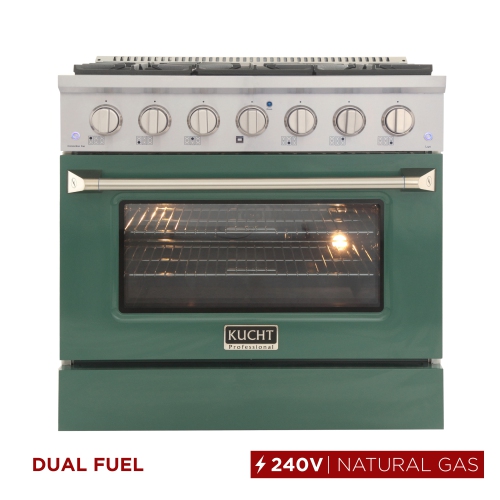
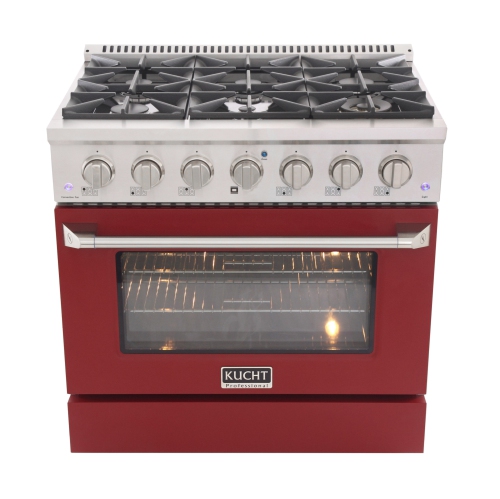
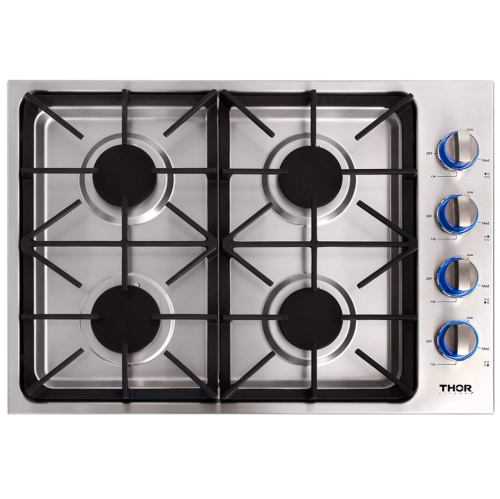
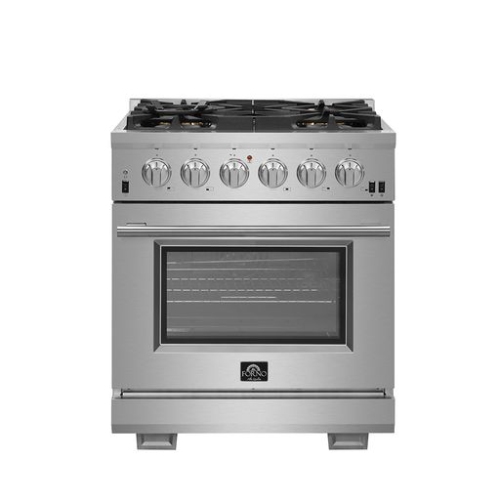

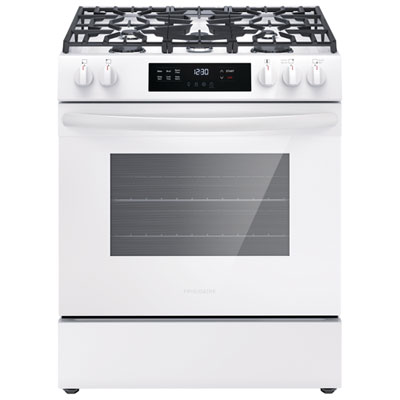
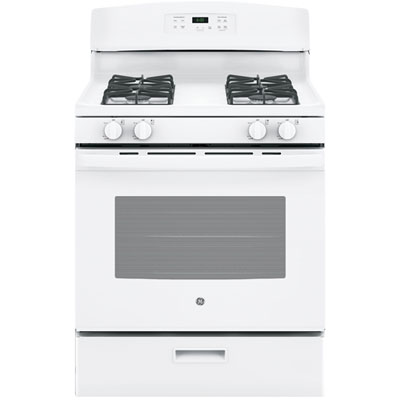
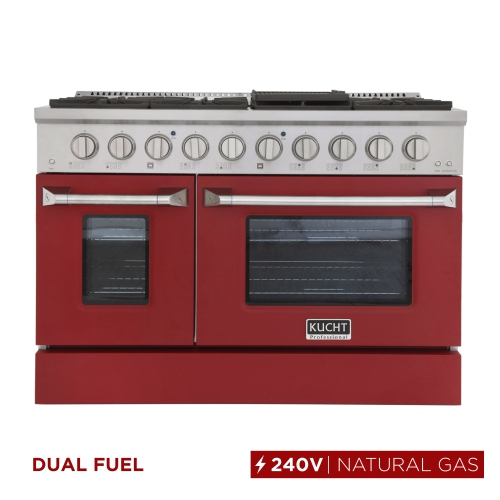
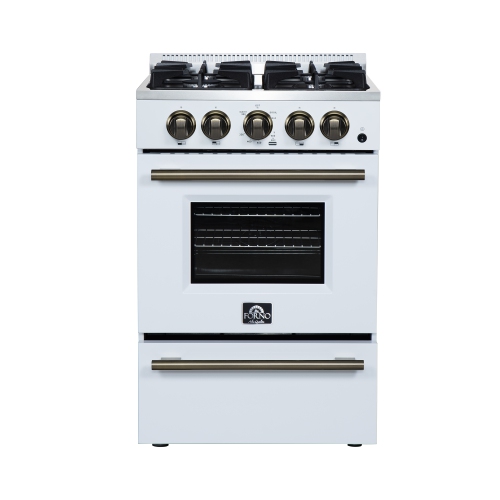
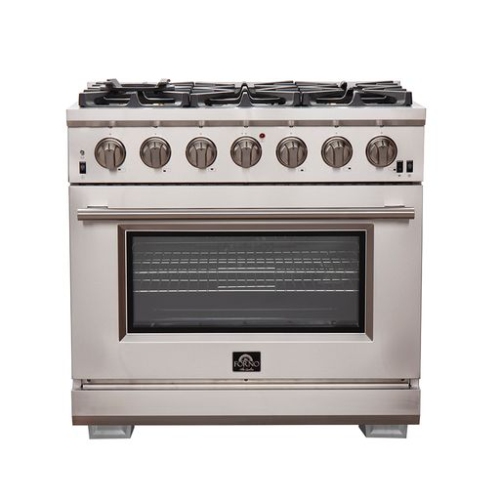


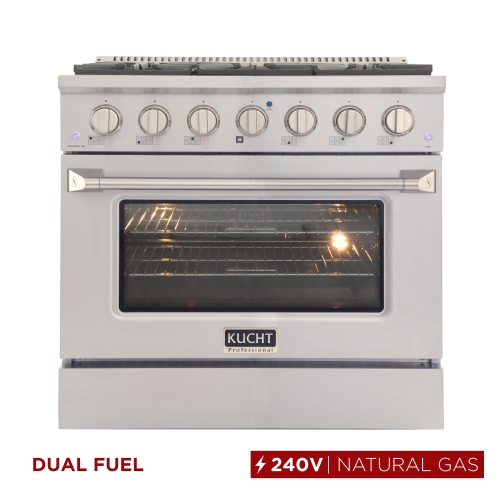
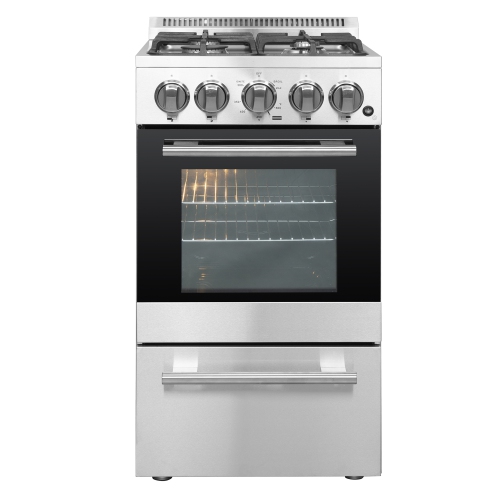
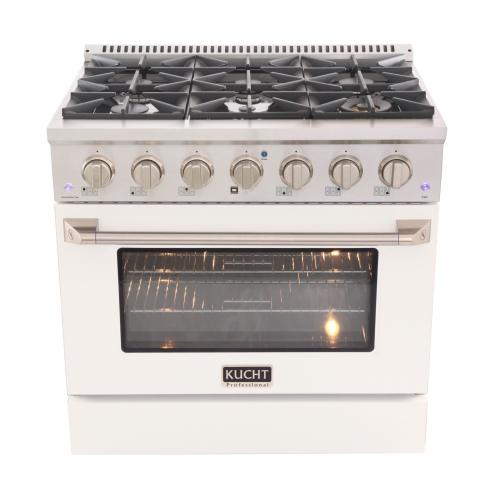
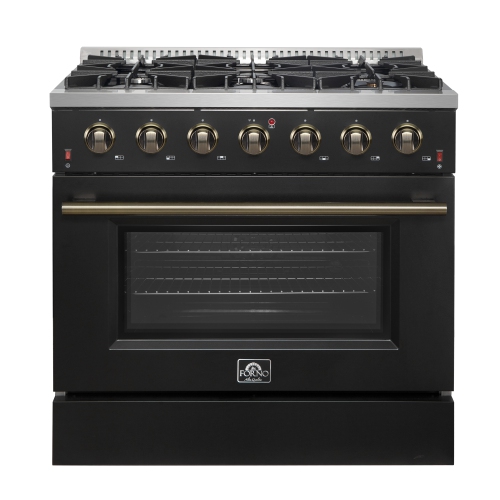
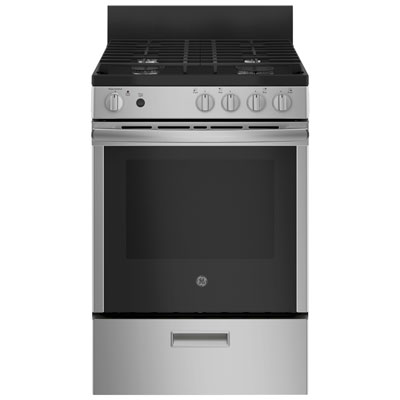
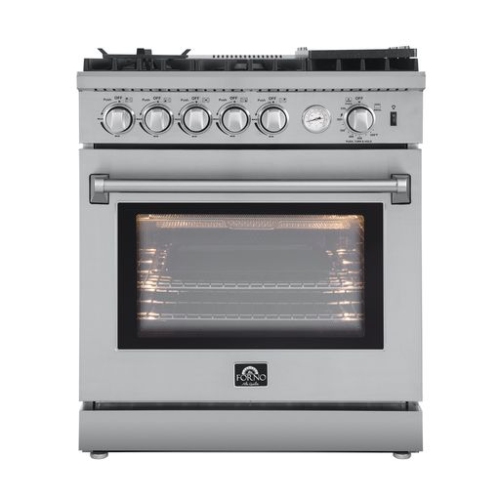
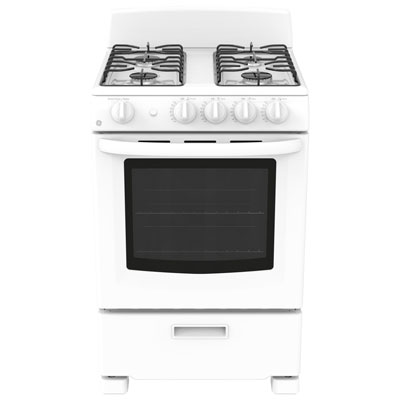
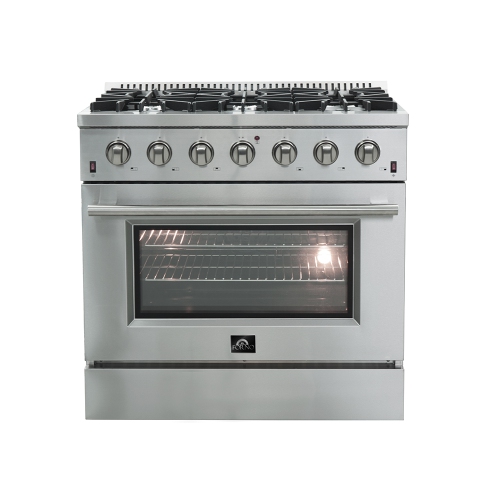
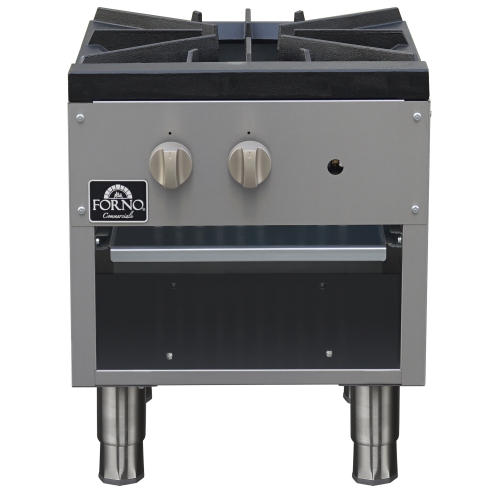

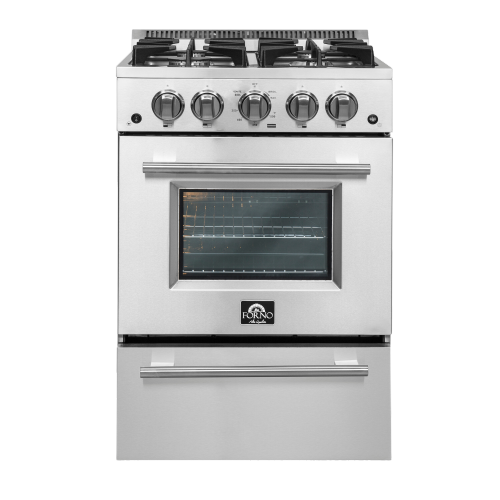
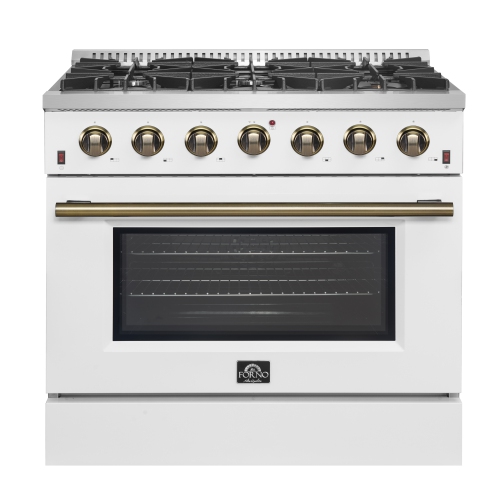

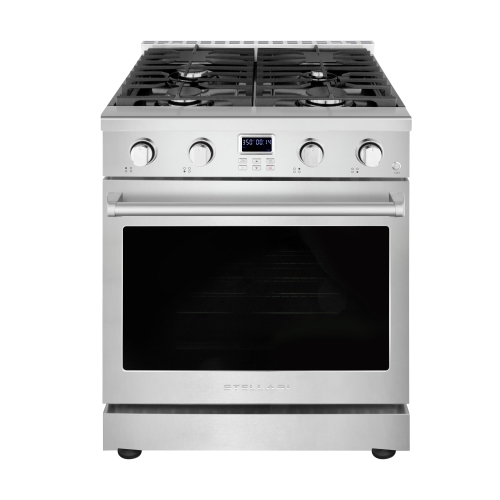
Why burner layout matters as much as heat
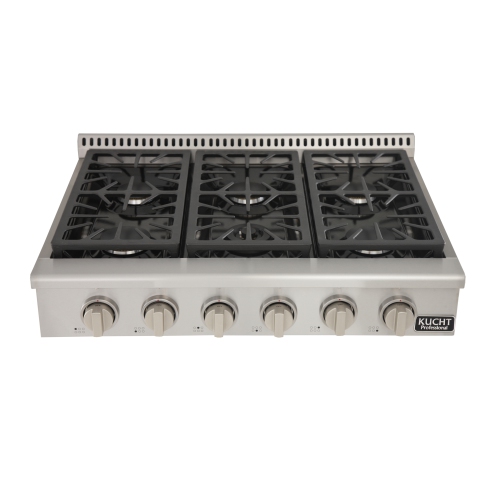
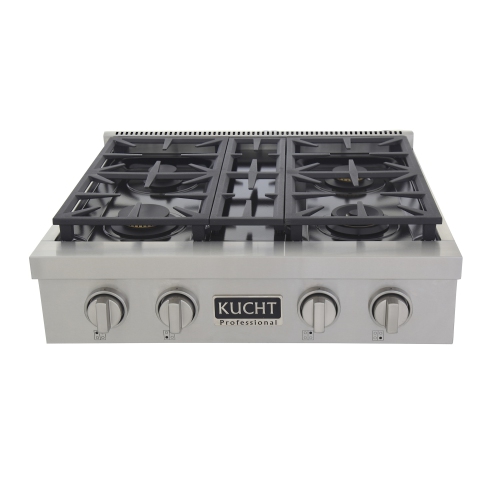
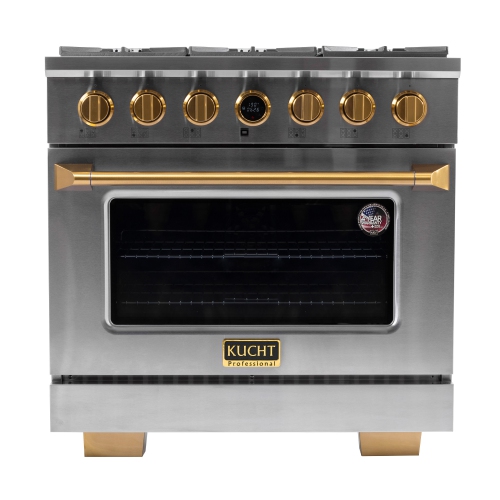
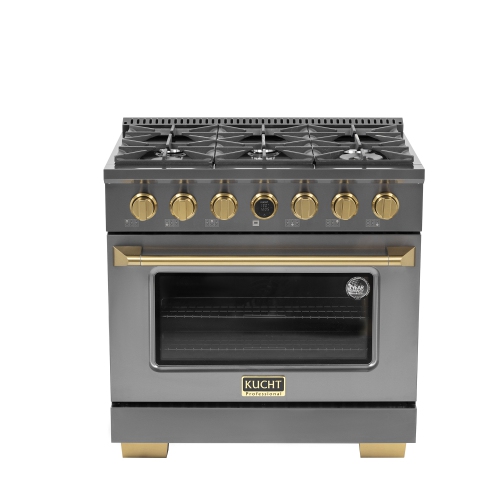
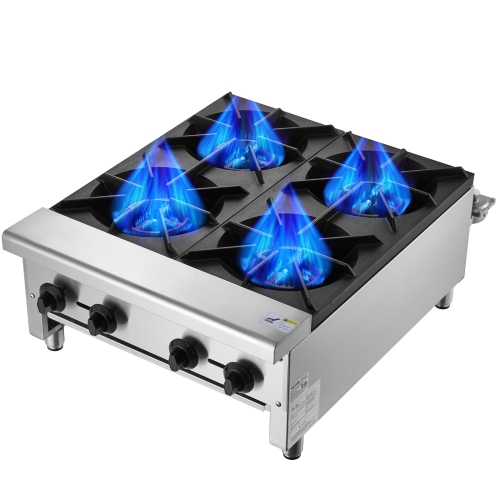
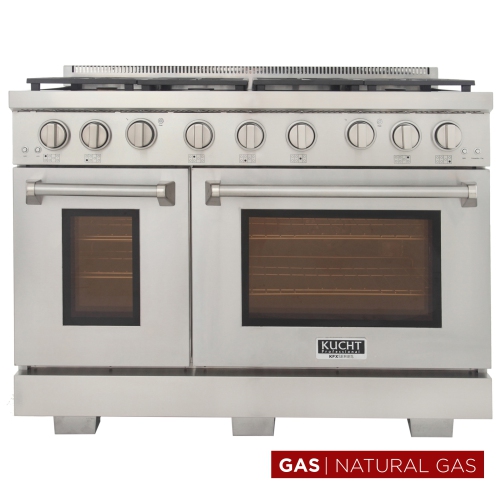
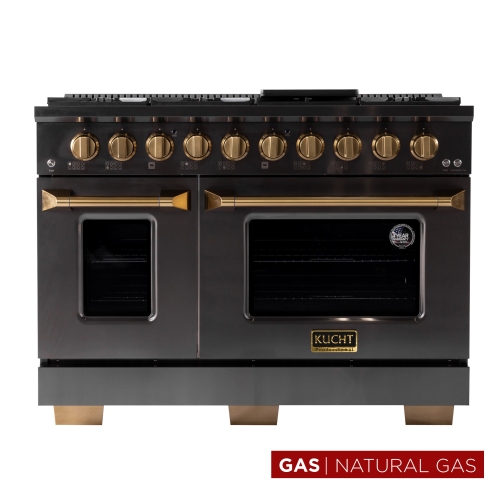
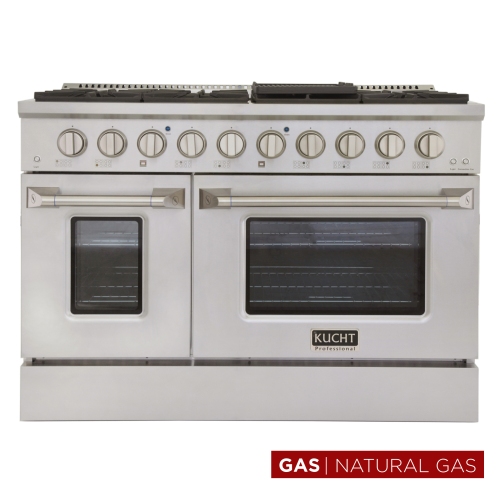
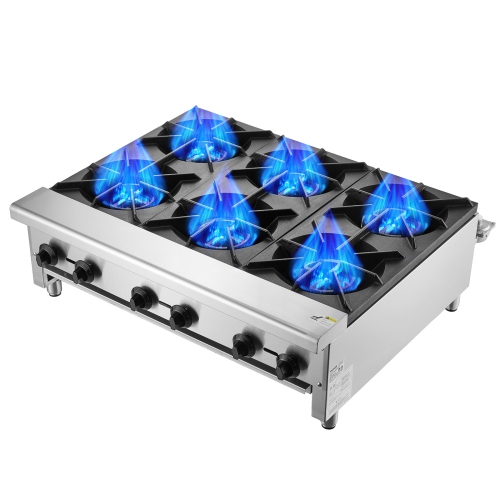
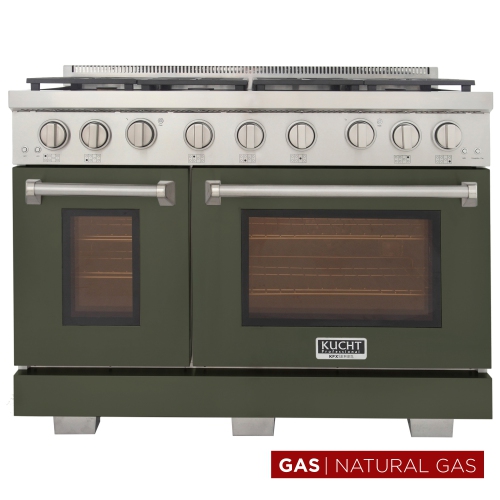
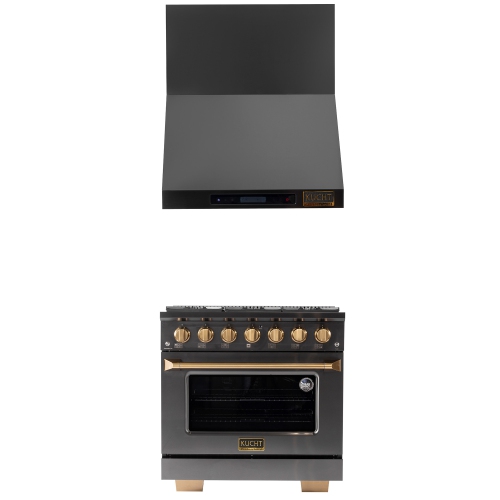
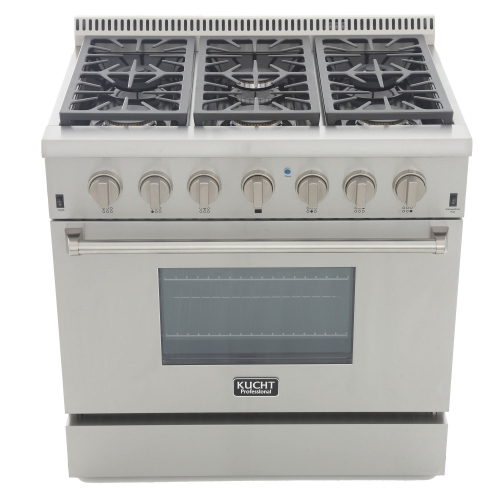
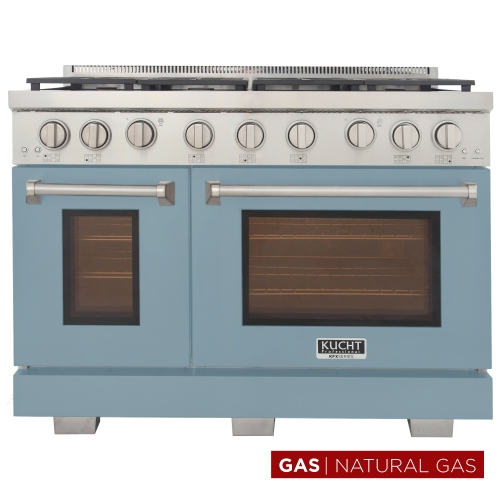
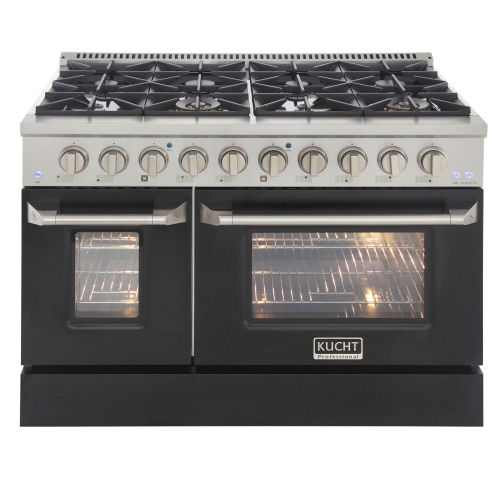
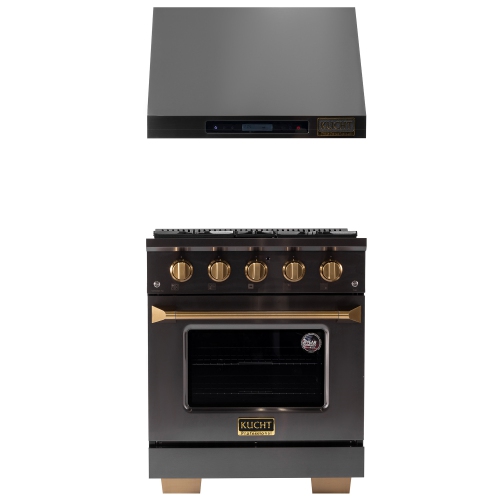
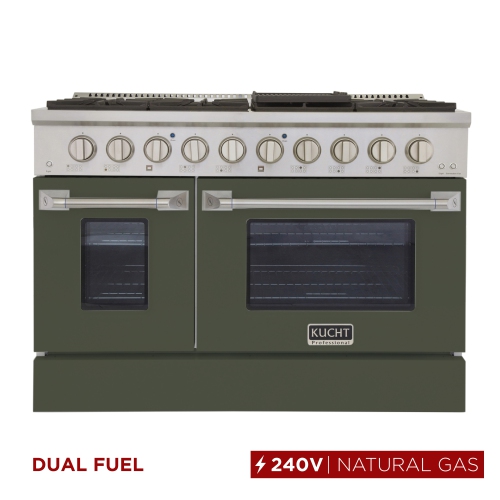
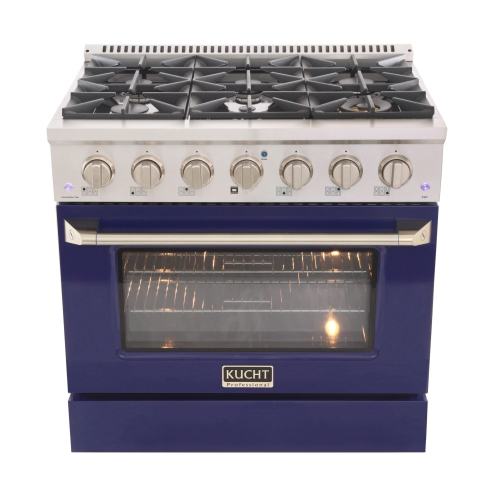
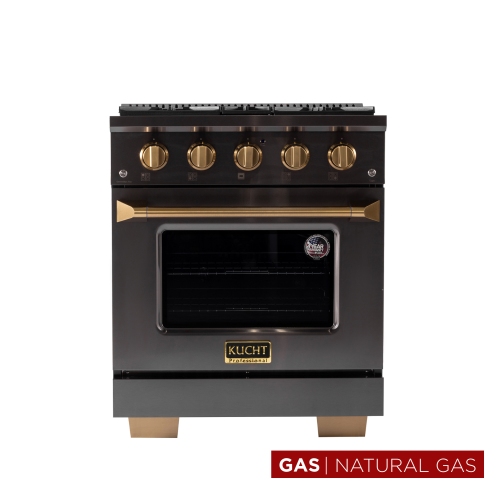
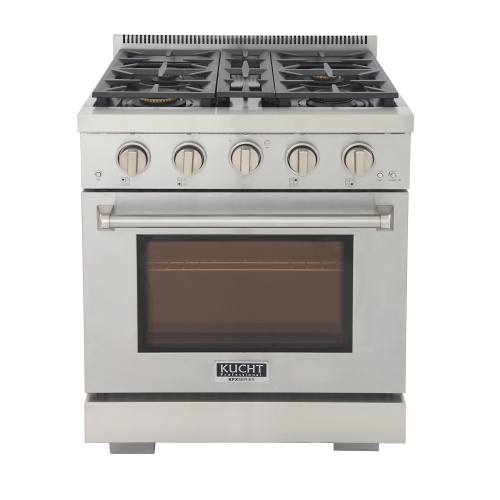
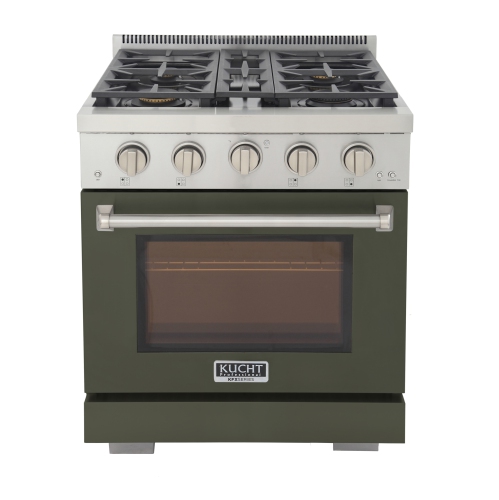
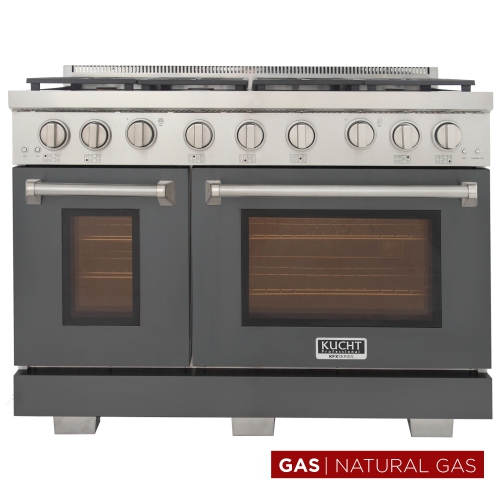
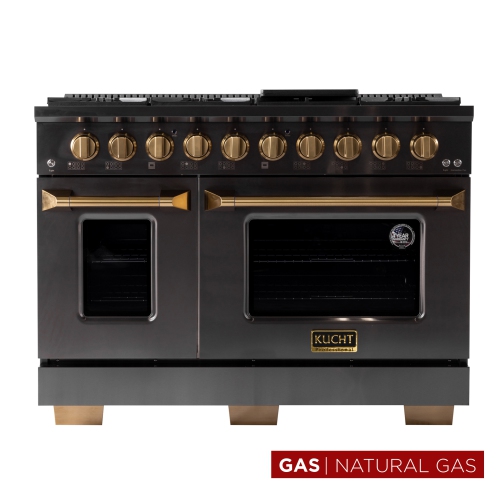
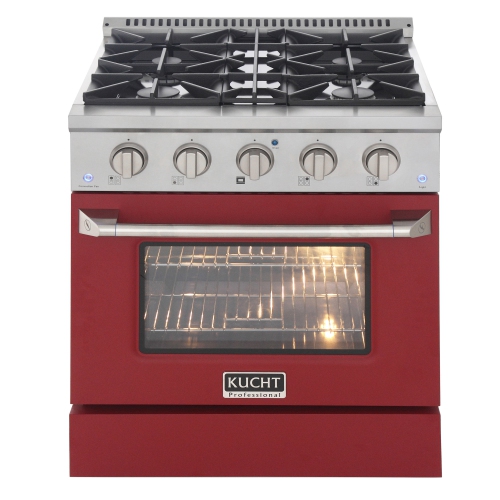
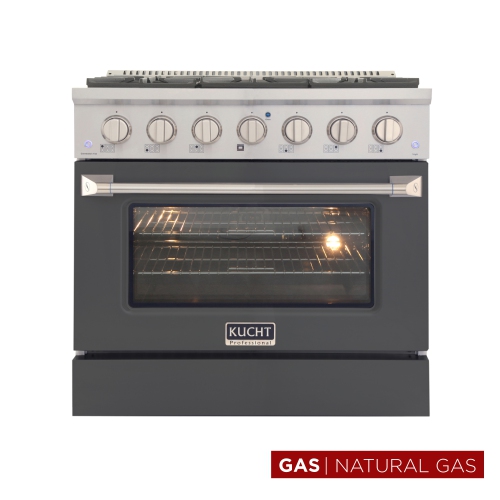
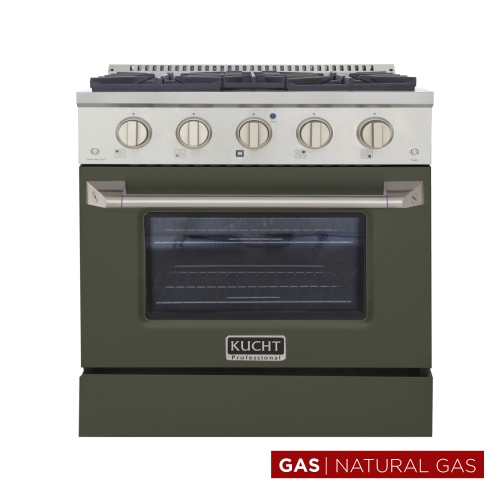
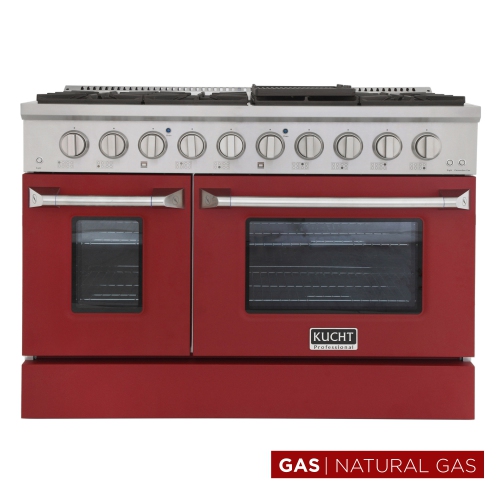
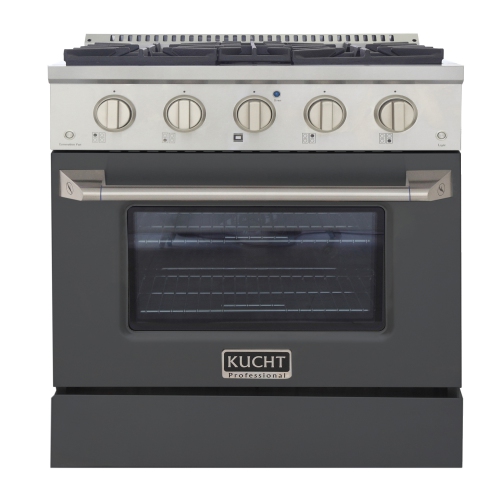
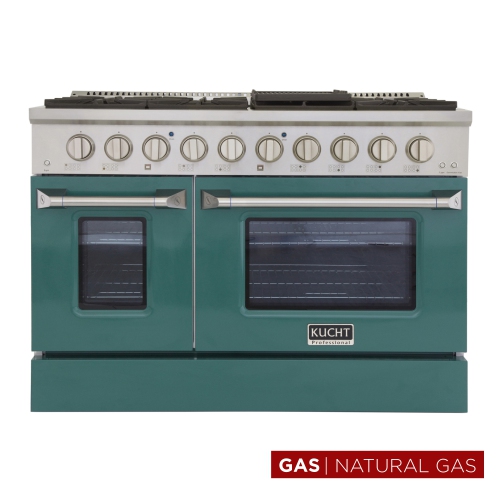
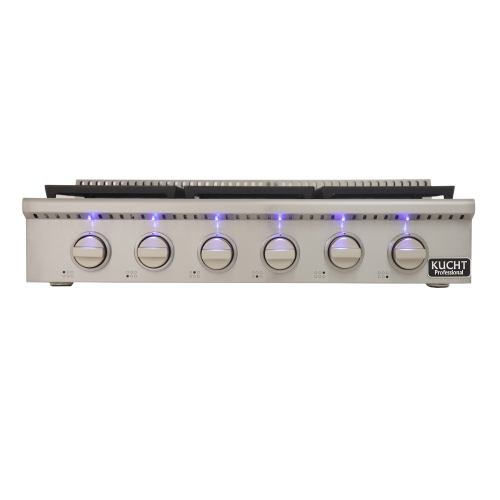
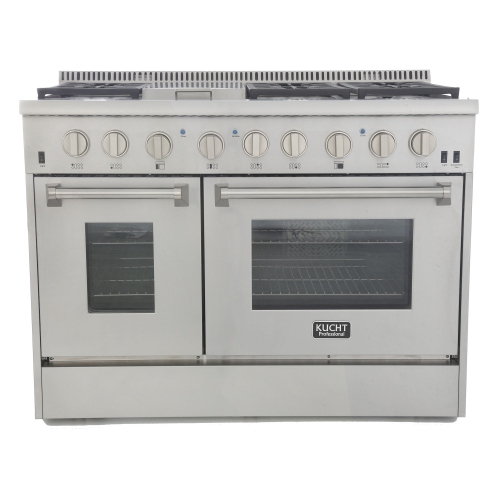
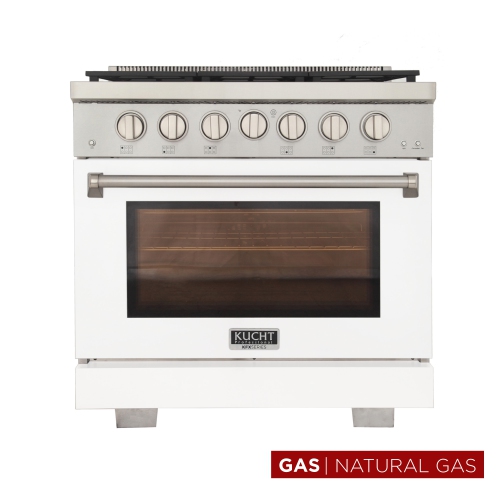
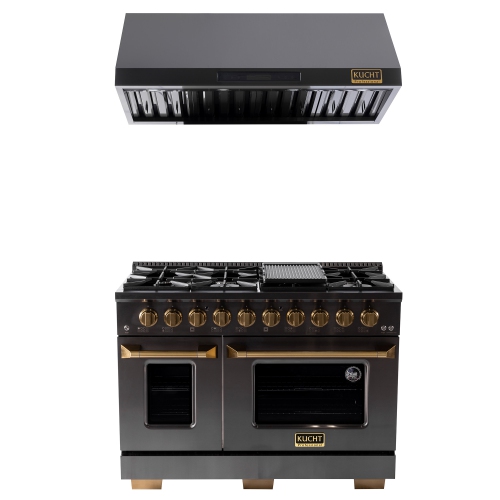
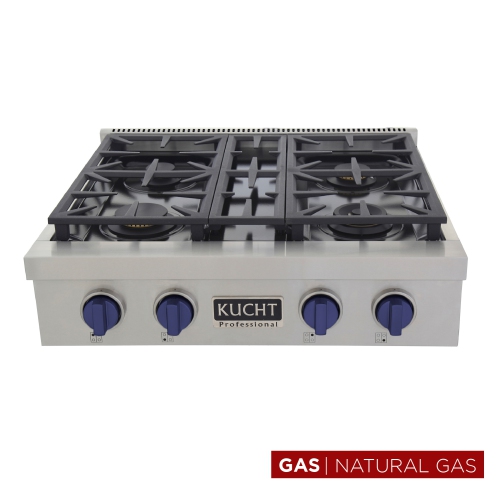
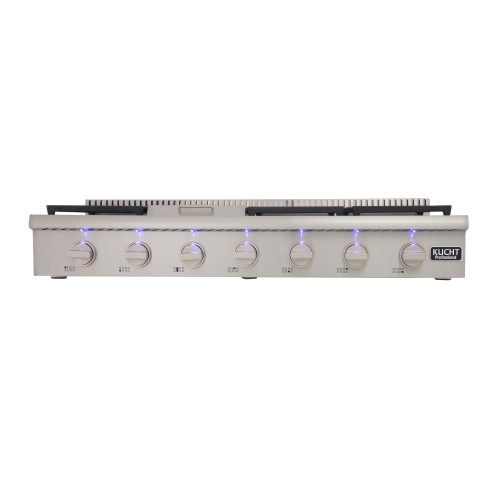
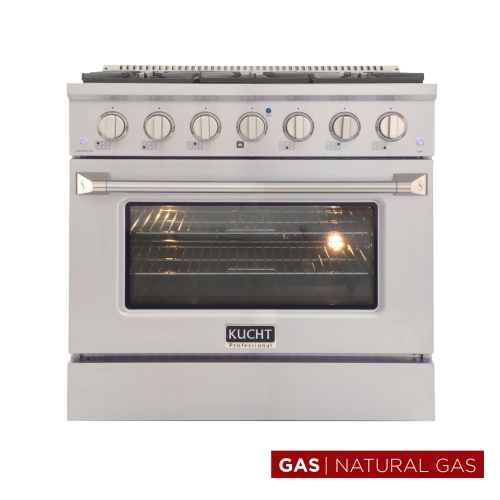
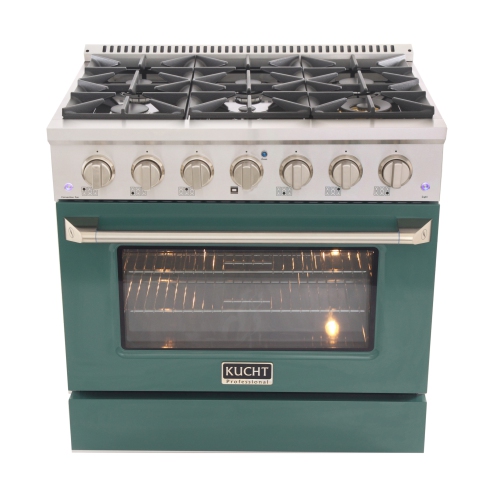
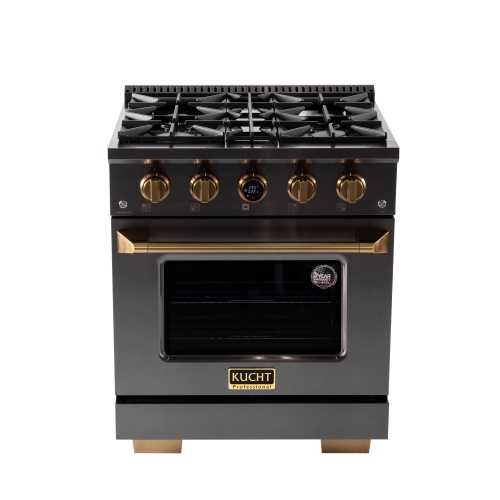
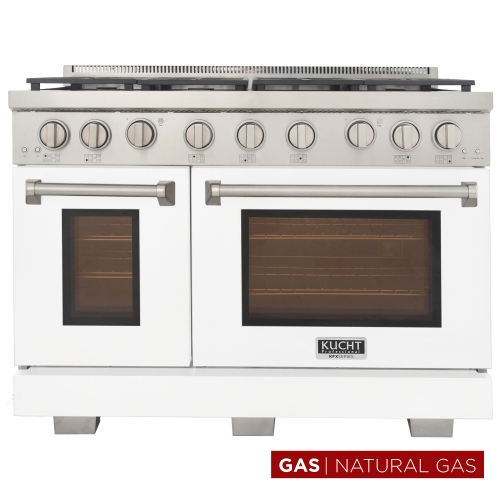
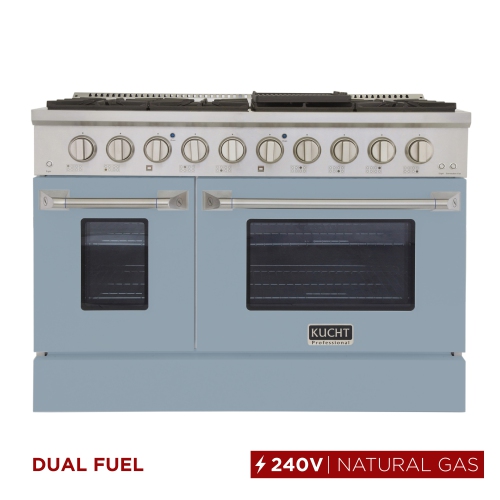
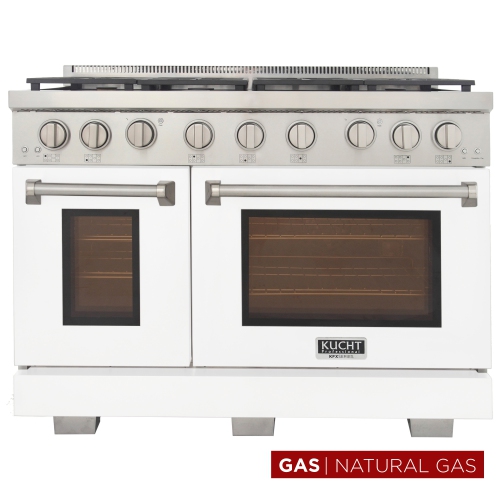
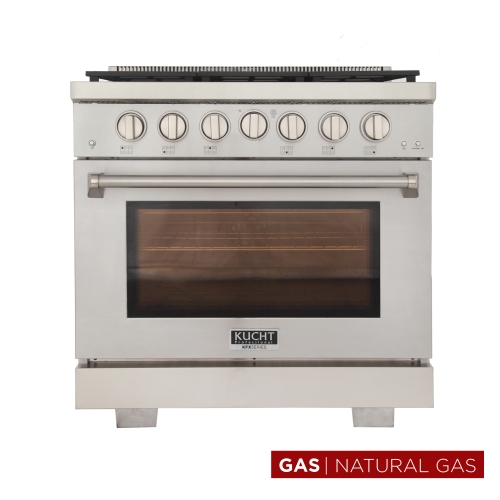
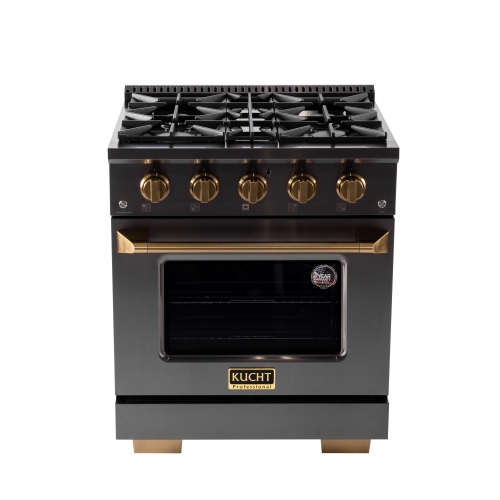
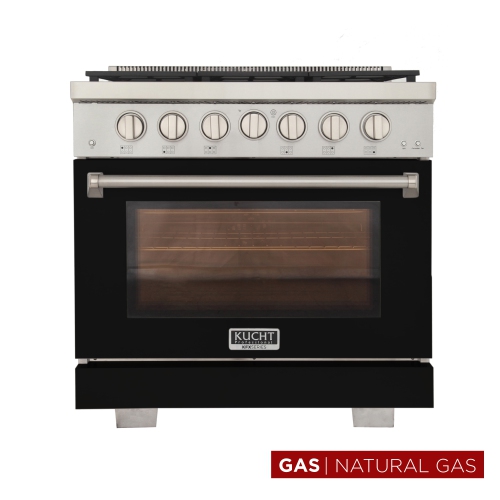
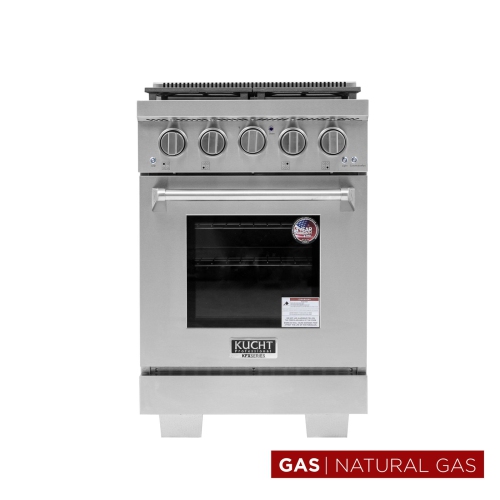
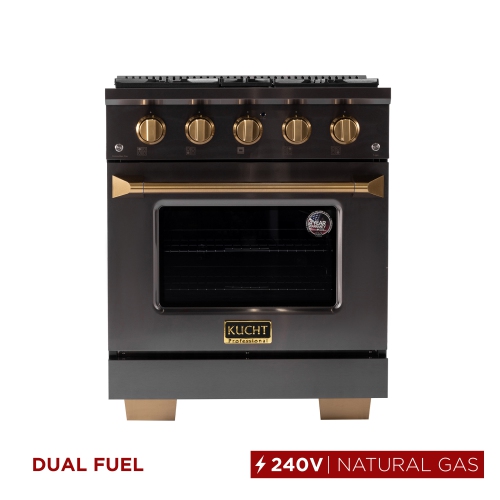
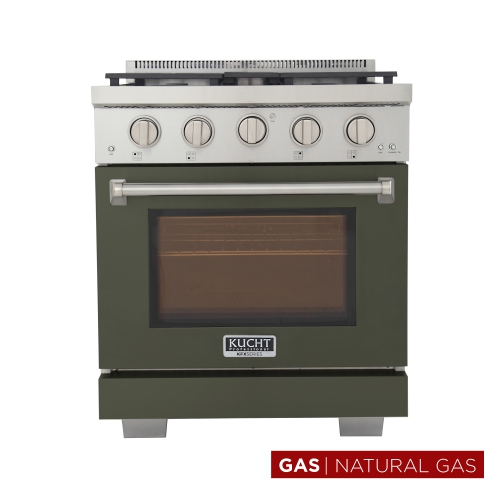
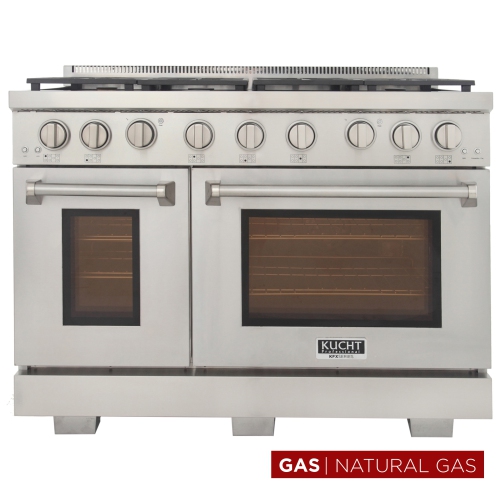
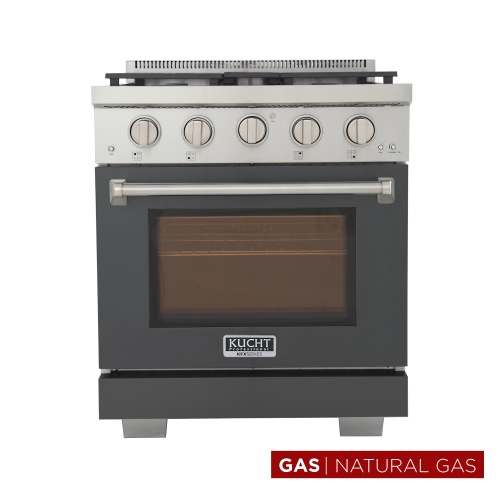
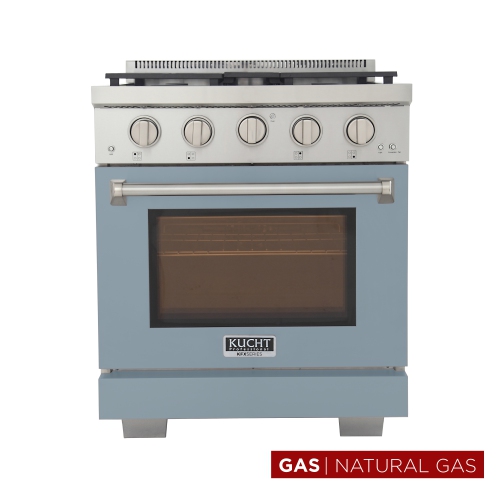
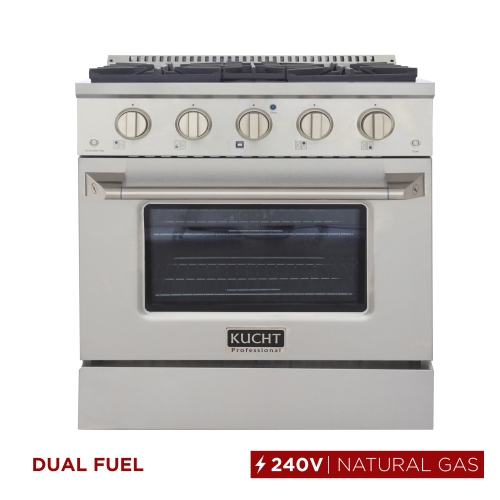
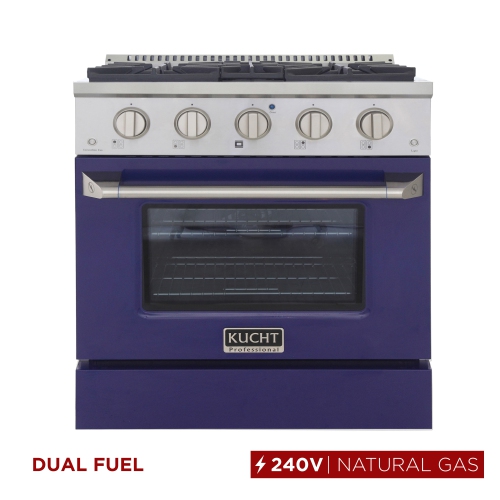
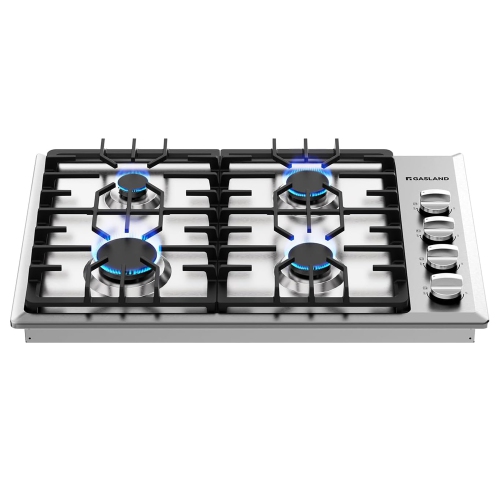
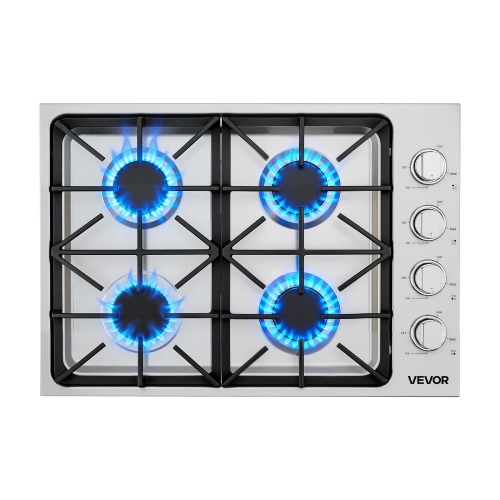
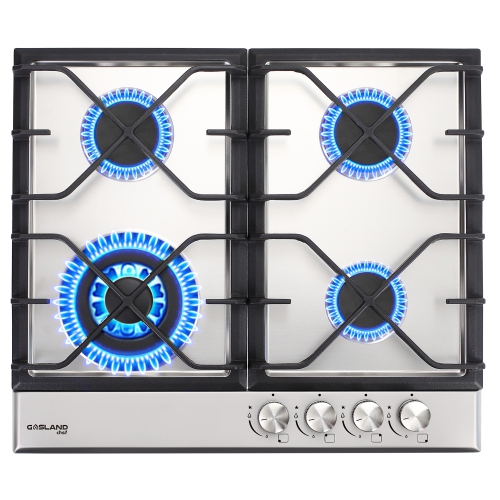
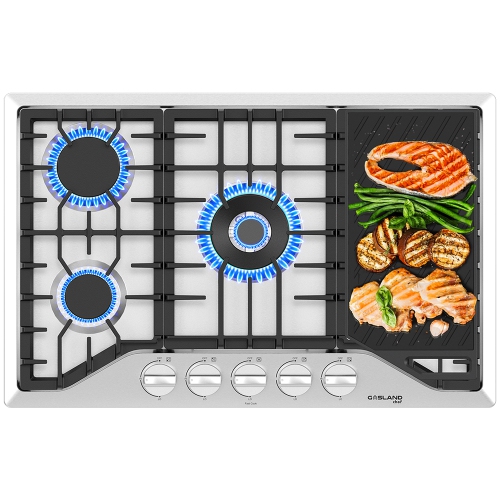
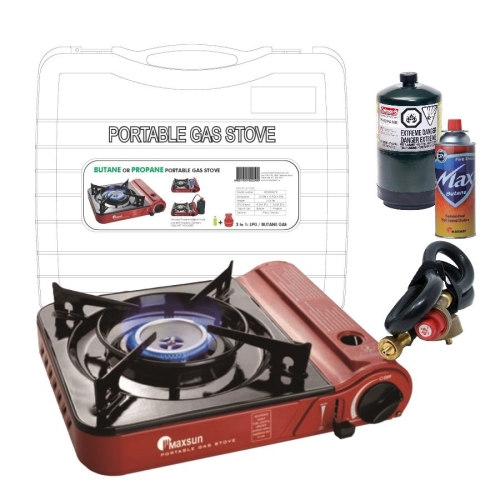
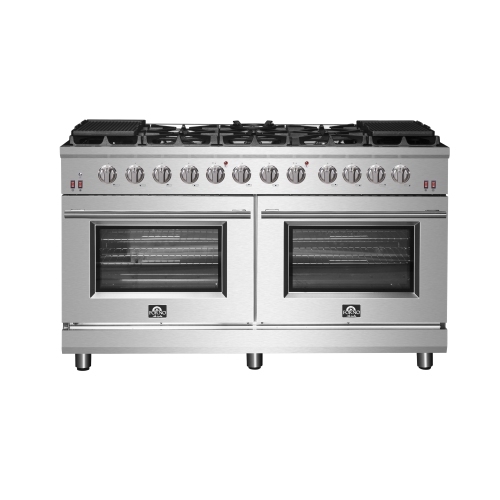
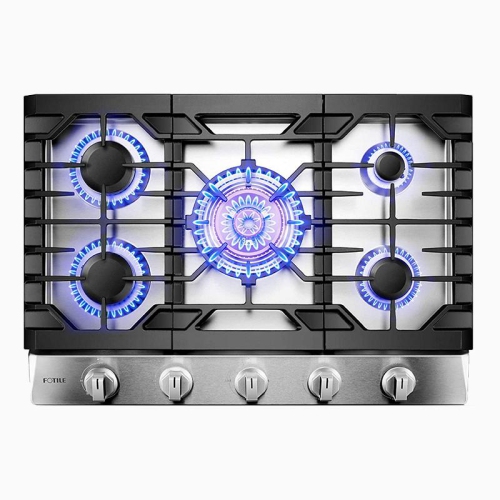
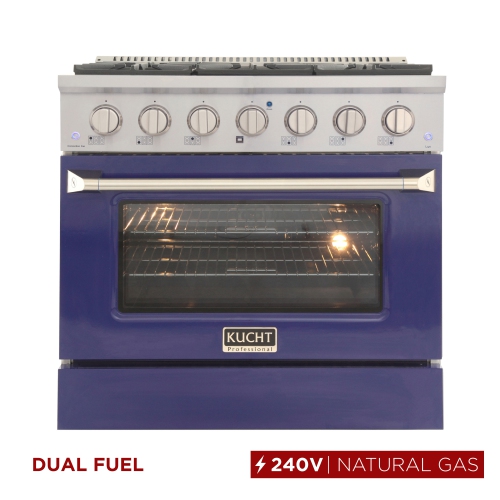
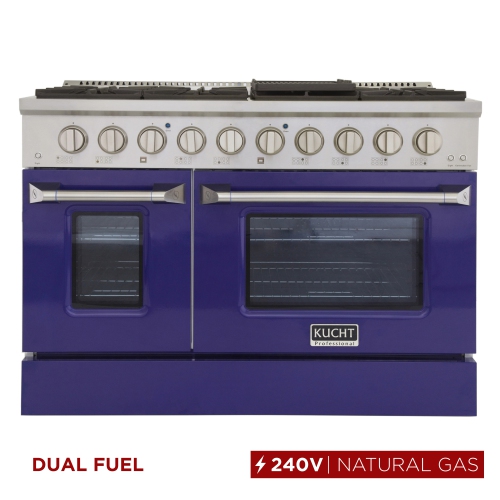
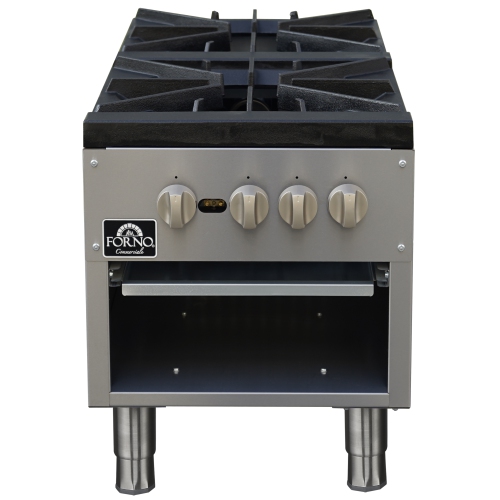
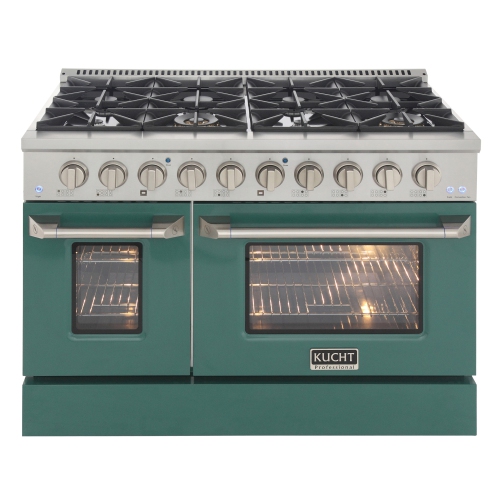
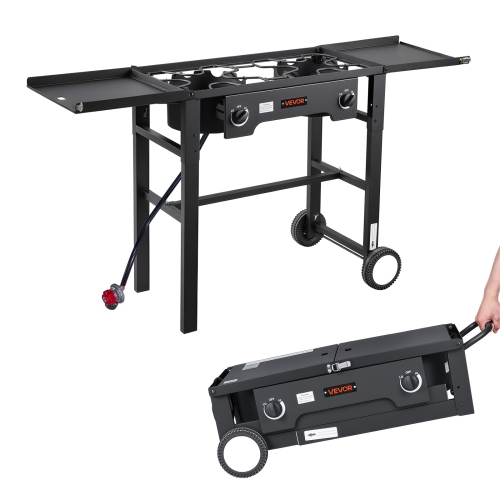
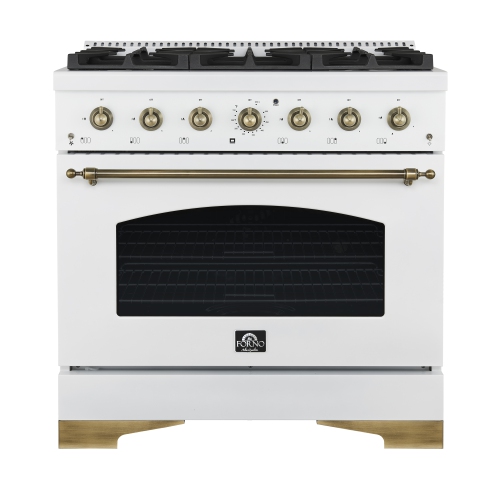
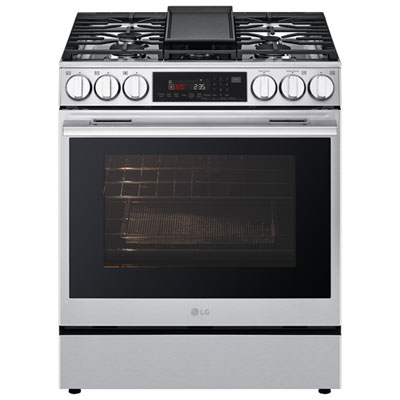
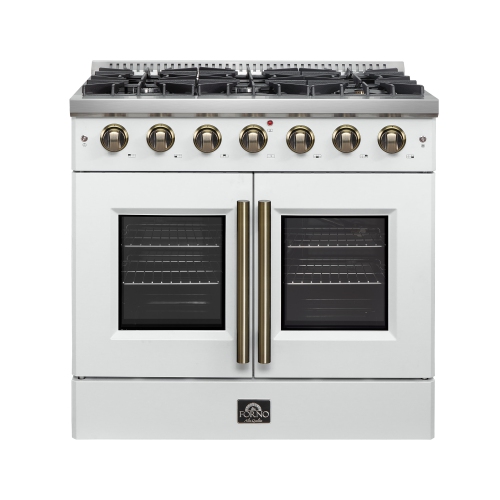
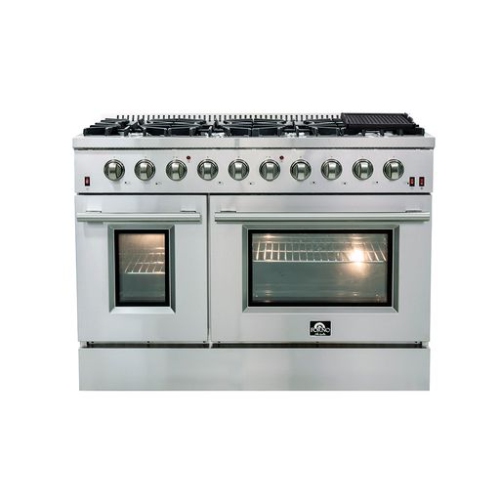
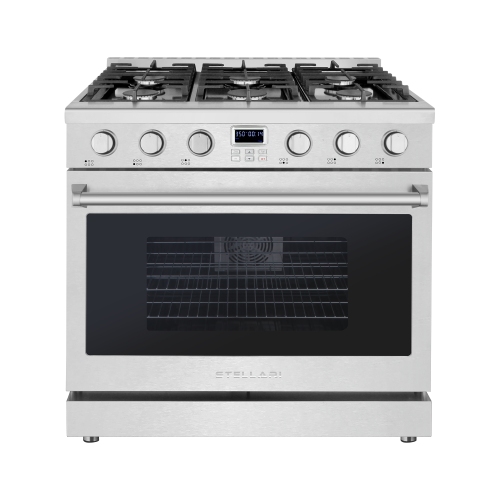
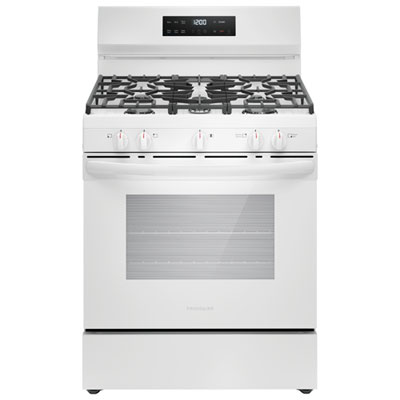
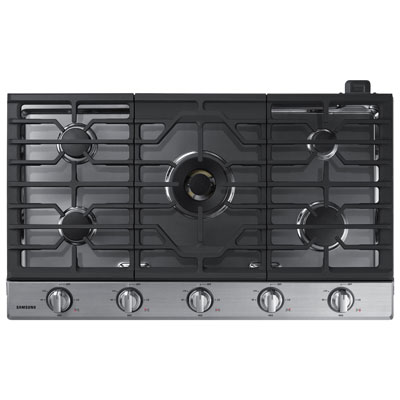
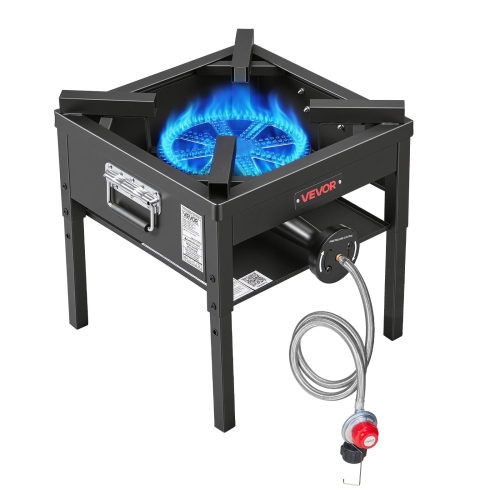
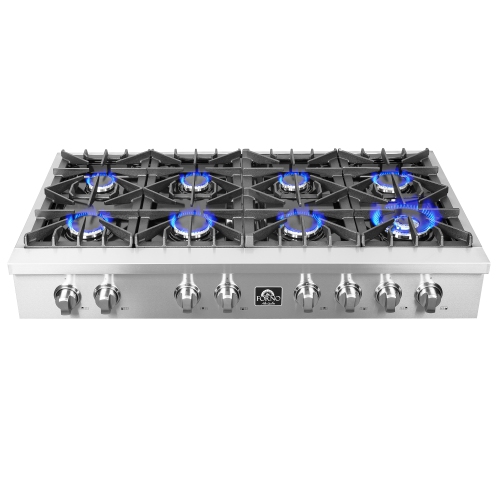
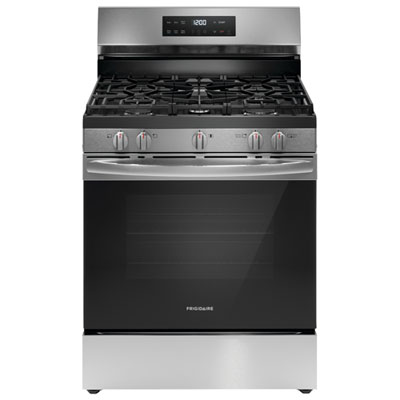
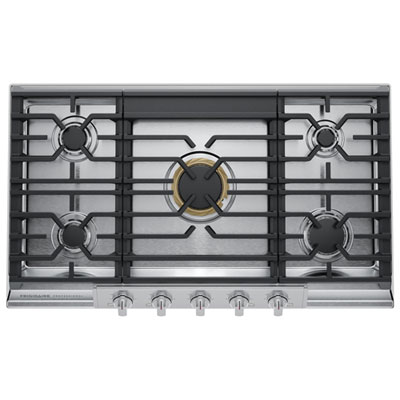
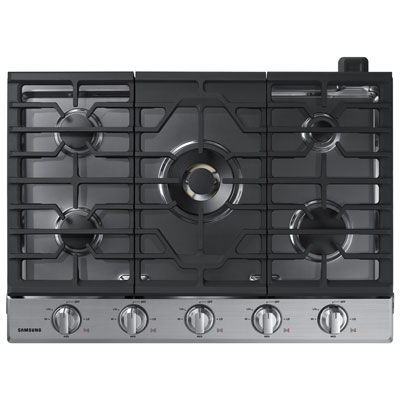
Natural gas stoves are cooking appliances that use a piped supply of natural gas, made up primarily of methane, to produce an adjustable open flame at the cooktop. In a gas range, the same fuel can also heat the oven, while a dual-fuel range pairs gas surface burners with an electric oven. The visible flame makes heat adjustments easy to judge, whether a saucepan needs a gentle simmer or a frying pan needs stronger heat for searing. Changing the flame changes the heat supplied to the cookware immediately, although the pan itself takes time to warm up or cool down. This responsiveness suits cooks who move between several tasks, such as boiling pasta, reducing a sauce, and sautéing vegetables for the same meal. Burner layout matters as much as the number of burners: a broad stockpot and a large skillet need enough room to sit side by side without crowded handles. Burner output is commonly expressed in British thermal units per hour, often shortened to BTU ratings in appliance descriptions. Higher output can be useful for heating large quantities of water, while a stable low setting is valuable for delicate sauces and slow simmering. Maximum output alone does not describe how comfortably a stove handles everyday cooking. Grate design also shapes the experience. Continuous grates can make it easier to move a heavy pot between burners without lifting it completely off the cooking surface, provided the cookware remains stable. Cast iron grates provide sturdy support but can be heavy to remove for cleaning. Stainless steel finishes and enamelled surfaces offer different looks and care requirements, with stainless steel showing fingerprints and enamel benefiting from protection against chips and abrasive scrubbing. Flat-bottomed cookware with a stable base generally sits securely on the grates; round-bottomed woks require support specifically approved for the appliance. These practical details help distinguish a stove that simply fits the space from one that also fits the way a household cooks.
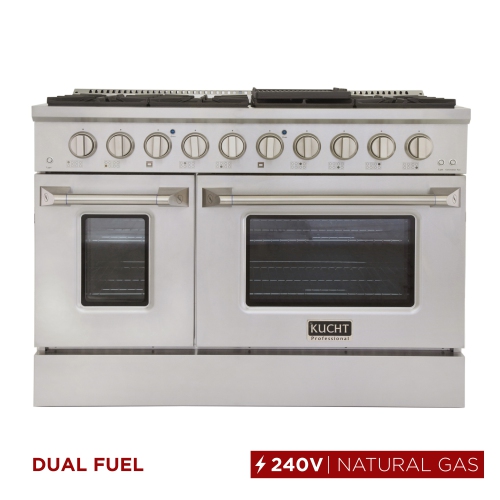
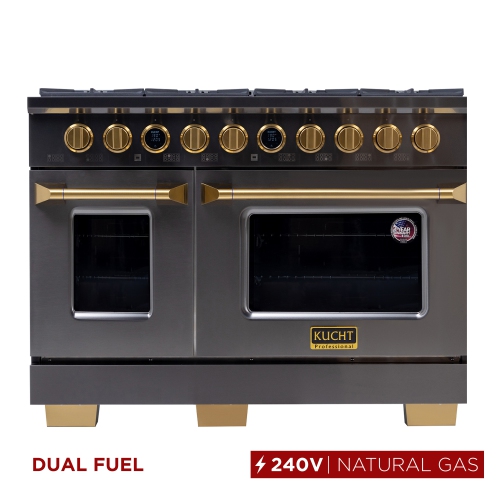
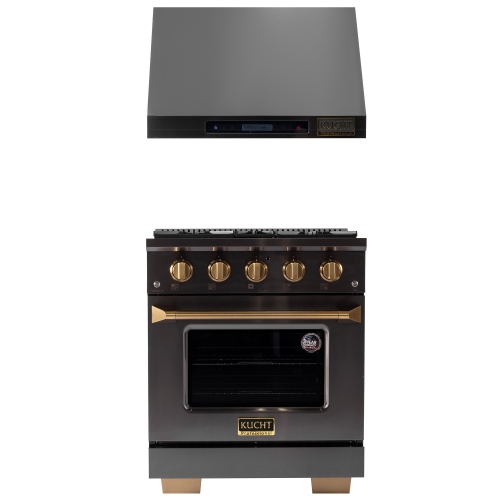
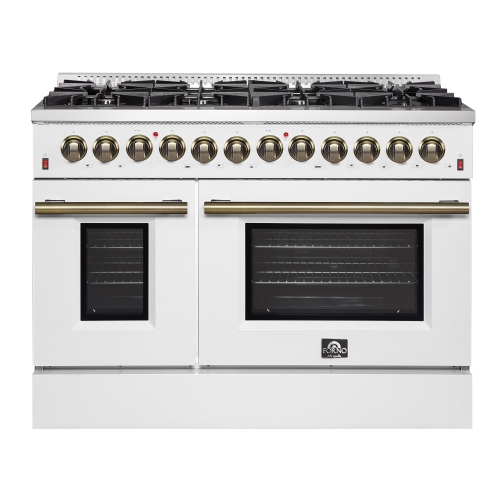
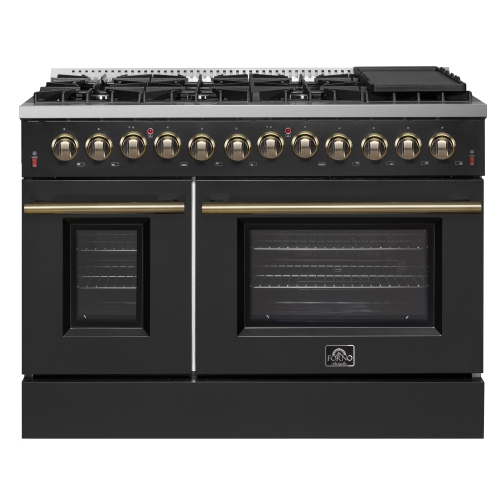
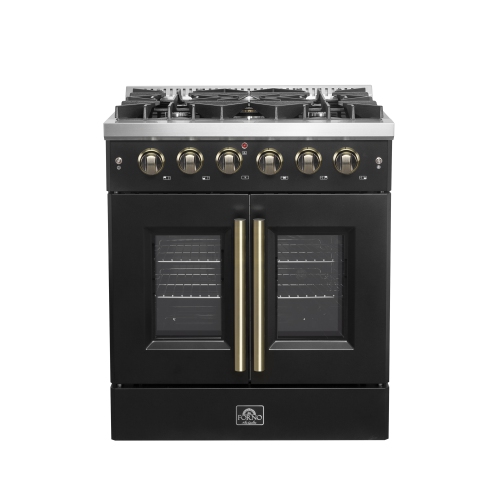
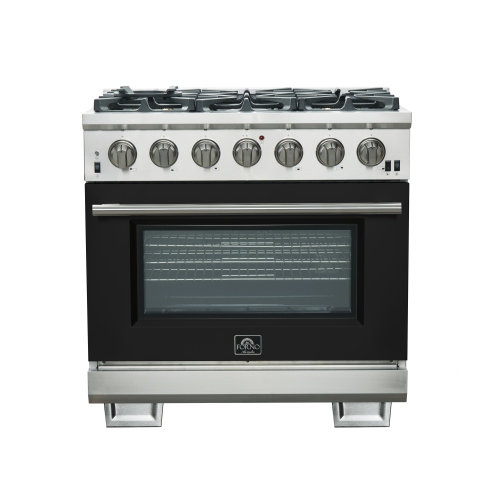
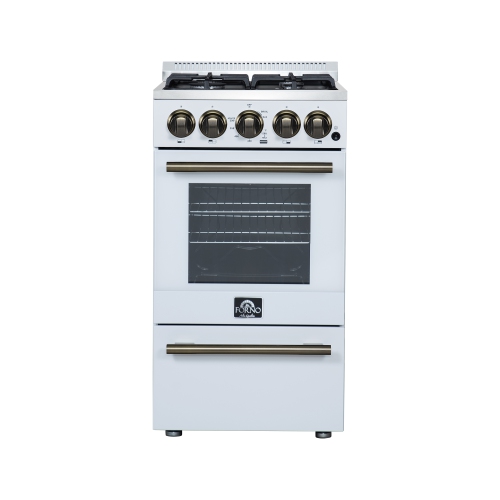
A natural gas stove needs to suit both the kitchen opening and the connections behind it. Width is only one part of the fit: overall depth, handle projection, door clearance, and space beside neighbouring cabinets all affect how the appliance works in the room. A nominal 30-inch width, for example, does not establish the exact cutout or clearance requirements, which depend on the manufacturer's installation specifications. Freestanding and slide-in designs also meet the surrounding cabinetry differently, so the location of controls, finished side panels, and countertop edges deserves attention. Front-mounted controls can keep adjustments within easy reach, while their accessibility may also matter in a home with young children. The Natural Gas Ranges collection focuses on the combined cooktop-and-oven format, a practical arrangement for kitchens where both cooking functions share one footprint. Oven capacity is most useful when considered alongside usable rack positions and the dimensions of frequently used roasting pans or baking sheets. A large cavity may accommodate a tall roasting dish, but flexible rack placement can be just as helpful when baking on more than one level. Convection, where included, uses a fan to circulate heated air; results and recommended settings depend on the oven design and the recipe. Separate oven compartments can offer flexibility for dishes with different cooking requirements, though each compartment has its own capacity limits. Installation requires an appropriate natural gas connection and any electrical supply specified for ignition, controls, lighting, and other functions. Natural gas and propane are not interchangeable without the correct manufacturer-approved conversion, and not every appliance supports both fuels. A qualified gas professional should handle the connection and confirm that the installation meets applicable requirements. An appropriately sized range hood that exhausts outdoors helps remove cooking fumes and combustion pollutants when used during cooking. Clearance above the burners, ventilation requirements, and any required anti-tip device are essential parts of the installation, not details determined by appearance alone.
Everyday care has a noticeable effect on how a natural gas stove looks and performs over time. A smooth, accessible cooktop with removable grates and burner caps can make routine spill cleanup less awkward, especially after a pot boils over or a tomato sauce spatters across the surface. Once the appliance is switched off and cool, gentle cleaning with products approved for its finish helps protect stainless steel, enamel, and control markings. Burner caps need to sit correctly after cleaning, and burner openings must remain free of food residue so the flame can form properly. Removable parts should be dry before reassembly, with dishwasher cleaning reserved for components the manufacturer identifies as dishwasher-safe. Heavy grates are best handled carefully to avoid damaging the cooktop or a nearby countertop. Abrasive pads and harsh cleaners can leave lasting marks, while foil liners or other coverings can interfere with airflow and heat distribution unless expressly permitted by the appliance instructions. Oven cleaning options also differ: a self-cleaning cycle, steam-assisted setting, or manual-clean interior each comes with its own operating and care requirements. Durability depends on more than a substantial exterior; well-supported grates, secure knobs, accessible components, and consistent maintenance all contribute to comfortable long-term use. For a household that prepares several dishes at once, the most useful arrangement may be a spacious burner layout and an oven that accommodates familiar cookware. Someone cooking smaller meals may place more value on precise low heat, straightforward controls, and surfaces that are easy to wipe down. Frequent bakers may pay closer attention to oven performance and rack flexibility than to maximum burner output. A natural gas stove is intended for cooking, never for heating a room, and working carbon monoxide alarms remain important in homes with fuel-burning appliances. With the right fit, professional installation, and suitable care, this appliance format supports everything from a quick breakfast to a full meal with several pans on the go.
Top selling and popular products
-
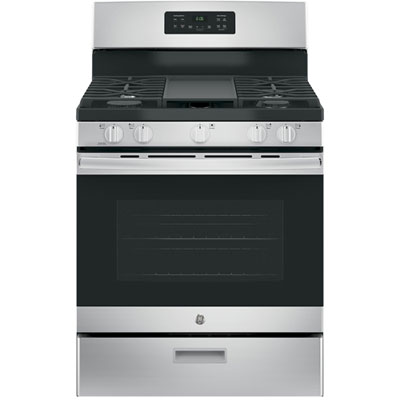 Your price for this item is $849.99
-
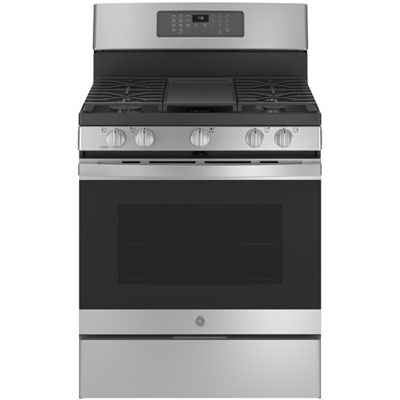 Your price for this item is $1099.99
-
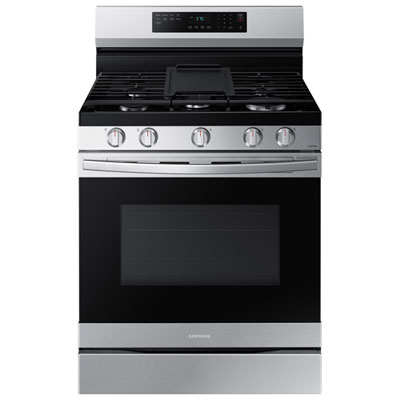 Your price for this item is $1395.99
-
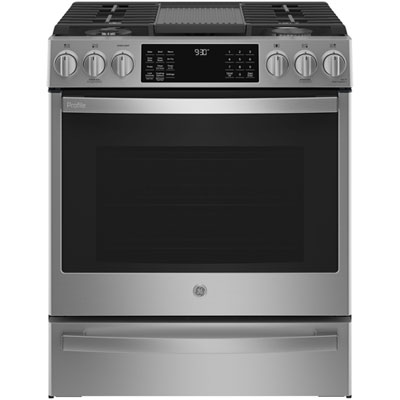 Your price for this item is $1799.99
-
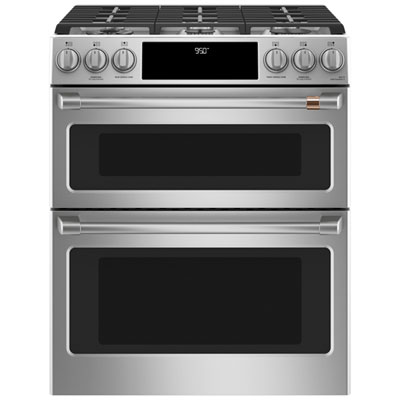 Your price for this item is $3599.99
-
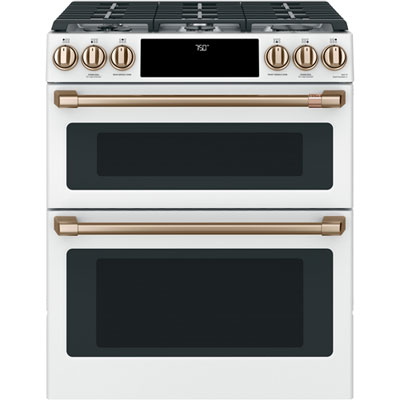 Your price for this item is $3499.99
-
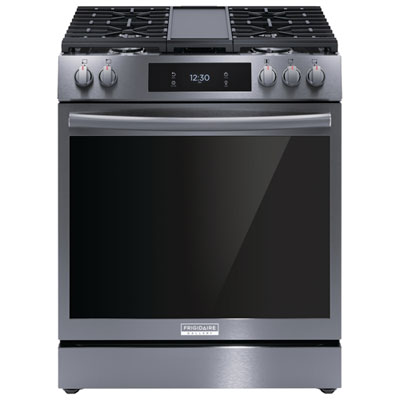 Your price for this item is $2099.99
-
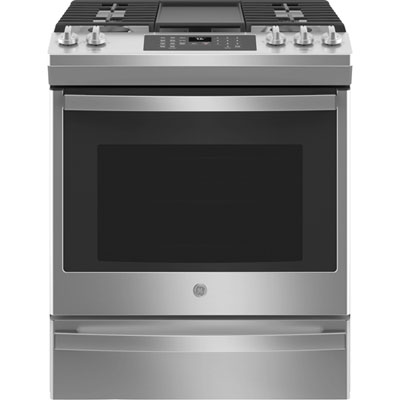 Your price for this item is $1299.99
Discover more categories related to Natural Gas Stoves
Top Collections:
Best Black Friday Deals This Year, Best Black Friday Deals On Electronics, Kindle Devices, Pokemon Centers, Best Black Friday Deals On Apple Products, Best Cameras for Sports Photography, Dyson Airwrap, Pokémon 30th Celebration Cards, Apple iPhone 17 Pro, Canon G7X Cameras
Some products may be subject to Environmental Handling Fees
(EHF) depending on your province.
Learn more about EHFs.