Omega Cold Press Slow Juicers
Discover a new way to enjoy fresh, nutritious juices at home with the Omega Cold Press Slow Juicer. Perfect for health enthusiasts and anyone looking to add more fruits and vegetables to their routine, this innovative appliance makes it easy to create delicious beverages right in your kitchen. Whether you’re preparing morning juice blends or experimenting with new recipes, the Omega Cold Press Slow Juicer offers a convenient solution for your daily juicing needs. Explore the range of options available and find the ideal juicer to suit your lifestyle.
Sort
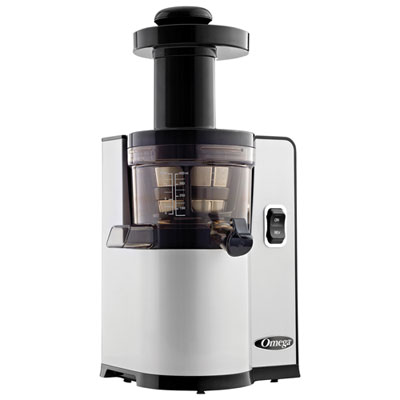
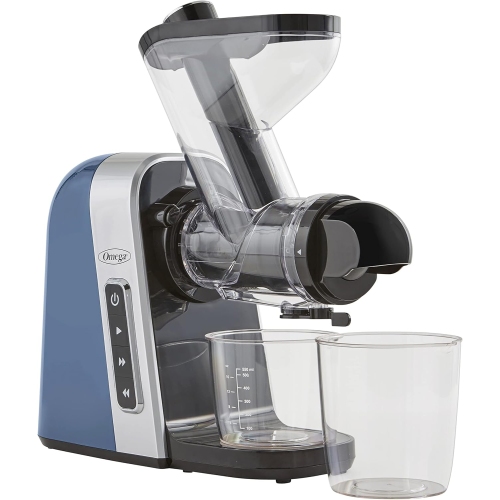
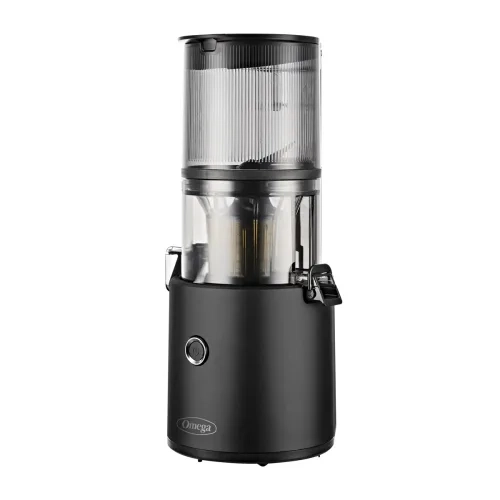
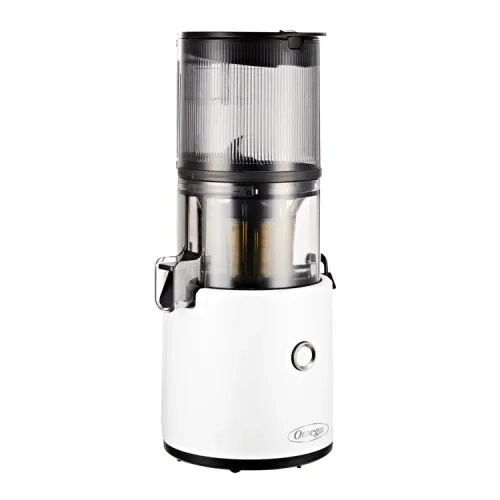
What slow squeezing means for your daily juice
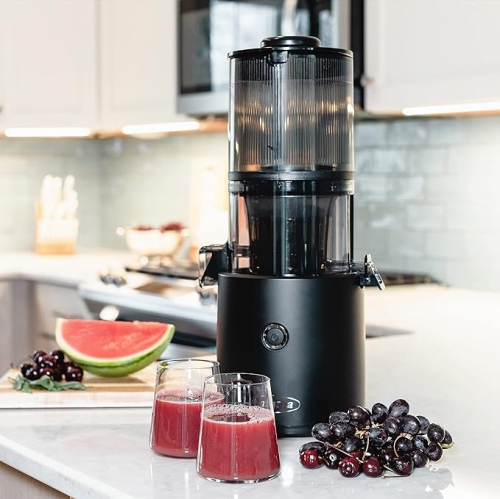
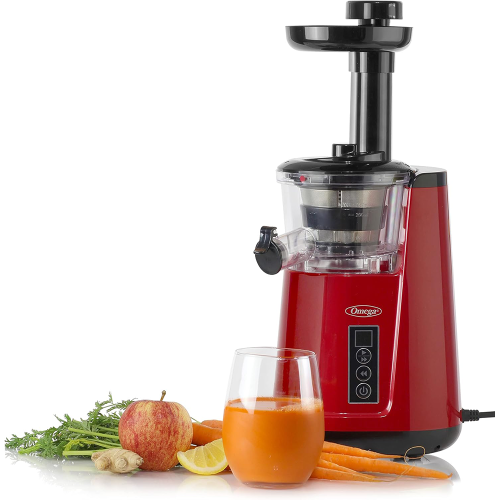
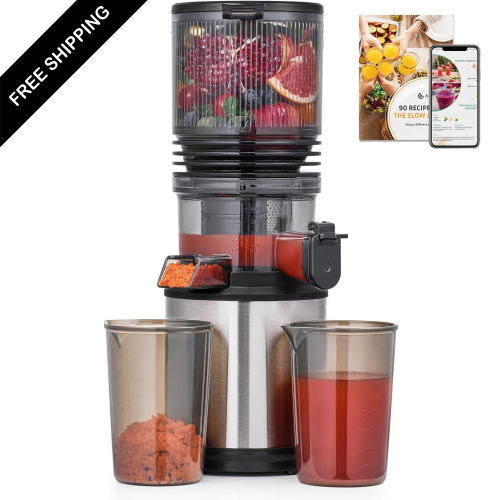
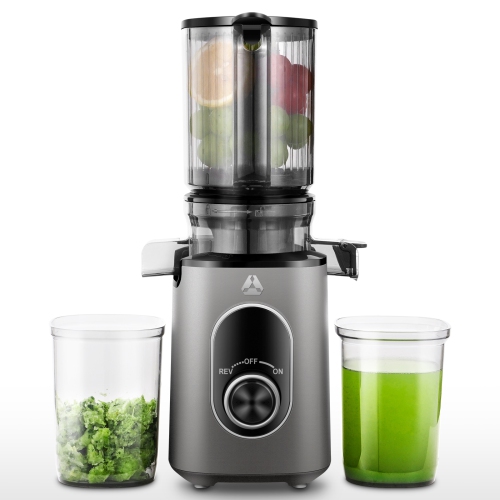
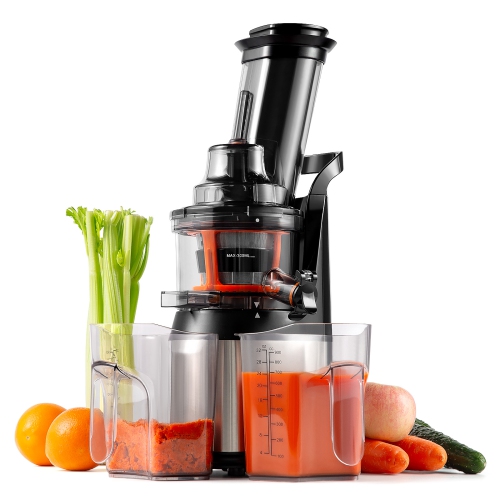
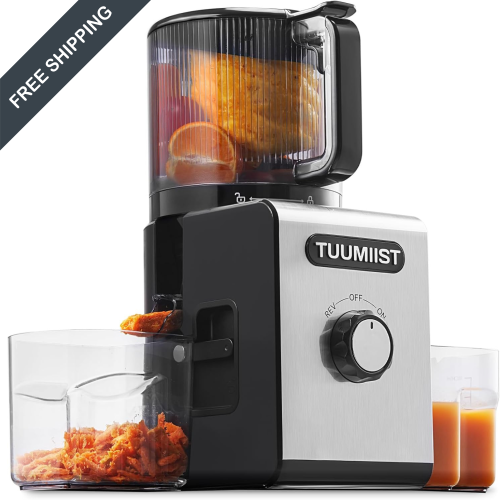
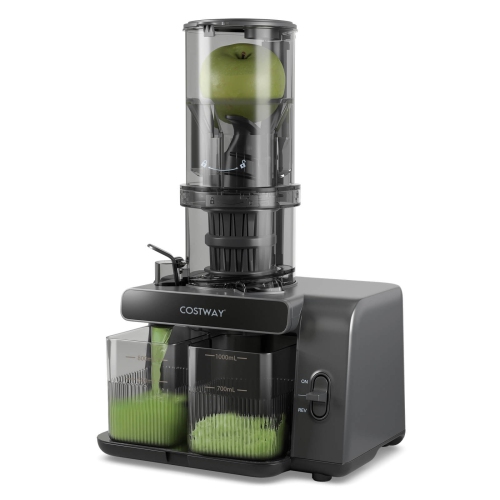
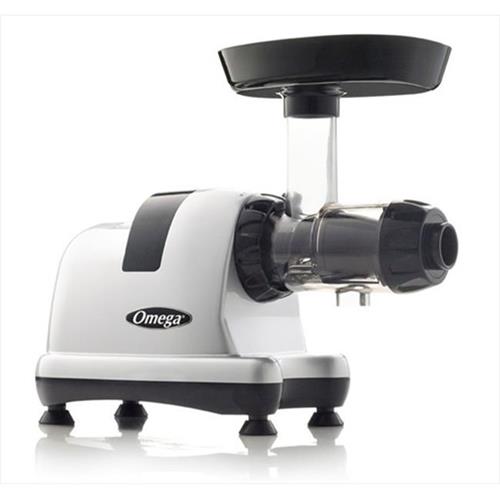
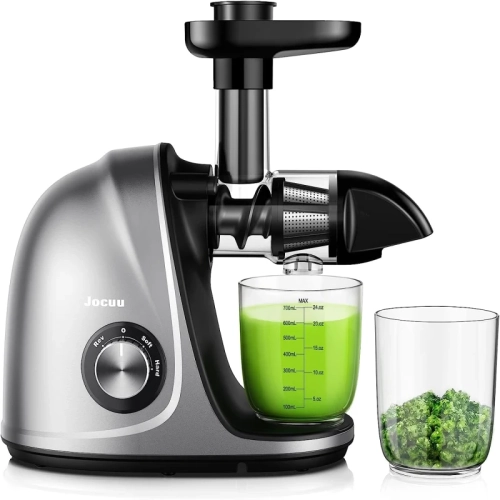
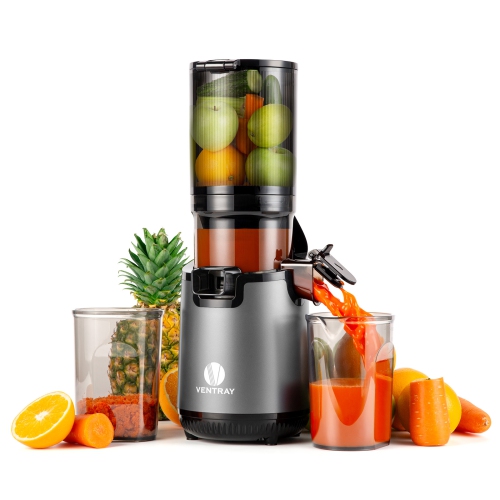
Cold press slow juicers use a slowly turning auger to crush fruit and vegetables, then press them against a screen that separates the juice from much of the pulp. Within the broader category of Omega Juice Extractors, this masticating method differs from the fast-spinning cutting assembly used in a centrifugal juicer. The emphasis is on gradual squeezing rather than rapid shredding, making these appliances worth considering for households that regularly prepare vegetable juices, fruit blends, or combinations of both. Apples, carrots, celery, cucumber, and leafy greens bring different textures to the process: firm produce gives the auger something substantial to grip, while soft fruit and fibrous leaves can require more deliberate feeding. Results depend on the ingredients, their freshness, the screen, and the machine’s design, so neither a particular motor speed nor a “cold press” description guarantees a fixed juice yield. Slow extraction generally introduces less frictional heat than high-speed cutting, but it does not mean the juice is heat-free or protected indefinitely from changes after pressing. Flavour, colour, and texture remain the most immediate differences a home user notices. A carrot-and-apple blend may taste rounded and sweet, while cucumber, celery, and a small piece of ginger produce a lighter drink with a sharper finish. Some fine pulp may pass through the screen; a completely clear result is not universal. These appliances are particularly relevant to people who enjoy making juice from ingredients they choose themselves, whether that means a simple two-ingredient drink or a vegetable-forward blend with just enough fruit for sweetness. They serve a different purpose from blenders, which retain the whole edible ingredients in the drink. Because juicing removes much of the fibre with the pulp, fresh juice is best understood as an addition to a varied diet rather than a replacement for whole fruit and vegetables. The appeal is the ability to adjust flavour and portions at home, not a promise of particular health results.
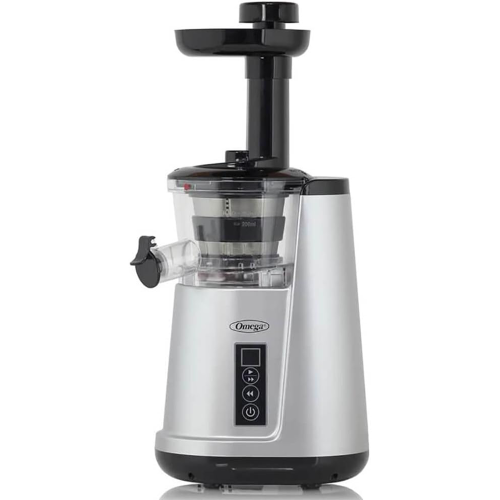
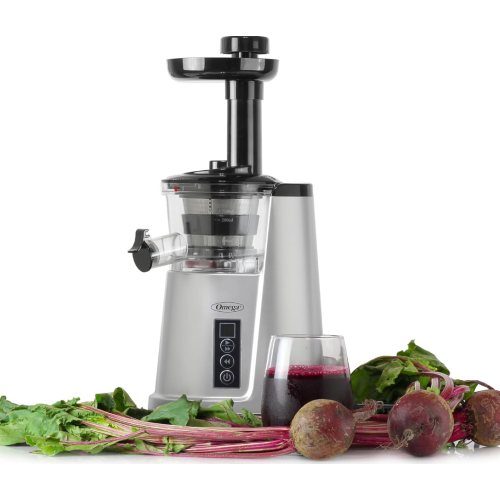
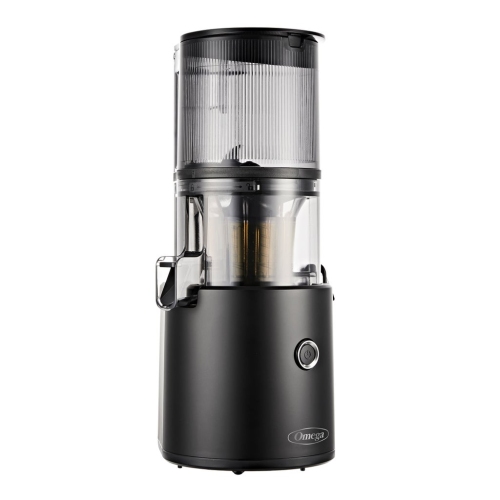
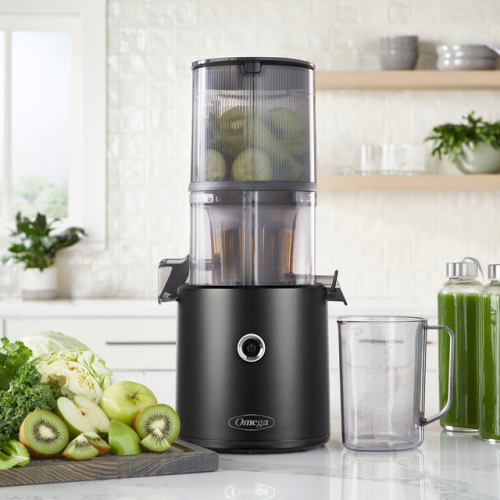
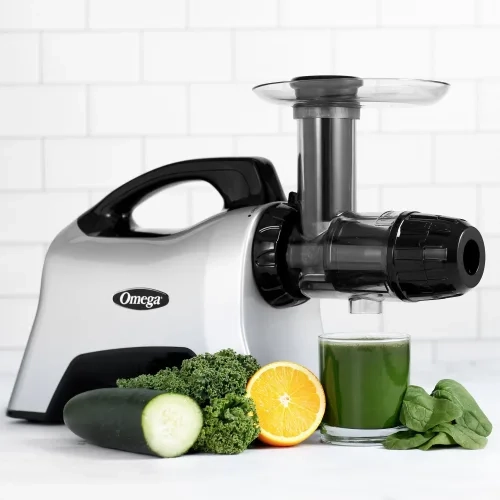
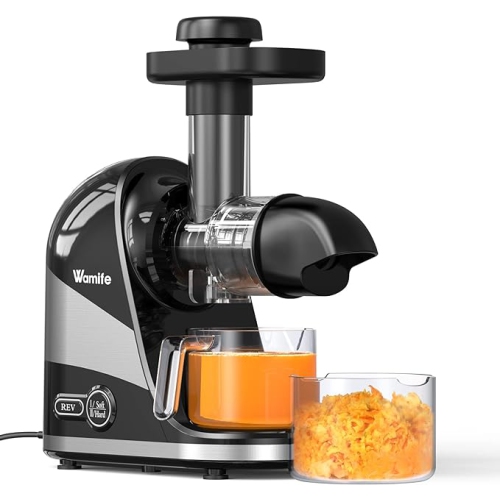
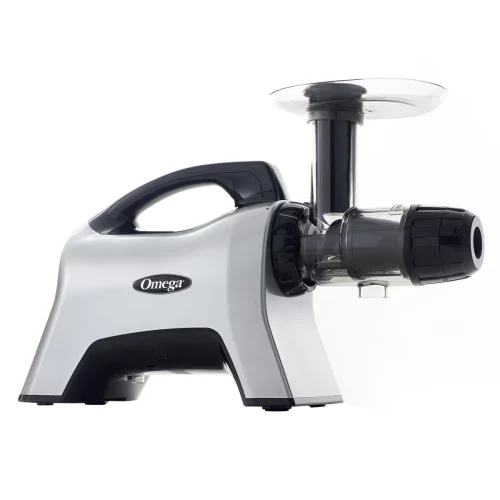
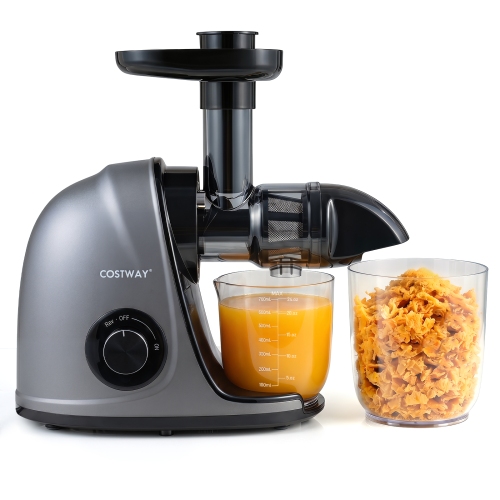
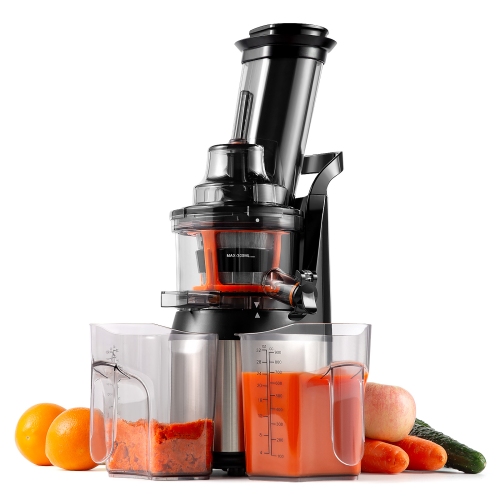
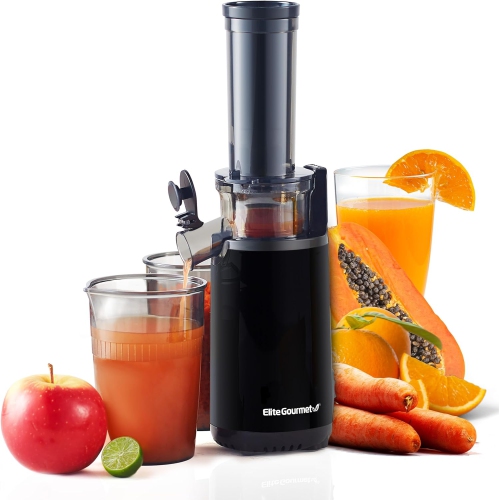
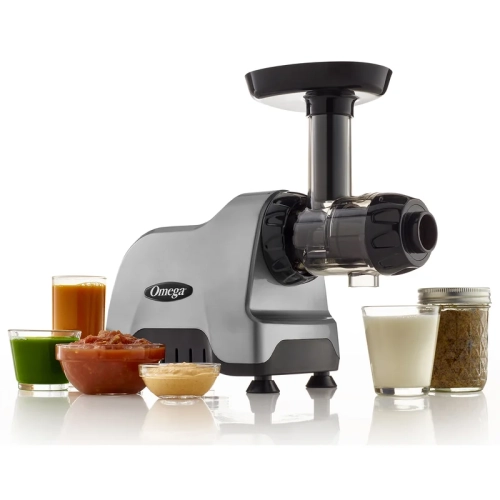
The shape and layout of a slow juicer make a practical difference in a kitchen. Vertical designs often occupy less counter width, although their assembled height can matter beneath cupboards, especially when a hopper or lid needs room to open. Horizontal designs can extend farther across a worktop and need clearance for the juice container and pulp outlet. The useful measurement is therefore the complete working footprint, not just the dimensions of the motor base. A juicer that fits neatly in a cupboard may still be awkward to use if it is heavy to lift or needs substantial assembly before every glass. Feed openings also affect the routine. A wider opening may reduce chopping, but it does not remove the need to wash produce, remove hard pits, and prepare ingredients according to the appliance instructions. Long celery stalks and other stringy vegetables may need cutting into shorter pieces to help limit wrapping around internal components. Dense ingredients should be fed steadily rather than forced down the chute, using the supplied pusher instead of fingers or utensils. Food-contact parts commonly combine moulded plastics with metal screening surfaces, while the housing may use plastic, metal, or both. Exterior finishes influence appearance and wipe-down care, but the fit of the auger, screen, seals, and locking parts matters more to everyday operation. Removable seals and accessible pulp channels can make cleaning less fiddly. A reverse function can help release some blockages, though it is not a substitute for suitable preparation or following the stated operating limits. Motor power alone does not describe extraction performance, and low-speed operation does not guarantee silence; ingredient hardness, motor construction, and countertop vibration all contribute to sound. Some slow juicers also support additional food-preparation tasks through dedicated attachments, such as making frozen fruit desserts or extruding dough. Those functions are design-specific, so the included screens and accessories matter more than a broad claim that a juicer can perform several kitchen jobs.
Care is a substantial part of owning a cold press slow juicer, particularly for someone planning to use it most days. Juice residue and fine vegetable fibres are much easier to remove before they dry onto the screen. A practical routine is to switch off and unplug the appliance, take apart the removable extraction components, and rinse or wash them promptly using the method specified for those parts. A small cleaning brush can reach the mesh and pulp openings without the aggressive scraping that may damage delicate surfaces. Dishwasher suitability varies, so removable does not automatically mean dishwasher-safe. The motor base should be wiped rather than immersed, and washed components need to dry before storage. Careful assembly matters just as much: a seal that is not seated properly or a chamber that has not locked into place can cause leaks or prevent operation. Durability depends partly on respecting the machine’s limits, including any restrictions on hard ingredients, frozen foods, or continuous running time. For a household making several servings, container capacity and the allowed operating cycle can be more useful considerations than speed alone. For a single glass before breakfast, easy assembly and a screen that is straightforward to wash may have greater value than a large hopper. Freshly pressed juice is best enjoyed soon after preparation; if it will not be consumed immediately, place it promptly in a clean, sealed container in the refrigerator. Storage life varies with the ingredients and handling, and slow extraction does not make unpasteurized juice shelf-stable. Separation can occur naturally and does not by itself indicate a problem, but there is no universal freshness window that applies to every blend. As a gift, a slow juicer is especially suited to someone who already enjoys fresh juice and has space for both the appliance and its cleaning routine. Thoughtful fit comes from matching the machine to that person’s habits: the ingredients they like, the portions they make, and how much preparation they comfortably build into an ordinary day.
Top selling and popular products
-
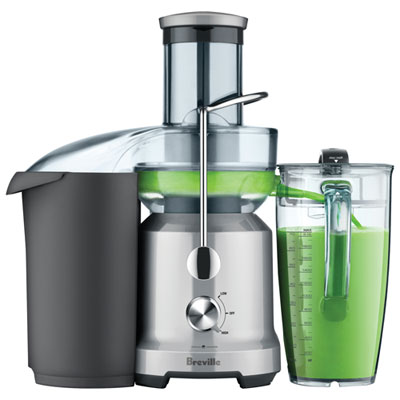 Your price for this item is $209.99
-
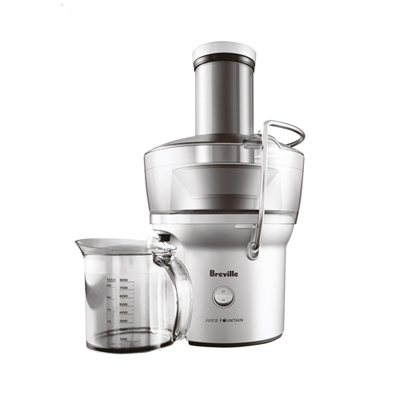 Your price for this item is $149.98
-
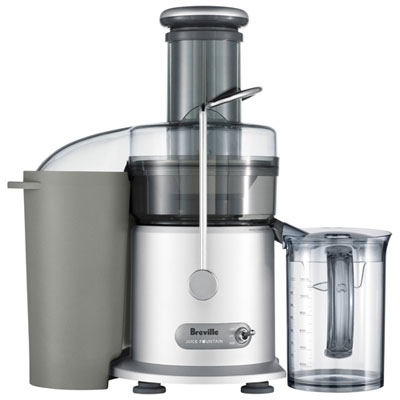 Your price for this item is $149.99
-
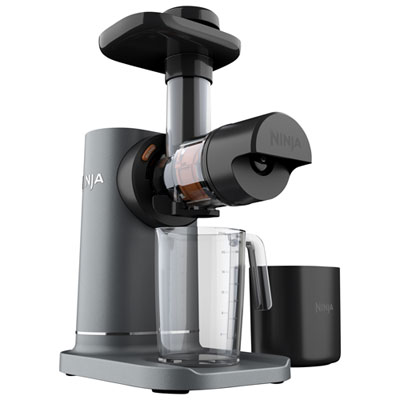 Your price for this item is $199.99
-
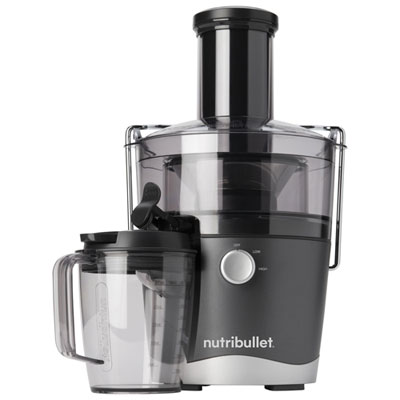 Your price for this item is $99.99
-
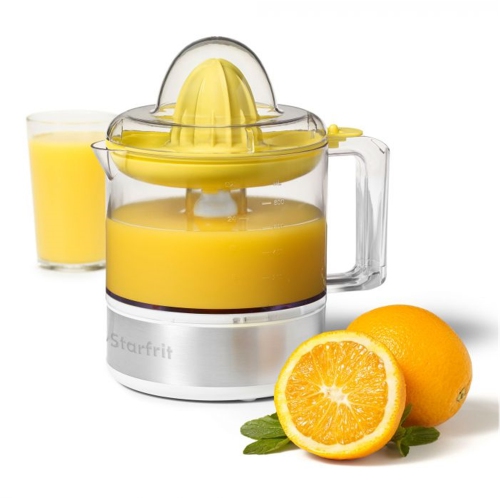 Your price for this item is $29.99
-
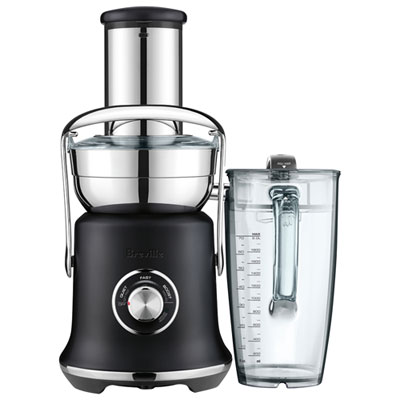 Your price for this item is $499.99
-
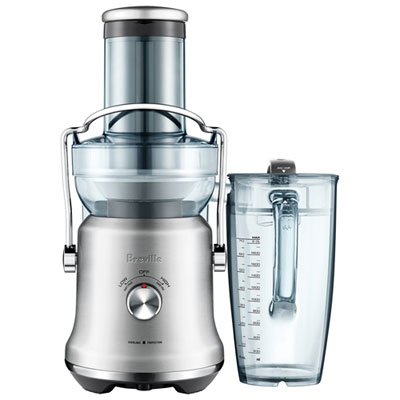 Your price for this item is $299.98
Discover more categories related to Omega Cold Press Slow Juicers
Top Collections:
Pokemon Centers, Best Cameras for Sports Photography, Kindle Devices, Samsung Galaxy Phones, Canon G7X Cameras, Pokémon 30th Celebration Cards, Refurbished Apple Laptops, iPhone 15 Apple, Laptops for Students, Budget Smartphones
Some products may be subject to Environmental Handling Fees
(EHF) depending on your province.
Learn more about EHFs.