Omega Juice Extractors
Discover a new way to enjoy fresh, homemade juices with the Omega Juice Extractor. Perfect for those looking to add more nutrition and flavor to their daily routine, this appliance delivers convenience and versatility in your kitchen. Whether you’re preparing fruit blends or vegetable drinks, the Omega Juice Extractor makes it easy to create delicious beverages at home. Explore a range of options designed to fit your lifestyle and enjoy the benefits of juicing with ease.
Sort
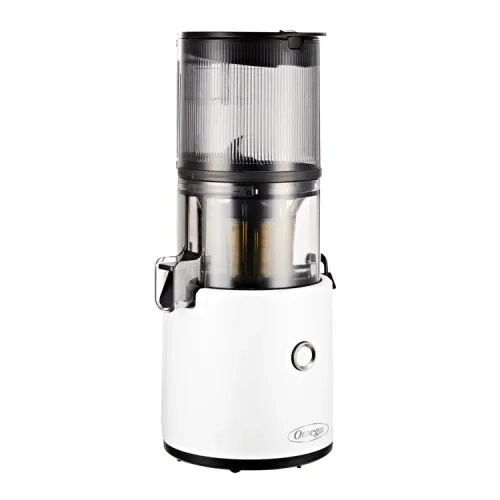
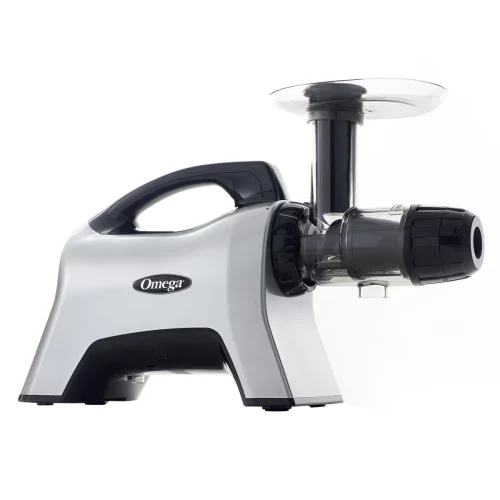
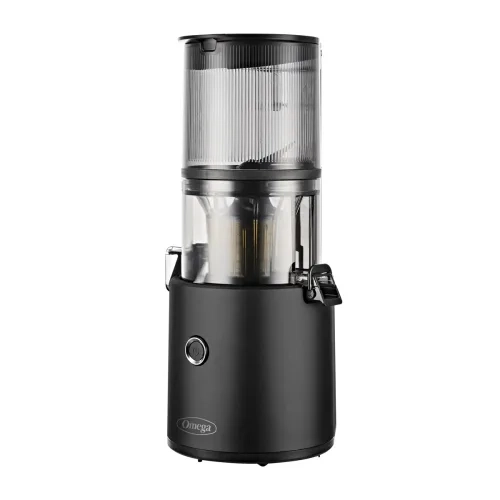
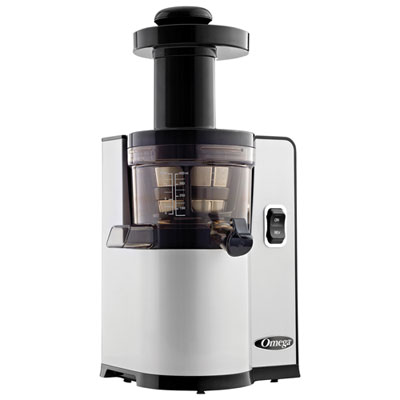

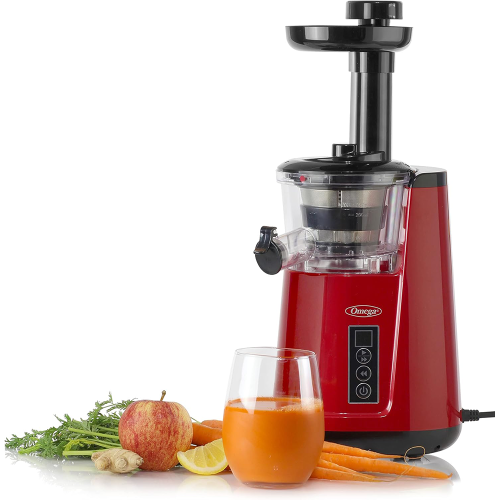
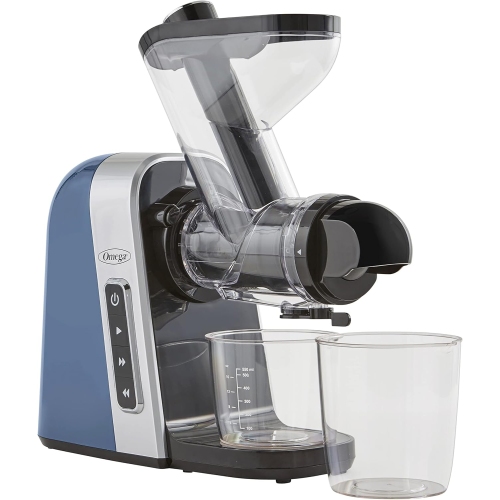
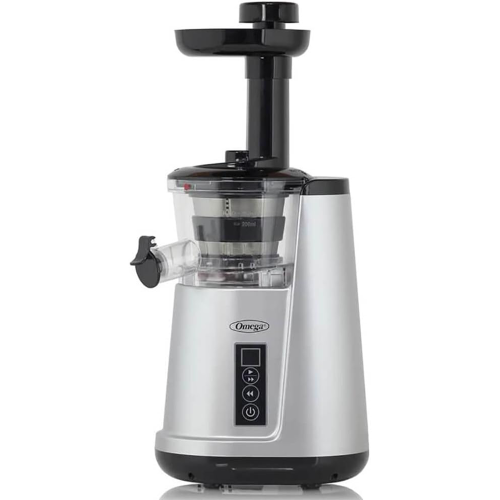
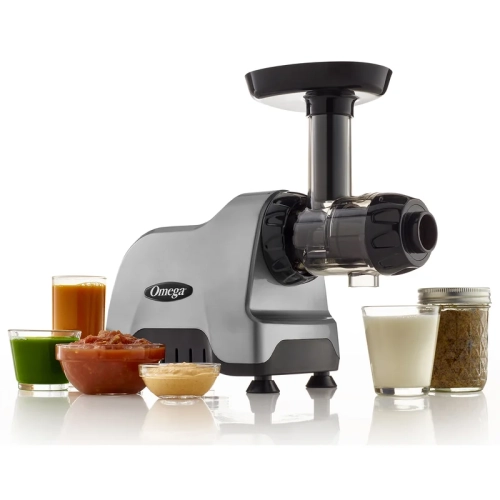



How extraction methods shape the juice in your glass
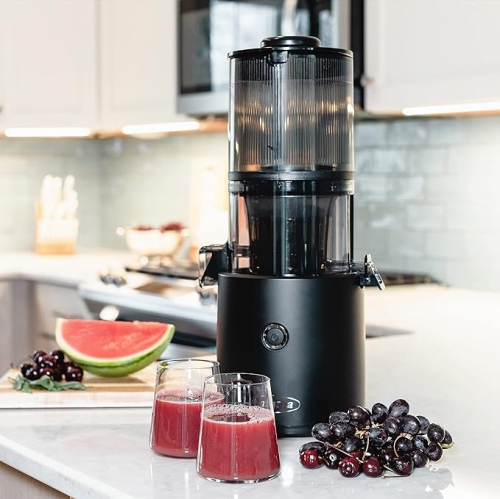
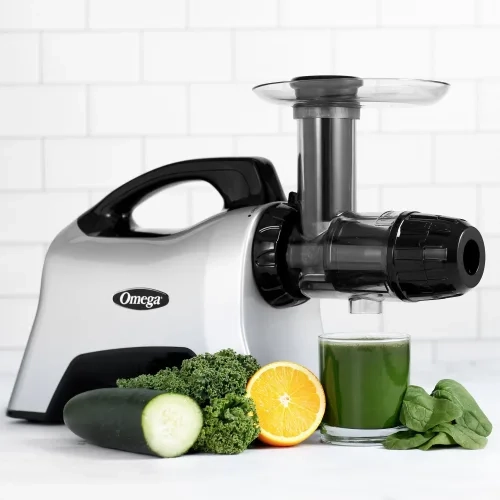
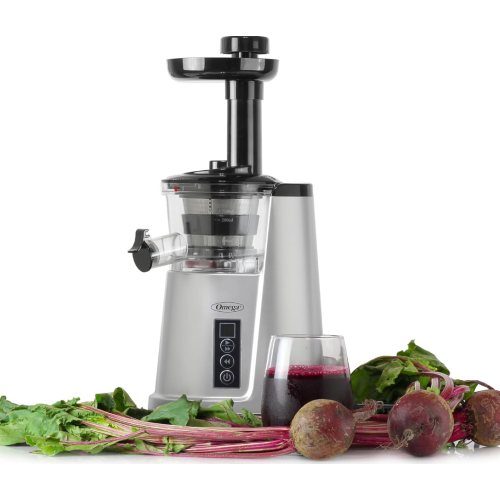
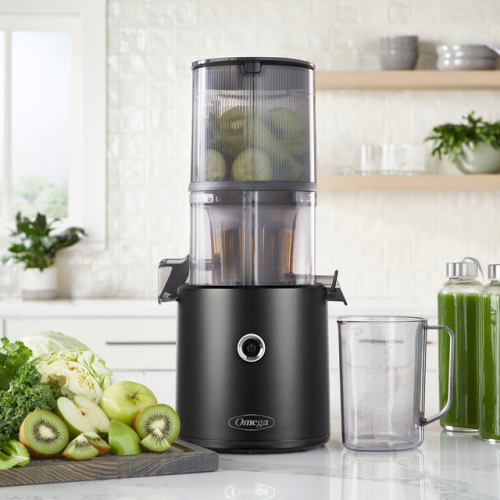
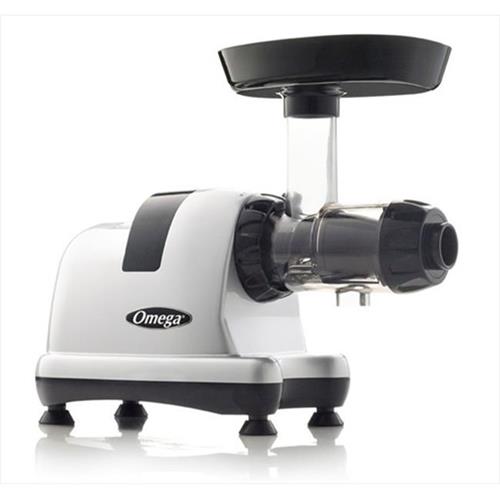
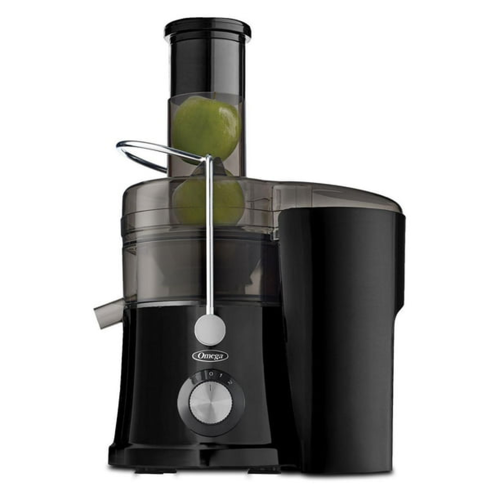
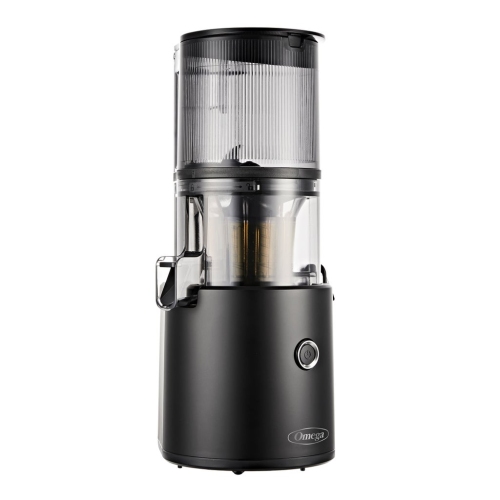
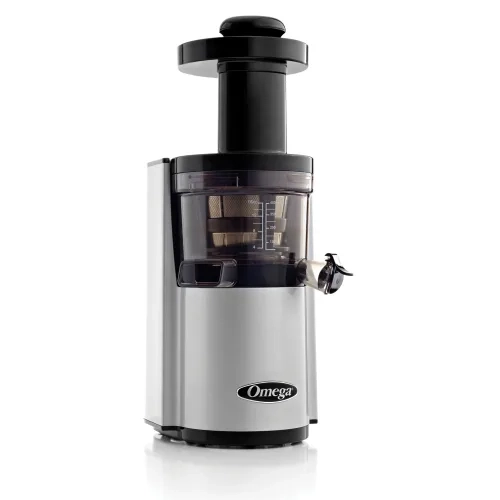
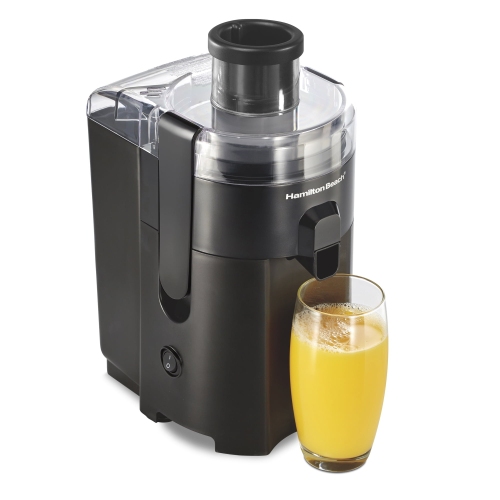
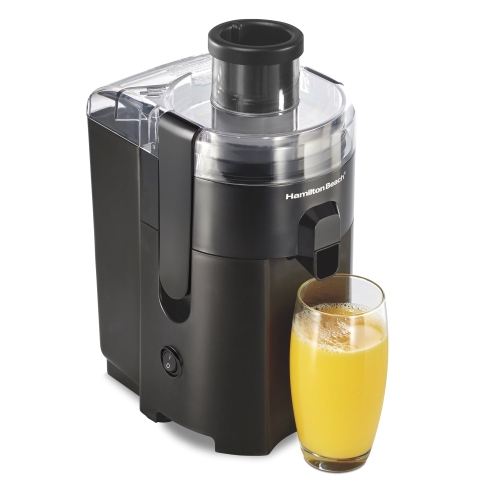
Fresh apple juice, carrot blends, and celery drinks are everyday uses for the appliances in the Omega Juicers collection. Juice extractors separate liquid from much of the pulp in fruit and vegetables, producing a different texture from a blender, which keeps the ingredients together. Two common extraction methods suit different kitchen routines. Slow-masticating juice extractors use an auger to crush ingredients and press liquid through a strainer. Often described as cold press juicers, these appliances work at lower speeds and can suit people who regularly prepare leafy greens, celery, or combinations of firm and soft produce, depending on the machine’s capabilities. Centrifugal juice extractors use a rapidly spinning cutting disc and filter basket to separate juice from pulp. Their quicker processing can be useful for someone making a glass of apple-and-carrot juice before heading out the door. Neither method guarantees the same result with every ingredient: freshness, ripeness, preparation, and the design of the extraction assembly all influence the amount of juice collected. Firm apples behave differently from very soft pears, while fibrous greens need a machine designed to handle them. Sound also varies with the motor, the ingredients, and the surface beneath the appliance; a lower operating speed does not mean silent operation. The finished drink may have a little foam, some fine pulp, or a clearer consistency, depending on the ingredients and filtration system. Pulp controls or alternative strainers, where included, provide another way to adjust texture. For someone who enjoys experimenting with flavour, a familiar base such as apple or carrot leaves room for small additions of ginger, cucumber, or lemon. Since much of the pulp is separated, extracted juice generally contains less fibre than a smoothie made with the same whole ingredients. Cold press describes an extraction method, not pasteurization or refrigerated storage, so fresh juice still needs appropriate handling.
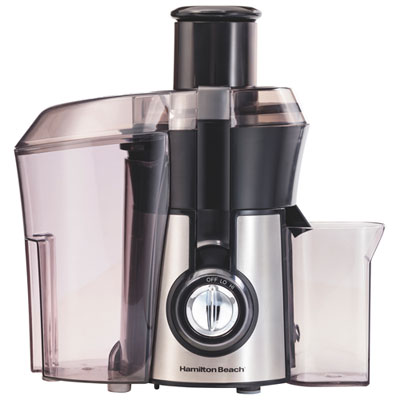
The physical design of a juice extractor matters just as much as its extraction method when it becomes part of an everyday kitchen. A vertical design concentrates the processing assembly above the base, often keeping the footprint relatively compact, while a horizontal design extends farther across the counter and may need more room beside the sink or cutting board. Overall height includes more than the motor housing: a tall feed chute or hopper can affect whether an appliance fits beneath upper cabinets, and removable parts need clearance for lifting out. Space for the juice jug and pulp container is equally important, especially on a narrow counter where other small appliances already have a permanent place. A larger hopper can reduce how often ingredients need to be added, although produce preparation still depends on the opening and the manufacturer’s directions. A wide chute does not make hard pits, unsuitable skins, or oversized pieces safe to process. Apples may need cutting, leafy greens may need portioning, and long, stringy stalks may need shorter lengths to pass through smoothly. A supplied food pusher helps guide ingredients without putting fingers or utensils near moving parts. Materials also shape daily use and care. Depending on the design, an extractor may combine a stainless steel filter, a moulded auger, a clear processing chamber, and plastic collection containers. A clear chamber makes it easier to see ingredients moving through the assembly, while a stable base helps keep the appliance steady during operation. Smooth joins, secure locking points, and parts that fit together without force contribute to a more manageable setup. Capacity is most useful when considered alongside serving habits: one glass at breakfast creates a different workload from preparing several servings for a household. Some multifunction designs can also process ingredients for nut beverages, fruit sorbets, or other preparations when used with the specified attachments. Those functions are model-dependent rather than standard features of every juice extractor, and each preparation has its own requirements for ingredient texture and assembly.
Cleaning is a practical part of owning a juice extractor, particularly when it is used several times a week. Fine pulp can collect around a strainer, beneath an auger, and inside the outlet where juice leaves the processing chamber. Rinsing removable food-contact parts soon after use helps prevent residue from drying into those spaces. A suitable cleaning brush can reach the small openings in a mesh filter without the scraping that may damage it. Screenless or simplified strainer designs can change the cleaning routine, but every food-contact component still needs thorough washing. Dishwasher suitability varies by part, so a dishwasher-safe collection jug does not necessarily mean the lid, auger, or filter can go into the same load. The motor base should be cleaned according to the manufacturer’s directions rather than immersed, and the appliance should be unplugged before disassembly. Allowing washed components to dry fully before reassembly helps keep the unit ready for its next use. For frequent juicing, durability involves more than the exterior finish: proper assembly, suitable ingredient sizes, and respect for the stated operating limits all help protect working parts. Tough produce should move through at the machine’s intended pace rather than being forced down the chute. Fresh juice is best prepared in quantities that match the household’s plans, with any portion not being consumed immediately transferred to a clean, covered container and refrigerated promptly. Separation can occur after standing and does not necessarily indicate a problem with extraction. These appliances can suit home cooks who enjoy tailoring flavours, households that regularly use fresh produce, or someone who prefers making a familiar blend to their own taste. As a gift, a juice extractor is a thoughtful fit for a recipient who has expressed an interest in juicing and has room for both the appliance and its cleaning routine. A manageable size, comfortable handling, and straightforward assembly help make it a useful part of the kitchen rather than something that stays tucked away in a cupboard.
Top selling and popular products
-
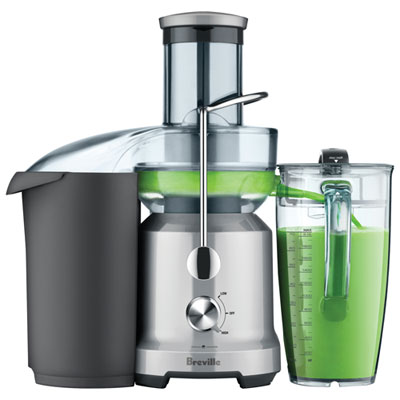 Your price for this item is $209.99
-
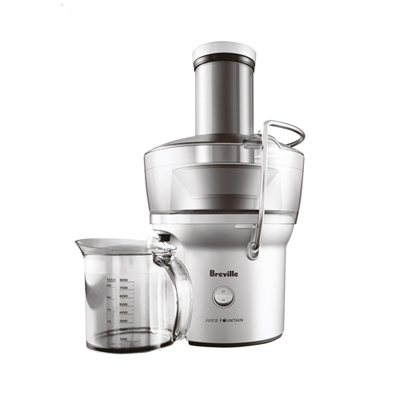 Your price for this item is $149.98
-
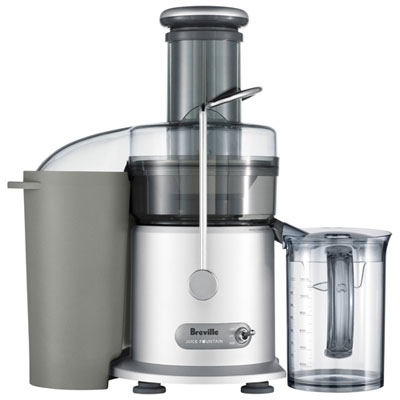 Your price for this item is $149.99
-
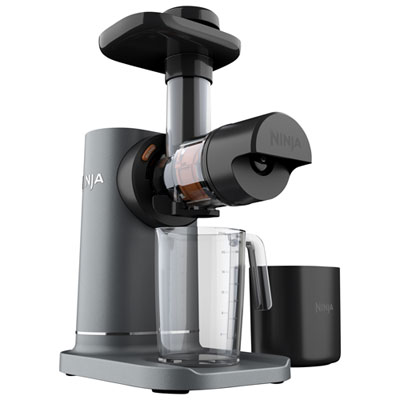 Your price for this item is $199.99
-
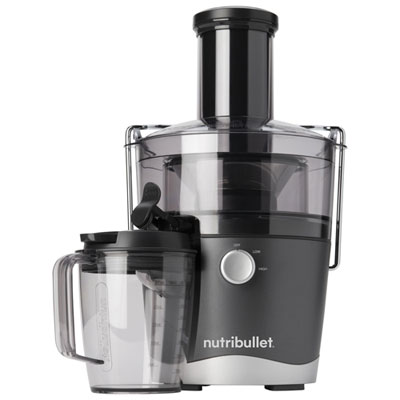 Your price for this item is $99.99
-
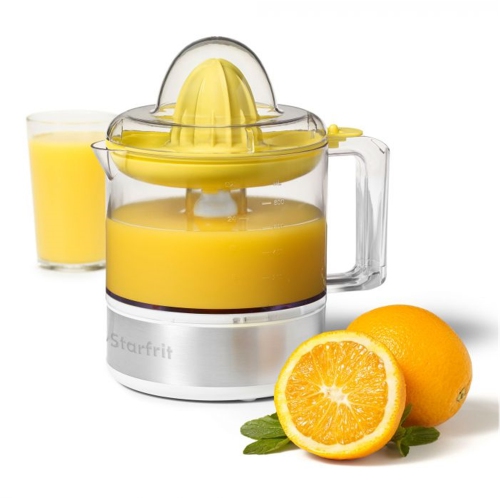 Your price for this item is $29.99
-
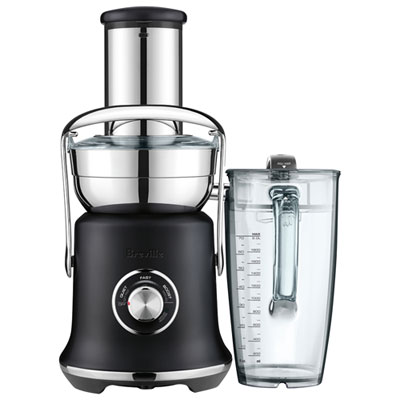 Your price for this item is $499.99
-
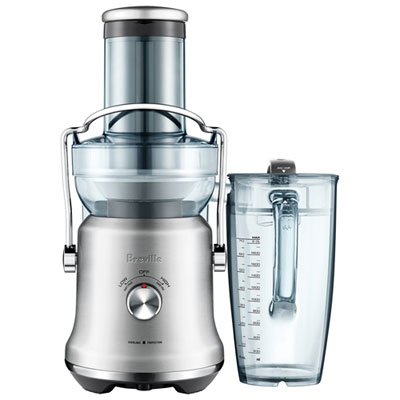 Your price for this item is $299.98
Discover more categories related to Omega Juice Extractors
Top Collections:
Pokemon Centers, Best Cameras for Sports Photography, Kindle Devices, Samsung Galaxy Phones, Canon G7X Cameras, Pokémon 30th Celebration Cards, Refurbished Apple Laptops, iPhone 15 Apple, Laptops for Students, Budget Smartphones
Some products may be subject to Environmental Handling Fees
(EHF) depending on your province.
Learn more about EHFs.