Oven And Microwave Combos
The microwave and the oven are two of the most used appliances in the kitchen. They are used to cook, reheat, and toast food. But what if you could have one appliance that did it all? If you're looking for a new microwave oven, look no further. An oven and microwave combo is the perfect solution for anyone who wants to save time and space in their kitchen. Here are the best combinations of oven and microwave on the market today.
Sort


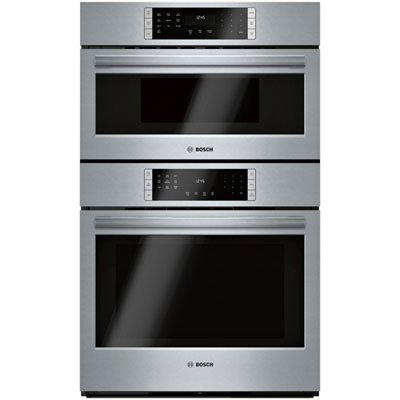
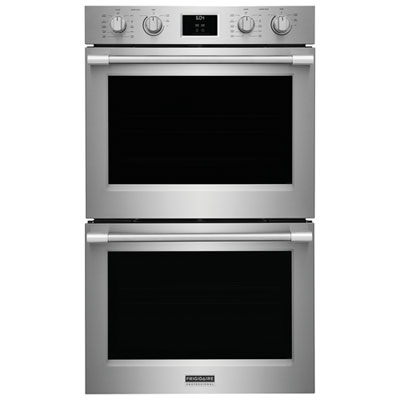
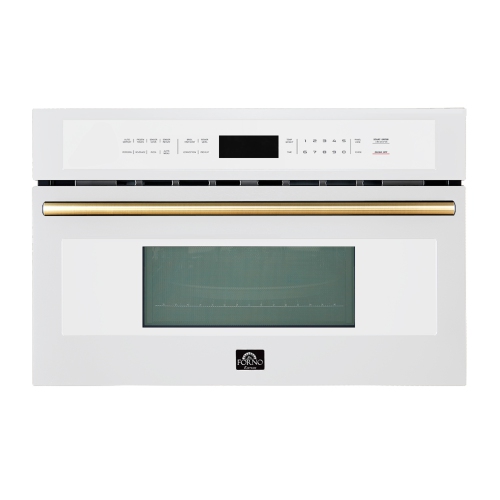
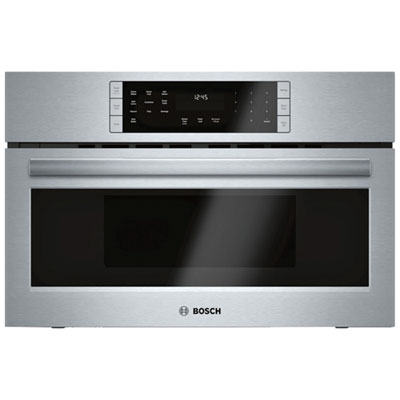
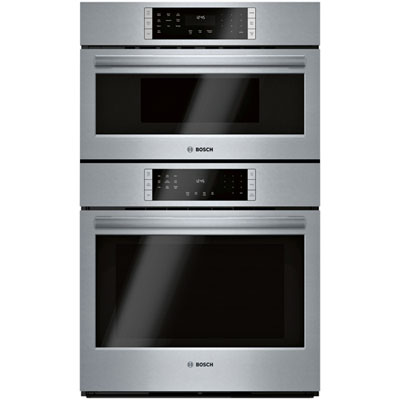
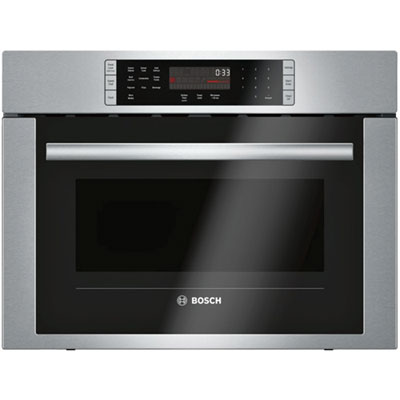
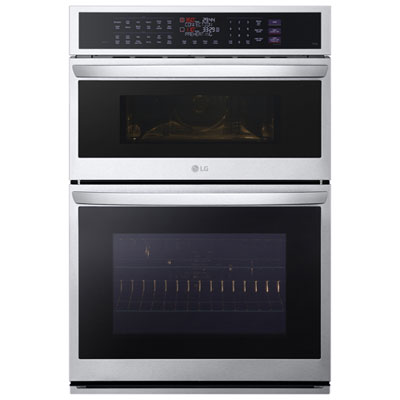
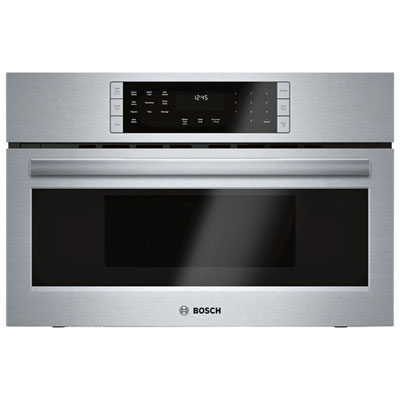
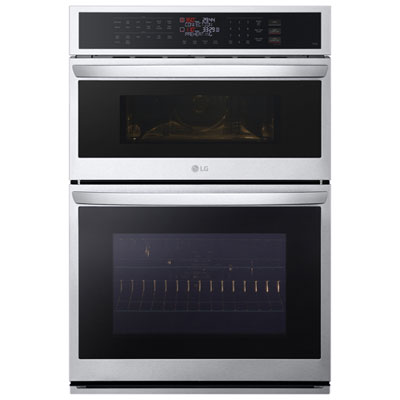
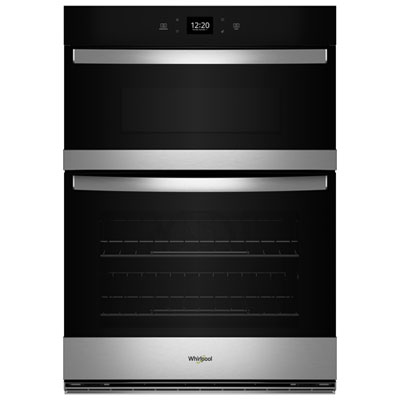

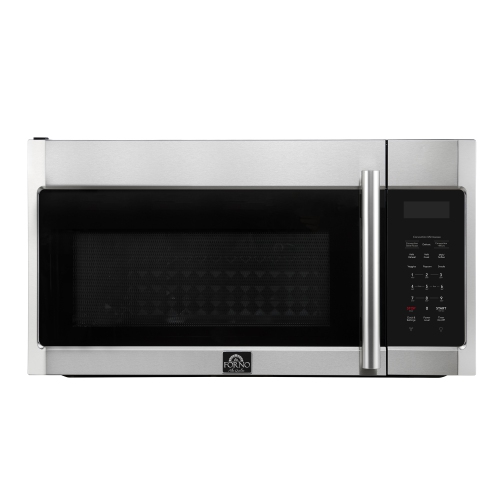
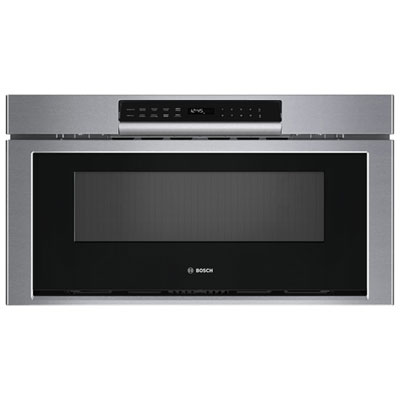
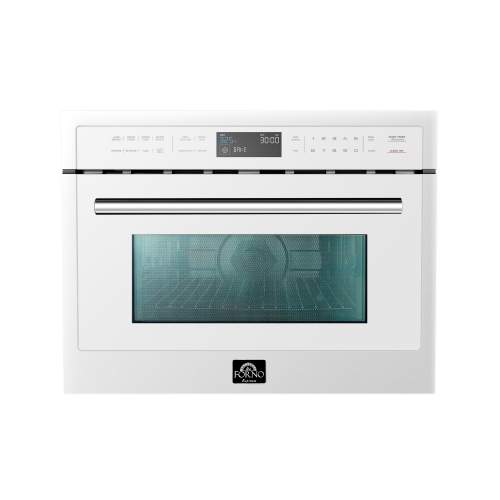
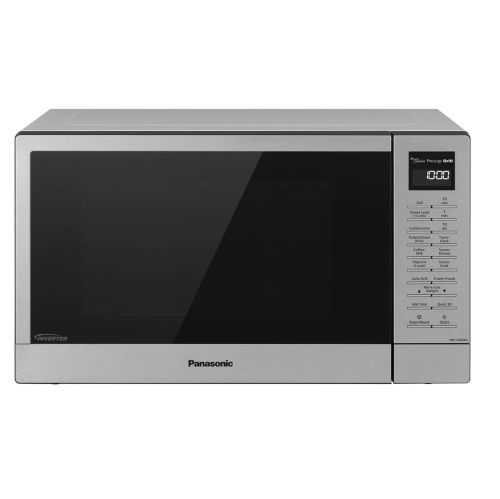
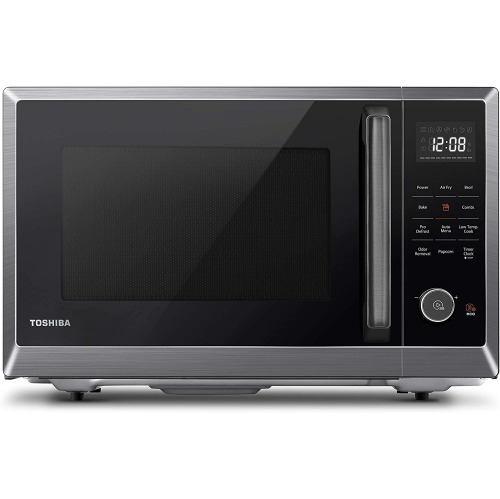
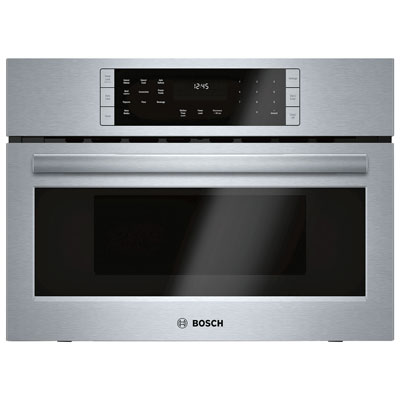

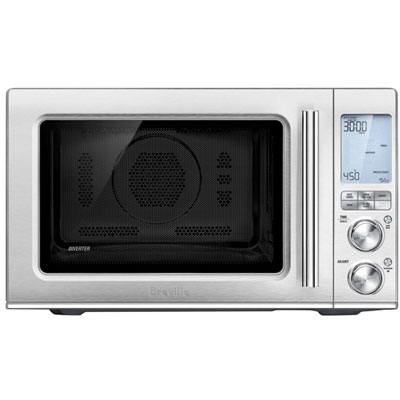
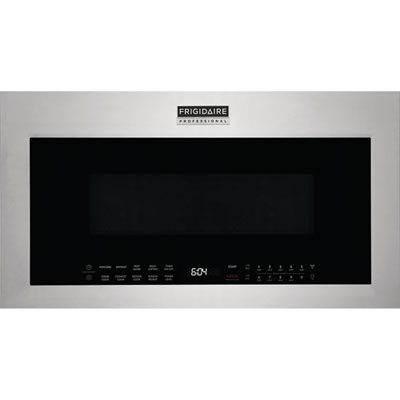

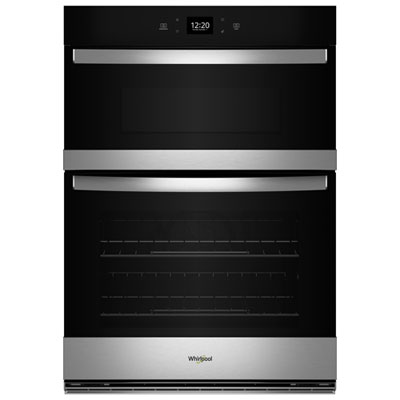
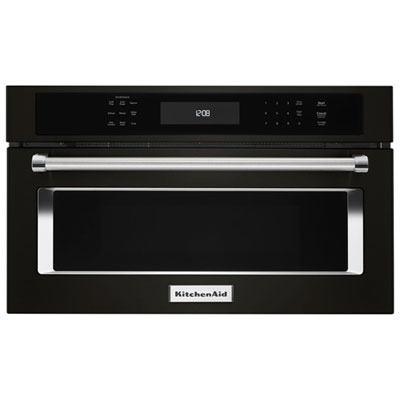


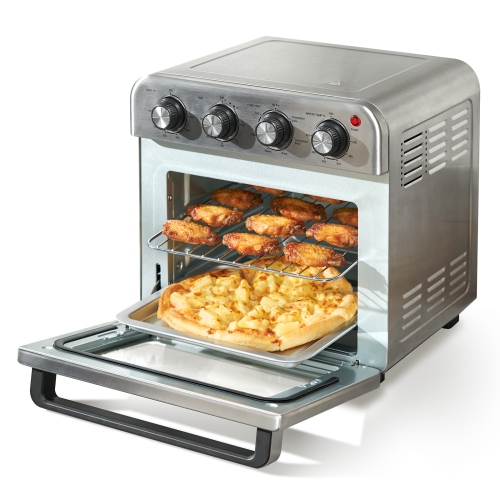
Separate cavities or shared space change how you cook
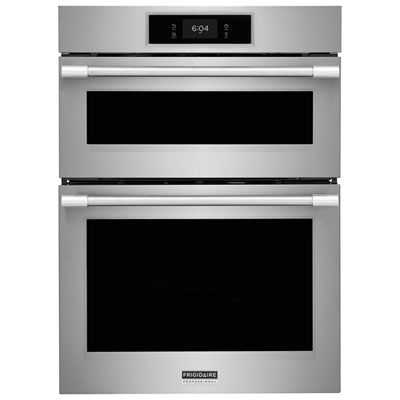
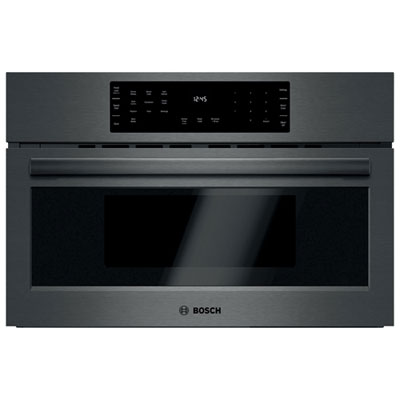
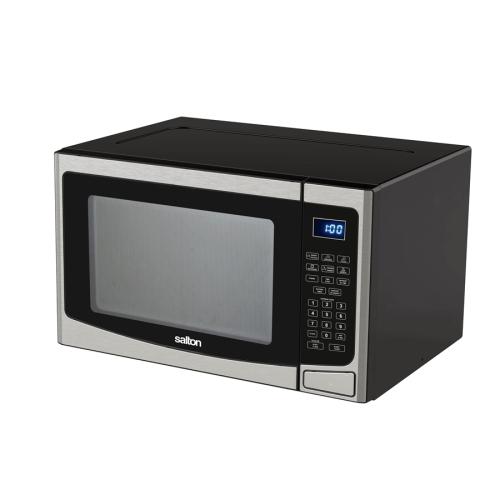
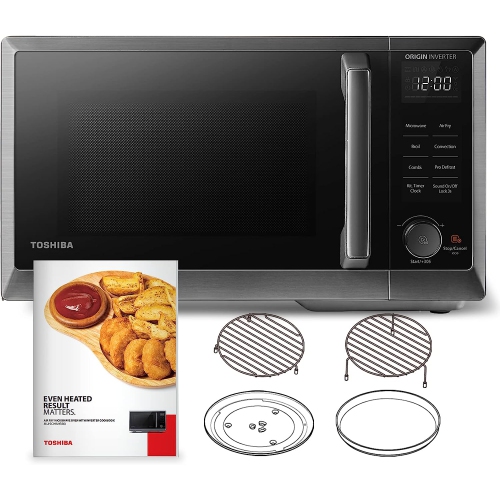
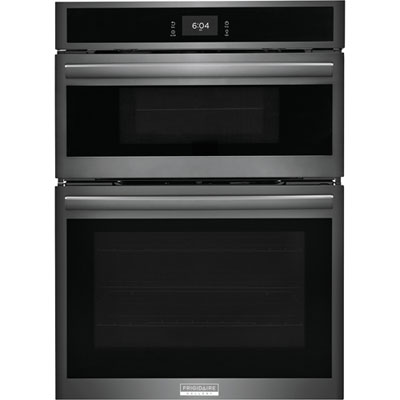
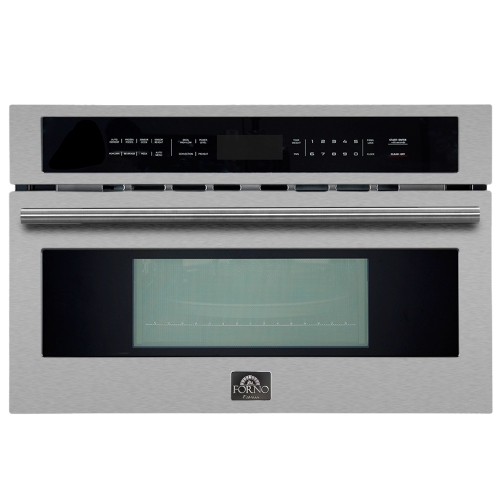
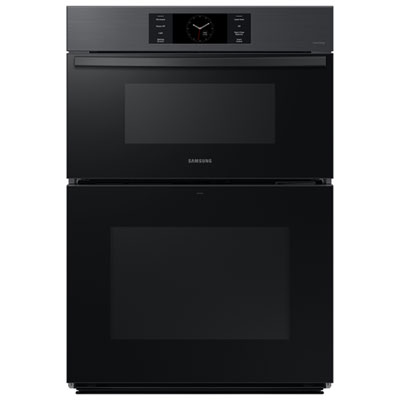
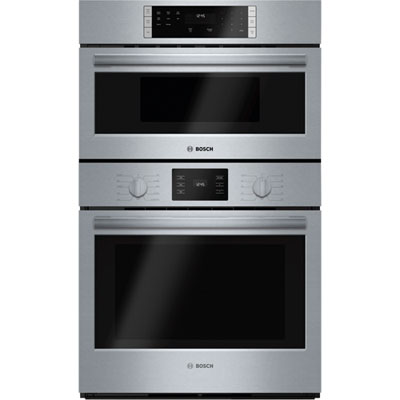
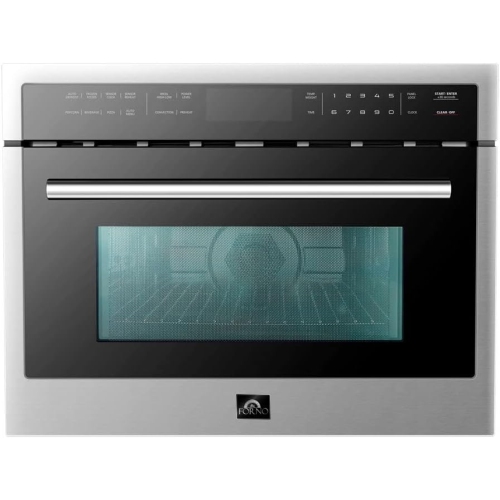
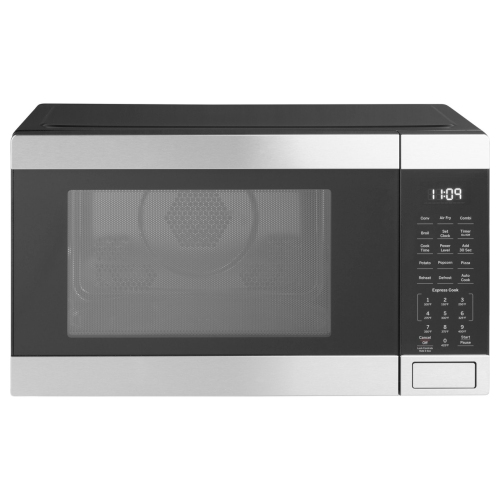
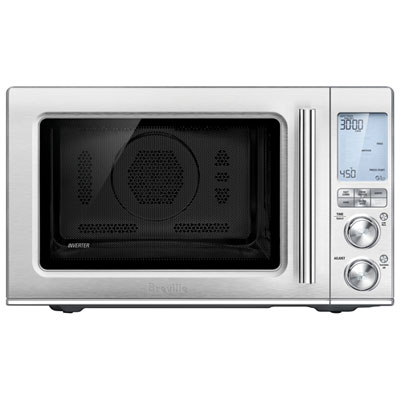
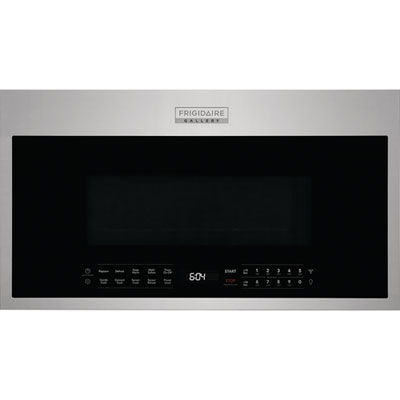
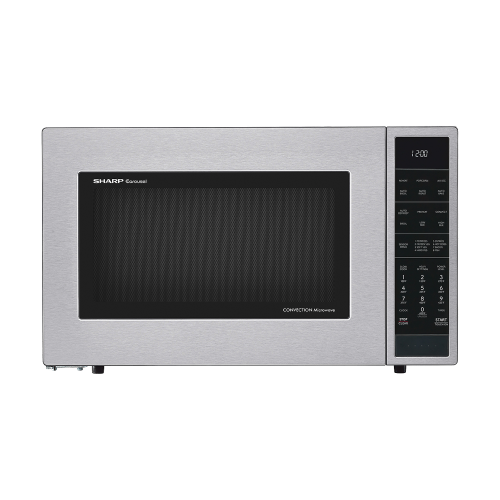
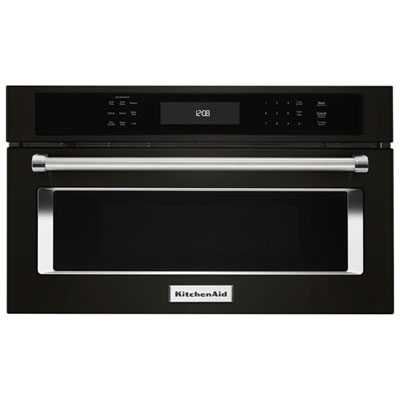
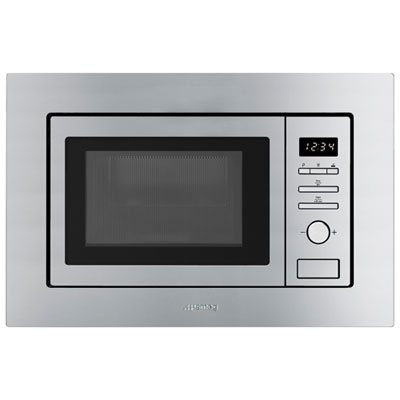
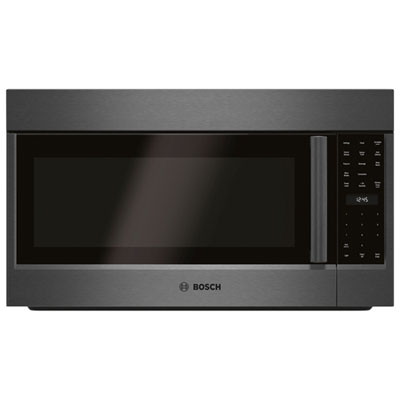
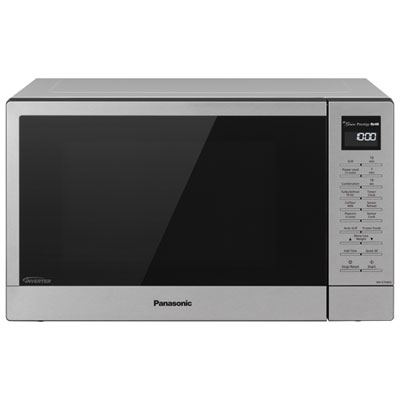
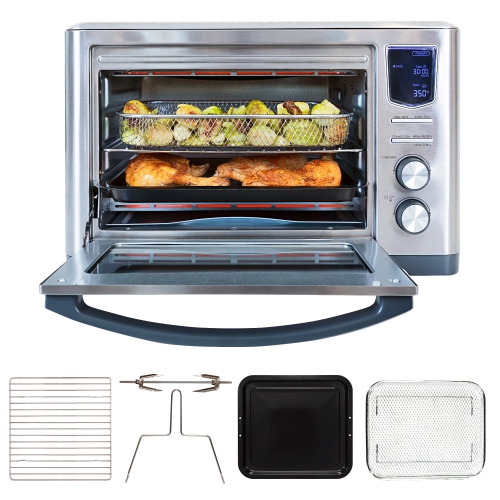
Oven and microwave combos bring microwave heating and oven cooking into one appliance, with formats suited to both fitted kitchens and countertop use. A built-in combination wall oven typically places a microwave above a separate oven cavity, giving each cooking method its own space within a coordinated installation. A countertop combination microwave uses a single cavity for microwave heating and additional functions such as convection baking; some designs also include grilling, toasting, or air frying. These formats serve different purposes, even though both combine cooking functions. A separate lower oven can accommodate larger baking dishes and roasting pans, while a compact combination appliance suits smaller portions and kitchens where a full wall installation is not practical. Microwave cooking is useful for reheating soup, softening butter, and warming leftovers, while oven heat handles tasks such as baking bread, roasting vegetables, and browning a casserole. Convection models circulate heated air with a fan to support more even cooking, although results still depend on the recipe, cookware, and placement of food. Certain single-cavity appliances can combine microwave energy with convection or grill heat in a dedicated programme, helping cook food through while developing a browned surface. That capability is different from simply having separate microwave and oven settings, so the supported cooking modes matter more than the combination label alone. For households preparing several parts of a meal, a two-cavity wall unit can offer the flexibility to heat a side dish while dinner cooks below, where the appliance permits simultaneous operation. A single-cavity model handles one shared cooking space instead, making meal sequence and portion size more important. Families, couples, and people cooking for one may all find a suitable format, depending on whether the priority is everyday reheating, regular baking, or a wider range of cooking methods in a compact footprint. During the cooler months, that flexibility can mean warming a bowl of stew at lunch and baking a small pasta dish for supper without relying on the same cooking method for both.
Fit involves more than matching the appliance’s advertised width to an opening. Built-in oven and microwave combos need a cabinet cutout that meets the manufacturer’s dimensions, adequate structural support, specified ventilation clearances, and the correct electrical supply. The front trim may overlap the cabinet opening, so overall dimensions and cutout dimensions are not interchangeable. Replacing an existing wall oven also calls for attention to cavity height, cabinet depth, junction box location, and any changes required to the surrounding cabinetry. Installation requirements vary, and a qualified installer or electrician can confirm whether the space and connection are suitable. Countertop combination appliances avoid a fitted wall opening, but they still need a stable, heat-resistant surface and room for airflow around their vents. A countertop model should not be enclosed in cabinetry unless the manufacturer explicitly approves that installation and specifies any required trim kit. Door movement deserves just as much attention as the appliance footprint. A drop-down door needs clear space in front, while a side-opening door needs enough room to swing without striking a wall or nearby fixture. Installation height affects everyday comfort, particularly when lifting hot liquids out of an upper microwave or reaching across an open oven door. Interior capacity is another practical distinction: the stated volume does not reveal whether a favourite roasting pan, rectangular casserole dish, or tall covered bowl will fit. Usable rack width, cavity height, turntable diameter, and clearance around cookware all influence what can be prepared comfortably. In a compact appliance, a rotating dish also needs room to turn freely. For shoppers interested specifically in countertop appliances that combine microwave heating with additional baking or toasting functions, Microwave Toaster Oven Combos offer a closely related format to explore. Across both countertop and built-in designs, a practical fit leaves room not only for the appliance itself but also for handling trays, setting down hot dishes, and moving through the kitchen while a door is open.
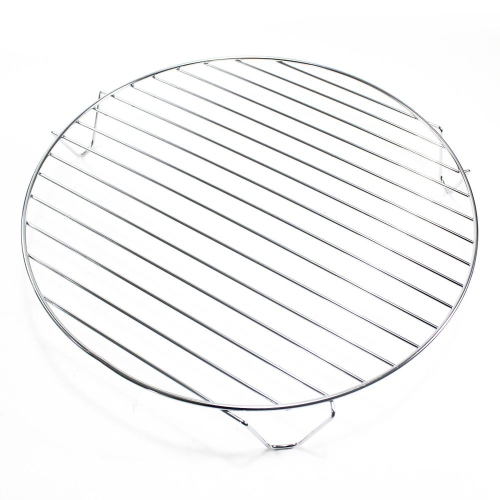
Materials, controls, and care requirements shape how an oven and microwave combo feels to use over time. Stainless steel, glass, and coated metal are common exterior materials, while interior surfaces may include stainless steel or enamel, depending on the cavity and cooking functions. A finish described as fingerprint-resistant can help limit visible marks, but it still needs cleaning with products approved for that surface. Smooth cavity walls, accessible corners, removable turntables, and racks that are easy to lift out can make routine care less awkward. Food splashes are generally easier to remove once the cavity has cooled sufficiently and before residue has been repeatedly heated, following the appliance’s cleaning directions. Steam-clean and self-clean functions are not interchangeable, and a cleaning cycle intended for the lower oven does not necessarily apply to the microwave above it. Door seals, hinges, and vent openings also need appropriate care; abrasive pads or harsh cleaners can damage surfaces that help the appliance work properly. Cookware compatibility changes with the selected mode. A container suitable for microwave reheating may not tolerate convection temperatures, while a metal baking pan suitable for oven cooking may be unsafe in microwave mode. Supplied metal racks or trays should be used only in the positions and programmes authorised by the manufacturer. For everyday convenience, clear controls, an easy-to-read display, useful interior lighting, and straightforward timer settings can be more valuable than a long list of programmes. Sensor reheating, adjustable power levels, and defrost settings may help with familiar tasks, while convection and browning functions broaden the range of meals the appliance can prepare. Durability depends partly on correct installation, appropriate use, and regular care rather than exterior finish alone. Service access and warranty coverage are also relevant for an integrated wall unit, since two cooking cavities share a fitted installation and replacing one section independently may not be possible. An oven and microwave combo earns its place when its capacity, layout, and cooking functions suit the meals prepared most often, from a quick breakfast to a full tray of roasted vegetables and a bubbling dish ready for the table.
Fit involves more than matching the appliance’s advertised width to an opening. Built-in oven and microwave combos need a cabinet cutout that meets the manufacturer’s dimensions, adequate structural support, specified ventilation clearances, and the correct electrical supply. The front trim may overlap the cabinet opening, so overall dimensions and cutout dimensions are not interchangeable. Replacing an existing wall oven also calls for attention to cavity height, cabinet depth, junction box location, and any changes required to the surrounding cabinetry. Installation requirements vary, and a qualified installer or electrician can confirm whether the space and connection are suitable. Countertop combination appliances avoid a fitted wall opening, but they still need a stable, heat-resistant surface and room for airflow around their vents. A countertop model should not be enclosed in cabinetry unless the manufacturer explicitly approves that installation and specifies any required trim kit. Door movement deserves just as much attention as the appliance footprint. A drop-down door needs clear space in front, while a side-opening door needs enough room to swing without striking a wall or nearby fixture. Installation height affects everyday comfort, particularly when lifting hot liquids out of an upper microwave or reaching across an open oven door. Interior capacity is another practical distinction: the stated volume does not reveal whether a favourite roasting pan, rectangular casserole dish, or tall covered bowl will fit. Usable rack width, cavity height, turntable diameter, and clearance around cookware all influence what can be prepared comfortably. In a compact appliance, a rotating dish also needs room to turn freely. For shoppers interested specifically in countertop appliances that combine microwave heating with additional baking or toasting functions, Microwave Toaster Oven Combos offer a closely related format to explore. Across both countertop and built-in designs, a practical fit leaves room not only for the appliance itself but also for handling trays, setting down hot dishes, and moving through the kitchen while a door is open.
Materials, controls, and care requirements shape how an oven and microwave combo feels to use over time. Stainless steel, glass, and coated metal are common exterior materials, while interior surfaces may include stainless steel or enamel, depending on the cavity and cooking functions. A finish described as fingerprint-resistant can help limit visible marks, but it still needs cleaning with products approved for that surface. Smooth cavity walls, accessible corners, removable turntables, and racks that are easy to lift out can make routine care less awkward. Food splashes are generally easier to remove once the cavity has cooled sufficiently and before residue has been repeatedly heated, following the appliance’s cleaning directions. Steam-clean and self-clean functions are not interchangeable, and a cleaning cycle intended for the lower oven does not necessarily apply to the microwave above it. Door seals, hinges, and vent openings also need appropriate care; abrasive pads or harsh cleaners can damage surfaces that help the appliance work properly. Cookware compatibility changes with the selected mode. A container suitable for microwave reheating may not tolerate convection temperatures, while a metal baking pan suitable for oven cooking may be unsafe in microwave mode. Supplied metal racks or trays should be used only in the positions and programmes authorised by the manufacturer. For everyday convenience, clear controls, an easy-to-read display, useful interior lighting, and straightforward timer settings can be more valuable than a long list of programmes. Sensor reheating, adjustable power levels, and defrost settings may help with familiar tasks, while convection and browning functions broaden the range of meals the appliance can prepare. Durability depends partly on correct installation, appropriate use, and regular care rather than exterior finish alone. Service access and warranty coverage are also relevant for an integrated wall unit, since two cooking cavities share a fitted installation and replacing one section independently may not be possible. An oven and microwave combo earns its place when its capacity, layout, and cooking functions suit the meals prepared most often, from a quick breakfast to a full tray of roasted vegetables and a bubbling dish ready for the table.
Top selling and popular products
-
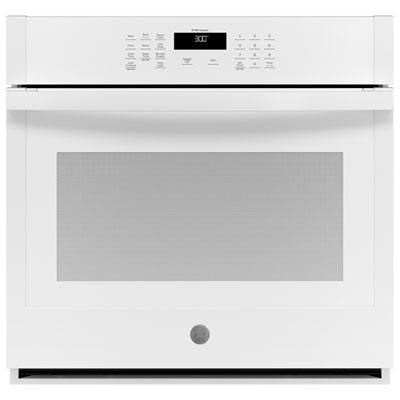 Your price for this item is $2699.99
 -
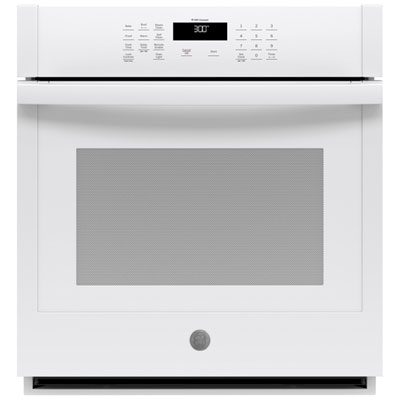 Your price for this item is $2449.99
 -
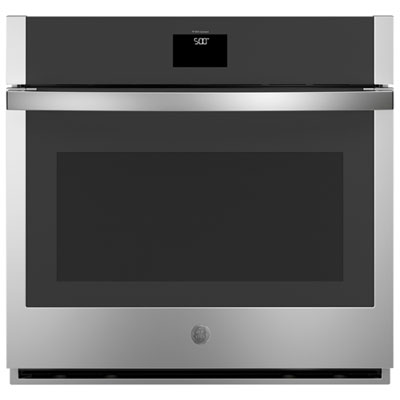 Your price for this item is $2699.99
 -
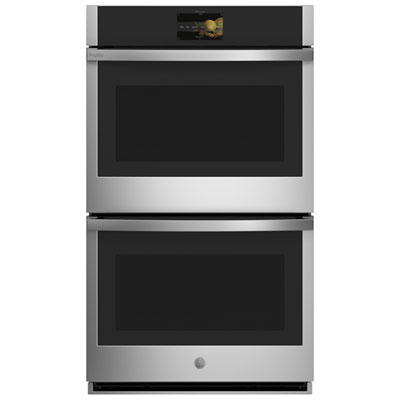 Your price for this item is $5999.99
 -
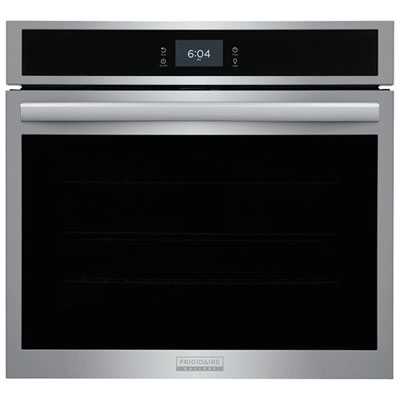 Your price for this item is $2199.99
 -
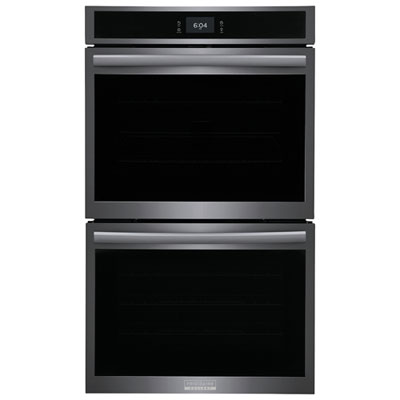 Your price for this item is $3699.99
 -
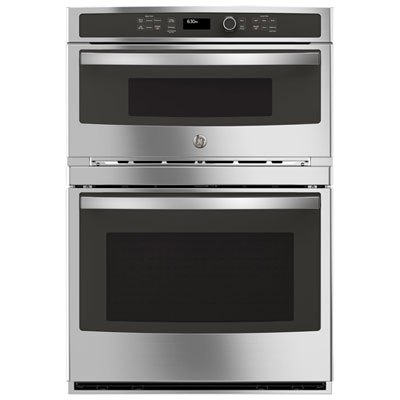 Your price for this item is $4399.99
 -
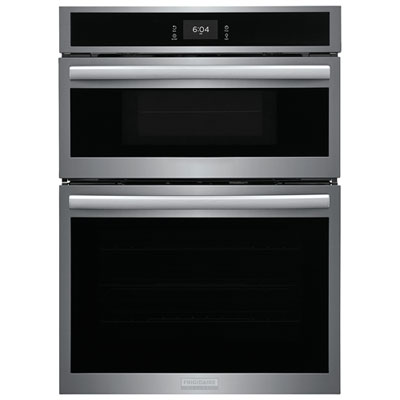 Your price for this item is $3899.99
Discover more categories related to Oven And Microwave Combos
Top Collections:
Pokemon Centers, Kindle Devices, Best Budget Office Chairs, Apple iPhones 16, Best Laptops for Writers, iPhone 15 Apple, Canon G7X Cameras, Refurbished Apple Laptops, Alarm Clock, Motorola Razr Phones
Some products may be subject to Environmental Handling Fees
(EHF) depending on your province.
Learn more about EHFs.