Wall Oven Combos
A wall oven is a kitchen appliance that combines the functions of a conventional oven and a microwave oven into one unit. They are typically installed in kitchens with limited space, but they can also be used in other rooms, such as the dining room or living room. Wall ovens are designed for convenience and efficiency, as they save space and energy compared to a traditional oven-microwave combo. Here are some of the best wall oven combos available today.
Sort

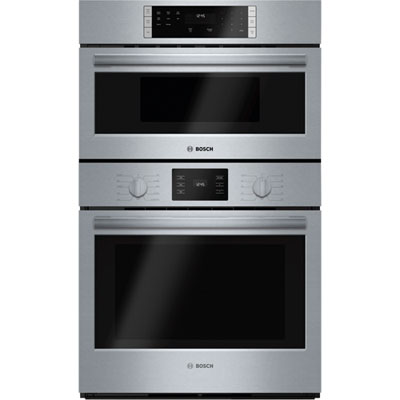
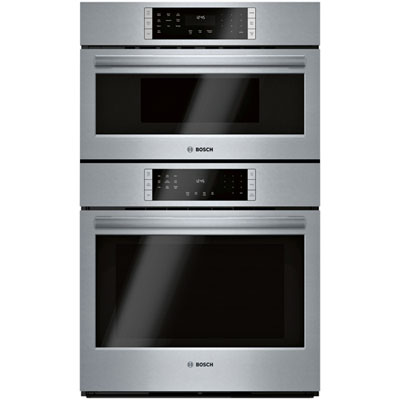
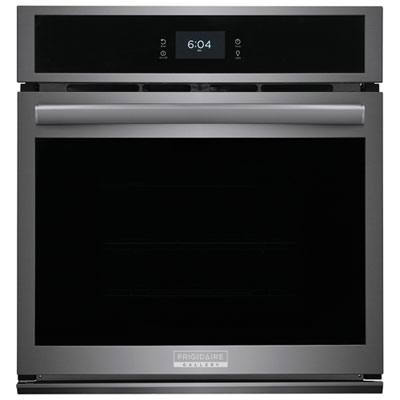
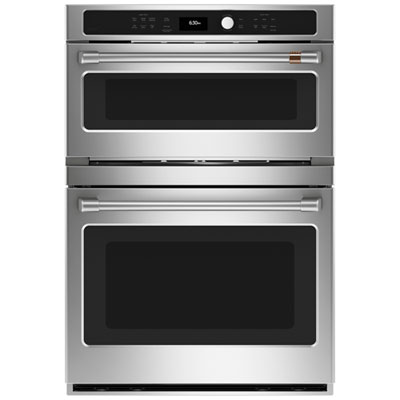
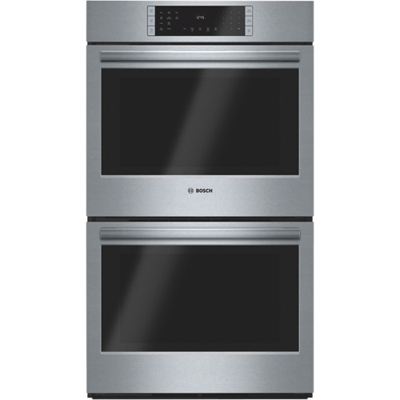
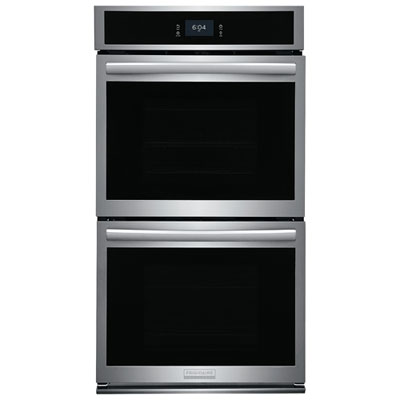
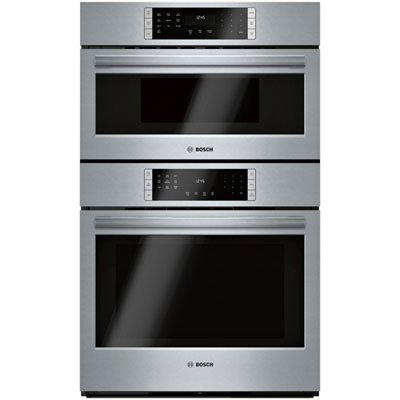
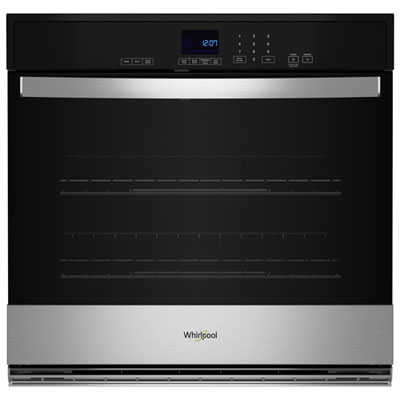
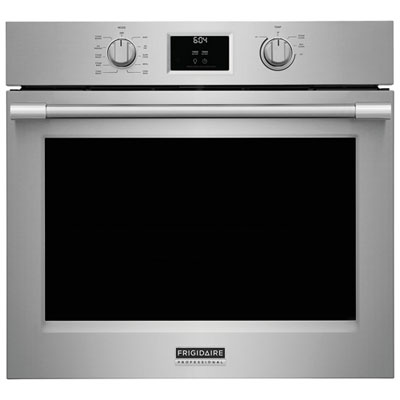
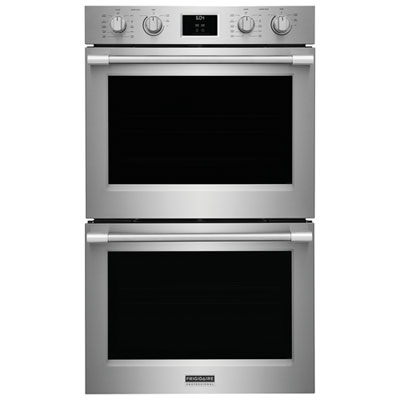
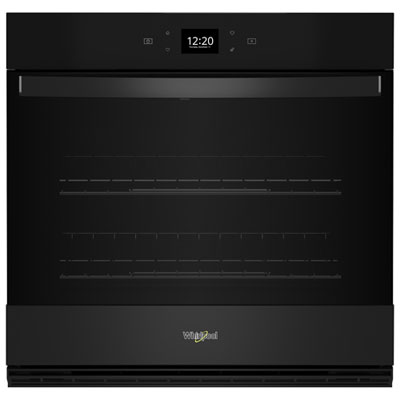
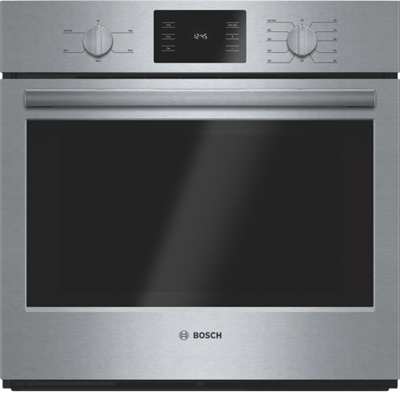
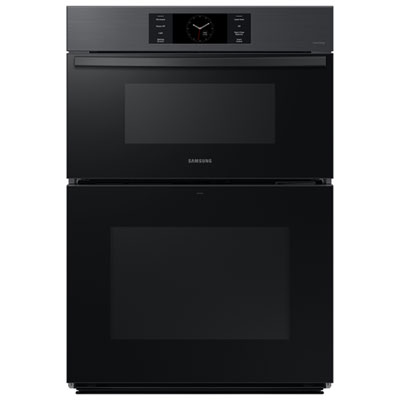
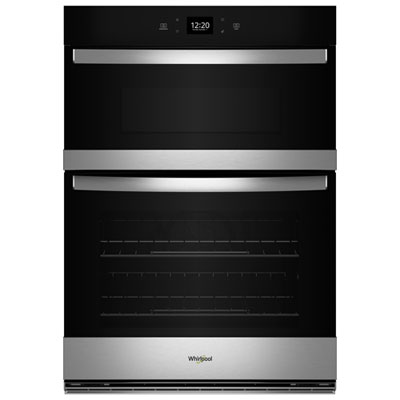
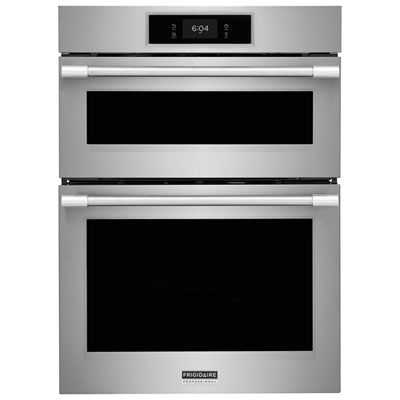
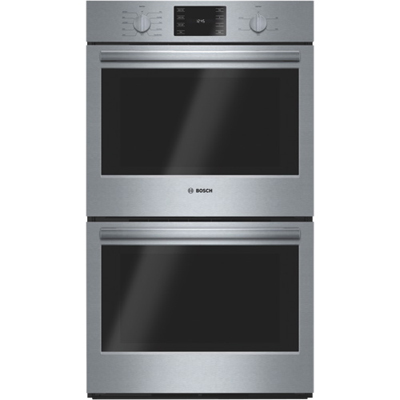
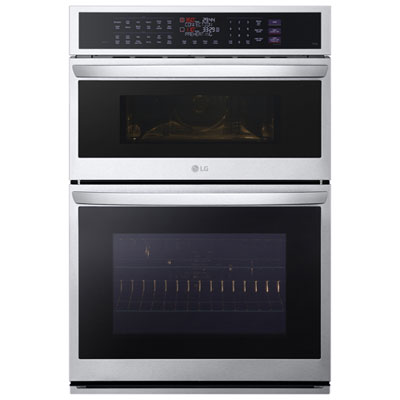

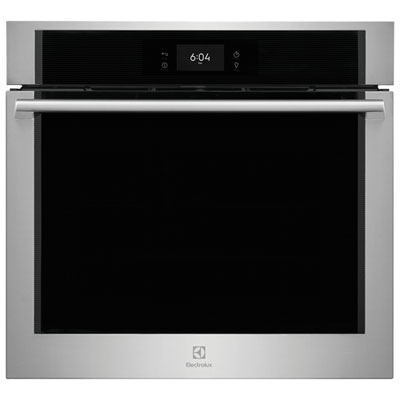
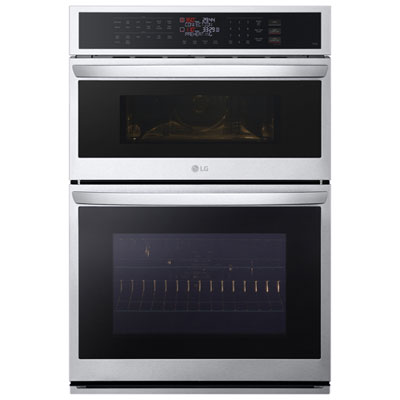
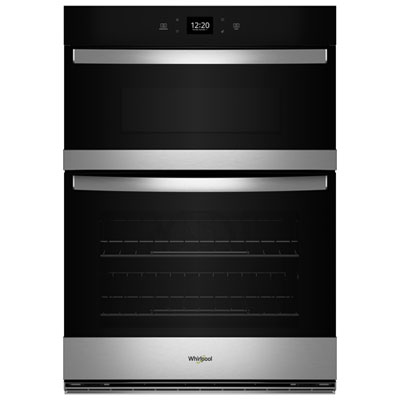
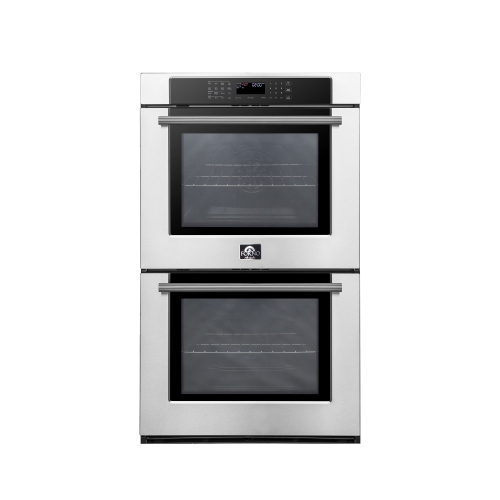
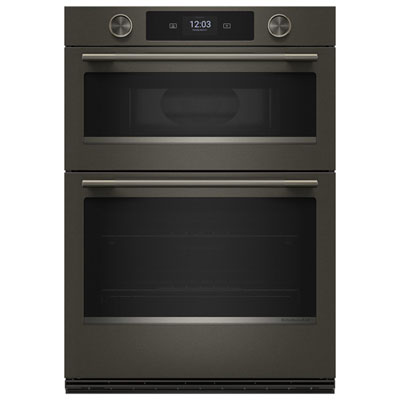
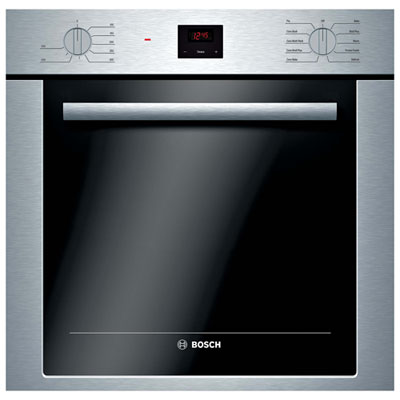
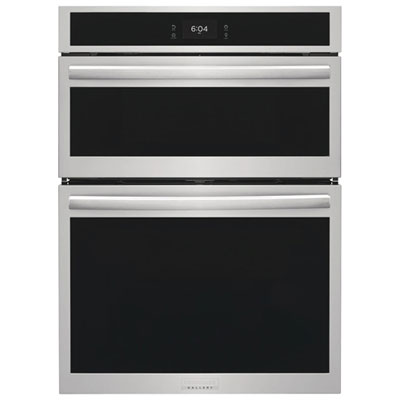
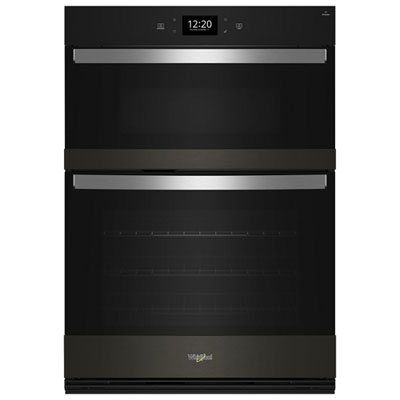
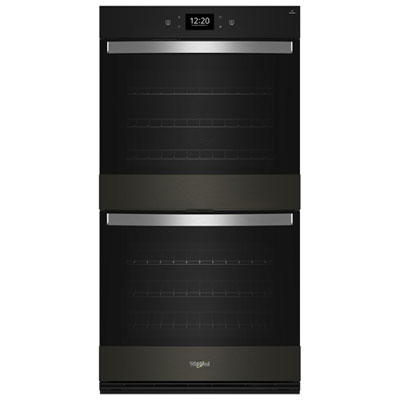
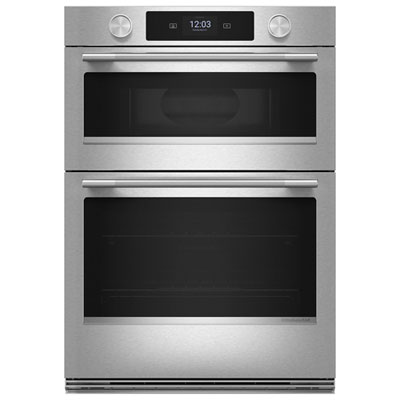
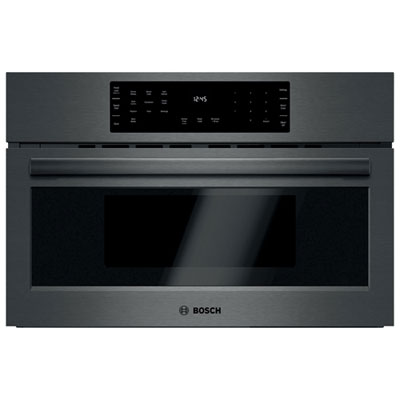
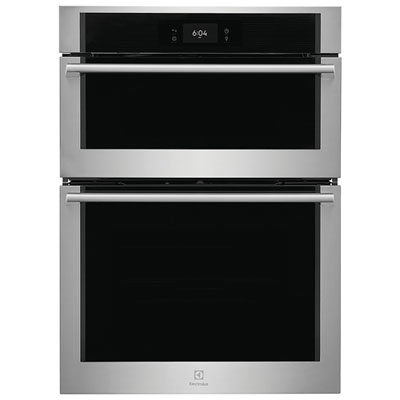
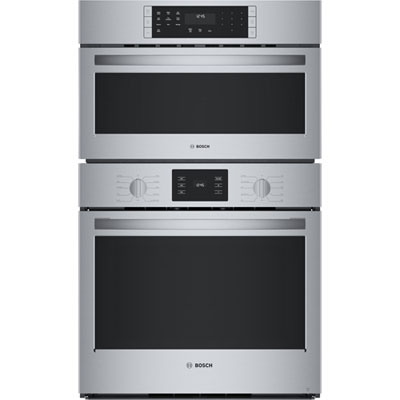
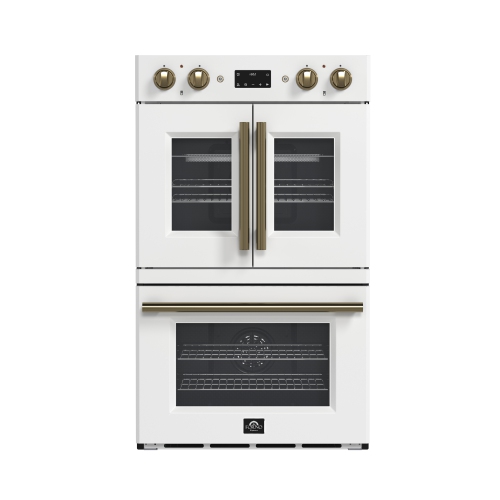
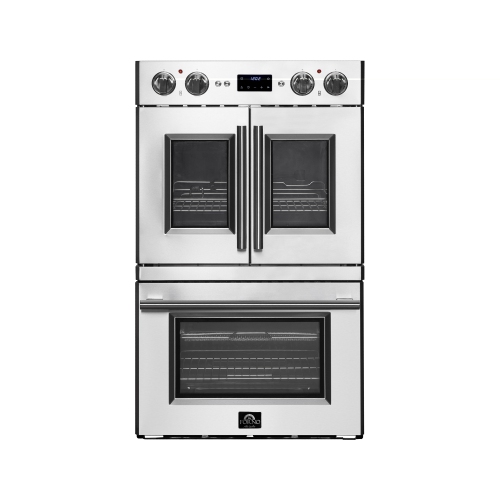
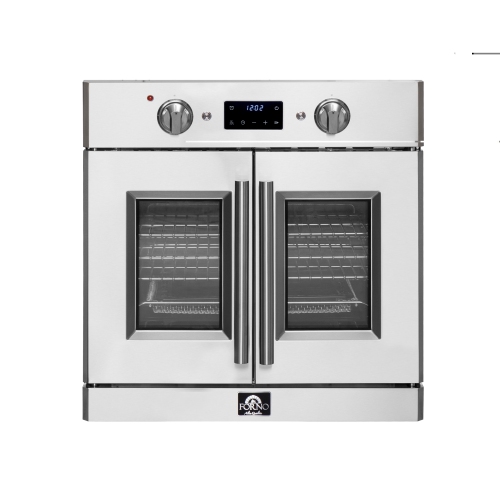
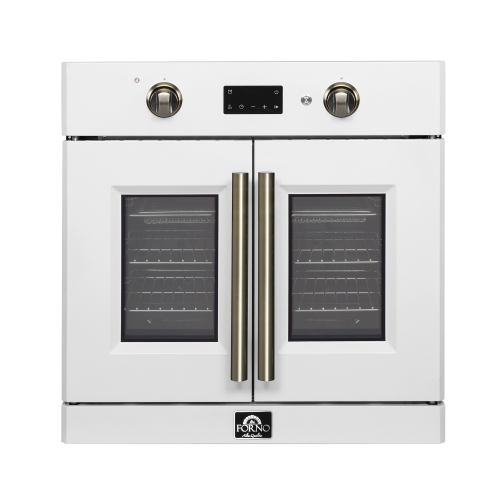
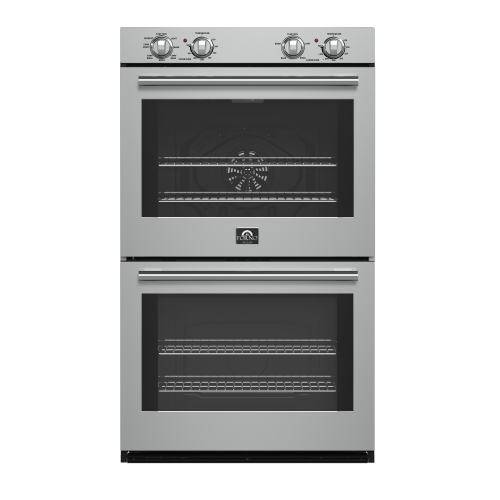
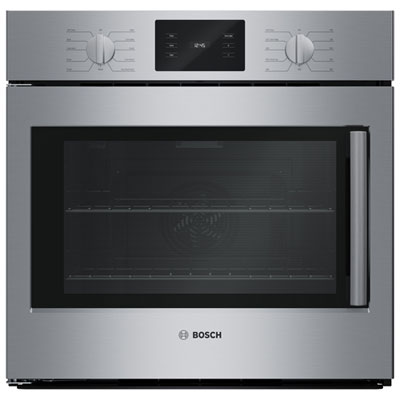
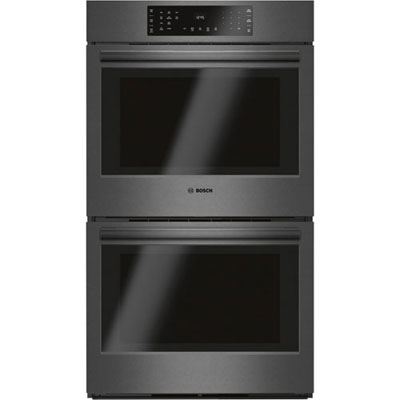
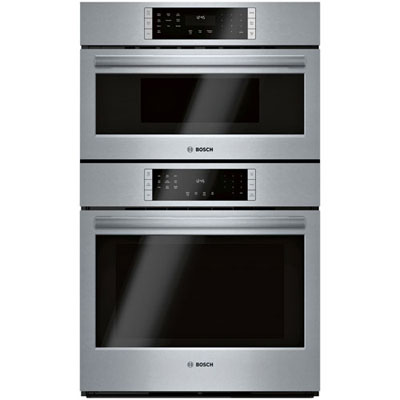
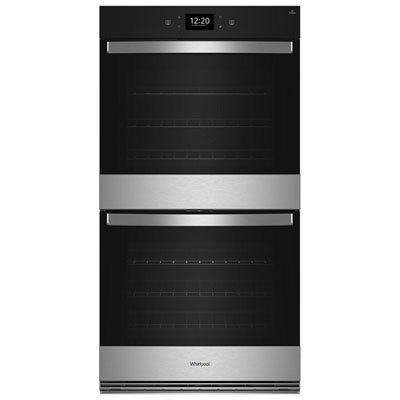
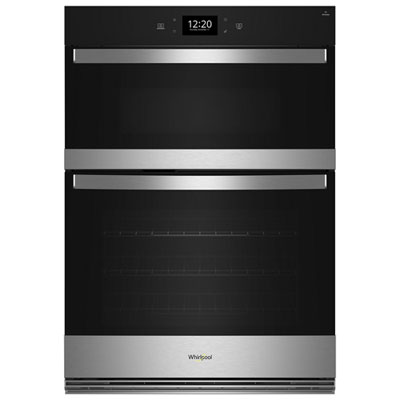
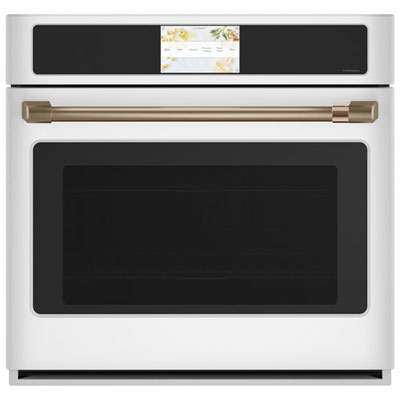
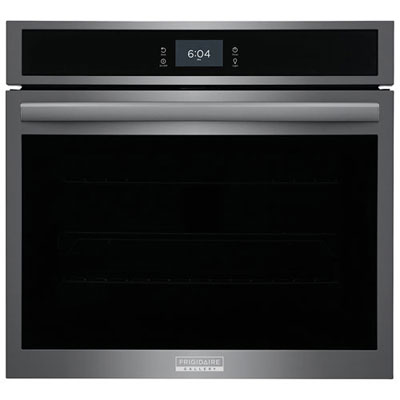
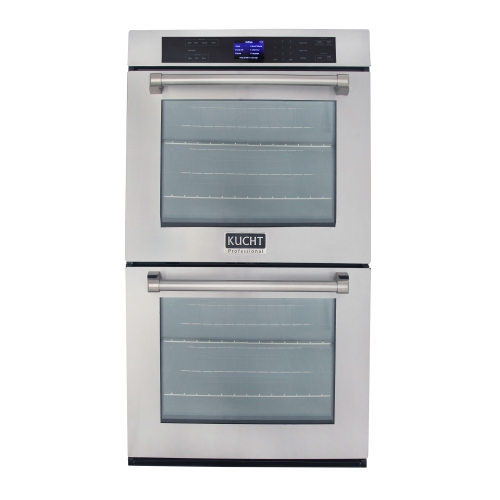
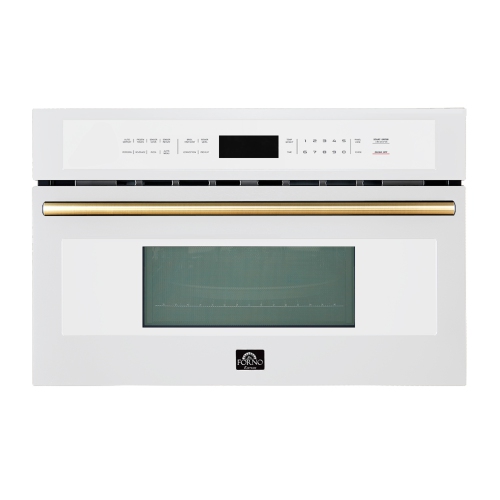
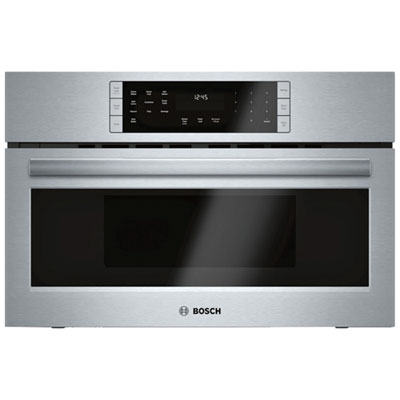
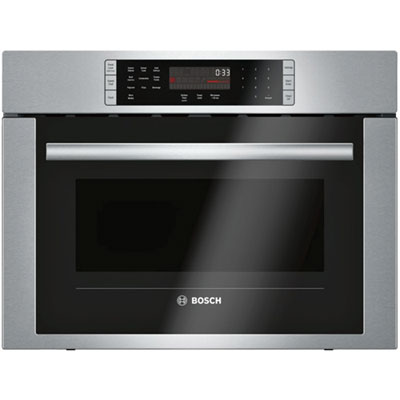

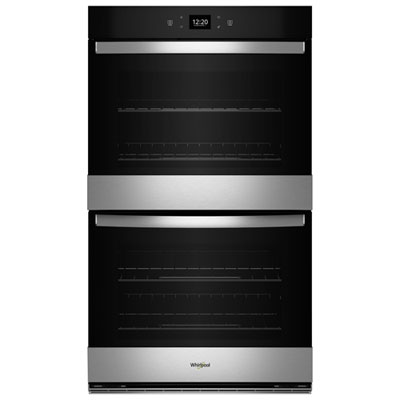
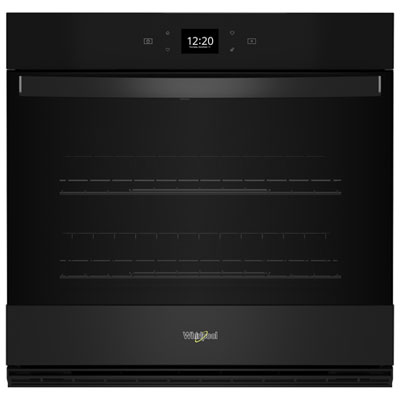
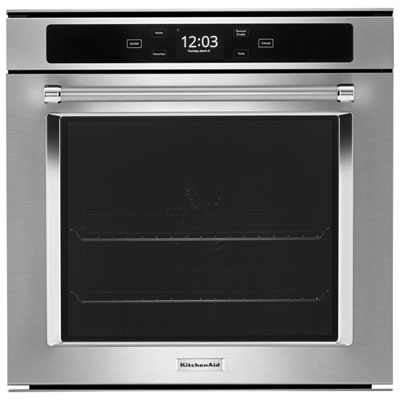
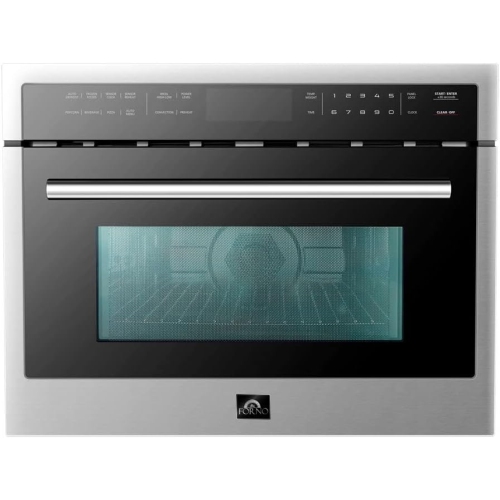

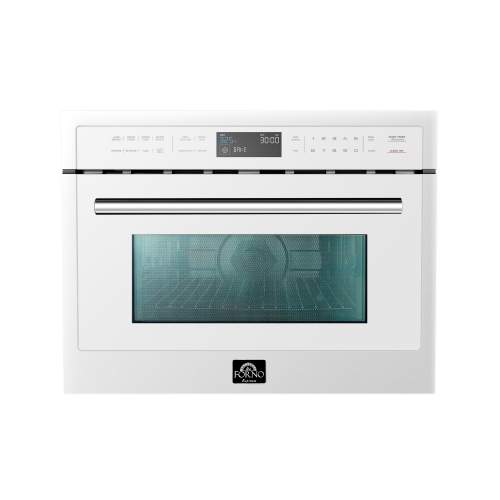
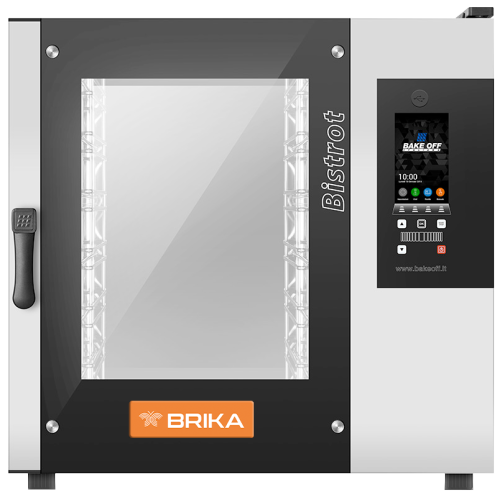
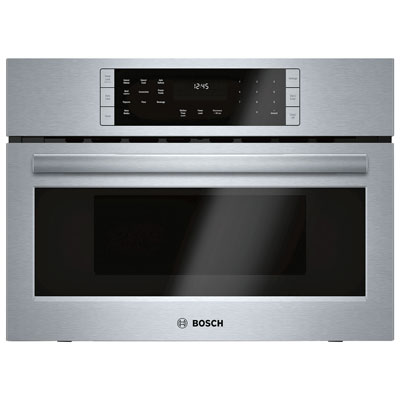
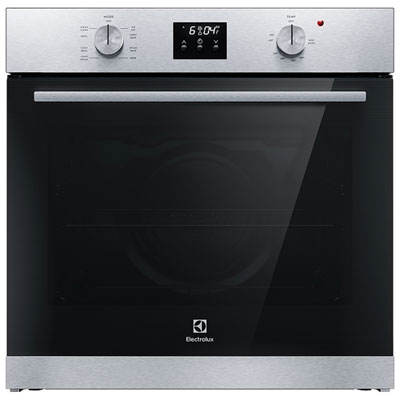
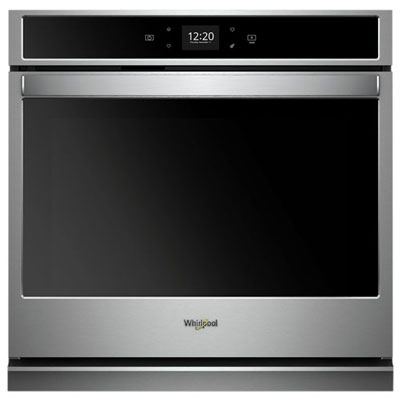
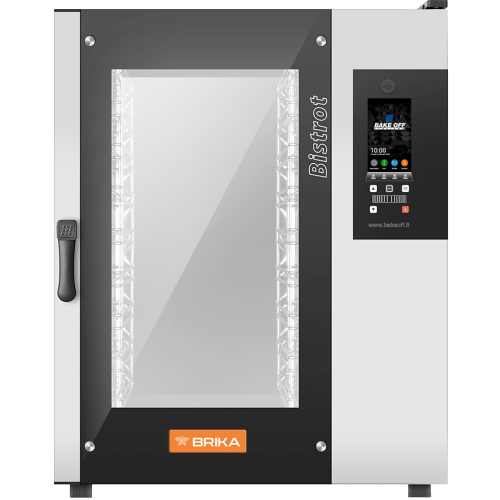
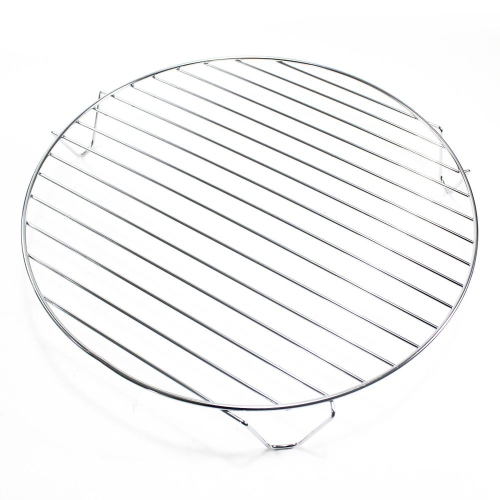
Everyday reheating and full-size baking in one built-in appliance
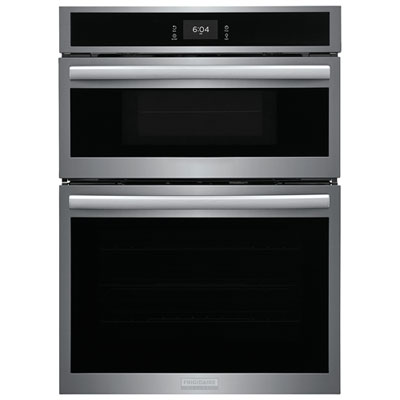
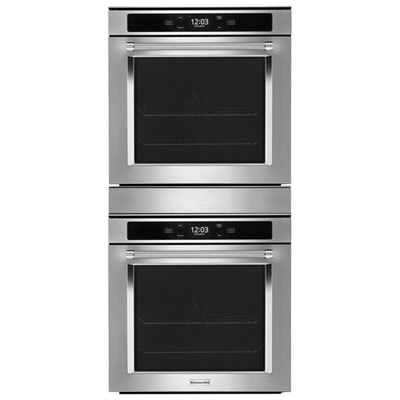
Wall oven combos combine a full-size electric wall oven with an upper microwave or speed oven in a single built-in appliance. This arrangement brings everyday reheating and larger-scale baking into one vertical space, leaving the cooktop separate and keeping a microwave off the counter. The lower cavity handles meals such as roast chicken, baked pasta, and trays of vegetables, while the upper cavity can warm leftovers, soften butter, or prepare smaller dishes, depending on its cooking functions. A microwave combination wall oven is different from a double wall oven, which typically has two conventional oven cavities rather than a dedicated microwave above. The distinction matters for households that want quick meal preparation alongside room for roasting and baking, rather than two full-size ovens. An upper speed oven adds another possibility: depending on the design, it may combine microwave cooking with convection or other heating methods to cook and brown food. Not every upper cavity offers those capabilities, so the cooking method is as important as its size. Related oven and microwave combos bring together these complementary functions for kitchens where both are part of the daily routine. Wall oven combos suit home cooks who regularly juggle several tasks, from warming a sauce while a casserole bakes to preparing a small lunch without using the larger oven. They can also suit a kitchen renovation where a separate cooktop creates more freedom in the layout. Their appeal is not simply the number of cooking functions: having both cavities in one cabinet location can make preparation feel more organized, especially when a nearby counter provides space for ingredients and hot dishes. For a busy household, the useful combination is the one that matches familiar meals, cookware, and habits. Someone who bakes bread regularly may value lower-oven performance most, while a household that reheats individual portions throughout the day may give equal attention to the upper cavity’s controls and usable space.
Fit is central to a built-in wall oven combo because the appliance must work with the cabinet opening, surrounding cabinetry, and electrical supply. Nominal widths such as 27 inch and 30 inch describe common size classes, but they do not replace the exact cutout measurements in the installation specifications. Overall height, cabinet depth, ventilation clearances, and the support beneath the appliance all matter. A replacement unit with a similar-looking front may still require a different opening or electrical connection, making careful measurement especially important when keeping existing cabinets. Door movement deserves just as much attention as the closed dimensions. A lower oven door needs room to open without blocking a narrow aisle, and the upper cavity should sit at a height that allows dishes to be removed with a secure grip. A bowl of hot soup or a heavy glass casserole can be awkward to lift down from above shoulder level. Side-opening and drop-down upper doors create different access needs, so nearby walls, handles, and cabinet doors are part of the fit. Interior capacity also benefits from a practical view: the stated volume does not tell the whole story about whether a favourite roasting pan, rectangular baking dish, or wide dinner plate will fit comfortably. Rack positions, interior width, and the upper cavity’s turntable or tray arrangement affect usable space. Exterior finishes help the appliance sit naturally within the kitchen. Stainless steel offers a familiar metallic look, while black stainless and other finishes can create a quieter contrast with cabinetry; colour and sheen may differ between appliances even when the finish names sound similar. Fingerprint-resistant surfaces can reduce visible smudges, though they still need regular cleaning. Handle shape, display brightness, and the feel of the controls are details used every day, not just finishing touches. Installation by a qualified professional helps address the unit’s weight, secure mounting, and model-specific electrical requirements, whether the combo is part of a new kitchen or a replacement for an older built-in appliance.
Cooking features are most useful when they solve a familiar problem. Convection in the lower oven circulates heated air and can support more even results across multiple racks, although timing and rack placement still depend on the recipe and appliance instructions. Some systems include an additional heating element with the fan, while others circulate heat from the main oven elements. For cooks who make several trays of biscuits or roast vegetables alongside a main dish, those differences can influence everyday use. A temperature probe, where included, helps track the internal temperature of a roast without repeatedly opening the door. Air fry modes use strong airflow to encourage crisp surfaces, but results depend on food spacing, suitable cookware, and the amount being cooked. In the upper microwave, sensor cooking can adjust operation using detected moisture, while straightforward power settings remain useful for gently warming sauces or softening ingredients. Speed-oven functions may call for particular trays or accessories, and metal cookware should only be used where the appliance instructions expressly allow it. Clear displays, responsive controls, interior lighting, and racks that move smoothly can be more valuable in daily cooking than a long list of rarely used programmes. Care requirements also influence long-term satisfaction. Many lower cavities have enamel interiors, while upper-cavity materials and cleaning methods vary by design. Once the appliance has cooled, wiping spills before they become baked-on residue helps keep routine cleaning manageable. Steam-clean and high-heat self-clean functions are not interchangeable, and racks or accessories may need to be removed before a cleaning cycle. Exterior coatings, door glass, seals, and control panels benefit from the cleaning products and methods specified by the manufacturer rather than abrasive pads or harsh treatments. Solid rack supports, secure handles, and accessible service support are worth considering alongside cooking performance. With the right dimensions and a sensible mix of functions, a wall oven combo supports everything from a single reheated plate to a carefully timed family dinner without asking the kitchen to accommodate two separate appliance locations.
Fit is central to a built-in wall oven combo because the appliance must work with the cabinet opening, surrounding cabinetry, and electrical supply. Nominal widths such as 27 inch and 30 inch describe common size classes, but they do not replace the exact cutout measurements in the installation specifications. Overall height, cabinet depth, ventilation clearances, and the support beneath the appliance all matter. A replacement unit with a similar-looking front may still require a different opening or electrical connection, making careful measurement especially important when keeping existing cabinets. Door movement deserves just as much attention as the closed dimensions. A lower oven door needs room to open without blocking a narrow aisle, and the upper cavity should sit at a height that allows dishes to be removed with a secure grip. A bowl of hot soup or a heavy glass casserole can be awkward to lift down from above shoulder level. Side-opening and drop-down upper doors create different access needs, so nearby walls, handles, and cabinet doors are part of the fit. Interior capacity also benefits from a practical view: the stated volume does not tell the whole story about whether a favourite roasting pan, rectangular baking dish, or wide dinner plate will fit comfortably. Rack positions, interior width, and the upper cavity’s turntable or tray arrangement affect usable space. Exterior finishes help the appliance sit naturally within the kitchen. Stainless steel offers a familiar metallic look, while black stainless and other finishes can create a quieter contrast with cabinetry; colour and sheen may differ between appliances even when the finish names sound similar. Fingerprint-resistant surfaces can reduce visible smudges, though they still need regular cleaning. Handle shape, display brightness, and the feel of the controls are details used every day, not just finishing touches. Installation by a qualified professional helps address the unit’s weight, secure mounting, and model-specific electrical requirements, whether the combo is part of a new kitchen or a replacement for an older built-in appliance.
Cooking features are most useful when they solve a familiar problem. Convection in the lower oven circulates heated air and can support more even results across multiple racks, although timing and rack placement still depend on the recipe and appliance instructions. Some systems include an additional heating element with the fan, while others circulate heat from the main oven elements. For cooks who make several trays of biscuits or roast vegetables alongside a main dish, those differences can influence everyday use. A temperature probe, where included, helps track the internal temperature of a roast without repeatedly opening the door. Air fry modes use strong airflow to encourage crisp surfaces, but results depend on food spacing, suitable cookware, and the amount being cooked. In the upper microwave, sensor cooking can adjust operation using detected moisture, while straightforward power settings remain useful for gently warming sauces or softening ingredients. Speed-oven functions may call for particular trays or accessories, and metal cookware should only be used where the appliance instructions expressly allow it. Clear displays, responsive controls, interior lighting, and racks that move smoothly can be more valuable in daily cooking than a long list of rarely used programmes. Care requirements also influence long-term satisfaction. Many lower cavities have enamel interiors, while upper-cavity materials and cleaning methods vary by design. Once the appliance has cooled, wiping spills before they become baked-on residue helps keep routine cleaning manageable. Steam-clean and high-heat self-clean functions are not interchangeable, and racks or accessories may need to be removed before a cleaning cycle. Exterior coatings, door glass, seals, and control panels benefit from the cleaning products and methods specified by the manufacturer rather than abrasive pads or harsh treatments. Solid rack supports, secure handles, and accessible service support are worth considering alongside cooking performance. With the right dimensions and a sensible mix of functions, a wall oven combo supports everything from a single reheated plate to a carefully timed family dinner without asking the kitchen to accommodate two separate appliance locations.
Top selling and popular products
-
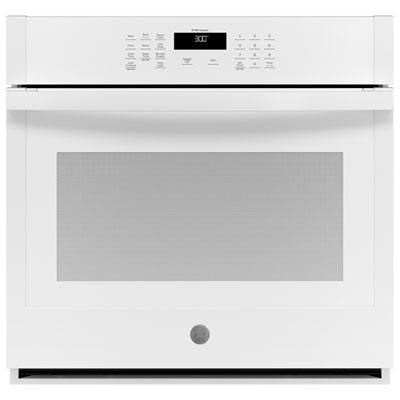 Your price for this item is $2699.99
 -
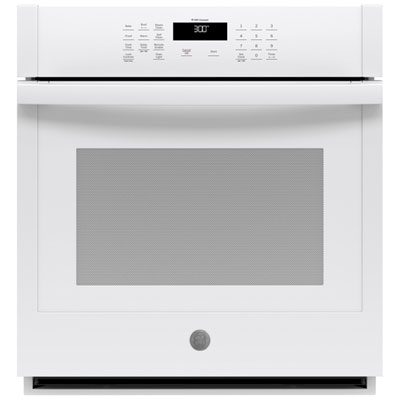 Your price for this item is $2449.99
 -
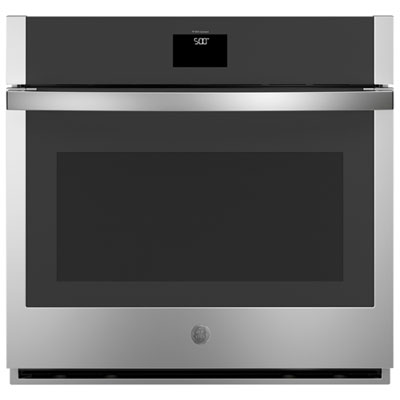 Your price for this item is $2699.99
 -
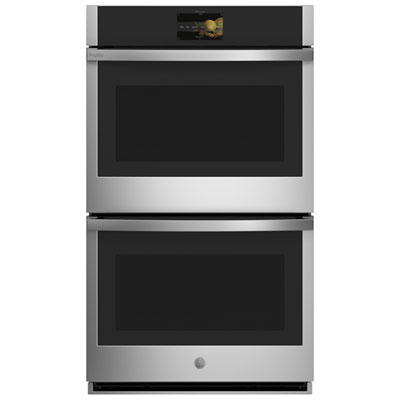 Your price for this item is $5999.99
 -
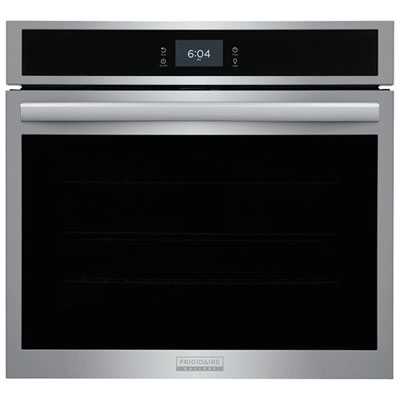 Your price for this item is $2199.99
 -
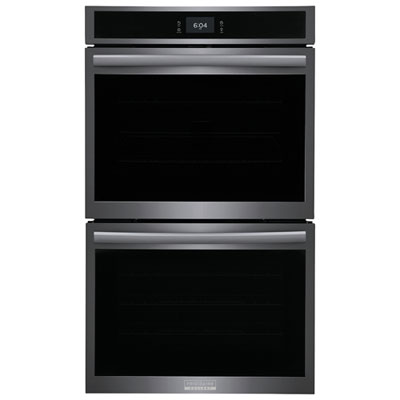 Your price for this item is $3699.99
 -
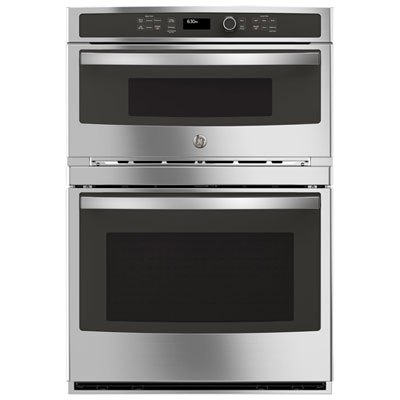 Your price for this item is $4399.99
 -
 Your price for this item is $3899.99
Discover more categories related to Wall Oven Combos
Top Collections:
Pokemon Centers, Kindle Devices, Best Budget Office Chairs, Apple iPhones 16, Best Laptops for Writers, iPhone 15 Apple, Canon G7X Cameras, Refurbished Apple Laptops, Alarm Clock, Motorola Razr Phones
Some products may be subject to Environmental Handling Fees
(EHF) depending on your province.
Learn more about EHFs.