Ovens With App Control
Ovens with app control bring a new level of convenience and flexibility to your kitchen. With the ability to connect to your smartphone or tablet, these ovens make it easier to manage your cooking tasks from anywhere in your home. Whether you’re preparing meals for a busy family or experimenting with new recipes, ovens with app control offer innovative features designed to simplify your daily routine. Explore a wide selection of models that combine advanced technology with modern design, making it simple to find the perfect fit for your culinary needs.
Sort

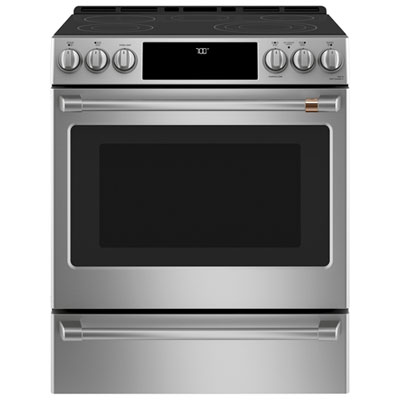
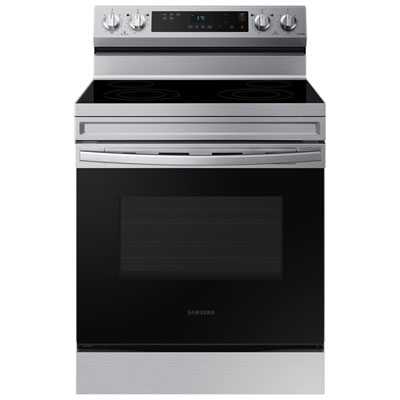
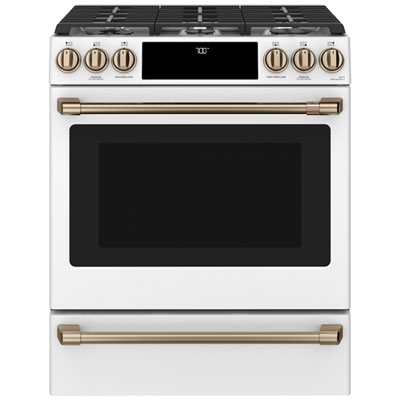
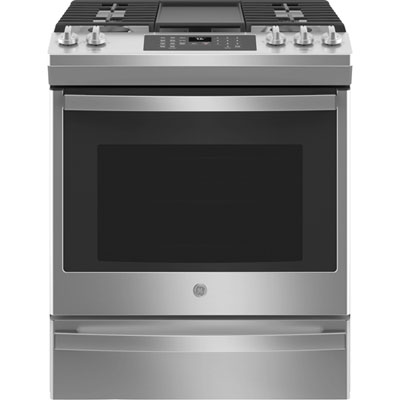
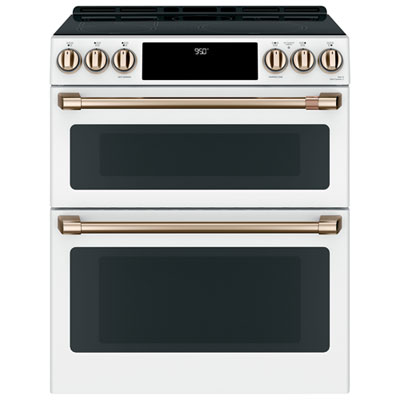
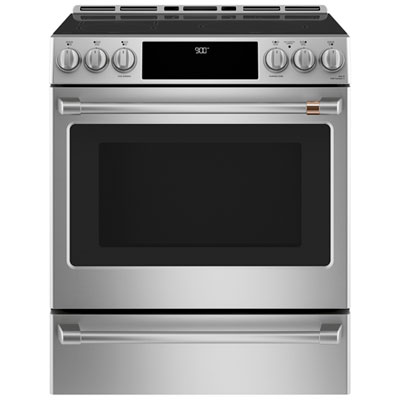
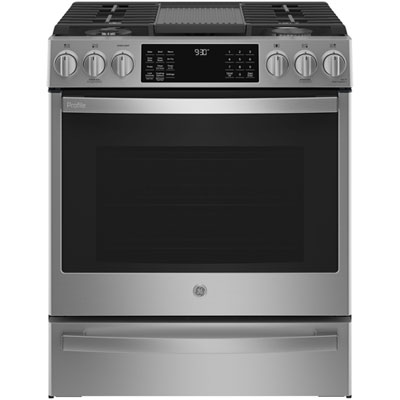
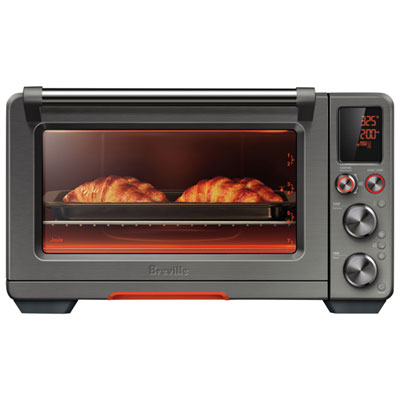
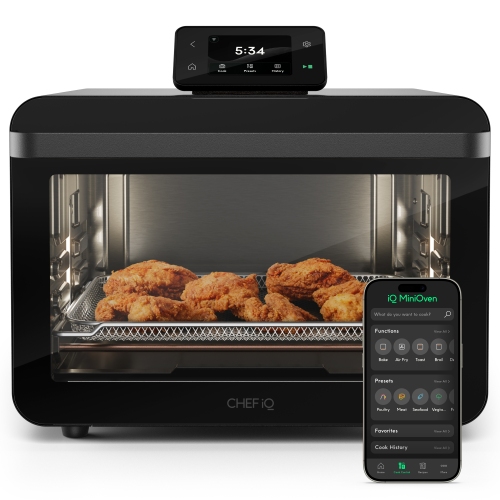

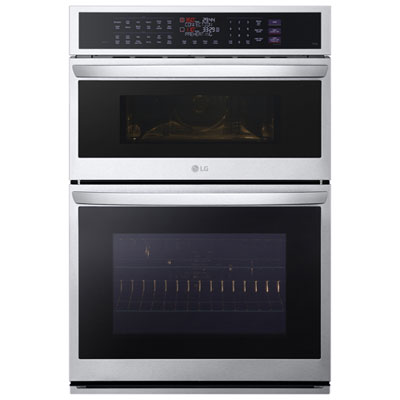
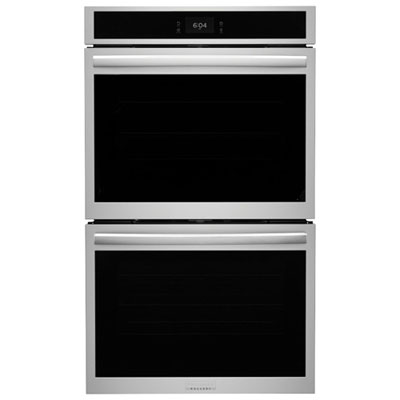

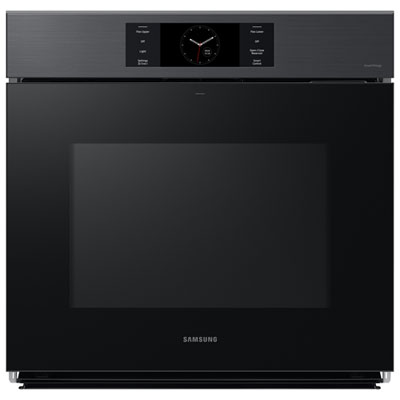
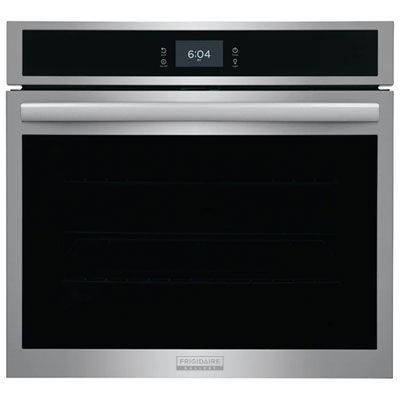
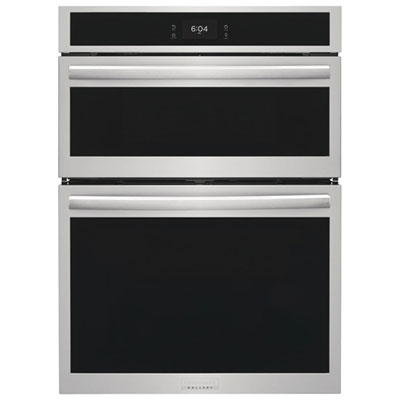
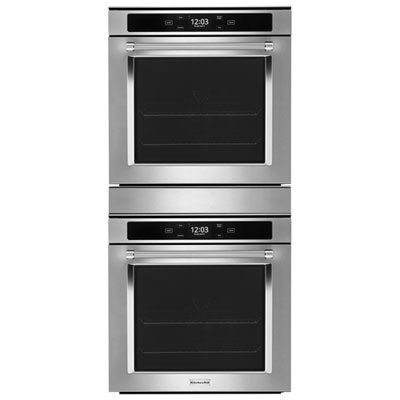
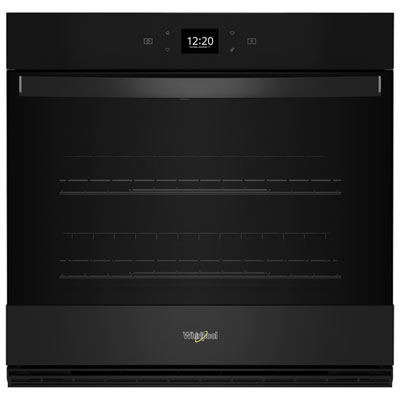
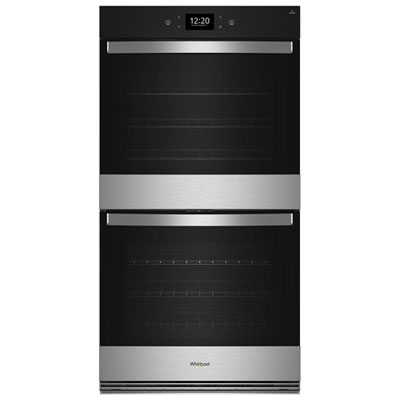
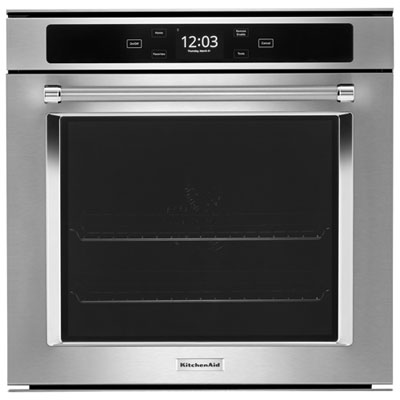
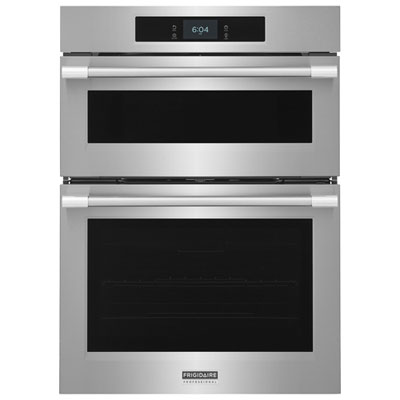
Fewer oven checks with cooking updates on your phone
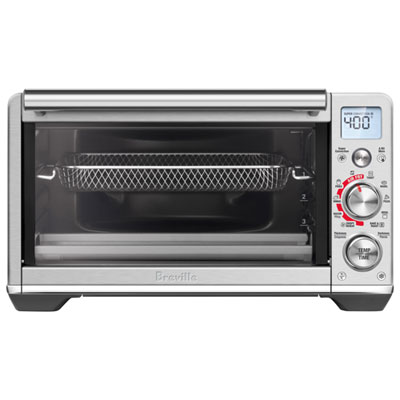
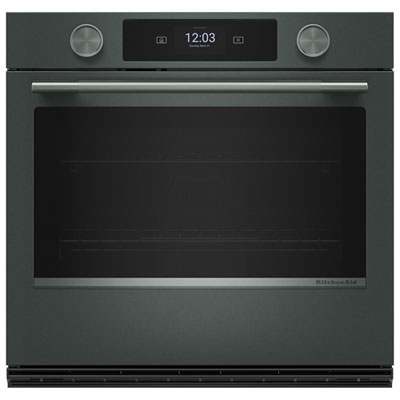
Ovens with app control connect to a compatible smartphone app, typically through Wi-Fi, giving access to supported cooking settings and updates beyond the appliance’s control panel. Depending on the model, connected features can include remote preheating, temperature adjustments, cooking timers, progress notifications and guided recipes. A notification that preheating is complete can help coordinate dinner preparations, while an alert that a cooking cycle has ended makes it easier to keep track of a roast while setting the table. Some ovens can send readings from a compatible food temperature probe to the app, making it possible to follow the centre temperature of a larger cut of meat without repeatedly opening the door. Other models offer recipe programmes that coordinate cooking modes, temperatures and timing, although these features vary and may require particular accessories. App control is available across several appliance formats, including built-in wall ovens, ovens within freestanding or slide-in ranges, and selected countertop ovens. The broader selection of Smart Ovens brings together connected cooking features in different sizes and configurations, from compact appliances for smaller portions to full-size ovens designed for family meals. Connectivity and cooking performance remain separate considerations: an app does not automatically mean an oven includes convection, air frying, steam cooking or a temperature probe. Each function serves a different purpose, whether that is circulating hot air around several trays of biscuits or using a supported air-fry setting with a suitable basket. Remote starting also depends on the appliance’s safety settings, and some ovens require remote operation to be enabled at the control panel before each use. These controls work alongside normal kitchen supervision, not in place of it. Food still needs appropriate preparation, cookware must be suitable for the selected mode, and the cooking area needs to remain clear before any remote heating function is used. For households coordinating several dishes, the practical appeal is often straightforward: fewer trips back to check a timer and a clearer view of what the oven is doing.
The right format depends as much on the kitchen and the meals being prepared as on the connected features. A built-in wall oven can place the cavity at a convenient working height, while a range combines an oven and cooking surface within one appliance footprint. A countertop oven suits smaller batches, toast, reheated leftovers and meals that do not need a full-size cavity, but it also occupies work space and requires the clearances specified by its manufacturer. Interior capacity is most useful when considered alongside the cookware that actually goes inside. A wide roasting pan, a deep casserole dish and a pair of baking sheets each place different demands on cavity width, rack spacing and usable height. Households that regularly prepare several dishes at once may value multiple rack positions or separate oven cavities more than a long list of automated settings. Exterior measurements need similar attention, including the installation opening, door swing, handle projection and room to stand comfortably in front of an open door. Built-in appliances and ranges have specific electrical or gas connection requirements, and installation may involve a qualified professional. Countertop models also have electrical requirements and should be positioned on a suitable, heat-resistant surface according to their instructions. Materials affect both appearance and daily upkeep. Stainless steel finishes coordinate easily with many kitchen appliances, while coated finishes can offer a different look or help reduce the appearance of fingerprints. Glass doors make it easier to check browning without releasing heat, although visibility also depends on the interior lighting and window design. Inside, smooth enamel surfaces, accessible corners and removable racks can make routine cleaning more manageable. Sturdy racks that remain stable under a loaded dish, clearly marked controls and a comfortable door handle matter every time a meal is prepared. These physical details help an app-controlled oven feel practical for frequent bakers, busy families and anyone who regularly moves heavier cookware in and out of the cavity.
Day-to-day satisfaction also depends on how comfortably the app fits into an existing cooking routine. A household preparing dinner around different schedules may appreciate a preheat notification, while an enthusiastic baker may find supported temperature adjustments or probe readings more useful. Guided cooking can provide structure for an unfamiliar dish, but ingredient quantities, pan materials and food thickness still affect the result. Dark metal bakeware can brown food differently from glass or ceramic, and a crowded tray may cook differently from one with space between portions. Connected features are most helpful when they make those familiar kitchen tasks easier to follow rather than adding unnecessary steps. Phone compatibility, app account requirements and the strength of the Wi-Fi signal at the appliance’s intended location all influence the experience. Some ovens require a particular network band, and certain functions may depend on internet access, permissions or an additional service. Voice control, shared household access and downloadable cooking modes are model-dependent rather than standard features. Built-in controls remain important for everyday operation, particularly when a phone is charging, another person is cooking or the network is unavailable; the functions that remain accessible without a connection vary by appliance. Clear displays, responsive buttons or dials and readable rack markings therefore deserve attention alongside the app. Care requirements are equally specific. Steam-clean and high-heat self-clean cycles are different systems, and neither removes the need to follow instructions for spills, racks, accessories and door seals. Allowing the oven to cool before routine cleaning and avoiding unsuitable abrasives can help protect its surfaces. Keeping vents unobstructed and checking the condition of racks and seals supports dependable use, while installing supported software updates helps maintain connected functionality. An oven with app control earns its place through the combination of useful notifications, suitable cooking modes, a well-fitting cavity and controls that remain comfortable to use at the appliance. The strongest match is one whose connected features support the meals being made, whether that means a single tray of roasted vegetables or several dishes timed to reach the table together.
Top selling and popular products
-
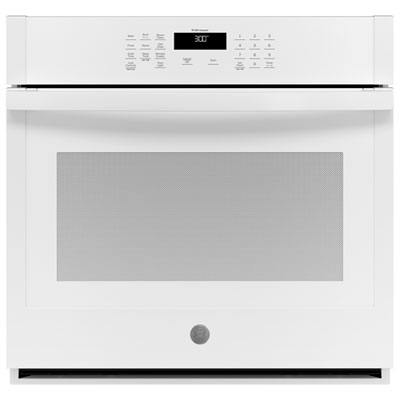 Your price for this item is $2369.99
-
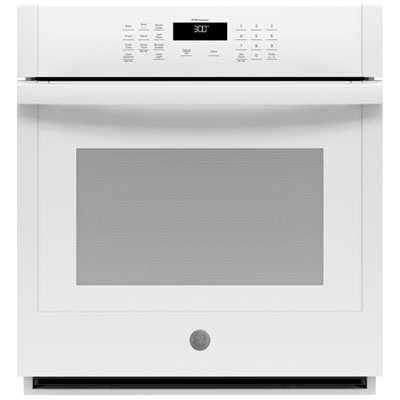 Your price for this item is $2249.99
-
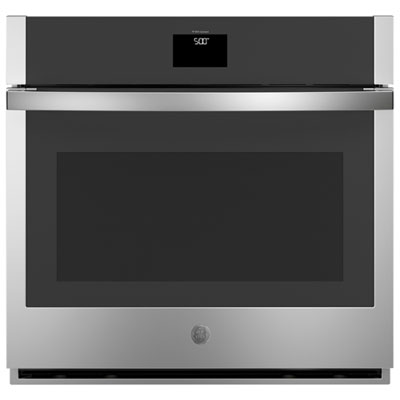 Your price for this item is $2369.99
-
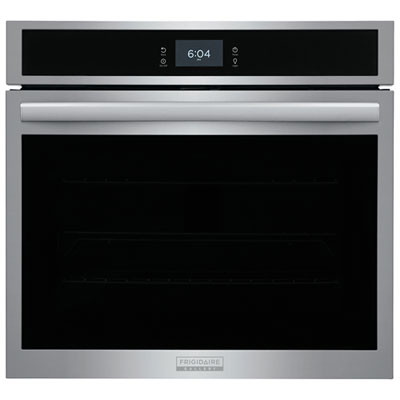 Your price for this item is $2199.99
-
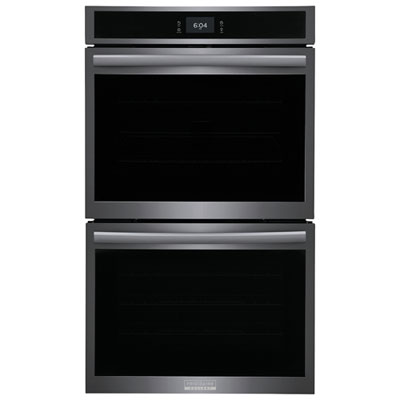 Your price for this item is $3699.99
-
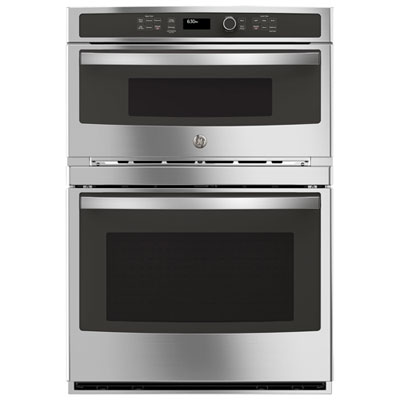 Your price for this item is $3749.99
-
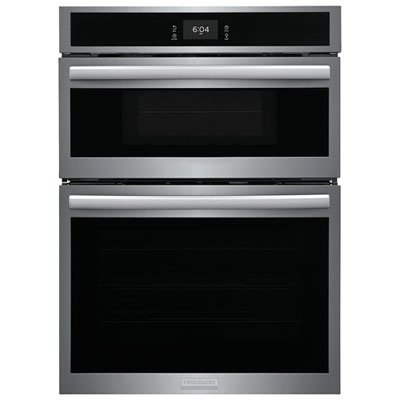 Your price for this item is $3699.99
-
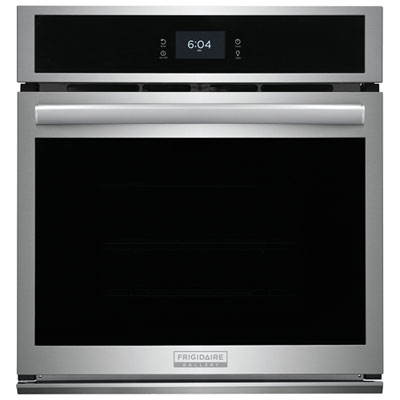 Your price for this item is $2199.99
Discover more categories related to Ovens With App Control

Top Collections:
Best Black Friday Deals This Year, Best Black Friday Deals On Electronics, Kindle Devices, Pokemon Centers, Best Black Friday Deals On Apple Products, Best Cameras for Sports Photography, Dyson Airwrap, Pokémon 30th Celebration Cards, Apple iPhone 17 Pro, Canon G7X Cameras
Some products may be subject to Environmental Handling Fees
(EHF) depending on your province.
Learn more about EHFs.