Smart Ovens
Upgrade your kitchen with the latest in smart home technology by exploring our selection of smart ovens. Revolutionize the way you cook and bake with these innovative appliances that offer advanced features such as voice control, remote monitoring, and precision cooking capabilities. Whether you're a seasoned chef or just starting out in the kitchen, a smart oven can streamline your cooking process and help you create delicious meals with ease. Discover how these cutting-edge appliances can enhance your culinary experience and bring convenience to your daily routine.
Sort

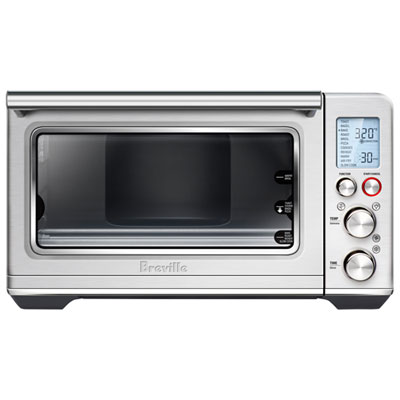
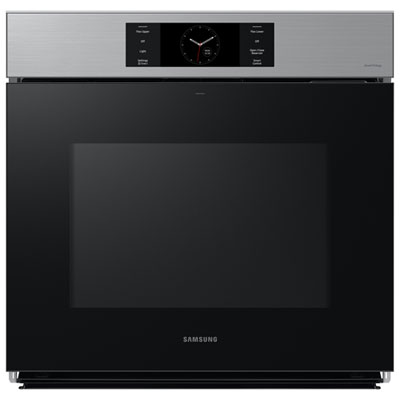
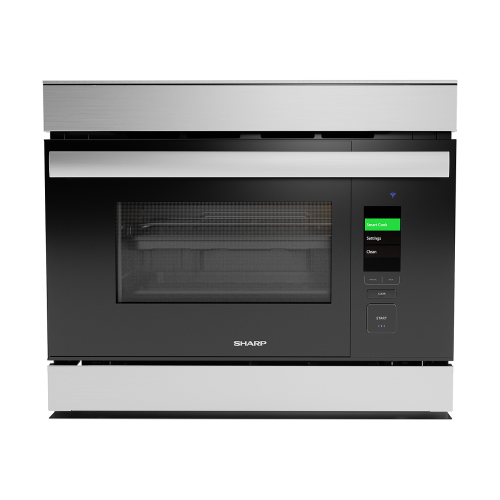
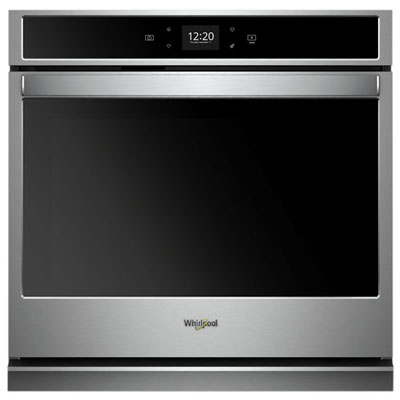
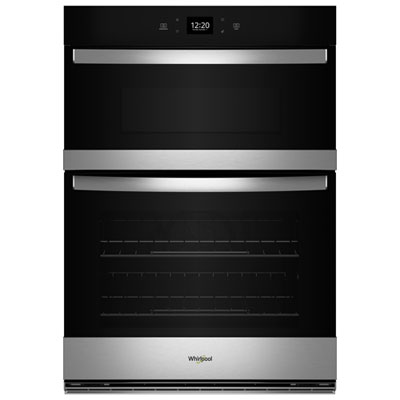
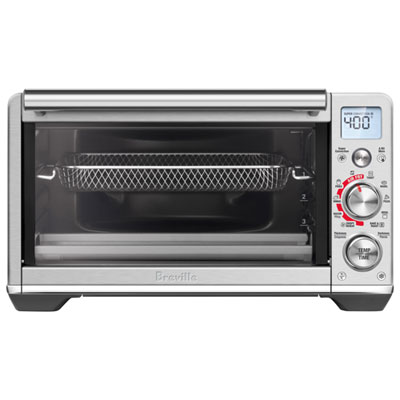
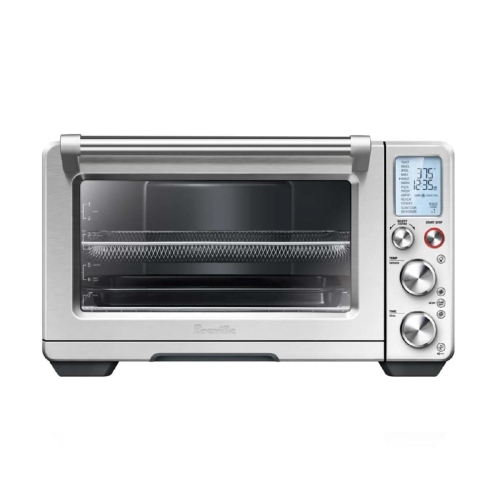
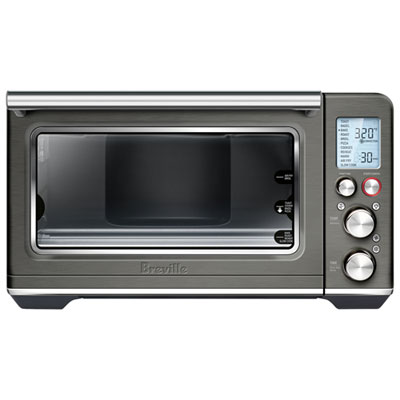
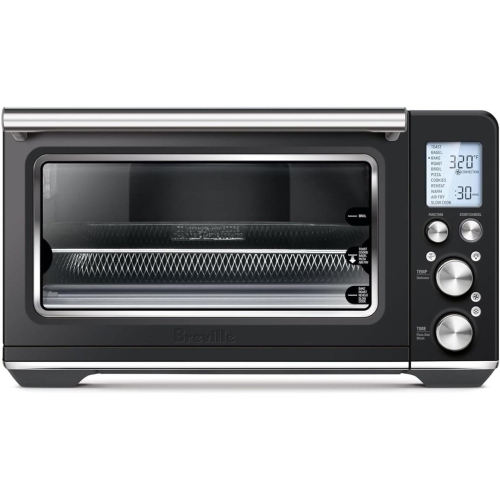
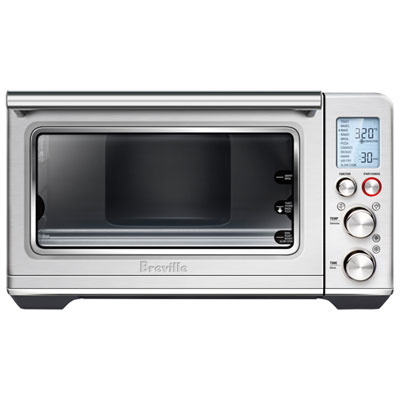
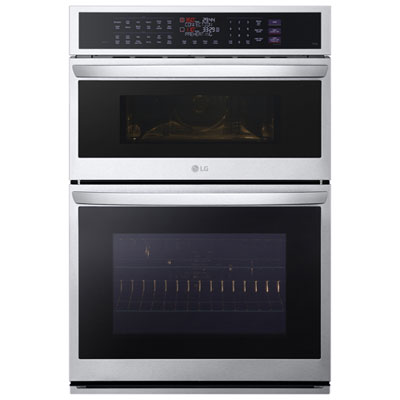
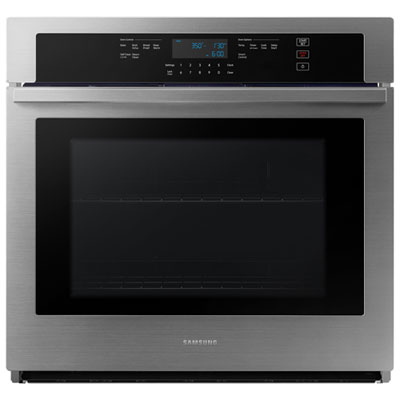
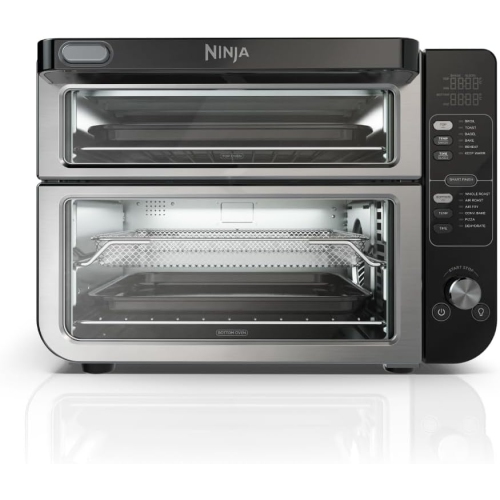
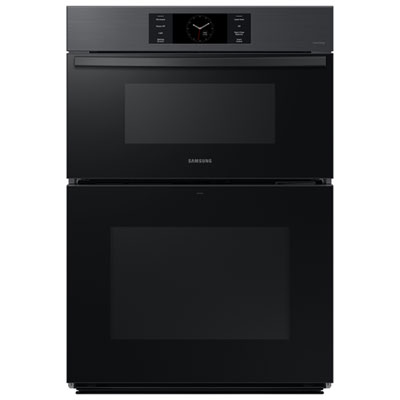
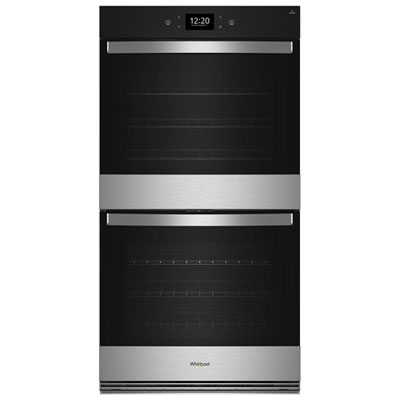

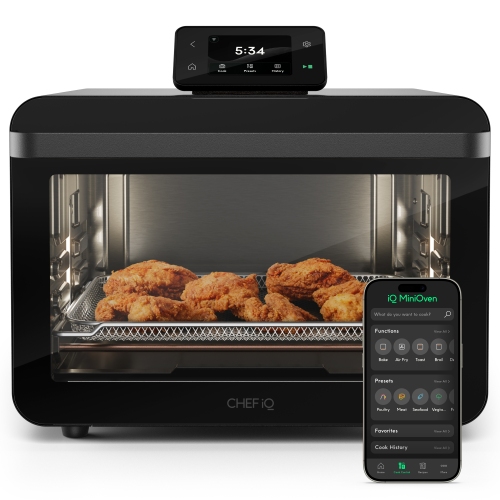

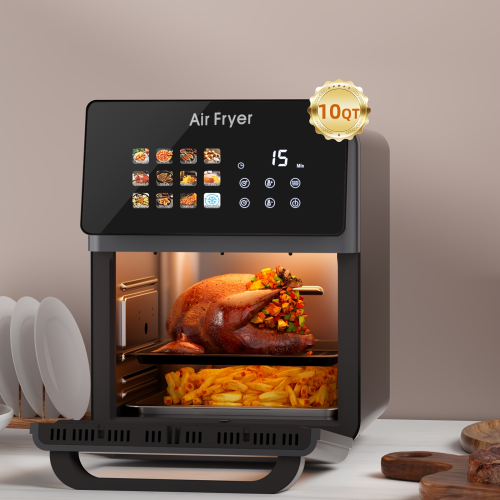
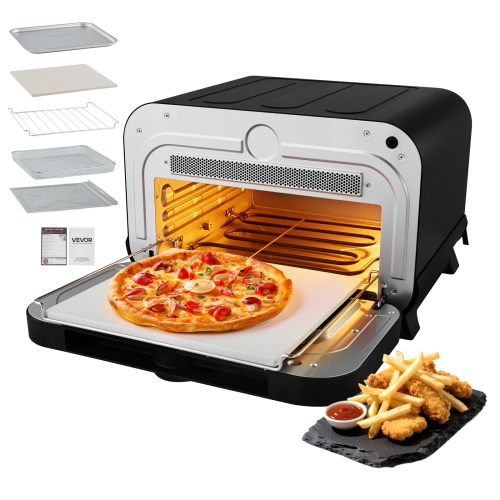

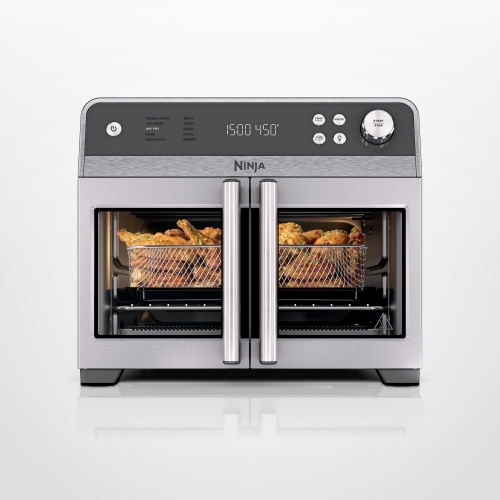
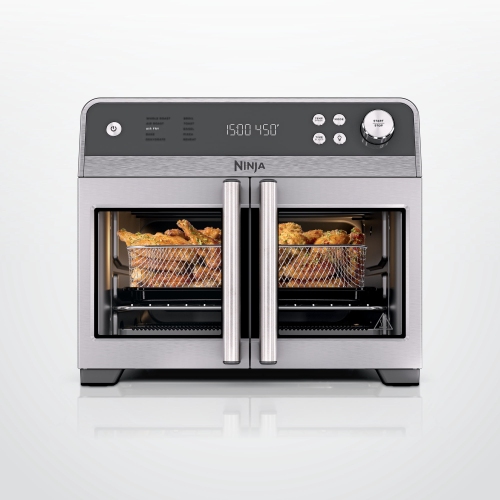

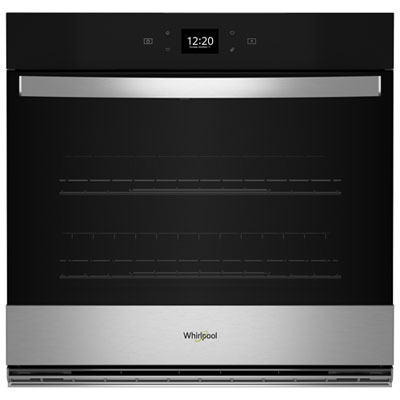
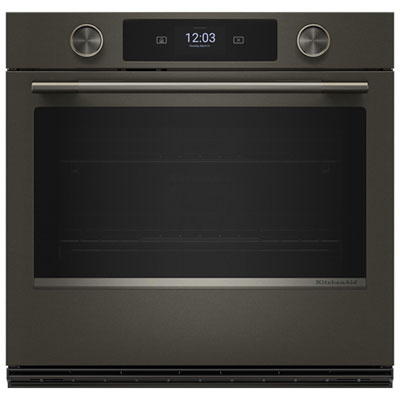
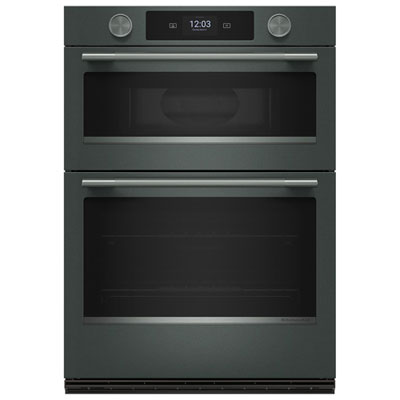
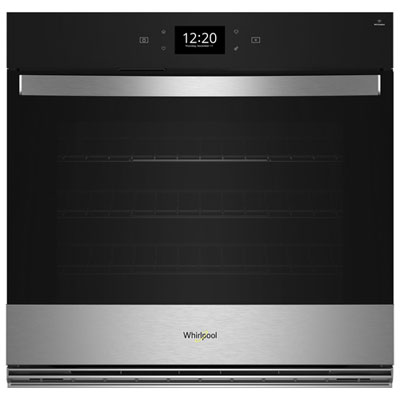
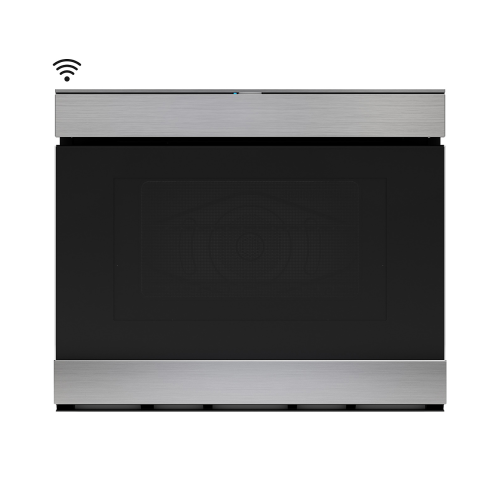
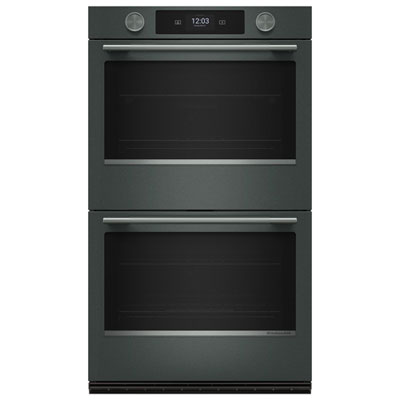
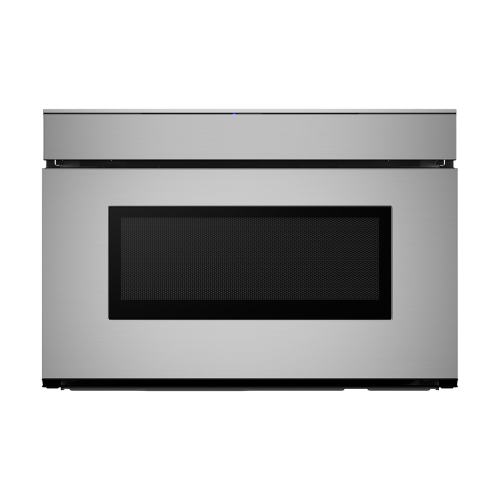

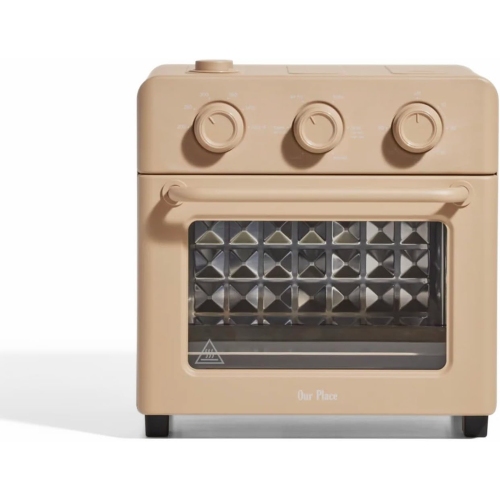
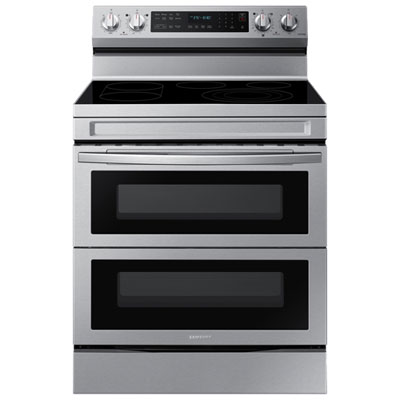
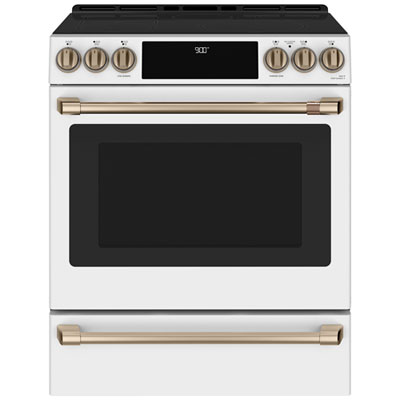
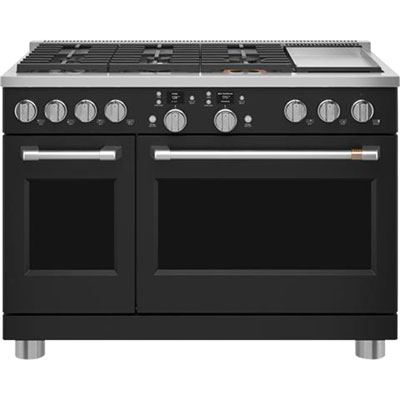
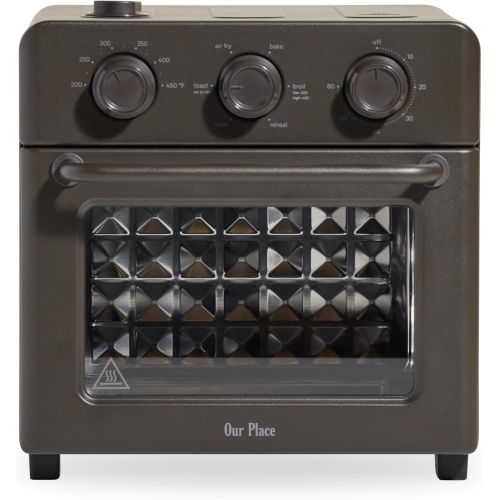

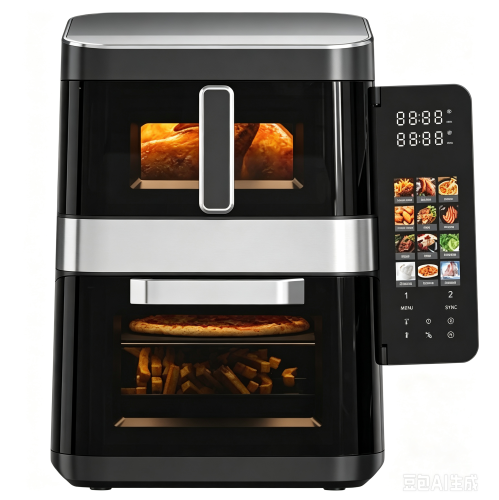
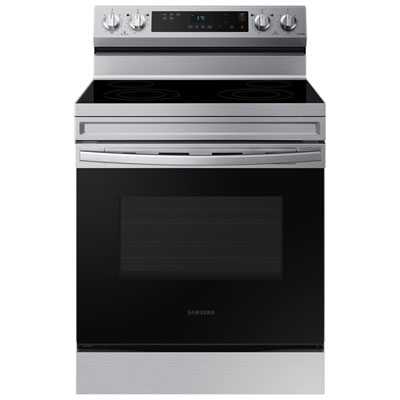
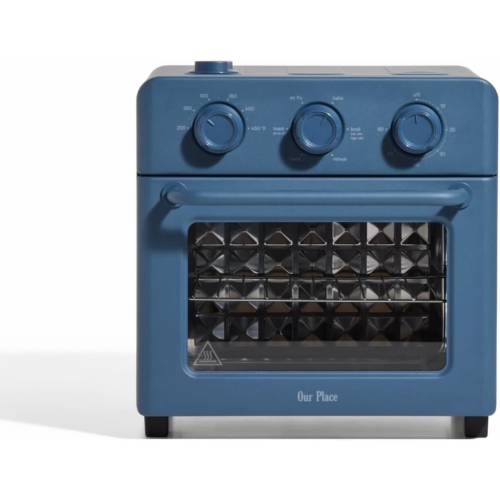
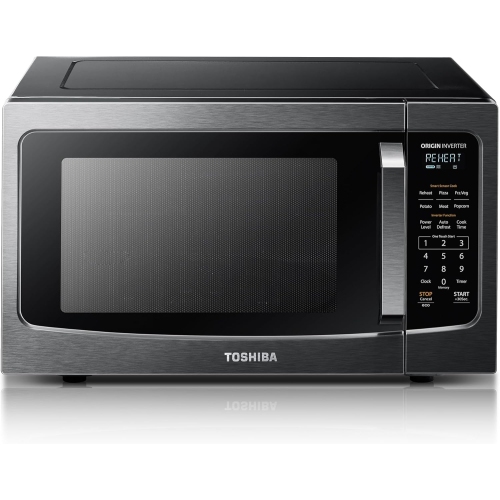
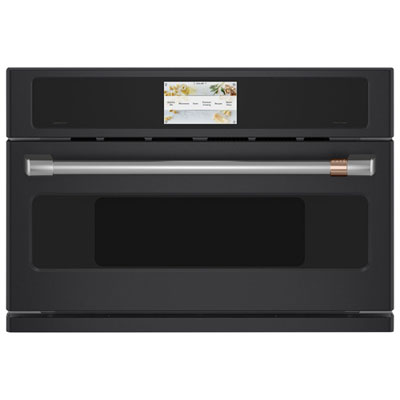
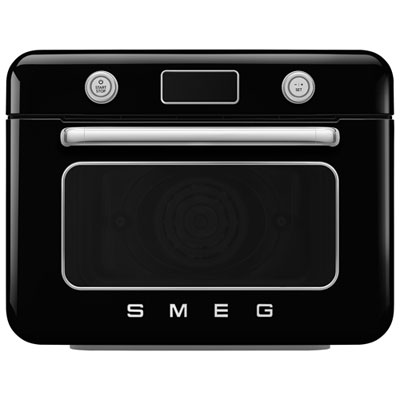
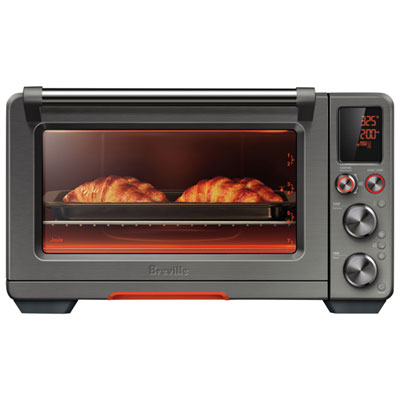
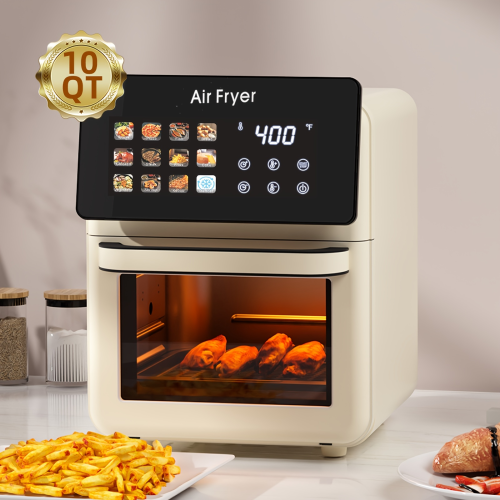
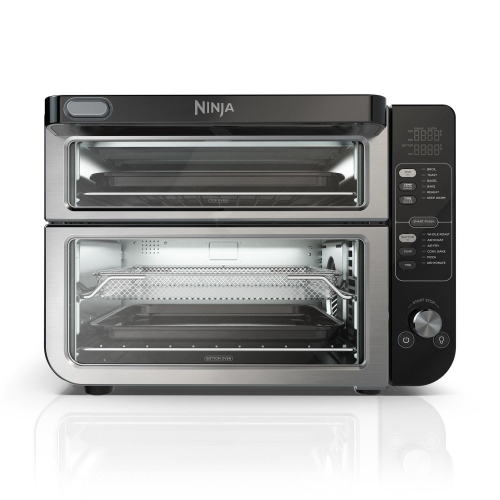
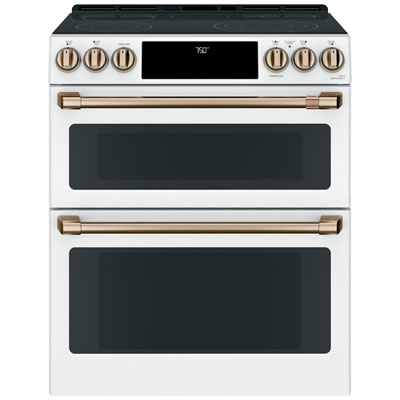

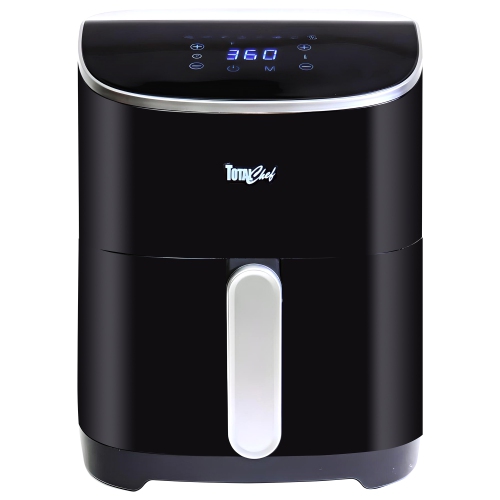
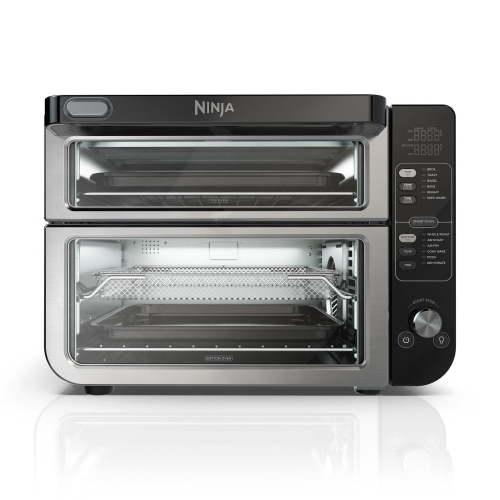
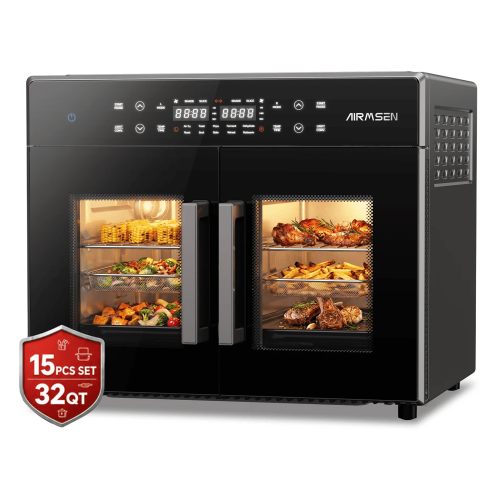
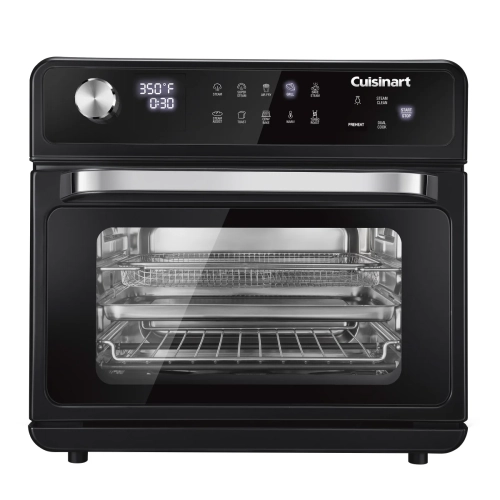
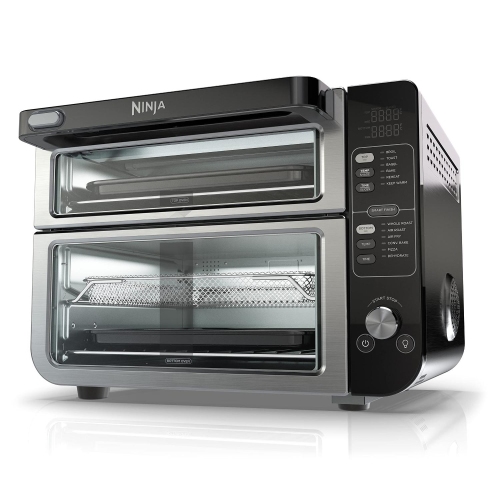

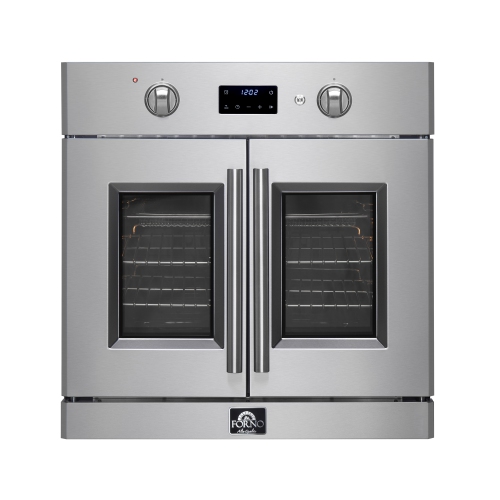
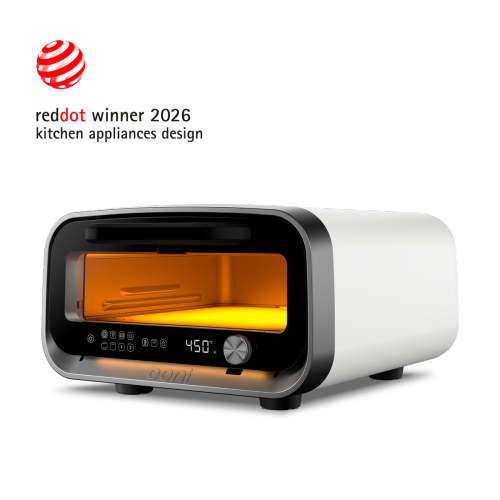
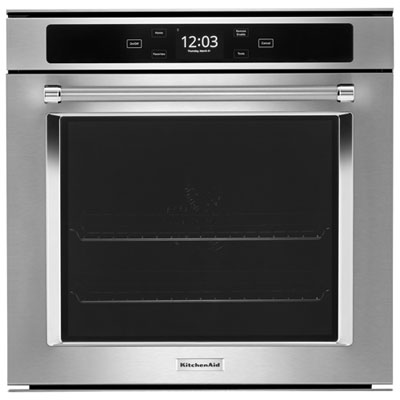
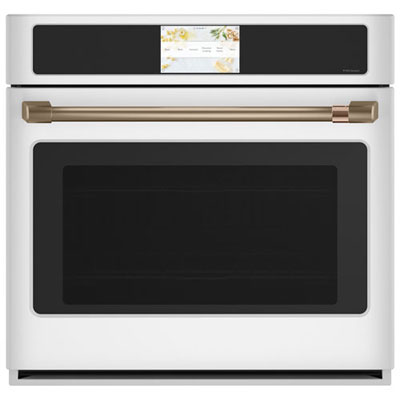
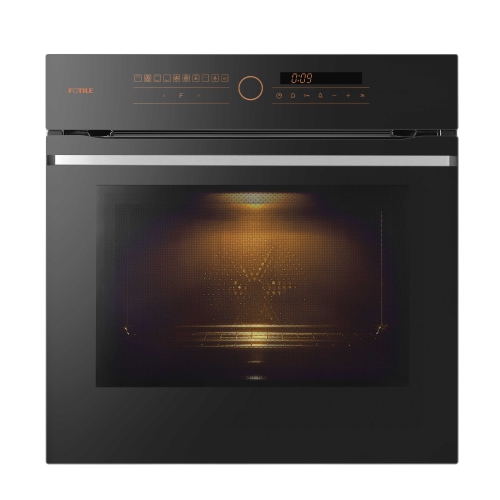
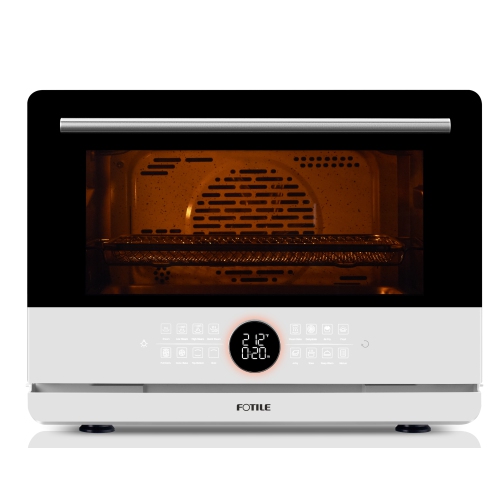

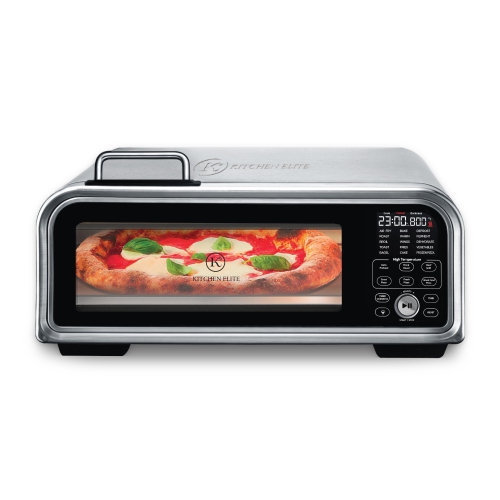
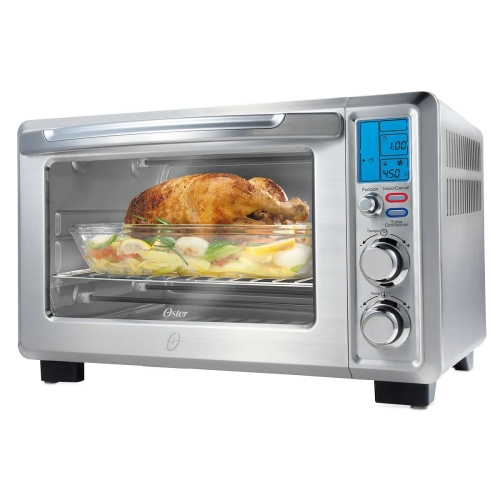
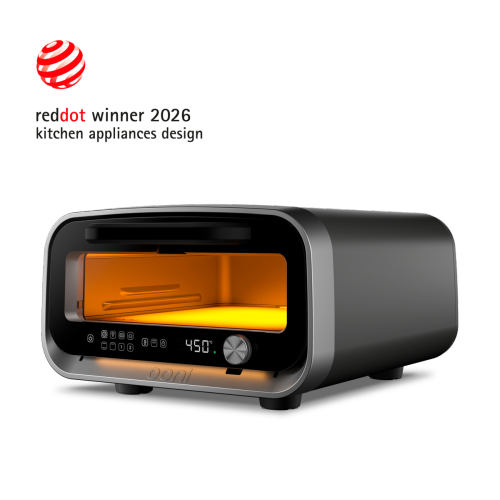
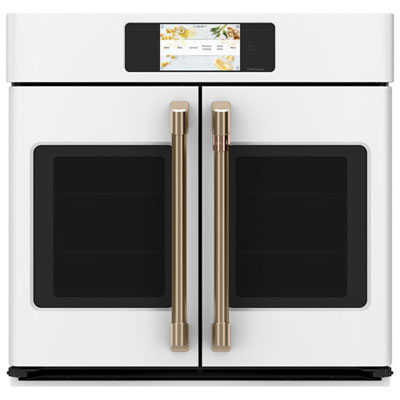
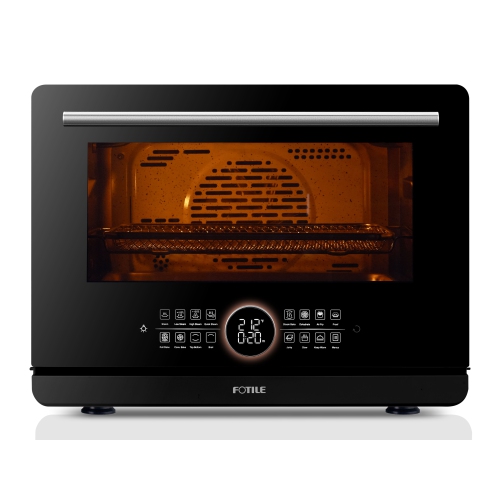
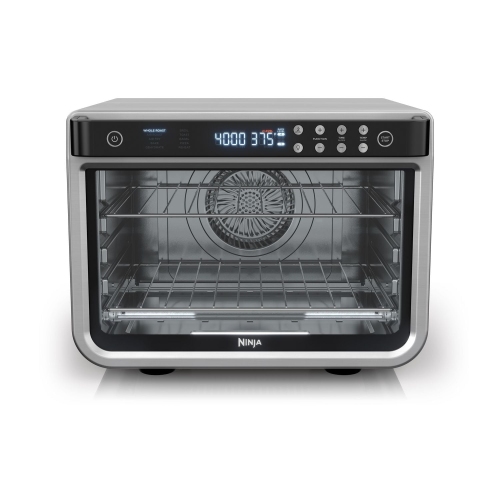
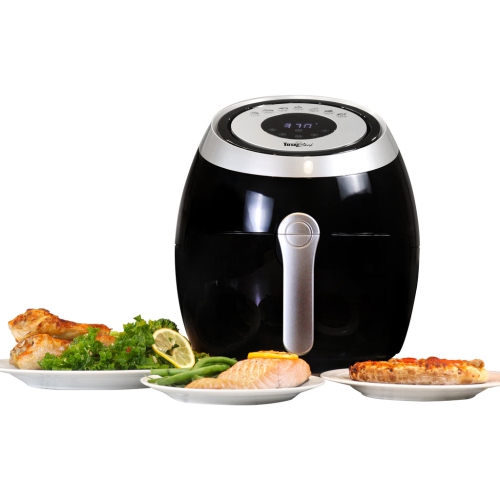
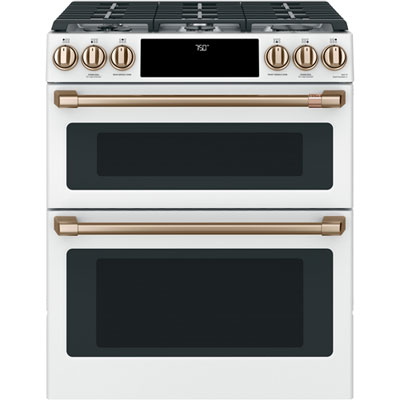
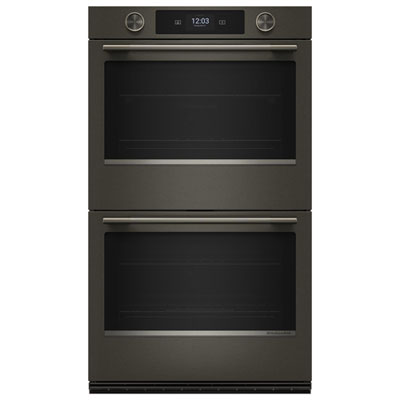
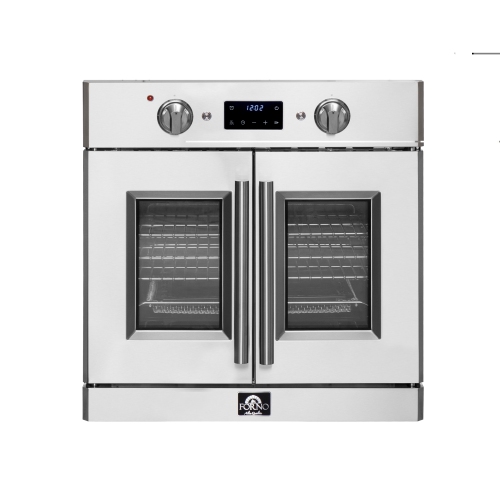
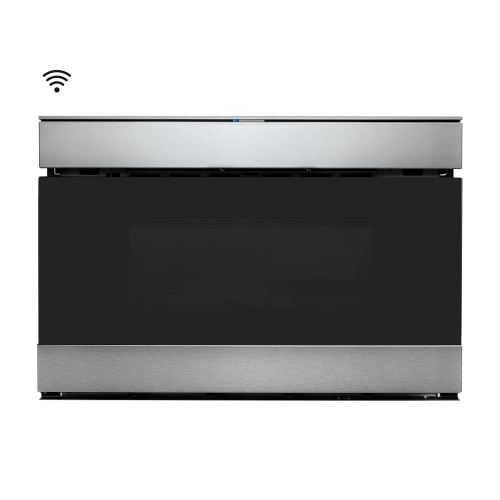
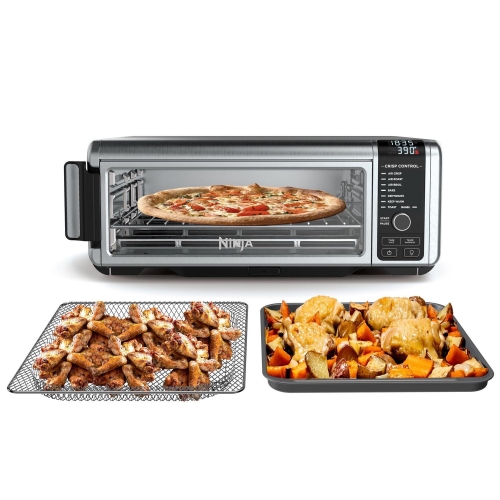
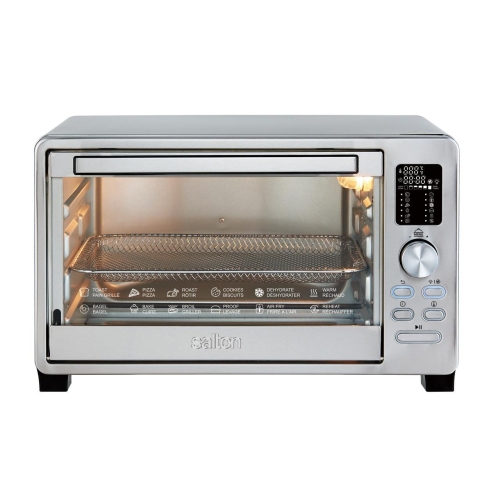
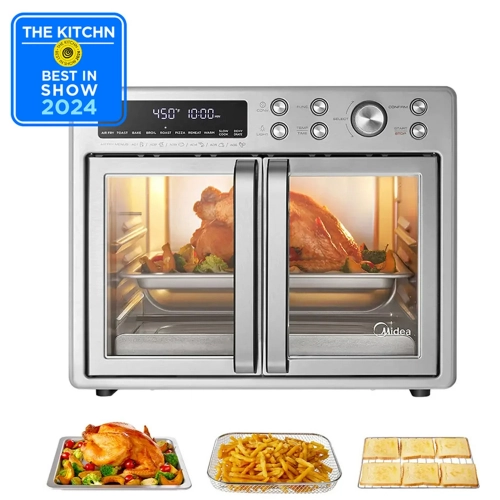
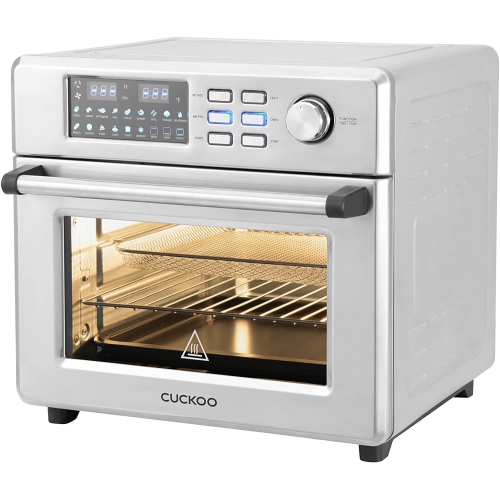
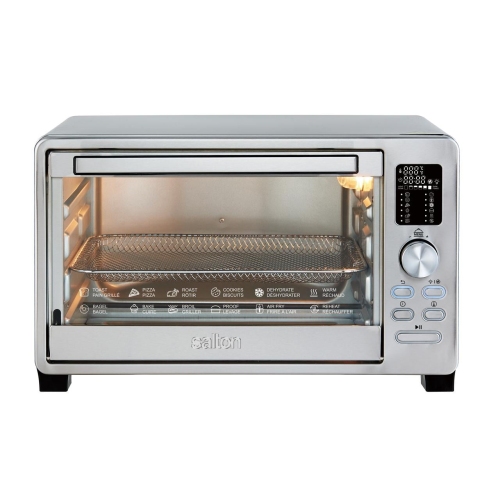
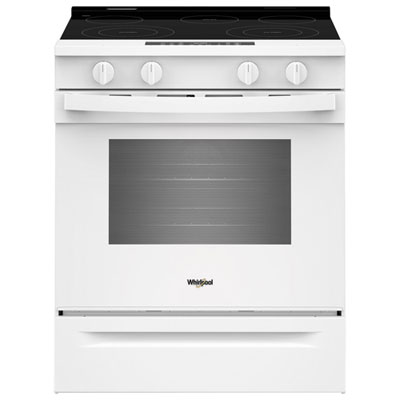
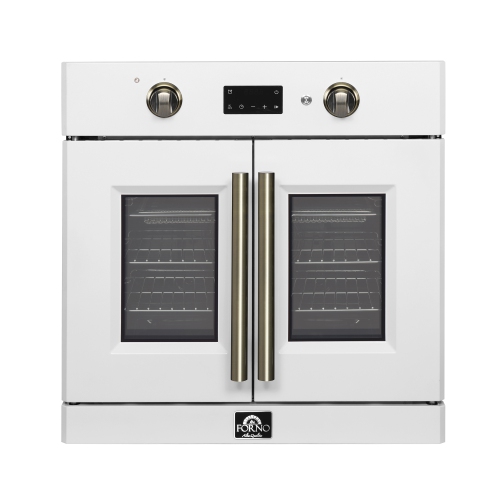

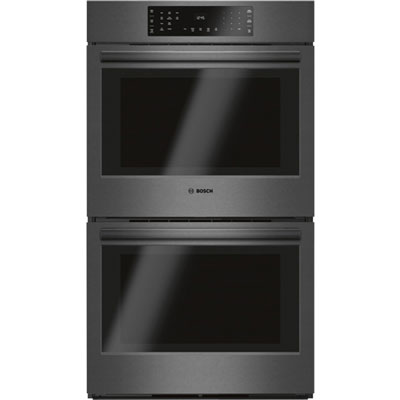
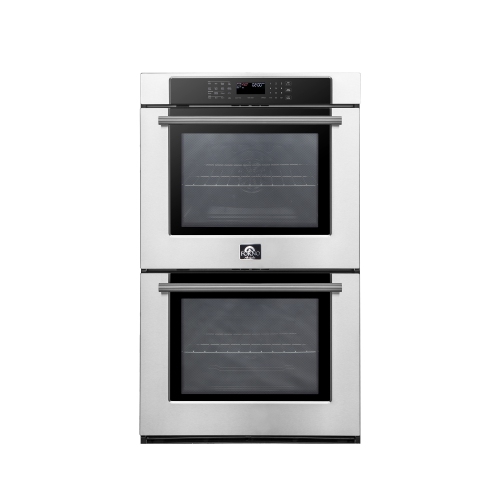
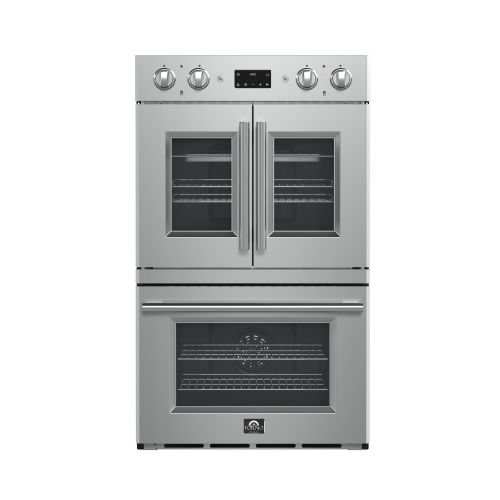
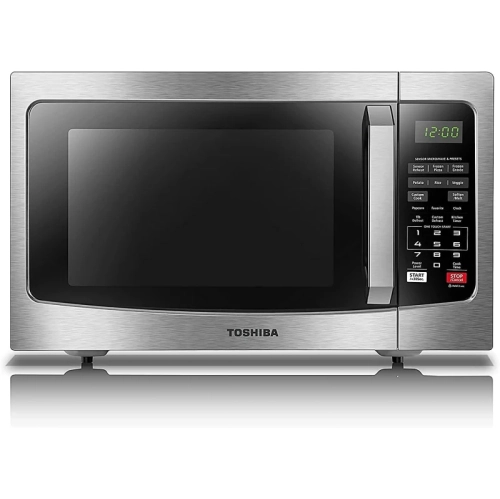
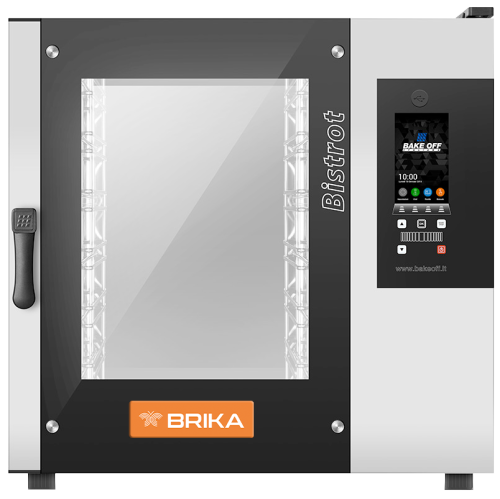
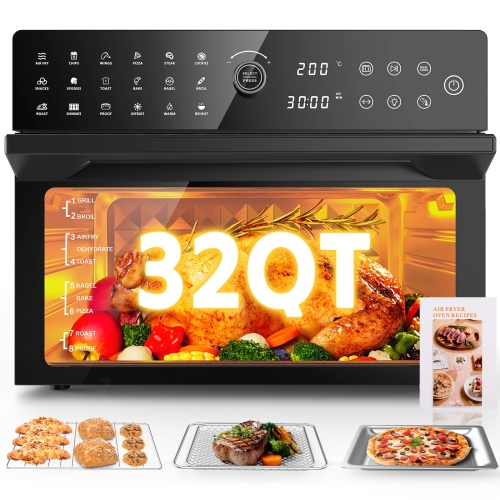

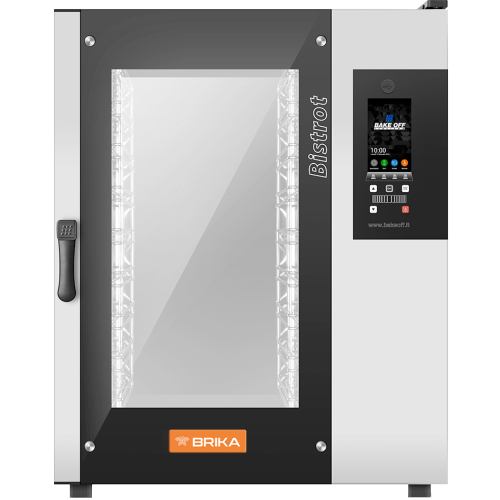
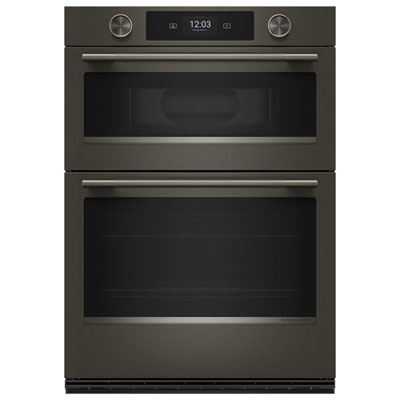
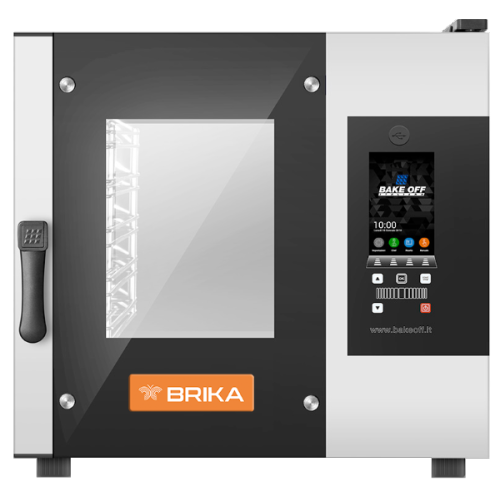
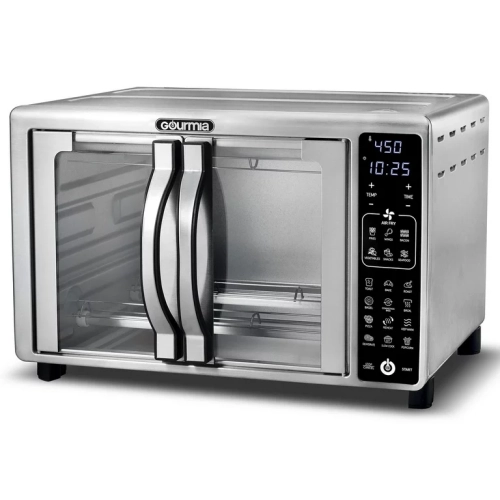
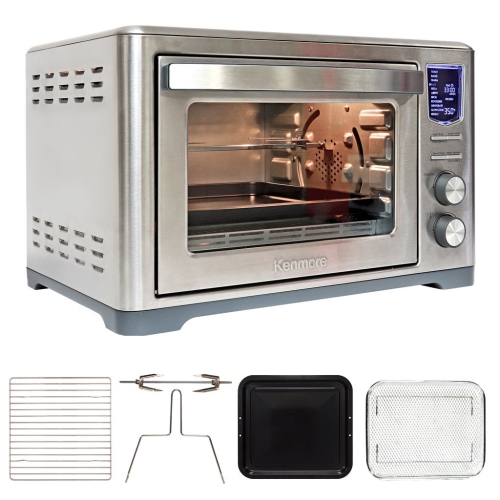
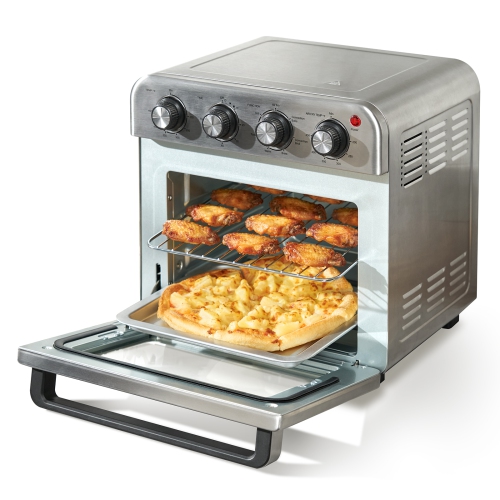
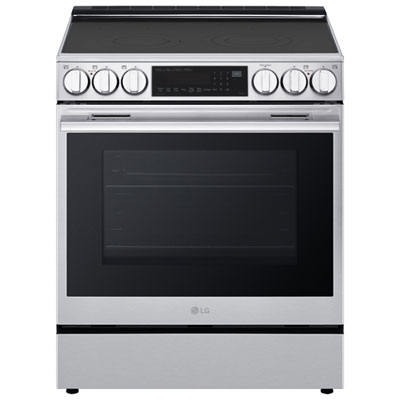
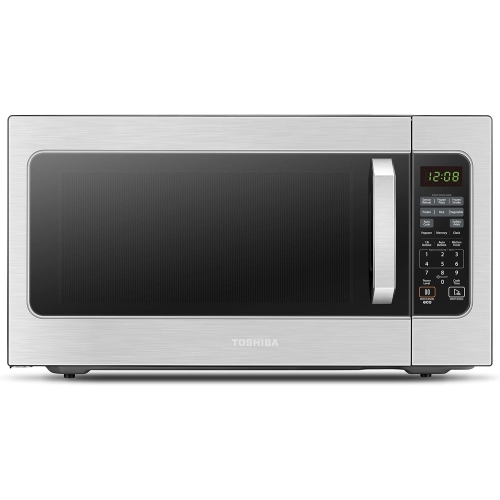
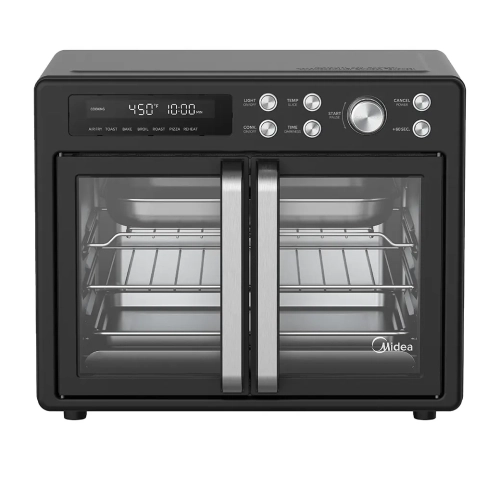
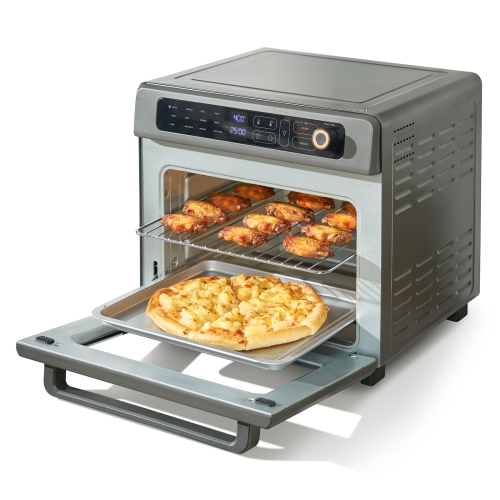
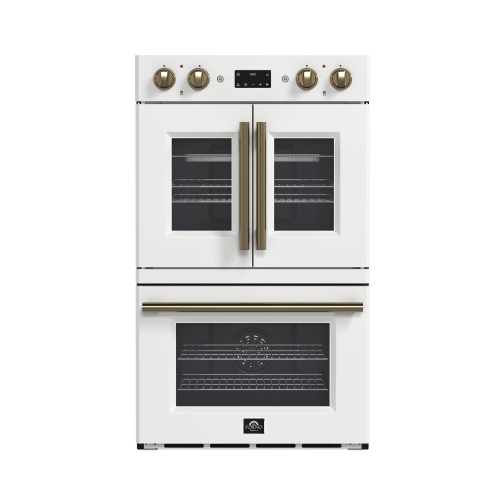
Everyday cooking control goes beyond a Wi-Fi connection
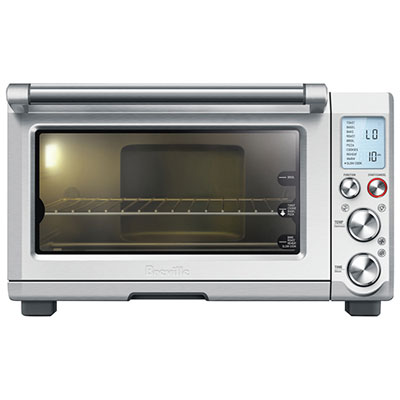
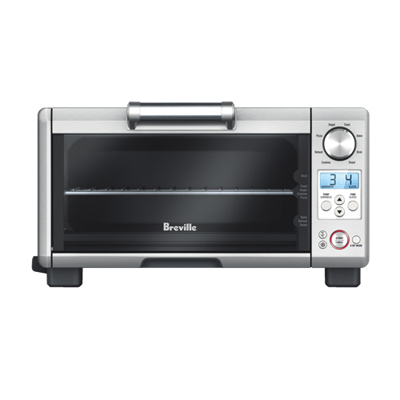
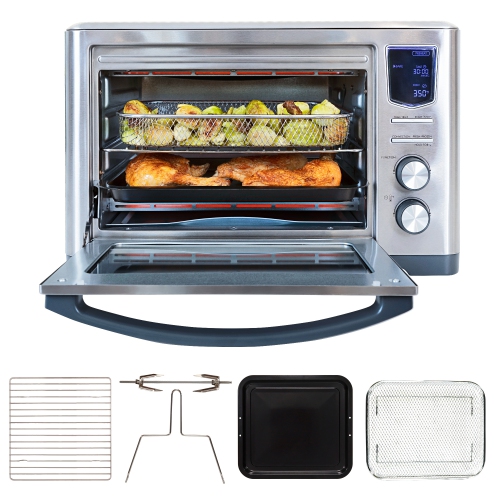
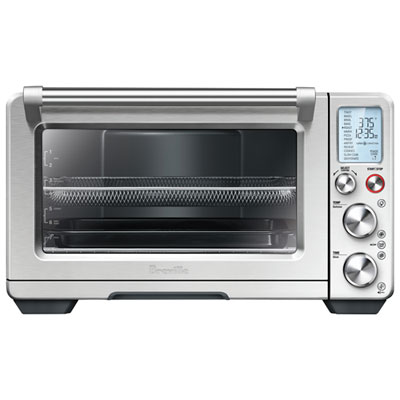
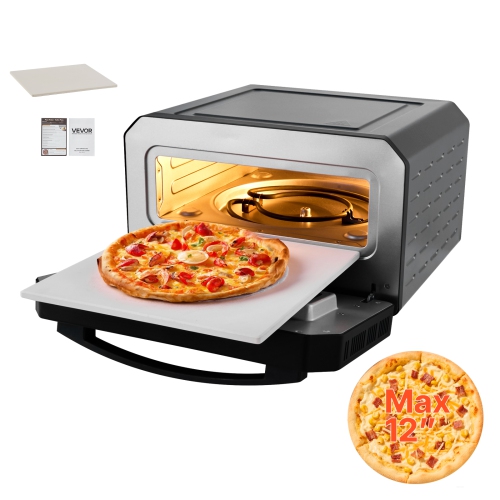
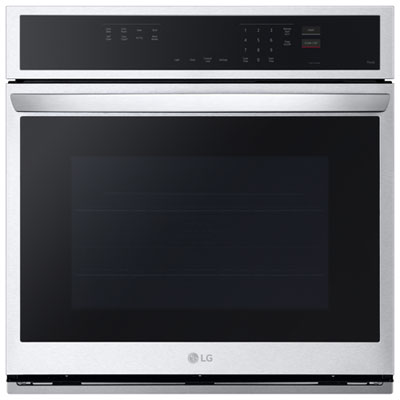
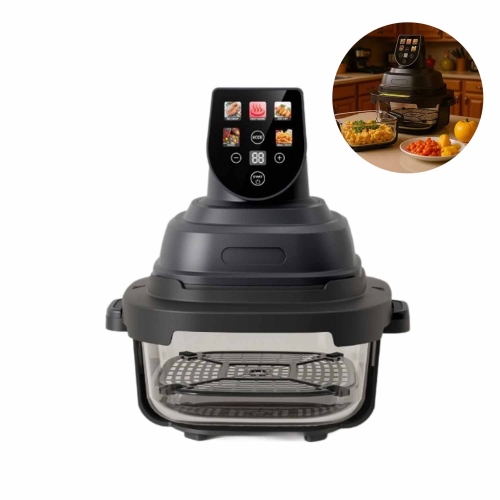
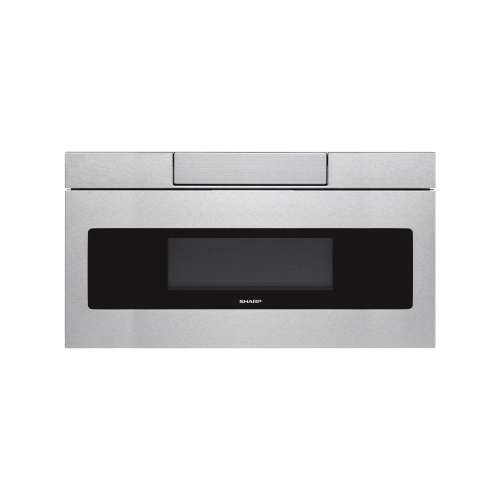
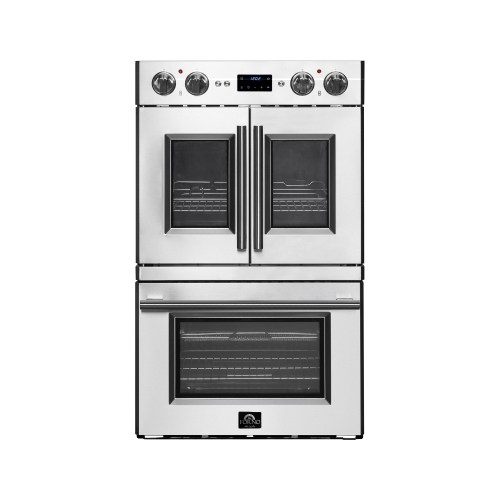
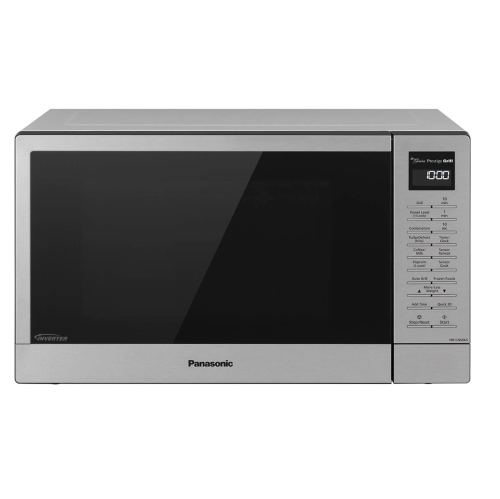
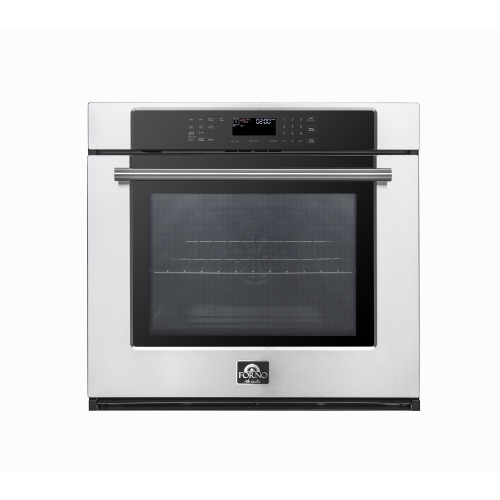
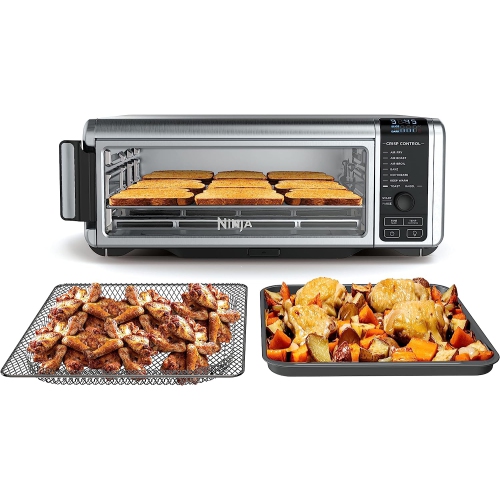
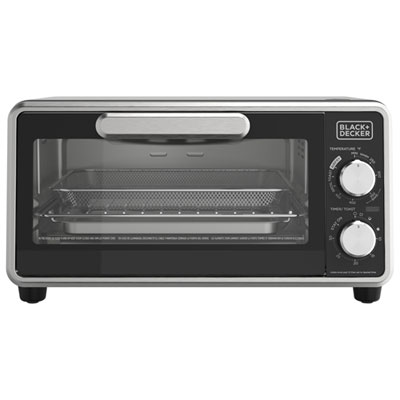
Smart ovens bring more control to everyday baking, roasting, toasting, and reheating, with features that can range from automatically adjusted heating elements to app-connected cooking programs. The category includes countertop ovens for smaller batches and built-in ovens designed to handle larger meals. The word “smart” does not always mean Wi-Fi: some ovens use sensors and electronic controls to manage heat without connecting to a phone, while connected models may add cooking notifications, remote monitoring, or compatible voice controls. That distinction matters when choosing between a compact appliance for breakfast and lunch and a full-size oven for family dinners. A countertop smart oven can toast bread, roast vegetables, or bake a small tray of cookies without occupying the main oven. A larger built-in model offers room for roasting pans, multiple baking sheets, and dishes prepared for a gathering. Convection fans circulate hot air to help food cook evenly, while air frying, where included, combines circulating heat with a suitable basket or tray to brown foods such as potato wedges and breaded vegetables. Results still depend on the recipe, food placement, and how much food fills the cavity. Some smart ovens also offer proofing, dehydrating, slow cooking, or steam-assisted cooking, giving home cooks more ways to prepare meals within one appliance. Steam can help bread develop its crust or keep delicate foods moist, while a probe-equipped oven can track the internal temperature of a roast rather than relying only on elapsed time. Preset programs provide a useful starting point, but adjustable cooking temperature, timing, and rack position remain important for different recipes. For someone who regularly reheats pizza, bakes muffins, or prepares a tray of salmon and vegetables, the most useful features are often the ones that make those familiar meals easier to repeat. Clear controls, a readable display, and practical cooking space can matter more in daily use than a long list of modes.
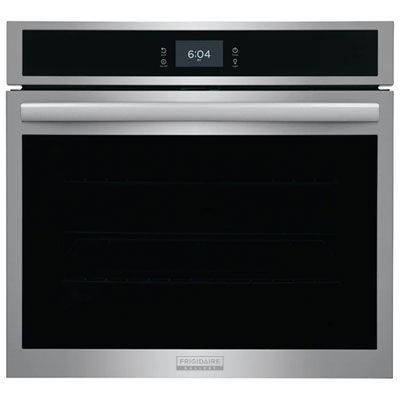
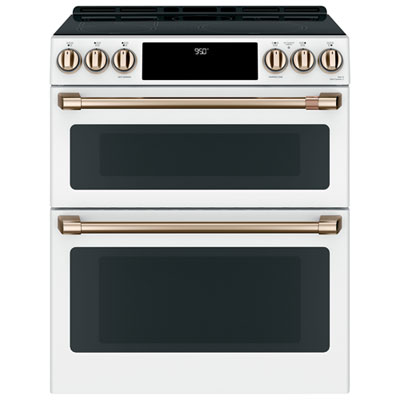
The right fit involves more than the oven’s outside dimensions. Countertop smart ovens need a stable, heat-resistant surface, the ventilation clearances specified by the manufacturer, and access to a suitable electrical outlet. Space above and beside the appliance matters, especially beneath cabinets, and the door needs room to open without hanging over an awkward edge or blocking a busy walkway. Interior measurements are just as useful as stated capacity: a cavity may accommodate several slices of toast yet still be too narrow for a favourite baking dish. Rack positions, tray dimensions, and usable height determine whether there is room for a casserole, a loaf pan, or taller bakeware. Built-in options, including Smart Wall Ovens, become part of the kitchen layout, so cabinet cutout dimensions, electrical requirements, ventilation, and door clearance need to match the installation space. Professional installation may be required, and the finished height should allow comfortable access to heavy dishes. A single oven suits many households, while a double-oven configuration can support separate dishes at different cooking temperatures. Materials also shape everyday use and care. Stainless steel exteriors offer a familiar match for other kitchen appliances, although fingerprints and splashes may be more noticeable on some finishes. Glass doors make it easier to watch bread rise or cheese brown without opening the oven, and a bright interior light improves visibility. Enamel interiors, removable crumb trays, and accessible rack supports can simplify cleanup, depending on the design. Door hinges, rack movement, and control placement deserve attention because these are parts used throughout nearly every cooking session. A rack that slides smoothly while supporting a filled baking dish is a practical detail for frequent cooks. For compact kitchens, a countertop oven may provide valuable flexibility, but its footprint should be weighed against the preparation space needed for chopping ingredients, setting down hot cookware, and serving food.
Connected features are most helpful when they fit the way a household actually cooks. An oven notification can let someone know that preheating is complete while they finish preparing ingredients, and a compatible food probe can make it easier to follow a roast’s progress without repeatedly opening the door. Some connected designs include an interior camera or guided cooking programs, but capabilities vary, and app functions may depend on a compatible phone, account, and home Wi-Fi connection. Remote monitoring is not a substitute for supervising cooking, and remote-start functions, where offered, remain subject to the appliance’s safety requirements. Straightforward on-appliance controls are still valuable when a phone is elsewhere or a connection is interrupted. Families may appreciate settings that are easy for different household members to understand, while enthusiastic bakers may place more importance on precise adjustments, even heating, and repeatable results across several batches. Someone setting up a first kitchen may prefer a versatile countertop format, whereas a household planning a kitchen renovation may be looking for a built-in oven that suits its cabinetry and cooking habits. Lasting usefulness also depends on routine care. Crumbs, grease, and food splashes should be removed according to the manufacturer’s directions once the appliance has cooled, and accessories should only go in the dishwasher when specifically identified as dishwasher-safe. Abrasive pads and unsuitable cleaners can damage finishes, glass, or interior coatings. Steam-capable ovens may require water-tank cleaning and descaling, while self-cleaning functions have their own preparation steps and restrictions. Foil, baking paper, and cookware must be used only as permitted, without obstructing heating elements or airflow. Keeping vents clear and avoiding overloaded trays helps the oven work as intended. Whether the daily routine involves crisp toast, a small baking project, or several dishes for dinner, smart ovens offer the greatest value in use when their capacity, controls, cooking functions, and upkeep requirements suit the kitchen and the people preparing the food.
Top selling and popular products
-
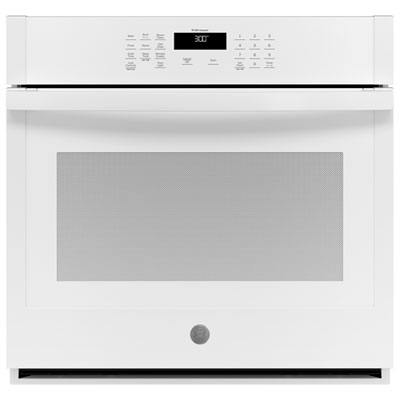 Your price for this item is $2369.99
-
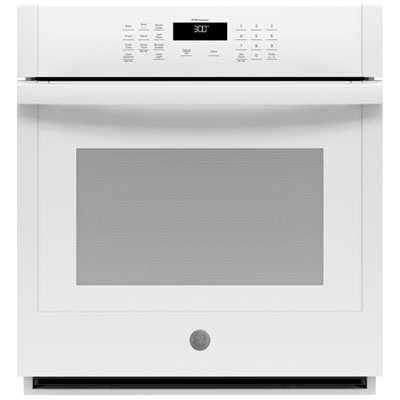 Your price for this item is $2249.99
-
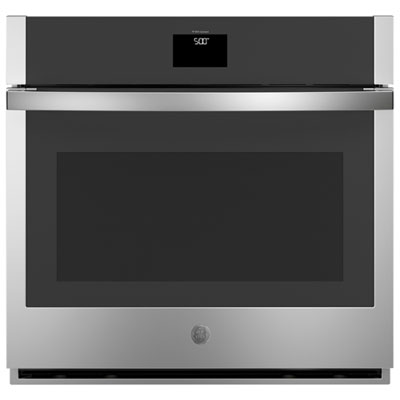 Your price for this item is $2369.99
-
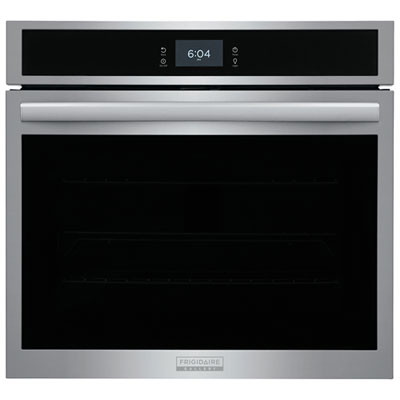 Your price for this item is $2199.99
-
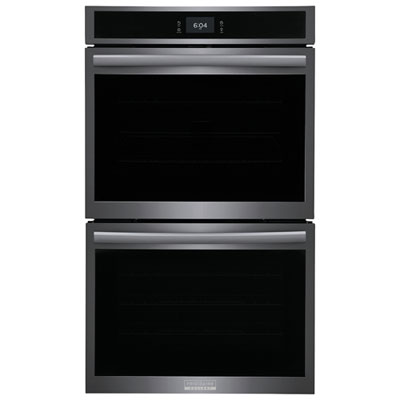 Your price for this item is $3699.99
-
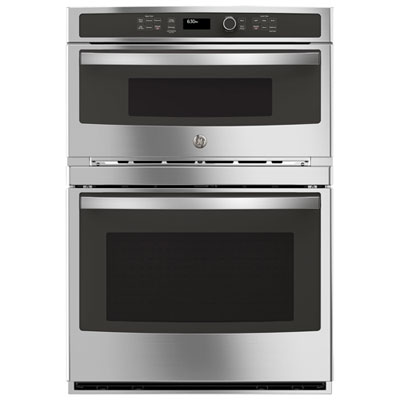 Your price for this item is $3749.99
-
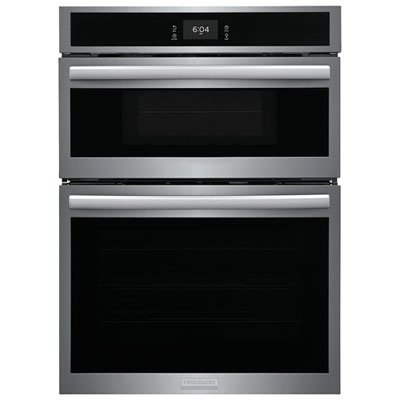 Your price for this item is $3699.99
-
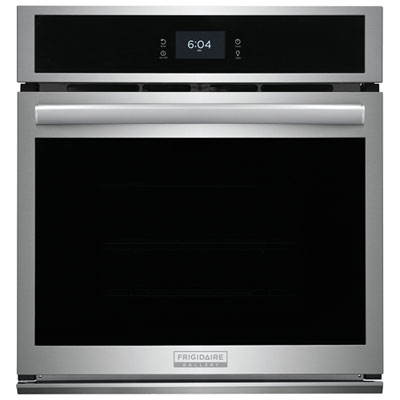 Your price for this item is $2199.99
Discover more categories related to Smart Ovens
Top Collections:
Best Black Friday Deals This Year, Best Black Friday Deals On Electronics, Kindle Devices, Pokemon Centers, Best Black Friday Deals On Apple Products, Best Cameras for Sports Photography, Dyson Airwrap, Pokémon 30th Celebration Cards, Apple iPhone 17 Pro, Canon G7X Cameras
Some products may be subject to Environmental Handling Fees
(EHF) depending on your province.
Learn more about EHFs.