Panasonic Inverters
Discover the convenience and innovation of Panasonic Inverter technology, designed to enhance your everyday cooking experience. Whether you're looking to upgrade your kitchen or searching for reliable performance, Panasonic Inverter appliances offer a range of options to suit your needs. Explore models that combine style and functionality, making meal preparation easier and more efficient. Find the perfect Panasonic Inverter solution to fit seamlessly into your home and enjoy consistent results every time.
Sort
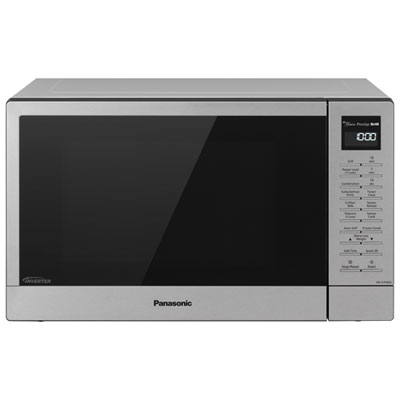
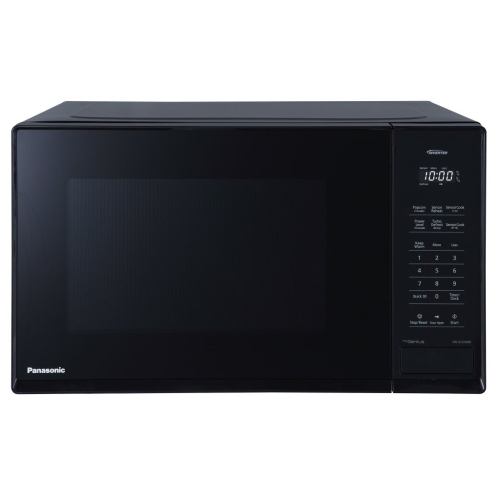
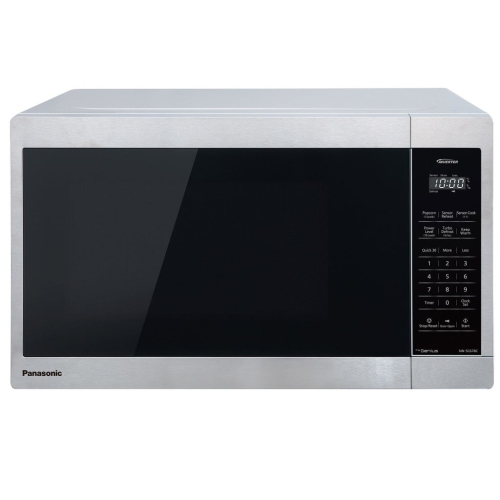
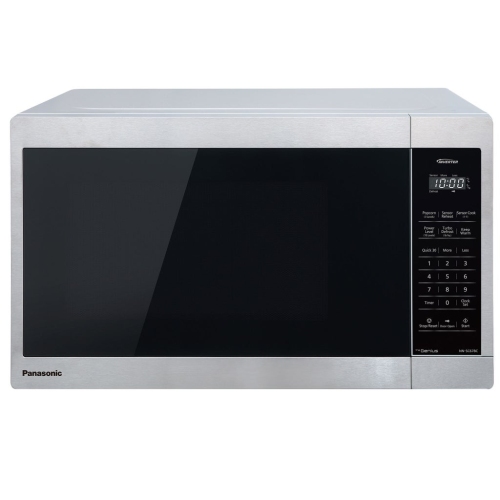
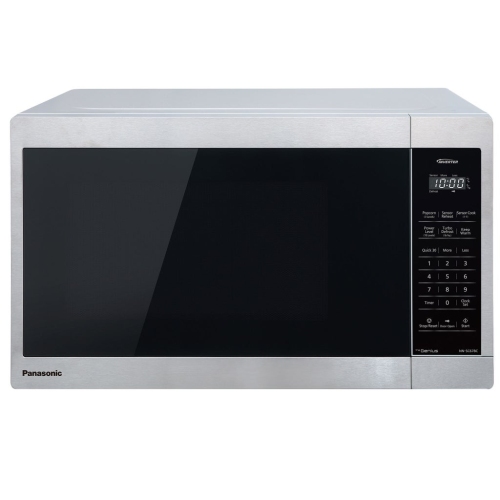
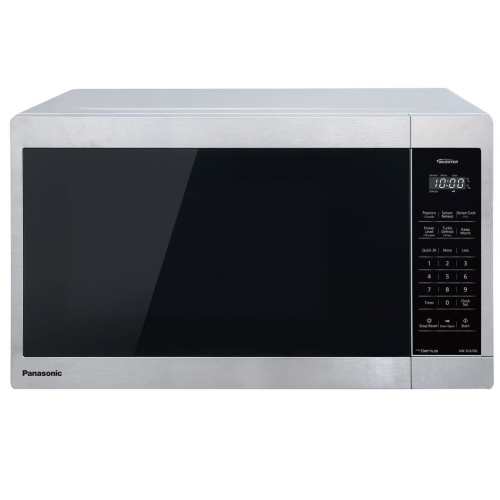
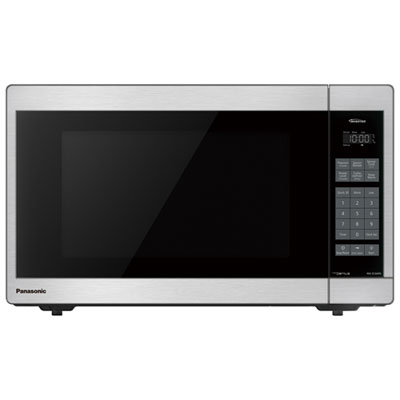
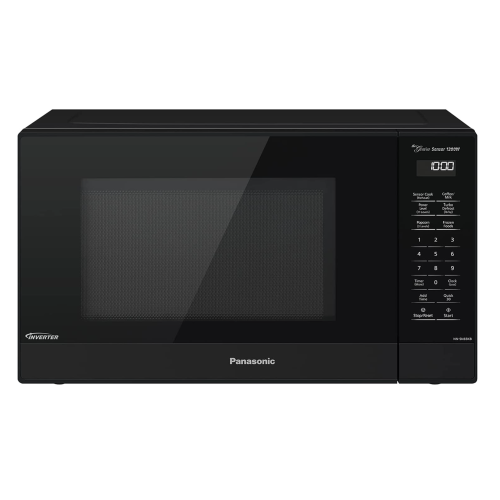
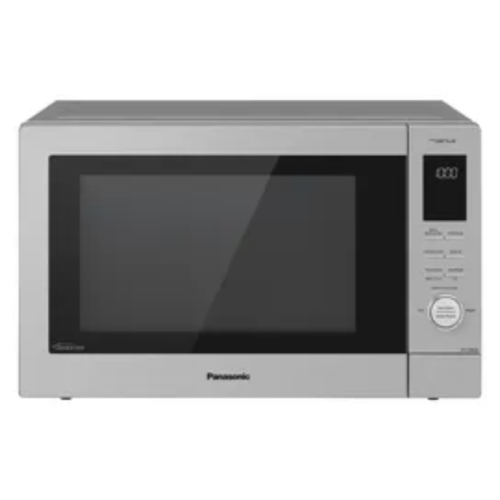
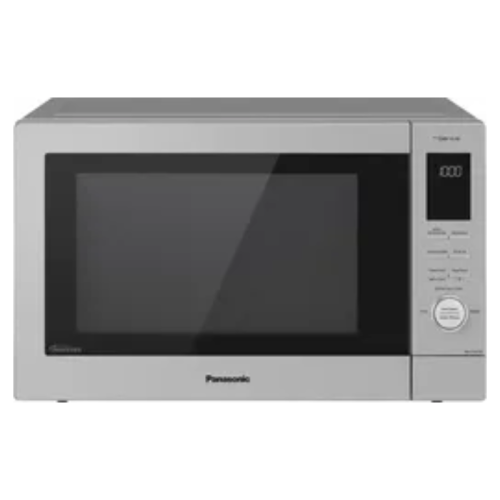
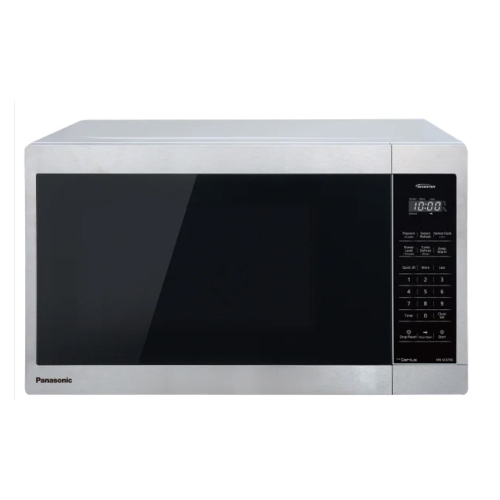
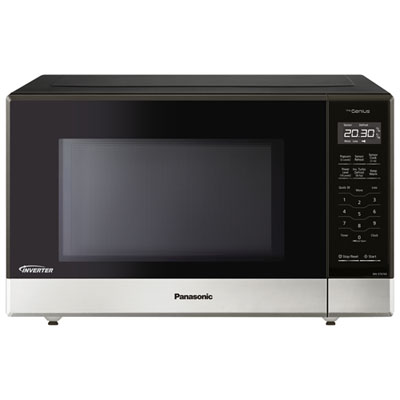
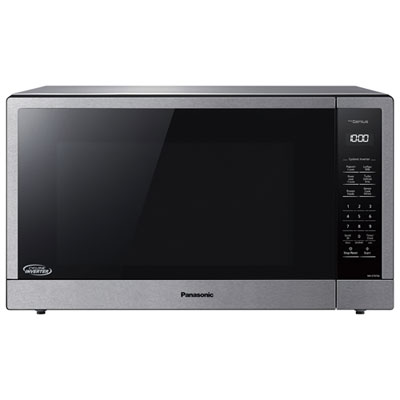
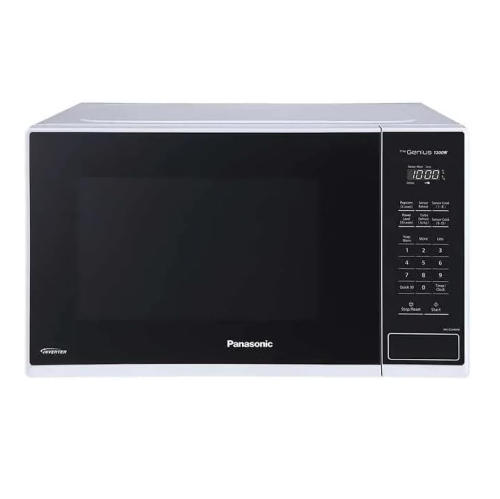
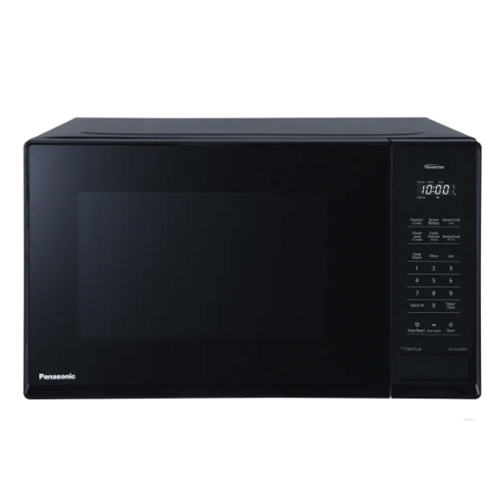
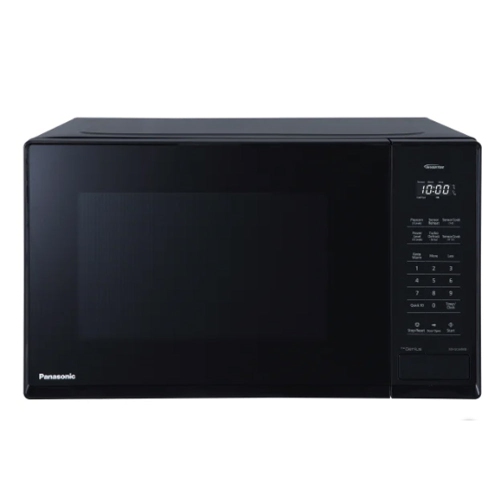
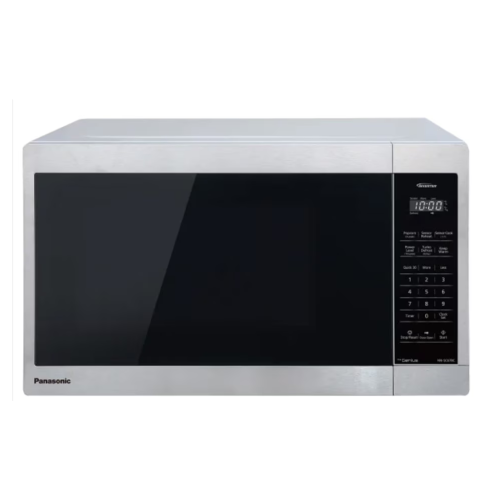
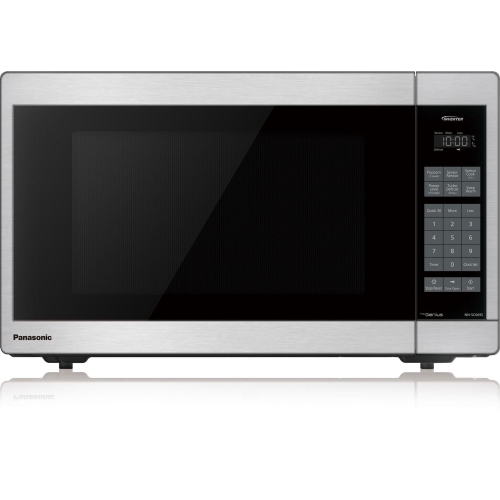
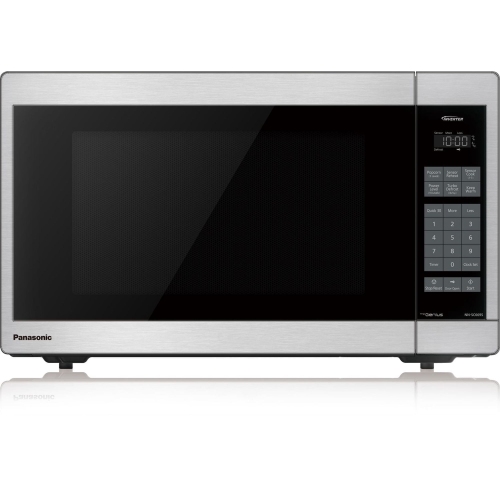
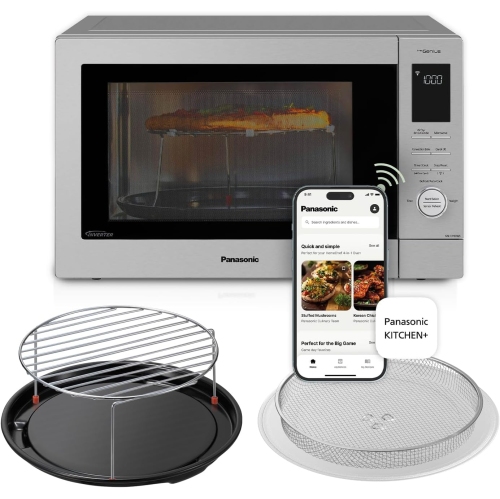
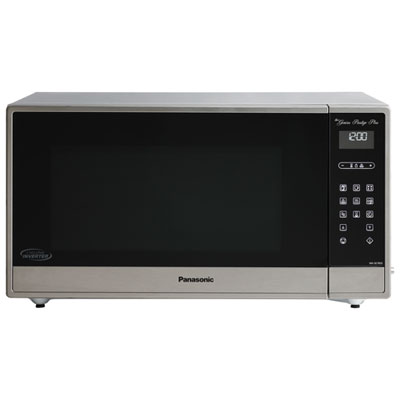
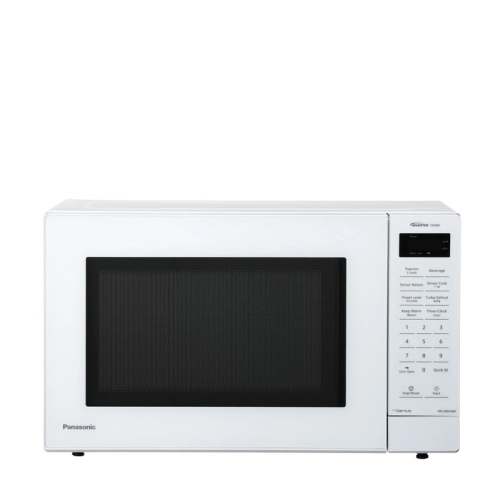
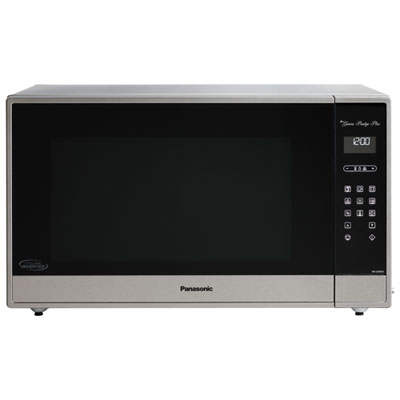
How inverter technology fine-tunes cooking power and cooling
Inverter technology controls how an appliance delivers power, allowing compatible microwave ovens to provide steadier, graduated cooking power and air conditioners to vary compressor speed. Instead of relying only on repeated cycles of full power followed by pauses, an inverter microwave can deliver reduced power more consistently at supported settings. That distinction is useful for everyday tasks such as softening butter, warming a small serving of sauce, or reheating a plate with foods of different thicknesses. Gentler power delivery can help limit overheated edges while the centre warms, although the container, portion size, starting temperature, and selected settings still influence the result. A dense square of lasagna behaves differently from a shallow bowl of soup, and neither benefits from treating every reheating task as a full-power job. Stirring, rearranging food, covering it appropriately, and allowing standing time remain important even with more precise power control. Defrosting is another practical application: lower, steadier output can help thaw food with less cooking around the outside, but food still needs to be checked and handled according to safe preparation practices. Inverter technology is separate from features such as automatic cooking menus, humidity sensors, convection heating, and grilling. Those functions may complement power control, but the presence of an inverter does not mean an appliance includes them all. For someone who regularly prepares individual lunches, reheats family leftovers, or works with delicate ingredients, the value lies in having more control over familiar kitchen tasks. The technology supports cooking rather than replacing judgement about doneness or safe food temperatures. It also does not turn every microwave into a conventional oven: crisping, browning, and baking require the appropriate additional heating functions and compatible cookware. A microwave used mainly for beverages and leftovers has different requirements from one expected to support several stages of meal preparation, making intended use just as relevant as the technology inside.
The everyday fit of an inverter microwave involves both the space it occupies and the dishes it can comfortably accommodate. Exterior width, height, and depth matter, but so do door movement, required ventilation clearances, and access to the controls. A countertop appliance needs the clearances specified for that installation type; it should not be enclosed in cabinetry unless the manufacturer expressly permits it with the appropriate installation provisions. Built-in and over-the-range configurations have their own mounting, ventilation, and electrical requirements. Inside the cavity, usable height and turntable diameter can be more revealing than capacity alone. A tall mug, wide dinner plate, or rectangular casserole dish may fit differently, especially if the dish needs to rotate without touching the walls. Cooking wattage describes microwave output, while electrical input requirements determine what the appliance needs from its power connection; the two figures are not interchangeable. Controls also shape daily use. Clearly marked power levels, an easy-to-read display, accessible door operation, and straightforward time adjustments can matter as much as a long list of automatic programmes. Families may appreciate a control lock, while anyone using larger dishes may prefer a handle that is comfortable to grasp. Materials and finishes deserve practical attention too. Exterior stainless steel, painted surfaces, glass, and interior coatings need care suited to their finish rather than a single cleaning method. Regularly removing splashes with a soft cloth and an approved mild cleaner helps keep residue from becoming difficult to remove. Abrasive pads can damage surfaces, and moisture should be kept out of vents and control openings. Removable trays and supports should be cleaned according to their care instructions and returned to the correct position. Intact door seals, a properly closing door, and unobstructed ventilation are important for continued use; visible damage calls for assessment rather than improvised repairs. Microwave-safe cookware is essential, and metal should only be used where the appliance instructions specifically allow it. These details help make the appliance convenient to use and easier to maintain over time.
For room cooling, Inverter Air Conditioners apply inverter control to the compressor rather than to microwave cooking power. A variable-speed compressor can adjust its output as the cooling demand changes instead of operating only at one fixed speed and repeatedly stopping and restarting. This can support more consistent room comfort and reduce abrupt changes in operating sound, though overall noise also depends on the fan, installation, and selected mode. The distinction is particularly relevant in a bedroom, home office, or living area where steady operation may be preferable to noticeable starts and stops. Inverter control does not determine the installation format: window, portable, and permanently installed systems have different space, venting, drainage, and electrical requirements. Cooling capacity still needs to suit the room. Floor area is a useful starting point, but ceiling height, direct sunlight, occupancy, and connected spaces also affect demand. An appliance that is poorly matched to the space may struggle to provide the expected comfort, regardless of its compressor technology. Window dimensions and opening style matter for window installations, while portable units need a suitable exhaust arrangement and enough floor space for the appliance and hose. Permanently installed equipment may require professional assessment and installation, along with permission where property rules apply. Features such as timers, remote controls, fan settings, and connected controls can make daily operation more convenient, but they are separate from inverter operation and should be considered on their own merits. Heating, air purification, and automatic drainage should not be assumed from the inverter label. Routine care commonly includes checking filters, keeping air openings clear, and following the specified approach to condensate handling. Washable filters must be treated differently from disposable ones, and accessible exterior panels should be cleaned without wetting electrical components. Durable performance also depends on sound installation, supported hoses or fittings, and attention to unusual vibration or persistent noise. Across both cooking and cooling appliances, inverter technology is most useful when its adjustable output is paired with suitable capacity, practical controls, and a setup that fits the household’s daily routines.
Top selling and popular products
-
 Your price for this item is $79.97
-
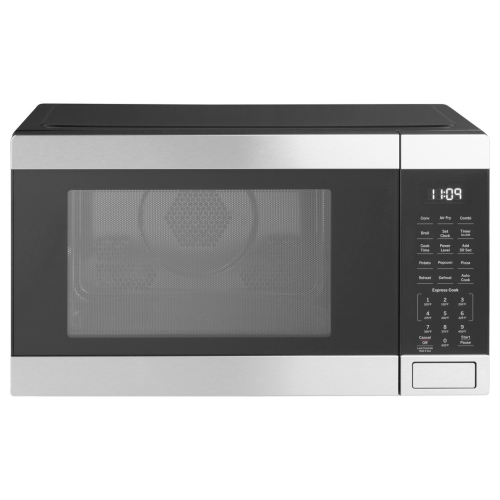 Your price for this item is $599.99
-
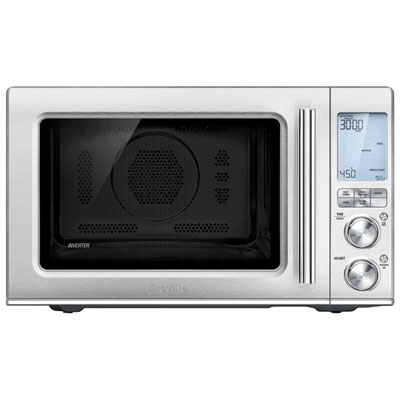 Your price for this item is $699.99
-
 Your price for this item is $95.49
-
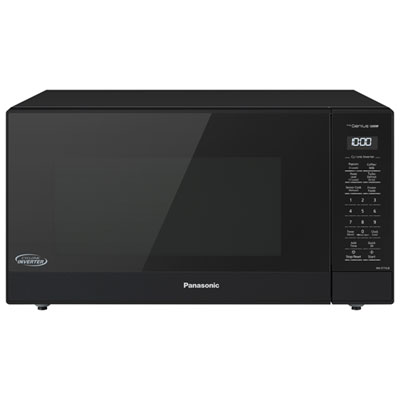 Your price for this item is $309.99
-
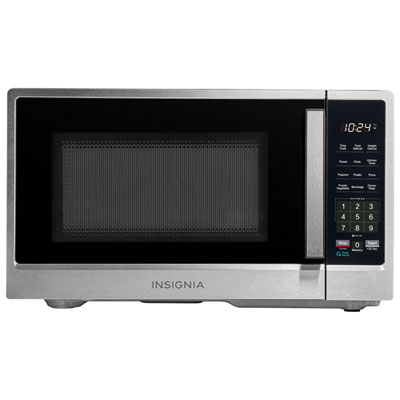 Your price for this item is $149.99
-
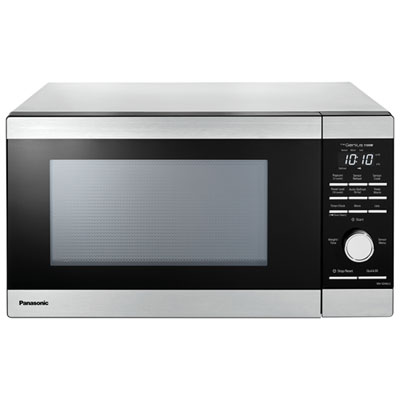 Your price for this item is $249.99
-
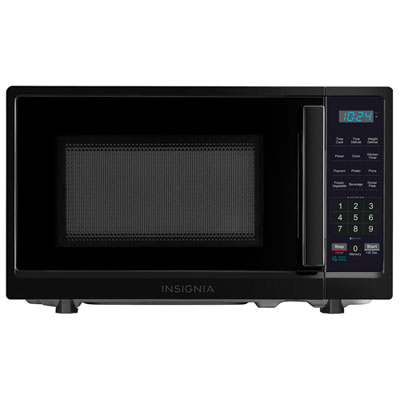 Your price for this item is $109.99
Discover more categories related to Panasonic Inverters
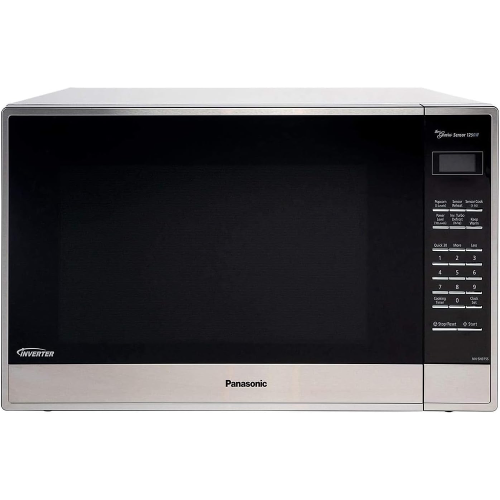
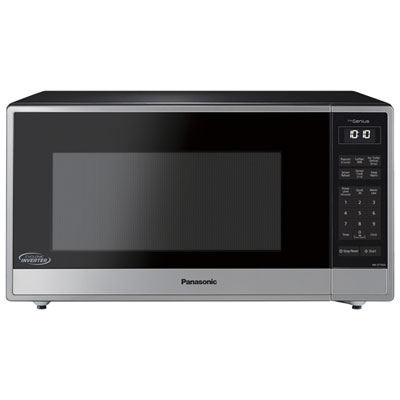
Top Collections:
Best Black Friday Deals This Year, Best Black Friday Deals On Electronics, Kindle Devices, Pokemon Centers, Best Black Friday Deals On Apple Products, Best Cameras for Sports Photography, Dyson Airwrap, Pokémon 30th Celebration Cards, Apple iPhone 17 Pro, Canon G7X Cameras
Some products may be subject to Environmental Handling Fees
(EHF) depending on your province.
Learn more about EHFs.