Boot Dryers for Wet Winter Footwear
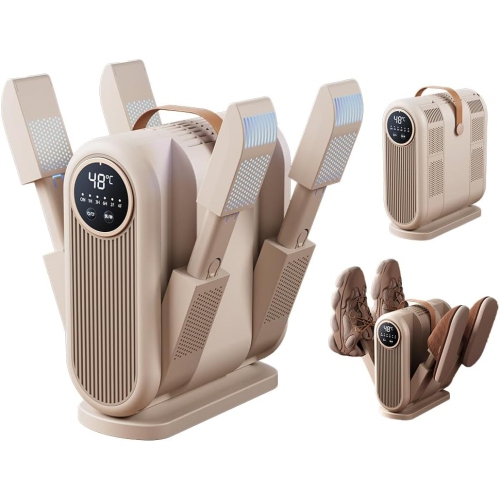
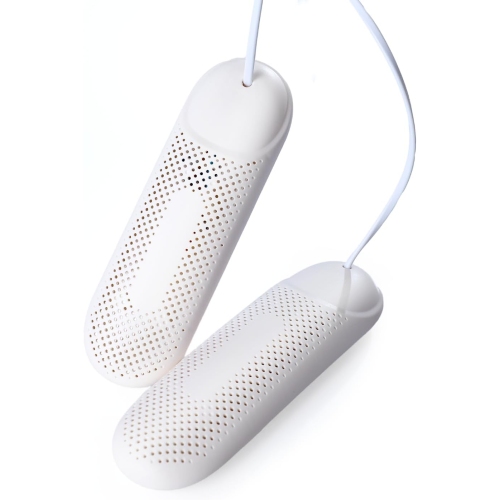
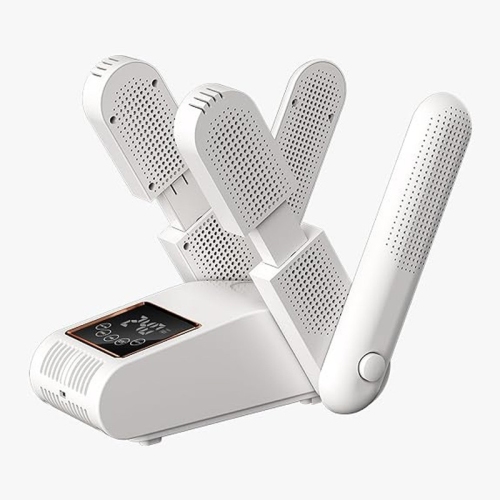
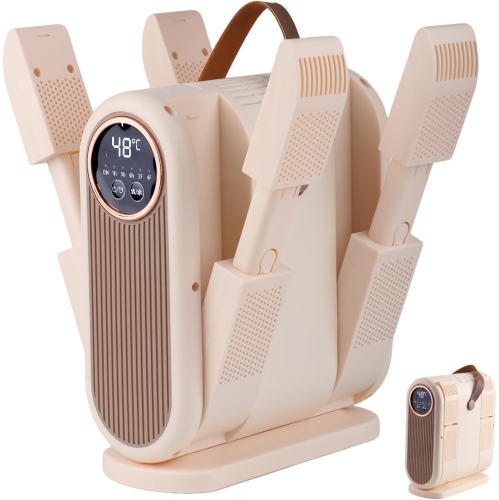
Boot dryers for wet winter footwear help remove moisture from damp boots after snowy commutes or time outdoors. Browse options for your winter routine, and check footwear compatibility, how many pairs each dryer holds, and the space needed for setup before choosing.

Sort

Why boots can stay damp beneath the surface

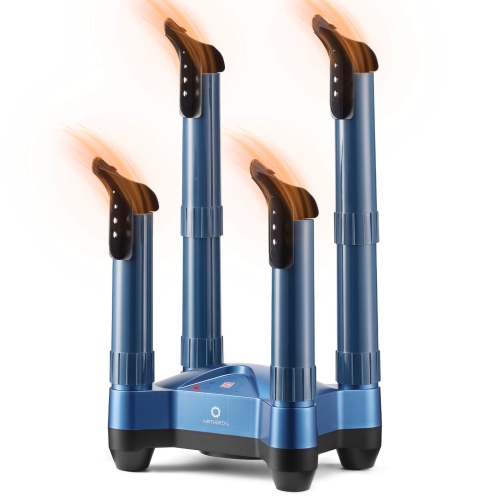
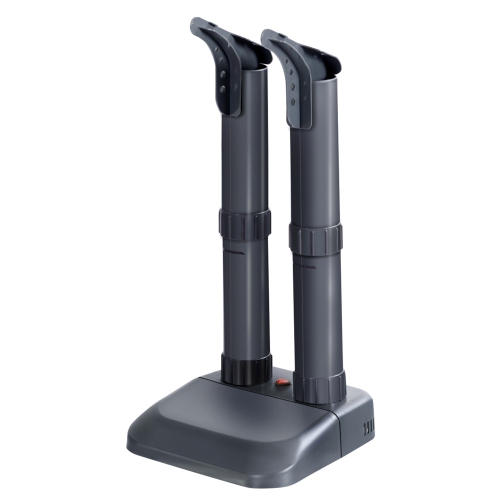
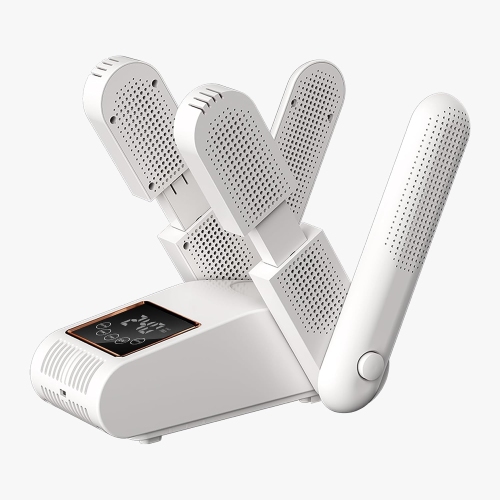
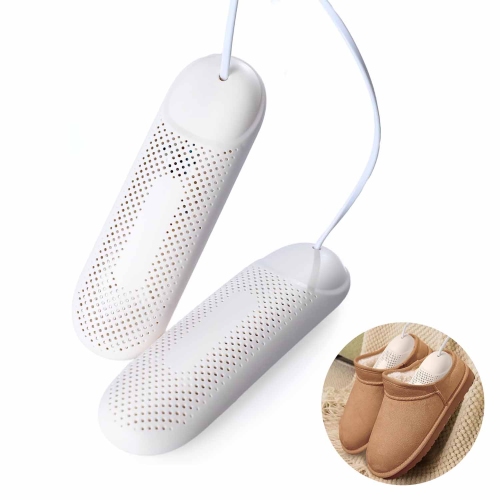
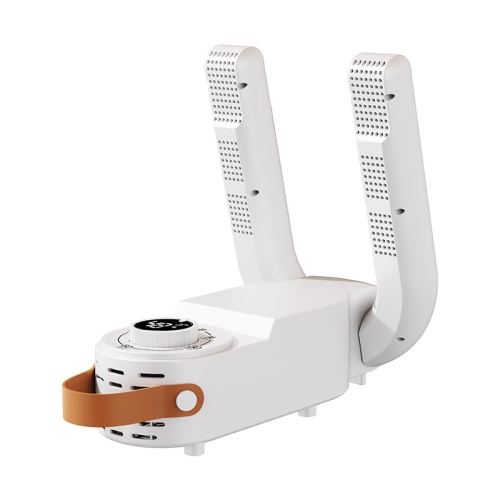
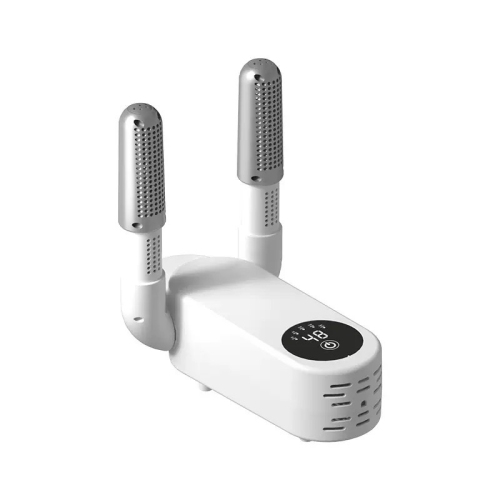
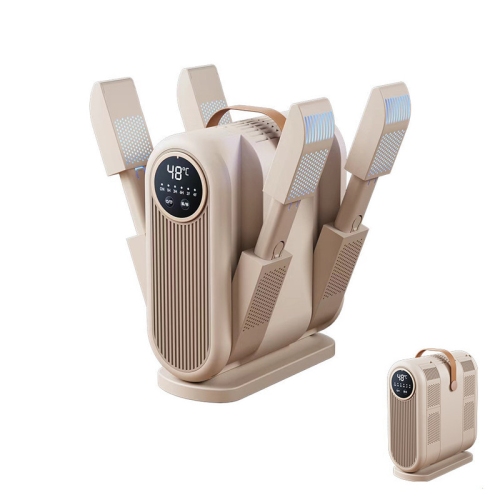
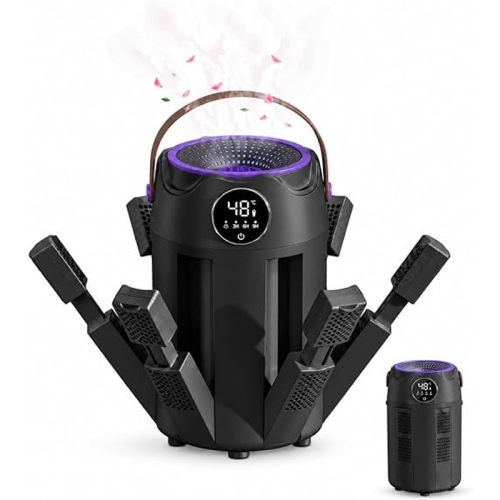
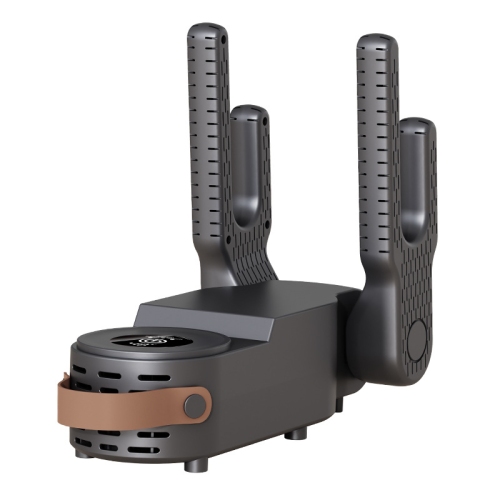
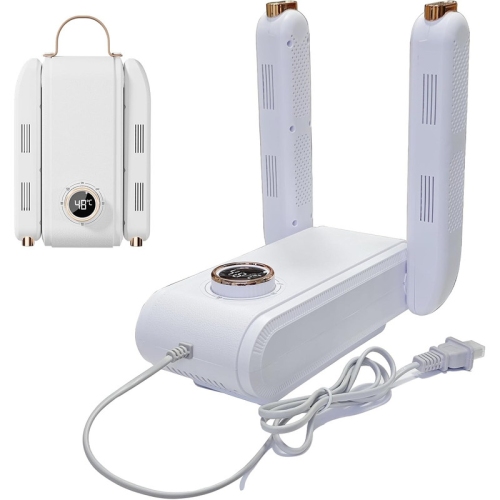
Boot dryers for wet winter footwear help remove trapped moisture from the places that take longest to dry: insulated toes, padded heels, thick tongues and removable liners. After a snowy school run, a shift spent walking through slush or a day on the trails, boots can feel dry on the outside while remaining damp deep inside. A dryer directs air into those enclosed spaces, helping prepare footwear for its next outing without relying on a spot beside a heating vent. Two common designs suit different routines. Forced-air boot dryers use a fan to move air through tubes or outlets into the footwear; depending on the design, that air may be gently heated or unheated. Convection boot dryers rely on naturally rising warm air rather than a fan and generally work more gradually. Fan-assisted designs can be useful when boots need attention between outings, while fanless designs appeal to households that value quiet operation and have a longer drying window. Actual drying time depends on how wet the boots are, their construction, the dryer’s airflow and the settings permitted by both manufacturers. A lightly damp commuter boot and a snow boot with a saturated felt liner will not dry at the same pace. Gentle, consistent drying can also help reduce the lingering dampness associated with stale odours, although a dryer does not replace cleaning or guarantee disinfection. For anyone who has pulled on cold, clammy boots before leaving home, the appeal is practical: a more comfortable start and less guesswork about whether the lining is ready to wear. This makes boot dryers relevant to commuters, families, outdoor workers, winter walkers and people who regularly move between snowy paths and heated indoor spaces. Their usefulness depends less on how substantial a boot looks than on how much moisture its lining holds and how often it needs to be worn again.

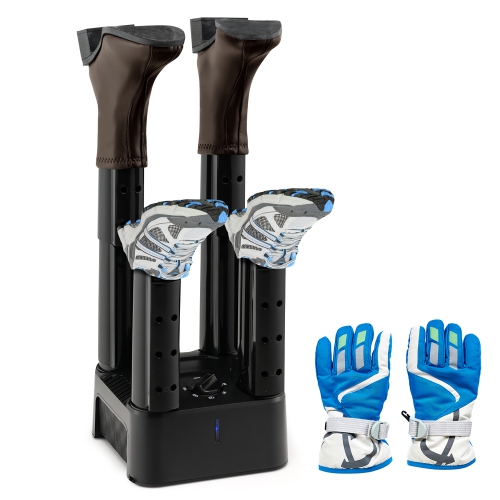
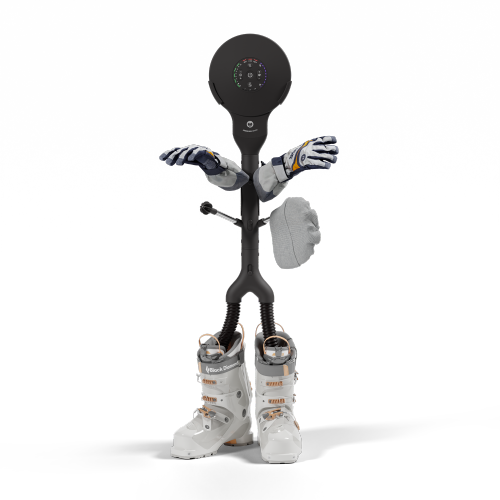
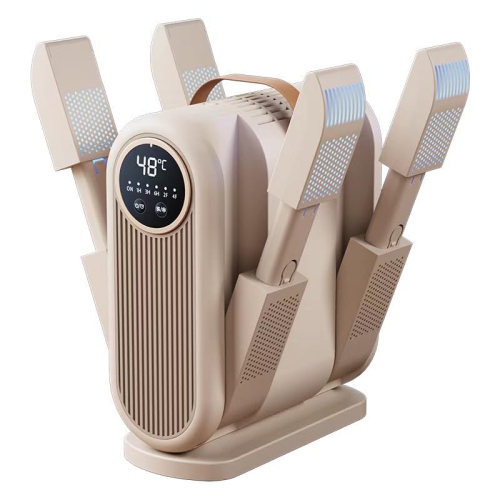
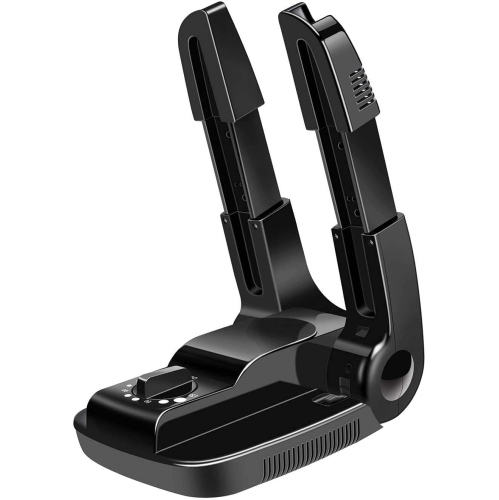
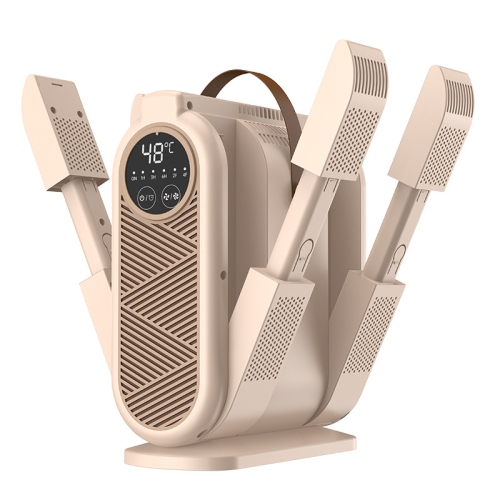
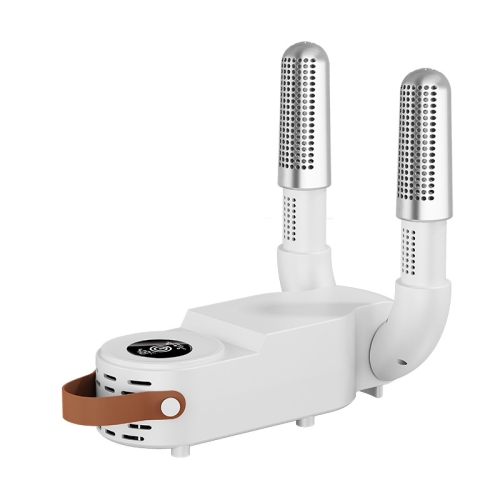
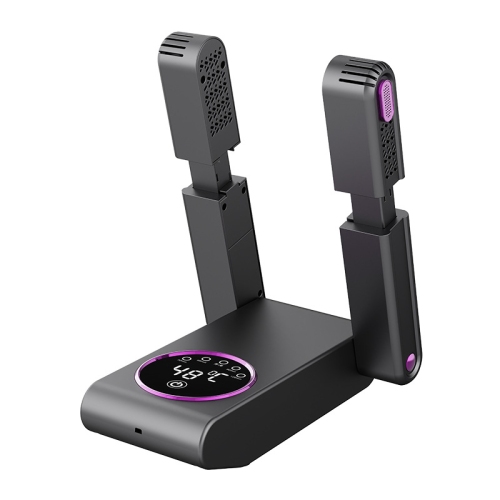
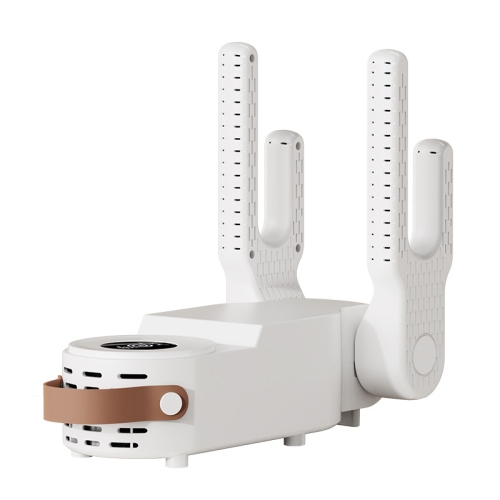
Capacity and fit shape how a boot dryer works within a household. A single-pair design can suit one person’s daily footwear, while multiple drying ports allow several boots or compatible accessories to dry together. Port count alone does not tell the whole story: wide winter boots need enough clearance to sit without pressing against each other, and tall shafts may require extensions that bring airflow farther into the footwear. Adjustable tubes can accommodate different heights, while a stable base matters when supporting heavy work boots or bulky snow boots. Children’s footwear presents a different fit consideration, since narrow openings may not accept every drying outlet. Glove attachments can extend a dryer’s usefulness where the appliance is expressly designed for them, but a boot outlet should not automatically be treated as suitable for every accessory. Materials deserve equal attention. Leather, suede, coated textiles, rubber shells, waterproof membranes, insulation and bonded components can each have different care requirements. Excessive heat may stiffen leather, affect adhesives or damage parts of a boot, so compatibility with the footwear manufacturer’s care directions is more important than the highest heat setting. Low-heat or unheated airflow can be useful options when those settings are approved for the footwear being dried. Removable liners and insoles may dry more evenly when taken out and treated separately, provided their care instructions allow it; fixed liners should remain in place. Timers, heat controls and automatic shutoff offer different ways to manage a drying cycle, but their functions vary by design. A timer limits operating duration rather than necessarily sensing whether footwear is dry. Noise is another everyday distinction: a fan may be noticeable in a quiet entryway or nearby bedroom, whereas a fanless design avoids fan noise. Together, these details determine whether a dryer suits a compact condo entrance, a busy mudroom or a dedicated space for work gear. They also affect how easily drying becomes part of the routine rather than another task competing for space beside the door.

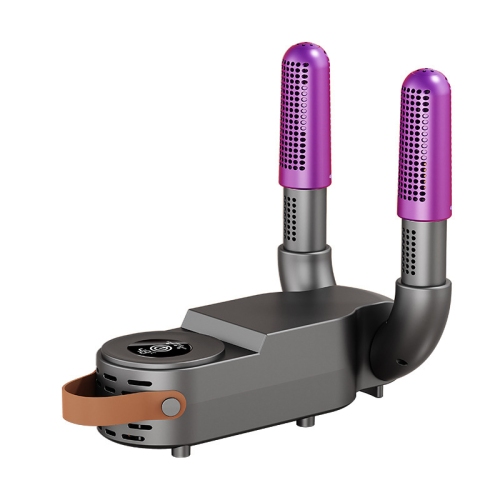
Regular care helps both the footwear and the dryer perform as intended. Loose snow, grit and road salt are best dealt with according to the boot’s cleaning instructions before drying, rather than left to settle around the appliance. Drying removes moisture; it does not remove salt residue, refresh a dirty insole or replace leather care. Surface water should be allowed to drain away before footwear goes onto an electric dryer, and the appliance needs a stable, dry location with the clearance specified by its manufacturer. Air openings must remain unobstructed, and a pile of mittens, scarves or coats should not cover the unit. Overnight operation is appropriate only when the appliance instructions permit it; a quiet design or low heat setting is not, by itself, confirmation that extended unattended use is suitable. Durable construction, secure tube connections and accessible surfaces for cleaning are useful considerations for equipment that will see repeated use around wet, gritty boots. Cord placement matters too, particularly in an entrance where children, pets and people carrying bags pass through. For travel or visits to a ski chalet, a compact dryer may be easier to pack, though it still needs a suitable power supply and a safe place to operate. At home, a larger setup may make more sense for a household juggling school boots, commuting footwear and outdoor work gear. Boot dryers can also make a thoughtful practical gift for someone who spends long days on their feet outdoors, especially when the capacity and drying method match the footwear they actually wear. Related Electric Shoe Dryers offer a broader category to consider for compatible everyday footwear as well as boots. The most useful match is one that accommodates the footwear’s shape, respects its materials and fits the time between taking it off and needing it again.

FAQ

Some products may be subject to Environmental Handling Fees (EHF) depending on your province. Learn more about EHFs.