Pour Over Kettle
Elevate your coffee brewing experience with a pour-over kettle, designed to bring out the rich and nuanced flavors of your favorite beans. Crafted with precision and style, these kettles offer optimal control over water flow and temperature, essential for achieving the perfect pour-over coffee every time. Whether you're a seasoned barista or a home brewing enthusiast, a pour-over kettle is a must-have tool for creating delicious, aromatic cups of coffee that will delight your senses.
Sort
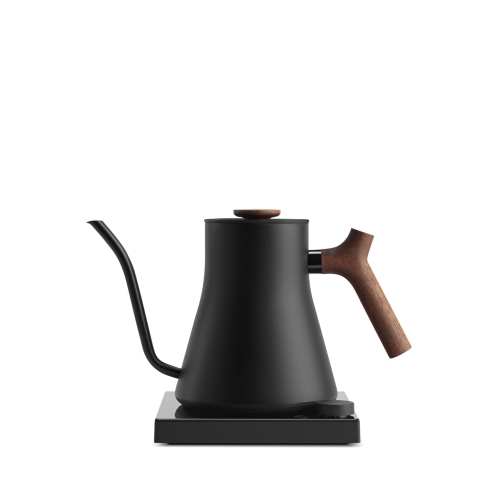
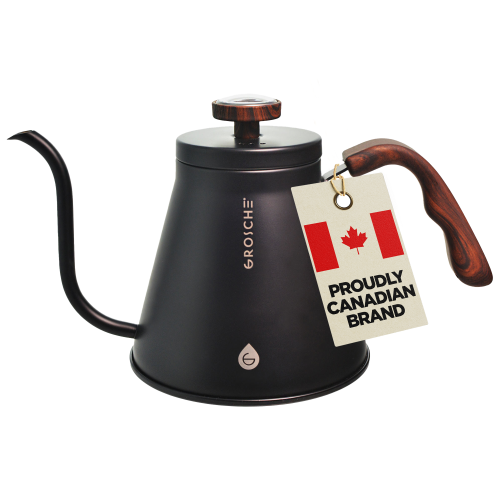

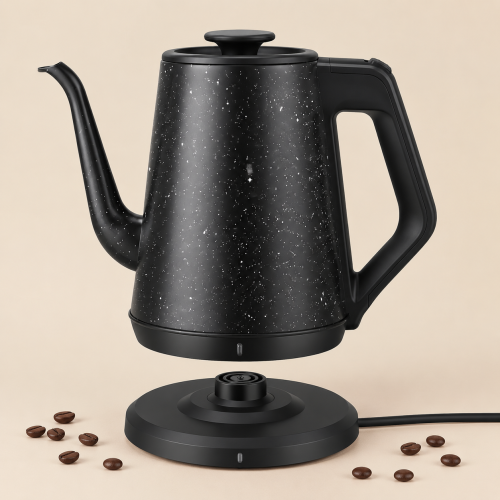
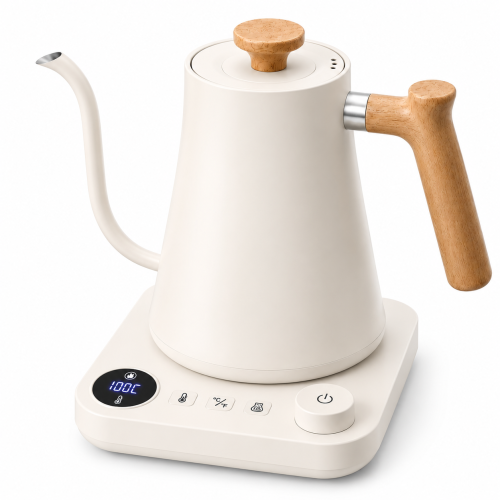
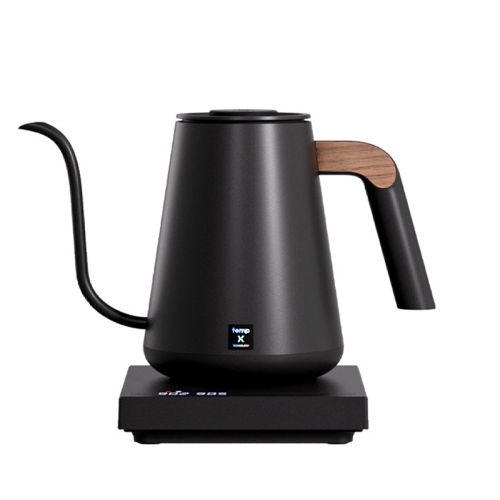
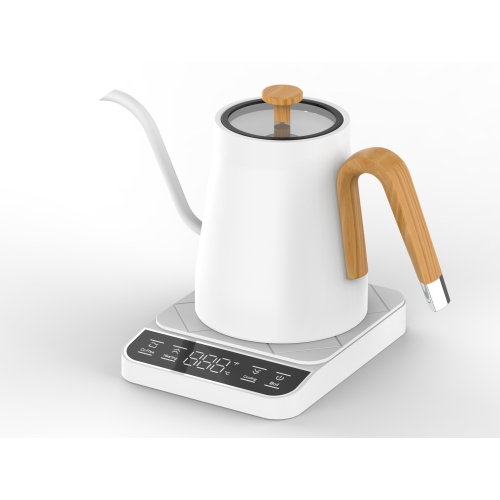
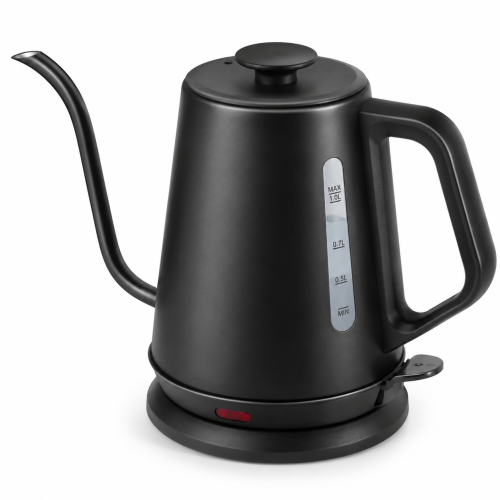
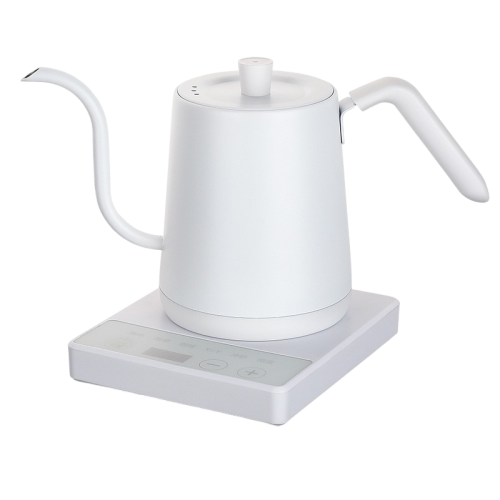
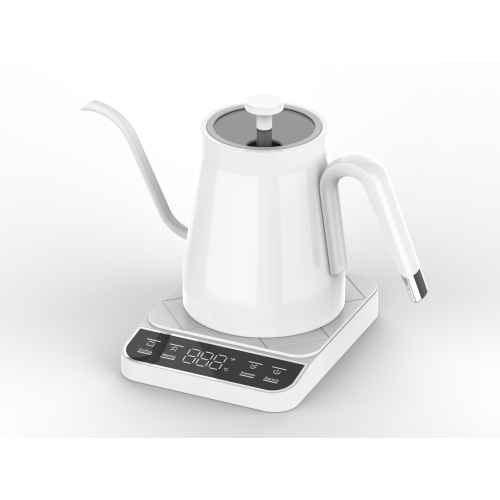
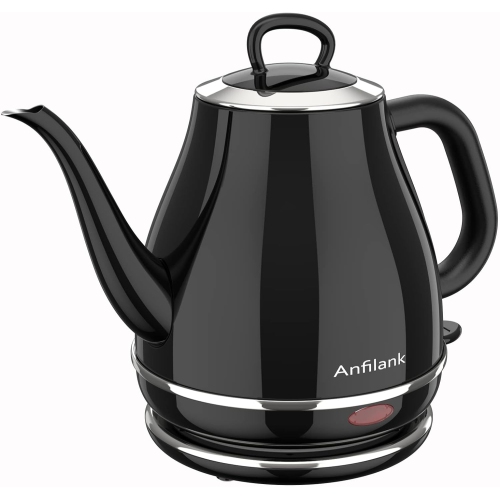
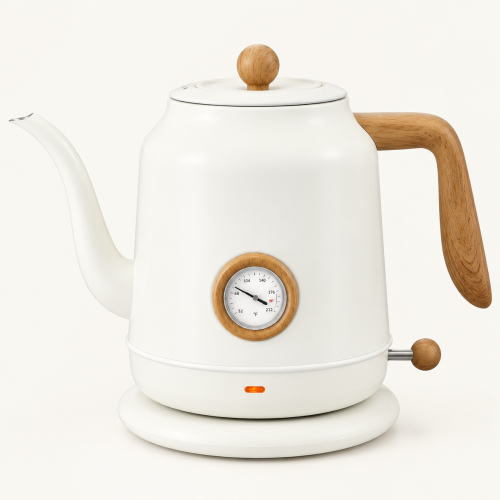
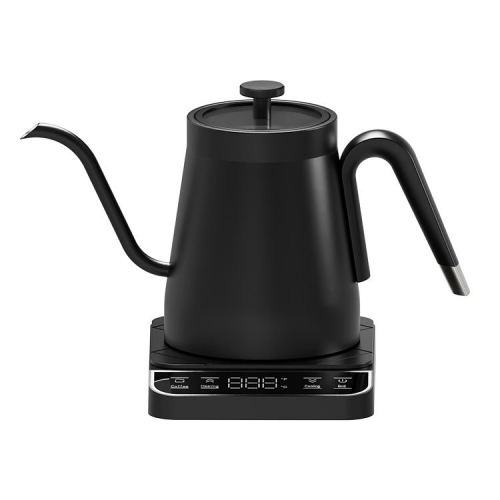
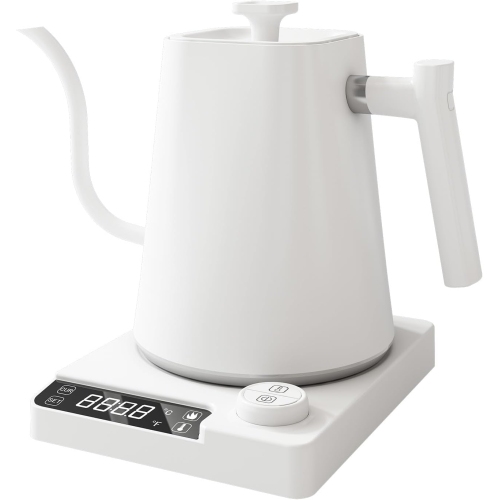
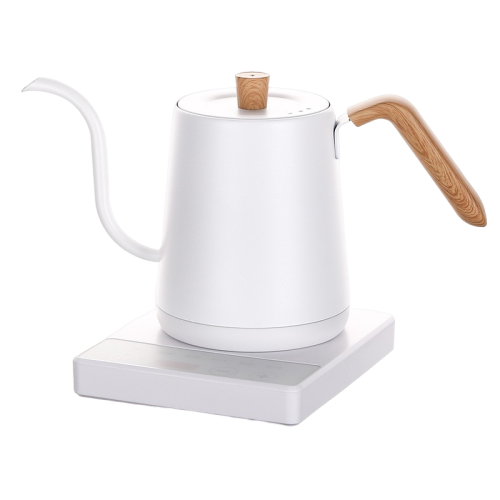
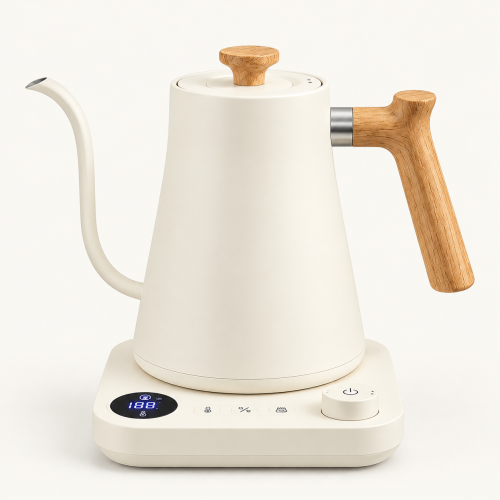
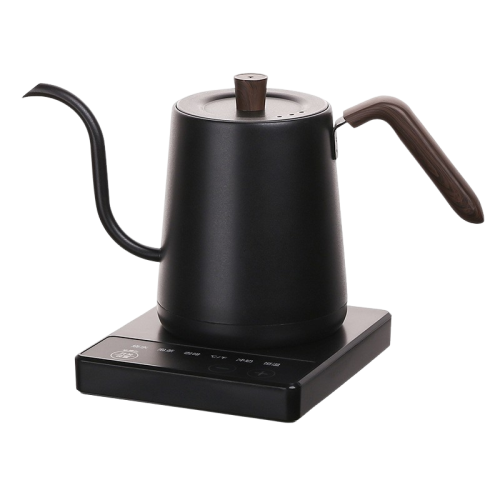

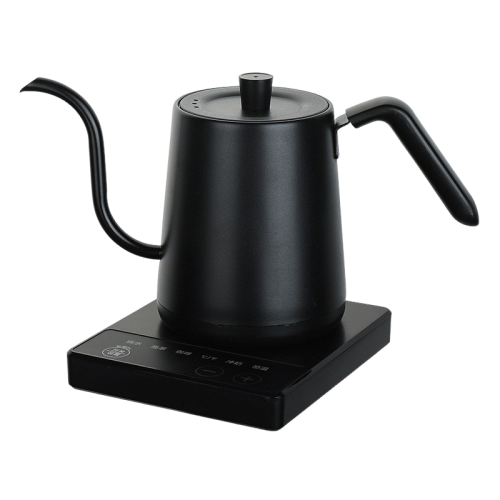
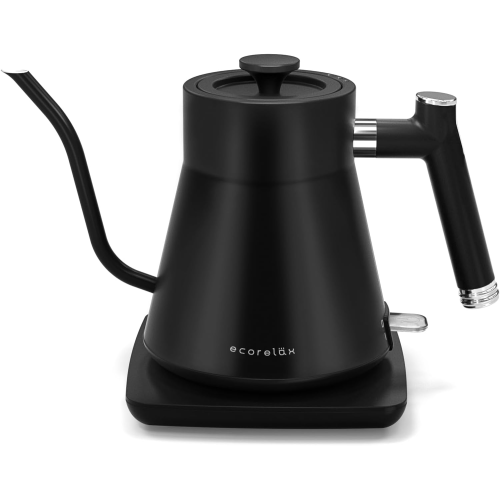
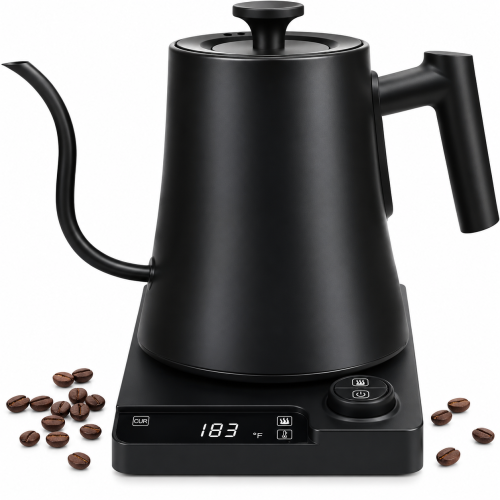
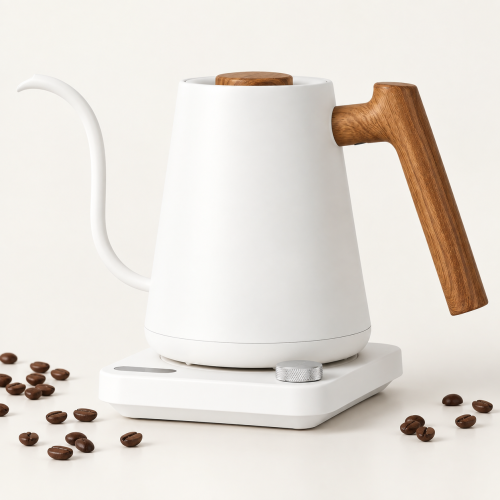
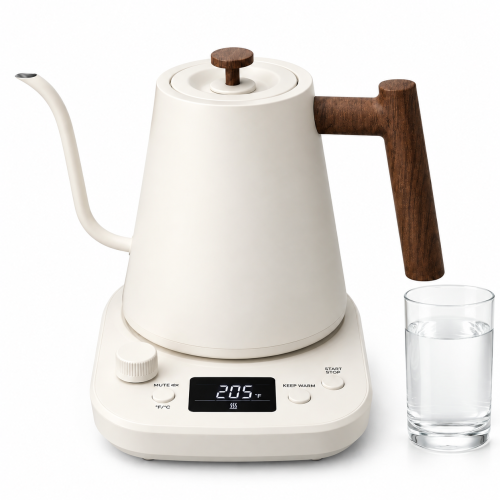
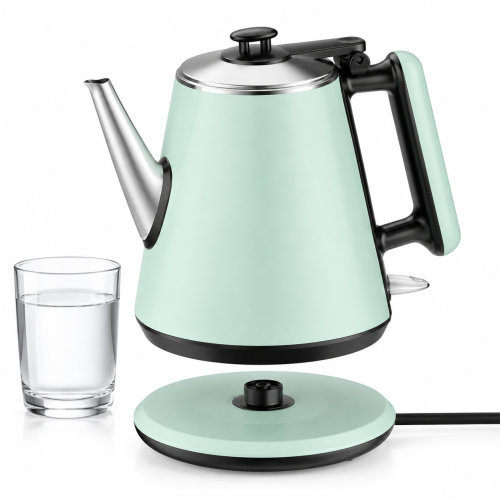
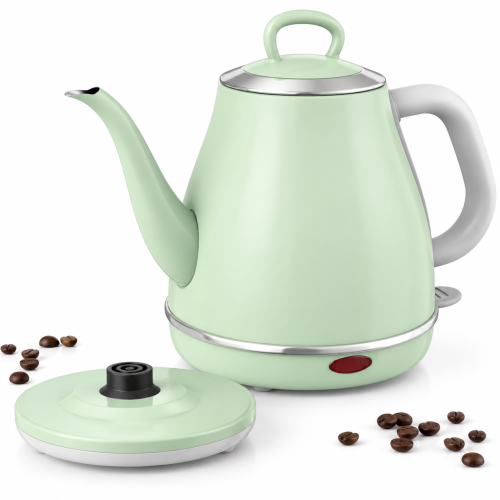
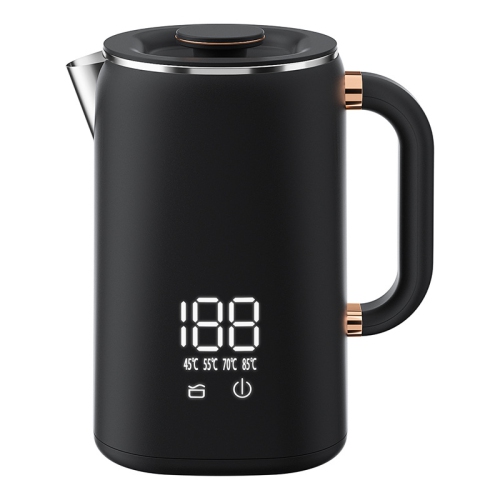
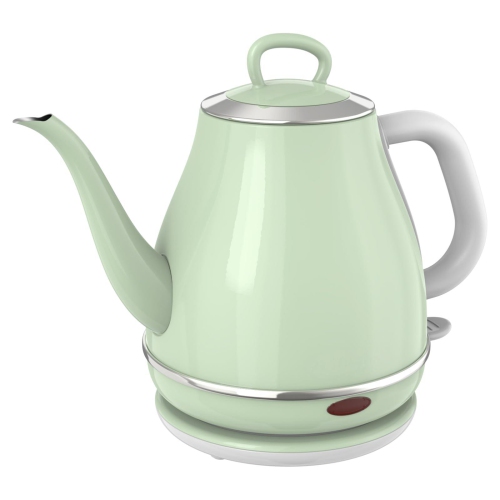
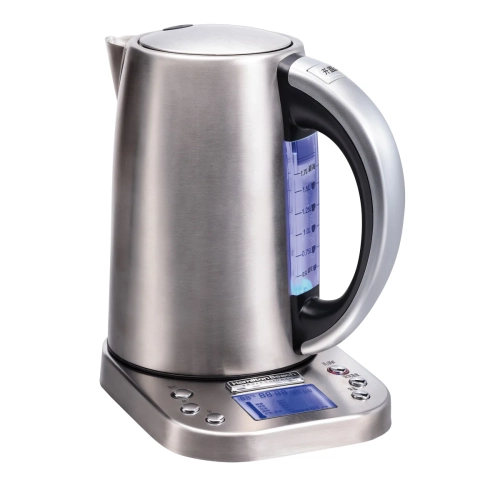
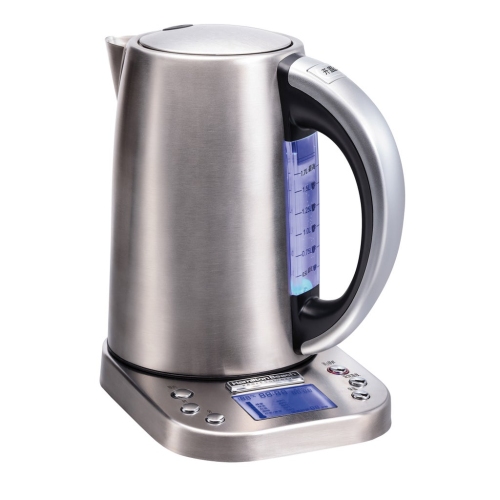
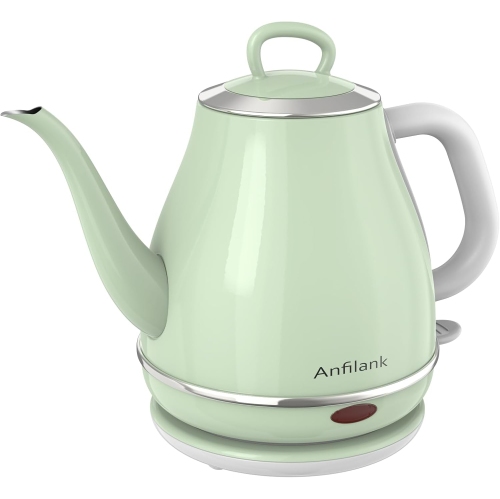
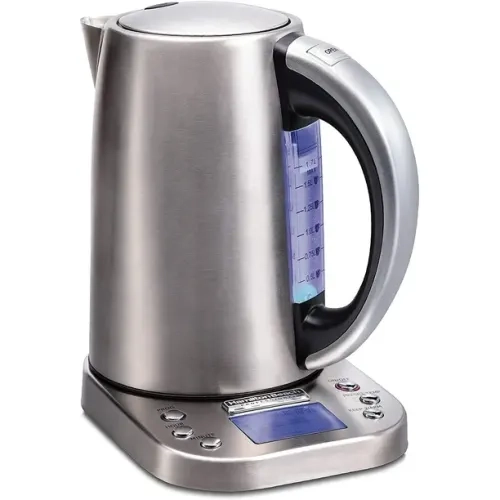
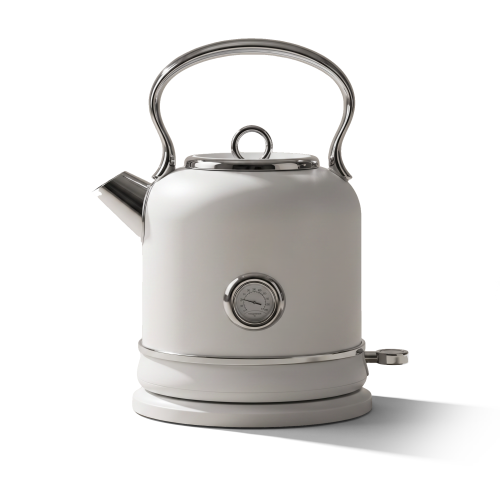
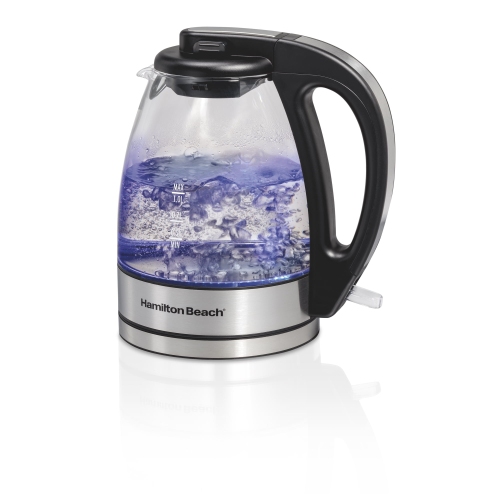
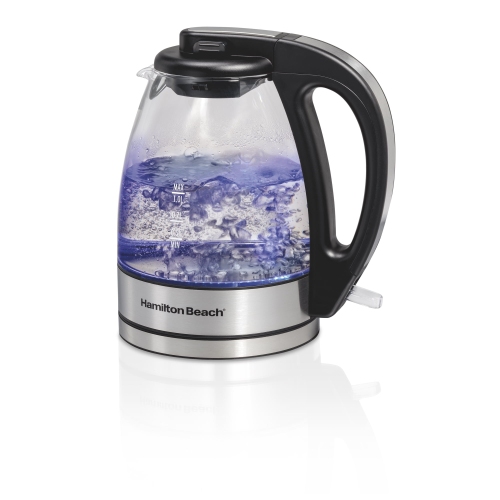

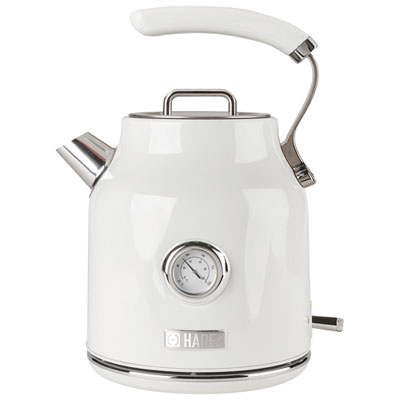
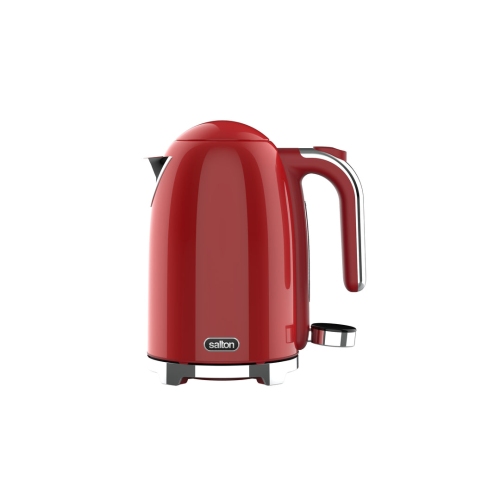
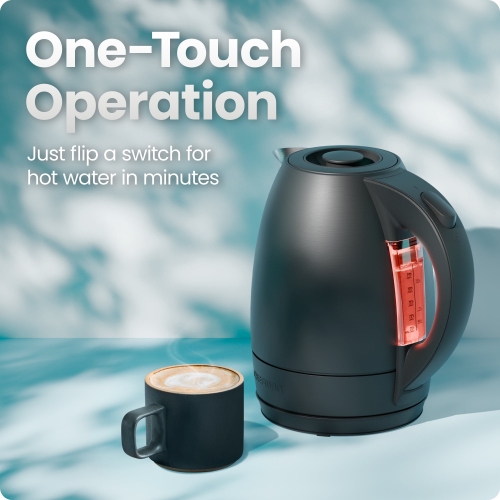
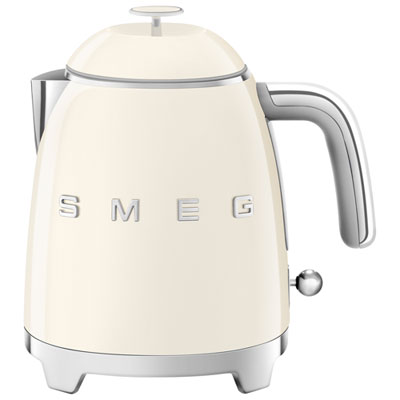
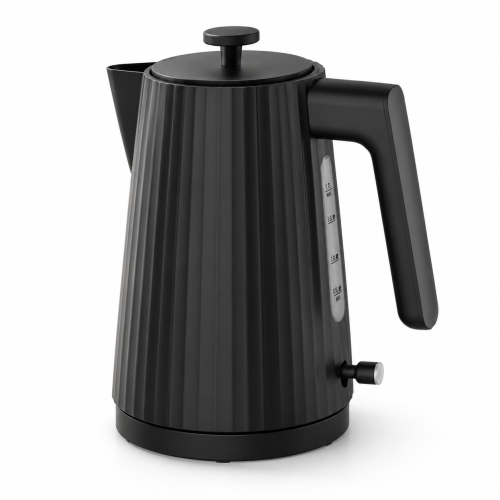
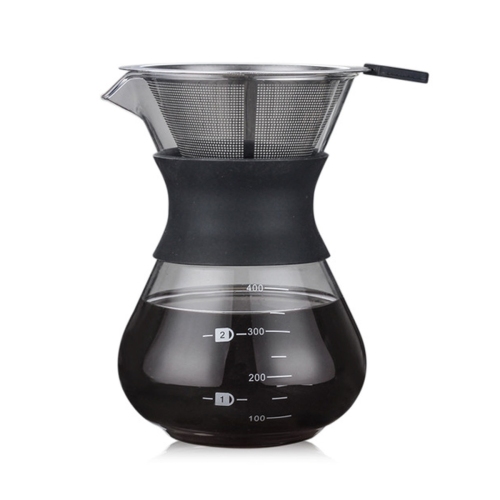
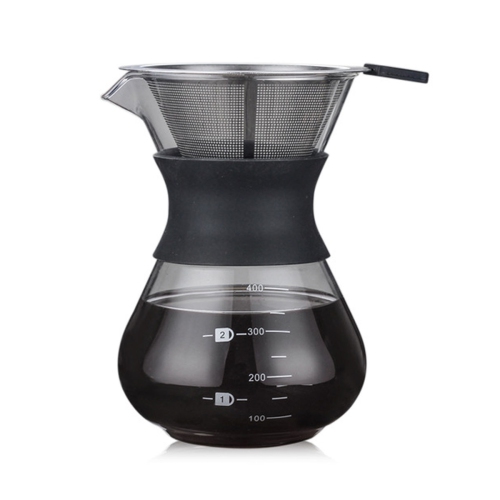


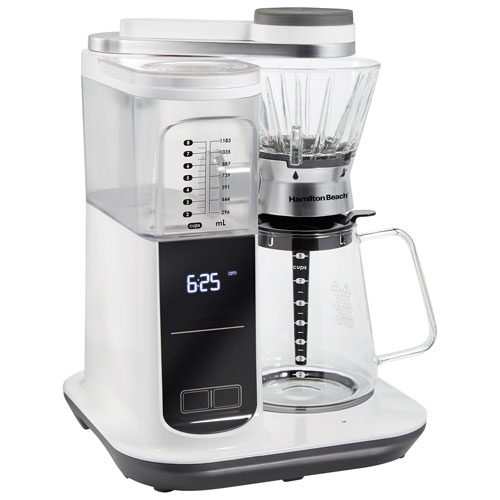
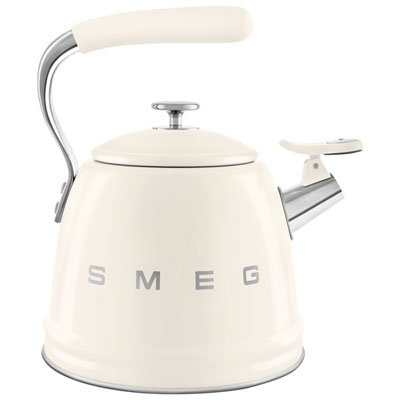
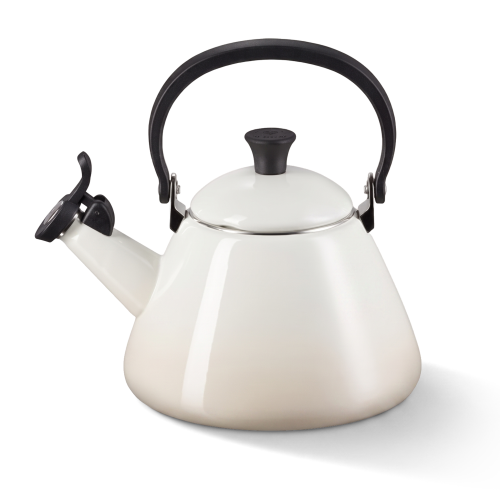
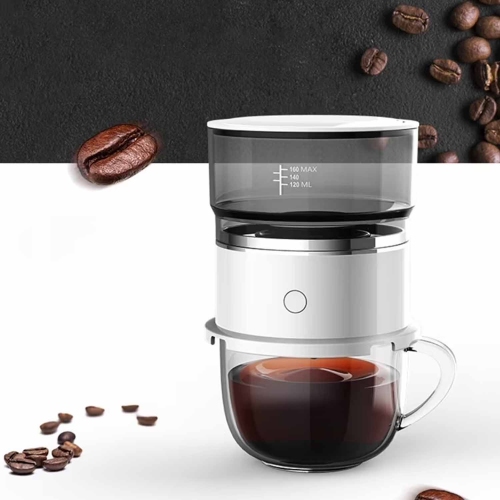
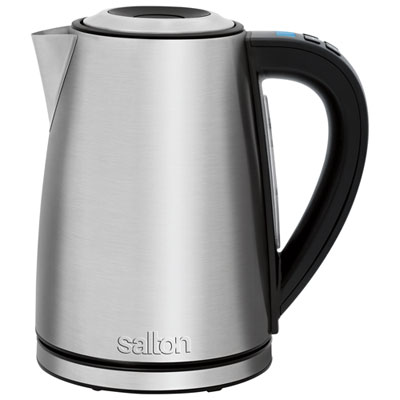
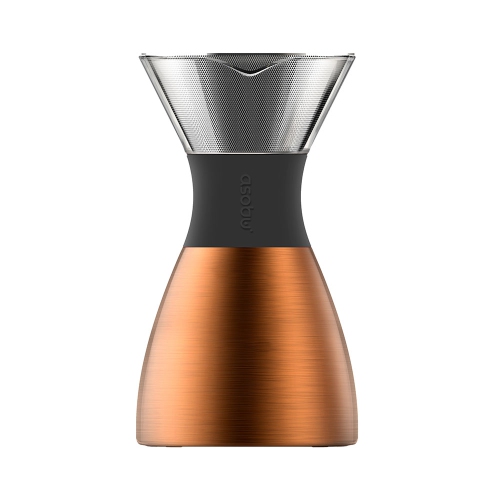
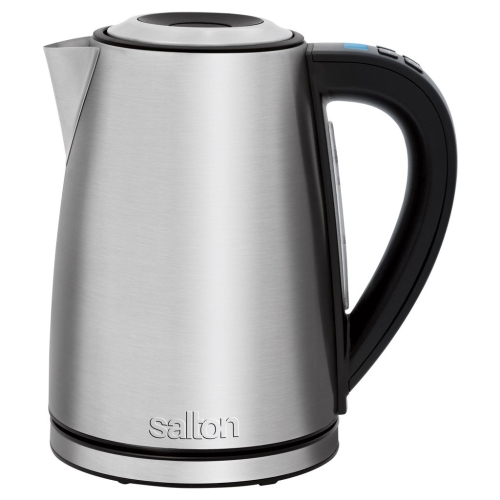
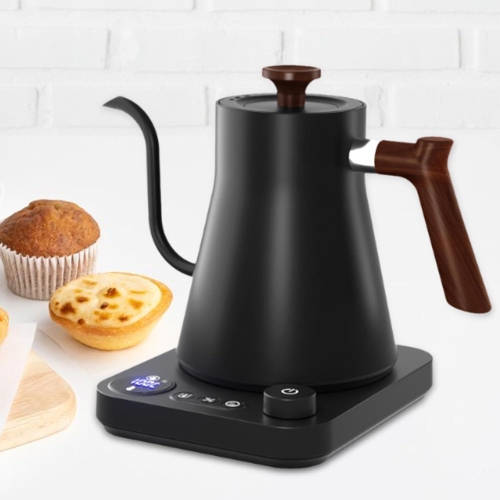
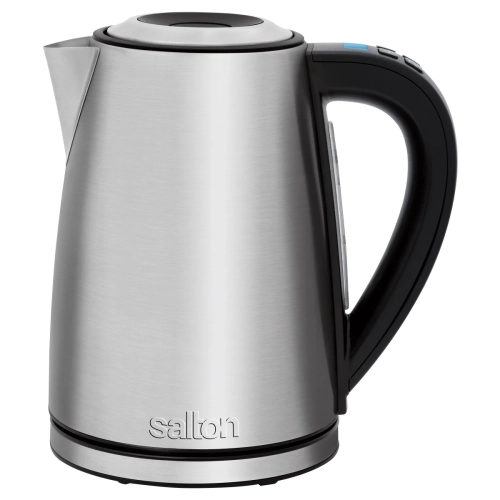
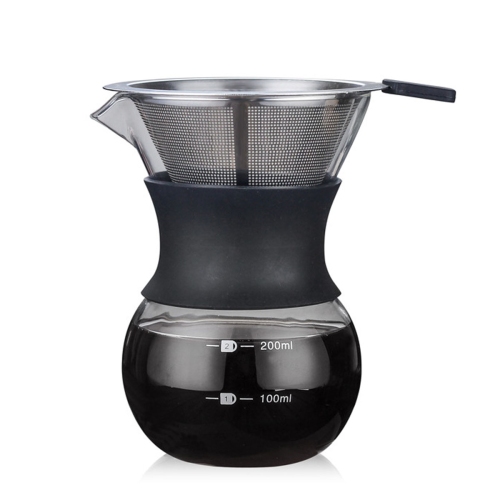
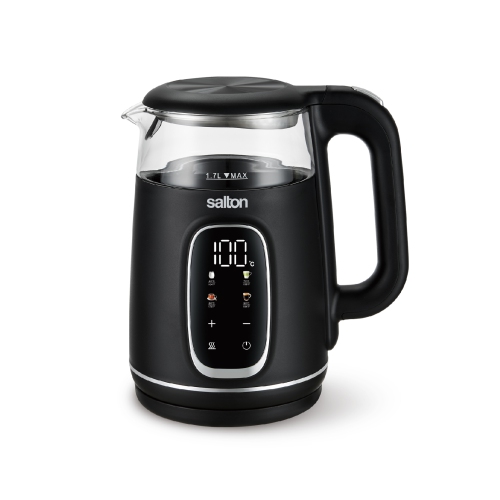
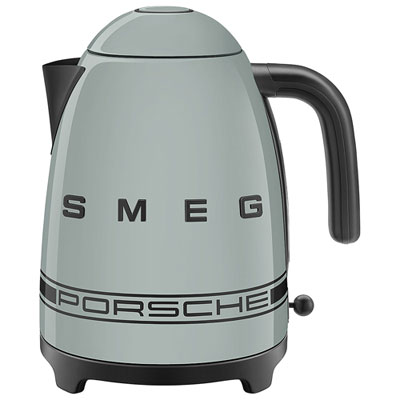
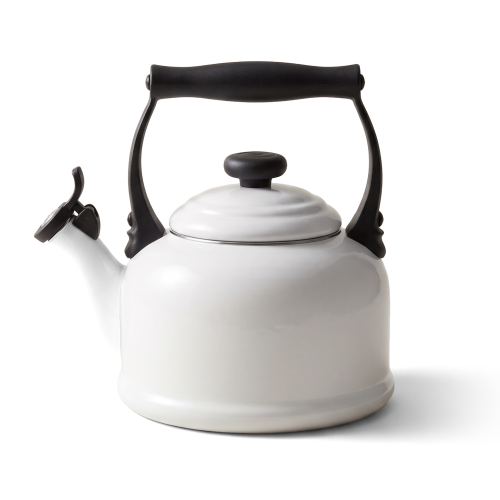
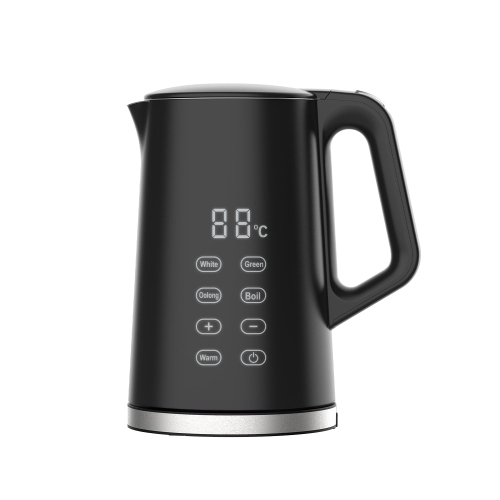
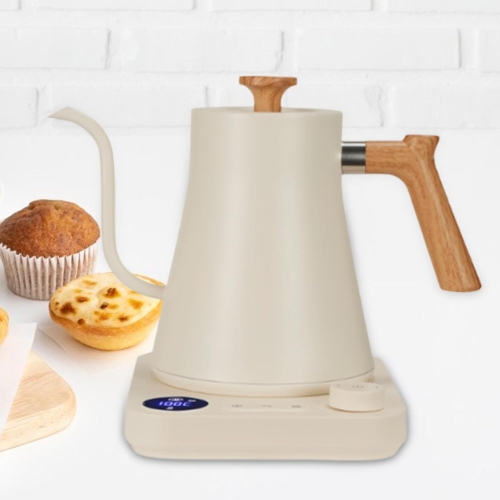
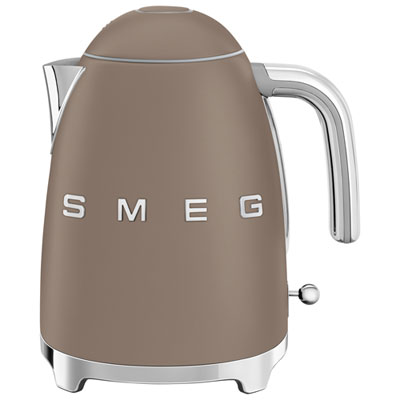

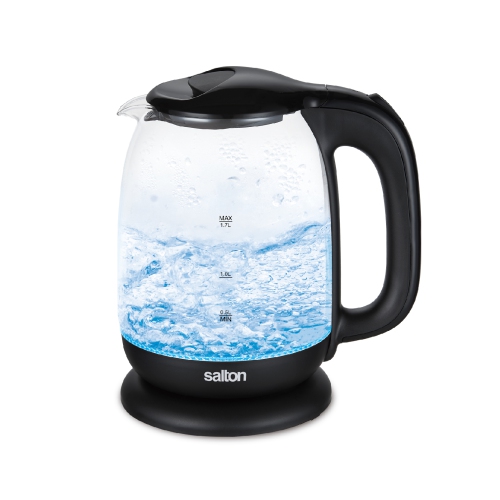
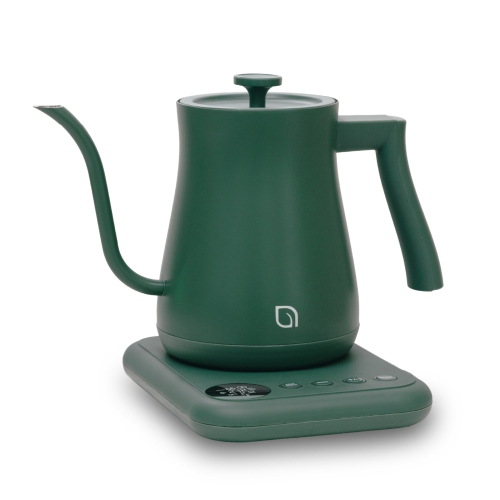
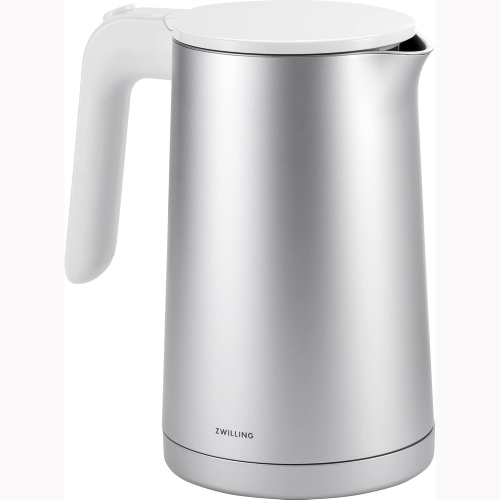
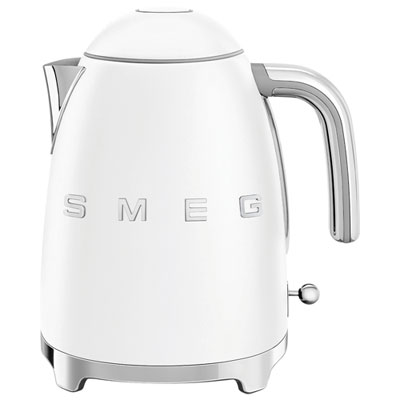
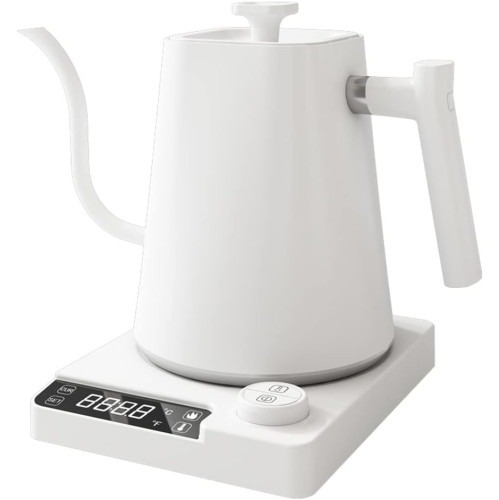
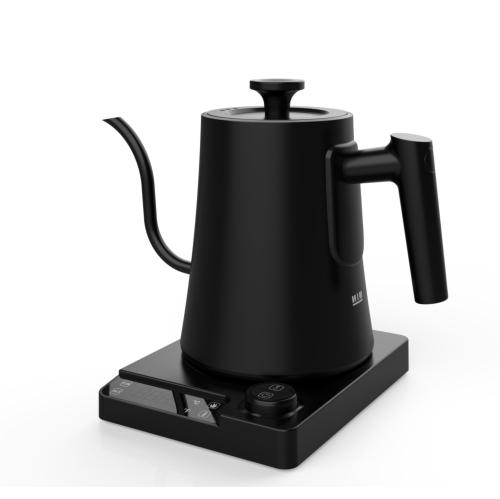
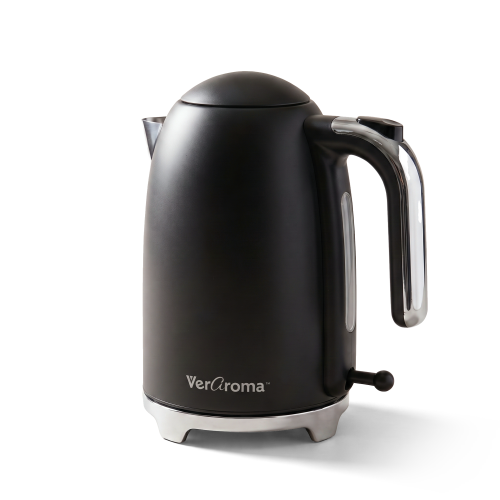
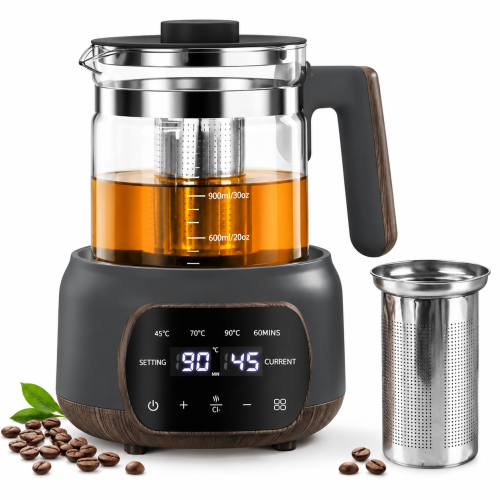
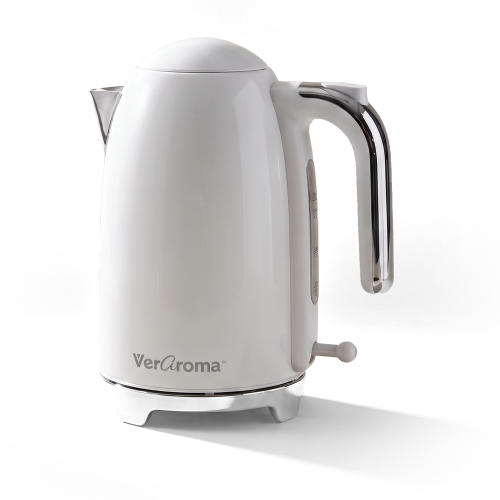
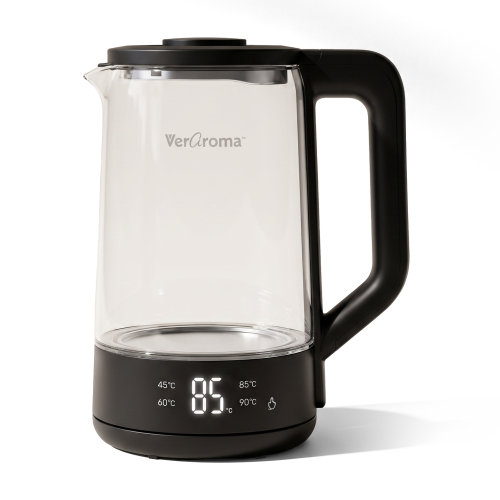
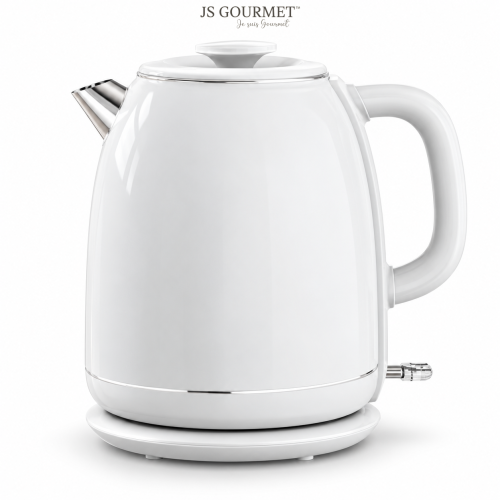
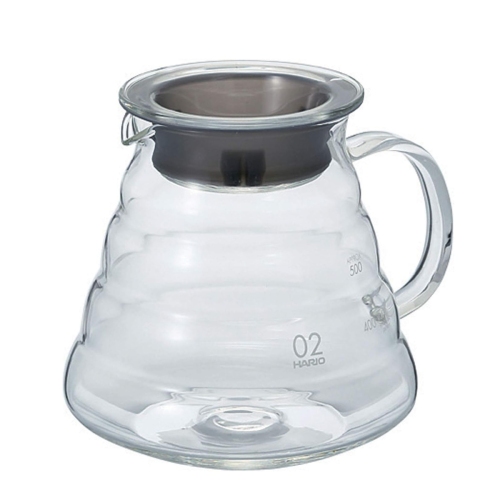
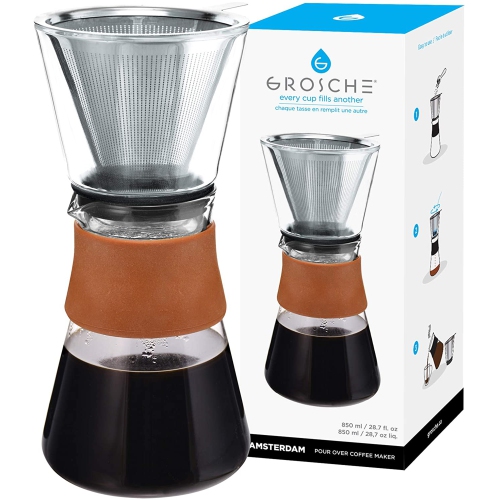
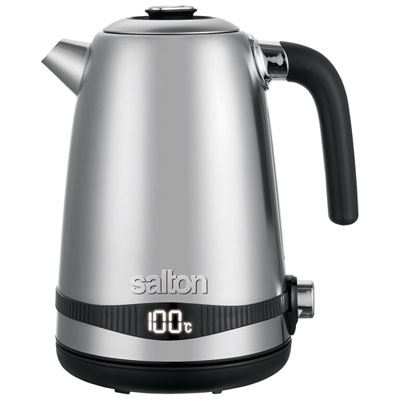
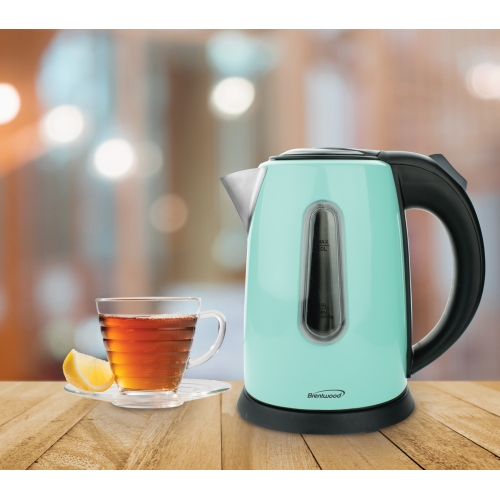
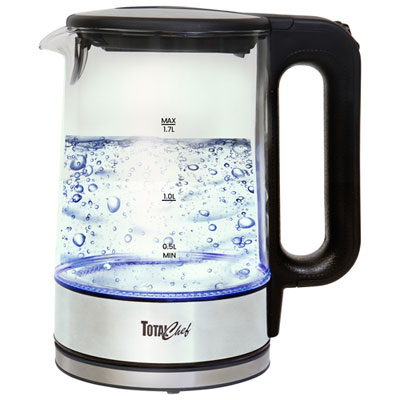

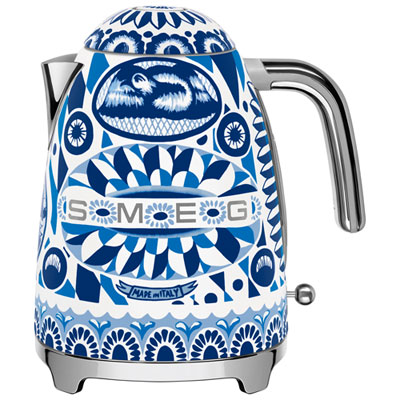
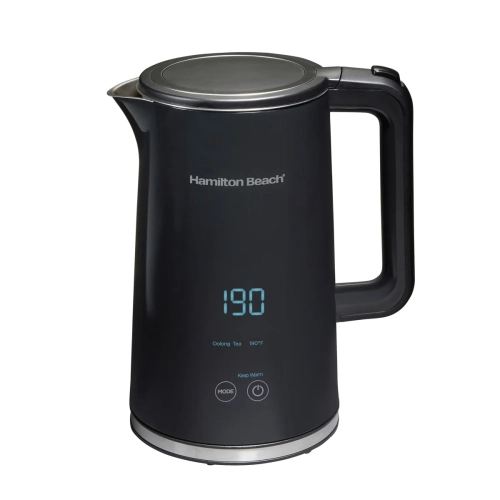
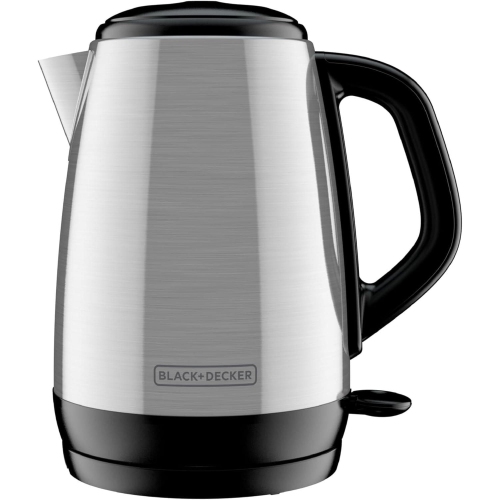


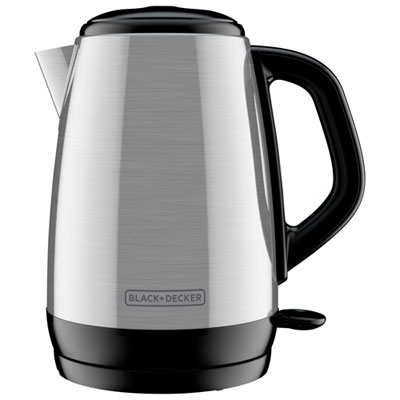
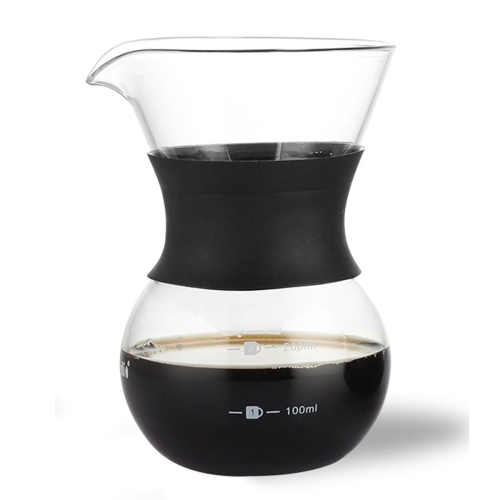
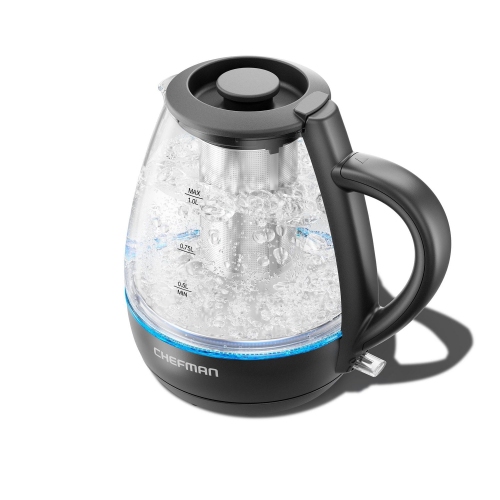
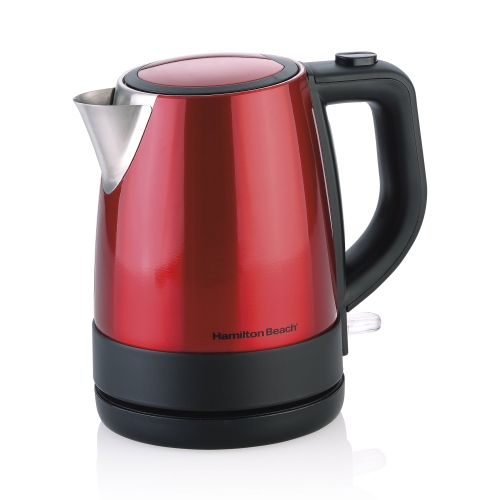
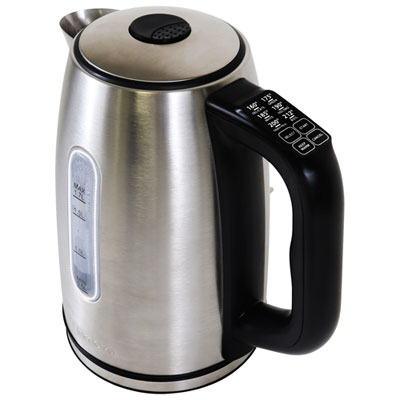
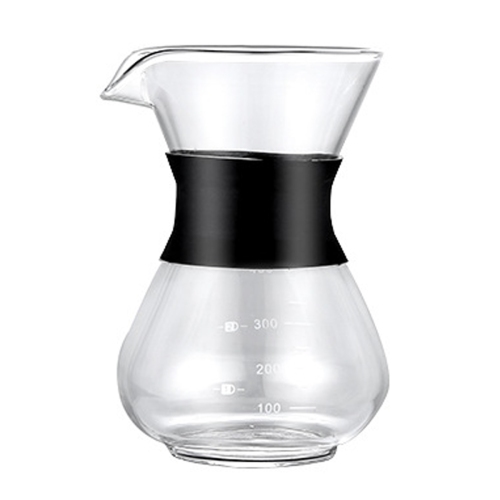
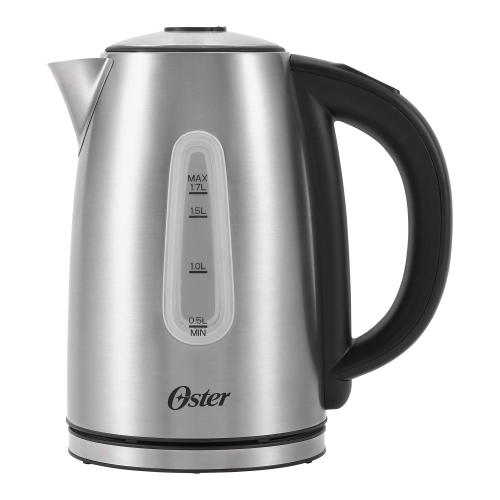
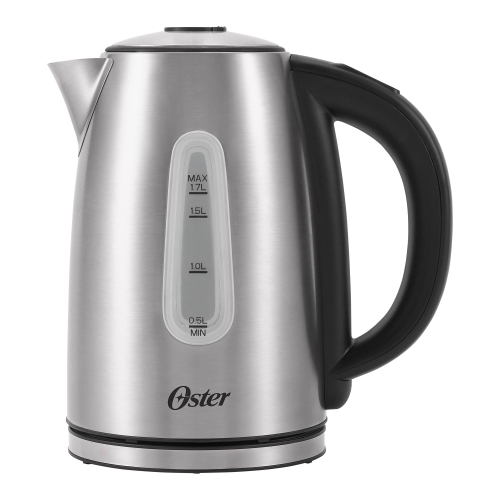
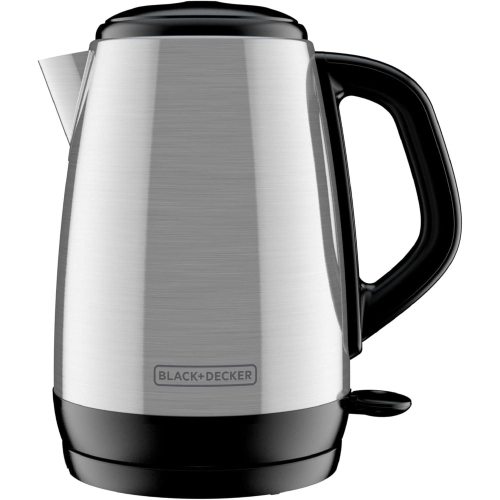
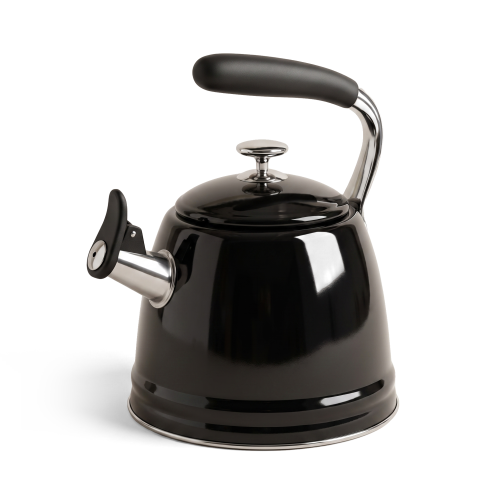
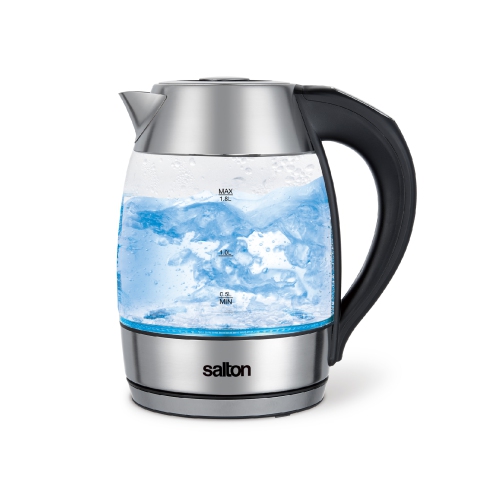

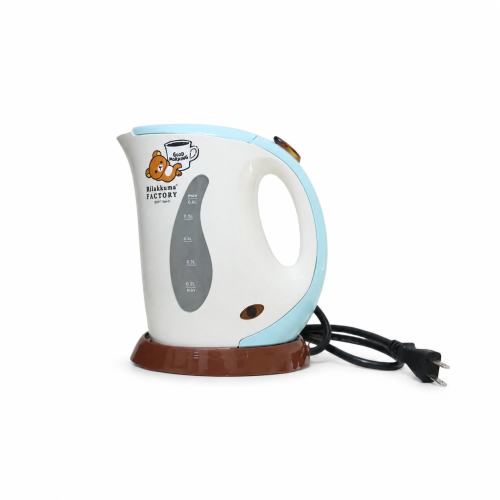
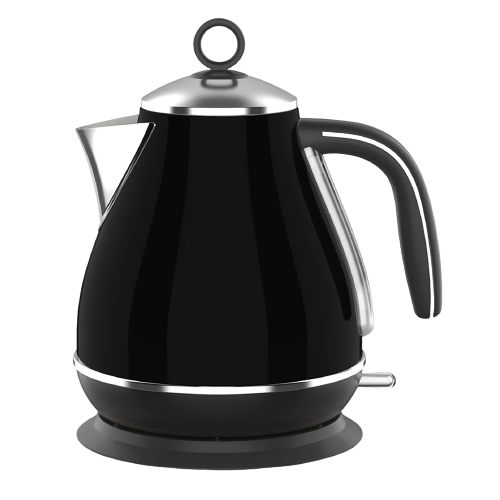

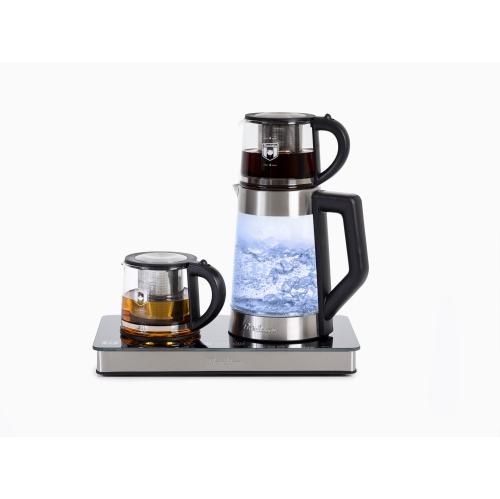
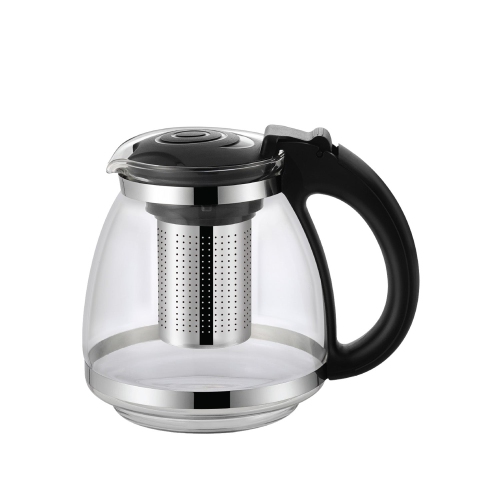
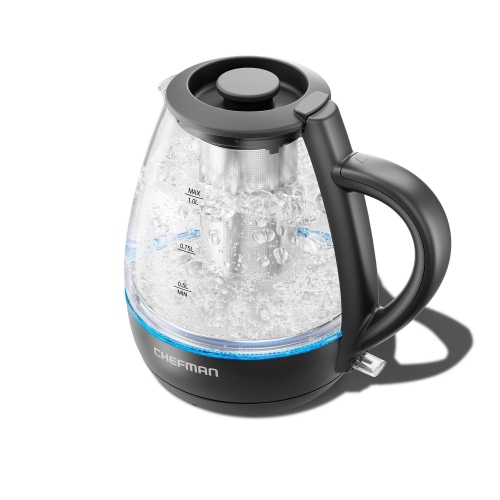
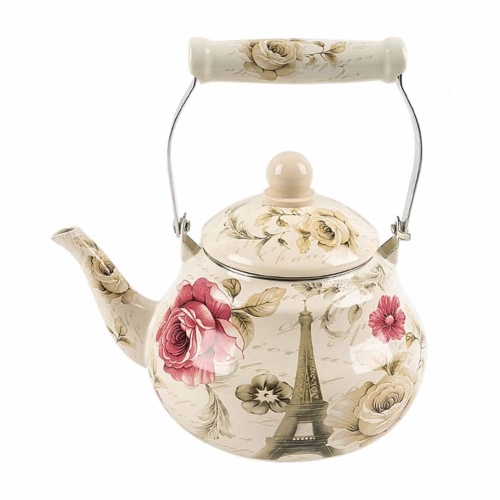
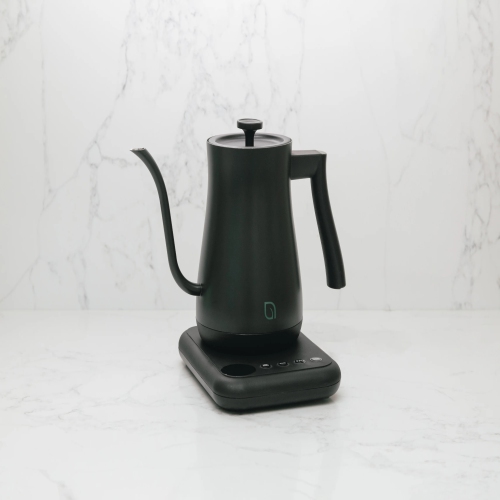
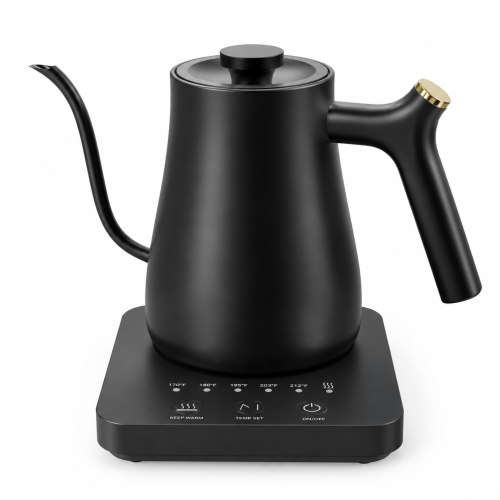
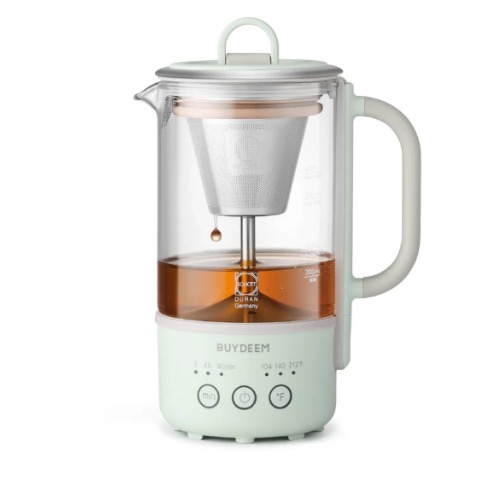

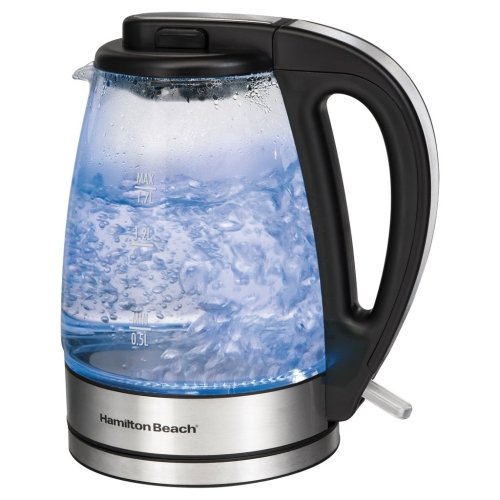

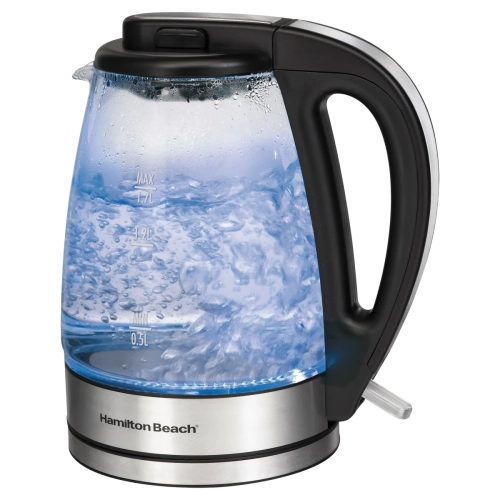

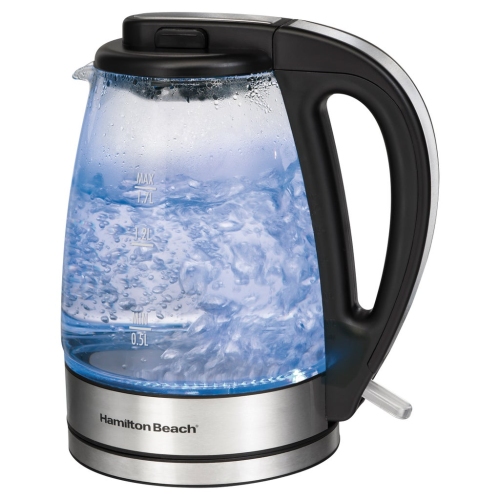

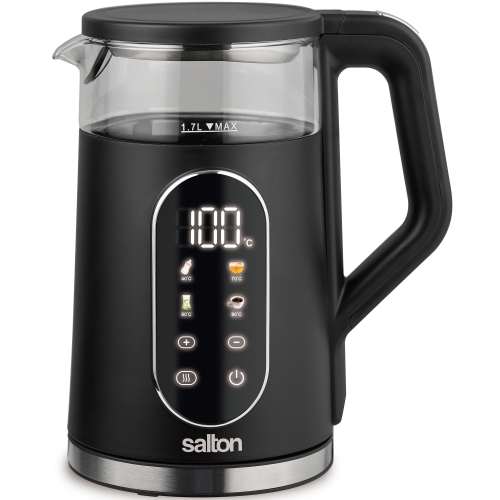

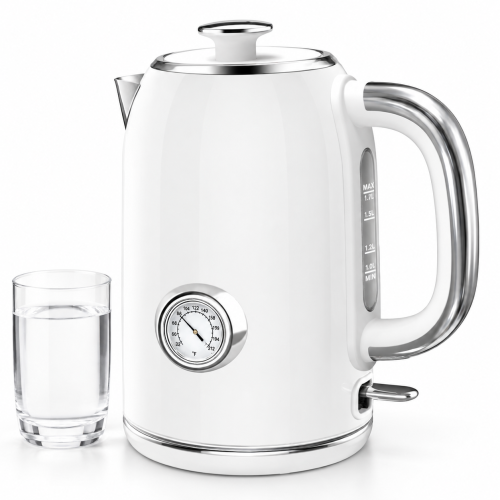
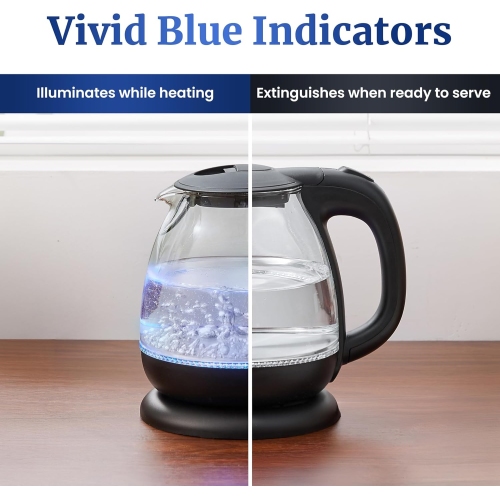


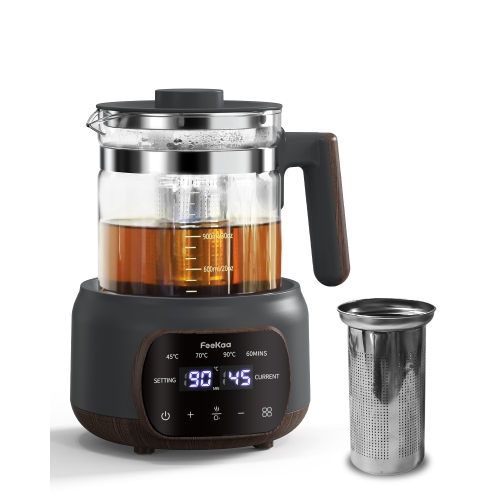


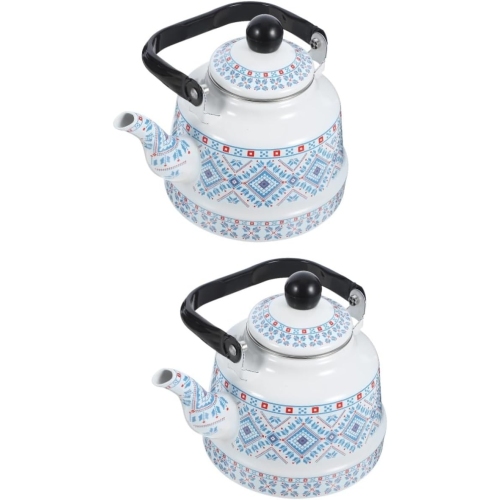

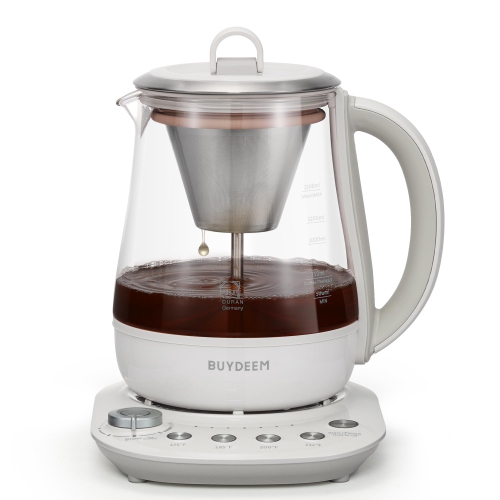
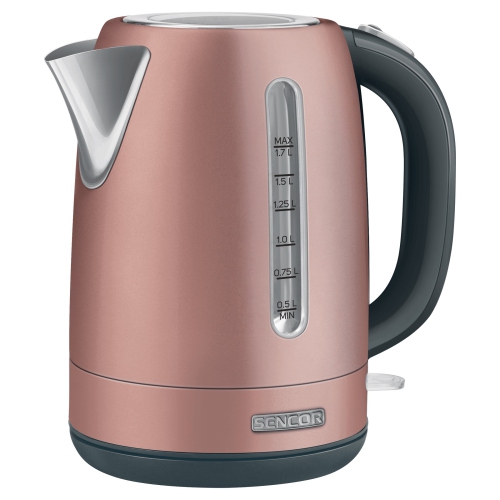
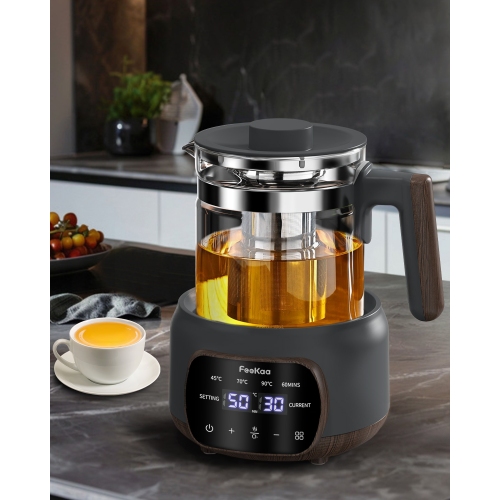
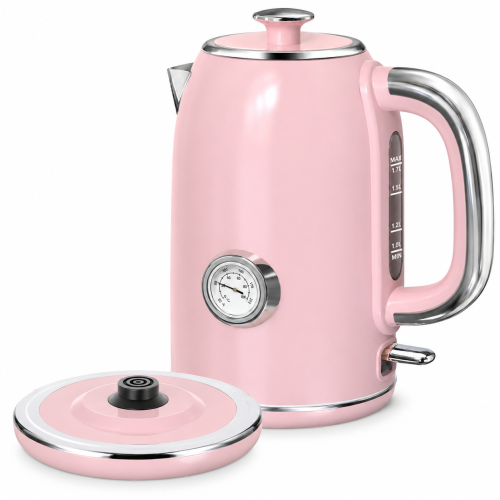


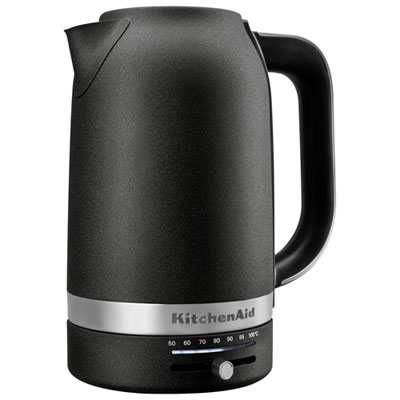
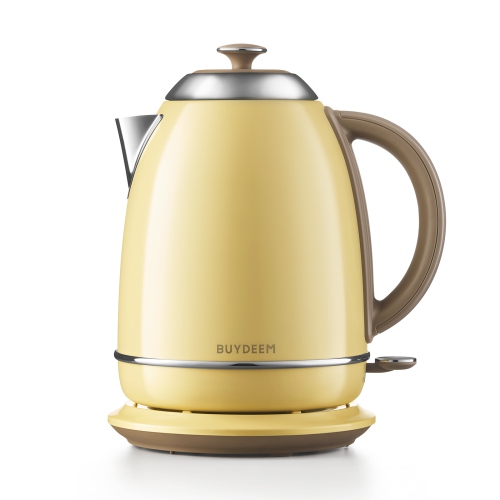
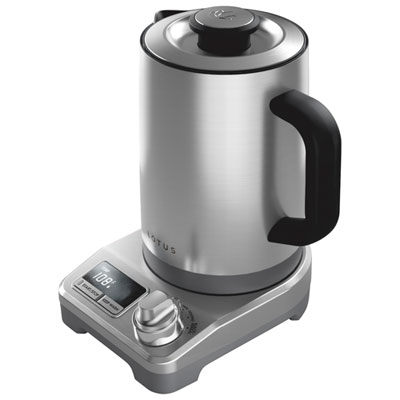
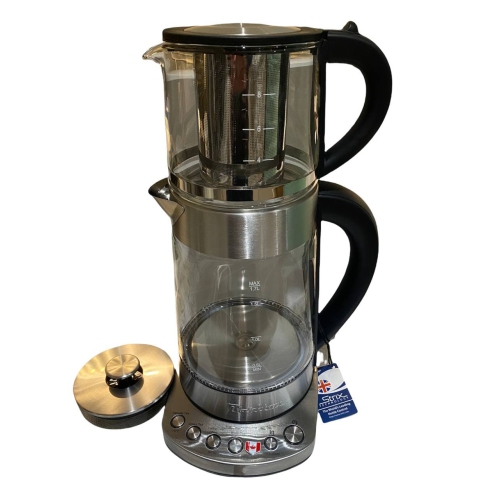
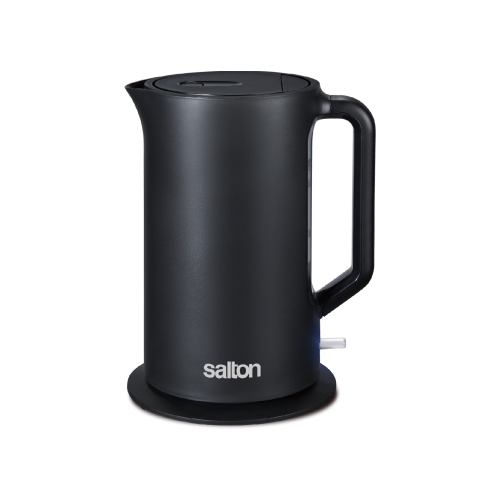
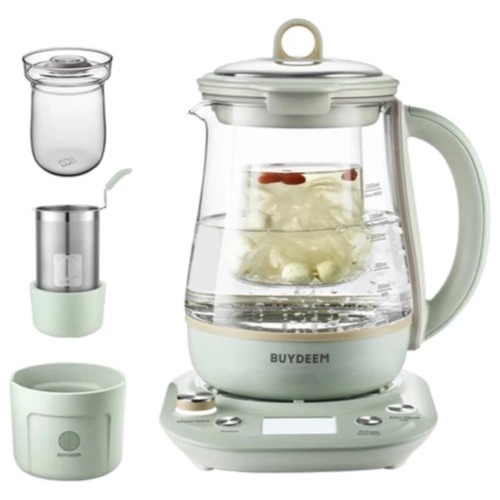
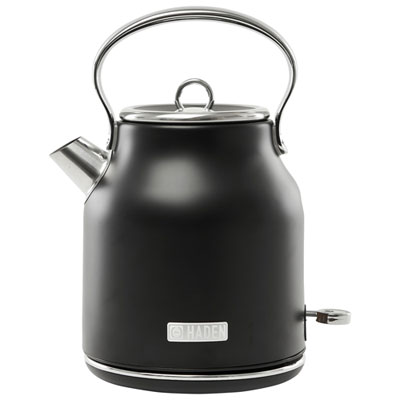

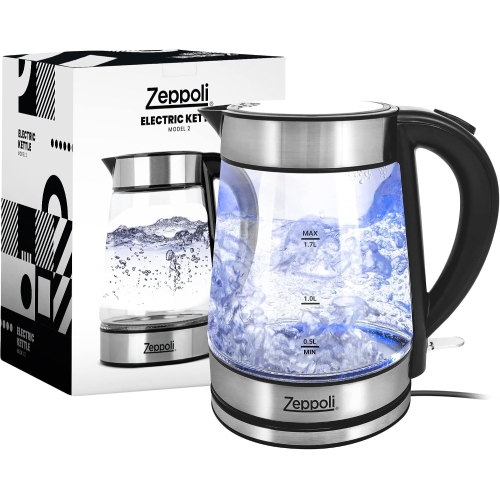
Why a narrow spout matters for manual coffee brewing
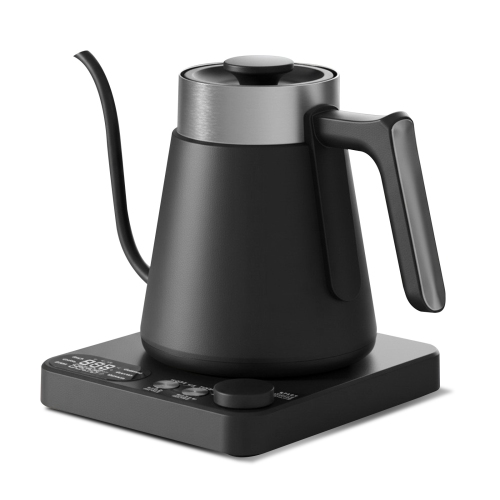
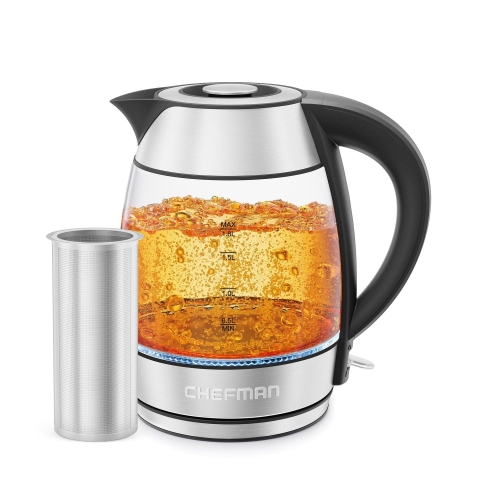
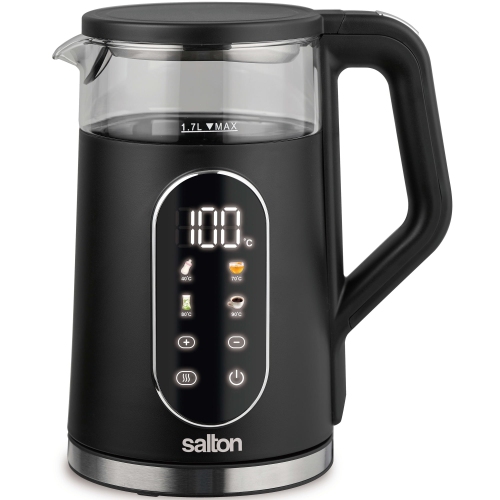
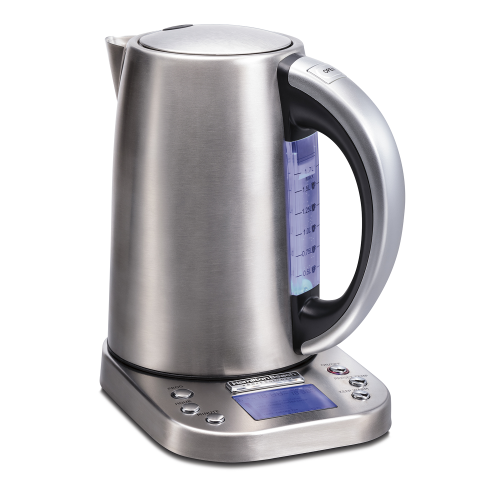
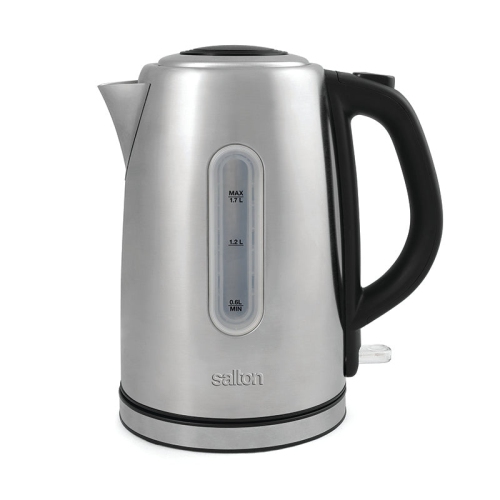
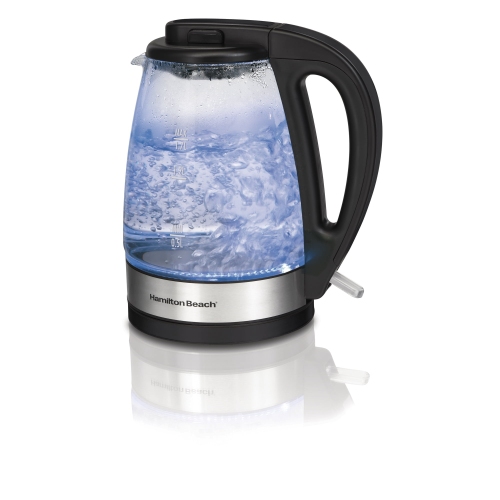
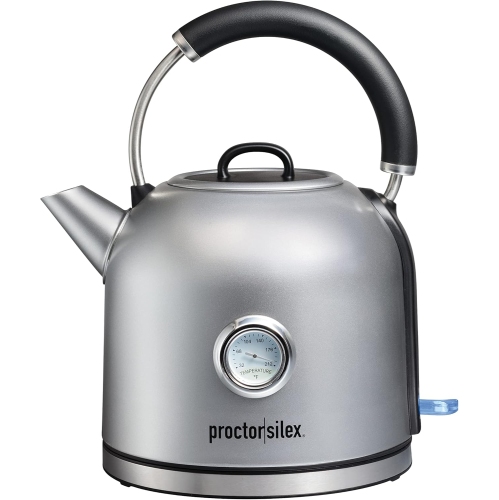
A pour-over kettle is designed to deliver a narrow, controlled stream of hot water through a long, curved spout, often called a gooseneck. Compared with a conventional wide-spout kettle, this shape makes it easier to direct water onto a particular area of the coffee bed and adjust the flow with a small change in wrist angle. That precision is useful for wetting freshly ground coffee evenly, keeping water away from the paper filter’s upper edges, and maintaining a gentle pour without disturbing the grounds too aggressively. A kettle cannot guarantee a balanced cup on its own, since grind size, coffee freshness, water quality, and brewing technique also affect flavour, but it gives the person brewing more control over an important part of the process. Pour-over kettles are especially well suited to manual coffee drippers, whether the daily routine involves one mug before work or a shared carafe at the breakfast table. Spout shape and placement influence how readily the stream starts, how smoothly it continues, and how cleanly it stops. A comfortable handle matters just as much: a full kettle should feel manageable while held above a dripper, not only when lifted from the counter. Handle clearance, grip texture, and balance can make a noticeable difference during a slow, circular pour. Capacity is another practical consideration, particularly because water may also be needed to rinse a filter and warm a serving vessel before brewing. The stated total capacity and the maximum safe heating capacity are not always identical, so those details are worth comparing. A smaller kettle may feel nimble for single servings, while a larger vessel can suit households that regularly prepare several cups. Neither size is automatically better; the right fit depends on the amount of coffee being brewed and the weight that feels comfortable in the hand.
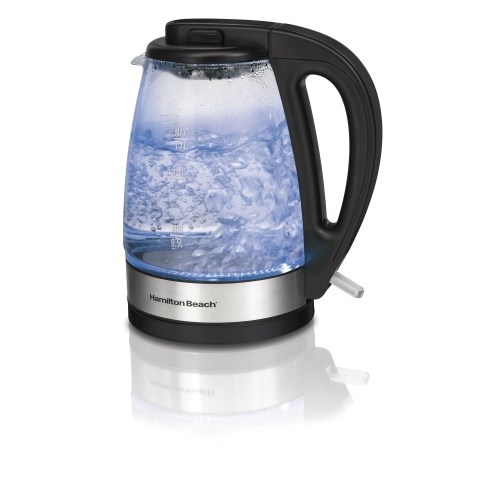
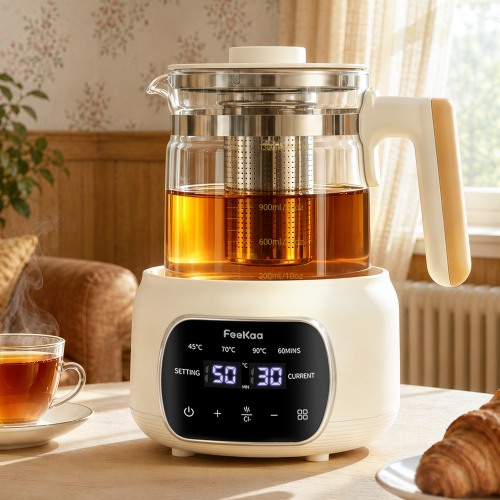
Electric and stovetop pour-over kettles offer the same basic benefit of a directed stream, but they fit different kitchen routines. Electric models heat water on a powered base, leaving the cooktop free and keeping the brewing setup together on a suitable counter. Within this category, electric gooseneck kettles may include adjustable temperature settings, a temperature display, or a hold function that maintains a selected setting for a limited period. These features can be useful when comparing different coffee beans or preparing consecutive brews, although the available settings and temperature accuracy vary by model. Many pour-over recipes use water around 90°C to 96°C, with the preferred temperature depending on the coffee, roast level, and recipe rather than a single universal setting. A readable display and straightforward controls can make that adjustment easier without adding unnecessary complexity to the routine. Some kettles also include a brew timer, while others keep the controls focused on heating alone. Automatic shut-off and boil-dry protection are useful features to check for, and any keep-warm function should be understood separately from the kettle’s boiling cycle. Stovetop designs appeal to people who prefer fewer electronic controls or already have a convenient place to heat water. Compatibility is essential: a kettle suitable for one cooktop type may not work on another, and induction use requires an appropriate base. On a gas cooktop, the burner size should suit the kettle’s base so flames do not reach up the sides towards the handle. Cord length, base dimensions, overhead cupboard clearance, and the space between the kettle and coffee dripper also affect everyday fit. A removable kettle that returns easily to its base can help keep the brewing area orderly, while clear minimum and maximum fill markings take some uncertainty out of preparation. For either heating style, a secure lid and a handle designed to remain comfortable during use deserve attention alongside the appearance of the kettle.
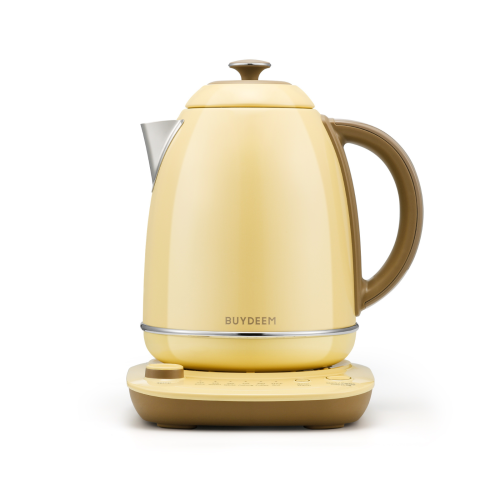
Materials, construction, and care determine how a pour-over kettle feels after repeated use, not just how it looks on the counter. Stainless steel is common because it is durable and practical for frequent contact with water, though finishes range from polished metal to coloured coatings. A brushed surface may make small marks less noticeable, while a smooth painted finish can coordinate with other countertop appliances. Exterior colour does not indicate whether the body stays cool; metal walls and lids can become hot, and insulated construction should only be assumed when specified. Handles may use plastic, wood, or other materials, each with its own feel and care requirements. Wood accents bring a warmer texture to the grip but may need protection from prolonged soaking, while textured synthetic handles can offer a secure hold with relatively simple upkeep. Smooth interior surfaces, an accessible lid opening, and clearly described cleaning requirements make routine maintenance more manageable. Mineral deposits can build up inside any kettle, especially where tap water is hard, and may affect heating performance or leave visible flakes in the water. Regular descaling with a method approved by the manufacturer helps address that buildup without relying on abrasive tools that could damage the interior or finish. Electric bases and connections need to stay dry, and dishwasher suitability should never be assumed. The narrow spout also deserves care because its shape can make deposits harder to reach than those inside the main vessel. For someone who brews coffee daily, details such as a stable base, a well-fitted lid, and an easy-to-read water level often matter more over time than decorative extras. Pour-over kettles can also be thoughtful gifts for coffee drinkers who already enjoy a manual dripper or want a more deliberate brewing routine. Matching the kettle to the recipient’s usual batch size, available counter space, and preference for electric or stovetop heating makes the gift more personal and practical. The most useful choice is one that supports a comfortable, repeatable pour and fits naturally beside the coffee equipment already in use.
Top selling and popular products
-
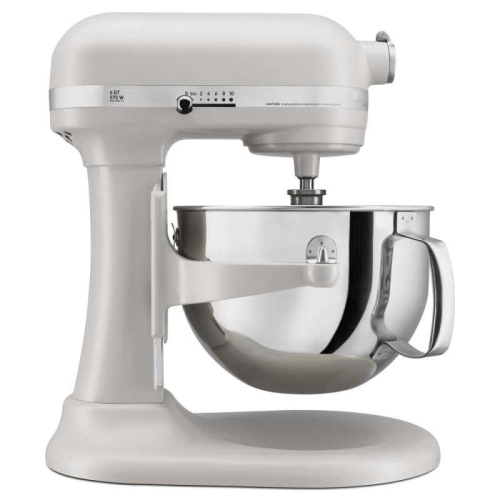 Your price for this item is $669.95
-
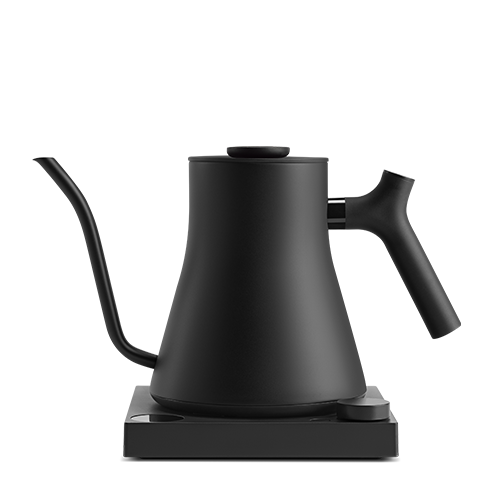 Your price for this item is $239
-
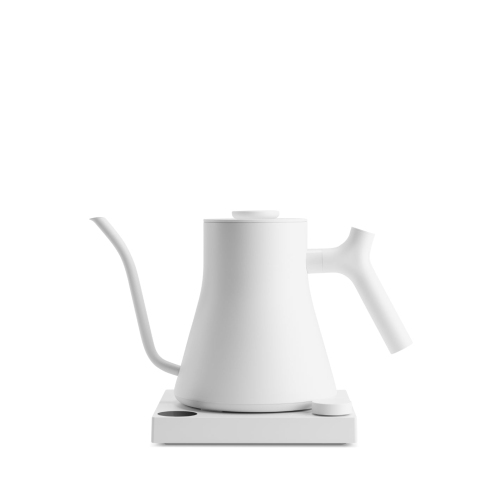 Your price for this item is $239
-
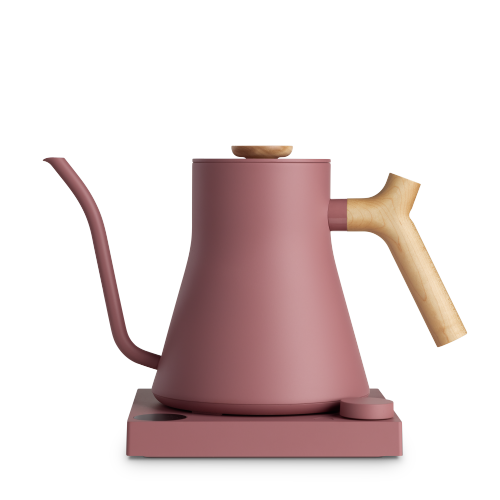 Your price for this item is $280
-
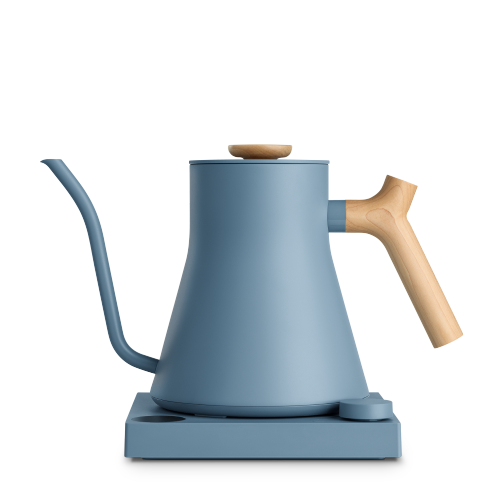 Your price for this item is $280
-
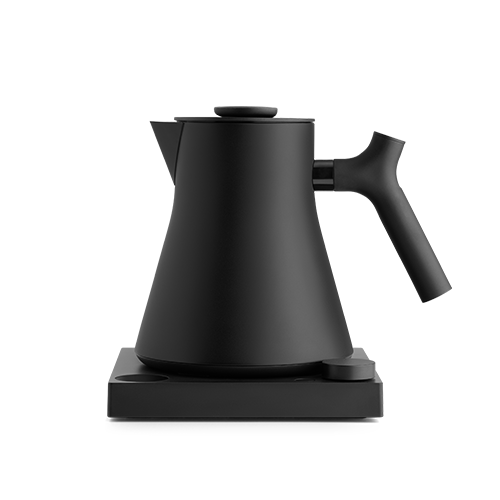 Your price for this item is $239
-
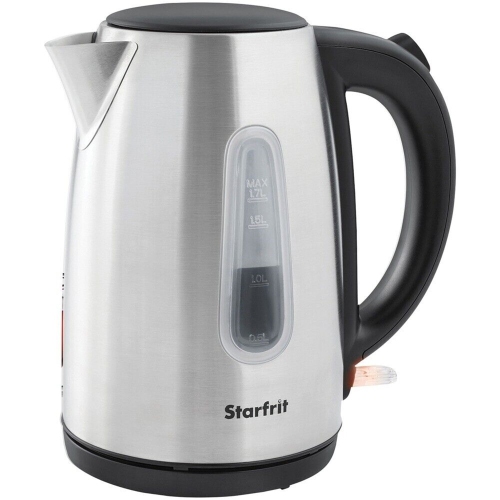 Your price for this item is $39.99
-
 Your price for this item is $39.99
Discover more categories related to Pour Over Kettle

Top Collections:
Best Black Friday Deals This Year, Best Black Friday Deals On Electronics, Kindle Devices, Pokemon Centers, Best Black Friday Deals On Apple Products, Best Cameras for Sports Photography, Dyson Airwrap, Pokémon 30th Celebration Cards, Apple iPhone 17 Pro, Canon G7X Cameras
Some products may be subject to Environmental Handling Fees
(EHF) depending on your province.
Learn more about EHFs.