Programmable Electric Heaters
Programmable Electric Heaters offer a convenient and efficient way to maintain the perfect temperature in any room. With a variety of options to suit different spaces and preferences, these heaters make it easy to customize your comfort throughout the day. Discover a selection of Programmable Electric Heaters designed to fit seamlessly into your home or office, providing reliable warmth when you need it most. Explore features that help you enjoy personalized heating while keeping control at your fingertips.
Sort
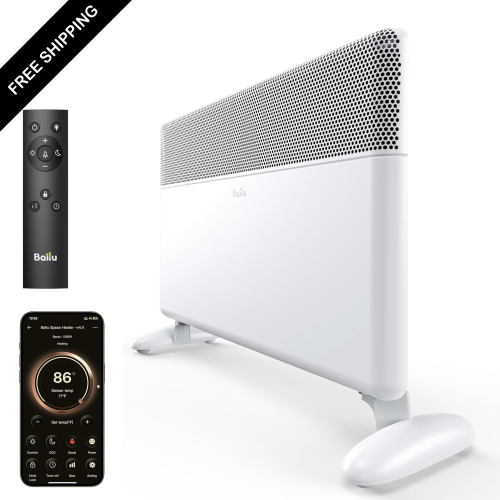
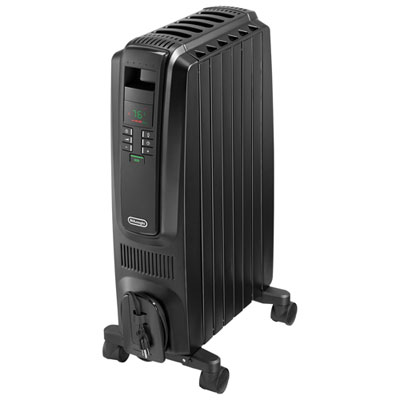
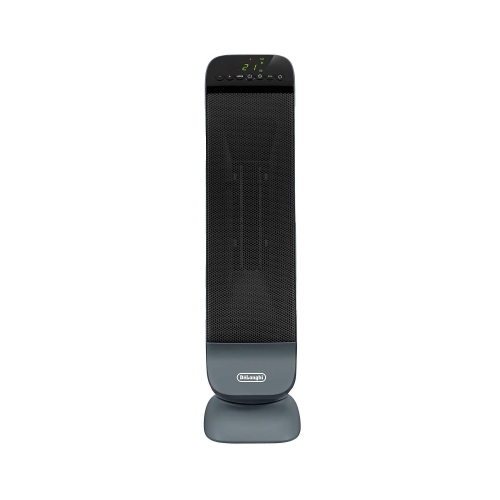
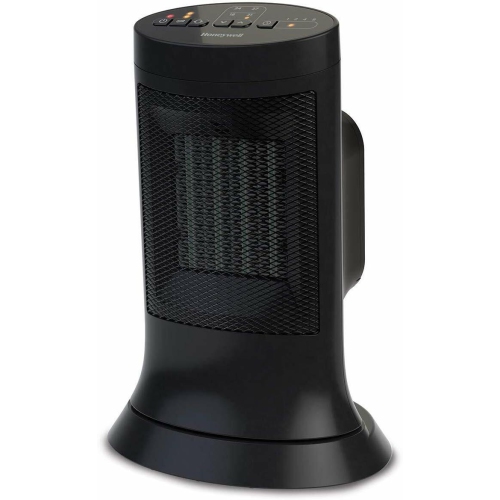
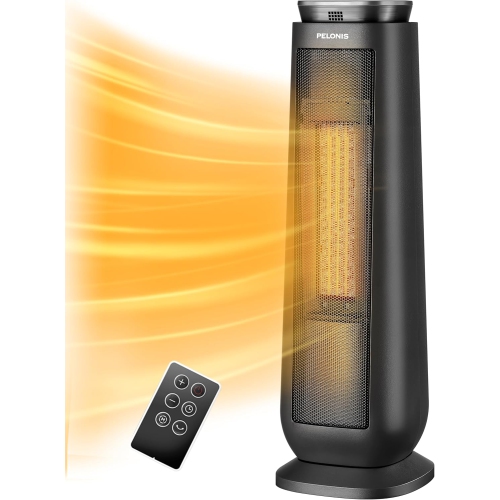
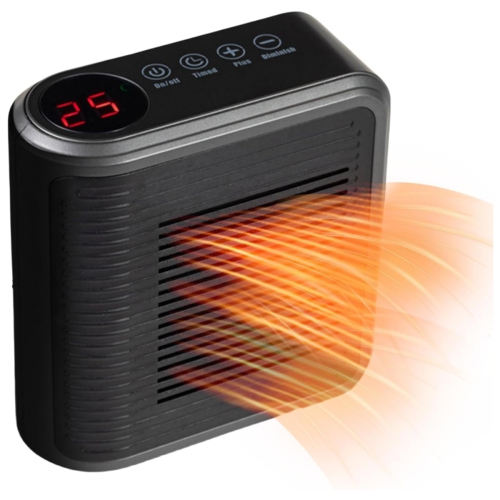
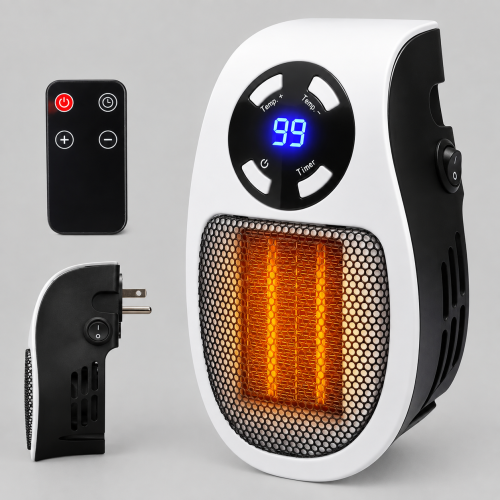
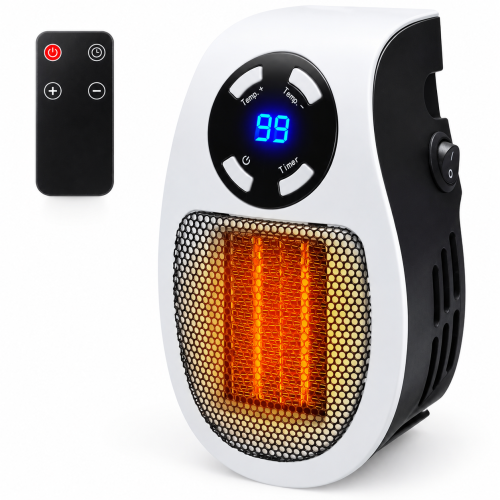
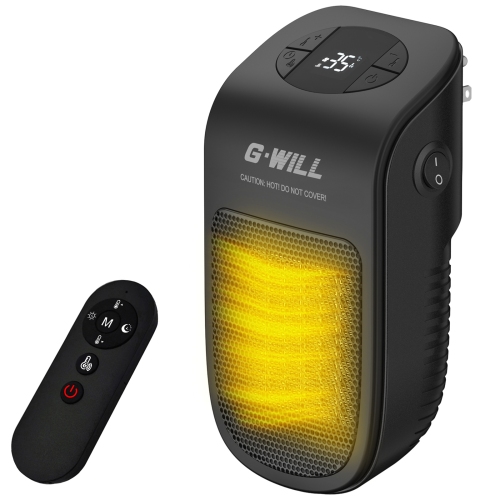
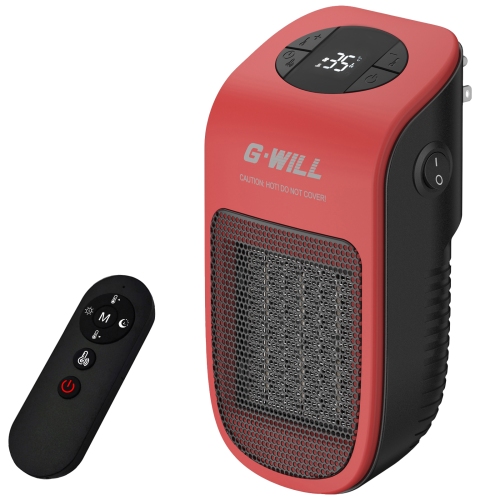
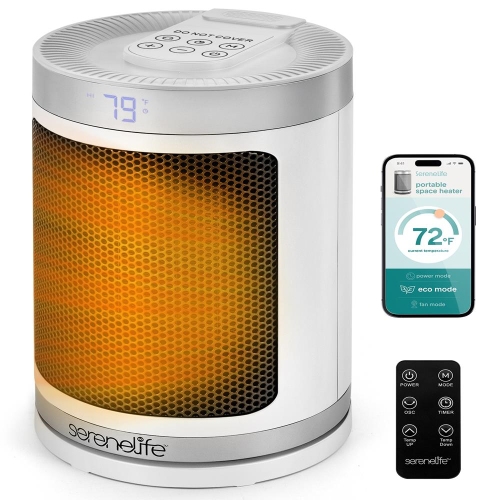
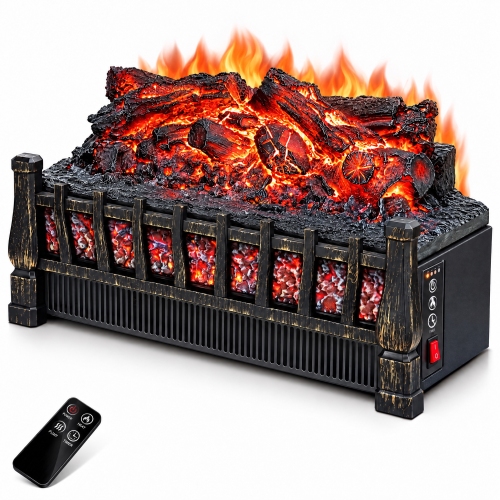
Heating schedules and timers do different jobs
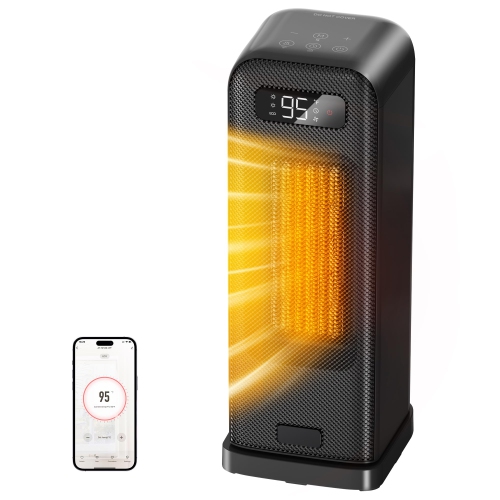
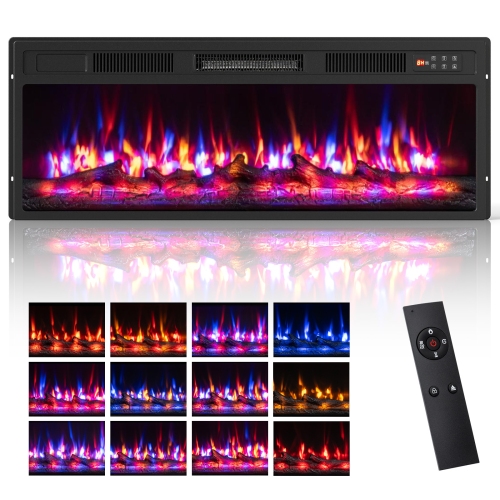
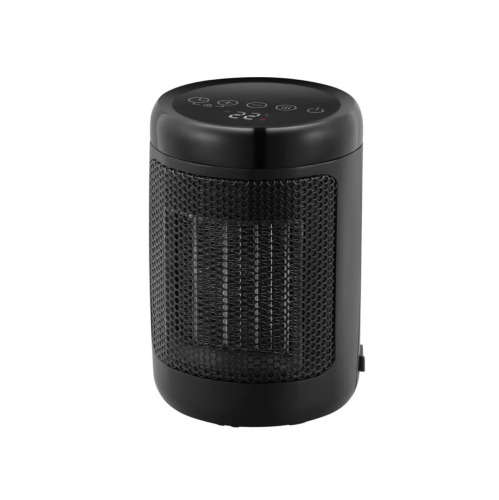
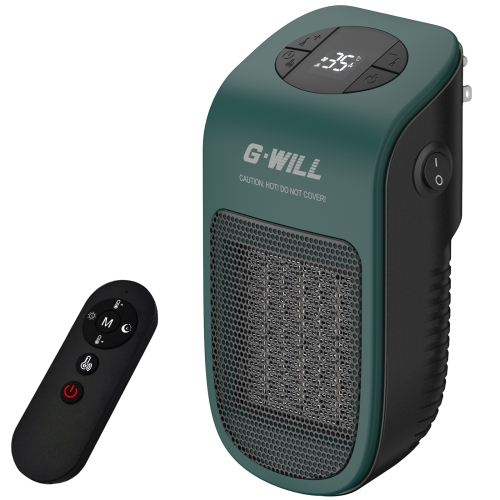
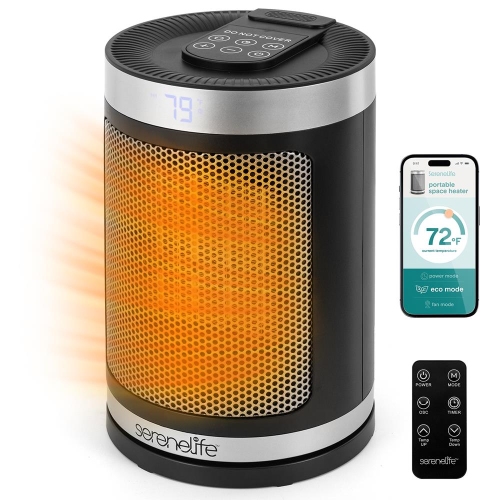
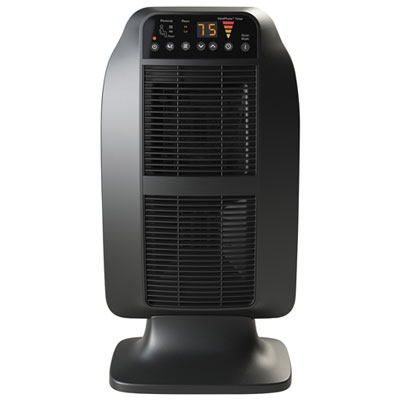
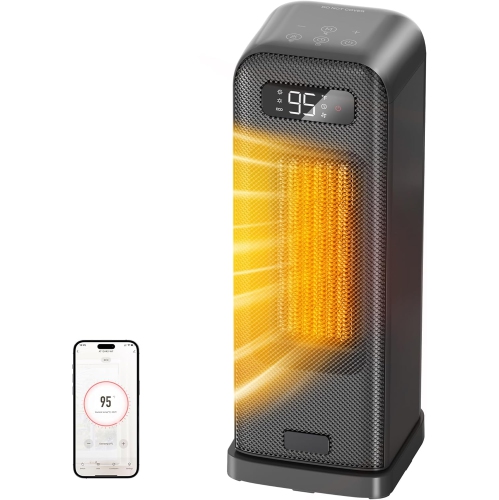
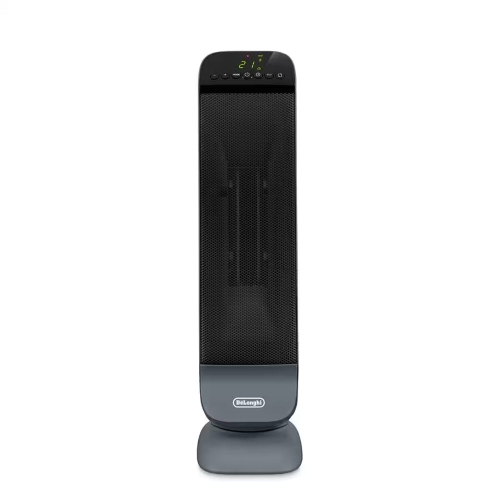
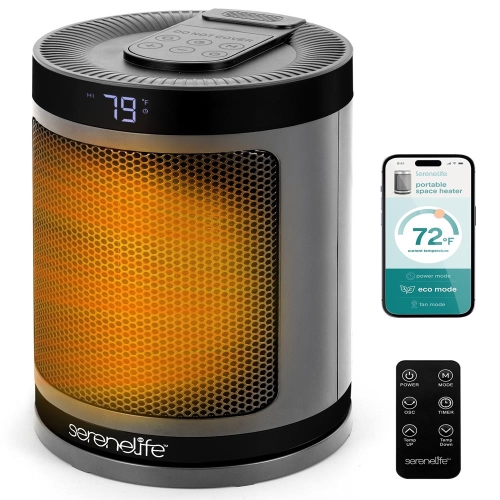
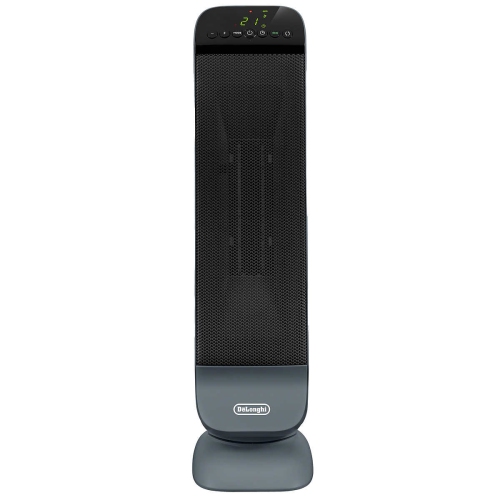
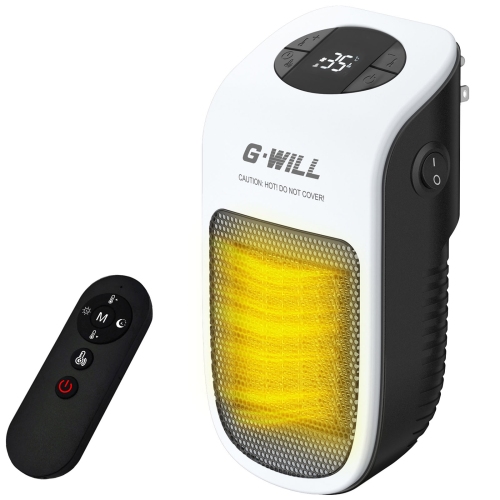
Programmable electric heaters combine electric heating with controls that let you choose a temperature and, depending on the model, set when heating starts, changes, or stops. Instead of adjusting a dial whenever a room feels chilly, you can establish settings that suit a regular routine, such as working in a home office or spending the evening in a living room. A programmable thermostat responds to the temperature around its sensor, while a scheduling function changes the target temperature at selected times. These are different from a simple countdown timer, which usually turns the heater off after a chosen interval. The distinction matters when comparing features: a heater with a digital display or remote control does not necessarily support a full daily or weekly schedule. Some designs offer separate weekday and weekend settings, several temperature periods each day, or app controls for adjusting supported functions from a phone. Wi-Fi connectivity may add remote access, but network requirements and available controls vary. The heating format also shapes the experience. Ceramic fan heaters circulate warmed air and can provide a noticeable flow of heat near a seating area, while convection heaters warm air that moves through the room. Oil-filled radiator heaters use sealed fluid to transfer heat through their metal bodies, often without a fan, making operating sound less intrusive in a reading corner or study. Their fluid is not fuel and does not normally need topping up. Radiant heaters focus warmth more directly on people and nearby surfaces, which can suit a defined sitting area rather than evenly warming an entire room. Materials such as steel housings, metal grilles, ceramic heating elements, and moulded control panels serve different purposes, so the construction is worth considering alongside the controls. Sturdy feet, secure handles, and clearly marked buttons can make a heater easier to position and operate, while a readable display helps when checking a setting from a chair.
The best fit depends on the room, the electrical supply, and how the heater will be used. A compact portable heater can provide supplemental warmth in an occupied room, whereas a permanently installed baseboard or wall heater may form part of a room’s regular heating system when appropriately specified. Floor space matters as much as the heater’s dimensions: the unit needs the clearances stated by its manufacturer, away from curtains, bedding, furniture, and other combustible materials. A slim profile can be useful in a smaller room, but it does not remove those clearance requirements. For an office, fan noise and the position of the controls may matter throughout a long work session; in a shared living area, a stable base and an unobtrusive display may be more useful. Heating performance depends on more than an advertised room size. Ceiling height, insulation, draughts, window area, and whether doors remain open all affect how readily a space holds warmth. Wattage describes electrical input, not a guarantee that a heater will maintain a particular temperature in every room. Most electric resistance heaters turn nearly all the electricity they use into heat at the point of use, so differences in comfort often come from heat distribution, thermostat control, placement, and operating time. Programming can help manage energy use by reducing unnecessary heating when a space does not need the same temperature, provided the settings match the household’s routine. For example, a room used for afternoon study may need a different schedule from a living room used throughout the day. Consider how easily that schedule can be changed for an unexpected day at home. A temporary override, an adjustable thermostat, and clearly explained timer settings can be more practical than a long list of modes that are difficult to navigate. For app-enabled heaters, check whether core functions remain accessible on the heater itself and whether remote features require an account or a particular wireless connection. Also check what happens after a power interruption, since schedule retention and automatic restart behaviour differ.
Controls and installation need to work together, particularly with fixed electric heating. Programmable Thermostats can be relevant to compatible heating systems, but a thermostat intended for a low-voltage central heating system is not interchangeable with a line-voltage control used for many electric baseboard heaters. Voltage, wiring configuration, switching capacity, and the total connected heating load all need to match. Portable plug-in heaters should only be used with external controls if the heater manufacturer expressly permits that arrangement; an ordinary smart plug is not a substitute for a compatible heating control. Fixed installations and changes to electrical wiring belong with a qualified electrical professional. For portable use, follow the manufacturer’s connection instructions and plug the heater directly into a suitable wall outlet, not an extension cord or power bar. Keep the cord uncovered and out of walking paths, and stop using the heater if the cord, plug, or outlet shows damage, discolouration, or unusual heat. Look for a recognized Canadian electrical safety certification mark and safety features appropriate to the design, such as overheat protection and tip-over shut-off on portable units. These features do not make hot surfaces safe to touch or replace supervision around children and pets. A control lock can help prevent accidental setting changes, but it is not a physical barrier. Bathrooms and other damp locations require heaters specifically approved for that intended use and installed or positioned as directed. Everyday care is generally straightforward: switch the heater off, unplug portable units, and let surfaces cool before cleaning. Remove dust from accessible grilles and air openings using the method specified in the manual, keep liquids away from electrical parts, and never cover a heater or use it to dry clothing. Store portable heaters clean and dry with their cords protected from sharp bends. Durable construction, accessible cleaning surfaces, dependable controls, and clear operating instructions all contribute to a heater that remains practical through repeated use.
Top selling and popular products
-
 Your price for this item is $549.99
-
 Your price for this item is $549.99
-
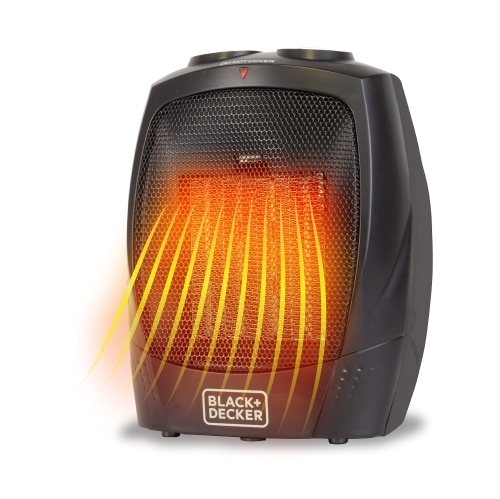 Your price for this item is $41.99
-
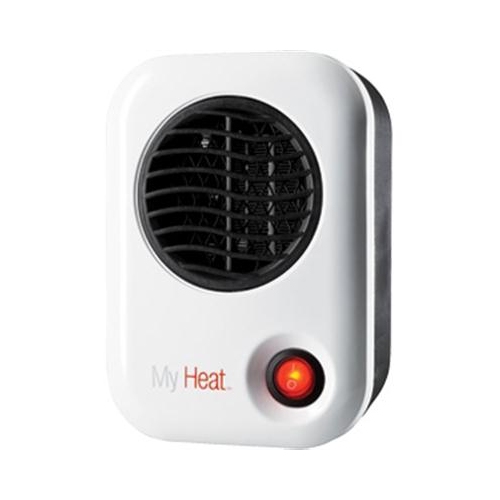 Your price for this item is $136.99
-
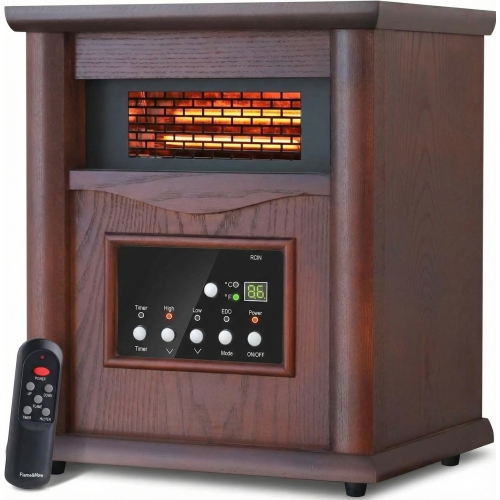 Your price for this item is $159.95
-
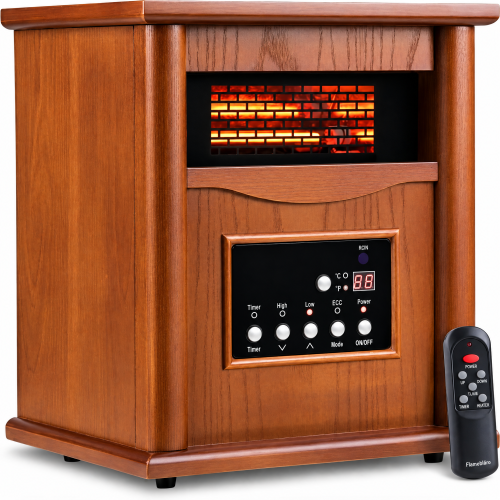 Your price for this item is $159.95
-
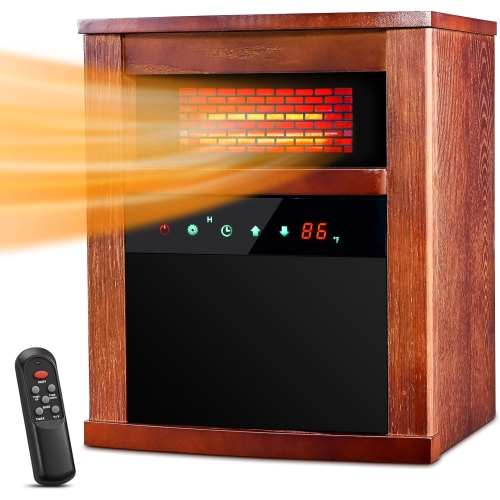 Your price for this item is $219.95
-
 Your price for this item is $159.95
Discover more categories related to Programmable Electric Heaters
Top Collections:
Best Black Friday Deals This Year, Best Black Friday Deals On Electronics, Kindle Devices, Pokemon Centers, Best Black Friday Deals On Apple Products, Best Cameras for Sports Photography, Dyson Airwrap, Pokémon 30th Celebration Cards, Apple iPhone 17 Pro, Canon G7X Cameras
Some products may be subject to Environmental Handling Fees
(EHF) depending on your province.
Learn more about EHFs.