Reversible Door Refrigerators
Upgrade your kitchen with a versatile and space-saving solution: reversible door refrigerators. These innovative appliances offer the flexibility to open the door from either the left or right side, allowing you to customize your kitchen layout to suit your needs. With a wide range of sizes and styles available, you can find the perfect refrigerator that combines functionality, style, and convenience. Whether you're looking for a compact option for a small kitchen or a spacious model for a busy family, reversible door refrigerators are designed to enhance your cooking experience while maximizing your storage space.
Sort
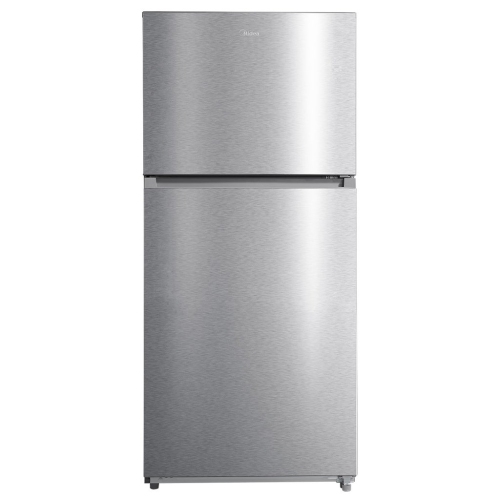
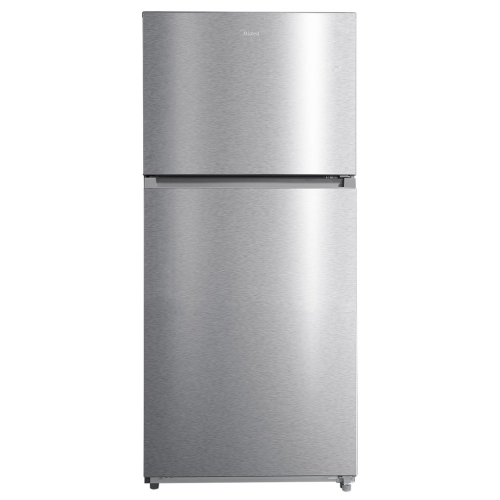
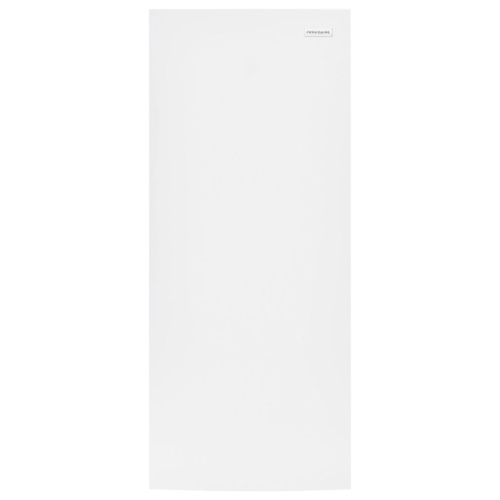
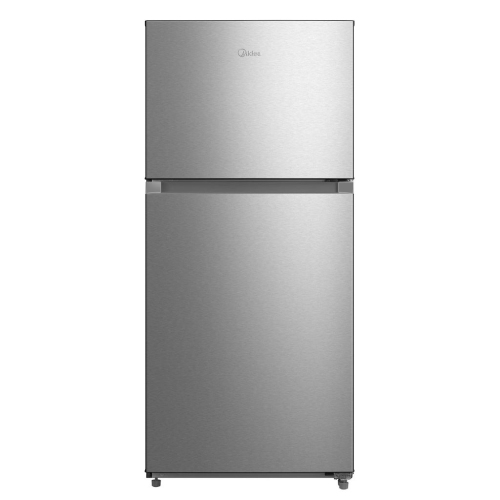
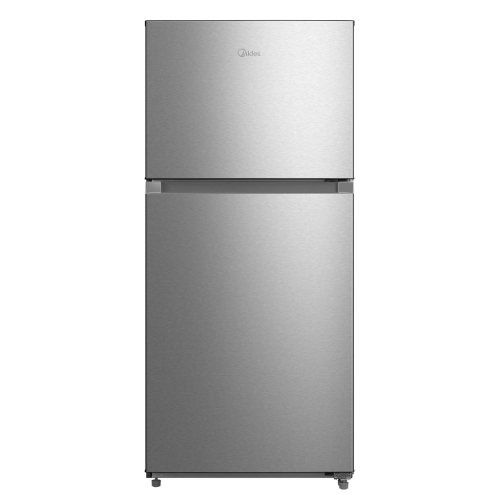
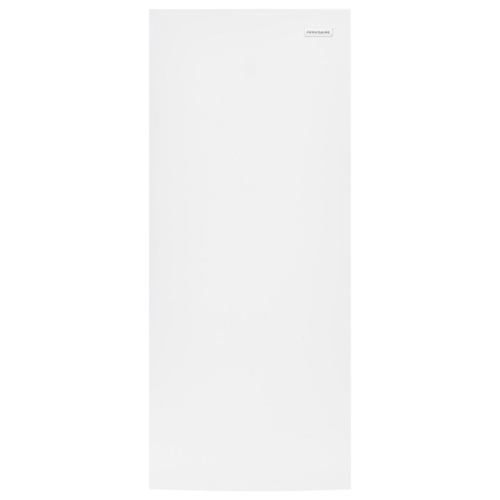
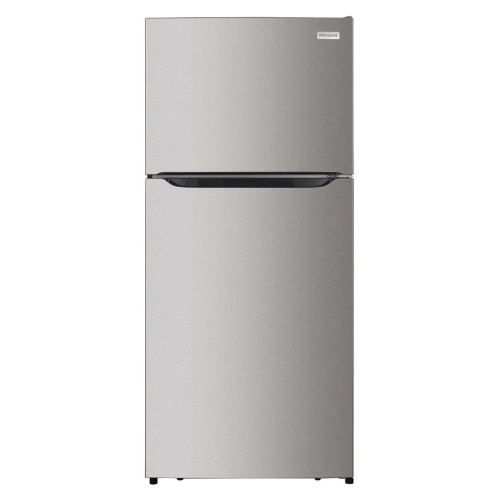
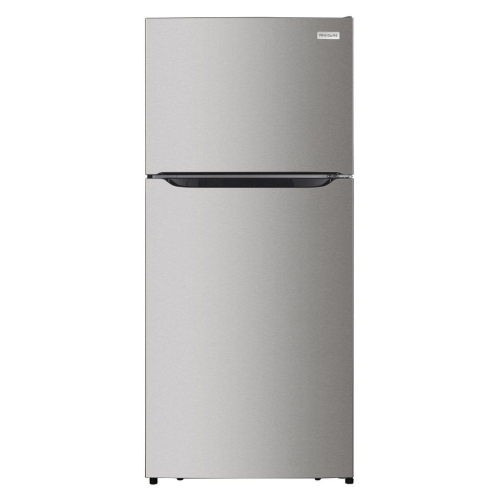
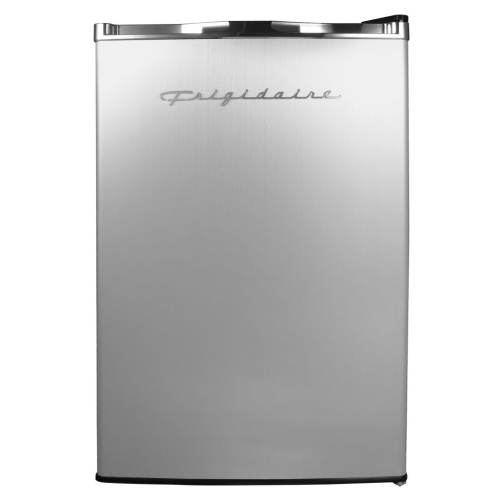

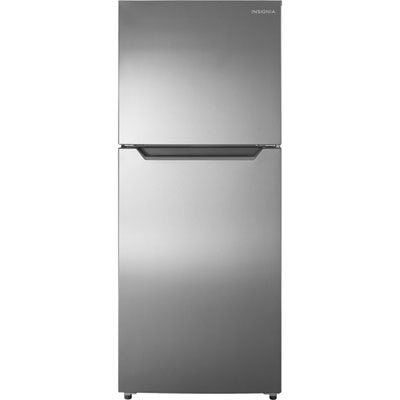
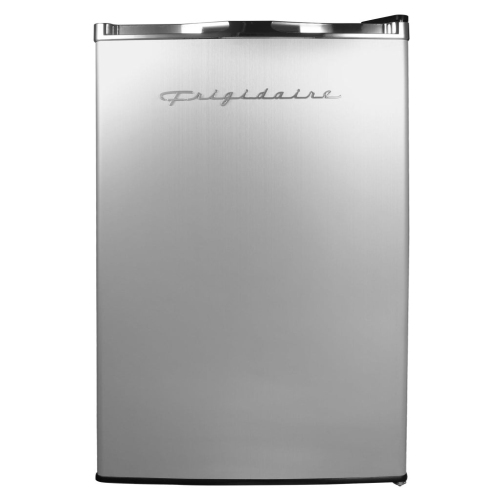
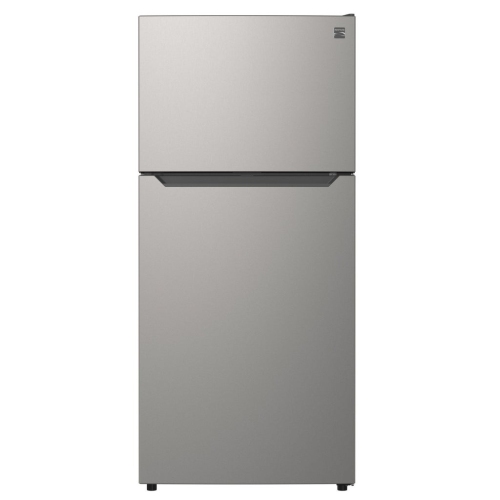
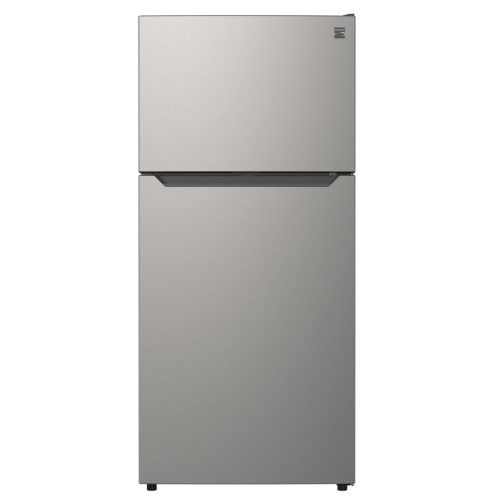
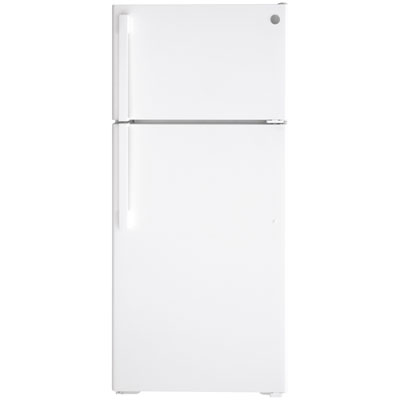
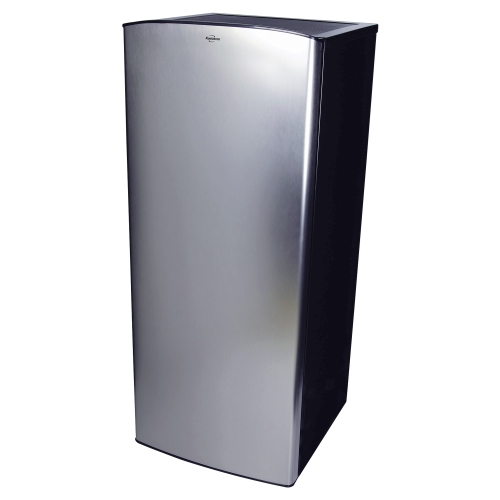
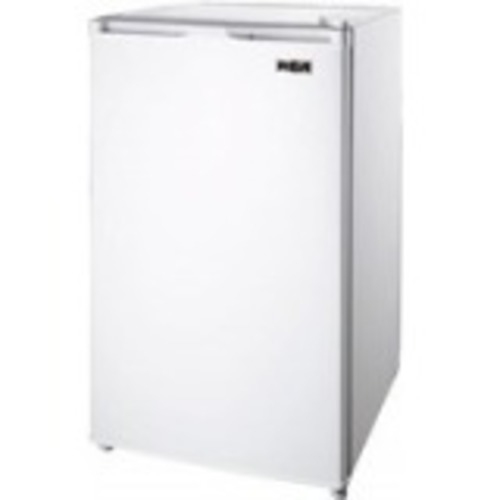
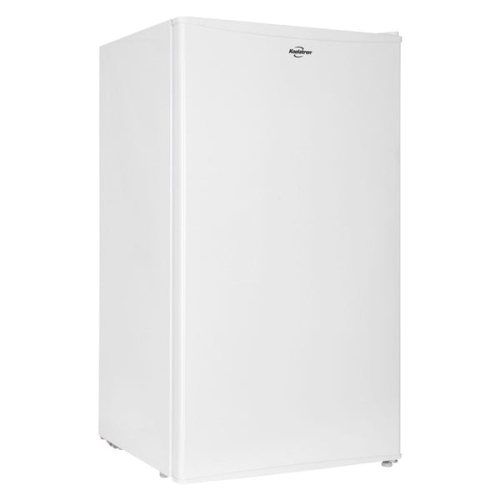
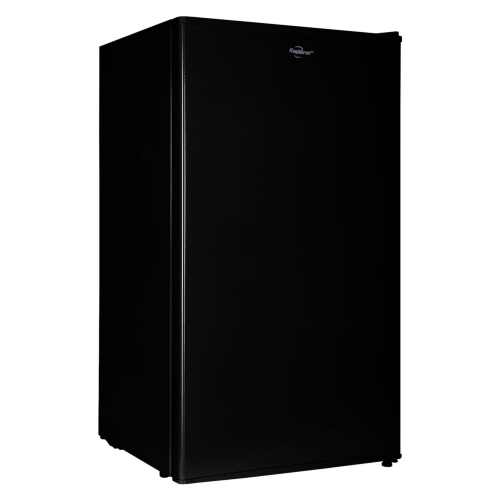
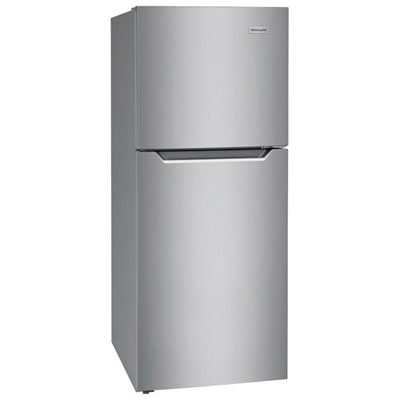
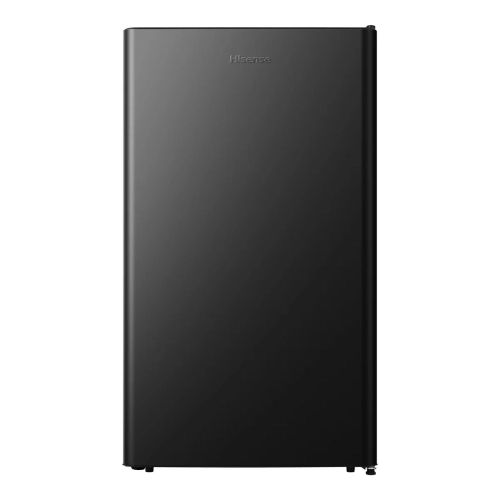
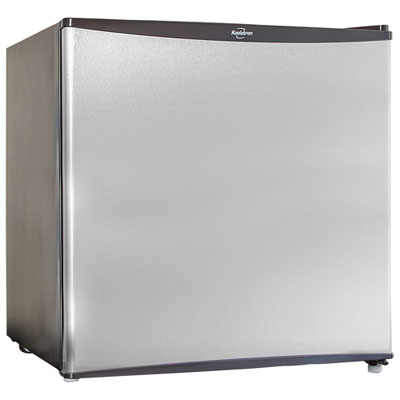
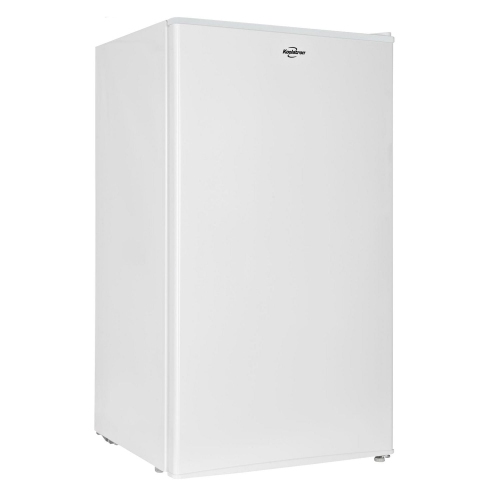
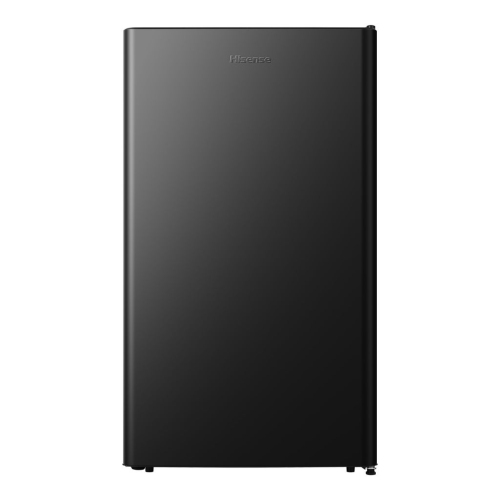
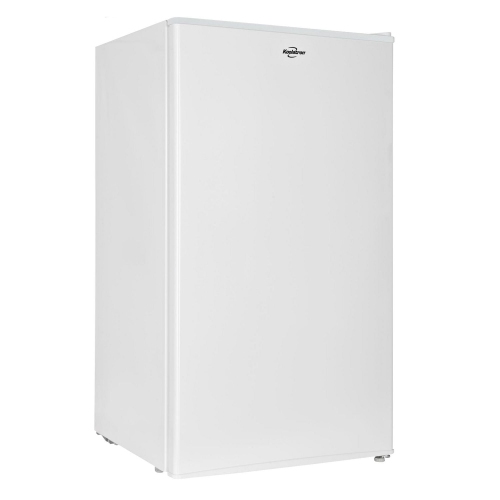

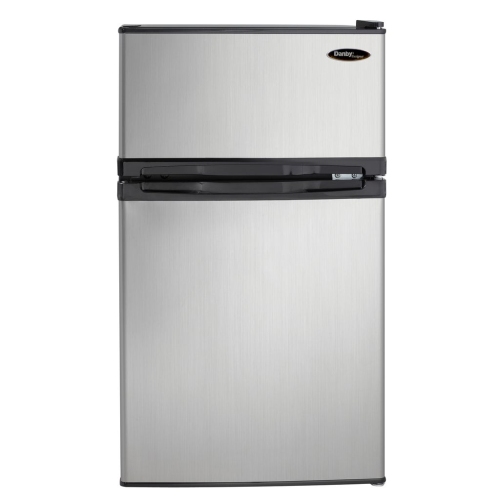

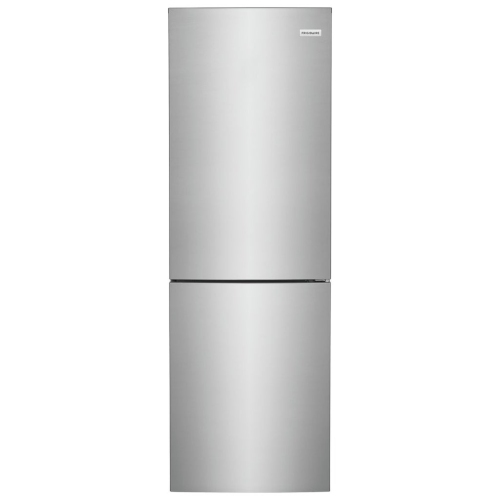
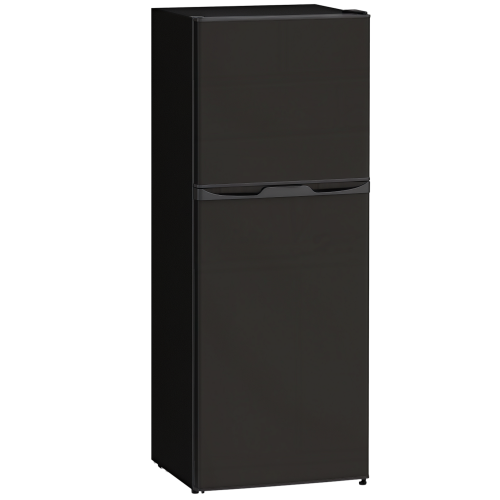
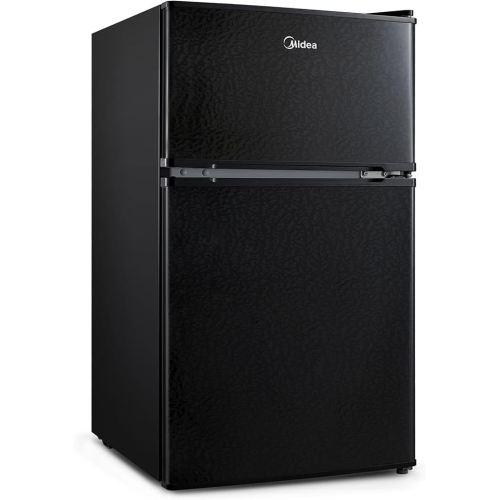

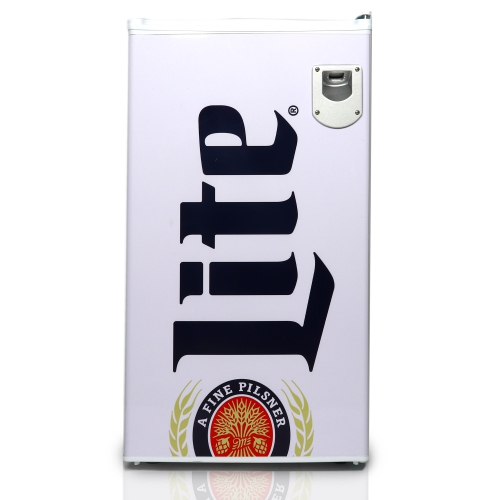
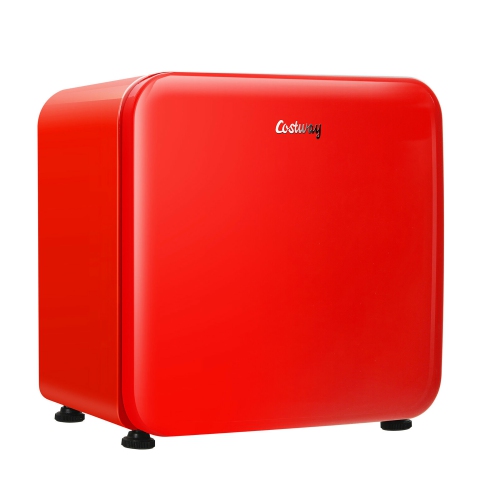
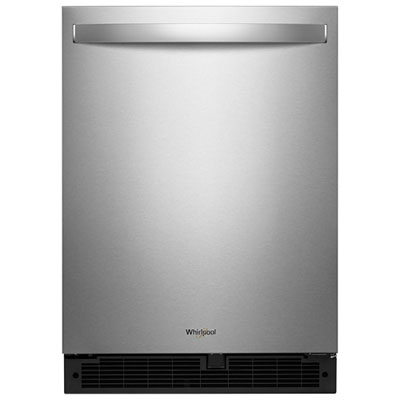
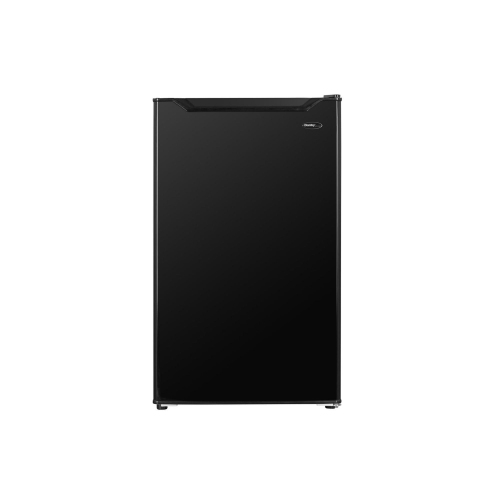
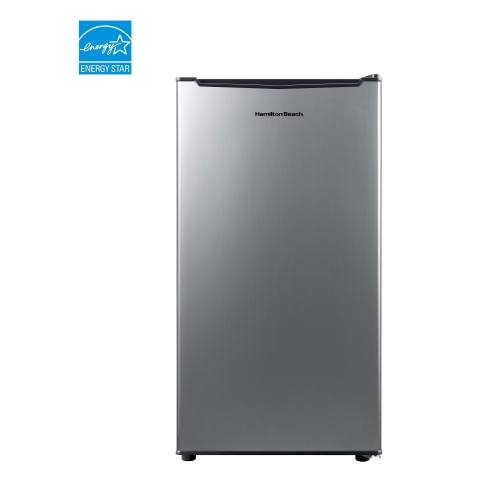
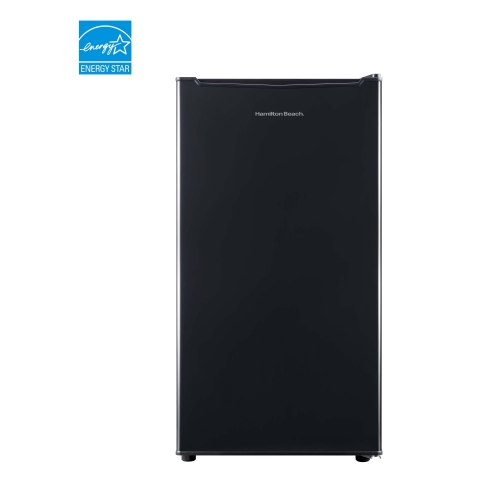
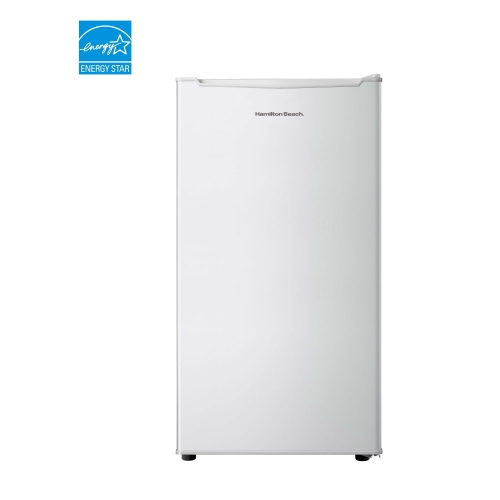
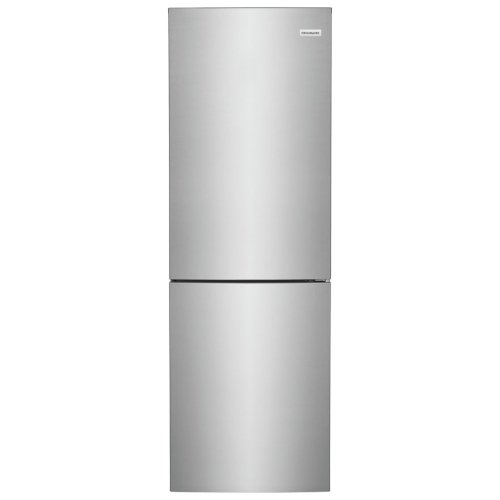
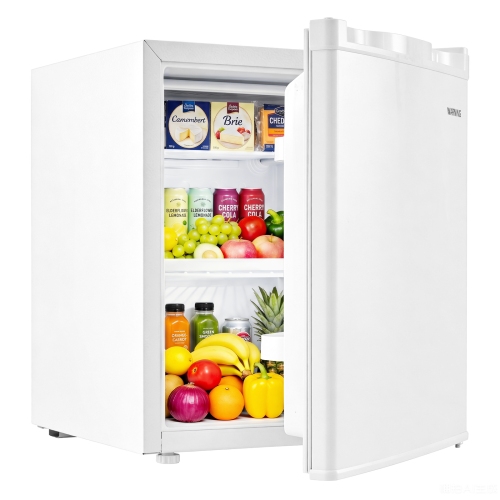
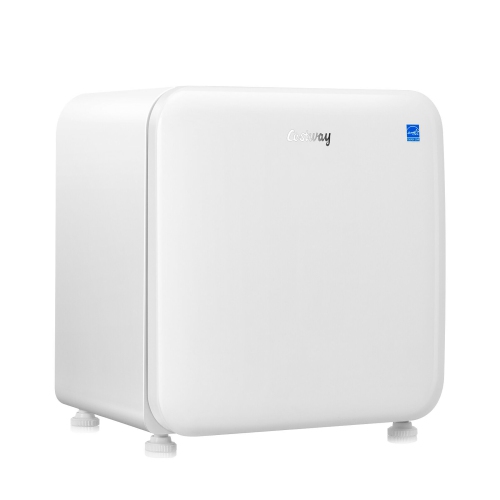

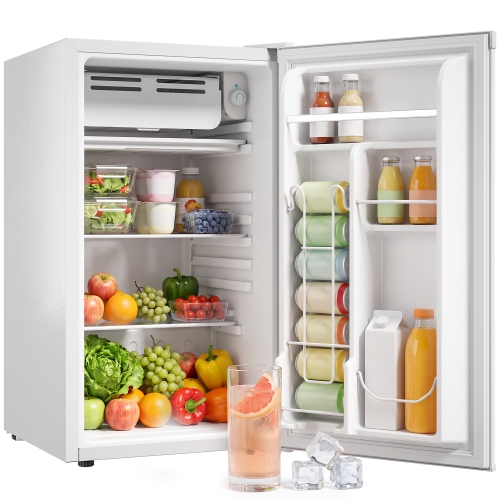
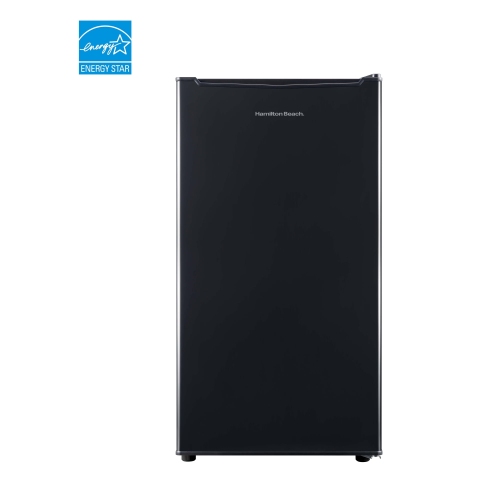


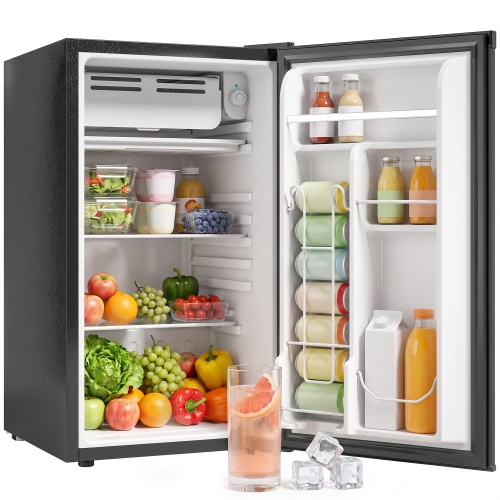
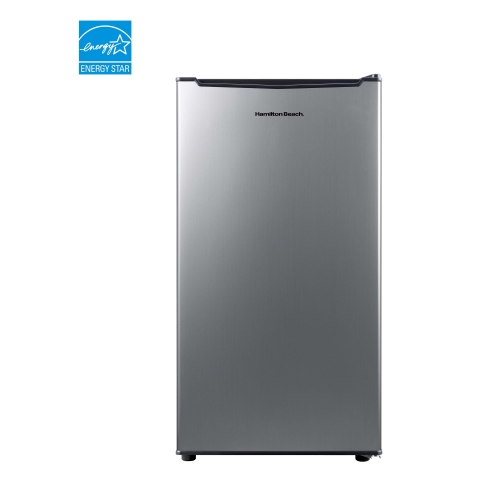
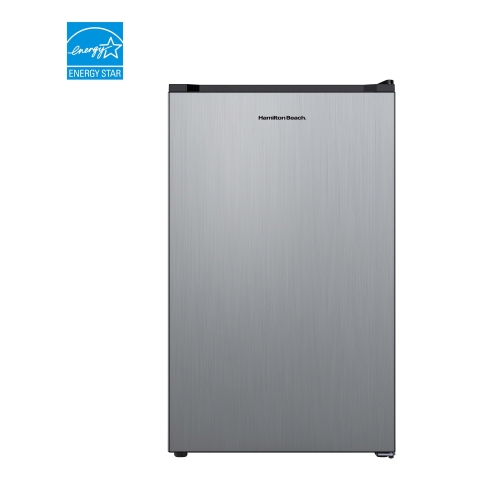
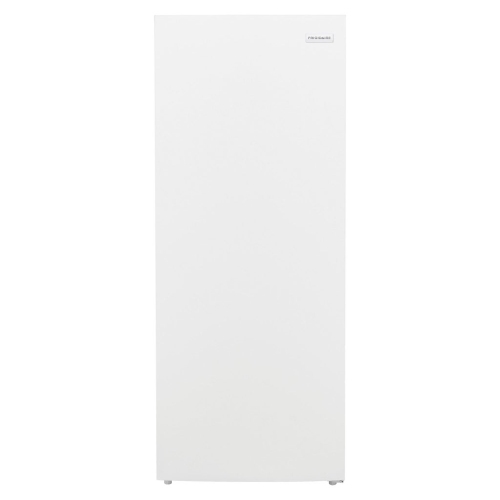
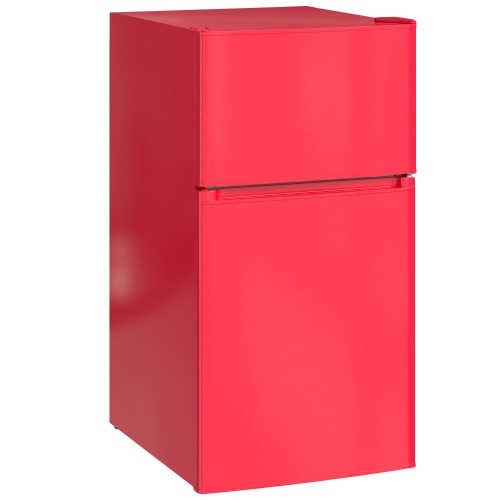
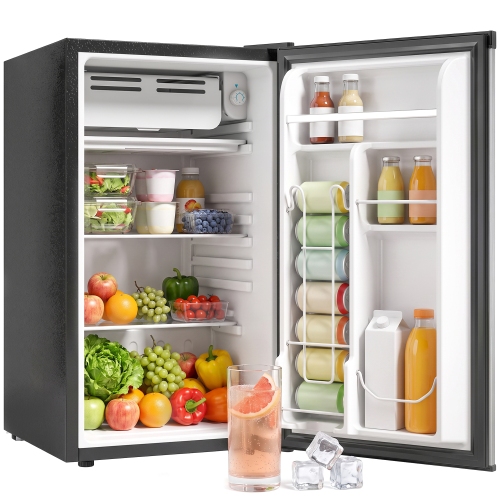
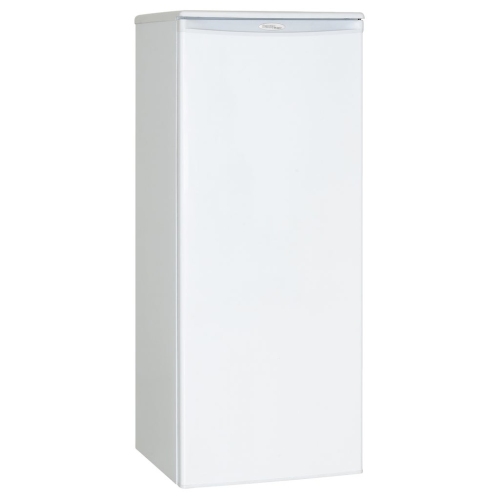
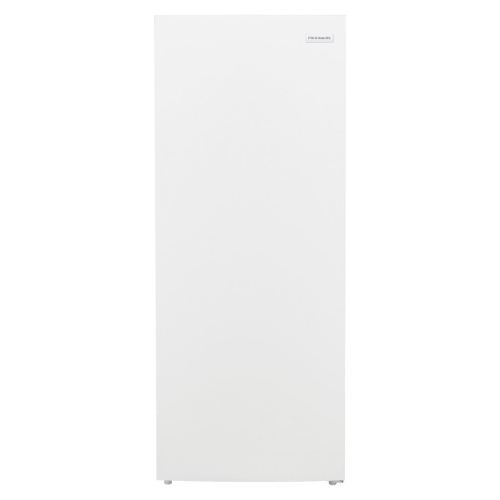
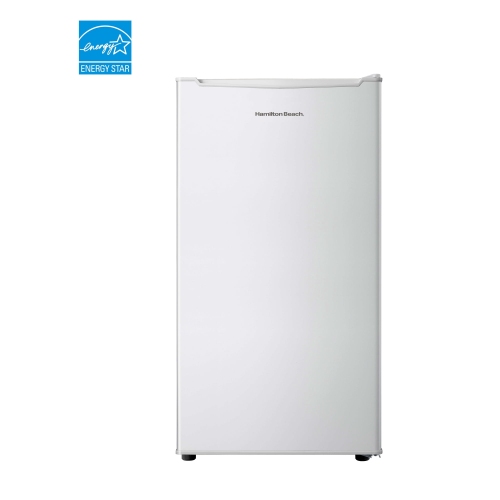
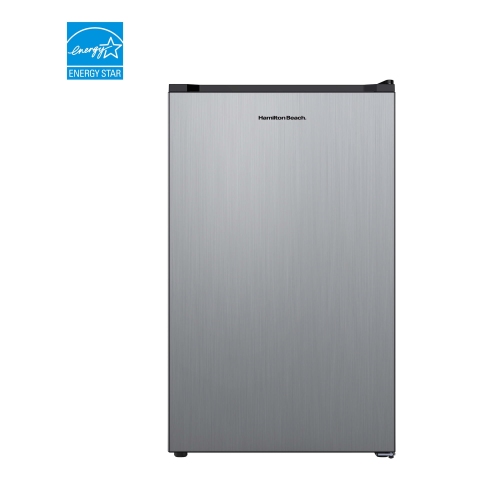
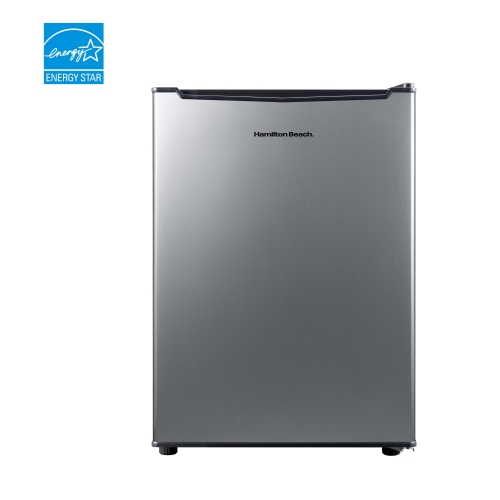
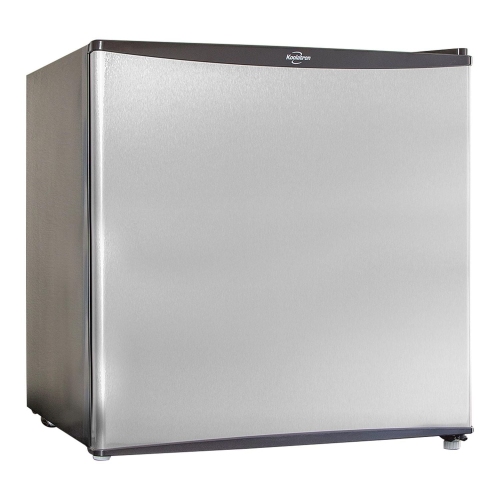
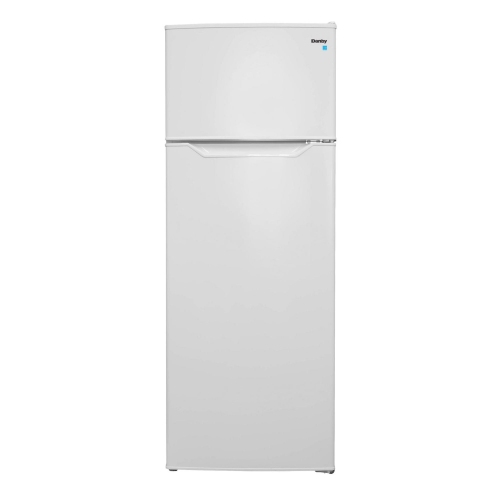
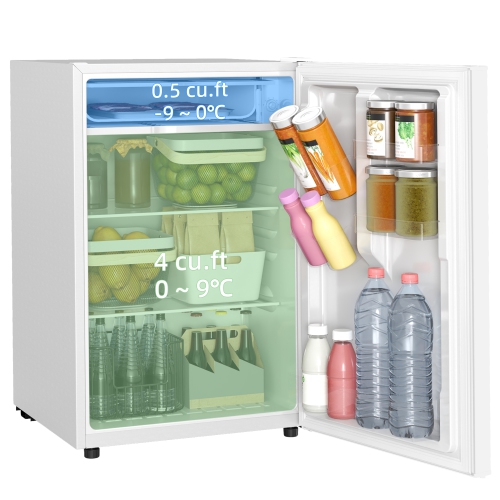
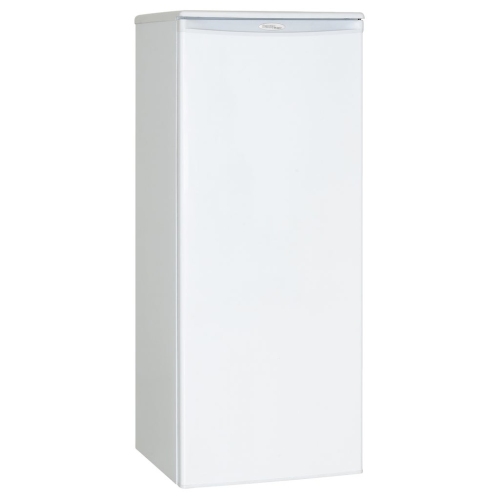
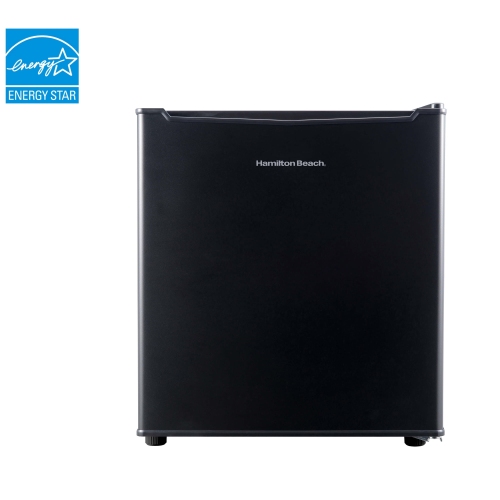
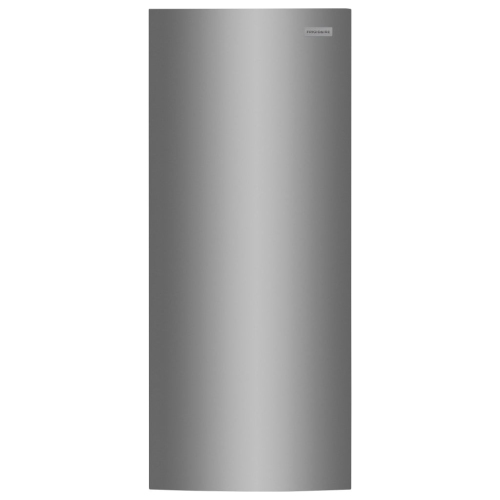
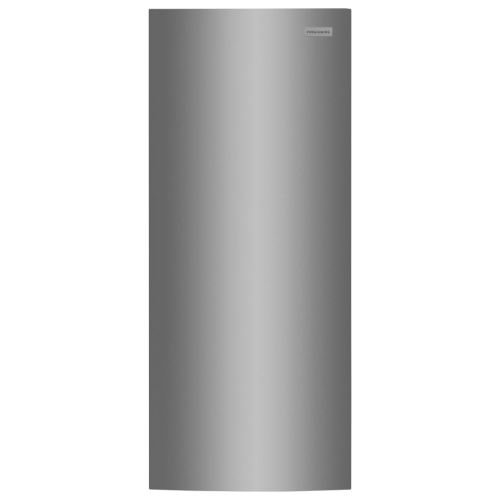
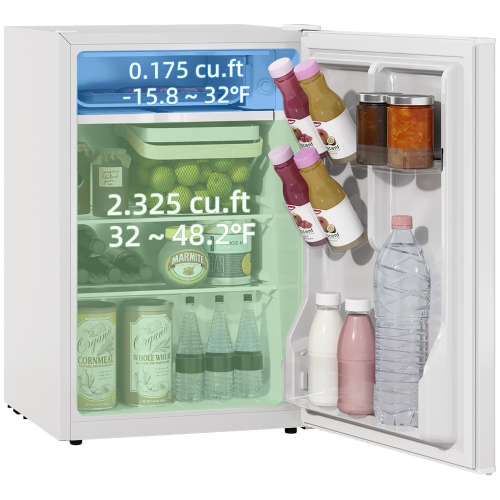
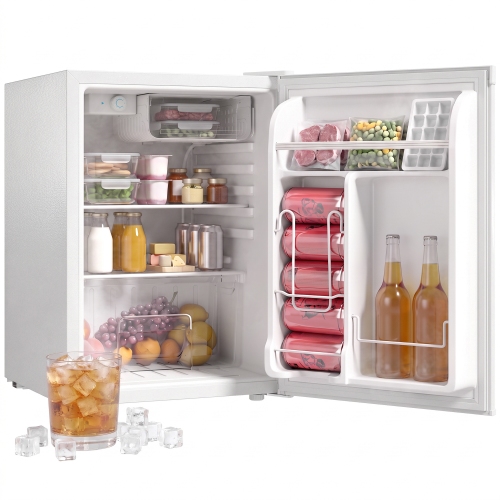
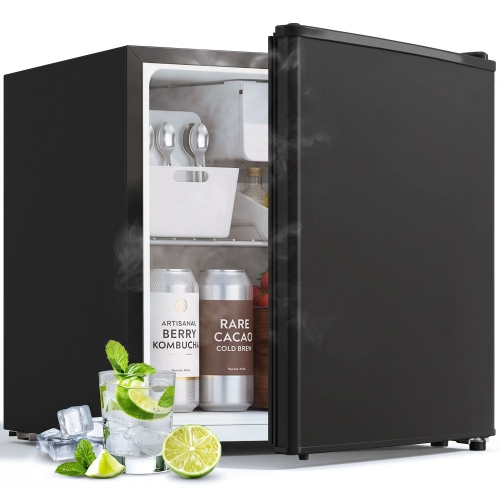
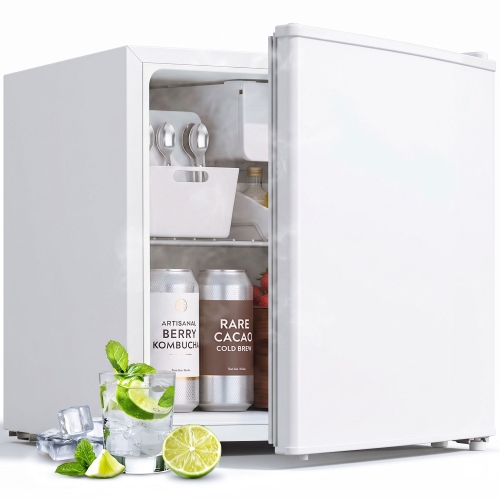
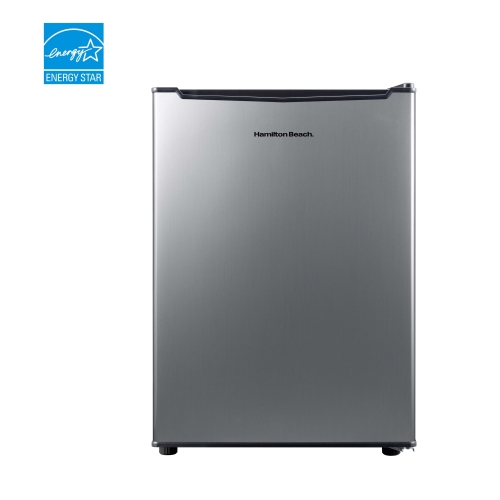
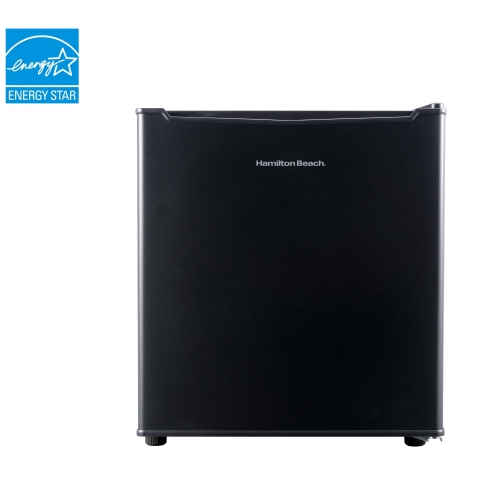
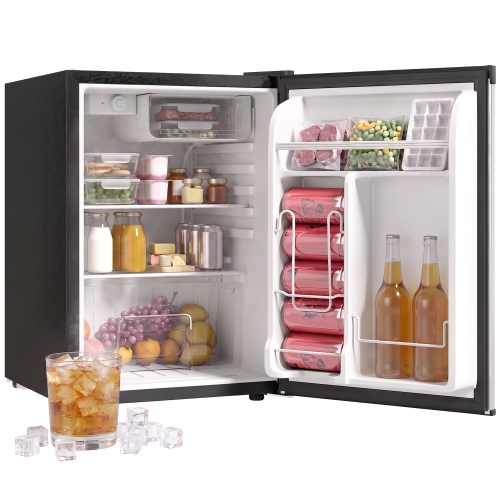
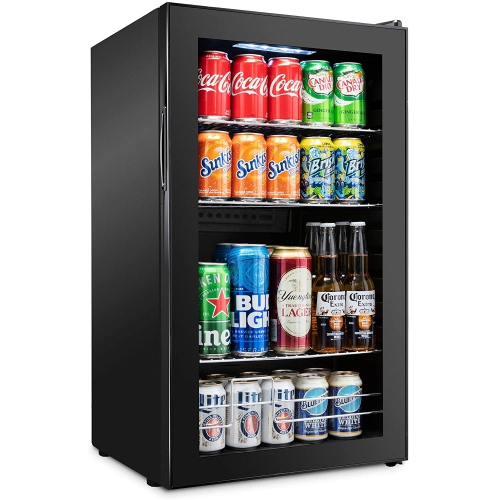
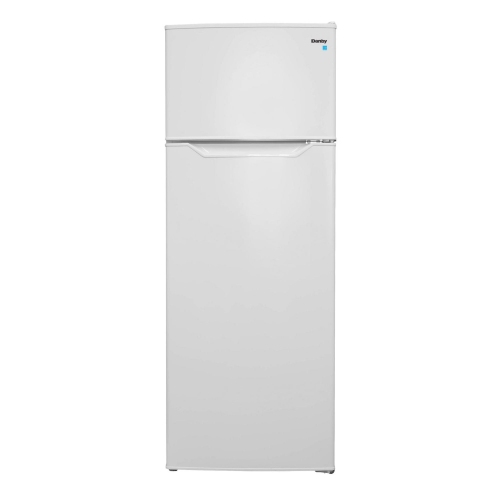
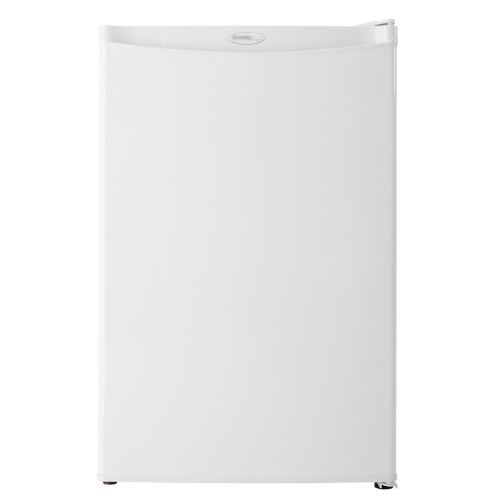
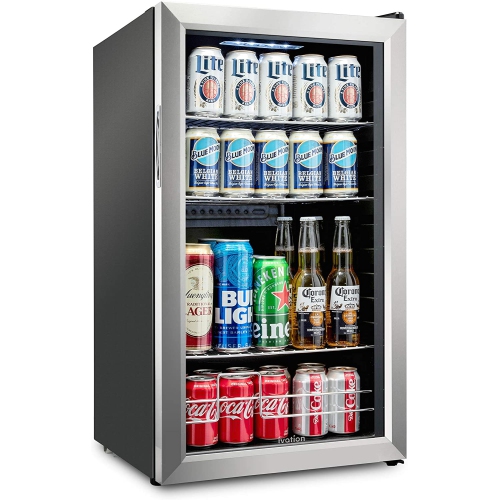
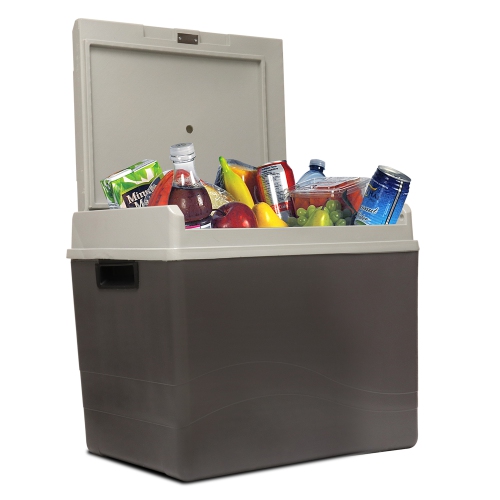

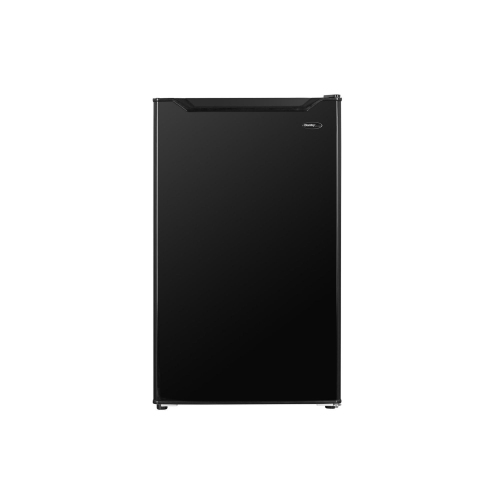
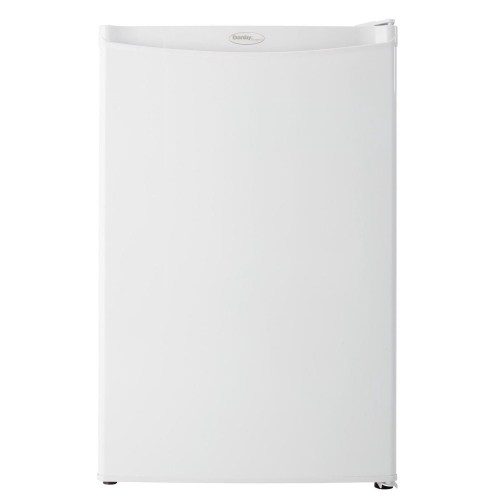

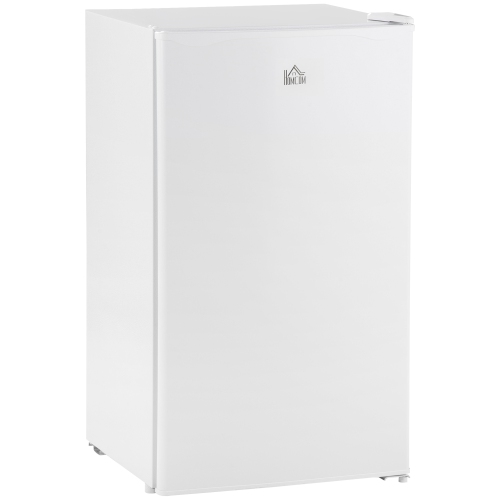
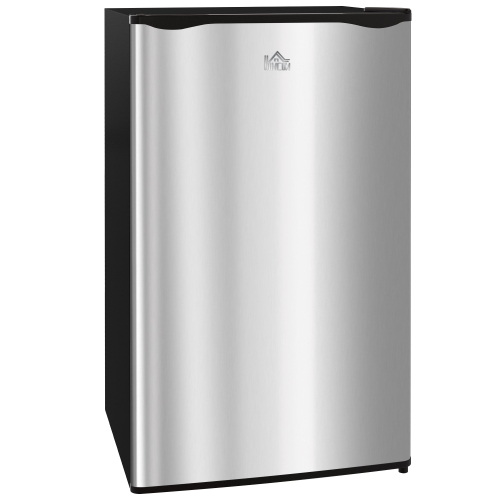
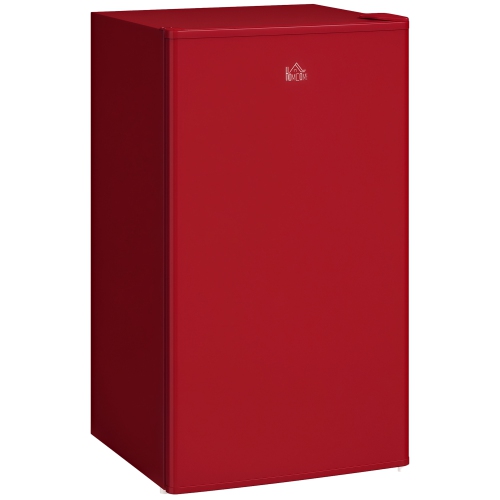
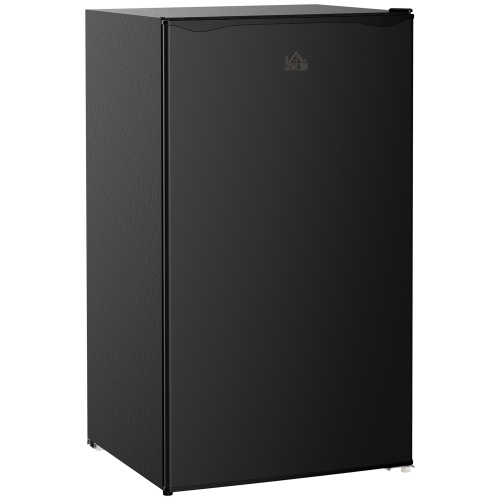
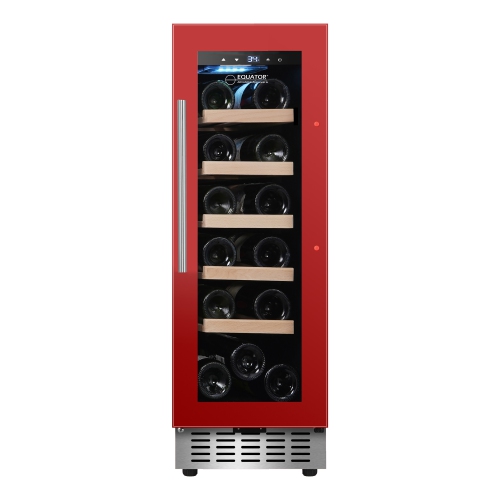
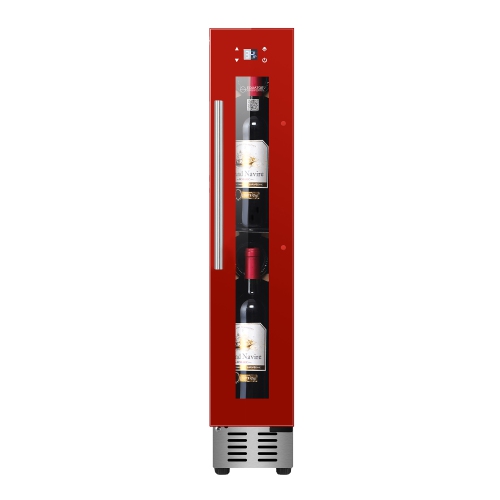


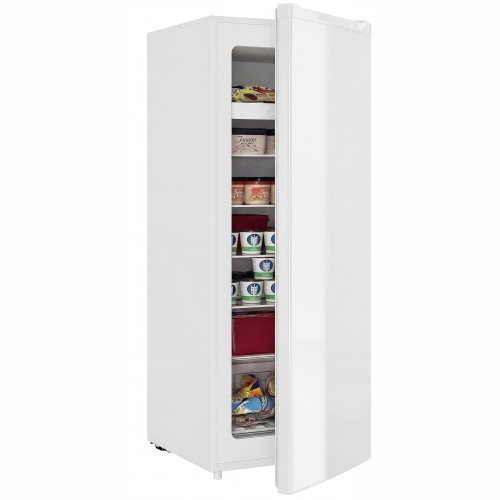


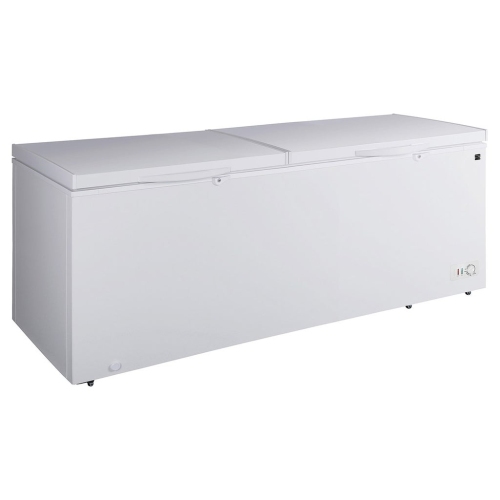
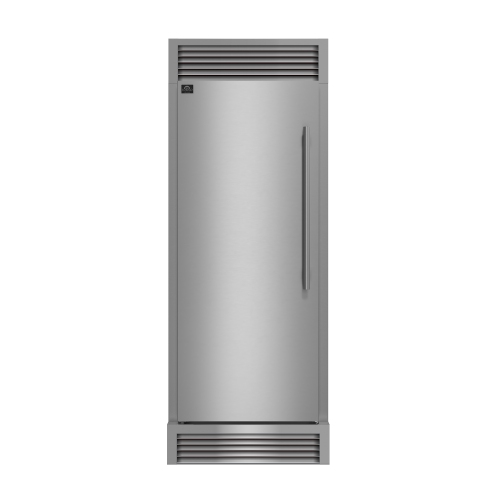
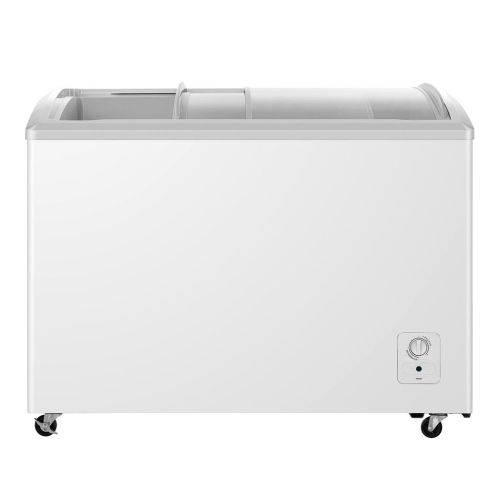


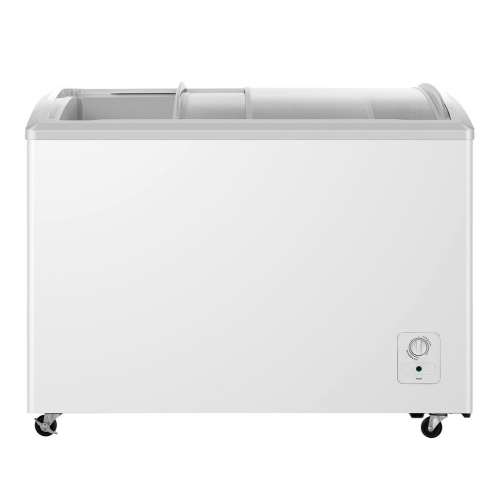


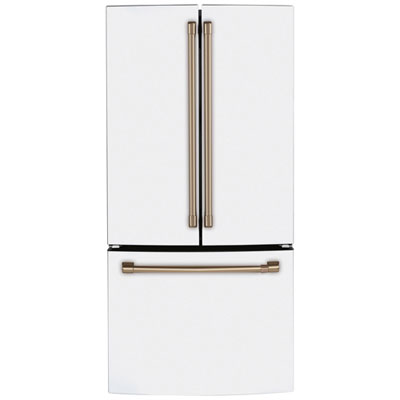
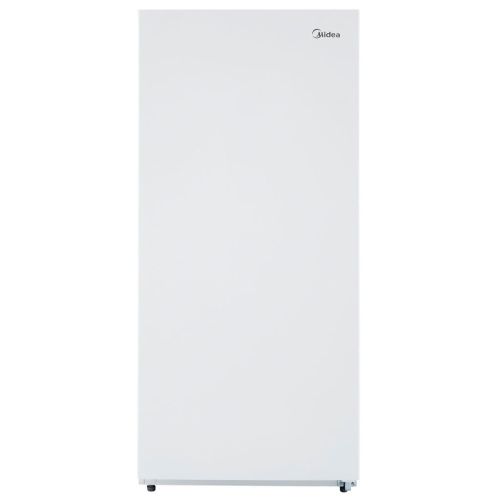
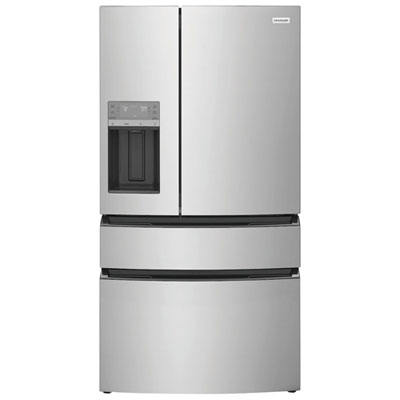
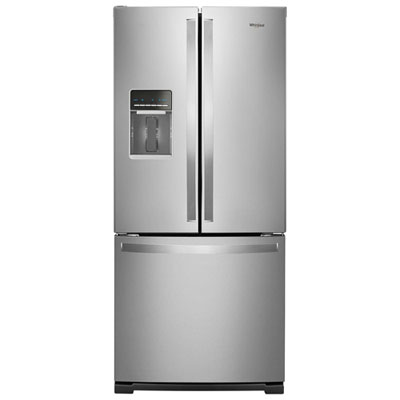

A door swing that suits your kitchen layout
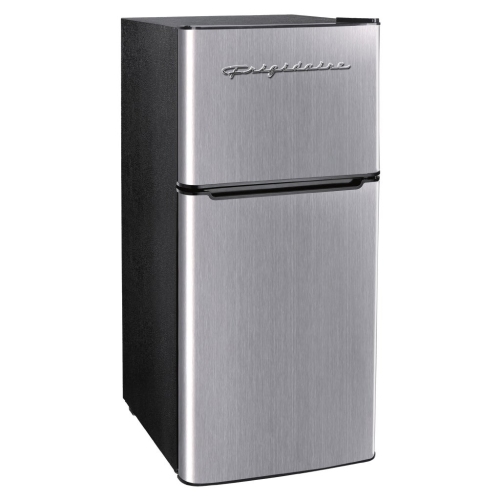
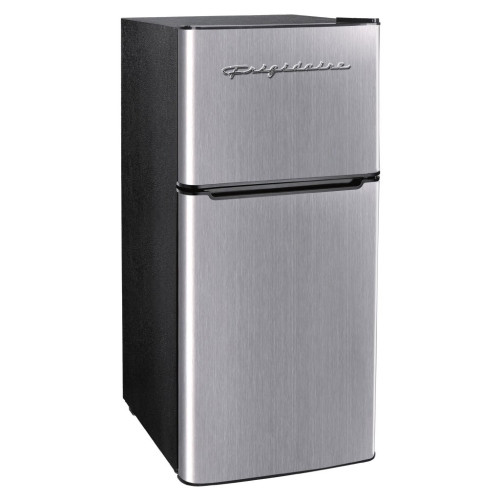
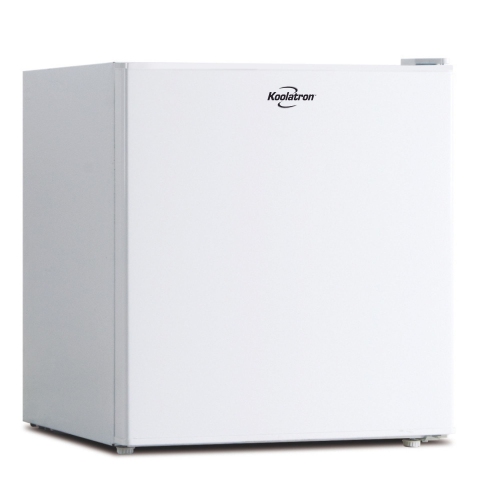
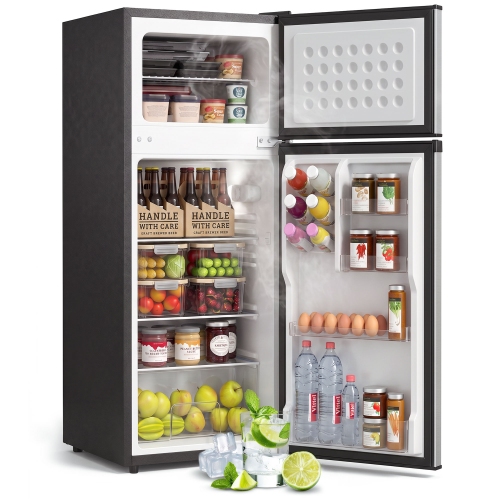
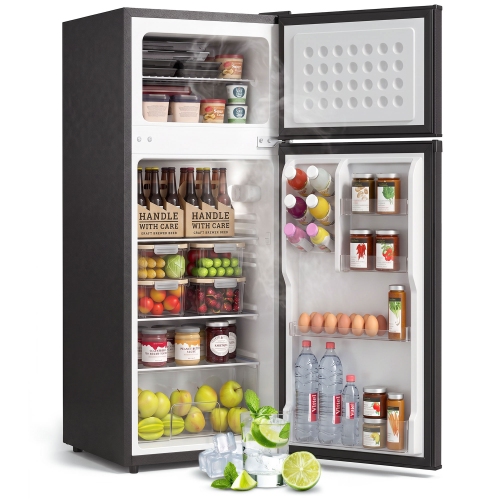
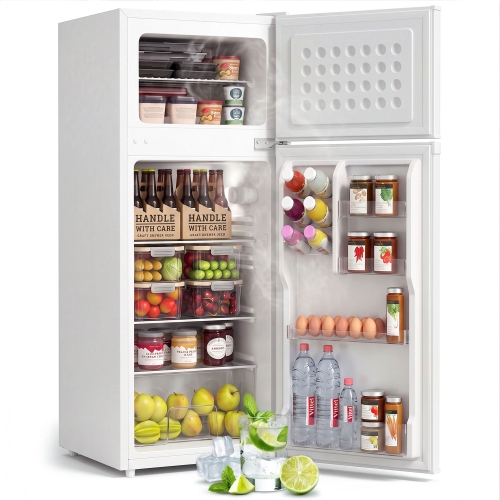
Reversible door refrigerators have doors that can be configured to open from either the left or the right, allowing the opening direction to suit the room rather than forcing the room to suit the appliance. The hinges and related hardware are moved to the opposite side according to the manufacturer’s instructions; the door does not swing both ways during everyday use. This flexibility is especially useful in a narrow kitchen, beside a wall, or near a doorway where an open fridge could interrupt the path through the room. With the hinge side positioned thoughtfully, someone unloading groceries can place a bag on the counter and reach directly into the refrigerator without walking around the door each time. Reversible doors are found on some top-freezer, bottom-freezer, and compact refrigerators, although the feature needs to be confirmed for each design. On models with separate refrigerator and freezer doors, it is also worth checking whether both doors can be reversed. For renters, condo owners, and households planning a future move, a changeable door swing can make it easier to use the same appliance in a different layout, provided the dimensions and installation requirements still fit. Compact formats can suit smaller kitchens, office lunch areas, or secondary food storage, while larger formats accommodate the groceries and meal preparation of a full household. The benefit is practical rather than complicated: milk, vegetables, and containers of leftovers are easier to reach when the open door sits out of the way. Reversibility alone does not determine how much food a fridge holds, how evenly it maintains temperature, or how its shelves are arranged, so it works best as one part of the overall fit. A kitchen with a counter on the left may call for a different swing from an otherwise similar kitchen with its main preparation space on the right. Even the position of a nearby dishwasher can affect which opening direction feels natural during a busy evening.
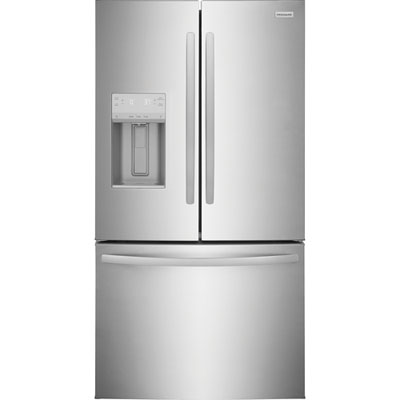
Physical fit involves more than matching the refrigerator’s width to an empty space between cabinets. Height, depth, ventilation clearances, and the room needed for the door to open all affect everyday use. Handles may project beyond the cabinet face, and a door beside a wall may need additional clearance before interior drawers can slide out fully. Manufacturer measurements and clearance requirements are important here, particularly in older kitchens with tight alcoves or uneven floors. The delivery route matters as well, including entrance doors, hallways, stair turns, and any other narrow points between the entrance and the kitchen. Once the appliance is in place, the intended hinge side should allow comfortable access to shelves without blocking the main walkway. Door reversal procedures vary: some designs use supplied parts, while others may require a separate hinge kit or professional service. Doors with wiring or additional features can have different limitations, and not every refrigerator with a similar appearance supports reversal. Interior capacity, usually expressed in litres, is another consideration, but usable space depends just as much on the arrangement inside. Adjustable shelves can make room for a tall pitcher, wide shelves can hold a covered serving dish, and clear produce drawers help keep fresh ingredients visible. Door bins should suit the bottles and cartons a household regularly uses without becoming overcrowded. A top-freezer layout separates frozen food above the fresh-food compartment, while a bottom-freezer layout places frequently used refrigerated ingredients higher up. Compact refrigerators need closer attention to freezer specifications, since a small internal freezing compartment may not offer the same storage conditions as a separate freezer. Households looking for two side-by-side fresh-food doors above a lower freezer can also explore Bottom Freezer French Door Refrigerators. That layout is distinct from a reversible single-door swing, and French doors should not be assumed to be reversible. The right arrangement depends on the space in front of the appliance, the foods stored most often, and how comfortably each compartment can be reached.
Materials, finish, and routine care influence how a reversible door fridge looks and performs over years of opening, closing, and restocking. Stainless steel, coated metal, and painted finishes have different cleaning needs, and fingerprint-resistant surfaces can help reduce visible handling marks where that treatment is specified. Inside, shelf materials and supports deserve attention: removable glass shelves provide a clear view of food and can simplify spill cleanup, while wire shelves have a different structure and may be less suited to small containers with narrow bases. Shelf load limits still apply, especially when storing several heavy dishes or large beverage containers together. Smooth drawer movement, secure door bins, and a well-seated door gasket all contribute to daily usability. After a door has been reversed, correct alignment is essential so the gasket makes consistent contact around the opening and the door closes as intended. A refrigerator that rocks or sits out of level may need adjustment according to its installation instructions rather than repeated changes to the hinges. For cleaning, mild products and a soft cloth are generally a sensible starting point, with the care manual taking precedence for finishes, seals, and removable parts. Spills are easier to manage before they dry beneath a drawer, and keeping the gasket free of crumbs helps preserve a clean sealing surface. Air vents inside the refrigerator should remain unobstructed so cold air can circulate around stored food. A frost-free design reduces the need for manual defrosting, while a manual-defrost model requires periodic attention as frost builds up. In an open-plan home or a room close to sleeping areas, published sound information can also be useful when comparing designs. A secondary refrigerator intended for a garage needs an appropriate operating-temperature rating; suitability for a kitchen does not automatically mean suitability for an unheated space during colder weather. Whether used for weekly groceries, packed lunches, or extra dishes when family visits, a well-fitted reversible door refrigerator brings together accessible storage, a suitable door swing, and care requirements that match the household’s routine.
Top selling and popular products
-
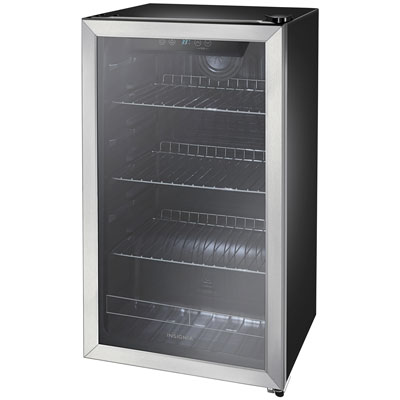 Your price for this item is $249.99
-
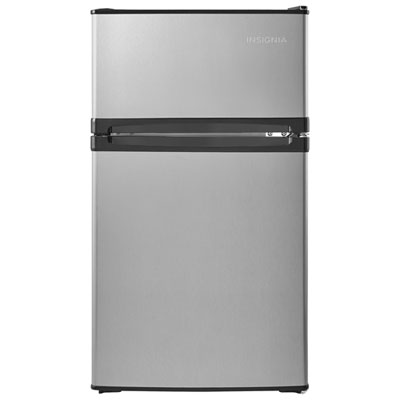 Your price for this item is $299.99
-
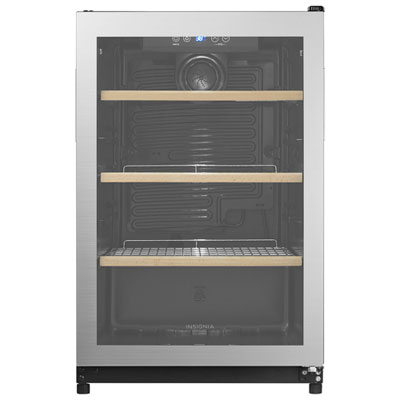 Your price for this item is $599.99
-
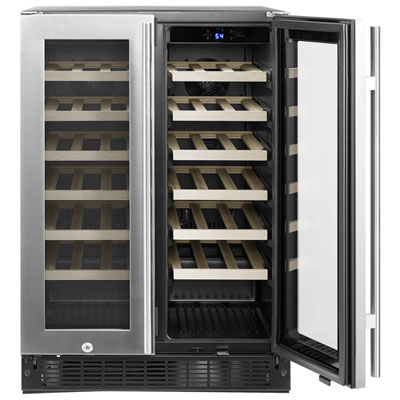 Your price for this item is $649.99
-
 Your price for this item is $699.99
-
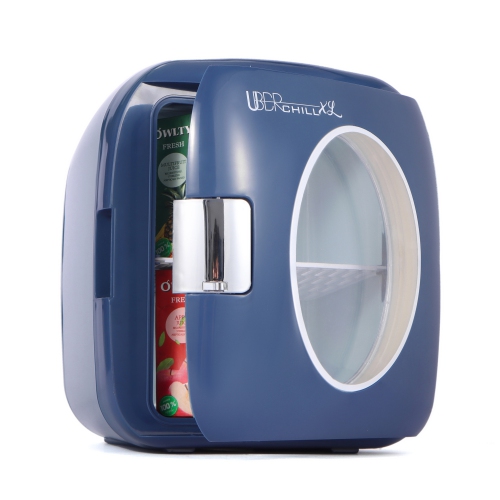 Your price for this item is $169.99
-
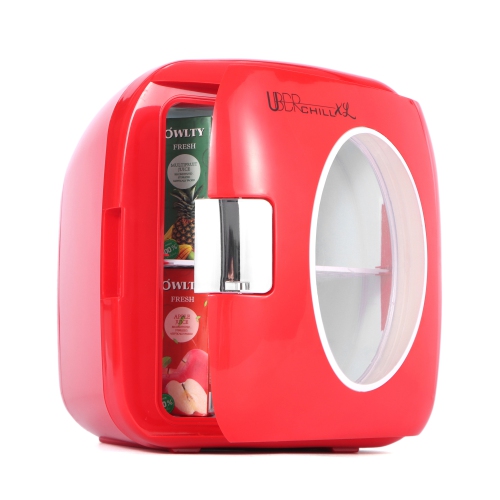 Your price for this item is $169.99
-
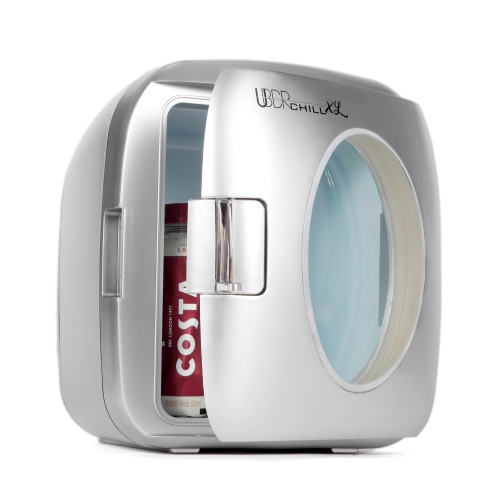 Your price for this item is $169.99
Discover more categories related to Reversible Door Refrigerators


Top Collections:
Pokemon Centers, Best Cameras for Sports Photography, Kindle Devices, Samsung Galaxy Phones, Canon G7X Cameras, Pokémon 30th Celebration Cards, Refurbished Apple Laptops, iPhone 15 Apple, Laptops for Students, Budget Smartphones
Some products may be subject to Environmental Handling Fees
(EHF) depending on your province.
Learn more about EHFs.