Safest Humidifiers
A humidifier adds moisture to the air, which is especially helpful during cold and flu season. But it's also important for general health and well-being. If you're looking for a safe, healthy option for your family, we've found some of the best humidifiers on the market.
Sort
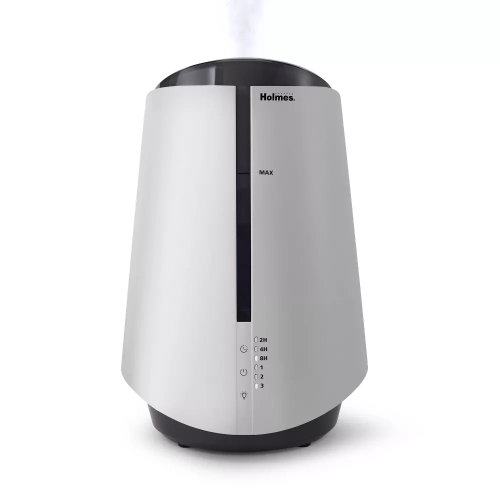
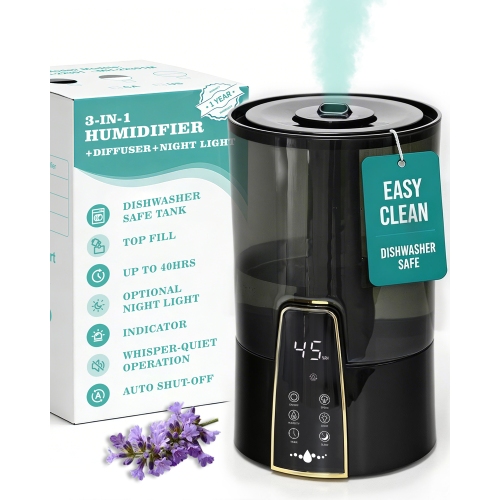

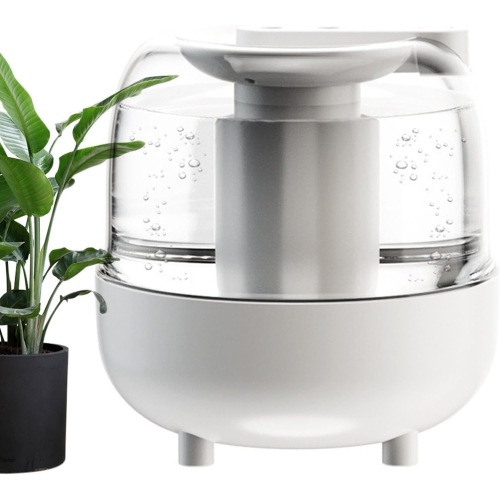
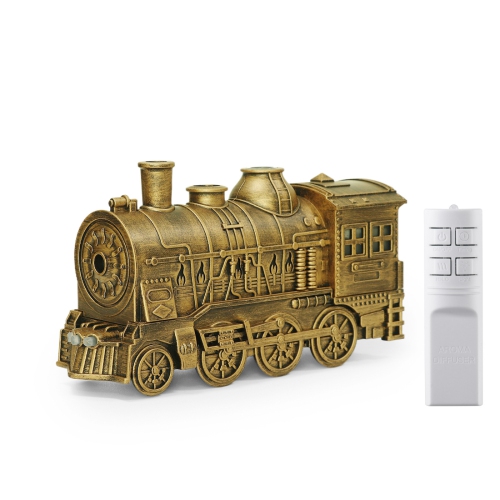

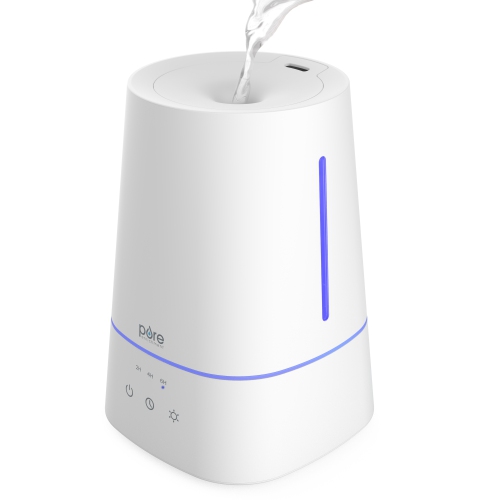
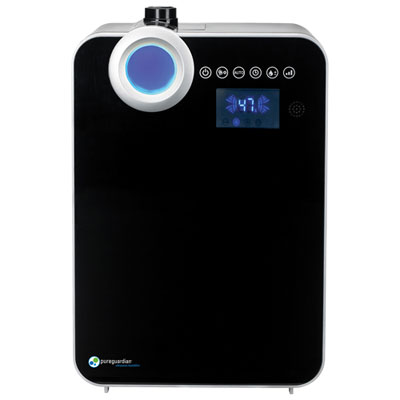

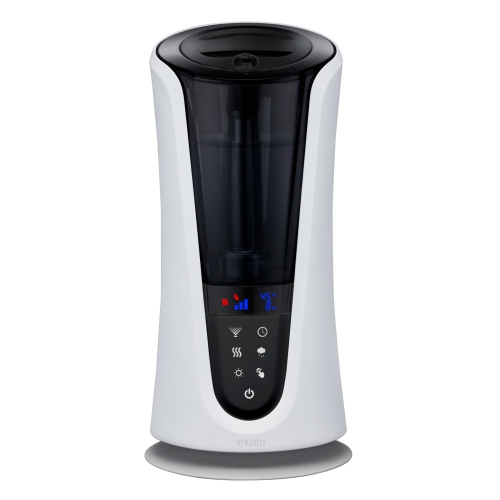
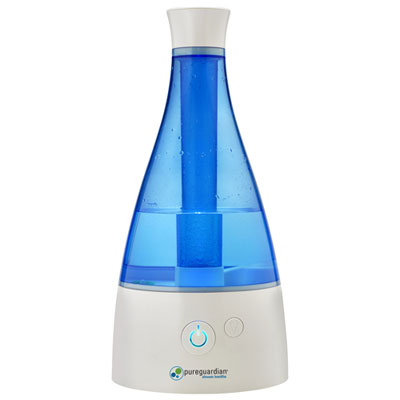
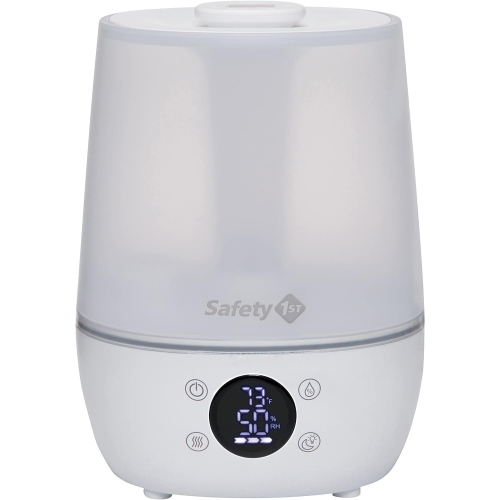
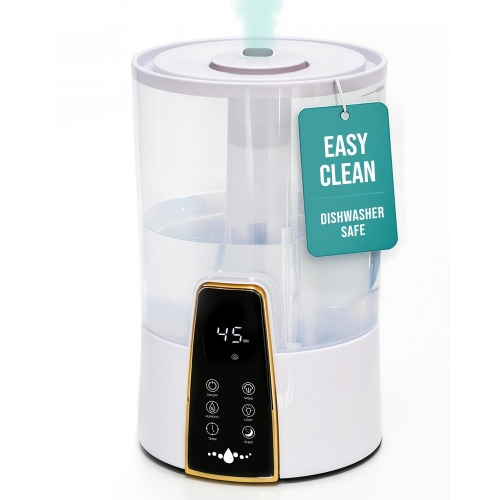
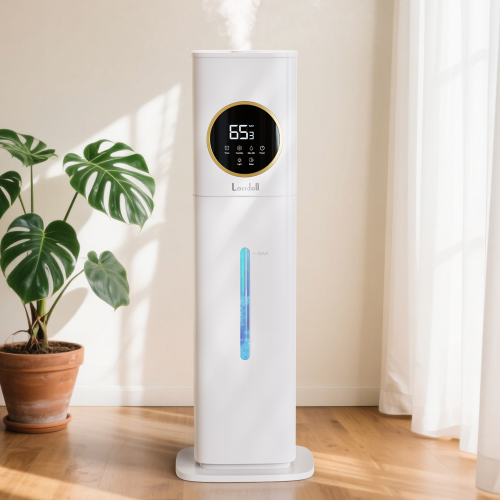
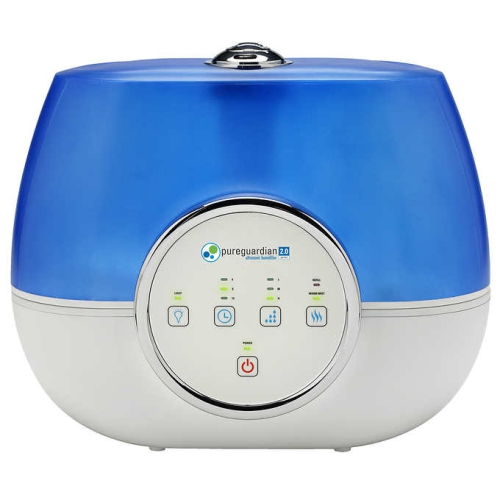
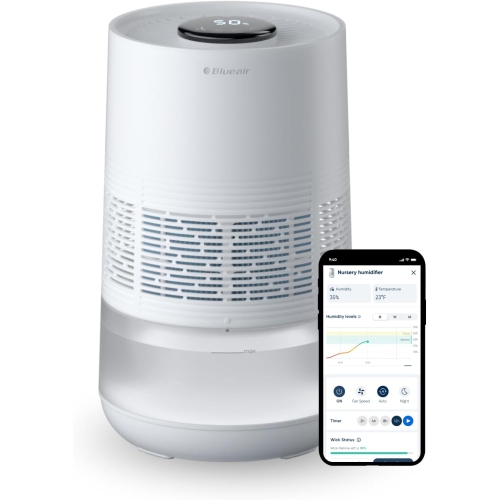
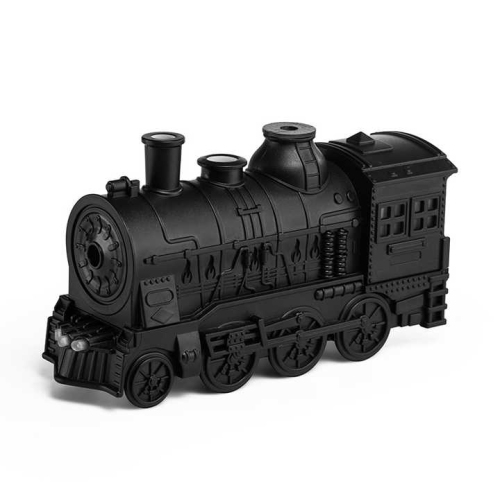
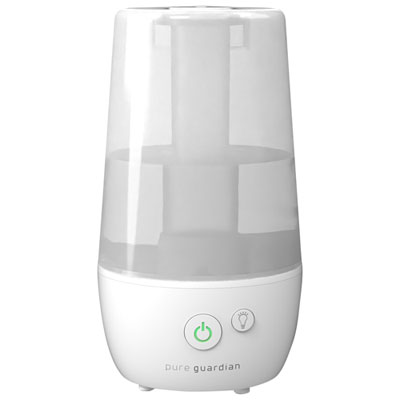
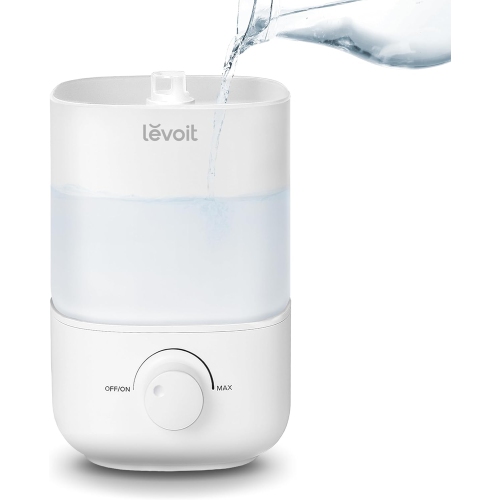
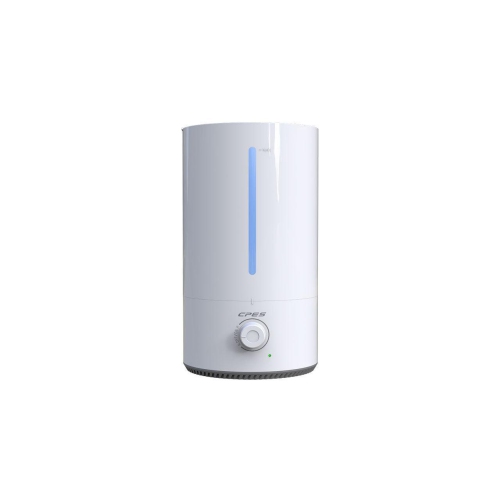
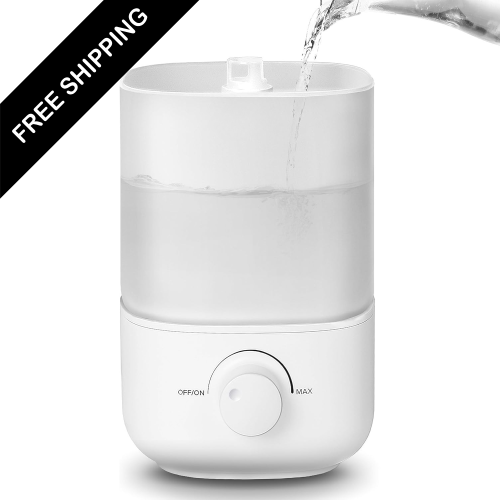
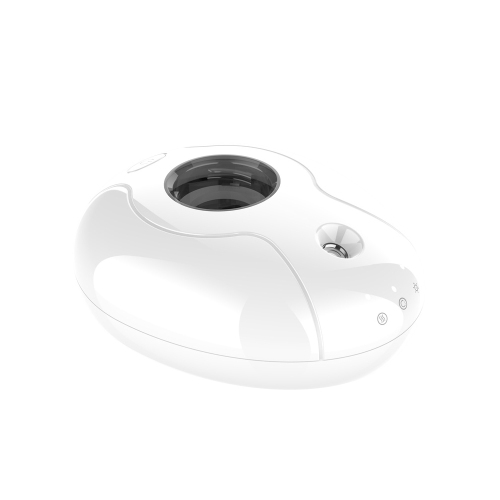
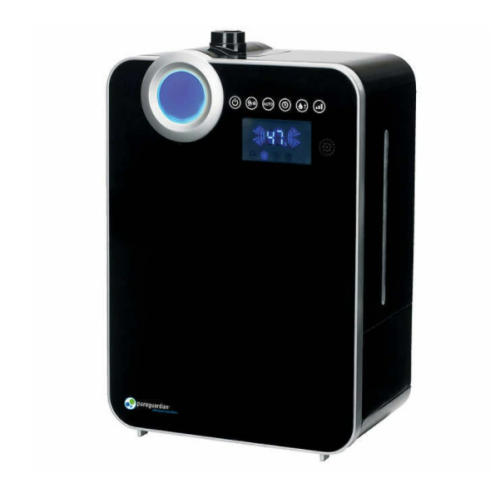

Safety starts with simple cleaning, monitoring, and placement
Choosing among the safest humidifiers starts with looking beyond mist output and room coverage. A well-designed humidifier should make routine care straightforward, provide clear water-level visibility, and include protective features that help reduce common household risks. Automatic low-water shut-off is especially useful because it turns the unit off when the reservoir is empty, helping prevent overheating and unnecessary operation. A built-in humidistat can also help maintain a comfortable moisture level instead of allowing the room to become overly damp. When comparing models, consider removable tanks, wide openings, smooth interior surfaces, and washable parts that can be reached without special tools. These details matter because a humidifier can only support comfortable indoor air when it is kept clean. Hidden corners, narrow openings, and complicated assemblies may make it harder to remove residue and standing water. Filter-free designs can simplify maintenance, although some units use replaceable filters or wicks that need regular inspection and replacement. Always check the manufacturer’s instructions for cleaning methods, compatible water, filter schedules, and recommended room size. A humidifier that is too small may run continuously without adequately affecting the space, while one that is too powerful can add more moisture than the room needs. A separate hygrometer or a built-in humidity reading can help you monitor conditions, with many households aiming for a comfortable indoor relative humidity rather than the highest possible level. Excess moisture may encourage condensation around windows and dampness on walls, so placement and monitoring are just as important as the humidifier itself. For additional options that balance convenience, room coverage, and everyday usability, browse Good Humidifiers.
The type of mist is another important consideration when shopping for a safer humidifier. Cool-mist models are often selected for bedrooms, nurseries, and shared living spaces because they do not use heated water and therefore avoid the burn risk associated with hot surfaces or steam. Ultrasonic units use vibration to create a fine mist and are typically quiet, making them suitable for sleeping areas, workspaces, and light sleepers. Because ultrasonic mist can carry minerals from tap water into the air, using distilled or demineralized water may help reduce white dust and mineral buildup, especially in areas with hard water. Evaporative or mist-free models use a fan and a moistened wick or filter to add water vapour to the room, and they may be appealing to households that prefer a more self-regulating approach to humidity. These models still require regular filter care and tank cleaning. Warm-mist humidifiers heat water before releasing moisture, which can be comforting during cooler months, but their hot water and steam require extra caution around children, pets, bedding, and busy walkways. Whichever style you choose, place the unit on a stable, water-resistant surface with plenty of clearance around the air outlet. Keep it away from the edge of a nightstand, electrical cords, books, upholstered furniture, and anything that could be damaged by moisture. Avoid placing a humidifier directly beside a bed or aimed at a wall. A gentle stream of moisture should disperse through the room rather than settle on nearby surfaces. For nurseries and children’s rooms, prioritize cool mist, automatic shut-off, secure placement, and controls that are difficult for small hands to activate. In any room, a quiet operating sound, adjustable output, timer, and easy-fill tank can make regular use more comfortable and consistent.
Safe humidifier use depends just as much on daily habits as on the unit’s features. Empty the reservoir when the humidifier is not in use, rinse it as directed, and allow the tank and removable parts to dry fully before reassembly. Do not leave stagnant water sitting in the unit for extended periods, since warm, damp reservoirs can allow bacteria, mould, and other buildup to develop. Follow the care instructions for cleaning frequency; many households benefit from emptying and rinsing the tank daily and performing a more thorough clean every few days or at least weekly, depending on use and the manufacturer’s guidance. Use only approved cleaning agents and never mix household chemicals. Replace filters, wicks, and other consumable parts on schedule, and discontinue use if you notice an unusual odour, visible residue, leaking, damaged cords, or unreliable shut-off behaviour. Keep children and pets from touching the water, controls, and power cord, and never add essential oils, fragrances, medication, or other substances unless the humidifier is specifically designed for them. A humidifier may be useful in a bedroom, home office, nursery, apartment, or seasonal guest room when indoor air feels dry during the cooler months, and its compact size can make it a thoughtful housewarming or new-baby gift when ease of cleaning and child-safe operation are considered. It can also be helpful for someone who spends long hours indoors and prefers a more comfortable-feeling environment around a desk or reading chair. Regular observation remains essential: reduce the output if windows fog, surfaces feel damp, or the room develops a musty smell. With appropriate placement, clean water, frequent maintenance, and responsible supervision, the safest humidifiers are the ones that fit your space and are simple enough to care for consistently.
The type of mist is another important consideration when shopping for a safer humidifier. Cool-mist models are often selected for bedrooms, nurseries, and shared living spaces because they do not use heated water and therefore avoid the burn risk associated with hot surfaces or steam. Ultrasonic units use vibration to create a fine mist and are typically quiet, making them suitable for sleeping areas, workspaces, and light sleepers. Because ultrasonic mist can carry minerals from tap water into the air, using distilled or demineralized water may help reduce white dust and mineral buildup, especially in areas with hard water. Evaporative or mist-free models use a fan and a moistened wick or filter to add water vapour to the room, and they may be appealing to households that prefer a more self-regulating approach to humidity. These models still require regular filter care and tank cleaning. Warm-mist humidifiers heat water before releasing moisture, which can be comforting during cooler months, but their hot water and steam require extra caution around children, pets, bedding, and busy walkways. Whichever style you choose, place the unit on a stable, water-resistant surface with plenty of clearance around the air outlet. Keep it away from the edge of a nightstand, electrical cords, books, upholstered furniture, and anything that could be damaged by moisture. Avoid placing a humidifier directly beside a bed or aimed at a wall. A gentle stream of moisture should disperse through the room rather than settle on nearby surfaces. For nurseries and children’s rooms, prioritize cool mist, automatic shut-off, secure placement, and controls that are difficult for small hands to activate. In any room, a quiet operating sound, adjustable output, timer, and easy-fill tank can make regular use more comfortable and consistent.
Safe humidifier use depends just as much on daily habits as on the unit’s features. Empty the reservoir when the humidifier is not in use, rinse it as directed, and allow the tank and removable parts to dry fully before reassembly. Do not leave stagnant water sitting in the unit for extended periods, since warm, damp reservoirs can allow bacteria, mould, and other buildup to develop. Follow the care instructions for cleaning frequency; many households benefit from emptying and rinsing the tank daily and performing a more thorough clean every few days or at least weekly, depending on use and the manufacturer’s guidance. Use only approved cleaning agents and never mix household chemicals. Replace filters, wicks, and other consumable parts on schedule, and discontinue use if you notice an unusual odour, visible residue, leaking, damaged cords, or unreliable shut-off behaviour. Keep children and pets from touching the water, controls, and power cord, and never add essential oils, fragrances, medication, or other substances unless the humidifier is specifically designed for them. A humidifier may be useful in a bedroom, home office, nursery, apartment, or seasonal guest room when indoor air feels dry during the cooler months, and its compact size can make it a thoughtful housewarming or new-baby gift when ease of cleaning and child-safe operation are considered. It can also be helpful for someone who spends long hours indoors and prefers a more comfortable-feeling environment around a desk or reading chair. Regular observation remains essential: reduce the output if windows fog, surfaces feel damp, or the room develops a musty smell. With appropriate placement, clean water, frequent maintenance, and responsible supervision, the safest humidifiers are the ones that fit your space and are simple enough to care for consistently.
Top selling and popular products
-
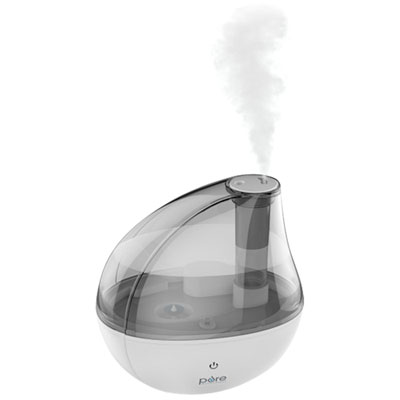 Your price for this item is $64.99
 -
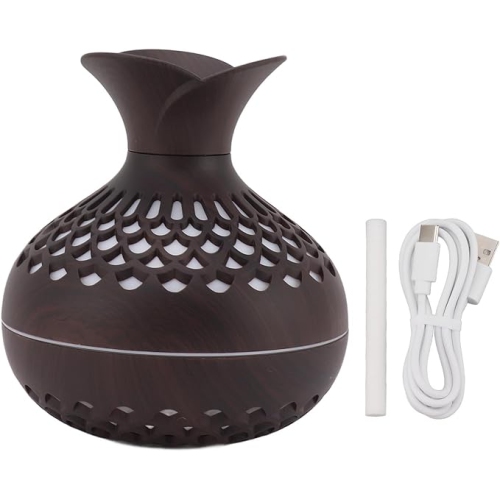 Your price for this item is $14.98
 -
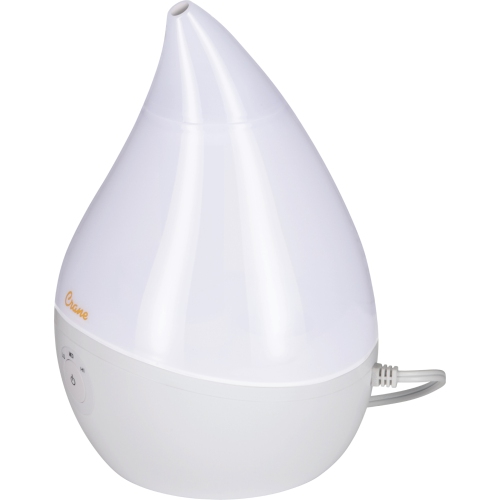 Your price for this item is $89.97
 -
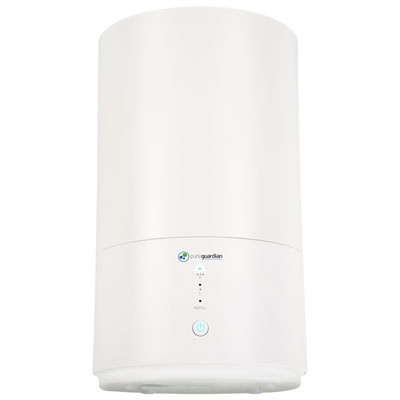 Your price for this item is $89.98
 -
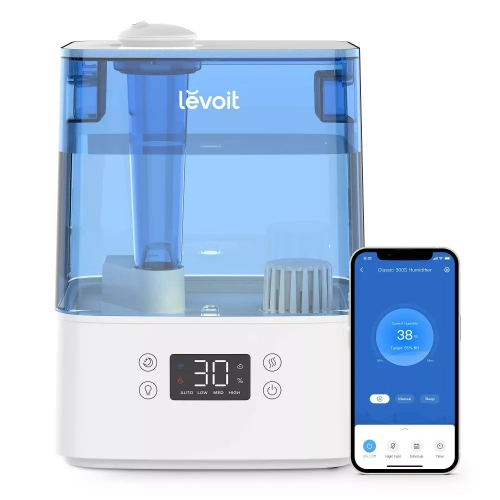 Your price for this item is $274.99
 -
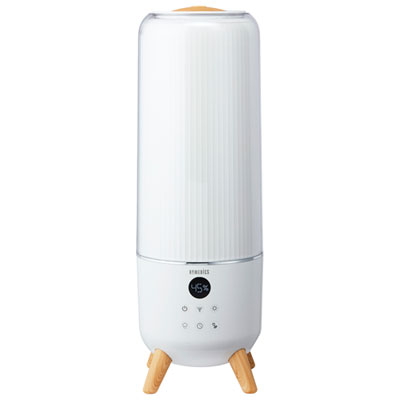 Your price for this item is $124.98
 -
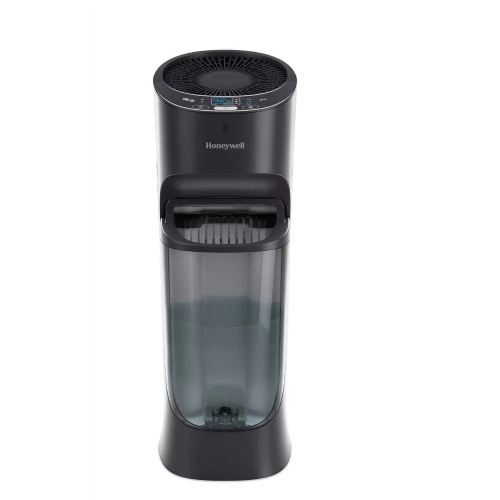 Your price for this item is $274.99
 -
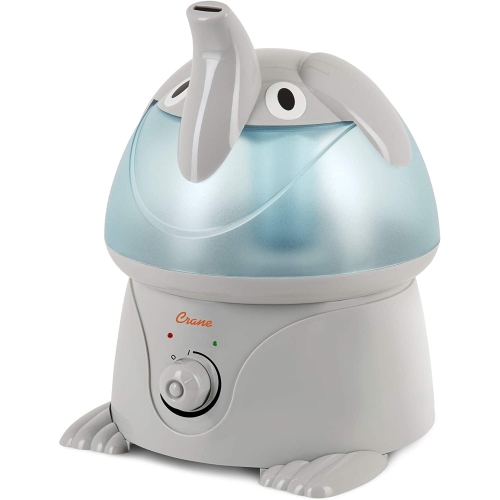 Your price for this item is $109.97
Discover more categories related to Safest Humidifiers
Top Collections:
Pokemon Centers, Budget 4K TVs, Kindle Devices, Canon G7X Cameras, Apple iPhones 16, iPhone 15 Apple, Laptops for Business Work, Flip Phones, Xiaomi Phones, Refurbished Apple Laptops
Some products may be subject to Environmental Handling Fees
(EHF) depending on your province.
Learn more about EHFs.