Cleanest Humidifiers
Maintaining a clean and healthy environment is essential, especially when it comes to the air we breathe. If you're in search of a humidifier that prioritizes cleanliness, look no further. Our selection of cleanest humidifiers is designed to provide you with optimal humidity levels while ensuring the air you breathe remains pure and free from impurities. With advanced filtration systems and innovative features, these humidifiers are built to keep your space comfortable and your air quality at its best. Say goodbye to dryness and hello to a fresher, cleaner atmosphere with our range of cleanest humidifiers.
Sort



























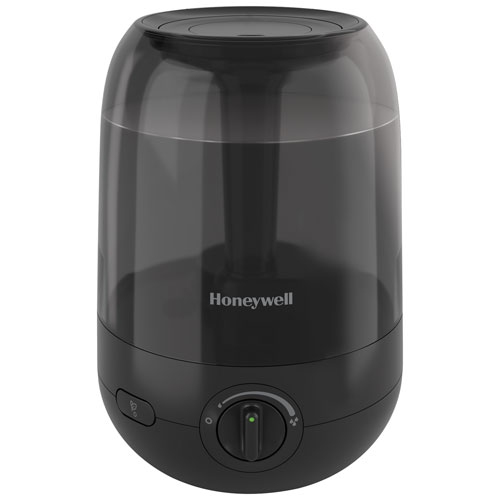

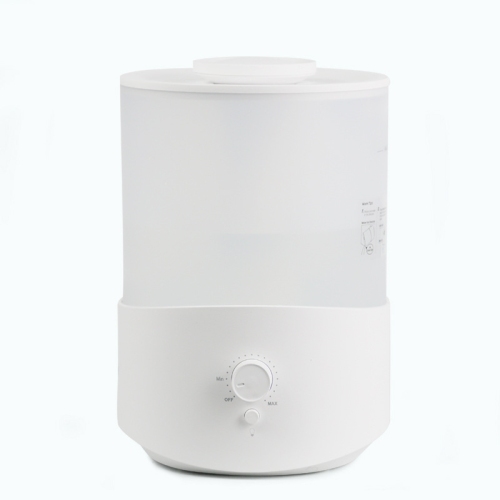
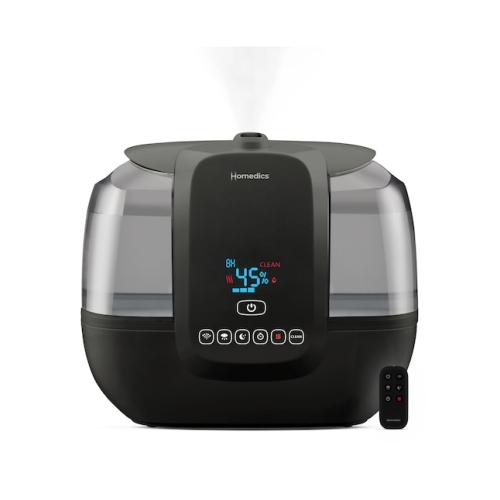
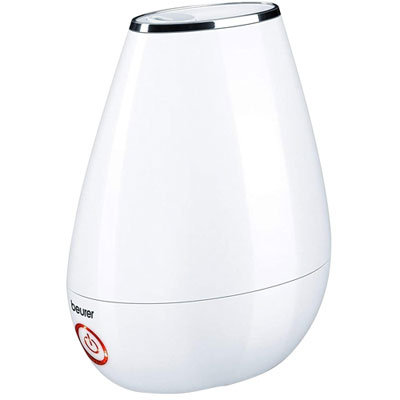









Why tank access matters more than a spotless exterior
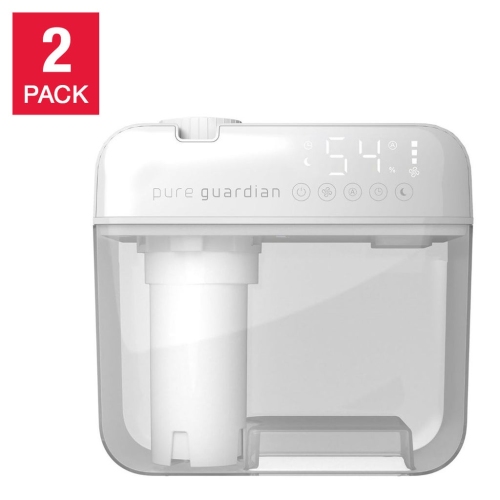
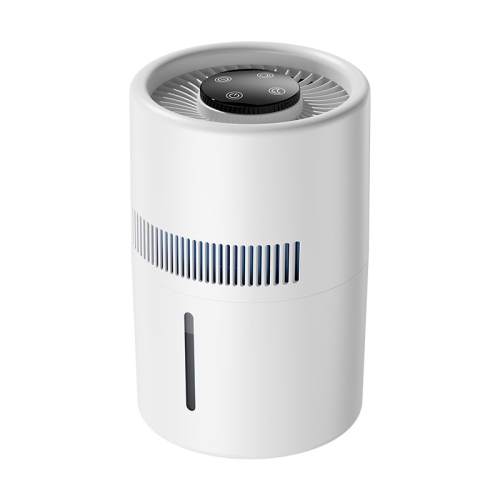
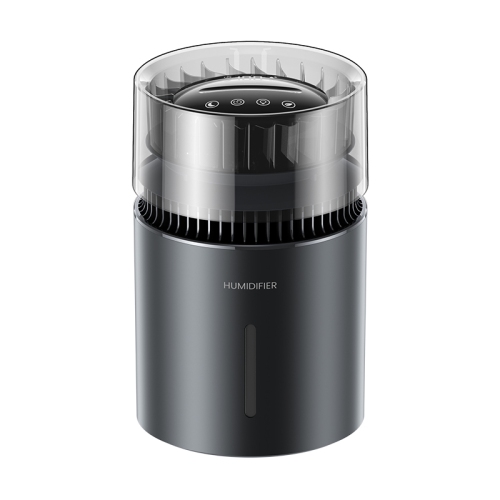
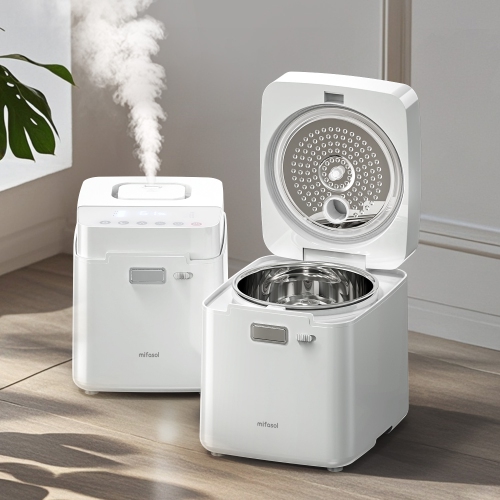
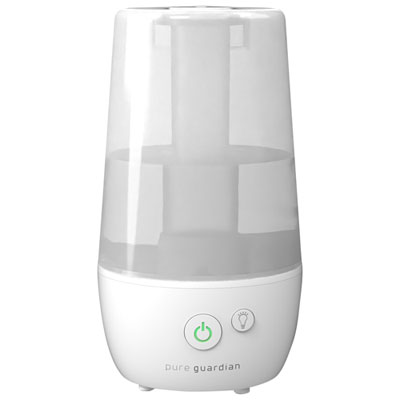
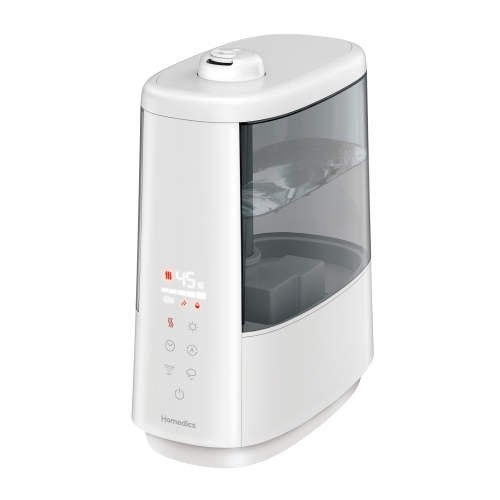
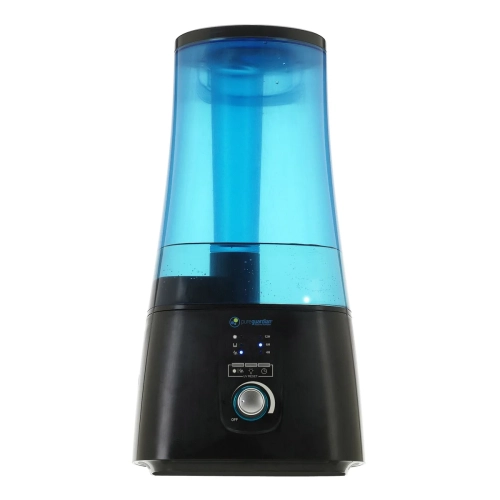
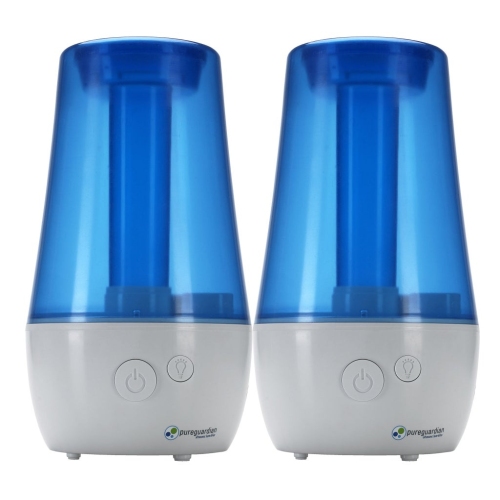
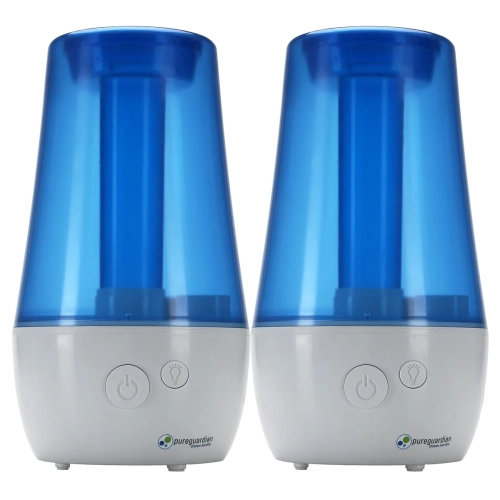
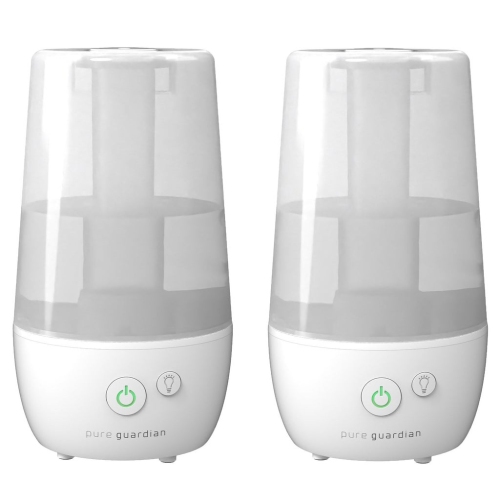
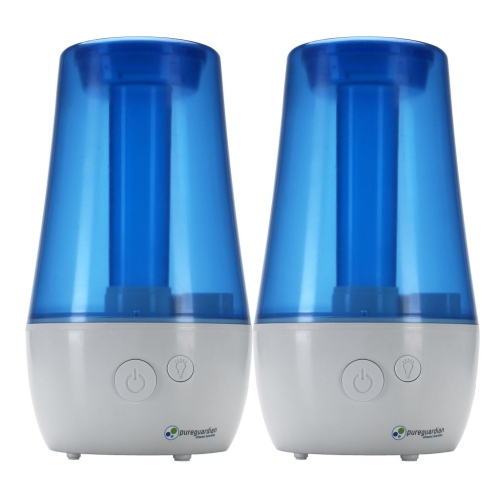
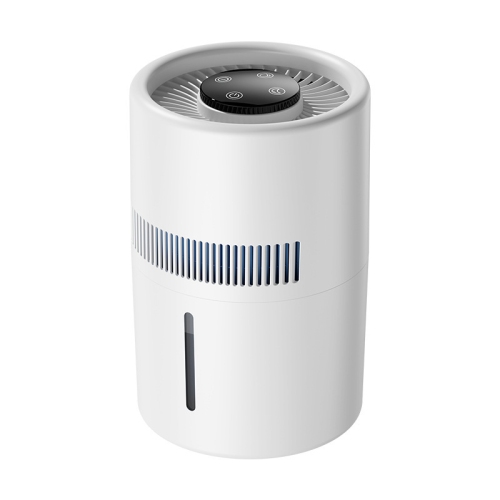
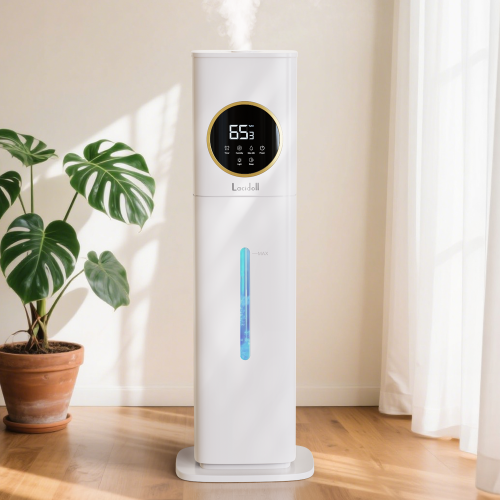
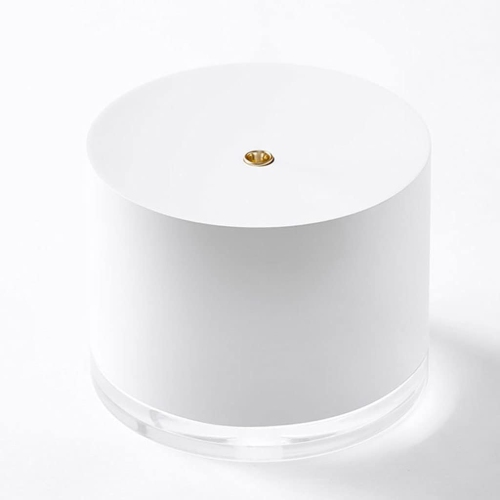
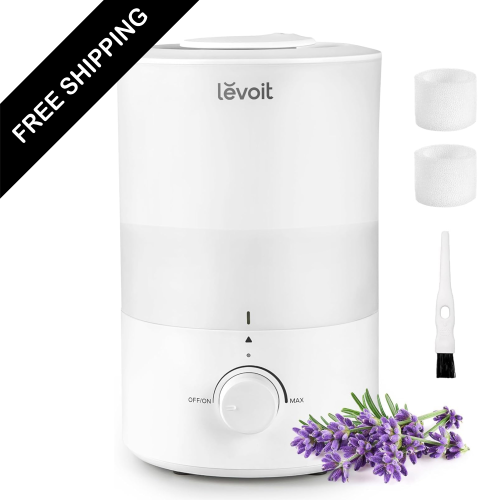
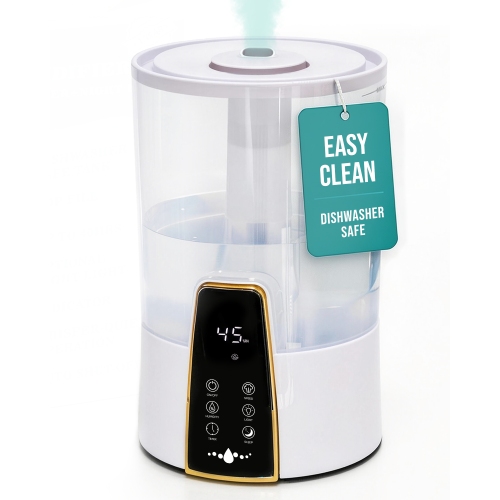
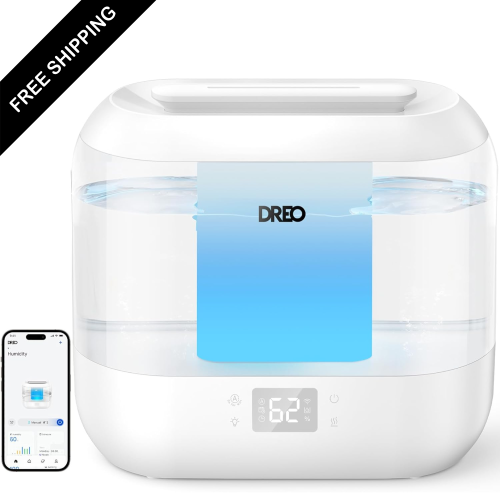
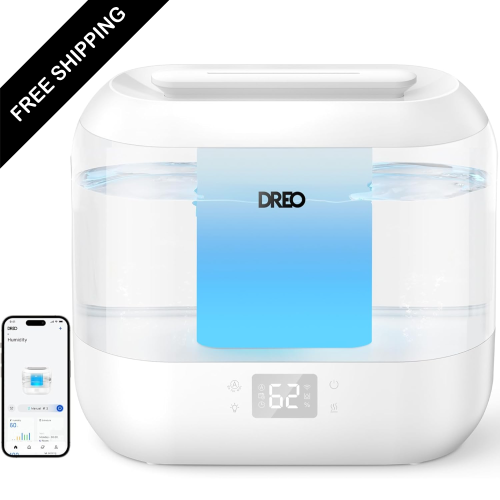
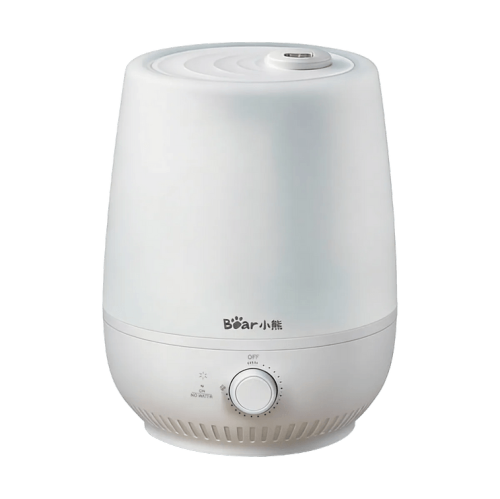
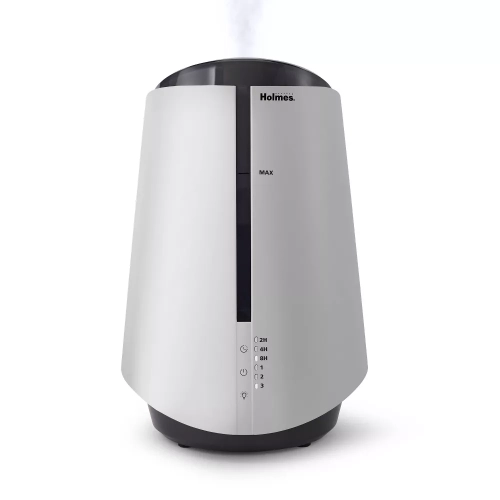
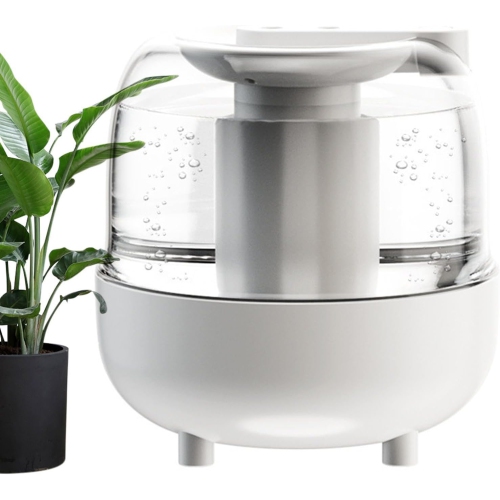
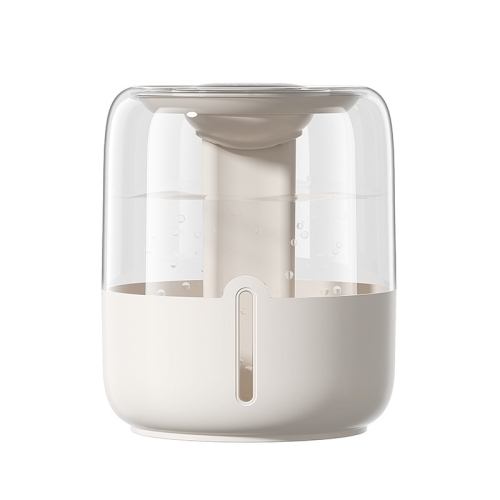
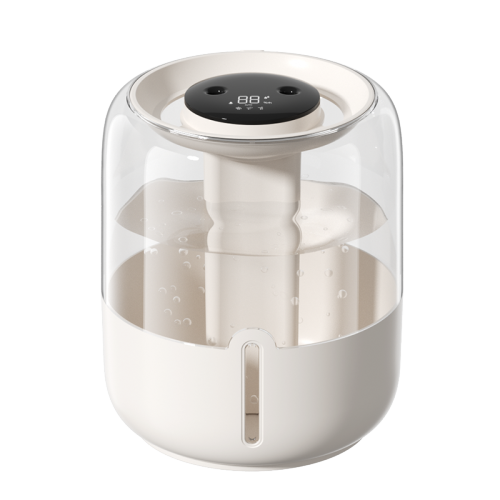
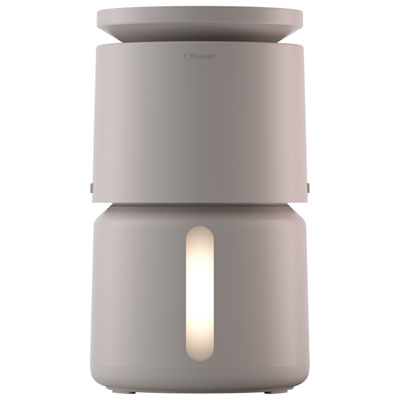
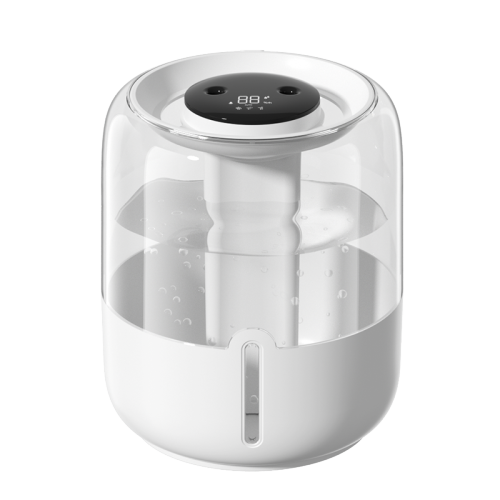
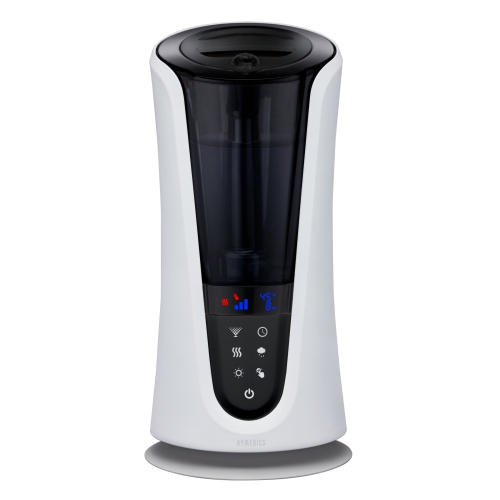
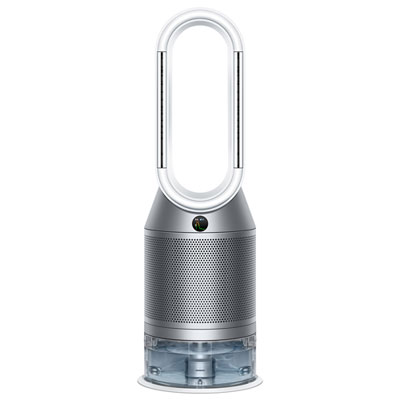
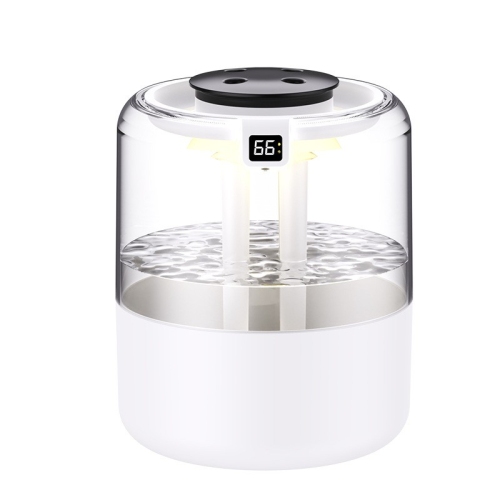
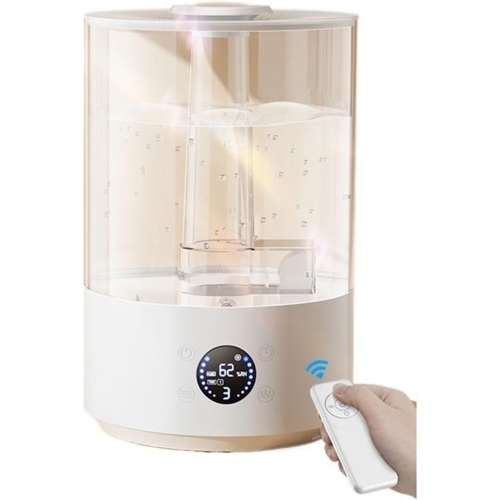
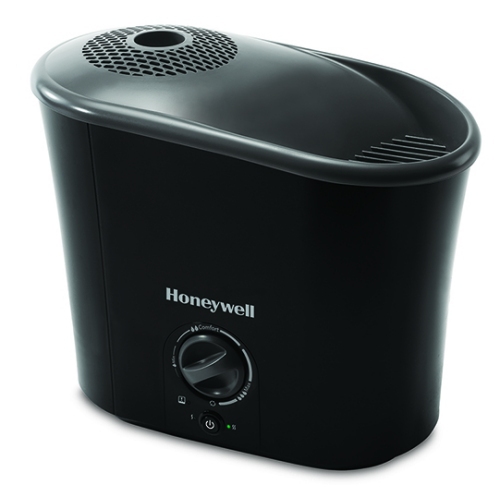
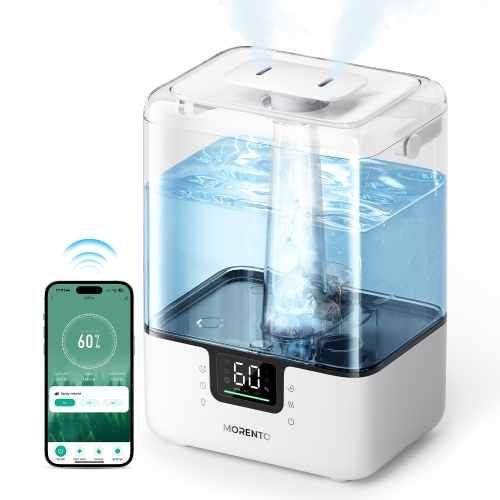
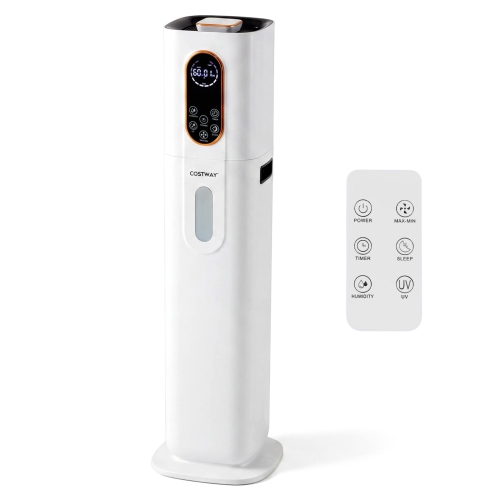
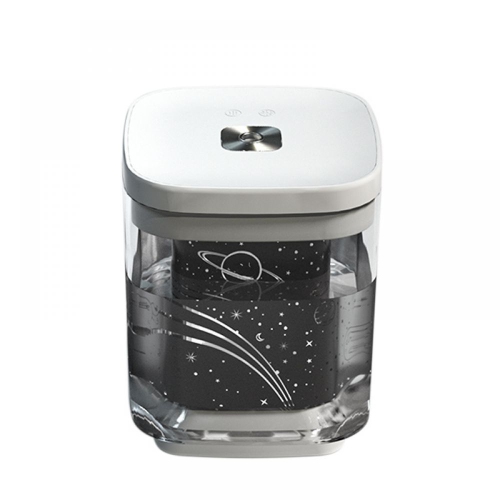
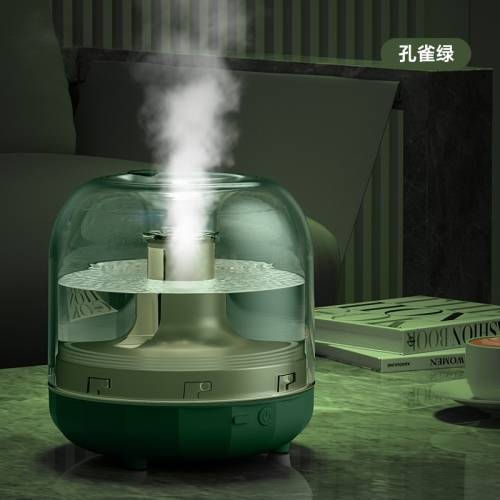
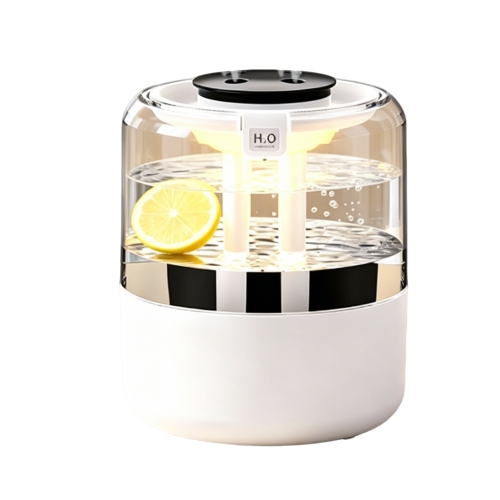
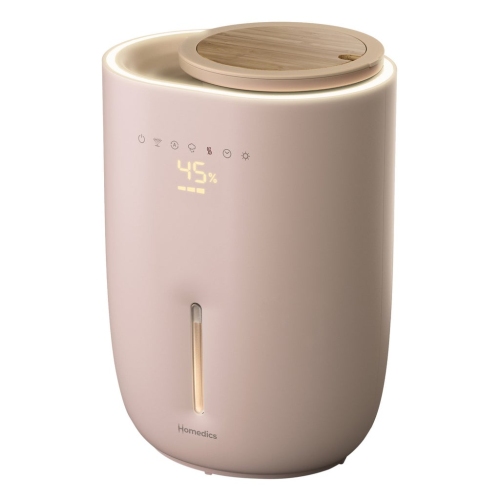
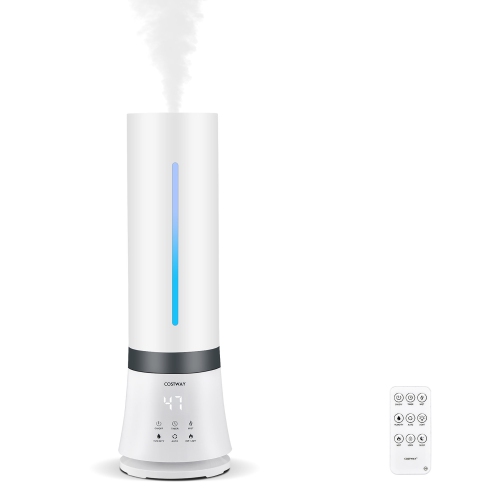
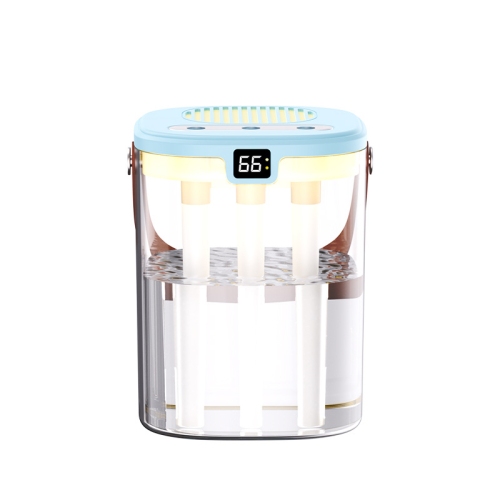
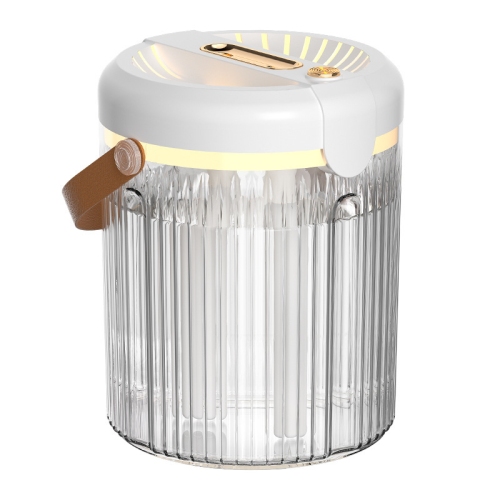
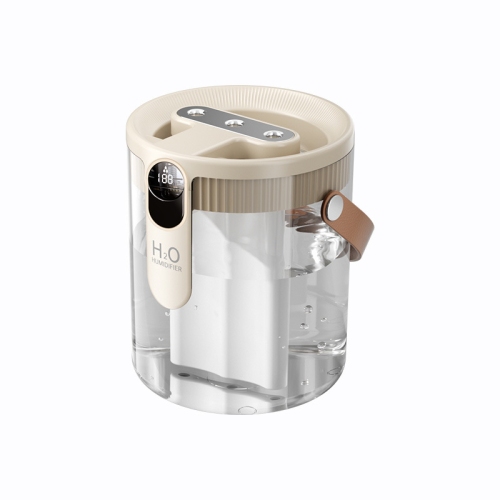
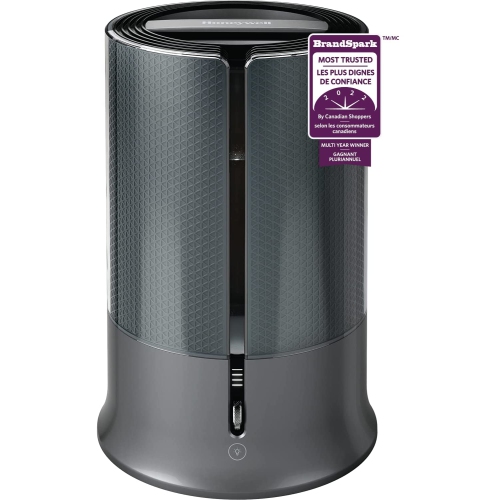
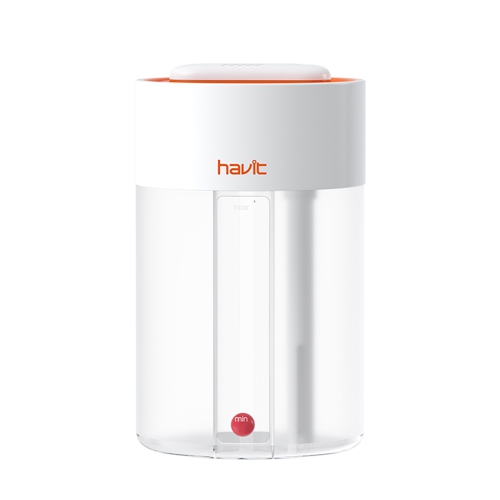
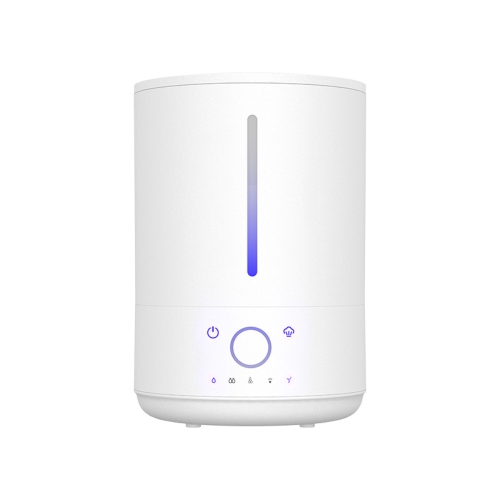
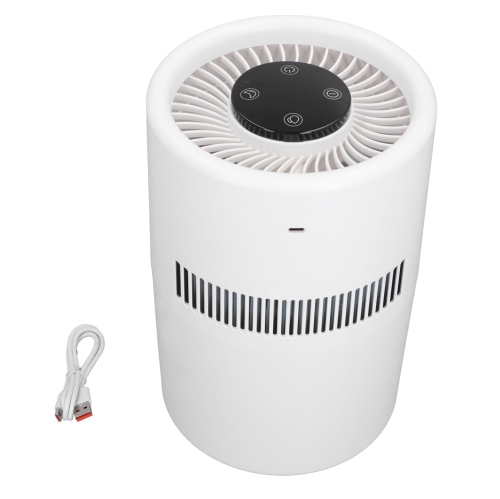
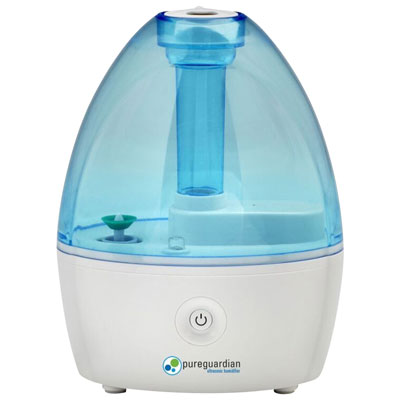
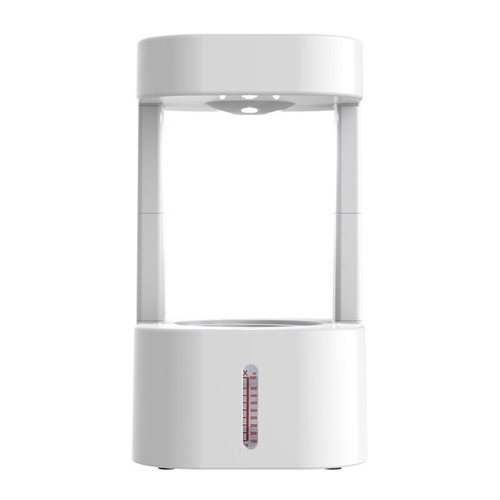
The cleanest humidifiers are generally those that make regular cleaning straightforward: water tanks with wide openings, smooth interiors, removable components, and few hidden spaces where water can sit. A tank that looks spotless from the outside can still have residue around a valve, beneath a gasket, or inside a narrow mist outlet, so access matters as much as appearance. For everyday use, an opening large enough to comfortably reach inside can be more useful than an elaborate display or a long list of settings. Rounded interior corners, clearly visible fill lines, and parts that lift out without tools help make rinsing and drying less awkward. Stainless steel tanks offer a durable, non-porous surface that is easy to inspect, while transparent plastic tanks let you see the water level and spot buildup without opening the unit. Neither material keeps water clean on its own; the overall design and the care it receives matter more than the material alone. Dishwasher-safe components can simplify maintenance, but that designation needs to apply to the individual part, not just the humidifier as a whole. Electrical bases, fans, sensors, and power connections generally require separate care and should never be immersed unless the manufacturer explicitly permits it. Boiling water is also unsuitable for many tanks and components, including some plastics, seals, and mist-producing assemblies. A removable tank with a sturdy handle is particularly practical when carrying water between a bathroom sink and a bedroom, while a top-fill opening makes refilling easier without necessarily making the entire water path easier to clean. For anyone comparing easy-to-clean humidifiers, the most useful details are how completely the unit comes apart, whether every wet surface is reachable, and whether the pieces can dry fully between uses. These details make a real difference when maintenance needs to fit into an ordinary household routine rather than become a lengthy task.
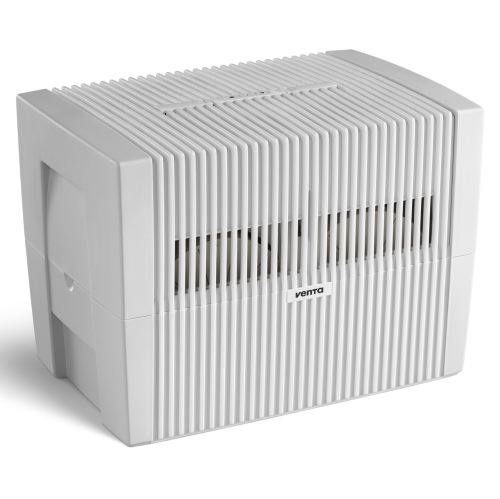
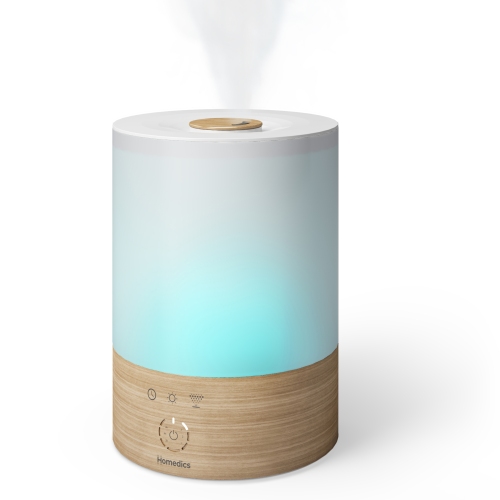
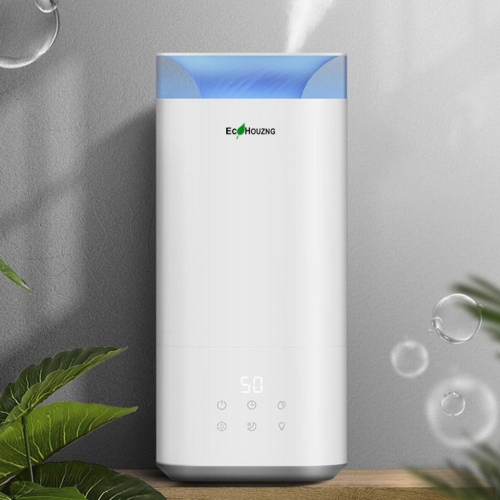
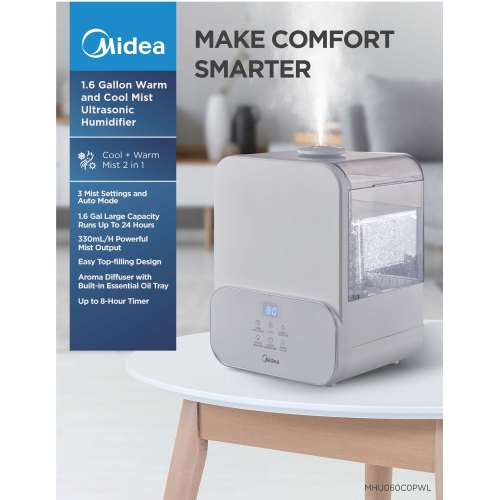
The way a humidifier adds moisture also affects what keeping it clean involves. Ultrasonic humidifiers use a vibrating element to create a fine mist and often operate quietly, making them appealing for bedrooms, reading spaces, and home offices. However, minerals in the water can become airborne with that mist and settle as white dust on nearby surfaces. Distilled or demineralized water can reduce this issue when used according to the manufacturer’s directions, but it does not replace cleaning or make standing water safe to leave indefinitely. Evaporative humidifiers move air through a damp wick or filter, releasing moisture without a visible plume. Their wicks typically retain much of the mineral content, which can reduce white dust, although those components need regular inspection and replacement as directed. A wick that has become stiff with deposits, developed an odour, or remained damp during storage needs attention rather than another refill. Filter-free humidifiers remove the need to replace a wick, but they still require care around the tank, base, and mist outlet. Warm-mist models heat water and may accumulate scale around the heating element; their hot water and steam also call for extra caution around children and pets. Features such as UV treatment, antimicrobial components, or automatic drying may support a care routine, but their benefits depend on the design, operating conditions, and parts they actually treat. They should not be taken as a promise that the whole appliance is sterile or maintenance-free. A drying function, for example, may help a wick dry after use without removing deposits elsewhere in the unit. For most households, the strongest combination is an appropriate humidification method, accessible wet surfaces, and clear cleaning instructions. Someone who values quiet operation may accept the water requirements of an ultrasonic design, while someone concerned about mineral dust may prefer an evaporative model and its filter care. The cleaner choice is the one whose maintenance requirements can be followed consistently.
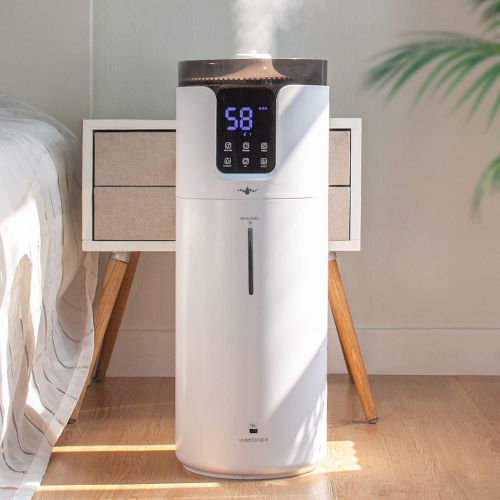
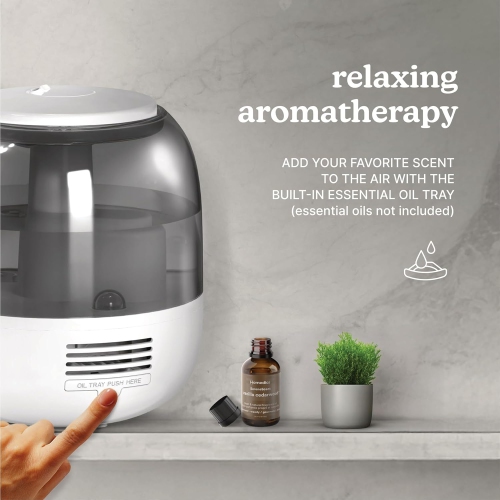
Room fit is just as important as tank design when choosing a humidifier for regular use. A compact model may suit a desk area or small bedroom, while a larger space may need greater output and a tank sized for longer operation. Tank capacity alone does not establish coverage, and an oversized unit running too strongly can leave nearby surfaces damp. Adjustable output, a built-in humidistat, and a separate room hygrometer can help keep moisture at a comfortable level without relying on how the air feels. Indoor relative humidity is commonly kept around 30% to 50%; persistent condensation on windows or moisture on furniture signals a need to reduce output and check the space. Placement also matters: a stable, water-resistant surface with the clearance specified by the manufacturer is preferable to a crowded shelf beside books, electronics, or soft furnishings. A mist outlet should not direct moisture onto a wall, curtain, or sleeping area. For a nursery, a cool-mist design avoids the hot-water hazard of a warm-mist unit, but the appliance and its cord still belong out of children’s reach. Quiet operation, dimmable lights, and automatic shut-off can be useful for light sleepers, while an easy-grip handle and manageable filled weight may matter more to someone carrying the tank frequently. Emptying old water, rinsing as directed, and letting accessible parts dry are better habits than repeatedly topping up a partly used tank. Follow the specified schedule for descaling and disinfection, use only approved cleaning methods, rinse thoroughly, and never mix cleaning chemicals. Essential oils and fragrance additives belong only in compartments expressly designed for them, not in an ordinary water tank. Before storage, all washable components should be clean and fully dry. Durable seals, secure tank fittings, and replaceable care components help support continued use. Appearance can matter too, especially on a bedside table or living room cabinet; Best Looking Humidifiers offers another way to explore designs that suit a room. A well-chosen humidifier balances that visual fit with practical access, suitable output, and a cleaning routine that remains manageable over time.
Top selling and popular products
-
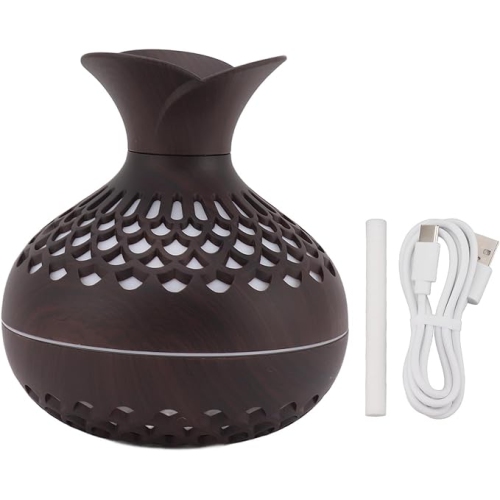 Your price for this item is $14.98
-
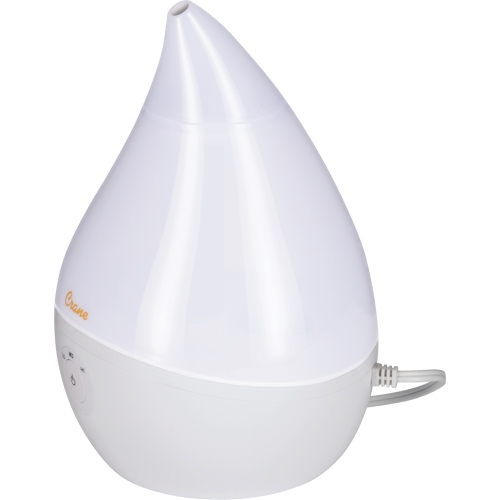 Your price for this item is $89.97
-
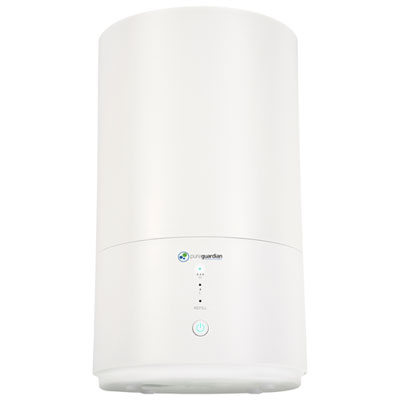 Your price for this item is $89.98
-
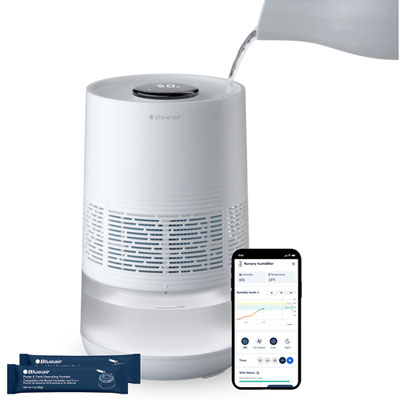 Your price for this item is $159.99
-
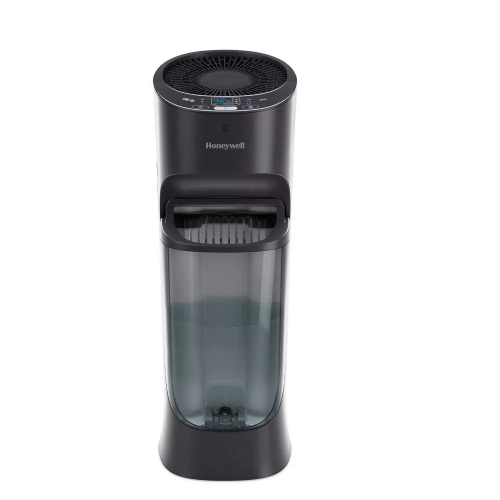 Your price for this item is $274.99
-
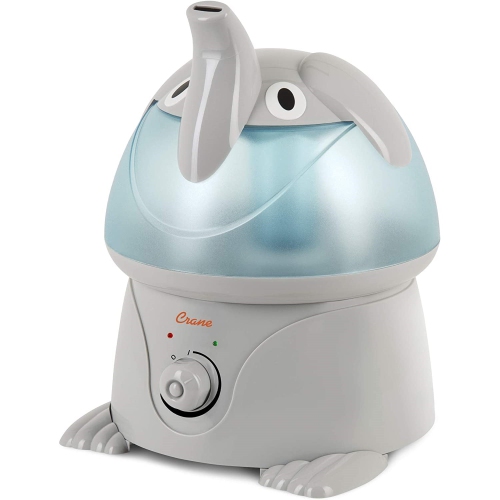 Your price for this item is $109.97
-
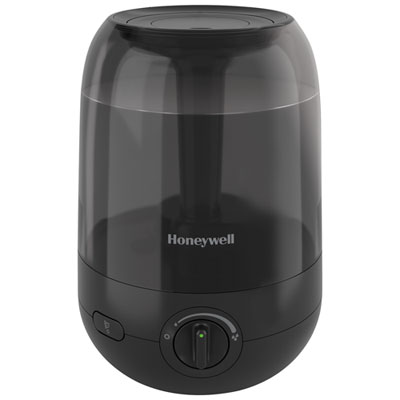 Your price for this item is $59.98
-
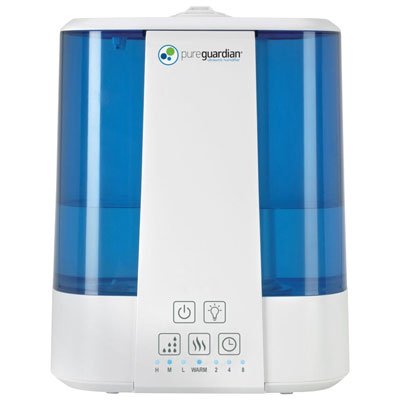 Your price for this item is $138.98
Discover more categories related to Cleanest Humidifiers
Top Collections:
Pokemon Centers, Best Black Friday Deals This Year, Best Black Friday Deals On Electronics, Kindle Devices, Best Budget Office Chairs, Best Black Friday Deals On Apple Products, Best Cameras for Sports Photography, Pokémon 30th Celebration Cards, Dyson Airwrap, Canon G7X Cameras
Some products may be subject to Environmental Handling Fees
(EHF) depending on your province.
Learn more about EHFs.