Low Profile Over The Range Microwave
Upgrade your kitchen with a sleek and space-saving solution: a low-profile over-the-range microwave. Designed to seamlessly blend into your kitchen decor while providing all the functionality you need, these microwaves are perfect for maximizing counter space and creating a streamlined look. Whether you're whipping up a quick meal or reheating leftovers, a low-profile over-the-range microwave offers convenience without compromising style.
Sort
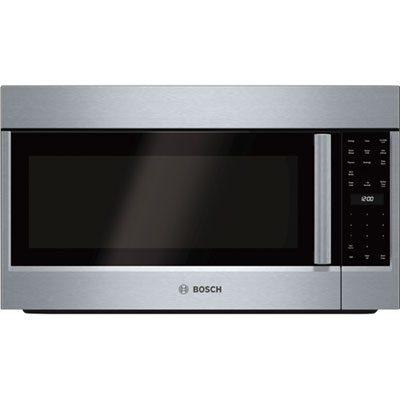
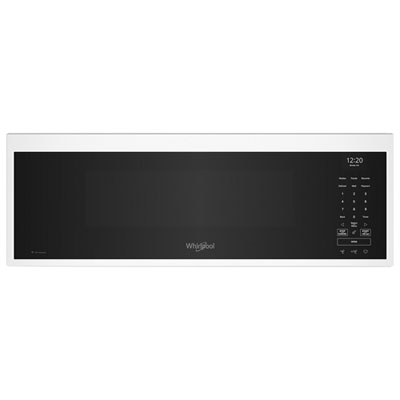
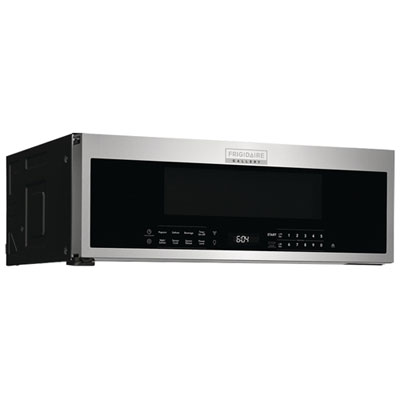
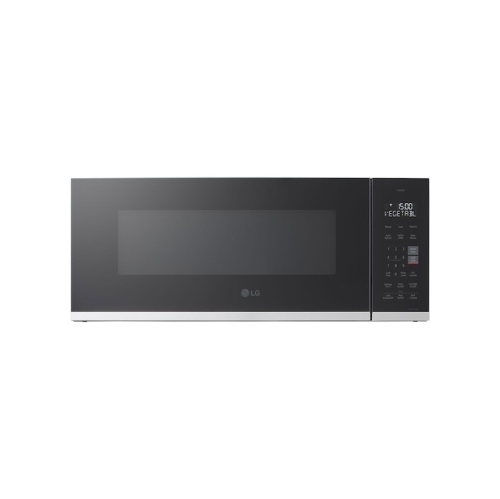
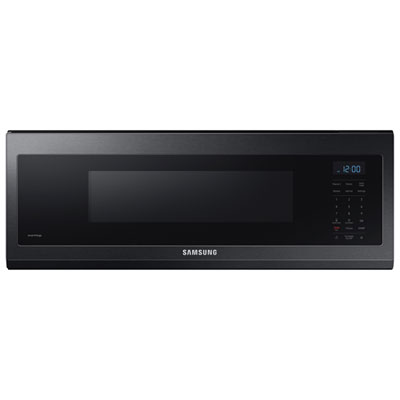
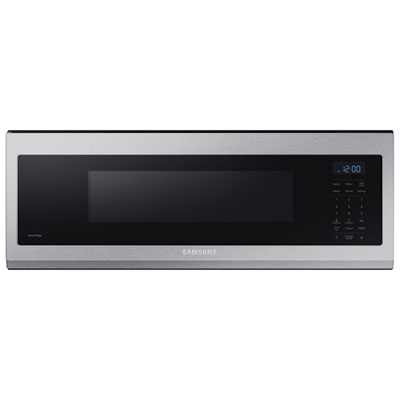
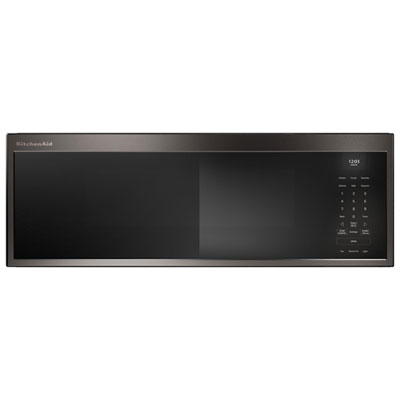
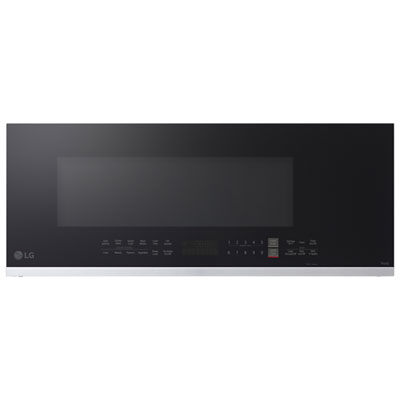
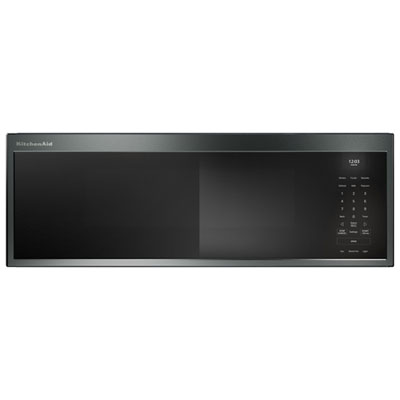
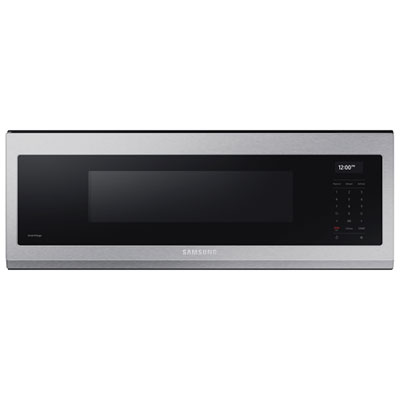
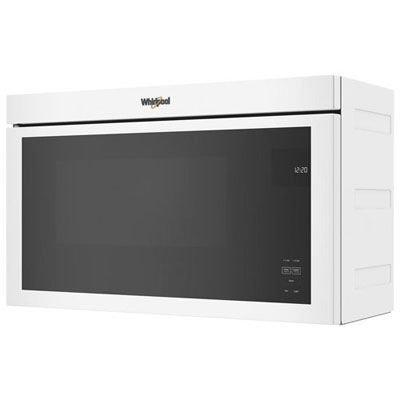
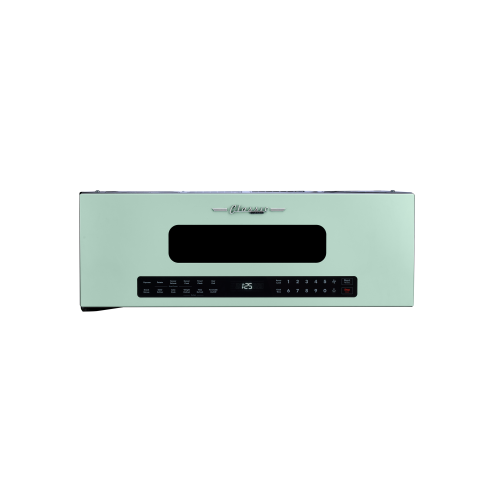
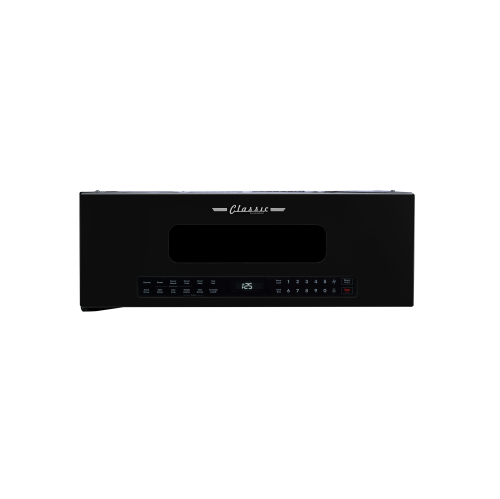
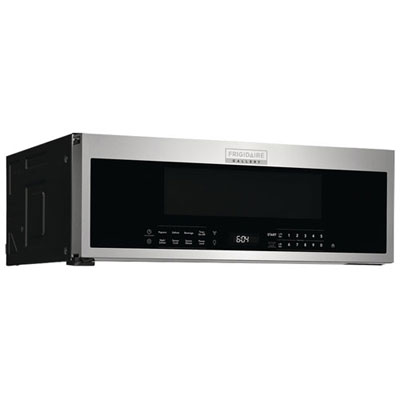
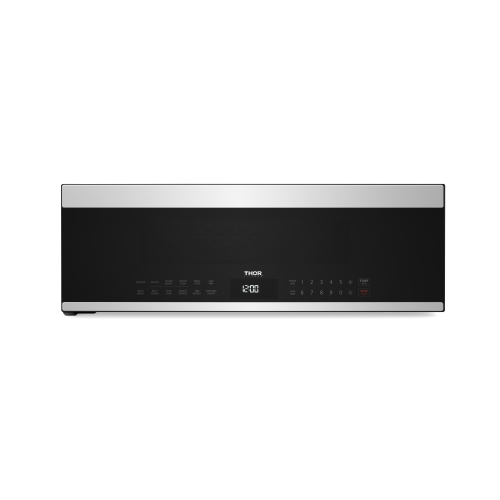
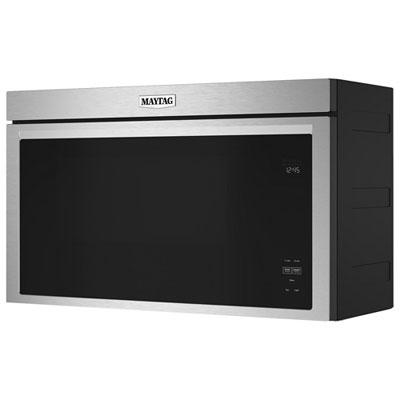
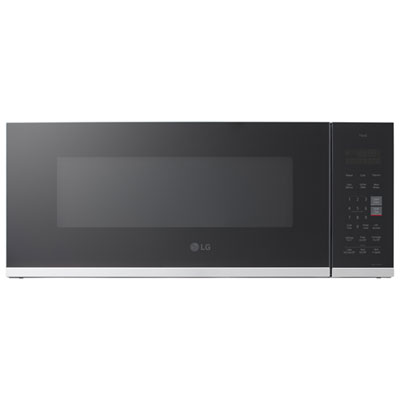
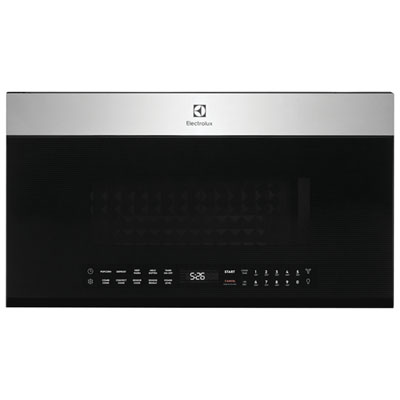
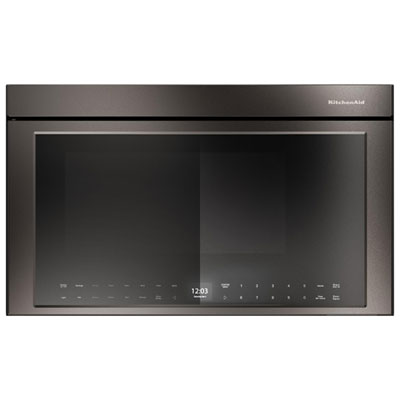
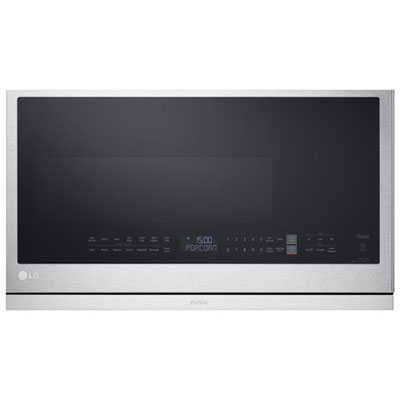
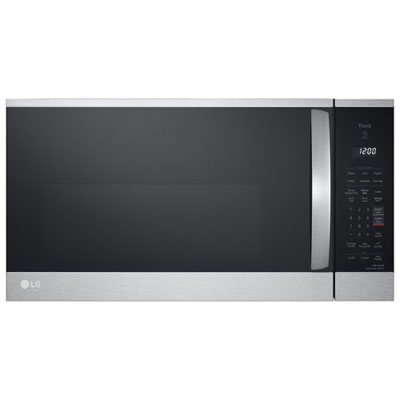
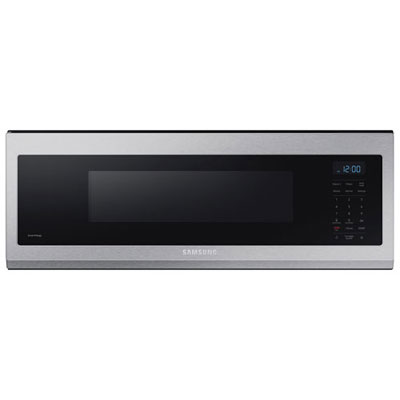
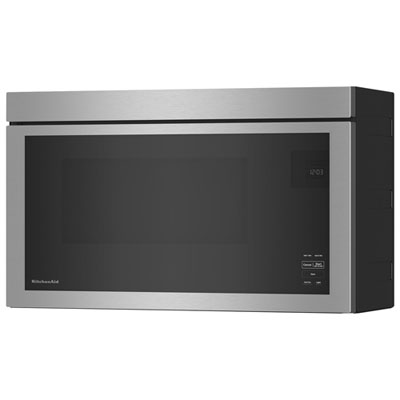
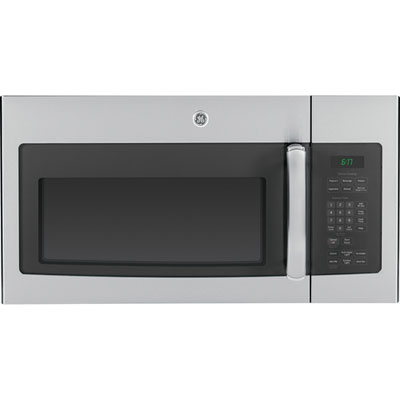
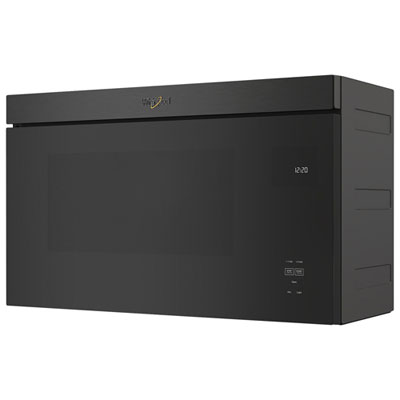
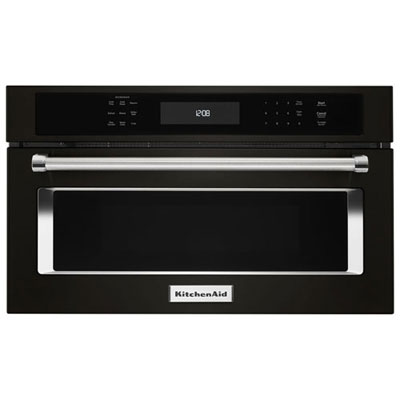
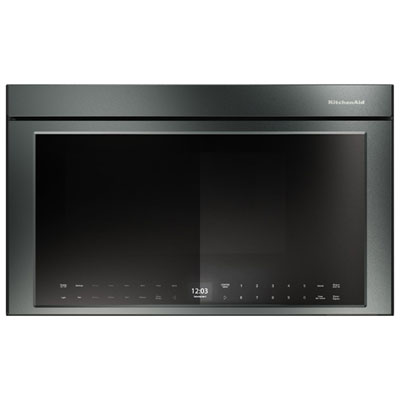
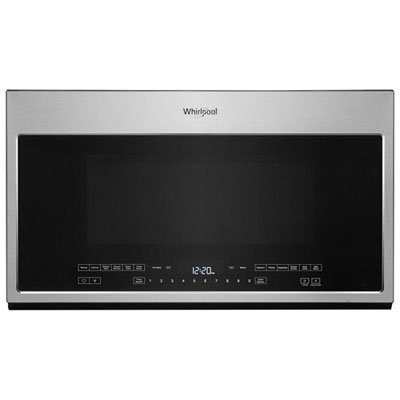
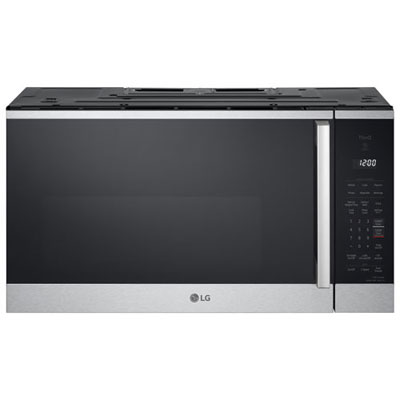
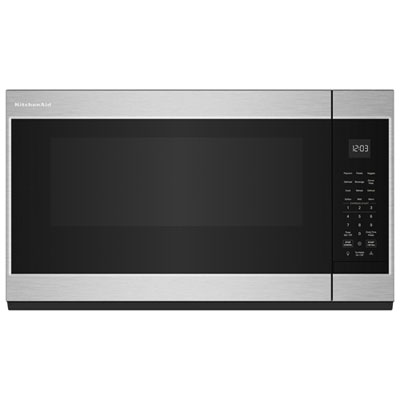
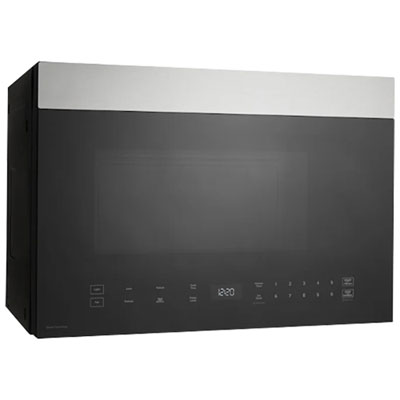
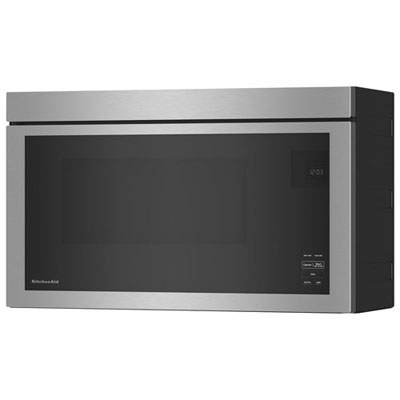
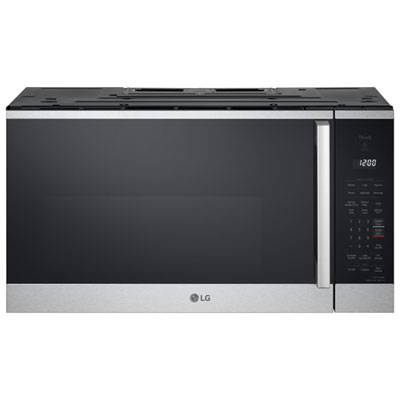
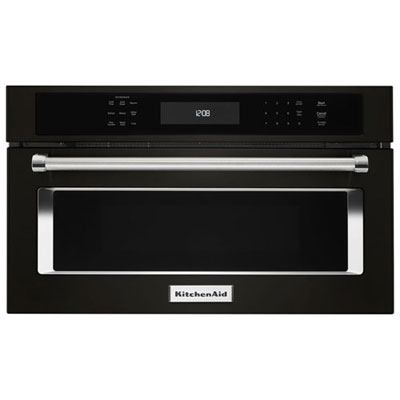
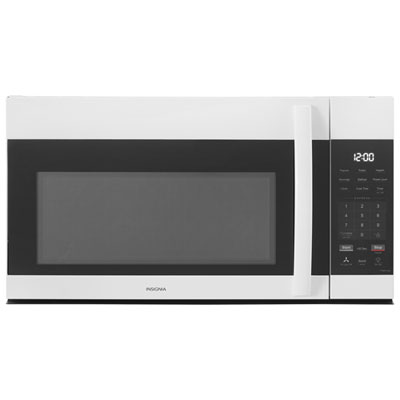

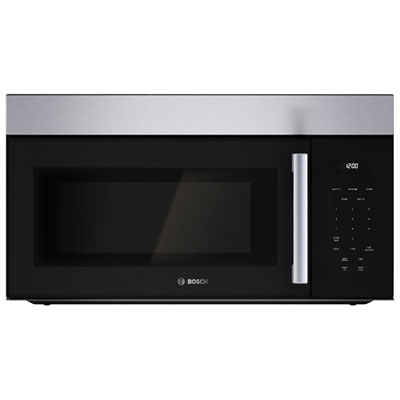
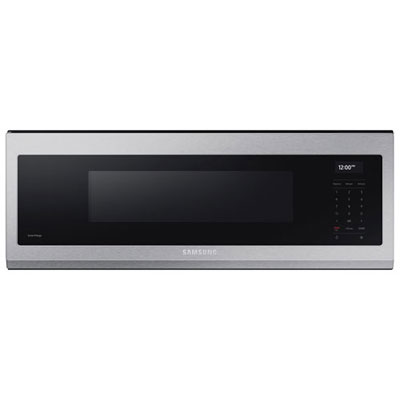
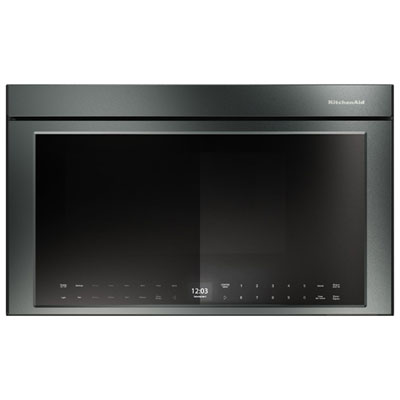
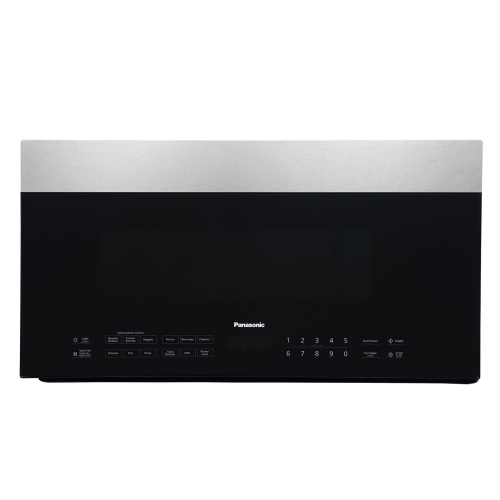
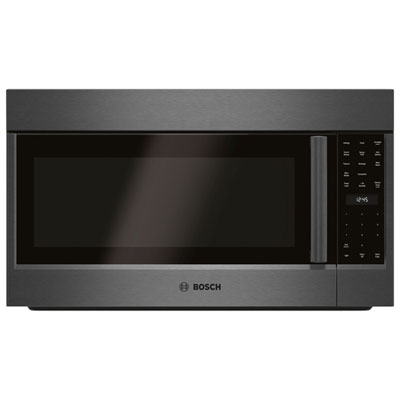
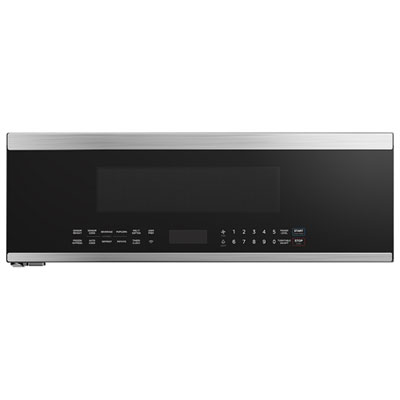
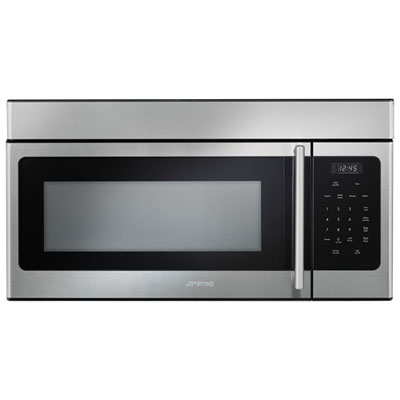
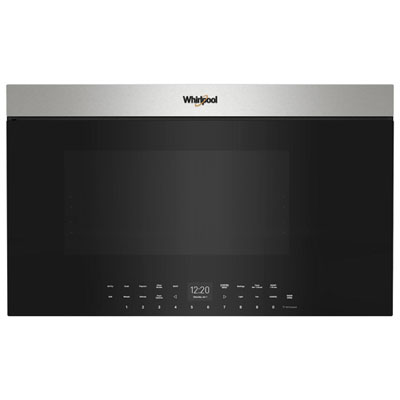
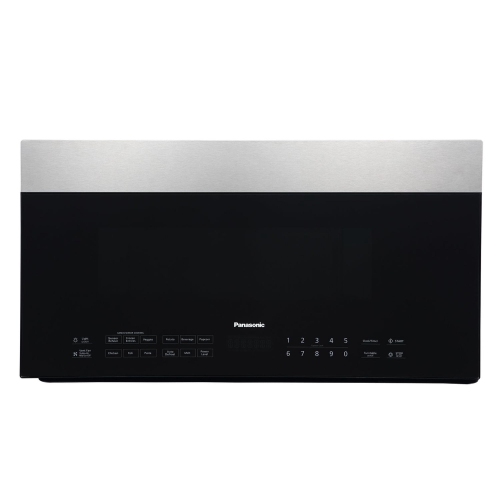
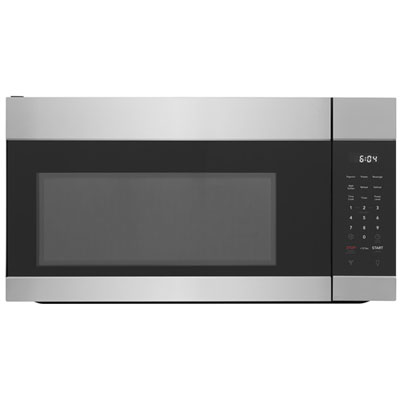
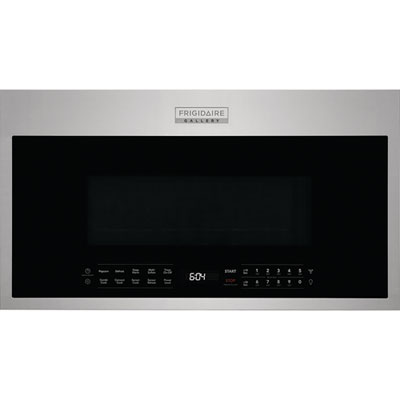
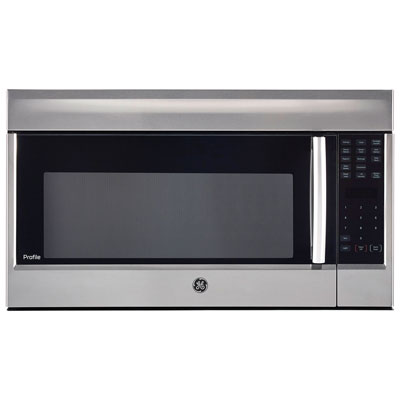
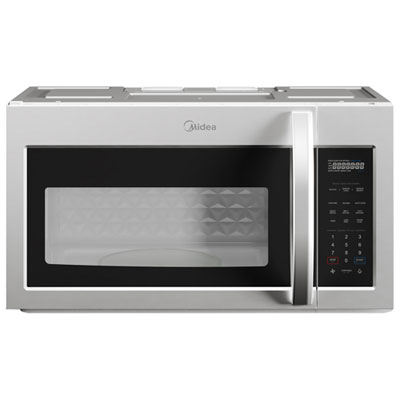

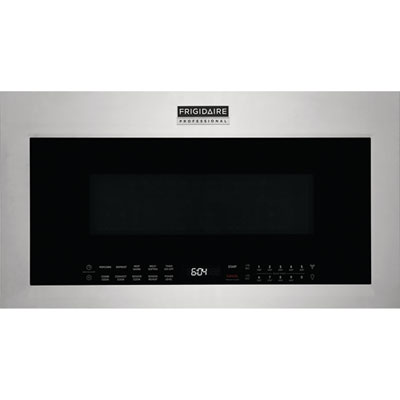

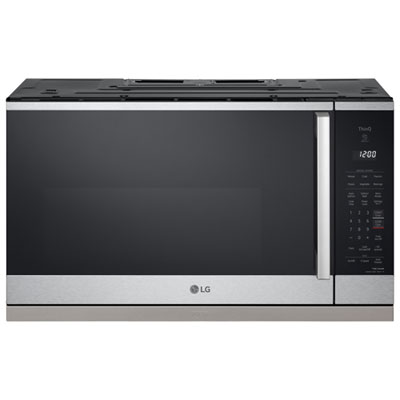
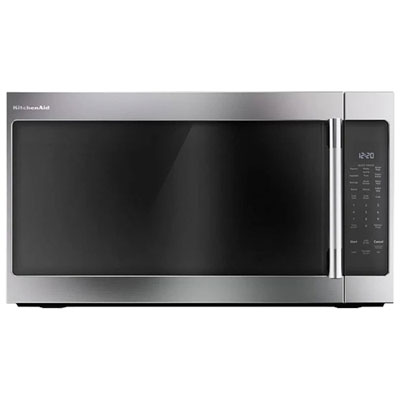
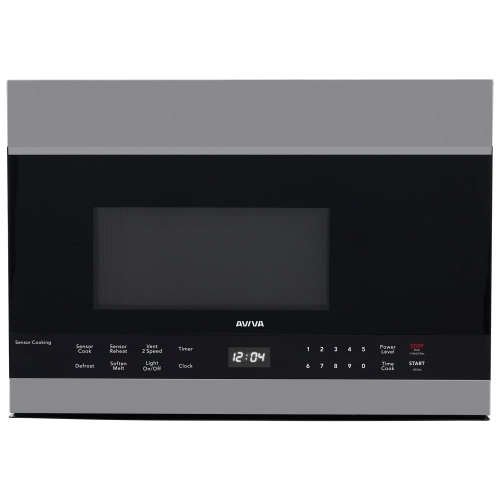
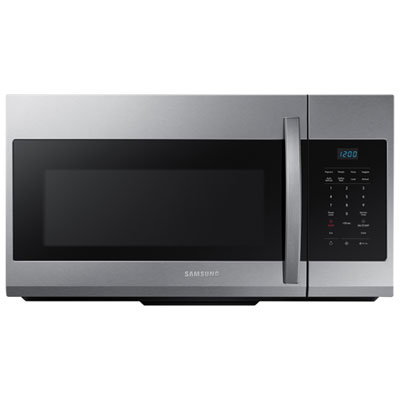
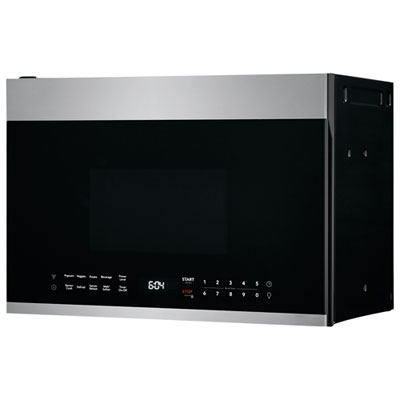
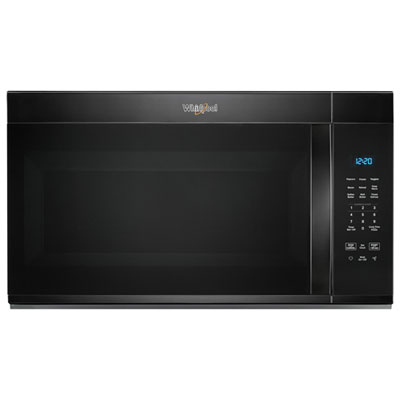
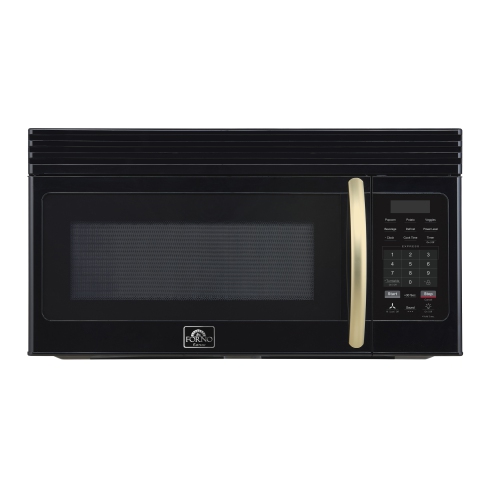
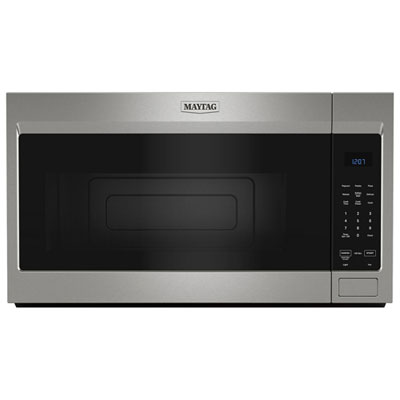
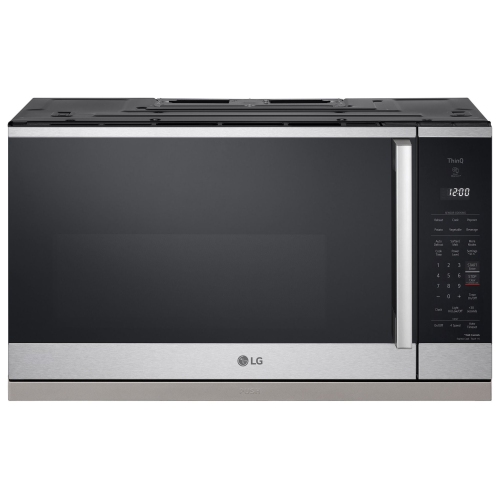
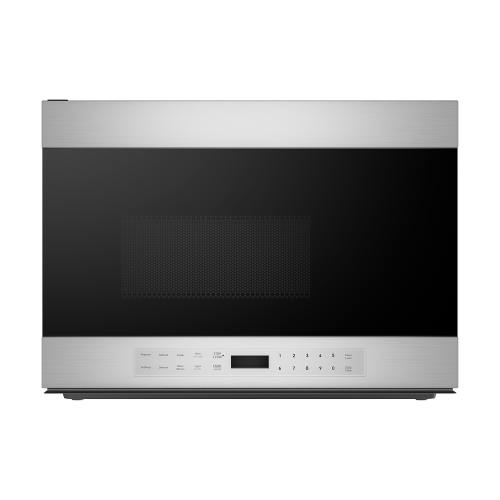
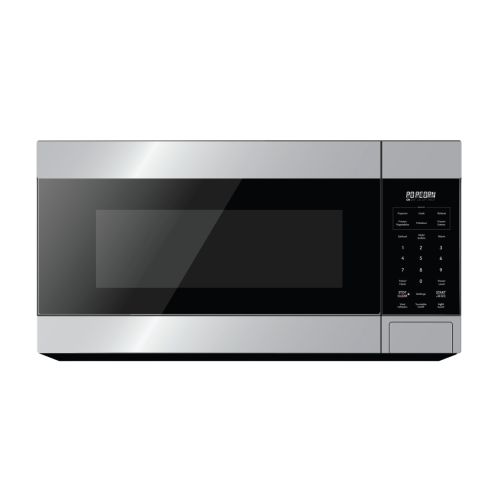
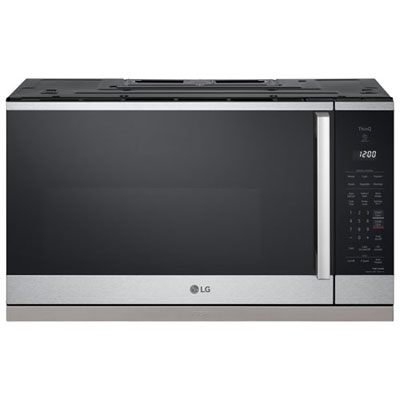
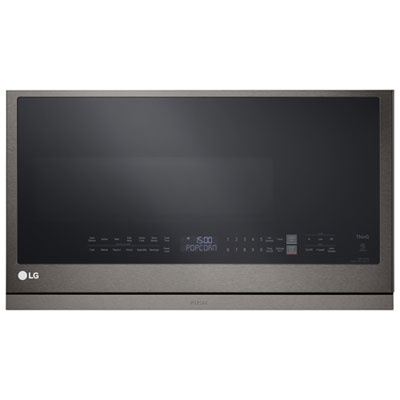
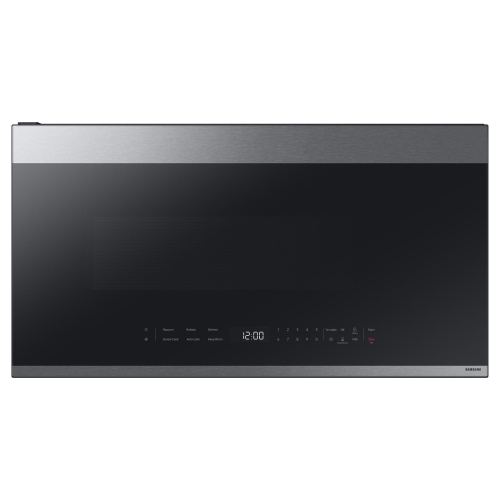
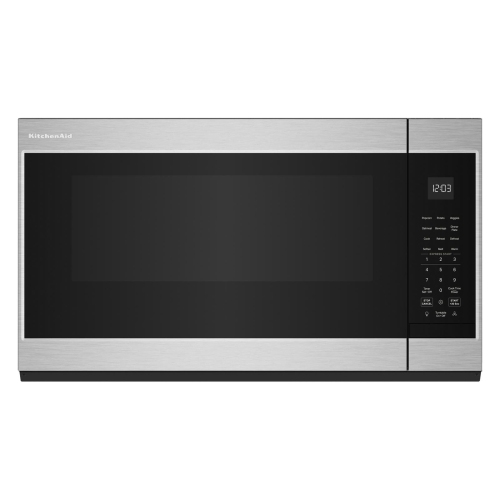
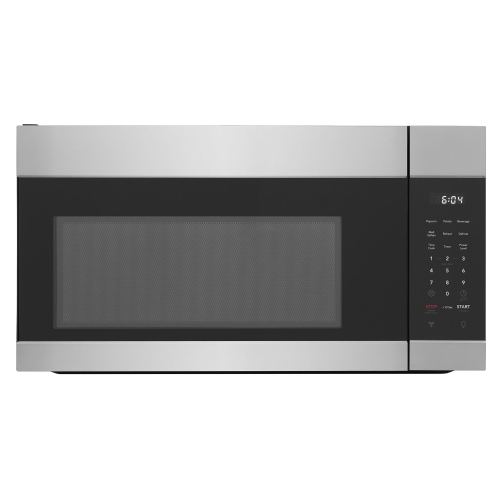
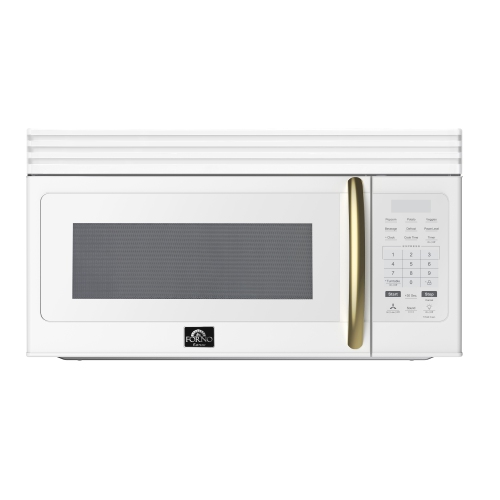
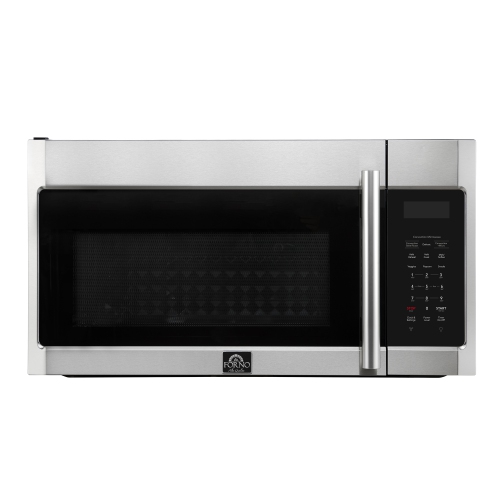
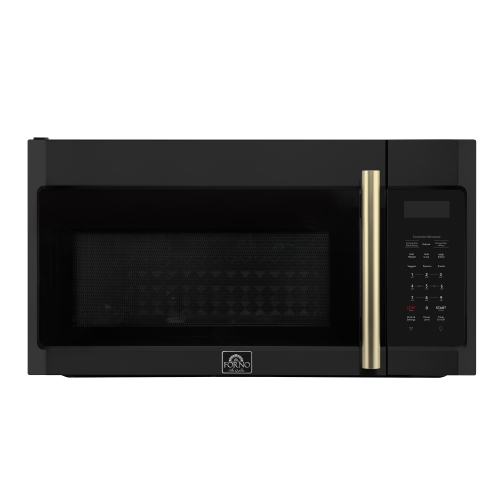
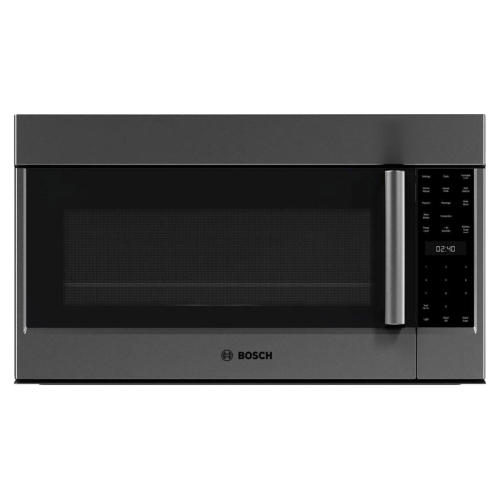
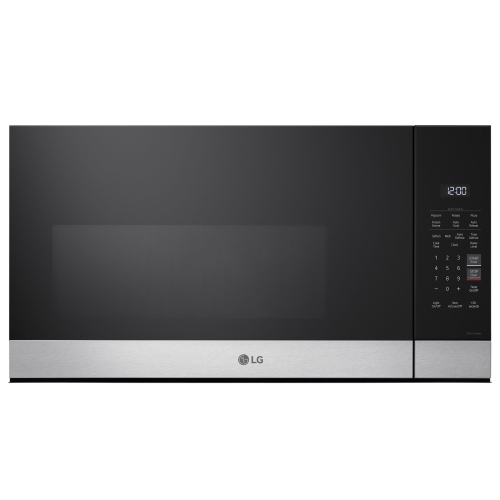

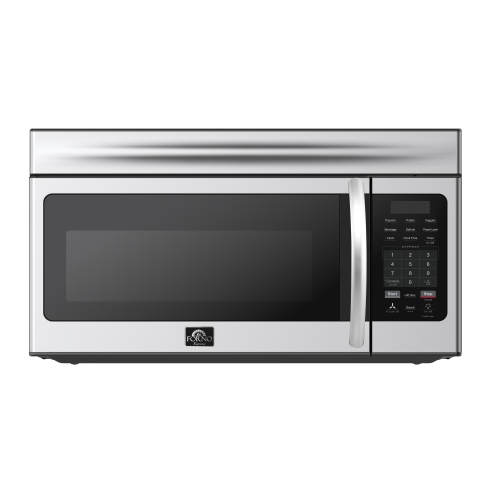
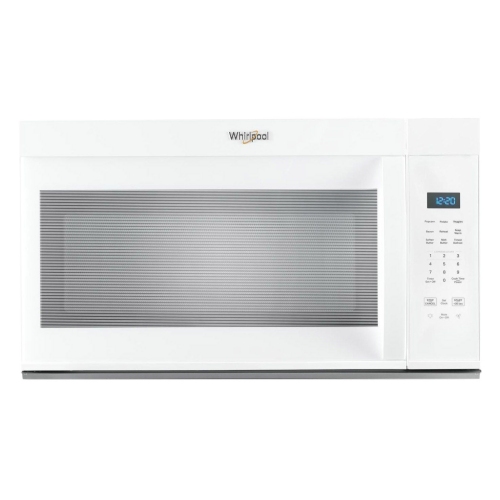
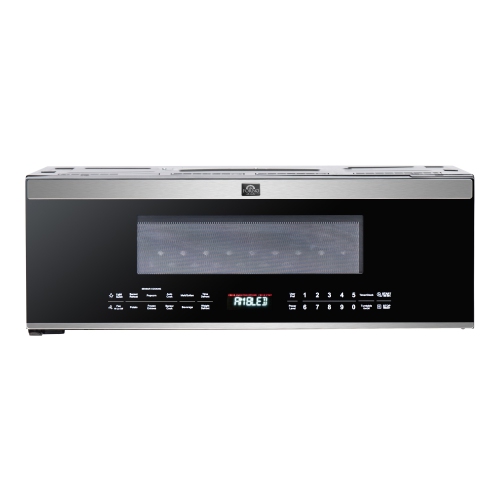
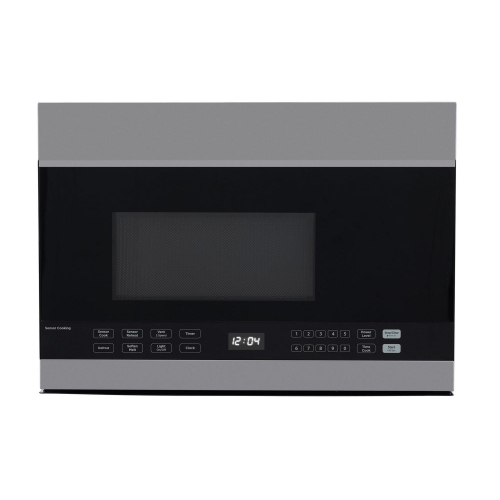
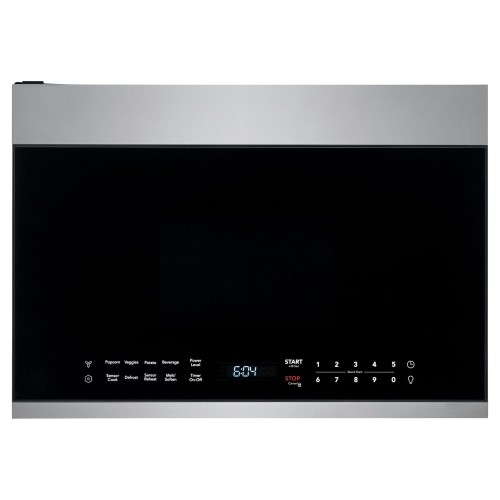
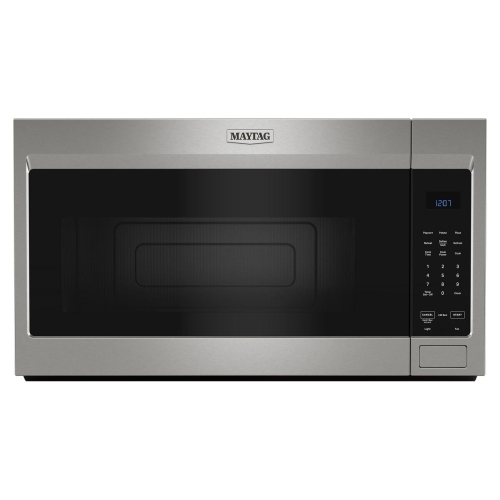
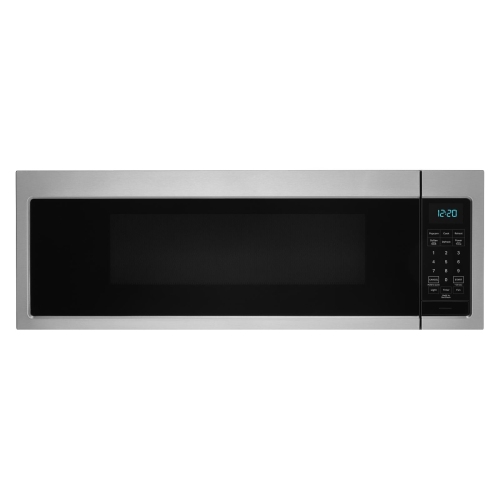
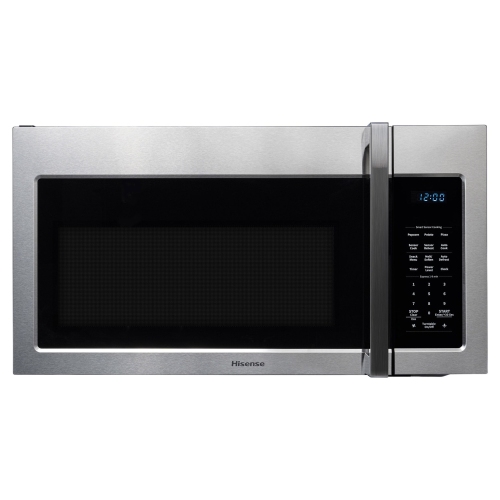
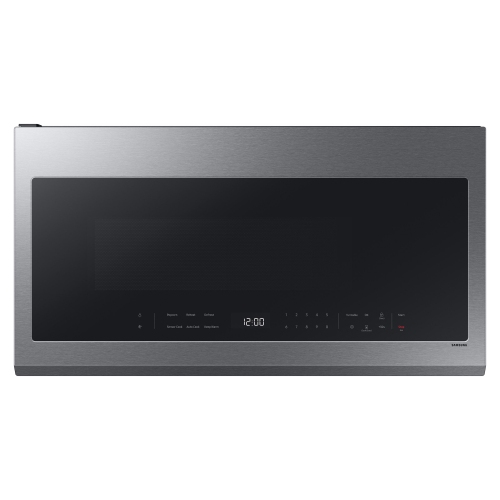
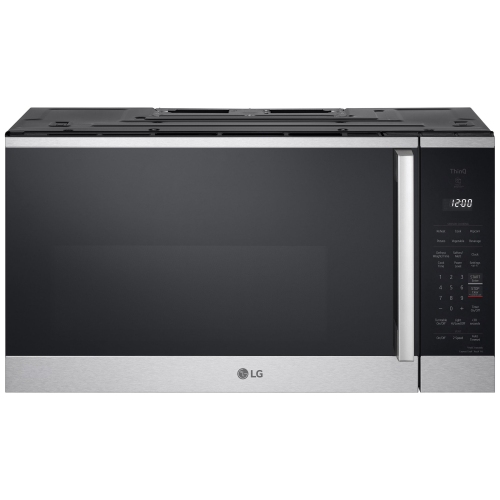
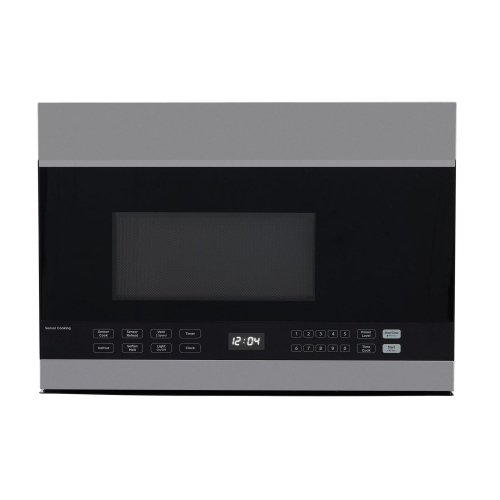
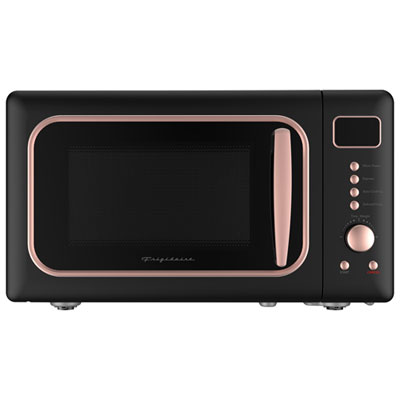
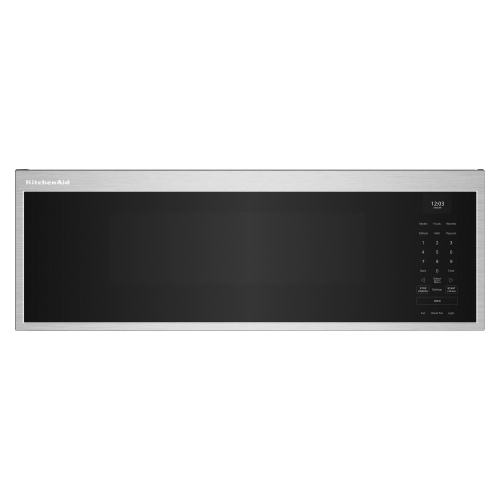
A shorter fit for kitchens with limited vertical space
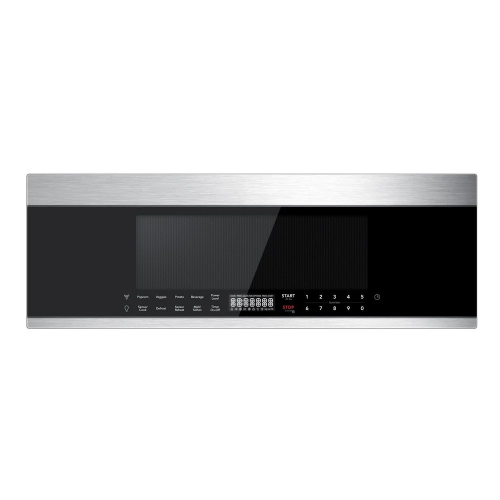
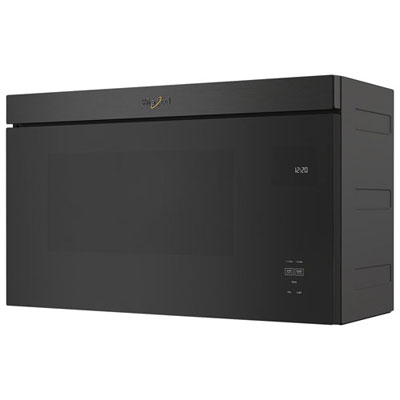
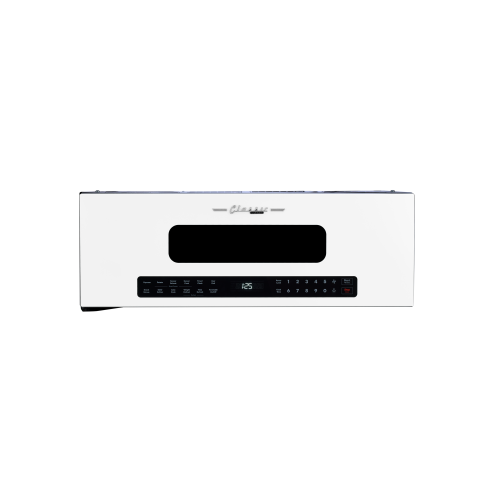
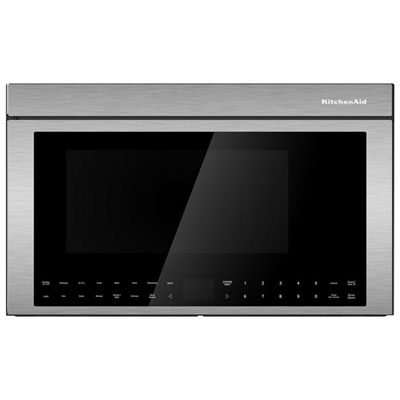
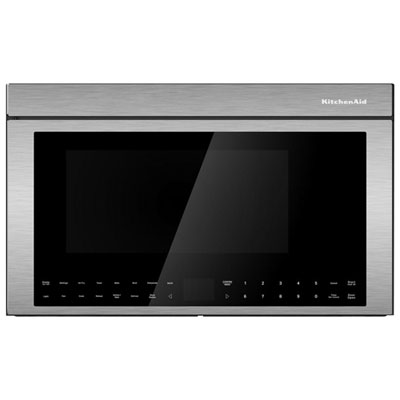
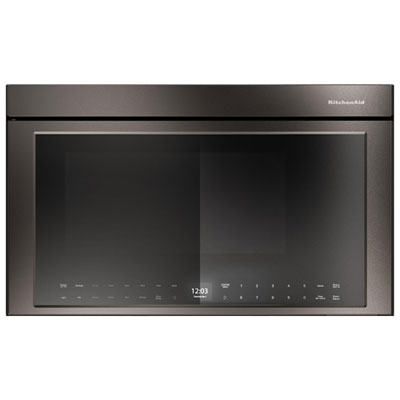
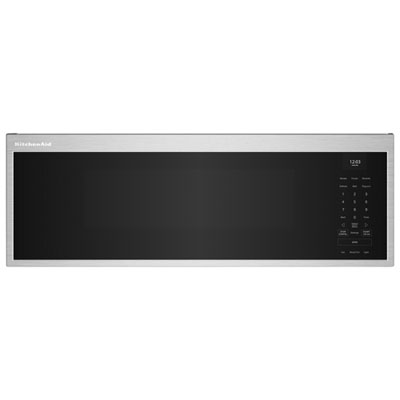
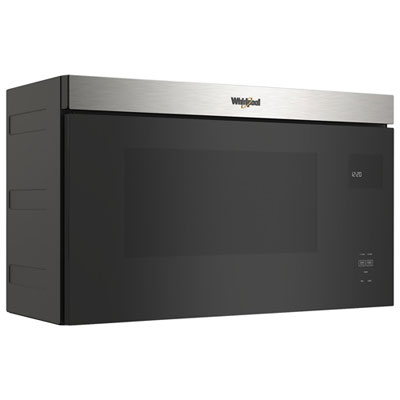
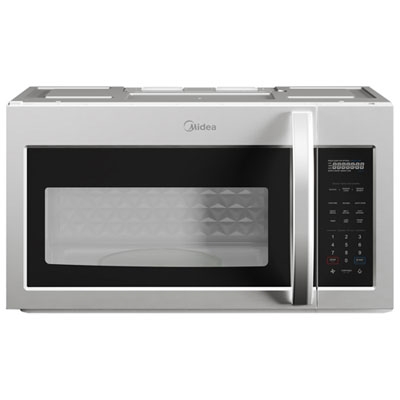
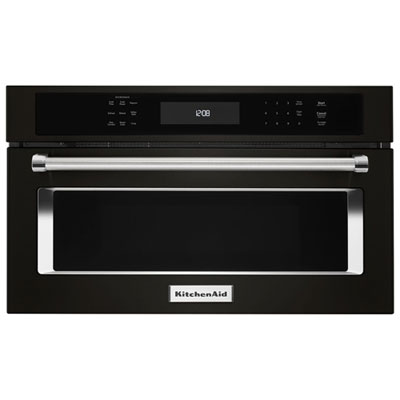
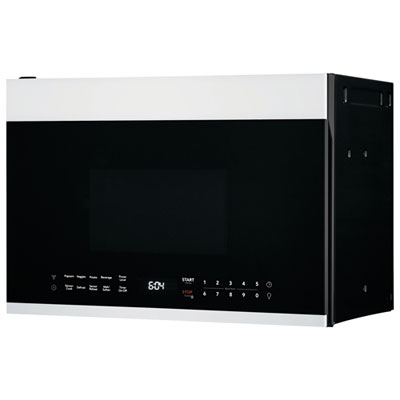
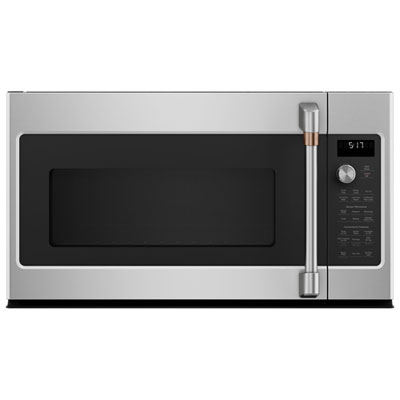
A low-profile over-the-range microwave combines microwave cooking, cooktop lighting, and range ventilation in a shorter appliance designed to sit beneath kitchen cabinetry. Its main space-saving benefit is reduced height: it can keep the countertop clear while fitting into some spaces previously occupied by an under-cabinet range hood. Low profile does not necessarily mean narrow or shallow, however. Many designs are approximately 30 inches wide and around 10 to 11 inches tall, with interior capacities commonly around 1.1 to 1.2 cubic feet; exact measurements vary. The distinction matters in a kitchen where the cabinet opening is wide enough for an over-the-range appliance but has limited vertical space. A shorter exterior can leave more room above the cooking surface, provided the installation meets the microwave and range manufacturers’ clearance requirements. Overall width, depth, door swing, and mounting space remain important, particularly beside a wall, a projecting cabinet handle, or a deep cupboard. The appliance may extend beyond the cabinet face, and the door needs enough room to open without striking neighbouring surfaces. Existing range hood mounting points, duct connections, and electrical arrangements may also differ from those needed for a microwave, so replacing a hood is not automatically a direct swap. A suitable electrical supply, secure mounting, and a compatible ventilation route are part of the fit. Installation height also affects everyday comfort: someone should be able to see the food, reach the controls, and lift out a hot bowl without stretching over the cooktop. For households comparing several space-saving formats, Small Over-the-Range Microwaves provides a related category to consider, although a smaller overall capacity does not always mean a lower exterior height. The most useful comparison is between the actual cabinet opening, the required installation clearances, and the dishes that will regularly go inside.
In daily use, low-profile over-the-range microwaves suit kitchens where reheating, defrosting, and preparing smaller portions are frequent tasks, but counter space is needed for chopping vegetables, setting down groceries, or using other small appliances. A wide, shallow cooking cavity can accommodate a dinner plate or a low serving dish while leaving less room for a tall jug, a covered casserole, or a large travel mug. Capacity in cubic feet gives a general indication of interior volume, but usable height and turntable diameter often say more about whether a favourite dish will fit. Handles, lids, and the clearance needed for a dish to rotate all affect that fit. Microwave-safe glass and ceramic containers are practical for many reheating tasks, while plastic containers need to be specifically labelled for microwave use. Metal cookware and decorative metallic trim should only be used where the appliance instructions expressly allow them. Cooking power, available power levels, and control options help distinguish how different designs handle everyday food preparation. Adjustable power is useful for softening butter or gently warming leftovers, while defrost settings can help prepare frozen ingredients for further cooking. Where included, sensor functions use conditions inside the cavity to adjust cooking, although stirring, standing time, and checking food temperature can still be necessary for even results. Preset buttons and an easy-to-read display may appeal to a busy household warming several meals at different times; straightforward manual controls may be preferable for someone who usually reheats the same few dishes. Interior lighting and a clear view through the door make it easier to monitor a bowl of soup or a plate of leftovers. Control placement matters as much as the number of settings, especially when the appliance is mounted above eye level. For people with limited reach or difficulty lifting, the overhead position deserves particular consideration, since a compact exterior does not eliminate the challenge of removing hot food from above a range.
Ventilation is the other central function of a low-profile over-the-range microwave, and its performance depends on more than the fan’s stated airflow. Airflow is commonly measured in cubic feet per minute, or CFM, but duct length, bends, outlet size, filter condition, and installation quality also influence how effectively cooking fumes are captured. Exterior-vented installations discharge air outdoors through suitable ductwork. Recirculating installations pass air through the specified filters and return it to the kitchen; they can help reduce grease and odours, but they do not carry cooking moisture outdoors. Some appliances support both arrangements with the appropriate installation configuration and components, while others have more limited options. Compatibility with the cooking appliance below is essential, particularly where a gas range or frequent high-heat cooking places greater demands on ventilation. Fan speed choices allow some flexibility between airflow and sound, and well-positioned cooktop lighting helps illuminate a saucepan, cutting board, or recipe beside the range. Finishes also play a role in how the microwave fits into the kitchen. Stainless steel offers a familiar appliance finish, while painted and coated surfaces can coordinate with darker or lighter cabinetry; fingerprint resistance and cleaning requirements vary by surface. Durability depends partly on everyday handling and care, including keeping the door, seals, and latches clean and free from damage. Food splashes are generally easier to remove before they harden, using a soft cloth and the cleaning method specified for the interior. Abrasive pads and unsuitable cleaners can mark finishes or damage coatings. Washable grease filters need regular cleaning according to the manufacturer’s directions, while charcoal filters used for recirculation generally require replacement rather than washing. Removable turntables and supports also need to be cleaned and seated correctly. With suitable installation, accessible controls, and enough usable space for everyday dishes, this format brings cooking and ventilation together without taking over the work surface.
Top selling and popular products
-
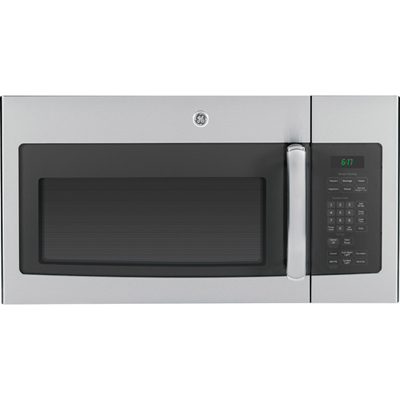 Your price for this item is $399.99
-
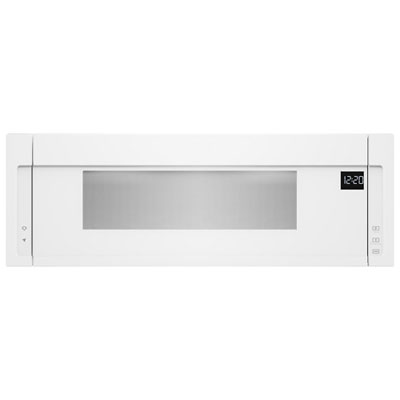 Your price for this item is $549.99
-
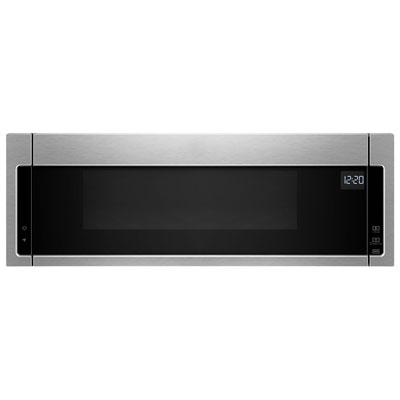 Your price for this item is $529.99
-
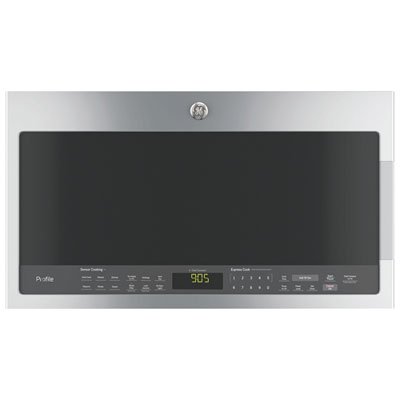 Your price for this item is $589.99
-
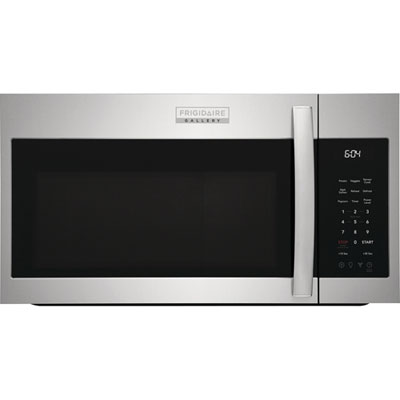 Your price for this item is $529.99
-
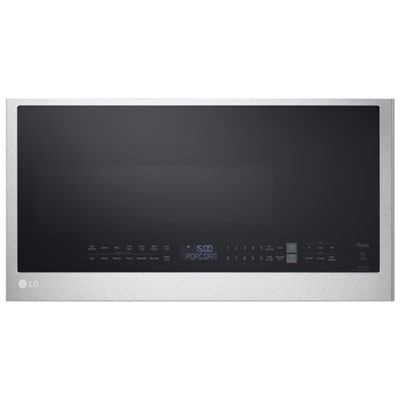 Your price for this item is $499.99
-
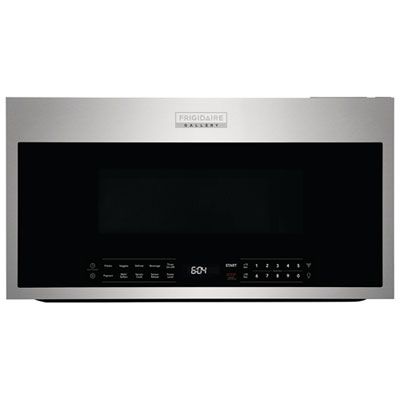 Your price for this item is $549.99
-
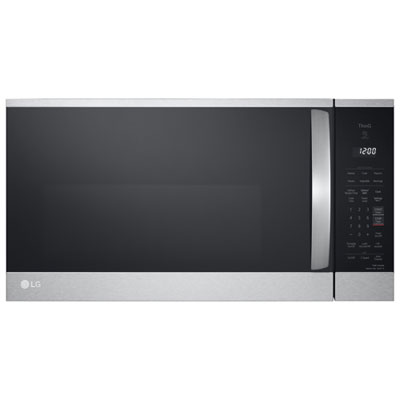 Your price for this item is $499.99
Discover more categories related to Low Profile Over The Range Microwave
Top Collections:
Best Black Friday Deals This Year, Best Black Friday Deals On Electronics, Kindle Devices, Pokemon Centers, Best Black Friday Deals On Apple Products, Best Cameras for Sports Photography, Dyson Airwrap, Pokémon 30th Celebration Cards, Apple iPhone 17 Pro, Canon G7X Cameras
Some products may be subject to Environmental Handling Fees
(EHF) depending on your province.
Learn more about EHFs.