Stainless Ovens
Upgrade your kitchen with our selection of sleek and efficient stainless ovens. Whether you're a culinary enthusiast or simply looking to elevate your home cooking experience, these stainless ovens offer both style and functionality. From compact designs perfect for small spaces to spacious models ideal for large gatherings, find the perfect stainless oven to meet your needs. With advanced features and modern aesthetics, these stainless ovens are sure to be a standout addition to your kitchen.
Sort
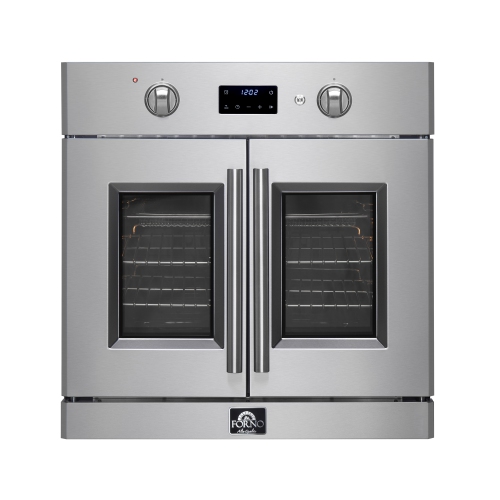

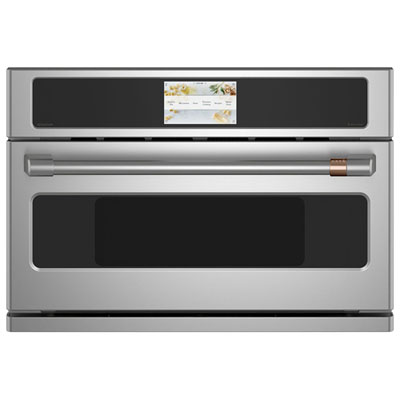
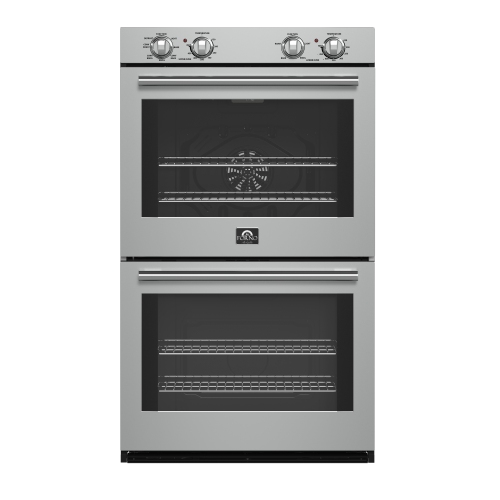
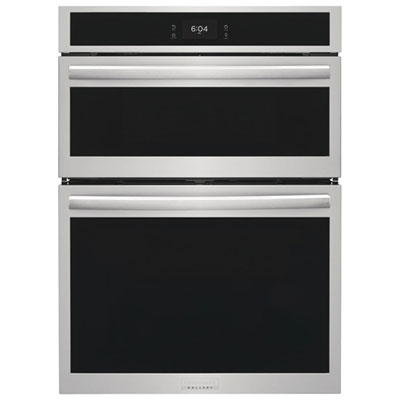

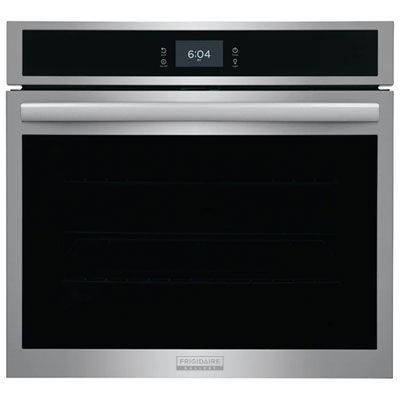
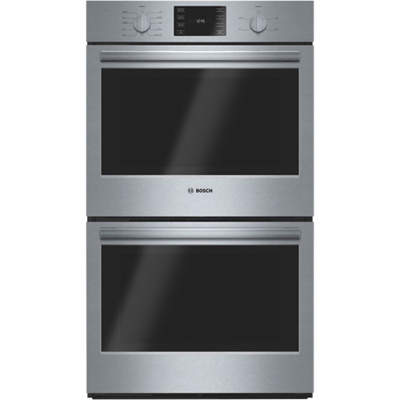
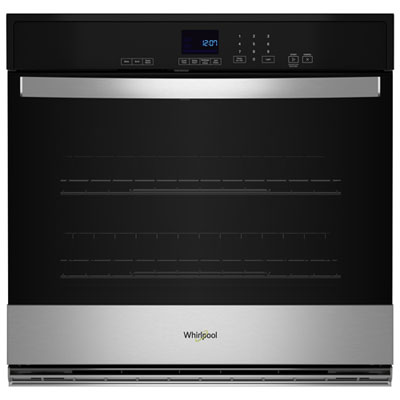
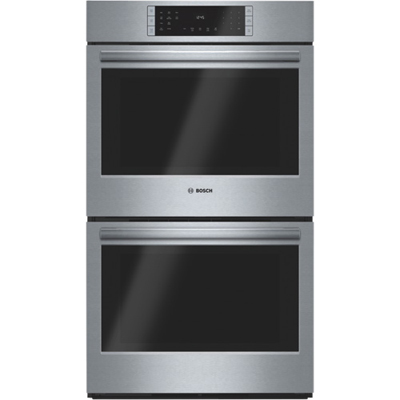
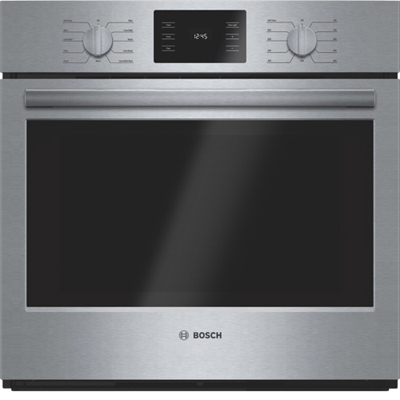
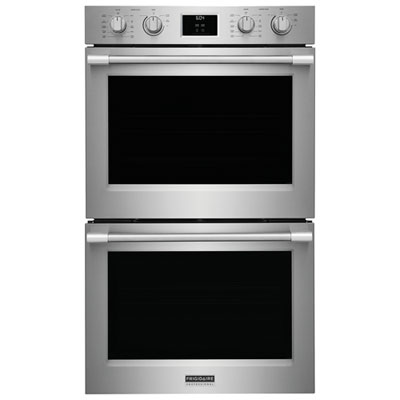
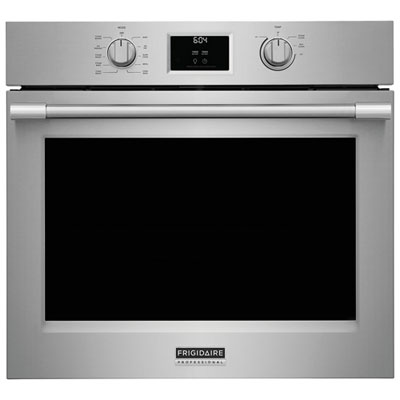
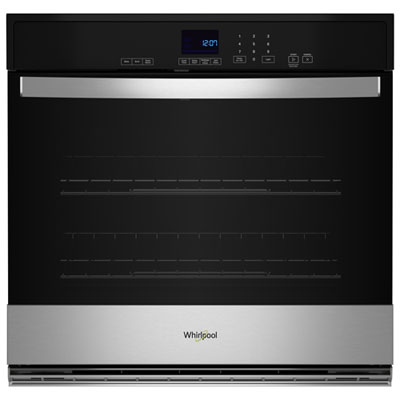

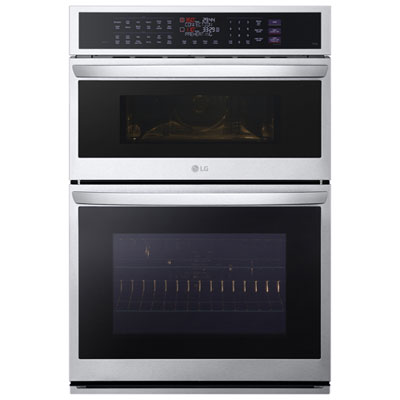
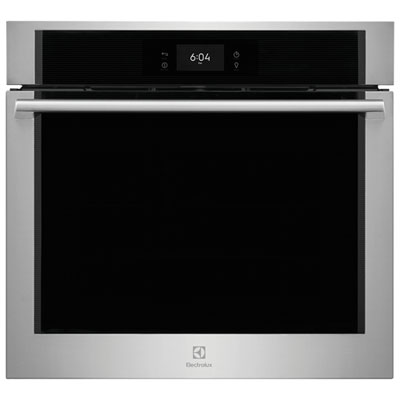

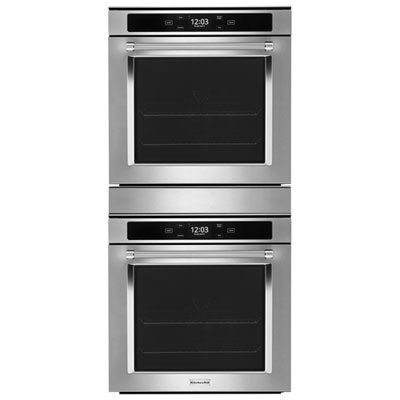
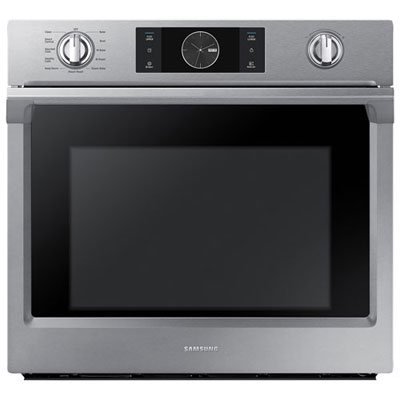
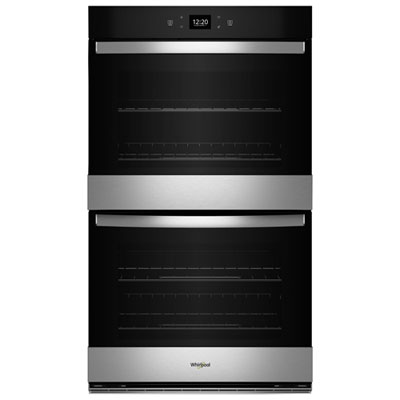
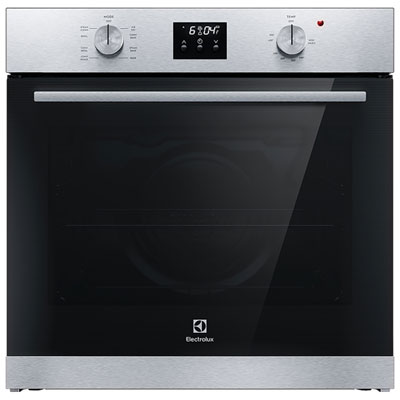
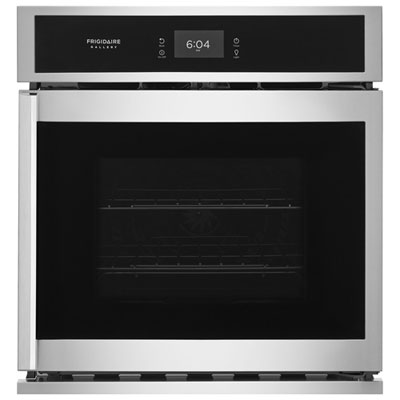

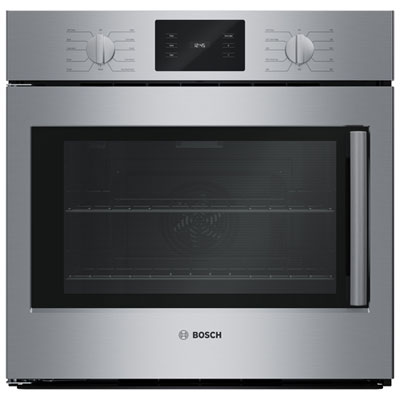

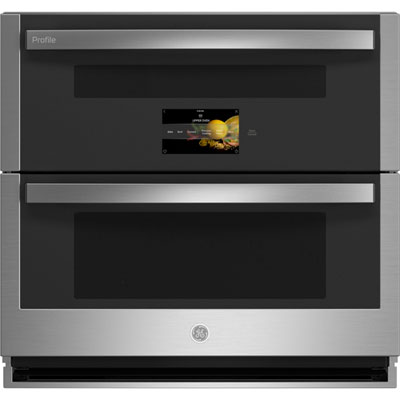
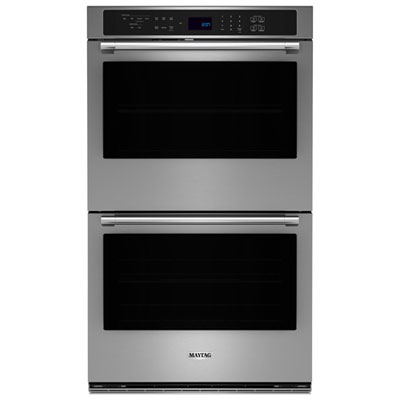
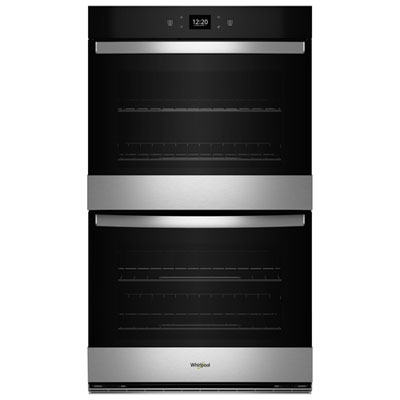
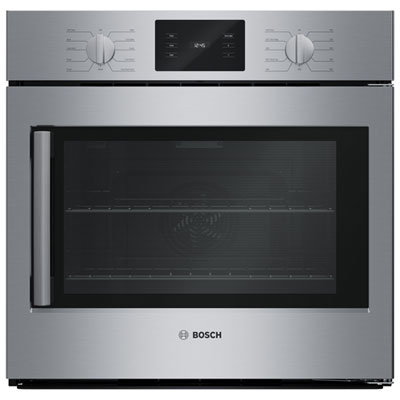
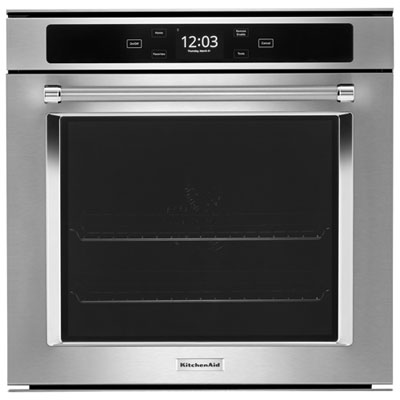
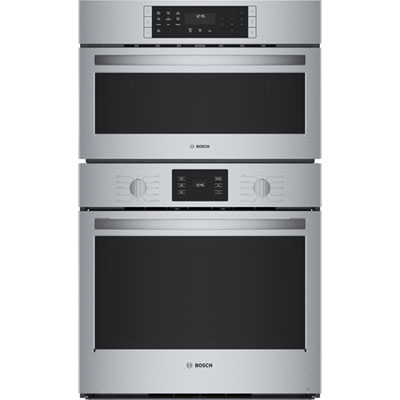
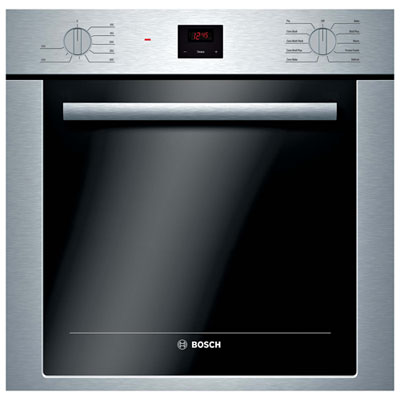
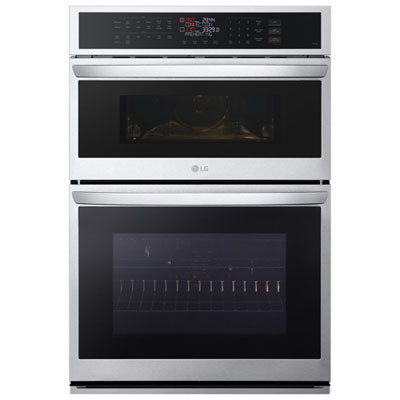
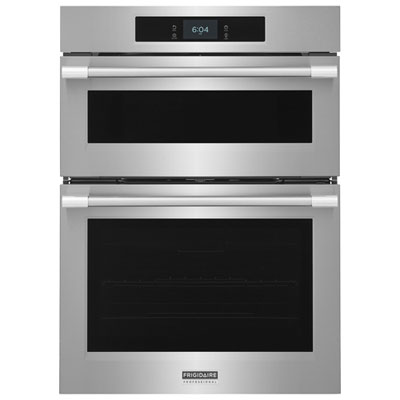
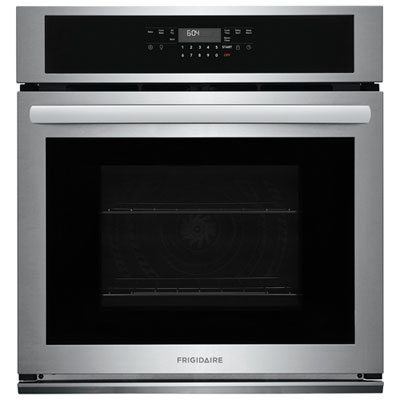
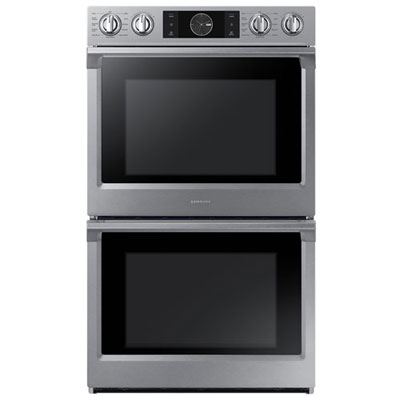
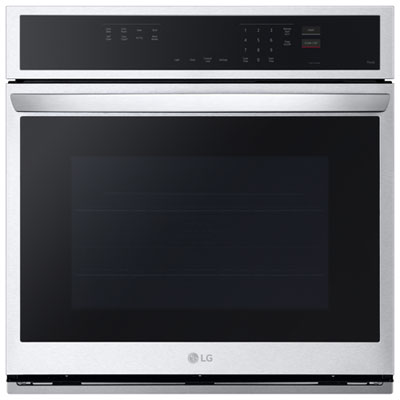
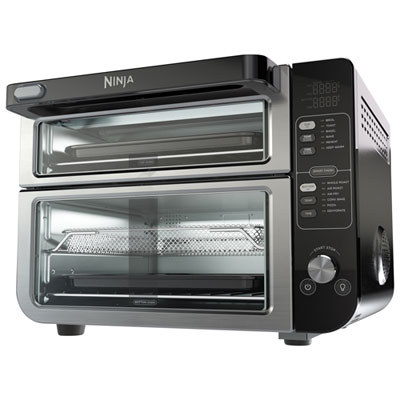
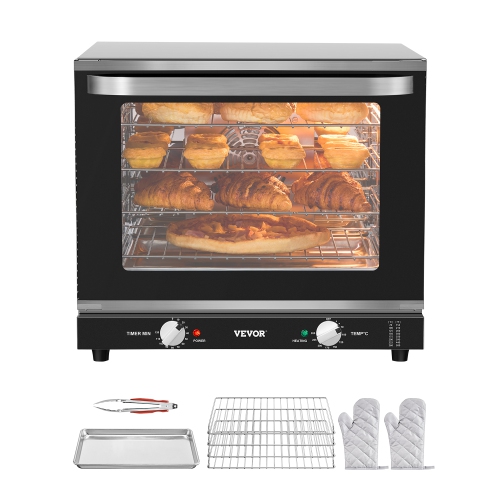
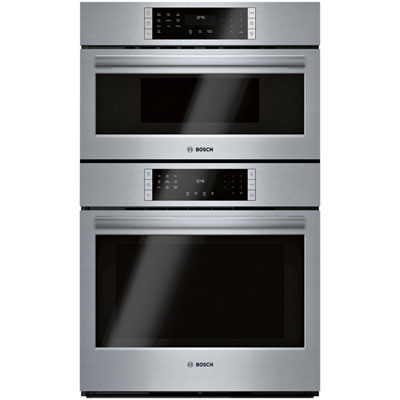

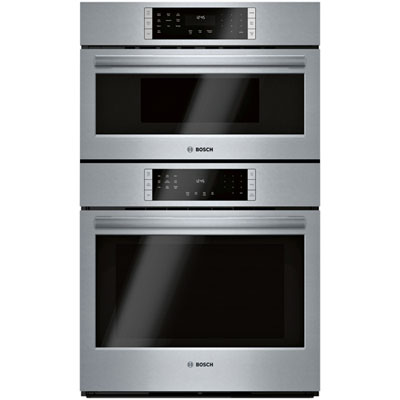
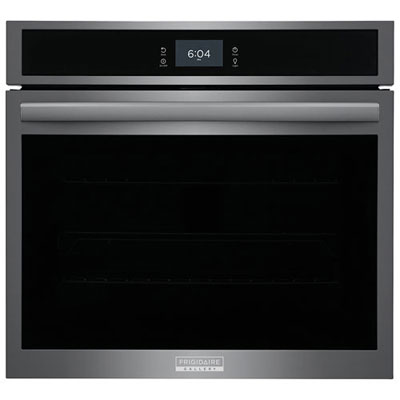
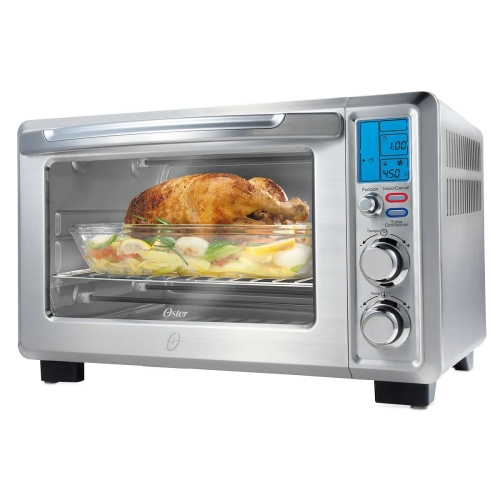
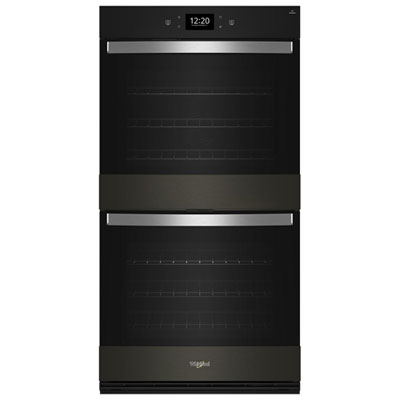


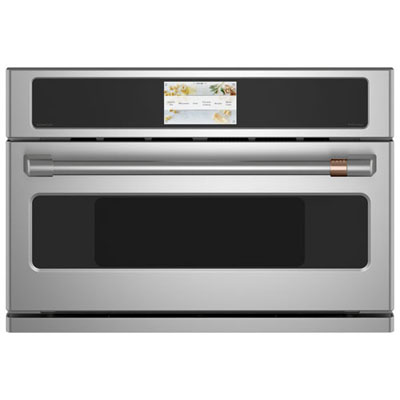
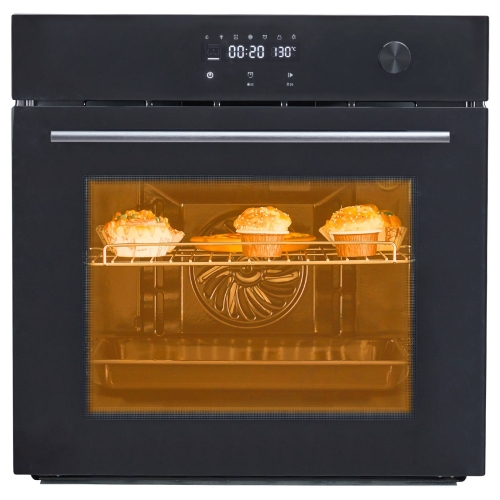
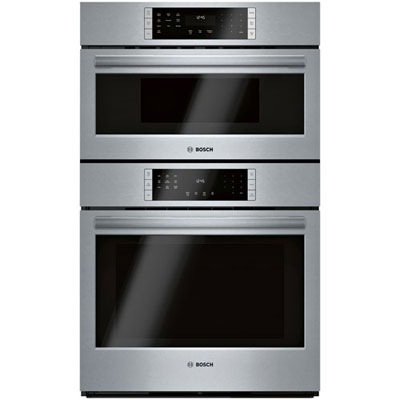
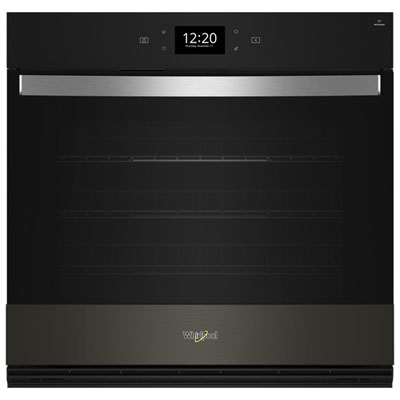
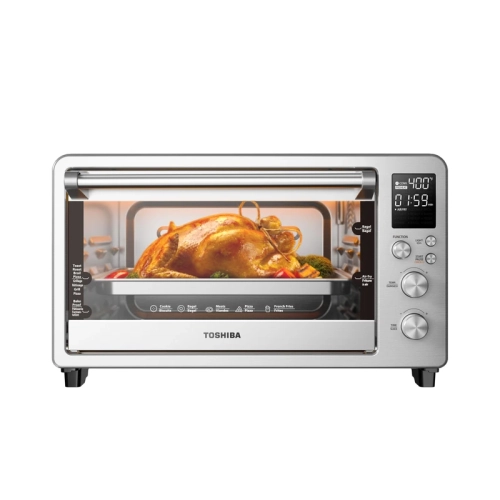
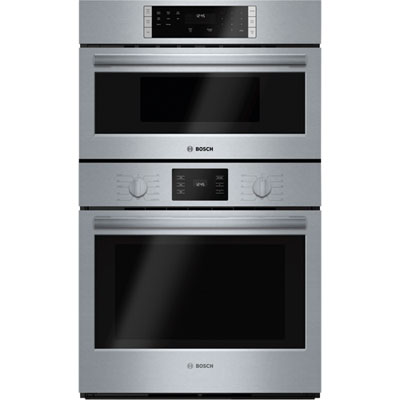

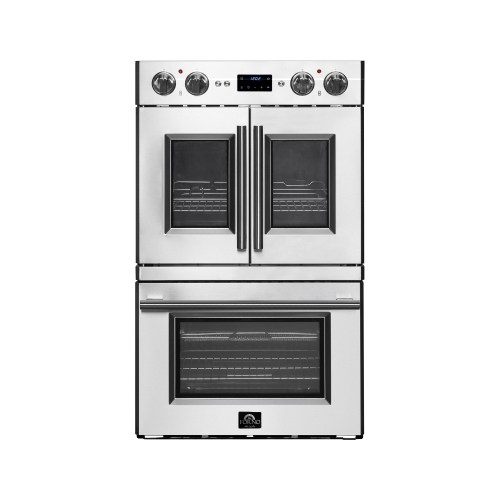


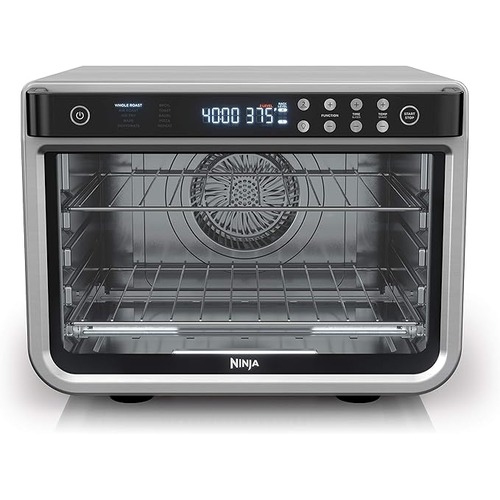
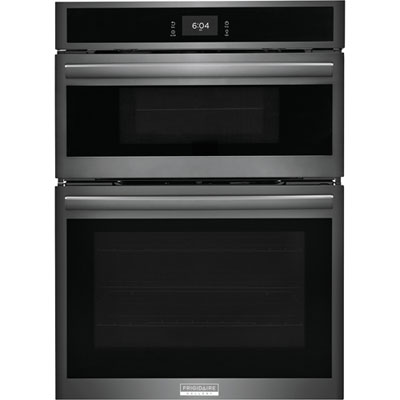
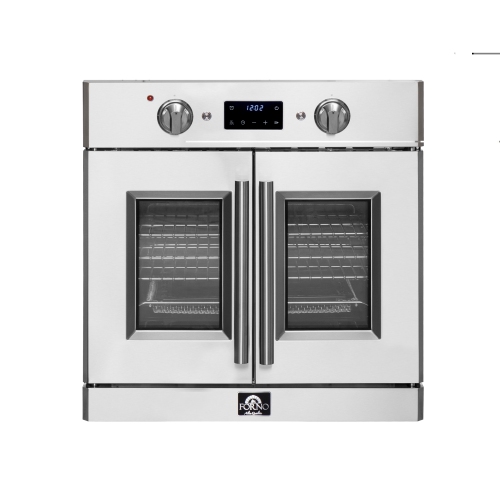

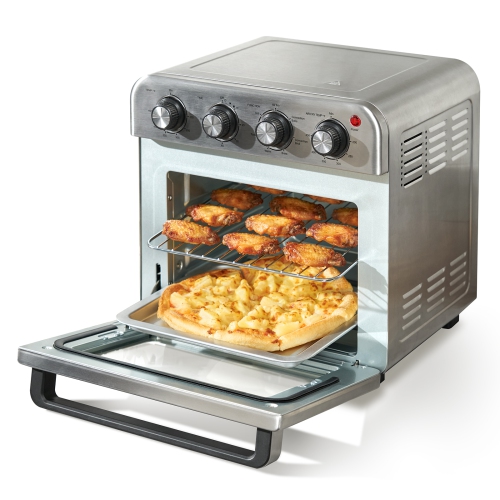
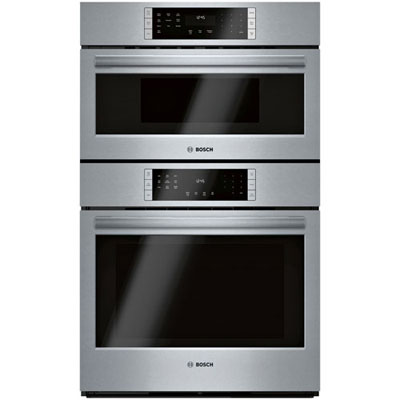
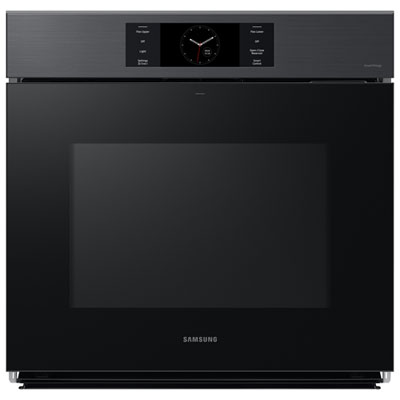
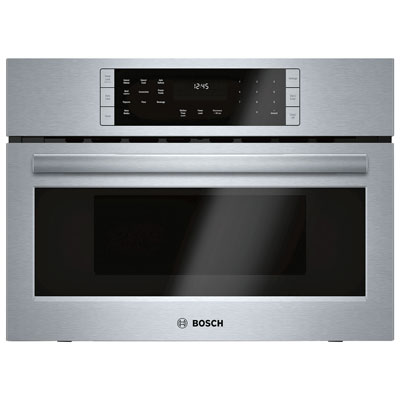
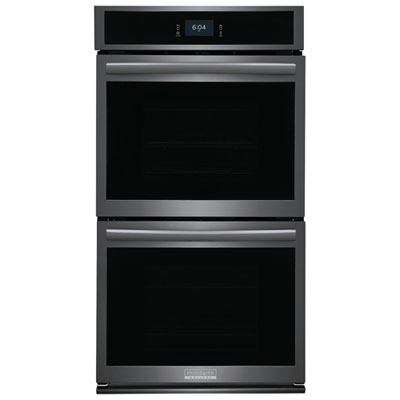
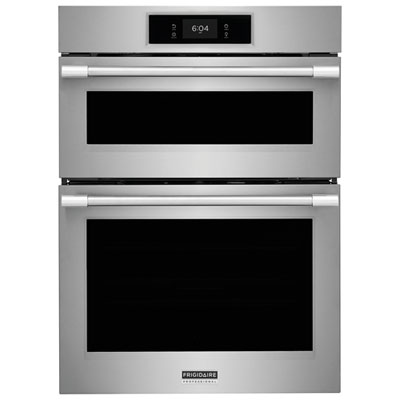
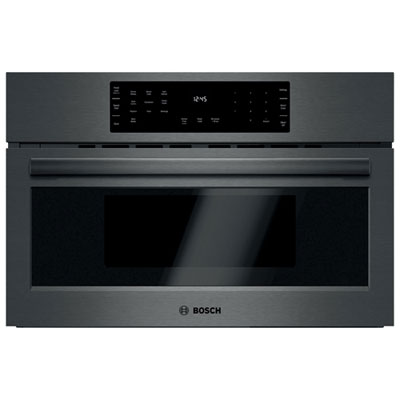
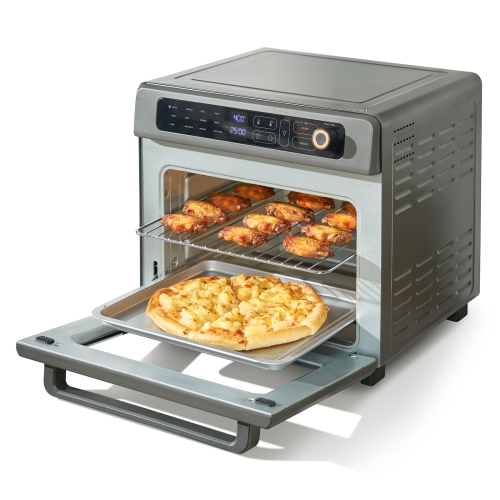
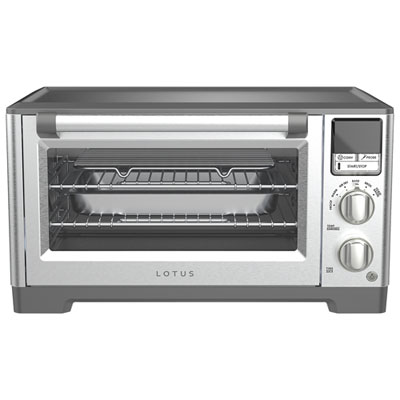
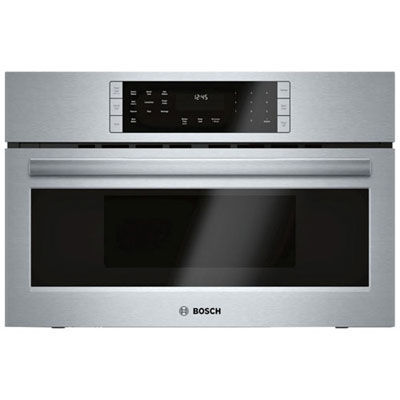
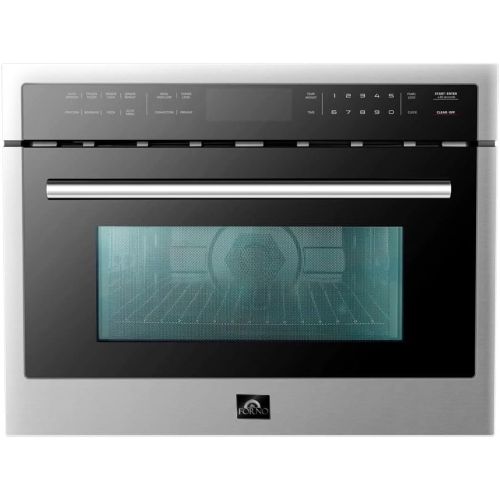
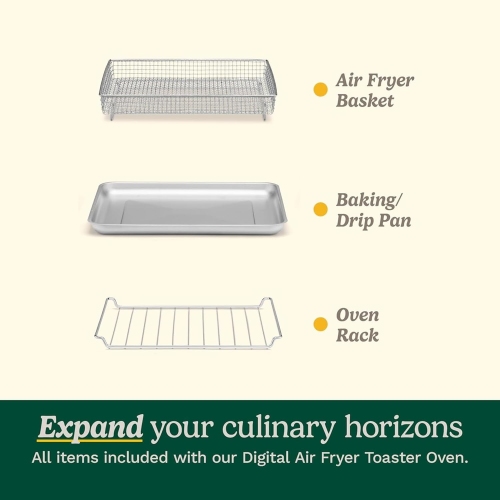
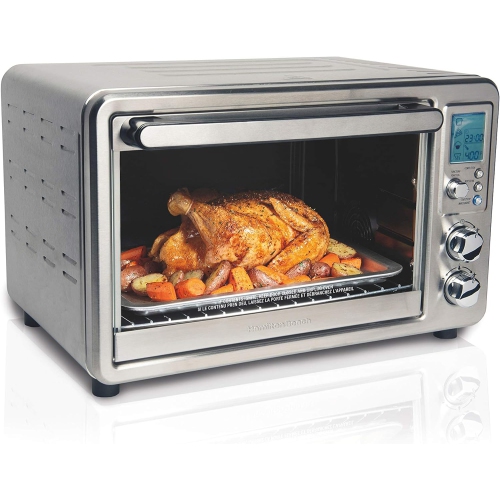
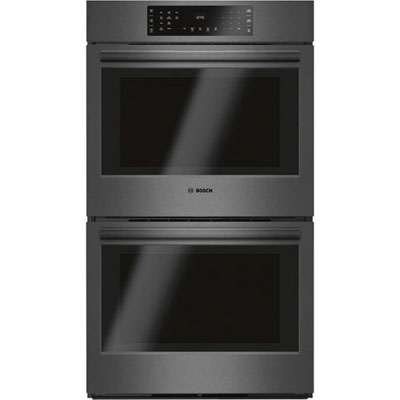
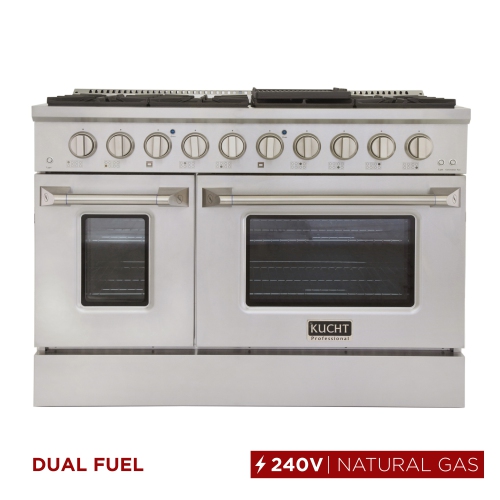
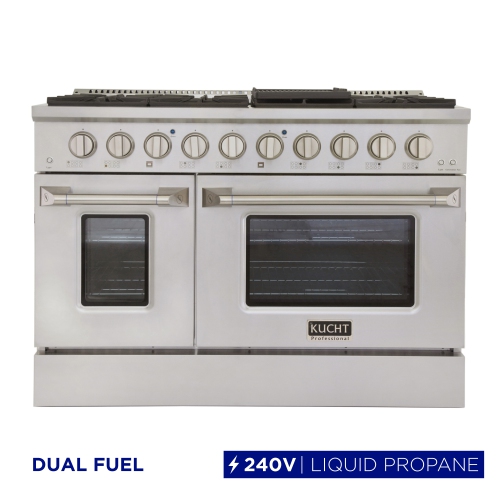
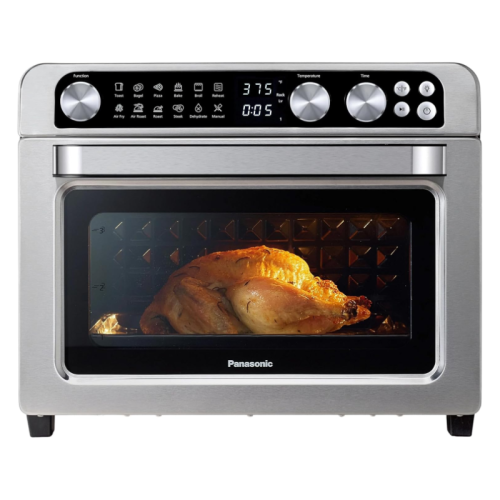
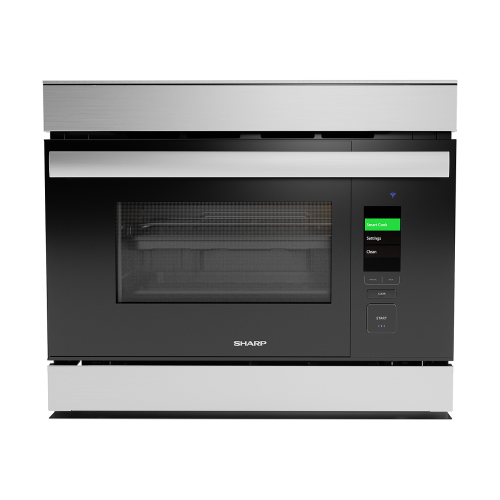

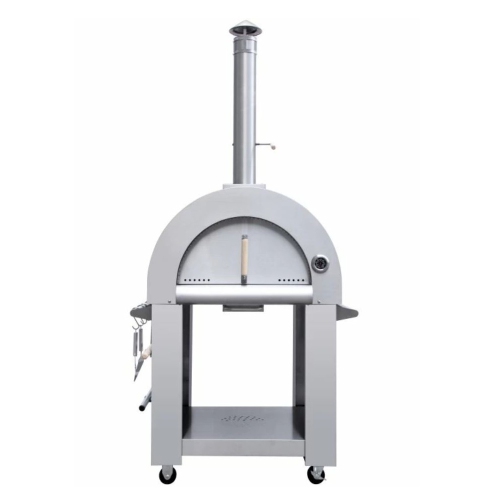


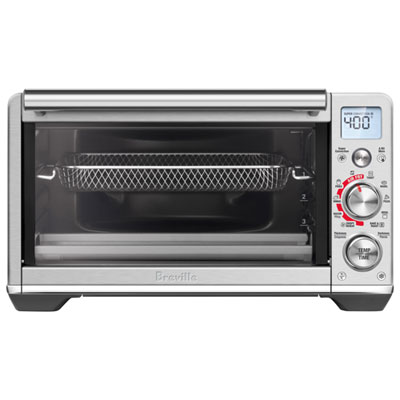
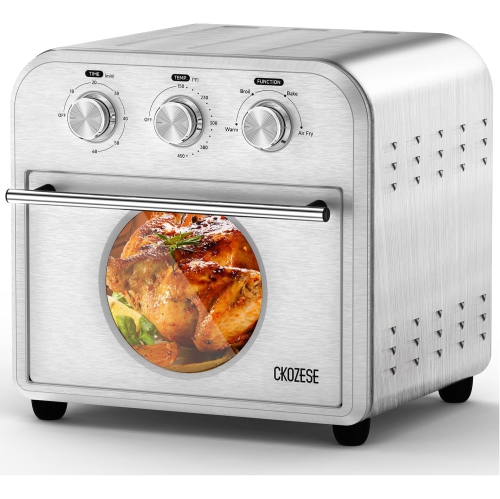
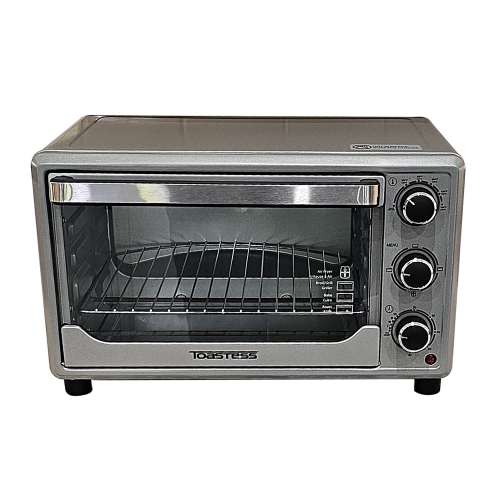

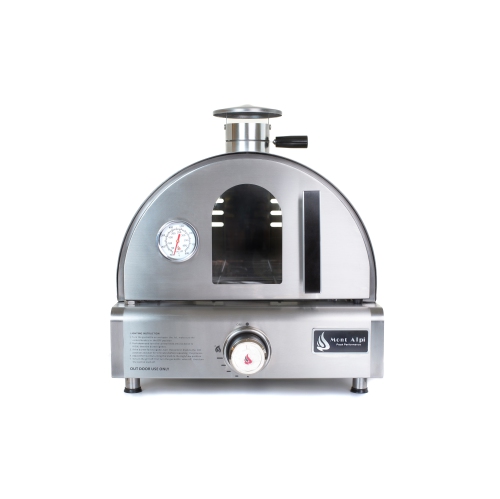
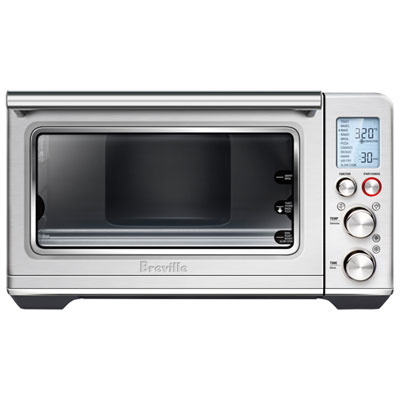

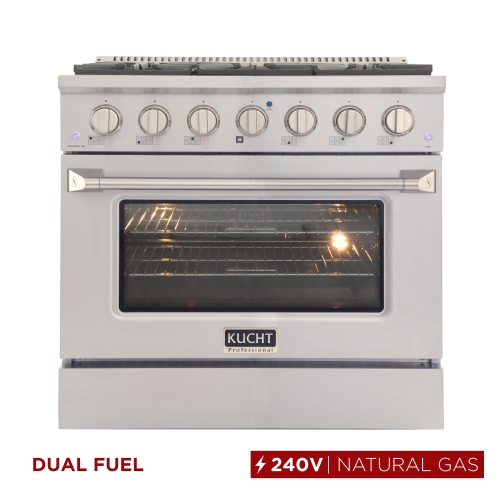

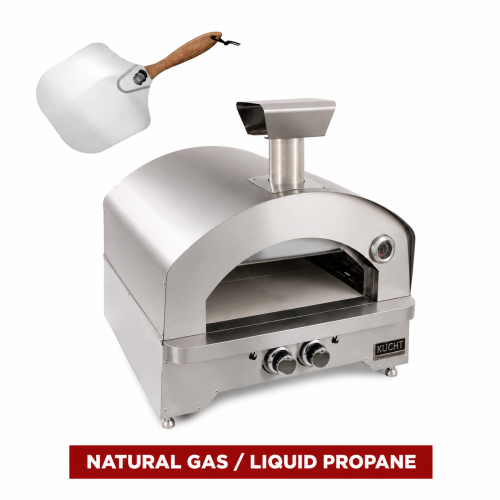
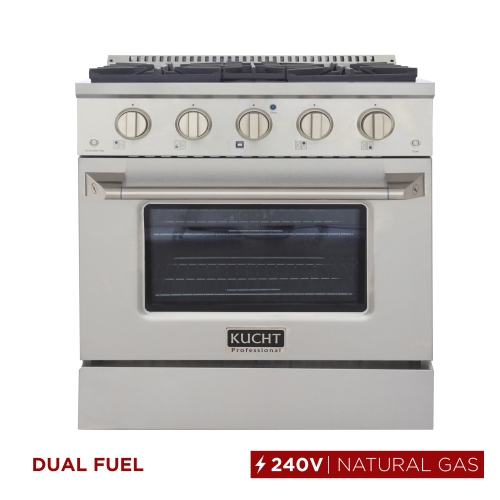
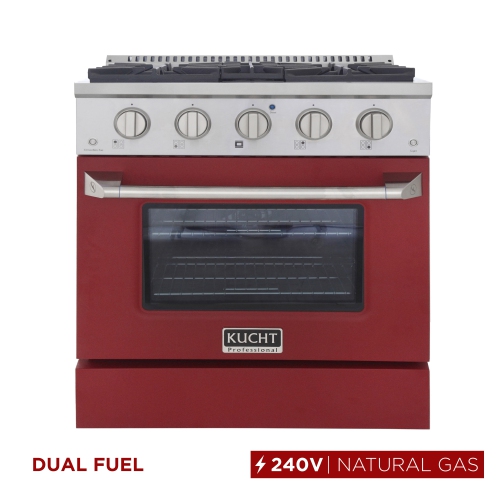
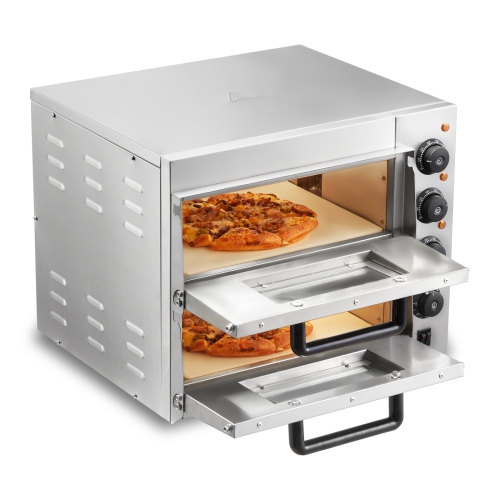

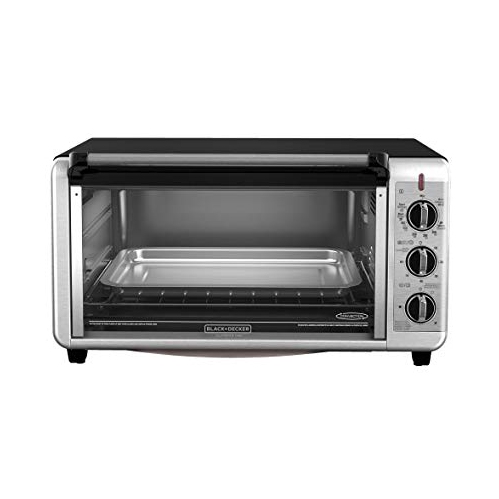
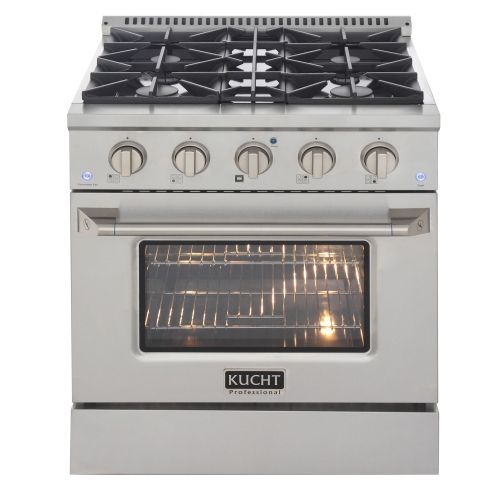
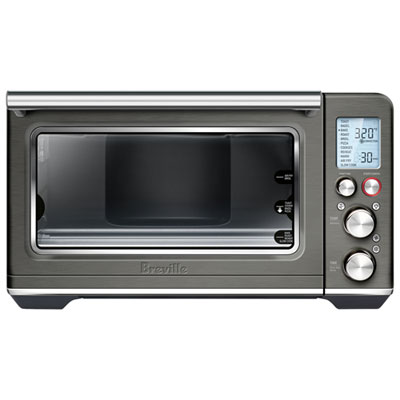
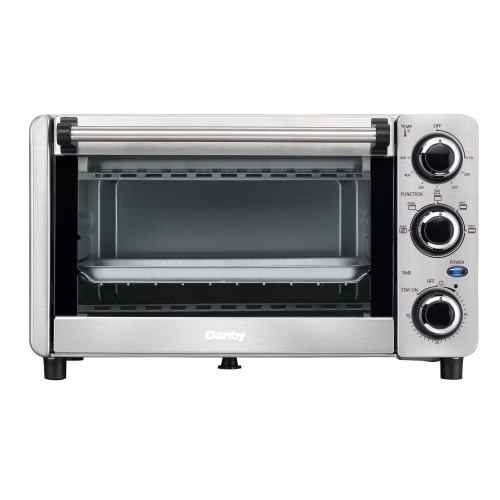
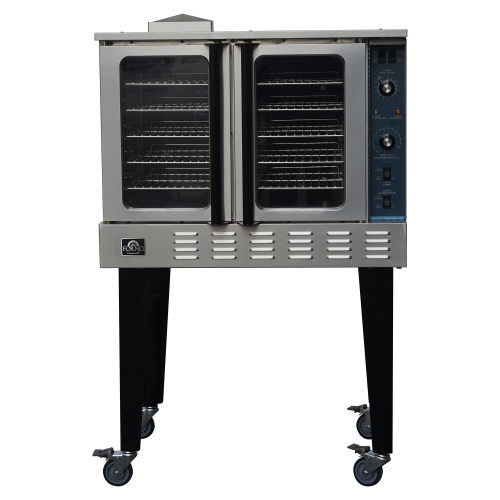
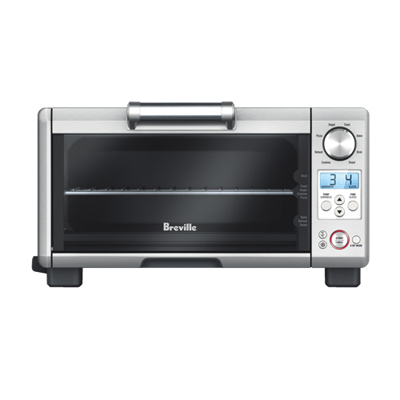
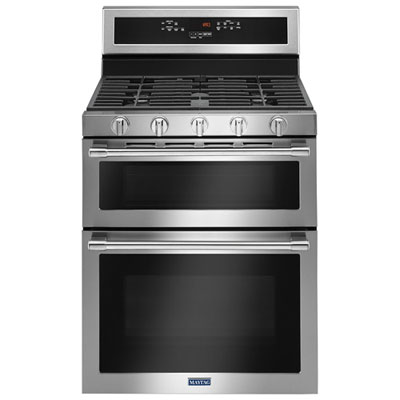
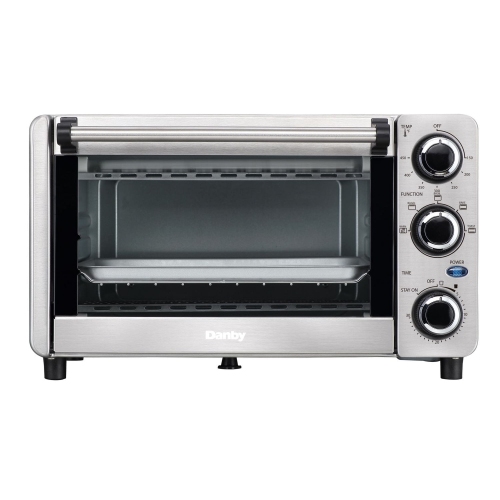
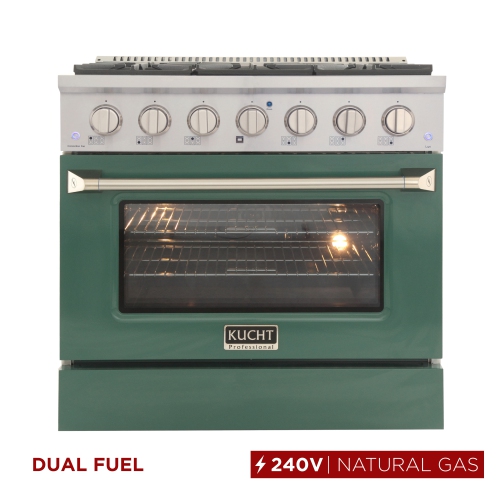
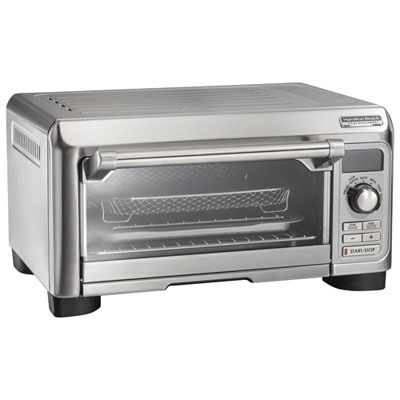

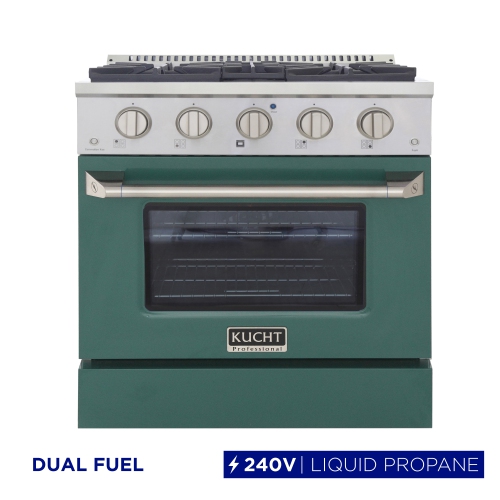
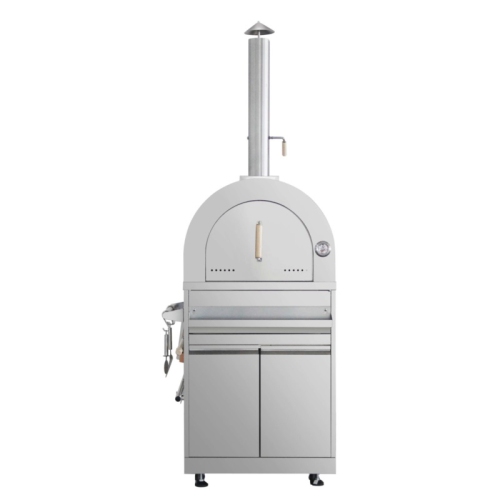
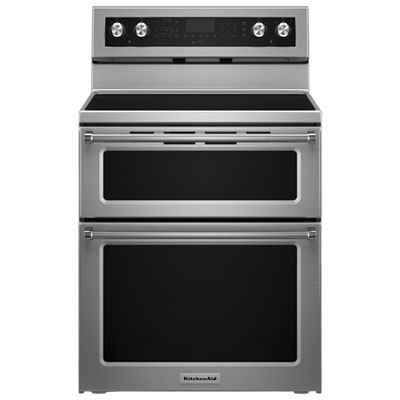
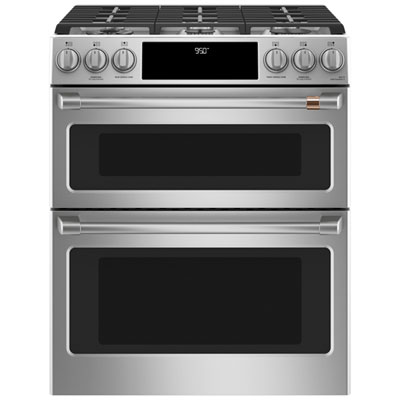

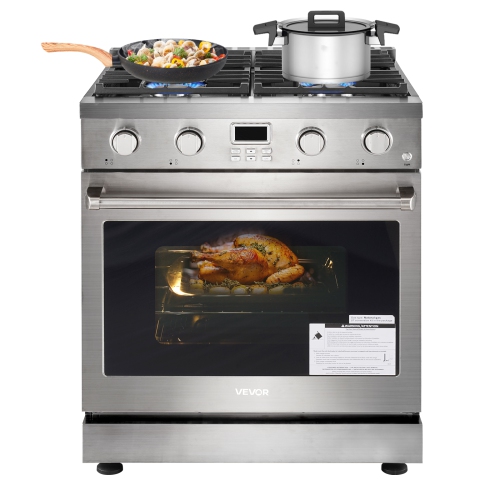
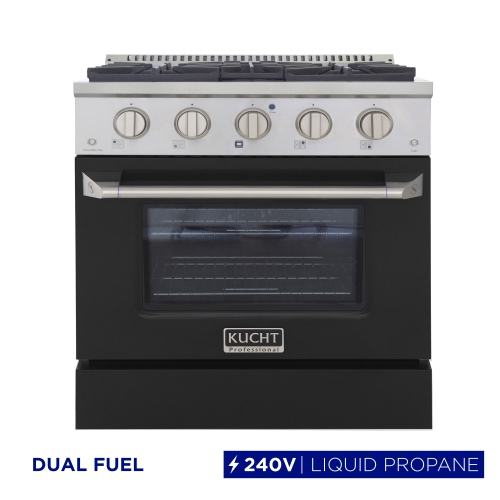
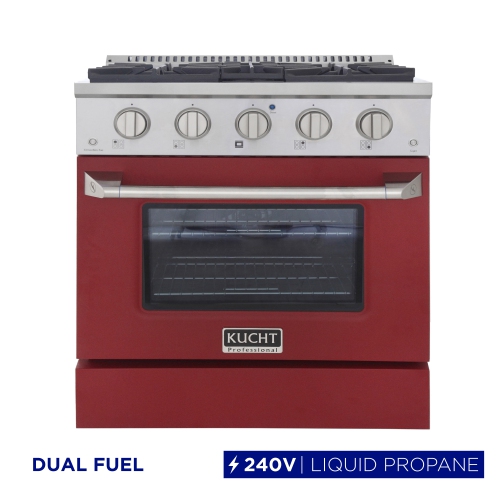
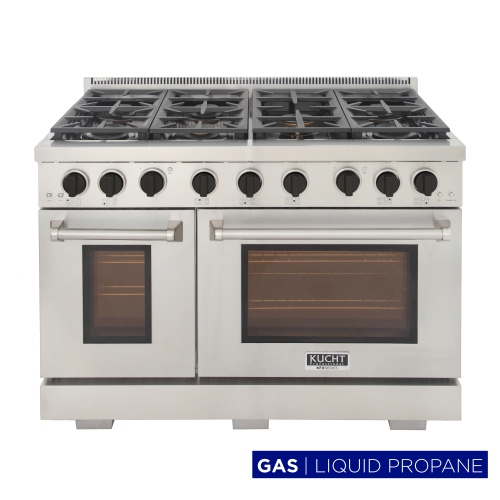
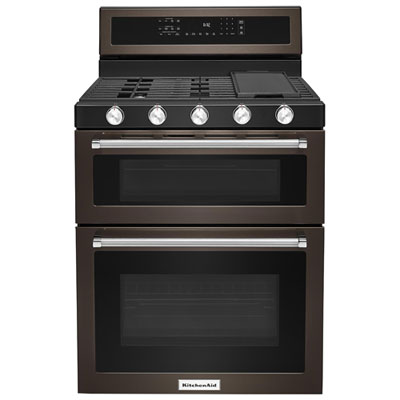
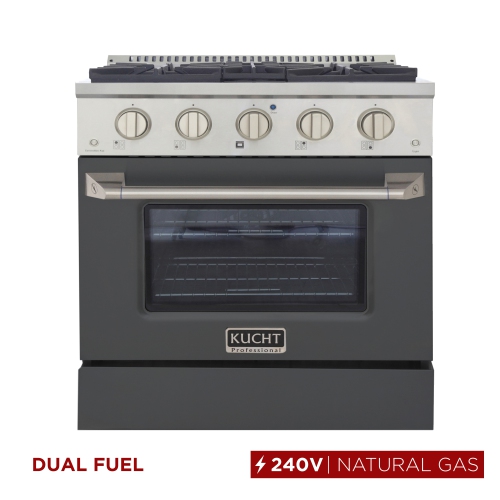
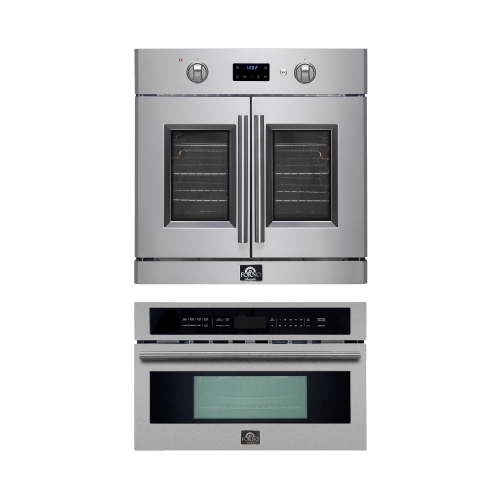

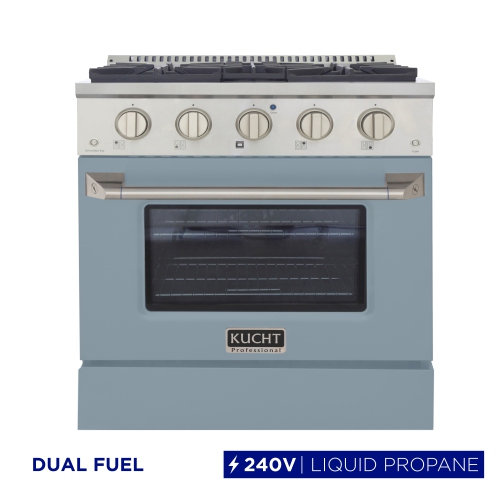
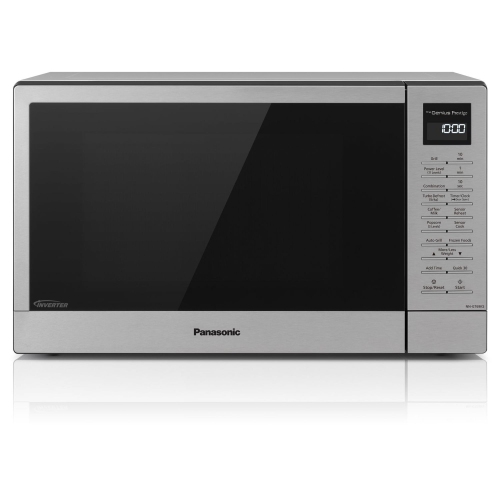

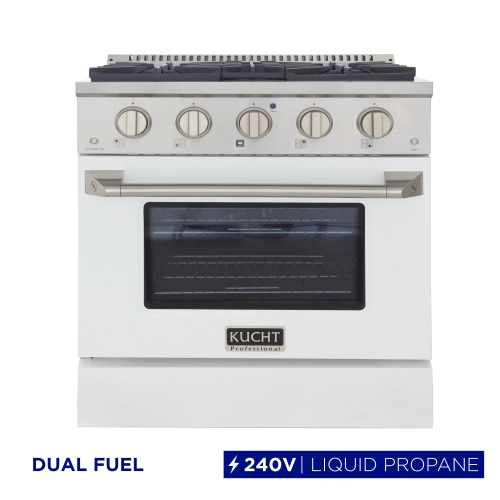
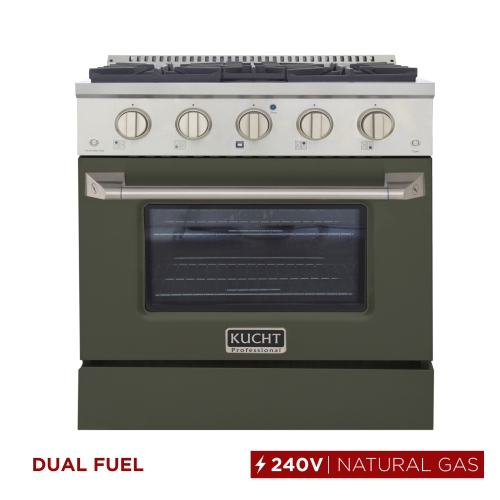
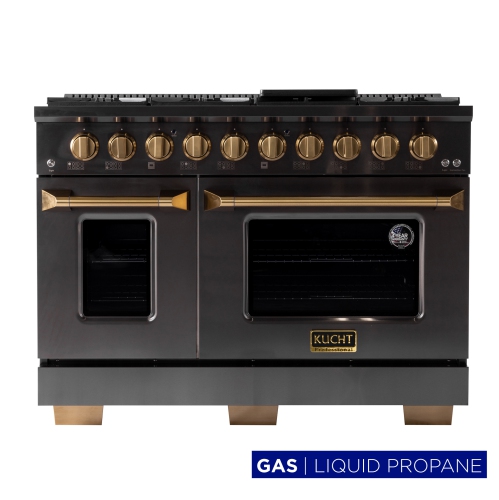
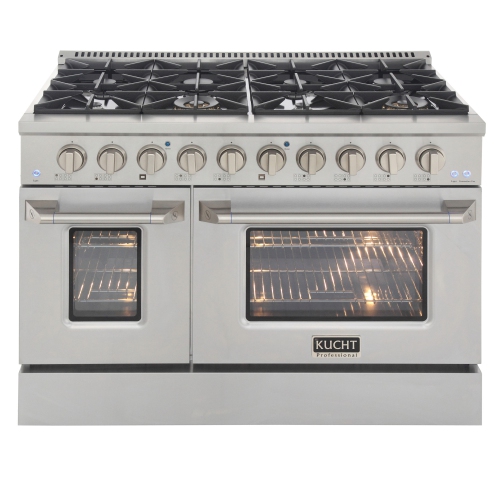
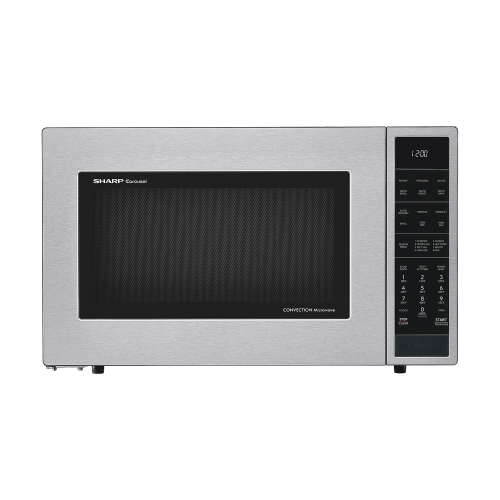
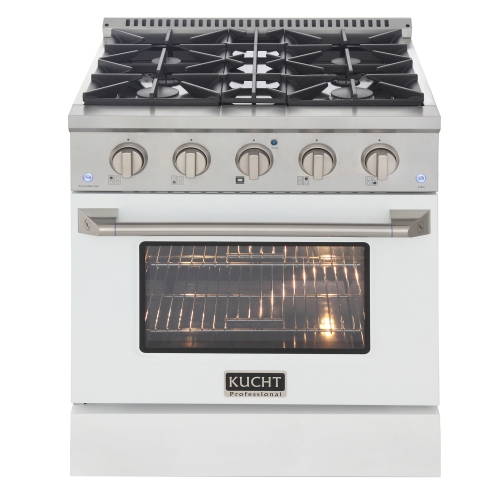
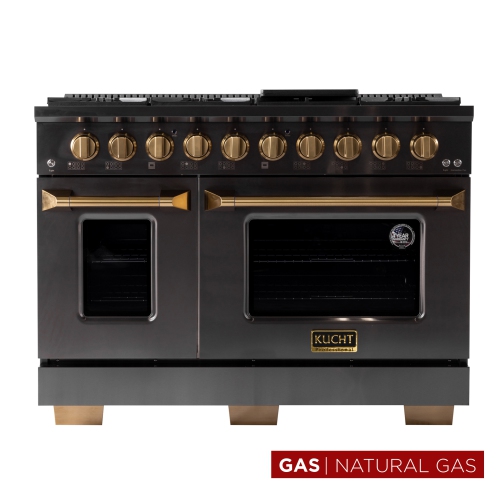


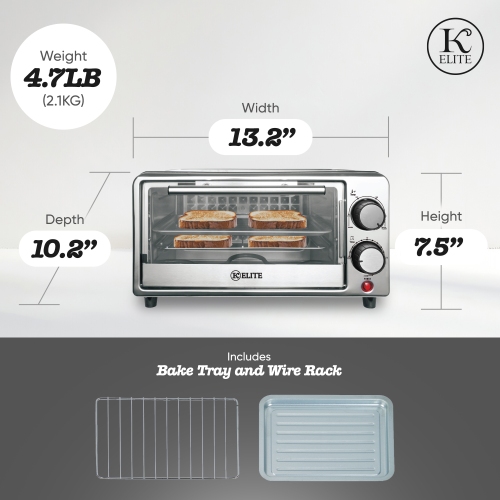
The right oven fit goes beyond its finish
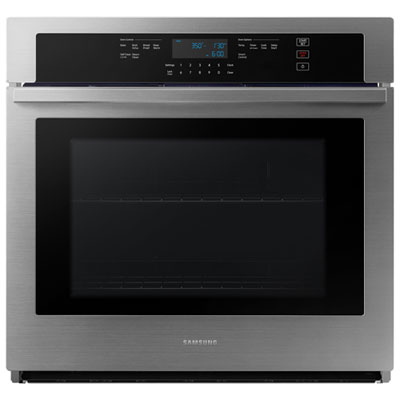
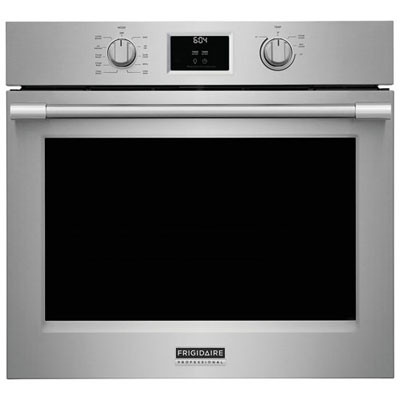
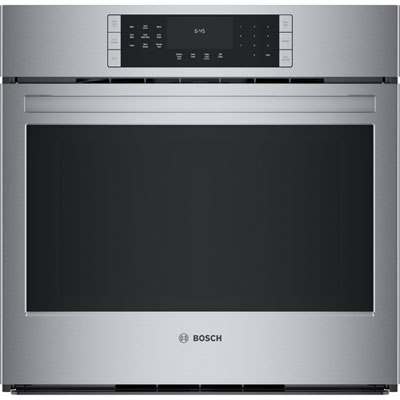
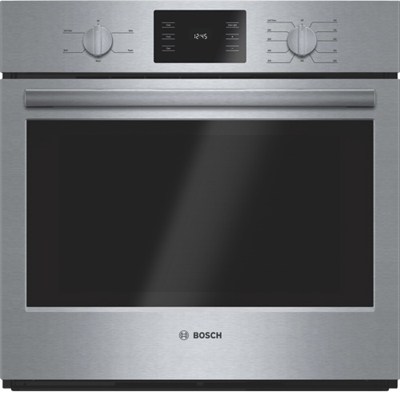
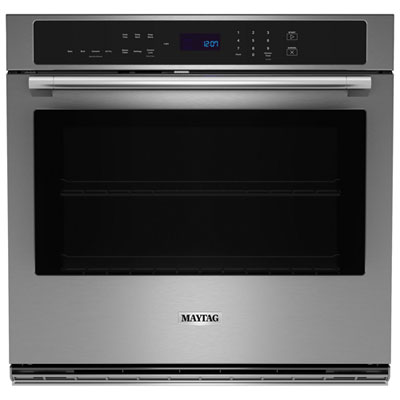
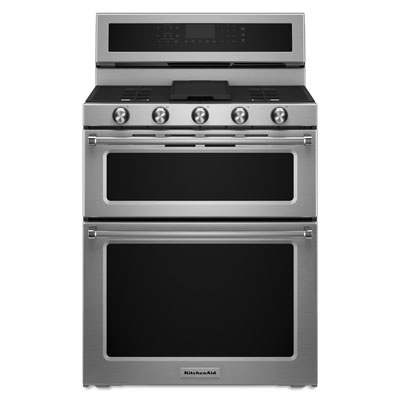
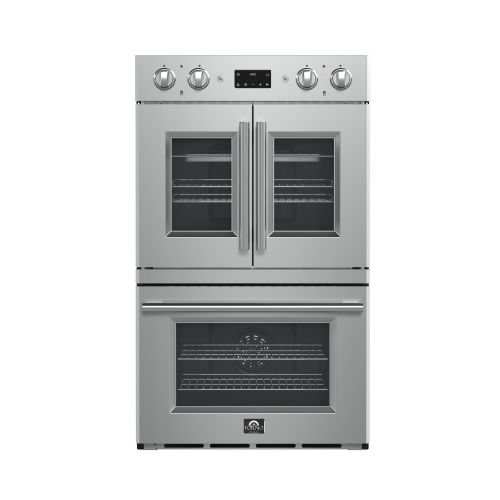
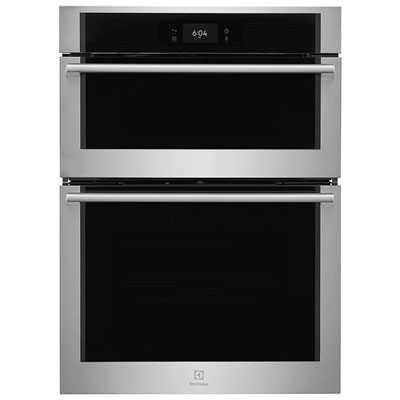
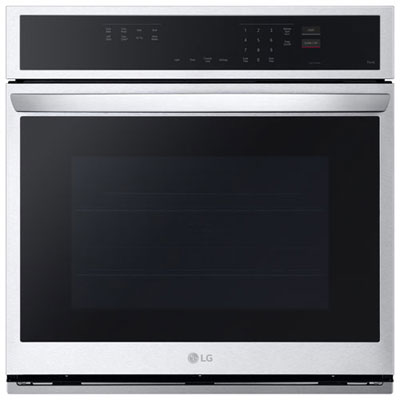
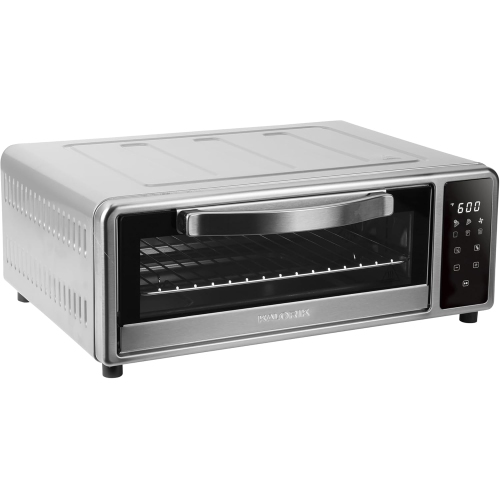
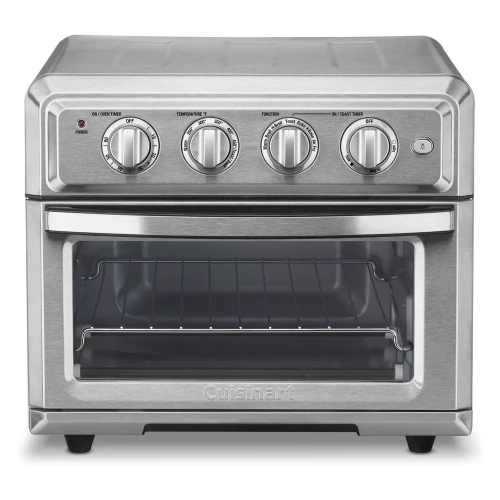
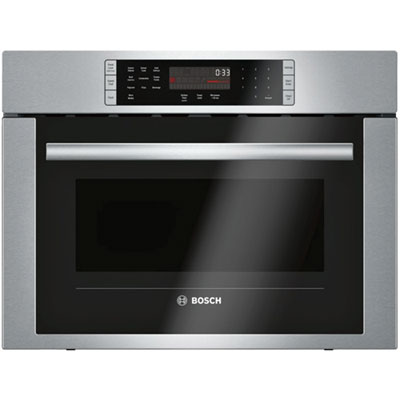
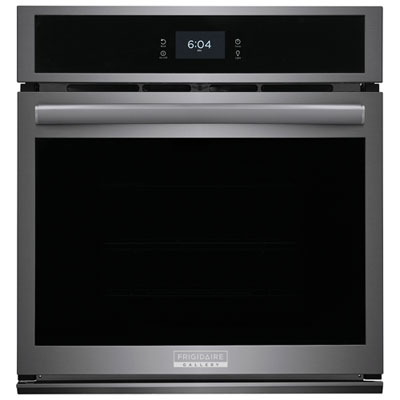
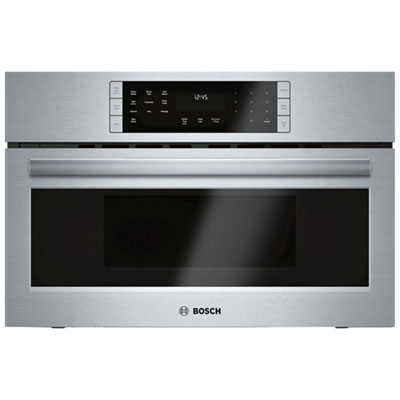
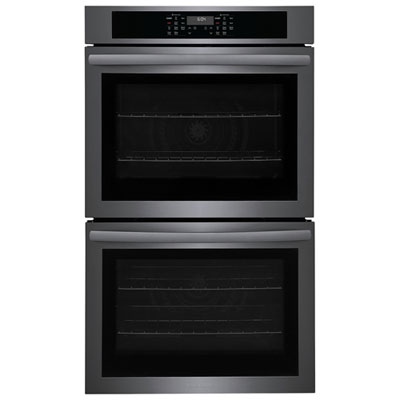
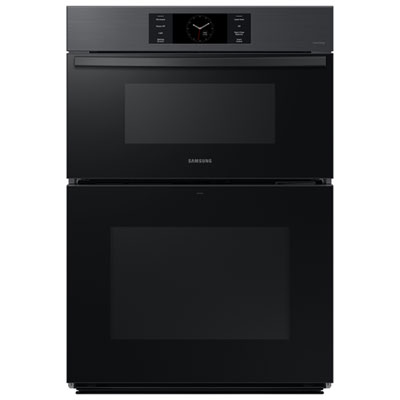
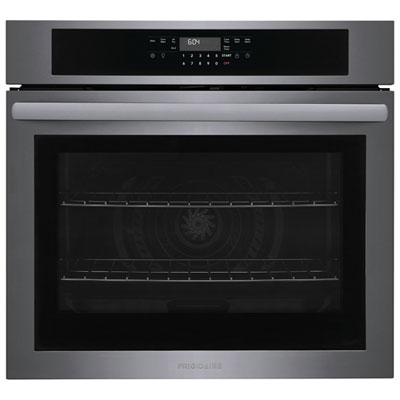
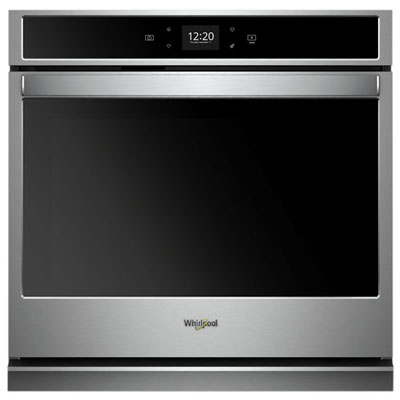
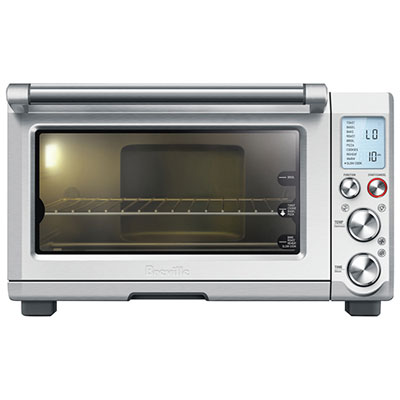
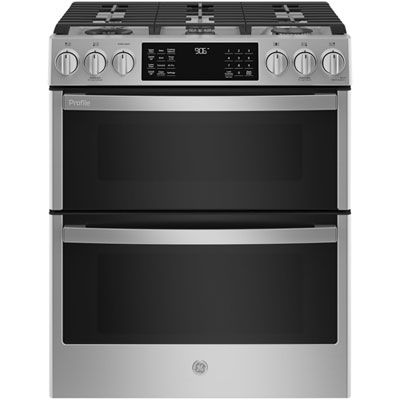
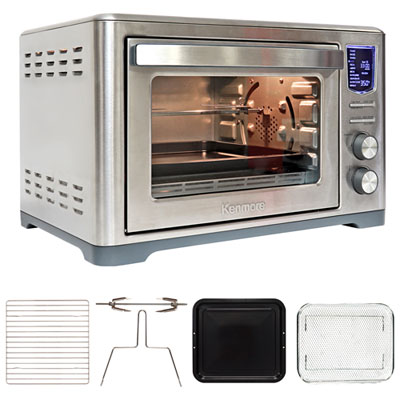
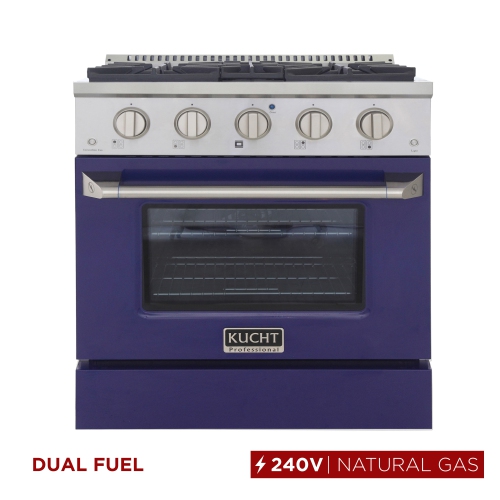
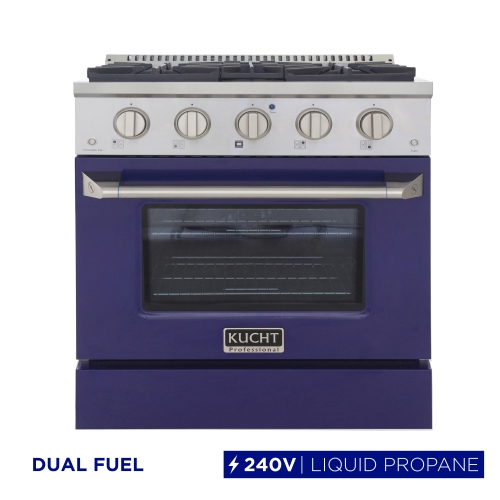
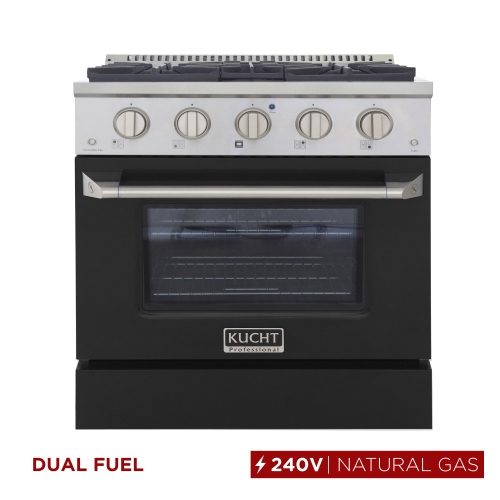
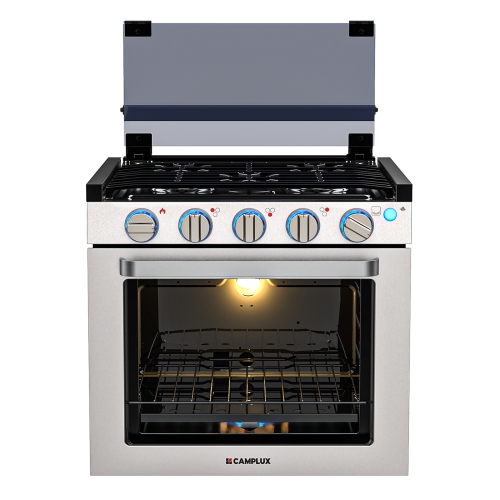
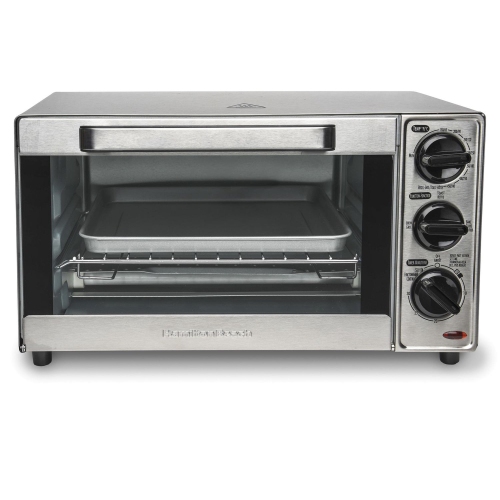
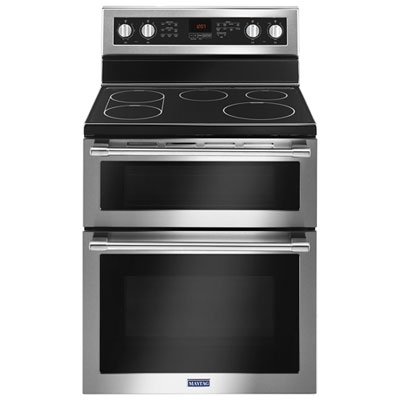
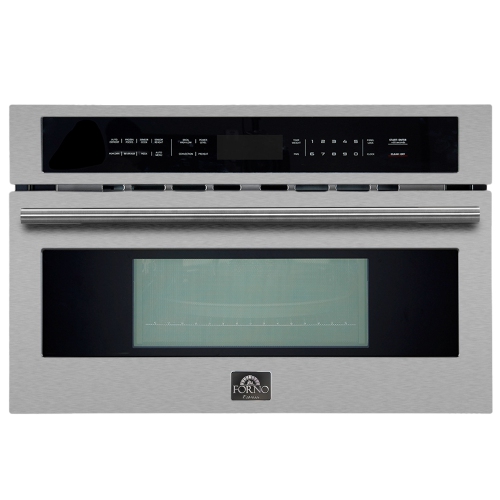
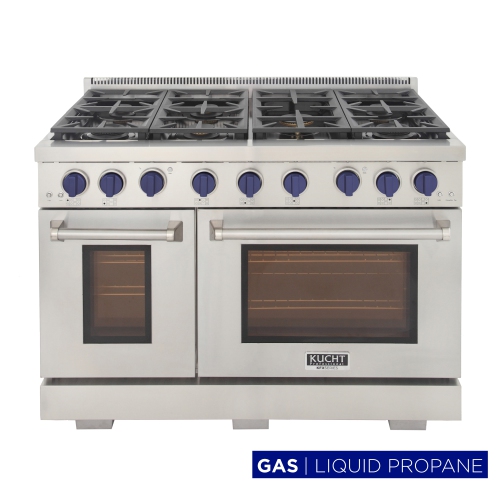
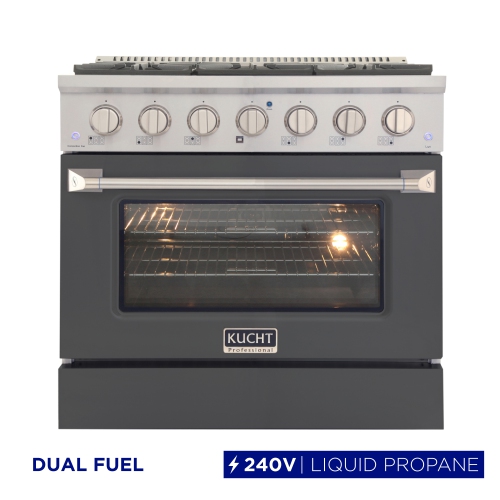
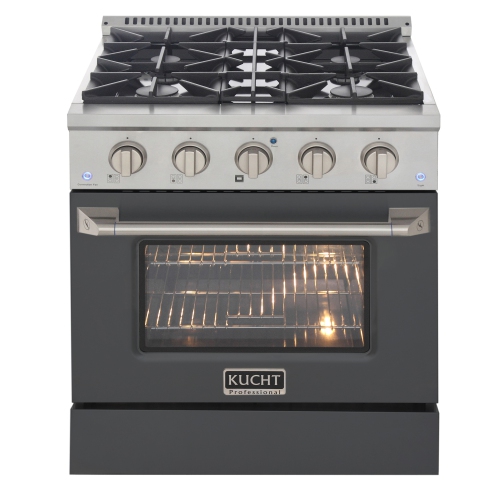
Stainless ovens pair a practical cooking space with a finish that works comfortably alongside wood cabinetry, painted cupboards, stone countertops, and other metal appliances. The term generally describes an oven with a stainless steel exterior or stainless-look finish, rather than an appliance made entirely from stainless steel inside and out. Oven cavities commonly have an enamel surface, while doors may combine metal trim with a large glass viewing window. This distinction matters when matching finishes and understanding how each surface should be cleaned. Brushed stainless steel offers a familiar silver appearance, although the direction of the grain, the sheen, and the colour of handles can differ between appliances. Fingerprint-resistant finishes may help reduce visible marks, but their appearance and care requirements also vary. Stainless ovens include built-in wall ovens and ovens that form part of a kitchen range. A single wall oven suits many everyday cooking routines, while a double wall oven provides separate cavities for dishes that need different settings or cooking times. A range combines an oven and cooktop in one appliance, making it a practical arrangement where the kitchen already has a dedicated range opening. Freestanding and slide-in designs have different installation requirements and profiles, so their fit should not be treated as interchangeable. For a kitchen with a separate cooktop, stainless steel electric wall ovens offer a built-in configuration that can place the cooking cavity at a convenient height. The best arrangement depends on the room as much as the cooking routine: a compact kitchen may benefit from keeping the oven beneath the cooktop, while a larger layout may allow the baking area to sit beside a preparation counter. A nearby landing surface gives hot roasting pans and casserole dishes a sensible place to rest without carrying them across a busy kitchen.
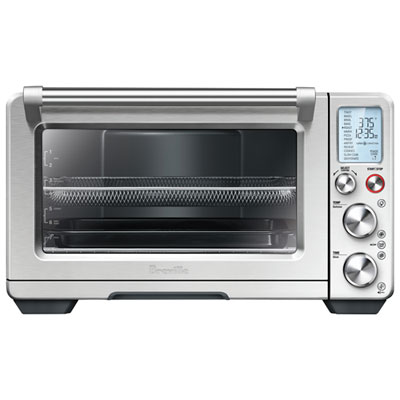
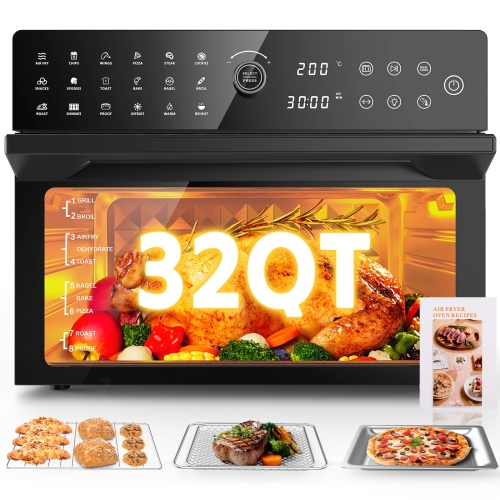
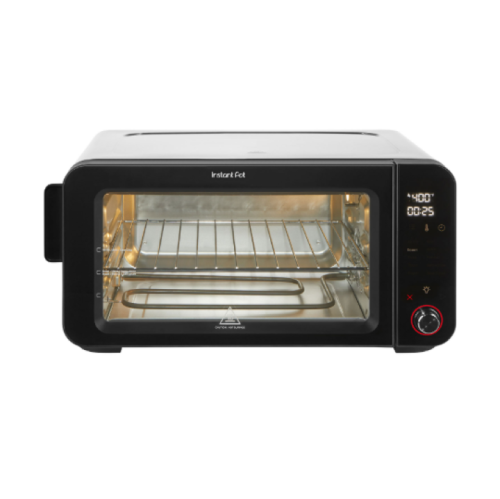
Cooking capacity is about usable space, not simply the number attached to the cavity size. A wide baking tray, a deep roasting pan, or two casserole dishes placed side by side can reveal more about everyday fit than a volume measurement alone. Rack positions, the shape of the interior, and clearance around cookware all influence how comfortably an oven handles meals. Someone baking bread several times a week may value flexible rack placement and a clear view through the door, while a household preparing dinner around different schedules may appreciate two independently controlled cavities. Conventional baking, convection, broiling, and other cooking modes serve different purposes. Convection uses a fan to circulate hot air and can help support more consistent results, particularly when cooking on multiple racks, although timing and temperature adjustments depend on the recipe and appliance. An air fry mode, where offered, uses strong air circulation to help crisp foods such as potato wedges or breaded vegetables; results still depend on spacing, cookware, and the amount being cooked. Steam-assisted cooking adds moisture during selected cooking cycles on equipped ovens, whereas steam cleaning is a separate function intended to help loosen certain food residues. These features should not be confused with one another. Broiling is useful for browning the top of a gratin or finishing a toasted topping, while a warming setting can help hold a completed dish until the rest of the meal is ready, subject to food-safety guidance. Controls also shape the daily experience. Clear displays, easy-to-read markings, responsive knobs or touch controls, and interior lighting can make routine tasks simpler. Some ovens include temperature probes or Wi-Fi features for supported monitoring and controls, but those functions vary by model and may require an app and a compatible connection. For frequent cooks, dependable basics such as convenient rack access, a comfortable door handle, and straightforward settings can be just as valuable as a longer menu of cooking modes.
Fit and installation deserve the same attention as cooking features, especially when replacing an existing oven. Common nominal wall-oven widths include 27 inches and 30 inches, but those descriptions do not establish the exact cabinet cutout required. The appliance width, cutout width, height, depth, ventilation clearances, and installation instructions all need to align. A replacement that appears similar from the front may still require cabinet modifications or a different electrical connection. Built-in ovens also need appropriate cabinet support, and double wall ovens place different demands on the installation space than single units. Door clearance matters in narrow kitchens: an open oven should leave enough room to reach the racks without colliding with an island, cupboard handle, or another appliance. Electric ovens require a suitable electrical supply, while gas ranges need the appropriate gas connection as well as any required electrical connection. An induction range uses induction at the cooktop and typically has an electric oven; the cooktop requires compatible cookware, rather than the oven imposing that requirement. Qualified installation helps address connection, clearance, support, and ventilation requirements for the chosen configuration. Once installed, regular care helps preserve both appearance and performance. Stainless steel surfaces generally respond well to a soft cloth and a cleaning method approved for the finish, with wiping along the visible grain where applicable. Abrasive pads and unsuitable chemicals can scratch metal or damage protective coatings. Spills inside the cavity are easier to manage when addressed safely after cooling, rather than left to bake onto the surface repeatedly. Self-cleaning cycles and steam-cleaning settings have different uses and preparation steps, and racks or accessories may need removal according to the manufacturer's instructions. Door seals, hinges, and glass also benefit from careful handling rather than forceful scrubbing. With suitable placement and consistent care, a stainless oven can serve everything from a single tray of roasted vegetables to a full family meal while keeping its place in a coordinated kitchen.
Top selling and popular products
-
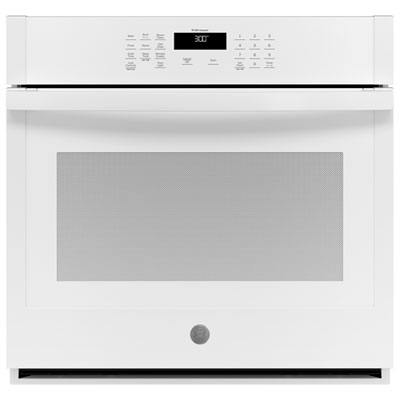 Your price for this item is $2369.99
-
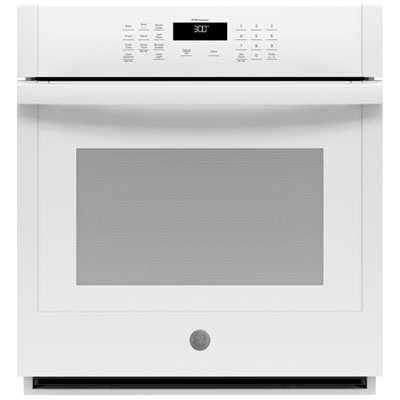 Your price for this item is $2249.99
-
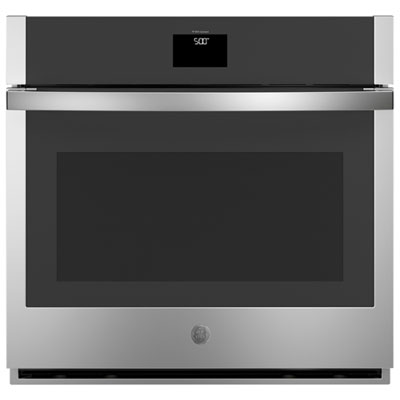 Your price for this item is $2369.99
-
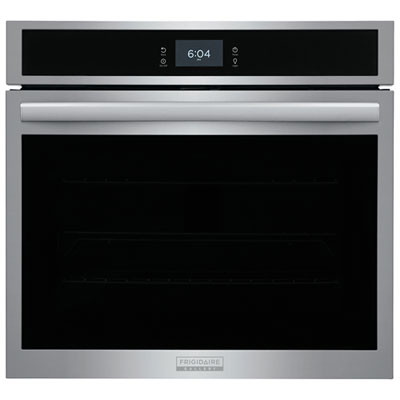 Your price for this item is $2199.99
-
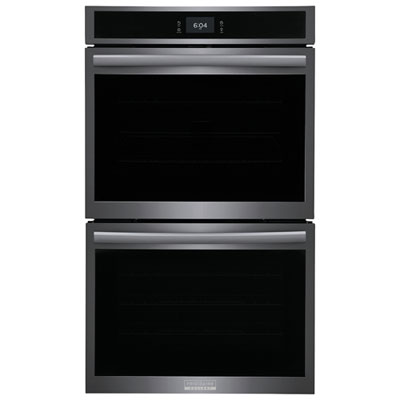 Your price for this item is $3699.99
-
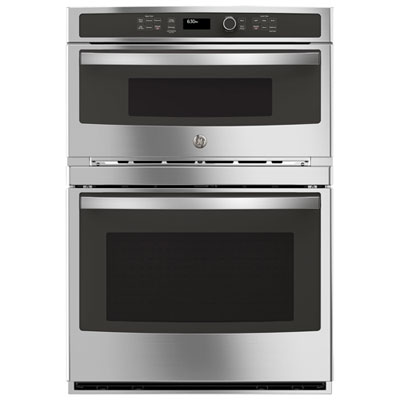 Your price for this item is $3749.99
-
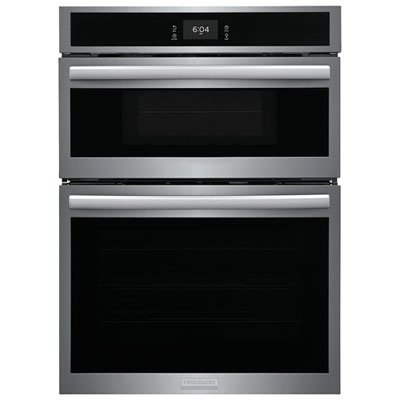 Your price for this item is $3699.99
-
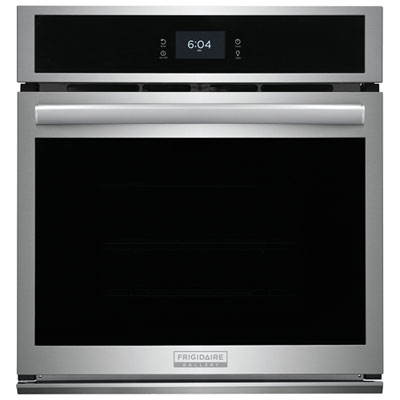 Your price for this item is $2199.99
Discover more categories related to Stainless Ovens

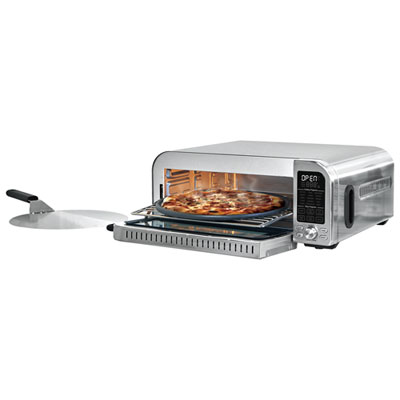
Top Collections:
Best Black Friday Deals This Year, Best Black Friday Deals On Electronics, Kindle Devices, Pokemon Centers, Best Black Friday Deals On Apple Products, Best Cameras for Sports Photography, Dyson Airwrap, Pokémon 30th Celebration Cards, Apple iPhone 17 Pro, Canon G7X Cameras
Some products may be subject to Environmental Handling Fees
(EHF) depending on your province.
Learn more about EHFs.