Steamers for Ironing
If you're looking to effortlessly banish wrinkles and achieve perfectly pressed garments, look no further than these steamers for ironing. Whether you're a fashion enthusiast, a busy professional, or simply someone who appreciates the crisp look of wrinkle-free clothing, these steamers are designed to make your ironing routine a breeze. With their advanced technology and user-friendly features, these steamers offer a convenient and effective way to remove stubborn creases from all types of fabrics.
Sort


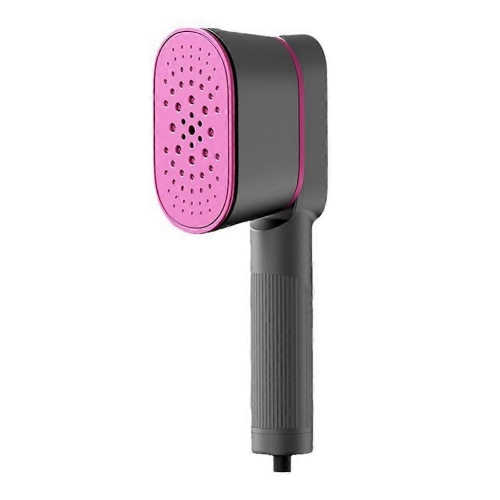
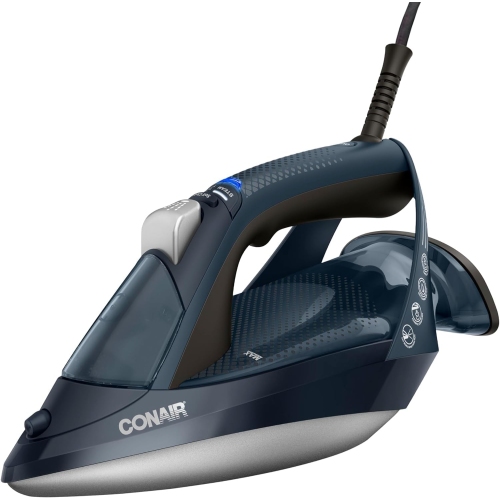


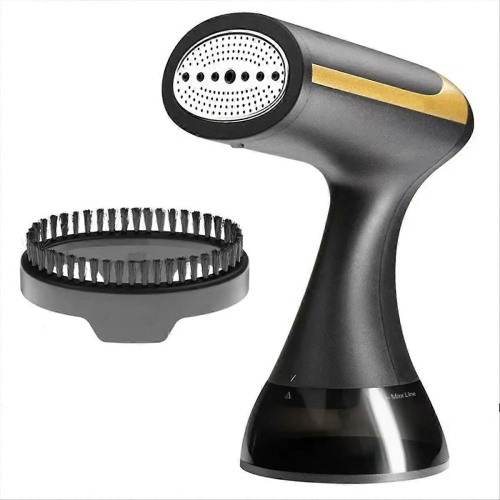




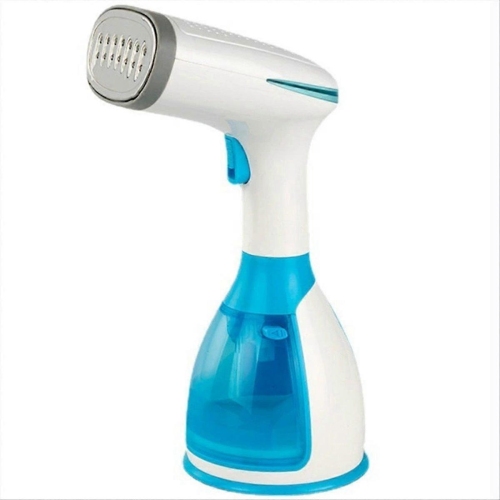
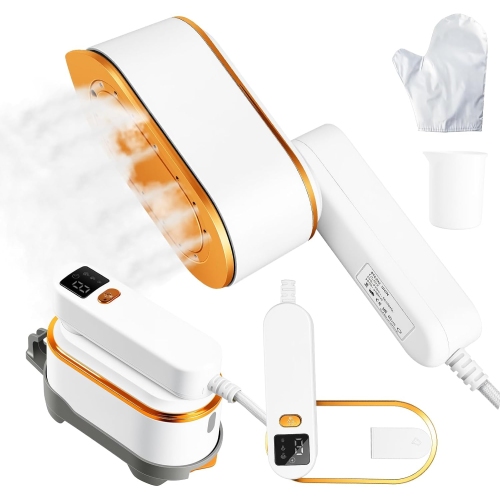
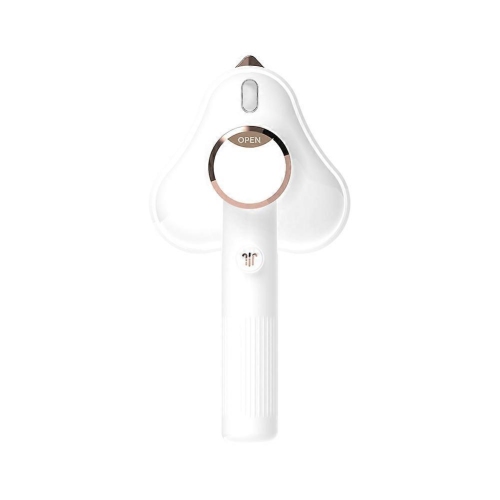
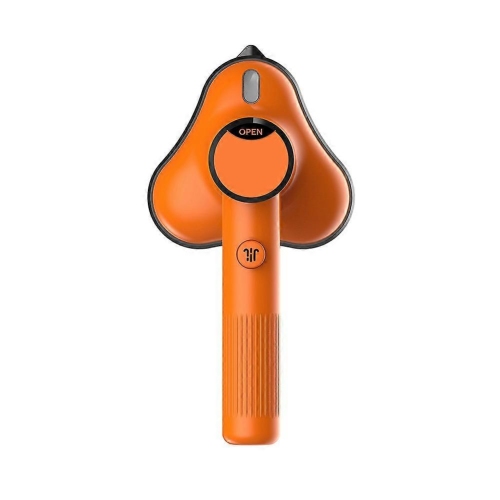
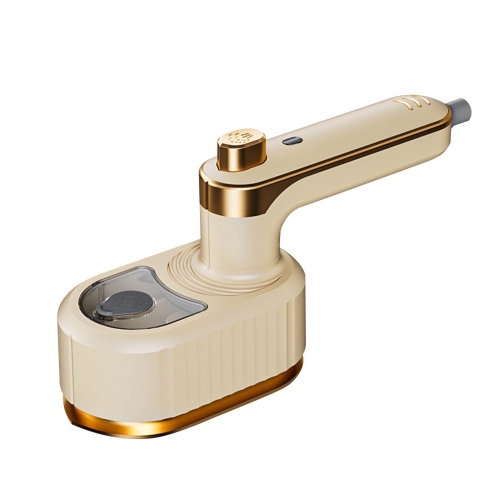
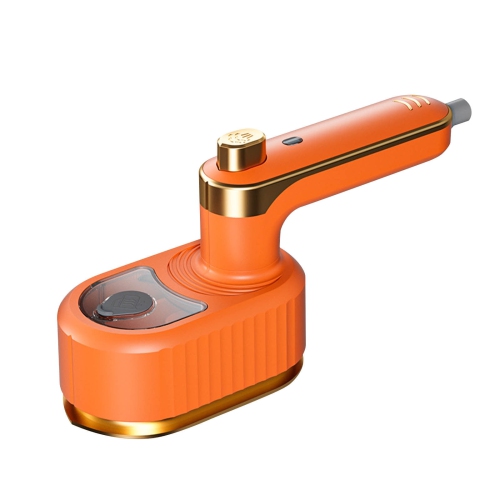
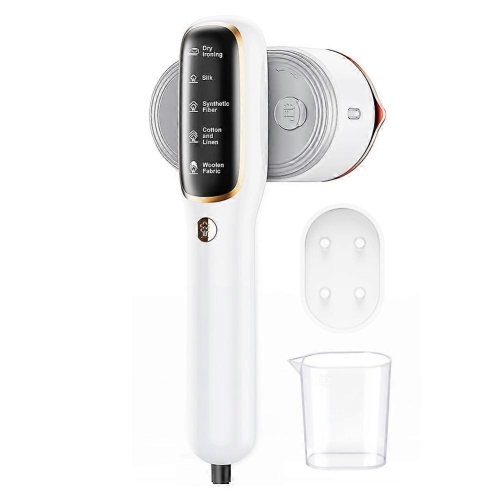
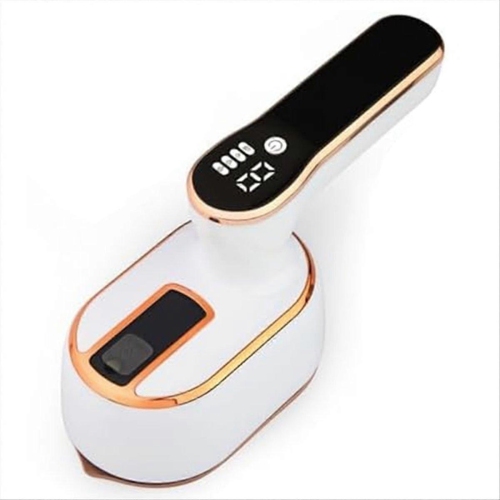

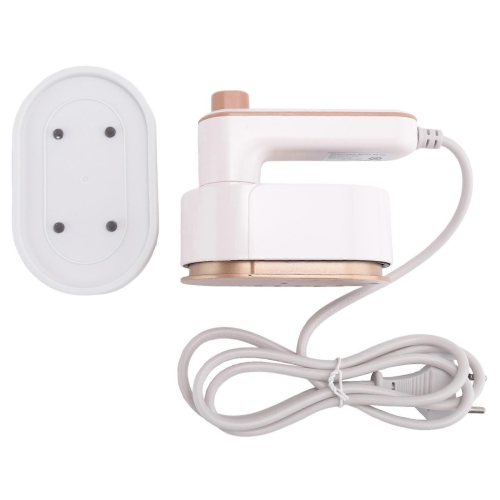
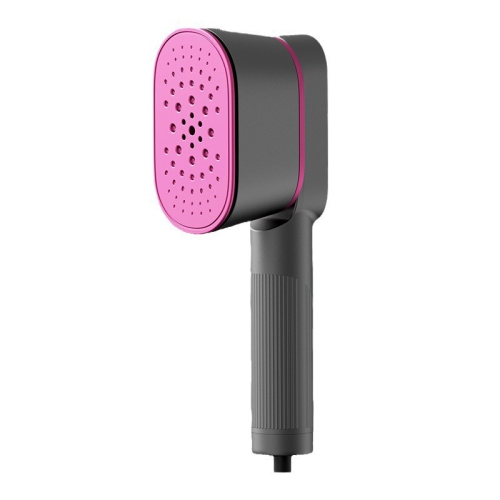
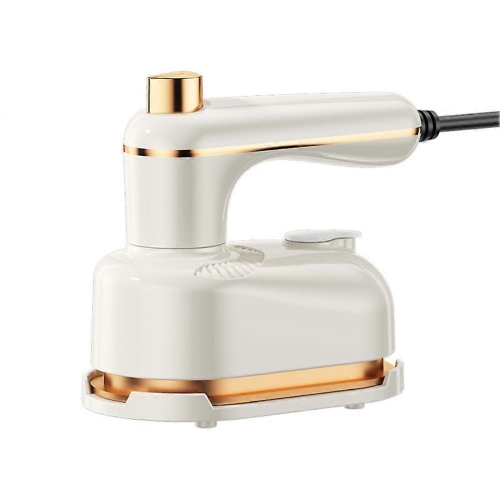
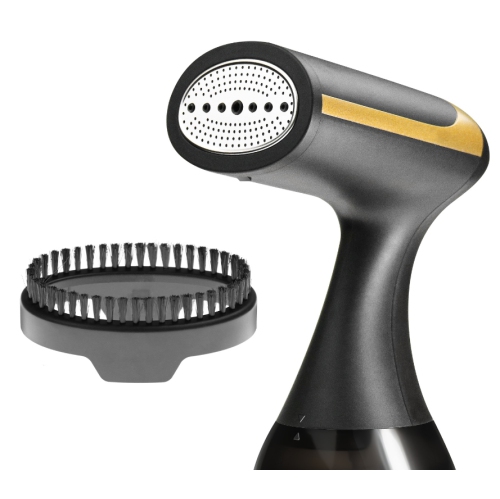
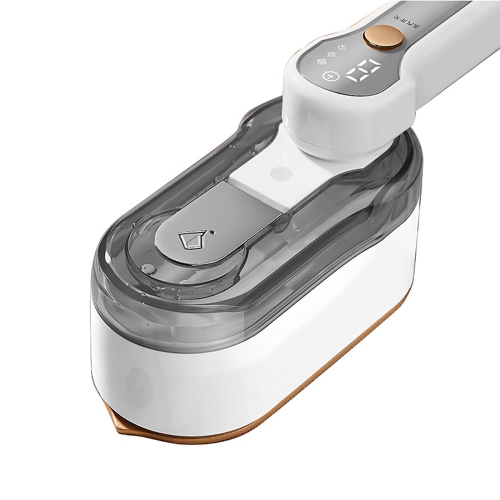
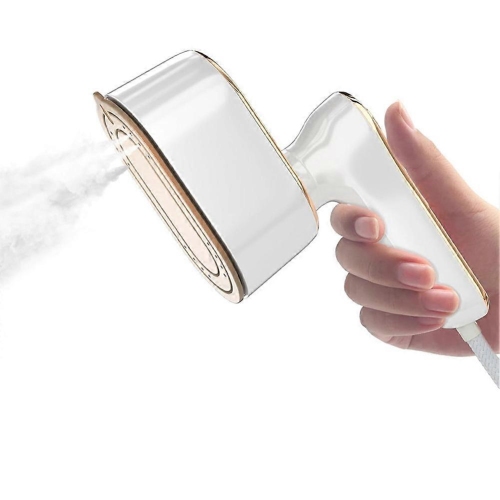

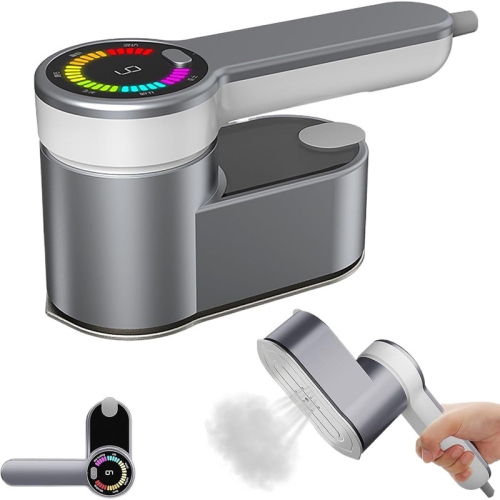


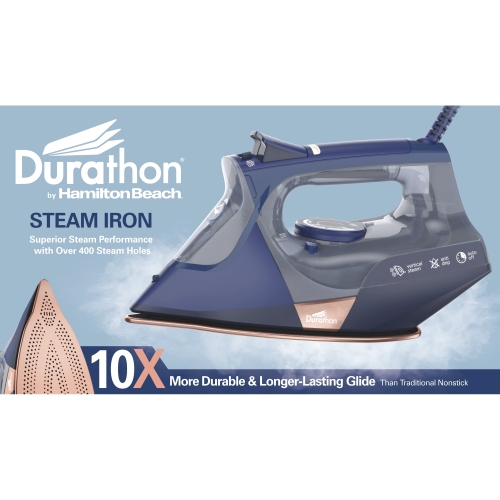
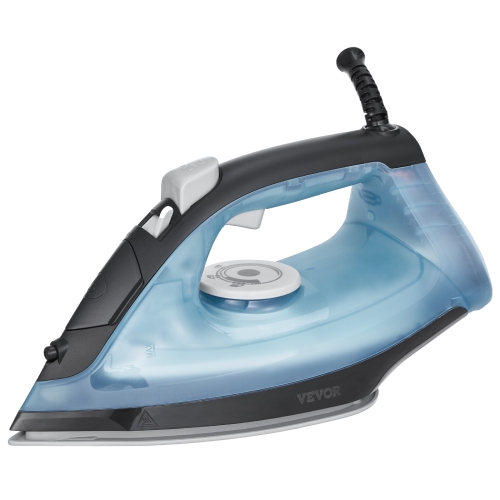
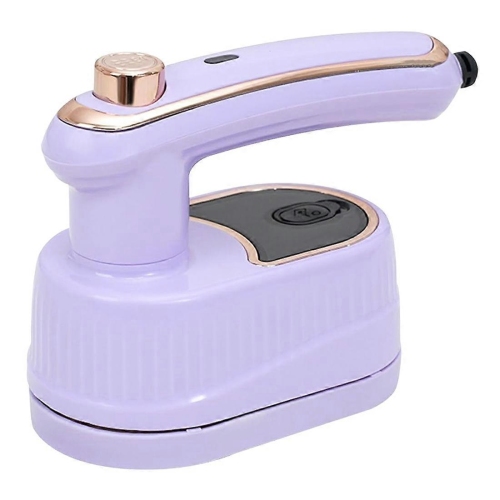

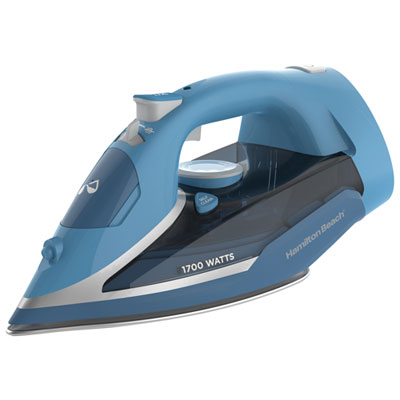
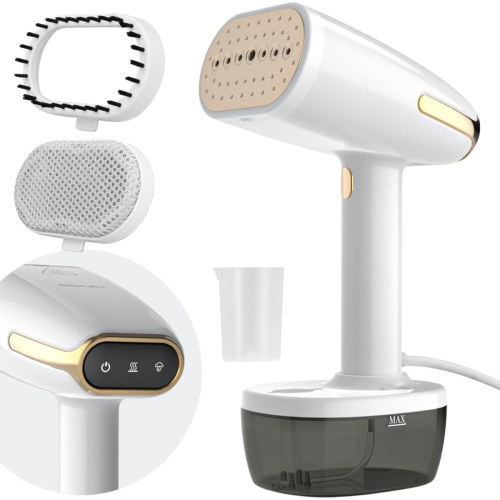


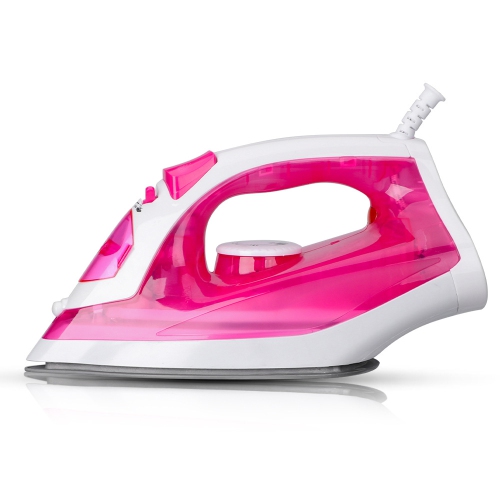
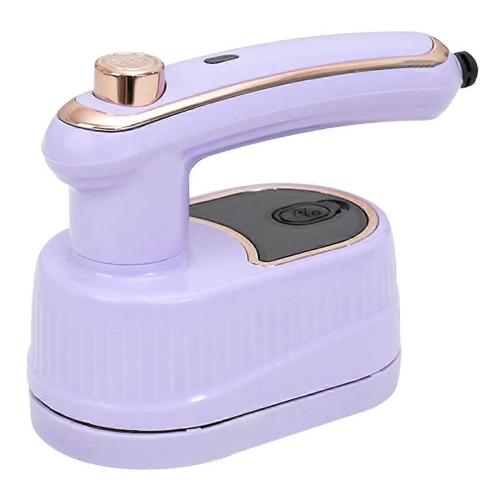

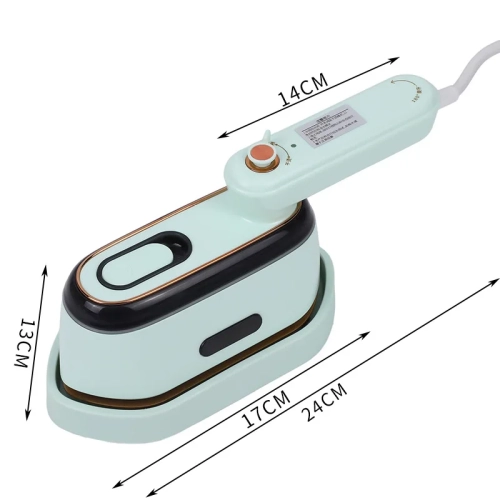


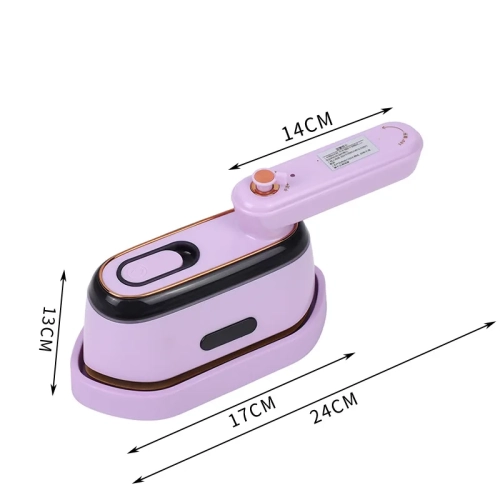
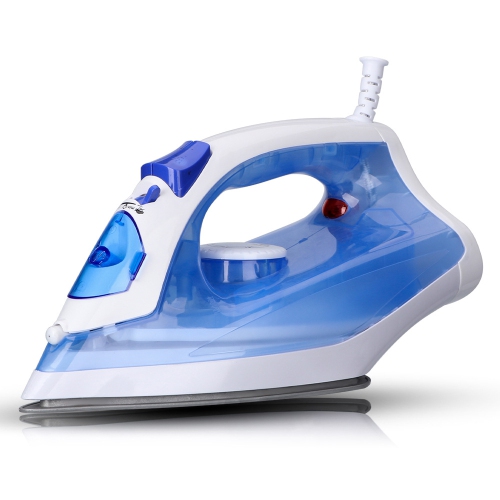
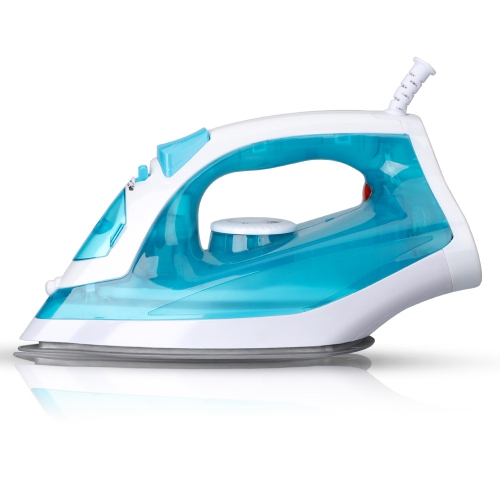
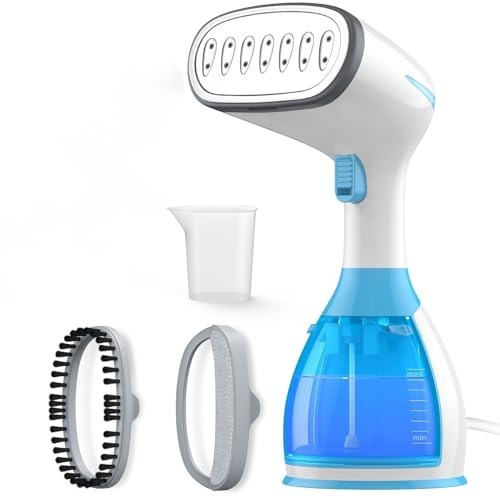
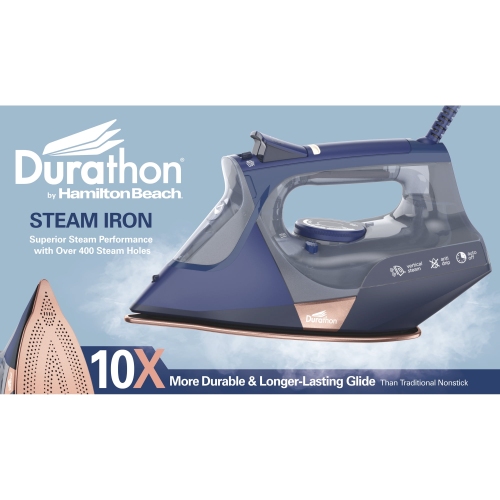
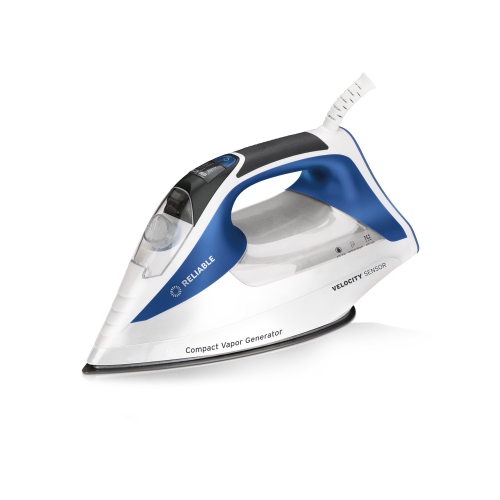
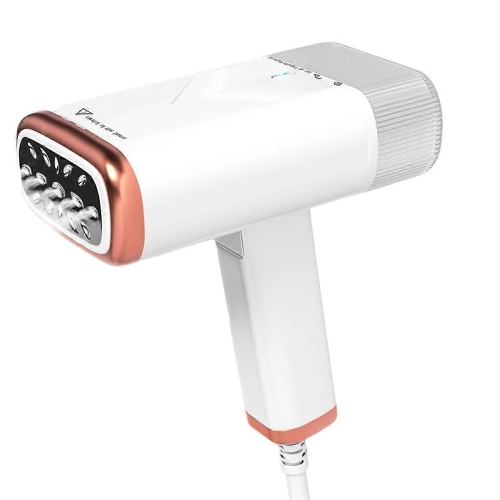
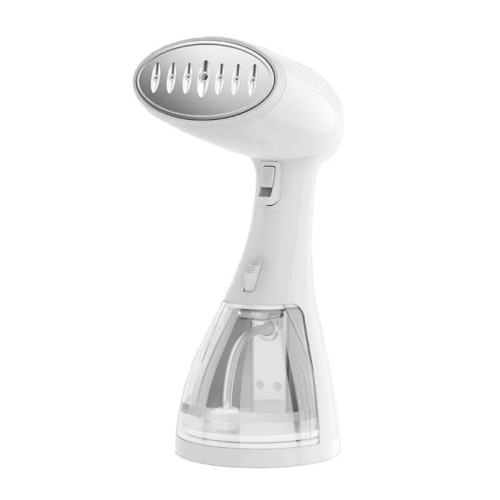
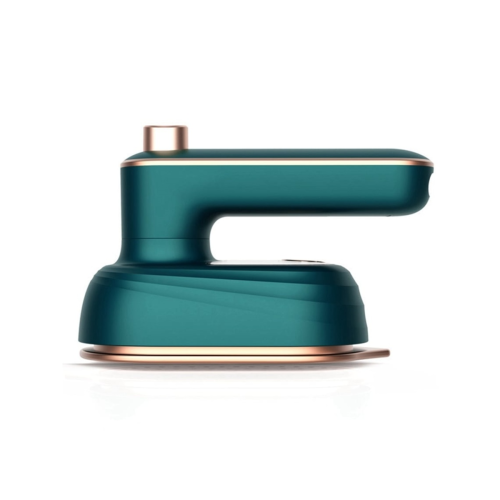


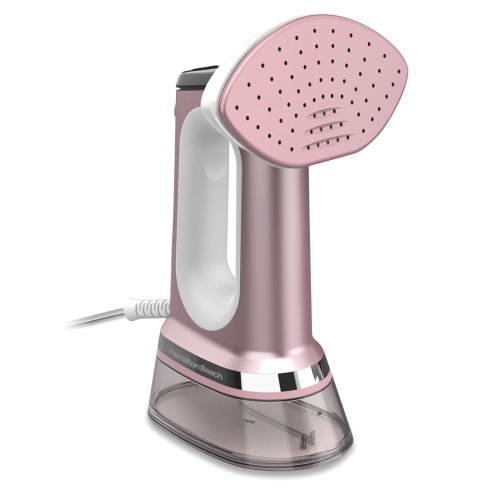
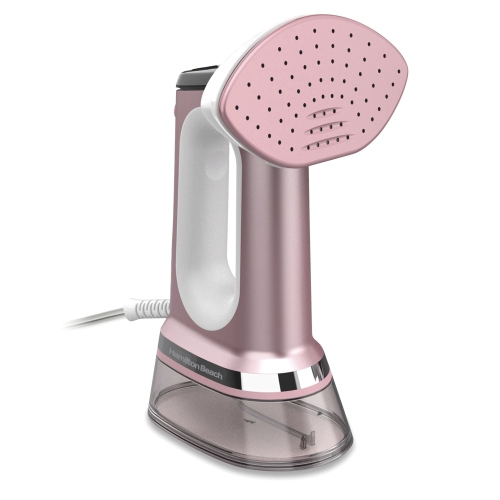


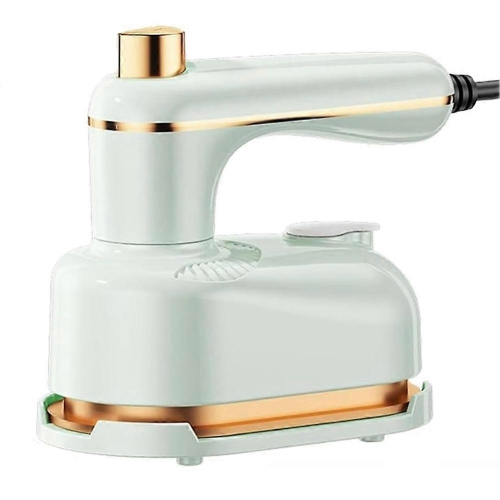
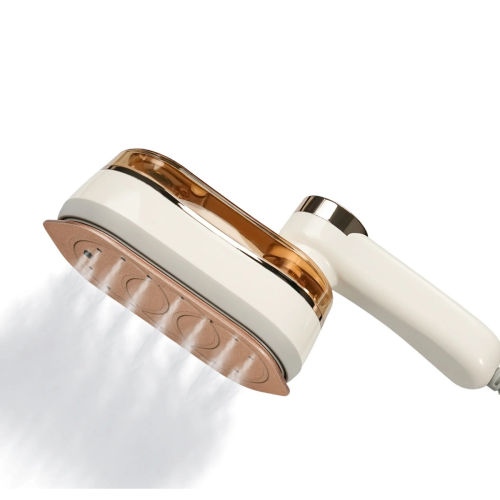
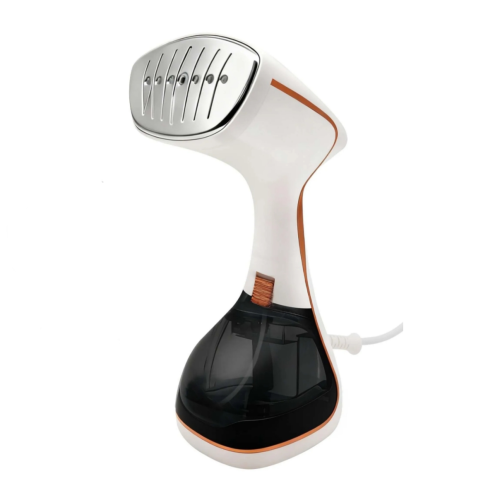
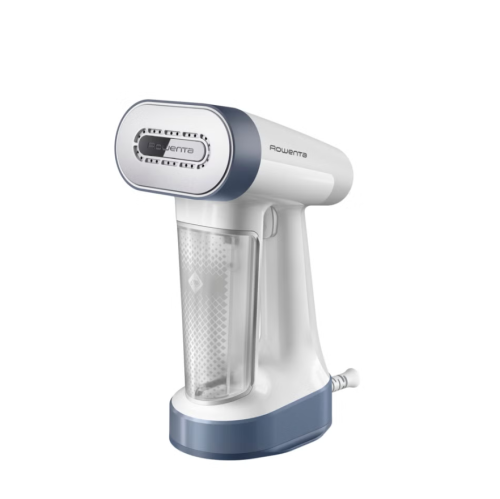

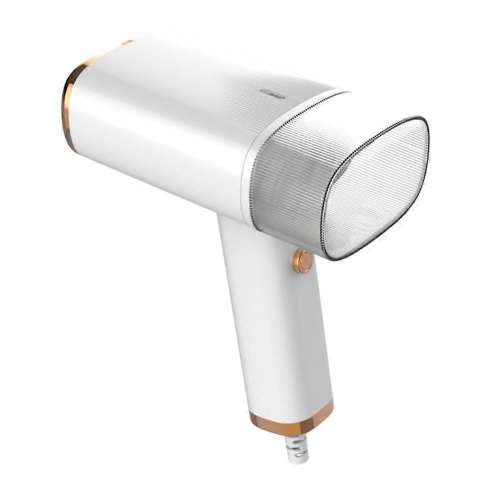
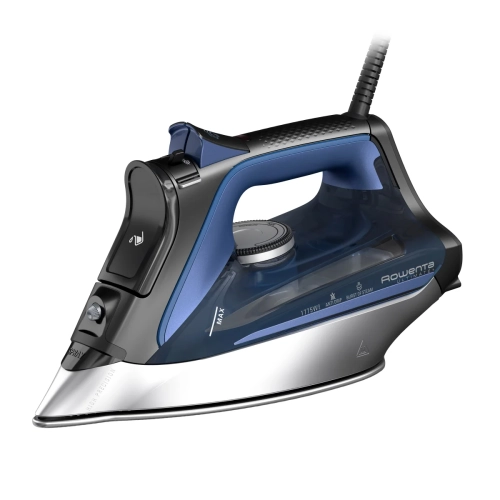
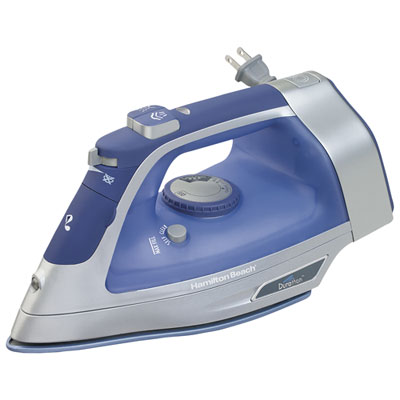
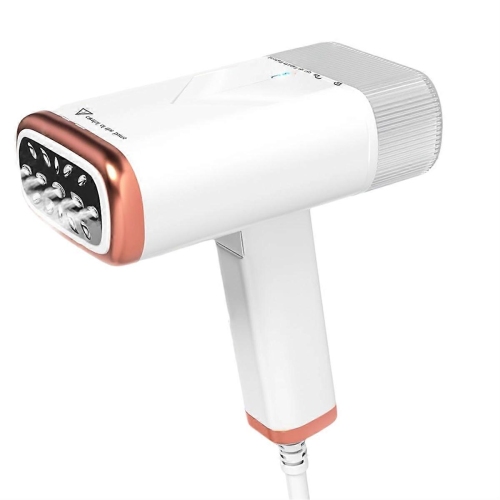
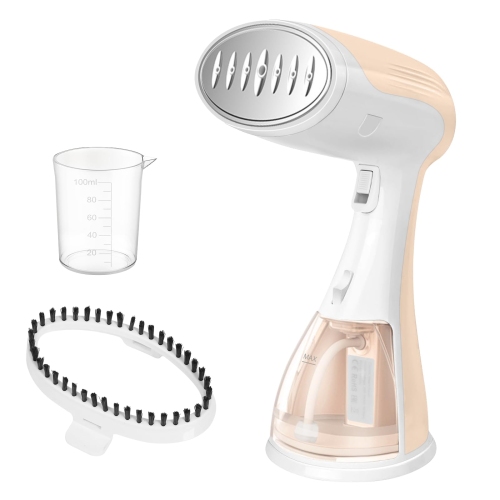



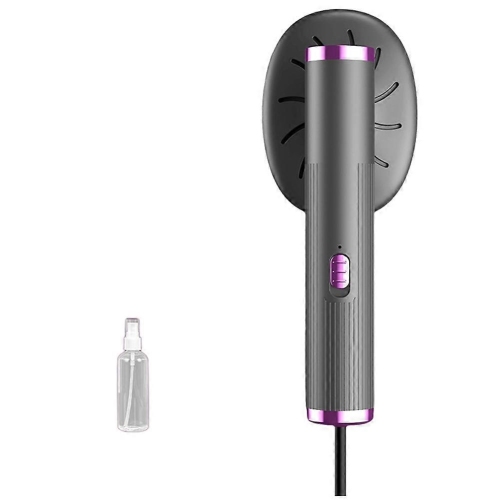
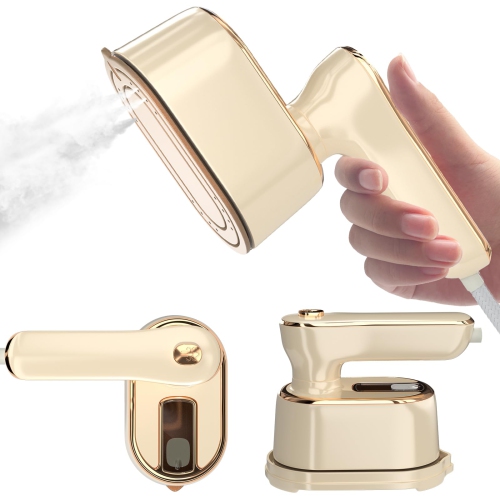
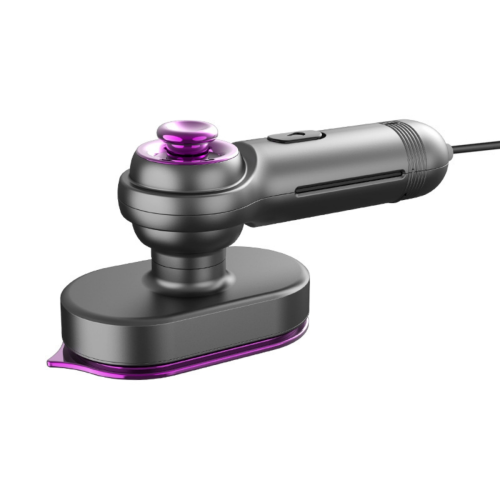
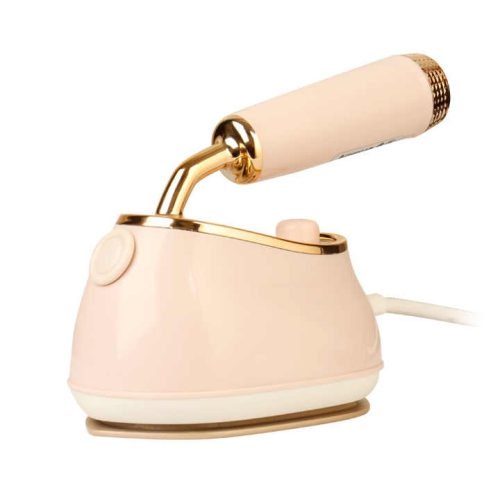



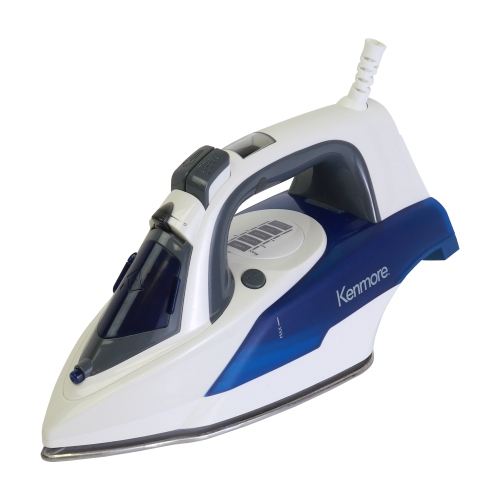

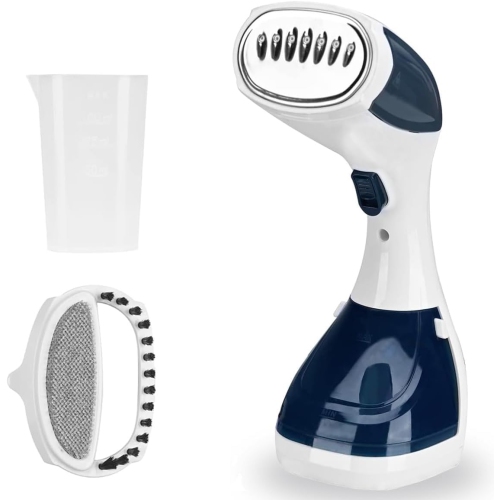


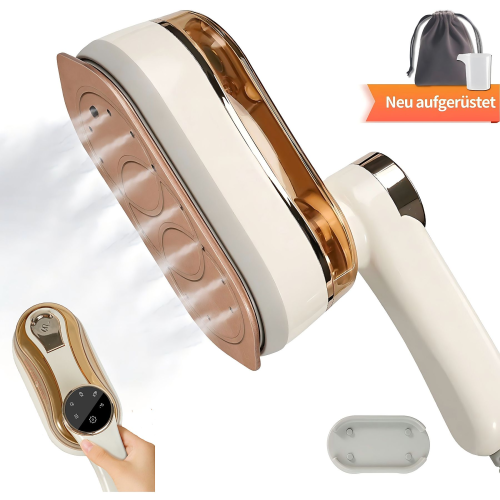
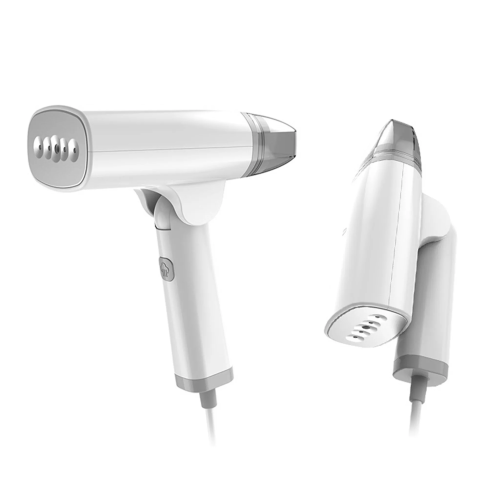

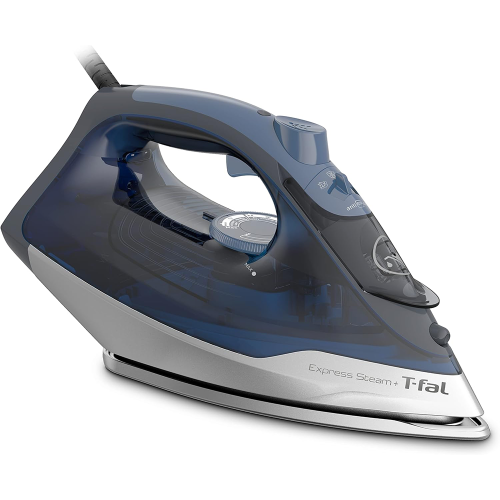
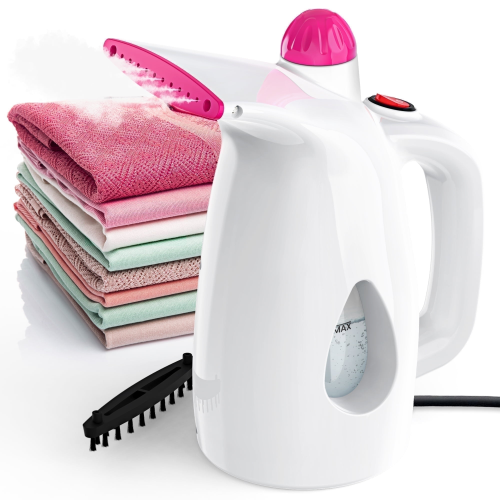
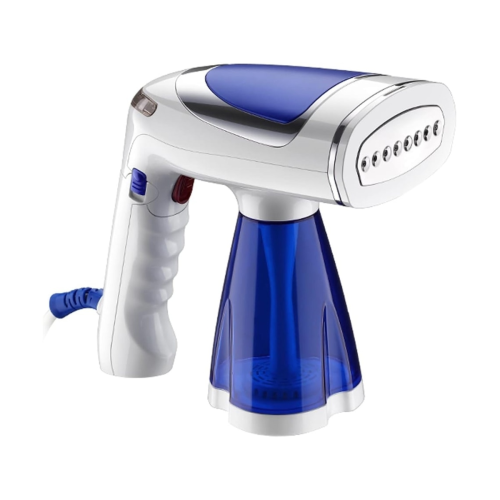

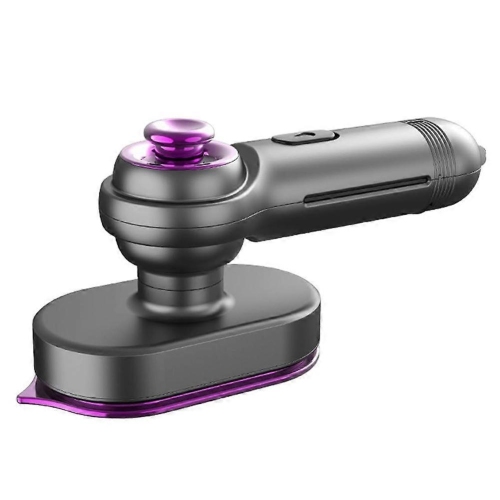


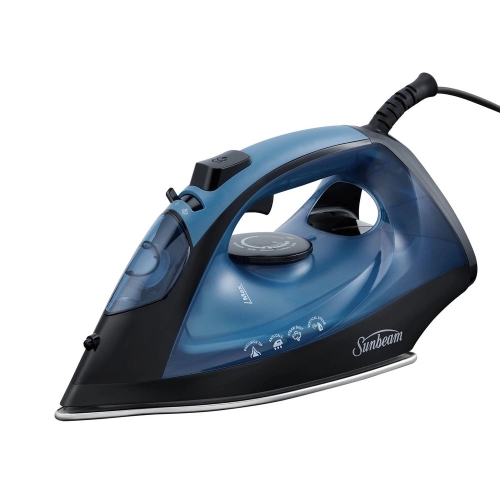
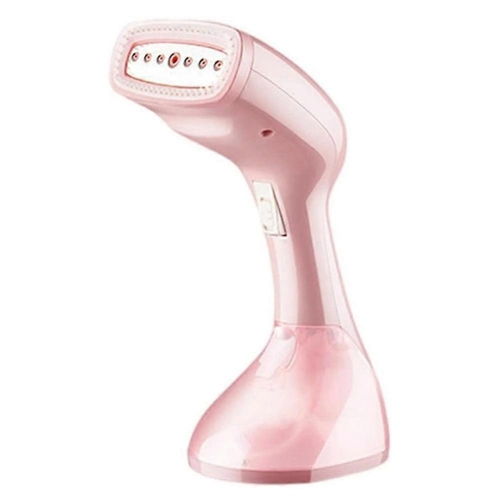
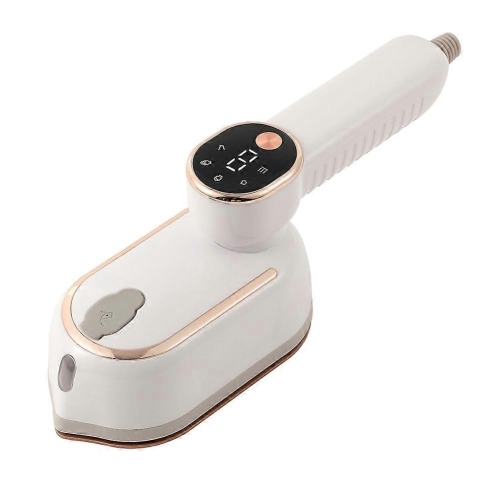
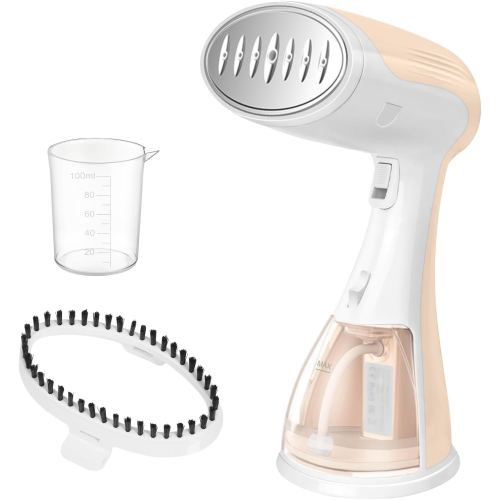

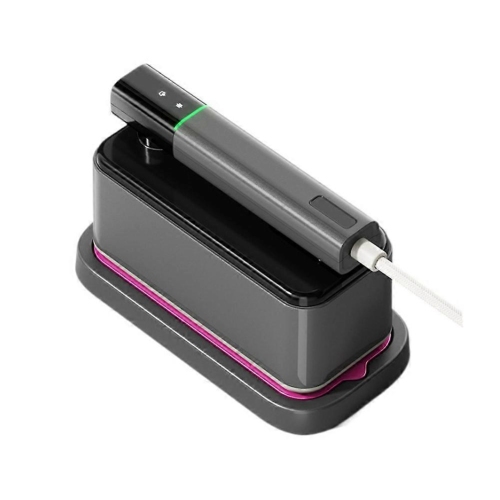
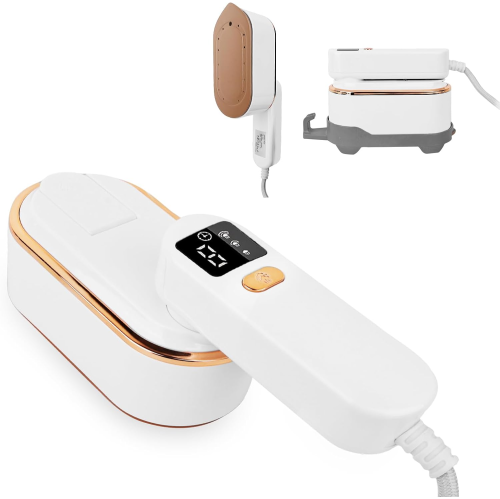
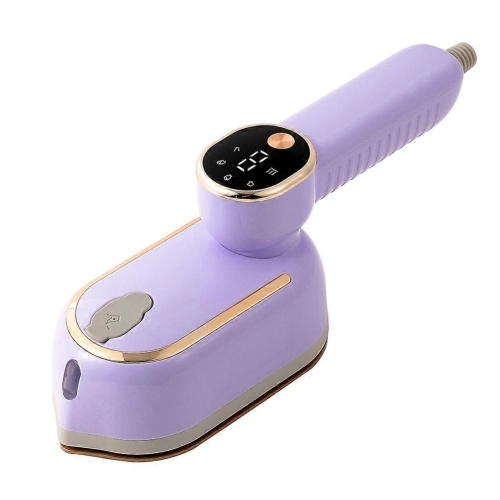
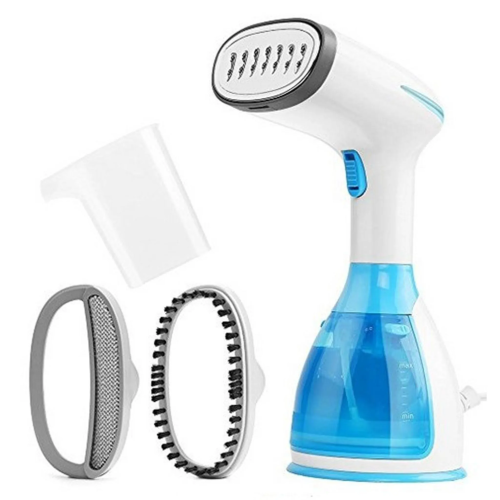



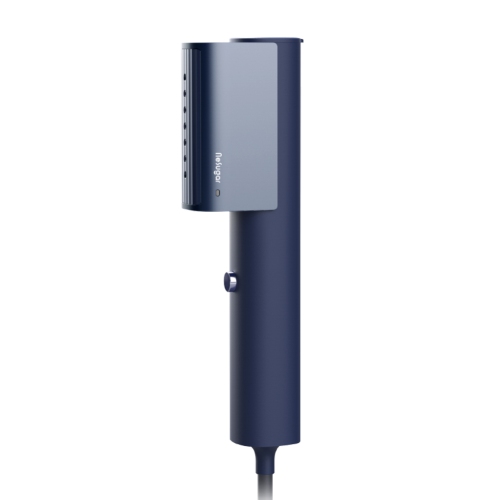
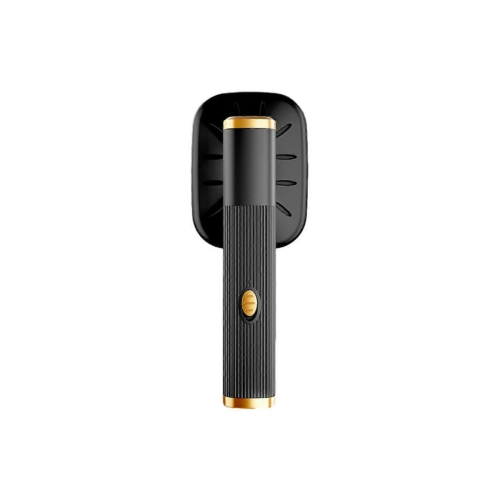
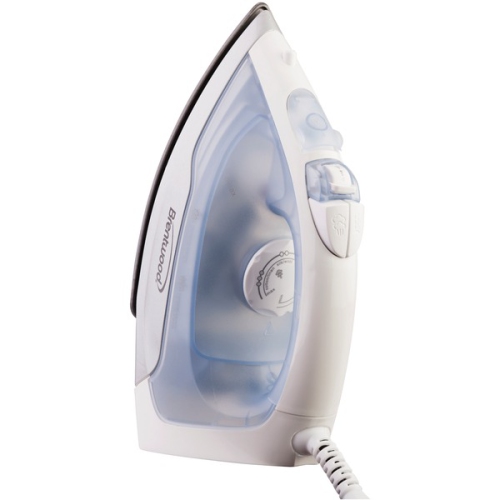
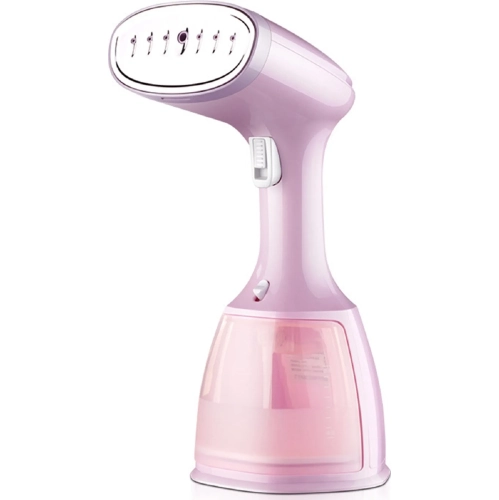
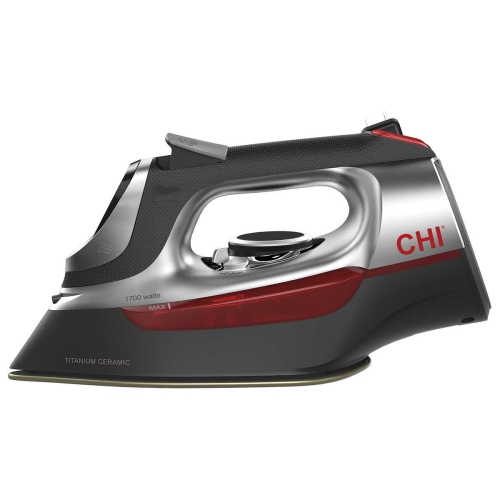
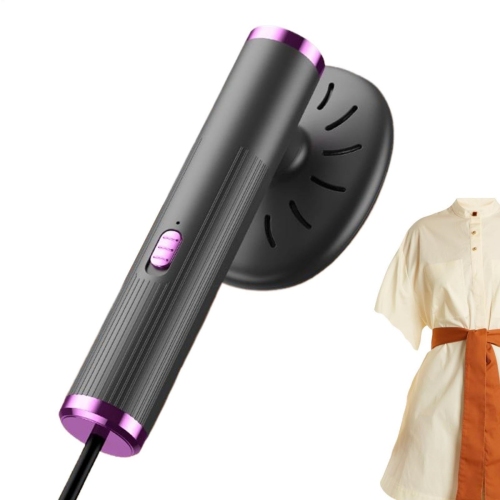
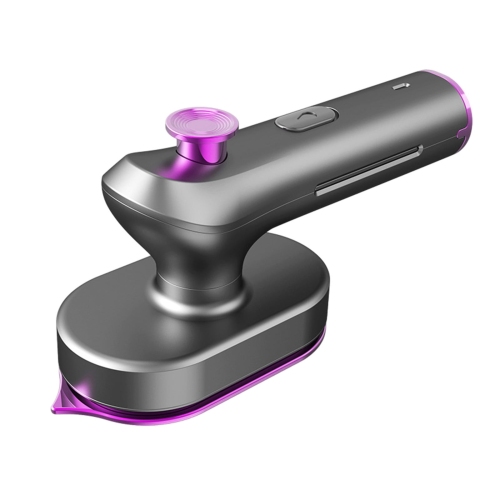


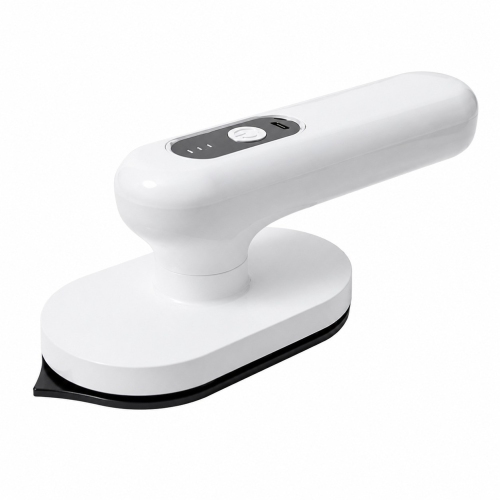
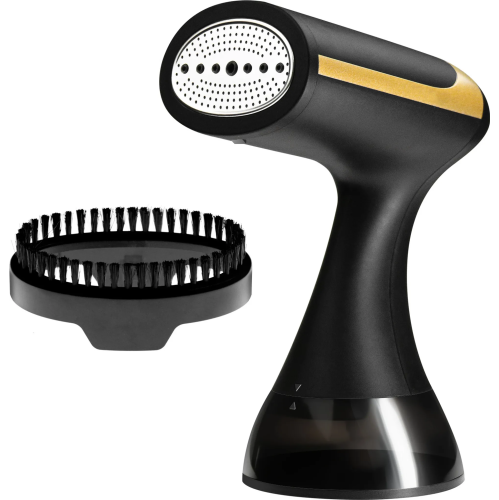

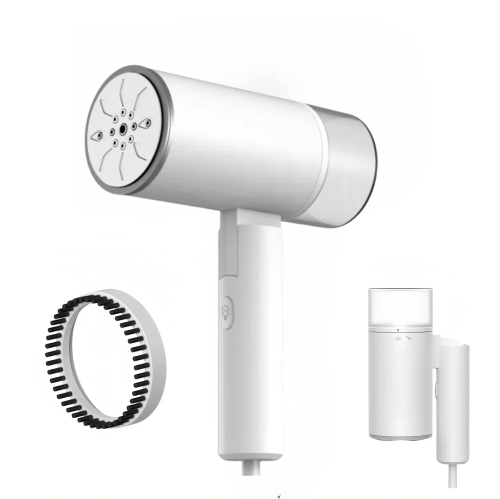
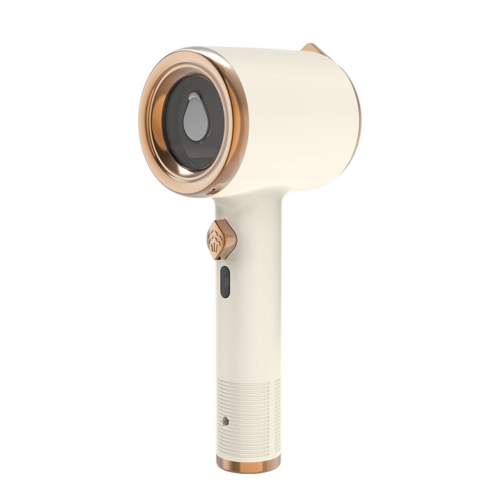


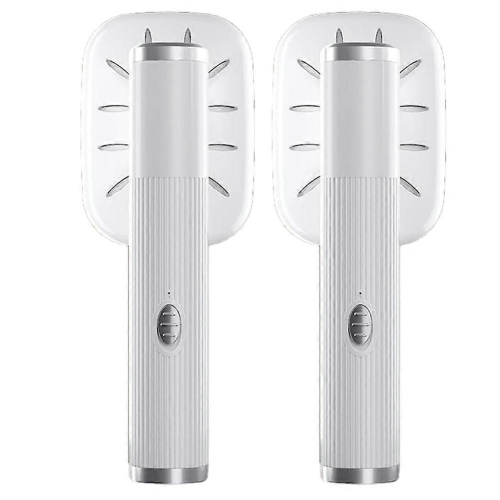

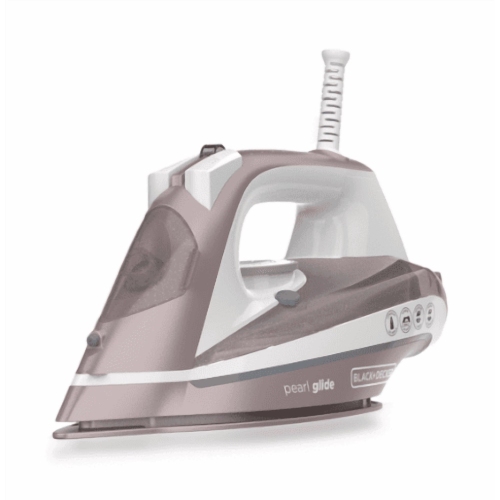


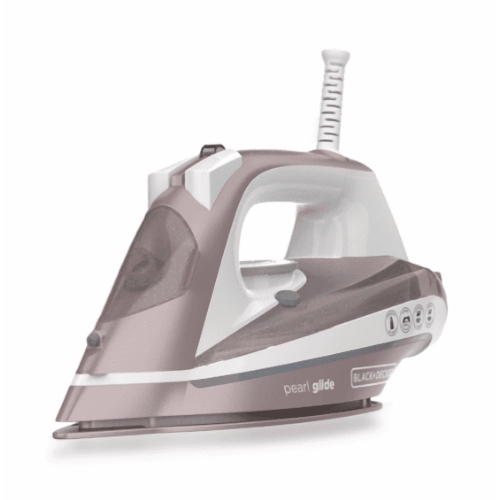
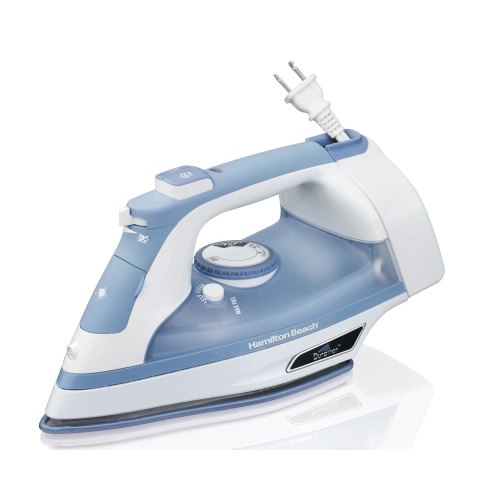


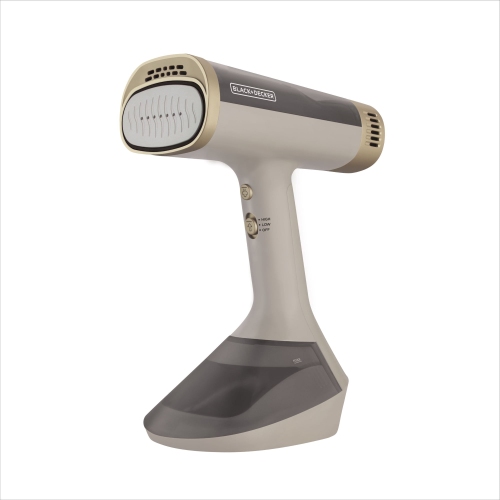

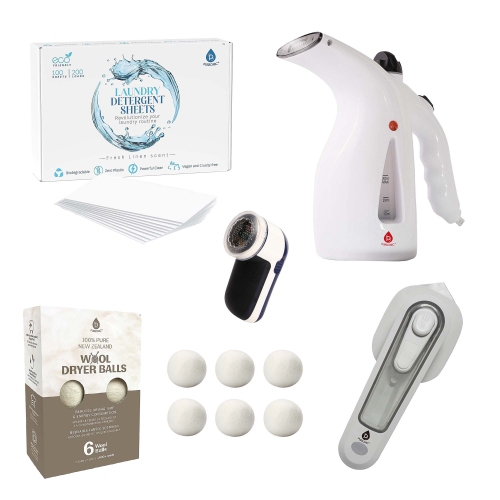
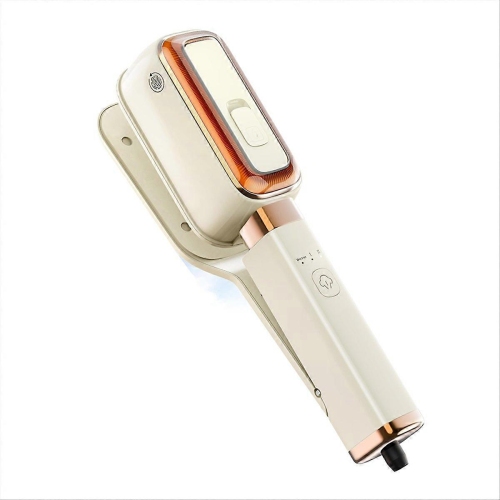
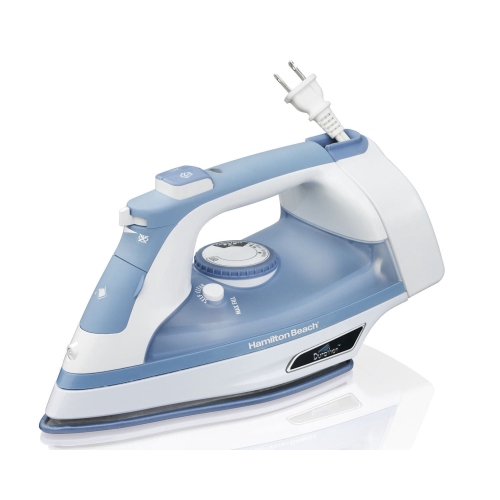
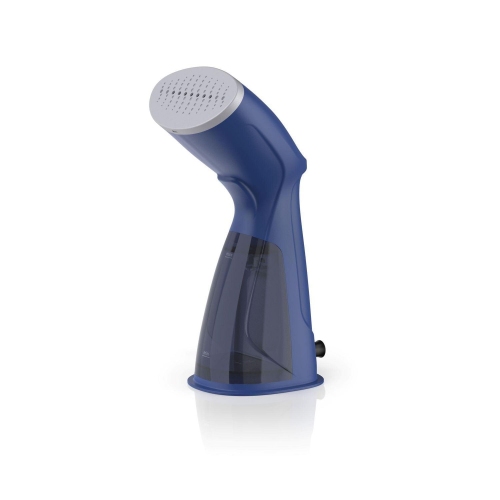

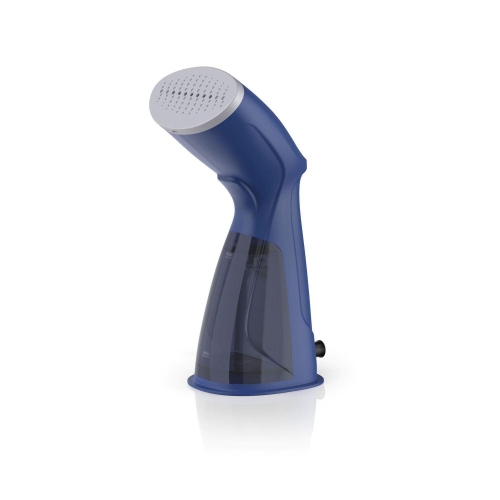
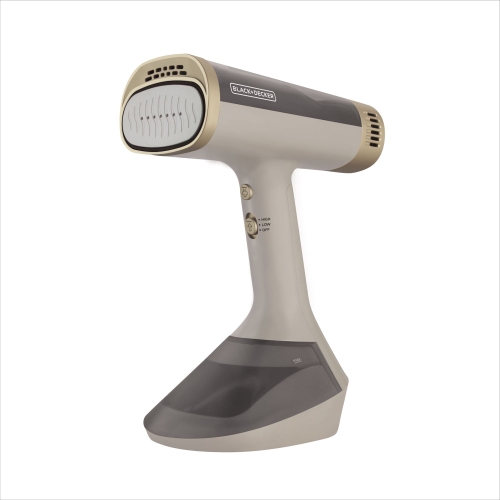
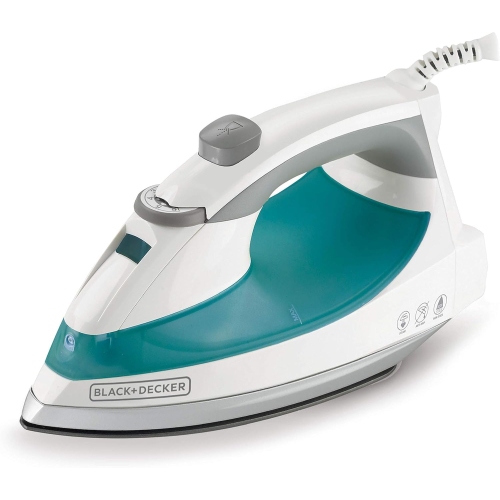


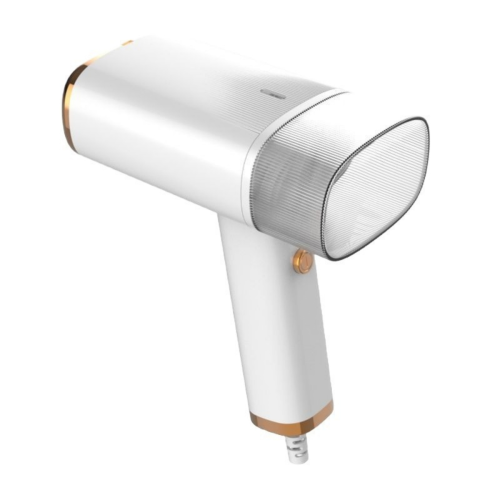

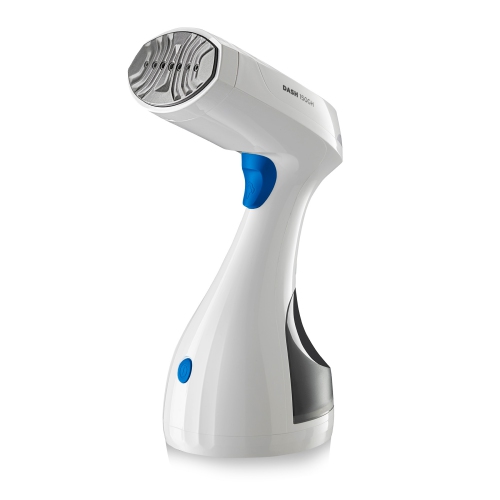
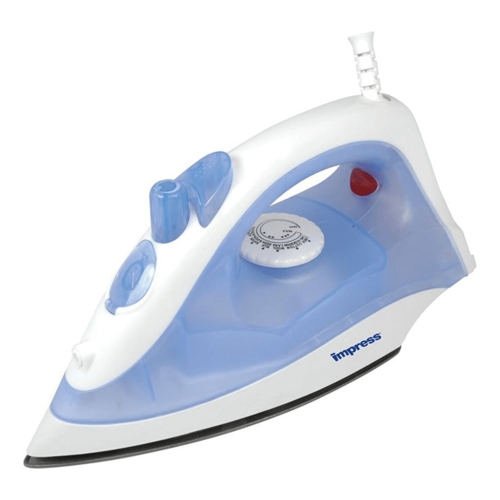


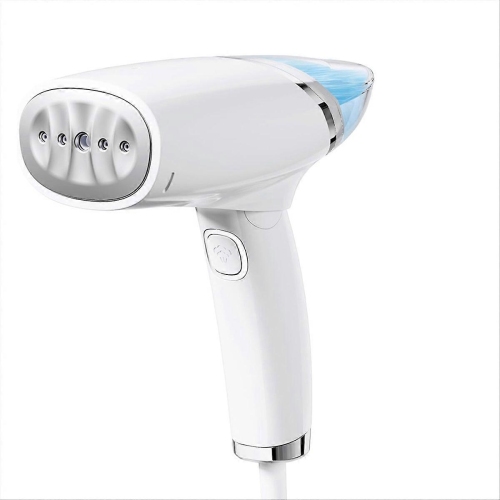
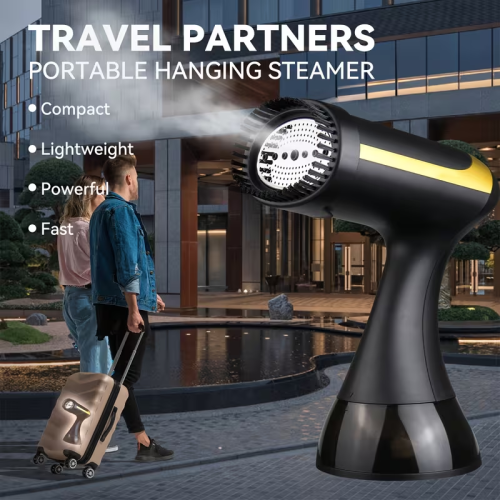


Wrinkle touch-ups without the pressure of a traditional iron
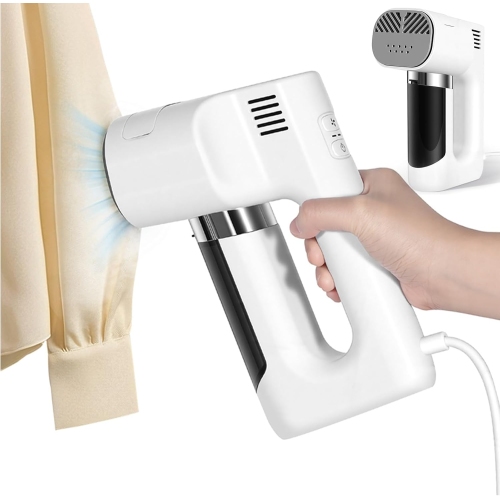
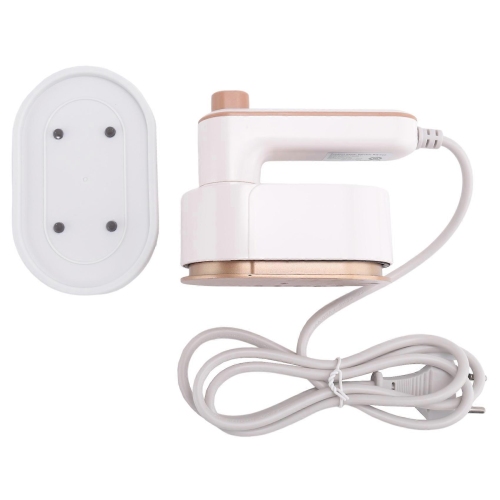
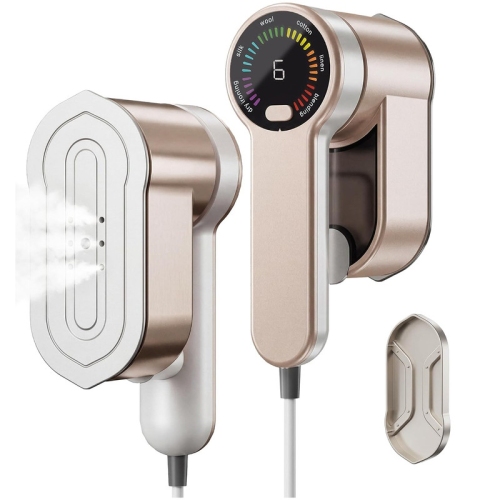
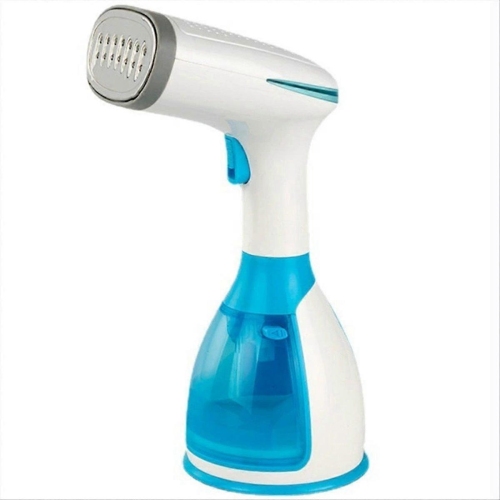
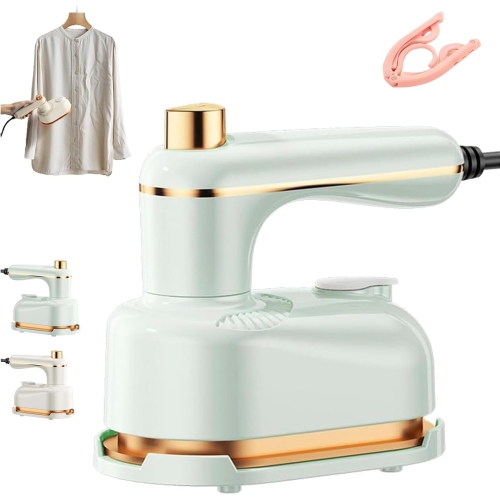
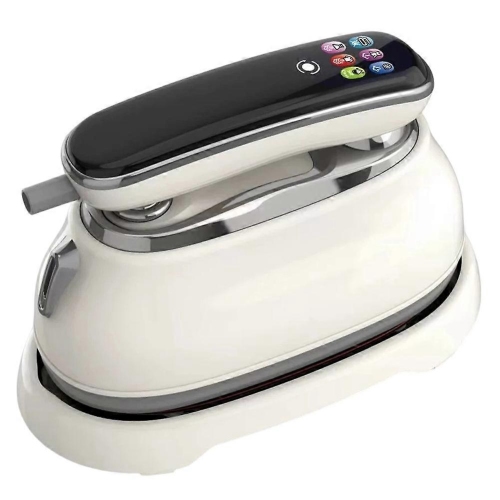
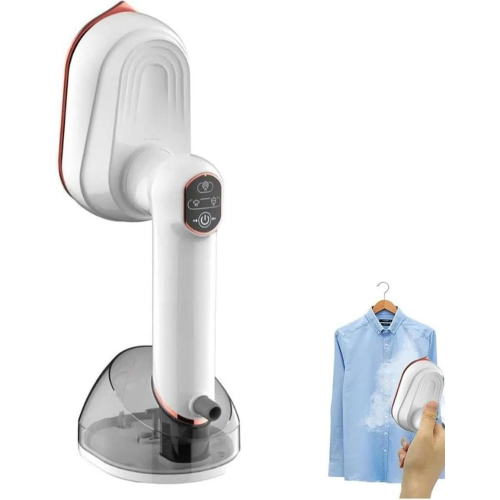
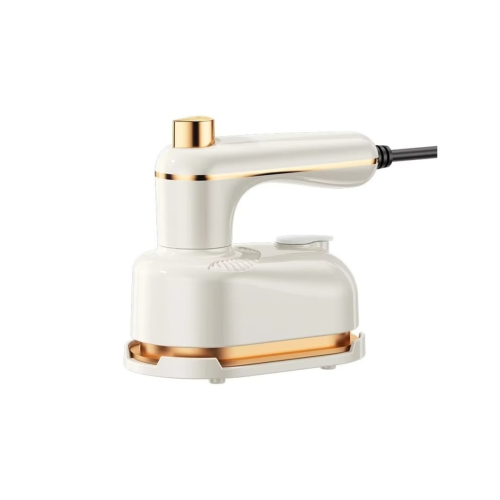
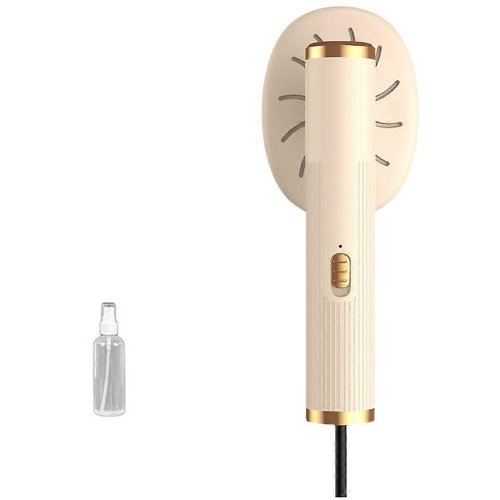
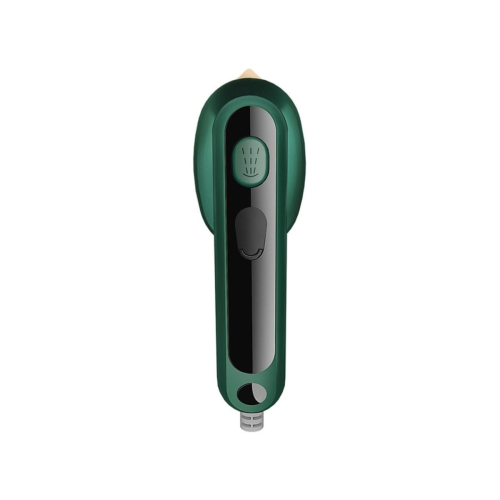
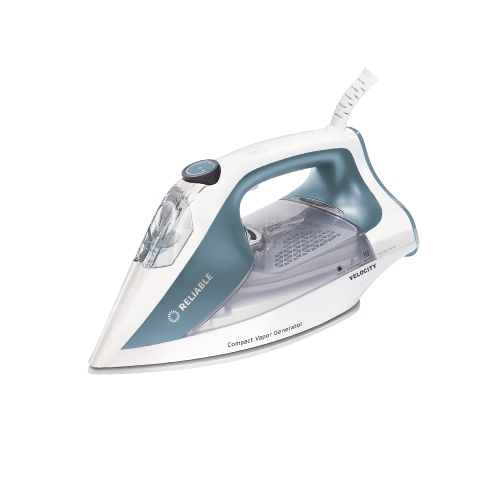
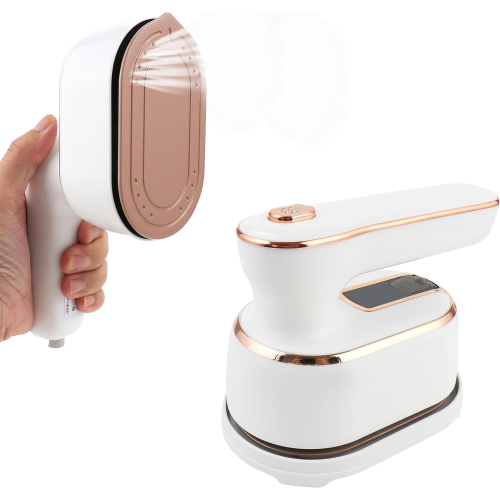
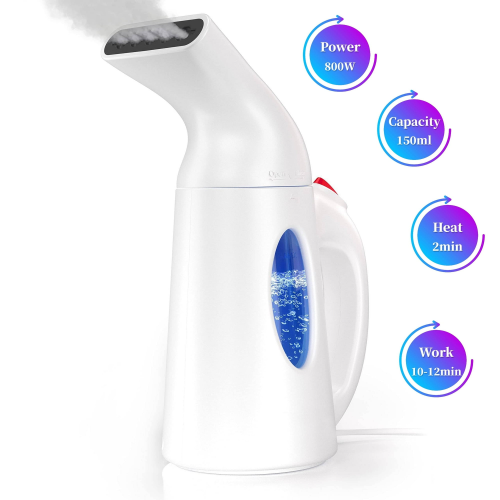
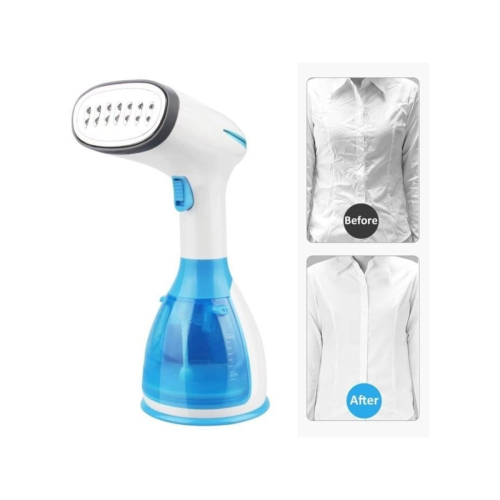
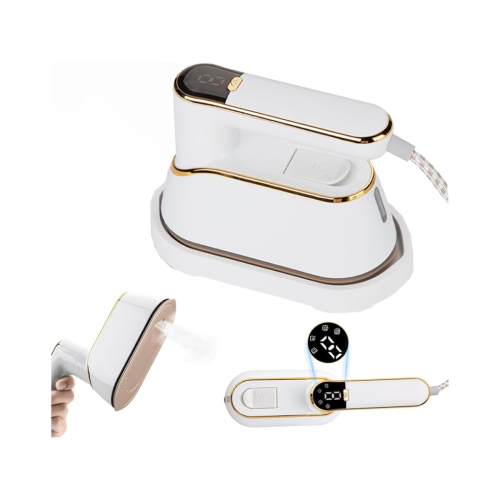
Steamers for ironing use hot water vapour to relax wrinkles in clothing and other suitable fabrics, helping garments fall more smoothly without the pressure of a traditional iron. They are especially useful for quick touch-ups on hanging clothes, softly draped pieces, and awkward areas such as gathered sleeves or pleated details that can be difficult to position on an ironing board. A garment steamer and a steam iron do different jobs: a steamer generally leaves a softer finish, while an iron combines heat and pressure to create sharp trouser creases, flat seams, and crisp shirt collars. An iron-steamer hybrid can offer both vertical steaming and horizontal pressing, provided it is designed for those uses. That distinction matters when matching an appliance to a wardrobe. Someone who wears flowing dresses, knit tops, and relaxed shirts may reach for a steamer most often, while someone who prefers sharply pressed cotton shirts may still want an iron alongside it. Handheld garment steamers suit occasional touch-ups, compact living spaces, and getting an outfit ready before leaving home. Upright steamers typically have a larger water tank and a hose connected to a separate base, making them useful for working through several garments in one session. Some include an adjustable pole and hanger support, keeping clothing at a comfortable working height. Travel-sized designs prioritize portability, although their smaller tanks may need more frequent refilling, and use away from home depends on the appliance’s stated voltage compatibility. Across these formats, the practical goal is the same: easing the rumpled sleeve, fold line, or crushed hem that makes an otherwise clean garment look unfinished. Steaming can fit neatly between laundering and dressing, but it does not replace washing or dry cleaning, remove every stain, or produce the same pressed finish on every fabric. The most suitable format depends on the amount of clothing being treated, the desired result, and the space available for use and storage.
Fabric compatibility is central to choosing and using a clothes steamer. Cotton, linen, wool, silk, and synthetic blends respond differently to heat and moisture, and the garment’s construction can matter as much as its fibre content. A lightweight cotton blouse may release minor wrinkles readily, while a densely woven linen shirt may retain its naturally textured appearance unless it is pressed. Wool tailoring, lined jackets, and garments with shoulder structure require particular care because moisture and handling can affect their shape. Silk, velvet, decorative trims, bonded details, and coated finishes need attention to the care label rather than assumptions based on appearance. Adjustable steam output can provide more control, but a low setting does not automatically make an appliance suitable for every delicate material. For wardrobes with lightweight blouses, flowing dresses, or fine layers, Steamers for Delicate Fabrics offers a more focused category to explore. A discreet test area helps reveal water spotting, colour changes, or texture changes before treating a visible panel. The appliance instructions should specify whether its head can touch the fabric or needs to remain at a distance; that guidance is particularly important with heated soleplates. Accessories also have distinct purposes. A compatible fabric brush may help steam reach suitable thicker textiles, while a fabric guard may provide separation between the steaming surface and a garment when the manufacturer permits it. Neither accessory overrides a care label. For a hanging shirt, working in steady sections gives more control than repeatedly soaking one stubborn fold. Ruffles and gathered areas benefit from careful positioning so steam can reach the folds without flattening their shape. Curtains may be suitable for steaming in place when their care instructions allow it, but linings, nearby surfaces, and access all need consideration. Clothing should always be removed before steaming, with hands kept clear of the steam path and hot surfaces.
Everyday convenience often comes down to details that are easy to overlook until the tank is filled and a garment is hanging nearby. A lightweight handheld body can feel quite different with water inside, so handle shape, balance, and the position of the steam trigger all affect comfort. A removable tank with an accessible opening makes filling and emptying less awkward, while a visible water level helps indicate when a refill is approaching. Tank capacity and steam output work together: a larger tank can support longer sessions, but higher output generally uses water faster. Published continuous run time is therefore more useful when considered alongside the available settings. Heat-up time matters for a single top before work, whereas comfortable handling and fewer refill stops become more important when preparing several outfits. Cord length, hose reach, and a stable base can influence where the steamer fits into a bedroom, laundry area, or dressing space. Horizontal operation should only be expected from a model specifically designed for it, and pressing requires a suitable heat-resistant surface rather than an unprotected tabletop or bed. Automatic shut-off can add reassurance, but it does not replace attentive use or keeping the appliance away from children and pets. Long-term care is straightforward when it follows the manufacturer’s directions: use the specified water type, empty the tank as directed, and allow the appliance to cool before storage. Some steamers call for distilled water, while others permit tap water; mineral buildup and cleaning requirements vary with the design and local water hardness. Fragrances, laundry additives, and homemade cleaning mixtures should not go into the tank unless expressly approved. Secure tank fittings, a sturdy hose connection where applicable, accessible maintenance points, and clear care instructions are useful considerations for lasting everyday use. For a student setting up a small apartment, a frequent traveller, or someone who enjoys keeping a work wardrobe neat, a garment steamer can also make a practical gift when its size and functions suit their routine. A compact design serves quick wardrobe touch-ups, while an upright format better accommodates longer sessions with room to hang and handle garments comfortably.
Top selling and popular products
-
 Your price for this item is $79.97
-
 Your price for this item is $129.99
-
 Your price for this item is $69.99
-
 Your price for this item is $59.99
-
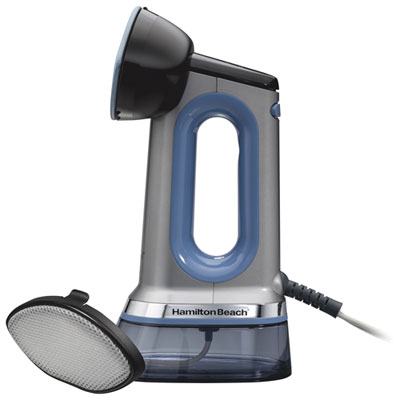 Your price for this item is $69.99
-
 Your price for this item is $74.99
-
 Your price for this item is $24.95
-
 Your price for this item is $34.99
Discover more categories related to Steamers for Ironing

Top Collections:
Pokemon Centers, Kindle Devices, Best Cameras for Sports Photography, Best Budget Office Chairs, Pokémon 30th Celebration Cards, Apple iPhones 16, Canon G7X Cameras, iPhone 15 Apple, Flip Phones, Samsung Galaxy Phones
Some products may be subject to Environmental Handling Fees
(EHF) depending on your province.
Learn more about EHFs.