Tap Water Humidifiers
Tap Water Humidifiers offer a convenient way to enhance the comfort of any room by adding moisture to the air using tap water. Ideal for bedrooms, living areas, offices, and more, these humidifiers are designed to fit seamlessly into your daily routine. Whether you're looking to improve your indoor atmosphere or simply create a cozier environment, Tap Water Humidifiers provide an easy solution for maintaining optimal humidity levels throughout your home or workspace. Explore a variety of sizes and styles to find the perfect match for your needs.
Sort

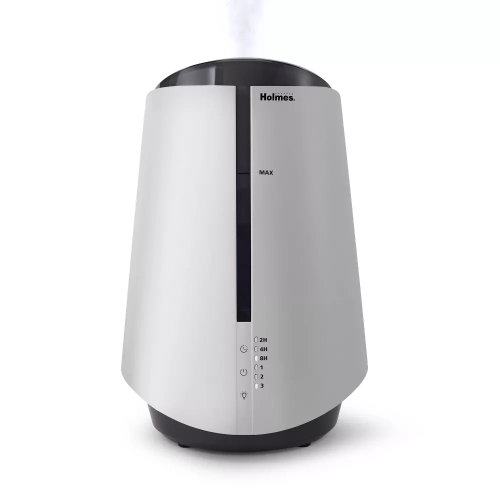
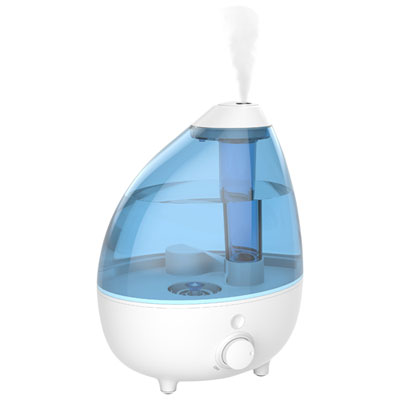
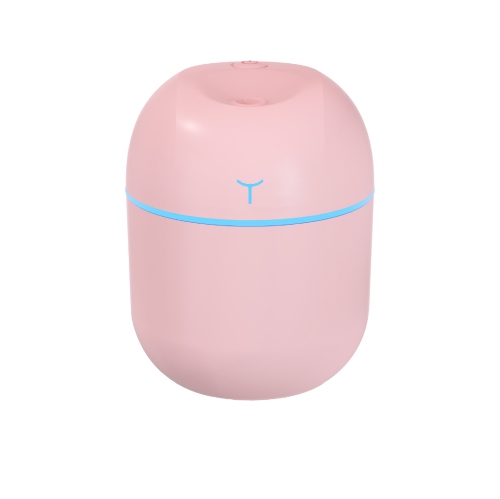
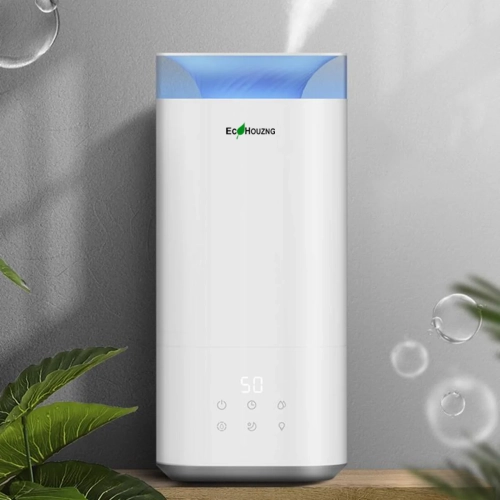
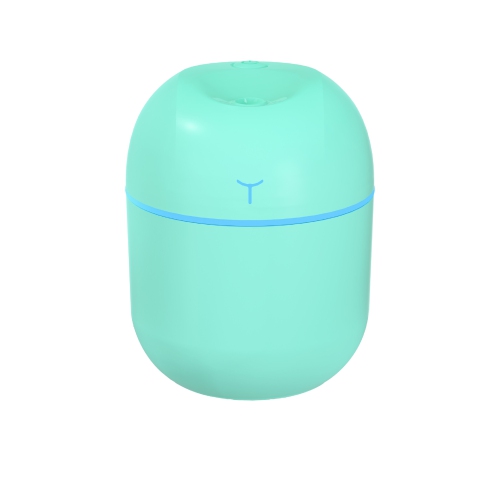
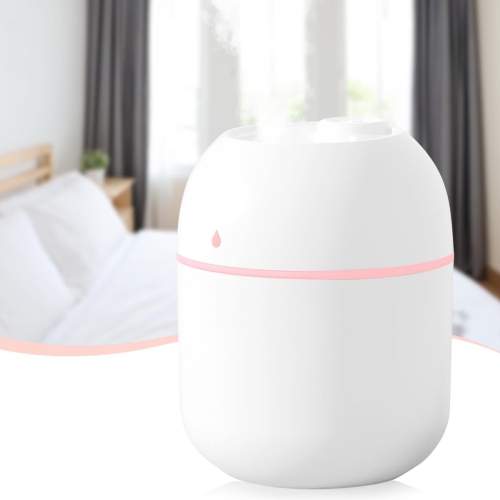
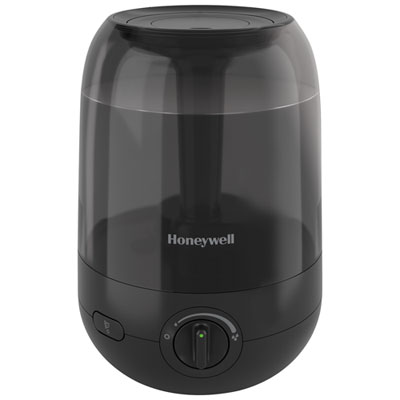
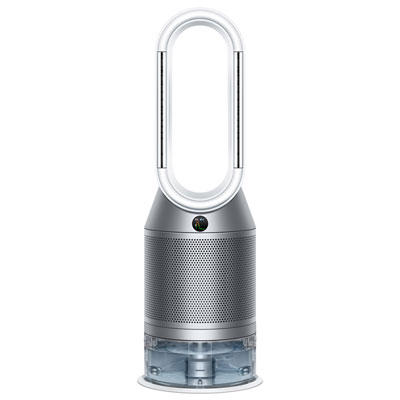
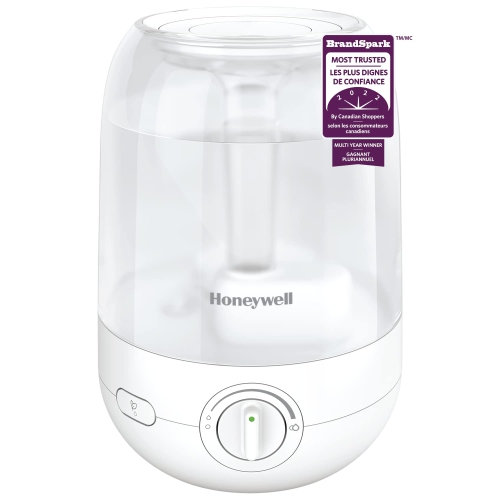

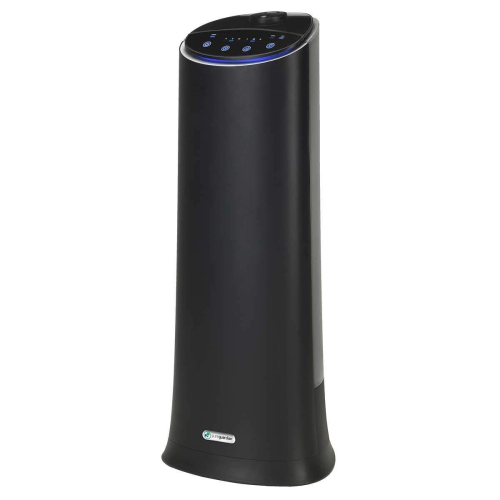
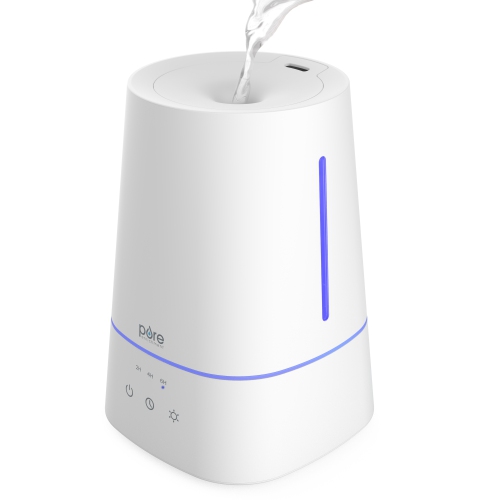

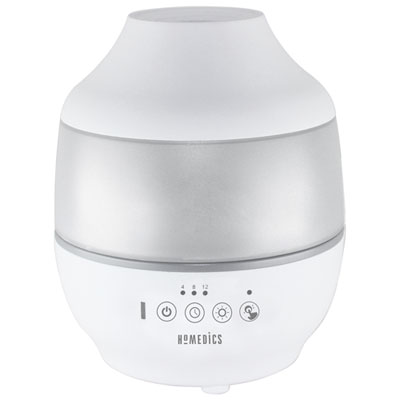
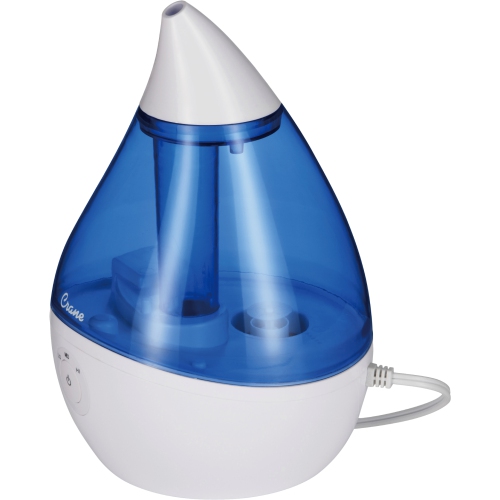
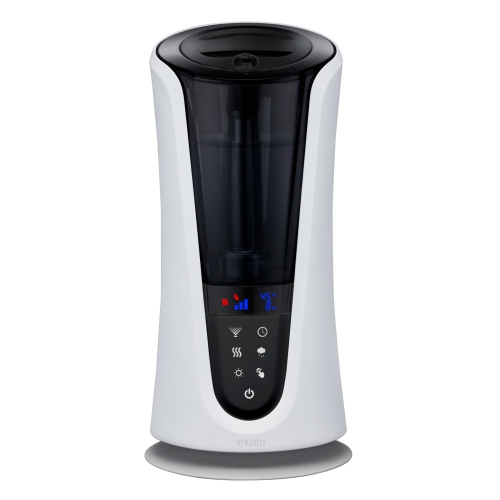
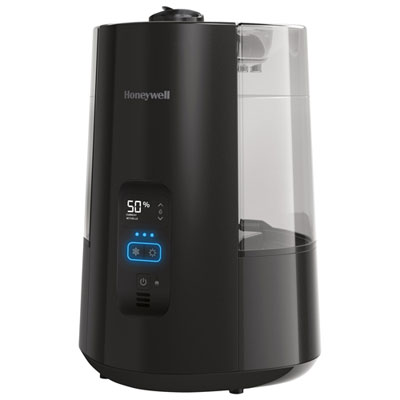
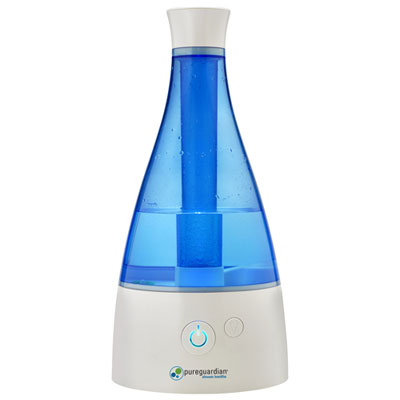
Tap Water Humidifiers
During the winter months, many Canadians experience dry indoor air, which can lead to discomforts like chapped lips, dry skin, irritated sinuses, and even static electricity. Tap water humidifiers offer a practical solution for adding much-needed moisture to your living space, helping to maintain a comfortable atmosphere as the temperature drops and heating systems run continuously. These devices are particularly helpful in bedrooms, nurseries, home offices, and living rooms, where balanced humidity can support restful sleep, ease breathing, and protect wood furniture or musical instruments from drying out. For families with young children or anyone prone to allergies, a humidifier can make a noticeable difference in day-to-day comfort. Whether you’re looking to ease the effects of dry air for yourself or searching for a thoughtful gift for a friend or family member moving into a new home, tap water humidifiers are a versatile and appreciated addition to any household during the colder seasons.
When considering a tap water humidifier, it’s important to think about the type of device that best fits your needs and maintenance preferences. Steam vaporizers are often recommended for use with tap water, as they boil the water before releasing steam, helping to minimize concerns about mineral content and bacteria. These models can be especially reassuring for parents or anyone sensitive to air quality, as the boiling process helps create a cleaner mist. On the other hand, ultrasonic and impeller humidifiers work by atomizing water into a fine mist, which means any minerals or impurities in tap water—like calcium or magnesium—can be dispersed into the air as “white dust.” This dust can settle on surfaces and may be a concern for those with respiratory sensitivities or anyone who prefers a spotless home. If you choose an ultrasonic or impeller model and use tap water, be prepared for more frequent cleaning to prevent mineral buildup and maintain the unit’s performance. A regular routine of rinsing and descaling with vinegar can keep your humidifier running smoothly and your air comfortable.
Selecting the right tap water humidifier also means considering the size of your space and how often you plan to use the unit. Larger tanks are ideal for open-concept living areas or overnight use, while compact models fit neatly on a bedside table or office desk. Many people find that a humidifier quickly becomes an essential part of their winter routine, whether it’s running quietly in the background during a long workday or providing soothing relief through the night. For gift-givers, a humidifier makes a practical and thoughtful present for students, seniors, or anyone settling into a new apartment or home—especially during the dry, chilly months. If you’re interested in exploring more options or learning about different models, visit the Water Humidifiers page for a full selection and helpful details to guide your choice. With the right care and regular maintenance, a tap water humidifier can help create a healthier, more inviting environment for everyone in your household.
When considering a tap water humidifier, it’s important to think about the type of device that best fits your needs and maintenance preferences. Steam vaporizers are often recommended for use with tap water, as they boil the water before releasing steam, helping to minimize concerns about mineral content and bacteria. These models can be especially reassuring for parents or anyone sensitive to air quality, as the boiling process helps create a cleaner mist. On the other hand, ultrasonic and impeller humidifiers work by atomizing water into a fine mist, which means any minerals or impurities in tap water—like calcium or magnesium—can be dispersed into the air as “white dust.” This dust can settle on surfaces and may be a concern for those with respiratory sensitivities or anyone who prefers a spotless home. If you choose an ultrasonic or impeller model and use tap water, be prepared for more frequent cleaning to prevent mineral buildup and maintain the unit’s performance. A regular routine of rinsing and descaling with vinegar can keep your humidifier running smoothly and your air comfortable.
Selecting the right tap water humidifier also means considering the size of your space and how often you plan to use the unit. Larger tanks are ideal for open-concept living areas or overnight use, while compact models fit neatly on a bedside table or office desk. Many people find that a humidifier quickly becomes an essential part of their winter routine, whether it’s running quietly in the background during a long workday or providing soothing relief through the night. For gift-givers, a humidifier makes a practical and thoughtful present for students, seniors, or anyone settling into a new apartment or home—especially during the dry, chilly months. If you’re interested in exploring more options or learning about different models, visit the Water Humidifiers page for a full selection and helpful details to guide your choice. With the right care and regular maintenance, a tap water humidifier can help create a healthier, more inviting environment for everyone in your household.
Top selling and popular products
-
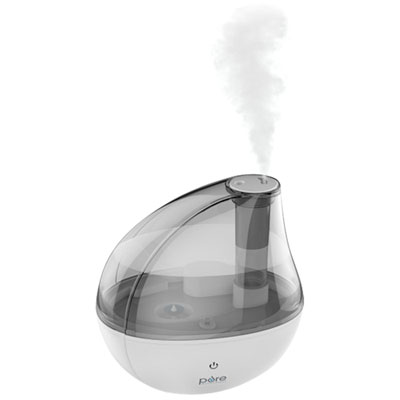 Your price for this item is $64.99
 -
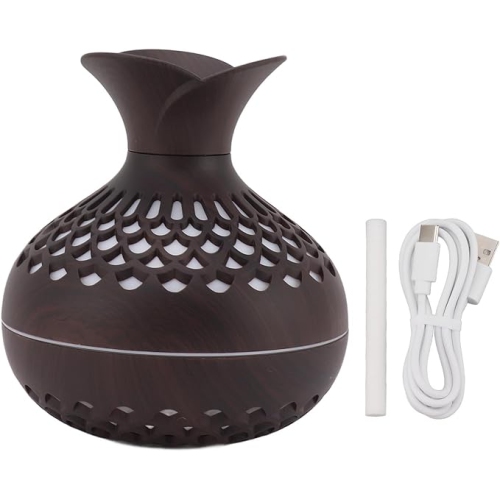 Your price for this item is $14.98
 -
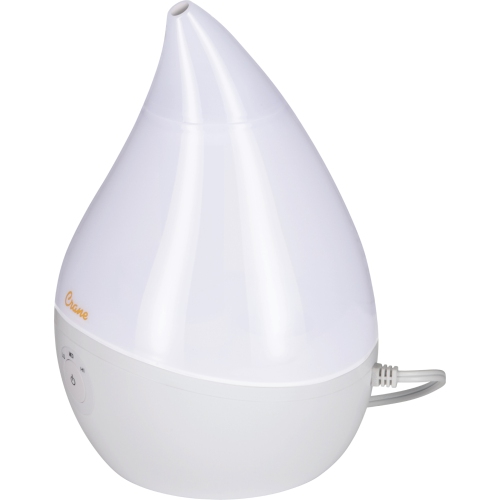 Your price for this item is $89.97
 -
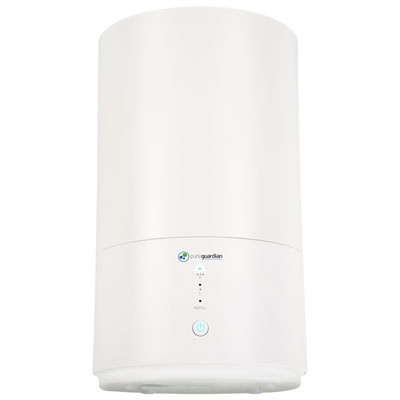 Your price for this item is $89.99
 -
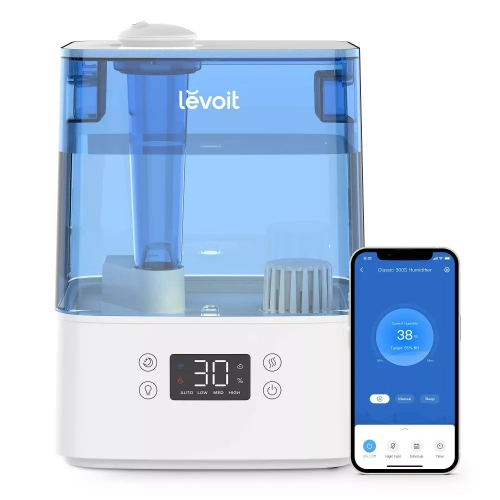 Your price for this item is $194.99
 -
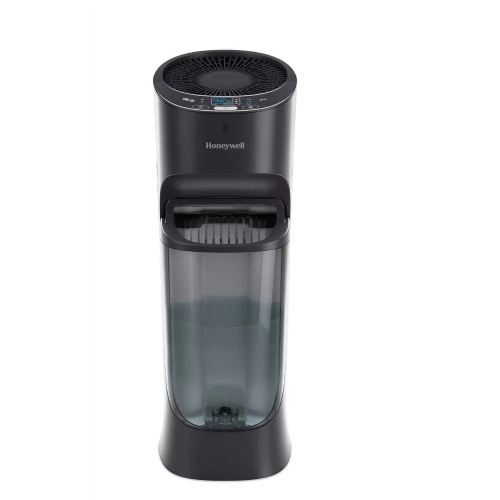 Your price for this item is $244.99
 -
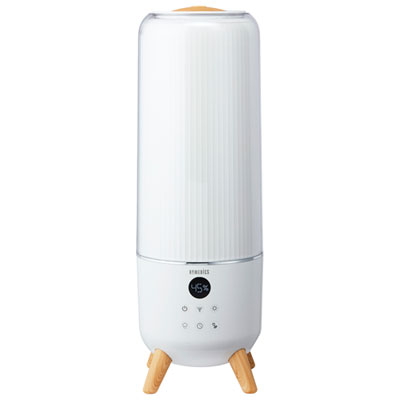 Your price for this item is $129.99
 -
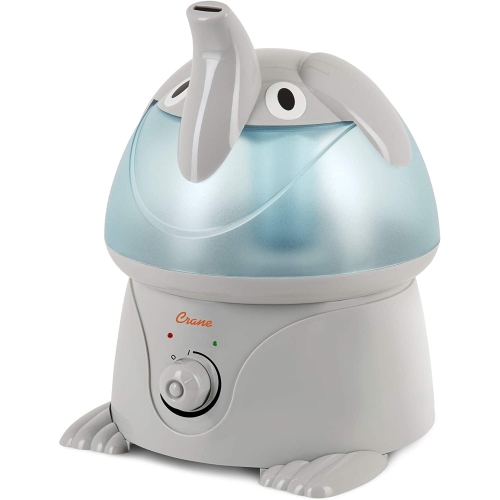 Your price for this item is $109.97
Discover more categories related to Tap Water Humidifiers
Top Collections:
RAM Upgrades for PC, Best Laptops for Home Use, Best Vacuum Cleaners, Top Laptops for University Students, Kindle Devices, Best Cell Phones Under $500, Best Type C Hub, Best Quality Doorbell Cameras, Koodo Smartphones, Apple iPhones 16
Some products may be subject to Environmental Handling Fees
(EHF) depending on your province.
Learn more about EHFs.