Turbo Fans
Stay cool and beat the heat with our selection of turbo fans. Whether you're looking to improve air circulation in your home, office, or any other space, these powerful fans are designed to deliver a refreshing breeze when you need it most. With a variety of sizes and styles to choose from, you'll find the perfect turbo fan to suit your needs. Experience the ultimate cooling comfort with our range of turbo fans, which are sure to keep you feeling refreshed all summer long.
Sort

























Why airflow design matters more than the turbo label
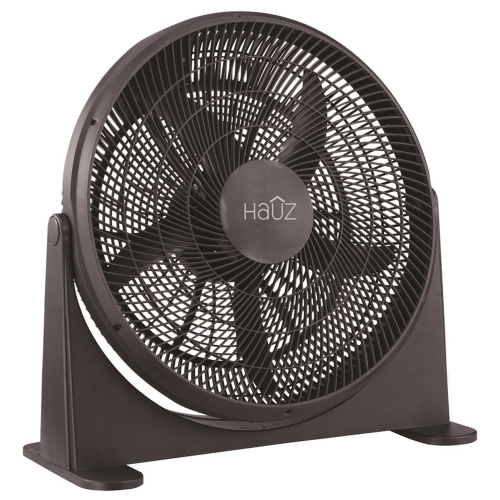
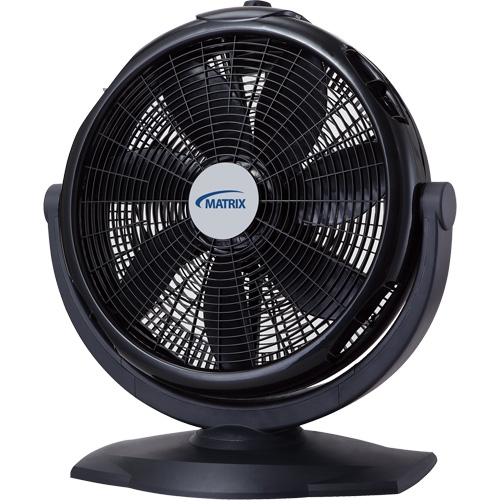
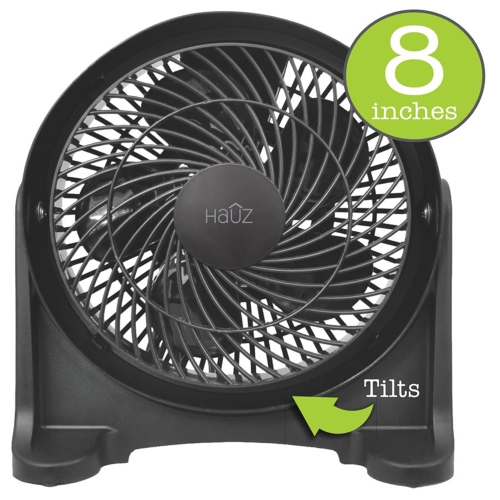
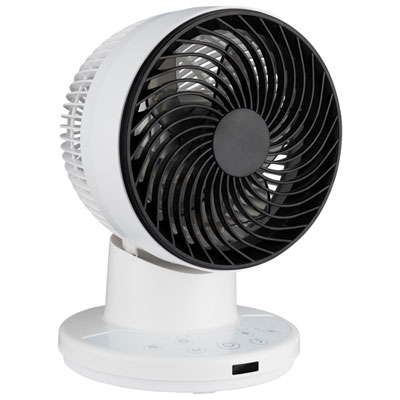
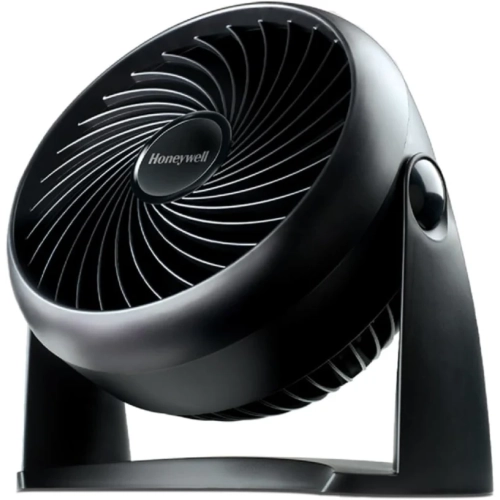
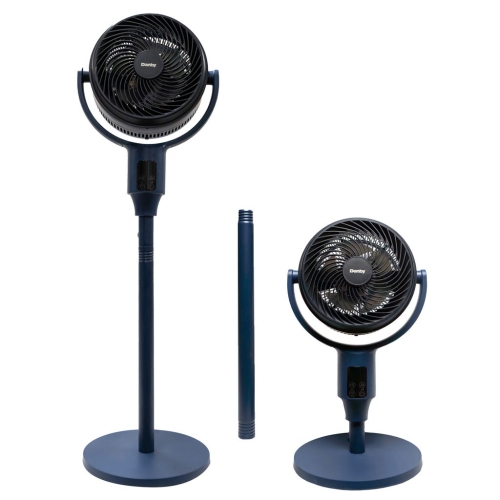
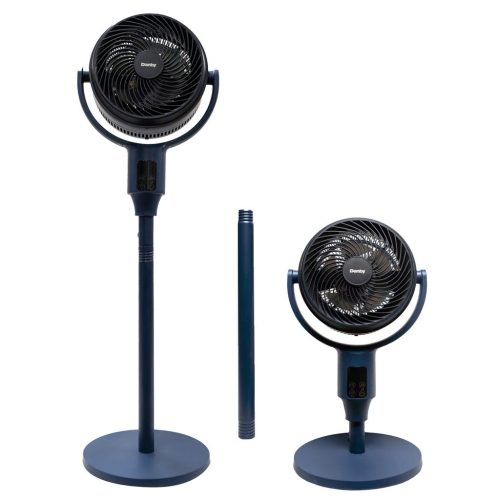
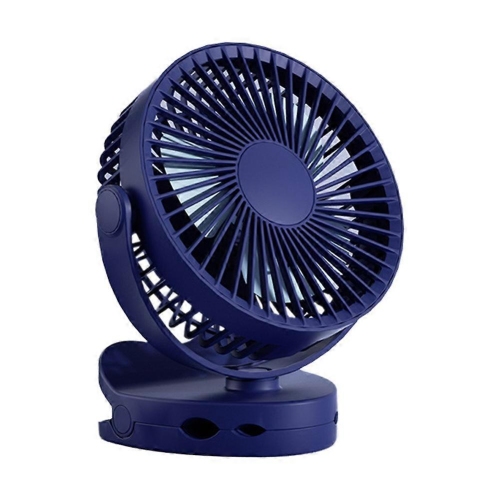
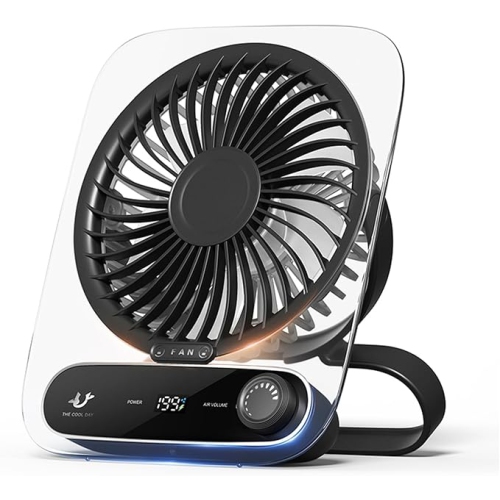
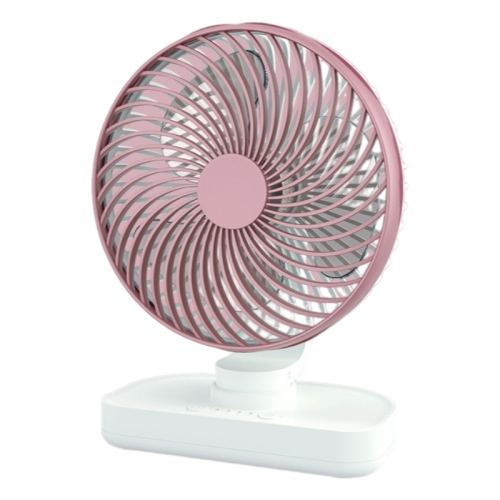
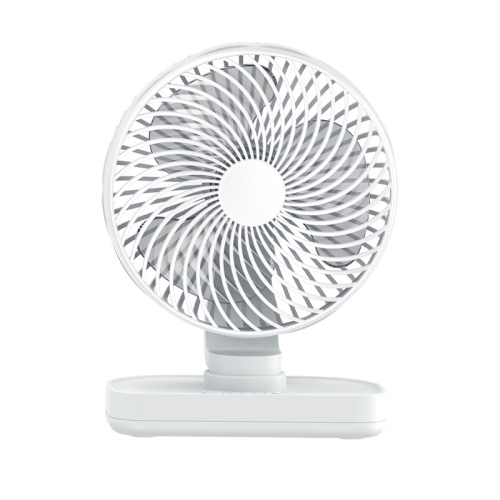
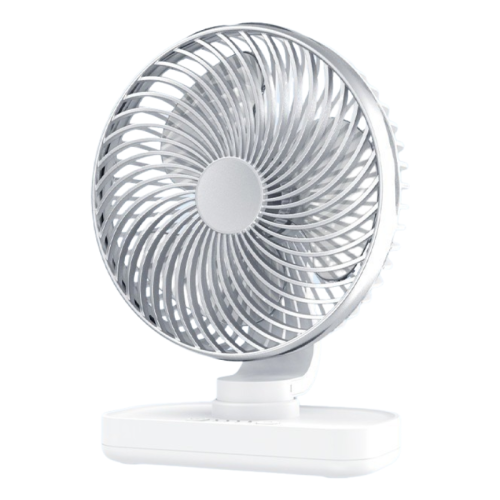
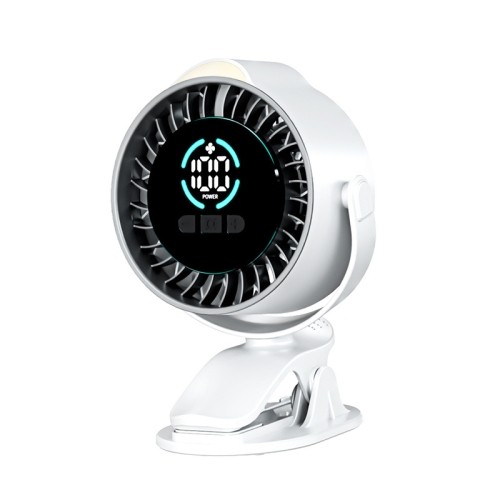
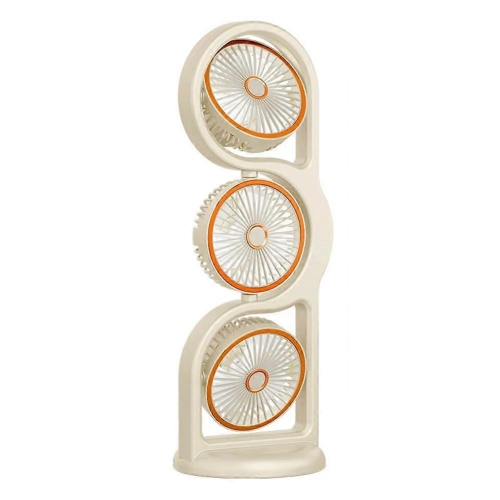
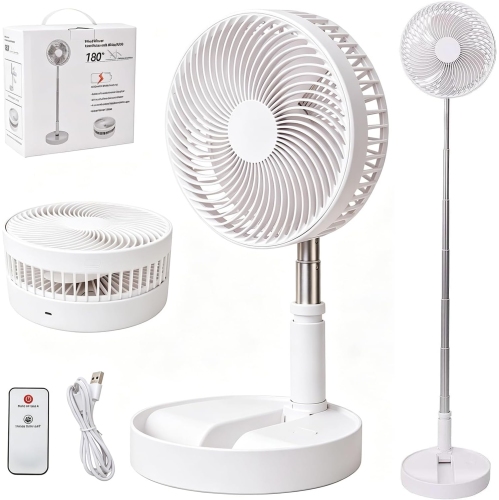
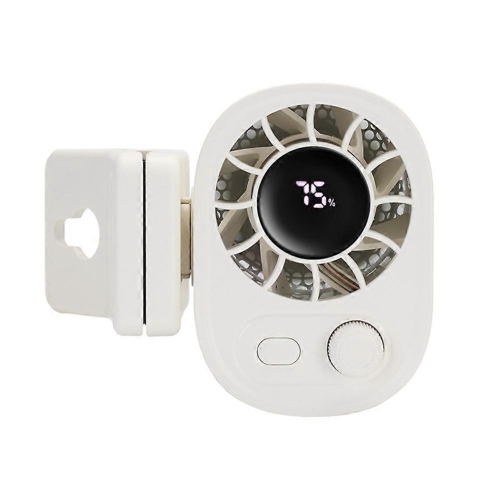
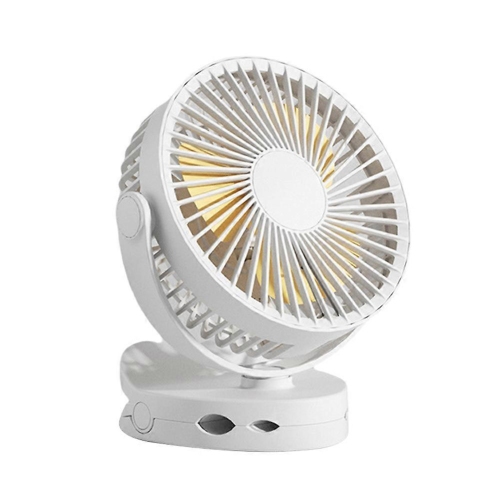
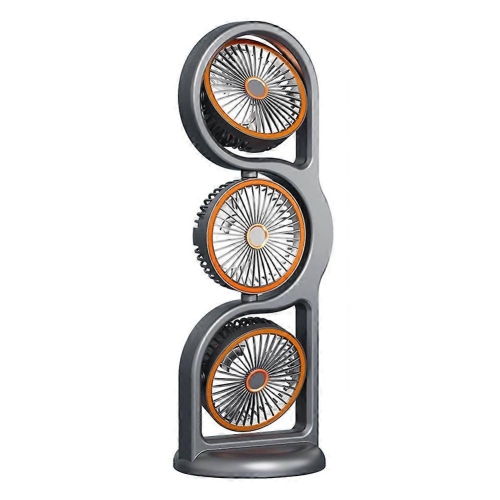
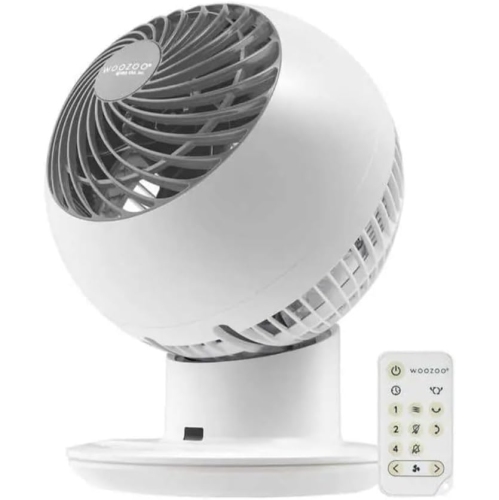
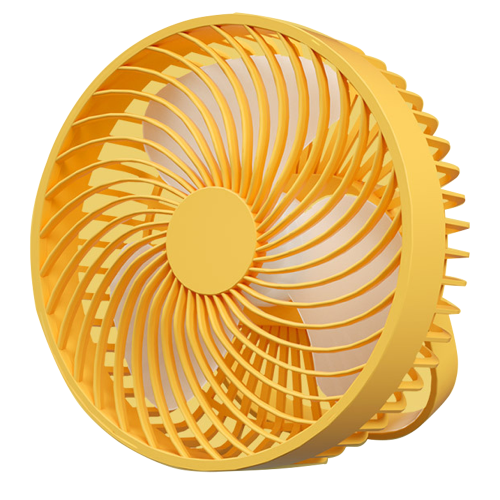
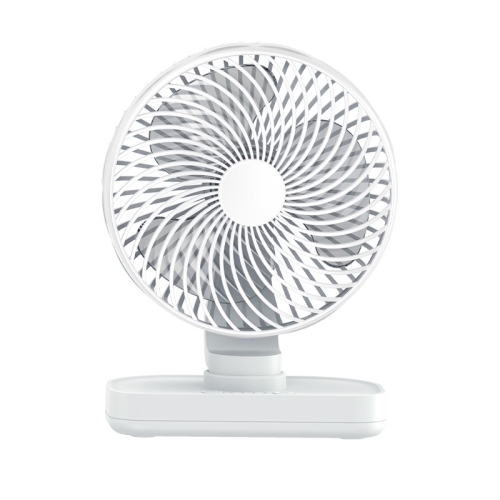
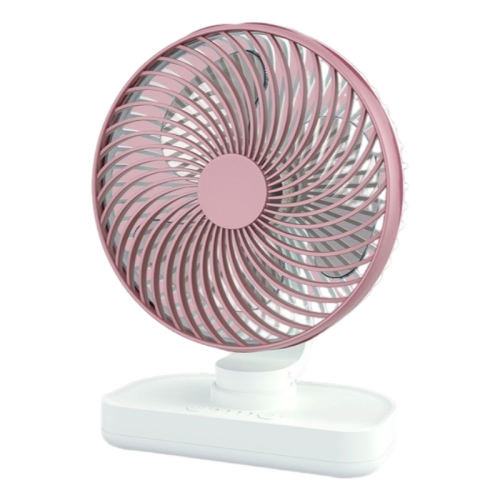
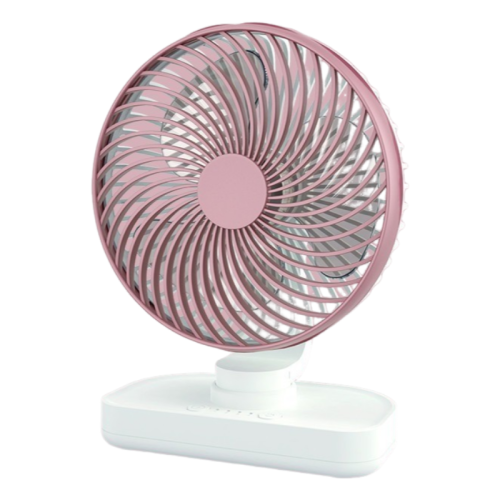
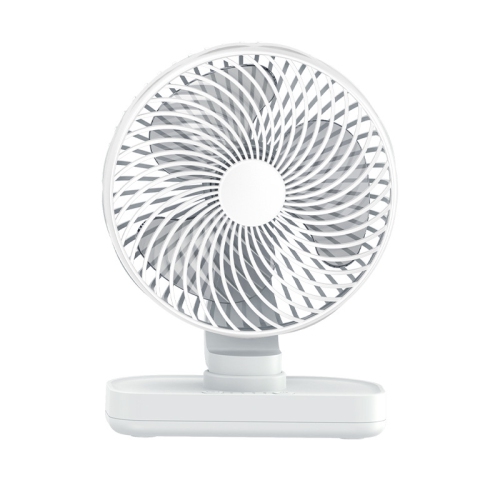
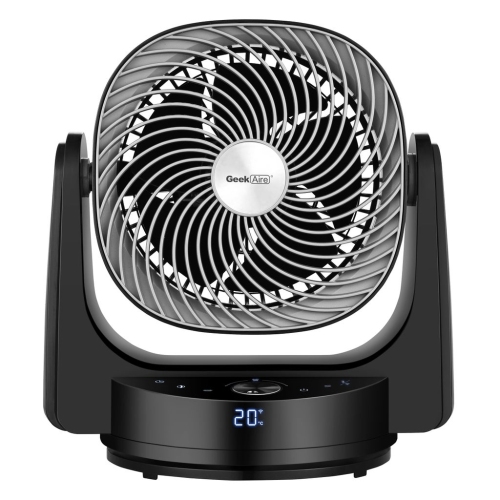
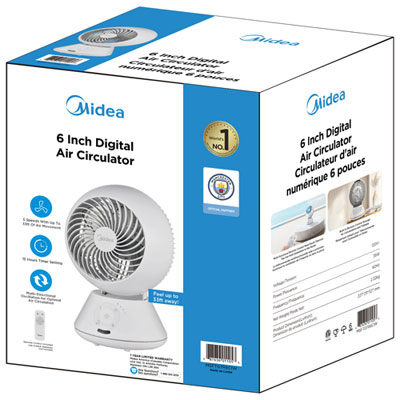
Turbo fans are fans designed to deliver concentrated airflow, often through a compact housing with a high-speed motor and shaped blades. In consumer products, the term can describe a room air circulator, a rechargeable personal fan, or a handheld electric blower used for tasks such as dust removal. These categories share an emphasis on moving air, but their intended uses are quite different. A room turbo fan generally produces a broader stream of air for a bedroom, home office, living room, or workout space. A handheld personal fan directs airflow towards one person, while an electric air duster uses a narrower outlet to reach surfaces and crevices. The word “turbo” is not a standardized airflow rating, so the fan’s design, controls, and intended use provide more useful context than the name alone. Room air circulators are particularly suited to spaces where a small footprint matters: beside a monitor, on a sturdy shelf, or on the floor near a seating area. An adjustable head can direct air across a desk or towards an open part of the room, while oscillation distributes airflow over a wider area. These are separate features; a tilting head does not necessarily mean the fan oscillates. A fan creates a cooling sensation by moving air across the skin rather than refrigerating it, and circulation can help a room feel less still. Someone working at a computer may prefer a gentle setting that does not disturb papers or overwhelm a call, while someone exercising may value stronger, more direct airflow. For shared spaces, the distance between the fan and the people using it matters as much as its overall size. A compact housing can be convenient without making a fan suitable for every room, and a forceful stream aimed at one chair will feel different from air distributed across several seating positions.
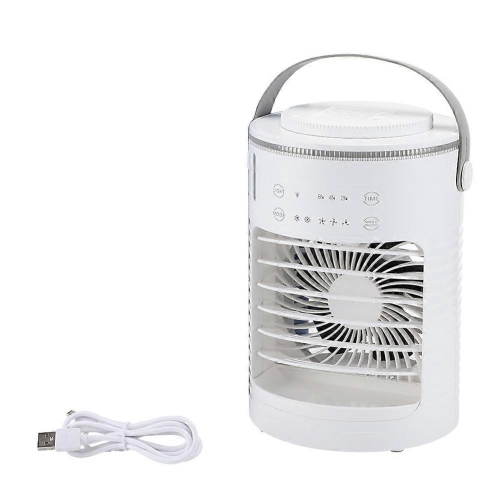
The construction and layout of a room turbo fan influence how comfortably it fits into everyday routines. Moulded plastic housings are often relatively light and easy to move, while metal grilles and frames can provide a more substantial feel. Neither material alone establishes durability: a stable base, secure hinges, well-fitted controls, and a motor designed for the intended workload all contribute to lasting performance. A carrying handle is useful when the same fan moves between a work area and a living space, while a broad base helps keep it steady on a level surface. Dimensions should account for the full housing and the clearance needed to tilt or rotate the head, not just the blade diameter. On a crowded desk, a cord that reaches a nearby outlet without crossing a walkway can make placement much simpler. Airflow ratings, when provided, help describe how much air a fan moves, but they are most useful when compared under similar test conditions. Motor speed alone does not capture blade design, airflow coverage, or how the fan sounds in use. Sound levels also vary by setting and distance, so a quiet low-speed mode may matter more in a bedroom than maximum output. Simple dial controls offer straightforward operation, while electronic controls, timers, and remotes can suit fans positioned farther from a chair or bed. A timer can limit running time without requiring someone to return to the controls. Care is usually centred on keeping the grille and blades free of accumulated dust, which can affect airflow and make cleaning more difficult over time. Before cleaning, the fan should be switched off and disconnected from power, with removable parts handled according to the manufacturer’s directions. Wipeable surfaces are convenient, but a removable grille or blade assembly should not be assumed washable. Clear space around the intake and outlet, intact guards, and placement away from curtains, liquids, and small children help support safe everyday use.
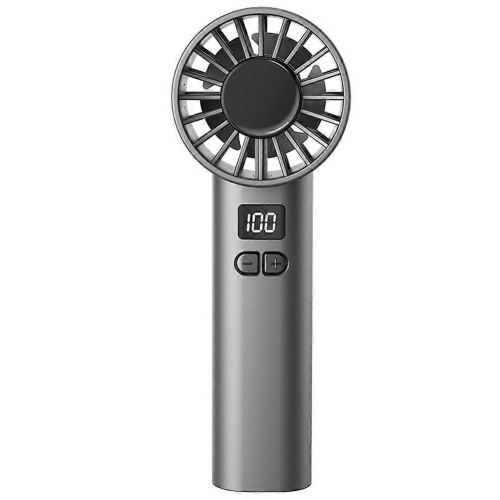
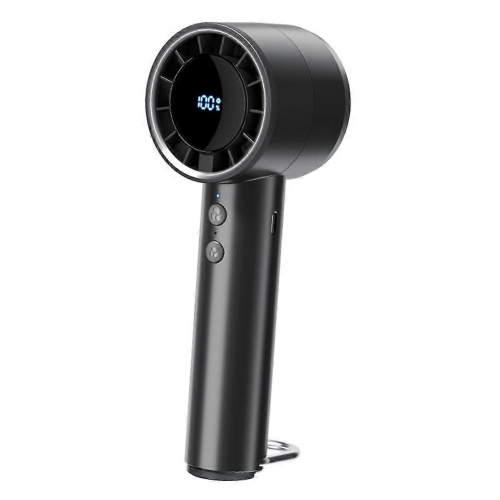
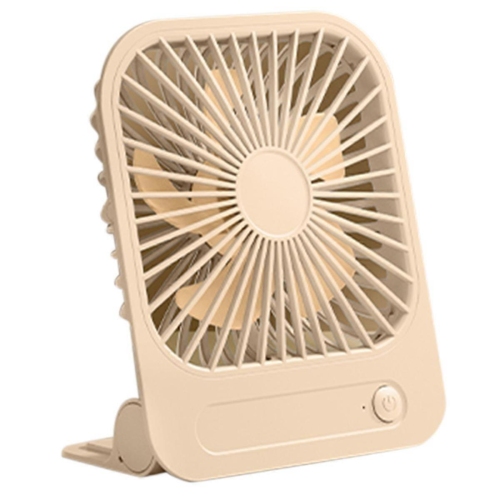
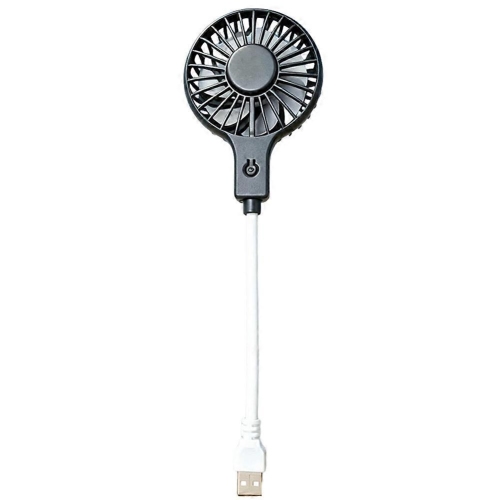
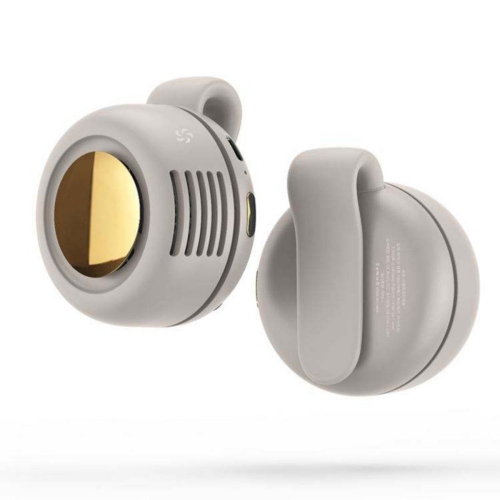
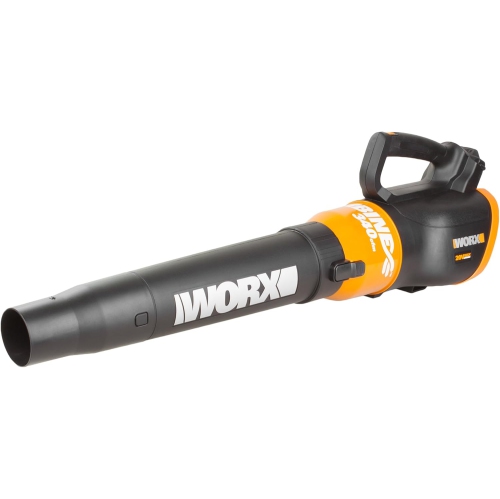
Handheld turbo fans bring the same emphasis on directed airflow to a more personal format. Their appeal lies in being easy to carry between a desk, a shared workspace, and other places where a full-size fan would be impractical. Grip shape, weight, button placement, and the width of the protective grille can make a noticeable difference during repeated use. A foldable handle or a purpose-built stand may let a personal fan rest on a table, although not every handheld design is intended to operate unsupported. Multiple speed settings offer a choice between a gentler breeze and stronger airflow, with higher settings generally using more battery power. Battery capacity is only part of the picture: stated runtime should be considered alongside the speed setting used for that measurement. Charging connections, cable requirements, and any restrictions on operating while charging also affect convenience. These practical details make a personal fan a useful gift for a student, a commuter, or someone who likes adjustable airflow at their workspace, provided its size and sound suit their routine. Handheld electric air dusters are a different category, even when described as turbo fans. Their narrow outlets are intended to concentrate air for targeted tasks rather than provide a comfortable breeze across a room. Depending on their stated uses, they may help dislodge loose dust from keyboards, clear debris from hard-to-reach gaps, or move water from seams after washing a vehicle. Suitability for electronics or vehicle surfaces should be established by the manufacturer’s guidance, not inferred from a high motor-speed figure. Controlled airflow and appropriate attachments matter around delicate components, and powerful output does not make a device appropriate for use near the face. For a closer look at products centred on directed airflow and related tasks, Blower Fans offers a related category. Keeping the intended task in focus distinguishes a fan for personal comfort from a tool for clearing dust, helping match the housing, power source, controls, and airflow pattern to the way it will actually be used.
Top selling and popular products
-
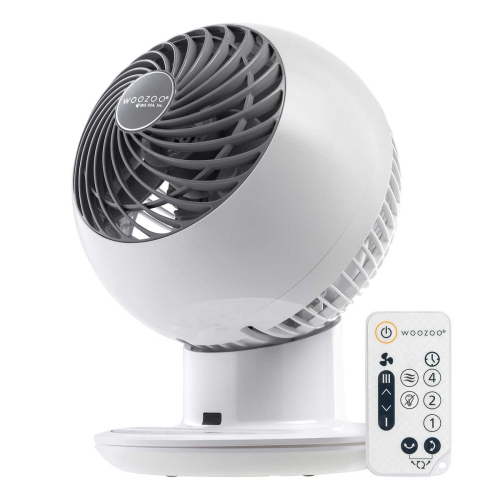 Your price for this item is $61.94
-
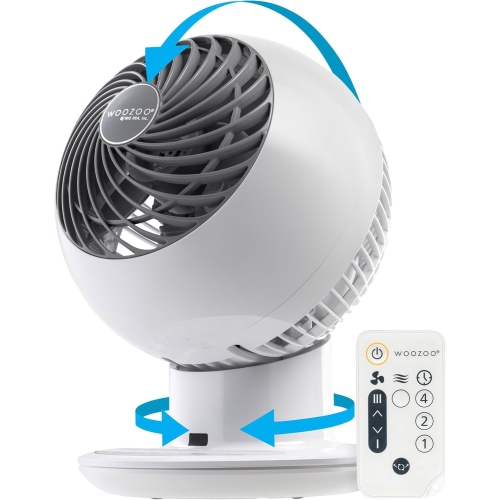 Your price for this item is $61.94
-
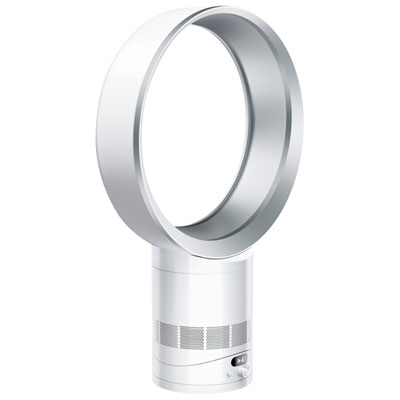 Your price for this item is $379.99
-
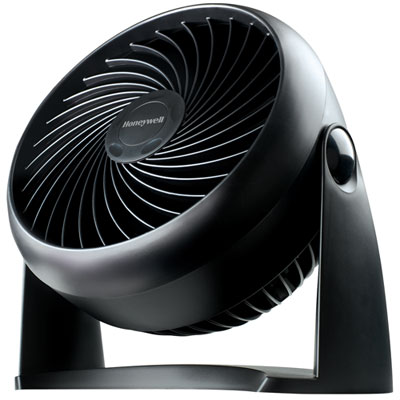 Your price for this item is $24.99
-
 Your price for this item is $73.7
-
 Your price for this item is $199.99
-
 Your price for this item is $199.99
-
 Your price for this item is $69.99
Discover more categories related to Turbo Fans


Top Collections:
Pokemon Centers, Best Cameras for Sports Photography, Kindle Devices, Samsung Galaxy Phones, Canon G7X Cameras, Pokémon 30th Celebration Cards, Refurbished Apple Laptops, iPhone 15 Apple, Laptops for Students, Budget Smartphones
Some products may be subject to Environmental Handling Fees
(EHF) depending on your province.
Learn more about EHFs.