Wall Oven In Island
Transform your kitchen into a culinary haven with wall ovens on the kitchen islands. Elevate your cooking experience and maximize your kitchen space by seamlessly integrating sleek and functional wall ovens directly into your kitchen island. Whether you're a home chef looking to expand your culinary repertoire or simply seeking a convenient and stylish solution for your cooking needs, wall ovens on kitchen islands are the perfect addition to any modern kitchen.
Sort

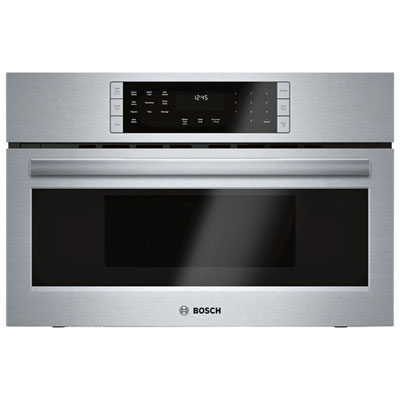
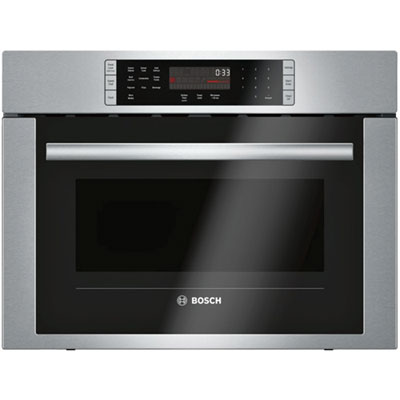
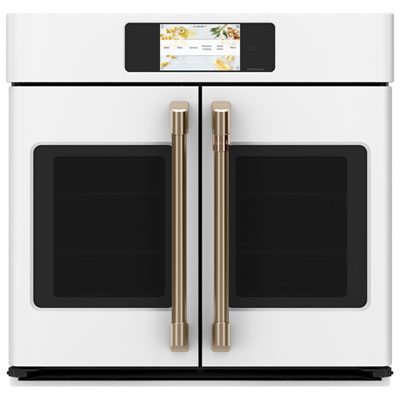
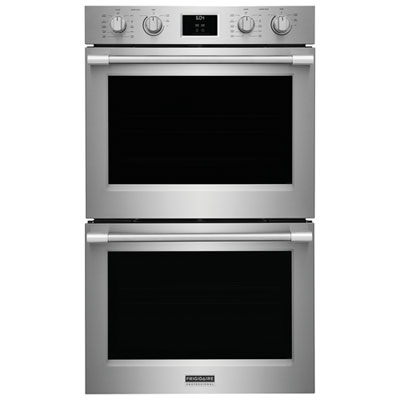
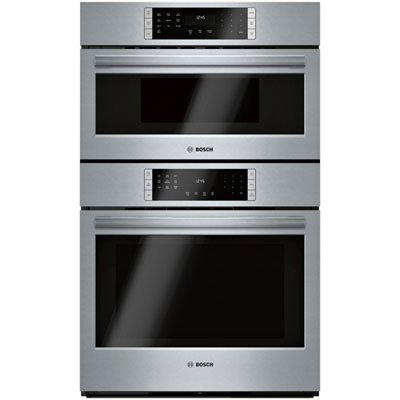
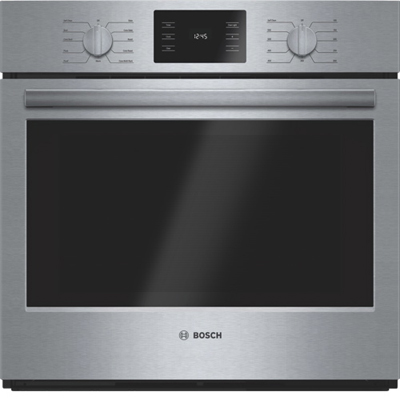
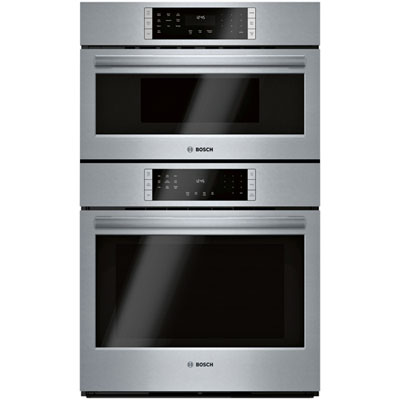
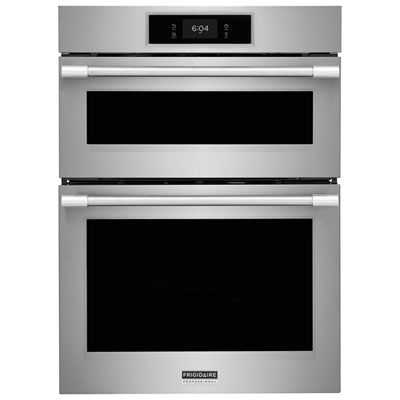
Wall Oven In Island
Integrating a wall oven into your kitchen island is a design-forward choice that brings both style and functionality to the heart of your home. This configuration is especially appealing for those who love to entertain, as it creates a central hub where cooking and socializing naturally blend. With the oven situated in the island, you can face your guests or family while preparing meals, making it easy to keep conversations flowing even as you check on a roast or slide in a tray of cookies. This setup is also practical for busy households, as it consolidates cooking appliances in one spot, streamlining meal prep and cleanup. As the weather warms and gatherings move indoors or outdoors, having an island oven means you’re always at the centre of the action, whether hosting a summer brunch or preparing comfort food as the cooler months approach.
When considering a wall oven in island installation, it’s important to plan for a few key factors to ensure both safety and convenience. Ventilation is essential, especially if your kitchen layout doesn’t allow for a traditional overhead hood. Many homeowners opt for a downdraft system to efficiently remove cooking odours and steam, though this can add to the complexity and cost of your project. Clearance is another crucial aspect—you’ll want to maintain at least 42 to 48 inches of space around the island to allow for easy movement, particularly when the oven door is open. This is vital for family kitchens where kids may be running around or where multiple people are preparing food at once. The depth and width of your island should also be evaluated to confirm it can accommodate the oven, cabinetry, and maintain a comfortable workflow. While some may find bending to access the lower racks of an island oven less ergonomic than a traditional wall-mounted oven, the benefit is that you avoid stooping as much as you would with a standard range. For those seeking alternatives, some kitchens feature a cooktop in the island paired with a wall oven on a perimeter wall; you can explore more about this option through our Cooktop On Island page.
A wall oven in island setup is well-suited for avid home chefs, growing families, and anyone who enjoys hosting. It can also make a thoughtful housewarming or wedding gift for those embarking on a kitchen renovation, offering both visual appeal and everyday practicality. Picture prepping holiday feasts, baking with children, or assembling appetizers for a game night—all while staying engaged with your guests. The island oven’s central placement encourages communal cooking and makes it easier to serve dishes straight from the oven to the table. Whether you’re updating your kitchen for the first time or looking to enhance an open-concept space, this configuration offers a contemporary solution that adapts to a range of lifestyles and culinary ambitions. With the right planning and attention to detail, an island oven can become the focal point of your kitchen, supporting memorable meals and moments throughout the changing seasons.
When considering a wall oven in island installation, it’s important to plan for a few key factors to ensure both safety and convenience. Ventilation is essential, especially if your kitchen layout doesn’t allow for a traditional overhead hood. Many homeowners opt for a downdraft system to efficiently remove cooking odours and steam, though this can add to the complexity and cost of your project. Clearance is another crucial aspect—you’ll want to maintain at least 42 to 48 inches of space around the island to allow for easy movement, particularly when the oven door is open. This is vital for family kitchens where kids may be running around or where multiple people are preparing food at once. The depth and width of your island should also be evaluated to confirm it can accommodate the oven, cabinetry, and maintain a comfortable workflow. While some may find bending to access the lower racks of an island oven less ergonomic than a traditional wall-mounted oven, the benefit is that you avoid stooping as much as you would with a standard range. For those seeking alternatives, some kitchens feature a cooktop in the island paired with a wall oven on a perimeter wall; you can explore more about this option through our Cooktop On Island page.
A wall oven in island setup is well-suited for avid home chefs, growing families, and anyone who enjoys hosting. It can also make a thoughtful housewarming or wedding gift for those embarking on a kitchen renovation, offering both visual appeal and everyday practicality. Picture prepping holiday feasts, baking with children, or assembling appetizers for a game night—all while staying engaged with your guests. The island oven’s central placement encourages communal cooking and makes it easier to serve dishes straight from the oven to the table. Whether you’re updating your kitchen for the first time or looking to enhance an open-concept space, this configuration offers a contemporary solution that adapts to a range of lifestyles and culinary ambitions. With the right planning and attention to detail, an island oven can become the focal point of your kitchen, supporting memorable meals and moments throughout the changing seasons.
Top selling and popular products
-
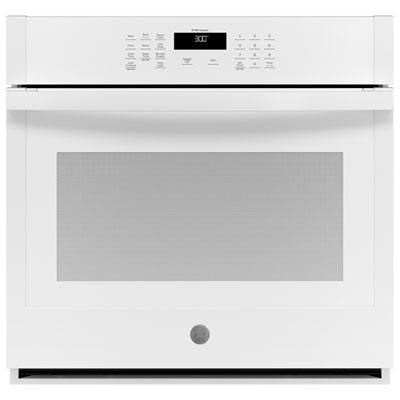 Your price for this item is $2699.99
 -
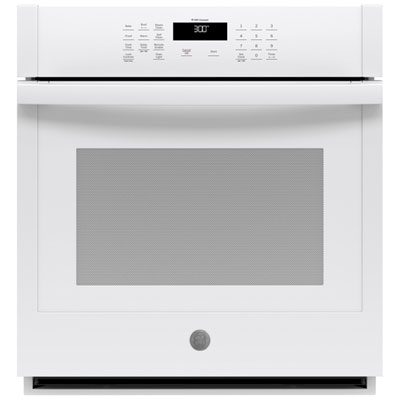 Your price for this item is $2449.99
 -
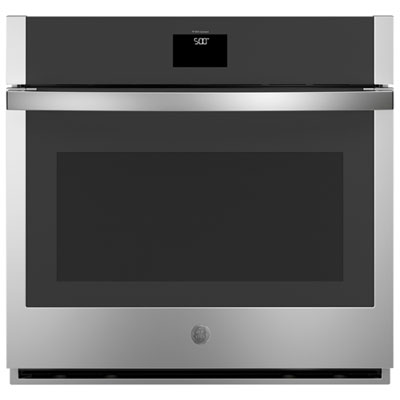 Your price for this item is $2699.99
 -
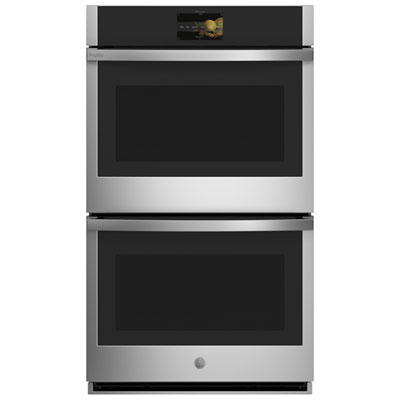 Your price for this item is $4499.99
 -
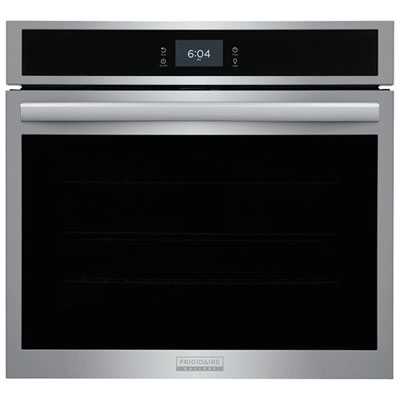 Your price for this item is $1994.99
 -
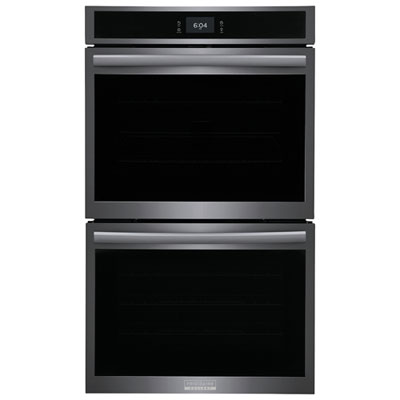 Your price for this item is $3394.99
 -
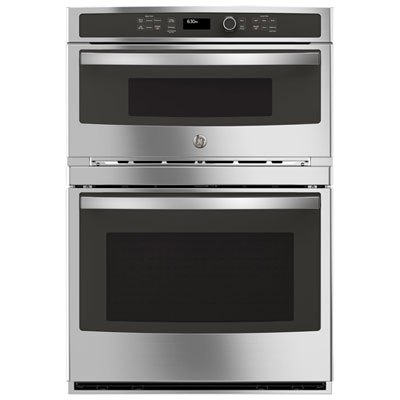 Your price for this item is $4399.99
 -
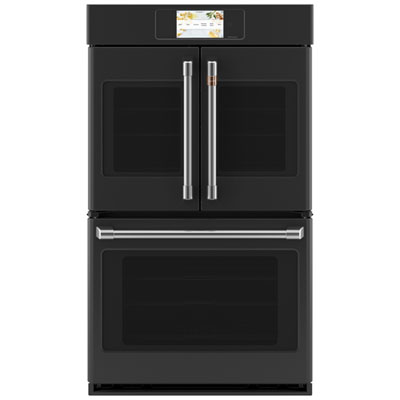 Your price for this item is $8919.99
Discover more categories related to Wall Oven In Island

Top Collections:
RAM Upgrades for PC, Best Laptops for Home Use, Best Cell Phones Under $500, Kindle Devices, Best Quality Dishwashers, Best Type C Hub, Best Wi-Fi Routers, Best External Hard Drives, Apple iPhones 16, Best Noise Cancelling Headphones
Some products may be subject to Environmental Handling Fees
(EHF) depending on your province.
Learn more about EHFs.