Water Testers
Ensuring the quality of your water is essential for the health and safety of your household. Our range of water testers provides you with the tools you need to monitor and maintain the purity of your water supply. Whether you are concerned about contaminants, pH levels, or overall water quality, our selection of water testers offers accurate and reliable results. Stay informed and empowered to make informed decisions about your water with our diverse range of testing options.
Sort
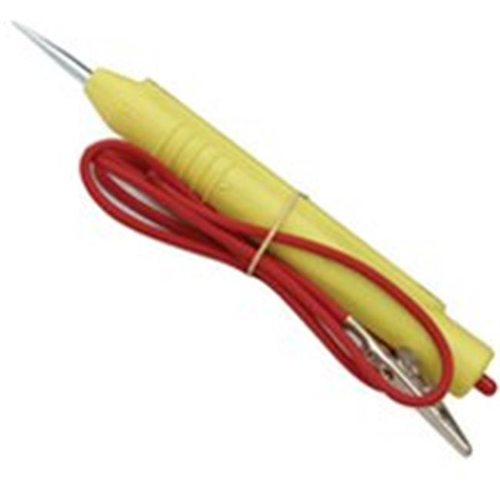
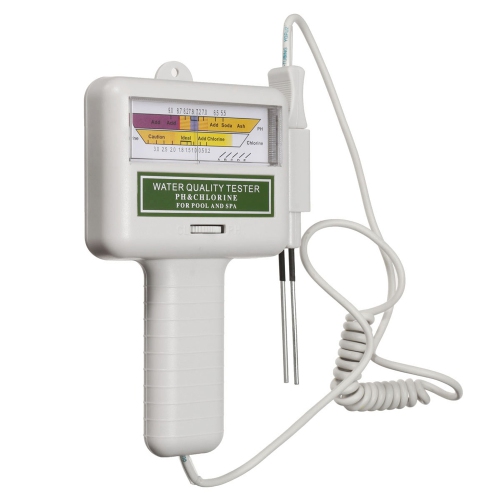
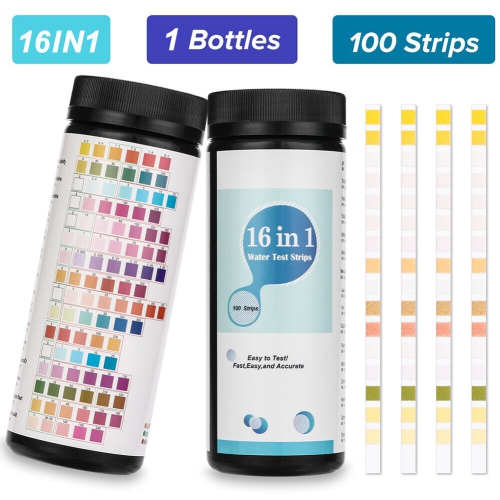
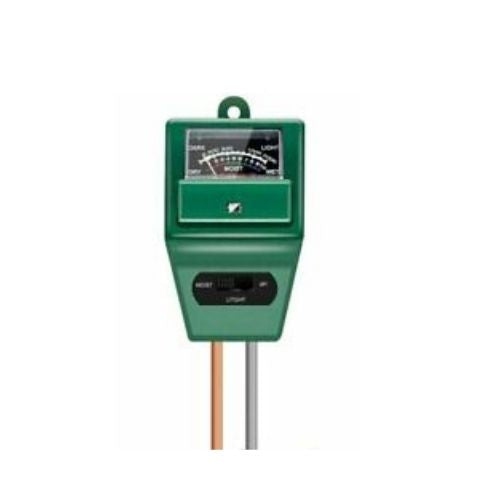
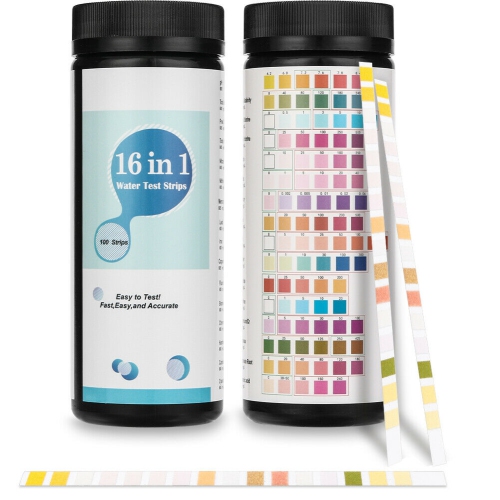
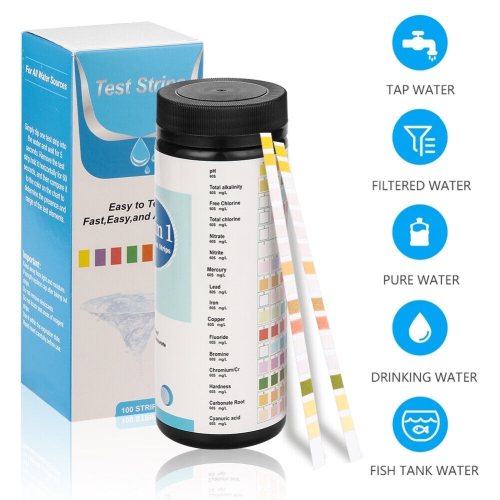
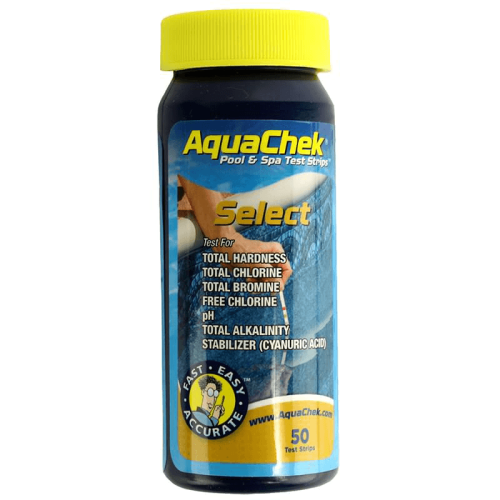
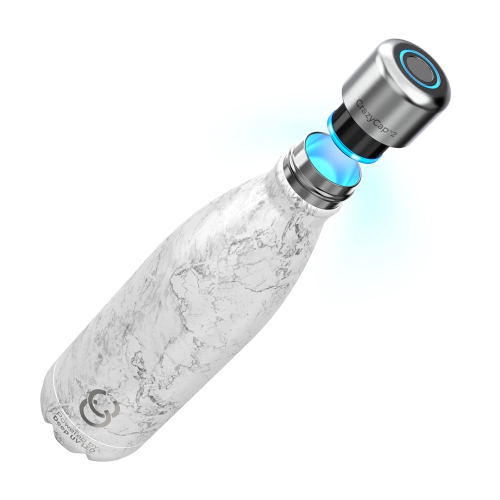
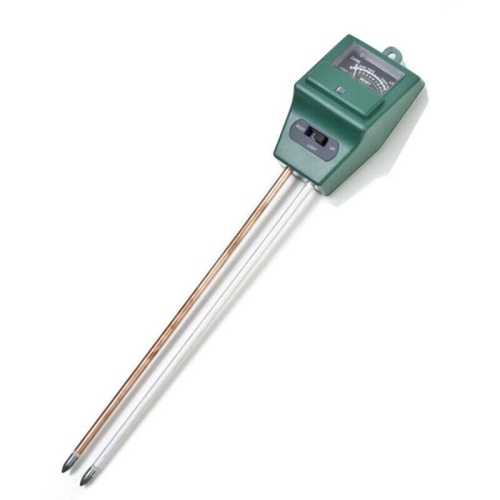
What water testing can reveal about your household water
Water testers provide a practical way to learn more about the water used for drinking, cooking, bathing, gardening, aquariums and household appliances. Depending on the design, a tester may check one specific characteristic or screen for several common water-quality indicators, including pH, hardness, chlorine, nitrates, nitrites, copper, iron, lead and total dissolved solids. Test strips are simple to use: a strip is dipped into a water sample, then compared with the colour chart supplied with the kit after the recommended waiting period. Digital meters offer a different experience, using a probe or sensor to provide a numerical reading for factors such as pH, temperature, electrical conductivity or total dissolved solids. They can be especially useful for taking repeat measurements and observing changes over time, such as after installing or replacing a filter. For a broader selection of handheld testing devices and home measurement tools, browse Testing Meters. Before choosing a water tester, consider the source of the water and the reason for testing. Municipal water users may want to investigate an unusual taste, odour, cloudiness or scale buildup, while people with private wells may need to monitor a more extensive range of conditions according to local guidance. Families moving into a new home, renters trying to understand their tap water, cottage owners reopening a property after the cooler months, and gardeners adjusting water for sensitive plants can all find useful information through regular testing. Aquarium owners also rely on water measurements to help maintain suitable conditions for fish and aquatic life, although aquarium-specific tests may be required for accurate results.
The most important purchase consideration is the parameter a tester is designed to measure. A pH meter does not automatically detect bacteria, heavy metals or pesticides, and a total dissolved solids meter cannot identify each substance contributing to its reading. Multi-parameter kits can provide a convenient first check across several categories, but the number of tests included, the detection ranges and the instructions can vary considerably. Look for clear information about what is included, how many tests are available, the expected testing time, and whether calibration solutions, batteries, sample containers or replacement strips are required. Digital models may be appealing for their quick readouts and reusable design, but they can require calibration and careful cleaning between samples. Test strips are often compact and straightforward for occasional checks, though colour matching can be affected by lighting, timing or difficulty distinguishing similar shades. For any method, collect the sample exactly as directed, use clean containers, avoid touching reactive areas, and record the result with the date and location. Testing the same tap under similar conditions makes it easier to notice a pattern rather than focusing on one unexpected reading. Hard water, for example, may leave white deposits around faucets and create a mineral taste, while iron can contribute to staining or a metallic flavour. A high or low pH reading may offer a useful clue, but it does not explain every change in taste, smell or appearance. If a result is concerning, inconsistent or outside the range expected for the water source, repeat the test with fresh materials and contact the appropriate local water authority or a certified laboratory for professional analysis.
Water testers can be a thoughtful gift for practical-minded homeowners, new buyers, cottage visitors, aquarium enthusiasts, hobby gardeners and anyone who enjoys understanding how household systems work. They are small enough to keep near a utility sink, workshop, garage or gardening area, and many kits are convenient to take to a cottage or use when checking water from a well, rain barrel or other non-municipal source. A tester can also complement a new water filter, softener or purification system by helping the user compare readings before and after installation, provided the meter or kit is designed to measure the relevant characteristic. During the cooler months, indoor plumbing may receive more attention as people spend more time at home, while seasonal properties may benefit from a check before extended use or winter closure. Water testing is also useful after plumbing work, a change in water source, flooding, a long period of disuse or a noticeable shift in taste, smell or colour. Results from an at-home tester should be treated as screening information rather than proof that water is completely safe. No inexpensive strip or handheld device checks for every possible contaminant, and some tests require laboratory equipment for reliable identification. Bacteria tests, heavy-metal analysis and other specialized checks may need specific sample handling and certified laboratory processing. Keeping the instructions, test records and any laboratory reports together can help with follow-up conversations and future comparisons. With the right type of tester and realistic expectations about what it measures, checking water can become a straightforward part of home care and everyday awareness.
The most important purchase consideration is the parameter a tester is designed to measure. A pH meter does not automatically detect bacteria, heavy metals or pesticides, and a total dissolved solids meter cannot identify each substance contributing to its reading. Multi-parameter kits can provide a convenient first check across several categories, but the number of tests included, the detection ranges and the instructions can vary considerably. Look for clear information about what is included, how many tests are available, the expected testing time, and whether calibration solutions, batteries, sample containers or replacement strips are required. Digital models may be appealing for their quick readouts and reusable design, but they can require calibration and careful cleaning between samples. Test strips are often compact and straightforward for occasional checks, though colour matching can be affected by lighting, timing or difficulty distinguishing similar shades. For any method, collect the sample exactly as directed, use clean containers, avoid touching reactive areas, and record the result with the date and location. Testing the same tap under similar conditions makes it easier to notice a pattern rather than focusing on one unexpected reading. Hard water, for example, may leave white deposits around faucets and create a mineral taste, while iron can contribute to staining or a metallic flavour. A high or low pH reading may offer a useful clue, but it does not explain every change in taste, smell or appearance. If a result is concerning, inconsistent or outside the range expected for the water source, repeat the test with fresh materials and contact the appropriate local water authority or a certified laboratory for professional analysis.
Water testers can be a thoughtful gift for practical-minded homeowners, new buyers, cottage visitors, aquarium enthusiasts, hobby gardeners and anyone who enjoys understanding how household systems work. They are small enough to keep near a utility sink, workshop, garage or gardening area, and many kits are convenient to take to a cottage or use when checking water from a well, rain barrel or other non-municipal source. A tester can also complement a new water filter, softener or purification system by helping the user compare readings before and after installation, provided the meter or kit is designed to measure the relevant characteristic. During the cooler months, indoor plumbing may receive more attention as people spend more time at home, while seasonal properties may benefit from a check before extended use or winter closure. Water testing is also useful after plumbing work, a change in water source, flooding, a long period of disuse or a noticeable shift in taste, smell or colour. Results from an at-home tester should be treated as screening information rather than proof that water is completely safe. No inexpensive strip or handheld device checks for every possible contaminant, and some tests require laboratory equipment for reliable identification. Bacteria tests, heavy-metal analysis and other specialized checks may need specific sample handling and certified laboratory processing. Keeping the instructions, test records and any laboratory reports together can help with follow-up conversations and future comparisons. With the right type of tester and realistic expectations about what it measures, checking water can become a straightforward part of home care and everyday awareness.
Top selling and popular products
-
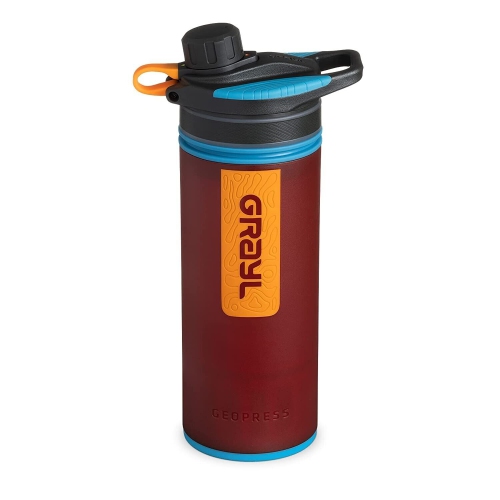 Your price for this item is $124.95
 -
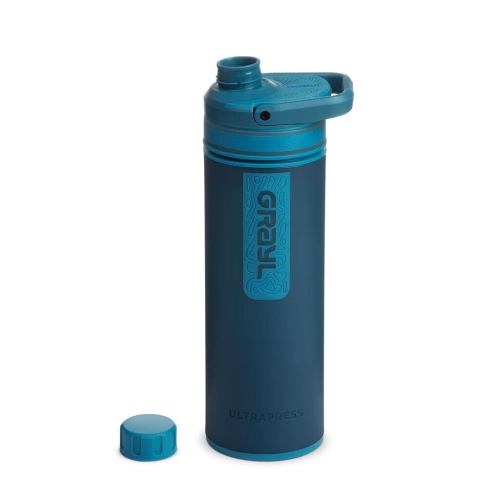 Your price for this item is $114.95
 -
 Your price for this item is $114.95
 -
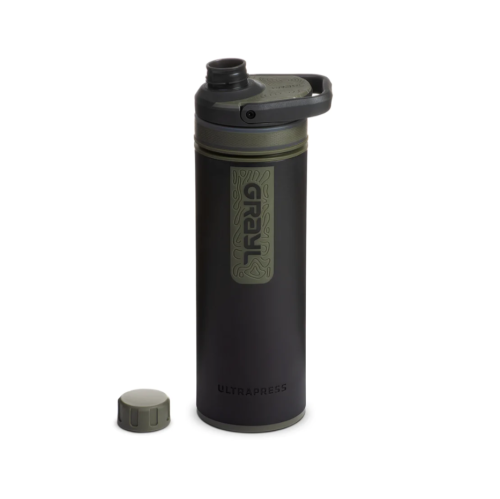 Your price for this item is $114.95
 -
 Your price for this item is $114.95
 -
 Your price for this item is $499.99
 -
 Your price for this item is $157.9
 -
 Your price for this item is $67.94
Discover more categories related to Water Testers
Top Collections:
Pokemon Centers, Kindle Devices, Best Cell Phones Under $500, Alarm Clock, Canon G7X Cameras, iPhone 15 Apple, Apple iPhones 16, Laptops for Students, iPhone 14 256GB, Budget Smartphones
Some products may be subject to Environmental Handling Fees
(EHF) depending on your province.
Learn more about EHFs.