Testing Meters
Explore the world of precision and accuracy with our diverse selection of testing meters, designed to meet a variety of needs across different fields. Whether you're a professional technician or a dedicated DIY enthusiast, finding the right tool is essential for ensuring optimal performance and safety. Our collection includes options tailored for various applications, allowing you to measure electrical currents, environmental conditions, and more with confidence. Discover reliable solutions that offer ease of use and dependable results, helping you achieve your goals efficiently.
Sort
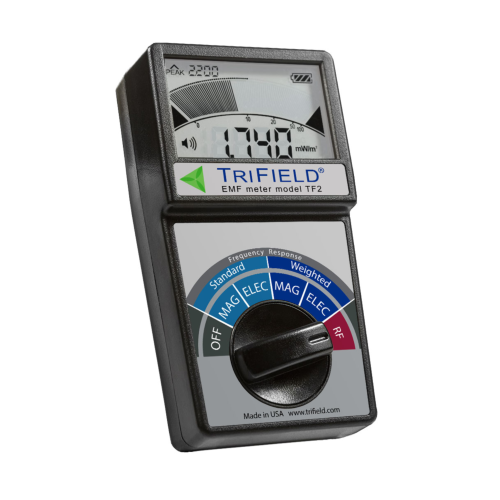
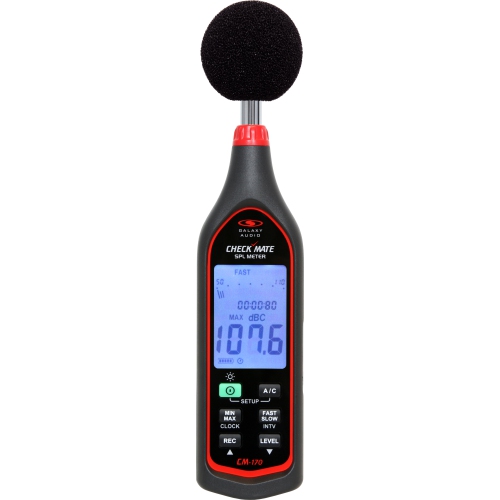
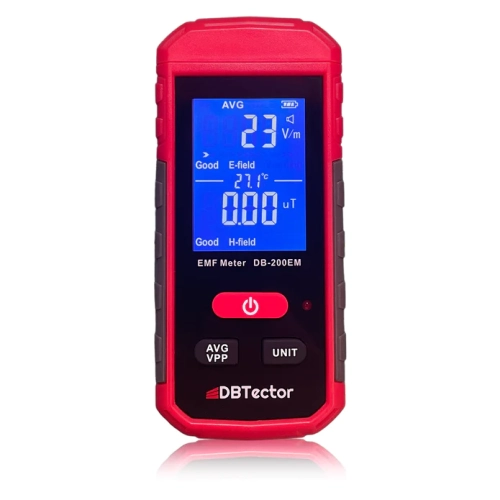
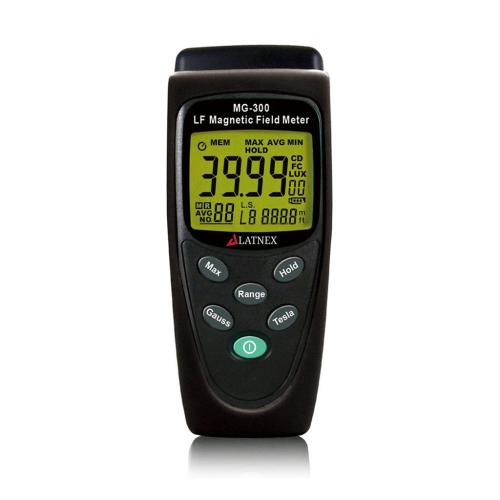

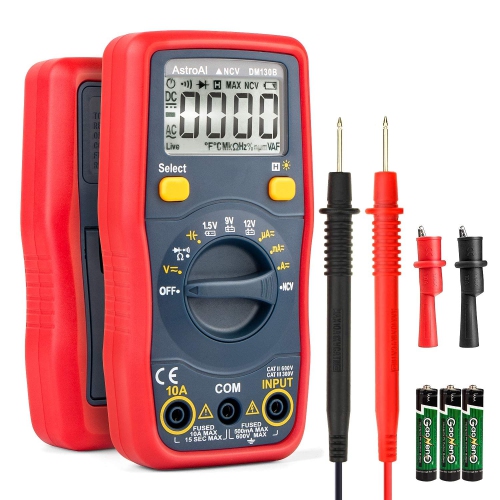
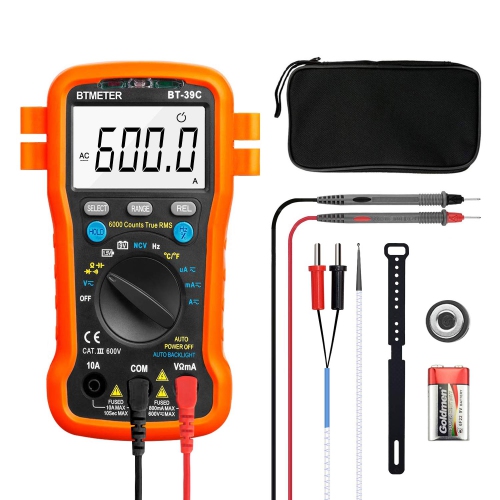
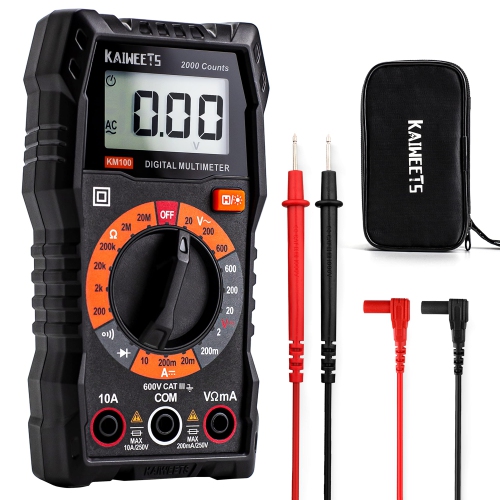
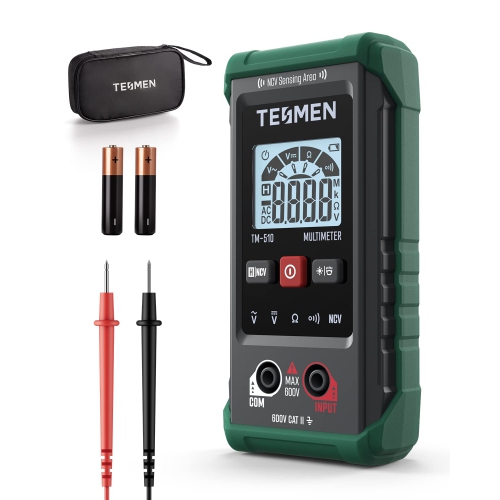

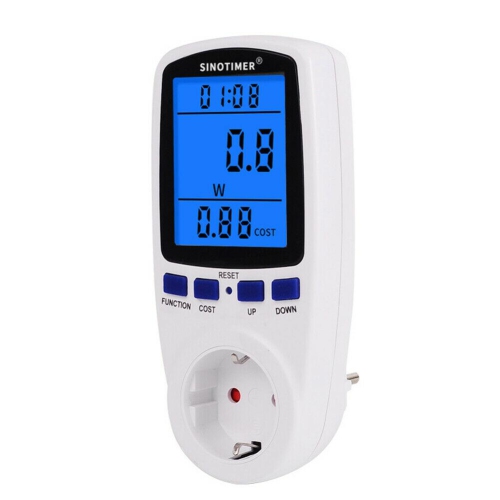
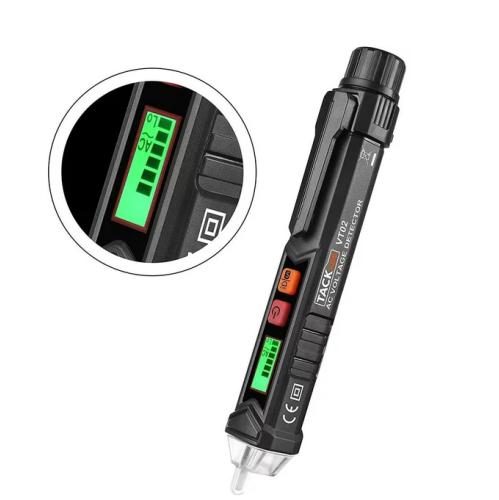

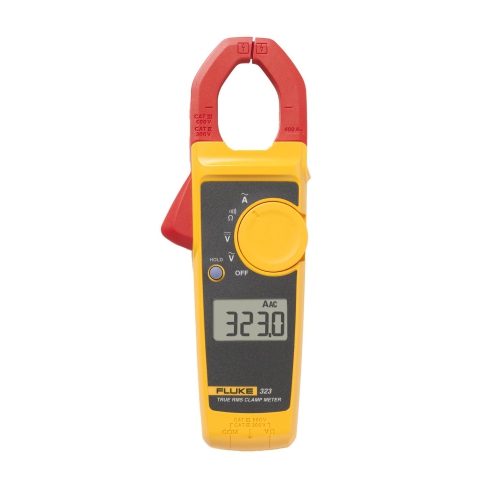
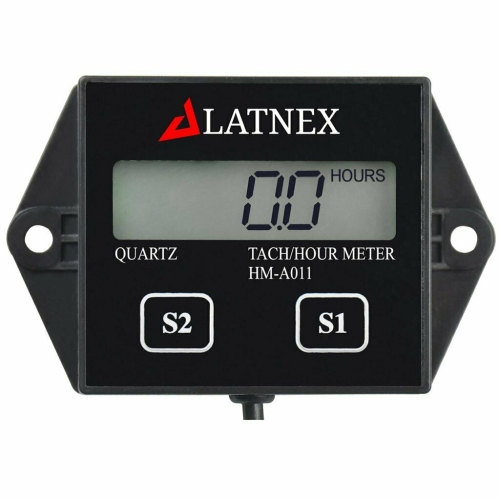
Practical guidance for measuring circuits and troubleshooting electrical issues
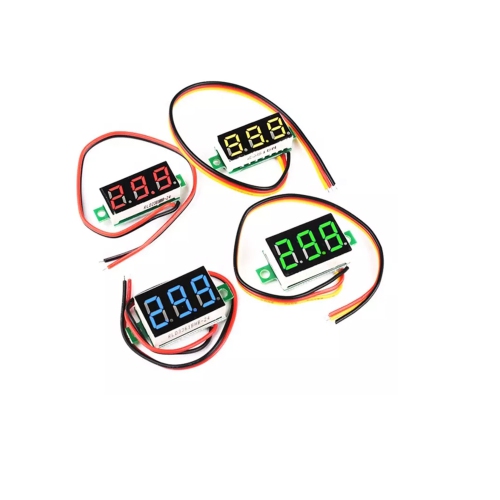
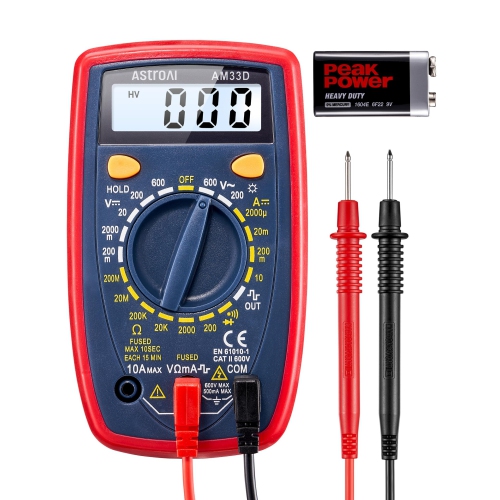
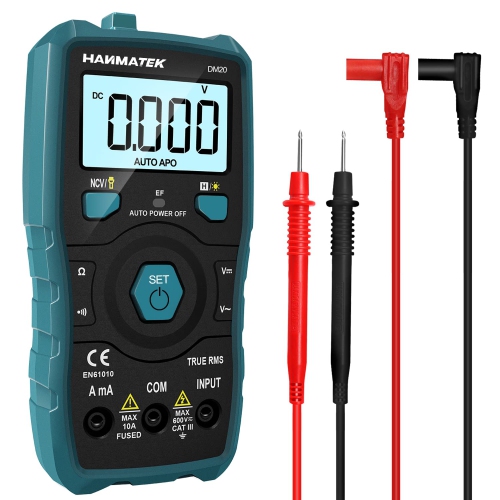
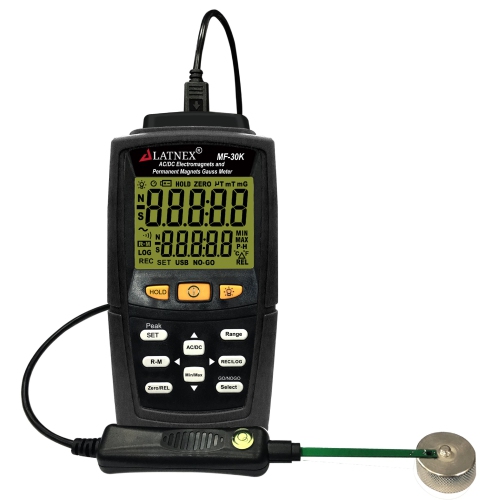
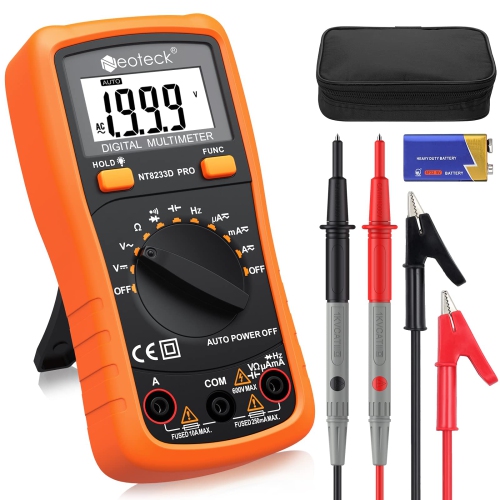
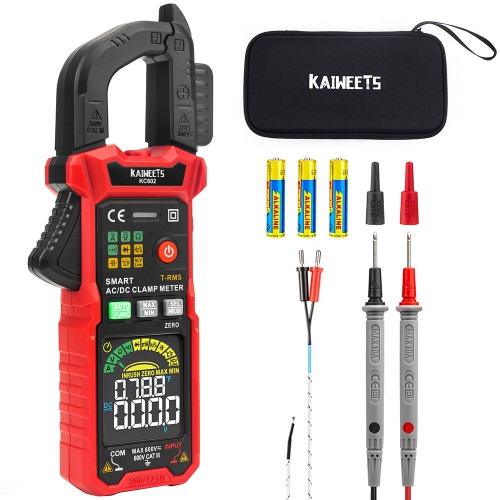
Testing meters are portable tools designed to help measure and assess electrical circuits, components, and equipment. The most familiar type is the digital multimeter, which can typically measure AC and DC voltage, resistance, and continuity with test probes. Other testing meters are built for more specific tasks: clamp meters measure current by clamping around a conductor, insulation testers apply a higher test voltage to assess the condition of wire or motor insulation, and non-contact voltage testers provide a quick indication that voltage may be present. Together, these tools can help electricians, maintenance professionals, technicians, makers, and experienced do-it-yourself users investigate issues such as a tripped circuit, a device that will not power on, a suspected broken wire, or a battery that is no longer holding a charge. They can also be useful for checking continuity in switches, fuses, and cables, comparing expected readings with actual readings, and confirming whether a circuit is behaving consistently. If you are also looking for tools that display physical measurements such as distance, temperature, or pressure, you may want to browse Measurement Gauges for additional options. Testing meters are often compact enough to keep in a toolbox, service bag, workshop drawer, or vehicle, making them convenient for regular maintenance and troubleshooting throughout the year. They can be a thoughtful gift for someone setting up a home workshop, studying electrical technology, maintaining a recreational vehicle, restoring older equipment, or learning practical electronics, provided the recipient understands that safe use and proper training are essential.
When choosing a testing meter, start with the measurements you expect to make most often. A general-purpose digital multimeter may be suitable for checking household batteries, low-voltage electronics, continuity, and basic AC or DC voltage. A clamp meter can be more convenient when measuring current in a cable because it is designed to surround a single conductor rather than requiring the circuit to be disconnected. For work involving motors, long cable runs, or older wiring, look for a meter with the functions and measurement range appropriate to the task, along with clear digital readouts and easy-to-use controls. Automatic ranging can simplify everyday checks by selecting a suitable range for the measured value, while manual ranging may appeal to users who want more direct control. Consider the display size and visibility, especially if readings will be taken in a dim basement, a crowded utility area, or outdoors during the cooler months. Backlighting, a built-in work light, audible continuity alerts, data hold, and a protective case can all make a meter easier to use in real working conditions. The included test leads matter as well: they should be long enough for comfortable positioning, have secure probe tips, and match the meter’s intended functions. For current measurements, verify whether the tool is designed for AC, DC, or both. For insulation testing, confirm the available test voltage and make sure it is appropriate for the equipment being assessed. Safety ratings are particularly important when working near mains electricity. Look for clearly stated category ratings, suitable input protection, and instructions that explain the meter’s limits. A simple voltage tester may be useful for a quick preliminary check, but it should not replace a properly rated meter or an established lockout and verification procedure when working on an electrical installation.
Before taking a reading, inspect the meter, casing, probes, and leads for cracks, exposed conductors, bent tips, or other damage, and replace batteries when the display becomes faint or readings seem unreliable. Set the function and range before touching the probes to a circuit. On a typical multimeter, the black lead is connected to the COM port and the red lead is connected to the input marked for the measurement being made; the correct connection can vary by meter, so the supplied instructions should be followed carefully. For voltage, place the probes across the points being compared rather than placing them in series. For resistance or continuity, disconnect power from the circuit first, allow stored energy to discharge, and then touch the probes to the two points being checked. When using a clamp meter, clamp around a single conductor, since including both the outgoing and returning conductors can cause their magnetic fields to cancel and produce an incorrect result. Keep fingers behind the probe guards, use one hand where appropriate, and never exceed the meter’s rated voltage, current, or measurement category. A reading that changes unexpectedly, seems far outside the expected range, or conflicts with the equipment’s normal operation deserves further investigation rather than guesswork. Testing meters are valuable for observing and diagnosing electrical conditions, but they do not make hazardous work safe by themselves. Anyone who is uncertain about a circuit, household wiring, high voltage, damaged equipment, or insulation testing should stop and consult a qualified electrician or trained technician. With the right meter, suitable accessories, and a careful routine, testing becomes a more orderly process: inspect the tool, select the correct function, make secure contact, record the result, and compare it with the expected value before deciding on the next step.
When choosing a testing meter, start with the measurements you expect to make most often. A general-purpose digital multimeter may be suitable for checking household batteries, low-voltage electronics, continuity, and basic AC or DC voltage. A clamp meter can be more convenient when measuring current in a cable because it is designed to surround a single conductor rather than requiring the circuit to be disconnected. For work involving motors, long cable runs, or older wiring, look for a meter with the functions and measurement range appropriate to the task, along with clear digital readouts and easy-to-use controls. Automatic ranging can simplify everyday checks by selecting a suitable range for the measured value, while manual ranging may appeal to users who want more direct control. Consider the display size and visibility, especially if readings will be taken in a dim basement, a crowded utility area, or outdoors during the cooler months. Backlighting, a built-in work light, audible continuity alerts, data hold, and a protective case can all make a meter easier to use in real working conditions. The included test leads matter as well: they should be long enough for comfortable positioning, have secure probe tips, and match the meter’s intended functions. For current measurements, verify whether the tool is designed for AC, DC, or both. For insulation testing, confirm the available test voltage and make sure it is appropriate for the equipment being assessed. Safety ratings are particularly important when working near mains electricity. Look for clearly stated category ratings, suitable input protection, and instructions that explain the meter’s limits. A simple voltage tester may be useful for a quick preliminary check, but it should not replace a properly rated meter or an established lockout and verification procedure when working on an electrical installation.
Before taking a reading, inspect the meter, casing, probes, and leads for cracks, exposed conductors, bent tips, or other damage, and replace batteries when the display becomes faint or readings seem unreliable. Set the function and range before touching the probes to a circuit. On a typical multimeter, the black lead is connected to the COM port and the red lead is connected to the input marked for the measurement being made; the correct connection can vary by meter, so the supplied instructions should be followed carefully. For voltage, place the probes across the points being compared rather than placing them in series. For resistance or continuity, disconnect power from the circuit first, allow stored energy to discharge, and then touch the probes to the two points being checked. When using a clamp meter, clamp around a single conductor, since including both the outgoing and returning conductors can cause their magnetic fields to cancel and produce an incorrect result. Keep fingers behind the probe guards, use one hand where appropriate, and never exceed the meter’s rated voltage, current, or measurement category. A reading that changes unexpectedly, seems far outside the expected range, or conflicts with the equipment’s normal operation deserves further investigation rather than guesswork. Testing meters are valuable for observing and diagnosing electrical conditions, but they do not make hazardous work safe by themselves. Anyone who is uncertain about a circuit, household wiring, high voltage, damaged equipment, or insulation testing should stop and consult a qualified electrician or trained technician. With the right meter, suitable accessories, and a careful routine, testing becomes a more orderly process: inspect the tool, select the correct function, make secure contact, record the result, and compare it with the expected value before deciding on the next step.
Top selling and popular products
-
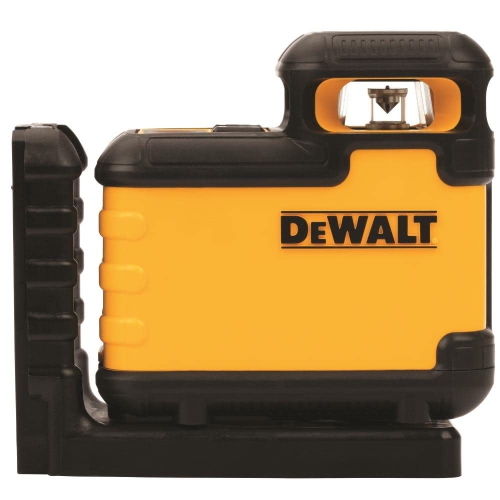 Your price for this item is $150
 -
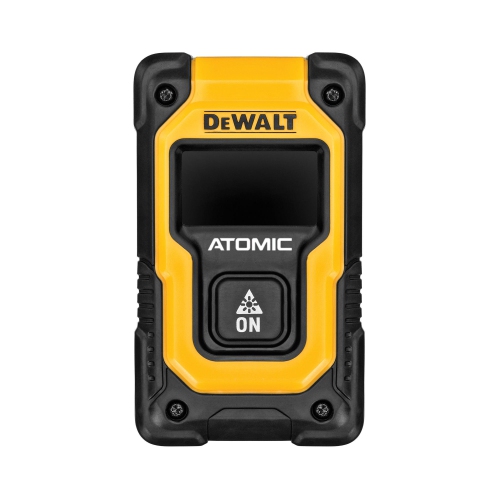 Your price for this item is $52.99
 -
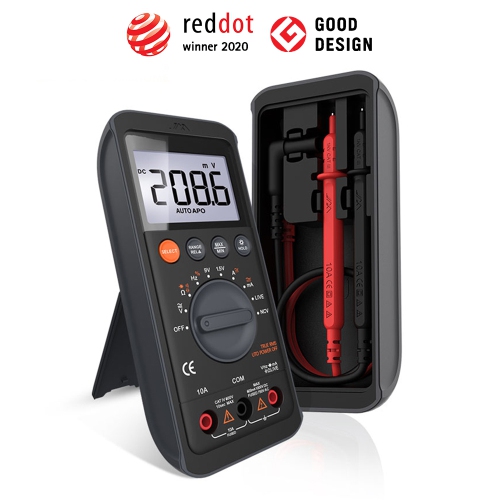 Your price for this item is $60.99
 -
 Your price for this item is $76.35
 -
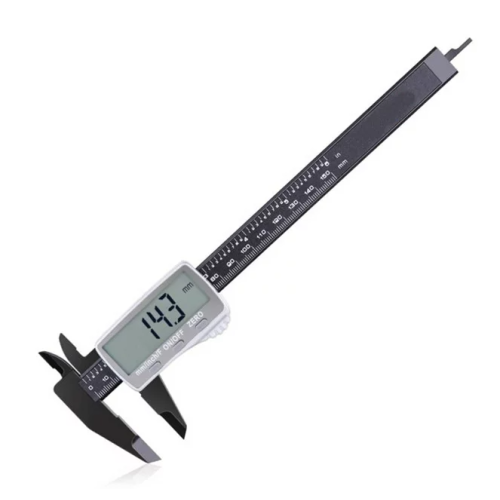 Your price for this item is $9.99
 -
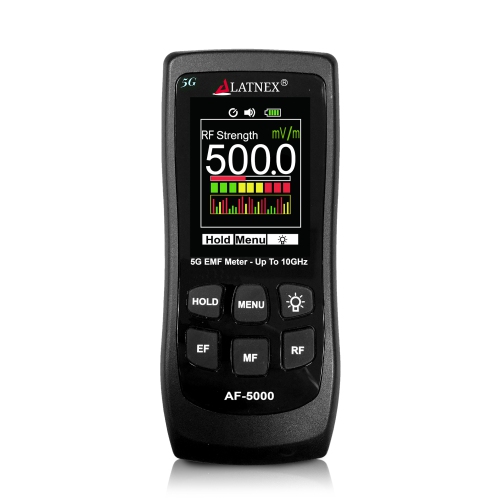 Your price for this item is $277
 -
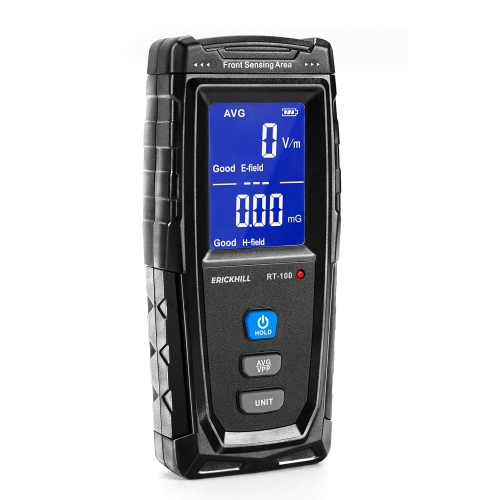 Your price for this item is $89.99
 -
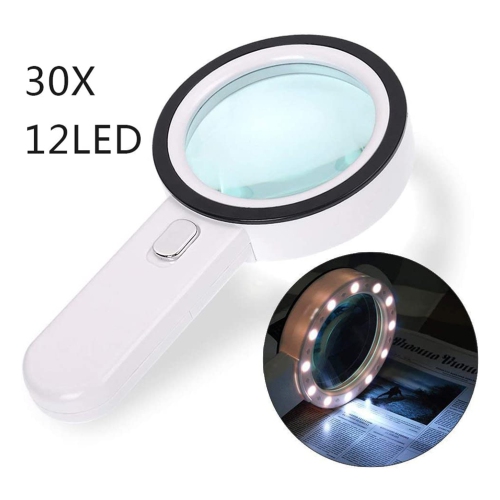 Your price for this item is $23.31
Discover more categories related to Testing Meters

Top Collections:
Pokemon Centers, Kindle Devices, Best Cell Phones Under $500, Alarm Clock, Canon G7X Cameras, iPhone 15 Apple, Apple iPhones 16, Laptops for Students, iPhone 14 256GB, Budget Smartphones
Some products may be subject to Environmental Handling Fees
(EHF) depending on your province.
Learn more about EHFs.