Audio Monitor Speakers
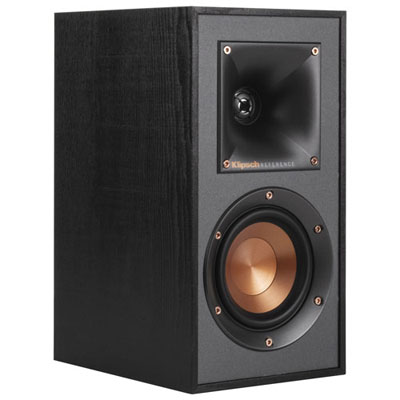
When it comes to enhancing your audio experience, investing in high-quality monitor speakers can make a significant difference. Whether you're a music enthusiast, a content creator, or simply someone who appreciates crisp and clear sound, finding the right pair of audio monitor speakers is essential. With a focus on delivering accurate sound reproduction and detailed acoustics, these speakers are designed to elevate your listening pleasure to new heights. Explore our selection of audio monitor speakers to discover the perfect addition to your home entertainment setup or professional studio.
Sort

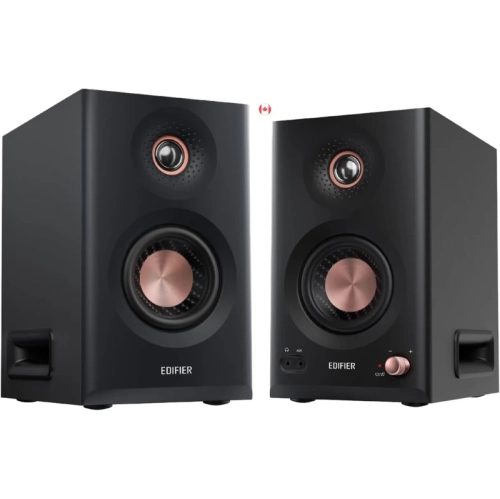
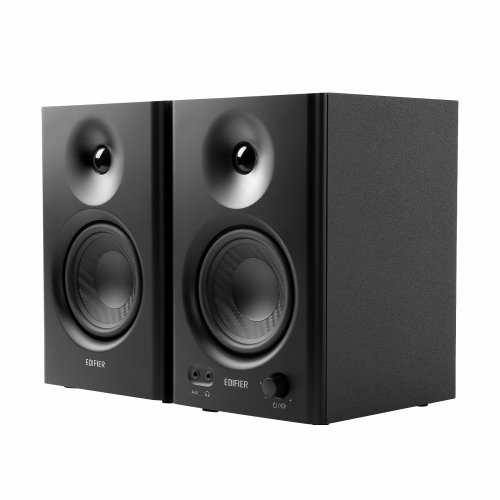
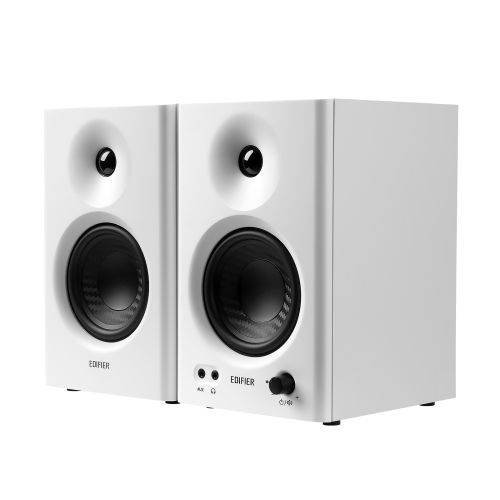
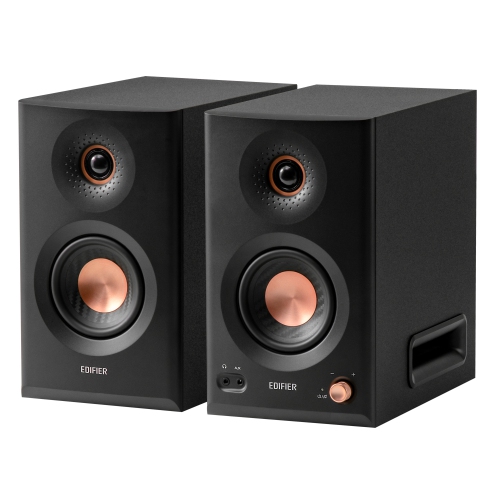
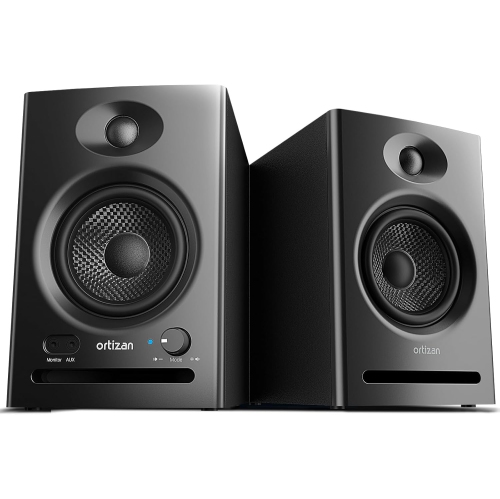
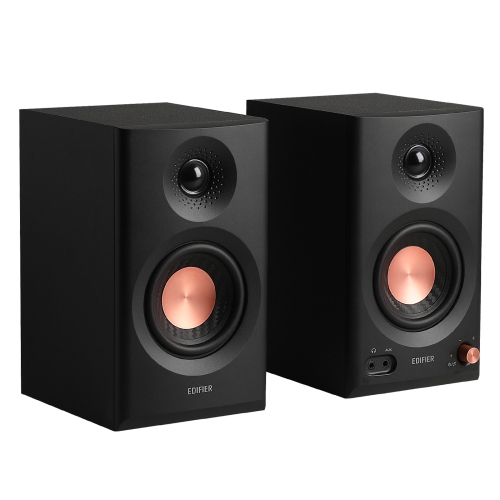
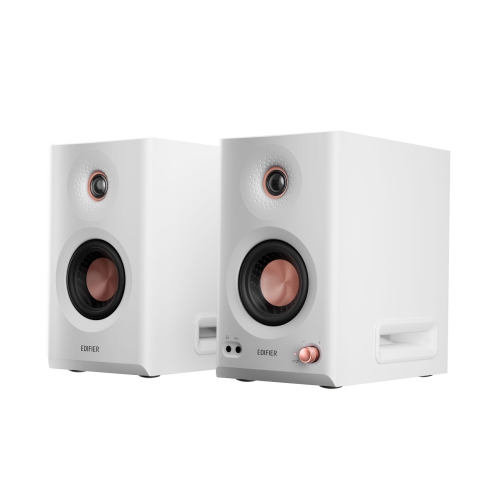
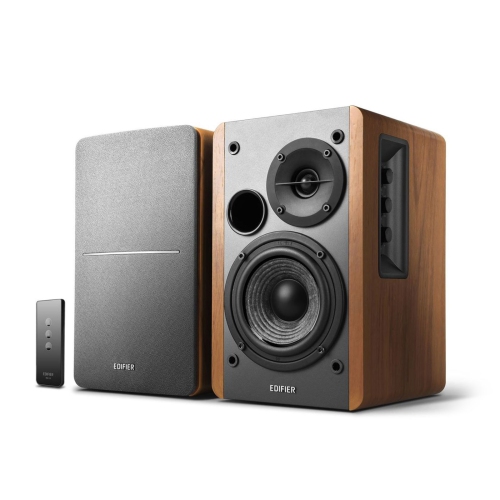
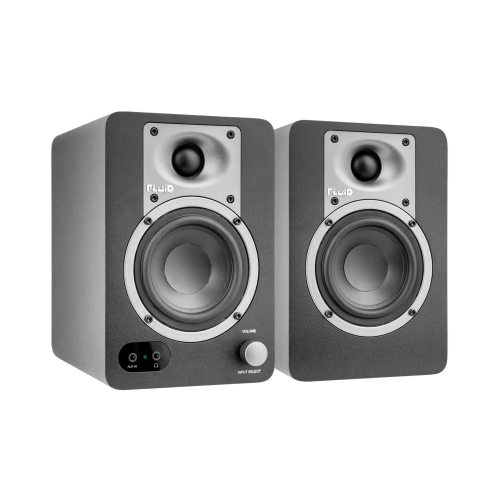
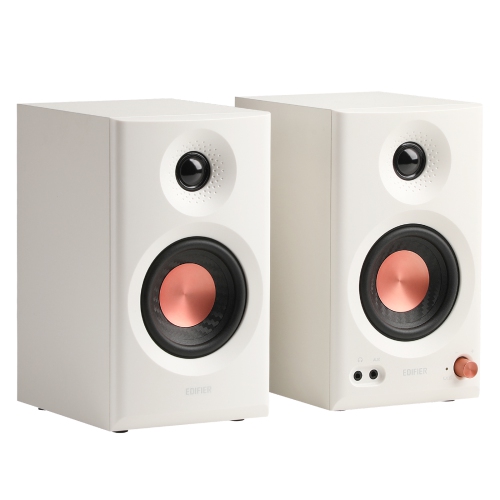
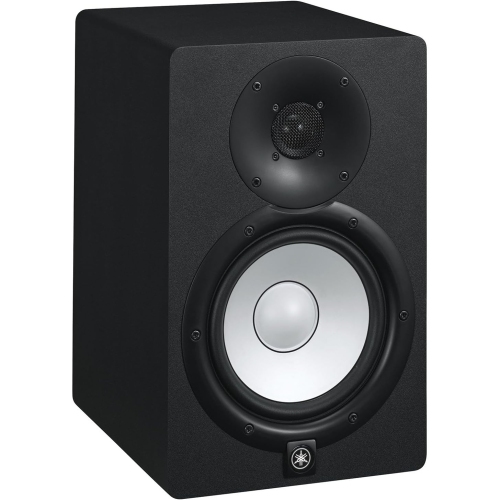
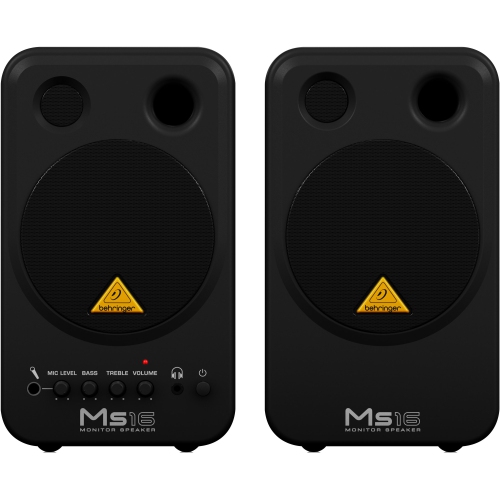
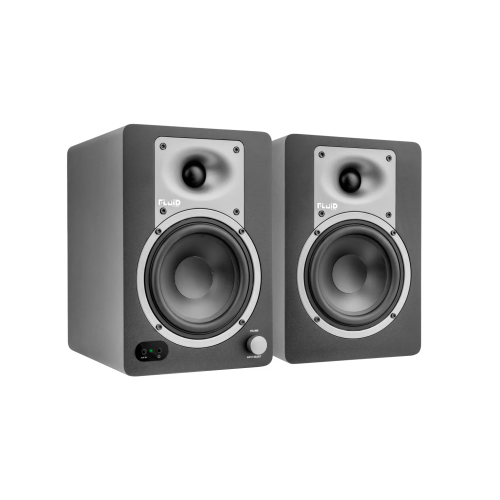
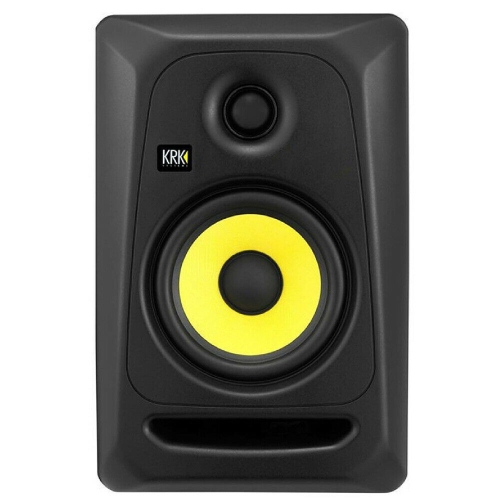
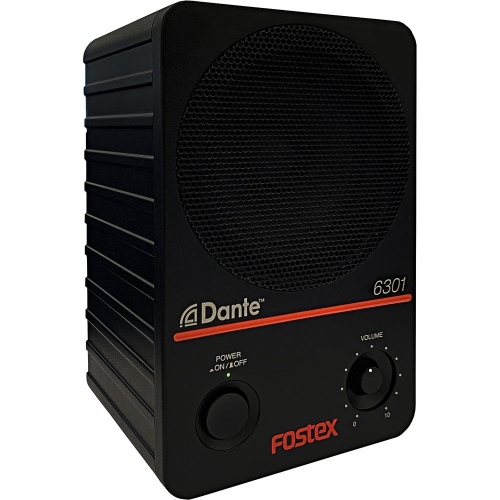
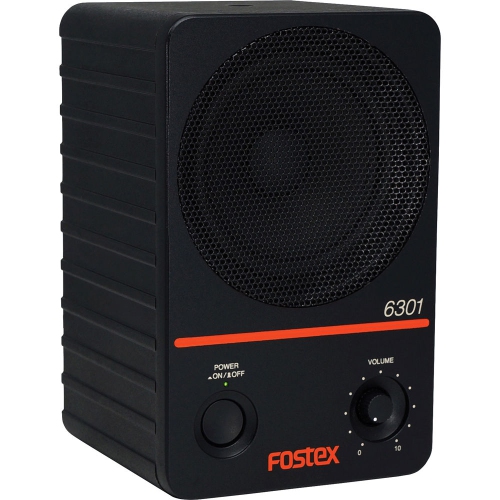


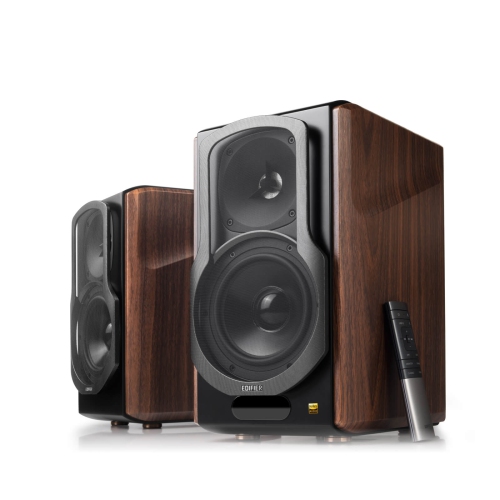
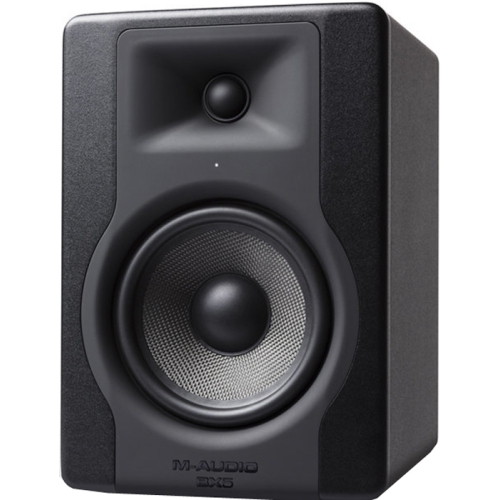
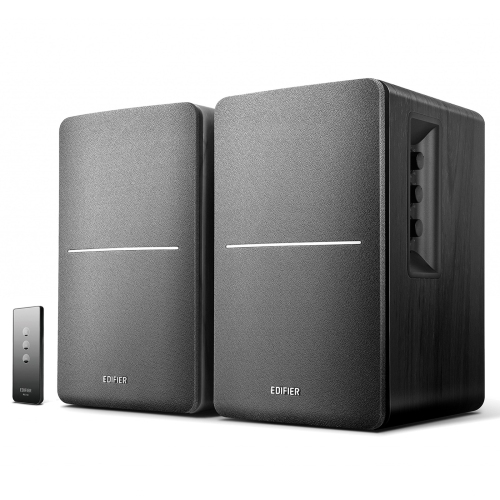

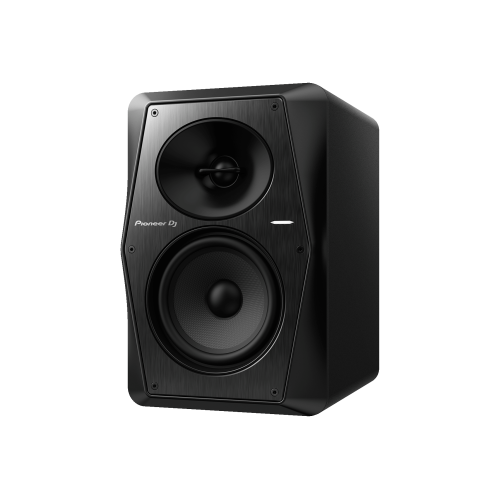
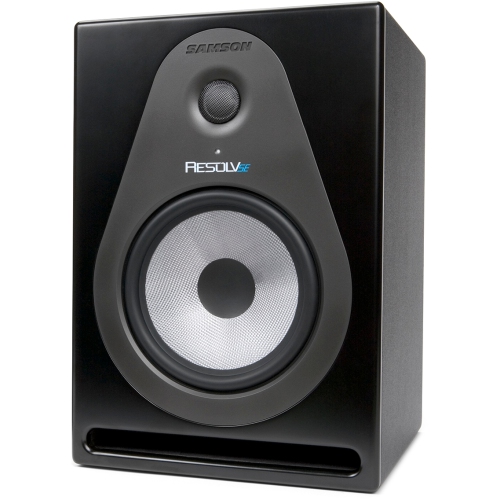
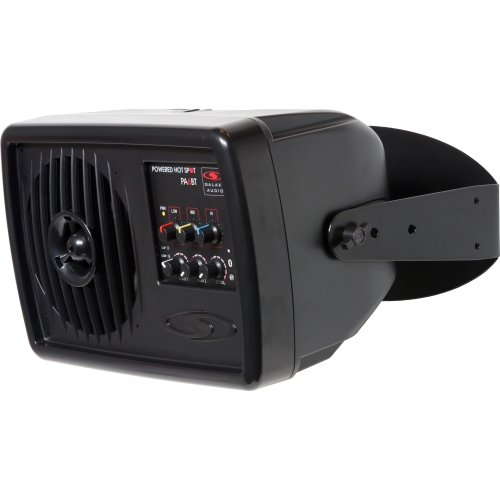
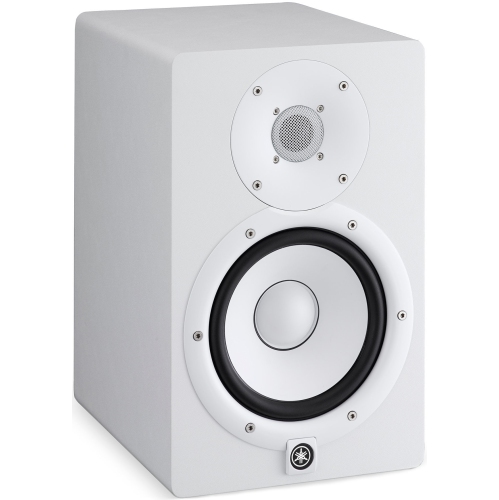

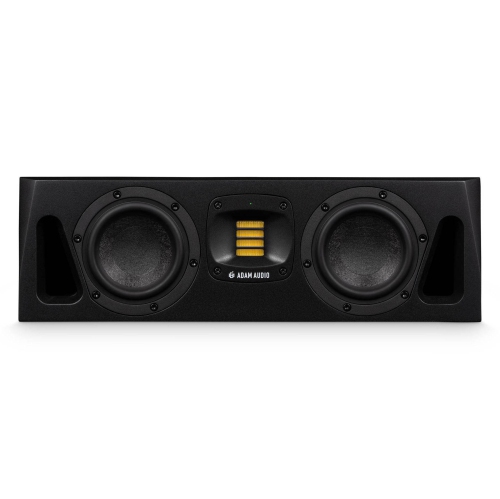
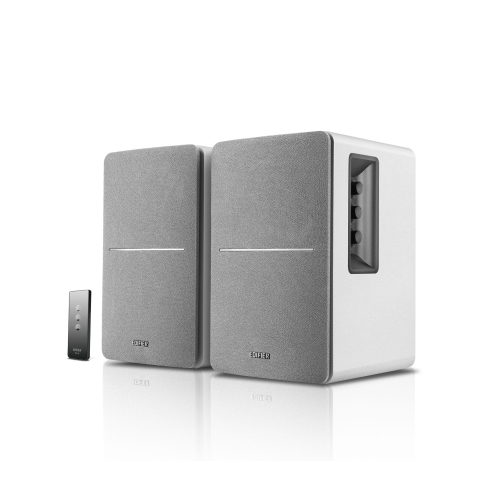
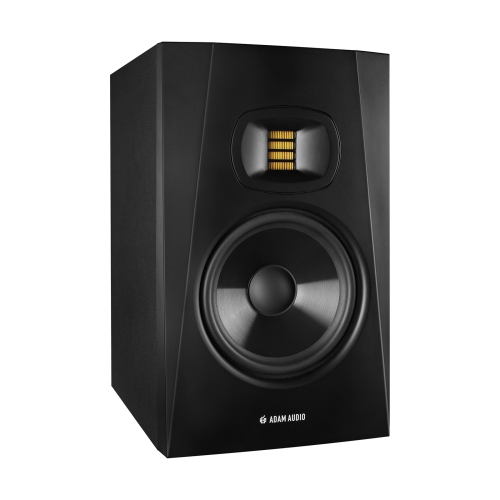
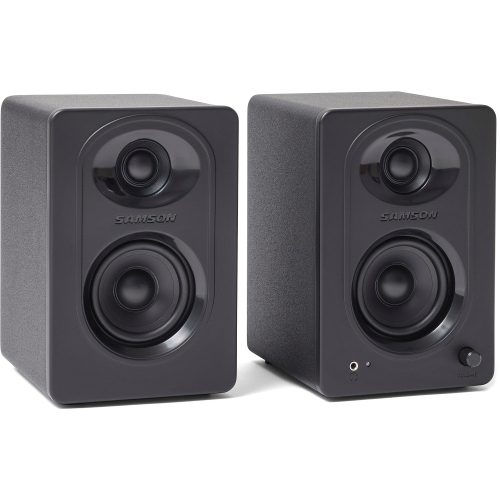
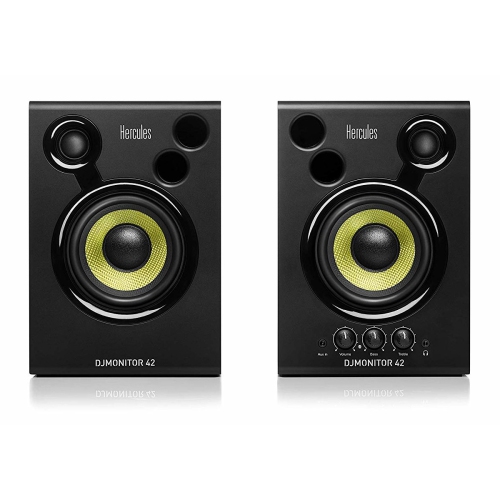

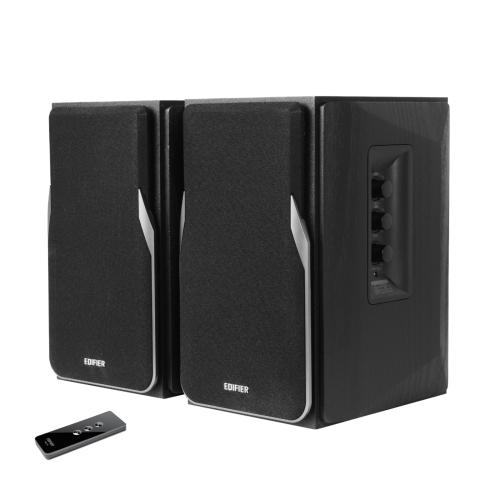
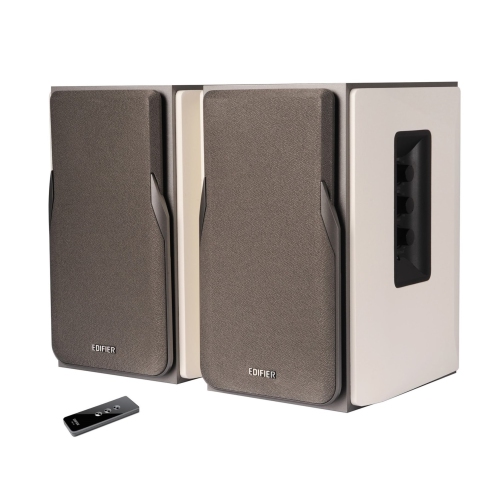
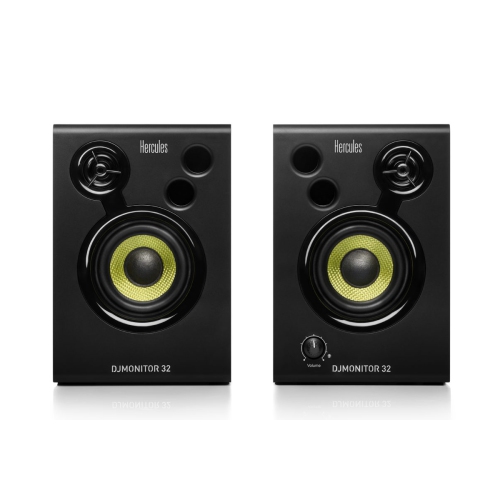
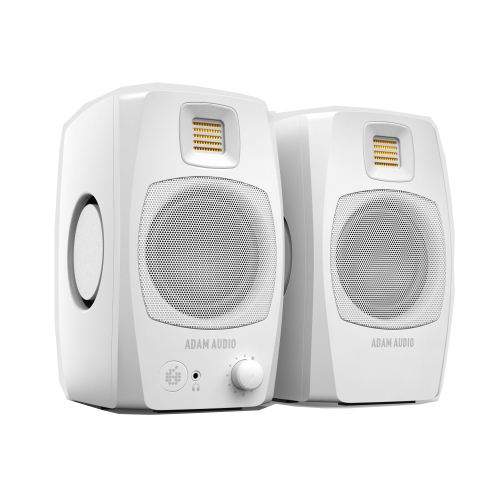
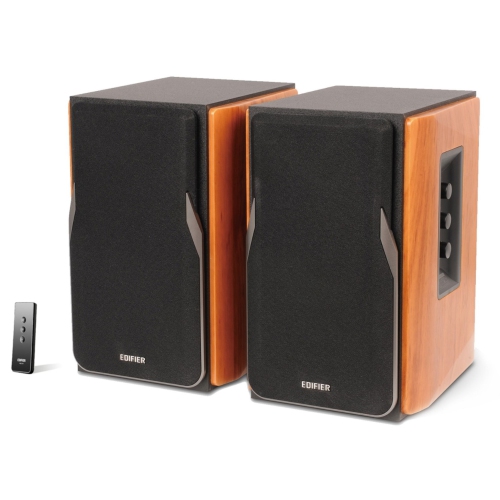
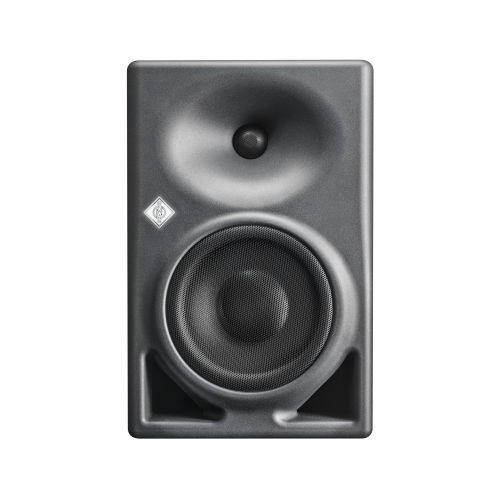
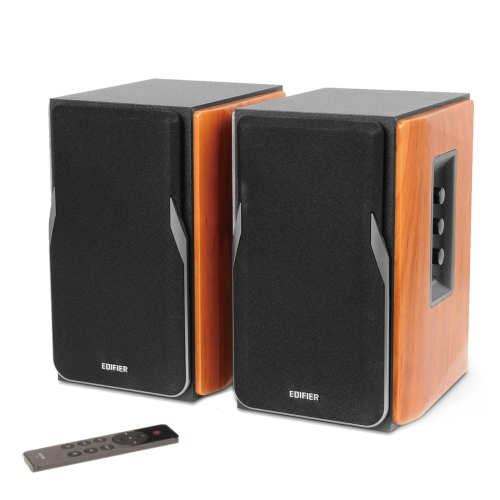

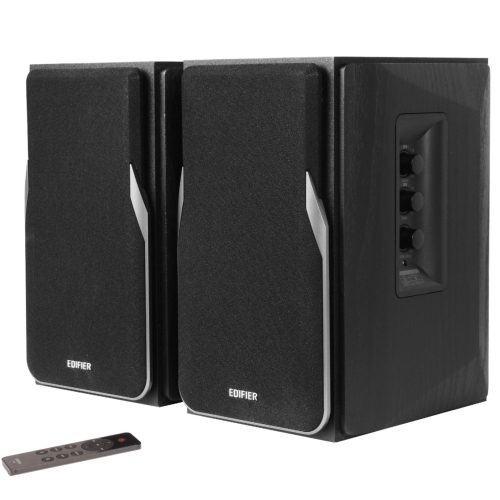
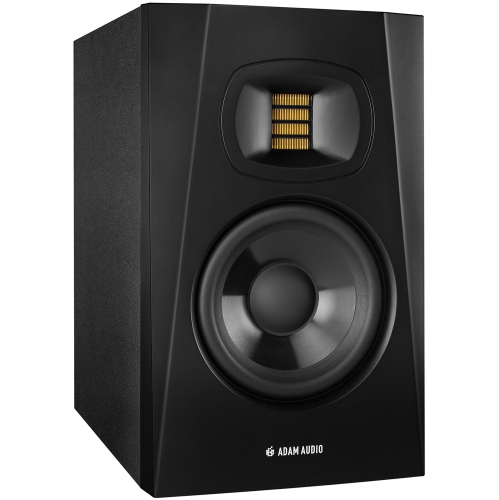
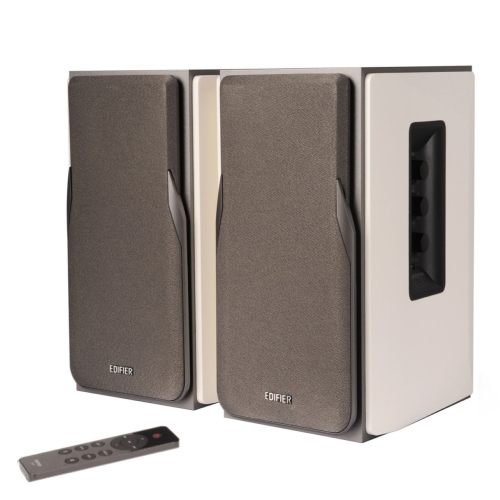


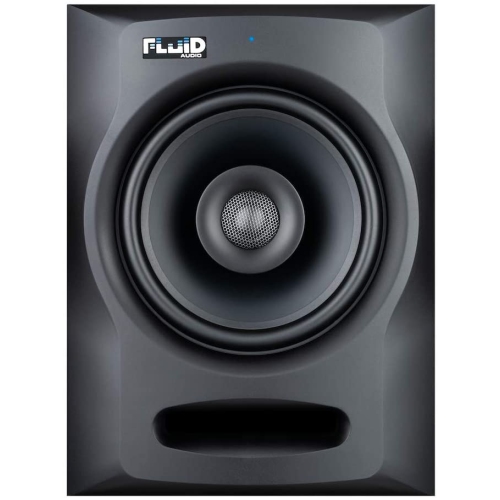
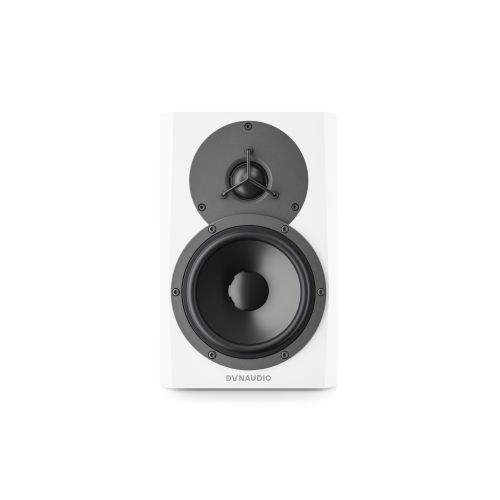

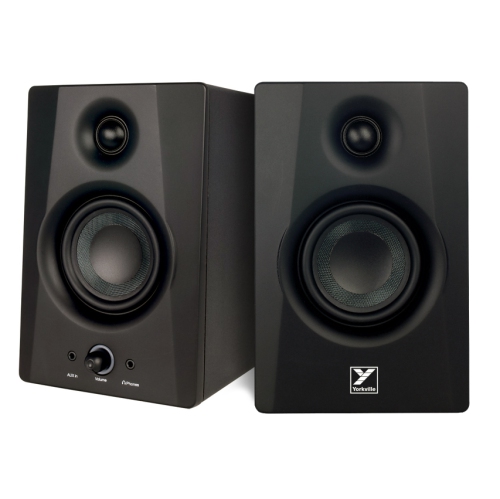
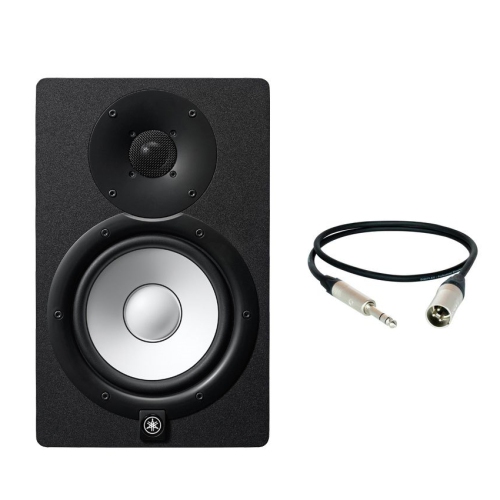
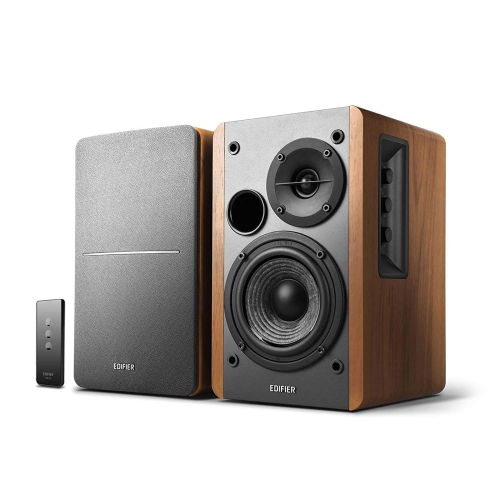
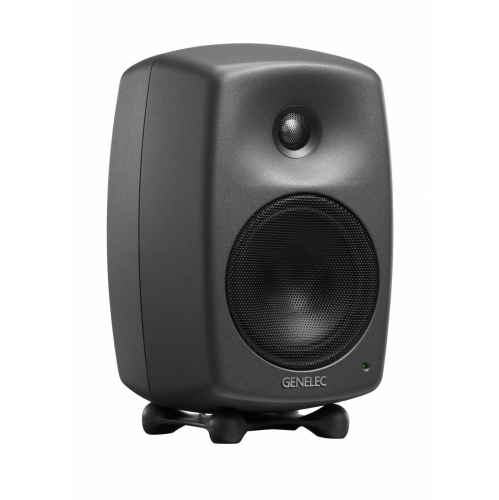
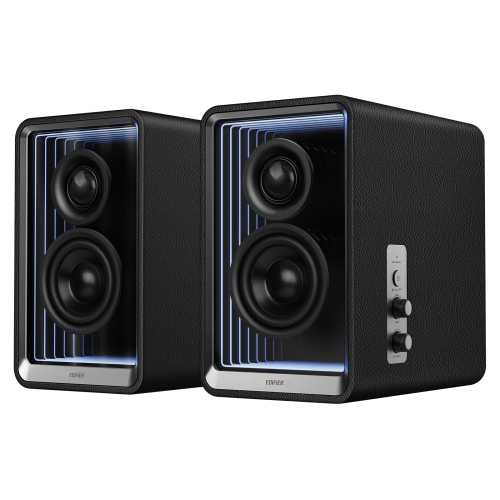
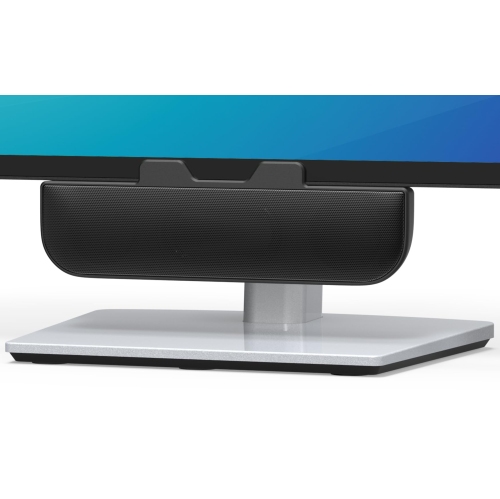
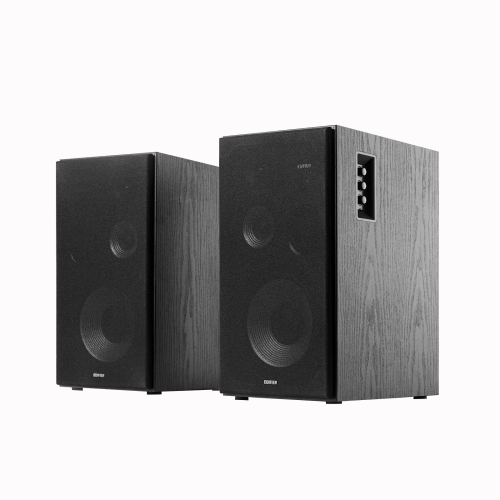
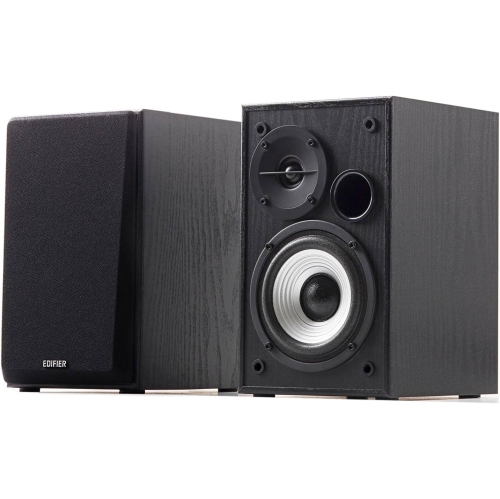


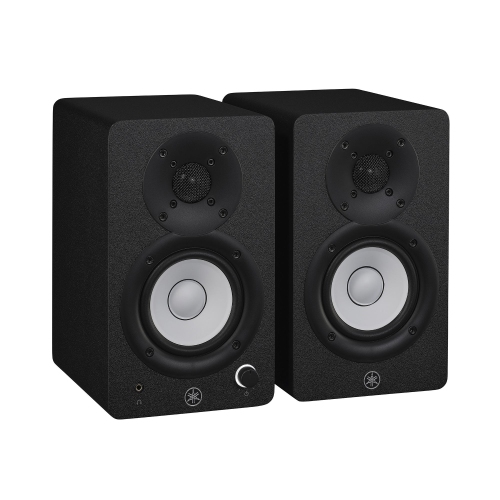

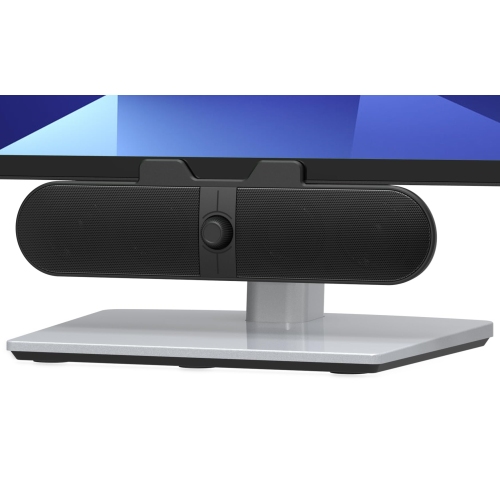

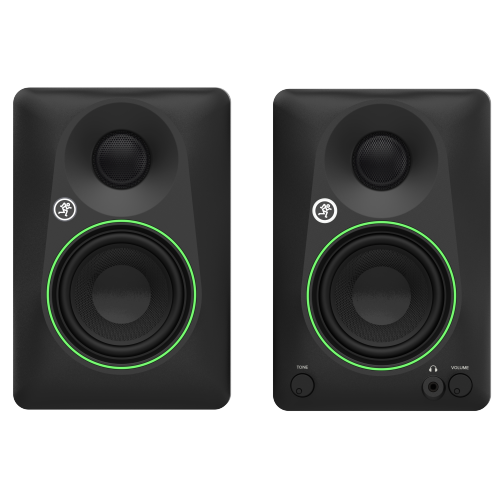

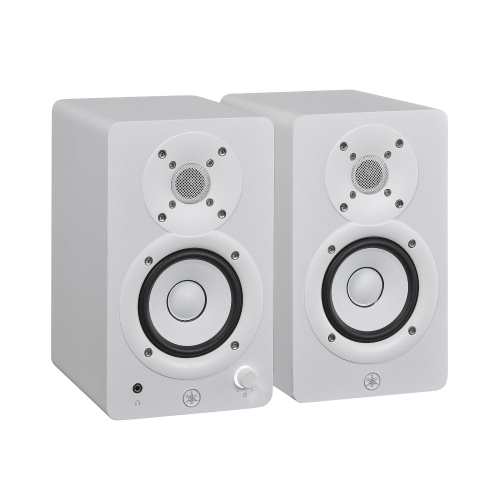

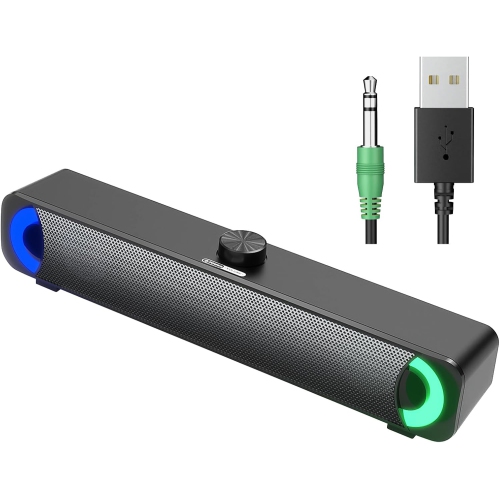
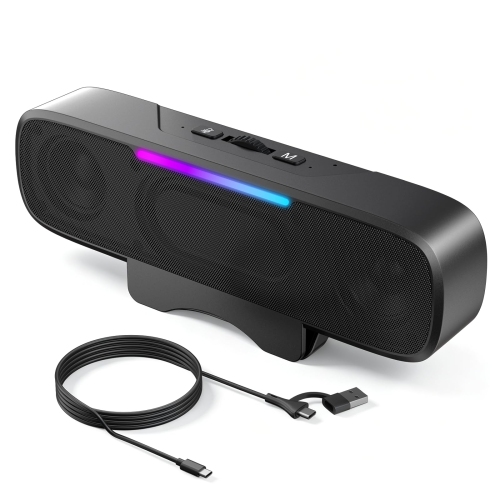

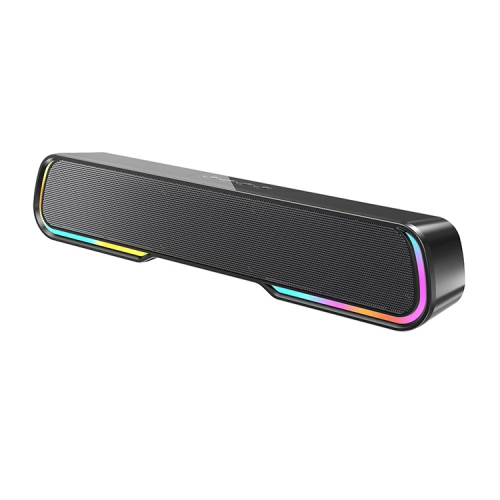
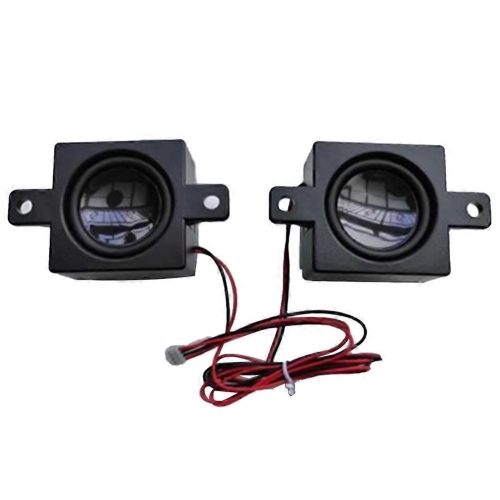
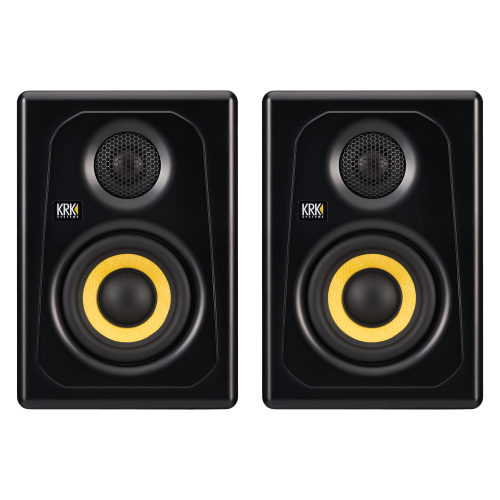
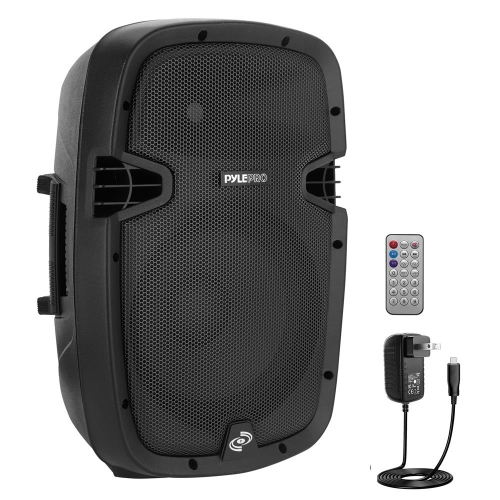


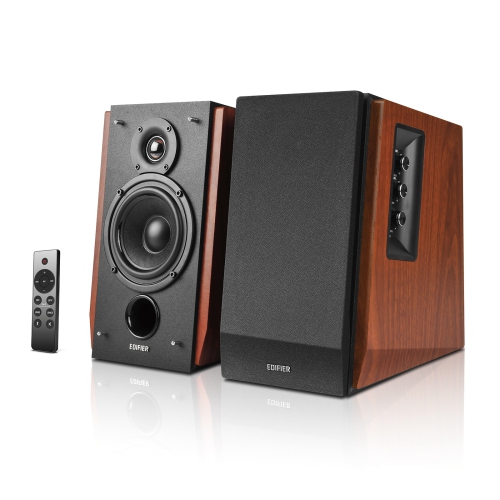
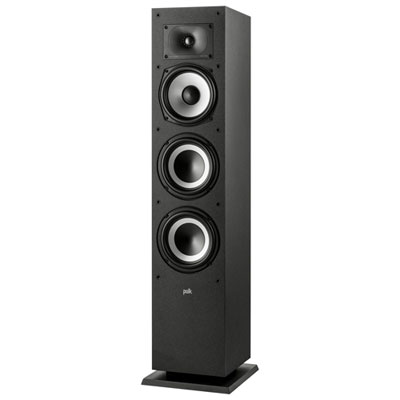
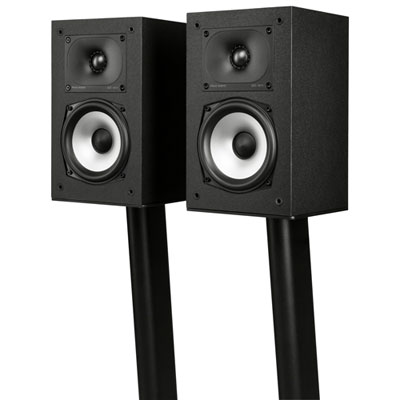

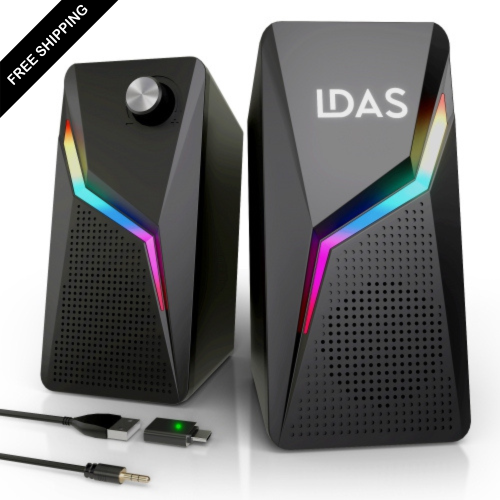
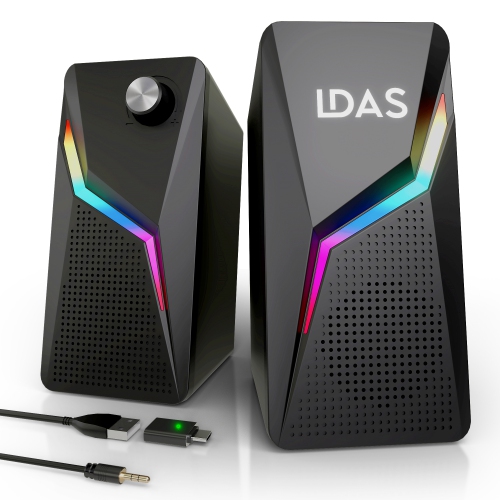

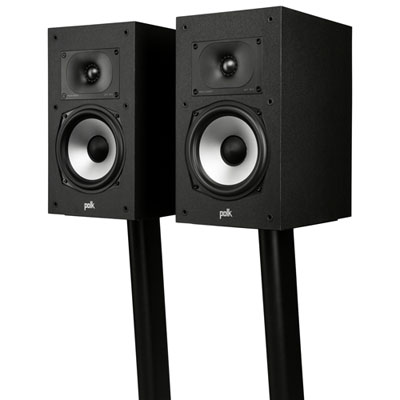
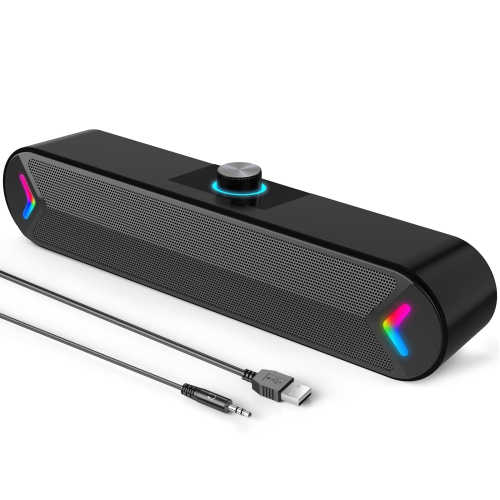
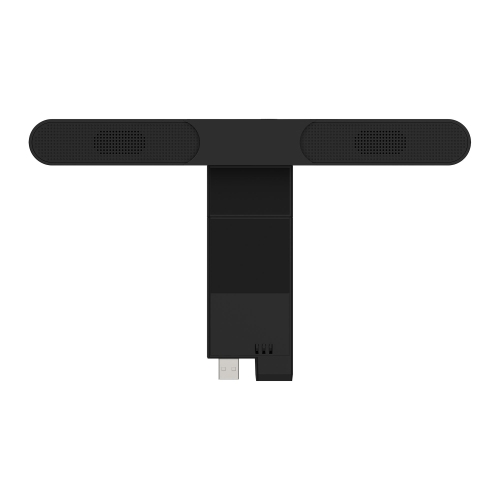
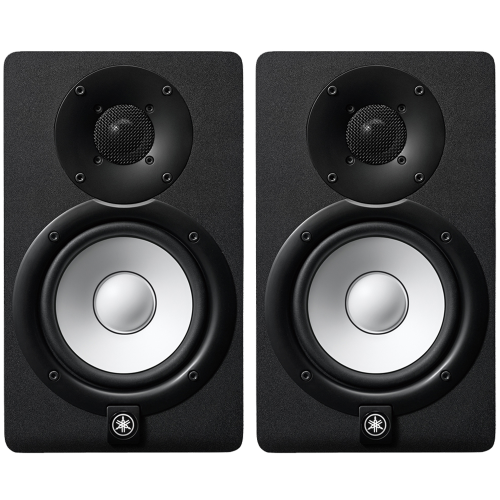


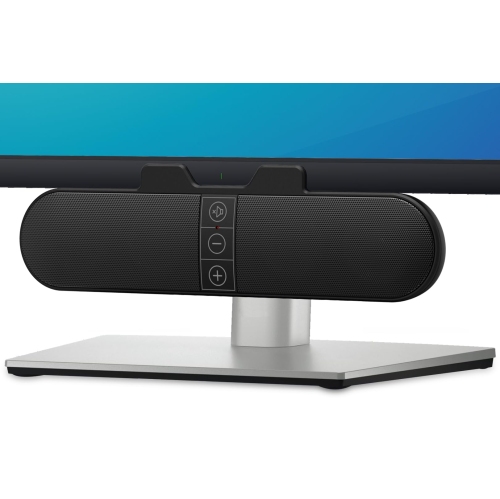





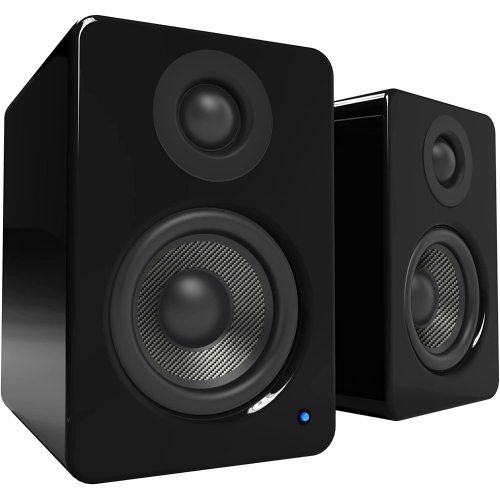

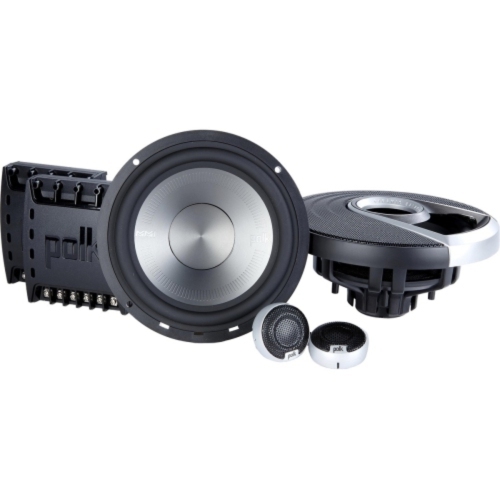
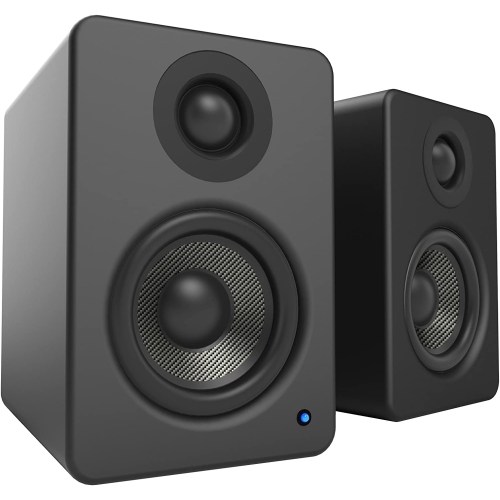
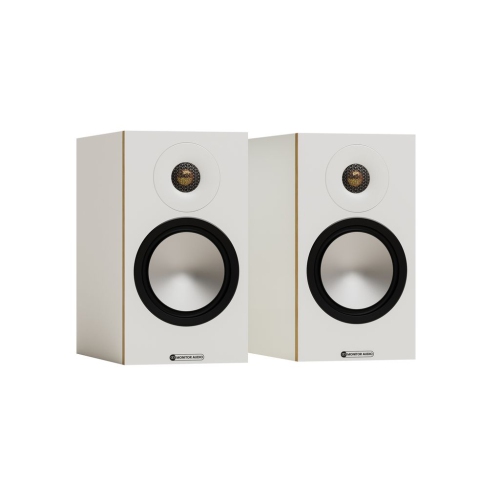

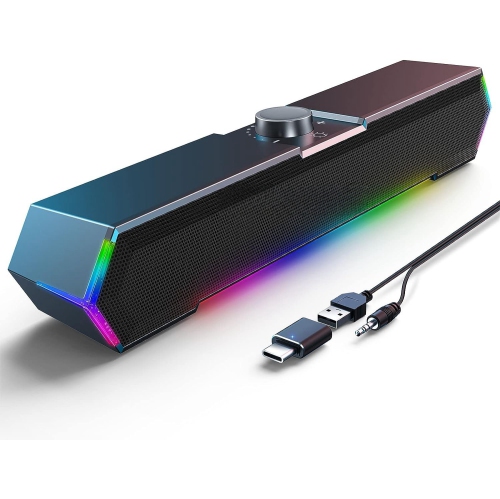
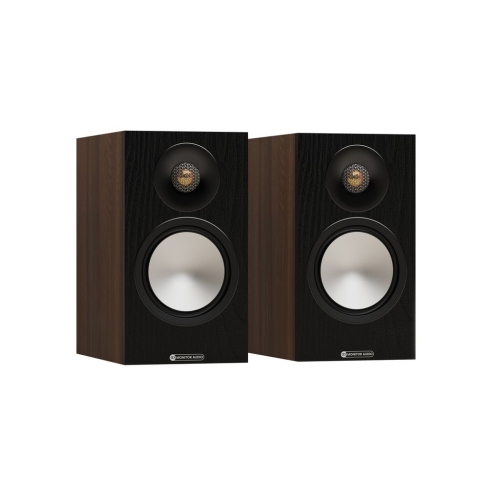


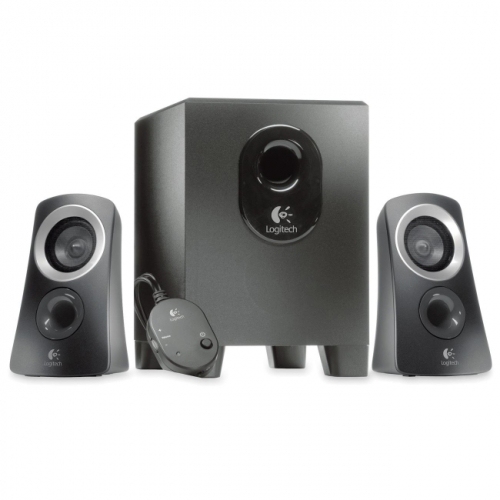
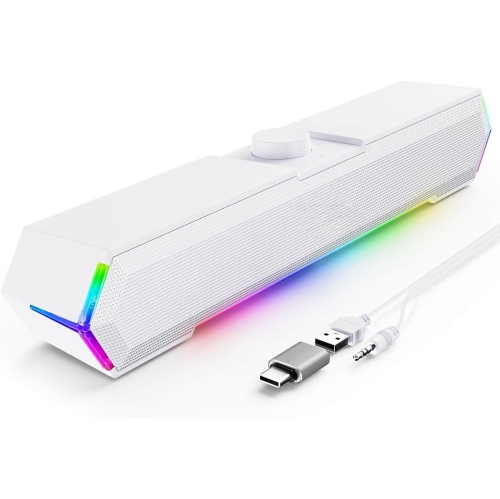





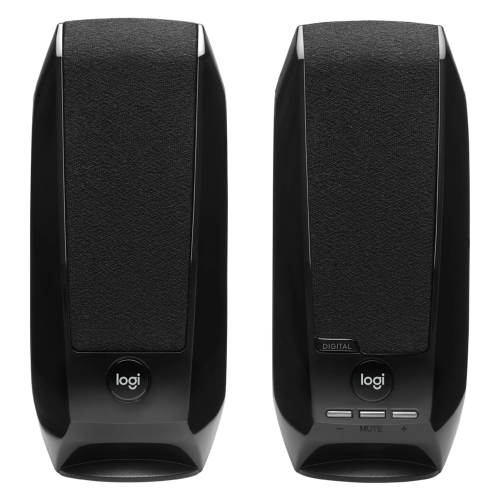


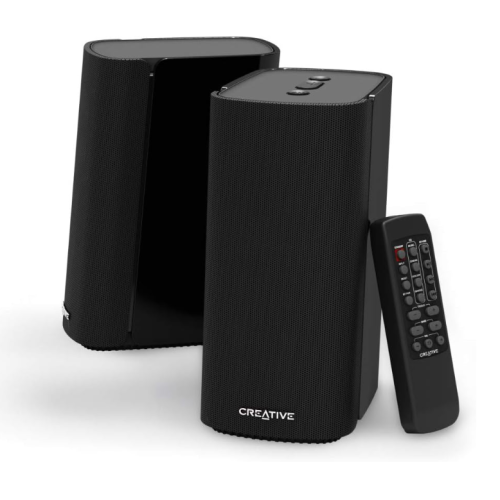
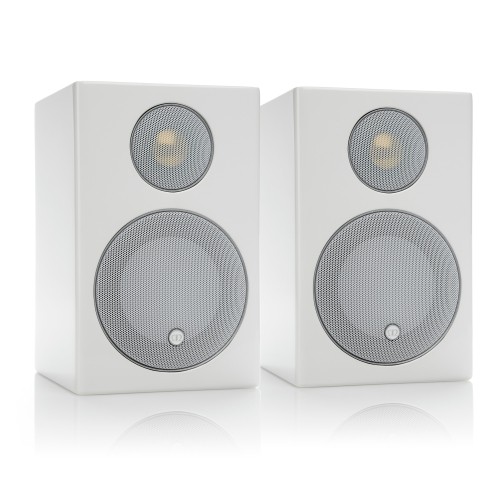

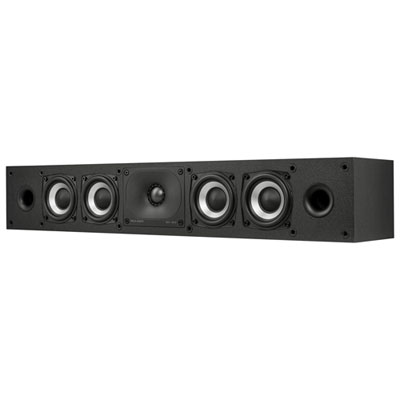


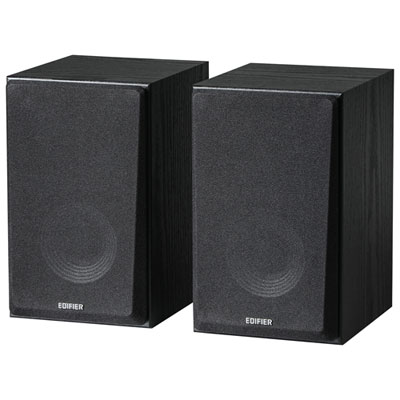
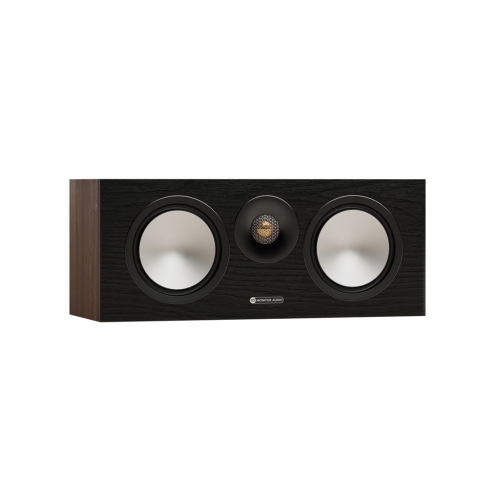
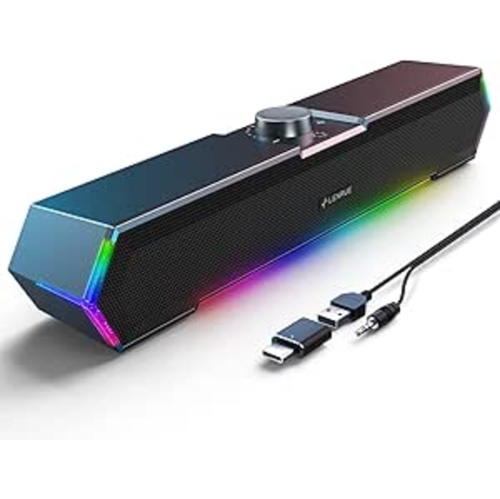
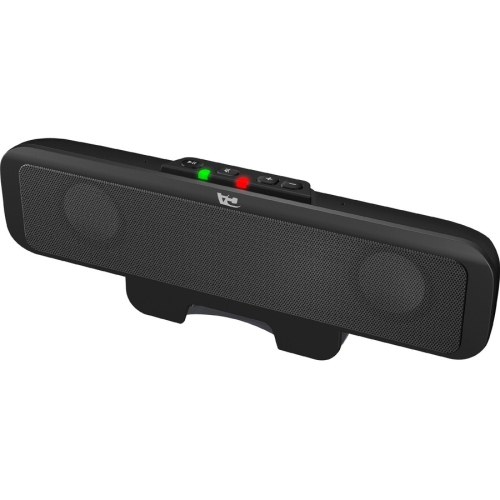
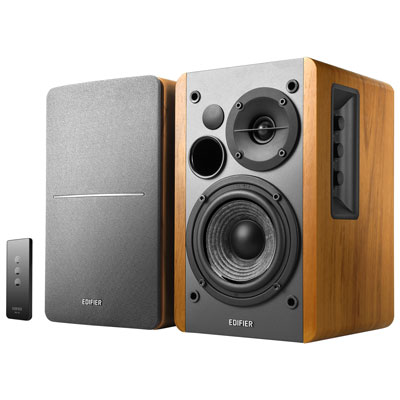
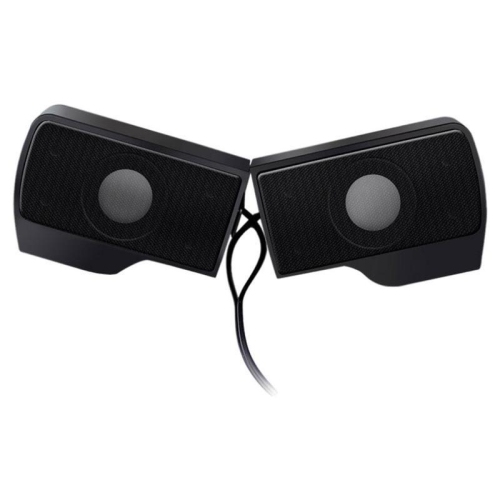
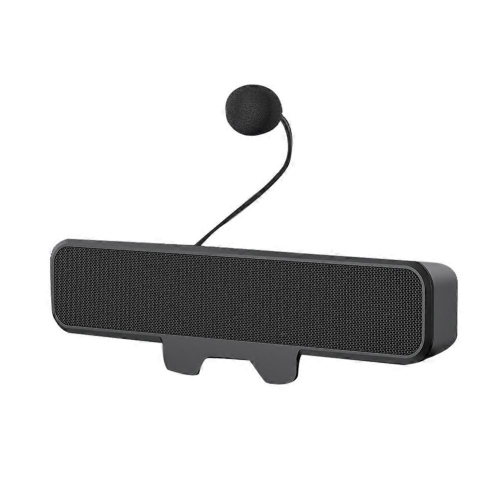
Neutral sound reveals details across every recording
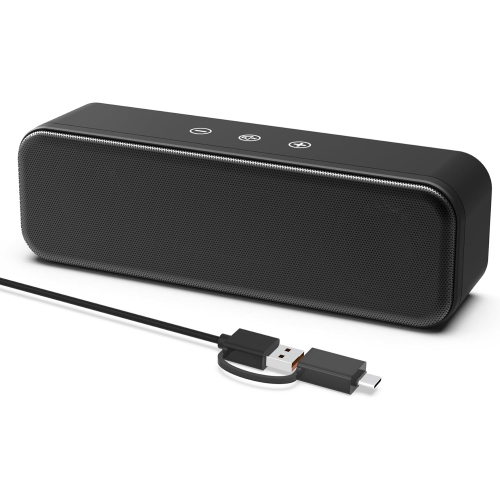
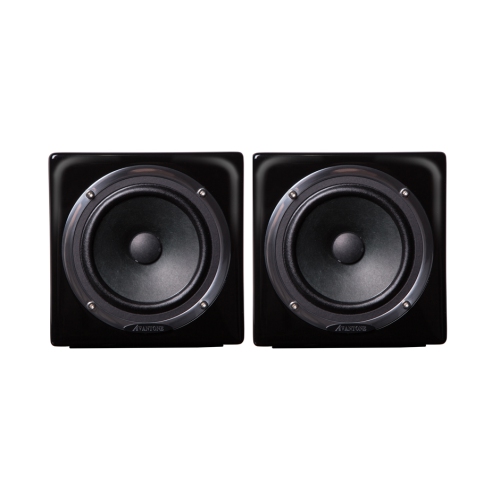
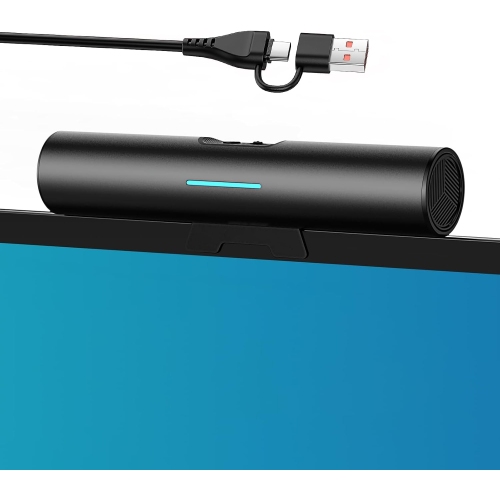
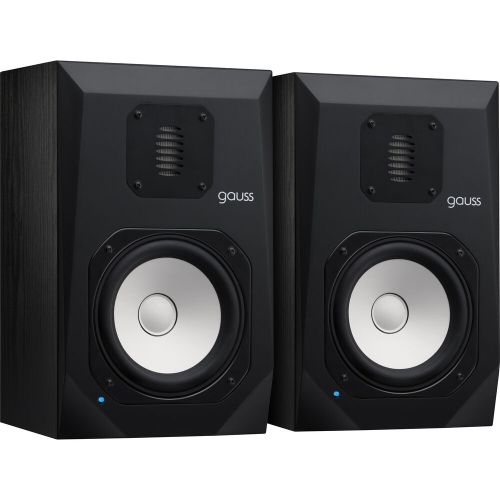
Audio monitor speakers are purpose-built for accurate, detailed sound in music production, recording, mixing, editing, broadcasting, podcasting, video creation, and critical listening. Unlike many general-purpose speakers, which may emphasize bass or treble to make films and music feel more dramatic, audio monitors are designed to present a more balanced version of a recording. This neutral response helps you hear the choices that were made during production, including vocal placement, instrument separation, background noise, distortion, reverb, and changes in volume. For someone arranging a song at a desk, editing dialogue for a video, or fine-tuning a podcast, that level of clarity can make small details much easier to identify. Audio monitor speakers can also be useful for listeners who simply want a closer, more revealing connection with their music. A familiar recording may sound different when played through monitors because the speakers are intended to show the character of the recording rather than add a strong sonic signature of their own. If you are comparing options for a computer workstation, home studio, creative room, or compact listening area, the selection of Speakers for Monitor can help you find a setup suited to nearfield listening, where you sit relatively close to the speakers. This arrangement is common on desks and studio workstations because it allows the direct sound from each speaker to reach your ears clearly, while reducing the influence of reflections from walls and furniture.
When choosing audio monitor speakers, begin by considering the available space and how you intend to connect them. Compact monitors are often a practical match for a desk, writing table, or small recording room, while larger cabinets may be better suited to a dedicated studio or a wider listening distance. The size of the woofer can influence how much low-frequency energy a speaker can produce, but a larger speaker is not automatically the best choice for every room. In a small space, excessive bass can build up around walls and corners, making mixes sound fuller than they really are. Placement matters as well: positioning the speakers at ear level, creating a roughly equal triangle between the two speakers and your listening position, and keeping them pointed towards you can improve stereo imaging. Some setups benefit from stands or isolation pads that reduce vibration through the desk. Powered, or active, monitor speakers include amplification inside the cabinets, which can simplify installation and help ensure that the speaker components and amplifiers are matched. Passive models require a separate amplifier, so they may appeal to listeners who already have compatible equipment or want more flexibility in building a system. Connection options vary, with common choices including balanced studio inputs, unbalanced connections, USB-C, auxiliary inputs, and wireless Bluetooth. Wired connections are often preferred for recording and mixing because they provide a direct signal path and avoid the delay that can occur with wireless playback. Bluetooth can be convenient for casual listening, checking music from a phone, or sharing a finished project with someone in the room. If you plan to connect several devices, look for the input types that match your computer, audio interface, tablet, turntable setup, or other source equipment. Front-mounted controls, headphone outputs, and adjustable high- or low-frequency settings can also be helpful when you need to make quick changes without reaching behind the speakers.
Audio monitor speakers can suit a broad range of users, from first-time creators building a quiet workstation to experienced musicians working on detailed arrangements. They are a useful addition for home recording, voice-over work, livestreaming, film and game audio, online lessons, and photography or video editing where sound quality is part of the finished result. A student learning keyboard, guitar, or digital audio software may appreciate hearing subtle timing and tonal differences while practising. A podcaster can use monitors to check whether speech sounds natural and whether breaths, room noise, or music beds sit at an appropriate level. For someone working from home, a pair of compact monitors can serve as clear desktop speakers for meetings, media, and focused music listening without requiring a large entertainment system. They can also make a thoughtful gift for a musician, producer, content creator, sound enthusiast, or student setting up a first creative space, particularly when the recipient values accurate playback and hands-on control. During the cooler months, when more time may be spent indoors recording, editing, practising, or enjoying music at a desk, a well-matched monitor setup can make a familiar room feel more capable without taking over the space. Before buying, consider the room dimensions, listening distance, desk or stand space, preferred connections, need for Bluetooth, and whether you want built-in volume or tone controls. It is also worth checking whether the speakers are sold as a pair or individually, since a stereo setup generally requires two matching units. With the right size, placement, and connectivity, audio monitor speakers can provide a dependable reference for creative work while bringing out the detail and depth that make everyday listening more engaging.
Top selling and popular products
-
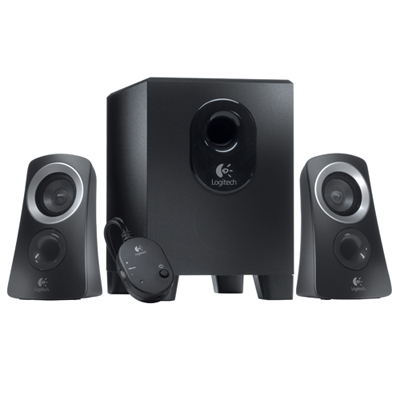 Your price for this item is $89.99
-
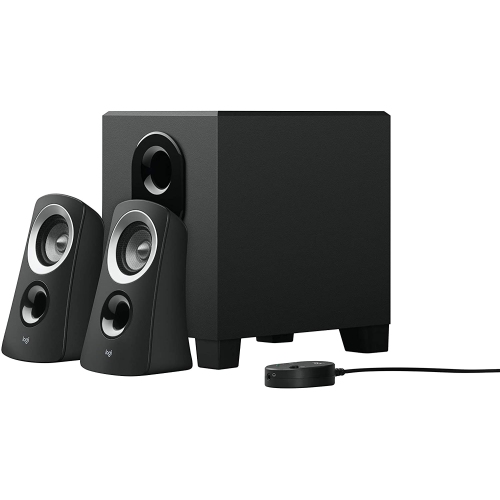 Your price for this item is $108.23
-
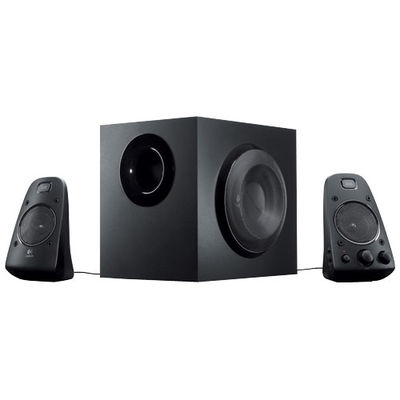 Your price for this item is $249.99
-
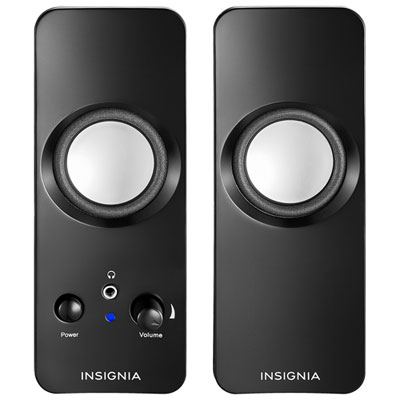 Your price for this item is $29.99
-
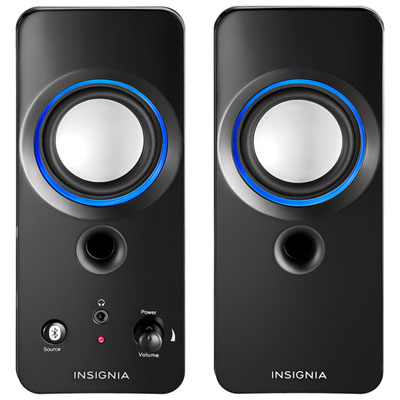 Your price for this item is $39.99
-
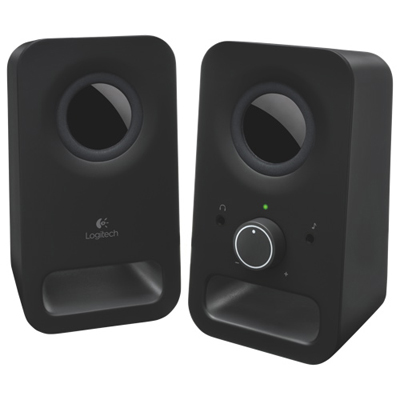 Your price for this item is $39.99
-
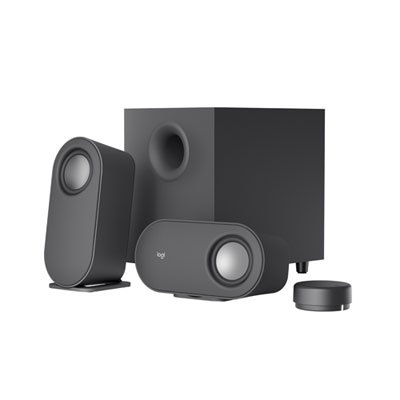 Your price for this item is $129.98
-
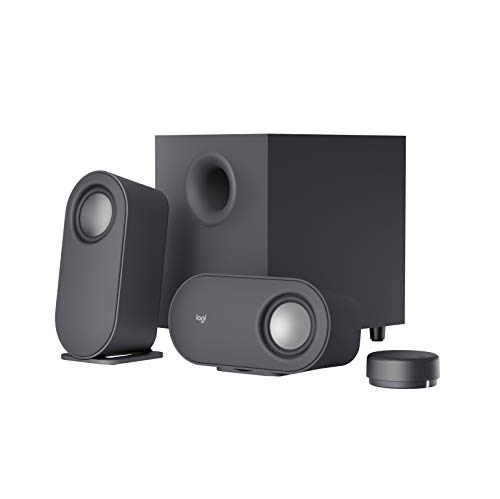 Your price for this item is $236.99
Discover more categories related to Audio Monitor Speakers
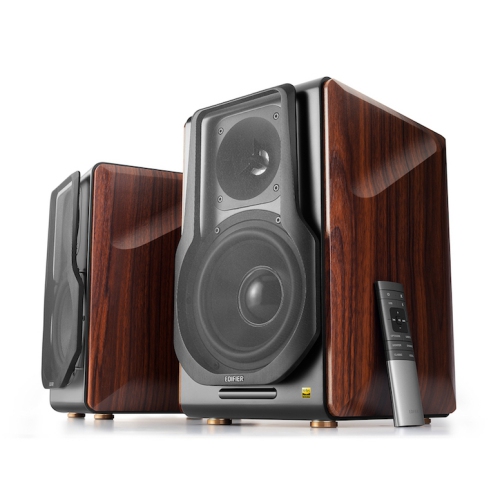
Top Collections:
Pokemon Centers, Best Cameras for Sports Photography, Kindle Devices, Samsung Galaxy Phones, Canon G7X Cameras, Pokémon 30th Celebration Cards, Refurbished Apple Laptops, iPhone 15 Apple, Laptops for Students, Budget Smartphones
Some products may be subject to Environmental Handling Fees
(EHF) depending on your province.
Learn more about EHFs.