Audio Technica Cartridges
Elevate your audio experience with our selection of Audio Technica cartridges, designed to bring precision and clarity to your vinyl records. Whether you're a seasoned audiophile or just beginning your journey into the world of turntables, these cartridges offer a perfect blend of quality and performance. Explore our range and find the ideal match for your setup, ensuring every note is captured with stunning accuracy. Dive into the rich, warm sounds that only vinyl can provide, enhanced by the superior craftsmanship of Audio Technica cartridges.
Sort
How cartridge matching shapes the sound of your vinyl
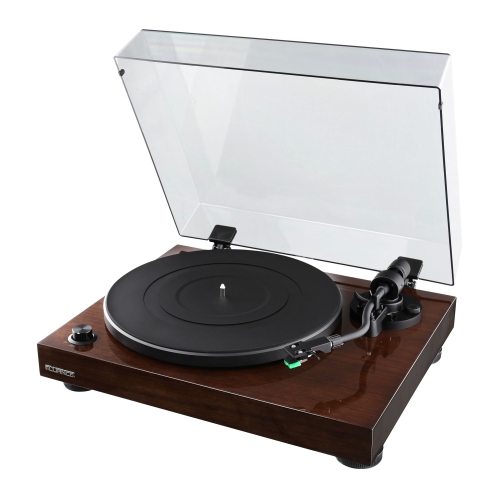
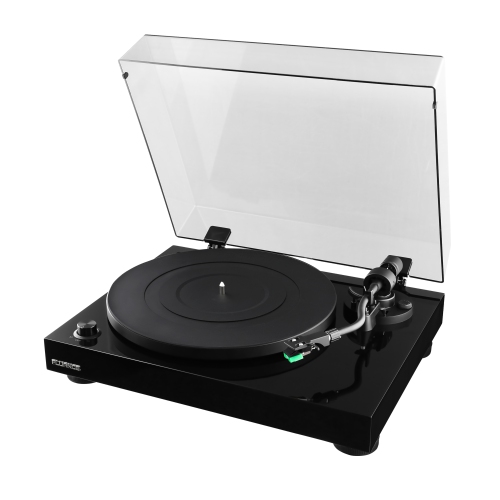
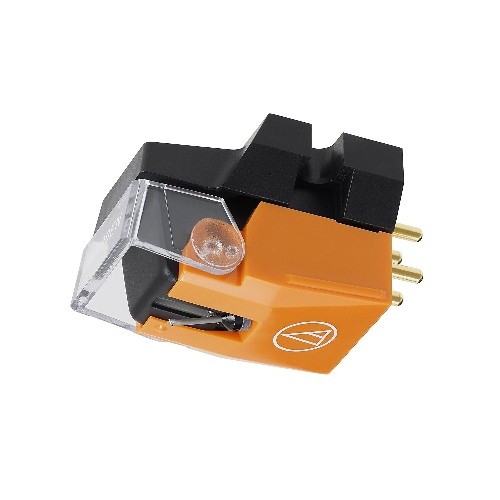
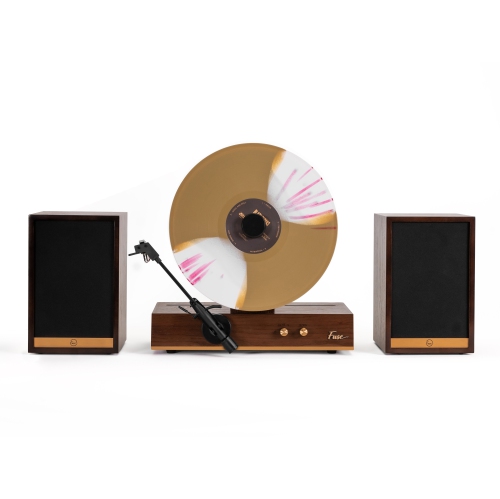
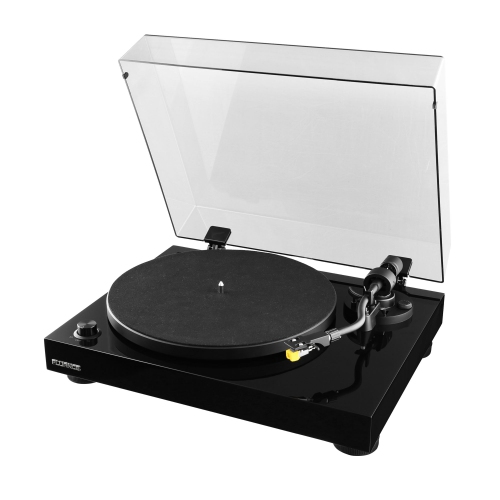
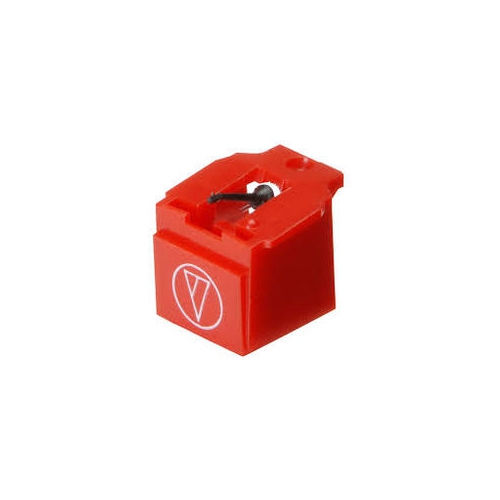
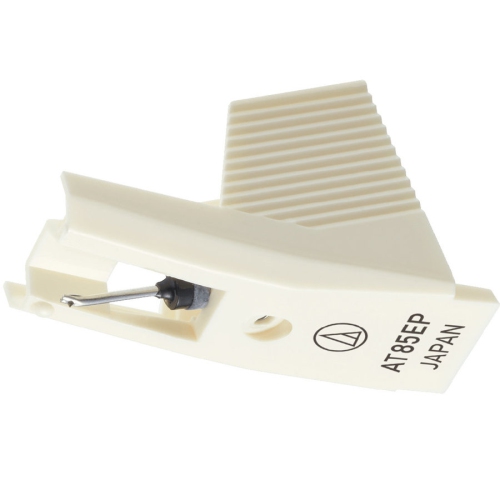
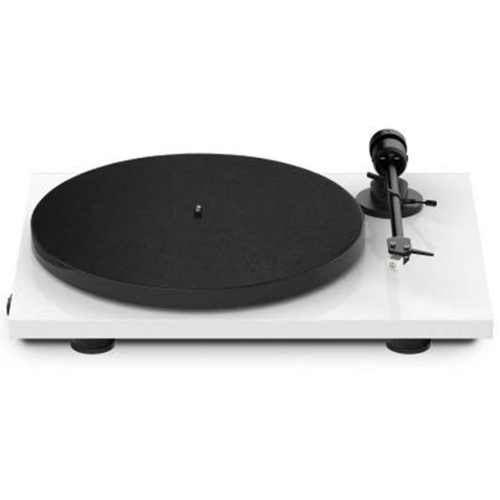
A turntable cartridge turns the tiny movements of a stylus travelling through a record groove into an electrical signal that an audio system can amplify. Although small enough to sit at the end of a tonearm, it plays an important part in how vocals, instruments, and the space around a performance come through the speakers. A well-matched cartridge can help a familiar album reveal the texture of a bowed string, the sharp attack of a snare drum, or the soft decay of a piano note without making those details feel detached from the music. Moving magnet and moving coil designs are the two main types found among Turntable Cartridges. In a moving magnet cartridge, the stylus assembly moves a small magnet relative to fixed coils. These designs generally have an output suited to a moving magnet phono input, and many support replacement styli, making them practical for everyday listening and ongoing maintenance. Moving coil cartridges use small coils that move within a magnetic field. Many have a lower output and need a compatible moving coil phono stage or an appropriate step-up device paired with a moving magnet input. Some moving coil designs have higher outputs, so the cartridge’s electrical specifications matter more than the category name alone. Their stylus assemblies are generally not user-replaceable; servicing may involve professional retipping or replacement of the cartridge. Neither design guarantees better sound in every system. Matching the cartridge to the tonearm, phono stage, and listening setup helps it perform as intended. For someone returning to a collection of treasured LPs, a serviceable moving magnet design may offer a straightforward fit. For a listener with a dedicated phono stage and a carefully adjusted turntable, a moving coil design may be a suitable option. Both types serve the same purpose: following the groove accurately and passing along a musical signal with as little unwanted distortion as the setup allows.
Stylus shape, cantilever construction, and cartridge body materials all contribute to how a cartridge behaves during playback. The stylus is the small tip that contacts the groove, while the cantilever is the slender shaft that carries its movement into the cartridge’s generating system. Diamond is widely used for stylus tips because of its hardness and resistance to wear. A bonded stylus attaches a diamond tip to a supporting shank, whereas a nude stylus uses a whole diamond mounted directly to the cantilever; this construction can reduce moving mass, depending on the design. Conical tips have a rounded profile and can suit straightforward listening setups. Elliptical tips have a narrower scanning profile that can trace fine groove modulations more accurately, particularly at higher frequencies. Advanced line-contact shapes, including microlinear and Shibata profiles, use a more extended contact area along the groove wall and a narrow scanning edge. With correct alignment, they can improve high-frequency tracing and help reduce distortion near the centre of a record, where tightly packed musical information becomes harder to track. They also tend to place greater demands on setup accuracy. No stylus shape repairs a damaged record or makes every pressing quiet, and the condition of both the record and stylus remains important. Aluminium cantilevers are common, while some designs use materials such as boron to achieve a different balance of stiffness and moving mass. Cartridge bodies may use moulded polymers, metal, or combinations of materials to manage weight, rigidity, and unwanted resonance. These choices work together rather than acting as isolated measures of quality. Intended use matters just as much: a cartridge designed for careful home playback is not automatically suitable for scratching or back-cueing. DJ use calls for a design specifically rated for those demands. For listening through headphones, enjoying full albums over speakers, or transferring a personal vinyl collection to digital files, accurate tracking and a suitable electrical match are more useful considerations than any single construction detail.
Physical compatibility determines whether a cartridge can become a dependable part of an existing turntable. Many tonearms accept cartridges with a standard half-inch mount, which uses two mounting screws, while others use a plug-in P-mount arrangement or a proprietary fitting. A cartridge supplied on a headshell is convenient only when that headshell and cartridge combination suits the tonearm; a detachable connection alone does not establish full compatibility. Cartridge weight must fall within the tonearm’s balancing range, and cartridge height can affect whether the arm sits at an appropriate angle during playback. Stylus compliance, which describes the flexibility of its suspension, also needs to work with the tonearm’s effective mass to keep their combined resonance in a suitable range. Electrical matching includes output level, recommended load resistance, and, particularly for moving magnet designs, load capacitance. These details influence performance even when the cartridge physically fits. A phono input provides gain and equalization that a regular line input does not, unless a suitable phono stage is already built into the turntable or connected elsewhere in the system. Once installed, correct alignment, tracking force, and anti-skate adjustment support clean playback and help limit unnecessary wear. Tracking too lightly is not a safer alternative to following the specified range, since mistracking can increase distortion and stress the groove. Routine care is equally practical: clean records reduce the debris that gathers around the tip, and a suitable stylus brush used in the manufacturer’s recommended direction helps protect the delicate cantilever. Cleaning liquids should only be used when approved for the stylus assembly. A stylus guard offers protection during handling, but it does not replace careful cueing. Persistent distortion or a change in tracking can warrant inspection rather than repeated playback. For a vinyl enthusiast receiving a cartridge as a gift, knowing the turntable model, tonearm fitting, and phono input is especially helpful. A compatible cartridge or replacement stylus can then support the listening habits that make a record collection personal, from replaying a favourite live performance to settling in with an album from beginning to end.
Stylus shape, cantilever construction, and cartridge body materials all contribute to how a cartridge behaves during playback. The stylus is the small tip that contacts the groove, while the cantilever is the slender shaft that carries its movement into the cartridge’s generating system. Diamond is widely used for stylus tips because of its hardness and resistance to wear. A bonded stylus attaches a diamond tip to a supporting shank, whereas a nude stylus uses a whole diamond mounted directly to the cantilever; this construction can reduce moving mass, depending on the design. Conical tips have a rounded profile and can suit straightforward listening setups. Elliptical tips have a narrower scanning profile that can trace fine groove modulations more accurately, particularly at higher frequencies. Advanced line-contact shapes, including microlinear and Shibata profiles, use a more extended contact area along the groove wall and a narrow scanning edge. With correct alignment, they can improve high-frequency tracing and help reduce distortion near the centre of a record, where tightly packed musical information becomes harder to track. They also tend to place greater demands on setup accuracy. No stylus shape repairs a damaged record or makes every pressing quiet, and the condition of both the record and stylus remains important. Aluminium cantilevers are common, while some designs use materials such as boron to achieve a different balance of stiffness and moving mass. Cartridge bodies may use moulded polymers, metal, or combinations of materials to manage weight, rigidity, and unwanted resonance. These choices work together rather than acting as isolated measures of quality. Intended use matters just as much: a cartridge designed for careful home playback is not automatically suitable for scratching or back-cueing. DJ use calls for a design specifically rated for those demands. For listening through headphones, enjoying full albums over speakers, or transferring a personal vinyl collection to digital files, accurate tracking and a suitable electrical match are more useful considerations than any single construction detail.
Physical compatibility determines whether a cartridge can become a dependable part of an existing turntable. Many tonearms accept cartridges with a standard half-inch mount, which uses two mounting screws, while others use a plug-in P-mount arrangement or a proprietary fitting. A cartridge supplied on a headshell is convenient only when that headshell and cartridge combination suits the tonearm; a detachable connection alone does not establish full compatibility. Cartridge weight must fall within the tonearm’s balancing range, and cartridge height can affect whether the arm sits at an appropriate angle during playback. Stylus compliance, which describes the flexibility of its suspension, also needs to work with the tonearm’s effective mass to keep their combined resonance in a suitable range. Electrical matching includes output level, recommended load resistance, and, particularly for moving magnet designs, load capacitance. These details influence performance even when the cartridge physically fits. A phono input provides gain and equalization that a regular line input does not, unless a suitable phono stage is already built into the turntable or connected elsewhere in the system. Once installed, correct alignment, tracking force, and anti-skate adjustment support clean playback and help limit unnecessary wear. Tracking too lightly is not a safer alternative to following the specified range, since mistracking can increase distortion and stress the groove. Routine care is equally practical: clean records reduce the debris that gathers around the tip, and a suitable stylus brush used in the manufacturer’s recommended direction helps protect the delicate cantilever. Cleaning liquids should only be used when approved for the stylus assembly. A stylus guard offers protection during handling, but it does not replace careful cueing. Persistent distortion or a change in tracking can warrant inspection rather than repeated playback. For a vinyl enthusiast receiving a cartridge as a gift, knowing the turntable model, tonearm fitting, and phono input is especially helpful. A compatible cartridge or replacement stylus can then support the listening habits that make a record collection personal, from replaying a favourite live performance to settling in with an album from beginning to end.
Top selling and popular products
-
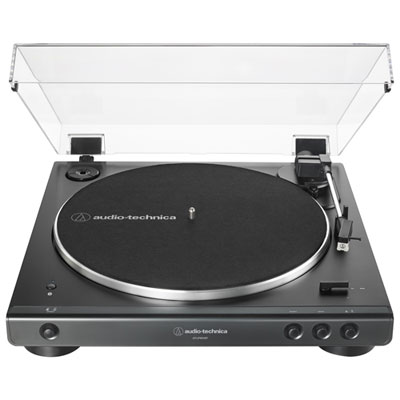 Your price for this item is $329.99
 -
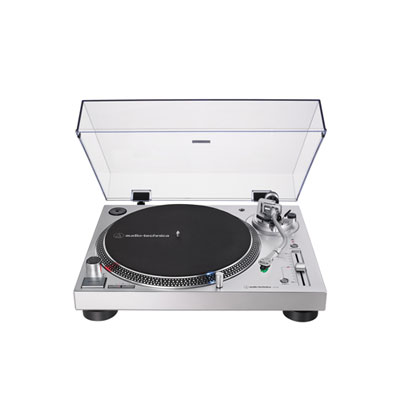 Your price for this item is $519.99
 -
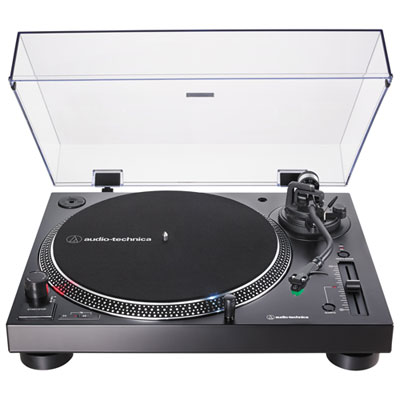 Your price for this item is $519.99
 -
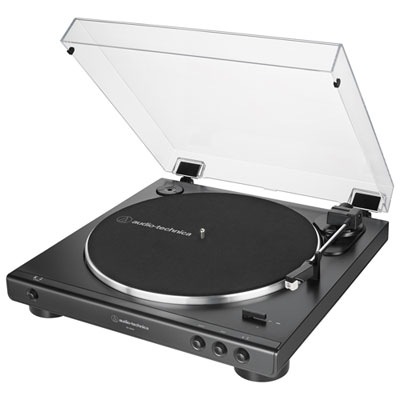 Your price for this item is $199.99
 -
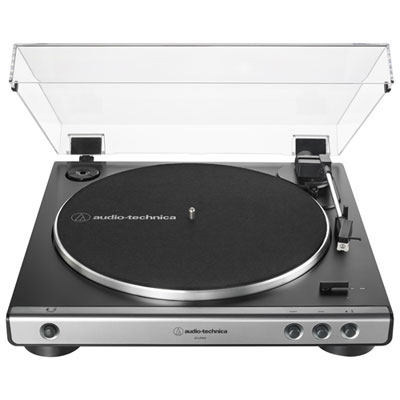 Your price for this item is $229.99
 -
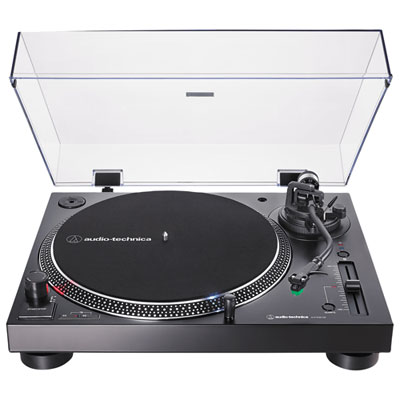 Your price for this item is $579.98
 -
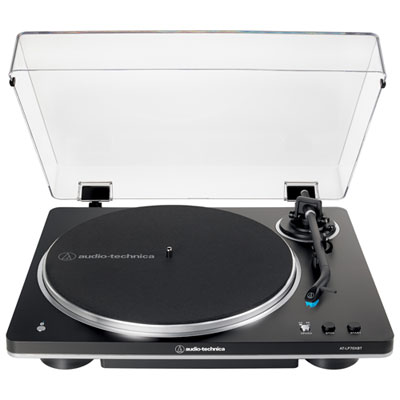 Your price for this item is $379.99
 -
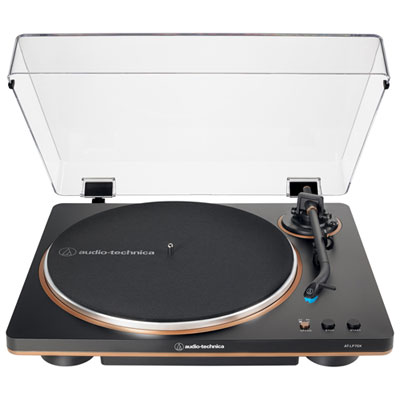 Your price for this item is $279.99
Discover more categories related to Audio Technica Cartridges
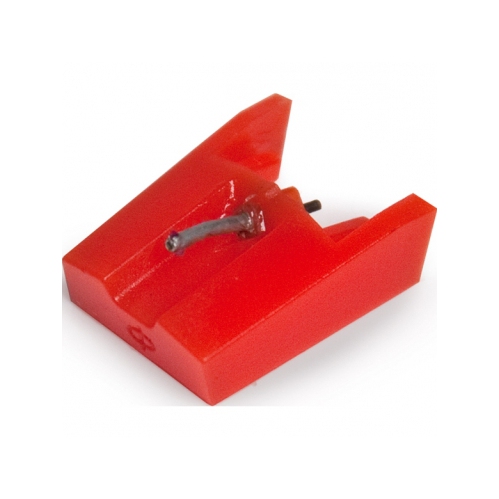
Top Collections:
Pokemon Centers, Kindle Devices, Best Budget Office Chairs, Apple iPhones 16, Best Laptops for Writers, iPhone 15 Apple, Canon G7X Cameras, Refurbished Apple Laptops, Alarm Clock, Motorola Razr Phones
Some products may be subject to Environmental Handling Fees
(EHF) depending on your province.
Learn more about EHFs.