Audio Technica Turntable
If you're looking to elevate your listening experience with the warm, rich sound of vinyl records, this selection of turntables offers a perfect blend of nostalgia and modern technology, allowing you to enjoy your favorite albums in high-quality audio. Whether you're a seasoned audiophile or a newcomer to the world of vinyl, these turntables are designed to deliver exceptional sound quality and performance.
Sort
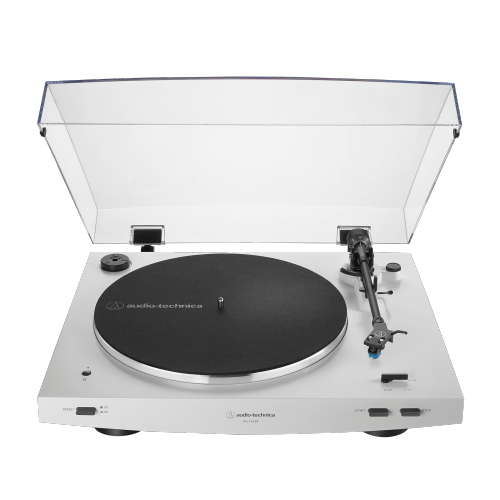

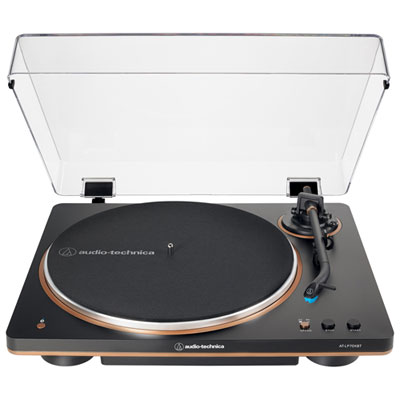
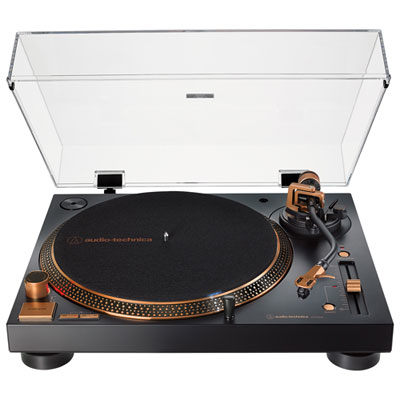

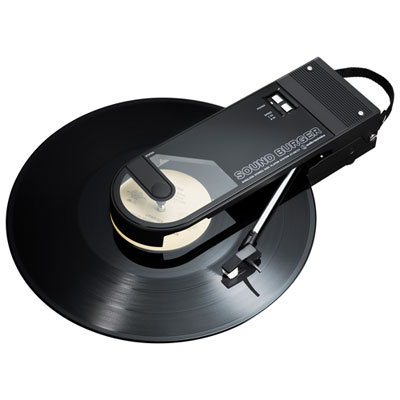
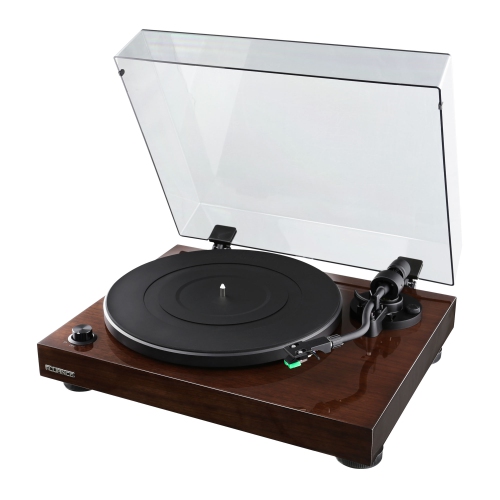

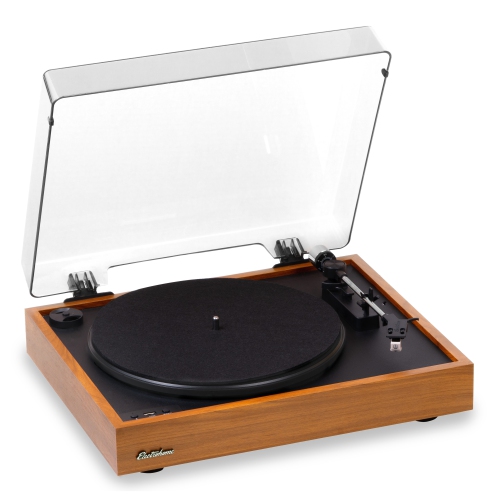
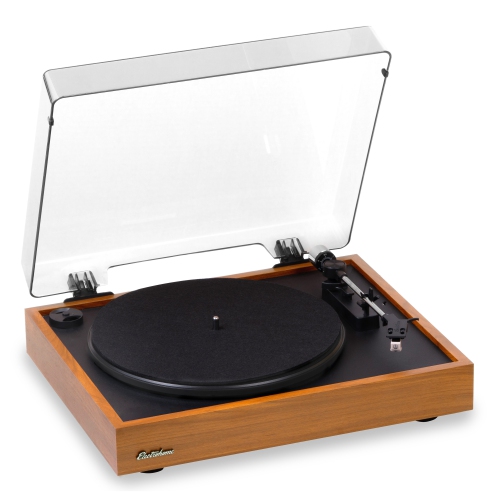
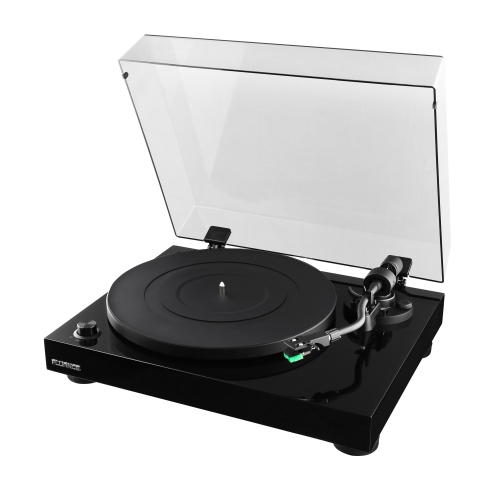
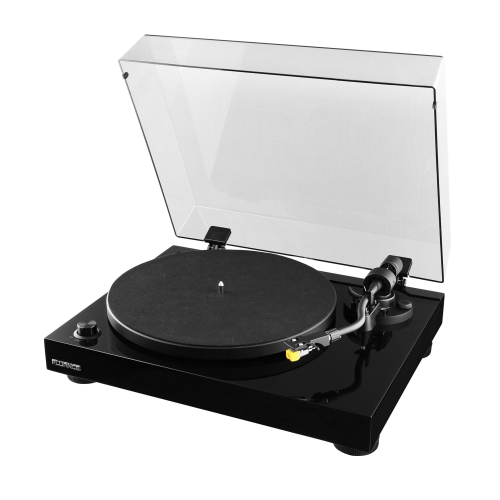
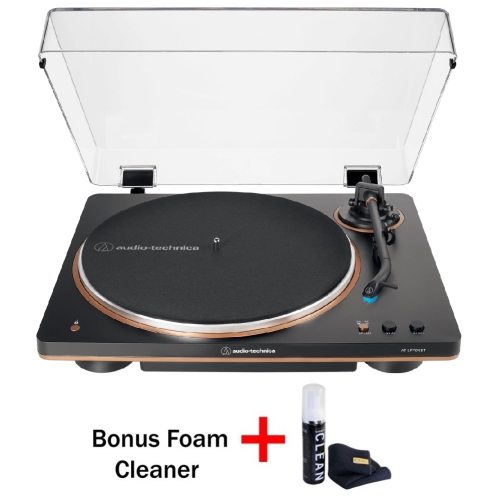
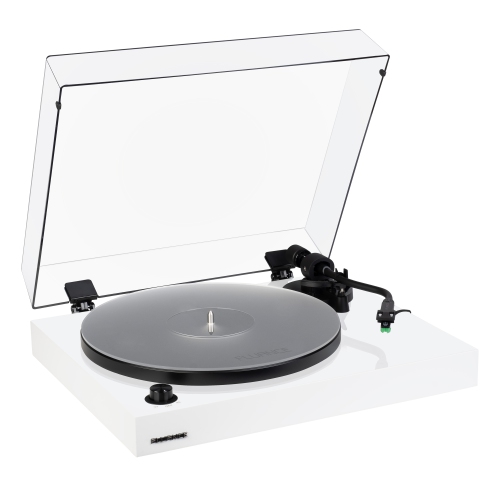

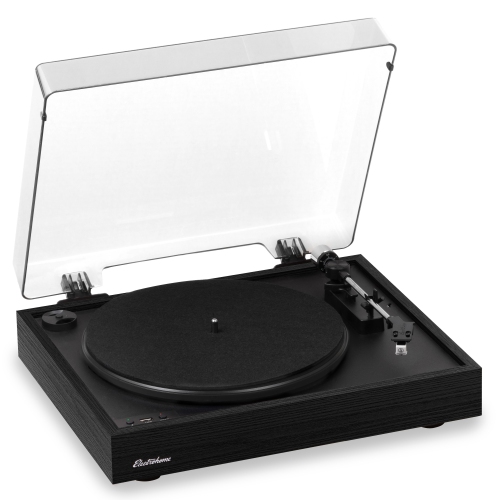
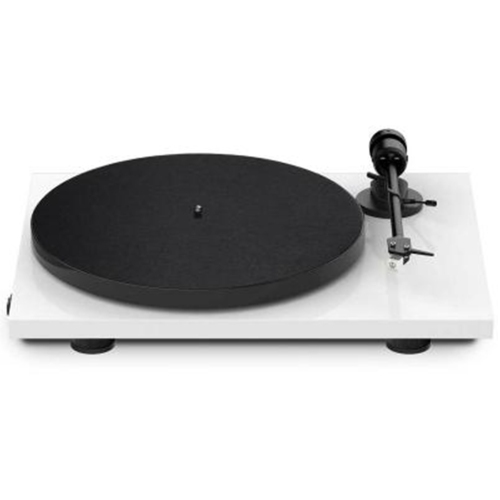
What matters when building your vinyl listening setup
Turntables bring a physical, deliberate quality to listening, from lifting a record out of its sleeve to lowering the stylus into the opening groove. Their appeal extends beyond collecting: a record player can become the centre of a dedicated stereo system, a compact setup beside a bookshelf, or a shared listening space where an album plays from beginning to end. Entry-level, wireless and more adjustable turntables suit different levels of experience and different ways of enjoying music. Fully automatic operation generally handles tonearm placement and return, making it approachable for someone playing a first record or wanting straightforward everyday controls. Manual operation gives the listener responsibility for positioning the tonearm and starting playback, often appealing to those who enjoy a more hands-on routine. A cueing lever helps lower the stylus gently without having to place it directly onto the record by hand. Belt-drive designs use a belt between the motor and platter, while direct-drive designs connect the motor to the platter without a belt. Both can serve home listening well; speed stability, vibration control, cartridge quality and correct setup matter more than treating either drive type as a guarantee of better sound. Most modern collections require playback at 33⅓ and 45 rpm, so supported speeds are a useful consideration, particularly for listeners who collect both full-length albums and singles. The cartridge and stylus turn the movement within a record’s groove into an electrical signal, making them important parts of the playback system. On models that allow adjustment, tracking force and anti-skate settings help the stylus follow the groove as intended. Some players arrive with these settings largely established, while others leave more room for adjustment and cartridge changes. That distinction matters for someone who wants a simple introduction to vinyl compared with a listener building a system that can develop alongside a growing collection. Neither approach needs to feel complicated when the features match the way the player will be used.
Connections determine how comfortably a turntable fits into an existing audio setup. A cartridge produces a much lower-level signal than most other audio sources, so a phono preamp is needed somewhere in the signal path. Some turntables include one, while others rely on a separate phono preamp or a compatible phono input on an amplifier or receiver. A switchable built-in preamp adds flexibility: its line-level setting can feed a suitable auxiliary input, while its phono setting allows an external phono stage to handle that job. Matching the output to the correct input helps avoid sound that is unusually quiet, thin or distorted. Powered speakers with a compatible input can make a compact system possible without a separate speaker amplifier, whereas passive speakers need amplification. Wireless turntables can transmit audio to compatible Bluetooth speakers or headphones, which may suit an apartment, a shared room or a layout where running an audio cable would be awkward. Bluetooth transmission still involves digital processing, so a wired connection remains relevant for listeners who prefer an analogue signal path. Wireless capability also varies by model; the ability to send audio does not necessarily mean a turntable can receive music from a phone. Some models provide USB connectivity for recording vinyl to a computer with suitable software, a useful option for listeners who want digital copies for personal listening where permitted. Physical fit deserves the same attention as audio connections. A cabinet needs enough depth for cables behind the player, room above it to open the dust cover, and a stable surface that will not rock when someone walks past. Keeping speakers off the same lightly built shelf can reduce vibration reaching the stylus. For a living room setup, convenient access to the cueing lever, speed controls and record storage often makes a greater everyday difference than a crowded arrangement with little space to handle an album safely.
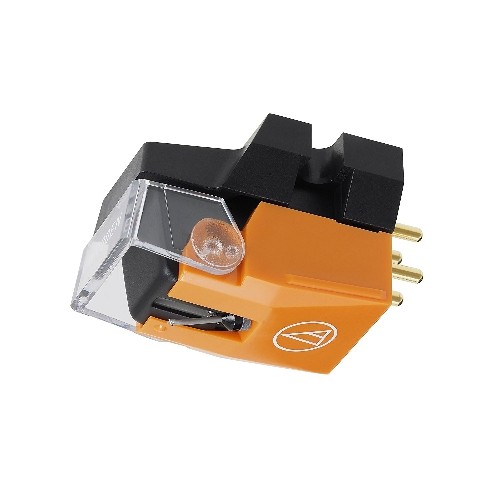
Materials, construction and maintenance all contribute to how a turntable feels to use over time. A rigid plinth, a well-supported platter and feet designed to limit vibration help provide a stable foundation, while the tonearm should move freely and lower smoothly. Metal, engineered wood and moulded materials can each be used effectively; overall design and assembly matter more than the appearance of a single component. Finishes can blend into a media cabinet or make the player a visual focal point, but a dust cover is also practical protection between listening sessions. Record care is equally important. Handling vinyl by its edges and centre label helps keep fingerprints away from the grooves, and returning records to clean inner sleeves reduces unnecessary exposure to dust. Records are best stored upright rather than in leaning piles or heavy stacks. A suitable record brush can remove loose surface dust, while more thorough cleaning calls for products and methods intended for vinyl. Stylus care requires a light touch and the method recommended by the manufacturer, since the small assembly is easily damaged. A worn stylus should be replaced according to its condition and the manufacturer’s service guidance rather than left in use simply because it still produces sound. For players that accept cartridge changes, Audio Technica Cartridges are worth considering alongside the player’s mounting type, tonearm requirements and recommended tracking-force range; cartridges are not universally interchangeable. Replaceable styli, serviceable belts where applicable, and clear setup documentation can make ongoing ownership more manageable. These practical details also matter when choosing a turntable as a birthday, graduation or housewarming gift. A first-time listener may appreciate automatic operation and a straightforward connection to speakers already at home, while an experienced collector may value adjustable settings and compatibility with an established stereo system. Headphone listening, shared album nights and quiet time with a favourite recording each place different demands on the setup. A well-matched turntable makes those habits easy to enjoy, with controls, connections and care requirements that fit naturally into daily life.
Top selling and popular products
-
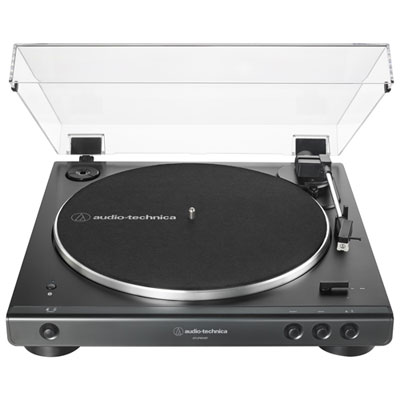 Your price for this item is $329.99
-
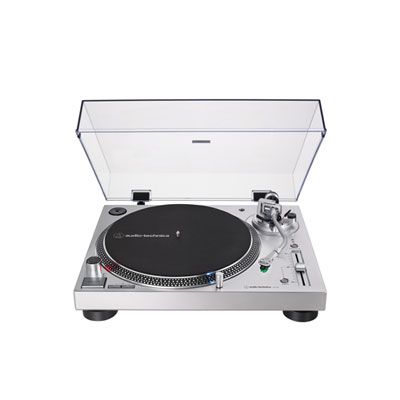 Your price for this item is $519.99
-
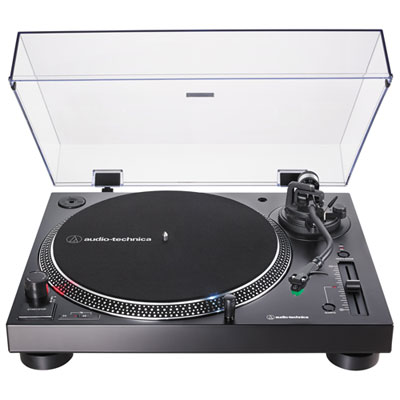 Your price for this item is $519.99
-
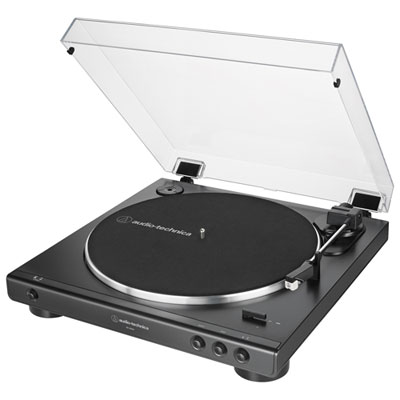 Your price for this item is $229.99
-
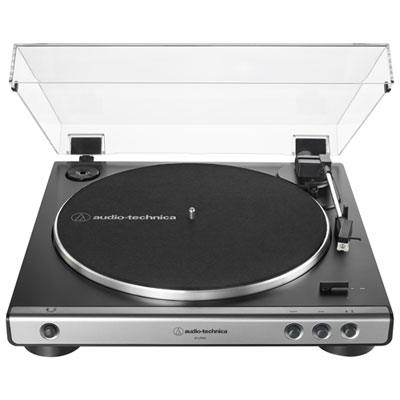 Your price for this item is $229.99
-
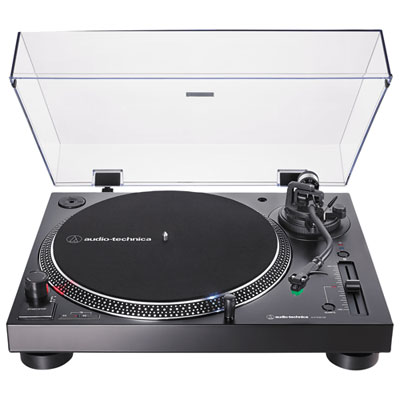 Your price for this item is $619.99
-
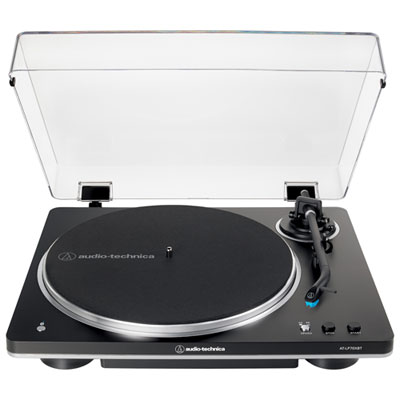 Your price for this item is $379.99
-
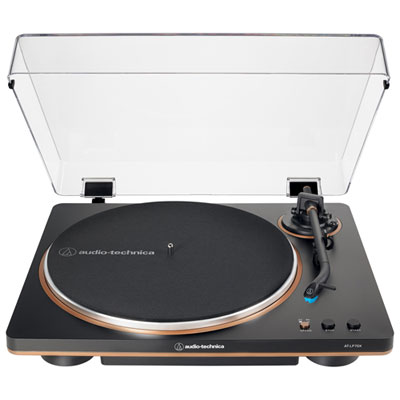 Your price for this item is $319.99
Discover more categories related to Audio Technica Turntable
Top Collections:
Best Black Friday Deals This Year, Best Black Friday Deals On Electronics, Kindle Devices, Pokemon Centers, Best Black Friday Deals On Apple Products, Best Cameras for Sports Photography, Dyson Airwrap, Pokémon 30th Celebration Cards, Apple iPhone 17 Pro, Canon G7X Cameras
Some products may be subject to Environmental Handling Fees
(EHF) depending on your province.
Learn more about EHFs.