Brown Headphones
Brown headphones offer a stylish twist on a classic accessory, blending rich tones with modern audio technology. Whether you’re looking to complement your personal style or searching for a unique gift, brown headphones provide an eye-catching alternative to traditional colors. Explore options designed to suit a variety of preferences, ensuring both comfort and visual appeal. Find the perfect pair of brown headphones to enhance your listening experience at home, work, or on the go.
Sort


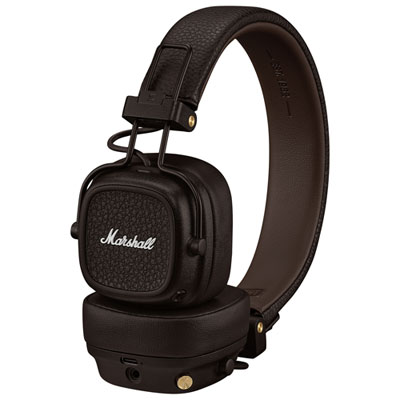


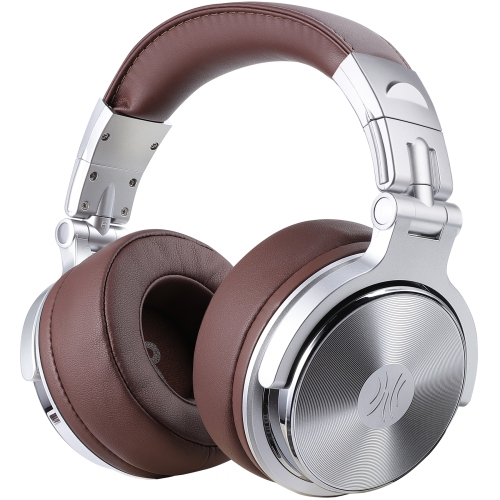

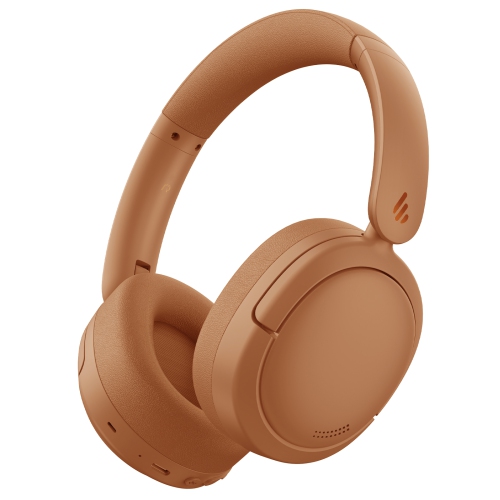
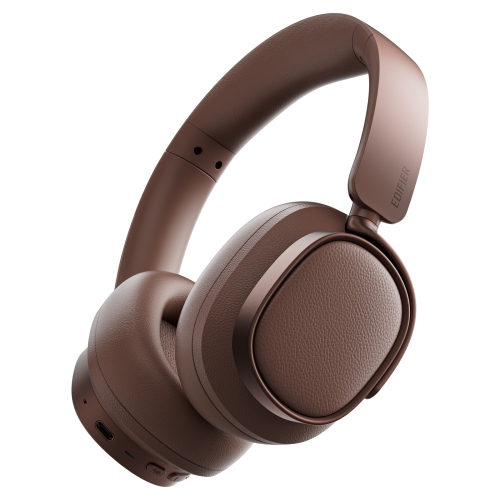


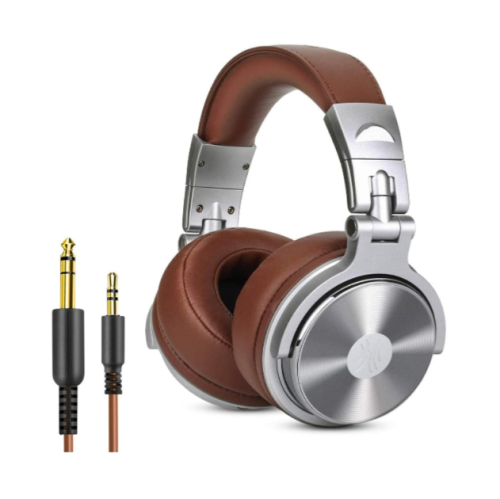
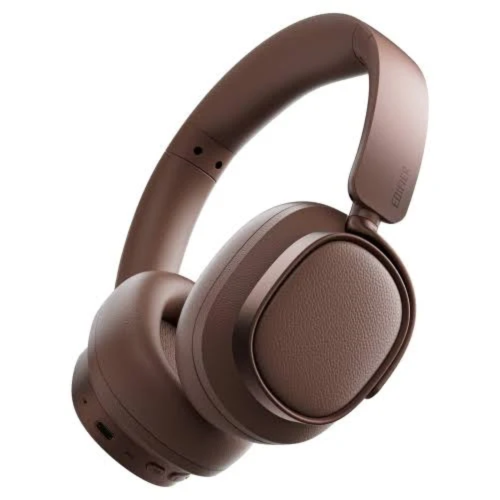
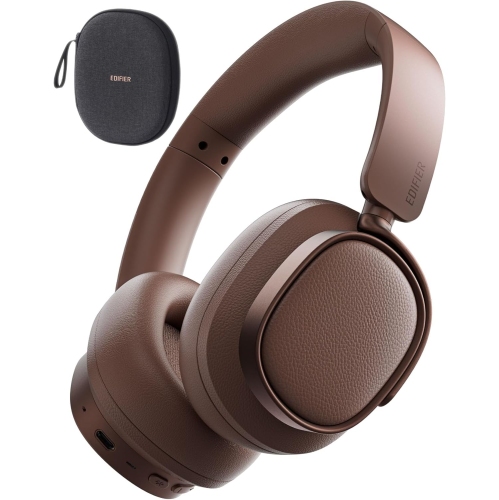

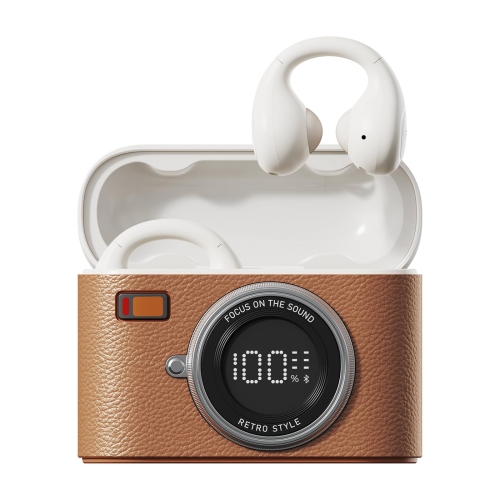


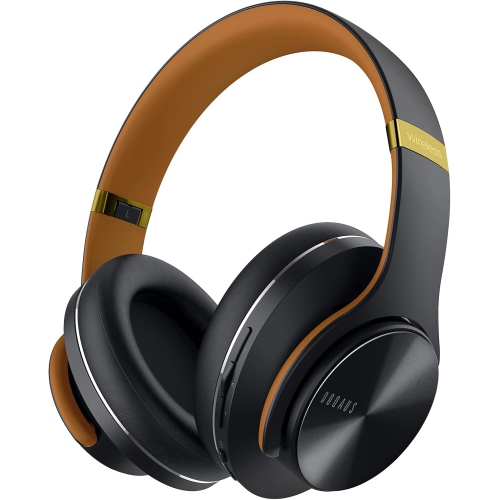


Warm brown tones are only part of the story
Brown headphones combine everyday personal audio with a colour palette that ranges from light tan and caramel to chestnut and deep chocolate. The appeal is partly visual: a brown finish can sit comfortably alongside a leather-look bag, a wood desk, neutral clothing, or a favourite reading chair without the sharper contrast of black or white. Colour does not determine sound quality, so the important differences still come down to headphone design, fit, connectivity, and listening features. Over-ear headphones have cushions designed to surround the ears, making them a practical option for longer listening sessions at a desk or on a train. On-ear headphones rest against the ears and often have a smaller profile, which may suit listeners who prefer something less bulky for everyday carrying. Neither shape guarantees comfort for every wearer; earcup dimensions, headband adjustment, cushion depth, and pressure against the head all matter. Someone who wears glasses may notice how firmly the pads press against the frames, while a listener with larger ears may appreciate roomier earcups. A padded headband helps spread the weight, and swivelling earcups can make it easier for the cushions to sit evenly. Materials also influence how brown headphones look and feel. Depending on the design, surfaces may include moulded plastic, metal details, fabric, genuine leather, or synthetic leather, with smooth, pebbled, or matte finishes creating different impressions. Leather and synthetic leather are distinct materials, even when their colours and textures look similar. Soft cushions can feel inviting at first, but their shape, stitching, and ability to retain support are also relevant to long-term comfort. Brown shades may appear slightly different under indoor lighting than in daylight, and contrast stitching or darker ear cushions can change the overall look. For headphones worn regularly beyond the home, those details become part of a familiar daily accessory rather than simply a colour choice.
Listening features help distinguish brown headphones intended for quiet relaxation from those suited to commuting, shared workspaces, or frequent calls. A close, comfortable earcup seal provides passive isolation by reducing some outside sound, while active noise cancellation uses microphones and electronic processing to reduce unwanted noise. This feature is generally most effective against steady sounds such as a train’s rumble or ventilation hum; voices and sudden sounds may remain audible. Transparency or ambient listening modes, when included, let more outside sound through, which can be convenient for a brief conversation or an announcement. They do not replace staying attentive to nearby traffic or other hazards. Sound preferences are equally personal. Some listeners enjoy pronounced bass for rhythmic music, while others prefer a more balanced presentation that keeps vocals, acoustic instruments, and dialogue clear. An adjustable equalizer, where supported, adds flexibility, but driver size alone does not establish how headphones will sound. Wireless connectivity offers freedom from a cable between the headphones and a compatible phone, tablet, or computer. Multipoint pairing, when supported, can make it easier to move between two connected devices, such as a laptop used for calls and a phone used for music. Wired listening remains useful for compatible audio equipment, though the connection type and any required adapter matter. A USB-C port may be intended only for charging, so its presence does not automatically mean it supports digital audio. Battery life also depends on volume, noise cancellation, call use, and other settings rather than a single fixed listening time. Fast charging can be helpful before a journey, but charging requirements vary. For conversations, microphone performance and background-noise handling deserve attention alongside music playback. Clear button placement or responsive touch controls can make everyday operation easier, especially when pausing a podcast, adjusting volume, or answering a call without reaching for a phone. At home, audio delay may also matter for watching video or playing games, since wireless performance can differ across headphones, devices, and connection methods.
The most useful brown headphones are the ones whose construction and daily handling suit the person wearing them. A commuter may value a compact folding design and a protective case that fits into a work bag, while someone listening mainly at home may prefer larger cushions and a more substantial headband. Foldable hinges save space but add moving parts, so smooth operation and careful handling matter. Headphones that swivel flat may be easier to pack without a full folding mechanism. A case helps protect the earcups from scratches and keeps loose objects from pressing into the cushions; carrying headphones unprotected beside keys or pens can mark the finish. Routine care is usually simple: a soft, dry cloth removes surface dust, while cleaning products should be limited to those permitted for the particular materials. Moisture should stay away from charging ports, microphones, and speaker openings, and cushions should be fully dry before the headphones are stored. Synthetic leather can peel as it wears, while fabric can hold dust and marks, making replaceable ear pads a useful feature where supported. Ordinary headphones should not be assumed suitable for exercise or exposure to moisture unless their specifications explicitly support that use. For shared spaces, moderate listening levels help limit sound leakage, and sensible volume settings remain important even when noise cancellation makes outside sounds less noticeable. As a gift, brown headphones can suit a music enthusiast, a student who listens while studying, a frequent traveller, or someone who spends much of the day on calls. Familiarity with the recipient’s preferred fit and devices is more useful than choosing by colour alone. Brown offers a muted visual character, while yellow headphones provide a brighter alternative. Within either colour preference, comfortable fit, suitable connections, practical controls, and construction that matches everyday use are what make headphones a lasting part of a listening routine.
Top selling and popular products
-
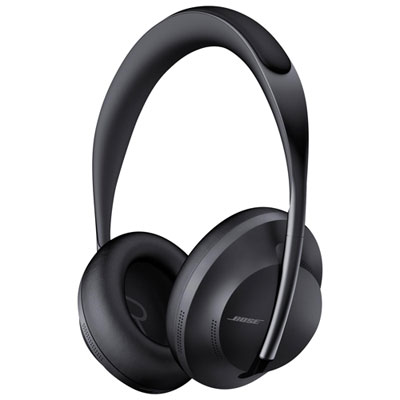 Your price for this item is $479.97
-
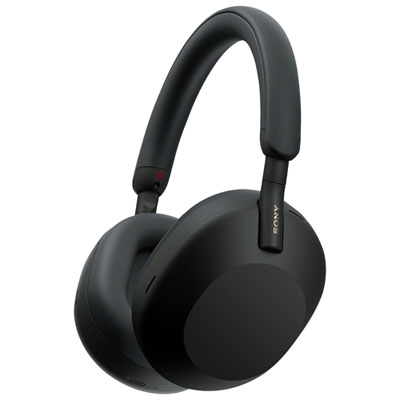 Your price for this item is $499.99
-
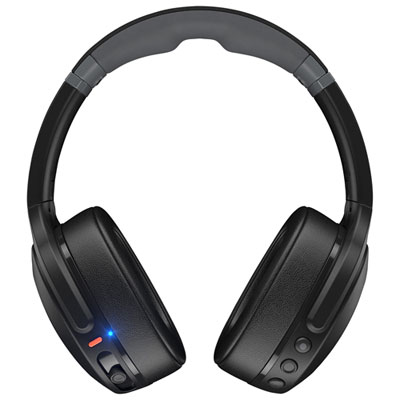 Your price for this item is $199.99
-
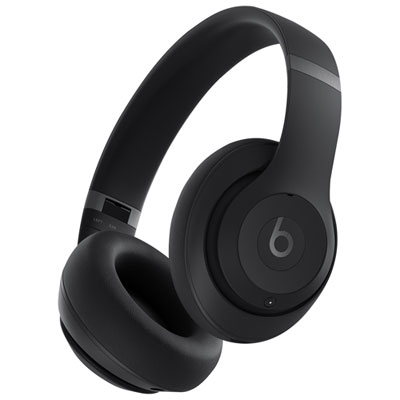 Your price for this item is $399
-
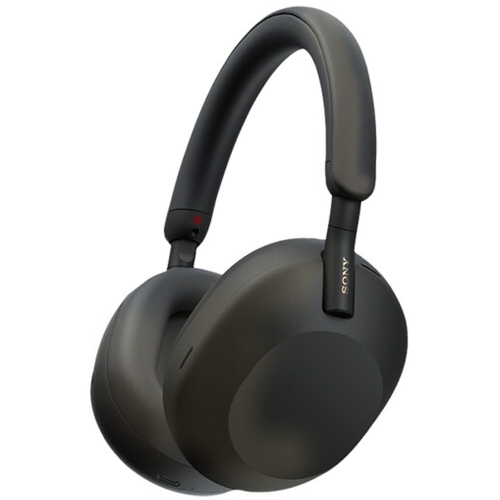 Your price for this item is $438
-
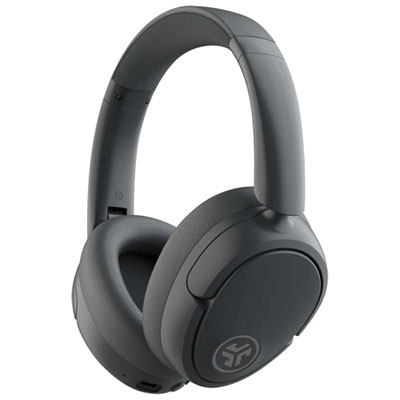 Your price for this item is $119.99
-
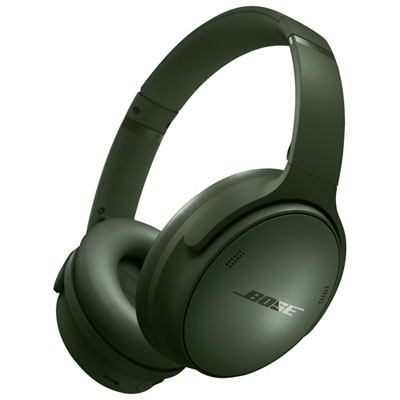 Your price for this item is $479.99
-
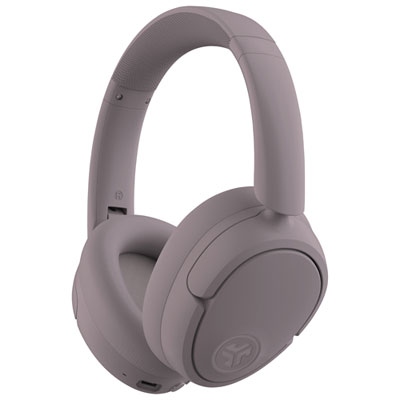 Your price for this item is $119.99
Discover more categories related to Brown Headphones


Top Collections:
Pokemon Centers, Kindle Devices, Best Cameras for Sports Photography, Pokémon 30th Celebration Cards, Apple iPhones 16, Canon G7X Cameras, iPhone 15 Apple, Flip Phones, Samsung Galaxy Phones, Alarm Clock
Some products may be subject to Environmental Handling Fees
(EHF) depending on your province.
Learn more about EHFs.