Cassette Tapes
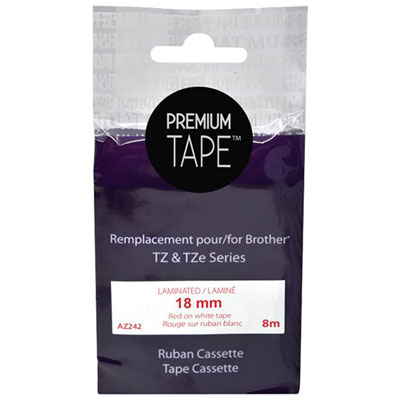
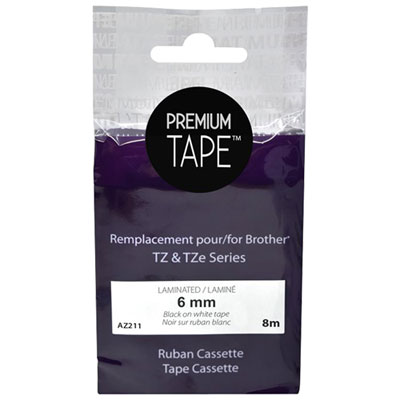
Looking to enhance your printing experience with high-quality cassette tapes? Look no further! Our selection of cassette tapes for printers offers a reliable and convenient way to ensure smooth printing operations. Whether you're in need of replacement tapes or looking to stock up on supplies, we have a variety of options to meet your needs. Upgrade your printing setup with these durable and efficient cassette tapes designed to deliver crisp and clear printed labels every time.
Sort









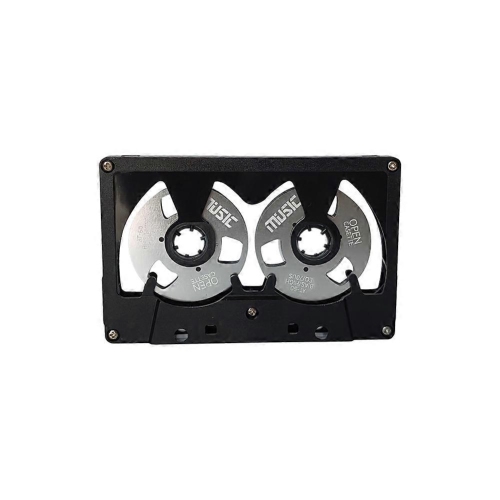

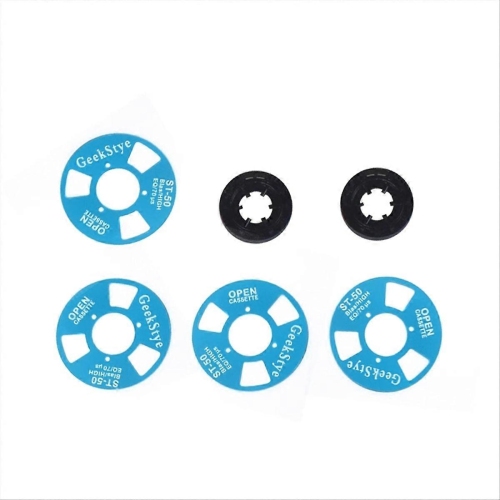
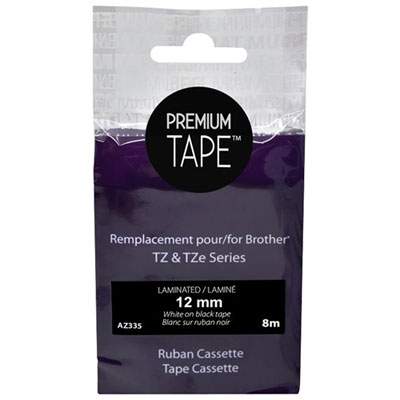
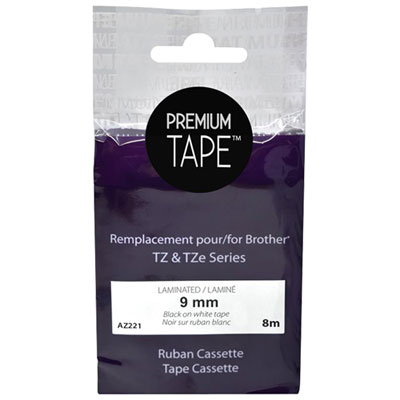


The hands-on appeal of recording and listening on tape
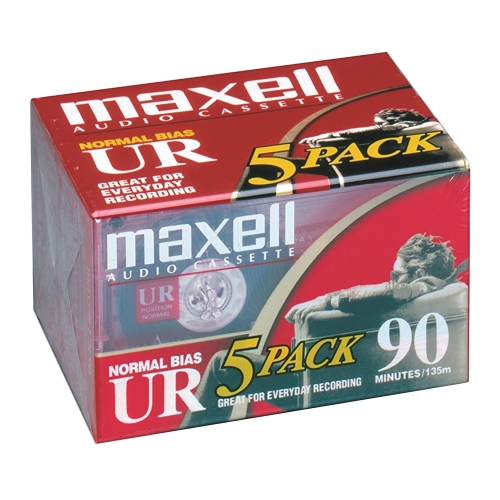
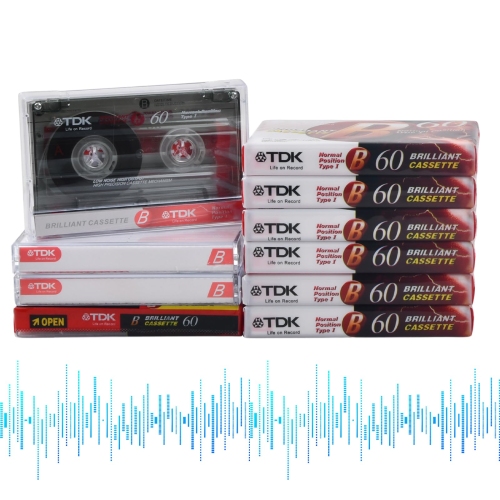
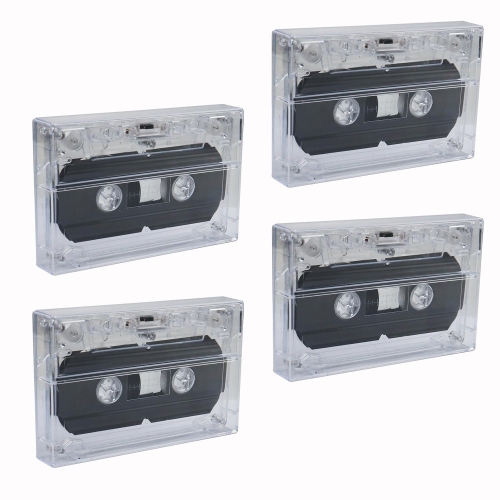
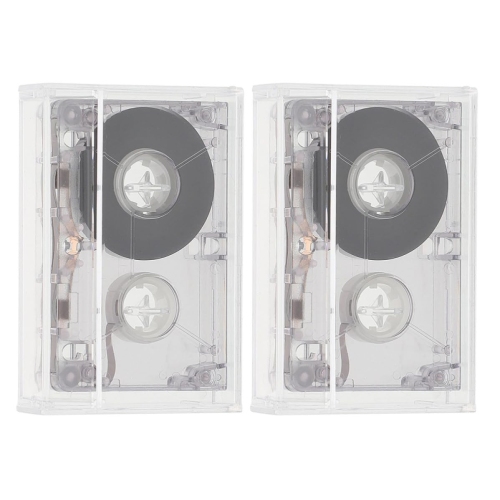
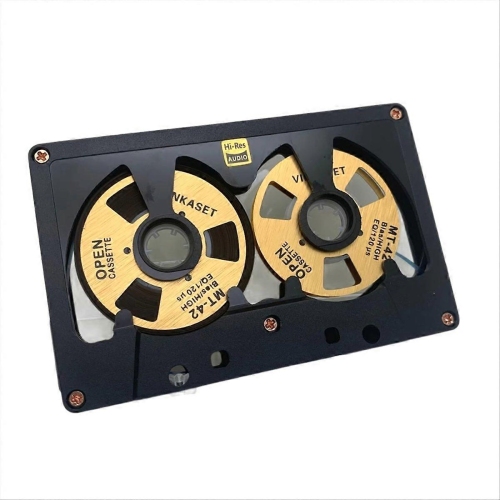
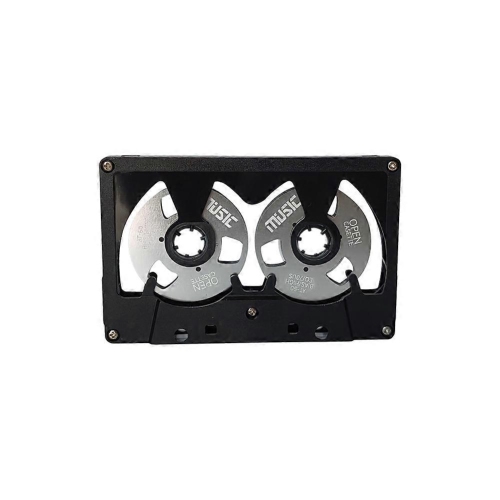
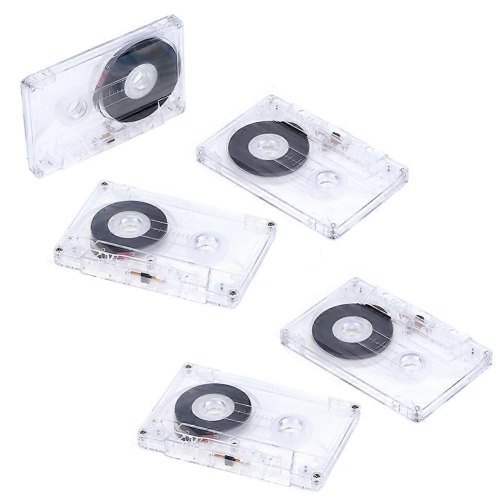
Cassette tapes are compact audio carriers that store sound as magnetic patterns on a thin ribbon of tape inside a protective plastic shell. Two internal spools move the ribbon past a player’s tape head, allowing recorded sound to be played through speakers or headphones. Introduced in 1963, the compact cassette made it easier to record voices, share music, and carry audio without handling open reels. Its familiar rectangular shape, two-sided layout, and handwritten labels remain part of its appeal. Unlike a digital playlist, a cassette presents audio in a physical sequence: an album unfolds track by track, and finding a particular passage usually means winding forward or back. Blank cassette tapes provide space for personal recordings, while prerecorded tapes contain material such as music, spoken-word performances, or audiobooks. These uses share the same basic format but serve different purposes. A listener building an album collection may value the artwork, printed track list, and original packaging; someone making a mix for a friend may care more about recording length and room for notes on the insert. The paper insert, often called a J-card because of its folded shape, can hold song titles, dates, credits, or a personal message. For musicians, tapes can hold rehearsal sketches and rough arrangements; for families, they can preserve an interview or a familiar voice telling a story. Their characteristic sound depends on the tape formulation, the quality of the original recording, and the condition of the playback equipment. Some hiss is normal, and the softness or saturation associated with cassette audio is not identical across every tape. A carefully made recording on a well-maintained deck can sound clear and detailed, while a worn tape or poorly adjusted player may introduce muffled sound, uneven playback, or changes in pitch. That combination of physical format, deliberate listening, and hands-on recording gives cassette tapes a distinct place alongside other audio formats.
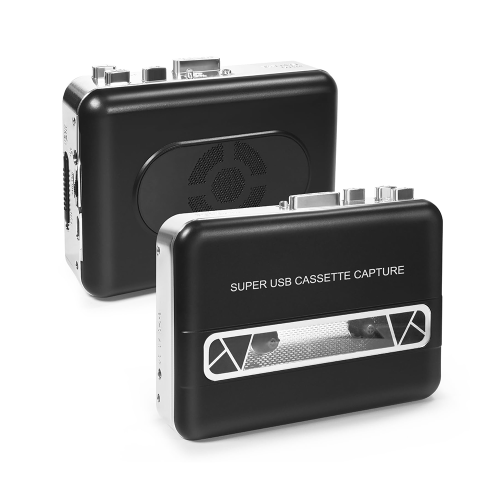
For blank audio cassette tapes, running time and tape type are two of the most useful distinctions. A cassette labelled C60 generally holds about 60 minutes in total, split into roughly 30 minutes per side, while a C90 holds about 45 minutes per side. These are total capacities rather than the length of one uninterrupted recording, so a long interview or live session needs a planned pause to turn the tape over unless the recorder supports suitable automatic operation. Longer-running cassettes generally use thinner tape to fit more ribbon into the same shell, which can make them more vulnerable to stretching or handling damage. A shorter cassette can be a practical match for spoken notes or a compact music selection, while a longer one leaves more room for an album-length mix. Type I, also called normal-bias or ferric tape, is a common general-purpose formulation for speech and music. Type II, known as high-bias tape, uses different recording and playback settings and can support detailed music recordings when paired with compatible equipment. Type IV, or metal tape, requires a recorder specifically equipped for that formulation to make recordings properly. Tape type alone does not guarantee better sound: recording levels, head alignment, source quality, and the deck’s capabilities all matter. A portable playback-only unit cannot record onto a blank cassette, and a built-in microphone serves a different purpose from a line input used to capture an external audio source. Matching tapes with suitable Audio Cassette Players helps establish the right setup for listening, while recording requires equipment with the appropriate inputs and recording functions. Standard compact cassettes should not be confused with microcassettes, which are smaller and require different machines. Noise-reduction settings also deserve attention: a tape made with a particular noise-reduction system generally sounds most faithful when played with the corresponding setting. For a voice recording, clear speech and sensible microphone placement may matter more than subtle differences between formulations. For music, leaving enough recording headroom helps keep loud passages from becoming harsh or distorted.
The durability of a cassette depends on both its magnetic ribbon and the small mechanical parts that guide it. A well-fitting shell helps the spools turn freely, while the pressure pad in a conventional compact cassette helps maintain contact between the tape and the playback head. Cracks, loose components, a missing pad, or visibly creased ribbon can interfere with playback even when the cassette looks complete from the outside. Protective cases help keep dust away from the openings and prevent labels or exposed tape from catching on other objects in a bag or drawer. Store cassettes in their cases, away from direct sunlight, moisture, and strong magnetic fields, including magnets near some loudspeakers. Handle them by the shell rather than touching the exposed ribbon, and avoid forcing a cassette into a player if it does not seat properly. A machine that squeals, slows unexpectedly, or pulls tape out of the shell needs attention before another recording is played. Keeping the tape path clean according to the equipment manufacturer’s directions can help limit debris buildup and uneven contact. Labels should sit flat without covering openings or extending beyond the shell, and clear side markings make a collection easier to navigate. Recording-protection tabs provide another useful safeguard: removing the appropriate tab prevents compatible recorders from accidentally recording over that side. For irreplaceable material, such as a family interview or an early musical performance, a digital backup reduces reliance on a single physical copy without taking away the pleasure of keeping the original. Cassette tapes can also make thoughtful gifts for listeners who already own compatible equipment. A personal mix with a neatly written track list, a recorded birthday message, or a selection tied to a shared memory gives the format a purpose beyond display. For collectors, musicians, and anyone drawn to a more tactile listening experience, the appeal lies as much in choosing, labelling, and caring for a tape as in pressing play.
Top selling and popular products
-
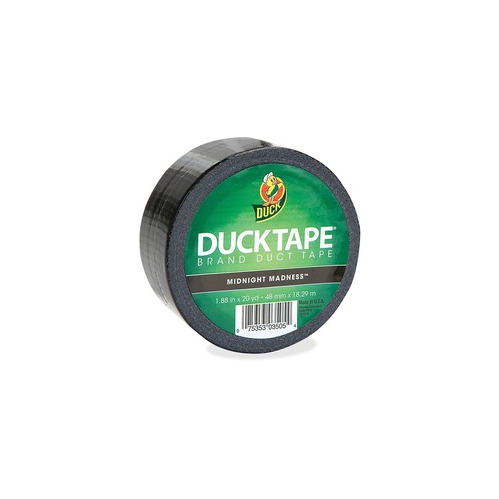 Your price for this item is $5.99
-
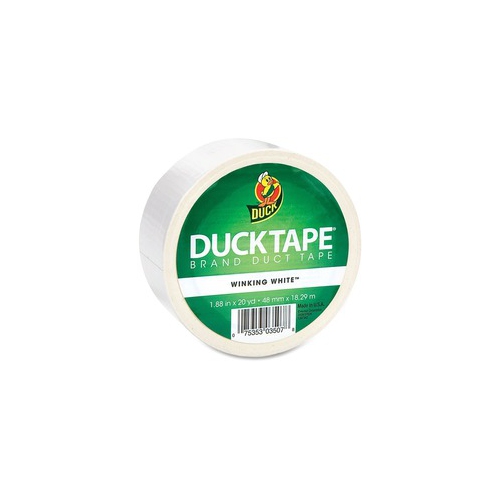 Your price for this item is $5.99
-
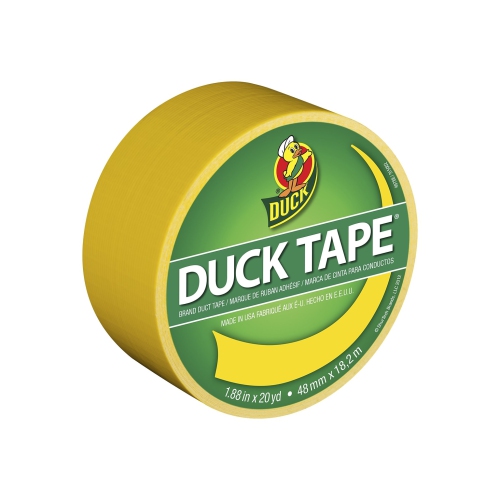 Your price for this item is $5.99
-
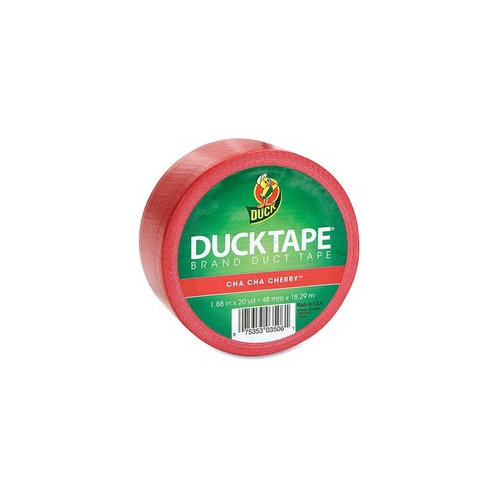 Your price for this item is $5.99
-
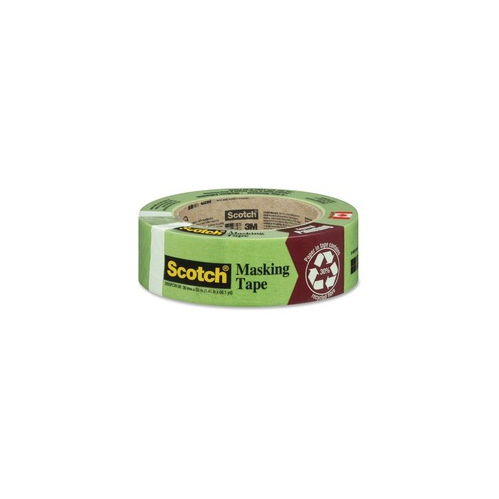 Your price for this item is $5.99
-
 Your price for this item is $12.99
-
 Your price for this item is $9.99
-
 Your price for this item is $8.99
Discover more categories related to Cassette Tapes

Top Collections:
Pokemon Centers, Kindle Devices, Best Cameras for Sports Photography, Pokémon 30th Celebration Cards, Apple iPhones 16, Canon G7X Cameras, iPhone 15 Apple, Flip Phones, Samsung Galaxy Phones, Alarm Clock
Some products may be subject to Environmental Handling Fees
(EHF) depending on your province.
Learn more about EHFs.